Category: General

Retail News Asia is committed to providing both local and global retailers with the latest General Retail news throughout the Asian market. This on a daily base.

  • New feature for Google Assistant borrows heavily from Siri

    New feature for Google Assistant borrows heavily from Siri

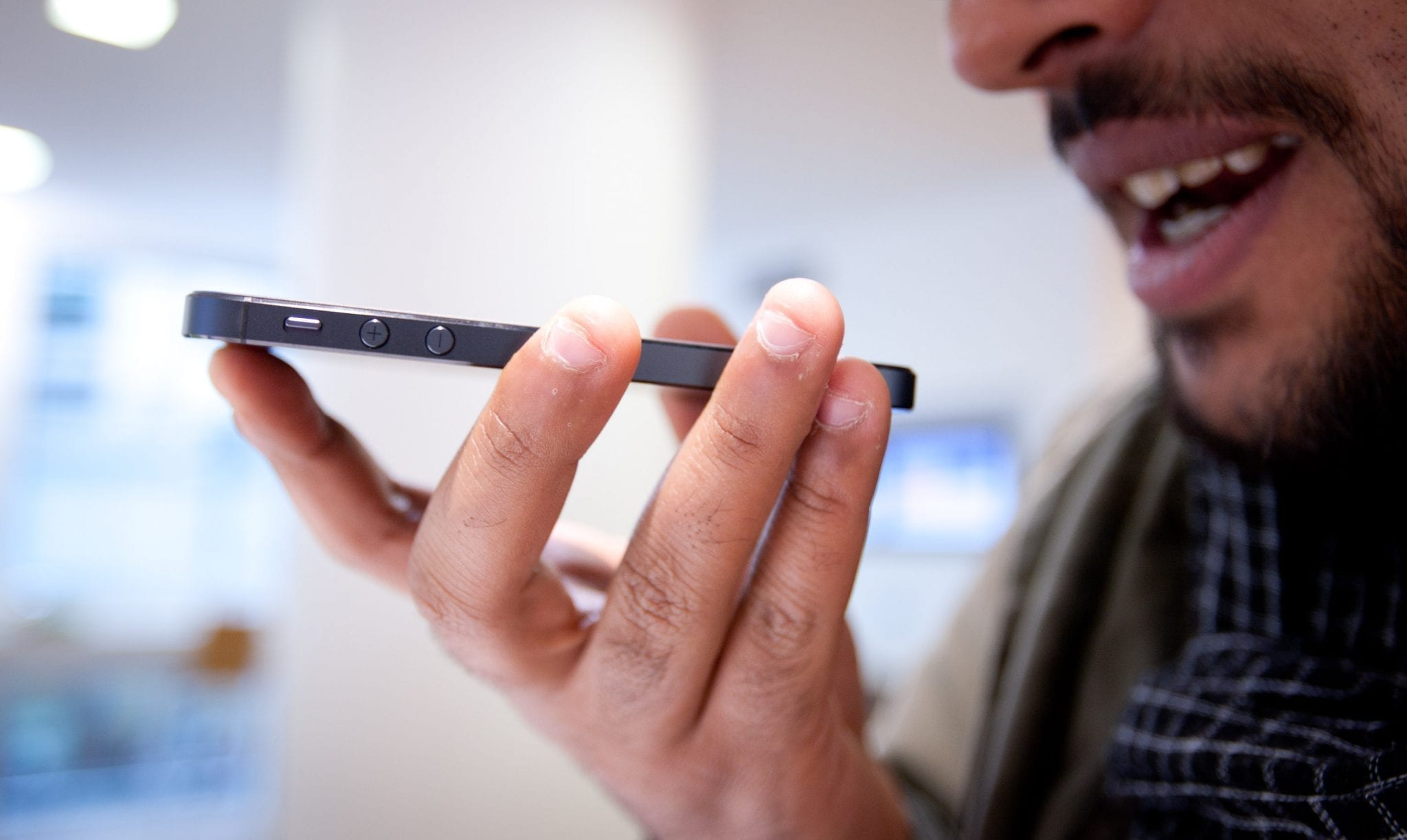
    Siri Shortcuts is a feature that allows you to create a shortcut to activate certain actions with specific apps.. Here’s a good example. Let’s say that you are totally frustrated with Siri. What you can do is download the Google Assistant app for iOS, found in the App Store. However, if you’ve moved from an Android phone to an iPhone, you might be appalled to discover that you can’t activate Google Assistant by saying a hotword unless you use Siri Shortcut.

    For example, you can set up Siri Shortcut to activate Google Assistant by stating “Hey Siri, O.K. Google.” Sure, it sounds crazy and someone overhearing the command might try to have you committed to Bellevue. But when you break it down, you’re simply activating Siri and then giving Siri the “O.K. Google” verbal shortcut that opens up Google Assistant. Now, Google is said to be working on its own shortcuts feature for Google Assistant that is very similar to Siri Shortcuts.

    For example, if you have Twitter installed on your Android phone you can go into Shortcuts and create a shortcut. When you’re ready to create a new Tweet, say “O.K. Google, new tweet” to start composing. Similarly, you’ll be able to say, “O.K. Google, new Gmail” to create a new email in the Gmail app. Shortcuts also appear in your Assistant Routines menu where you can edit them using a different UI.

    For Android users to take advantage of Assistant Shortcuts, developers will have to improve the functionality of their apps. For example, Shortcuts currently cannot be chained together and they can only get you to a specific screen on an app. Neowin points out that while you can’t open a specific keyword on Instagram, you can open the Explore Tab on the app.

    The new Assistant Shortcuts is rolling out as a server-side update. You can see if you have it on your phone by going to Assistant Settings. There, you can find the aforementioned Assistant Routines menu where Shortcuts can also be found.

  • Yata to launch convenience-store concept in Hong Kong

    Yata to launch convenience-store concept in Hong Kong

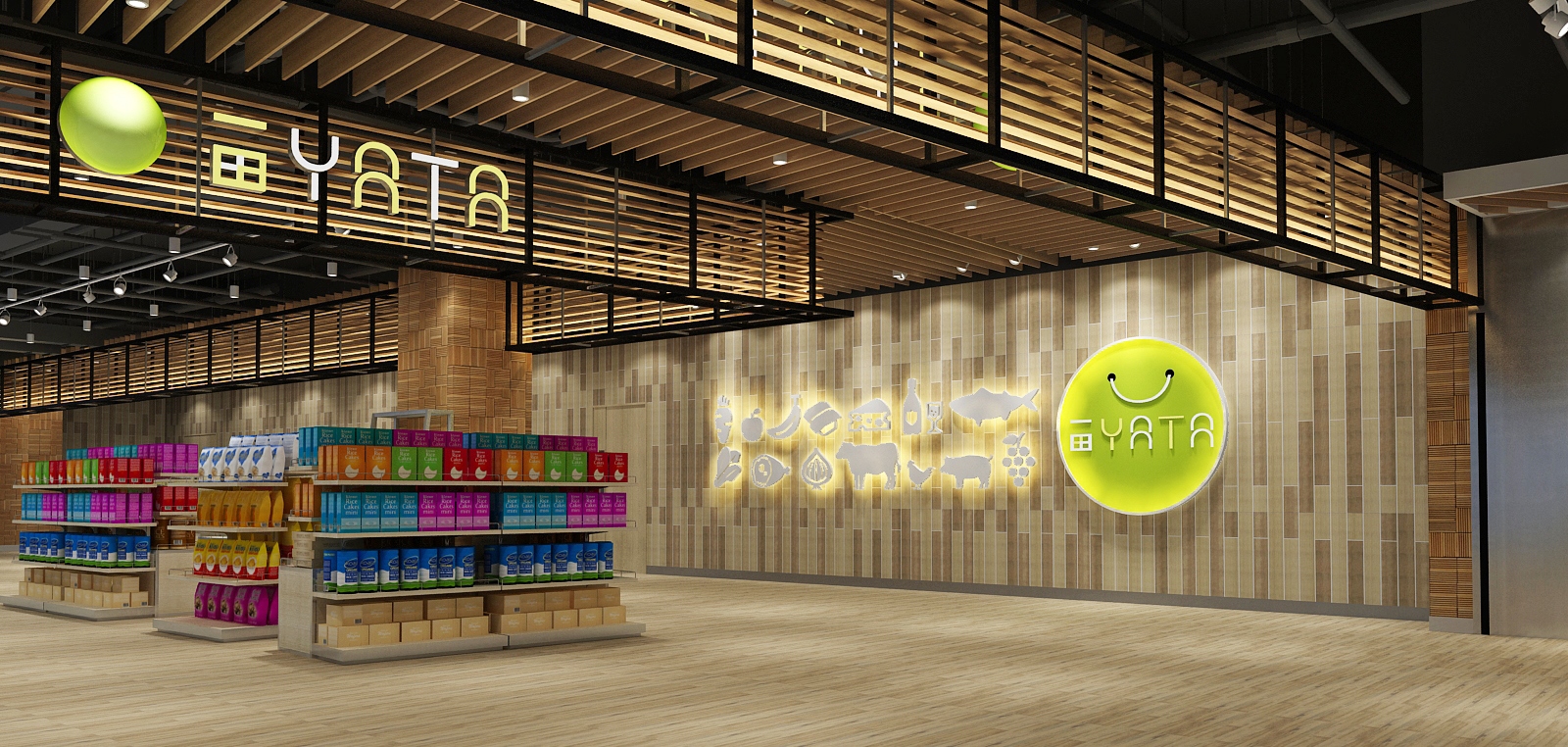
    Japanese-themed Hong Kong department store and supermarket chain Yata is set to unveil its first-ever convenience store format in Hong Kong.

    Dubbed the ‘Konbin by Yata’’ (also Japanese for convenience store), the new format will be smaller than its usual department store standing at 3777sqft.

    Located within Sha Tin’s Hotel Sav, the store will be styled on a ‘quick’ shop, a cook-and-eat concept with an array of Japanese merchandise, self-checkouts, and instant dining spaces for the time-pressed Hongkongers.

    Yata has also formed an exclusive arrangement with Hokkaido convenience store Seicomart to stock more than 70 SKUs of its private-label range.

    Yata’s parent group (historically known as Seiyu Department Store until 2008), is known to have invested US$774,000 into the new concept.

    Yata has reported strong performance in recent times with its sales up 16 percent year on year. Its grocery arm has experienced a 39-per-cent surge during the Covid-19 crisis.

    With restaurant bans and the third wave of coronavirus infection keeping consumers at home, there has been a natural surge and uplift in grocery sales from cooking at home.

    Yata CEO Susanna Wong believes the convenience store will break new even in three years and is predicting an average basket spend of between $6-10.

  • Siam Piwat opens Ecotopia, Asia’s first eco-lifestyle destination

    Siam Piwat opens Ecotopia, Asia’s first eco-lifestyle destination

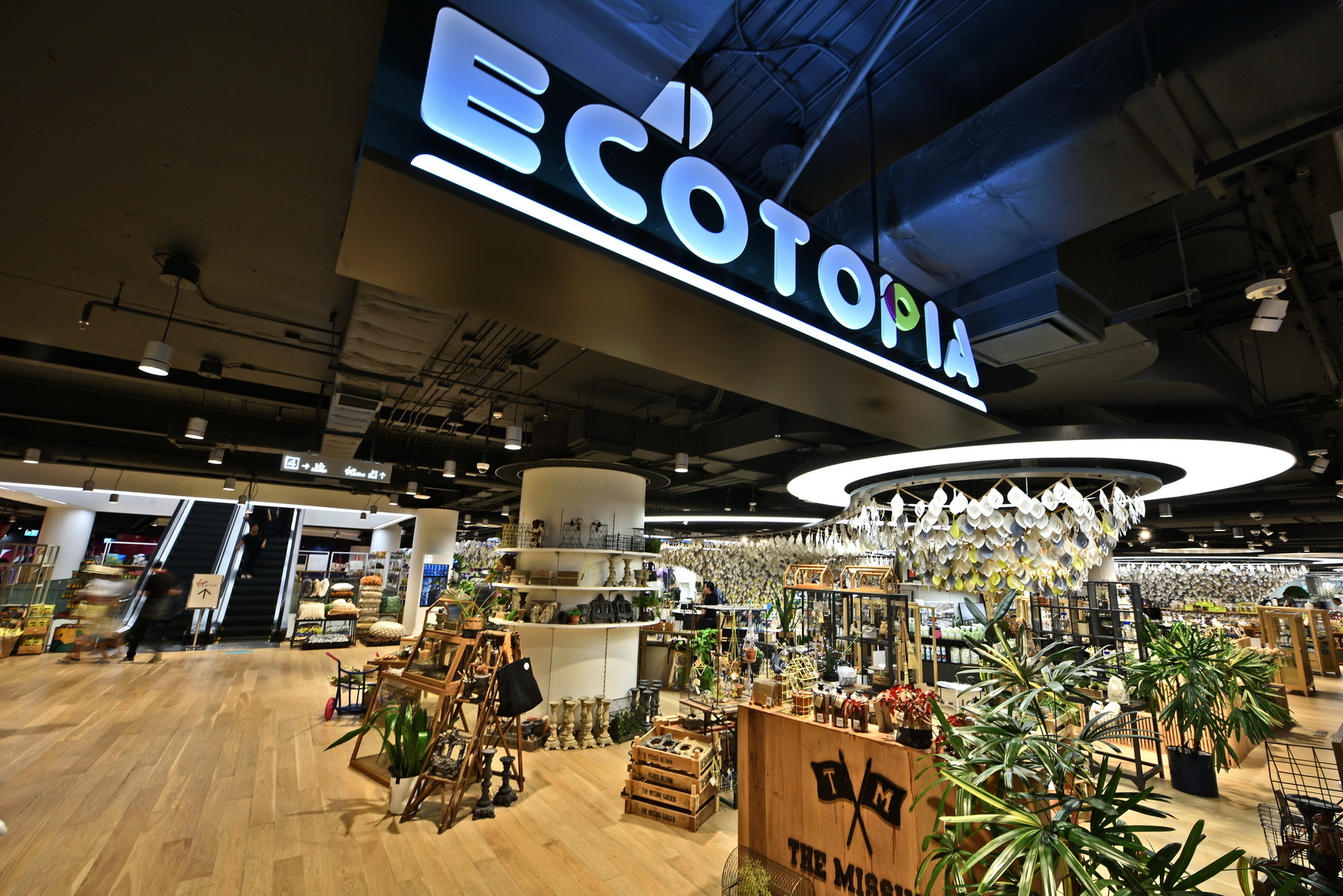
    Siam Piwat has unveiled Ecotopia in Bangkok, which it claims to be Asia’s first eco-lifestyle destination.

    Located at Siam Discovery, the store occupies 2000sqm and features more than 300 brands of eco-friendly and health-oriented products. Ecotopia houses eight different zones.

    A Hygienic zone offers a selection of household products made from natural and biodegradable materials, while the Zero Waste zone is a refiller where customers can take their own containers to refill everyday products or food items.

    Air-purifying plants and gardening tools can be found in a Green zone, while a Healthy zone offers organic food and a Beautiful zone a selection of chemical-free skincare and personal-care products.

    The Up-cycled zone displays products with renewed value through recycling, while a Stylish Zone features fashion items made from organic cotton and fabric scraps, and a clothing swap corner where pre-owned clothes can be exchanged for new garments.

    Finally, a Kind Zone highlights local handicrafts made from natural materials that help generate incomes for local communities.

    At Ecotopia, visitors can join regular eco-friendly workshops to learn how to turn waste into creative art or develop organic gardening skills.

  • 3 Tips for Starting Your Business at Home

    3 Tips for Starting Your Business at Home

    There’s never been a better time to be a freelancer. While the regular evolution of technology means that every year more and more people integrate the internet into all parts of their lives, that has been especially true in recent months.

    There are new opportunities forming for digital sales, and especially marketing, every day. For example, an uptick in Asian shoppers’ website visits could mean huge returns on an optimized website. What does that mean for you? More clients willing to pay for graphic design, web development, and copywriting.

    Despite what kind of business you hope to run from your home, this guide will break down three essential tips to help you set your enterprise up for success.

    #1 Cover Your Basic Essentials

    The first thing you’ll need to do to start a business from your home is actually begin the process of forming an official company. While this can be intimidating for many people, the process is simpler than you might imagine.

    While the specific steps you need to take may vary according to the kind of business you’re starting—as well as the state you’re located in—the general process looks like this:

    • Choosing a structure

      This step is all about research. You need to choose what business organizational structure works best for you. Common choices for people starting out and working from their home office include:

    • Limited Liability Company (LLC)
    • Sole proprietorship
    • Partnership
    • Registering the business

      Here’s where you make your business official. This step requires you to register at the federal and state levels, acquiring:

    • An Employee Identification Number (EIN) for taxes and banking
    • Any required licenses and permits, as well as business insurance
    • All other required documentation at the state level
    • Establishing finances

      Here’s where you’ll utilize the EIN you had to file for. This step includes:

    • Setting up a banking account
    • Getting an amazing business credit card
    • Securing any business loans you may need

    Other steps that are important but not strictly required include setting up a great website and digital presence. With some creative web design and a fantastic user interface, you’ll attract clients or customers. Your digital storefront is extremely important. Make sure it’s optimized, easy to use, and accessible.

    Once your business is all set up, it’s time to move on to perfecting the location where you’ll be doing business—in this case, your home.

    #2 Designate a Professional Working Space

    This step involves making your home the perfect office or headquarters for your new enterprise. Working from home is nothing new, but it’s never been as common as it is today. That means that many people’s homes aren’t already optimized for working out of.

    But they should be: working from home is the future, both for employees and entrepreneurs.

    To run a successful business, you need to create an office (or workable office space) inside your home to keep your personal and business lives separate.

    The first thing you’ll need to do is lock down any particular hardware you need to do your work. For most people, that means a computer and some basic office accessories. If you’re selling a physical product, this might mean materials, tools, and packaging.

    For your laptop or desktop computer, consider optimizing all of the following:

    • Desk and chair
    • Keyboard and mouse
    • Speakers and/or headphones
    • All relevant productivity software
    • Printer, scanner, and/or fax machine

    Be sure you have a comfortable desk chair, the right tools, and whatever else you need to operate. This is now your actual office. You need to treat it as such.

    #3 Maintain Physical and Mental Wellness

    Finally, this tip is all about making sure that you, the business owner, are ready for what it takes to run a business from your home. That means, primarily, staying on top of your health.

    You’ll want to make sure that you eat a healthy, balanced diet and exercise regularly. But health isn’t just about your body. It’s also about your energy, mood, and emotions—your mind. One of the best ways to ease anxiety, stay focused, and enhance your well-being is through safe, potent CBD vape pens.

    Additionally, as we mentioned above, you’re going to need a desk. But you don’t necessarily need a chair. One of the best and easiest ways to stay in shape while also increasing your productivity? Get yourself a handy adjustable standing desk that allows you to avoid a sedentary lifestyle. This will keep your body active as you work.

    Set Your Business Up for Success

    There you have it: these three tips are the most essential parts of a successful launch to your new business—all from the comfort of your home! As a recap, make sure that you:

    • Register and launch the business itself
    • Perfect your home office or workspace
    • Keep the CEO (you!) healthy and well


    Following these tips, you’ll have a successful business up and running in no time!
  • Isetan ends Bangkok era

    Isetan ends Bangkok era

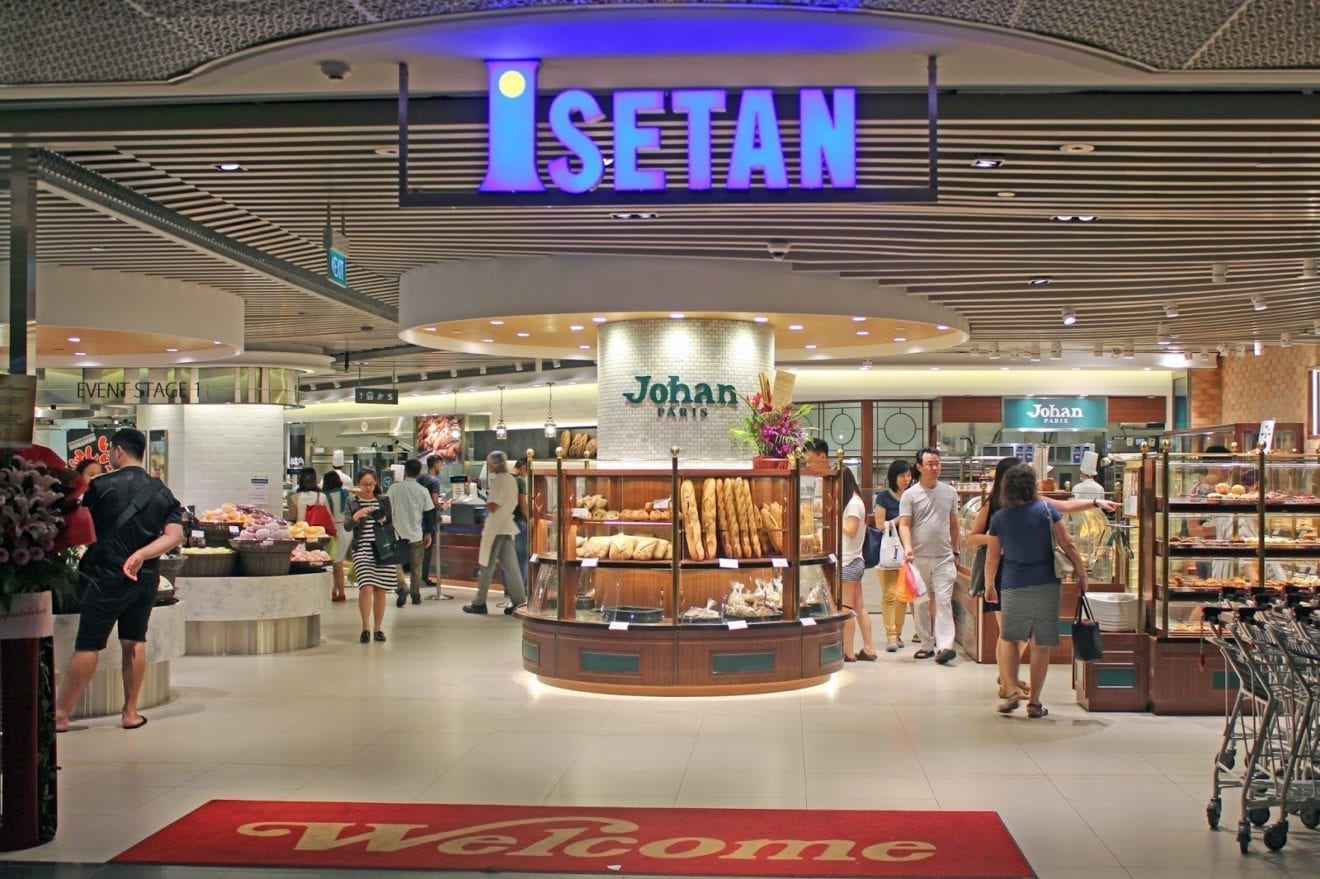
    Japanese department store Isetan has closed its Bangkok outlet after 28 years of operation in Thailand.

    The complex launched in CentralWorld shopping center during the early days of Southeast Asia’s economic growth when many consumers in the region were having their first taste of wealth. The store was also a favorite haunt of Japanese residents in the city who found a slice of the home there.

    Isetan announced the closure on its Facebook account with a poignant message that attracted thanks and well-wishes from saddened customers and friends of the store. It did not disclose whether operator Mitsukoshi Group intends to reopen the store in a new location, but this is considered unlikely.

    The department store announced it would not renew the lease of its CentralWorld lease in March. At the time it was known that the store was suffering from competition with other retailers, its sales have fallen to 70 percent of the peak level in 1997.

    According to mall owner Central Pattana Plc, the 27,000sqm retail space is to undergo renovation as an “urban lifestyle destination”.

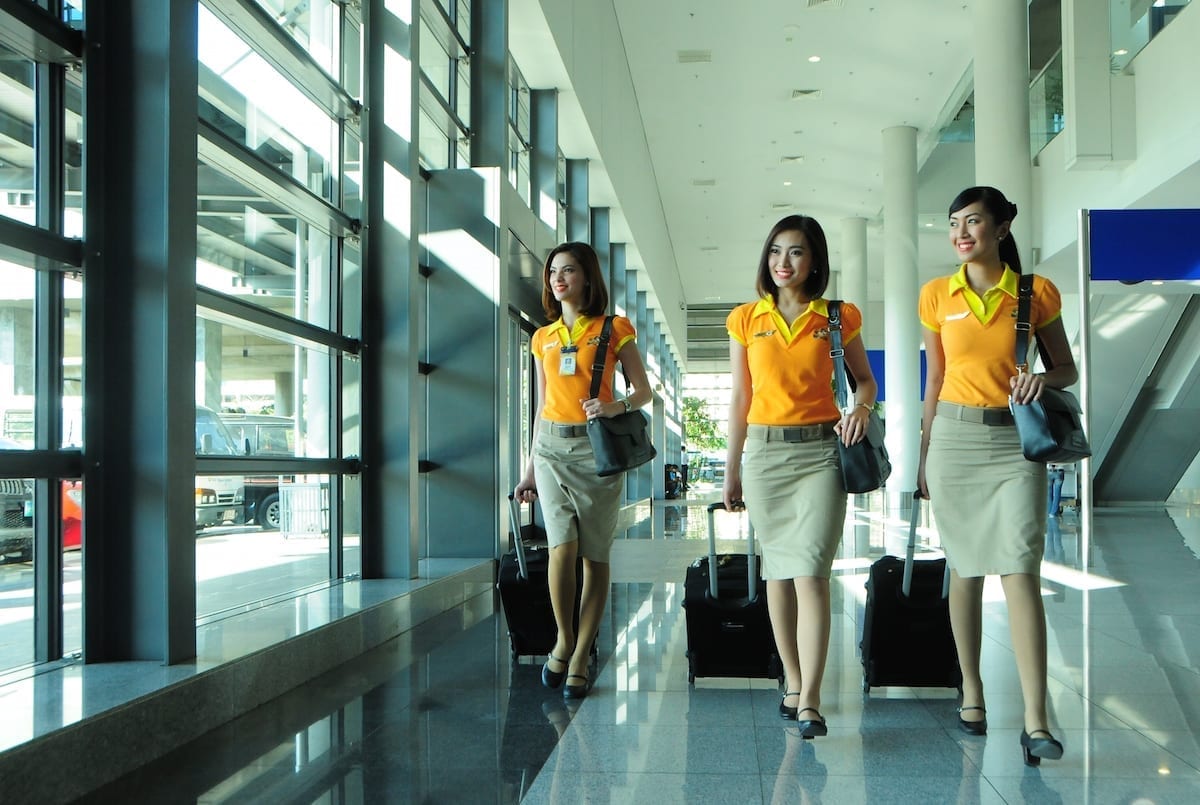
  • AirAsia to start charging customers for checking in at airport counters

    AirAsia to start charging customers for checking in at airport counters

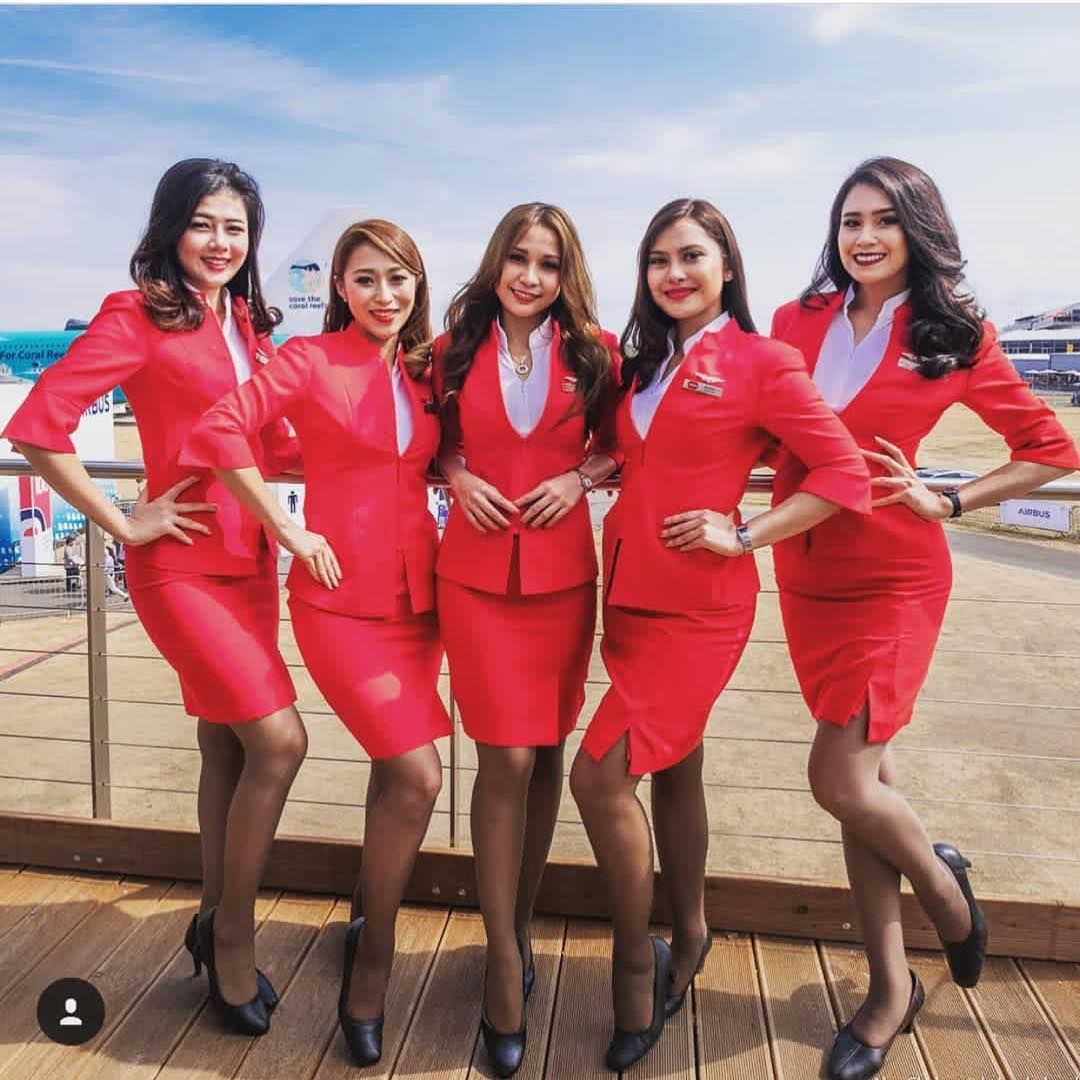
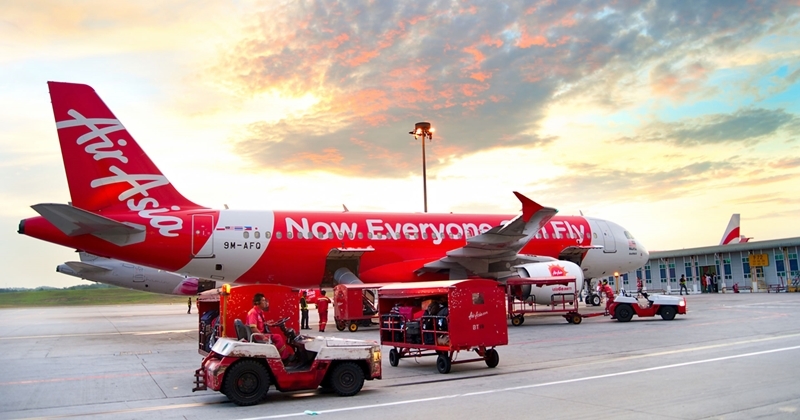
    Cash-strapped budget airline AirAsia Group Bhd said on Tuesday it would begin charging customers a fee to check-in at airport counters, in part to encourage them to minimize physical contact with staff during the coronavirus pandemic.

    Travelers who do not check-in via the airline’s website, mobile app, or airport kiosk will be charged 20 Malaysian ringgit ($4.83) for domestic flights and 30 Malaysian ringgit for international flights, though some exceptions will apply.

    AirAsia Group Chief Operations Officer Javed Malik said the fees would help motivate travelers to make use of the airline’s investment in digital technology.

    “In view of the Covid-19 pandemic, these self-check-in facilities have become very crucial in minimizing physical contact between our guests and staff,” he said in a statement.

    AirAsia last month reported the biggest quarterly loss in its history due to the devastating impact the pandemic has had on travel demand, with revenue down 96%.

    The airline said it had applied for bank loans in its operating markets and had been presented with proposals from investment bankers, lenders, and potential investors to raise capital.

    The new AirAsia check-in fees are well below European budget carrier Ryanair Holdings’s PLC 55 euro ($65.95) charge for airport check-in, which was put in place before the pandemic.

    US low-cost carrier Spirit Airlines charges $10 for boarding passes to be printed at the airport, according to its website.

  • Covid-19 precautions drag Hong Kong retail sales in July

    Covid-19 precautions drag Hong Kong retail sales in July

    The tightening of social-distancing regulations helped fuel a 23.1-per-cent decline in Hong Kong retail sales in July.

    Nevertheless, the decline was sharper than expected given July last year was the first full month when retail was affected by the outbreak of social unrest sparked by the proposed anti-extradition law, creating a lower base for this year’s July figures.

    A government spokesman said that while Hong Kong’s Covid-19 situation has stabilized since July, potentially improving consumer sentiment, the retail business environment will continue to be “very difficult in the near term” with inbound tourism remaining at a standstill.

    The decline in Hong Kong retail sales in July was only marginally less than June’s adjusted 24.7-per-cent drop.

    For the first seven months of this year, Hong Kong retail sales have dropped by 32.1 percent compared with the same period last year. However, on a more positive note, retail sales for the three months to July rose by 16.9 percent over the prior quarter.

    Reflecting on the limitations on restaurant and cafe trading, the value of sales in supermarkets in July surged 26.5 percent over last year’s figures. Sales of fuels rose by 3.8 percent and of furniture and fixtures by 0.3 percent.

    Every other retail category recorded a decline for the month, with the greatest impact on the overall decline being sales of food, tobacco, and liquor, down by 12.9 percent. In descending order of impact, declines were posted of 7.2 percent for miscellaneous consumer goods, 53.7 percent for jewelry and watches, and 5.6 percent for electrical goods and other consumer durables.

    Sales in department stores fell by 28.8 percent, of apparel by 42.5 percent, of medicines and cosmetics by 50.9 percent, motor vehicles and parts by 13.1 percent, books, newspapers, stationery, and gifts by 41 percent, of Chinese drugs and herbs by 26.5 percent, of footwear and accessories by 53.6 percent, and at optical shops by 37 percent.

  • July retail sales in Japan slide

    July retail sales in Japan slide

    Japanese government data shows a significant drop in retail sales for July this year.

    Retail sales in Japan declined by 2.8 percent for the calendar month compared with the same period last year, reaching US$117.4 million. The decrease was higher than the median market forecast of a 1.7-per-cent drop, and compounds last month’s fall of 1.3 percent.

    Retail sales shrunk by 3.3 percent month on month, a stark contrast to a 13.1-per-cent rise in June.

    The numbers were released by Japan’s Ministry of Economy, Trade, and Industry.

  • New feature for Android tablets helps parents keep track of their kids’ online experiences

    New feature for Android tablets helps parents keep track of their kids’ online experiences

    Being a parent these days means having to make some difficult decisions for your kids. There are choices that you never thought that you would have to make such as setting limits on screen times. And today, Google is introducing Google Kids Space, a new mode for select Android tablets that include apps, books and videos; the new feature provides more than just screen time limits and safety features designed to keep children safe. With kids tab, parents can easily find and pick “teacher-approved” apps for their children.

    Kids Space will soon be available globally on the new Lenovo Smart Tab M10 HD Gen 2, and will be available on more Android tablets shortly. Google says, “To evaluate and select “teacher-approved” apps in Google Play, we worked with academic experts and children’s education specialists to define rubrics. For Kids Space, we’ve built on that foundation and applied our quality standard to an ever-expanding library of apps and books in the Play and Read tabs. We worked with top publishers to make popular children’s books free of charge, and have over 400 free books available in the U.S. alone. In the Watch and Make tabs, your kids can view creative and fun videos from YouTube Kids that are engaging and encourage off-screen activities. And if you’re looking to customize, even more, parents can download additional content from Google Play.”

    Kids Space requires a Google Account for your child. Parental controls require the Family Link app on a supported Android, Chromebook, or iOS device. Books and video content might not available in all regions. Video content is subject to the availability of the YouTube Kids app and book content requires the Play Books app. The availability of apps, books and video content may change without notice.

    There are 400 free books in the watch and make tabs, and creative and fun videos can be viewed from YouTube Kids. Google is giving your kids enough content to stay entertained while also helping to educate them. And that is exactly what you want from an online baby sitter.

  • Thailand’s CP All to launch 7-Eleven in Laos

    Thailand’s CP All to launch 7-Eleven in Laos

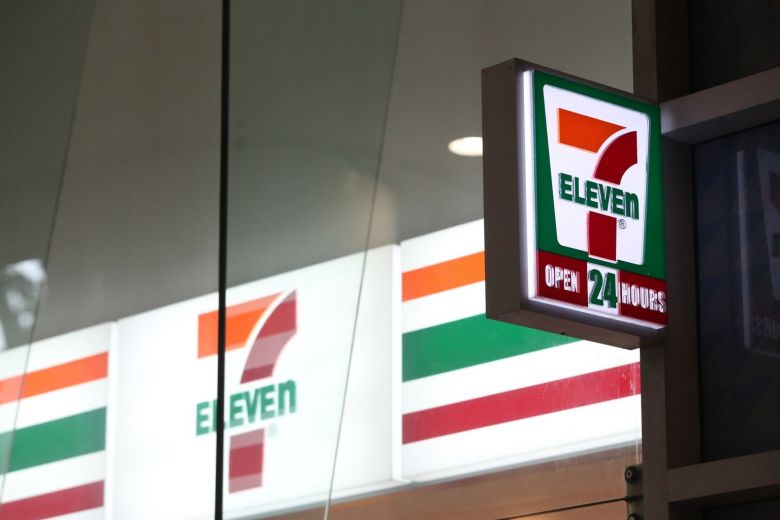
    Thailand’s CP Group is taking the 7-Eleven convenience-store chain into Laos after winning franchise rights for the country.

    The first 7-Eleven store in Laos will be opened in the capital city, Vientiane in 2022.

    “With its remarkable success in Thailand, I can think of no one better than CP All to bring the 7-Eleven brand to consumers in Laos,” said Joe DePinto, CEO at 7-Eleven. “This relationship promises to bring additional jobs and economic opportunities throughout the region.”

    Under the agreement, CP Group’s subsidiary CP All will oversee store construction and start to modernize the small-retail environment, according to the company. The 7-Eleven Laos network will offer international products, beverages, snacks, and consumables fresh foods with recipes developed for regional tastes.

    CP All now holds franchise rights for 7-Eleven in three Southeast Asian countries, with Laos following Thailand and Cambodia. Laos will be the 7-Eleven’s 20th international market.

    CP Group signed a master franchise agreement to operate the chain in Cambodia last year. In July, the company received reports of an unauthorized party representing itself as 7-Eleven’s master franchisee in the country and attempting to sell outlets.

  • Aeon Malaysia reports second-quarter loss likely due to virus outbreak

    Aeon Malaysia reports second-quarter loss likely due to virus outbreak

    Japanese mall brand Aeon’s operations in Malaysia have reported a net loss of US$2.3 million for its second fiscal quarter this year.

    The losses, which followed a first-quarter net profit of $1.8 million, are being considered as an effect of the coronavirus outbreak and the movement control orders executed in the territory and subsequent closures of non-essential tenants, along with lower rental pricing. It is a drop of 19.9 percent from the same period last year.

    Aeon MD & CEO Shafie Shamsuddin said that recent months had been a tough journey while expressing gratitude to the group for managing to bounce back in May and June.

    Aeon Malaysia’s current priorities include enhancing its safe-shopping environment with its personal shopper and home delivery services, as well as the launch of its online virtual mall. The group’s malls expanded their drive-thru services to more locations following an introduction of the service using personal shoppers in March.

  • Green light for carrier KiteAir likely delayed until 2022

    Green light for carrier KiteAir likely delayed until 2022

    The Planning and Investment Ministry has suggested that the PM delays his approval to new carrier KiteAir’s investment proposal over Covid-19 impacts. The establishment of the new airline would add to the business woes wreaked on the local aviation industry by the pandemic, the ministry said in a document recently sent to Prime Minister Nguyen Xuan Phuc. “A suitable time for a new carrier would be 2022 when the market has recovered.”

    The ministry added that the current priority and focus should be the restoration of domestic and international aviation markets and support for existing carriers.

    Earlier, in July, the Transport Ministry (MoT) had also proposed that the government not license any new carrier, including KiteAir, till 2022, when the local aviation market is expected to recover.

    Based on the MoT’s proposal, Deputy PM Trinh Dinh Dung in July “agreed in principle” with the temporary suspension as proposed by the MoT. Dung, however, assigned the MPI, as an investment proposal appraisal agency, to report to the PM about the KiteAir investment proposal which was already submitted by hospitality group Thien Minh.

    The MPI had said earlier that KiteAir has a sufficient legal basis to have its investment proposal appraised. The MoT, meanwhile, had said the establishment of the new carrier was in line with the orientation and development plans of the industry.

    But in April, amid the Covid-19 pandemic, the PM requested ministries to review and consider the establishment of any new carrier, including KiteAir, given the new context.

    KiteAir, which planned to take off in the second quarter of 2020, was to be headquartered in the central province of Quang Nam with a charter capital of VND1 trillion ($43 million), invested in by Thien Minh, a leading Vietnamese hospitality group.

    It planned to operate six short-haul ATR-72 aircraft with a capacity of 78 seats in the first year of operation and expand the fleet to 30 jets by the fifth year, including 15 narrow-body Airbus A320/321 aircraft.

  • The airline founder building Asia’s next super app

    The airline founder building Asia’s next super app

    AirAsia’s founder Tony Fernandes is building what he hopes will be the region’s next “super app” as he deals with the coronavirus travel downturn. He wants to rival the likes of Grab, GoJek, and WeChat with an all-in-one app for food delivery, shopping, payments, entertainment, and travel. As the airline’s boss, he has been looking at new ways to generate income while his planes were grounded. AirAsia has struggled during the pandemic and cut 30% of its staff.

    Mr. Fernandes said he has spent his time during the travel slump improving the AirAsia app and the company’s payments platform BigPay.

    “The downturn was a blessing in disguise in some ways as it allowed us to focus more on it. Running an airline takes up a lot of our time but we have been given the opportunity and time to focus on our digital business.”

    AirAsia already has a “rich database” of over 60 million users as its starting point. The AirAsia app, which also offers users a messaging service, has set its sights on super apps like Singapore-based Grab, Indonesia’s GoJek, and China’s Meituan.

    “AirAsia has always been a digital company. We were one of the first airlines to sell online. It’s in our bloodstream,” added Mr. Fernandes, who is also a major shareholder of English football club Queen’s Park Rangers (QPR).

    “I know a super app sounds like a lofty target but Grab and GoJek also started out small as food or mobility apps. Plus people also questioned me the same way when I said I wanted to start AirAsia.”

    Mr. Fernandes’ airline has now grown to become Asia’s biggest budget carrier. Last year AirAsia launched its own record label called RedRecords in partnership with Universal Music. The aim is to discover stars from South East Asia who will appeal to a Western audience. The first major signing, Thai pop star Jannine Weigel, has already built up millions of followers across social media.

    “Boy have we got something special with the record label. The Koreans have shown how Asian music can appeal to a global audience with K-pop and there is huge potential for southeast Asia.”

    “This also helps us engage with a younger audience and gives lots of content for our app.”

  • Decathlon store replaces old Metro at Singapore’s Orchard Rd

    Decathlon store replaces old Metro at Singapore’s Orchard Rd

    Decathlon Singapore is opening a new experience store in Orchard Rd, the brand’s fifth experience store in the city.

    Located at the Centrepoint shopping mall, Decathlon Orchard spans two floors, occupying a 3200sqm area. The store will feature some 5000 products spanning more than 50 sports.

    In the new Decathlon Singapore experience store, customers will be able to test products before purchasing with in-store “innovative solutions”. According to the company, the store will feature several interactive concepts including virtual reality test zones and free sport events

    Based on the photos the brand has shared on their social media channels, the fit-out process is still underway, but the store is scheduled to open on September 12.

    The new Decathlon store location takes up space previously leased to the Metro department store.

  • Cebu Pacific enhances Manage Booking portal

    Cebu Pacific enhances Manage Booking portal

    The Philippines’ largest national flag carrier, Cebu Pacific (CEB), has enhanced its Manage Booking portal to allow passengers to easily update their contact information after booking has been finalized. This is available for both passengers who booked online or through a travel agency.
    “Now more than ever, we have seen how important it is for airlines to have the accurate passenger contact information – not only to keep passengers updated on any flight changes but also to support contact tracing efforts if needed,” said Candice Iyog, CEB Vice President for Marketing & Customer Experience.
    The improved Manage Booking portal also aims to provide support to local government units in the Philippines who require passenger details prior to the flight.
    “We believe that with this multi-layered approach to safety and convenience, we will be able to restore trust and confidence in air travel for everyone,” she added.
    Beginning today, passengers may conveniently update their contact information anytime, from post-booking until check-in, through CEB’s Manage Booking portal on the website.
    Cebu Pacific increased its number of flights between Dubai and Manila to twice weekly beginning August 13. Dubai-Manila flights are scheduled every Monday and Friday, while the Manila-Dubai route operates every Sunday and Thursday.