Category: General

Retail News Asia is committed to providing both local and global retailers with the latest General Retail news throughout the Asian market. This on a daily base.

  • Malaysian retail on the recovery track

    Malaysian retail on the recovery track

    Malaysia’s retail sector is projected by the government to reach 80-per-cent recovery this year, up from the current 70 percent.

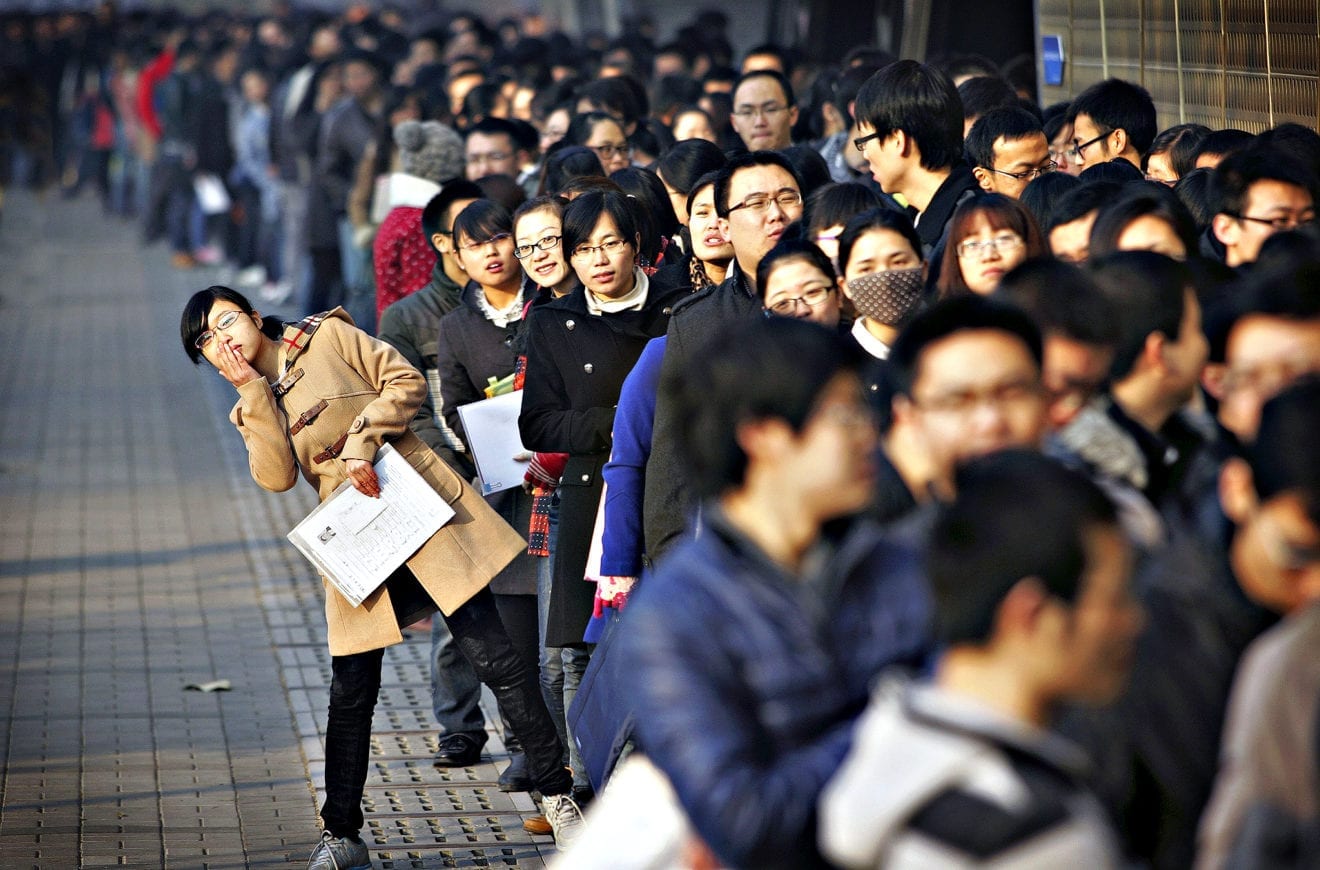
    Statistics department figures showed improved employment numbers during the recent period since the lifting of Malaysia’s movement control order to counter Covid-19. The country’s unemployment rate was down by a record 5.3 percent month on month during May, but was recently measured at an improved 4.9 percent.

    “Subject to the second lockdown, the [retail] sector will be normalized, with local consumption to be the growth driver for the country,” said Minister Datuk Seri Mustapa Mohamed following a private conference with retailers. The Edge reports he also urged Malaysians to support home-grown products.

    Around 90–95 percent of mall retailers are back in business within the country, as mall footfall hit 80 percent of levels recorded prior to the coronavirus outbreak.

  • Updates to Google Maps add more detail to countries and city streets

    Updates to Google Maps add more detail to countries and city streets

    Google has been continually improving the Google Maps app and today some new visual improvements for the app were announced. The changes add more detail to the imagery giving the user more information when taking a virtual drive through an area, or when planning a visit. One update to Google Maps brings a more natural look to an area being viewed on the app. As Google notes, “Exploring a place gives you a look at its natural features—so you can easily distinguish tan, arid beaches and deserts from blue lakes, rivers, oceans and ravines. You can know at a glance how lush and green a place is with vegetation, and even see if there are snow caps on the peaks of mountaintops.”

    This can be achieved through Google’s high-definition satellite imagery that covers 98% of the global population. Add to that a new color-mapping algorithmic technique and Google Maps becomes more vibrant showing better details and more realistic colors that make it easier to understand the environment of a specific area. The color mapping technique starts by using a computer to pick out natural features found in satellite images looking specifically for “arid, icy, forested, and mountainous regions.” These areas are analyzed and assigned different colors using the HSV color model. As an example, Google says that it would use dark green to signify an area with a densely covered forest. A lighter shade of green could be used to show an area of “patchy shrubs.”

    The update to Google Maps leaves the app with “one of the most comprehensive views of natural features on any major map app—with availability in all 220 countries and territories that Google Maps supports. That’s coverage for over 100M square kilometers of land, or 18 billion football fields!” Google states that the “This update is visible no matter what area you’re looking at—from the biggest metropolitan areas to small, rural towns.

    Besides helping users visualize the natural conditions of a country and region, Google Maps will soon be delivering more detailed street information that not only shows the correct scale of a road but will also include the correct shape of it. Correct placements of sidewalks, crosswalks, and pedestrian islands will appear, important information for those in a wheelchair or pushing a stroller. It also is helpful to people taking solo walks due to the pandemic. In the coming months, the detailed street maps will roll out in New York, London and San Francisco with more cities added over time.

    The more natural images will start rolling out this week and can be viewed by zooming out on the app. Google Maps Platform developers will soon be able to use the new look for their maps. You can install Google Maps on your iOS device from the App Store and download it on your Android device by snagging it from the Google Play Store.

    As Google continues to add more and more features to Maps, Apple is also buying working on its mapping app. In June 2018, Apple announced that it was building Apple Maps from scratch and would use its own mapping data instead of using third-party providers like TomTom. Specially designed Apple vehicles have driven 4 million miles to capture more detailed and refined views for users. While Apple tries to catch up with Google, the latter continues to be the unquestionable leader in navigation for mobile device users.

  • Pacific Airlines gets new CEO

    Pacific Airlines gets new CEO

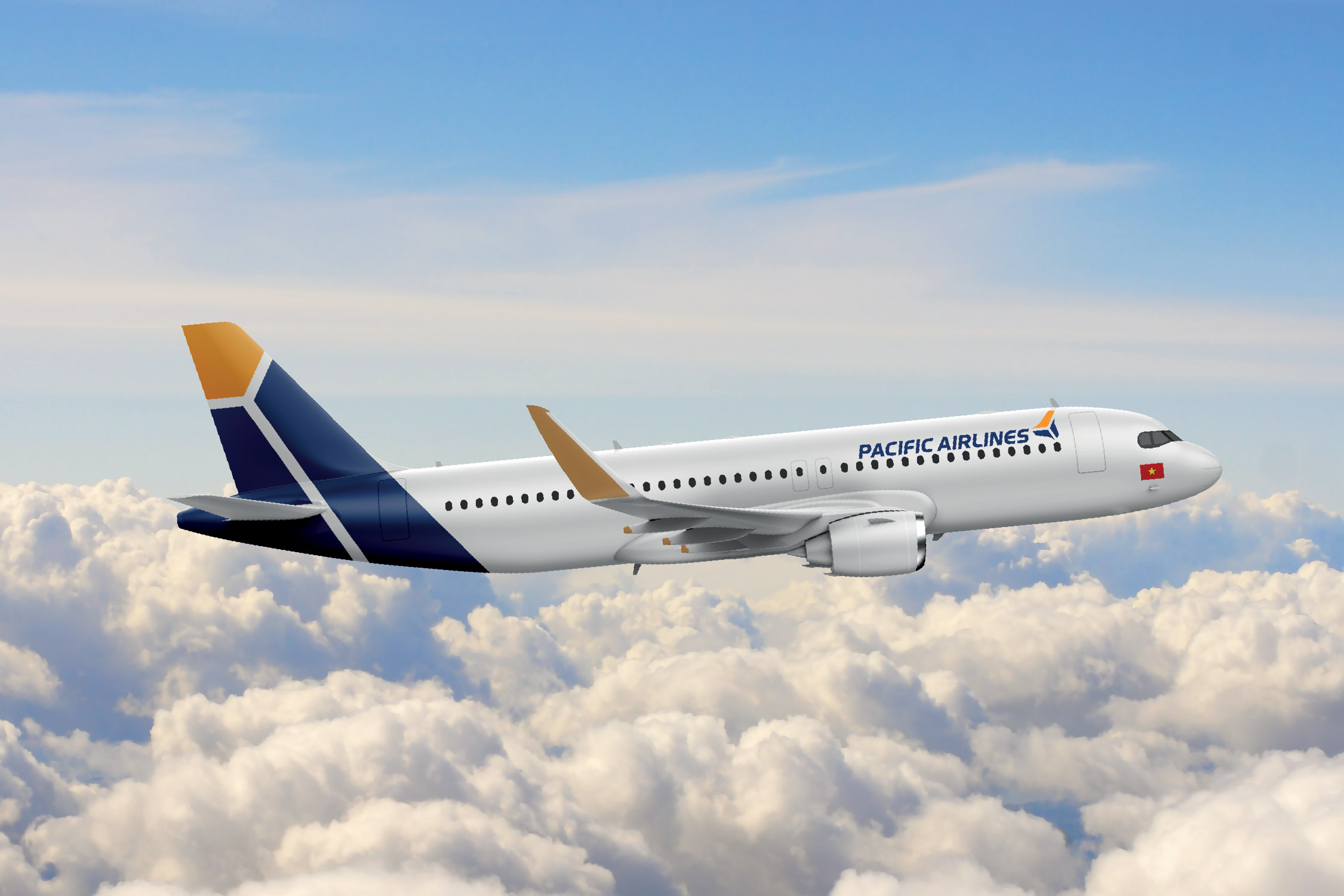
    The board of Vietnam Airlines has named a new CEO for subsidiary Pacific Airlines, formerly Jetstar Pacific.

    Dinh Van Tuan, 50, has taken from Nguyen Thuong Hoang Hai, who quit for personal reasons. Tuan was earlier the director of Vietnam Airlines’ operations center, and has served in various capacities at the carrier since 1996.

    Jetstar Pacific became Pacific Airlines on August 1 and got a new logo as Vietnam Airlines, which owns a 68.86 percent stake in it, seeks to buy another 30 percent stake from Australia’s Qantas.

    The first joint-stock airline in Vietnam was set up in 1991. In its 29 years, it has only reported profits for four years. It has major expansion plans, with the current fleet of 18 aircraft set to be increased to 50 by 2025.

  • MerryMart set to open it’s first drive-thru store

    MerryMart set to open it’s first drive-thru store

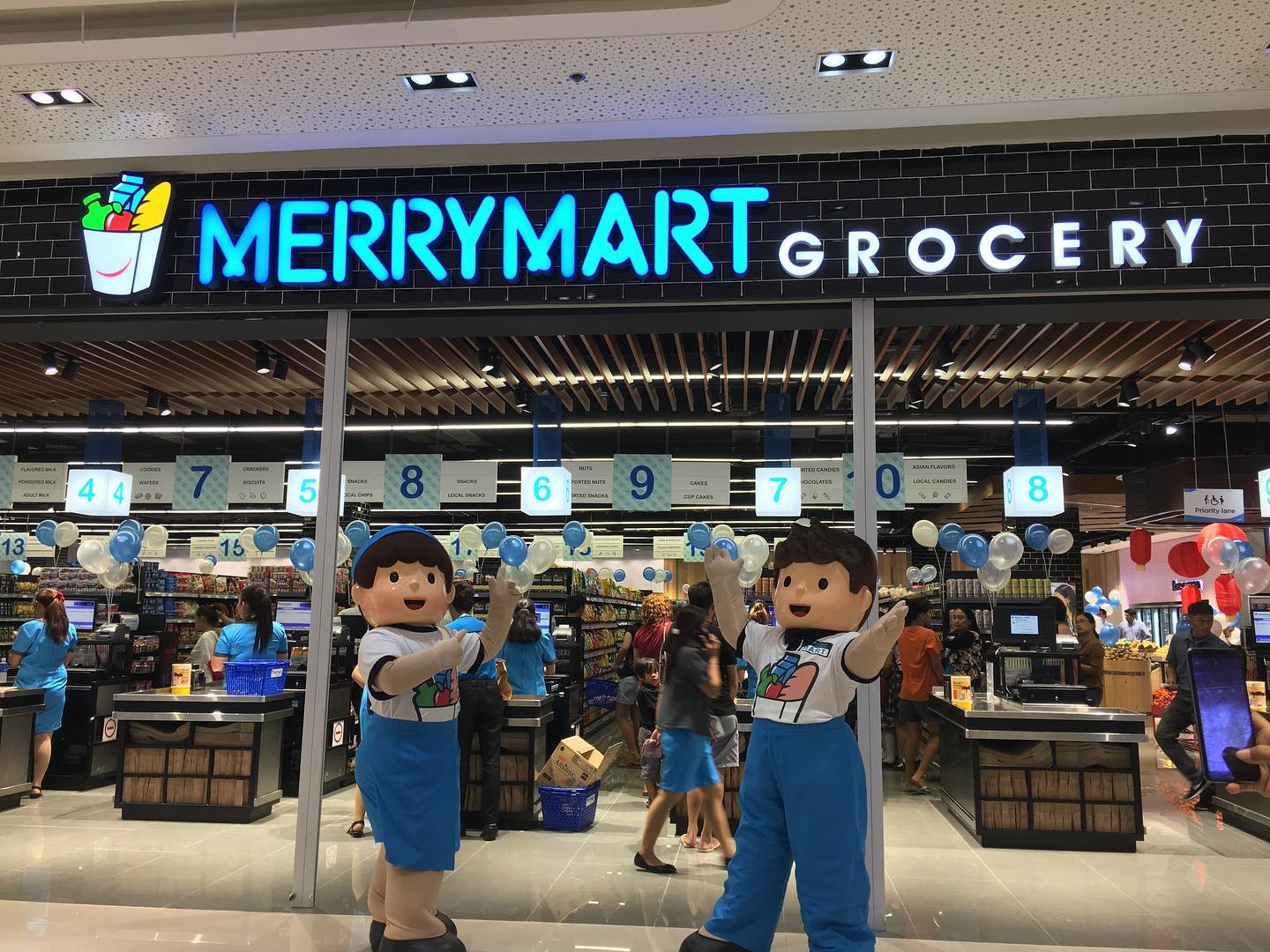
    Philippines grocery chain MerryMart will launch its inaugural drive-thru outlet in Iloilo City in January.

    MerryMart’s new drive-thru is in part a response to the impact of the coronavirus pandemic. The firm is planning to deploy this concept in multiple locations at various major thoroughfares.

    The firm’s owner, Edgar “Injap” Sia II, launched an IPO several months ago on the strength of his achievements in the fast-food franchising sector via the Mang Inasal restaurant chain, which was eventually purchased by Jollibee a decade ago. MerryMart’s concept takes its cues from Sia’s innovations in the former business.

    Funds from the IPO are being used for network expansion.

    The MerryMart stores will be serviced by distribution centers operated by sister business DoubleDragon as the firm expands nationwide. The firm currently has nine branches and is aiming to run 1200 outlets within the decade with total revenues of US$2.46 billion.

  • Trend Micro Brings DevOps Agility and Automation to Security Operations through Integration with AWS Solutions

    Trend Micro Brings DevOps Agility and Automation to Security Operations through Integration with AWS Solutions

    Trend Micro Incorporated, the leader in cloud security, enhances agility and automation in cloud security through integrations with Amazon Web Services (AWS). As a result, Trend Micro delivers flexible and scalable all-in-one security that helps DevOps engineers securely build and innovate as they migrate to and build in the cloud.

    Trend Micro has demonstrated the strength of its collaboration with AWS since 2012 with a deep understanding of customer use cases and by integrating with leading AWS security services at launch. Most recently, Trend Micro Cloud One™ offerings have been natively integrated with AWS Control Tower and AWS Systems Manager Distributor. These additions are designed to bring immediate benefit to security, cloud, and DevOps teams leveraging AWS by automating enforcement of security capabilities earlier in the account and resource provisioning process.

    “Trend Micro is an Advanced Technology Partner in the AWS Partner Network (APN) with  a long-standing history of providing security solutions to help customers address their portion of the shared responsibility model,” said Siva Padisetty, General Manager, AWS Systems Manager, Amazon Web Services, Inc. “Trend Micro’s continuing investment in integrations with native AWS capabilities, such as AWS Control Tower and AWS Systems Manager Distributor, reduces onboarding and management friction while adopting an enhanced security posture.”

    According to a recent report from IDC, “Trend Micro is the dominant leader in Software-Defined Compute (SDC) workload protection,” making up 29.5% of the worldwide hybrid cloud workload security market share, proving the company’s hybrid cloud security expertise, capabilities and trust by customers. As the leading cloud security experts, Trend Micro engineers develop security solutions designed to meet the needs of cloud engineers.

    “We understand that security teams don’t always have complete control or visibility into how cloud instances are being spun up, configured and used across the company,” said Sanjay Mehta, senior vice president of business development and alliances for Trend Micro. “Listening to and understanding customer needs and feedback drives our innovations and collaboration with AWS. Having our solutions plug in natively with AWS offerings like AWS Control Tower and AWS Systems Manager Distributor adds visibility and automates security for our customers.”

    Through this collaboration, Trend Micro Cloud One offers the broadest platform support and API integration to protect your AWS infrastructure whether building with Amazon Elastic Compute Cloud (Amazon EC2) instances, AWS Lambda, AWS Fargate, containers, Amazon Simple Storage Service (Amazon S3), or Amazon Virtual Private Cloud (Amazon VPC) networking.

  • LINE Wins Red Dot Design Award 2020

    LINE Wins Red Dot Design Award 2020

    LINE’s Global WOW Project Awards was selected from over 6,900 entries submitted from 50 countries, chosen for its excellent and simple approach that emphasizes corporate identity and branding. Created by the Creative Center at LINE Plus, LINE’s focus on branding design helps to deliver LINE’s brand identity and creativity, motivating and energizing the entire LINE workplace.

    The Global WOW Project Awards 2019 was LINE’s internal award ceremony that discovered and honored projects that demonstrated meaningful results and achievements in line with LINE’s values and culture of “LINE STYLE”. The design also featured a creative reinterpretation of the company’s “WOW” concept, using those letters to also spell “No. 1”. This message represents the idea of creating a “WOW”, an unprecedented experience that’s so amazing that you just have to share it with friends, leads to bringing the best services to the world.

  • AirAsia resumes KL-Singapore flights under RGL scheme

    AirAsia resumes KL-Singapore flights under RGL scheme

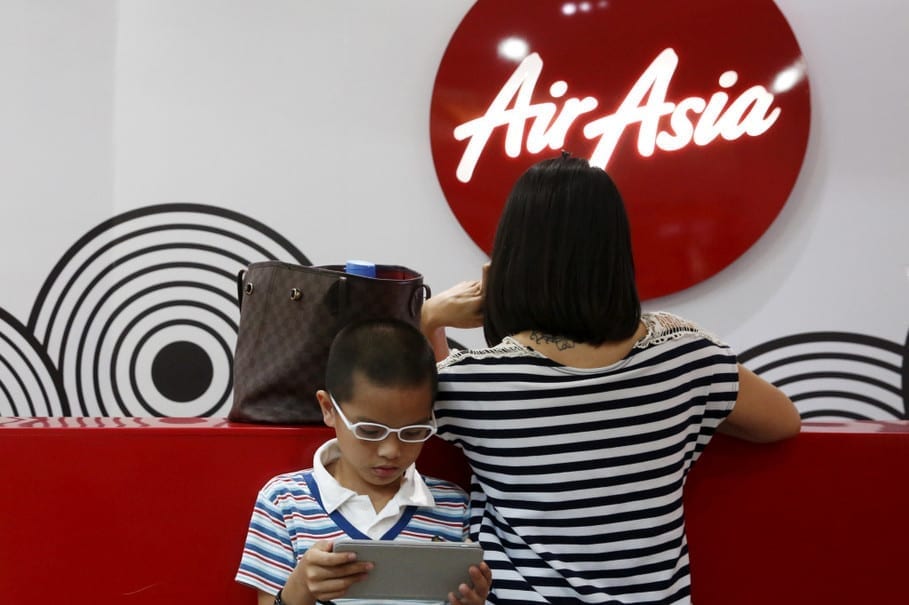
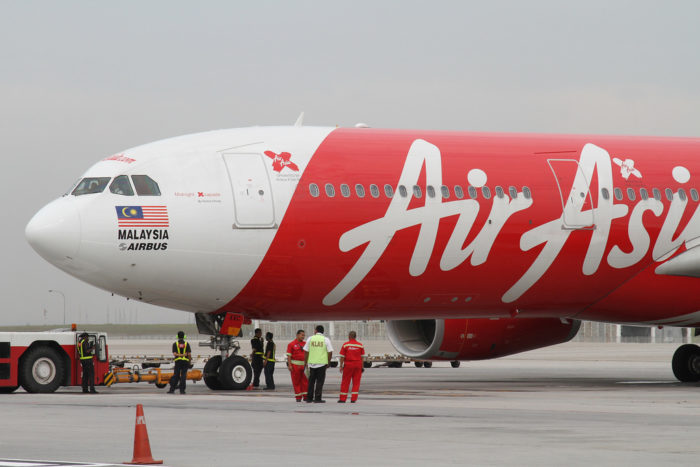
    AirAsia resumed its Kuala Lumpur to Singapore flights today, allowing cross-border travel for essential and official travellers, following the implementation the Reciprocal Green Lane (RGL) scheme by both countries.

    AirAsia Malaysia CEO Riad Asmat said both countries have taken relentless efforts and strict discipline in containing the spread of Covid-19, and the RGL is a first step towards reviving the economy, especially for those who have essential travel needs between both countries.

    “We look forward to seeing more ‘travel bubbles’ and ‘green lanes’ formed between countries with low infection rates or active cases, and proven pandemic curbing systems to facilitate the need for air travel.

    “At the same time, we urge all guests to adhere to the required regulations and follow the safety measures for a safe flying journey,” he said in a statement today.

    The flight departed from klia2 today at 11.50am to Changi International Airport, and returned to klia2 at 2.35pm.

    He said AirAsia will continue to review the suitability of introducing more frequencies between the two countries.

    “AirAsia would like to remind guests of travel requirements set by both countries under the RGL scheme, all inbound and outbound travellers for essential business and official travel between Malaysia and Singapore via the RGL are required to check their eligibility and travel requirements before their scheduled departure,” he said.

    More information on the matter is available on AirAsia’s Travel Requirements page.

  • China’s retail sales fall as consumers adopt caution

    China’s retail sales fall as consumers adopt caution

    China’s retail sales slipped in July, dashing expectations for a modest rise, as consumers in the world’s second-largest economy failed to shake off wariness about the coronavirus.

    Meanwhile, the recovery in the factory sector struggled to gain momentum.

    Asian markets pulled back on Friday following the disappointing set of economic indicators, which raised concerns about the fragility of China’s emergence from coronavirus.

    China’s recovery had been gathering pace after the pandemic paralyzed huge swathes of the economy as pent-up demand, government stimulus and surprisingly resilient exports propel a rebound.

    However, the data from the National Bureau of Statistics on Friday showed weaker-than-expected year-on-year industrial output growth and retail sales extending declines into a seventh straight month in July. That was slightly offset by firmer property investment, which showed a recent stimulus was supporting construction activity.

    “Looking ahead, we expect a renewed acceleration in infrastructure investment in the coming months as planned government bond issuance continues to ramp-up,” said Martin Rasmussen, China Economist at Capital Economics.

    “This should drive a further rebound in industry and construction, helping to absorb labor market slack, indirectly shore up consumption and keep the economic recovery on track.”

    Industrial output grew 4.8 percent in July from a year earlier, in line with June’s growth but less than forecasts for a 5.1-per-cent rise.

    Retail sales dropped 1.1 percent year on year, missing predictions for a 0.1-per-cent rise and following a 1.8-per-cent fall in June.

    The decline in retail sales was broad-based with garments, cosmetics, home appliances, and furniture all worsening from June.

    A key exception was auto sales, which surged 12.3 percent, turning around an 8.2-per-cent fall in June.

    China’s economy returned to growth in the second quarter after a deep slump at the start of the year, but unexpected weakness in domestic consumption weighed on momentum.

  • Thai, Vietnam retail back at pre-Covid-19 levels says Central Retail CEO

    Thai, Vietnam retail back at pre-Covid-19 levels says Central Retail CEO

    Thailand’s Central Retail Corporation says sales in its home and offshore markets have already bounced back to pre-Covid-19 levels.

    Revealing a loss of US$80.7 million in the June quarter, CEO Yol Phokasub said its businesses are showing a positive sign of recovery, thanks to the group’s agility.

    “Since June, our business in Thailand, Vietnam and Italy has resumed its sales at the same pace as what had happened before the Covid-19 outbreak in February,” he said. “Its profit (EBITDA) has also been positive again.”

    Phokasub said trading at more than 80 percent of the group’s retail space was suspended for more than 46 days of the 91-day second quarter when the pandemic hit all three countries. But despite the restricted trading, the company’s quarterly revenue was down only 21 percent year on year to $1.33 billion.

    Revenue for the first six months of the year reached $3.07 billion, declining by just 10 percent, with a half-year loss of $52.2 million, down by 139 percent.

    Phokasub said the company’s investment in an online model three years paid off during the pandemic as it was able to migrate some trade online.

    “During the Covid-19 crisis, the main factor that allowed the business to continue in a secure manner was solid support from customers, business partners, and the contribution from all employees who whole-heartedly worked hard and adjusted their work to offer the best services to customers, as well as resilient business strategies, including cost, investment, and expenditure management, and an efficient liquidity boost enabled Central Retail to regenerate its profit quickly,” he said.

    “Central Retail foresees the continuous recovery of the business in the second half of 2020 regarding positive signs including the policies of the government and the capability of its new economic team that will be driving the economy, helping SMEs and stimulating employment, especially in retail and service sectors which cover more than 19 million workers. Public health measures are also important.”

  • AirAsia’s charter flights to boost Malaysia’s medical tourism

    AirAsia’s charter flights to boost Malaysia’s medical tourism

    AirAsia is set to grow its medical tourism business by providing charter flight services from Indonesia, giving patients and medical tourists from Indonesia greater access to medical treatments and health services in Malaysia.

    On August 14, AirAsia welcomed its first international medical charter flight from Medan into Penang International Airport. The next medical charter flight from Indonesia will be from Jakarta to Kuala Lumpur on August 24.

    AirAsia set to grow medical tourism business with charter flight service from Indonesia

    The medical charter service will be expanded to other cities in Indonesia and soon develop into an end-to-end service offering under the AirAsia.com platform.

    AirAsia.com CEO Karen Chan said that the carrier is committed to connecting people to their critical needs amid Covid-19 travel restrictions.

    “These are stressful times for families with members suffering from chronic illnesses that require specialized medical treatments. AirAsia is working closely with medical institutions and government authorities to ensure inbound patients have a seamless traveling experience from Indonesia to Malaysia,” she said.

    She added that the airline will continue to work with strategic partners like Island Hospital in Penang, and with the full support of Malaysia Healthcare Travel.

    According to Chan, Indonesia as a country accounts for the highest inbound healthcare tourists arriving into Malaysia.

  • China’s retail sales fall as consumers adopt caution

    China’s retail sales fall as consumers adopt caution

    China’s retail sales slipped in July, dashing expectations for a modest rise, as consumers in the world’s second-largest economy failed to shake off wariness about the coronavirus.

    Meanwhile, the recovery in the factory sector struggled to gain momentum.

    Asian markets pulled back on Friday following the disappointing set of economic indicators, which raised concerns about the fragility of China’s emergence from coronavirus.

    China’s recovery had been gathering pace after the pandemic paralyzed huge swathes of the economy as pent-up demand, government stimulus and surprisingly resilient exports propel a rebound.

    However, the data from the National Bureau of Statistics on Friday showed weaker-than-expected year-on-year industrial output growth and retail sales extending declines into a seventh straight month in July. That was slightly offset by firmer property investment, which showed a recent stimulus was supporting construction activity.

    “Looking ahead, we expect a renewed acceleration in infrastructure investment in the coming months as planned government bond issuance continues to ramp-up,” said Martin Rasmussen, China Economist at Capital Economics.

    “This should drive a further rebound in industry and construction, helping to absorb labor market slack, indirectly shore up consumption and keep the economic recovery on track.”

    Industrial output grew 4.8 percent in July from a year earlier, in line with June’s growth but less than forecasts for a 5.1-per-cent rise.

    Retail sales dropped 1.1 percent year on year, missing predictions for a 0.1-per-cent rise and following a 1.8-percent fall in June.

    The decline in retail sales was broad-based with garments, cosmetics, home appliances and furniture all worsening from June.

    A key exception was auto sales, which surged 12.3 percent, turning around an 8.2-per-cent fall in June.

    China’s economy returned to growth in the second quarter after a deep slump at the start of the year, but unexpected weakness in domestic consumption weighed on momentum.

  • Balenciaga faces backlash over Chinese Valentines Day-exclusive mockery

    Balenciaga faces backlash over Chinese Valentines Day-exclusive mockery

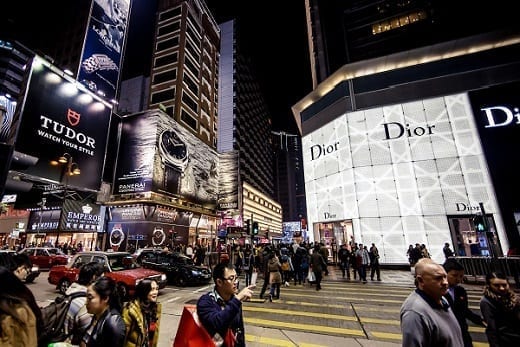
    Luxury label Balenciaga has drawn widespread scorn in China over promotional material for a new handbag range.

    In celebration of yet another Chinese Valentines Day (QiXi), Kering-owned Balenciaga has released four limited-edition bags of its Hourglass collection on Tmall.

    Graffitied on the bag are Chinese phrases such as “He loves me”, “I love you”, “You love me” and “I love me”. Each of these bags sell for US$2000.

    The campaign is stylised with an amateur Photoshop aesthetic – ones referenced to the Chinese “senior pictures” (similar to the likes of India’s infamous WhatsApp ‘Good Morning’ images), where a stock image is paired with a bold Microsoft Art text. The Balenciaga QiXi campaign features models in front of a stock image backdrop with pixelated Valentines images Photoshopped on top.

    The dated image has received backlash online with netizens calling the brand out for its gaudy – and even insulting – designs. A hashtag shortly surfaced not long after its debut, with #BalenciagaChineseValentinesCampaignisTacky (self-translation), drawing more than 220,000 discussions and 180 million views on Weibo. Another hashtag trending on social media was #BalenciagaInsultsChina.

    The Balenciaga backlash is yet another example of failure by a Western brand designing limited-edition exclusives, specifically geared towards the Chinese market, but getting the pitch and tone all wrong.

    With the continuing focus on China and desperate attempts to win more of their wallet share, many local consumers are shifting their spending towards domestic labels with ‘more authentic’ intentions.

  • Leaked White House document shows how U.S. plans to hurt TikTok financially

    Leaked White House document shows how U.S. plans to hurt TikTok financially

    With short-form video app TikTok about to be banned in the U.S. starting in the middle of next month, a Harris Poll that was shared with USA Today found that 64% of adult Americans are against the presidential executive order that will end the app’s presence in the states. The order was signed by U.S. President Donald Trump because the app’s parent company, ByteDance, is a Chinese company. Many U.S. lawmakers and members of the Trump administration believe that Chinese manufacturers use backdoors embedded in their products to capture data from consumers and companies and send it to the Communist Chinese government.

    While a majority of those adults polled are against Trump’s executive order, 57% of tall Americans agreed with the move by the president to kick TikTok out of the states. However, those answering the poll were 18 years of age or older while most TikTok users are younger. The app has been installed two billion times from the App Store and the Google Play Store. Content includes lip-syncing, dancing, pranks, protests, singing, and more. During the pandemic, TikTok picked up interest from those who were stuck at home.

    Microsoft has reportedly been looking at buying the North America, Australia, and New Zealand operations of TikTok although company founder Bill Gates has stated his reservations. Twitter has supposedly has had preliminary meetings with TikTok to form some sort of combination. However, this would be quite a longshot considering that the estimated valuation of TikTok is well above the $30 billion that Twitter is worth. But even if a deal with a U.S. firm is completed, the Harris Poll found that 62% of Americans would continue to believe that the app would pose a national security threat because of its ties to China. The rest of the poll saw 67% of Americans worried that the Chinese are using personal data collected by TikTok, a sentiment agreed to by 59% of TikTok users.

    A document from the White House indicates how the U.S. plans to impact TikTok’s operations in the country. One way that this could happen is by disrupting the app’s operations and sources of funding. A source inside the White House verified the authenticity of the document which said, “Prohibited transactions may include, for example, agreements to make the TikTok app available on app stores … purchasing advertising on TikTok, and accepting terms of service to download the TikTok app onto a user device.” Industry analysts say that if the ban prevents TikTok from appearing in the App Store and the Google Play Store, the result would sharply damper the growth of the app.

    Also facing a ban in the U.S. is messaging, social media, and mobile payment app WeChat. The latter, launched by Tencent in 2011, has over one billion users and many Chinese consumers rely on the app every single day. Trump also signed an executive order that will ban U.S. firms from doing business with WeChat. The White House document seen by Reuters is not clear on whether WeChat will indeed be banned in the states.

    The U.S. ban on TikTok would take effect starting on September 16th, the same date that any WeChat ban would also begin. James Lewis, a cybersecurity expert with the Washington-based Center for Strategic and International Studies, said, “That kills TikTok in the U.S. If they want to grow, these rules are a huge obstacle.” Lewis did note that the U.S. government might not be able to prevent American TikTok fans from downloading the app from a foreign website. TikTok has 100 million users in the U.S. and has stated that data from its U.S. subscribers is stored on servers in the U.S. and Singapore and that such information would not be given to the Chinese government.

    TikTok says that it plans to continue honoring ad campaigns although some corporations say that they have made plans to advertise on other apps if TikTok is shut down in America.

  • Indian retail sales plummet, but RAI points to early signs of recovery

    Indian retail sales plummet, but RAI points to early signs of recovery

    Indian retail sales figures reflect signs of recovery in the nation’s economy, even as the overall number shows a massive drop against last year due to the impact of the coronavirus pandemic.

    The Retailers Association of India (RAI), in the fifth edition of its fortnightly business survey, reported a 63-per-cent year-on-year decline in retail sales during July. The massive decrease compares favorably with that recorded for June (67 percent) and April (more than 80 percent).

    The trend towards recovery was most pronounced in the food & grocery and consumer durables product categories, but not apparent in the apparel, sports goods, and beauty & wellness sectors.

    The statistics signal challenges still facing retailers despite the easing of India’s lockdown last month.

    “With Unlock 3.0 now being rolled out across the country, there is a possibility of significant sales recovery for retail businesses,” said RAI CEO Kumar Rajagopalan. “However, localized lockdowns, weekend curfews, and not allowing formats like food courts and cinema halls to reopen are creating roadblocks on the path to revival.

    “In places where local authorities have been supportive, there is confidence in the minds of consumers. If the retail industry continues to be under pressure, it will have a serious rippling effect on other sectors such as manufacturing, entertainment, and artisans among others.”

  • South Korean KOLs banned from promoting products without full information

    South Korean KOLs banned from promoting products without full information

    South Korea will ban social-media influencers – KOLs – from pitching a new product or service on their online platforms without disclosing their business ties with corporate sponsors, government officials have announced.

    The move comes amid controversy over some famous social-media influencers’ involvement in the shady practice called “backdoor online advertising.”

    The Fair Trade Commission (FTC), South Korea’s antitrust watchdog, said its revised advertising guidelines for social-media platforms will become effective from September.

    The new rules require KOLs on social media platforms, such as YouTube or Instagram, to state clearly whether their product endorsements are “financially rewarded or intended for promotion”.

    Vague wording like “thanks to” or “reviewer group” will be prohibited on their videos as well.

    The corporate watchdog said it will start to crack down on and punish violators after a certain guidance and grace period.

    Violators — both influencers and corporate sponsors — will be slapped with a fine of up to 2 percent of related sales and revenue or US$422,000.

    Some social media influencers have drawn flak for their backdoor advertising. A popular ‘mukbang influencer’ with 4.7 million viewers recently apologized for being involved in the unfair advertising practice.

    In addition, a renowned YouTuber with an audience of 2.68 million has announced her retirement from mukbang, a portmanteau in Korean of “eating” and “broadcast.”

    Last year, the antitrust watchdog clamped down on companies’ backdoor advertising through influencer reviews for the first time.