Category: General

Retail News Asia is committed to providing both local and global retailers with the latest General Retail news throughout the Asian market. This on a daily base.

  • Flight restart in June offers little reprieve to Cebu Pacific

    Flight restart in June offers little reprieve to Cebu Pacific

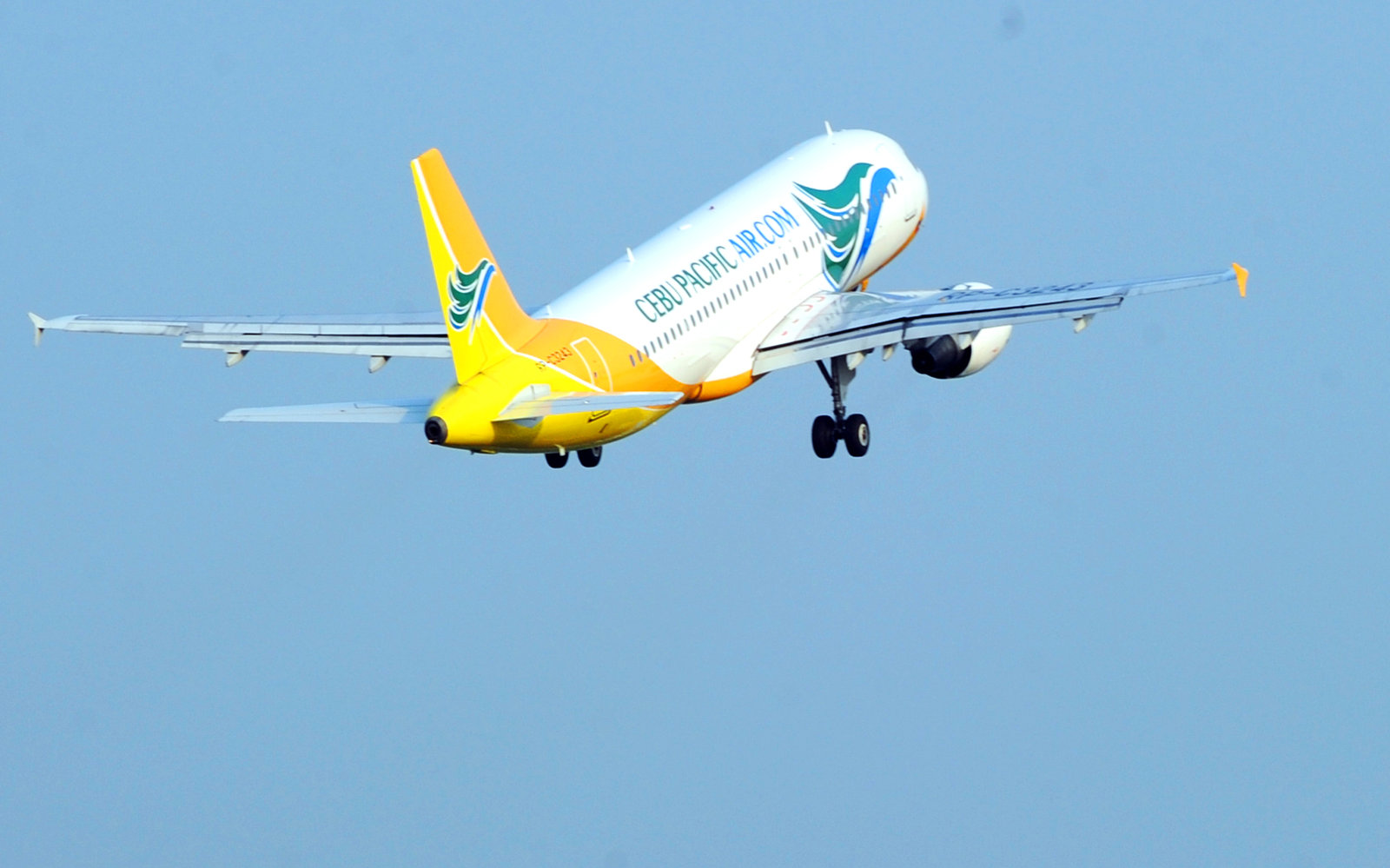
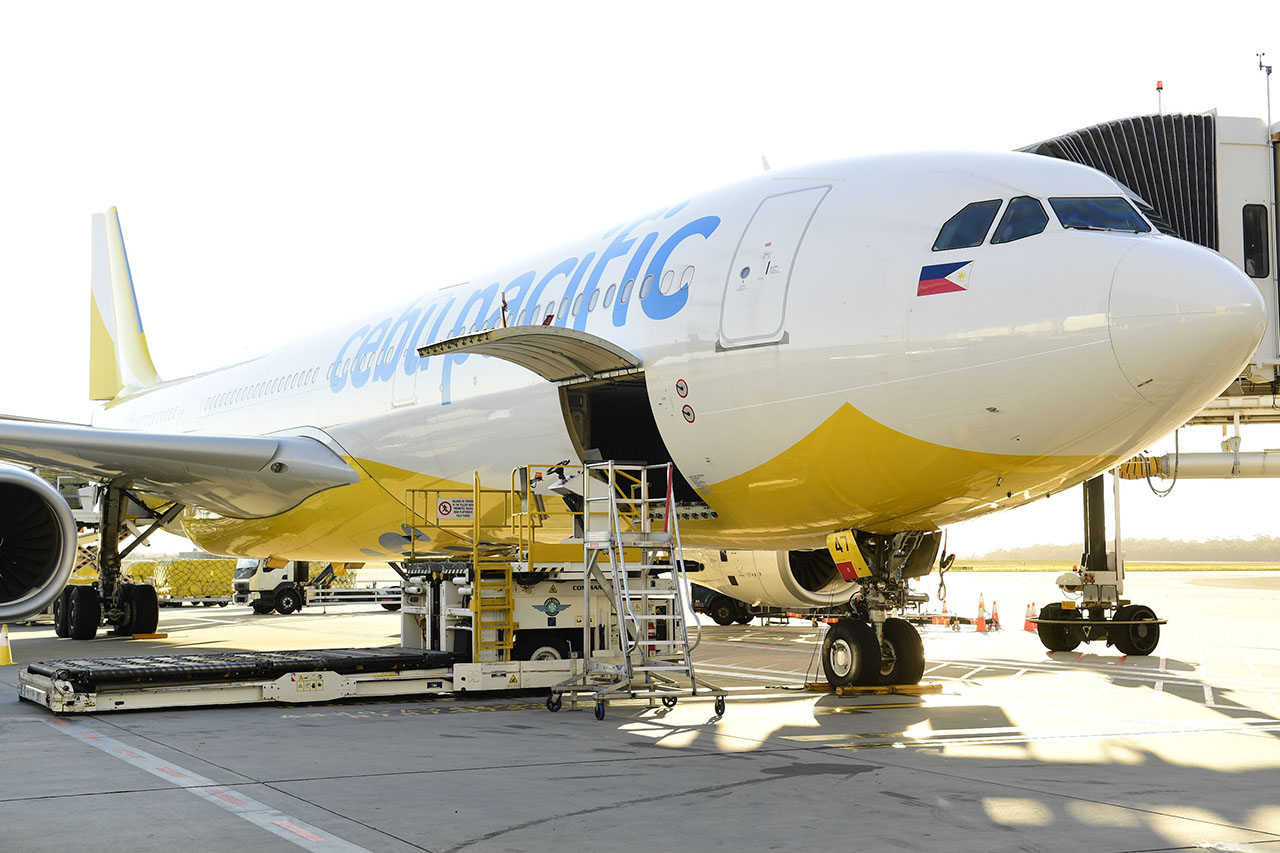
    Gokongwei-led Cebu Air Inc. took a turn for the worse on the first half of the year as losses mounted due to the coronavirus pandemic that kept most of its fleet grounded. A gradual recovery is seen from reopening routes.

    In a disclosure on Wednesday, the budget carrier reported net losses amounting to P9.14 billion from January to June this year, a massive reversal of the P7.15 billion profits the same period a year ago. Losses worsened from the first three months of the year, when during the latter part of the period, the government declared a sweeping community quarantine that closed down airports and enforced travel barriers to contain the virus spread. The shutdown’s impact was so severe, Cebu Pacific slashed its workforce by a quarter.

    “While some sporadic arrangements for sweeper flights to assist with stranded tourists did occur, for the most part, the Group’s operations were virtually nil until April when some cargo flights within the Philippines and eventually to countries like Japan, Thailand, China, Hong Kong recommenced,” the company said.

    As the Philippines began to ease quarantine controls last June, Cebu Pacific returned flights to 25 of its 78 domestic routes in seven hubs located in areas under general community quarantine, providing relief to the bleeding. “The Group will continue to expand its operations as more local governments welcome flights into their cities,” the airline said.

    Broken down, revenues for the first six months plummeted 61.2% annually to P17.33 billion. Of that amount, P11.51 billion was generated from passenger flights, down a bigger 65.5% on-year as passenger traffic more than halved to 4.5 million from last year.

    Earnings from revenue operations, meanwhile, slipped 21.7% year-on-year to P2.22 billion in the same six-month period, incurred as a result of a 52.4% drop in cargo volumes. Ancillary revenues decreased by 57.7% annually to P4.9 billion.

    On the flip side, earnings also sank 32.2% from year-ago levels to P35.89 billion “mostly driven by the suspension of the Group’s operations due to the COVID-19 global pandemic,” Cebu Pacific said. The peso appreciation, as well as a decline in global oil prices, also helped temper disbursements by lowering imported fuel costs.

    Broken down, January-June expenditures from flying dropped 53.6% on-year to P8.15 billion, that from aircraft servicing shrank 48.8% annually to P2.17 billion, maintenance costs by 13.9% to P561.08 million, and costs from foreign exchange swings by 11.5% year-on-year to P8.17 billion.

    “The Group’s cash requirements have been mainly sourced through cash flow from operations which was significantly reduced due to the current COVID-19 situation,” Cebu Pacific said, even as the airline assured investors of its “strong” financial position.

    The budget carrier, as well as other local airlines, have pleaded to the government for a direct financial rescue to prevent collapse and layoffs. The Duterte administration, however, has rejected cash intervention to salvage firms, opting to let banks lend them money instead.

  • Japan’s World Co closing 358 stores by March

    Japan’s World Co closing 358 stores by March

    Japanese apparel firm World Co is shuttering 358 outlets nationwide by March next year. The move is in response to the impact of the Covid-19 outbreak and will involve jettisoning five clothing brands owned by the parents firm – including unprofitable brands Aquagirl and Ozoc – and potentially more.

    The closure plan will involve implementing a voluntary early-retirement program for staff and around 200 layoffs.

    World Co has operated for more than 60 years within Japan and went into private ownership 16 years ago.

    The company is not the only Japanese apparel retailer to announce plans to scale back operations this year. Last month, rival Cecil McBee said it would shut down all of its physical outlets in the country. It said at the time it could not survive another outbreak with a period of store shutdowns.

    The firm’s 43 stores are closing consecutively throughout Japan, with final closures to be made by February next year.

  • June Indonesian retail sales down again

    June Indonesian retail sales down again

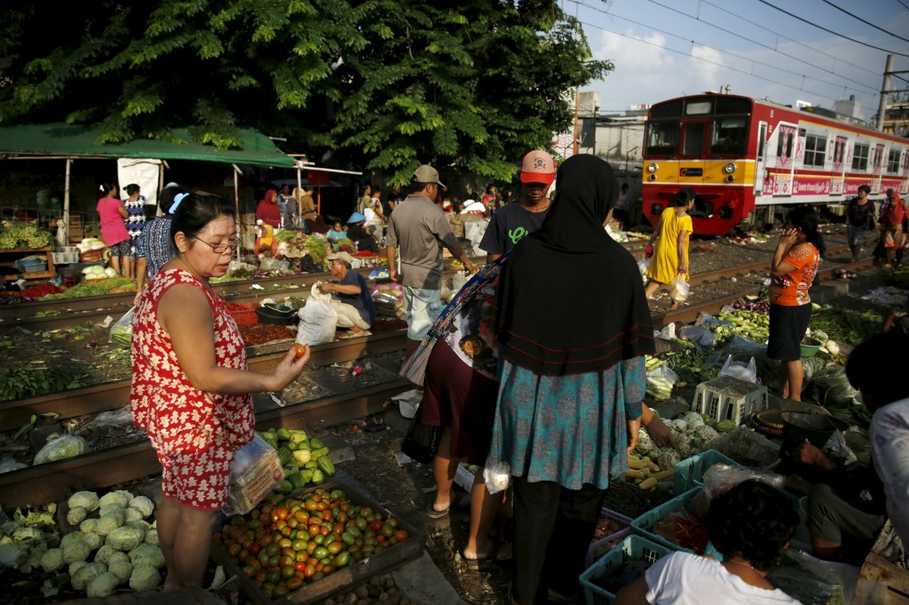
    June Indonesian retail sales fell 17.1 percent over the same month last year – but that decline was slower than during the previous month.

    According to data from the country’s central bank, retail sales fell by 20.6 percent in May, as the Covid-19 pandemic forced store closures and consumers stayed home.

    Sectors to show improvement were food, beverages & tobacco, along with communication services.

    The Bank Indonesia is expecting the decline in Indonesian retail sales to further slow in July, to 12.3 percent.

  • Cebu Pacific sends 14 planes for storage

    Cebu Pacific sends 14 planes for storage

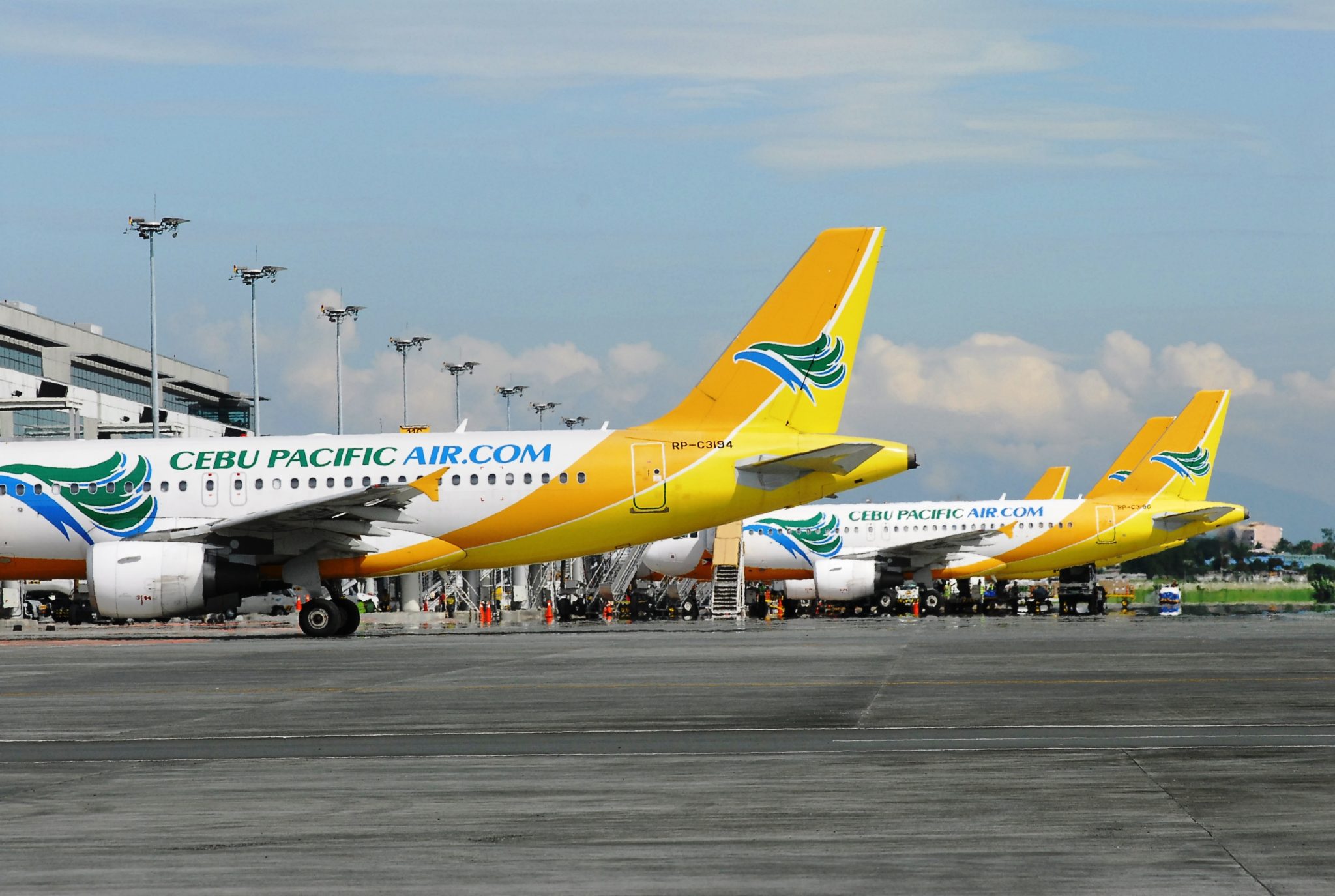
    Budget carrier Cebu Pacific has now sent a total of 14 aircraft for storage at Alice Springs in Australia, with more possibly eyed as travel demand is not expected to return to its robust state anytime soon.

    On top of the 14 aircraft that have been sent so far, Cebu Pacific spokesperson Charo Logarta Lagamon said the next batch is still under study.

    “We have a fleet of 75 aircraft. Because costs continue to be challenged, we have sent aircraft to Alice Springs along with many other airlines, and we are looking to send additional aircraft there for additional storage because obviously we do not see demand coming back in the immediate future,” Lagamon, who is set to leave the airline effective Aug. 15, said yesterday.

    “We will have to store these aircraft in a more proper setting and in a cost-efficient manner,” she said.

    As part of its cost mitigation measures, Cebu Pacific last month said it sent nine aircraft to the Asia Pacific Aircraft Storage at Alice Springs for storage.

    “The best place to store aircraft is somewhere that is dry. This is a facility that stores aircraft because we need to make sure that it stores in a facility that will minimize damage or be equipped for storing aircraft so that once the demand comes back we can easily bring the aircraft back into the line,” Cebu Pacific vice president for marketing and customer experience Candice Iyog earlier said.

    Meanwhile, Lagamon said Cebu Pacific management and their counterparts in Airbus are currently in discussions on the adjustment in delivery or possible cancellation of some of the company’s aircraft orders given the impact of the COVID-19 pandemic to the aviation industry.

    “This is subject to discussions with Airbus. But again, it’s not only Cebu Pacific that is the only carrier in the world that is in talks with the manufacturers for the delay or adjustment of delivery schedules of these orders,” she said.

    Quoting Cebu Pacific president and CEO Lance Gokongwei, Lagamon said the airline is expecting challenging numbers in its second-quarter financial results.

    “This is on account of the course of continuing quarantine. We are still unable to fly the majority of our flights. We’re only at 10 percent of what our capacity used to be,” she said.

    Lagamon said Cebu Pacific has canceled some 150 flights a week, or a total of about 300 flights, from Aug. 4 to Aug. 18 following the return of Metro Manila to modified enhanced community quarantine.

    Cebu Pacific incurred a P1.18 billion net loss in the first quarter, a turnaround from the P3.36 billion net income it recorded in the same period last year, as travel restrictions brought about by the COVID-19 pandemic started taking its toll on its operations.

  • Twitter reportedly meets with TikTok about a combination

    Twitter reportedly meets with TikTok about a combination

    People who make their way around Twitter know a way that they can see if the Twitterverse hates a particular tweet. It’s called getting ratio’d. It’s quite simple really; if the number of replies vastly outnumbers a tweet’s likes and retweets, it means that the content of that tweet is disliked by Twitter subscribers. The messaging app recently tested changing some of the terminology associated with the app and also made it easier to figure out a particular tweet’s ratio.

    During the test, retweets with comments were called Quotes. In an email sent to The Verge, a Twitter spokesman said, “A few months ago, we’ve made Retweets with Comments more visible when you tap to see Retweets on a Tweet. This is available to everyone. Now, we’re testing making Retweets with Comments accessible directly on the Tweet and new language (Quotes) to see if this makes them easier to access and more understandable.”

    Back in May, Twitter tested a Retweets with comments counter on some iOS devices. But now, the new test adds the Quote counter to the stats on the bottom of a tweet. Twitter, like most social media sites, has been under attack for the polarizing and baiting comments left by many users. Twitter said in the past that it wants to add features to its UI to improve conversations between users.

    Speaking of Twitter, last Sunday it has had preliminary discussions with TikTok about a potential combination. The short-form video app has until the middle of next month to find a partner willing to take the U.S. operations of the app off the hands of its parent firm ByteDancer. That’s because the latter is a Chinese tech firm which automatically raises suspicions by the U.S. government. An executive order signed by the president last week calls the company a threat to national security and notes that being owned by a Chinese firm means that it is potentially allowing China to track the locations of Federal employees and contractors, build dossiers of personal information for blackmail, and conduct corporate espionage.”

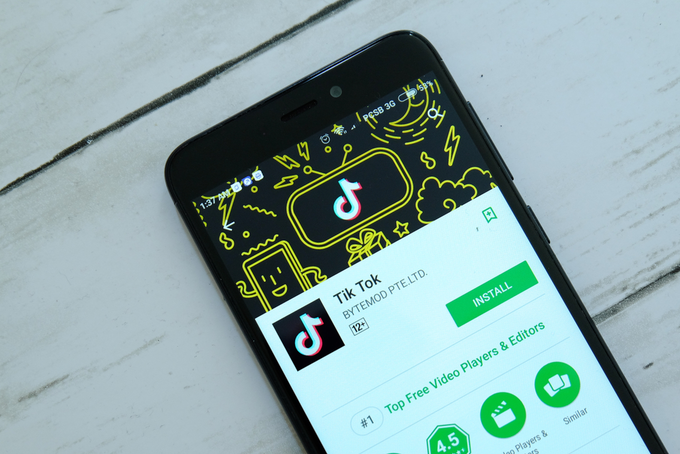
    Microsoft is seen as the leading candidate to take over the U.S. operations of TikTok and has the wherewithal to make such a purchase which could cost the software giant tens of billions of dollars. It isn’t clear how Twitter would be able to finance any deal. The company’s stock market capitalization is approximately $29 billion compared to Microsoft’s $1.6 trillion valuations. As of June, Twitter had $7.8 billion in cash and securities compared to $136 billion for Microsoft. TikTok has been installed over two billion times from both the Apple App Store and the Google Play Store. Globally, TikTok has 800 million active users with 100 million in the states. During the pandemic, TikTok gave teens, pre-teens, and even parents stuck inside a chance to release some steam by producing 15-second or 60-second videos. Typical content includes lip-syncing, dancing, playing comedic pranks, and more.

    Twitter once ran an app that was somewhat similar to TikTok. Vine was developed in 2012 and was purchased by Twitter during the following year; the app allowed users to create video clips lasting six or seven seconds and content was shared over Facebook and Twitter. In 2016, Instagram Video was launched allowing users to record longer 15-second clips and many Vine users started to move on to Instagram, Snapchat, and other apps. Vine hung around in various forms with the last iteration of an app using the Vine name closed in 2019.

  • New retail brands join line-up at The Shoppes at Marina Bay Sands

    New retail brands join line-up at The Shoppes at Marina Bay Sands

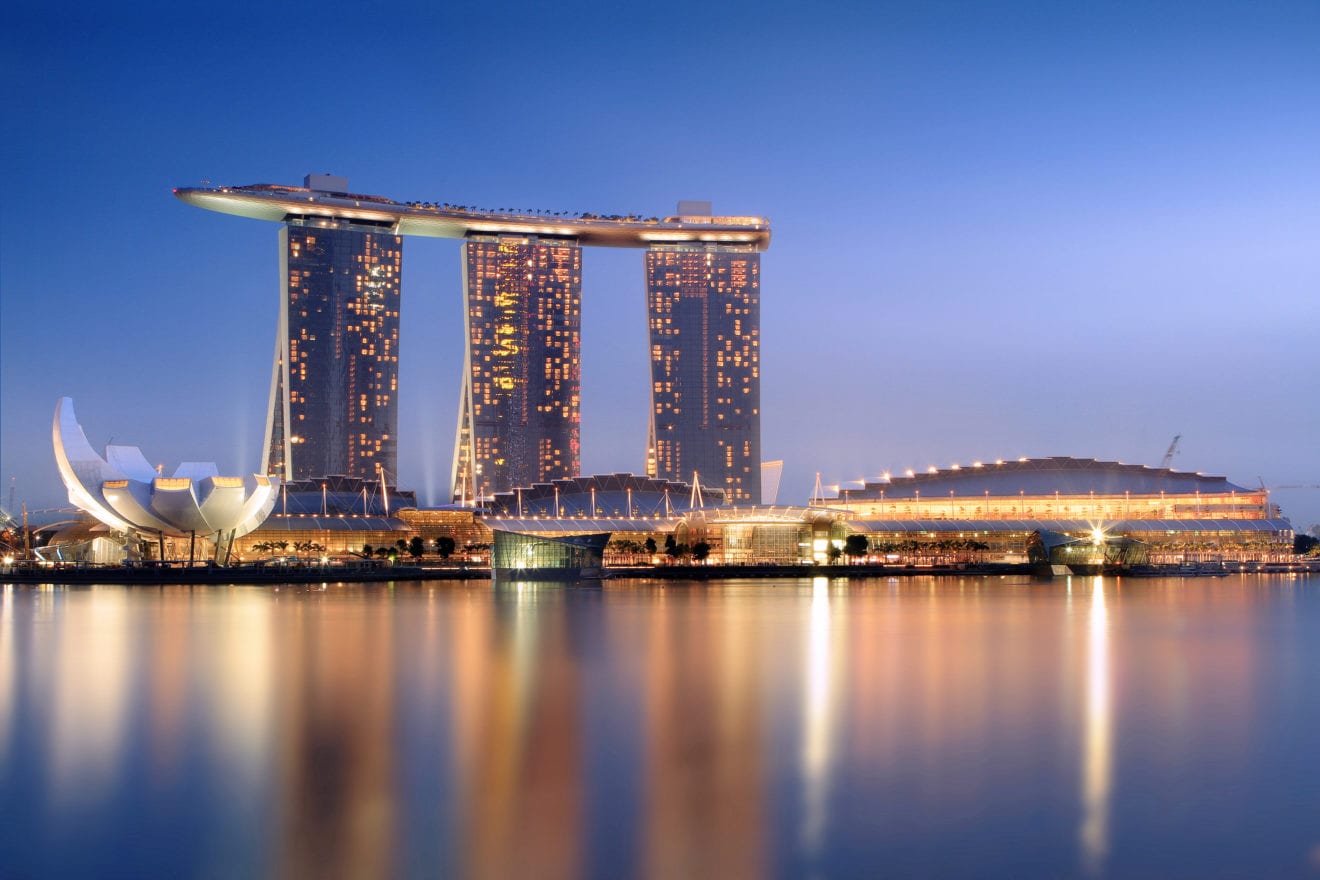
    The Shoppes at Marina Bay Sands has revealed a list of store openings and new brands for the shopping center this year.

    In the childrenswear category, Italian label Monnalisa has opened its first Southeast Asian standalone store, following the opening of Fila Kids last month.

    The Shoppes at Marina Bay Sands has also announced a plan by British luxury fashion house Alexander McQueen to refurbish its retail store. Relocated in the center, the new store will occupy a 3300sqft space, three times the size of its existing outlet, and featuring a new-generation store design. It is scheduled to re-open at the end of this year.

    Watch and jewelry brands to join The Shoppes include Japan’s Ahkah (this month) and Chinese label Qeelin whose first Singapore store will open later this year.

    High-end luxury Korean skincare brand Su:m37 will launch its first standalone kiosk and a skincare line in Singapore in the fourth quarter of this year.

    In the food & beverage category, renowned Chinese restaurant Putien is to join The Shoppes dining options early next year, taking up space previously occupied by the DC Comics SuperHeroes cafe.

  • Cebu Pacific to refund tickets of 1.5M passengers

    Cebu Pacific to refund tickets of 1.5M passengers

    Budget carrier Cebu Pacific will provide refunds to an estimated 1.5 million passengers as 50 percent of its fleet remains grounded due to the coronavirus pandemic.

    Charo Logarta Lagamon, corporate communications director for Cebu Pacific Air, assured that passengers who requested refunds since April or earlier will be refunded by August.

    “All of a sudden, we have a situation where hundreds of thousands of passengers are all clamoring for a refund in a 160-day time frame. It’s not that simple to refund, especially now that there’s no cash flow in the airline. Nothing is going in and everything is going out,” she said in a Zoom meeting Friday, Aug. 7.

    Lagamon said they are doing their best to fast-track the process and that there are reforms underway to help in the refund process.

    She said the airline will reimburse payments made through credit or debit card while for those who paid in cash, the refund will be deposited in the bank account of the customer.

    Moreover, to stay afloat during these challenging times, the airline also implemented cost-cutting measures like the layoffs of 800 employees, which is 20 percent of the airline’s 4,000 employees.

    Company officials also had pay cuts.

    “Our second-quarter performance was very challenged due to the prolonged Covid-19 situation,” she said.

    Meanwhile, Cebu Pacific placed 14 of its 76 aircraft in long-term storage in Alice Springs, Australia to preserve the airline’s condition. Others were parked in the different hubs in the country.

  • Financial aid for AirAsia crucial due to high multiplier effect

    Financial aid for AirAsia crucial due to high multiplier effect

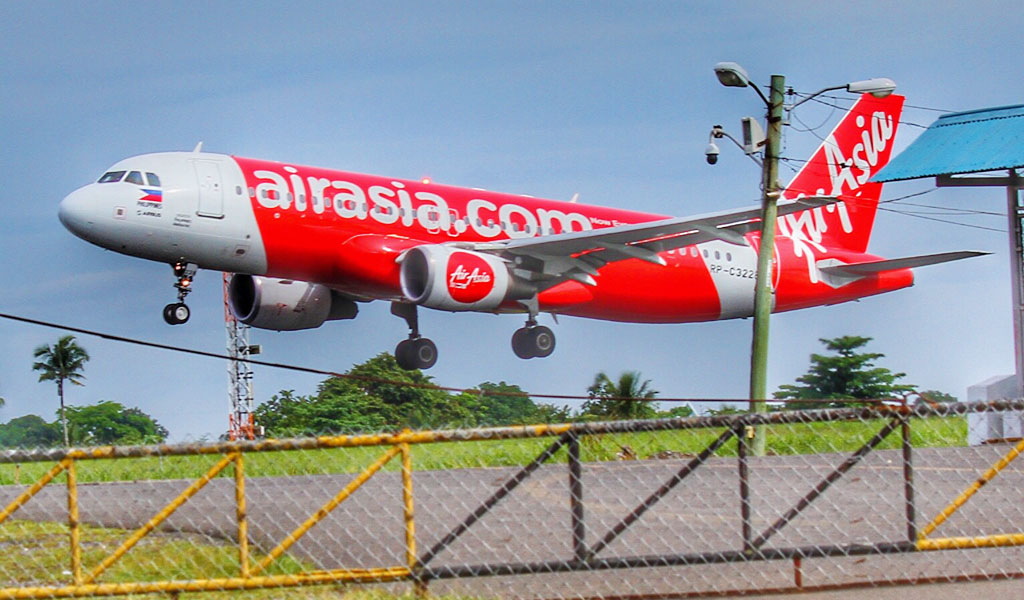
    Financial assistance such as loans with easier terms to AirAsia Group is crucial in helping the struggling low-cost carrier to turn around as its recovery will bring about a huge spillover effect to the broader economy.

    AirAsia X  chairman Tan Sri Rafidah Aziz reportedly said easier loan terms will not only provide the carrier with operating funds but also create a high multiplier effect in boosting and reviving the country’s economy.

    She was quoted by Utusan Online as saying AirAsia is negotiating for bank loans with low-interest rates and longer tenures.

    “We have a multiplier effect from flights which is 12 times, with every RM1 we bring in, another RM12 given to (economic) sectors such as hotels, resorts and restaurants, ” Rafidah was quoted as saying in the report.

    She said countries understand, when the aviation industry opens, business people and tourists will come, so hotels and restaurants will resume operations and receive visitors

    According to Rafidah, support and financial assistance is needed by the airlines affected by the enforcement of the Movement Control Order (MCO) to curb the Covid-19 pandemic.

    She noted that no income is earned during the MCO period because flights in and out of the country are stopped while expenses continue to be incurred.

    Rafidah said the Covid-19 pandemic situation has not stopped AirAsia from continuing to find new flight destinations.

    However, she said, various aspects need to be looked at first including the number of visitors and fuel prices.

  • Google delivers the final public beta version of Android 11

    Google delivers the final public beta version of Android 11

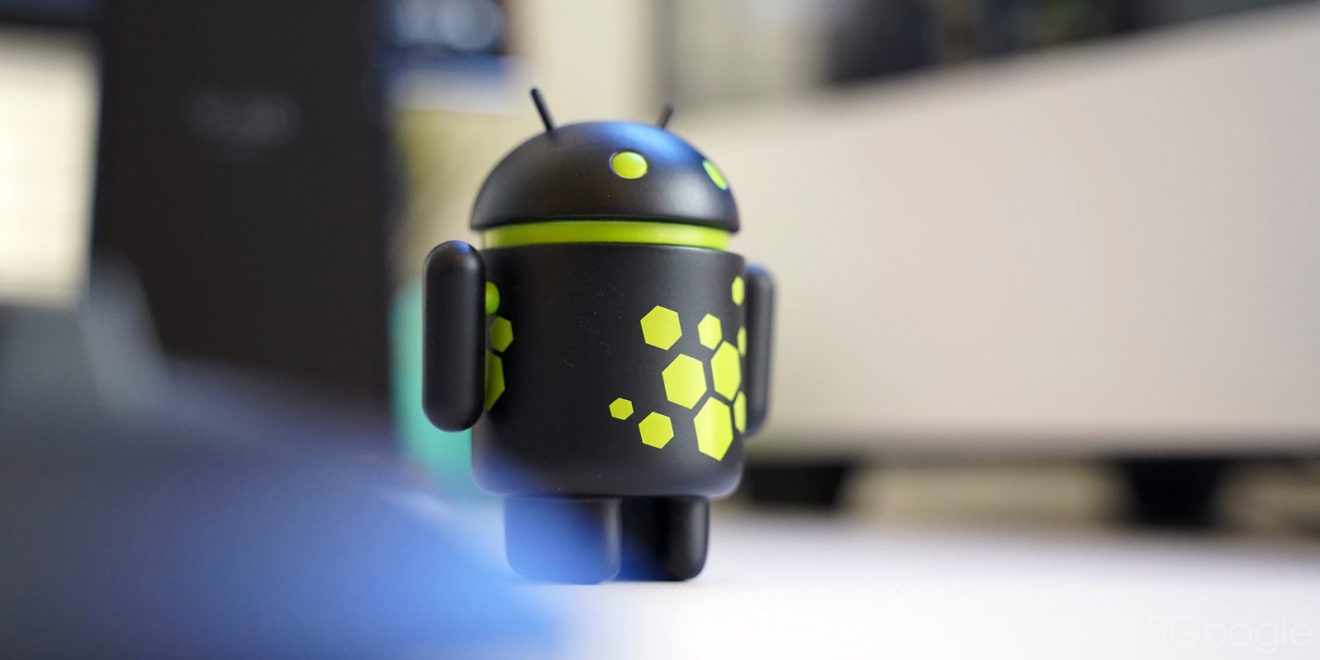
    The final beta version of Android 11 has been released by Google. If you wanted to install the beta on a Pixel 2 series through the Pixel 4 series model, now would be the time since the next update, which could drop on September 8th, will be the final version. Outside of some small bugs and last-minute changes made by developers, today’s release pretty much covers what you’ll see with the final build.

    To install the Android 11 Public beta 3 update, go to developer.android.com/android11 and click on the “get the beta” box near the bottom of the page. You then need to click on the box titled “View your eligible devices.” Tap on opt-in and you’ll shortly receive notification of a software update. Download and install it to run Android 11 beta 3. Once you install the Android 11 beta on your phone, you must stick with it until September 8th, the rumored launch date of the final Android 11 version, unless you’re willing to do a factory reset.

    Android 11 features a new notification system and the Bubbles feature which allows you to multitask while engaged in a text. If your phone already has the Android 11 beta installed, go to Settings > System > Advanced > System Update and press the blue button on the bottom right of the display.

  • FamilyMart set to test robotic c-store staff

    FamilyMart set to test robotic c-store staff

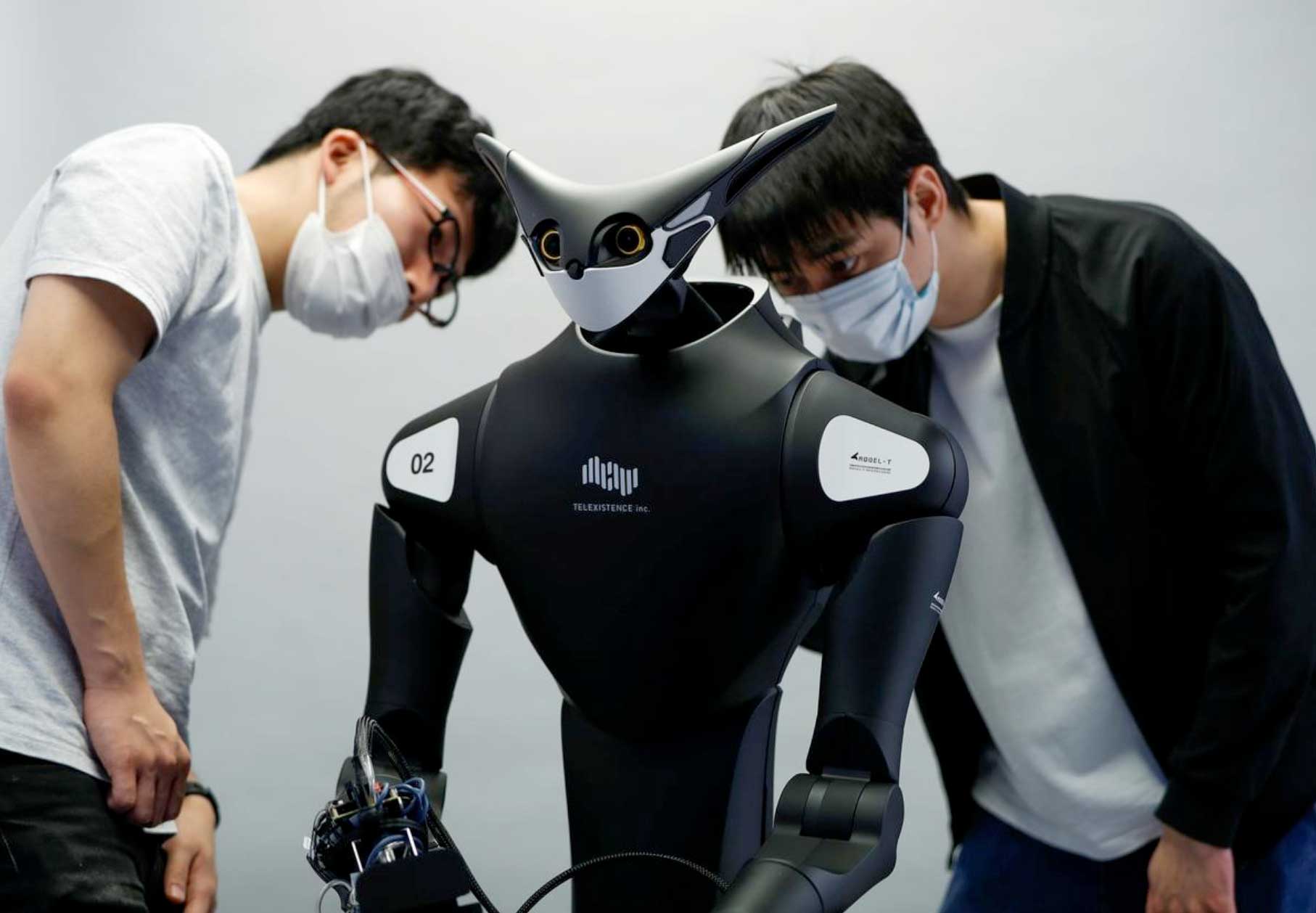
    FamilyMart will this month deploy a robot that vaguely resembles a kangaroo to stack sandwiches, drinks and ready meals on shelves at a Japanese convenience store. The robot’s maker, Telexistence, hopes the trial will help trigger a wave of retail automation.

    Following the trial, FamilyMart says it plans to use robot workers at 20 stores around Tokyo by 2022. At first, people will operate them remotely – until the machines’ artificial intelligence (AI) can learn to mimic human movements. Rival convenience store chain Lawson is deploying its first robot in September, according to Telexistence.

    “It advances the scope and scale of human existence,” the robot maker’s chief executive, Jin Tomioka, said as he explained how its technology lets people sense and experience places other than where they are.

    The idea, dubbed the existence, was first proposed by the start up’s co-founder, University of Tokyo professor Susumu Tachi, four decades ago.

    Their company has received funding from technology investment company SoftBank Group and cell phone service operator KDDI in Japan, with overseas investors including Airbus Ventures, the venture capital arm of European aircraft maker Airbus SE.

    It dubbed its robot the Model T, a nod to the Ford Motor car that began the era of mass motoring a century ago.

    Its quirky design is meant to help shoppers feel at ease because people can feel uncomfortable around robots that look too human.

    Robots are still a rare sight in public. Although they can outperform humans in manufacturing plants built around them, they struggle with simple tasks in more unpredictable urban settings.

    Solving that performance problem could help businesses in industrialized nations, particularly those in rapidly aging Japan, cope with fewer workers. Firms hit by the coronavirus outbreak may also need to operate with fewer people.

    Since the outbreak started, hotels, restaurants, and even gas and oil companies have contacted Telexistence, Tomioka said.

    “It’s difficult to tell now what impact robots might have in restaurants – it could mean fewer people, but it could also create new jobs,” said Niki Harada, an official at Japan’s Restaurant Workers Union.

    Using human operators with virtual reality goggles and motion-sensor controls to train its machines slashes the cost of retail robotics compared with complex programming that can cost 10 times more than as the hardware and take months to complete, Telexistence says.

    Although FamilyMart will still need humans to control its robots, operators can be anywhere and include people who would not normally work in stores, said Tomohiro Kano, a general manager in charge of franchise development.

    “There are about 1.6 million people in Japan, who for various reasons are not active in the workforce,” he said.

    Future te existence robots could also be used in hospitals so doctors could perform operations from remote locations, predicted Professor Takeo Kanade, an AI and robotics scientist at Carnegie Mellon University in the United States, who joined Telexistence in February as an adviser.

    It might take another 20 years before robots can work in people’s homes, however, he said.

    “In order for robots to be really usable at home, we really have to be able to communicate. The fundamental thing that is lacking is knowing how humans behave.”

  • Instagram launches Reels, competition for TikTok

    Instagram launches Reels, competition for TikTok

    Short-form video app TikTok has 41 days to complete a deal with Microsoft or any other U.S. company or else President Donald Trump has said that he will ban the app in the U.S. That’s because TikTok’s parent company, ByteDance, is based in China and a law in the country allows the communist government to order tech firms to collect intelligence from consumers and companies in the states and send it to Beijing. This is the same reason why outfits like Huawei and ZTE are considered national security threats in the states.

    NPR reported that twenty separate lawsuits accusing TikTok of capturing information about users’ facial characteristics, locations, and close contacts were merged into one class-action suit. The plaintiffs are minors who use the app and the suit states that the personal data collected by TikTok is sent to servers in China. ByteDance says that the servers it uses for TikTok are located in the U.S. with backups in Singapore. Experts for the plaintiffs said in the filing that personal data collected by TikTok is “under the control of third-parties who cooperate with the Chinese government. Such information reveals TikTok users’ precise physical location, including possibly indoor locations within buildings, and TikTok users’ apps that possibly reveal mental or physical health, religious views, political views, and sexual orientation.”

    With talk of a possible ban, many of the 100 million TikTok users in the U.S. have been looking for a new app to record their lip-syncing, dancing, singing, comedy bits, and protests. One app called Clash launched months early so that it could sign up TikTok members worried about losing the app to a ban. Instagram announced the launch of its short-form video feature called Reels. Instagram says, “Reels invites you to create fun videos to share with your friends or anyone on Instagram. Record and edit 15-second multi-clip videos with audio, effects, and new creative tools. You can share reels with your followers on Feed, and, if you have a public account, make them available to the wider Instagram community through a new space in Explore. Reels in Explore offers anyone the chance to become a creator on Instagram and reach new audiences on a global stage.”

    To use Reels, open Instagram and touch the camera icon in the upper left of the screen. On the bottom of the page, tap the Reels tab to get started. On the left side of the screen, you’ll see icons for Audio, Speed, Effects, and Timer. With the Audio setting, you can search for a song from Instagram’s music library or use your own by creating a reel with original music. If you share an original song on Reels, you will get credit for it. And your musical creation can be used by others by selecting “Use Audio” from your Reel.

    With AR Effects you can pick one from Instagram’s effect gallery which also includes effects made by creators all over the planet. This will allow you to create multiple-clips with different effects. If you are recording a Reel, you can record it hands-free by tapping on Timer and Countdown. A 3-2-1 countdown will alert you when your device has started recording.

    Perhaps one of the most important features on Reels is Align. This allows you to line up objects from your previous clips to help you record seamless transitions for outfit changes and more. And Speed lets you speed up audio and video. Reels can be recorded one at a time or all at once. Instagram says, “Record the first clip by pressing and holding the capture button. You’ll see a progress indicator at the top of the screen as you record. Stop recording to end each clip.”

    If you have a public account, your Reel can be shared in Explore or over your feed. If you use a private account, only your followers will be able to view your content from your feed. Original audio can’t be shared with this setting and others cannot share your Reels with others who don’t follow you. And a Reel can also be shared like a Story which means that it will disappear after 24 hours.

    “Reels in Explore showcases the best of trending culture on Instagram. Discover an entertaining selection of reels made by anyone on Instagram, in a vertical feed customized for you. If you love a Reel, you can easily like, comment or share it with your friends. You’ll also see some Reels with a “Featured” label. If your Reel is featured in Explore, you’ll receive a notification. Featured Reels are a selection of public Reels chosen by Instagram to help you discover original content we hope will entertain and inspire you.

    Reels gives people new ways to express themselves, discover more of what they love on Instagram, and help anyone with the ambition of becoming a creator take center stage.”

  • Cebu Pacific, PAL suspends domestic flights to and from Manila during MECQ

    Cebu Pacific, PAL suspends domestic flights to and from Manila during MECQ

    All Cebu Pacific and Cebgo DOMESTIC flights to/from Metro Manila are canceled from August 4  to 18, 2020, in line with the announcement of Modified Enhanced Community Quarantine (MECQ) over Metro Manila and adjacent provinces, and continued community quarantine over the rest of the country.

    CEB will continue to operate the following domestic flights:

    ·         Clark-Cebu-Clark, every Tuesday

    ·         Cebu-Davao-Cebu, every Tuesday

    CEB also intends to operate the following international flights:

    Frequency
    5J 18 Manila-Dubai Every Sunday
    5J 19 Dubai-Manila Every Monday
    5J 194 Manila-Seoul (Incheon) Every Thursday
    5J 5059 Tokyo (Narita)-Manila Every Wednesday / Saturday
    (Starting Aug 8)
    5J 817 Osaka-Manila Every Friday  (Starting Aug 6)
    5J 807 Manila-Singapore Every Thursday / Saturday
    (Starting Aug 6)
    5J 808 Singapore-Manila Every Friday/ Sunday
    (Starting Aug 7)

    Flights between Manila and Taipei, along with all other Cebu Pacific international flights, are also canceled during this time.

    CEB will also continue to mount all-cargo flights to ensure the transport of essential goods across the country. We will also work with the government at the national and local levels to assist stranded passengers.

    Passengers on canceled flights have the following options:

    1.       Unlimited rebooking 
    Rebook to any travel date within three (3) months from original flight, with change (rebooking) fees and fare difference waived.  If travel is after three (3) months, change fees are waived, but minimal fare difference may apply.

    2.       Two-year Travel Fund 
    Place the full cost of the ticket in a Travel Fund, or a virtual wallet with Cebu Pacific. Valid for two (2) years, the Travel Fund can be used to pay for flights up to a year out, or purchase add-ons (e.g. baggage allowance, seat selection, etc.)

    3.       Full refund
    Passengers on canceled flights are entitled to a full refund. However, due to the unprecedented volume of requests for refunds, the process may take at least four (4) billing cycles.

    Anyone of these options can be availed by managing bookings online via the Cebu Pacific website. Customers who booked through travel agencies or online booking sites must coordinate with them to manage their bookings or claim refunds.

    This is a developing situation. We may adjust flights depending on government regulations. We will contact passengers through the email addresses and mobile numbers provided upon booking for any information regarding their flights. We shall also provide updates through our website and official social media accounts.

    PAL

    Philippine Airlines said all its domestic flights to and from Manila (MNL) from August 4 to 18, 2020 are also canceled.

    PAL said domestic flights between Clark, Cebu, Davao and cities other than Manila are not affected and shall remain operational.

    International flights to and from Manila shall continue to operate, subject to further guidelines from the authorities in line with quarantine capacity and related arrangements.

    Domestic passengers of these canceled flights have options to rebook, refund or convert their ticket into a travel voucher.

    PAL told its guests that they seek the understanding and full cooperation “as we make these necessary changes to comply with the government directives and above all to support public safety.”

  • Apple denies report claiming that it is interested in buying TikTok

    Apple denies report claiming that it is interested in buying TikTok

    U.S. President Donald Trump is giving Microsoft until the middle of September to work out a deal with China’s ByteDance to own and operate TikTok in the United States, Canada, Australia, and New Zealand. The administration is concerned that Chinese tech firms collect data from U.S. consumers and corporations and send that data to a server in Beijing. It is this possible tie to the communist Chinese government that has led the U.S. to call companies like Huawei and ZTE national security threats. This could be the reason why the president prefers to see the short-form video app in U.S. hands or banned from the U.S. altogether.

    A class-action lawsuit filed by parents of over 70 U.S. children who use the app claim that it gathers data including facial features, the kids’ locations, and their contacts. The suit alleges that this information is quietly sent to servers in China, although the Chinese government is not specifically mentioned.

    While Microsoft seems to be the only U.S. company that has expressed interest in shelling out the big bucks to buy TikTok, Axios reported that other U.S. firms are believed to be interested in the app, which has been installed over 2 billion times from the Google Play Store and the App Store. One of the companies that are reportedly looking at a deal to buy TikTok is Apple.

    Axios’ Dan Primack wrote that he has been told by multiple sources that Apple is interested in TikTok. He did note that none of these sources works inside Apple and pointed out that TikTok’s app works on both iOS and Android. Primack later wrote that he was told by Apple that there are no discussions underway with ByteDance and that the company isn’t interested in TikTok. A purchase of TikTok would certainly cost Apple more than the $3 billion that the tech giant spent to purchase Beats Audio back in 2014. That is the largest acquisition ever made by Apple which usually restricts purchases to smaller companies with a technology that is one to two years away from being used in a product like the iPhone.

    While TikTok would seem to fit into Apple’s largest business segment, Services, the apps in that unit generate revenue from recurring subscription fees paid by the user. Instead, TikTok is a free app supported by advertisers. Even if we were to assume that Apple’s denial of any interest in TikTok was to be a negotiation ploy, it is hard to see how the company and its customers would benefit from such a purchase.

    By putting a September 15th deadline on completing a deal, Trump might have pained himself into a corner. Because of TikTok’s valuation, this is not an easy deal to complete. If September 15th comes and goes without a transaction taking place, the president is going to be forced to ban an app that is immensely popular even among those of voting age. Meanwhile, the implications of a deal are having effects everywhere. In China, TikTok parent ByteDance is being branded as a traitor for agreeing to sell TikTok to a U.S. firm. While TikTok itself doesn’t operate in China, ByteDance is a Chinese firm.

    In the states, TikTok users are jumping to rival platforms. Short-term video app Clash launched months earlier than planned to take advantage of the confusion surrounding TikTok and Instagram’s Reels is also close to launching. Snapchat is taking on TikTok with a service it is testing, and there are other apps already available such as byte and Triller. A 15-year-old TikTok user named Kyle Thomas told the Journal, “I spend all of my time on it. As much as it is my job, it’s also my entertainment. If I can’t have it, I wouldn’t be sure what to do.”

    Yesterday, President Trump made a comment about the U.S. Treasury collecting a percentage of any deal that results in the purchase of TikTok by a U.S. company. White House economic adviser Larry Kudlow said, “It may be that the president was thinking because the Treasury has had to do so much work on this, there are a lot of options here. I’m not sure it’s a specific concept that will be followed through…Regarding fees or anything like that, all that remains to be seen.” Having the U.S. government profit from what the Chinese government sees as a forced sale of TikTok is sure to make the current relationship between the two economic powers much worse.

  • Vietnam retail sales continued to recover before Covid-19 second wave hit

    Vietnam retail sales continued to recover before Covid-19 second wave hit

    Vietnam’s retail industry continued to recover after the March lockdown to fight Covid-19, with a 4.3-per-cent increase year on year in July’s retail sales.

    However, after being virus-free for more than three months, Vietnam is now facing the second wave of Covid-19 which originated in the coastal city of Danang. With a full lockdown in Da Nang and partial lockdown in Ho Chi Minh City and Hanoi, retail sales are expected to be impacted this month.

    According to the General Statistics Office (SGO), retail sales dropped just 0.4 percent year on year over the first seven months of this year, reaching about US$121.7 billion.

    The office said Vietnam’s retail sales have shown positive signs of economic recovery due to domestic consumption and tourism push in July. Last month, Vietnam retail sales rose 3.3 percent from June’s figures.

    Sales of consumer goods reached $96.4 billion, increasing by 3.6 percent year on year. Growth sectors include home appliances and fresh-food products with 7.6 percent and 7.5 percent increases respectively. Meanwhile, F&B revenues fell 16.6 percent, generating $12.2 billion.