Category: General

Retail News Asia is committed to providing both local and global retailers with the latest General Retail news throughout the Asian market. This on a daily base.

  • HSBC sees Vietnam growing slower than earlier forecast

    HSBC sees Vietnam growing slower than earlier forecast

    HSBC has revised downward its Vietnam GDP growth forecast for 2021 from 8.1 percent to 7.8 percent, pointing to the slow recovery in tourism.

    Travel-related services such as accommodation and transportation remained in a deep slump, it said in a note.

    “There is nothing to be surprised when immigration restrictions are still in place, although Vietnam has made some travel agreements with neighboring countries.”

    The tourism industry could hardly revive until an effective vaccine for Covid-19 was developed and there was a new approach toward global tourism co-operation.

    It also said the inflation rate in 2020 was probably 3.3 percent, much below the 4 percent target set by the State Bank of Vietnam.

    Though the country escaped the worst effects of the pandemic, its businesses and consumers affected by Covid-19 needed great support, but it would be difficult since Vietnam’s public debt-to-GDP ratio was 65 percent.

    The fiscal deficit would increase to 5.2 percent of GDP in 2020 before falling to 4.6 percent in 2021, resulting in public debt falling below 60 percent.

    With the economy likely to revive, the central bank would stick to its monetary policy in the first quarter of 2022 before raising interest rates by 0.25 percentage points in the third quarter.

    Vietnam would remain a “shining star” in 2021, and also benefit from a technology-driven revival, consistent FDI inflows and various trade agreements, HSBC said.

    The only challenge was likely to come from the labor market since, despite some improvement in the third quarter of 2020, unemployment was still on the rise and salaries were declining.

    If this continued, consumer spending, a major factor boosting the economy, would take longer to recover.

  • Olive Young eyeing Southeast Asia through Shopee

    Olive Young eyeing Southeast Asia through Shopee

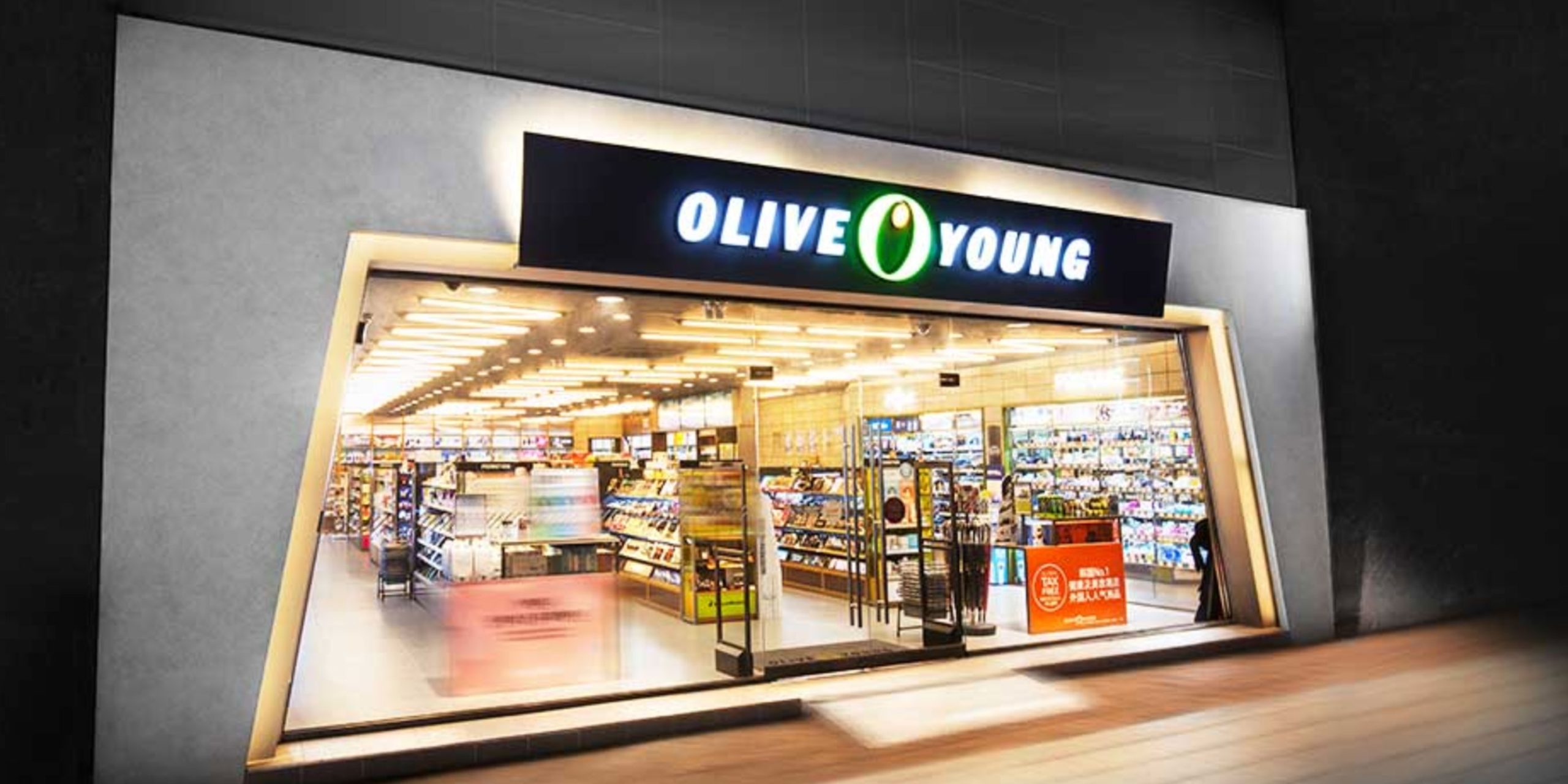
    CJ Olive Young, the country’s largest health and beauty product store, opened an online shop on Southeast Asia’s biggest e-commerce platform Shopee, Tuesday, as part of its global expansion plans.

    “From now on, Olive Young will actively seize opportunities in the global market to grow and lead the globalization of Korean cosmetics,” a CJ Olive Young official said.

    Shopee is a subsidiary of Sea Group, which sells various products from daily necessities to cosmetics and electronic goods online. It is referred to as the Amazon of Southeast Asia, as it focuses on Singapore, Thailand, the Philippines, Vietnam, Indonesia and Malaysia. Last year, the number of accumulated mobile application downloads of the Shopee platform surpassed 200 million.

    In 2020, Olive Young also signed a memorandum of understanding with Dairy Farm to launch several of its products in Guardian stores, a drug store chain in the region.

    The health and beauty product store is entering foreign markets through local retailers because it wants to minimize risks and analyze the markets first.

    CJ Olive Young has started selling 300 items from its six house brands on Shopee ― Wake Make, Colorgram, Round Around, Botanic Heal Boh, Bring Green and Filli Milli ― which are good value local brands sold for reasonable prices that are popular among international customers.

    The health and beauty product stores’ items will be available in Indonesia and Malaysia first. This is because they have a high proportion of young people who are interested in K-beauty and mobile shopping. It wants to introduce Korean products as well as improve the firm’s brand awareness in the two countries.

    CJ Olive Young sold some of its shares to the domestic firm Glenwood Private Equity last month. After the stock purchase agreement, the private equity fund became the second-largest shareholder with 24 percent interest.

    During the purchase, Glenwood valued Olive Young at 1.8 trillion won. The health and beauty product store plans to go public on the Korean bourse next year and raising its corporate value is important as it will have to pay back money to strategic investors after listing.

    Olive Young is already successful with its bricks-and-mortar business here, which has a nearly 70 percent market share. However, its online business is a whole other story. Online retail giants Coupang and eBay Korea have established gigantic sales platforms that give no reason for customers to go only to Olive Young’s online mall.

    For this reason, Olive Young decided to eye the Indonesian and Malaysian markets. Although sales in the two countries may not produce good profits at first, it has to look beyond the domestic online market that is already too competitive.

  • Americans should be glad that Google Assistant’s “Do Nothing” mode is not available in the states

    Americans should be glad that Google Assistant’s “Do Nothing” mode is not available in the states

    We’ve often pointed out how Google Assistant is the best of the virtual digital helpers. Unlike Siri, which often refers users to a webpage to get the answer to a question, Google Assistant will many times directly post the answer to a query. Ironically, you’ll see this in action often when asking a question about an Apple device. In addition, Siri seems to have a big problem trying to understand some of the questions it is being asked.

    There is a new “Do Nothing” mode that does, well, nothing. Unfortunately, though, most of you will not be able to see Google Assistant “Do Nothing” because the feature was developed in conjunction with Cadbury’s 5 Star, a chocolate bar offered in limited markets including India. To activate the “Do Nothing” mode, you can say “Eat a 5 Star” in one of the markets that support the feature. Once the “Do Nothing” mode is activated, Google Assistant says, “I feel like doing nothing now. And I’m going to help you chill too. Ask me anything.”

    The responses that come forth from Google Assistant in “Do Nothing” mode are equal parts funny and equal parts useless. For example, in this mode, if you ask Google Assistant “Egg-first or Chicken?,” the response will be “Depends on which one you ordered first.” Not exactly an answer that will elicit a chuckle or two, but that is kind of the point. Ask for the nearest salon and you might get a response from Google Assistant that says, “You’re in luck. Bushy eyebrows, hairy armpits, and no makeup selfies are in fashion.” Ask about the weather, and Google Assistant will say, “HaHa…as if you’re going to step out.”

    After perusing some of these jokes, perhaps it is just as well that the Google Assistant “Do Nothing” mode cannot be activated in the states.

  • Guide to Market your Products in China

    Guide to Market your Products in China

    As the largest market in the world, China has a lot of potentials to offer for enterprises and brands to expand their businesses. Knowing the market will help you to better understand the consumer’s needs and to adjust your promotion accordingly.

    Unique market habits

    China is a huge market, and Chinese consumers’ preferences vary from a city to another.

    Doing in-depth researches about the demand of your products in the local market and provinces, will help you to know the local preferences and the way you should communicate.

    The growth in the Chinese market is undoubtly enormous, it is actually one of the only countries in the world to observe an economic recovery during the pandemic, which means that standing out among your competitors and getting recognized by the local market is getting harder and harder, as the competition to “seduce” Chinese customers is aggressive.

    China is in demand of new businesses and the country is moving forward fast. Provinces tend to specialize themselves and that key for Western brands who want to enter the market.

    For instance, Guangzhou is the kingdom of the manufacturing industry (textile, electronic, apparels, toys…), Shenzhen and Beijing invested in the IT, biomedicine and communications industries while Shanghai is specialized in the financial, petrochemicals, chemicals or pharmaceutical industries.

    Communication about your products

    Needless to say, that marketing your business on the internet is the first step of all when you want to make your way in the market. Chinese consumers are highly connected, 90% of the millennials are shopping online according to KPMG and, without a strong digital strategy, selling your products in China might be difficult.

    Search engine marketing in China is different than in the West, where Google is leading the industry. Baidu is the main search engine but other companies like Sogou, Haosou (360) and Shenma are emerging, each one of them offering advertising solutions to get exposure.

    Social media and communities are also trending and dozens of networks exist to target customers who have common interests, thanks to video, live-streaming and topic-based apps.

    Therefore, under the circumstance of intense sales environment, major merchants have gradually integrated social media and other scenes into their sale process, the key being to identify the right network used by potential customers.

    In China, the most common social media platforms that companies go to are WeChat, Youku (YouTube-like) and TikTok (DouYin is the local version of the app).

    • WeChat account page functions as a website where you can list your products, set up your customer service and even link purchases to your account, from which you can withdraw the earnings to your bank account.
    • Youku works like YouTube for advertisers and allows brands to place ads in popular videos and of course, to make videos.
    • Douyin is a platform where users can create and share videos publicly, but as for companies, they are also platforms where they can promote their businesses and products. They stand out because they offer a different way for users and brands to share in a more creative and lively way, thus, it reduces the resistance of consumers to promotions and advertisements that are being displayed on the platform.

    Other platforms exist. The key is to identify your target customers, to invest in the right channels and a digital agency specialized in the Chinese marketing can help to understand the differences between, WeChat, Weibo, Red, Douyin, Toutiao, Weitao, Kuaishou.

    Best practices to sell in China

    For companies that want to quickly market a new product in China, the goal is to combine the advantages of online marketing and rapid communication to carry out new product marketing planning.

    Meanwhile, offline promotion and demographic expansions cannot be ignored either.

    Identify a city where the market is relatively vacant and hire a professional business development team to expand your business is key to understand the local market.

    The product life cycle is becoming shorter and shorter, especially in China. Manufacturers are constantly introducing new styles and materials in order to continuously satisfy the desires of consumers, which also tend to bring the end prices down for some industries. Find the right positioning and being flexible are two important factors of success in China.

    Understanding the market and the customers, having a quality website in Chinese, adapting the communication to the local habits, using the Chinese social media and search engines are crucial to be more visible in the largest market in the world.

  • Vietnam economy to grow almost five times by 2035

    Vietnam economy to grow almost five times by 2035

    Vietnam’s economy is expected to grow five times, becoming the 19th largest economy in the world in 2035, a report says.

    Steady and consistent growth is set to help it go past major Asian economies like Taiwan and Thailand by 2035, U.K consultancy the Centre for Economics and Business Research (CEBR) said in its annual league table on the growth prospects of 193 economies released last week. The country now is the 37th largest economy.

    Its GDP growth is forecast at 7 percent a year over the next five years, and 6.6 percent in the subsequent decade.

    The report estimated Vietnam’s nominal GDP by 2035 to be $1.59 trillion from the current $341 billion, a nearly five-fold increase in 15 years.

    Despite the Covid-19 pandemic, the Vietnamese economy, unlike most others, was able to escape a contraction in 2020 thanks to competent handling of the crisis, the report said. It grew at 2.91 percent.

    The government has set a GDP growth target of 6.5 percent for 2021.

    China will overtake the U.S. as the world’s biggest economy in 2035 after outperforming its rival during the global Covid-19 pandemic, according to CEBR.

  • Maison Margiela opens new retail concept store in Shanghai

    Maison Margiela opens new retail concept store in Shanghai

    Set to open on December 18 in Shanghai’s Reel Department Store, the new 160sq m boutique is the brand’s first store in China with the new store concept.

    Founded in 1988 and headquartered in Paris, French luxury fashion house Maison Margiela produces both haute-couture collections and ready-to-wear collections. The brand’s products include womenswear, menswear, footwear, fine jewellery, fragrance and home goods which will all be available at the new boutique.

    The new concept store has been designed by Dutch architect Studio Anne Holtrop in line with Creative Director John Galliano’s vision. The store is fitted with artisanal furnishings and hand-cast textile moulds. The ceilings and walls are painted in a dark-green gloss that creates a shimmering shine.

    This new store has been inspired by the brand’s first concept store that launched in London’s Bruton Street, this was followed by Avenue Montaigne in Paris, and Osaka Shinsaibashi Parco in Japan.

  • Vietnam not considering international flight resumption

    Vietnam not considering international flight resumption

    Vietnam is not considering a resumption of international commercial flights with the Covid-19 situation remaining intense globally and vaccine distribution uncertain.

    The pandemic has been complicated by the appearance of a new coronavirus variant, with no certainty a vaccine would be distributed on a large scale this year, Deputy Minister of Planning and Investment Tran Quoc Phuong told press Monday.

    Resumption of tourism activities would only occur when deemed safe, he stressed.

    Vietnam suspended commercial international flights in late March last year to contain the spread of the novel coronavirus.

    However, the country still allows a limited number of flights for experts, businesspeople, workers and overseas Vietnamese, who are all quarantined by up to 14 days upon arrival.

    Phuong said authorities are struggling to contain illegal immigration as travel demand spikes ahead of the Lunar New Year holiday, or Tet, which falls in February this year.

    Foreign arrivals last year fell nearly 79 percent to 3.84 million, according to the General Statistics Office.

  • Trend Micro Announces World’s First Cloud-Native File Storage Security

    Trend Micro Announces World’s First Cloud-Native File Storage Security

    Trend Micro, the leader in cloud security, today announced the world’s first cloud-native, fully serverless file storage security tool for organizations building applications in the cloud. Trend Micro Cloud One – File Storage Security is designed to mitigate threats across the cloud environment and support strict compliance requirements.

    The explosion of cloud-based file and object storage presents a new attack vector for threat actors to target with malicious files. Cloud One – File Storage Security provides automated anti-malware scanning to keep information safe and ease compliance needs.

    “Global organizations are increasingly looking to public cloud providers to drive IT agility, cost savings and business growth. But while the provider deals with security of the cloud, the customer is responsible for everything inside their cloud environment,” said Mark Nunnikhoven, vice president of cloud research for Trend Micro. “This is a highly scalable, automated scanning tool that’s fast to deploy with no added infrastructure, allowing organizations to confidently store cloud files and data associated with their cloud applications.”

    Backed by Trend Micro’s 30+ years of cybersecurity experience and industry leading threat intelligence, the tool blocks known bad files, and looks for hidden or changing malware variants.

    The scanner itself is a lightweight, cloud-native serverless function that’s designed for minimal operational overhead. This architecture enables fast, seamless deployment and flexible integration with organizations’ existing custom workflows for added value.

    The tool supports various compliance requirements that call for anti-malware scanning of cloud files while maintaining data sovereignty.

    Trend Micro Cloud One – File Storage Security is available now for AWS S3, with support for Microsoft Azure Blob storage and Google Cloud Storage coming soon.

    Using Trend Micro’s Cloud One platform, teams can implement a range of security services and compliance checks without hindering agile cloud development and deployment. This single cloud-native security seamlessly complements and integrates with existing AWS, Microsoft® Azure™, VMware®, and Google Cloud™ toolsets.

  • AirAsia and Penang Tourism Collaborate to Provide More Value Deals for Domestic Tourists

    AirAsia and Penang Tourism Collaborate to Provide More Value Deals for Domestic Tourists

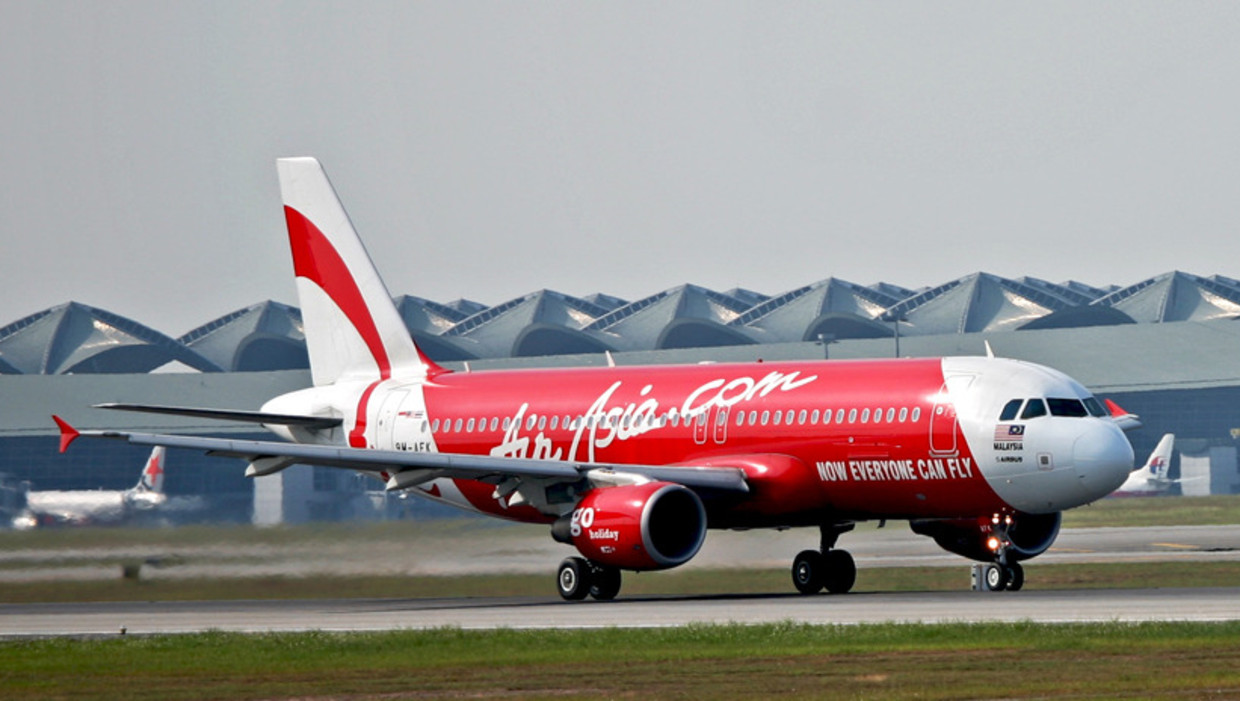
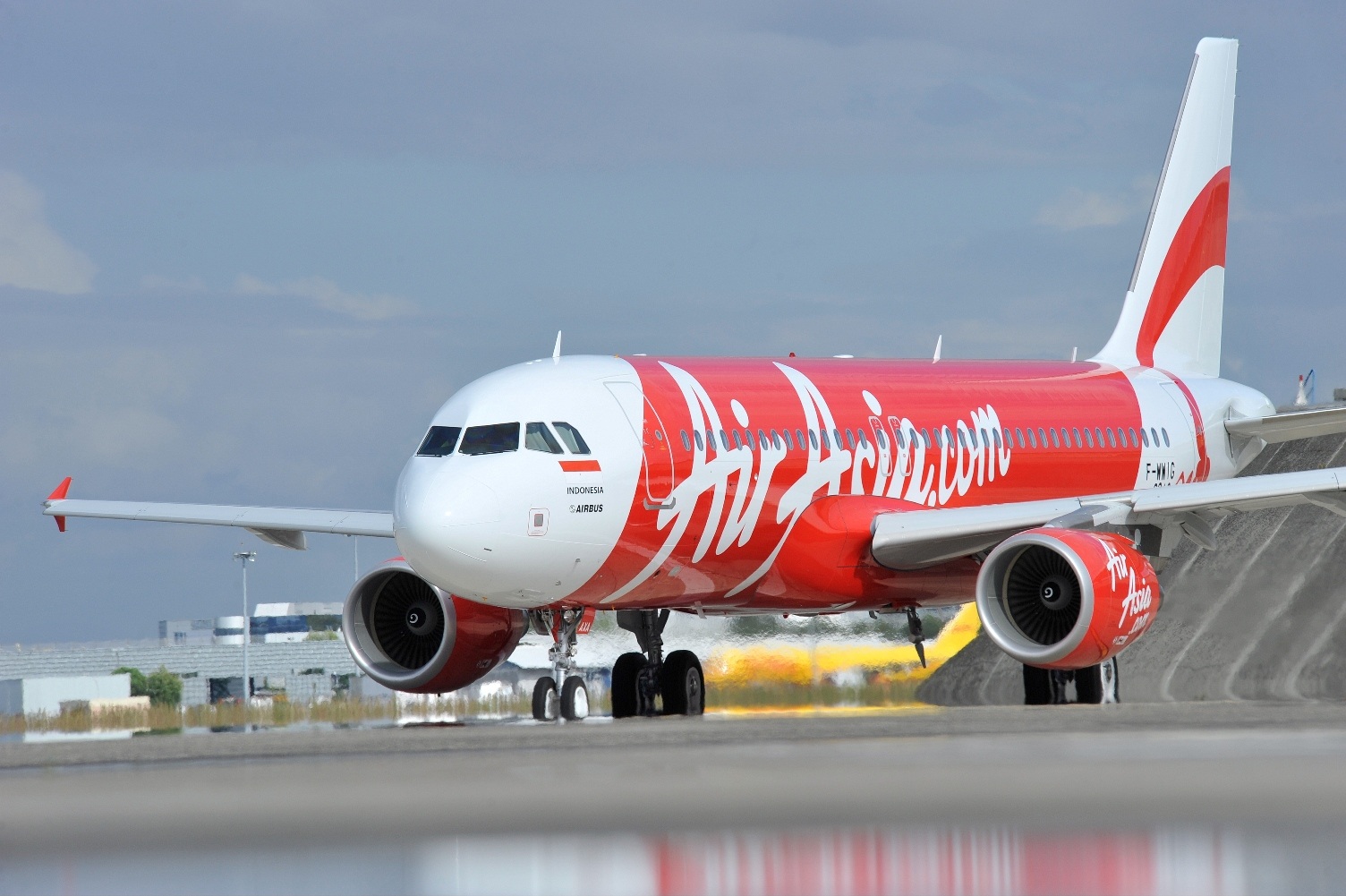
    AirAsia and Penang Global Tourism (Penang State Tourism Bureau) have announced a new collaboration that will offer more travel options and value-added services to domestic tourists visiting Penang.

    The partnership will see airasia.com, the Asean super app pair-up with Penang Global Tourism Board to offer travelers a variety of Penang travel bundles as well as a joint marketing effort.

    Penang State EXCO For Tourism And Creative Economy (PETACE), YB Yeoh Soon Hin said, “We are observing a positive rebound on tourism activities and we are working towards accelerating the recovery of tourism, supporting jobs and the economy and increasing tourism receipts. Partnering with key travel players like airasia.com will assist us to amplify our efforts and to offer more diverse travel and tourism products by leveraging on their wide product offerings.

    “I am proud to say that Penang is at the forefront once again in assuring safe travels to our visitors. In July 2020, Penang launched the ‘Penang Responsible Tourism’ campaign. Furthermore, we have also launched the COVID-19 safety accreditation program to strengthen preventive measures undertaken by Penang’s tourism industry players. These initiatives are the first-of-its-kind in Malaysia, intending to instill confidence in travelers when visiting Penang.”

    “To further reiterate, Penang is the first in Malaysia to kickstart the “Penang Responsible Tourism” campaign and the accreditation program.”

    airasia.com Chief Commercial Officer, Amanda Woo said, “We would like to thank Penang Global Tourism Board for working with us to provide more value for travellers. Now, visitors to Penang can conveniently plan their trip with all the exciting offers made available through this collaboration under one platform on airasia.com. We hope people will take the opportunity to explore and enjoy more of what Penang has to offer.

    “We are also expanding our network from Penang to Kota Bharu with three times weekly flights which commenced yesterday, while the new route from Penang to Sibu is set to kick off in January 2021. We hope the added connectivity will provide much-needed accessibility for the Northern travelers, as well as to revive the domestic tourism industry. ”

  • Wishing You All a Happy 2021

    Wishing You All a Happy 2021

    The retail news team thank you for your interest, loyal support, and trust in one of the most challenging times ever. It has been an eventful 12 months for retailers and retail events, but the new year marks a new beginning, and we’re looking forward to being able to meet, embrace, and exchange ideas again.

    Whatever the new year has in store, we’ll be in it together. Happy New Year to all our readers.

  • Vietnam Airlines gets new CEO

    Vietnam Airlines gets new CEO

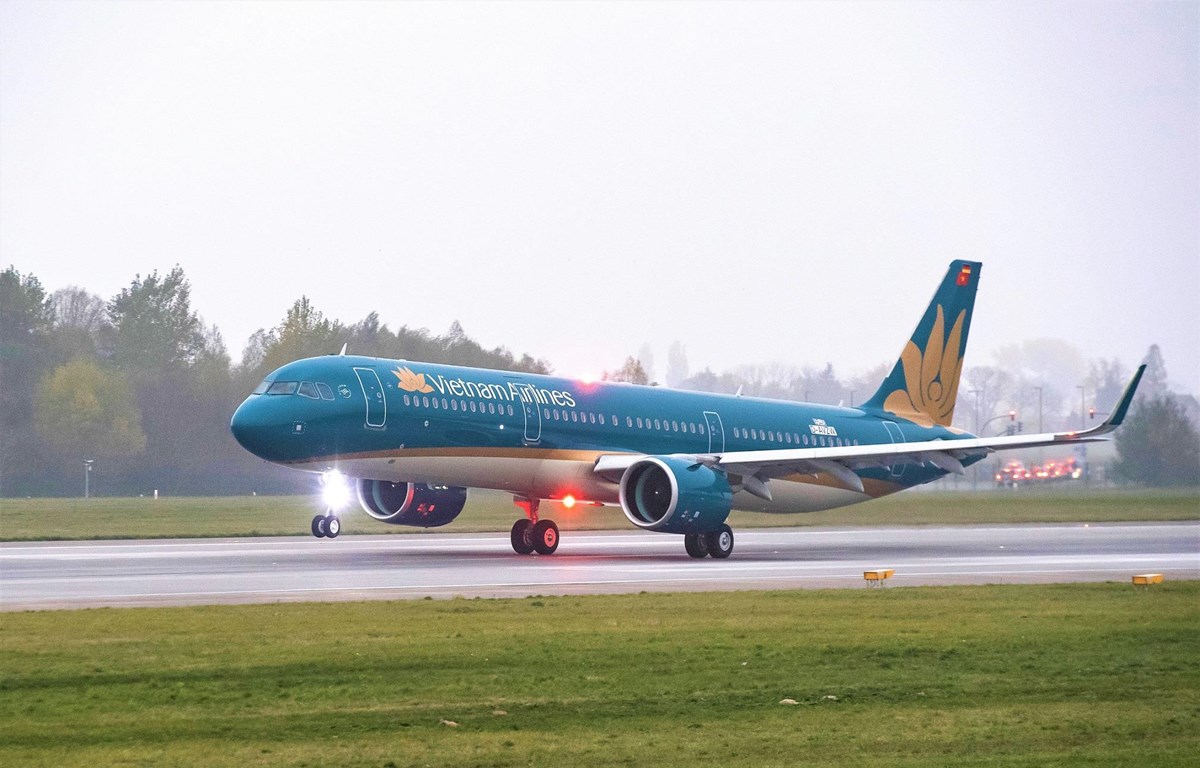
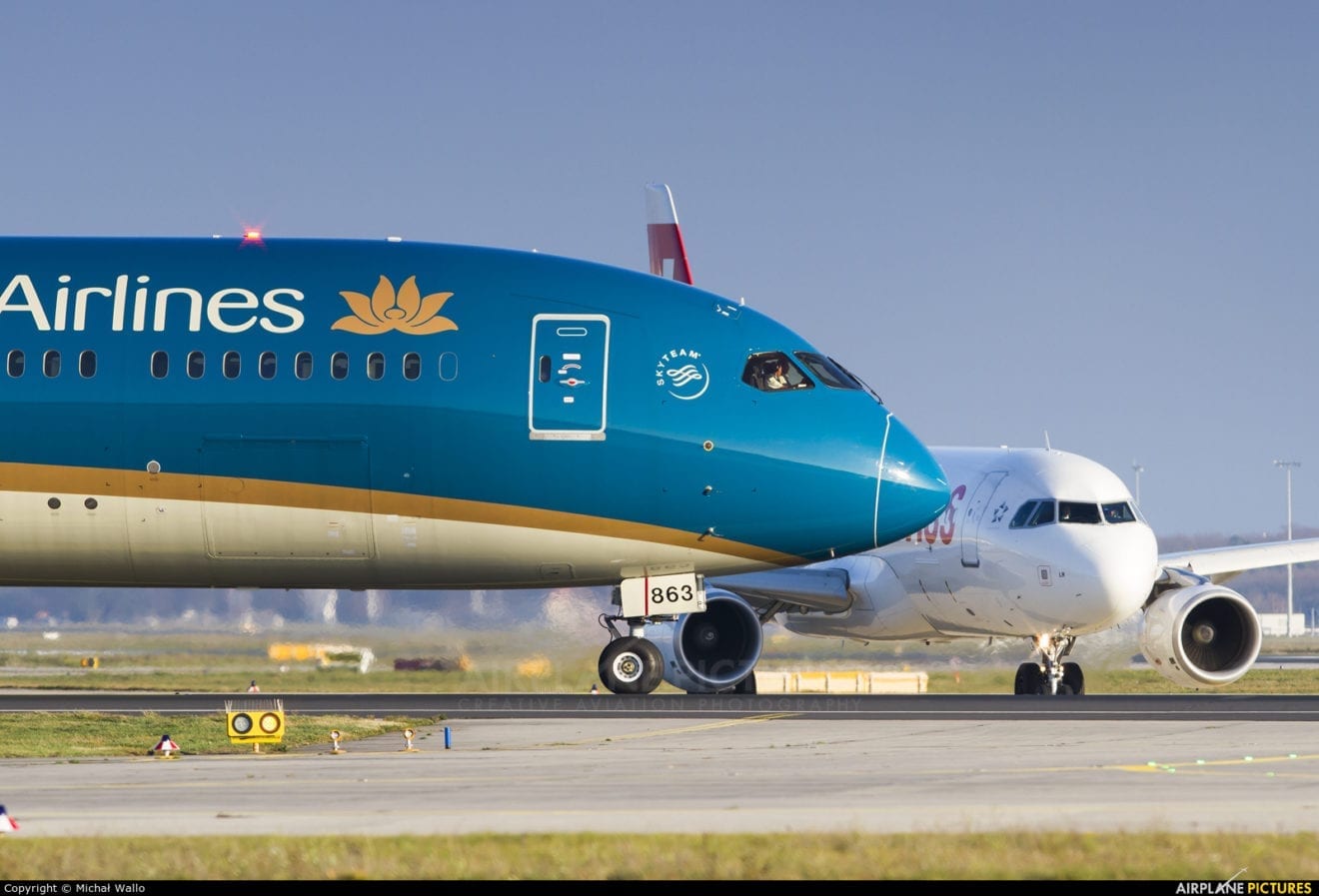
    Vietnam Airlines deputy director Le Hong Ha will take over as the national carrier’s new CEO starting January 1, 2021.

    Ha, 48, will replace Duong Tri Thanh who retires Thursday after almost five years at the helm.

    Ha began working for Vietnam Airlines in 1994 as has occupied several key positions.

    In 2015, he was appointed the CEO of Vietnam Airline’s subsidiary Jetstar Pacific (now Pacific Airlines), and is currently the chairman of the jet fuel supplier Skypec.

    Vietnam Airlines has forecast a loss of VND14.44 trillion ($625 million) this year because of the Covid-19 pandemic.

    The number of passengers it served this year is estimated to fall 51 percent year-on-year to nearly 14.23 million, with the number of flights plunging 48 percent to 96,500.

  • Tata grabs bigger slice of AirAsia India

    Tata grabs bigger slice of AirAsia India

    A number of bids have been put forward for India’s loss-making national carrier, including one on behalf of its employees. The Indian government had tried to offload its stake in Air India in 2018 but failed to attract a single bid. One group is representing employees and plans to offer them a controlling stake in the struggling airline. Another bid is reported to have been put forward by the Tata Group, which originally founded the airline in 1932.

    Tata, which owns Jaguar Land Rover, sold its stake to the government in the 1950s. India’s Prime Minister Narendra Modi is keen to sell the government’s entire interest in the airline, which has been kept aloft by a bailout and racked up billions in debts. The airline has many assets, including prized slots at London’s Heathrow airport, a fleet of more than 100 planes and thousands of trained pilots and crew. One of the bids put in ahead of this week’s deadline was from US-based investment firm, Interups.

    Under its plan, Interups will hold 49% of Air India while a controlling stake of 51% will be held by its employees.

    “We are giving an open offer to employees of Air India to substantially own the airline,” Interups chairman Laxmi Prasad told the BBC.

    “Our group will invest the entire monies required for the airline, with no capital requirement from employees to contribute into the acquisition effort.”

    Calling them the “backbone to run the airline”, Mr Prasad added that the 51% stake would be “in exchange for the deep intangible contribution you all would be making for the airline.”

    “No-one knows Air India better than its employees and management.”

    “Any new owners will need to invest heavily in Air India, improving its technology and customer services operations,” said Jitendra Bhargava, former Executive Director of Air India and author of the book, The Descent of Air India.

    “But India is a growing market and offers huge potential. My take is that Air India is better run as a private company than by bureaucrats.”

    Interups, which specialises in turning companies around, says it has also targeted another Indian airline, and if successful, will merge it with Air India. They have not specified which airline that could be.

    “The combined operations will make Air India a global leader for passenger traffic to and from India,” said Mr Prasad.

    He described the potential battle with Tata for the airline as David versus Goliath. “But David mastered the winning, and we are equally confident.”

    The Indian government is expected to notify the qualified bidders in early January 2021.

  • Malaysia says Vietnam dumping cold rolled stainless steel

    Malaysia says Vietnam dumping cold rolled stainless steel

    Malaysia has slapped anti-dumping duties on Vietnamese cold-rolled stainless steel after completing a preliminary determination.

    The duties, ranging between 7.73 percent and 34.82 percent, have been imposed for three months starting December 26 on coils, sheets and all other forms of cold-rolled stainless steel, Malaysia’s Ministry of International Trade and Industry said in a statement.

    The country initiated the anti-dumping investigation on July 28 based on a petition by Bahru Stainless Sdn. Bhd., which claimed Vietnamese steel is being imported into Malaysia at a price lower than the selling price in Vietnam, which has caused it major injury.

    Malaysia will conclude the investigation before April 23, 2021. Similar steel products from Indonesia were also slapped with the duties.

    Last week Malaysia had also imposed anti-dumping duties on certain flat-rolled steel products from China, South Korea and Vietnam.

  • Vietnam Airlines set to perform better than expected

    Vietnam Airlines set to perform better than expected

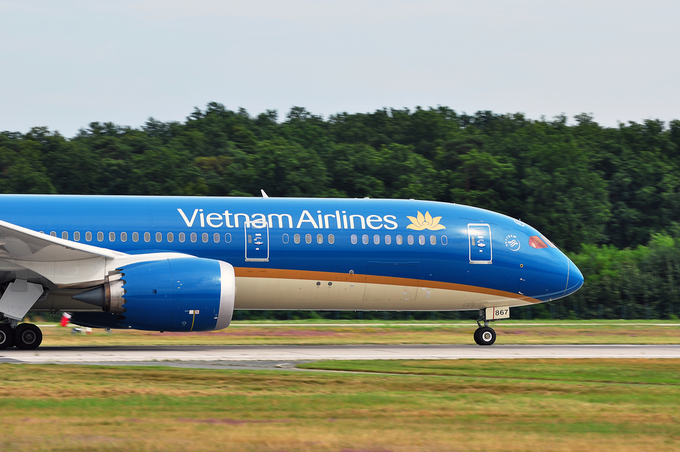
    National carrier Vietnam Airlines expects 2020 losses of VND12 trillion ($521.11 million), about 17 percent lower than it had forecast in August.

    The carrier’s consolidated revenue this year is estimated at VND42.5 trillion, with parent company revenues reaching VND33 trillion, exceeding targets set earlier this year by 4.8 percent and 1.4 percent respectively, Vietnam Airlines chairman Dang Ngoc Hoa said Tuesday at an extraordinary general shareholders’ meeting.

    This allows the company to undershoot the VND14.45 trillion loss figure forecast at the annual general meeting in August, he said.

    This year’s loss could be reduced further by VND2.86 trillion after completing adjustments for amortization of repair, maintenance and ground services costs in accordance with government policy that allows delayed payments to help support airlines, Hoa said.

    In 2020, Vietnam Airlines operated about 96,500 flights, down more than 48 percent over last year. The airline transported 14.23 million passengers and about 195,000 tons of cargo, down 51 percent and 47 percent respectively over 2019, he said.

    Hoa said that for the next five years (2021- 2025), Vietnam Airlines will focus on restoring production and business activities, undertaking a comprehensive restructuring plan which will overhaul areas such as capital ownership and finance, assets and portfolios. It will strive to ensure lean production, and improve business efficacy with the sale and leaseback of aircraft.

    The national carrier will also wholly or partly divest its capital in a number of high-performing enterprises in the air-transport service supply chain to improve cash flow, offset accumulated losses, and create funds for investment and development, he added.

    Vietnam Airlines currently operates more than 60 domestic routes with an average of 300 flights per day. It has resumed one-way flights to Japan and plans to reopen routes soon to mainland China, Taiwan, Laos and Cambodia.

    In mid-November, Vietnam’s National assembly approved a bailout for the carrier that can see it get up to VND12 trillion in funds and will be allowed to sell more shares to existing shareholders to boost cash reserves.

  • Cebu Pacific now offers antigen tests to passengers

    Cebu Pacific now offers antigen tests to passengers

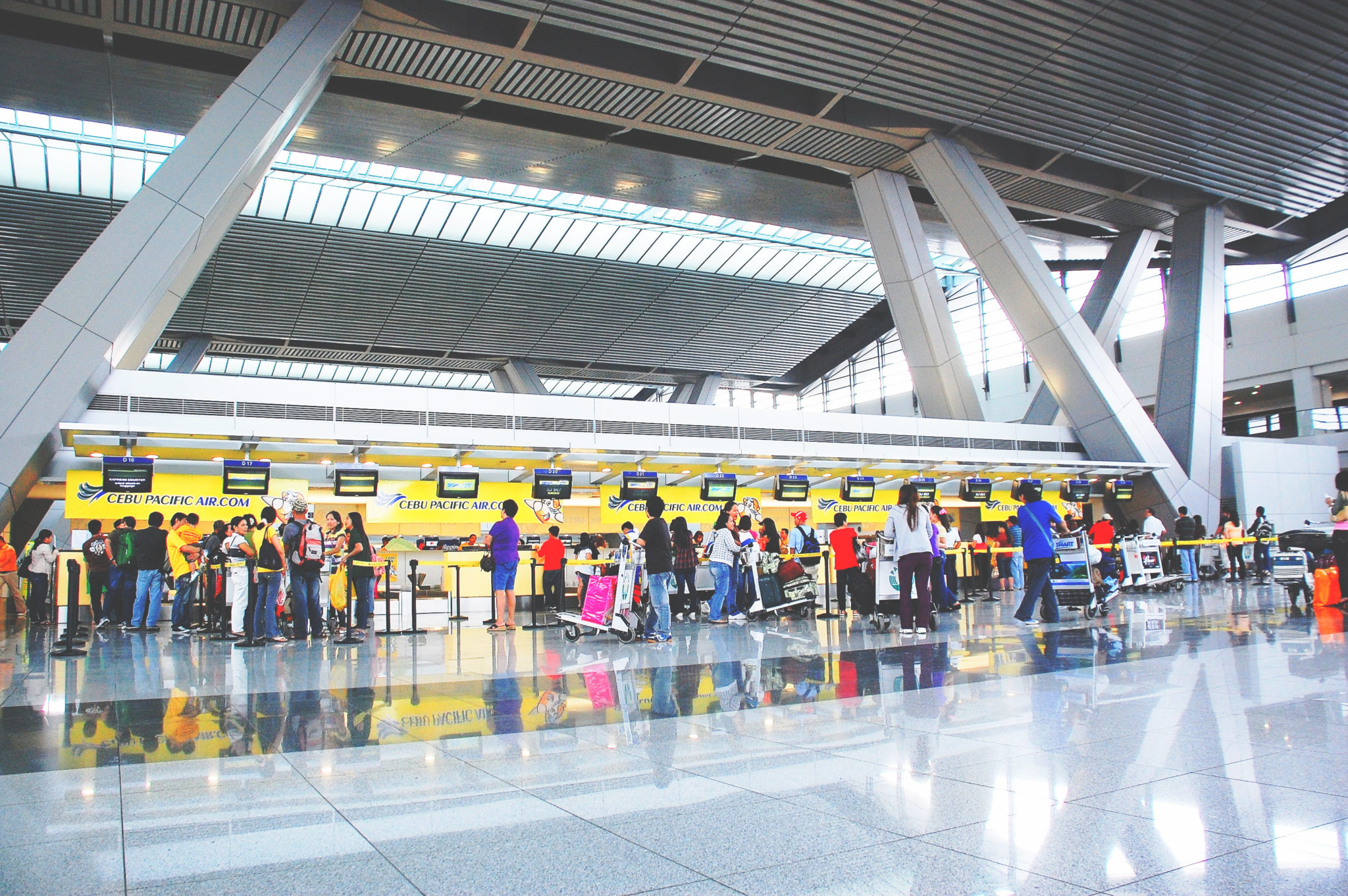
    The Philippines’ largest carrier, Cebu Pacific (CEB), commercially launches its Test Before Boarding (TBB) process for passengers flying from Manila, after its successful pilot run with the local government of General Santos. This process makes use of an antigen test taken just hours before the scheduled time of departure, with results released within 30 minutes.

    The TBB testing facility at the NAIA Terminal 3 is now open for walk-ins from 2AM to 2PM daily. CEB passengers will only have to register onsite and pay the fee directly to CEB’s diagnostic partner, Philippine Airport Diagnostic Laboratory (PADL).

    Throughout the pilot run from 3-14 December 2020, CEB tested a total of 1,143 passengers, three of whom tested positive and were not allowed to proceed with their flight. Only those who tested negative were allowed to board the aircraft. Subsequently, based on the data provided by the local government of General Santos, CEB passengers were retested after their 7-day quarantine and results were still negative, showing consistency with the earlier results of the TBB process.

    “Following the successful TBB pilot, Cebu Pacific is ready to offer this option to all their passengers. We are urging everyone to take advantage of this convenient alternative, especially since the testing site is strategically located at the airport, making the whole process easy and hassle-free for our residents,” said Mayor Ronnel Rivera of General Santos City.

    Apart from General Santos, the local governments of Butuan, Dipolog, and Pagadian also accept negative antigen test results as a pre-travel requirement. CEB passengers going to these destinations may also conveniently avail of the TBB beginning December 17, 2020.

    As a number of local and international destinations require negative RT-PCR test results prior to entry, CEB is offering RT-PCR tests for only PHP 3,300 (approx. USD68)viaits three partner laboratories, namely PADL, Health Metrics, Inc. (HMI), and Safeguard DNA Diagnostics Inc. (SDDI).

    Passengers booked on Cebu Pacific and Cebgo can easily choose and book appointments online. One will simply have to click on the “Testing Options” tab and choose from any of those in the list. From there, they will be redirected to each laboratory’s page to finalize their schedule online.

    “We remain committed to making flights affordable for everyone and seeing that testing is required by a number of destinations at the moment, we have partnered with accredited laboratories that may offer affordable testing options. We look forward to the day trust and confidence in air travel have been restored, but until then, let us all work together towards that,” said Candice Iyog, CEB vice president for Marketing and Customer Experience.

    Testing is just one out of the three key steps CEB strictly implements to regain passenger confidence. Other approaches include safety and sanitation, as well as track and trace. CEB continues to implement a multi-layered approach to safety and has been rated 7/7 stars by airlineratings.com for its COVID-19 compliance. Passengers are also constantly reminded to register in the Department of Transportation’s Traze App for a more efficient contact tracing process.