Category: General

Retail News Asia is committed to providing both local and global retailers with the latest General Retail news throughout the Asian market. This on a daily base.

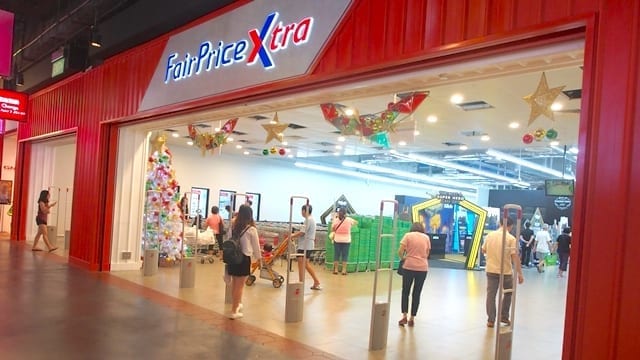
  • FairPrice Finest launches in-store radio network with SPH

    FairPrice Finest launches in-store radio network with SPH

    Singapore supermarket chain FairPrice Finest has launched an in-store radio network in partnership with SPH Radio.

    The new channel, live in all 26 stores, will offer FMCG companies another channel in which to advertise to shoppers in-store, as well as music and content from SPH radio stations.

    The station will reach an estimated 2.5 million shoppers every month.

    “Partnering with SPH Radio will not only help us improve our shopper experience via aural ambiance but also provide a wider range of touchpoints for our retail partners to engage with our shoppers in an integrated manner,” said Kelvin Tan, head of customer & marketing (retail business), at FairPrice Group.

    “As Singaporeans are making more frequent trips for their groceries, this will be a viable platform for our retail partners to reach shoppers in their shopping journey.”

    The new channel marks SPH Radio’s first foray into in-store entertainment programming.

  • Tesco, Tata invest US$9 million in Indian JV

    Tesco, Tata invest US$9 million in Indian JV

    British grocery retailer Tesco and Indian conglomerate Tata have invested another US$8.9 million into their joint venture Trent Hypermarket.

    The move marks the first major capital investment in the business by the partners in two years, and comes on the heels of the appointment of new CEO Martin Bailie.

    While revenues expanded 22.5 percent to $164 million in the previous financial year, the business’s losses have also grown. According to IGD Retail Analysis head of insight – Asia Pacific Nick Miles, Tata has been in talks with Walmart for renewed investment, following concerns over Trent’s relatively modest expansion in the territory.

    “The renewed investment from both parties should put talks on any new investors on hold for a while,” said Miles.

    “Having exited – or in the process of selling its operations in – China, Thailand, Malaysia and Poland in the past 12 months, perhaps Tata was nervous of Tesco’s commitment to the market. However, the investment signals that it remains committed to the JV.”

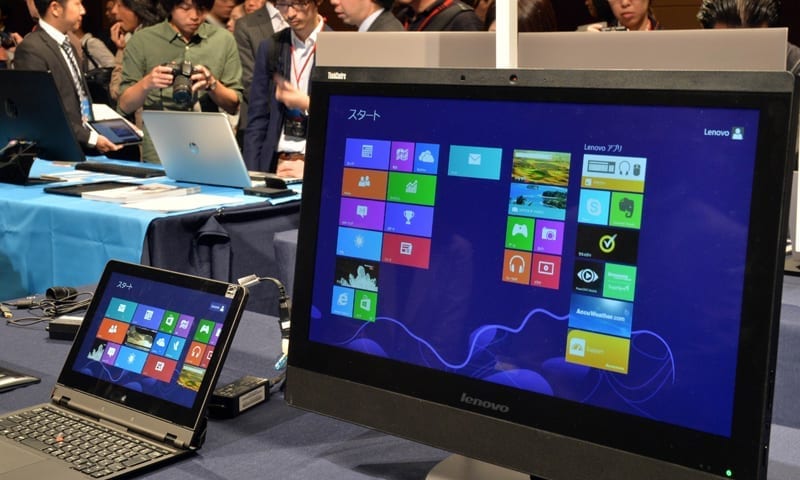
  • Microsoft announces new features coming to Outlook mobile

    Microsoft announces new features coming to Outlook mobile

    Microsoft revealed a bucketload of new features that will be coming to Outlook mobile. Many of these improvements have already been released, while others will be added very soon. It’s also important to mention that most of them focus on two aspects: online meetings and video calls.

    First off, we have a brand new feature called Meeting Insights, which offers Outlook for Android users a first glance at email messages and files that could be relevant for their meetings. All the information is shown in the event details on the calendar, which makes it easier and faster to find what you need.

    Another nifty improvement added is the option to join a meeting online by default, so you won’t forget to add the Teams link. You’ll find the new option in the Settings menu in Outlook mobile; just make sure to select all your meetings to be created online by default.

    Furthermore, Microsoft confirmed that Outlook mobile users will start getting suggestions to Send Availability or Schedule Meeting when someone wants to meet them. They don’t show up at the moment, but these suggested replies should pop up in Outlook mobile very soon.

    Next, we’ll be talking about the option to snooze an email message for later. In Outlook mobile, you can now swipe on a message to snooze it, which means that it will show up at the top of your inbox until you reply to it.

    The latest Outlook for iOS update adds the ability to create a task from an email message received on a phone. All new tasks are synced across Microsoft 365 and will use the same email subject. Also, they will include the original email and ling to the conversation in Outlook.

    Last but not least, Microsoft has added another Cortana-related feature called Play My Emails. As the name suggests, the new functionality lets Cortana read out new email messages.

  • Richemont suffers slump in online sales

    Richemont suffers slump in online sales

    After dismal updates from luxury goods groups this week, the company behind Cartier could be forgiven for a 47-per-cent slump in sales in its first financial quarter, writes Bloomberg’s Andrea Felsted.

    More disappointing is that Richemont’s powerful digital platform did a little better.

    Sales at the company’s online distributors, led by Yoox Net-a-Porter, fell 42 percent in the three months to June 30, a much worse performance than analysts had expected.

    That raises questions about Richemont’s strategy to expand its online platform. Now that the Swiss luxury group owns 100 percent of YNAP, it has the option to sell it, if it so desired, and their would-be suitors. But it should stay the course.

    Across the market, the demand for shopping via the click of a mouse or tap of a smartphone is rising strongly. Just look at the performance of mid-market online retailer Zalando SE, which on Wednesday upped its sales and profit forecasts.

    Richemont should clearly learn lessons from how it managed the impact of the pandemic. YNAP was hurt by warehouse closures. The decision not to use heavy discounting to clear unsold stock was risky. Zalando was able to keep all its warehouses operational.

    This doesn’t invalidate the current strategy. When it comes to pricing, Richemont chose to preserve its relationships with the fashion brands that supply YNAP by not slashing the prices of their goods. As luxury houses cut back on distribution via third-party sellers, this could prove wise in the longer term.

    There is also evidence YNAP’s e-commerce know-how is supporting Richemont’s other businesses. Online sales fell by a less-startling 22 percent if the digital arms of Richemont’s brands such as Cartier are included.

    YNAP’s joint venture with digital retailer Alibaba Group and the opening of a dedicated Cartier boutique on its luxury Tmall platform helped sales when stores in China were closed.

    Demand for online shopping is likely to remain strong even when stores reopen. And that is going to apply to the top end as much as mid-market clothes and accessories. Digital’s share of luxury sales could more than double to 30 percent by 2025, according to Bain & Co

    There will always be detractors who question the profitability of online luxury. Logistics expenses, particularly when it comes to product returns, offset the savings of having no rental bill. New warehouses and technology consume ever more investment to meet the demands of impatient, big-spending customers like YNAP’s.

    Even so, Richemont is on the right side of the trend with its online push. Indeed, the lesson from the last few months could be that the group should pare back its collection of fashion houses, such as Dunhill, Chloe and Peter Millar. That would allow it to devote the extra time and capital that the online and core watches businesses seem to need.

  • Vietnam Airlines wants $500 mln government bailout

    Vietnam Airlines wants $500 mln government bailout

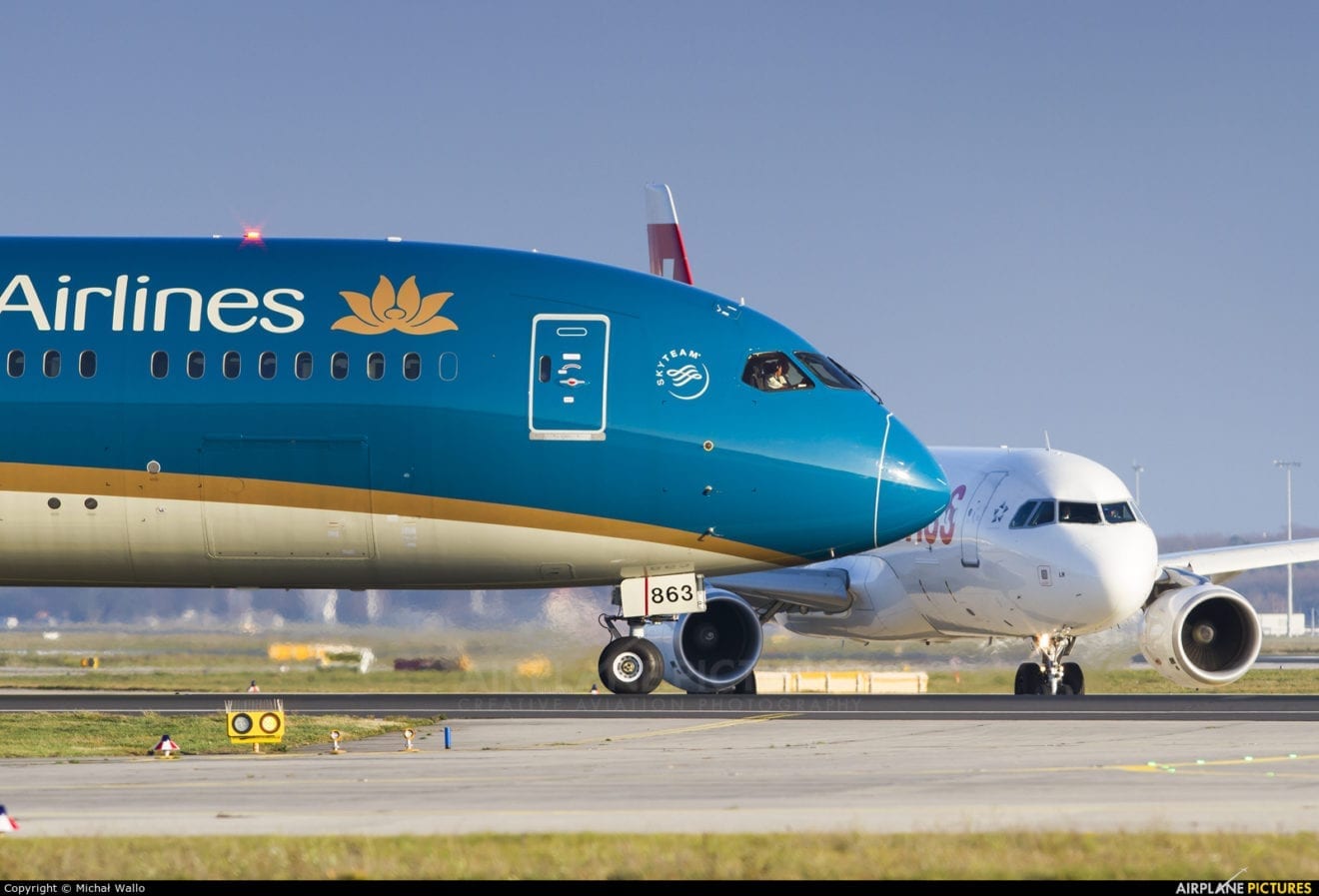
    Vietnam Airlines is seeking an urgent VND12 trillion ($518 million) bailout from the government as the coronavirus continues to hit its revenues. It is likely to report a loss of VND13 trillion ($561 million) this year, with revenues falling by half from last year to around VND50 trillion ($2.2 billion), CEO Duong Tri Thanh said at a meeting on Monday.

    It has stopped all regular international flights since April when it operated only four domestic flights a day on average.

    In June the number of passengers rose to 84 percent of the number a year earlier. “Since 1975 there have never been fewer flights in Vietnam’s skies,” he said, referring to the year the Vietnam War ended.

    He expected the domestic market to recover to pre-pandemic levels only by the end of 2021, and the international market a year later.

    Government advisors said at the meeting that other options to rescue the airline include issuing more shares to existing shareholders or allowing investment by sovereign fund State Capital Investment Corporation.

    One of them, Nguyen Dinh Cung, said many other governments have bailed out airlines and Vietnam should do the same.

    Thanh said Vietnam Airlines has taken up the issue of funding with All Nippon Airways, which owns an 8.6 percent stake in it, but since the Japanese carrier is also in trouble it cannot provide loans now.

    In Vietnam, the aviation industry has been among the hardest hit by the coronavirus pandemic. Airlines served 14.6 million passengers in the first six months, down 46 percent year-on-year, according to the General Statistics Office.

  • Coal imports rise to record levels

    Coal imports rise to record levels

    Vietnam’s coal imports surged to a record high in the first half of the year, showing its rising reliance on coal-fired power plants.

    They rose 53.8 percent year-on-year to 31.57 million tons, according to Vietnam Customs. The imports, mostly from Australia, Indonesia, and Russia, exceeded local production by 25 percent.

    Vietnam turned from a net coal exporter to an importer five years ago as the number of its coal-fired power plants rose to meet the surging power demand from one of the world’s fastest-growing large economies. Its GDP growth last year was 7 percent.

    Though the government has been seeking to reduce the reliance on coal and encourages the construction of solar and wind power plants, coal plants accounted for 36.1 percent of the electricity generated last year, according to the Vietnam Energy Association.

    The Ministry of Industry and Trade has warned of shortages between 2021 and 2025 after the construction of new plants fell behind schedule.

    In a plan it is drafting, the ministry has ruled out building coal-fired power plants after 2030, when it will prioritize renewables and liquefied natural gas.

  • C.H. Robinson announces alliance with Microsoft to digitally transform the supply chain of the future

    C.H. Robinson announces alliance with Microsoft to digitally transform the supply chain of the future

    C.H. Robinson and Microsoft Corp. announced they are joining forces to digitally transform supply chains of the future by combining the power of C.H. Robinson’s Navisphere, Microsoft Azure and Azure IoT to meet the changing demands of evolving global supply chains. Through this alliance, the companies aim to enable real-time visibility for C.H. Robinson customers.

    “The partnership is welcoming news for C.H. Robinson’s customers as we set out to foster stronger global supply chains through infrastructure and technology,” said John Chen, vice president Asia at C.H. Robinson. “Given the complexity of supply chains connecting Asia and the world, shippers are increasingly looking for greater efficiency and real time visibility while digitally transforming their logistics networks. We want to accelerate the pace of transformation across the sector, tapping into the benefits of advanced cloud technologies and our Navisphere platform.”

    “The pace of change we’re seeing in the supply-chain industry today is unparalleled. Being able to quickly scale and adapt our technology is what helps give our customers a competitive advantage,” said Chris O’Brien, chief commercial officer, C.H. Robinson. “As we continue to invest and enhance our technology built by and for supply-chain experts, we look to partner with other best-in-class companies that bring the most value to our customers. Through Microsoft’s Azure cloud platform, we gain more scalability, premier data security and increased application speed, which benefit our customers and carriers around the world.”

    Through this collaboration, Navisphere — C.H. Robinson’s global multimodal transportation management platform — will now leverage Azure IoT Central to integrate IoT device monitoring that measures factors such as temperature, shock, tilt, humidity, light and pressure in shipments to give customers an even more detailed level of intelligence about goods as they move through the supply chain. Together, C.H. Robinson and Microsoft work with many of the Fortune 250 companies, which means this alliance makes it even easier to scale and develop new solutions to provide the world’s largest shippers with greater supply-chain efficiency, real-time insights and visibility.

    “We are committed to providing customers with a trusted, easy-to-use platform so they can build seamless, smart and secure solutions regardless of where they are on their IoT journey,” said Sam George, corporate vice president, Azure IoT, Microsoft. “We’re thrilled to collaborate with C.H. Robinson as it transforms the supply-chain industry by leveraging our Microsoft Azure and Azure IoT solutions.”

    The new collaboration builds on C.H. Robinson and Microsoft’s already rich history of working together. Navisphere is currently used across Microsoft’s global supply chain, giving the company real-time visibility into inventory, at rest or in motion anywhere in the world. In addition, in collaboration with Microsoft, C.H. Robinson built Navisphere Vision, a global real-time visibility product that leverages Azure IoT solutions, machine learning and predictive analytics to assess potential disruptions across supply chains.

    Through C.H. Robinson’s TMC division and Navisphere Vision, Microsoft is driving innovations in its own supply chain to provide more predictability and proactive decision-making to its various business groups.

    “The supply chain of the future is smarter, less volatile and can be navigated with a new level of visibility thanks to the power of this relationship. Through this collaboration, our customers receive a greater competitive edge, as well as industry-leading insights and expertise,” said Jordan Kass, president of Managed Services at C.H. Robinson.

    In addition to C.H. Robinson’s innovation on Azure, the company is also leveraging  Dynamics 365 and Power BI to streamline its customer relationship management (CRM) platform, supporting C.H. Robinson’s commitment to customer-centricity from small business to the world’s largest shippers. As part of its relationship with Microsoft, C.H. Robinson will integrate its real-time pricing, execution and transportation management tools into Dynamics 365, making these digitally-driven logistics capabilities available to Microsoft customers.
  • Google Maps can more accurately hone in on your location if you follow these directions

    Google Maps can more accurately hone in on your location if you follow these directions

    Google Maps’ Live View feature provides AR-based navigation to those who are walking from point “A” to point “B.” Over a real-time view of the streets ahead of you supplied by the rear cameras on your phone, directions and arrows are overlayed making it easy to walk from place to place. But there is another use for Live View AR. There are some areas where Google says that GPS won’t work perfectly, such as urban environments. ?Tall buildings in these environments create interference.

    If your GPS is disoriented, your phone’s camera and Street View data can help Google Maps figure out where you are. Tapping on the blue dot on Google Maps brings up a menu with options such as Share your location; Add a missing place; Set as parking location; Download offline map, and if you have the latest version of the app there will be a Calibrate with Live View option. Press on it and you’ll be taken to the Camera UI used by Live View. Point your camera at buildings and signs across the street from you and Google will hone in on your location after a short bit of panning.

    After you follow these steps, the blue dot will more accurately represent your current location. The beam that you see around the blue dot that shows you the direction that you’re heading will get narrower indicating that Maps has a better idea of where you are.

    The Calibrate with Live View feature has been found on Android phones that support ARCore. At the same time, the phone should be running the most up-to-date beta or stable version of Google Maps.

  • Central Retail Vietnam revenues surpass US$1.1 billion after rapid expansion

    Central Retail Vietnam revenues surpass US$1.1 billion after rapid expansion

    Thai retail conglomerate Central Group plans to cover 90 percent of Vietnam’s provinces within five years via subsidiary Central Retail.

    Central launched in Vietnam in 2012, initially with fashion merchandising before taking stakes in local electrical appliance chain Nguyen Kim (which it now owns 81.5 percent of) and Lanchi Mart supermarket in 2015.

    As of last month, Central Retail Vietnam operates 35 malls (most anchored by Big C hypermarkets) and 230 stores across 39 out of the nation’s 63 provinces. It is the largest multinational retail company operating in Vietnam with a customer base of about 12 million and revenues of US$1.17 billion last year. The country already accounts for about 20 percent of the parent company’s sales.

    The company’s new Go! brand already encompasses 32 hypermarkets (Hyper Go!) and seven supermarkets (Super Go!). Six more Go! hypermarkets are scheduled for Tra Vinh, Quang Ngai, Buon Ma Thuot, Ben Tre, Ba Ria, and Thai Nguyen, while four more Big C stores will soon be rebranded to Go!”

    Central Retail Vietnam CEO Philippe Jean Broianigo says Central Retail will continue to focus on growth via outlet expansion.

    The company is bullish about its prospects in Vietnam which recorded 3.82-per-cent economic growth in the first quarter of this year despite a four-week shutdown of most retail from late March. No community transmission of Covid-19 has been recorded since April 16.

    The plan includes technology and omnichannel platform developments and achieving business synergies with leading partners such as Grab and GrabMart to launch delivery services for customers.

    “Central Retail will have a full multi-format platform that can seamlessly reach customers via offline and online channels,” said Broianigo.

    Central Retail CEO Yol Phokasub said the company is “constantly seeking expansion” and will continue to invest in Vietnam because it foresees the size of the potential.

    “By staying true to our vision, we will drive the country’s prosperity simultaneously with improving the quality of life of Vietnamese people.”

  • SaSa sales plunge 68 per cent due to Covid-19 freezing tourism

    SaSa sales plunge 68 per cent due to Covid-19 freezing tourism

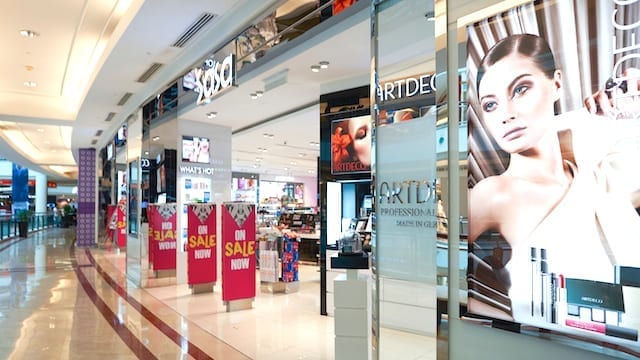
    Beauty-products retailer Sa Sa International saw sales plunge 67.9 percent in the June quarter due to the collapse in mainland tourist arrivals in the city.

    Sales in Hong Kong and Macau, its core market, fell by 74.3 percent with same-store sales down 71.9 percent. The company said the number of inbound mainlanders in the two territories was down by 98.4 percent year on year due to the Covid-19 pandemic. Overall transaction volume was down by 57 percent with local customers spending an average of 6.5 percent less per purchase.

    Chairman and CEO Simon Kwok said local customers now account for the bulk of the group’s revenue in the two cities, leading to the company adjusting its product mix to boost items that help protect against the pandemic and personal care lines.

    “This enhances the loyalty of existing customers and broadens the customer base.”

    To help counter the sales slump, SaSa has been focusing on e-commerce, especially social commerce which can use the expertise of consultants in stores.

    “Thanks to the personal service element, social commerce presents a bigger potential in delivering better performance in house brand sales mix, gross margin, and basket sizes as compared to traditional pure online sales,” said Kwok in a stock exchange filing.

    “Piloted in October last year, the WeChat mini program achieved satisfactory progress in targeting mainland customers who visited retail shops in the Hong Kong and Macau SARs.”

    Due to a low base, and the effect of the 618 Shopping Festival, sales through WeChat mini program more than doubled quarter on quarter in the three months to June, though not by enough to compensate for the loss of sales after SaSa closed its online store on the mainland.

    SaSa also used social media to engage with Hong Kong customers in late May, and used live streaming both there and on the mainland.

    Looking forward, the company says it will continue to implement cost savings, such as negotiating rent reductions and controlling inventory, which it has already reduced from around US$129 million to $108 million from March to June.

    “The group hopes that the Covid-19 pandemic will abate as soon as possible and that the Hong Kong and Macau SARs governments will then ease the compulsory quarantine measures for inbound visitors. This would allow Mainland China tourist arrivals and sales to gradually recover in the Hong Kong and Macau SARs,” said Kwok.

    He said the wage subsidy scheme in Hong Kong and Macau government’s move to give vouchers to people to encourage shopping had both helped the group.

    Sales in Mainland China and Malaysia and online decreased by 27.8 percent during the quarter.

    “Although Mainland China and Malaysia were still affected by the Covid-19 pandemic during the period, the decline in sales in the two markets narrowed as the stores have gradually reopened from March and May respectively.”

  • Lush calls out Hong Kong landlords after flagship closing

    Lush calls out Hong Kong landlords after flagship closing

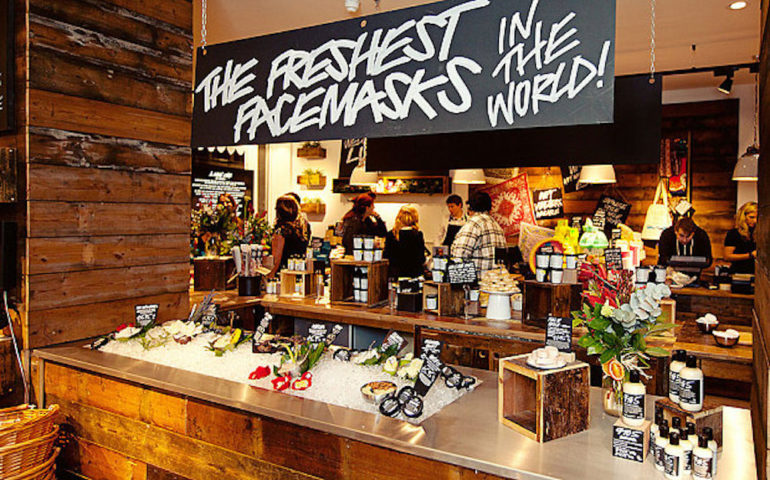
    Lush has taken a positive approach to its future in Hong Kong following the closure of its Central flagship store at the end of last month.

    But it has criticized the city’s landlords generally for failing to share the burden of a decimated retail market in the wake of the pandemic. The beauty products company said the decision to close the five-story flagship store, and its first spa in Asia at the end of its lease took “much consideration”.

    Lush said that all of its other stores in Hong Kong and Macau will continue to trade as usual.

    The Soho Square store’s closure reflected the challenges of dealing with reduced footfall during the Covid-19 crisis, the impact of “previous conditions” and a lack of early response from landlords and the government to help struggling businesses.

    “The pandemic has challenged many businesses around the world. Unfortunately, the measures to help in Hong Kong have been very late. Up until the end of January we had received little support from landlords or the government. However, the measure on salaries is very much needed and we are grateful for this.

    “Even though we are saying goodbye to Lush Soho Square Shop & Spa, we want to highlight the achievement of the team in the past five years and thank them for all their hard work. We have loved bringing the spa experience to customers in Hong Kong and we hope they have enjoyed every moment.”

    Elsewhere in Hong Kong, Lush has been engaging with landlords across the two territories because rent accounts for the majority of costs to businesses of all types.

    “We know it is also difficult for our landlords and as property owners, they also have a vested interest in the future of the retail industry,” Lush said in its email. “We would like to thank our partners who have to date been open to constructive discussion and particularly for those that have given discounts of 50 percent and above.

    “But this isn’t the time for one party to take all and one party left with all the burden. We believe there is collective social responsibility, and landlords and retailers should work collaboratively together to ensure retail survives in Hong Kong, which will benefit the local people and economy that in turn supports property owners that need rental tenants.

    “Some landlords gave us a slight discount on rent in February and March, following negotiations with us. However, this is not reflective of the reality we are facing. We have been in continual negotiations of the rent relief and payment plan with the landlords, and we are confident of keeping things under control with our strategic property plans, and where governments have offered pay schemes and guarantees we are making use of these to ensure staff payroll is protected as much as possible whilst there is little money flowing into the business.”

    Meanwhile, over the past few months, the company has worked to have a positive impact on the local communities during the pandemic.

    Underpinning the message of washing hands to keep the virus at bay, Lush donated more than 8 tonnes of soap to healthcare workers, non-profit organizations and minority groups.

    “We strongly believe that this is the time we have to help each other locally to overcome the unpredictable challenges so that we can support a positive future together.

    “We look to the future with optimism and sincere gratitude to our incredible staff and community. We are doing our best to make decisions and operate the only way we know how: honestly and transparently.”

    Lush founder Mark Constantine said the pandemic may bring many long-lasting changes to the way people live their lives.

    “Lush needs to adapt to these changes, stay agile and relevant, whilst holding true to our principles of being a business that is kind and caring. We will need the help of everyone as we enter this next phase.”

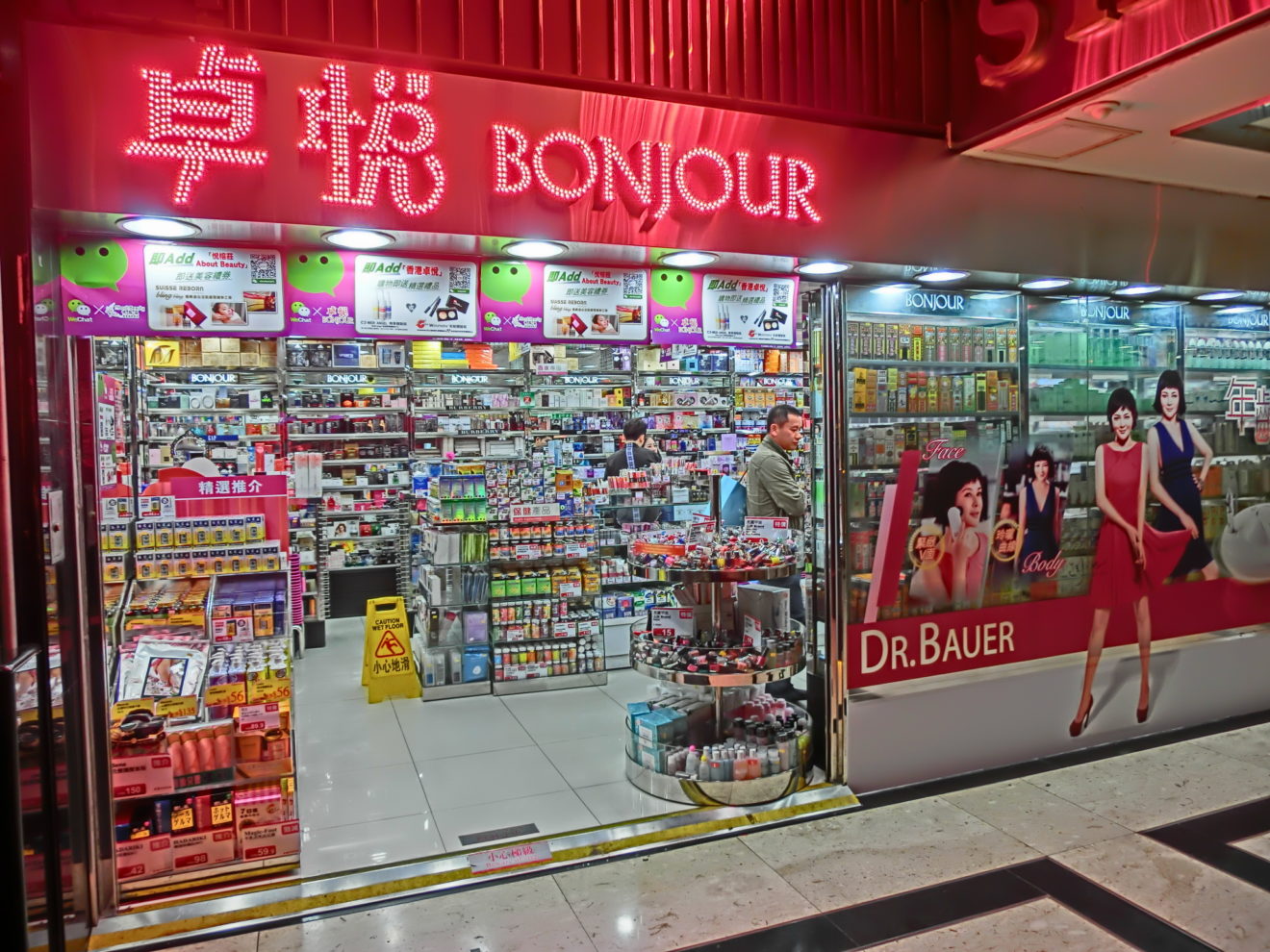
  • Bonjour CEO exits, replacement known yet

    Bonjour CEO exits, replacement known yet

    Bonjour CEO Cheung Ka Fai has resigned after less than two months in the role, citing “personal career development”. He has been replaced by Wong Iu Ming.

    In a statement to the stock exchange, the struggling apparel chain confirmed there was “no disagreement with the board” or other matter relating to the resignation that should be brought to the attention of shareholders.

    In May, the husband-and-wife founders of the beauty-products retailer, Dr Wilson Ip Chun Heng and Chung Pui Wan, stepped down from their roles as chairman and CEO, and vice-chairman, respectively. Cheung stepped up from CFO to CEO.

    Ming, 65, is currently executive director and deputy CEO of Haifu International Finance Holding Group and holds directorships of Global Leather Intelligence, China Leather Intelligence, Innogy Global, Haifu China Petrochemical Group. He is a past GM of the Internal Audit of Urban Renewal Authority.

    He also has experience in risk controls, finance and administration, and the internal audit of both large Hong Kong public bodies and multinational conglomerates.

    Previous Bonjour CEO Cheung, 45, has been with Bonjour since August 2012 and has more than 20 years’ experience in audit, finance, and business advisory.

    In March, Bonjour Holdings reported a sales decrease of 18.7 percent for the 2019 fiscal year, following a 7.3-per-cent decline in 2018. The company’s annual loss attributable to shareholders ballooned from US$5.1 million in 2018 to $16.7 million last year.

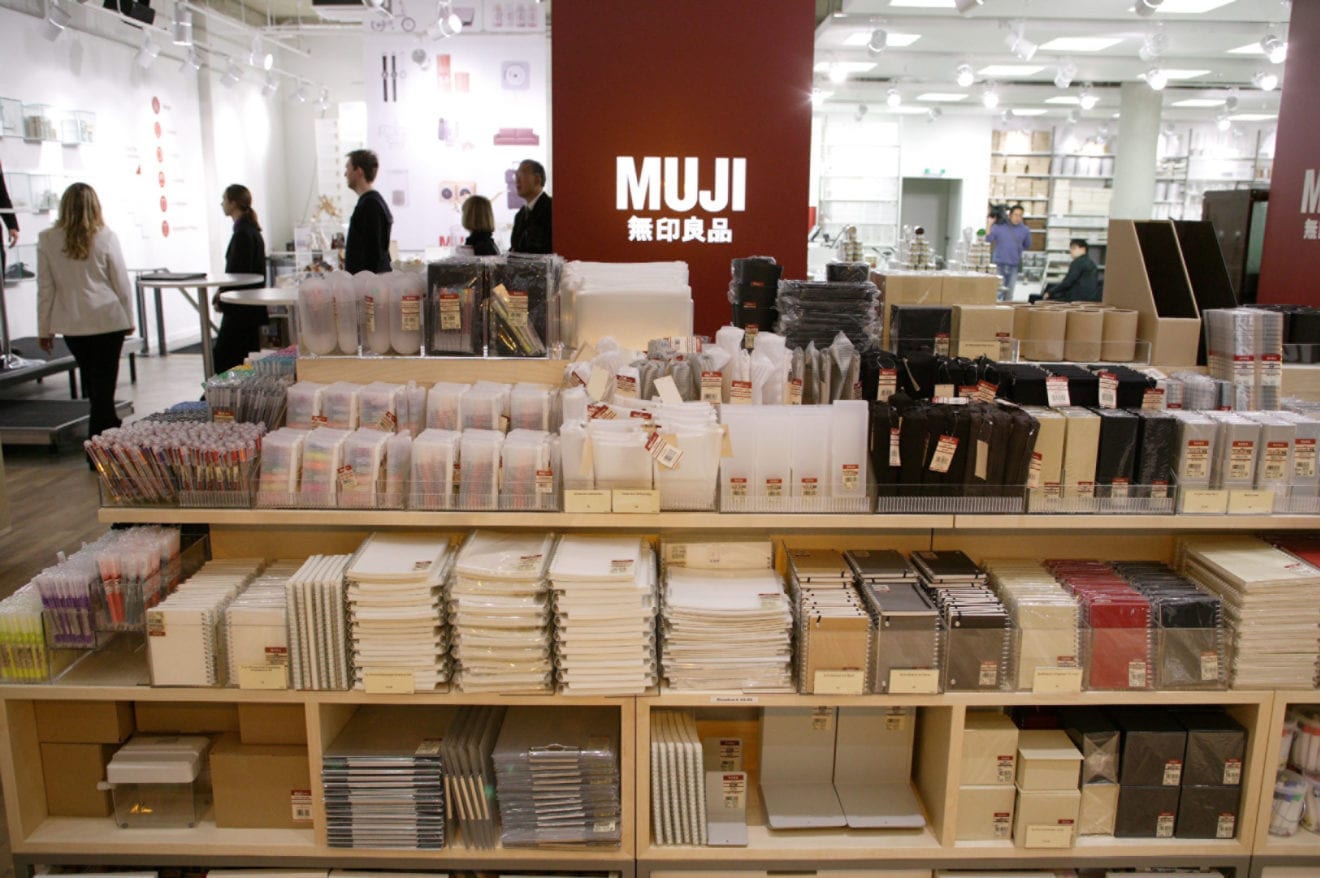
  • Muji enters Chapter 11 owing US$65 million in USA

    Muji enters Chapter 11 owing US$65 million in USA

    Japanese homewares and lifestyle retailer Muji has placed its US business in Chapter 11 bankruptcy protection with debts of US$64 million.

    The company said the measure was the result of having to continue to pay rent in high-profile locations while stores were shuttered due to the Covid-19 pandemic. Landlords had shown little flexibility despite stores not being able to trade.

    Under bankruptcy protection, the company’s parent, Ryohin Keikaku, has six months to submit a restructuring plan.

    After launching in 2006, Muji US has opened just 19 stores there. But it chose high-profile locations like 5th Avenue and Times Square to establish brand exposure.

    In the year to February, the company achieved sales of $102.5 million but reported a loss of $16.8 million.

    Muji has no intention of closing or exiting the US. Ryohin Keikaku, president Satoru Matsuzaki, said he would personally oversee the restructuring of the US business.

    “The US is the cornerstone in building name recognition,” Matsuzaki was quoted in the Nikkei.

    Muji US has reopened 10 stores, but total sales are running at just 20 percent of the level of pre-Covid-19.

  • Sales growth disappoints South Korean department store operators

    Sales growth disappoints South Korean department store operators

    A South Korean government-led retail sale festival designed to boost spending amid the coronavirus outbreak ended yesterday, with major department stores posting an increase in revenue on high demand for luxury goods.

    But discount store chains and traditional markets did not see sales rise as much as expected, due mainly to the compulsory closure of outlets and lack of promotion strategy.

    South Korea kicked off the 17-day sales festival, called the “Korea Donghaeng Sale” campaign, on June 26 in an effort to boost faltering domestic demand amid the coronavirus outbreak. “Donghaeng” means ‘going along together’ in Korean.

    Major department stores, the sector hit hard by the virus outbreak, posted an increase in sales as people bought luxury items as part of “revenge spending” amid the Covid-19 pandemic, according to industry watchers.

    Lotte Department Store saw sales rise 4 percent year on year between June 26 and July 9.

    Number two player Shinsegae Department Store, and smaller rival Hyundai Department Store, posted increases of 11.3 percent and 6.3 percent, respectively.

    But discount-store chains posted a similar level of sales or a marginal decline despite big discount events targeting the sales festival.

    The operators of discount-store chains are obligated to close outlets on the second and fourth Sunday of every month under regulations designed to help smaller neighborhood shops. That meant they had to shut down outlets yesterday, the last day of the sales fest.

    Traditional markets posted a letup in their sales declines last week, but merchants said they did not directly feel the impact of the sales festival.

  • Muji starting with a monthly subscription service with Idee

    Muji starting with a monthly subscription service with Idee

    Muji is to launch a subscription service for furniture and interior goods with its design brand Idee.

    The rental service will feature three basic sets – “sleep”, “learn/work,” and “relax” – starting from US$7.50 per month. The company also offers annual subscriptions for one to four-year plans.

    The Muji and Idee service offers a solution for furniture waste problems, following the brand’s new philosophy – “use rather than possession”.

    “Muji aims to solve various problems … occurring in society by paying close attention to the earth and the times, and by preparing our lives through products and services that are the basis of our lives,” the company said in a statement.

    Muji also offers two renovation plans for compact home offices across 23 wards of Tokyo. In addition, customers can receive free online home consultations from 115 interior advisors at 45 Muji stores across the country.

    Furniture subscription services are not a new concept but are beginning to gain momentum in large cities with small apartments. Ikea launched a similar service in some European countries saying last year it planned a roll out in 30 markets this year.

    The Muji subscription service will start from July 17 at selected stores in Japan including Muji Ginza and Muji Grand Front Osaka.