Category: General

Retail News Asia is committed to providing both local and global retailers with the latest General Retail news throughout the Asian market. This on a daily base.

  • Massive fake luxury goods ring shut down in Vietnam

    Massive fake luxury goods ring shut down in Vietnam

    Government authorities have raided a warehouse storing thousands of fake luxury goods in Lao Cai City, northern Vietnam, which were being sold online.

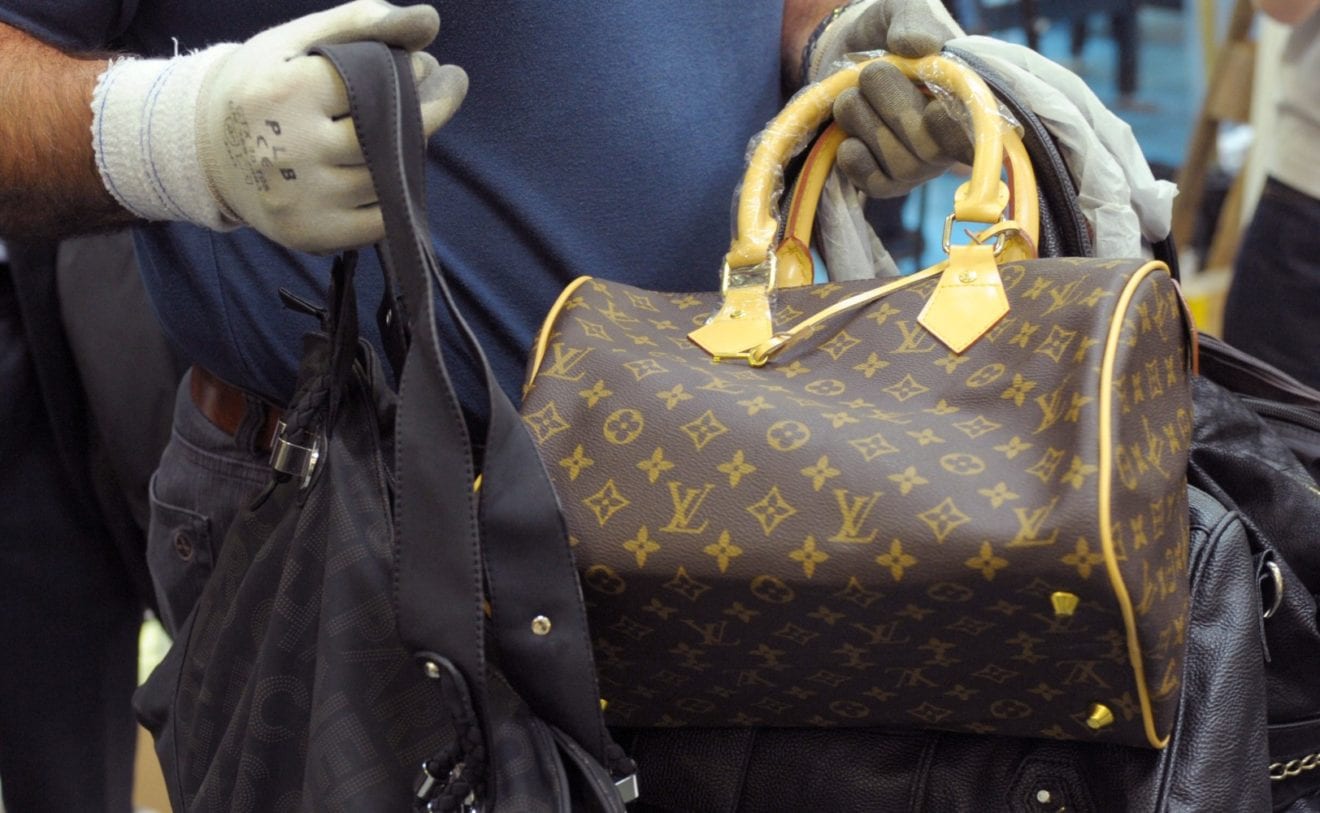
    The 10,000sqm warehouse was divided into several areas including rooms for selling fake luxury goods via live-streaming on Facebook. Most of the items are copies of major brands including Gucci, Chanel, Nike and Adidas.

    One of the employees from the warehouse admitted that there were more than 40 people processing orders during the live-streaming and some 1000 packages being shipped each day.

    Although the exact number of fake goods smuggled from China has yet to be confirmed, authorities discovered the ring sold more than 90,000 products each month at a profit of around US$432,000.

    An official said the ring was professionally organised and took advantage of online platforms for both wholesale and retail as online shopping has become increasingly popular in Vietnam.

  • Thai Vietjet offers super-saver fares from THB50 for all 13 routes in Thailand

    Thai Vietjet offers super-saver fares from THB50 for all 13 routes in Thailand

    In celebration of its new routes in Thailand, Vietjet has kicked off a special promotion offering 500,00 air tickets priced from THB 50 (*) (USD 1.5) starting from now to 17 July 2020 during the golden hours of 1.00pm to 3.00pm (Malaysian time).

    Here’s your chance to plan ahead for a perfect Thailand trip! The promotional tickets are applicable on all of its 13 domestic routes in Thailand and valid for travel between 1 September 2020 to 30 June 2021 (**). Tickets can be booked via Vietjet’s website and mobile application Vietjet Air.

    “We are happy to bring in more flying opportunities for the people to discover the “Smiling Land” with amazing experiences. This is a perfect chance for Thai people to go on a tour within Thailand with their families and friends. We are committed to expanding flight network in domestic Thailand and continuously provide exciting experiences to our passengers with daily promotion program”, said Vietjet Vice President, Nguyen Thi Thuy Binh.

    The recently announced six new Thailand routes expand Thai Vietjet’s domestic routes to 13, allowing tourists to travel conveniently around the country. This super promotion is applicable to all Thai Vietjet’s domestic routes in Thailand from Bangkok (Suvarnabhumi) to Chiang Mai, Chiang Rai, Phuket, Krabi, Udon Thani, Phuket – Chiang Rai, and Udon Thani – Chiang Rai, including new routes from Bangkok (Suvarnabhumi) to Hat Yai, Khon Kaen, Nakhon Si Thammarat, Ubon Ratchathani (starting from 6 October 2020),  Surat Thani (starting from 4 November 2020), Chiang Rai – Hat Yai  (starting from 1 November 2020).

    Currently, Vietjet is operating a stable domestic network in Vietnam and Thailand. All Vietjet’s flights are in alignment with all global standards and guidelines from the local authorities, including aircraft disinfection.

  • Indian retail sales tumble

    Indian retail sales tumble

    Indian retail sales fell by 67 percent year on year in the last two weeks of June, according to a Retailers Association of India (RAI) survey reported.

    Mall retailers recorded an even sharper drop of 77 percent over the same fortnight, largely due to some remaining closed throughout the territory. High street retail, currently reopened for business throughout the country declined by 62 percent.

    While the scale of the decline reduced marginally in June, for the full June quarter, the fall was 74 percent.

    RAI CEO Kumar Rajagopalan aid the figures depict a grim situation for not just retailers but the entire economy, as retail is the backbone of consumption.

    “The need of the hour is concerted efforts by all stakeholders – while retailers are doing their bit by following stringent hygiene practices, the policymakers too need to ensure uniform opening of all kinds of retail across the country.”

    A previous RAI survey revealed that more than 60 percent of customers are waiting up to 90 days after lockdown restrictions are lifted before going shopping, for both financial and safety reasons.

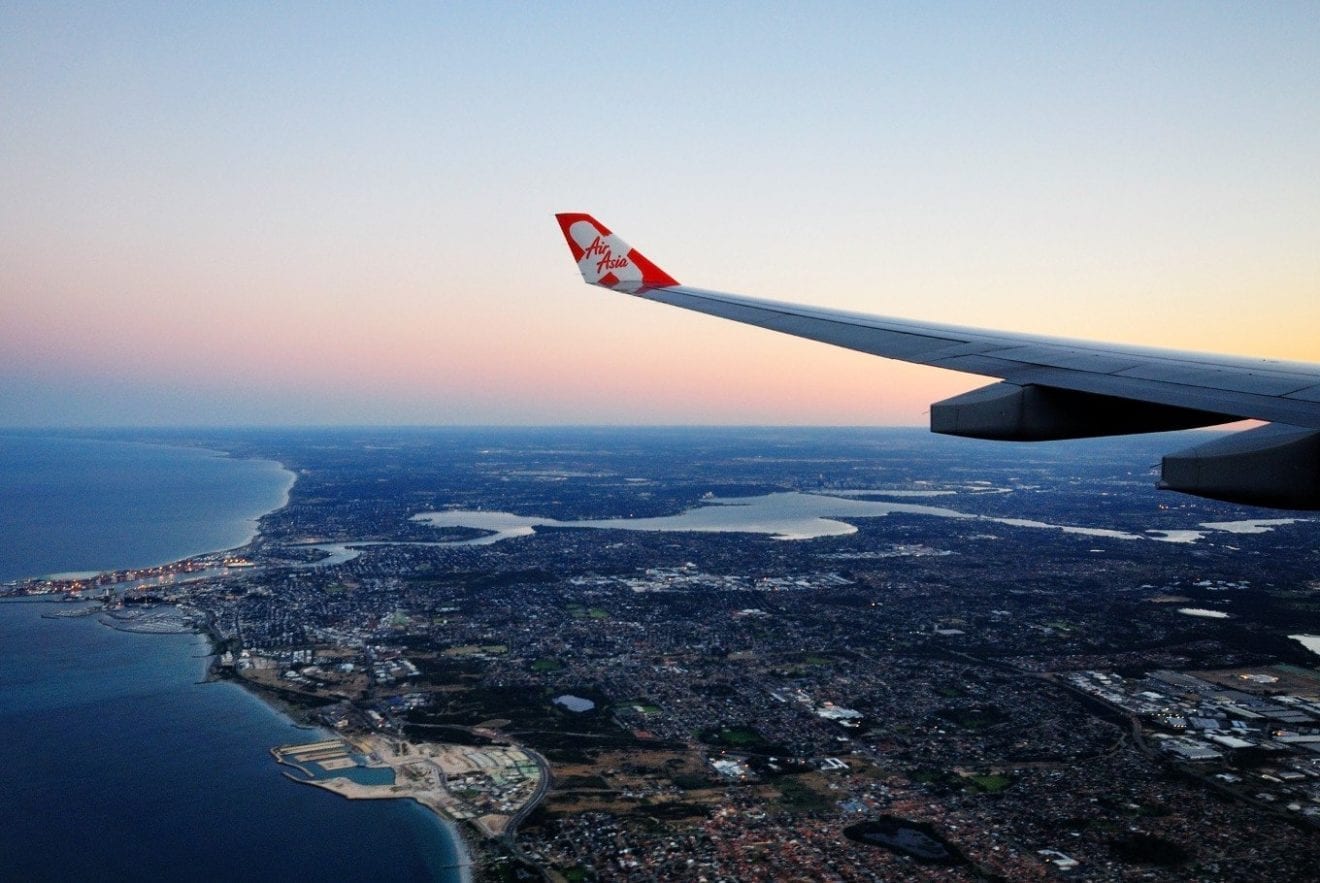
  • Malaysia’s AirAsia in talks to raise more than $230m

    Malaysia’s AirAsia in talks to raise more than $230m

    Malaysian budget carrier AirAsia Group Bhd on Thursday said it was in talks to raise more than 1 billion ringgit ($234.52 million) in funds, a day after its auditor cast doubt on its ability to continue as a going concern.

    AirAsia, like other airlines, has been slammed by the coronavirus pandemic that has hammered demand for air travel. Its auditors have said its 2019 earnings were prepared on a going concern basis, which is dependent upon recovery from the crisis and the success of fundraising efforts.

    AirAsia said it was considering various fundraising options, including debt and equity, and looking to at least halve cash expenses this year.

    “We have been presented with proposals in various forms of capital raising, be it debt or equity, and are in ongoing discussions with numerous parties, including investment banks, lenders, as well as interested investors in seeking a favorable outcome for the group,” the airline said in a statement.

    Some financial institutions have indicated they would support a funding request of over 1 billion ringgit, it said.

    A part of the funding would come from a Malaysian government guarantee loan program, AirAsia said, adding its subsidiaries in the Philippines and Indonesia have also applied for loans.

    The airline has begun to cut jobs and salaries to save costs, and is working on extensions with lessors, it said.

    Earlier this week, the airline posted a first-quarter loss of nearly $200 million, its biggest quarterly loss since its 2004 listing.

    AirAsia has also sought payment deferrals from suppliers and lenders and halted all deliveries of Airbus SE jets this year.

    Equities research firm CGS-CIMB said AirAsia would need 3 billion ringgit in new funding to maintain a healthy cash position, adding capital-raising efforts could result in shareholder dilution.

    AirAsia’s shares rose 5%, after dropping as much as 17% in the previous session.

  • Walmart+ subscription service set to launch this month

    Walmart+ subscription service set to launch this month

    Retail giant Walmart has ended its membership program and is launching a new subscription service, Walmart+, later this month according to technology news website Recode.

    The service will cost US$98 a year and offer same-day delivery; petrol discounts and exclusive early access to the latest product deals.

    Walmart reportedly planned to launch the service in late March or April, but the move was hampered by the Covid-19 pandemic. It is not clear yet if the program will be available nationally or regionally in the US.

    Recode said that shoppers will be able to access products from Walmart Supercenters. They can reserve delivery slots and avail of Express two-hour delivery. Members are also expected to benefit from a Scan & Go service so they can shop without waiting in line, and a Walmart+ credit card is expected to launch soon after the service.

    The move is Walmart’s latest bid to compete against the online retail giant Amazon.

    Last year in Australia Amazon launched an online subscription service for household essentials. The ‘Subscribe and Save’ model is popular in international markets as it offers free delivery on repeat purchases across pantry food and beverages, pet supplies, beauty, and vitamins and supplements.

  • Record fall in retail sales in Indonesia

    Record fall in retail sales in Indonesia

    Retail sales in Indonesia have seen the sharpest drop in 12 years, according to a report, based on information from the nation’s central bank.

    Territory-wide sales fell 20.6 percent year on year during May, representing the largest contraction in the category since November 2008. The drop was steeper than figures for April, which showed a decline of 16.9 percent.

    According to the data, buyers shopping for clothing and recreational items showed the greatest reduction in spending since that manifested in last month’s figures in May.

    There remains a little prospect for relief in the immediate future, with the bank’s survey predicting last month’s figures to reveal a 14.4-per-cent drop.

  • FamilyMart Japan subject of US$5 billion takeover bid

    FamilyMart Japan subject of US$5 billion takeover bid

    Japanese convenience-store chain FamilyMart will be sold outright to local trading company Itochu, according to reports.

    The buyer, which currently holds 50 percent of FamilyMart business, made the decision to fully purchase the chain last Wednesday in a transaction that is expected to cost between US$4.6 billion and $5.5 billion.

    The business media say the joining of the two businesses will result in a deeper level of cooperation in food procurement, consumer-goods retailing, customer-data analysis, and digital payments, among other areas.

    In Thailand, the FamilyMart business was completely bought out last May by local operator Central Retail as a precursor to expanding the network in the territory.

    The brand has shown signs of instability that date back before the advent of the coronavirus pandemic. Last November, FamilyMart Japan reduced its operational costs by letting go 800 employees, about one in 10 of its total staff count, and made moves to allow franchisees to operate shorter opening hours.

  • Topshop quits Hong Kong

    Topshop quits Hong Kong

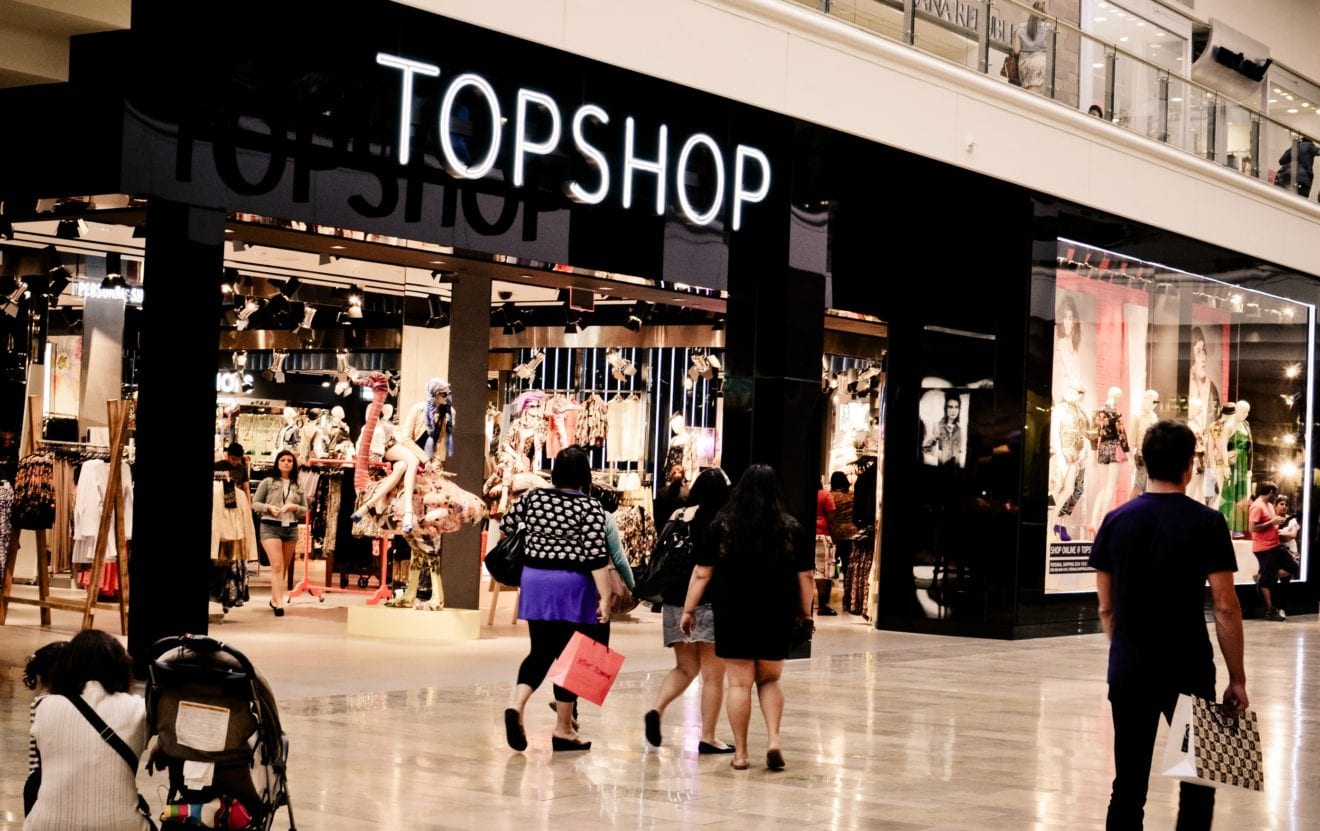
    British fashion label Topshop will close its 14,000sqft flagship in Hong Kong when the lease comes up for renewal in October, the latest in a string of mid-level international retailers to exit the territory.

    And watch brand Swatch has shuttered its prime Central store, which now has a writ apparently seeking unpaid rent taped to its doors.

    In partnership with Lane Crawford, Topshop launched in Hong Kong in 2013, the opening of its Central flagship on the corner of Queens Rd and Pottinger St drawing huge queues. At the time, the company said it was the first step of an expansion program into Mainland China.

    The brand opened a further two stores – in Admiralty and Causeway Bay – but these were short-lived as, despite early excitement from consumers, the brand’s local popularity waned.

    When the flagship store was opened, Topshop reportedly paid about US$384,000 a month in rent, but when it renewed the lease in 2017, it negotiated a rate of half that.

    Topshop will continue to sell online in Hong Kong, despite not retaining a physical store presence.

    Meanwhile, Swatch Group has closed its high-profile store in the heart of Central, apparently owing to the landlord overdue rent.

    A writ has been posted to the front of the shuttered door filed by Vember Lord Ltd and served six days ago.

  • Brooks Brothers enters Chapter 11, seeks buyer

    Brooks Brothers enters Chapter 11, seeks buyer

    Brooks Brothers have filed for bankruptcy in the US, the latest US retail victim of the Covid-19 pandemic. However, analysts are confident the struggling apparel retailer will find a buyer, and the brand will endure along with a scaled-down store network. Brooks Brothers have in recent years invested substantially in stores in Hong Kong. Inside Retail Asia has reached out to the company’s local executive team but had not received a response at the time of writing.

    Like many global retailers collapsing in the wake of the pandemic, 200-year-old Brooks Brothers was facing challenges before its stores were forced to close in core markets as part of government pandemic precautions.

    Neil Saunders, MD at GlobalData Retail, says that while the brand remains well regarded by consumers, Brooks Brothers has long suffered from a failure to decisively adapt to changing trends.

    He said current leadership deserves credit for rebuilding the attributes of quality and design which had waned under previous ownership, but when it comes to tastes and style, “Brooks Brothers has been swimming against the tide”.

    “Its formal, old-school approach found favor among mature and more traditional demographics, but it has become increasingly out of step with a new generation of consumers who are looking for a more edgy approach to smart casual. They increasingly found it in niche brands like Kiel James Patrick or more mainstream players such as Vineyard Vines and even J Crew. This dynamic, along with the increased casualization of workwear which has seen a shift away from suits and ties, has made it increasingly difficult for Brooks Brothers to drive growth.”

    Under Chapter 11 protection Brooks Brothers will continue to operate while it restructures. Bloomberg reports it has assets and liabilities listed of $500 million each and has arranged a $75 million bankruptcy loan to ensure ongoing trading.

    The brand which once dressed Abraham Lincoln has about 250 stores trading in the US, along with its overseas shops.

    Saunders says that although the pandemic has severely eroded the company’s outlook, a review of the business was already underway, which included options for repositioning the brand.

    “However, the pandemic has disrupted this process and sharpened many of the underlying trends Brooks Brothers was already struggling to adapt to. From our data, year-on-year [US] sales of men’s formal clothing fell by 74 percent during April, May and June, while men’s smart-casual apparel sales dipped by 62 percent over the same period. While this deterioration will ease over time, demand will remain suppressed for the rest of this year and well into next as office work, business meetings, and socializing are all reduced. This leaves Brooks Brothers very exposed to a depressed market.

    Saunders expects the company will have to exit expensive city-centre stores that due to the reducing numbers of office workers in downtown locations will no longer be economically viable to run. Some factory outlet stores will suffer due to reduced demand and lower footfalls in the wake of the pandemic.

    “These property problems can most efficiently be resolved through a bankruptcy process. If successful, this will streamline the business and get it into a state that is more attractive to a potential buyer.

    “There will be no shortage of interest in Brooks Brothers. The brand has a solid foundation on which a new owner can build, and it has a good digital business that has the potential for future growth. However, the process of reinvention will not be easy; it will take time, capital and effort to reconfigure Brooks Brothers into a retailer ready to serve the needs of modern consumers,” said Saunders.

  • Staycation theme for luggage label Lojel’s new K11 Musea pop up

    Staycation theme for luggage label Lojel’s new K11 Musea pop up

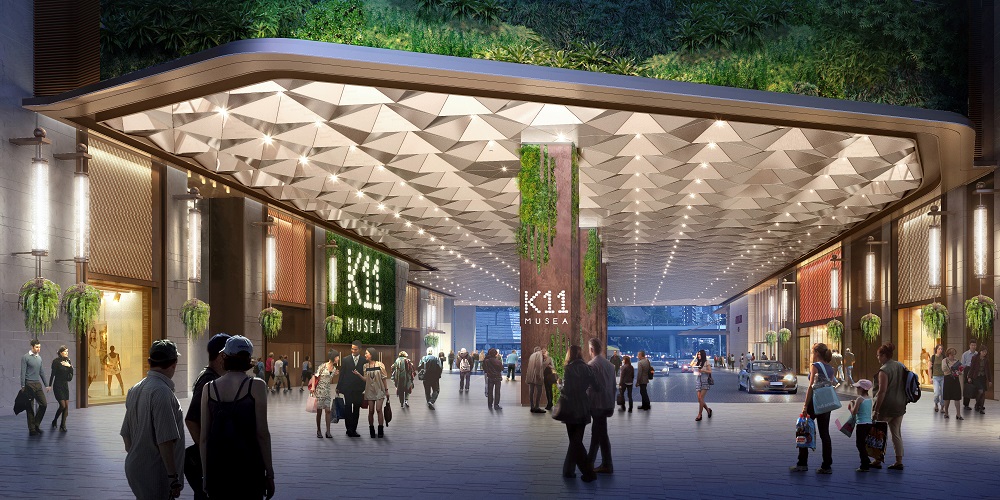
    Boutique luggage brand Lojel has launched an immersive pop-up store in Hong Kong’s K11 Musea, opening today, focusing on the concept of staycations.

    Dubbed “The Art of Staycation”, the event is a first for the brand, featuring the opportunity for visitors to customize a limited-edition Voja suitcase as well as an augmented reality experience exploring the future of how travel could evolve in the wake of the coronavirus pandemic.

    The pop up is intended to provide a travel solution for a staycation in Hong Kong, selling hand-carried luggage as well as backpacks and travel accessories.

    Visitors will be able to create their case from any pair of colors using the in-store tablet before seeing it assembled in person. A personalized tag will be laser-engraved for each customer and stored in a leather tag holder.

    Customers’ final purchases at the pop-up will be delivered to their doorsteps at no charge.

    The Art of the Staycation pop-up will be open through to December 31.

  • Little respite likely as Hong Kong retail rents slump to 2003 levels

    Little respite likely as Hong Kong retail rents slump to 2003 levels

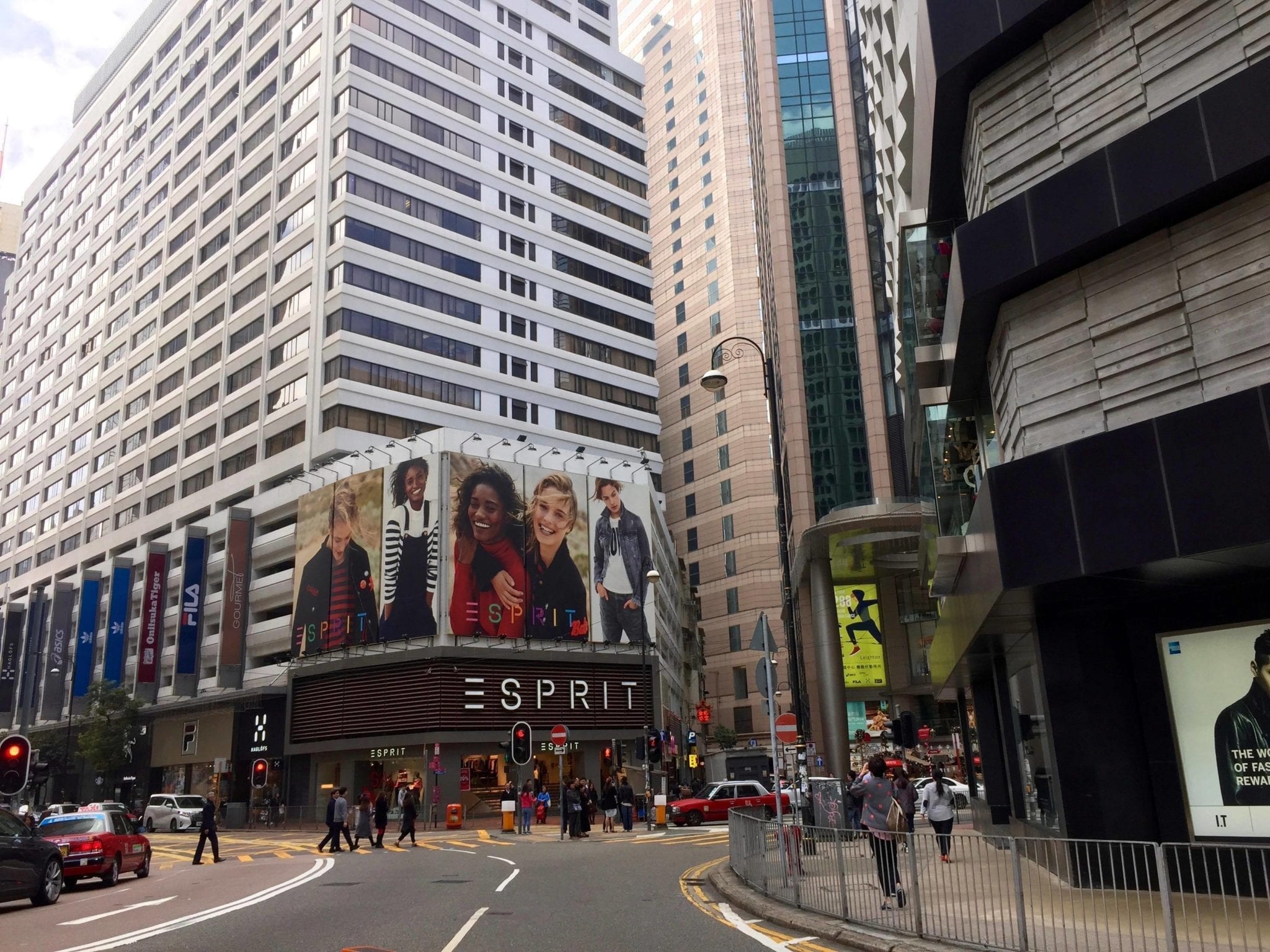
    As Hong Kong retail rents slump to levels not seen since 2003, retailers who appeal to domestic shoppers are beginning to have a stronger presence in the market.

    According to retail real estate professionals with property company Savills, brands in categories such as lifestyle products, health-related goods, and affordable family-friendly chains are taking the opportunity to lease space in commercial districts across the city. They are taking over from retailers who appealed primarily to inbound tourists from Mainland China and elsewhere, before social unrest and the Covid-19 led to a record 11-month run of double-digit declines in retail sales in the city.

    Jewelry and watch sales plummeted by more than 69 percent during the first five months of this year.

    Savills senior director, research & consultancy, Simon Smith, says that while prime street-shop and shopping-mall rents seem to have found a floor since their 2013 peak, this may only be temporary.

    “Rising vacancy levels continue to plague the market with mid-range fashion retailers joining luxury retailers in rationalizing store numbers, but rents appear to have stabilized for now.”

    With many luxury and mid-range brands struggling to break even with the desertion of tourists, they are right-sizing their networks and closing underperforming stores.

    “The market has endured a prolonged correction since 2013 but with rents now close to 2003 levels, landlords and tenants are beginning to embrace the new reality and accept new business models and a more creative approach to trade and tenant mix,” adds Nick Bradstreet, MD, and head of retail leasing.

    According to Savills’ research, the quarter-on-quarter decline in Hong Kong retail rents in the three months to June was about 1.7 percent in prime street front sites and 0.8 percent in shopping centers.

    Retailers including Valentino, Tiffany & Co, Coach and Prada have already given up prime sites on Tsim Sha Tsui’s Canton Road and Causeway Bay’s Russell Street, two of the city’s most expensive commercial strips. Victoria’s Secret has closed its multi-story flagship nearby and MCM’s largest store, in Central, has also been shuttered.

    More mid-market retailers including Swatch, SaSa, Lush and Gap have also rationalized their store networks.

    But in their place, new brands are taking the opportunity to increase their street presence, typically brands targeting local consumers rather than mainland daytrippers and tourists.

    “Local consumers are more focused on their “whole of life” needs, prioritizing health and well-being, caring about their family and community, and valuing the local culture and sustainability,” says Savills in its quarterly review of Hong Kong retail rents.

    Examples include Muji and Lululemon, which have both opened their largest stores yet in the city, at Telford Plaza and Harbour City respectively, and UK women’s activewear label Sweaty Betty, is opening its second Hong Kong store, at Causeway Bay this month. Japanese grocer Don Don Donki is opening two more stores, at Causeway Bay and Central, later this year.

    Bradstreet and Smith say shopping-mall footfalls across Hong Kong showed signs of recovery during May and June as locals began venturing out again after Covid-19-related social-distancing measures were eased. A degree of pent-up demand may have helped the trend.

    But rebounding local spending won’t be enough to help brands reliant on tourists, with Savills predicting vacancies on prime streets in traditional tourist districts will soon rise. Topshop, Gap and Adidas are all tipped as unlikely to renew their leases on Central spaces.

    “The post-Covid outlook for Hong Kong’s retail industry remains very challenging,” concludes Savills. “Some structural changes in demand profile and market fundamentals are underway and both retailers and landlords need to adapt and constantly reinvent to stay relevant.

    “A slower-than-expected recovery in the tourism market means that a more balanced approach to local consumers and mainland tourists is warranted moving forwards but the shopping preferences of locals and tourists are of course quite different.”
  • New useful feature being tested for Android version of Google Maps

    New useful feature being tested for Android version of Google Maps

    Over the years we’ve watched as the Google Maps app has grown. Instead of just giving you turn-by-turn directions getting you from point “A” to point “B” safely and on-time, Google Maps now helps you decide what places you’ll visit and where you’ll dine when you arrive at “B.” And Google Maps has added several features related to driving. For example, the speed limit in the current area you are driving through now appears on the map, and accidents, speed traps, and other incidents can be reported so that other Google Maps users can benefit from your experience.

    Google is now testing the addition of traffic lights to the app. The icons for the traffic lights are small but appear larger while navigating. We should point out that Apple has added stop signs and traffic lights in Apple Maps. On iOS, Siri will point out both when you make a turn by one of them.

    The traffic lights were found by an Android user running Google Maps build 10.44.3. Frankly, we wouldn’t be surprised to see Apple and Google battle each other with their navigation apps. Apple has been working hard at removing the stench that spilled all over its Maps app when it was first launched in 2012. If you aren’t old enough to remember this fiasco, countries, and cities were mislabeled-when they were labeled at all. Police in Australia called Apple Maps “potentially life-threatening” when it navigated unsuspecting motorists to an area of the Outback with poisonous snakes, very little water, triple-digit temperatures, and spotty phone reception.

    Many iOS users still prefer to use Google Maps although we must let you know that the traffic lights are being tested on the Android version of the app only.

  • Takashimaya plunges into the red as Covid-19 eats into sales

    Takashimaya plunges into the red as Covid-19 eats into sales

    Takashimaya, the Japanese department store operator, has reported a loss of US$190 million in the May quarter as it faced extraordinary payments related to the Covid-19 pandemic and falling sales.

    The company was forced to effectively close 22 stores in Japan from April 8 after Prime Minister Shinzo Abe declared a state of emergency. Only the food departments were allowed to continue to trade as the government ensured social-distancing measures.

    Sales in May plunged by more than 60 percent as a result, but last month’s decline was a much less dramatic 16 percent as cities began to reopen and consumers ventured out shopping again. For the full quarter, sales were down by 48 percent to $1.08 billion.

    As well as reduced domestic spending, Takashimaya sales were impacted by the absence of tourists as borders were closed as a Covid-19 prevention strategy.

    For the May quarter, Takashimaya recorded a one-off loss of $79.8 million relating to pandemic costs, including paid leave for staff unable to work due to the shutdown.

    The company did not release any figures on the performance of its overseas stores in Vietnam, Singapore, Thailand and Mainland China and it declined to proffer earnings guidance for the full year.

  • U.S. is considering a ban on popular short-form video app TikTok

    U.S. is considering a ban on popular short-form video app TikTok

    Tick tock, tick-tock. That’s the sound of a clock ticking off the time that popular short-form video app TikTok might have left in the U.S. On Monday Secretary of State Mike Pompeo said that the U.S. government was looking at banning the Chinese-owned app along with Chinese-based tech firms. Rising tension between the United States and China is the reason why the current administration is looking to kick TikTok out of the U.S. as it did with Huawei. The latter is currently the largest smartphone manufacturer in the world and also is the global leader in supplying networking equipment to carriers.

    Speaking with Fox News, Secretary Pompeo said about the ban, “We are taking this very seriously. We are certainly looking at it. We have worked on this very issue for a long time.” He added, “Whether it was the problems of having Huawei technology in your infrastructure we’ve gone all over the world and we’re making real progress getting that out. We declared ZTE a danger to American national security. With respect to Chinese apps on peoples’ cellphones, the United States will get this one right too.”

    TikTok has been one of the most popular apps in the U.S. always among the most installed apps on iOS and Android every month. The app has more than 2 billion installations globally. The pandemic has caused it to become even more popular as kids stuck at home looking for things to do create short videos using the app. If TikTok does get banned from the U.S., Wall Street has already selected the domestic social-media app that it believes will replace TikTok in popularity.

    Shares of Snap, parent company of Snapchat, rose 8% on Tuesday after word spread about Pompeo’s comments. On Tuesday morning, the sales team belonging to securities house Morgan Stanley said that if TikTok is forced to shut down, both Snapchat and Facebook will benefit.

    TikTok has been trying to stay distant from its Chinese parent ByteDance. Like Huawei and ZTE before it, TikTok has caught the attention of U.S. agencies concerned that it is spying on Americans and sending personal data to Beijing. Earlier this year TikTok hired former Disney executive Kevin Mayer to be CEO in an attempt to cover itself with the American flag.

  • Bamboo Airways banks on Con Dao Island flights

    Bamboo Airways banks on Con Dao Island flights

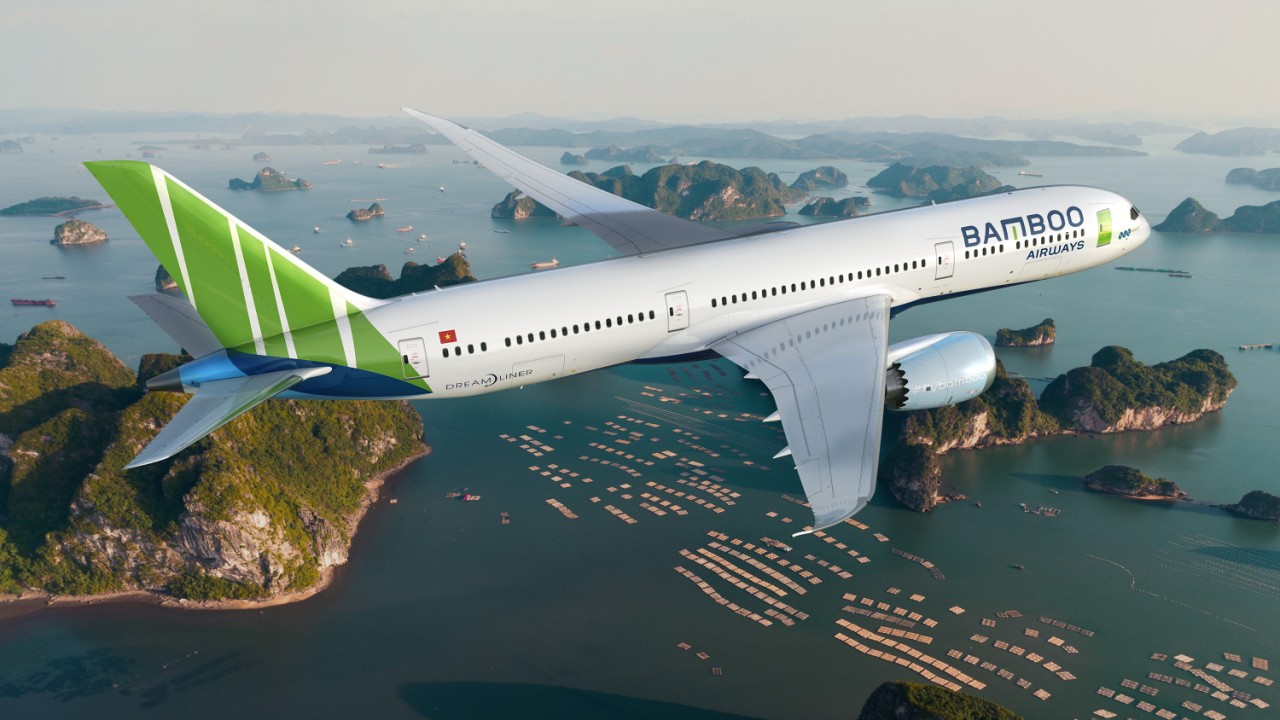
    Bamboo Airways plans to launch regular flights to Con Dao Island, a tourism hotspot in southern Ba Ria-Vung Tau Province, starting August 1.

    The airline is waiting for Civil Aviation Authority of Vietnam (CAAV) approval to fly to the 16-island archipelago, according to a company spokesperson.

    It plans to operate flights from the northern and central region using four twin-engine Embraer jets holding up to 120 seats.

    Currently, Vietnam Air Services Company (VASCO), a subsidiary of Vietnam Airlines, is the only airline operating regular flights to the islands from Ho Chi Minh City and the southern city of Can Tho using the ATR 72 short-haul aircraft that could carry up to 78 passengers.

    Con Dao Airport has a 3C classification, meaning it can only receive ATR 72 aircraft or equivalent. It functions for 12 hours a day and closes at night since it has no runway lighting system.

    Property developer FLC, the parent company of Bamboo Airways, earlier proposed to invest in a lighting system so the airport could operate at night.

    A 4C upgrade is planned for the airport by 2030 so that it could receive Airbus A319 jets carrying up to 156 passengers.

    Budget airline Vietjet had made a similar request in 2018 to operate flights to Con Dao with the same aircraft model but is still awaiting approval.

    Ba Ria-Vung Tau Province received 15.5 million tourists in 2019, up 15.2 percent year-on-year. A total of 500,000 were foreigners.