Retail News Asia is committed to providing both local and global retailers with the latest General Retail news throughout the Asian market. This on a daily base.
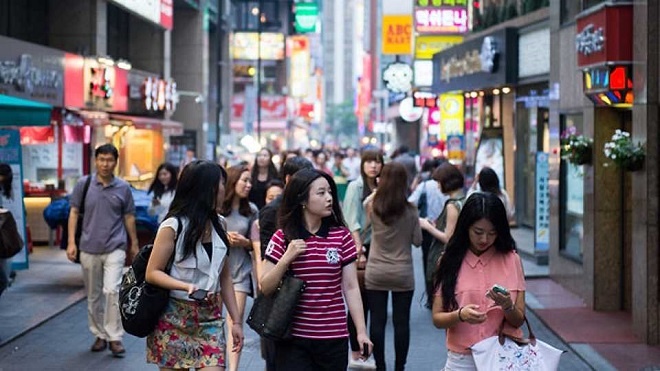
South Korean retail sales rose by 2 percent during May, largely due to increased online shopping, according to the new Ministry of Trade figures.
The year-on-year increase was strongly influenced by purchases of food and sanitary items online due to the effect of social-distancing requirements related to the coronavirus pandemic.
The ministry polled 26 major retailers in both online and offline categories to collect the data, which showed combined sales of US$9.65 billion last month, an increase of over $9.506 billion during the same period last year.
Online platforms saw a 13.5-per-cent revenue rise during the period, with online sales of food increasing almost 39 percent, and daily items and furniture going up 22.7 percent. Offline shopping – with the exception of convenience stores – continued to show a decline, with a 6.1-per-cent drop in sales.
Year-on-year sales figures for last year showed an increase of 4.8 percent over 2018.
The Asia-Pacific luxury-goods market is projected to sink by US$2.1 billion this year as pessimistic consumers switch from big-ticket items to the affordable-luxury realm.
Retail intelligence group GlobalData has forecast luxury sales in the region will decline by 3.4 percent to reach $60.3 billion this year, compared to $62.4 billion last year.
The industry has been hard hit by the coronavirus pandemic, leading to the closure of numerous luxury stores across Apac. Sagging consumer confidence across the region means luxury retailers are not expected to regain their sales growth anytime soon, according to the GlobalData.
In addition, the threat of an extended Covid-19 crisis and an impending global recession will force consumers in the region to cut back on big-ticket items, especially luxury products, impacting on the Asia-Pacific luxury-goods market.
“Covid-19 has forced luxury brands to postpone their fashion shows, cancel promotions events, and disrupted supply chains,” said GlobalData Retail analyst Suresh Sunkara.
“However, since the start of the second quarter of this year, several countries in the region including China, Japan and South Korea have lifted most of their lockdown measures to bring normalcy in their economies while countries such as India have begun phased relaxation of lockdown measures. This will bring some relief to luxury retailers as they can now open their stores and resume operations.
“International travel restrictions are still in place, resulting in continued closure of duty-free stores in airports, a major contributing channel for luxury sales. As a result, store closures and sales declines are bound to force luxury retailers to re-evaluate their price positioning and launch affordable luxury product lines to revive volume sales in these testing times.”
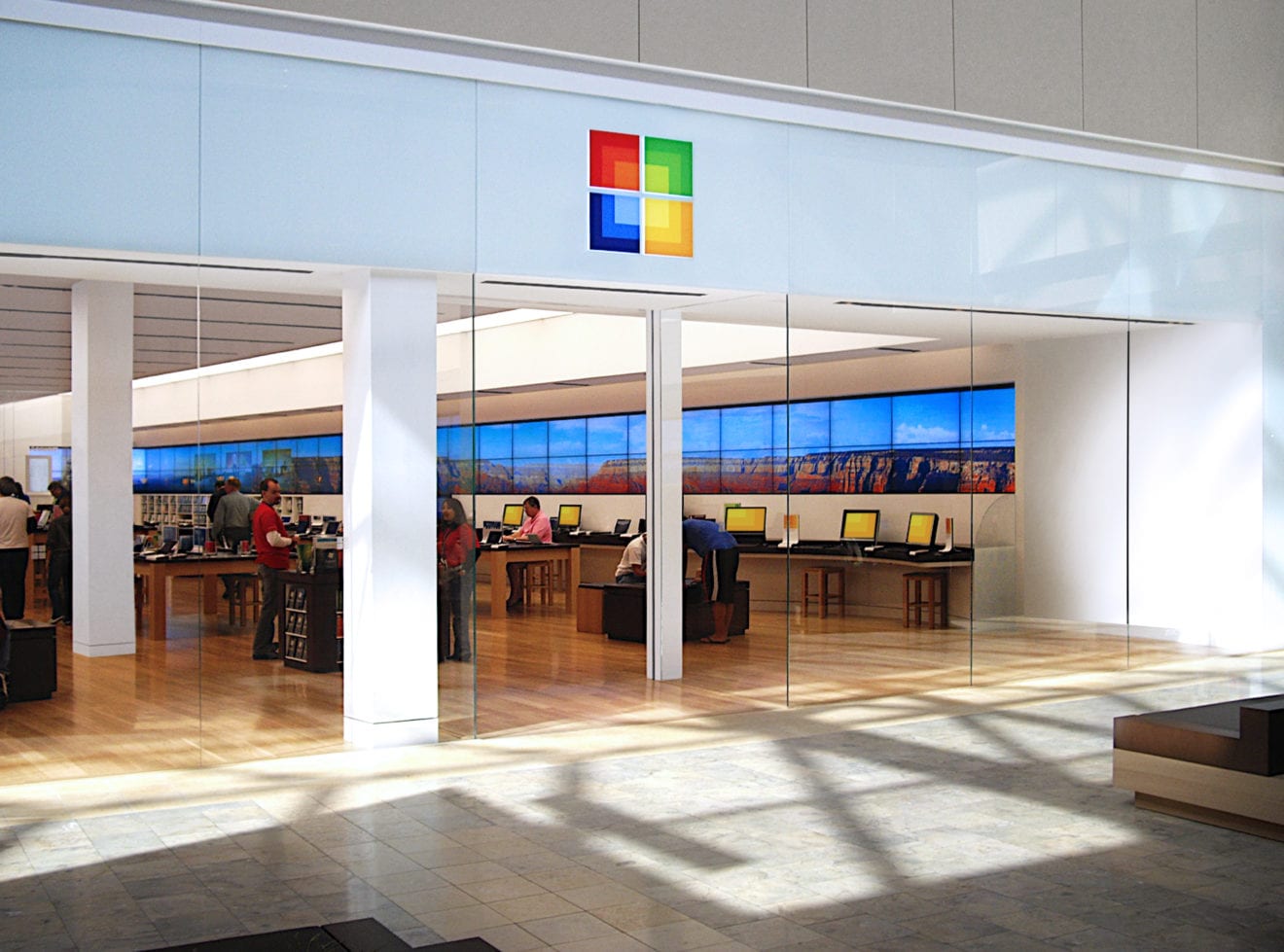
Microsoft has paused advertising on Facebook and Instagram, per a new Axios report. The outlet claims that US ad spending was suspended in May and Microsoft is now pulling out of marketing with Facebook on a global level. Axios is quick to note that the firm has not formally joined the #StopHateForProfit movement which is encouraging companies to halt spending on Facebook and Instagram to pressure CEO Mark Zuckerberg into taking a firmer stance to filter hate speech. Rather, Microsoft apparently has a problem with where its ads are displayed.
According to an internal Yammer post, Microsoft CMO Chris Capossela said: Based on concerns we had back in May we suspended all media spending on Facebook/Instagram in the US and we’ve subsequently suspended all spending on Facebook/Instagram worldwide.
While it’s hard to specifically point out what content the company found objectionable, the transcript refers to terrorist content, hate speech, and pornography. Although the motive is somewhat similar to that of bigwigs like Coca-Cola, PepsiCo, Viber, and Starbucks, Microsoft has reportedly taken a much softer approach and is in talks with Facebook’s leadership to discuss its concerns and lay down the conditions that must be met in order for it to resume advertising.
As things stand now, Microsoft expects the ad suspension to last through August.
Facebook is surely feeling the heat. The company recently announced that it will start labeling posts that go against its rules, even if they are considered newsworthy. Previously, it did not touch posts that came from public figures like President Donald Trump.
Facebook is financially too strong to be impacted by a boycott in the short term as much of its revenue is generated by small and medium-sized businesses, but its reputation can surely take a hit.
In the long run, the financial situation could get messy too and the company’s shares have started tumbling already.
Some brands had already stopped advertising on Facebook because of the pandemic and the new campaign will only make the matters worse. That said, some 8 million entities advertise on Facebook, and provided that ad pricing will likely reduce because of the current situation, other firms will likely step in to fill the gap and this will probably offset the financial loss.
Some are also of the view that reduction in ad expenditure was already on the cards for many companies because of the pandemic and their support for the #StopHateForProfit campaign might very well be a PR stunt.
Microsoft, on the other hand, supposedly likes to keep things private, something which Facebook will surely appreciate at a time when others are bailing on it publicly.
Tune Protect Group Bhd has launched its enhanced AirAsia Travel Protection, which now comes with Covid-19 protection benefits and is available in both Single and Annual Plans for both domestic and international travel, for AirAsia guests.
In a statement today, Tune Protect said the enhanced Travel Protection is timely with the reopening of domestic travel and the discussion that has been initiated to reopen Malaysia’s borders to “green zones” countries as Malaysia phases into the Recovery Movement Control Order.
It said the resumption of the travel and tourism sector is in line with the efforts in accelerating the country’s economic recovery and reviving the Malaysian travel and tourism industry, which was at a standstill due to Covid-19.
“As AirAsia initiates domestic flights with new safety and health procedures, we have also put in place new and enhanced benefits to our existing Travel Protection, which include Covid-19 coverage to ensure ease and peace of mind of our customers during traveling,” said Tune Protect group chief executive officer Khoo Ai Lin.
The Annual Travel Protection Plan starts at RM56 covering customers for an entire year from the date of activation, regardless of the frequency of travel. Customers can also purchase the Single Plan coverage when they are purchasing AirAsia plane tickets or any time before they fly, it added.
AirAsia Group Bhd executive chairman Datuk Kamarudin Meranun said that while air travel remains one of the safest modes of travel, there had been an increase in awareness of the importance of travel insurance products in the last few months from the group’s sales channel. This enhancement is a great complement to the various end-to-end safety measures that have been put in place by AirAsia for its passengers to fly again with a peace of mind, protecting them beyond flying.
“As travel begins to regain traction, we look forward to welcoming our passengers to fly with us again,” he said.
The enhanced Travel Protection plan includes the Covid-19 Bereavement Allowance, Trip Cancellation, Daily Hospital Allowance and Compassionate Visit.
“Tune Protect understands the needs and worries of travelers since the fight against Covid-19 is still ongoing. With the enhanced coverage that comes with our Travel Protection, travelers can put their worries to rest when making their travel plans with us or through AirAsia,” Khoo concluded.
At the midday break, Tune Protect shed 1 sen or 3.03% to 32 sen, for a market capitalization of RM240.56 million.
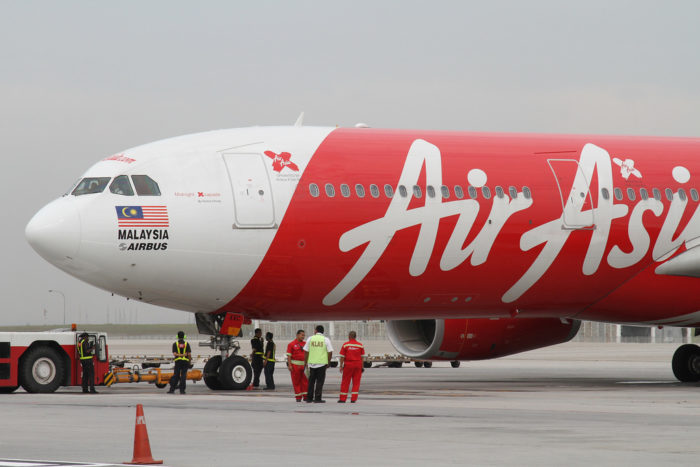
On Tuesday, low-cost carrier AirAsia sold a record-breaking 41,000 seats in just one day. This marks AirAsia’s highest post-hibernation sale day since it resumed domestic flight services in May.
The official site hit an overall traffic growth of 170%. By the looks of it, the number will only increase going forward. Passengers are eager to fly again – whether to reunite with loved ones, for business purposes or just to travel.
“We are encouraged by this positive trend, and we foresee this will continue in the coming weeks,” CEO Tan Sri Tony Fernandes said in a statement sent to Simple Flying.
According to a statement sent to Simple Flying, the most popular destinations booked on June 23rd were for the following routes:
Malaysia: From Kota Kinabalu and Kuching to Kuala Lumpur
Thailand: From Bangkok to Chiang Mai and Hat Yai
Indonesia: From Jakarta to Denpasar and Medan
Philippines: From Manila to Puerto Princesa and Davao
India: From Delhi to Srinagar and from Bengaluru to Hyderabad
In Malaysia, the Recovery Movement Control Order (RMCO) began on June 10th. The RMCO allows for the resumption of domestic travel. As such, all interstate travel has picked up since. AirAsia also introduced an ‘Unlimited Pass’ for those traveling within the state. Additionally, there is a 20% sale on all domestic flights in Malaysia, which undeniably led to the airline’s highest load factor post-hibernation.
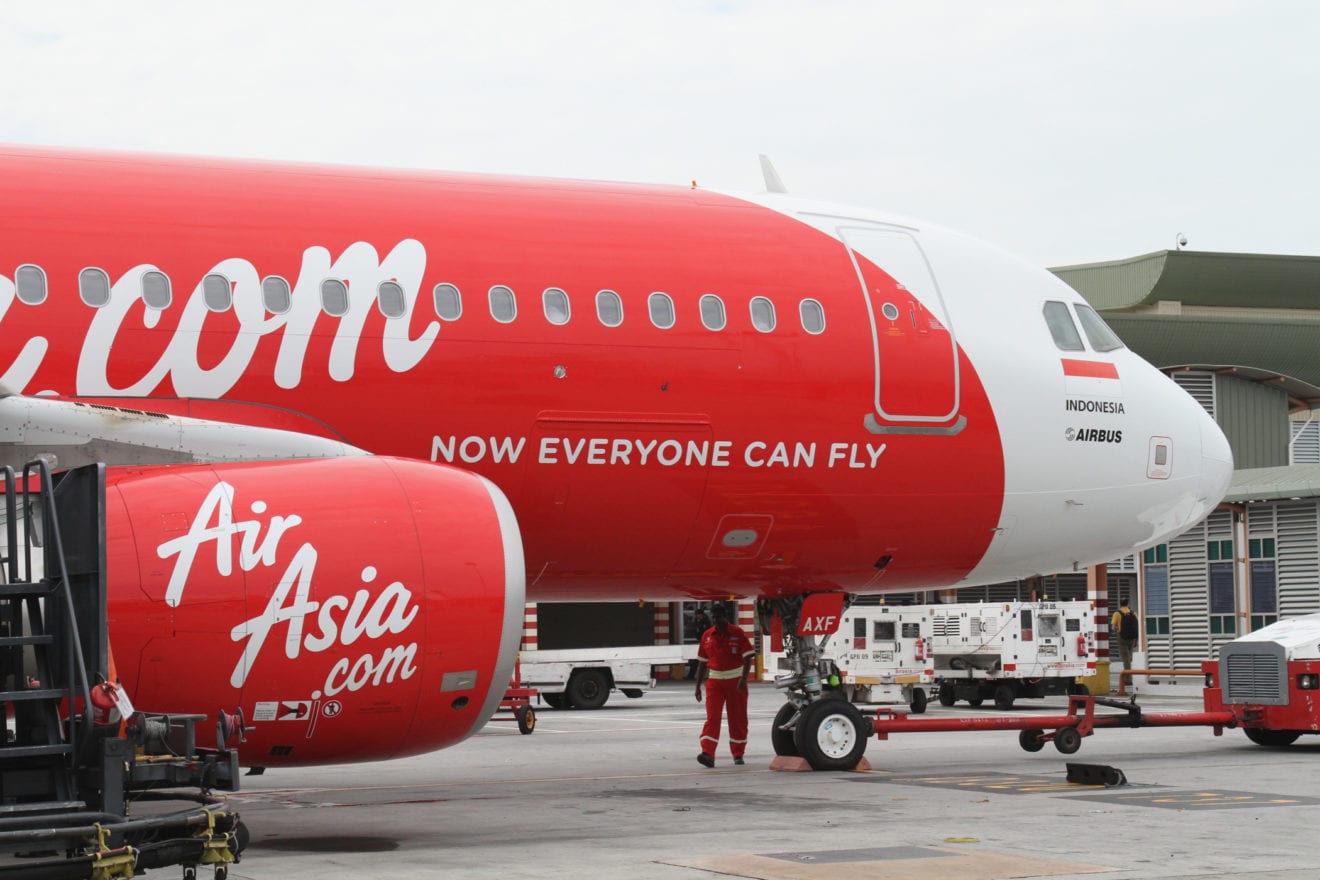
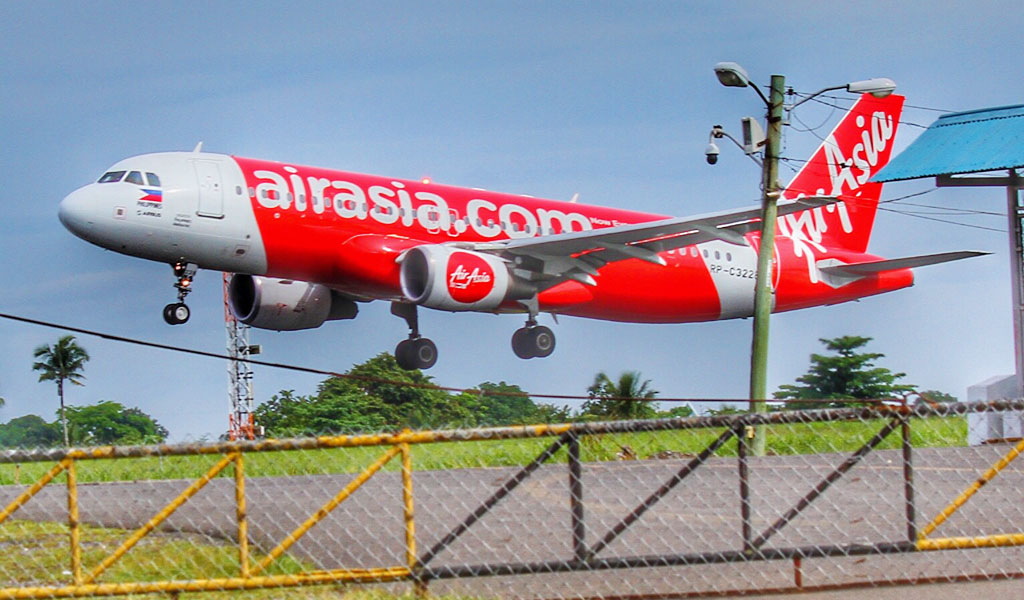
AirAsia’s flight ticket sales are picking up as more countries resume domestic travel. Photo: Getty Images
AirAsia Group’s load factor hit 50%, with AirAsia Malaysia reaching a whopping 70%. Fernandes added,
The airline has also focused on enhancing its safety and cleaning measures. On top of compulsory masks and social distancing measures, all cabin crew will don personal protective equipment (PPE) and wear masks and gloves. Cleaning measures are completed regularly for each aircraft.
Specifically for AirAsia Philippines, cabin crew must wear a newly designed PPE in AirAsia colors – complete with a face shield, mask, and gloves.
AirAsia introduced end-to-end contactless journeys for customers in May. With minimal contact needed, the airline hopes to keep its passengers’ minds at ease while going through the boarding and check-in process.
These initiatives began on May 13th and included contactless payments at the airport, a Passenger Reconciliation System (PRS) for digitized boarding passes, and enhanced features to its mobile app.
It seems that the Malaysian-based carrier handled the COVID-19 situation relatively well. Although it had to ground 96% of its fleet and halt Airbus deliveries, the airline has succeeded in enticing passengers with new promotions.
Furthermore, the airline implemented initiatives targeted at helping vulnerable communities amid the virus outbreak. Earlier this month, the airline gave away 50,000 tickets to frontline workers and doctors.
AirAsia’s uptick in sales shows that there is indeed a demand for domestic travel. Fernandes mentions the airline will increase its flight schedule to 50% of its pre-pandemic operations in the next few weeks.
“Currently, we are operating 152 daily flights across the region. We look forward to the reopening of international borders in recognition of the fact that air transport provides the connectivity that is essential for the resumption of economic activities and the global recovery efforts”, he added.
Once international borders reopen, there is no doubt the carrier will continue to have its sales numbers increase.
What do you do when your social-media site is under attack because of your policies that allow offensive posts and posts filled with hatred to ferment until they blow up? Why you start pushing out Dark mode for the mobile version of your site. Of course, we are talking about Facebook. The social-media giant has lost a lot of high-rollers from its advertising roster over the last week including Verizon. The nation’s largest carrier spent nearly $1.9 million on Facebook and Instagram ads from May 22nd to June 20th. As more and more big-name advertisers pulled out, Facebook’s stock cratered leaving co-founder and CEO Mark Zuckerberg some $7 billion poorer on Friday alone.
Facebook has started rolling out Dark mode for “a small percentage of users globally right now.” Dark Mode inverts the typical black text on a white background to black text on a white background. This prevents users from having the white-hot background irritate their eyes at night or in a dark room. On phones using an AMOLED display, it can save battery life since OLED panels create the color black by turning off pixels in the appropriate area. Pixels that are turned off do not draw on the phone’s battery.
There have been rumors for years about a Dark mode for Facebook and occasionally Facebook has tested such a feature. The most recent story we wrote about it was posted three weeks ago. Meanwhile, Dark mode has surfaced on Facebook Messenger, Facebook Lite, WhatsApp, and Instagram. It is also offered to users of the desktop (web) version of the site.
A Facebook user who shared an image of Facebook in Dark mode on Twitter was apparently using the first developer beta of iOS 14. To see if you have Dark mode on your Facebook app, go to settings and if a Dark mode button appears, congratulations. You have Dark mode for Facebook. Unfortunately, we did not get Dark mode yet on our iPhone 11 Pro Max running iOS 13.5.1 and our Pixel 2 XL running Android 11 beta 1. Unless Facebook really does broaden the distribution of this update, it will turn out to be another disappointment for those Dark mode fans who want the UI for their Facebook app.
American brand management company Iconix Brand Group has sold the Starter China business for US$16 million to an unnamed local investor.
The Starter divestment is the second Chinese transaction by the US company this year following an agreement reached in April to sell the Umbro China business for $62.5 million to HK Qiaodan Investment Limited. Both deals will be settled by September 15.
Iconix’s portfolio of international brands includes denim brand Lee Cooper, Mossimo, Mudd Jeans, Ed Hardy and Jay-Z’s streetwear label Rocawear. It also owns footwear brands including Ecko Unltd and ranges from Madonna.
The new owners of Starter in China will assume distribution rights for Mainland China, Hong Kong, Taiwan and Macau.
Funds raised from the sales are being applied to reduce Iconix’ debt and otherwise for general corporate purposes.
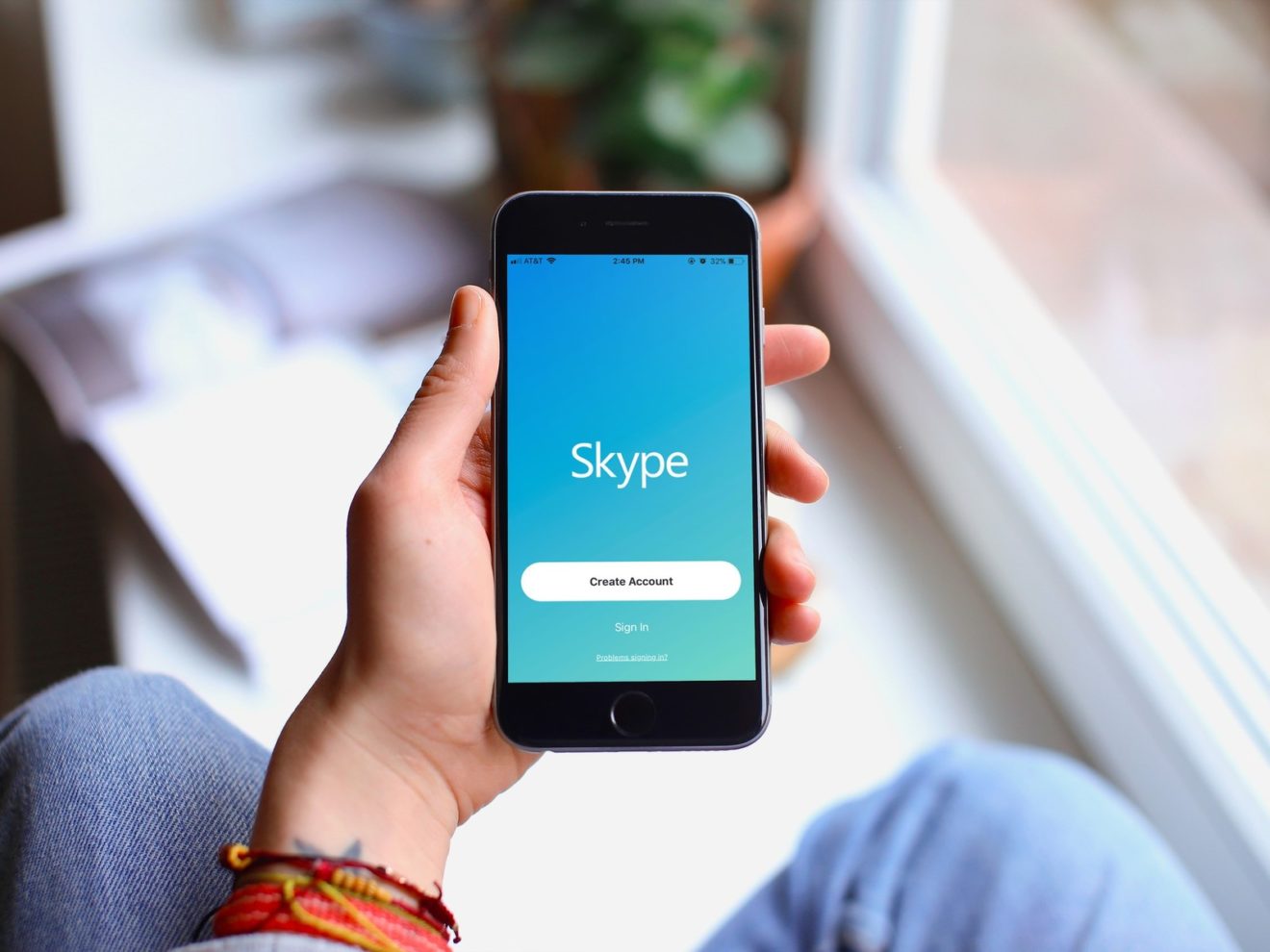
Great news for Android Auto fans, as Microsoft recently confirmed that Skype now features support for the service. Both versions of Skype, Android and iOS, have been updated this week, but only the former received Android Auto support.
More importantly, Skype’s Android Auto support is limited to text messages. Basically, this means that you will be able to see your text messages on the car’s display, but there won’t be voice or video calls support, at least not after the latest update.
Microsoft also revealed that it fixed many notifications bugs in Skype for Android, especially some that prevented users from using Meet Now. And that’s about all the changes included in the latest version of Skype for Android.
On the other hand, Apple fans have received a couple of improvements to their Skype app as well. After the latest update, iOS users will be able to change their camera background even on their iPhone and iPad. This specific feature is available on iPhone 7, iPad 2018, iPod Touch 2019 and iOS 12 or later.
Microsoft has been working on the so-called Nether Update for Minecraft for a very long time. But it makes perfect sense since this is one of the biggest and most important updates since Minecraft’s launch.
Minecraft’s Nether Update is now available not just on Android and iOS, but also on all the other platforms the game was released, including PC, PlayStation 4, Xbox One and Nintendo Switch. The thing is depending on what platform you’re playing the game, you’ll get a different set of new features and improvements.
The gist of the new update is that it brings an entirely new world with its own biomes, mobs, and blocks. In the new world, players will discover a powerful new material called Netherite, which is even harder than diamond.
To access the new world, Minecraft players must get the “Way of the Nether” quest, which is available for free via the Minecraft Marketplace. Then, you’ll have to visit Poppy Isle and enter the dimensional rift that has just appeared to venture into the Nether.
There are four new biomes (locations) included in the update: Crimson Forest, Warped Forest, Soulsand Valley, and Basalt Deltas. New mobs like Piglins and Hoglins have been added too, along with new bricks and wood galore.
More importantly, the Nether Update fixes more than 300 bugs since the previous major update, Buzzy Bees. Also, new music and ambient sounds are now available in-game. There are also a lot of new gameplay features introduced such as Ruined Portals, Bastion Remnants, Blackstone, Respawn Anchor, Lodestone, and a lot more. Make sure to check out the full changelog for the Nether Update to learn more about what’s new.
Instagram will soon allow both businesses and creators to utilize its Shopping feature, meaning brands and influencers will have a greater ability to reach a customer base.
According to Instagram, the change will go live on July 9 in every country that supports Instagram Shopping, and will require businesses and influencers to link to a single website that they own and sell from.
“This update will give more businesses the power to sell on Instagram, and help our thriving creator community turn their passion into a living,” Facebook Australia director of sales Naomi Shepherd said.
“Businesses of all kinds will now have access to our shopping tools, which is especially important in light of the economic challenges many are facing this year.”
The update comes just two months after Instagram opened the doors for food retailers to sell on the platform by way of meal ordering platforms such as UberEats, Deliveroo or Doordash, and just one month after Facebook announced it was overhauling the shopping experience for brands and customers alike with Facebook Shops.
The offering will let brands sell directly to customers through Facebook, Instagram, and WhatsApp through “shopfronts”, as well as offer brands a new way to sell products through Facebook Live.
“It almost feels like they underplayed what it actually is,” retail strategist Salena Knight said at the time.
“Up until now, it’s been quite difficult for a lot of businesses that aren’t at the enterprise level to be able to get that omnichannel, seamless experience across platforms. And now they’re able to offer that across Instagram, WhatsApp, Facebook Messenger, and Facebook. [It wasn’t] something I was expecting.
Grab Malaysia is expanding its instant retail service after studying customer demand for goods during the nation’s Covid-19-related social-distancing initiative.
According to Grab Malaysia MD Sean Goh, many convenience stores and grocery retailers were able to treble their sales using the GrabMart delivery service during the lockdown restrictions. Now, as the country’s retailers are allowed to open their doors again and normal trading resumes, Grab believes more consumers are seeking safe, reliable ways to shop for daily needs without visiting stores.
“While we saw a clear uplift to safe, instant deliveries for food, drinks, snacks, and other essential goods via GrabFood, GrabMart, and especially ‘Pasar’ on GrabMart, we see a new challenge for retailers,” explained Goh.
“The ‘new normal’ will potentially affect retailers who traditionally rely on high foot traffic and walk-ins – from health and beauty retailers, toys, gifts, and stationery shops to florists. This is a gap where we believe GrabMart is able to step in and address while helping to make the government’s upcoming Shop Malaysia Online initiative a success.”
GrabMart was launched last November, before anyone foresaw the emergence of Covid-19.
Goh said that after the government’s movement controls were put in place, many retail chains signed up to GrabMart, not just in the grocery and food categories, but pharmacies, health & beauty, eyewear, books, stationery and gift retailers.
He believes this has caused consumers to evolve into ‘on-demand shoppers’ who are already accustomed to using mobile technology for their daily needs, and increasingly expect faster speed and safety for their retail purchases. Grab is delivering most goods from retailers in less than 30 minutes for a charge as low as US$1.20 (MYR5).
Goh believes the convenience of services like GrabMart and the rapidly increasing adoption of apps by consumers to order online will substantially reshape retailing.
“It is no longer sustainable for businesses to keep expanding their retail presence to get closer to their customers’ homes. Together, we can realise our nation’s vision for a more robust digital economy as businesses adjust seamlessly to the new norm,” he said.
“We are excited to expand and help more businesses transition seamlessly to adopt instant retail.”
Grab Malaysia operates GrabMart in Kuala Lumpur’s Klang Valley, Johor Bahru, Kota Kinabalu, Kuching, Ipoh, Melaka and Penang.
Facebook Shops has launched in South Korea to compete in a booming e-commerce market.
On a playing field dominated by local businesses, Facebook’s service allows sellers to showcase their products via a highly customizable online storefront, which shoppers can browse using Facebook or Instagram accounts, saving products they wish to purchase. The service will include a feature to make purchases via instant messaging within the near future.
The firm has partnered with local services Shopify, Bigcommerce, Woocommerce, and Cafe24 as it rolls out the platform.
Facebook Shops has been live in the US and key locations in Europe since last month, in a move Facebook says it will support small enterprises impacted by the coronavirus pandemic.
Rival platform Google Shopping is also expected to unfold in the territory this year.
Tse Sui Luen Jewellery has reported a US$11.6 million loss attributable to shareholders for the year to March. Sales declined by 28.3 percent to $376 million. The previous year the company turned a profit of $7 million.
The company cited the trade dispute between the US and China, which weakened consumer sentiment in the company’s main markets, followed by social unrest on the streets of Hong Kong from June and then the “devastating” impact of the arrival of Covid-19 from the end of last year, for the disappointing result.
Tse Sui Luen responded by negotiating rent relief with landlords, minimizing staff costs and administrative expenses, and streamlining its store network.
Chairman Annie Yau said that in addition to those steps, the group adjusted its product portfolio and marketing strategies to stimulate sales and lowering its inventory level to reduce holding costs. The company’s payroll reduced from 3300 to 2870 during the year to March.
During the year, the turnover of Hong Kong and Macau retail businesses decreased by 44.6 percent and same-store sales fell by 41.6 percent.
The group opened four new stores in Hong Kong – at Tsim Sha Tsui, Tung Chung, Nam Cheong, and North Point – stores it had committed at the beginning of the year, prior to the social unrest and coronavirus pandemic.
“In the face of the exceptionally high rentals in Hong Kong, following negotiations, many landlords have offered us rental cuts to help us tide over the current tough operating period, though far from comparable to our decrease in sales. We will keep on negotiating with landlords for further rental concessions as and when required,” said Yau.
Self-run stores on the mainland recorded a year-on-year decrease of 20.8 percent in sales and same-store sales fell by 21.3 percent. The company opened 12 new self-operated stores and 78 new franchised stores, but there was a net gain of just 10 stores for the year as poor-performing outlets were shuttered.
Sales in Malaysia grew by 19.3 percent through the year, despite the nationwide retail shutdown to halt the spread of Covid-19 from mid-March. The company now has six stores there, the newest at Mid Valley South Key Megamall.
Online sales grew 17.2 percent during the year, boosted by a presence on marketplaces including JD, Tmall, Taobao and HKTV Mall, and growth of its own direct-to-consumer site.
“As the retail landscape transforms, we believe that e-business will become a significant and sustainable source of revenue for the group,” said Yau.
India and Japan are peripheral markets for Malaysian no-frills airline, Air Asia Berhad, which could at some point exit its Indian venture with the Tata Group, the carrier acknowledged, according to a recent report by Credit Suisse that quoted the airline’s chief executive Tony Fernandes.
The Asean region is a core market for the airline, while India and Japan are peripheral markets, Fernandes said during a global call arranged by Credit Suisse. “Thus he shared that while currently growing and committed, ‘we would never say that we would never exit India’. He shared that they have a good partner in Tata and are looking for an international license. There has been market share gain in this resumed phase of flying (from 25 May),” Credit Suisse said in a report on 22 June. “However, Air Asia said that it is not thinking of adding any new planes for a quite a while. Air Asia seemed to believe that oil prices can stay low for a long while (a lot of oil) and, thus, there are limited gains from a 15% fuel saving in a low oil price environment,” the report said. “Air Asia seemed willing to take second-hand capacity if need be rather than go for a new plane.”
AirAsia India spokesperson was not available for comments. When contacted, a Tata Sons spokesperson said “no comments”
AirAsia India, a joint venture between Tata Sons and AirAsia Berhad, reported 46% load factor and 7.8% market share in May, after domestic operations resumed on 25 May. It carried 22,000 passengers during the period. Market leaders IndiGo, which had a 50.6% market share in May, registered 52.6% load factor, carrying 142,000 passengers.
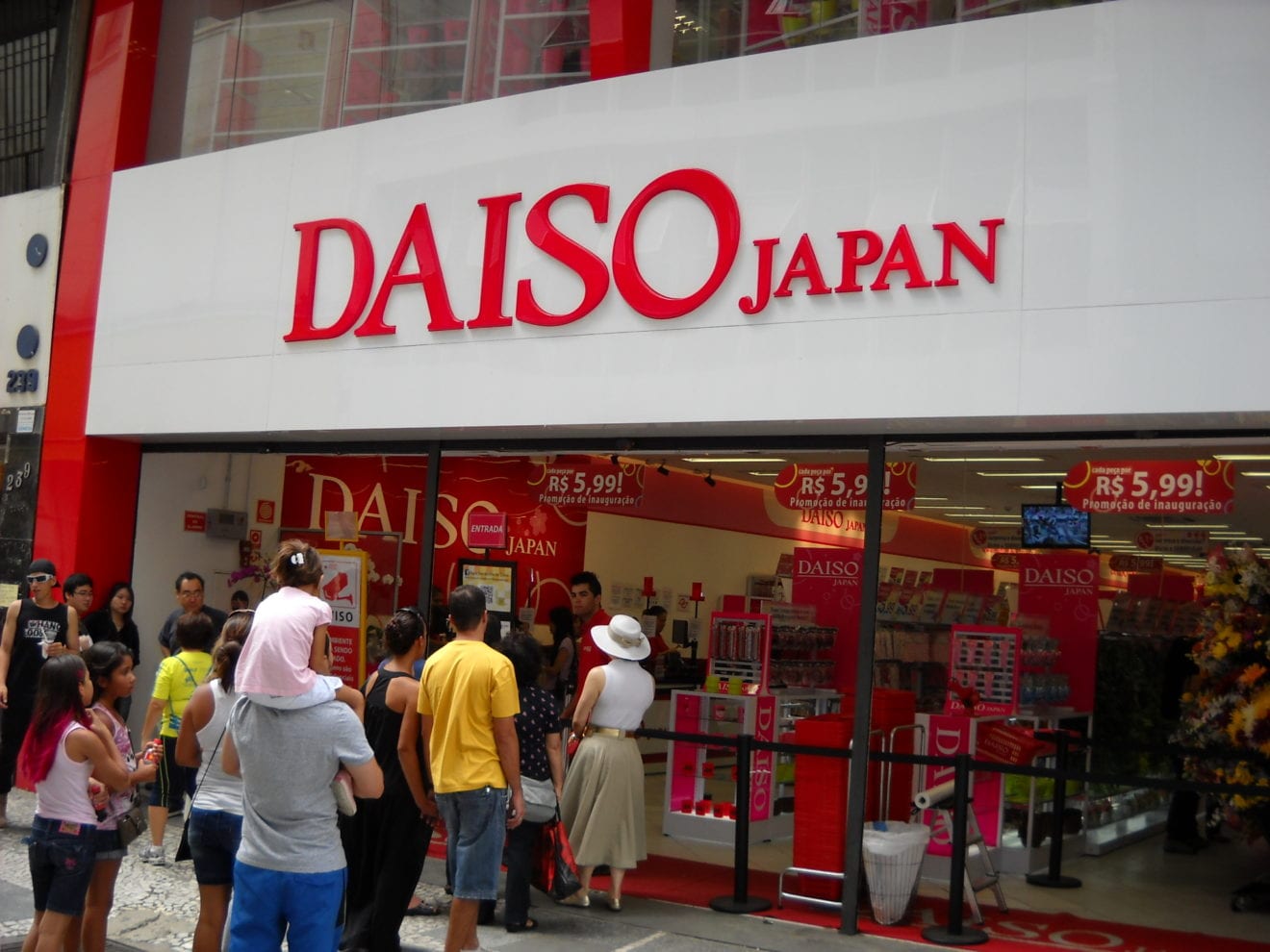
Daiso Singapore has established an online service to let customers know in advance which of its outlets are crowded.
The new website service – which builds on the brand’s previous crowding updates posted via Instagram – now allows customers to assess crowd levels before visiting any Daiso or Threeppy branch , allowing them to plan visits and avoid masses and queues.
Daiso’s crowd data is posted in two-hour blocks, grading crowding levels with coloured squares to provide information at a glance. Green squares indicate no crowding, while red squares show a store has reached maximum customer capacity.
On June 19, the $2 mega chain store attracted snaking queues upon reopening after the Singapore government’s lockdown to prevent the spread of coronavirus.
Daiso Singapore currently operates 22 locations in Singapore.