Category: General

Retail News Asia is committed to providing both local and global retailers with the latest General Retail news throughout the Asian market. This on a daily base.

  • AirAsia to increase frequency for Langkawi, Kuching and Penang

    AirAsia to increase frequency for Langkawi, Kuching and Penang

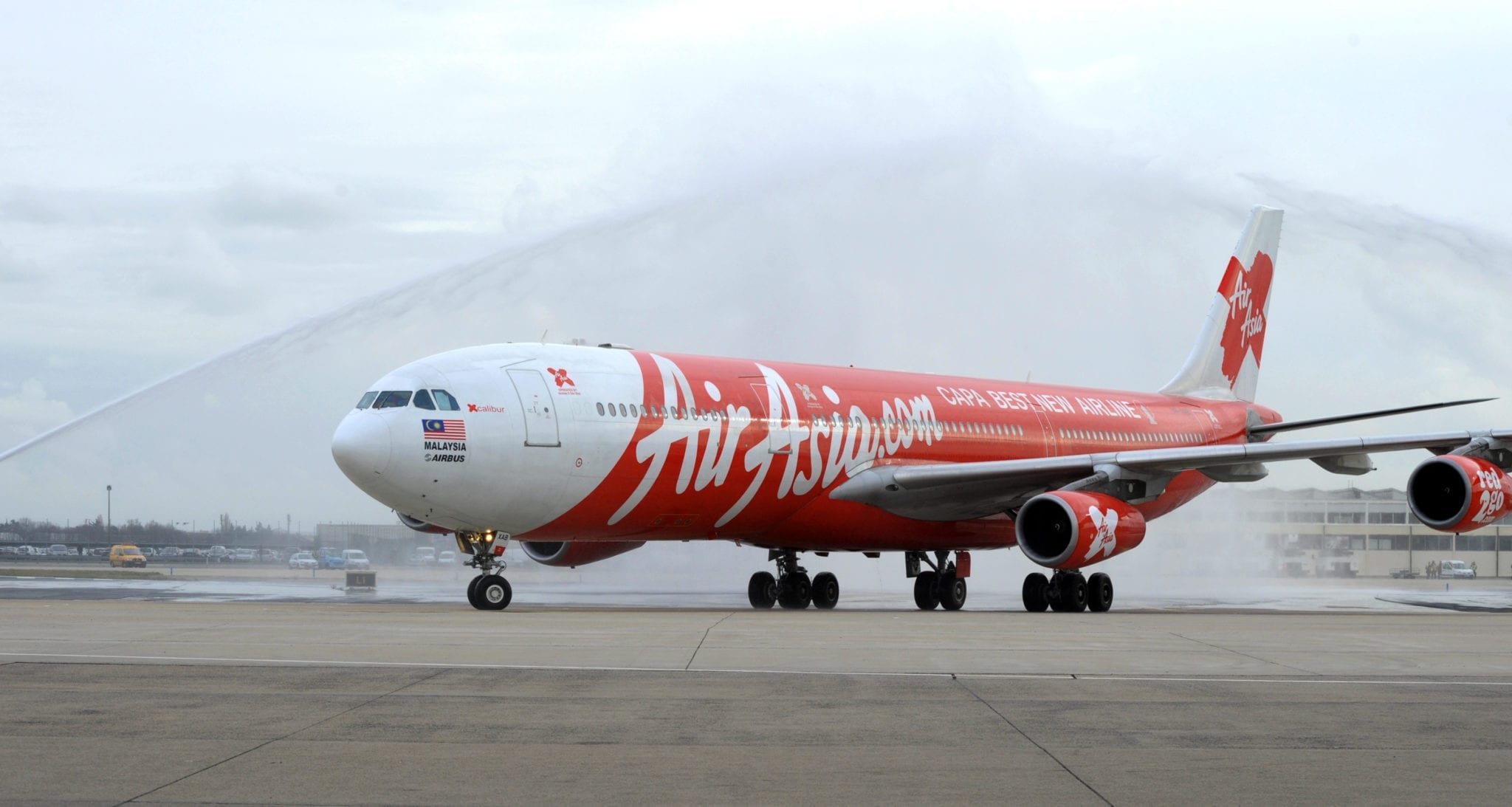
    Low-cost airline AirAsia Bhd will increase flight frequencies for its most sought after routes during the Recovery Movement Control Order (RMCO) period including Langkawi, Kota Kinabalu, Kuching and Penang.

    Chief executive officer Riad Asmat said the routes are from Kuala Lumpur to Langkawi, Kuching and Kota Kinabalu, as well as from Johor Bahru to Kuching and Penang. However, the number of add-on flights for July would be announced later, he said.

    “Since the resumption of our flights post-hibernation mode, we are witnessing encouraging demand for domestic travel.

    “We will continue to monitor demand and hope to gradually increase the frequencies from our other hubs such as Kota Kinabalu, Kuching, and Penang in the near future,” he said.

    Other AirAsia’s domestic destinations are Alor Setar, Ipoh, Kota Bharu, Kuala Terengganu, Miri, Bintulu, Sibu, Sandakan, Tawau and Labuan.

    Commenting on in-flight safety measures, Riad said it was paramount for AirAsia to continuously educate travellers about safe flying to build their confidence to start travelling again.

    Hence, the airline has implemented various measures throughout different flight phases such as temperature screenings, limited hand-carry item, face mask usage, end-to-end contactless procedures, proper hygiene standards and inflight medical training for cabin crew.

    According to IATA, evidence suggests the risk of Covid-19 transmission on board is extremely low as aircraft are equipped with features that will reduce the already-low risk of transmission onboard.

    Passengers are seated facing forward with the seatback serving as a solid barrier, while the cabin air is fully filtered and renewed every 2-3 minutes through the hospital-grade high-efficiency particulate air (HEPA) filters, ensuring clean cabin air.

    Coupled with a layered approach of biosafety measures covering the entire passenger journey, the risk of transmission onboard is further minimised.

    “With continuous information provided to our guests, we believe this will help to build the confidence of our travellers to start flying again,” he said.

    With regard to international destinations, Riad said AirAsia would begin operations once the situation improves and governments lift borders and travel restrictions.

    Asked on AirAsia’s focus in the next five to six months, he said the airline would continue with the diversification of its revenue base during this situation, with a more rigorous and market-friendly approach to further expand its digital and ancillary businesses such as Santan, Teleport and BigPay.

    Aside from that, AirAsia would also focus on supporting government initiatives to promote local tourism together, he said.

    AirAsia, which was named the World’s Best Low-Cost Airline for 11th consecutive time at the Skytrax World Airline Awards 2019, has recently extended the sale of its Unlimited Pass Cuti-Cuti Malaysia due to the overwhelming demand.

    Since its launch on June 11, over 40,000 flights have been redeemed with the first flight redemption taking place only seven minutes after the pass went on sale.

    On Thursday, AirAsia announced its partnership with local hotels to offer hassle-free, best price guaranteed deals with bigger savings on SNAP, its new flight+hotel combo booking platform.

    SNAP leverages the airline’s extensive network of over 160 destinations, with many being unique and exclusive routes, to provide the best price for flights, while working directly with hotel partners to offer best value room deals.

  • Lotte to launch snack subscription service

    Lotte to launch snack subscription service

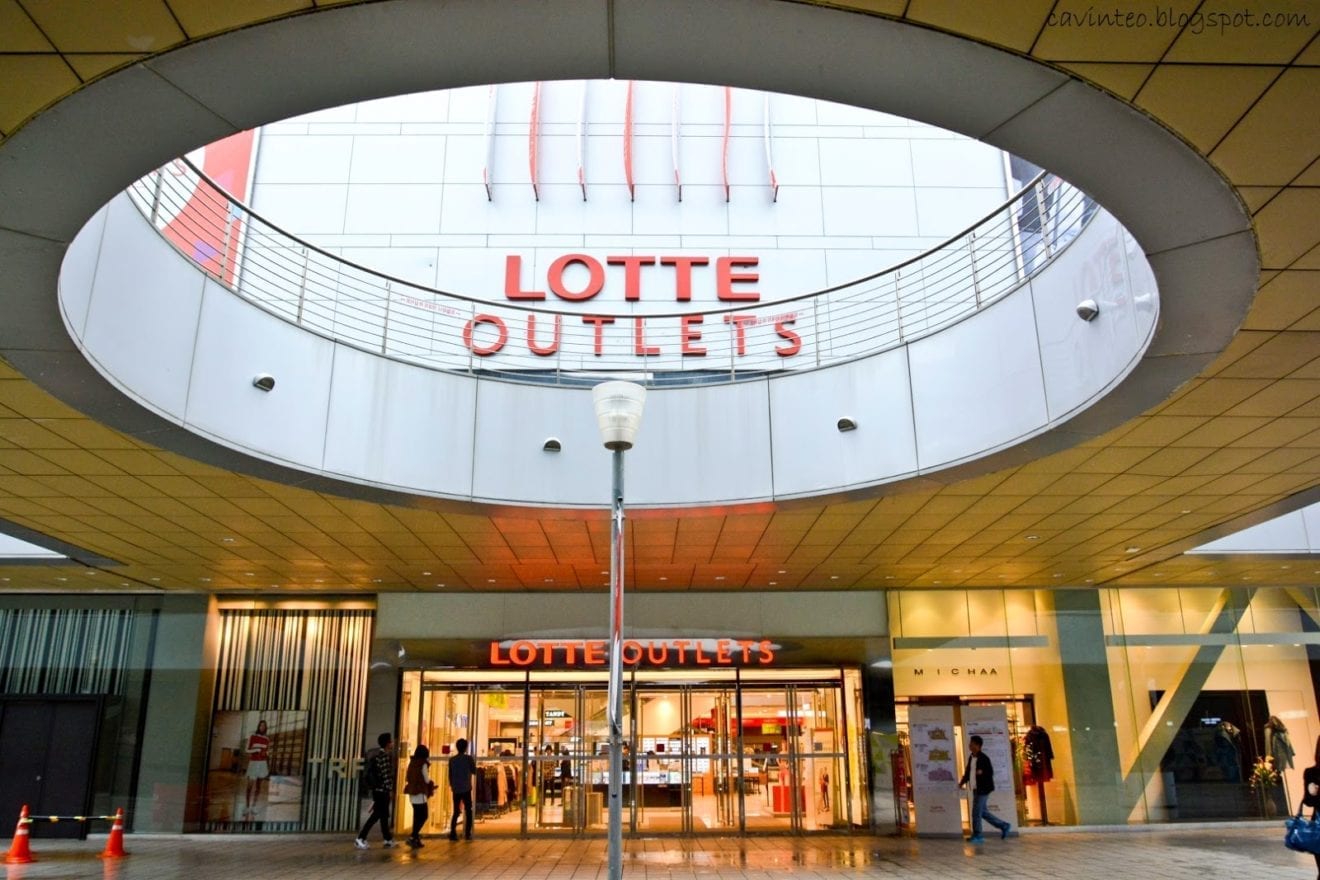
    Lotte Confectionery Co, a unit of South Korean conglomerate Lotte Group, will launch a snack subscription service dubbed “Monthly Snack,” the first of its kind in South Korea.

    The new service is based on the concept of the subscription economy, which refers to a business model that offers regular products or services to consumers who subscribe and make recurring payments.

    Those subscribing to the snack subscription service will receive a box full of snacks made by Lotte Confectionery on a monthly basis. The box will have different contents each month.

    With this service, subscribers can enjoy a wide variety of snacks without having to go to the store to buy snacks for themselves – and try new things.

    The monthly service will offer a wide range of best-selling and newly-released snacks at lower than market prices.

    Those interested can subscribe to the service through Lotte Confectionery’s official Instagram or Facebook account by June 23. The number of subscribers will initially be limited to about 200, who will be selected on a first-come, first-served basis.

  • Snapchat removes racist Juneteenth Lens, says that it wasn’t approved

    Snapchat removes racist Juneteenth Lens, says that it wasn’t approved

    This past Friday, June 19th, the U.S. recognized Juneteenth. It is a holiday that celebrates the emancipation of those who were enslaved in the United States. In the wake of the social protests that took place in the U.S. following the murder of George Floyd, no U.S. company was spared for any branding or product that could be considered insensitive in terms of race. That is why products like Mrs. Butterworth, Uncle Ben’s, and other iconic brands are being replaced.

    A major faux pas was committed by messaging app Snapchat which was forced to remove a racially insensitive Lens it created for Juneteenth. The filter showed the Pan-African flag in the background and prompted users to smile. This would lead to the image of a chain appearing in the background; the chain would then break. A spokesman from Snapchat parent Snap said in a statement, “We deeply apologize to the members of the Snapchat community who found this Lens offensive. A diverse group of Snap team members was involved in developing the concept, but a version of the Lens that went live for Snapchatters this morning had not been approved through our review process. We are investigating why this mistake occurred so that we can avoid it in the future.”

    A Twitter user by the name of Mark S. Luckie disseminated a tweet revealing what the Lens looked like before it was removed. Snapchat Lens use augmented reality (AR) to add animation to a photo of the user’s face. For example, a Snapchat user can turn into a dog with droopy cartoon ears and a nose. Or, the user can turn into a dancing bunny. There isn’t anything offensive about those (unless you really are a dog or a rabbit).

    Investors were pleased to see the racist Lens removed from Snapchat. On Friday, with most stocks giving up ground, SNAP rose over 3% to $22.66 a share. Snapchat is available in the App Store for iOS users and the Google Play Store for Android users.

  • Muji Marina Square store closes permanently

    Muji Marina Square store closes permanently

    The Muji Marina Square store will not reopen today when social-distancing measures allow retailers to recommence trade. in Singapore.

    The Japanese household and consumer goods retailer announced the closure on Facebook this week, thanking customers for their patronage over the years and apologizing for the inconvenience.

    The brand will continue to maintain 10 outlets within Singapore – some of which offer dining options – including its stores at Jewel Changi Airport and JEM. Muji launched the two-story airport location in May last year as a venue housing more than 4000 products and an 88-seat Cafe&Meal dining area.

    Muji’s flagship store within the territory is at Plaza Singapura. Its product range includes apparel, furniture, kitchenware, toiletries, stationery and food items.

    All Muji outlets in Singapore, including Muji Marina Square, closed temporarily during the coronavirus outbreak.

  • Zoom changes its mind giving a big win to its non-paying subscribers

    Zoom changes its mind giving a big win to its non-paying subscribers

    Last month, video-conferencing app Zoom announced that its acquisition of Keybase would allow it to offer end-to-end encryption. That means that those on the sending and receiving end of a Zoom video session would be able to escape scrutiny by law enforcement and hackers. But at the time, Zoom said that only those paying $14.99 a month for its premium tier of service would be in line for what is called E2EE (end-to-end encryption).

    Zoom said that it was unable to offer E2EE to its free users in case the app was used to help run an illegal business and the FBI or other law enforcement needed to cut into a Zoom conference to gather information. At the time a company spokesman said, “Zoom does not proactively monitor meeting content, and we do not share information with law enforcement except in circumstances like child sex abuse. We plan to provide end-to-end encryption to users for whom we can verify identity, thereby limiting harm to these vulnerable groups. Free users sign up with an email address, which does not provide enough information to verify identity.”

    But a blog post today revealed a change in Zoom’s thinking. The company wrote that “Today, Zoom released an updated E2EE design on GitHub. We are also pleased to share that we have identified a path forward that balances the legitimate right of all users to privacy and the safety of users on our platform. This will enable us to offer E2EE as an advanced add-on feature for all of our users around the globe – free and paid – while maintaining the ability to prevent and fight abuse on our platform.”

    To make this work, free/basic Zoom users will have to follow a one-time process that includes verification of a phone number via a text. Zoom said, “Many leading companies perform similar steps on account creation to reduce the mass creation of abusive accounts. We are confident that by implementing risk-based authentication, in combination with our current mix of tools — including our Report a User function — we can continue to prevent and fight abuse.”

    Zoom says that an early beta of the end-to-end encryption feature will start next month. The app is available from the Apple App Store and the Google Play Store.

  • Retail sales in Indonesia drop dramatically

    Retail sales in Indonesia drop dramatically

    Retail sales in Indonesia have fallen by 16.9 percent during the month of April compared to last year, according to government data.

    The drop is the steepest within the territory in 14 years and is the result of a steady decline in retail sales of a range of products surveyed by the Indonesian central bank.

    The decline is 4.5-per-cent deeper than comparable figures for the previous month, while retail sales in Indonesia declined by a more modest 0.8 percent during February.

    Even worse figures are expected for May, however, as the advent of Covid-19 saw people forced to implement social distancing.

    The Bank Indonesia now predicts sales figures to show a heavy 22.9-per-cent fall in volume year on year for last month.

  • AirAsia races for funding to keep flying

    AirAsia races for funding to keep flying

    AS the coronavirus pandemic claims more casualties in the aviation sector, airlines are racing against time to raise funds and keep their operations going. Last Thursday’s report that AirAsia Group Bhd could see a RM334 million cash injection by the possible entry of a new investor sent its shares to a two-month high.

    The potential investment by South Korea’s SK Corp, if it materializes, heralds a much-needed cash boost for the low-cost carrier, whose net cash position of RM2.1 billion as at end-2019 makes it the best-placed airline in the country in these trying times. Analysts say, however, that the airline’s existing reserves alone will allow it to sustain operations only until year-end at the current cash burn rate.

    Nomura Global Markets Research aviation analyst Ahmad Maghfur Usman estimates that AirAsia’s cash burn is now at RM120 million a month (excluding fuel hedging losses and after payment deferrals), given that it has trimmed its fixed burn costs by 60%.

    According to industry sources, AirAsia is in talks with banks for a syndicated loan to support near-term cash requirements. Bloomberg has put the figure at RM1 billion.

    “The loan facility is likely to involve some form of government backing, which is the case with airlines globally. That’s because based on standalone credit profiles, no bank would want to take on the risks of lending to airlines, given the continued lockdowns in most countries,” one industry source tells The Edge.

    He notes, however, that most banks are unlikely to be favorable to bundling the loans to include that for AirAsia’s long-haul arm AirAsia X Bhd (AAX), which is in more dire need of a cash injection. While AirAsia is bankable, he says, AAX’s low-cost long-haul business model remains questionable.

    Last Thursday, The Star reported that AirAsia could place out new shares representing 10% in the carrier to SK Corp at RM1 each, which would see the South Korean chaebol forking out around RM334 million. The reported offer price represents a 21% premium to the stock’s closing price of 82.5 sen on Wednesday. It also values AirAsia at RM3.34 billion compared with its market capitalization of RM2.76 billion on that day.

    “The reported private placement is essentially an equity injection, which allows the carrier to manage its gearing levels concurrently with the debt coming in. The deal would also be a vote of confidence in AirAsia, given that SK Corp is a solid foreign name,” says the industry source.

    Nomura’s Ahmad Maghfur believes that AirAsia is also likely to turn to the equity market to raise additional capital, especially to settle on its cash deferral payment backlog.

    “However, the size of this could also depend on how much soft funding can be provided by the respective governments [that AirAsia operates in],” he says in a report last Thursday.

    Calls have been made for government support and it looks like the Malaysian government may finally be ready to share the pain that this unprecedented crisis has brought to airlines.

    Ahmad Maghfur says AirAsia is near to closing a RM500 million loan from the government.

    Still, the new debt would not be enough. Combining the reported syndicated loan amount of RM1 billion, the RM500 million government loan and the rumored private placement of RM334 million would raise less than RM1.9 billion for AirAsia, which pales in comparison to the proceeds raised by foreign airlines. In March, Singapore Airlines Ltd undertook a massive cash call to raise S$15 billion (RM45.9 billion), not only to deal with the impact of Covid-19 on its business but also to position it for growth beyond the pandemic.

    “This increasing of the equity base by placing out new shares to new or existing shareholders is considered the first move expected by governments, in the case for eventual state support,” says Khair Mirza, associate director of Canadian transport infrastructure consultancy Modalis Infrastructure Partners.

    As leisure air travel is likely to be the last segment of the industry to recover, he says, AirAsia may be preparing to weather the storm.

    “Even in the best-case scenario, companies may trim or right-size their workforce to face the reality of a new normal.

    “In the end, we cannot rule out state support being sought as it already has been elsewhere, like in Australia and the UK. And, in such an eventual scenario, we have to face the reality that ownership may change if creditors are not appeased sufficiently.”

    In April, the International Air Transport Association (IATA) had urged 18 governments in Asia-Pacific, including Malaysia, to provide support for their airlines.

    Conrad Clifford, regional vice-president for Asia-Pacific at IATA, says that, while the Malaysian government has announced a US$58 billion enhanced economic stimulus package, it is unclear how much of it really goes directly into supporting the airline industry.

    “Action needs to be taken urgently to assist the airlines through this crisis by providing direct financial support in the form of loans, loan guarantees, corporate bonds and incentive schemes. We estimate passenger demand for Malaysia to fall 51% in 2020 compared with 2019, putting at risk some 220,000 jobs, including those that depend on the airline industry, such as travel and tourism,” Clifford tells The Edge in an email interview.

    The airline grouping is asking the government to consider providing relief on industry taxation such as departure levy, tourism tax and sales and service tax related to aviation, airport charges such as six months’ rebates for airport premises rental, landing and parking charges and recovery incentives, and rebates for air navigation charges or deferment of any planned increase.

    “Time is of the essence. We urge the Malaysian government to act quickly. Having a viable aviation industry when we come out of the Covid-19 crisis will be critical to supporting the economic recovery,” says Clifford.

    He believes the worst is not over for the airline industry. “Recently, we saw the Thai government sending Thai Airways to the bankruptcy court, which is similar to Chapter 11. There are others at risk. With much of the fleet grounded, airlines are burning cash.”

    He believes airlines that will come out of this crisis successfully are those that have some form of support from the government to tide them over this challenging time.

    On Friday, the government’s Short-Term Economic Recovery Plan brought no cheer to the airlines except for the extension of the period for deferment of tax instalment payment to Dec 31.

  • Hong Kong Airport extends relief period to retail tenants

    Hong Kong Airport extends relief period to retail tenants

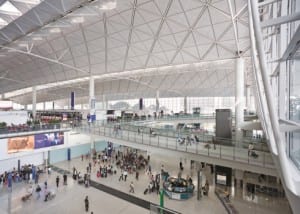
    Hong Kong airport is extending its rent-relief package to tenants and other stakeholders in recognition of the prolonged impact of the coronavirus pandemic.

    The airport implemented a waiver or reduction of various fees for the aviation industry and partners in March this year. The reductions are now scheduled to continue through July and August.

    The measures include a rental relief for retail and catering tenants and a full rental waiver for temporarily closed shops and restaurants.

    In addition, the airport has instituted a full waiver of parking and airbridge fees for idle passenger aircraft, a reduction for passenger aircraft landing charges and a full waiver on fixed charges for inflight catering services amongst a range of other relief measures for the industry.

  • Lawson Japan to stock Muji products

    Lawson Japan to stock Muji products

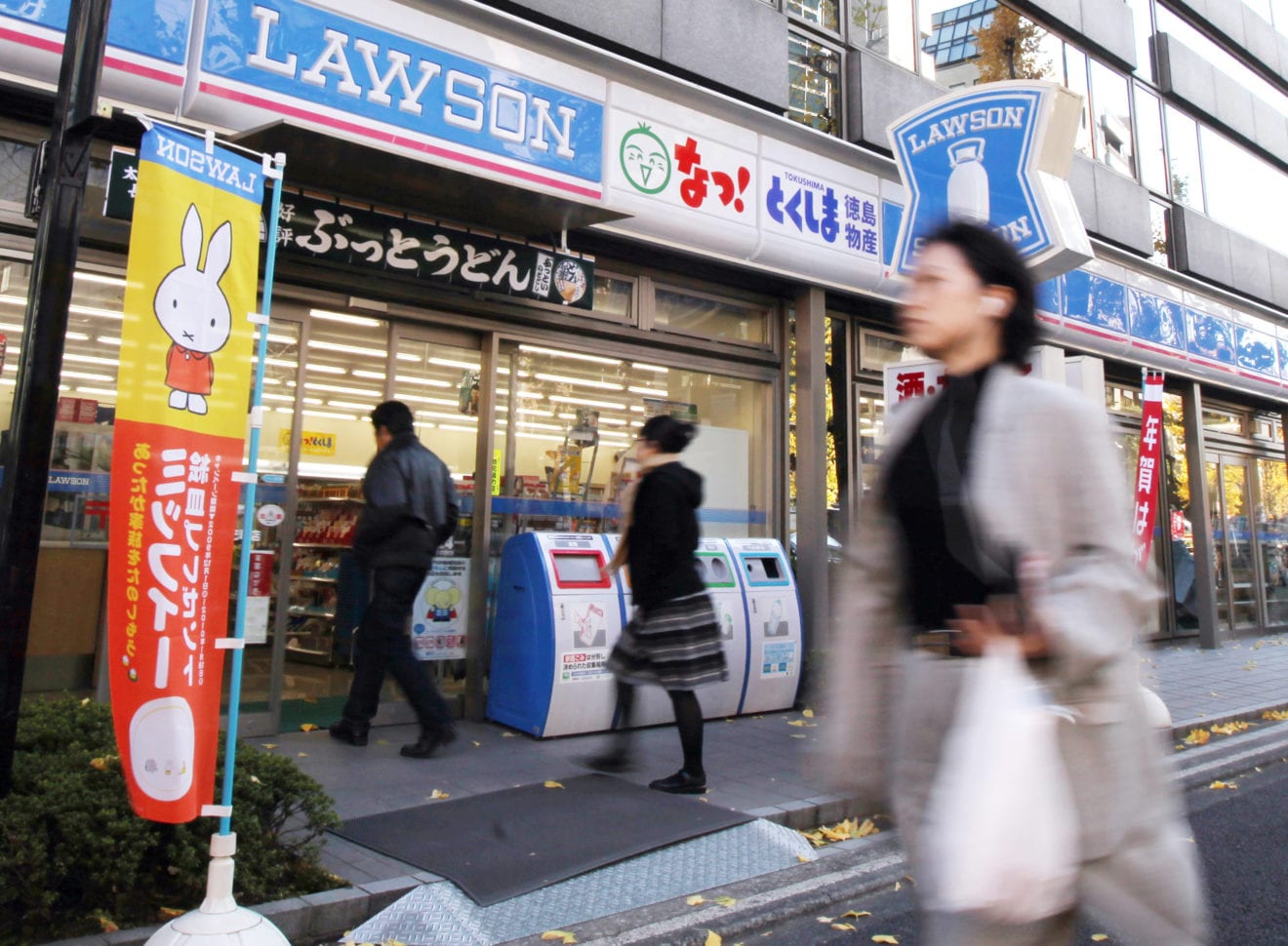
    Japanese convenience-store business Lawson will cooperate with local home-goods network Muji in a sales and brand development partnership, according to a Nikkei Asia report.

    The deal will see Muji products stocked in Lawson Japan outlets as well as the development of further daily-use products under a new private brand, which may lead to a fresh store concept. It replaces Muji’s previous supply contract with rival chain FamilyMart.

    The move will take advantage of shifting consumer behaviors as more Japanese shoppers purchase daily items from convenience store chains in the wake of the coronavirus outbreak.

    Around 20 percent of items currently stocked at Lawson are likely to be replaced with Muji-branded products, most probably goods such as eco-friendly detergents and nutritional pre-packaged foods, in high demand since the advent of Covid-19.

    Early customer response to the change in a small number of outlets will determine how broadly the initiative is applied across Lawson’s 15,000-store network.

    The agreement also addresses shrinking opportunities to expand given the gradual decline in Japan’s population, providing a broader product range in existing stores.

    Muji currently operates more than 400 locations in Japan.

  • Apple App Store ecosystem generated big bucks last year

    Apple App Store ecosystem generated big bucks last year

    Apple reported today that its app storefront supported $519 billion in billings and sales in 2019. A study was conducted by independent economists working for Analysis Group who calculated that since the App Store opened with 500 apps in 2008, Apple has paid developers more than $155 billion. A quarter of those payments were made last year. Developers share with Apple payments for paid apps, digital content or in-app purchases made by users through Apple’s in-app payment system.
    The economists that were studying the amount of money that flows through the iOS app ecosystem are underestimating the amount of money that is collected by Apple. That is because some developers decide to monetize their apps through other methods outside of the App Store. For example, digital goods and services can be sold outside of the App Store for use within apps on Apple devices. An example of that would be downloading the Netflix app from the App Store and going to the Netflix website to pay for a subscription. Another example, one that is very popular these days, involves installing a delivery app like Instacart or Shipt and paying the delivery firm directly for groceries through its website.
    Of the $519 billion in billings and sales that the App Store generated last year, physical goods and services accounted for $413 billion or 80% of total revenue. $61 billion, or 11.8% of revenue, came from Digital Goods and Services; that leaves $45 billion, or 8.7%, which came from in-app ads. Analysis Group says that the world’s largest smartphone market, China, was responsible for a leading $246 million or 47% of global App Store billings. That was followed by the $138 billion or 27% that comes from the U.S.
    While the report is based on 2019 data, AG says that the coronavirus has had an enormous, positive impact on App Store business. The Analysis Group says that it has seen increased use of educational and business collaboration apps during the pandemic, growth in demand for food and grocery deliveries, and a trend toward ordering food and then driving to the restaurant to pick it up. Other changes include an increasing trend toward mobile gaming and video streaming apps, and the increasing popularity of social apps which are replacing the gap felt by users during periods of social isolation.
    The report says, “With widespread social distancing around the globe, more consumers are turning to mobile to make purchases and to stay informed, connected, and entertained. Many companies and their employees have had to adjust to working from home, while universities, schools, and students have switched to remote teaching and learning. During this time, app downloads, usage, billings, and sales have seen an overall surge.
    Not all apps have been able to benefit from the pandemic. Apps related to businesses that have closed or have faced strict regulations (such as the hotel business, airlines and restaurants) or those that require face-to-face interaction (like the ride share business) have been seriously impacted. And as the global economy has taken a huge hit, digital advertising also has see a plunge as companies feel less of a need to advertise to a public that is not as liquid as it once was.
    Apple CEO Tim Cook, talking about the App Store says, “The App Store is a place where innovators and dreamers can bring their ideas to life, and users can find safe and trusted tools to make their lives better. In a challenging and unsettled time, the App Store provides enduring opportunities for entrepreneurship, health and well-being, education, and job creation, helping people adapt quickly to a changing world. We’re committed to doing even more to support and nurture the global App Store community — from one-developer shops in nearly every country to businesses that employ thousands of workers — as it continues to foster innovation, create jobs, and propel economic growth for the future.”
  • Many Singapore stores set to reopen as restrictions are lifted

    Many Singapore stores set to reopen as restrictions are lifted

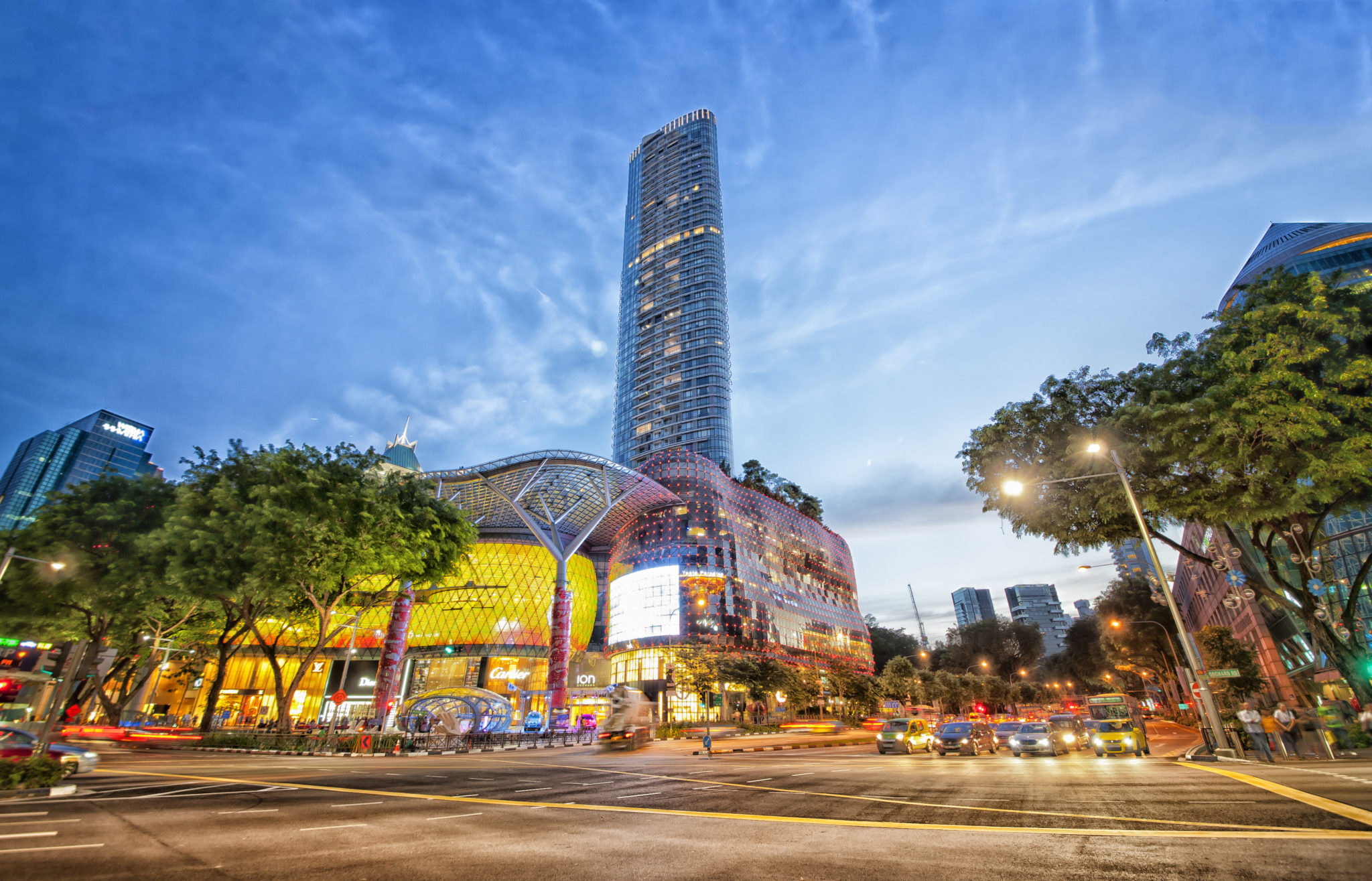
    Singapore stores are set to reopen as the country will enter the second phase of reopening on Friday, June 19.

    According to advice from the government, retailers may reopen under Phase Two of the easing of restrictions on Friday, but they must adhere to safe distancing measures.

    For F&B retailers, dine-in will be permitted with up to five diners per table. However, live music, television and video screenings are not allowed under stage 2. Stores will also have to stop liquor sales and consumption at 10.30pm.

    Larger venues with high traffic such as malls, department stores or large-scale standalone retail outlets have to restrict capacity to ensure safe distancing. Operators are required to prevent crowds or long queues from building up.

  • China retail sales decline eases in May

    China retail sales decline eases in May

    The decline in China retail sales sparked by the advent of Covid-19 slowed substantially in May as the country continued to reopen for business.

    The consumer goods retail sector in China saw a year-on-year decline of 2.8 percent last month, according to the National Bureau of Statistics.

    That decline was a significant improvement on April, when China retail sales fell by 7.5 percent.

    Retail takings hit US$451 billion during May.

    However, the mainland’s catering industry remained heavily affected by the pandemic, with sales down by 18.9 percent year on year last month. That was still better than the 31.1-per-cent decline of April.

    Statistics show that online shopping is continuing to boom, with a 4.5 percent increase during the first five months of this year over last year’s results.

  • Google tests replacing URL with site’s domain name in Chrome

    Google tests replacing URL with site’s domain name in Chrome

    There are so many different versions of the Google Chrome browser in the Google Play Store. The Chrome Browser is the public version of Google’s browser. It has a Translate feature, Desktop mode, Dark mode, and other capabilities. Other versions of Chrome that can be installed on most Android phones include the Chrome Dev app. As Google says on the app’s listing on the Google Play Store, “Live on the bleeding edge: Try out our latest features. (They’ll be rough around the edges!) That means that the app will be buggy so you better think twice before installing it. The Chrome Dev app can be found here. This is a little more refined than the Chrome Canary app, which is very unstable and includes a nightly build for developers.

    Google last week started testing a change for the Chrome Dev/Canary 85 apps that hide the URL address of the website that they are on and only shows the domain name of the site (for example, Google.com). A Chromium developer said, “We think this is an important problem area to explore because phishing and other forms of social engineering are still rampant on the web, and much research shows that browsers’ current URL display patterns aren’t effective defenses. We’re implementing this simplified domain display experiment so that we can conduct qualitative and quantitative research to understand if it helps users identify malicious websites more accurately.” In other words, Google is testing whether replacing full web addresses with just a domain name help users easier spot a malicious website.

    To get this feature to work on Chrome Dev or Canary 85, you’ll have to enable a flag. Open one of the two aforementioned browsers on your Android device and go to Chrome://Flags. Search for Omnibox UI and enable “Omnibox UI Hide Steady-State URL Path, Query, and Ref.” Once the flag is enabled and you reboot your phone, instead of seeing a long URL address in the address field, only the domain name will appear. For example, instead of seeing “https://crm.retailnews.asia/major-us-carriers-go-down” you’ll just see the domain name of crm.retailnews.asia/news.

  • Google Stadia has just got an important boost on Android

    Google Stadia has just got an important boost on Android

    Cloud gaming is starting to become a thing as more companies like Google, Microsoft and NVIDIA continue to invest in such services. Although Stadia was off to a rough start, Google continues to bet big on the cloud gaming service.

    Google Stadia works not just on PCs, but on Android phones as well. However, not all Android handsets were compatible with the Stadia app, but very few until recently. As of this week, Google announced that even more Android phones will be able to run the Stadia app and let subscribers play their favorite games.

    First off, Google revealed that all OnePlus smartphones are now fully compatible with Stadia, including OnePlus 5/5T, One 6/6T, and OnePlus 7/7 Pro/7 Pro 5G/7T Pro/7T Pro 5G. These phones join the OnePlus 8 and OnePlus 8 Pro, which were already compatible with Google Stadia.

    But wait, there’s more! Google confirmed that anyone with a compatible Android phone can install the Stadia app and start playing games, including phones that aren’t on the list of officially supported phones.

    This is a major change that basically removes any brand restrictions and only limits Stadia compatibility to your phone’s hardware. While the feature is in development, Android users can try out Stadia for free and play their favorite games on smaller displays.

    Google is calling this move “Experiment” and those who wish to be a part of it must install the app on their Android phones and from the Experiments tab choose “Play on this device.” Even if you’re not a Stadia subscriber, you’ll be able to play games that you already own on your phone via cloud streaming.

  • Likes and followers more meaningfull  post Covid-19

    Likes and followers more meaningfull post Covid-19

    As consumers around the world spend more time on social media in the Covid-19 era, likes and followers on social media are likely to become increasingly valuable to retailers.

    According to a new report by research firm Globaldata, 43.7 percent of international consumers are spending more time on social media due to the coronavirus pandemic. The firm is now advising brands to capitalize on this activity to promote purchasing and build shopper loyalty in a time of significantly dampened demand for non-essential goods.

    “Social media will play an even more important role in marketing post Covid-19, as many retailers are slashing marketing budgets to preserve cash to cope with the crisis, especially those that previously relied on traditional forms of marketing such as television and billboard adverts,” said Globaldata retail analyst Emily Salter. “Social media is a far cheaper method, especially if brands can leverage user-generated content and rely less on sponsored posts and collaborations.”

    The firm recommends retailers ensure their social media content is not too heavily skewed towards purchase-focused posts, with a significant number of followers facing financial instability following a global rise in unemployment. That will ensure engagement and boost likes and followers.

    “Retailers need to focus on aspects beyond products: elements of their brand identity that resonate with shoppers, the positive actions they have taken during the crisis, and building engagement to foster a sense of community,” said Salter. “These are all elements that shoppers will be able to relate to whether they are in a position to purchase items or not, building brand loyalty and influencing shoppers’ choices in the long term.”