Category: General

Retail News Asia is committed to providing both local and global retailers with the latest General Retail news throughout the Asian market. This on a daily base.

  • Singapore retail sales down with 33 percent in April

    Singapore retail sales down with 33 percent in April

    Singapore retail sales – excluding motor vehicles – plummeted 32.8 percent in April as Covid-19-related lockdowns saw non-essential retailers closing their physical stores.

    Including motor vehicles in the data, the fall was 40.5 percent.

    Significantly, online sales accounted for a record 17.8 percent of total retailing, with 70.6 percent of sales in the computer and telecommunications category occurring online in April and 50.4 percent of furniture and household equipment. However, just 7.7 percent of the total sales of supermarkets were conducted online.

    According to Statistics Singapore, the worst-affected retail sector overall was department stores where sales fell by 87.8 percent. Sales in watch and jewelry stores fell by 84.6 percent.

    On the plus side, sales by supermarkets & hypermarkets soared 74.6 percent, partly driven by people staying at home to work or study during the Circuit Breaker lockdown and partly due to the move from eating out to preparing food at home. Minimarts & convenience stores boosted their sales by 10.7 percent.

  • AirAsia Indonesia to resume flight this month amid relaxation of restrictions

    AirAsia Indonesia to resume flight this month amid relaxation of restrictions

    AirAsia Indonesia will resume flights on June 19 as the country has gradually relaxed rules on large-scale social restrictions, the airline said today. President director of AirAsia Indonesia Veranita Yosephine Sinaga said that preparations for the resumption of scheduled flights had been carried out.

    “AirAsia is committed to serving the needs of traveling or transporting goods to across the country and abroad through special charter flights for passengers and cargoes,” she remarked.

    The airline said that travelers flying with AirAsia in the future are required to understand and strictly adhere to and comply with health and immigration requirements, and the travel restrictions set up by the governments of the country of origin and those of the destination, local media reported.

    The airline said it will gradually reinstate its services around the networks once the global health situation improves and regulatory restrictions are terminated.

    Indonesia has gradually relaxed its restrictions during the Covid-19 pandemic in the hope of a pickup in business activities but also heeded the areas where transmission rates remain afloat.

    Covid-19 has killed 1,851 people across Indonesia and infected 31,186 others, the Health Ministry reported today.

  • Mall vacancy rates in the Philippines set to rise

    Mall vacancy rates in the Philippines set to rise

    Mall vacancy rates in the Philippines will rise to 12 percent this year, predicts real estate consultancy company Colliers.

    The company says falling footfalls due to the Covid-19 pandemic and a move by consumers online are impacting the business of physical stores.

    According to Colliers, mall vacancy rates in the Philippines are also rising because more retailers have created their own e-commerce platforms or joined major social media channels to boost online sales.

    “By expanding online strategies and partnering with apps to facilitate seamless delivery, retailers should be able to offset any softer retail demand due to the Covid-19 pandemic and the government’s implementation of a lockdown,” said Colliers Philippines.

    Meanwhile, data from the Philippine Payments Management shows online payments rose significantly in April, with a recorded rate of 32.2 percent growth from 6.7 million InstaPay transactions.

    However, the company’s survey from March found that more than 80 percent of respondents still want to keep shopping in brick-and-mortar stores.

  • First 7-11 in Hunan sets massive record

    First 7-11 in Hunan sets massive record

    The first 7-Eleven in Hunan has broken the global opening-day sales record for the convenience-store brand, reporting US$70,310 of turnover.

    According to the Federation of Industry and Commerce of Hunan, the first 7-Eleven store attracted more than 5000 customers on its opening day. The most popular products sold were more than 5000 Japanese wooden sticks, 3000 sushi balls, 1500 desserts and 600 loaves of bread.

    “The introduction of Japanese brands will help upgrade the industry and the overall operation level of convenience stores in Changsha,” said Hu Zijing, president of Friendship&Apollo – owner of the 7-Eleven Hunan franchise.

    Friendship&Apollo acquired the 7-Eleven’s Hunan franchise rights last October. However, due to the Covid-19 pandemic, the opening was twice postponed.

  • Diamond prices showing signs of revival

    Diamond prices showing signs of revival

    Asia is driving early signs of a revival in diamond prices amid an unstable global market affected by the Covid-19 crisis and protests.

    Rapaport, which monitors diamond trading trends, says the Hong Kong diamond market has regained traction as more demand comes from China, although there are concerns about tensions related to new Chinese security laws. Meanwhile, in the US, jewelry retailing is expected to remain subdued as the country experiences social unrest over police brutality and the on-going Covid-19 pandemic.

    Polished diamond prices remained stable in May, mainly focusing on online trading. Despite a significant drop since January, the RapNet Diamond Index (RAPI) for 1-carat diamond recorded a 2-per-cent increase in May.

    The industry has changed to adapt to new customer shopping behaviors, says the Rapaport report. More jewelry retailers have shifted their focus to online channels, predominantly offering classic models such as solitaire necklaces or tennis bracelets. Marketing strategies are changing to promoting diamonds as a symbol of values and emotional connection, the company says.

    Meanwhile, mining companies are also shifting to digital platforms and targeting markets less affected by lockdowns.

  • Zoom explains why it won’t enable this major feature for free users

    Zoom explains why it won’t enable this major feature for free users

    Following Zoom’s unprecedented rise in our current at-home climate, a number of issues surrounding security and privacy have been raised against the cloud meeting service. As reported by Bloomberg, Zoom’s CEO explained some of the reasoning behind certain security decisions for the company’s free service tier.

    The video conferencing service came under fire some months ago for making misleading claims about the level of encryption available for its meetings. Though Zoom advertised ‘end-to-end encryption’ (or E2EE), the company was revealed to be using its own unique definition of the term—meetings are encrypted between Zoom’s servers, not individual clients, meaning that the company could theoretically access any meeting it chooses.

    Though Zoom has stated that such monitoring won’t ever happen, it’s also reportedly working on increased security and planning to bring E2EE to all paying customers in the near future. Yes, that excludes all free customers, and the company has explained that this is in order to cooperate more easily with law enforcement and authorities.

    “Free users for sure we don’t want to give that because we also want to work together with FBI, with local law enforcement in case some people use Zoom for a bad purpose,” CEO Eric Yuan is quoted as saying. In the past, Zoom has been exploited in a wide range of ways, from harmless-but-disruptive ‘Zoombombing’ to truly nefarious purposes like hate speech, child abuse, and other illegal activities.

    Right now, Zoom’s employees can enter meetings as a failsafe backdoor to crack down on abuse of its platform, but this would be impossible with an E2E encrypted connection. That’s why the company is limiting the availability of the enhanced security standard in an effort to prevent misuse.

    Zoom’s security consultant Alex Stamos also tweeted about the situation, explaining that the implementation of E2EE requires a “difficult balancing act”. Keeping E2EE demarcated to paid users more likely to actually require it will inevitably help, but Zoom has also stated its commitment to providing more comprehensive solutions in the future.

    Evidently, the widespread need for a video conferencing solution and the multifaceted complexity of securing internet connections both complicate the process of working towards a more convenient, safe, and secure cloud. But hopefully, Zoom’s latest efforts will be able to keep up with the needs of its ever-growing user base.

  • Asia-Pacific apparel markets well placed to survive virus fallout

    Asia-Pacific apparel markets well placed to survive virus fallout

    Asia-Pacific apparel markets are better placed to counter the impact from the Covid-19 crisis than those of North America and Europe, according to research from GlobalData.

    Vijay Bhupathiraju, a retail analyst at GlobalData, says forecasts suggest some US$297 billion will be wiped off the global apparel market this year due to the pandemic, with sales set to decline 15.2 percent over last year.

    However, 42 percent of that decline will be in the US, the world’s largest apparel market, while in the Asia-Pacific region, growing domestic demand will limit the damage.

    “Although the recovery has already started across the Apac markets, apparel sales will take some time to rebound amid dampened consumer confidence, the slump in tourism, the threat of an impending global recession and high unemployment rates.”

    However, he expects revenge buying – the sudden release of pent-up demand from those willing and able to spend – will compensate for some of the lost sales.

    “Some brands across China for instance are seeing store sales return to 80 to 100 percent of pre-Covid-19 trading levels as the country relaxes lockdown measures.”

    GlobalData expects fast-growing Apac markets including China, India, and South Korea to improve their positions in the Top 10 global apparel markets by 2023, as mature Western markets lose out.

    China is expected to overtake the US as the world’s largest apparel market within three years.

    Meanwhile, the serious decline in sales in the US is likely to lead to more major retailers filing for bankruptcy. Already this year, Neiman Marcus, JC Penney, J Crew, and True Religion have entered Chapter 11 protection along with many smaller regional retailers across the US. In Germany, Esprit has entered a similar local form of bankruptcy protection.

    According to GlobalData’s research, the 10 worst-impacted geographical markets will account for 85 percent of the apparel industry’s total loss – and mature markets will be the worst hit. Asia-Pacific apparel markets will perform the best.

  • AirAsia offers flight change fee waiver

    AirAsia offers flight change fee waiver

    AirAsia has announced that it would waive flight change fees for any new bookings made between June 3 and October 31, 2020.

    In a statement today, it said the option is applicable for online bookings on airasia.com for domestic flights within Malaysia, Indonesia, Thailand, the Philippines and India.

    “Guests may make an unlimited number of flight date changes via the ‘My Bookings’ tab on airasia.com or the AirAsia mobile app, and may rebook their flights for travel up to December 31, 2020, subject to seat availability and fare difference,” it said.

    Meanwhile AirAsia Group president (Airlines), Bo Lingam said due to the unprecedented circumstances relating to the current public health situation and the associated travel restrictions, travel plans may be fluid throughout this year.

    The airline said the flight date and time change is only applicable up to 48 hours before the original departure time and up to four hours for AirAsia India.

    For further information, guests can visit this link.

  • Google deletes anti-China app with 5 million installs

    Google deletes anti-China app with 5 million installs

    At a time when the U.S. government is targeting smartphone and networking equipment manufacturer Huawei, investigating short-form video app Tik Tok, and trying to kick China Telecom out of the country, a new app called Remove China Apps seeks to flag apps developed in China. Found in the Google Play Store (and just removed by Google), the app became the most downloaded title on Google’s Android app storefront over the weekend. It was launched just two weeks ago.

    The developers of the app said that it uses market research to determine an app’s country of origin. While the title of the app makes it sound as though it automatically deletes apps developed in China, the developer says that it “will list Applications and respective country name, choose which app you want to uninstall and which app you want to keep, and uninstall the apps one by one in a single click.” The Play Store listing says that it was “being developed for educational purposes only.”

    According to Android Authority, the app had one million installs listed by the end of Sunday and that number soared to five million yesterday. The developer, OneTouch AppLabs, is located in India where anti-Chinese sentiment has been on the rise. The developer’s website states that the point of creating the app is to support Indian Prime Minister Narendra Modi’s call for “Atm Nirbhar Bharat” or a self-reliant India. The developer states that the “Remove China App will help people to support ‘Atm Nirbhar Bharat’ by identifying the origin country of the applications installed in their mobile phones.” The developer also calls the app safe to install because it doesn’t ask for any permissions from your phone.

    Android Authority tested Remove China Apps and found that it did pick up TikTok and Xiaomi’s Mi Remote on an Android phone but failed to flag Chinese developer Tencent Games’ PUBG Mobile. It also doesn’t work with pre-installed apps installed on Chinese smartphones.

  • Cebu Pacific resumes some domestic flights yesterday

    Cebu Pacific resumes some domestic flights yesterday

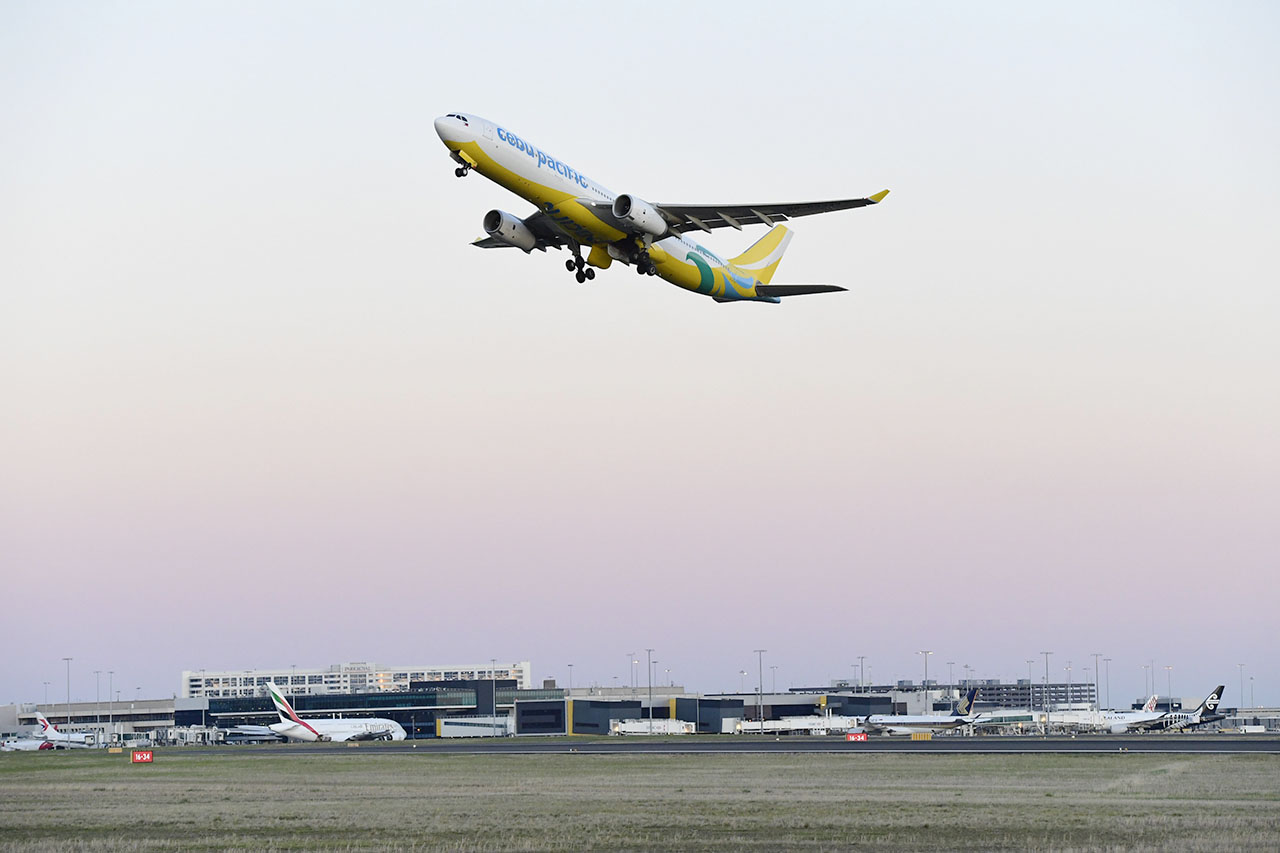
    Budget airline Cebu Pacific on Saturday said it would resume some domestic flights by June 2, but international flights would remain suspended from June 1 to 30.

    “We will continue to work with the Inter-Agency Task Force (IATF), as well as other national and local government authorities, on the rules and requirements to resume commercial passenger flights between areas under General Community Quarantine (GCQ),” Cebu Pacific said in a statement.

    “In Manila, all flights will depart and arrive from the Ninoy Aquino International Airport Terminal 3. All International flights remain suspended from June 1 to 30, 2020,” it added.

    The airline management reiterated that leisure travel was still prohibited by the government.

    It added that guests should check guidelines from the ”IATF and with the local governments of their origin and destination for the required documents.“

    Cebu Pacific also said they will provide updates on flight schedules from June 5 onwards as they “build-up domestic flight network, depending on market demand, quarantine restrictions and government regulations.”

  • Google releases new features for some of its Android apps

    Google releases new features for some of its Android apps

    If you own an Android smartphone, you’ll be getting a handful of nifty features in the coming months. However, if you own a Pixel phone, you’ll be getting most of these new features starting this week.

    Along with the new features coming to Pixel phones today, Google announced a few of its Android apps will be updated with meaningful improvements. For example, the Digital Wellbeing app is now getting a Bedtime mode, which replaces Wind Down. When it’s enabled, Bedtime mode uses DND (Do Not Disturb) to silence notifications, calls, and texts during sleep. Also, enabling Bedtime mode will make your phone fade the colors to black and white.

    The new update will make it easier for users to customize how and when to turn on Bedtime mode. It’s now possible to choose to have it turn on automatically or after you plug in your phone to charge.

    Google also added a new option that will allow users to pause Bedtime mode without having to adjust their schedule. If your Android smartphone has Digital Wellbeing and parental control settings, then you should be able to use Bedtime mode as well.

    The Clock app will also receive a new Bedtime tab, which lets you set daily sleep and wake times to better organize your sleep schedule. You’ll receive reminders before bedtime and an option to play calming sounds from various music streaming services like Calm, Spotify, and YouTube Music.

    Moreover, those with smartphones that feature Digital Wellbeing will be able to pair with Bedtime mode to further prevent interruptions while sleep. Last but not least, the Clock app is getting a so-called Sunrise Alarm to wake you up more gently.

    Also, the YouTube app now offers a new option that allows users to set a bedtime reminder. You’ll be able to choose to see the reminder at bedtime or after the video completes.

    Finally, the Family Link app got updated with the option to set restrictions for children, such as managing screen time activity, app downloads, in-app purchases, and bedtime for their device. The app lets you establish daily bedtime schedules and modify them as needed.

    The new bedtime features will be rolled out to Pixel devices starting today.

  • No surprise as retail sales in Hong Kong down again

    No surprise as retail sales in Hong Kong down again

    Retail sales in Hong Kong have plunged by more than one-third over the first four months of this year.

    Census and Statistics Department figures show a 36.1-per-cent decline, which follows an adjusted 42.1-per-cent fall in March.

    Those two months represent the beginning of the real impact of the Covid-19 pandemic which has seen the border with Mainland China effectively closed down and starving the territory’s retailers of traditional sales to inbound tourists.

    A government spokesman said that April’s decline, while narrower than that of March, was still “huge”.

    “While the epidemic has abated in Hong Kong, the business environment for retail trade remains challenging, as Covid-19 has brought inbound tourism to a standstill, and as austere labor market conditions and various uncertainties continue to weigh on consumer sentiment.”

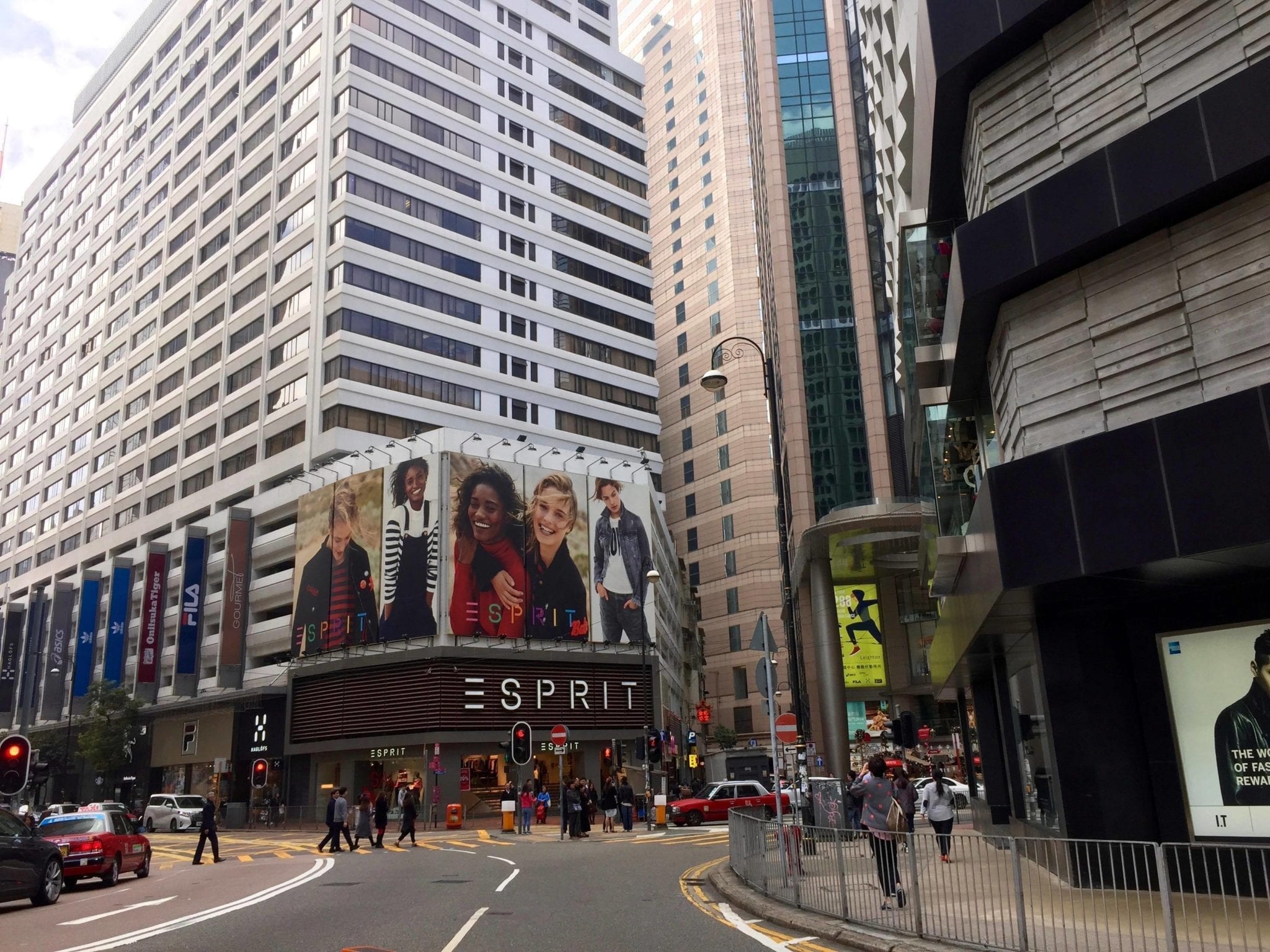
    Retailers received little relief in May as when local social-distancing measures were relaxed, social unrest recommenced, leading to stores being shut in the popular Causeway Bay district, with some, including I.T Group-owned premises, vandalized. Retail sales in Hong Kong are unlikely to show any lasting recovery until much later this year when the border reopens and international travel resumes.

    Broken down by category, the April data made for grim reading. Watches, clocks and jewelry sales were down a massive 76.6 percent on April last year. Apparel sales slumped 63.6 percent, cosmetics and medicines were down 62.9 percent and footwear and accessories fell by 55.6 percent.

    Optical shop sales fell by 43.2 percent, sales of books, stationery and newspapers fell by 39.9 percent, of Chinese drugs and herbs by 35.3 percent and of electrical goods and electronics by 21.7 percent.

    Department-store sales were down by 18 percent, and of food, liquor and tobacco by 14 percent.

    Just two categories posted growth: supermarket sales up by 14.4 percent and furniture and fittings by 1.6 percent.

  • Vietnam retail sales bounce back after virus outbreak shutdown ends

    Vietnam retail sales bounce back after virus outbreak shutdown ends

    Vietnam retail sales have dropped just 4 percent over the first five months of this year, despite a four-week shut down due to the Covid-19 crisis.

    According to the General Statistics Office (GSO), the retail revenue reached more than US$82.36 billion from January to May.

    ‘Non-essential’ stores across the country were closed from the end of March through most of April, with only supermarkets and pharmacies allowed to continue to trade. However, throughout the closure, all retailers were allowed to sell goods online.

    In May, after restrictions were lifted, Vietnam retail sales surged 27 percent from April’s figures.

    Sales of consumer goods accounted for 80.6 percent of retail revenue, increasing by 1.2 percent year on year.

    Growth sectors included fresh-food products and home appliances while educational products and apparel sales fell by 8.2 percent and 3 percent respectively

    Although restaurants and other catering businesses have resumed their operations, the F&B sales fell 26 percent year on year across the first five months of this year.

  • Thai AirAsia chief proposes longer weekends

    Thai AirAsia chief proposes longer weekends

    Thai AirAsia’s executive chairman is proposing to the government a policy allowing one day working from home per week to avoid public congestion and boost the domestic tourism market to reach its target of 100 million trips this year.

    As more people get used to working from home, the government should consider allowing civil servants and private companies to work remotely one day a week, said Tassapon Bijleveld, executive chairman of SET-listed Asia Aviation (AAV) and the largest shareholder of Thai AirAsia.

    He said that when people are not bound to an office routine for Fridays, there’s a chance they’ll consider taking more trips for three-day weekends.

    The Tourism Authority of Thailand and the Finance Ministry are working on a tourism stimulus plan to make activities more affordable in the second half of the year.

    Mr Tassapon said he discussed the idea with the state agency, arguing that it would help efforts to push domestic tourism once the coronavirus crisis ends.

    “The domestic market still has a chance to take the lead in restoring the national economy, but it will depend on the scale of efforts from the government and cooperation from the private sector,” he said.

    He also encouraged the Interior Ministry and governors of each province to scrap the 14-day quarantine for inter-provincial travelers, as well as make clear whether a health certificate is needed. Some provinces have not clarified the rules, and airlines cannot plan routes to those destinations.

    Mr Tassapon said that while the aviation industry in Thailand is at a critical stage, the government can help it by offering local travelers a tax deduction on expenses for domestic airfares, which the previous scheme didn’t cover.

    According to the Tourism and Sports Ministry, local travelers took 24.7 million trips during the first four months of this year, down 50.3% year-on-year, generating 190 billion baht for the economy, down 48.3%.

    Mr Tassapon said Thailand’s tourism landscape after the global health crisis will lean towards quality tourists because more requirements for each trip will make people want to stay longer and spend more in Thailand instead of coming 3-4 times a year as they did before the pandemic.

    Moreover, Thailand should preserve the natural resources that have been restored during the outbreak.

    To achieve those goals, attractions are necessary for certain areas such as the northeastern provinces of Thailand.

    In the past, most tourists went to southern Thailand, which boasts plenty of famous resort islands, resulting in exploitation of nature and unbalanced tourism revenue.

    The Board of Investment should invite a major theme park operator such as Disney or Universal Studios to open a full-scale park in destinations that lack natural attractions, Mr Tassapon said.

    He noted that almost every province in the Northeast has an airport already. New investment could create many jobs for local communities.

  • AirAsia to resume Philippine domestic flights starting June 3

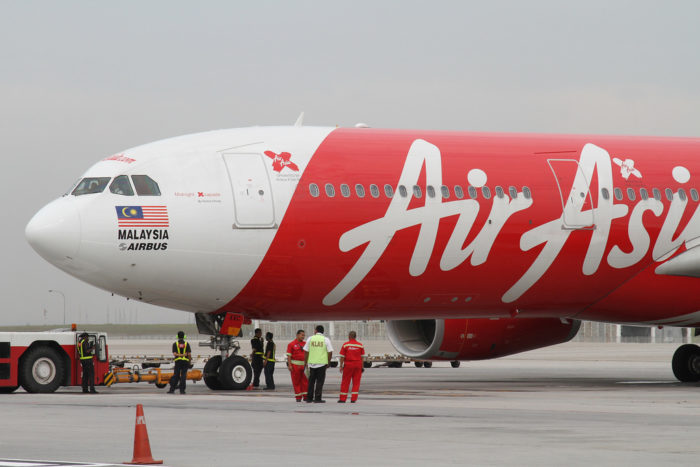
    AirAsia to resume Philippine domestic flights starting June 3

    AirAsia announced on Sunday that it will be resuming its domestic flights starting June 3 as quarantine protocols are eased in several areas in the country including Metro Manila.

    In an advisory, AirAsia said that resumption of services will gradually increase to include international destinations by July 1.

    Selected domestic flights are available for booking via the airline’s website or mobile application. Travelers can also use their credit accounts to redeem these flights.

    AirAsia also announced that operations for domestic flights will be temporarily moved to Terminal 3 of the Ninoy Aquino International Airport from its previous location at Terminal 4.

    Travelers were advised to expect enhanced safety measures which include the mandatory wearing of face masks to be permitted to travel, among others.

    AirAsia Philippines CEO Ricky Isla said assured the traveling public that they are “well prepared to welcome everyone aboard.”

    “During the hibernation of our fleet, we took the time to step up our handling procedures to ensure that our guests have a swift and safe journey with us. Needless to say, we are well prepared to welcome everyone on board,” Isla said.

    “As we resume our services around our network, AirAsia is determined to help rebuild our economy and country,” Isla added.

    Other airline companies such as Philippine Airlines and Cebu Pacific have earlier announced the resumption of some flight operations this June.