Category: General

Retail News Asia is committed to providing both local and global retailers with the latest General Retail news throughout the Asian market. This on a daily base.

  • Sri Lanka holds great potential to become a leading hub in Asia

    Sri Lanka holds great potential to become a leading hub in Asia

    Sri Lanka is a gateway to almost 3 billion people in Asia and has a perfect geographical location. According to the Norwegian ambassador in Sri Lanka, Trine Joranli Eskedal the country has great potential to become a leading trade and maritime hub in Asia.

    Sri Lanka – NORDIC Business Council of the Ceylon Chamber of Commerce was the event where the ambassador was addressing the audience.

    Mr Eskedal also noted that developing a bilateral partnership with Sri Lanka was one of the top priorities for the country, including business, trade, and investment.

    The ambassador added that cooperation between these two countries is strong because it is based on mutual respect and understanding. He also talked about the project called ‘Match-Making Programme’ which is aimed at incentivizing Norwegian businesses to invest and initiate commercial co-operation with Sri Lankan partners.

    Fertile ground for future cooperation

    One of the main aspects that Norway can help Sri Lanka is the tourism industry. Although there was a massive loss this year due to the pandemic there is no more room to grow. An essential part of the tourism industry is the gambling industry which the Sri Lankan government recently took care of by releasing a new set of laws to better regulate the environment.

    However, Norway can support this matter by providing its own system of regulation, but many have said it’s not the best way to revive the industry. Based on the information gathered through the Nye casino website, Norway has quite a controversial gambling landscape. The government essentially owns the whole industry. However, Sri Lanka is quite similar in ways it governs the country so there could be some similarities. But those similarities are also to be addressed soon. Based on the news source here, we can see that Norway is soon to change its gambling laws or at least start thinking about changing them.

    The role of the Bilateral Business Councils

    The Bilateral Business Councils is considered to be a pivotal part of the Ceylon Chamber of Commerce, and it has a massive role in promoting international business. The main activity of the Councils is the expansion of business between Sri Lanka and its partner country. The Ceylon Chamber operates 20 Bilateral Business Councils with the prime objectives of promoting trade and investment, joint ventures, services including promotion of tourism between Sri Lanka and the respective countries. 

    How did Sri Lanka deal with the pandemic?

    Sri Lanka’s Ministry of Health has decided to ban all mass events in the island nation as the number of patients with COVID-19 exceeded the 7,000 mark after a new cluster of infections was detected in the suburbs of the capital, Colombo. 

    The Ministry’s statement clarifies that all celebratory events, conferences, seminars, lectures, exhibitions, concerts, festivals, marches, demonstrations, and any other non-binding meetings are prohibited until further notice, as tests for coronavirus infection of more than 700 people – employees of a garment factory in the village of Minuvangoda – have shown a positive result.

    “The occurrence of COVID-19 cases in one area requires vigilance by the public to comply with strict precautions against COVID-19 to limit any further transmission,” the document states.

    As of 26 October, the total number of COVID-19 infections in Sri Lanka had plummeted to more than 7 thousand after 707 people in Gampaha District had been confirmed with coronavirus, leading to a decision by the authorities since the evening of 6 October to impose a curfew there. This case was the first cluster of infections detected in one locality of the country in recent months. Police said all movements inside Gampaha are restricted. Local residents were urged not to leave their homes until further notice.

     

  • Singapore retail rents tipped to slide up to 15 percent

    Singapore retail rents tipped to slide up to 15 percent

    The increased activity in Singapore’s retail sector hints at a bottoming out of rents by the end of this year or early next year, Knight Frank’s research team said in a report published on Friday (Oct 16).

    Overall retail rents are expected to fall by 10-15 percent for the whole of this year due to recessionary pressures and safe-distancing restrictions, according to the real estate consultancy.

    That being said, in the suburban region, rents of retailers will likely decline by just 7.5 percent or less.

    “As physical retail stores resumed operations, shopper traffic also returned to a greater extent in the suburban malls compared to the centrally located ones that are more reliant on the tourist dollar,” Knight Frank analysts wrote.

    Thus, the rental gap between suburban malls and those in Orchard will likely continue to narrow, given that the inflow of tourists into Singapore is still impeded by travel restrictions. Suburban retail rents are expected to recover sooner because they are supported by the domestic catchment resident population.

    In the third quarter this year, prime retail rents islandwide decreased by 10.3 percent year on year to average $27.40 per square foot (psf) per month, as safe-distancing measures and border controls remained in place.

    This drop was largely led by the 11 percent fall in gross rents for prime retail spaces along the Orchard Road shopping belt, as stores there continued to struggle with the absence of international tourists, Knight Frank noted.

    Prime spaces refer to rental-yielding units between 350 and 1,500 square feet with the best frontage, connectivity, footfall and accessibility in a mall. Such spaces are typically located on the ground level of a mall or the basement level of a mall that is linked to an MRT station or bus interchange.

    In the Marina Centre, City Hall and Bugis region, gross rents of prime retail spaces tumbled by 13.5 percent year on year to $25.40 psf per month on average for the third quarter.

    The city fringe, meanwhile, posted an 8.6 percent decline from a year ago, to $23.40 psf per month.

    Propping up the retail market was the suburban areas, where rents started to stabilize during the July-September period.

    “As more employees work from home, the malls located within residential population centers were visited by many for daily necessities and household sundries,” the analysts wrote.

    The suburban region recorded the smallest drop in gross prime retail rents during the quarter, slipping 6.9 percent on the year to average $26.60 psf per month.

    Quarter on quarter, rents of prime retail spaces in suburban areas also inched down by just 1.4 percent, compared to the bigger declines of 6.4 percent in Orchard, 7 percent in Marina Centre, City Hall, and Bugis, and 4.5 percent in the city fringe.

    While traditional retailers such as Topshop at VivoCity and Robinsons at Jem closed during the latest quarter, there were also newcomers to the scene. For instance, 100-year-old Hong Kong bakery Hang Heung opened its first Singapore outlet at Ion Orchard, Knight Frank noted.

    Other notable retail openings in the three months include store expansions such as Foot Locker at Orchard Gateway @ Emerald and Decathlon at The Centrepoint.

    In August, retail sales – excluding motor vehicles – fell by 8.4 percent year on year, according to figures released by the Department of Statistics last week.

    On a seasonally-adjusted month-on-month basis, total retail sales were higher by 1.4 percent in August. Excluding motor vehicles, sales edged up 0.1 percent on the month.

  • Come Fly With Me – Is the world ready for self-flying planes?  

    Come Fly With Me – Is the world ready for self-flying planes?  

    Come Fly With Me – Is the world ready for self-flying planes?

    Recently, Tesla has, once again, hit the headlines for all the wrong reasons as it prepares to roll out its self-driving cars, despite criticism that the technology is not yet ready. If we’re reluctant to accept self-driving cars, it would stand to reason that self-flying aircraft would be a no-no but, surprisingly, these are closer than we might think.

    This is not your Captain speaking

    To begin with, it’s important to understand the difference between automation and fully self-flying aircraft. In the modern world, most flights run automatically to a large extent. For example, with a commercial flight, a pilot will input a flight plan into the flight management system and will then manually guide the plane through take-off before engaging auto-pilot.  

    Although modern airplanes can land autonomously, they are usually monitored carefully by the pilot from the cockpit to ensure that everything stays on course. In contrast, when talking about self-flying planes, we’re referring to an aircraft which will conduct a flight from start to finish without a human pilot in the cockpit. Although this may initially sound terrifying, in reality, it’s not actually that much of a leap when we look at how much of the average flight is already automated.  

    As we speak, a number of airlines, including Boeing, are looking into the possibility of pilot-less flights with the benefits stated as cost savings and the elimination of pilot error during a flight. In fact, in July of this year, Airbus reported that it had successfully concluded tests on an airplane which can taxi, take off and land without a human pilot. Far from science fiction, Swiss Bank UBS concluded in a recent survey that pilot-less flights may be coming to an airport near you as soon as 2025. So, how will it work? 

    Technology in the upright position

    The answer to that question lies, of course, in the technology. Unlike the existing auto-pilot technology, safely operating pilot-less aircraft within busy airspace will require some really complex engineering, far beyond the ability to stay in the air for a period of time. In reality, a pilot-less aircraft will need to be able to:  

    • Taxi and take-off safely and accurately 
    • Seek out obstacles and dangers such as building, birds and other aircraft (including drones) 
    • Identify and address issues during a flight 
    • Make alterations to the course of a flight to take into account weather systems, failures and obstacles 

    This kind of advanced technology will require embedded software and the use of artificial intelligence in order to plan a safe path of motion and correctly execute such a path. The kind of capabilities needed will mean that the actual aircraft will be very different and will require a number of innovations including:  

    • Electric propulsion for the purposes of reducing urban emissions 
    • Lightweight frames for maneuverability and efficiency 
    • Redesign of the cockpit 

    This is how it could be done but, the other question is, should it be done? 

    Winging it

    The 2016 movie, Sully, tells the story of pilot, Chelsey Sullenberger, who made the decision to land an Airbus Airbus A320-214 in New York’s Hudson River after birds destroyed both engines. The movie highlights the fact that, despite the technology saying otherwise, Sullenber’s 42 years of experience told him that the aircraft would not make it to the nearest airport. For this reason, it’s easy to understand why many people are uncomfortable with the very idea of boarding a pilotless flight. However, whether we like it or not, we may be buckling up on a flight run entirely on technology in the next five years.

    The future of air travel

    2020 has been disastrous for the airline industry and, for the travel industry as a whole. By the 8th of October this year, 43 airlines had been forced to declare bankruptcy with more forecast to follow. As the airline industry struggles to recover from this extraordinary year, many will be looking to the concept of self-flying aircraft as a means of survival. In fact, some airlines are already introducing single pilot flights for freight and cargo which most agree is the first step toward full automation.  

    While self-flying aircraft will almost certainly play a role in the future of air travel, sceptics needn’t start to worry just yet. As with any innovation as important as this in terms of safety, there will need to be extensive testing and a huge number of guidelines to be set in place before our skies are filled with these airplanes of the future.  


  • Budget airline AirAsia X out of money, needs $120 million for restart

    Budget airline AirAsia X out of money, needs $120 million for restart

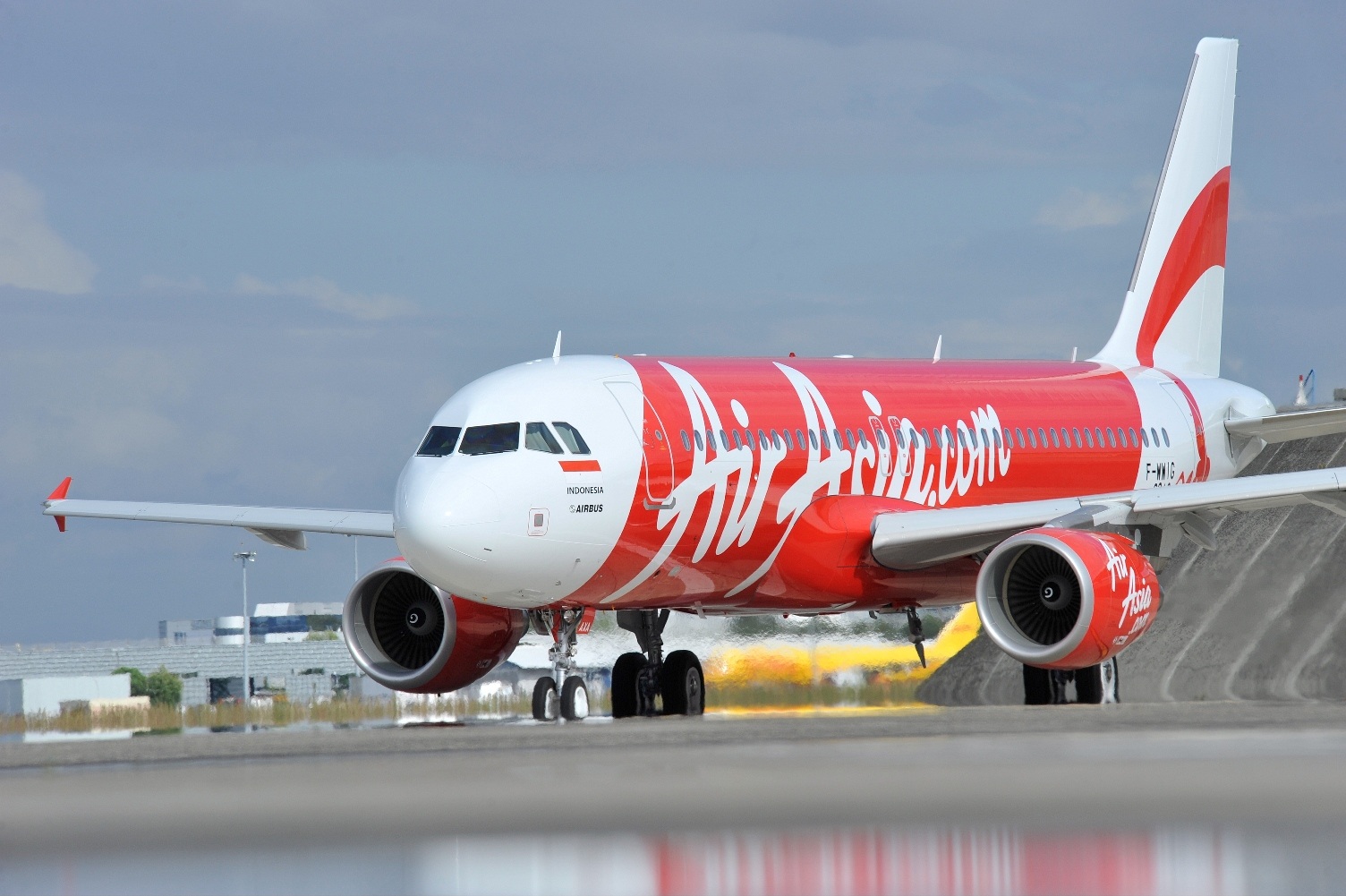
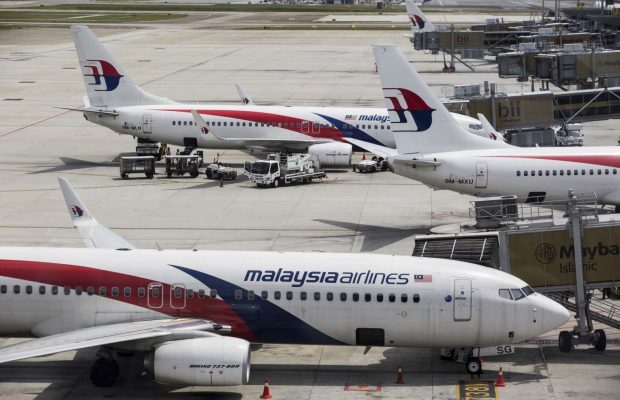
    Long-haul, low-cost carrier AirAsia X Bhd has run out of money and needs to raise up to RM500 million to restart the airline, deputy chairman Datuk Lim Kian Onn said in a newspaper interview published today.

    The long-haul arm of AirAsia Group Bhd said this month it wants to restructure RM63.5 billion of debt and slash its share capital by 90% to continue as a going concern.

    “We have run out of money,” Lim said. “Obviously, banks will not finance the company without shareholders, both old and new, putting in fresh equity. So, a prerequisite is fresh equity.”

    He said the airline had actual liabilities of RM2 billion, with the larger figure of RM63.5 billion including all lease payments for the next eight to 10 years and its large order for Airbus SE planes and contracted engine maintenance with Rolls-Royce Holdings plc.

    “If we find RM300 million in new equity, then shareholder funds would be RM300 million at the restart of the business, and if we are able to borrow RM200 million, we feel that we will have a good platform to start all over again,” he said.

    Lim said AirAsia X also needs to convince its lessors of its business plan, adding that an unnamed lessor recently took back one of the airline’s planes to convert it to a freighter.

    The airline plans to liquidate its small Indonesia-based carrier and had completely written down its stake in Thai AirAsia X in its books, with the Thai carrier not part of the restructuring scheme, Lim said.

    Malaysia Airlines Bhd is also in financial trouble, but Lim said there would be “no good outcome” from seeking to merge two airlines in dire straits.

    AirAsia X declined to comment beyond the details published in the newspaper article.

  • Singapore and Hong Kong to Create Air Travel Bubble

    Singapore and Hong Kong to Create Air Travel Bubble

    Travelers between the two cities will soon be able to make trips without the need for quarantine, stay-home notice or controlled itinerary.

    Singapore and Hong Kong have reached an in-principle agreement to establish an air travel bubble, following discussions between Hong Kong’s Commerce Secretary Edward Yau and Singapore’s Transport Minister Ong Ye Kung,

    While the bubble allows leisure trips, travelers must still produce negative Covid-19 test results and travel on dedicated flights, according to details announced by Singapore’s Ministry of Transport (MOT) in a press release on Thursday.

    It is a safe, careful but significant step forward to revive air travel, and provide a model for future collaboration with other parts of the world, Ong said about the agreement, which will be fleshed out in the coming weeks.

    Singapore has already set up reciprocal green lanes for essential and official travelers from Brunei, China, Japan, Malaysia and South Korea, although these require controlled itineraries. It has also opened its borders unilaterally to general visitors from Brunei, New Zealand, Vietnam and most of Australia.

  • Mainland expansion paying off for Chow Tai Fook

    Mainland expansion paying off for Chow Tai Fook

    Growing demand due to innovation in designs and changing fashion trends will help to boost the global jewelry market in the forecasted period. Jewelry refers to ornaments such as earrings, neckless, bracelets, pendants, stones, rings, and metals. Jewelry is available in the form of gold, silver, diamond, platinum, and gems. Upsurging demand for jewelry on Retail and e-commerce platform will help to boost the global jewelry market.

    Government initiative towards Jewellery market is helping to the triggered global market. for example, The Bureau of Indian Standards (BIS) has revised the standard on gold hallmarking in India from January 2018. The gold jewelry hallmark will now carry a BIS mark, purity in carat and fitness as well as the unit’s identification and the jeweler’s identification mark. The move is aimed at ensuring a quality check on gold jewelry.

    AMA Research have added latest edition of survey study on Jewellery Market with 100+ market data Tables, Pie Chat, Graphs & Figures spread through Pages and easy to understand detailed analysis. At present, the market is developing its presence. The Research report presents a complete assessment of the Market and contains a future trend, current growth factors, attentive opinions, facts, and industry-validated market data.

    The research study provides estimates for Jewellery Forecast till 2025*. Some are the key players taken under coverage for this study is Chow Tai Fook Jewellery (China), LVMH (Paris), Rajesh Exports (India), Richemont (Switzerland), Signet Jewelers (Hamilton), Maria Black (Denmark), Missoma (United Kingdom), Gaviria (United Kingdom), Maria Tash (United States), Katerina Makriyianni (United Kingdom) and Swarovski (Austria)

  • Why Your IT Infrastructure Can Benefit From Server Racks?

    Why Your IT Infrastructure Can Benefit From Server Racks?

    Servers are an important part of tons of different businesses, but only if they’re done the right way. While you invest hefty amounts for the servers, you must also keep in mind the maintenance and safety aspects related to the infrastructure. If you want to make sure your server is set up optimally, here’s why you should invest in a good server rack.

    What Are Server Racks?

    A server rack is a shelf designed to hold all the different components that make up a server, which includes server computers, routers, switches, and hubs. This rack allows you to keep all of your server components neatly stored in one compact area, which provides many benefits.

    While you don’t essentially need to have a server rack to contain your server, most companies choose to. Without a good rack, it’s easy to end up with scattered components that make life a lot more complicated, which doesn’t have to be the case.

    Make Maintenance Easy

    Probably, one of the most significant benefits of investing in a rack for your server is that maintenance becomes a lot easier. You have all of your components in one space for starters, so you don’t have to go searching around for different routers, switches, and hubs to figure out where the problem lies. In addition to that, a good rack keeps all of your equipment organized, so it’s easier to access cables and other crucial components when working on a server.

    No matter how you look at it, you’re going to end up performing many maintenance activities if you want to keep your server in good shape. Whether you’re simply having software updated or trying to fix a critical problem, it’s important to have an easy server maintenance solution at all times.

    Secure Your Server

    Servers are a hugely important part of most business architecture, but they’re also vulnerable. Not only can people attack servers via the internet, but you also have to consider the possibility of your server being damaged physically. The best way to protect your server is to keep it safely stored in its own room that only authorized personnel has access to.

    If you’re going to store your server in a room, the best way to keep everything secure and neatly organized is to put everything in a server rack. The best part about server racks when it comes to secure storage is the fact that you can find locking racks that are even more secure.

    Leave Room to Grow

    Another great part of server racks is the potential for growing your server over time. While you might need a simple single-computer server at the moment, that might change as your business grows, or you need to take advantage of a larger database.

    There are a lot of server components that you might want to upgrade and having a server rack with plenty of space makes those upgrades simple. Whether you need an extra switch or a second server computer, you’ll already have the rack space to upgrade to something better.

    A Big Upgrade

    Running a business demands a lot of careful considerations, especially regarding the technology side of things. If you want to make sure your servers are set up for a long and successful future, you need a good server rack.

    The best way to make sure you’ve got a solid server setup is to work with a professional to get all the equipment you need. As long as you’ve got the right server components and a good server rack, you’ve got solid infrastructure that’s ready to expand with your business over the years.


  • What is a markup and how you can get great discounts if you understand it

    What is a markup and how you can get great discounts if you understand it

    When any company sells services or merchandise to consumers, it needs to charge a higher price than the original cost of those goods and labor so a profit is earned. As such, the cost markup represents the percentage of one product’s wholesale cost the retailer adds to the retail cost to create a profit. As you can assume, any total cost indicates the total cost of both variable and fixed and expenses needed for the production and distribution of that particular product. Markup is stated either as a percentage or as a fixed amount from the retail cost.

    Why is markup so important? Understanding it can save you hundreds if not thousands of dollars.

    Shocked? So were we. According to a recent study by The Pearl Source and PriceWaiter, markup can make or break your budget this holiday shopping season.

    How retail markup is calculated?

    The best way to describe the above definition is through a simple example. Let’s say an item that you initially got for $10.00 is sold for $22.50. This means that the product was marked up for $12.50 from the initial price you paid for. The $12.50 earned on top of the cost is known as gross profit. It is called “gross” because of the expenses associated with running the store that is subtracted before reaching the bottom profit line. The profit you have after all expenses are subtracted is called net profit.

    Discounts are out there

    As you see, there is almost no reason for you to accept the full price of anything you purchase in the store. As online shopping keeps on expanding, you can instantly make price comparisons. This puts even more pressure on the brick-and-mortar stores to earn your trust and business.

    To get great discounts, just follow a few strategies that can help you a long way:

    Practice negotiation

    People are not comfortable negotiating. Instead, they are used to opening their wallets and just pay whatever is asked from them. But very often it is worth attempting to bargain. Any savings along the way would be welcomed.

    But you cannot negotiate empty-handed. You must do the homework and be aware of the price that the product has in other places. You should also always talk with a person who can give you a discount. If the offered price is still not something you like, feel free to walk away. And in case it is good, don’t use credit cards – you will be more aware of the overall costs.

    Online tools for offline discounts

    Search for websites where you can find coupons or promo codes. Also, follow the companies you admire on social media. Many of them tend to offer special discounts or share notifications on upcoming store deals. Of course, you could always sign up for their email newsletters where they might share discounts with their subscribers.

    Or try using price-tracker which will do the legwork for you. This tool will allow you to insert products you might like to buy and will alert you any time where the is a price drop at the stores they follow.

    If your search is mostly based online, we suggest to:

    Workaround the pricing trap

    Master the dynamic pricing traps that are used by the online merchants. Their merchandise prices are never standard and change depending on location, purchasing patterns, or product demand. So, to get a fair price for products you want to shop for, you can do the following tricks:

    • Clear browser cookies
    • Sign out from social media
    • Use incognito mode
    • Select a localized website version (whenever possible)
    • During sign-in, pick a less developed country compared to yours.

    Keep products in shopping carts

    Every time you add an item to your shopping cart, it is clear that you are interested in purchasing it. But if you have such a product and just back out before making the purchase, there is a chance that you will receive an email containing a coupon or promo code, just so they can encourage you to finalize the purchase.

    So, try shopping for a few days in advance. Enter your favorite websites, add the potential purchases to the shopping carts, and close your browser. Keep an eye on your email the next days for a potential email with a promo code. You never know when you will get a better price.

    Go for the “Cancel” button

    We are sure you have seen from first-hand experience (or at least heard) that if you threaten to cancel the service, the possibility to get some type of discount is high. The same is for online stores. Many web services would offer a discount if you just click their “cancel” button on even start bringing your mouse towards closing the site.

  • Singapore Economy Rebounds in Q3

    Singapore Economy Rebounds in Q3

    The improvement came on the back of the phased re-opening of the economy, following the «circuit breaker» that was implemented between April 7 and June 1, 2020.

    Singapore’s gross domestic product (GDP) in the third quarter of 2020 grew by 7.9 percent from the quarter before, based on advance estimates released by the Ministry of Trade and Industry (MTI) on Wednesday.

    On a year-on-year basis, the economy contracted by 7 percent, an improvement from the 13.3 percent contraction in the second quarter, which was its worst quarter on record.

    The ministry did not revise its full-year GDP outlook, which predicts an overall contraction of 5 to 7 percent.

    The construction sector grew 38.7 percent from the previous quarter but was still down 44.7 percent on-year. Weak external demand, travel restrictions, and sluggish travel demand contributed to the 8 percent on-quarter decline in services-producing industries – still an improvement from the previous quarter’s 13.6 percent decline.

    The manufacturing sector reversed its 0.8 percent on-year decline in the second quarter of 2020 to grow 2 percent in the third quarter. Quarter-on-quarter, the sector grew by 3.9 percent, supported by growth in electronics and precision engineering output, which were in turn driven by robust global demand for semiconductors and semiconductor manufacturing equipment, MTI said.

    On Monday, Ravi Menon, chief executive of the Monetary Authority of Singapore said that up to 20 percent of the city-state’s trade-reliant economy faces «deep scarring» as a result of the Covid-19 pandemic, highlighting the aviation and tourism industries in particular.

    The full extent of the crisis has not been seen yet, Menon said, noting that more bank loans and bankruptcies are expected, and that capital will be more difficult to raise in this environment.

    In a funny sort of way, the pandemic has made us all a lot more sensitive and aware of how vulnerable we are to the forces of nature, Menon said.

  • Vietnam Airlines losses soar as Covid-19 grounds flights

    Vietnam Airlines losses soar as Covid-19 grounds flights

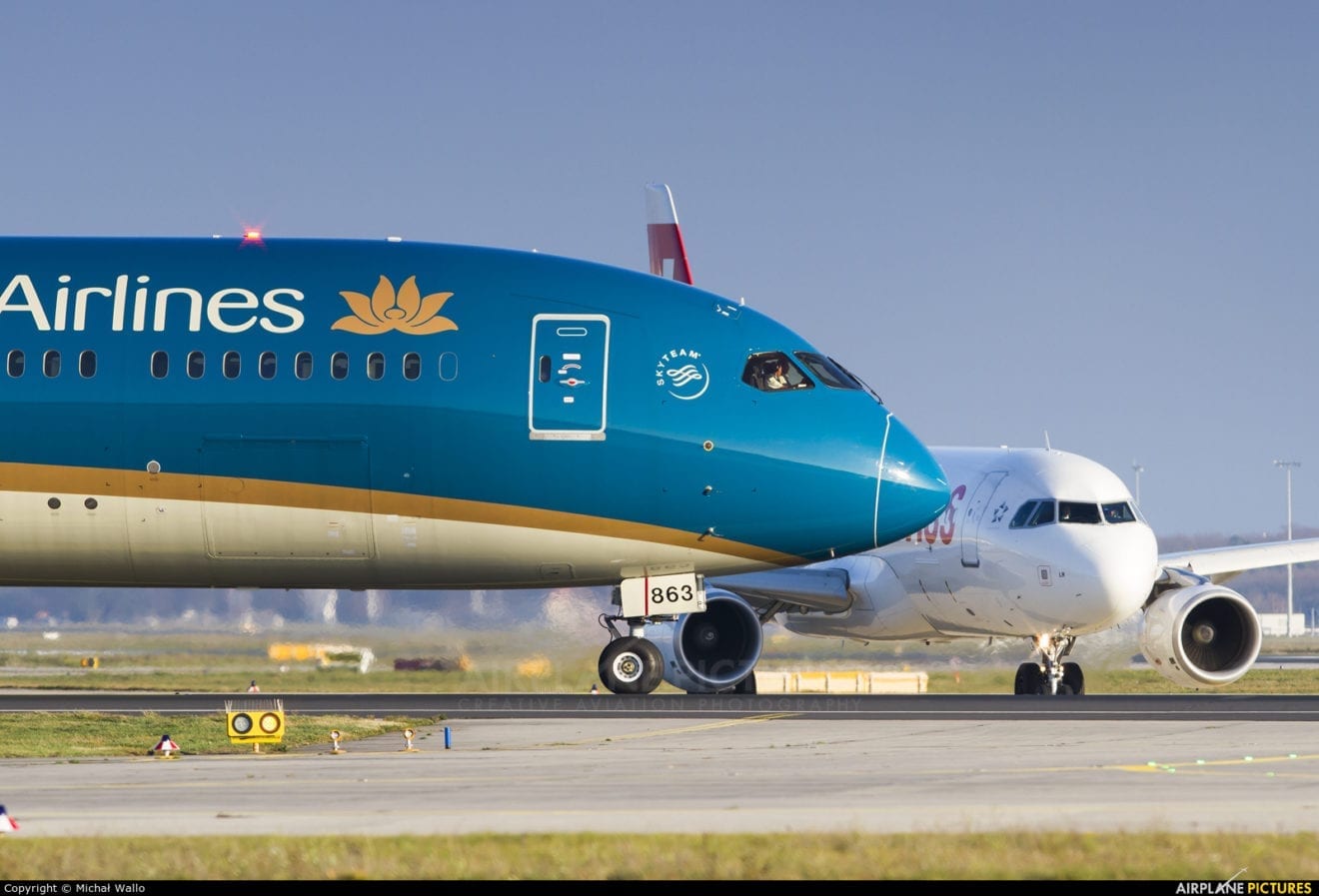
    Vietnam Airlines has reported losses of VND10.7 trillion ($464 million) in January-September, hit hard by Covid-19. The national flag carrier recorded revenues of VND23.9 trillion in the first nine months of this year, down 58.3 percent year-on-year, it said in a press release on Tuesday.

    During this period, the carrier transported 10.2 million passengers, down 41.2 percent from a year ago.

    The airline has blamed its loss on the pandemic’s impacts on the aviation industry. It said it has cut sales, financial and management expenses, reduced salaries of pilots and flight attendants as well as increased the operation of repatriation flights as part of efforts to reduce costs and boost incomes.

    The carrier’s third-quarter revenues fell 68 percent year-on-year after the second Covid-19 outbreak hit the country in late July, said Tran Thanh Hien, the airline’s chief accountant. The third quarter was usually the highest revenue earner of the year as summer travel peaked, Hien noted.

    The second outbreak forced Vietnam Airlines to cancel 22 new domestic routes during the peak period. So far, it has resumed 11 of these and is considering the viability of resuming the rest in the fourth quarter, always a low travel period.

    The national carrier currently operates more than 60 domestic routes with an average of 300 flights per day. It has resumed one-way flights to Japan and plans to reopen routes soon to mainland China, Taiwan, Laos, and Cambodia.

    As of last month, the airline said its cash reserves had gone down to just VND1.9 trillion.

    The airline has estimated this year’s total loss at around VND15.2 trillion on revenues of VND55.7 trillion.

  • EY casts doubt over Parkson Retail’s ability to trade

    EY casts doubt over Parkson Retail’s ability to trade

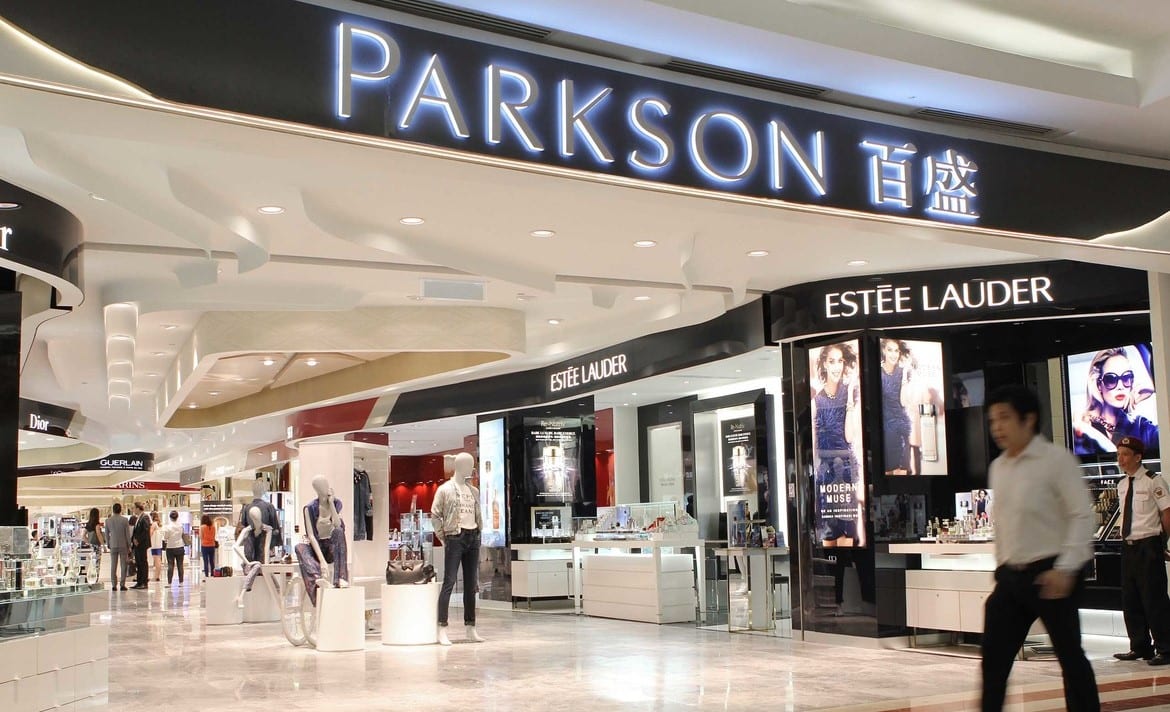
    Parkson Retail Asia’s auditor has flagged the department store operator’s ability to continue as a going concern, given that its total liabilities exceeded total assets by about S$66 million.

    In its report for the audited financial statements for the year ended June 30, the auditor Ernst & Young (EY) highlighted as an emphasis of matter that the group incurred a net loss of about S$85 million, current liabilities exceeded its current assets by S$117.4 million, and total liabilities exceeded total assets by S$66 million as at the financial year-end.

    These conditions indicate the existence of a material uncertainty that may cast significant doubt about the group’s ability to continue as a going concern, Parkson Retail Asia reported in a regulatory filing on Monday.

    EY, however, did not qualify its opinion.

    Parkson Retail Asia said its operations were significantly impacted by movement restrictions and store closure caused by the pandemic in its key markets.

    The ability of the group to continue as a going concern is dependent on it generating sufficient cash flows from operations to meet working capital needs and continued support from its suppliers and creditors, Parkson Retail Asia said.

    But its board said the auditor’s report for the preceding financial year had also included a similar emphasis of matter.

    The counter ended flat at 1.4 Singapore cents on Monday, and it is still under watch-list by the bourse operator.

  • Largest solar plant in Southeast Asia begins operating in Vietnam

    Largest solar plant in Southeast Asia begins operating in Vietnam

    The largest solar farm in Southeast Asia has been commissioned in Vietnam’s central province of Ninh Thuan.

    The 450 megawatt Trung Nam Thuan Nam Solar Power Plant, which spreads over an area of nearly 560 hectares in Thuan Nam District, went on stream on Monday evening, 102 days after construction began in mid-May.

    Built by Ho Chi Minh City-based energy firm Trungnam Group at a cost of VND12 trillion ($518 million), it has a plant that can produce over one billion kilowatt-hours of electricity a year and a 17-kilometer transmission line to connect it with the grid.

    This is the first time a private company has been allowed to install a transmission line, a preserve thus far of state-owned utility Vietnam Electricity (EVN).

    Laying transmission lines has become a critical task since the rising number of renewable energy plants is overloading existing ones.

    Trungnam has added a total of 1,064 megawatts capacity to the national grid comprising of hydropower and solar and wind power. It plans to have a renewable output of nearly 10,000 MW by 2027.

    There are over 100 solar power plants operating in the country with a total capacity of over 6,300 MWp.

    The Ministry of Industry and Trade is drafting a national power development plan for the next decade with a 80 GW addition to the generation capacity of which 37.5 percent will come from wind and solar power.

    Vietnam needs over $133 billion over the next decade for building new power plants and expanding the grid to fully meet its surging demand for electricity.

  • Google shuts down Play Music Store, users advised to transition to YouTube Music

    Google shuts down Play Music Store, users advised to transition to YouTube Music

    Despite repeatedly announcing the upcoming closure of Google Play Music, there are probably a lot of people who are still using the music streaming service. Google has been adamant that regardless of whether or not YouTube Music will reach the parity of Play Music feature-wise, those using the latter will eventually have to switch to the former.

    Today, Google took one important step toward the deprecation of Play Music. The search giant announced that the Music store on Google Play is no longer available. If you’re one of the many music lovers who are still using Google Play Music, you have three choices as of today.

    First off, if you wish to continue listening to your Play Music library, discover new music with personalized recommendations, you must transfer your library to YouTube Music. Secondly, if you don’t want to transition to YouTube Music, you can keep your purchased music via Google Takeout. This option allows you to download previously purchased music from Google Play Uploaded tracks, your music wishlist and reviews, a list of the tracks, playlists, and radio stations in your library.

    Finally, there’s also the option to delete your Play Music library and recommendations history from the Google Play Music account settings. No matter which of the three options you choose, you must act by the end of the year, since that’s when the Google Play Music app will no longer be accessible and all data will be lost.

  • MyNews to open 500 CU convenience stores across Malaysia

    MyNews to open 500 CU convenience stores across Malaysia

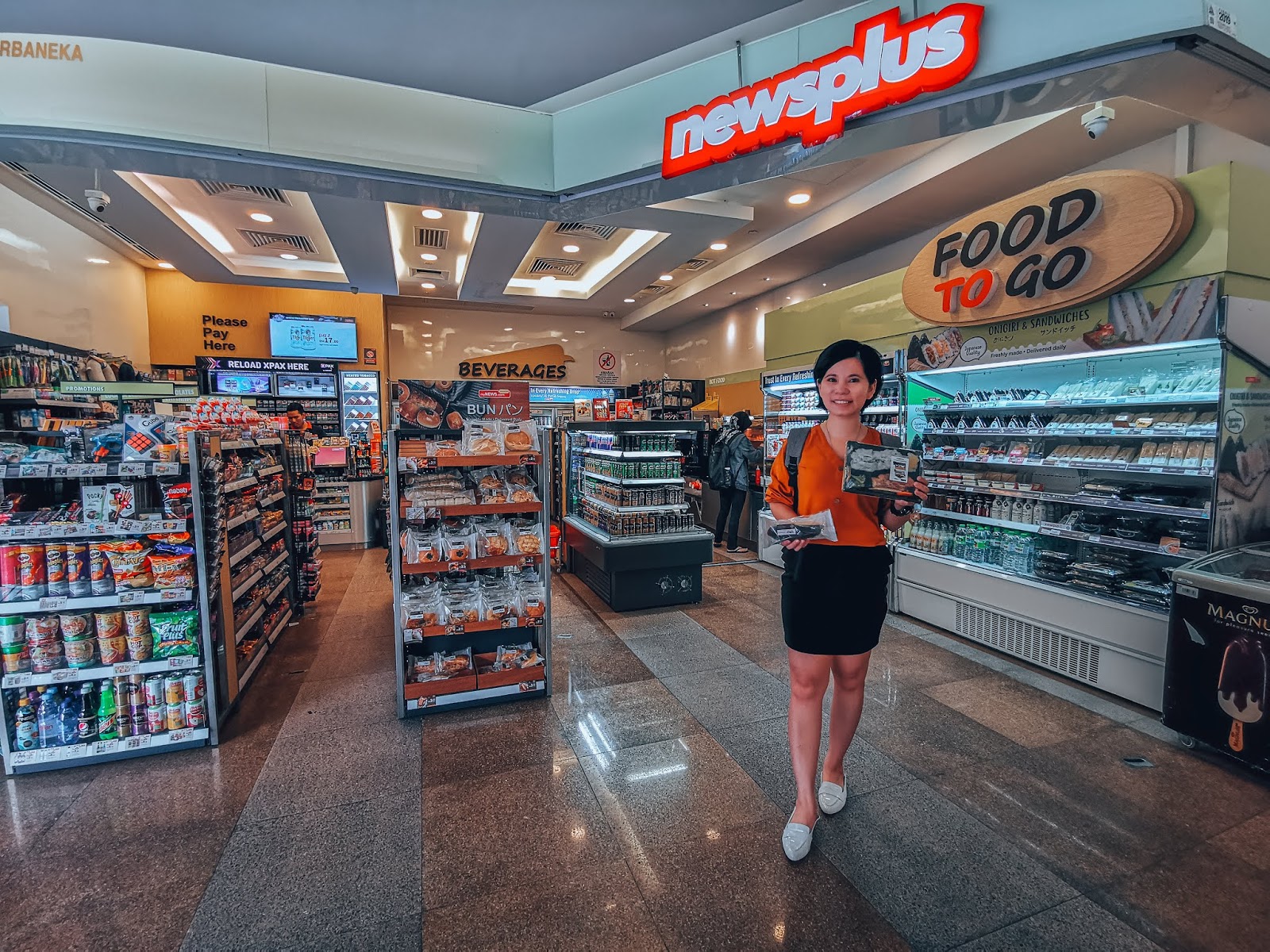
    Home-grown MyNews Holdings Bhd, which already operates some 570 stores, is bringing a South Korean convenient store brand to the Malaysian market.

    At its headquarters in Kota Damansara, the convenience store operator announced that its wholly-owned subsidiary MYCU Retail Sdn Bhd had signed a licensing agreement with BGF Retail Co Ltd, which runs the CU line of convenience stores in South Korea.

    There are some 15,000 CU stores in the republic.

    MyNews chief executive officer (CEO)-cum-founder Dang Tai Luk said the group will open 500 CU stores in five years’ time, with the first set of stores set to be open in Malaysia by early 2021.

    When asked about the geographical location spread of the new stores, Dang said the group will look at launching the stores in bigger cities first.

    “The Klang Valley is where we would start our CU journey,” he said, noting that onboarding the CU stores is part of the group’s expansion strategy.

    In the first year, Dang said, the group will be looking at opening 30 to 50 CU stores first to monitor how they perform.

    He noted that CU will be using MyNews’ food processing center (FPC) and, as a result of this, the center’s utilization rate will be increased to around 70%, partly aided by CU products at end-2021, from 35% currently.

    The group expects the CU stores to break even in two to three years’ time, with MyNews spending RM30 million to RM40 million in capital expenditure (capex) on the stores.

    In terms of earnings contribution, he noted that group will see higher revenue as a result of the new stores that are expected to achieve better gross margins when compared to the MyNews stores, whose margins tend to be 30% to 40% currently.

    He noted that there is a gestational period for the CU stores and that initially the MyNews outlets will continue to be the group’s main earnings contributors, but opined that as the CU stores grow, they will contribute more to the bottom line.

    Dang was not concerned about oversaturation in the convenience store market, noting that the market in Malaysia is still young and growing with the penetration rate still low.

    The licensing agreement will last for 10 years, with an option to renew for another 10 years.

    There are currently 570 MyNews stores at the moment. When queried about whether it will slow the launch of MyNews stores in favor of the CU stores, Dang noted that the group will monitor the situation and adjust its portfolios accordingly.

    MyNews was last traded at 67 sen, with a market capitalization of RM457.04 million.