Category: General

Retail News Asia is committed to providing both local and global retailers with the latest General Retail news throughout the Asian market. This on a daily base.

  • JC Penney collapses into Chapter 11

    JC Penney collapses into Chapter 11

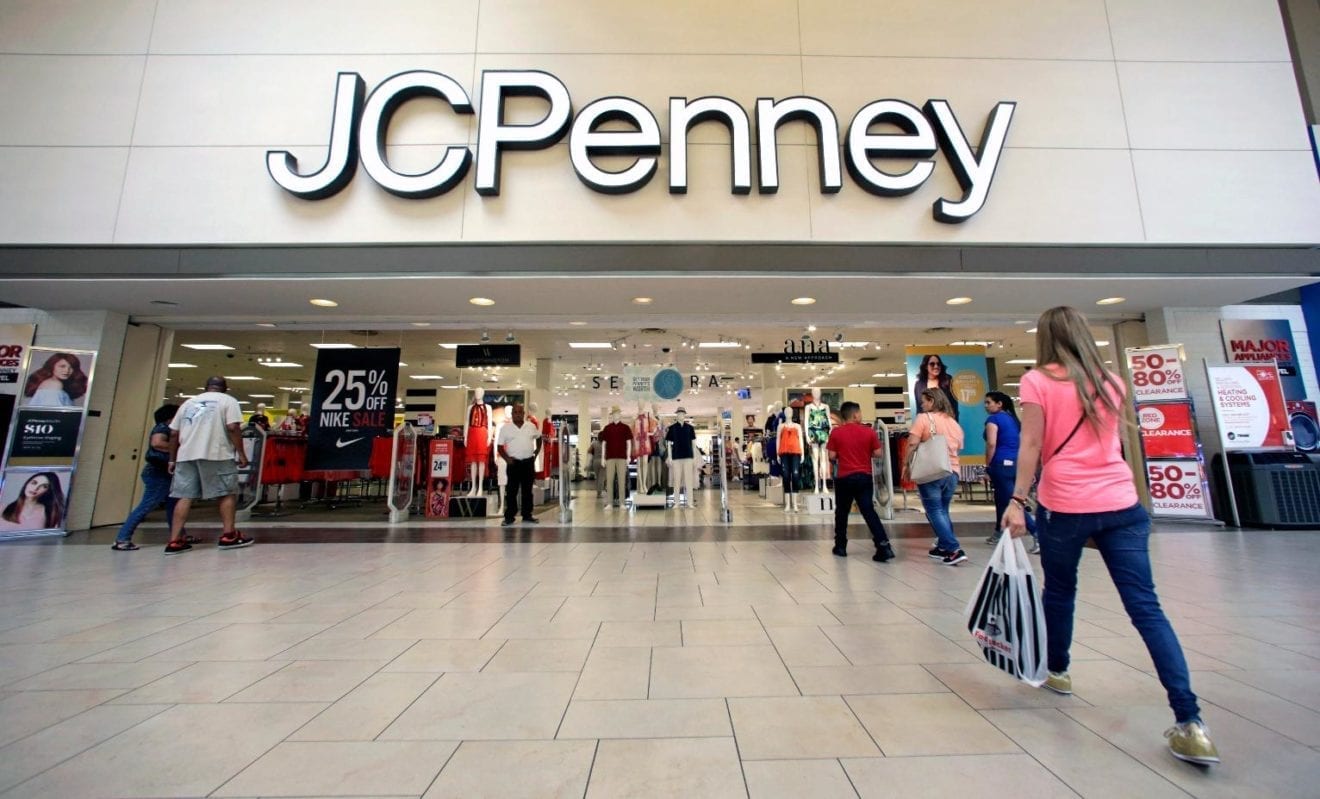
    US department-store giant JC Penney filed for Chapter 11 bankruptcy protection on Friday night. But while the company may have cited Covid-19 pandemic as the main reason, the company has been in dire straits for years.

    The company, which operates about 850 stores anchoring shopping malls all over the US, has the support of 70 percent of its priority creditors for a reorganization plan which includes securing $900 million of financing to enable it to continue trading.

    Neil Saunders, MD of GlobalData Retail, described the Chapter 11 move as “inevitable”.

    “Even before the pandemic, JC Penney’s road to reinvention was the equivalent of climbing a steep mountain with nothing other than the burden of an enormous pile of debt. The coronavirus crisis effectively broke the retailer’s limbs making further progress all but impossible.”

    In a statement announcing the bankruptcy, JC Penney said it would reduce its store network but has not indicated by what scale. Most observers seem to believe heavy cuts are essential.

    Saunders says the closure of underperforming stores should be an immediate priority.

    “JC Penney is exposed to a high number of weak malls and locations and it needs to quickly cut its losses. It will emerge a much smaller company, but this makes the process of reinvention much easier and will allow capital investments to flow to locations where they can generate the best return.”

    Australian retail property consultant Michael Baker, one-time head of research with the US-based International Council of Shopping Centers, says JC Penney’s collapse will have a huge impact on US mall operators.

    “It anchors literally hundreds of mid-end US malls. Mall owners have welcomed getting back department store real estate because it can be redeveloped into restaurant and entertainment space, often with alfresco elements. But now, with coronavirus, there is probably going to be a question mark over that strategy.”

    The challenge ahead for JC Penney is to restructure into a format and scale which is viable in a very different retail era to that when it flourished. Founded in 1902, until 1966 most of its stores were located in downtown high-street locations. Then the company locked its future into the shopping mall boom which saw thousands of centers opening all across the US, typically anchored by department stores, often by several. While in recent years JC Penney has opened some standalone stores and even experimented with a compact-store format, the company’s fortunes have become inextricably linked to the viability of shopping malls.

    ‘It’s a dead retailer walking’

    Michael Baker does not believe the company’s assurances it will emerge from bankruptcy reorganization as a ‘stronger retailer’.

    “It will certainly close a lot more stores and when it does reemerge it will face the same old format obsolescence problems,” he told Inside Retail Asia. “It’s a dead retailer walking.”

    Saunders is equally skeptical, although he does have some confidence in recently appointed CEO Jill Soltau.

    “Bankruptcy provides a narrow path forward. It gives JC Penney the financial means to weather the current downturn in demand and the scope to restructure its operations as the retail economy starts to normalize. But the process of reinventing the firm will not be easy. While management claims that significant progress had been made before the pandemic, we do not share this view. While some advancements were made, these were partial and completely insufficient to ensure a viable future for the company.”

    Saunders says the reality is that JC Penney needs a complete overhaul in terms of its assortments, store designs, ways of marketing and connecting with shoppers, and its brand image.

    “In other words, a wholesale makeover is required to restore the company’s fortunes. In normal times, that process of reinvention would be challenging; accomplishing it in the midst and aftermath of a pandemic is more than a tall order.”

    Saunders says while Soltau’s team might have made slow progress to date, the direction she has taken so far – which has focused on customers and their needs – has been correct. “Developments like the reimagined store format in Hurst, Texas showed some good forward-thinking. However, no one should underestimate the challenges of moving these ideas forward to the entire chain.

    Bankruptcy has only bought JC Penney time; it is a drug that is providing life support during a time of dire distress. Recovering is the difficult part, and it is still by no means certain that JC Penney will pull through or get back to full health.”
  • Don Don Donki accelerates Hong Kong expansion

    Don Don Donki accelerates Hong Kong expansion

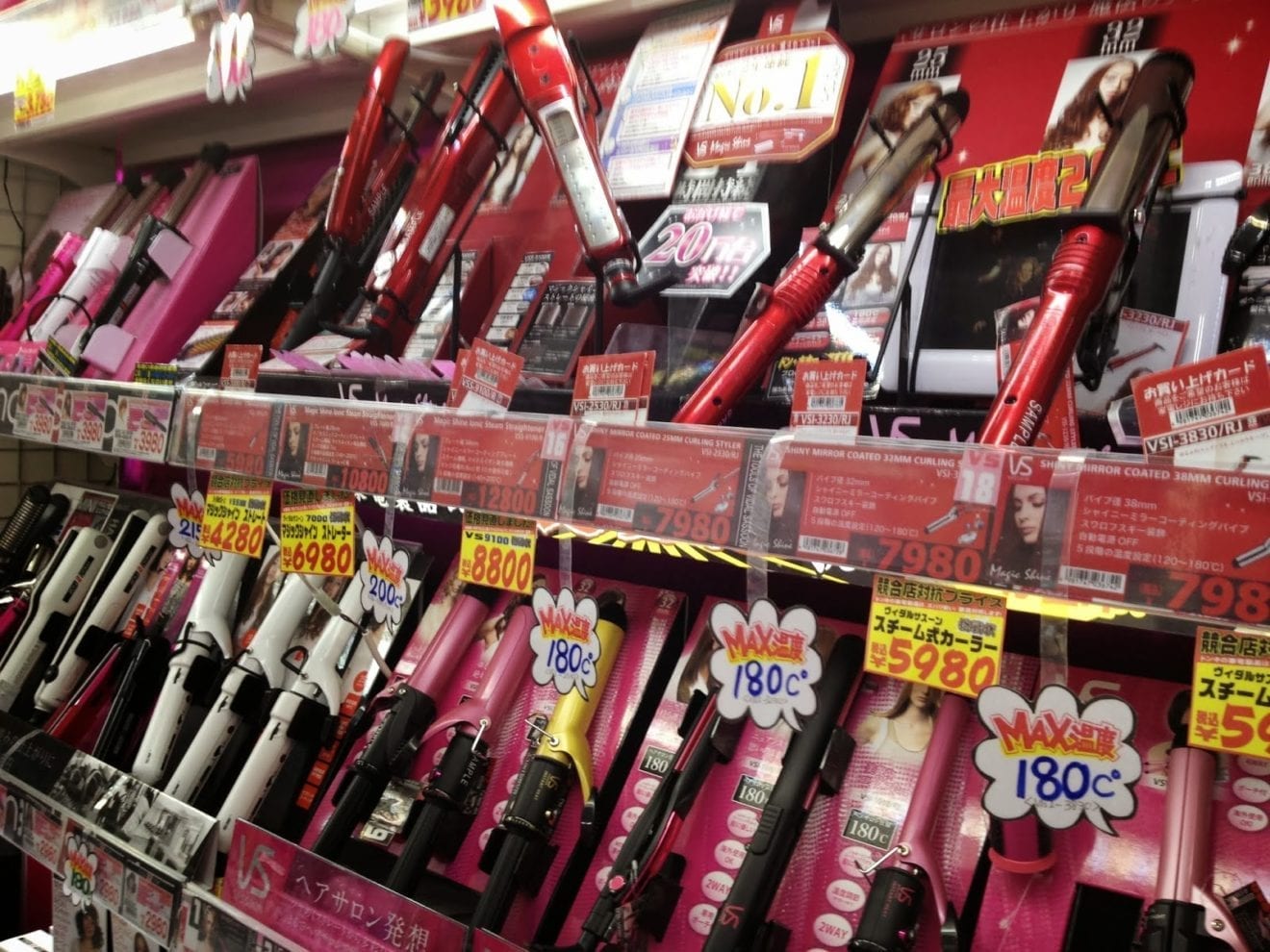
    Japanese discount retailer Don Don Donki is to open up to three more stores in Hong Kong imminently, including a flagship in Causeway Bay.

    Don Don Donki will take over the site of the former HMV flagship store at Pearl City Mansion, spanning four floors, offering plenty of space for its unique dine-in Japanese food court concept which has proved hugely popular in its Singapore stores.

    The new flagship will have a footprint estimated at 50,000sqft, considerably larger than its debut store in Hong Kong at Mira Place in Tsim Tsa Tsui, Kowloon.

    The giant store is tentatively scheduled to open this summer.

    Meanwhile another pending store opening at Tseung Kwan O has been confirmed at Monterey Place – part of the O’South retail portfolio – owned by Phoenix Property Investors. The outlet, the chain’s fourth in the city, will be 25,000sqft in space leased for HK$500,000 (US$64,500) monthly. It is expected to open during the last quarter of the year.

    There is also widespread speculation that Don Don Donki has chosen a site in Central on Hong Kong Island where it will open a fifth outlet. However, the location has yet to be revealed.

    Don Don Donki trades as Don Quijote in its home market of Japan but chose a different name in offshore markets where other entities had already registered businesses trading under the Spanish fictional character.

    The company sells a full range of discount merchandise, mostly sourced from Japan, including groceries, health-and-beauty products ready-to-eat meals, snacks, and liquor, as well as fresh produce.

    Regional operator Pan Pacific International Holdings, which has four stores in Singapore and two in Thailand. Don Quijote operates about 40 stores in the US and has begun construction of another in Guam.

    Don Don Donki’s second store opened at OP Mall in Tsuen Wan.

  • AirAsia studying possibility of increasing airfares

    AirAsia studying possibility of increasing airfares

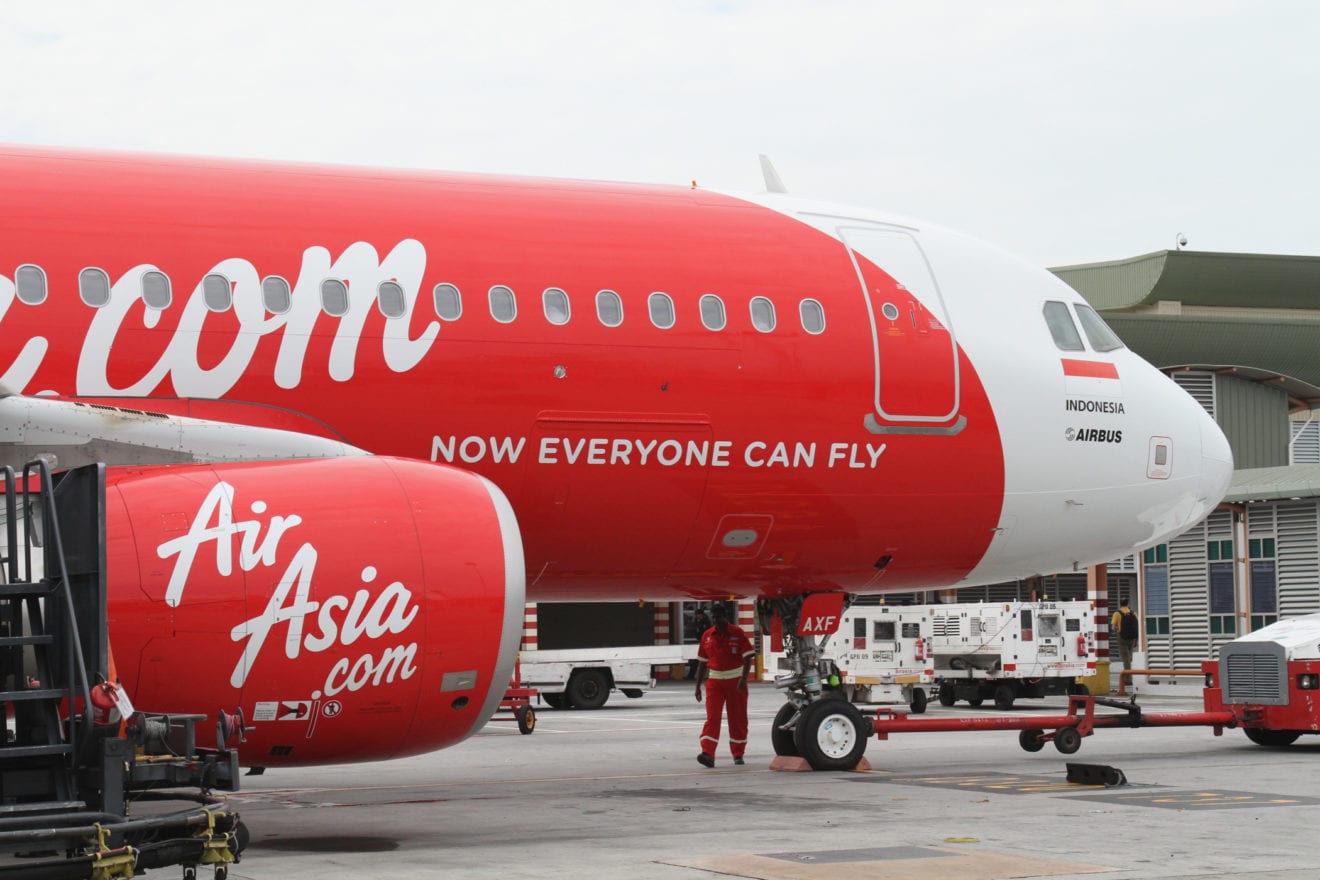
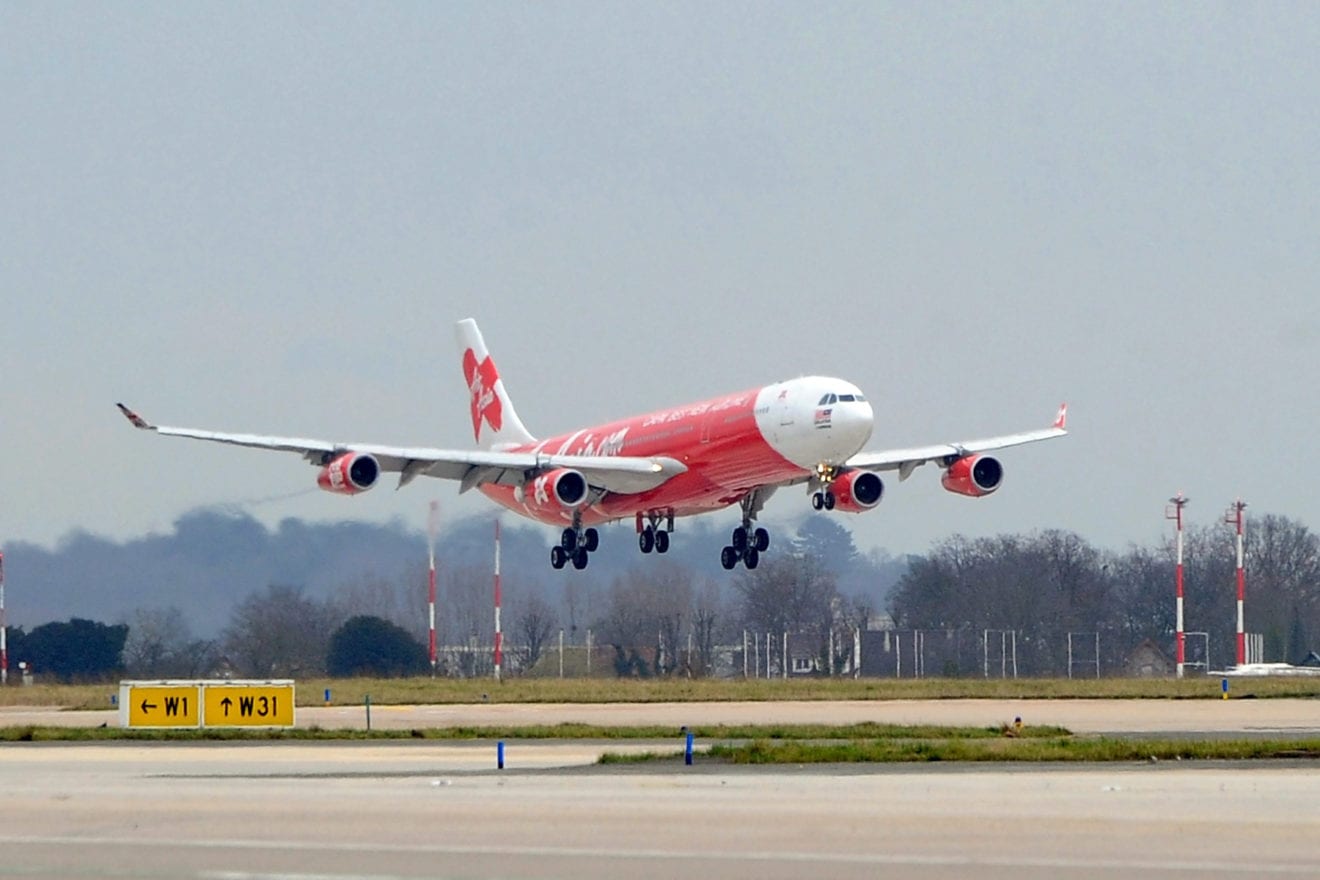
    Low-cost airline AirAsia Bhd is studying the possibility of increasing its airfares in the future, following the implementation of the Conditional Movement Control Order (CMCO). Executive chairman Datuk Kamarudin Meranun said discussions are ongoing to decide if there is an urgent need for AirAsia to increase its airfares in the future.

    “Even if there is an increase, it will not be significant.

    “At the moment, we do not know exactly how much the increase would be (if any) as we do not know the total number of AirAsia aircraft that would be allowed to operate during the CMCO,” he told reporters after the launch of the group’s charity campaign, “Derma Dengan Ikhlas” here today.

    On Tuesday, some local carriers warned that passengers will likely have to pay over 50% or more for airfares if social distancing is implemented onboard aircraft, as proposed by the International Air Transport Association (IATA) in view of the Covid-19.

    Malaysia Airlines Bhd and Malindo Air said the need for social distancing among passengers would result in a spike in airfares by up to 54%.

    Malaysia Airlines said this was seen in Thailand after its government-regulated empty seating between passengers, which resulted in domestic fares increasing by over 50%.

    “We will continue to drive dynamic pricing based on capacity and demand. Promotions will surely be ascertained periodically as and when it is feasible.

    “We expect customers to be more concern about safety and security,” it said in a news report yesterday.

    Kamarudin said the increase of fares would be subject to costs and AirAsia would try as much as possible not to increase its fares so as not to burden passengers.

    “Our intention is resuming flight (operations) is to ensure that operations can continue and not because we are aiming for profit, as, in the current challenging situation, it is difficult for airline companies to make a profit.

    “As long as we can pay for management costs such as maintenance and so on, it is sufficient,” he said.

    He said the operation of airline companies is subjected to government directives, hence, all plans will have to comply with the government’s decision, especially during the CMCO.

    “So, when we made a plan and when the announcement by the government is not in line with our plans, we have to change it,” he said.

    Meanwhile, Kamarudin said AirAsia has used RM50,000 from its contribution fund to purchase essential goods from ST Rosyam Mart supermarket to be distributed to more than 1,000 families and various communities, including single mothers, non-governmental organizations, mosques and welfare organizations.

    “So far, we have provided assistance to more than 50 locations and we realized that there are more communities that are in need of such assistance,” he said.

    The airline had launched a public digital donation drive on April 5 and has managed to raise RM911,000 to date.

  • Global apparel spending to slump by $300 billion in 2020

    Global apparel spending to slump by $300 billion in 2020

    Global apparel spending is predicted to decline by 15.2 percent this year – equivalent to US$297 billion – as a direct result of the coronavirus pandemic.

    According to research by GlobalData, the worldwide apparel market will not return to the level of last year’s value until at least 2022.

    “The 10 worst impacted markets, in terms of value, will represent the vast majority of this total loss with mature regions suffering the hardest,” said GlobalData principal analyst Honor Strachan. “The US will account for more than 40 percent of all lost spend, which will contribute to more major chains filing for Chapter 11 over the next few months.”

    Evidence collected by the firm shows that even markets released from lockdown restrictions are performing with dramatic variance depending on consumer confidence, the respective country’s reliance on tourism, the state of economy and unemployment, and the level pent-up demand among potential consumers. The impact of Covid-19 on global apparel spending is thus calculated to reflect an average across all markets.

    “Some brands across China, for instance, are seeing store sales reach back up to 80–100 percent of pre-Covid-19 trading levels, while apparel retailers in parts of Germany are also experiencing a better bounce back than forecast,” said Strachan.

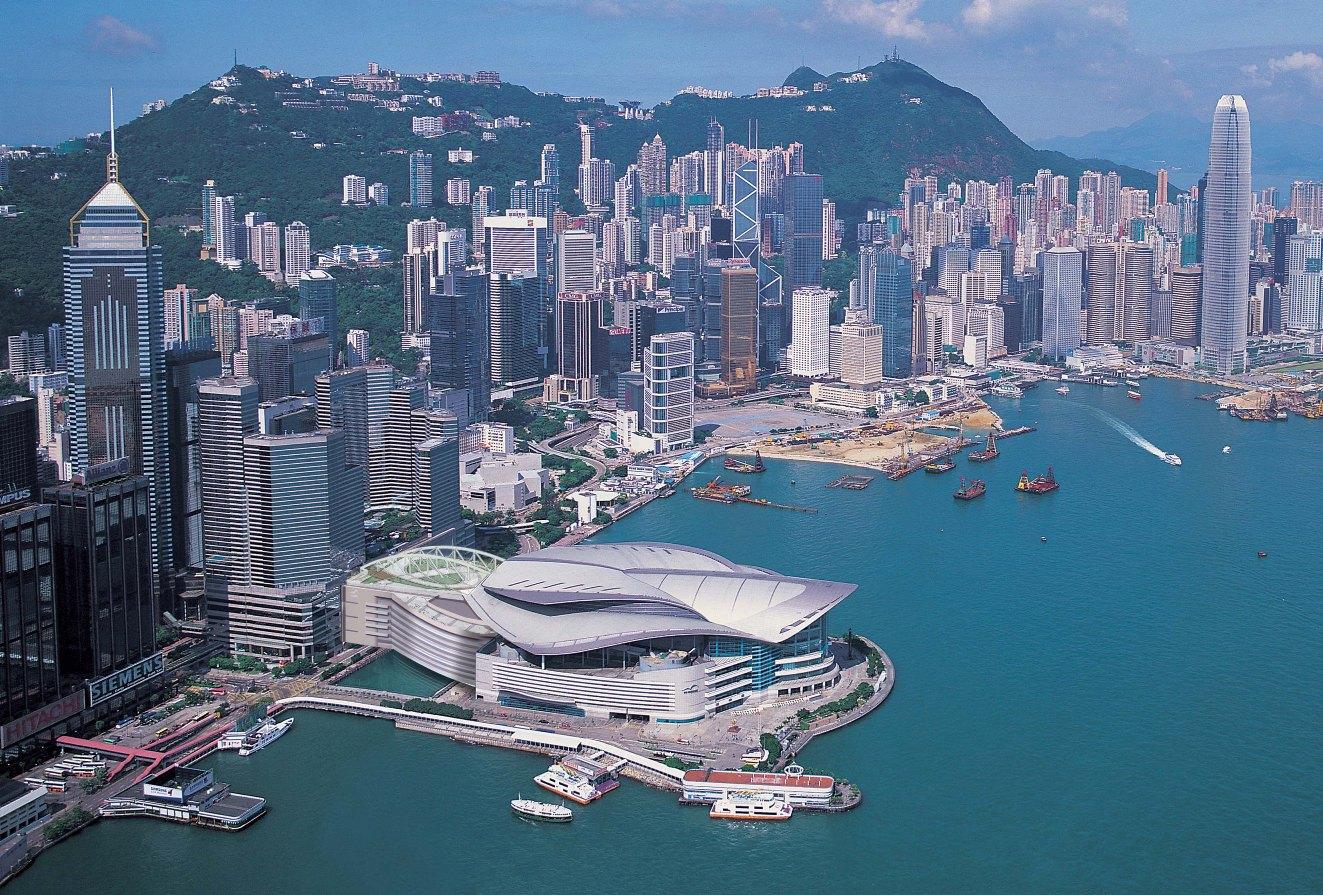
    He said that contrasted with markets heavily reliant on tourism spending – such as Hong Kong – which are experiencing far tougher trading conditions.

  • Spar China expands footprint during Covid-19 virus outbreak

    Spar China expands footprint during Covid-19 virus outbreak

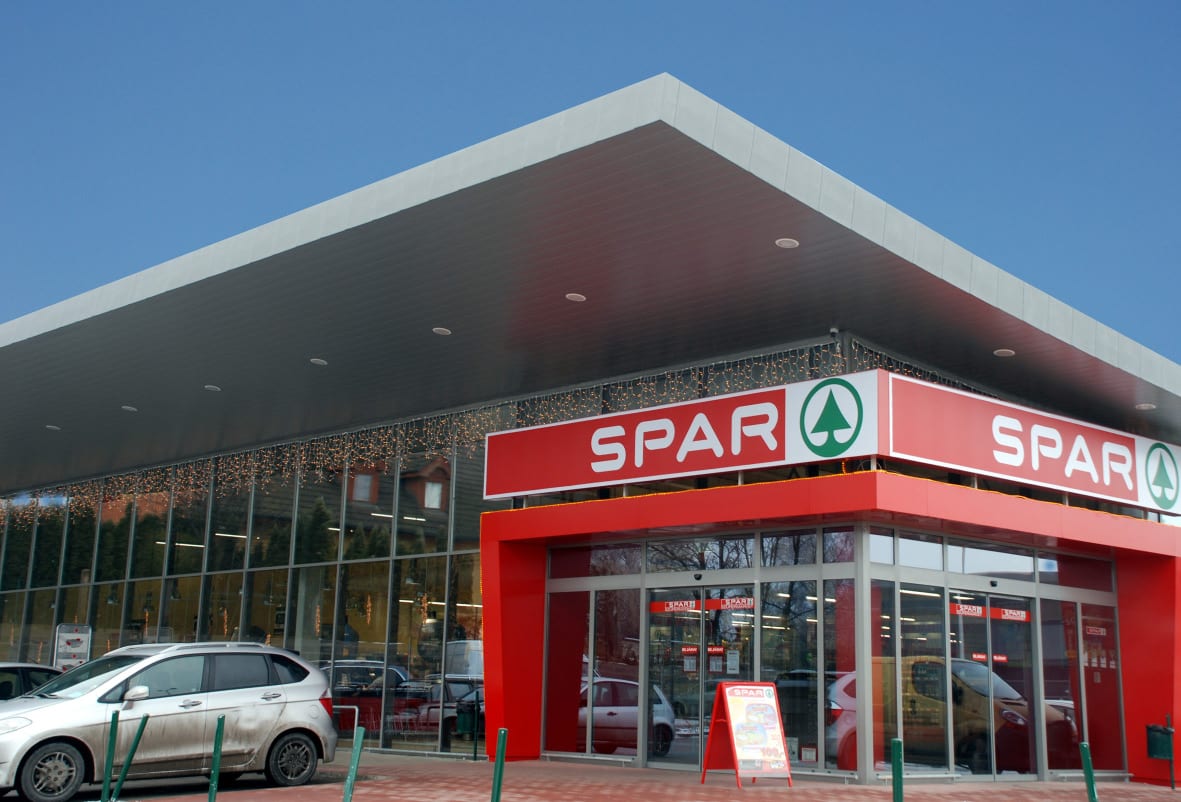
    Dutch multinational retail-grocery franchise system Spar has launched six new locations in China in the midst of the coronavirus lockdown.

    The firm benefitted from the scale and duration of China’s lockdown being briefer than initially feared – with an early easing of restrictions during April – as it opened six new supermarkets in Beijing, Guangdong, and Shandong.

    The new stores offer local and essential goods with online and home delivery options.

    Observations in Retail Insight Network suggested the new stores may serve to relieve pressure from the retailer’s delivery platforms in redistributing demand more equally, as well as support vulnerable communities that may not have access to online platforms with its focus on daily essentials and groceries

    About 73 percent of Chinese consumers are still significantly concerned about a reemergence of the coronavirus within the territory, which may impact consumer engagement with Spar’s new venues. The firm has implemented a range of health and safety measures within all stores to assuage customer concerns.

  • Hong Kong retailers host 93,000 applications for Covid-19 support

    Hong Kong retailers host 93,000 applications for Covid-19 support

    The Hong Kong government has nearly completed vetting Covid-19 support applications under its Retail Sector Subsidy Scheme, which drew around 93,000 applications.

    Applicants are being gradually notified of results, with about 66,000 having already been contacted, two-thirds of which were successful. The remaining applications are currently under processing with around 10,000 required to submit further information or documents to determine whether they are eligible for the scheme.

    The scheme has thus far approved roughly HKD3.5 billion (US$451.5 million) in Covid-19 support for eligible retailers. The majority of unsuccessful cases involved businesses not explicitly engaged in retail, while some applications were duplicates.

    The government anticipates that more than 60,000 applications will eventually be approved under the scheme, broadly in line with the number of establishments in the retail sector as estimated by its Census and Statistics Department.

  • 7-Eleven and Nike to launch co-branded sneakers and other footwear

    7-Eleven and Nike to launch co-branded sneakers and other footwear

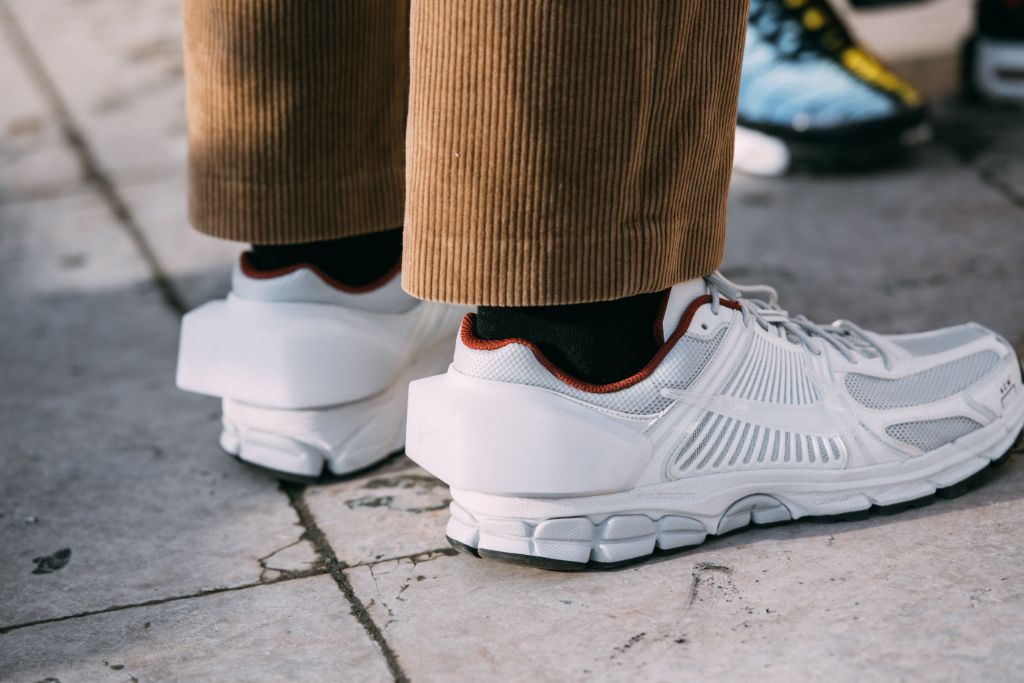
    7-Eleven and Nike will collaborate to create a new sneaker featuring the convenience-store chain’s distinctive logo colors, but the shoes will most likely be released only in Japan.

    According to multiple blogs covering sneaker news, the new 7-Eleven and Nike SB Dunk Lows will feature a color-blocking design in orange, green, and red and will come with a three-pack of extra laces to match, each with stripes in the three logo colors at the tips. Nike’s own logo will be displayed on the sides of the shoe with 7-Eleven’s logo seen embroidered onto the lateral heel.

    The midsole uses Nike Air technology to ensure consistent optimal cushioning.

    While initial reports suggest that the shoes may only be available in the Japanese market, some sneakerheads suspect the launch may this time be a little more widespread given 7-Eleven’s rapid spread across new markets, especially in Asia.

    This is Nike’s second collaboration with the chain since its Christmas SB Dunk High Pro sneakers were released in 2008.

  • Cebu Pacific, Cebgo, AirAsia flights still canceled until May 31

    Cebu Pacific, Cebgo, AirAsia flights still canceled until May 31

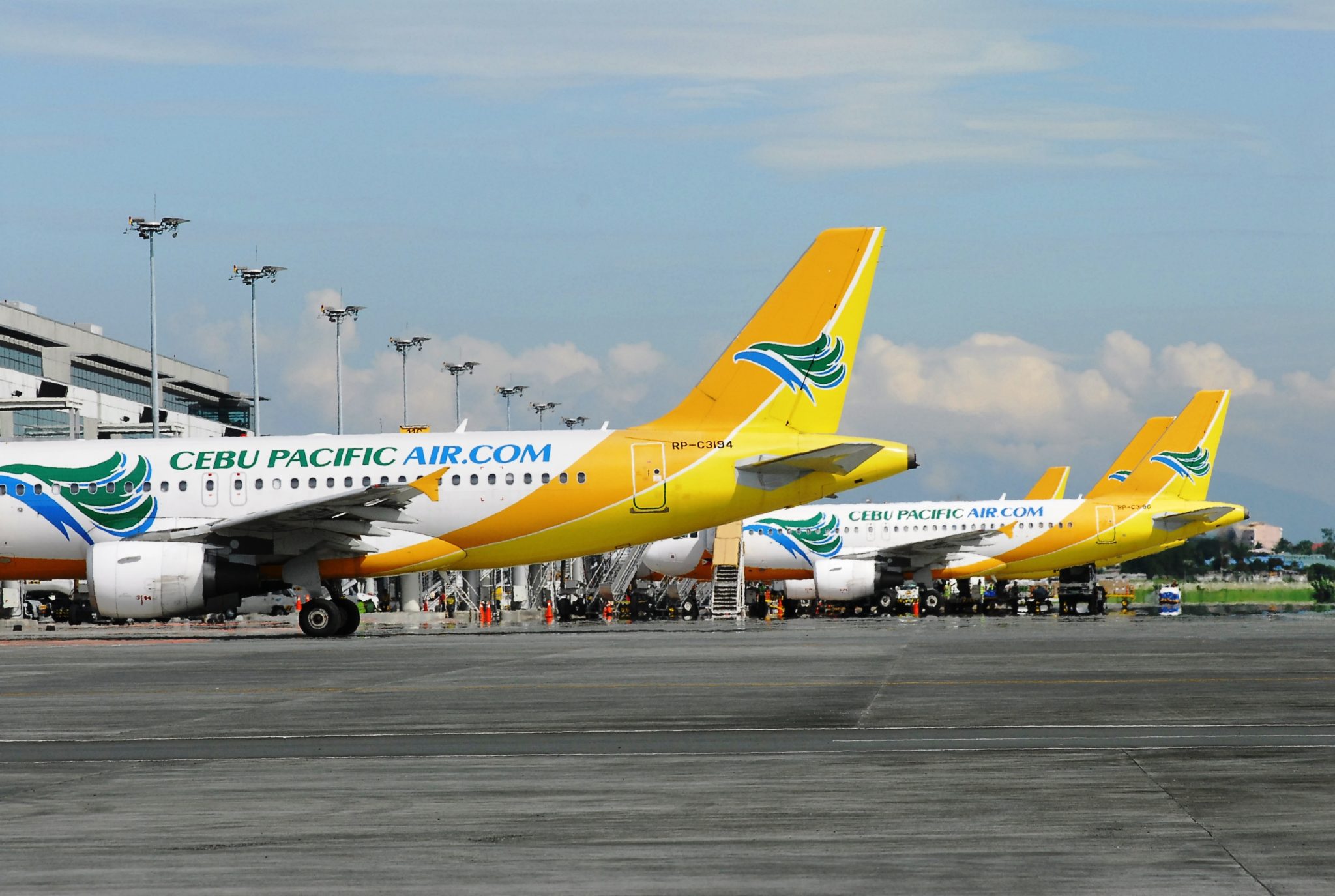
    All domestic and international flights of the Cebu Pacific, Cebgo, and AirAsia airlines remain canceled until May 31, 2020 in line with the implementation of the modified enhanced community quarantine in Metro Manila.

    “We encourage passengers on canceled flights to manage their bookings online via the website, before their scheduled travel dates,” Cebu Pacific said in an advisory on Wednesday.

    When rescheduling, passengers may select from either free rebooking or full travel fund.

    Under free rebooking, passengers may rebook to any travel date within three months. Change rebooking fees and fare difference are waived, according to Cebu

    For a full travel fund, passengers may place the full cost of the ticket in a travel fund valid for one year. This fund can then be used within one year either to book a flight up to one-year ahead or pay for add-ons like baggage allowance and seat selection.

    If the travel fund is not used within one year, passengers can also apply for a full refund, said Cebu Pacific.

    Processing of refunds will start after the community quarantine is lifted and regular work schedules resume.

    “However, due to the unprecedented volume of requests for refunds, the process will take as long as three to four billing cycles,” the airlines company said.

    Passengers with booked flights from June 1 to September 30, 2020 who want to change travel plans have the option to rebook to any other travel date within one year or place the full cost of the ticket in a travel fund valid for one year.

    Meanwhile, AirAsia also said it is offering provisions for passengers affected by flight cancellations following the government directive.

    “Guests with existing flight bookings made on or before 12 May 2020 with a departure date between 23 March and 31 July 2020 will now be able to select from a range of extended flexibility options for future travel,” the airlines said in a separate advisory.

    AirAsia said one of these options is unlimited flight change or changing to a new travel date before October 31 on the same route for unlimited number of times and without any additional cost subject to seat availability. The other option is a credit account or retaining the value of the flight booking for future travel with AirAsia to be redeemed within 730 calendar days from the issuance date.

  • Shinsegae profit all but evaporates as the virus outbreak hits sales

    Shinsegae profit all but evaporates as the virus outbreak hits sales

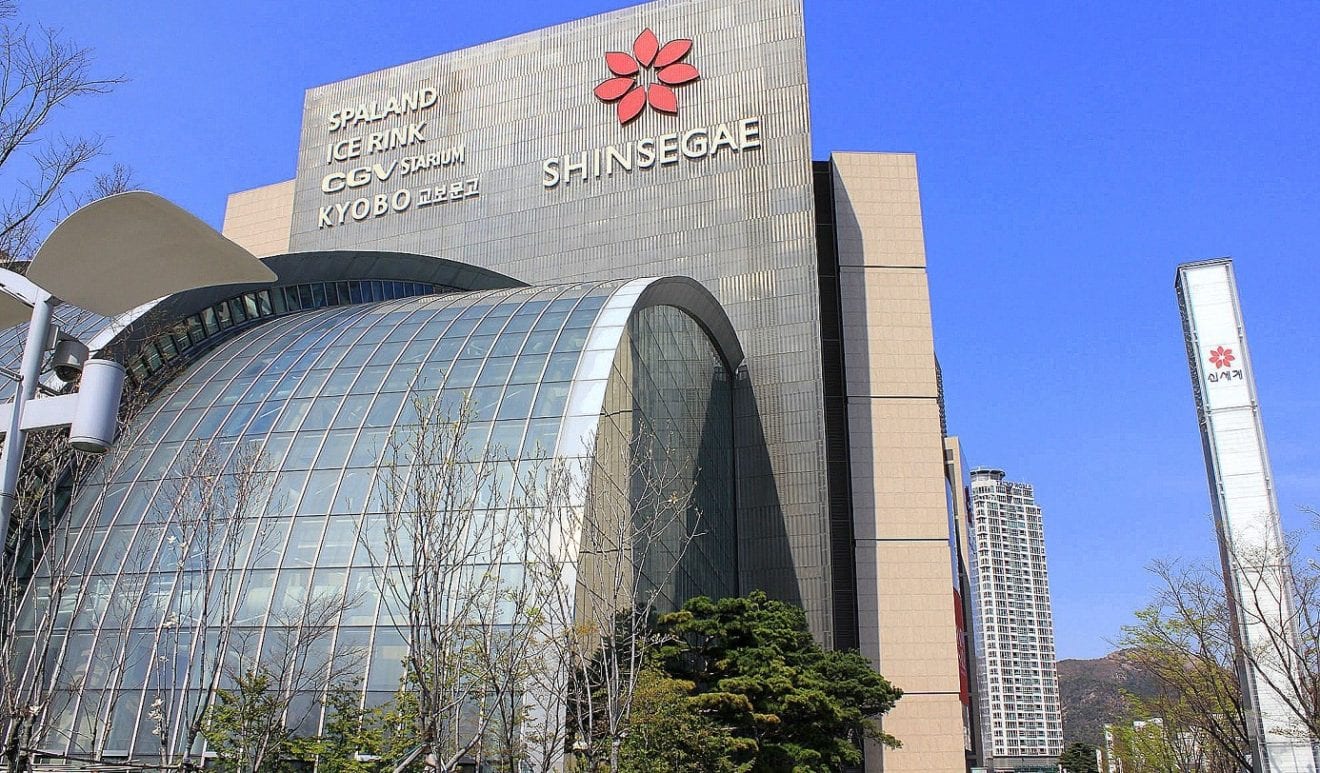
    Shinsegae, one of South Korea’s largest retail groups, has reported its net profit fell 99.8 percent year on year as the Covid-19 crisis effectively shut down the nation’s tourism industry and caused local consumers to stay home.

    The conglomerate, whose subsidiaries include E-mart big-box stores, convenience stores, homewares, fashion, beauty and a duty-free retail division, reported a March quarter net income of 1.6 billion won (US$1.3 million) on sales of 1.2 trillion won ($976 million).

    With a ban on inbound visitors from Mainland China during part of the period, Shinsegae’s duty-free business was hardest hit by Covid-19. Sales fell 30.5 percent to 488.9 billion won ($398 million) and the division lost 32.4 billion won ($26.4 million). Sales through airport duty-free outlets slumped by 40 percent and of downtown duty-free stores by 21 percent year on year.

    The E-mart business, which is also listed and releases its own financial results, had earlier reported an operating profit of 48.4 billion won ($39.4 million) in the March quarter, reversing a loss of 100 million won ($81,000) in the preceding three months. The company said its sales had benefited from consumers moving online and increased grocery demand while people cooked or ate at home instead of dining out.

    Sales of 5.2 trillion won ($4.2 billion) were up 13.6 percent year on year.

    Shinsegae’s department-store business saw sales fall 11.7 percent. The company’s furniture and homewares chain Casamia saw sales rise 23.8 percent due to network expansion, but additional costs contributed to a more than doubling of its loss to 2.7 billion won ($2.2 million).

    Sales at fashion and cosmetics group Shinsegae International fell 11.6 percent, but the division turned an operating profit of 12 billion won ($9.8 million).

  • Google testing iMessage feature for RCS Chat

    Google testing iMessage feature for RCS Chat

    The four major U.S. carriers are planning to roll out a Rich Communication Services (RCS) app later this year. This allows Android users to send and receive messages via a phone’s data connection instead of its cellular connection. However, Google has already updated its Android Messages app by enabling RCS Chat on all Android phones. Messages between two RCS users can be as long as 8,000 characters instead of 160. Additionally, a user will know if his messages have been read thanks to read receipts that he will receive.
    Other improvements that Android users will see is the ability to share larger video files, host group chats with as many as 100 participants, and have RCS chats run through a Wi-Fi network. Android users have long wanted a messaging platform with some of the advanced features that iOS users have enjoyed with the Messages app. And the carriers plan on monetizing RCS by using the platform to allow companies to reach Android users. We could even see Android users order a Lyft or Uber rideshare through their RCS Chat app.
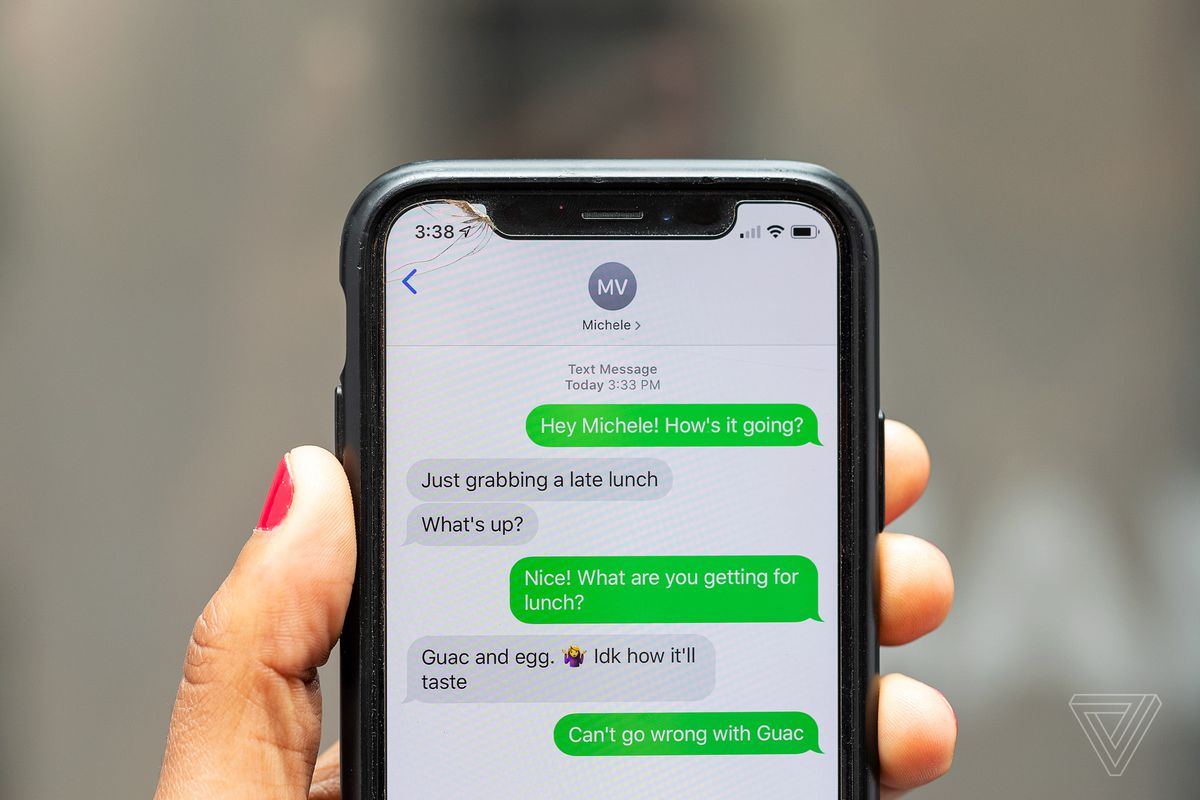
    Google is testing one feature found in iMessages for its RCS Chats. An Android user sporting a OnePlus 7 Pro on T-Mobile has the beta version of Google’s Messages app installed and discovered that he could respond to a Chat with an emoji reaction. That is a feature available to iOS users via iMessage. Android users engaged in an RCS chat (again, both sides of the convo must be using RCS) long-press on the last message received and they will see seven different emoji that they can choose from for their emoji reaction. The one they select will end up on the lower right side of the last message sent by the other party.
    While Google just sent out a beta update to the Messages app, the emoji reaction has not appeared on all Android phones that were updated. This would seem to indicate that a server-side update is at play here. You can check out whether you have this feature the next time that you’re in the middle of an RCS Chat by long-pressing on a message you’ve received. If you don’t see the options for an emoji response, you do not have it yet. If Google decides to add this as a permanent feature you will eventually have the ability to use an emoji to convey your emotions about a message that was sent to you.
    One thing to keep in mind is that you cannot use RCS Chat if the texting platform you use now is one provided to you by your carrier. For example, Verizon Messages will not work with RCS. If you don’t have the Google Messages app on your Android handset, you can install it from the Google Play Store.
    There are some things that are not perfectly clear from the testing. One is whether there are only seven emojis that will be made available for the user’s reaction. The seven that were seen in the screenshot shared by a Redditor include ThumbsUp, HeartEyes, Laughing so hard you’re crying, Surprised, Sad (with one lonely tear), Anger, and ThumbsDown. That pretty much covers a wide multitude of emotions.
    If you are an Android user, you’ll know whether you are messaging someone using RCS because of the dark blue background of the text balloons. If you’re exchanging messages with someone who is not a phone enthusiast, it is possible that even if you ask them outright, they might have no idea what platform they are using and whether they have RCS.
  • Work from home is Twitter’s new normal forever

    Work from home is Twitter’s new normal forever

    Twitter employees can continue working remotely for as long as they want, said CEO Jack Dorsey in an email. So, even after the lockdown ends, it would be up to the employees where they want to go back into the office or work from home. Of course, the policy does not apply to all staffers, and workers whose job mandate that they be present on the site will have to report back to work.

    But for the rest of Twitter employees, work from home could become the new reality.

    The company was a proponent of remote work well before the coronavirus forced firms around the world to let their employees work from home. It shut down its offices back in March because of the pandemic and these few months have proven that this model can work.

    Of course, employees that want to return to their cubicles would be allowed to do so. However, Twitter seems in no hurry to reopen its offices.

    The company says most locations won’t open before September and it will be a staggered and gradual process. And, as mentioned before, even when Twitter’s offices do finally reopen, employees can choose to not go back. The allowance for remote work supplies has also been increased to $1,000 for all workers.

    Business travel will remain suspended until September, with a few exceptions, and all in-person events have been canceled for the rest of the year.

    The new model will also potentially allow Twitter to hire remotely.

    Work from home poses its own challenges and even though the last few months have taught Twitter that this could work for it, it remains to be seen how it will play out in the long run.

    It’s likely that many other companies are thinking along the same lines and we can expect similar announcements in the future.

  • Changi Airport further consolidates terminals

    Changi Airport further consolidates terminals

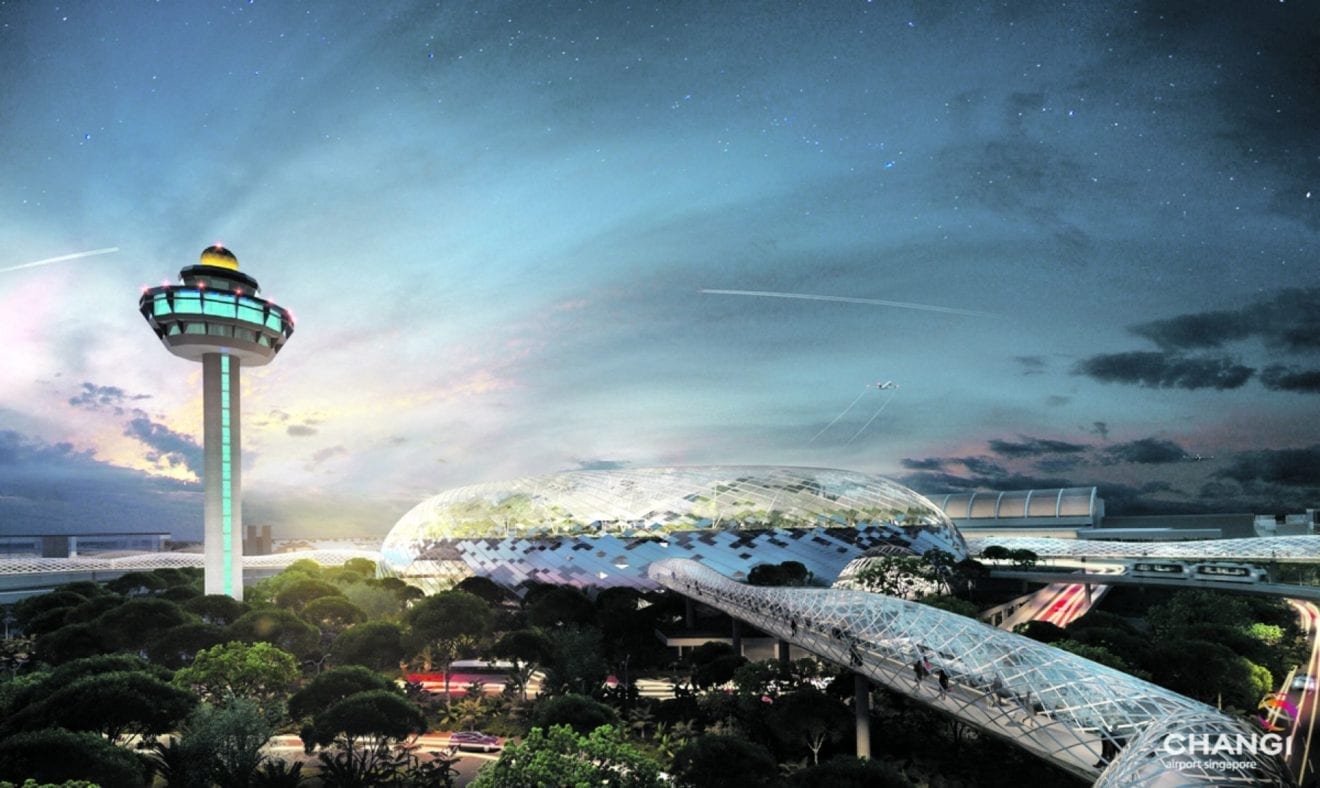
    Following the suspension of operations in Terminal 2, Changi Airport is to further consolidate operations and indefinitely close more retail stores.

    The airport will temporarily suspend Terminal 4 (T4) operations and move T4-based airlines to Terminal 1 and 3 instead. That means stores and restaurants in T4 will close its doors this week until the terminal resumes operation.

    According to the company, the move will help Changi Airport and its partners save on running costs such as utilities and cleaning.

    At Jewel Changi Airport, non-essential services, including Canopy Park and the HSBC Rain Vortex, are not allowed to operate until June 1.

    Restaurants and coffee shops in the shopping center remain open for takeaways only.

    Details of stores still open in the two terminals which continue to operate and at Jewel Changi can be accessed online.

  • AirAsia Unlimited pass extended until June

    AirAsia Unlimited pass extended until June

    If you’ve bought AirAsia’s Unlimited Pass a couple of months ago, the low-cost carrier has announced that they are extending the travel period validity until 30th June 2021. The extension is expected since international travel is still not permitted in Malaysia due to the COVID-19 outbreak.

    According to AirAsia’s Facebook post, the new validity date should be reflected under the AirAsia Deals page under the ‘My Purchases’ tab. The updated FAQ states that the booking must be made at least 14 days in advance and the last available booking date is 16 June 2021.

    For those who have booked their flights on or before 17th of April with a departure date between 23rd March and 30th June are allowed to make unlimited flight change to any date before 31st October 2020 on the same route for unlimited times without any additional costs subject to seat availability. Alternatively, they can request to retain the value of the booking as a credit which can be redeemed within 2 years (730 days) from the issuance date.

    The AirAsia Unlimited Pass was introduced on 29 February and it was seen as a move to cushion the economic impact of COVID-19 on the travel industry. The pass costs RM499 and it allows you to take unlimited AirAsia X flights to destinations in Australia, Japan, China, Korea, India and also Honolulu via Osaka.

    The pass only covers the base fare of the flight and it doesn’t include taxes, airport charges, regulatory fees as well as add-ons such as seat reservation, meals and check-in luggage allowance. Initially, the pass covers a travel period from 2nd March 2020 to 2nd March 2021 and it is now extended by approximately 4 months.

  • Facebook shuts down Instagram Lite app

    Facebook shuts down Instagram Lite app

    Instagram Lite, the app launched by Facebook two years ago in several countries to help users with less powerful smartphones has been given the ax. AndroidPolice recently noticed that the Instagram Lite app has been removed from the Google Play Store, while those who already have installed are now met with a message informing them that the app is no longer supported.

    TechCrunch was able to confirm with Facebook that Instagram Lite has been shut down and that people in those countries where it was available are now redirected to the full-fledged Instagram app:

    We are rolling back the test of the Instagram Lite app. You can start using the latest version of Instagram instead to connect with the people and things you love.

    The Instagram Lite app was available for download in countries like Kenya, Mexico, Peru, and the Philippines, but instead of expanding its availability, Facebook has decided to shut it down completely.

    However, it looks like this isn’t the last time we see a “lite” version of Instagram, as Facebook plans to process all the feedback it received and build a new version of Instagram Lite. Unfortunately, there’s no telling when the app will be launched, but at least we know it’s coming.

  • Deliveroo Singapore partners WeCare@MarineParade to deliver iftar meals

    Deliveroo Singapore partners WeCare@MarineParade to deliver iftar meals

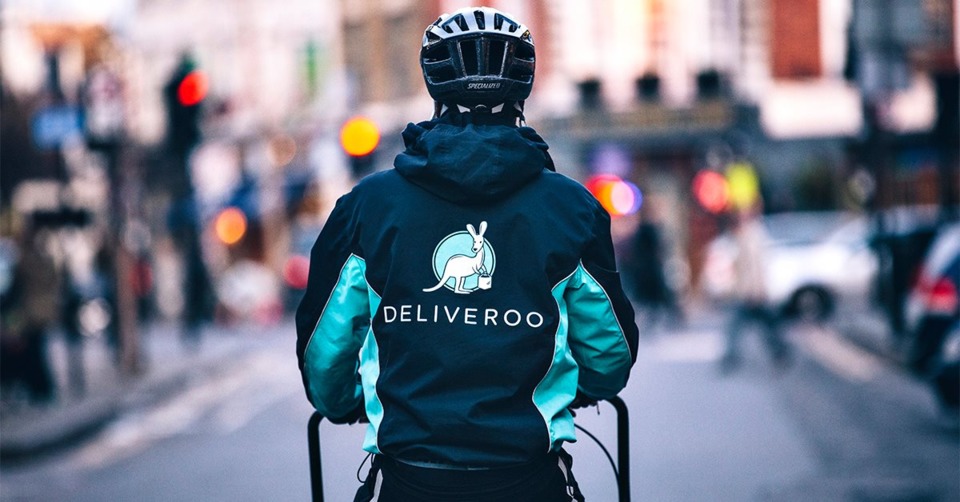
    Deliveroo Singapore is partnering with WeCare@MarineParade to deliver iftar meals to vulnerable Muslim families to enjoy during Ramadan. As part of a joint partnership between WeCare@MarineParade, Islamic Restaurant Singapore and Deliveroo, Deliveroo riders will deliver 1,200 meals to 115 households and 428 beneficiaries nominated by WeCare@MarineParade between 4 May to 22 May. Generously donated by Mr Yusoff Rahman, the meals will be prepared by Islamic Restaurant Singapore, with delivery fulfilled by Deliveroo.

    WeCare@MarineParade is a community-based network that aims to help vulnerable residents in Marine Parade through community action and meaningful partnerships. Founded in 1921 by Mr Abdul Rahiman, Islamic Restaurant Singapore has been in the food business for nearly 100 years. Serving up halal dishes which utilise traditional cooking methods with modern twists, Islamic’s mission has always been to serve up quality comfort food including roti maryam, murtabak, curries and other mamak favourites.

    “Deliveroo Singapore is always seeking opportunities to give back to the communities we operate in,” said Sarah Tan, Director of Growth and Marketing and Interim General Manager, Deliveroo Singapore. “As a company which delivers great-tasting food to thousands of consumers’ doorsteps each day, banding together withWeCare@MarineParade and Islamic Restaurant to give back to those in need was an obvious partnership this Ramadan. As Singapore continues to do its part to stop the spread of COVID-19 together, we hope the food deliveries raise a smile for our Muslim friends at home.”

    “Amidst the Circuit Breaker, gathering volunteers to distribute food has been challenging. Thus, we are delighted to work with Deliveroo during this special time. Between 4 May to 22 May, Deliveroo riders will deliver local food to over 400 of our beneficiaries in Marine Parade. This would not have been possible without their kind sponsorship and move to bring favourite takeaways, delivered to people’s doorstep.” said Chan Jianhong, Head of WeCare@MarineParade.

    “I’m very grateful to receive this delicious iftar meal for me and my family to enjoy together during the holy month of fasting,” said Marine Parade resident, Mdm Sharifah Binte Hussein. “It’s difficult this year not getting to spend time with our extended family and friends during Ramadan, but little acts of kindness like this go a long way.”

    “I’m happy for the opportunity to do my part to help the less fortunate in our community and lift their spirits, especially during these challenging times. It means even more as we get to volunteer during our free time during fasting month. This is a truly meaningful initiative that I’m glad to be a part of. It’s really rewarding to see the smiles on their faces when we drop off the meals and I hope I can continue to participate in such initiatives like these,” said Nurul Astika, a Deliveroo rider who participated in this initiative.

    Deliveroo Singapore’s partnership with WeCare@MarineParade and Islamic Restaurant Singapore is the latest in a series of community focused tie-ups. Previous partnerships include TOUCH Community Services, where Deliveroo rallied customers, restaurants and riders to get behind the Meals-On-Wheels initiative, and social enterprise Glyph, which saw Deliveroo hosting quarterly Food & Cultural Exchanges and offering discounted Glyph membership fees for riders’ children.