Category: General

Retail News Asia is committed to providing both local and global retailers with the latest General Retail news throughout the Asian market. This on a daily base.

  • Thailand’s Central Group commits space to communities

    Thailand’s Central Group commits space to communities

    Thai retail conglomerate Central Group is reducing and pegging the price of more than 3000 essential consumer products, as well as reducing prices at 87 foodcourts by 20 percent to help citizens impacted by the Covid-19 pandemic.

    The move is in response to government-led initiatives to assist national economic recovery in establishing and implementing a broad-ranging social responsibility plan.

    Central Group has also committed to measures to assist 74,000 staff across its various business units, pledging to maintain their employment terms and to provide them with Covid-19 insurance.

    The firm has also inaugurated new projects this year aimed at stimulating local economies and generating income by donating 90,000sqm of rent-free space to small local traders and growers in 100 shopping malls across 44 provinces; buying produce directly from growers and community enterprises; and promoting product development and local tourism.

    The group says its existing social-responsibility project is being rapidly expanded to create occupations by means such as giving knowledge on agriculture and product development, reducing social inequality by supporting the creation of occupations for people with disabilities, and developing communities as tourist attractions. It is also creating a crowdfunding platform for entrepreneurs starting a new business but lacking capital, as well as supporting students, schools, hospitals and research work, with the target of raising more than THB100 million (US$3 million).

    Thailand’s Central Group aims to boost health by creating new standards for safe business to prevent the spread of infection – including implementing measures of hygiene and safety in tenants’ stores – and donate medical equipment for staff fighting Covid-19 at 30 hospitals nationwide through the Thai Medical Association.

  • Vietnam retail sales down since January

    Vietnam retail sales down since January

    Vietnam retail sales fell 9.6 percent year on year over the first four months of this year, according to the General Statistics Office.

    However, sales of consumer goods across the country increased by 0.4 percent, reflecting increasing demand for groceries and online shopping during the Covid-19 outbreak.

    Sales in the restaurant and accommodation sector plunged 23.6 percent year on year as consumers were banned from eating on-premises and due to travel restrictions.

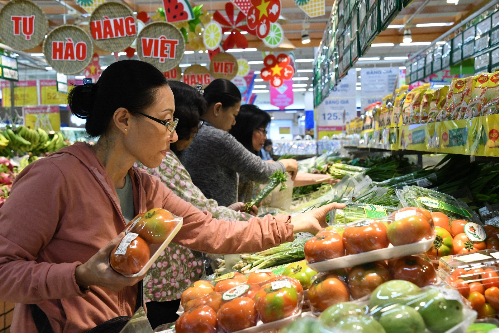
    Meanwhile, retail sales in Ho Chi Minh City, the country’s commercial capital with a population of 9 million, surged in both supermarkets and traditional markets ahead of the country’s four-day holiday which began on April 30, as myriad promotions were offered.

    According to the Vietnam News Agency, discount promotions at Co.opmart and Co.opXtra supermarkets during the holiday saw sales rise by more than 30 percent compared to normal days.

    The most popular items include local seafood, poultry, fruit and vegetables, soft drinks, masks and kitchenware.

  • India’s Reliance Retail opens over thousand new stores

    India’s Reliance Retail opens over thousand new stores

    India’s Reliance Retail opened 1533 new stores last fiscal year, taking its network to 11,784 as it boosts its strength across the food, fashion, and digital sectors.

    In results published this week the company says pre-tax earnings grew 55.7 percent to Rs 9654 crore (US$12.75 million) on sales up 24.8 percent to Rs 1.63 lakh crore. Fourth-quarter revenue rose by 4.2 percent as lockdowns across the nation restricted customer footfall in stores.

    However, grocery store sales reached record levels in March due to the advent of Covid-19 restrictions, but despite supply-chain challenges.

    During the lockdown period, daily orders quadrupled, with the company’s Smart and Reliance Fresh chains leading the growth.

    “In a response to the lockdown situation, all grocery stores were kept open for extended hours to provide access and availability of essential products to customers in these trying times,” Reliance Retail said in a results release.

    Including the company’s fashion and lifestyle business, the year saw solid growth for the business, despite the “tepid” March, the company said.

  • Hong Kong retail sales down in March

    Hong Kong retail sales down in March

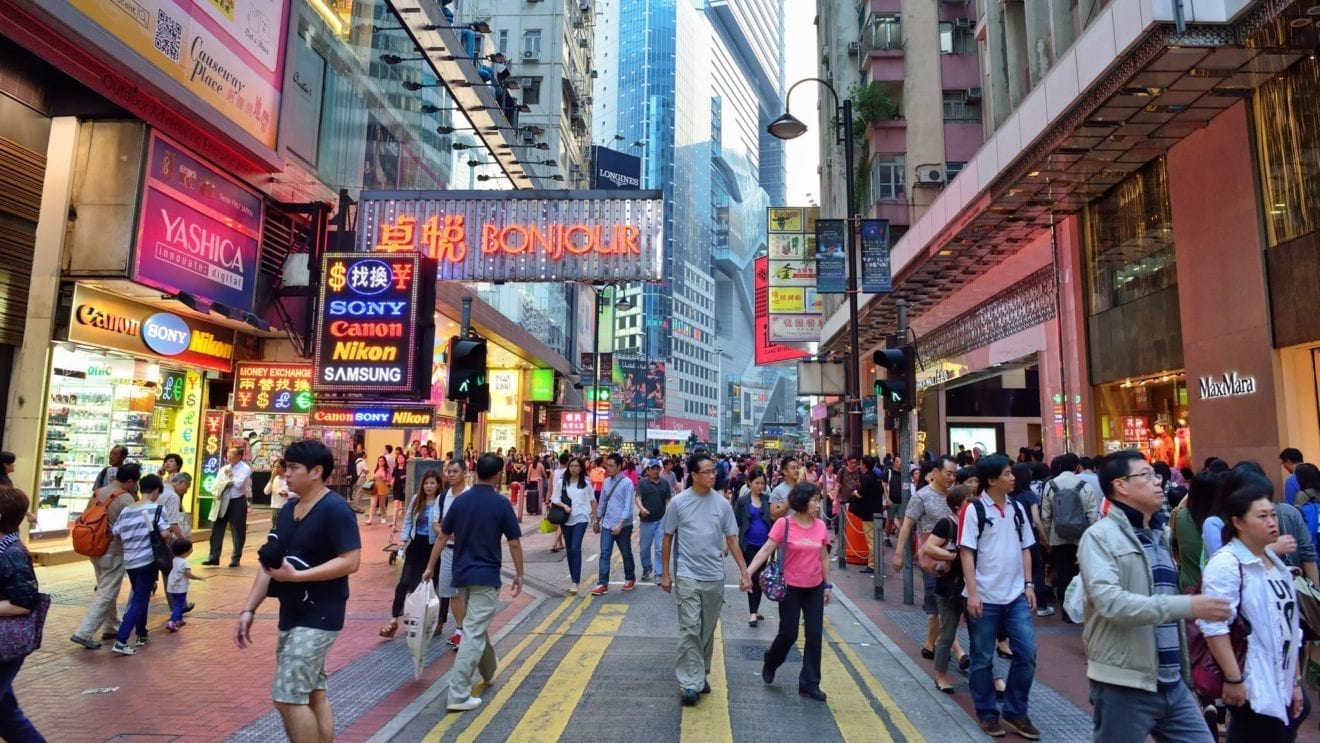
    March Hong Kong retail sales slumped by 42 percent year on year as the Covid-19 pandemic forced Mainland Chinese shoppers to stay at home.

    According to The Census and Statistics Department (C&SD) retail sales reached just HK$23 billion (US$2.97 billion) during the month.

    March’s fall was slightly less than the 44 percent decline of February. The revised combined January-February decline was 31.8 percent year on year, (a comparison which evens out any influence of the change in timing of the Lunar New Year holiday season from year to year).

    A government spokesman said the drop in March Hong Kong retail sales was a result of government measures to restrict the transmission of the virus, which brought inbound tourism to a standstill and “seriously disrupted local consumption-related activities”.

    For the March quarter, Hong Kong retail sales fell by 36.9 percent year-on-year – the single largest quarterly decline on record.

    “The business environment for the retail trade will remain very difficult in the near term amid the deep economic recession and a sharp deterioration in the labor market,” the spokesman said.

    In March, a 21.2-per-cent decline in sales of food, liquor and tobacco had the greatest impact on the overall figure, with a 42.7-per-cent fall in sales through department stores having the next greatest effect.

    Sales of jewelry, watches and luxury goods plunged by 75.2 percent, but in the bigger picture, this was less of a contribution to the bottom line than other categories, including electrical goods down by 39.6 percent and consumer goods not otherwise categorized, down by 29.1 percent.

    Sales of medicines and cosmetics fell by 63.8 percent, apparel by 67.2 percent and furniture and homewares by 14.4 percent.

    Books, newspapers and stationery dropped 48.4 percent, Chinese drugs and herbs by 51.7 percent, footwear and accessories by 60.6 percent, and sales through optical shops fell 46.6 percent.

    The only category to post growth was supermarkets, where sales surged 16.1 percent.

  • Institutional and retail investors: US vs China

    Institutional and retail investors: US vs China

    When being compared to the USA’s stock markets, China’s markets are fairly young. Even though the Shanghai Stock Exchange (SSE) dates back as early as the 1860s, it was in fact closed down in 1949, then reopened only in 1990, with the mission to create a reliable, efficient and transparent marketplace. The Hong Kong Stock Exchange was also founded in the late 1800s, it wasn’t until the mid-1990s that it started listing the largest Chinese state-owned enterprises.

    The USA’s stock market, in comparison, can be dated back to the late 1700s, meaning that it’s over 200 years old. The New York Stock Exchange (NYSE) originated on Wall Street in 1792 and since then, many more stock exchanges have derived in the US.

    The stock exchanges and their role on the economy

    The USA’s stock exchanges play a significant part in their economy, which isn’t the case as much in China, due to it being a lot younger. While companies in the US rely on equity financing, corporations in China often look to the likes of bank loans.

    Around 52% of the US population owe part of their wealth to equities, while in China it is roughly only 7%, with bigger proportions of their investments going into property and wealth management products, for example.

    With less people owning stocks in China, they aren’t as at risk of having to suffer from the ups and downs in the markets. However, it has been suggested that retail investors there do not put enough focus on their long-term investments, instead choosing to chance their wealth. If China strives to grow its stock markets and attract professional investors, it is going to have to change the opinions of those comparing it to a ‘crazy casino’.

    Coronavirus and the financial markets

    The ongoing pandemic has naturally had a dramatic impact on the global stock markets, disrupting worldwide economic activity. Since the outbreak, the markets have suffered huge losses: more than 30 million people in the US have filed for unemployment benefits, the Dow Jones Industrial Average has seen a significant fall and US oil prices turned negative for the first time. In China, retail sales plummeted 20.5% year on year in January and February, and with their factories being unable to run, they have also been heavily affected by a supply shock. Equity markets have fallen, and the drop in these prices has lowered household wealth in the US to a huge extent.

    With no confirmed end date to the pandemic, there is still some uncertainty when it comes to both the US and China’s economic future. Will the economy be able to snap back once the restrictions on activity have been lifted?

  • AirAsia to resume flights from Surabaya to two major Malaysian cities

    AirAsia to resume flights from Surabaya to two major Malaysian cities

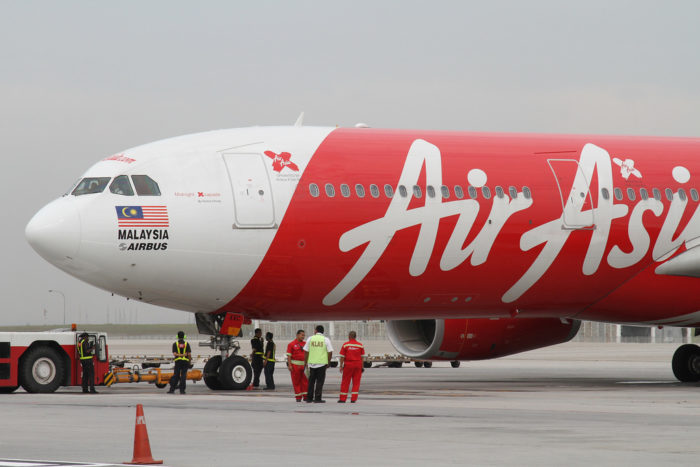
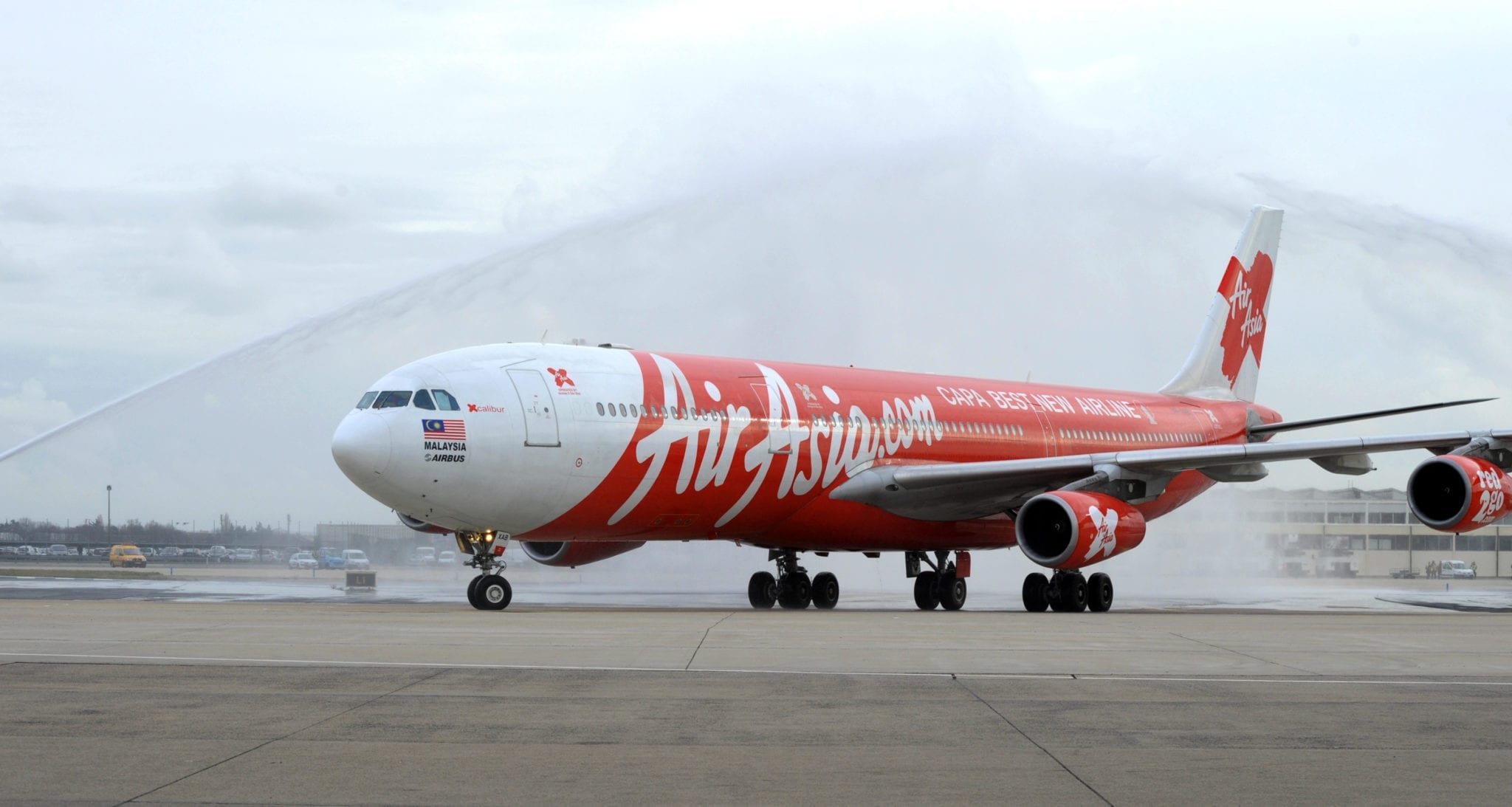
    Low-cost carrier AirAsia Indonesia will soon resume flights from Surabaya, East Java, to the Malaysian cities of Kuala Lumpur and Johor Baru after they were temporarily stopped on April 1 amid the rapid spread of COVID-19 in the two countries, an AirAsia official has said.

    AirAsia Indonesia decided to reopen the flights from Surabaya to the Malaysian cities on May 18, following a decline in the number of new COVID-19 cases in the neighboring country, the airline’s president director Veranita Yosephine said on Monday.

    “Kuala Lumpur has shown a positive trend regarding the spread of COVID-19, and therefore we decided to reopen our flights to Malaysia. However, we’ll continue to review our decision and maintain our health standards,” she said during a virtual press conference.

    AirAsia Indonesia has suspended all scheduled flights since April 1 due to a lack of passengers as the government appealed to the public to stay at home and avoid travel. The government officially prohibited flights on April 24 to and from the country’s major cities as part of the emergency measures implemented to halt the spread of COVID-19.

    To generate income, Indonesian airlines including AirAsia Indonesia have shifted to cargo and chartered flight services that are still permitted by the Transportation Ministry.

    “Currently, we are only utilizing 10 of our 28 airplanes. We’re partnering with AirAsia Group’s cargo business company Teleport to run the cargo operation,” she said.

    Although the airline has been able to shift its operation from passenger to cargo services, AirAsia, as with other airlines, is still struggling to maintain its cash flow.

    Indonesian airlines are struggling to survive amid the COVID-19 pandemic, having booked combined revenue losses of Rp 207 billion (US$13.4 million) as of April 15, according to Finance Ministry data.

    In order to keep the company afloat, Veranita said the company had taken a number of cost-cutting measures such as employee salary cuts and airplane lease renegotiations and was also seeking new sources of capital.

    “We’re currently still looking at which sources of capital we could explore. To do so, we also need permission from the shareholders,” she said.

    Veranita said AirAsia would fully comply with the Transportation Ministry’s regulation and the government-regulated health protocols for international flights, such as mandatory use of masks and a health document requirement.

    “We will implement the health protocols set by the government and will require health documents for passengers,” she said.

    She added that the airline would continue monitoring developments in the COVID-19 pandemic in both countries, and could shut down the flight routes if there was a spike in new cases.

    The number of confirmed COVID-19 cases in Indonesia has risen steadily with the latest Health Ministry data recording 395 new confirmed cases on Monday, an increase of 349 new cases from the previous day.

    In neighboring Malaysia, the trend in new COVID-19 cases has shown signs of plateauing, with the country’s Health Ministry reporting 55 new confirmed cases and no deaths on Monday, down from 122 new cases and two deaths on Sunday.

  • PAL, Cebu Pacific hope to resume regular operations soon

    PAL, Cebu Pacific hope to resume regular operations soon

    Philippine Airlines (PAL) is hoping it can resume international and domestic operations in limited capacity flights on May 16.

    “We are preparing and identifying routes for possible bookings, but we still need the go-signal from the government to operate our commercial flights,” said PAL spokesperson Cielo Villaluna. “We have complete sets of masks, gloves, goggles, and personal protective equipment (PPE) which our crew will wear during and every flight for the protection of everyone on board.”

    On the other hand, Cebu Pacific Corporate Communication Director Charo Lagamon said they have been coordinating with the Department of Tourism (DOT) and other organizations to mount sweeper and repatriation flights.

    “We have finalized sweeper flights with the DOT, starting May 1, between Manila and key domestic destinations to fly stranded passengers,” Lagamon said.

    Cebu Pacific continues to operate all-cargo flights to keep vital goods moving across the country during the enhanced community quarantine.

  • March retail sales in Singapore down

    March retail sales in Singapore down

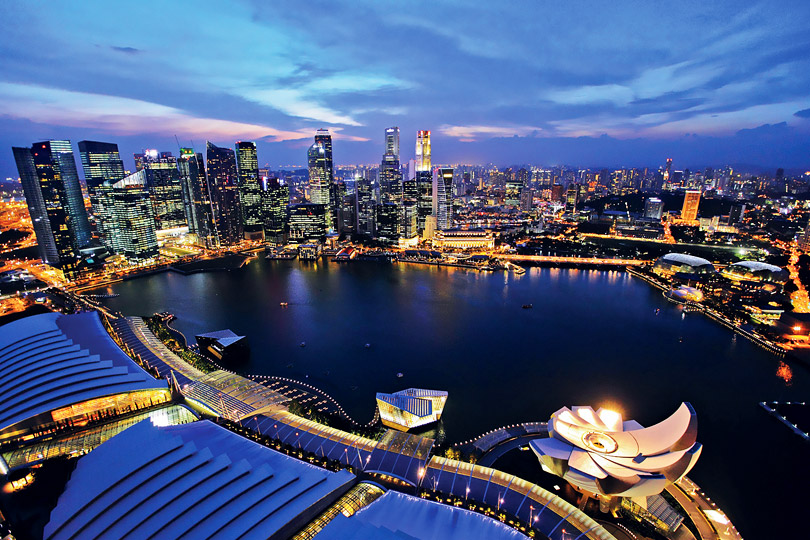
    March retail sales in Singapore fell 9.7 percent year on year in March 2019, as tourist numbers fell and locals spent less on discretionary items in the wake of the coronavirus pandemic.

    The decline was the largest in a single month in 22 years.

    With motor vehicles included in the total figure, retail sales were down by 13.3 percent, according to Statistics Singapore. March retail sales in Singapore totaled S$3.3 billion (US$2.33 billion).

    Compared to February, however, there was little change in the vehicles-excluded figure, with sales down 1.6 percent in March. In February retail sales excluding motor vehicles fell by 10.2 percent, year on year.

    The impact of the Covid-19 crisis on consumer shopping behavior was evident: online sales accounted for 8.5 percent of total sales, the highest figure ever recorded in the city-state. It followed a 7.4-per-cent share in February.

    Year on year, March retail sales in Singapore of apparel and footwear, food & alcohol, in department stores and of watches & jewelry declined by between 34.4 percent and 41.6 percent – mainly due to the decline in tourists spending.

    However – reflecting the trend towards eating at home more to ensure social distancing during the onset of the pandemic, turnover through supermarkets & hypermarkets rose by 35.9 percent and through mini-marts & convenience stores by 4.7 percent.

    The pandemic’s impact was also highlighted by data from sales of food & beverages. Sales fell 23.7 percent in March, to an estimated $678 million. Of those, online purchases comprised about 15.6 percent.

  • South Koreans move from malls to markets in Covid-19’s wake

    South Koreans move from malls to markets in Covid-19’s wake

    Offline retailers in South Korea, once on the verge of a crisis after consumers flocked to e-commerce vendors following the coronavirus outbreak, are now seeing a chance to make a comeback.

    As people remain indoors for extended periods due to work-from-home policies and delays to the school year resumes, a growing number of South Koreans are going to local supermarkets and stores to do their shopping.

    Local discount retailers and large-sized malls saw sales increases of 1 to 5 percent after South Korea raised the public health alert to its highest level.

    After the World Health Organization declared Covid-19 a pandemic, local supermarket sales jumped by more than 14 percent between March 8 and 21, while large-sized malls and discount retailers saw their sales drop.

    “As the coronavirus outbreak dies down, more people are choosing to go to local supermarkets or convenience stores that are close by, rather than going to large malls that tend to be located further away,” said Hwang Hee-yeong, CEO of Opensurvey, a local pollster.

    In other words, South Korea has seen an initial surge in demand at large distributors fragment into demand for products offered at smaller distributors.

    Experts argue that this trend may continue even after the coronavirus outbreak is over.

    “As the coronavirus is expected to be around for a long time, people are choosing to go to local supermarkets instead of large-size malls and discount retailers. More people are also visiting local stores that sell side-dishes,” said Hwang.

    “The coronavirus outbreak has set up a basis for localized consumption, a trend commonly observed among advanced nations.”

  • Telegram has now been downloaded over 500 million times on Google Play

    Telegram has now been downloaded over 500 million times on Google Play

    Messaging app Telegram now boasts over 500 million downloads on the Google Play store. Sure, this pales in comparison to alternatives like WhatsApp and Facebook Messenger, which have racked billions of installs, but the important distinction here is that Telegram doesn’t come pre-installed on any device.

    Moreover, the app had around 300 million users until last year, so the growth is pretty impressive. If you also count the other client called Telegram X, the tally reaches around 510 million. This version of Telegram has a slightly different interface and features smoother animations.

    Last month, Telegram reached 400 million users. The developers of the app also revealed that 1.5 million new customers sign up every day. Telegram developers say that the services offered by the app facilitate remote work and study, and this has helped with popularity during the quarantine.

    Cross-platform support is also available, allowing users to seamlessly switch between different devices. Telegram is also free and does not contain any ads.

    The messaging app is also joining the likes of Facebook and Google to give some competition to Zoom. It has revealed plans to roll out secure group video calls this year.

    The developers also threw shade at Zoom, which has come under fire for its lax security measures, by saying that video calls today are either secure or usable and it would like to fix that.

  • Suning opens ‘smart-retail experience centre’ in Nanjing

    Suning opens ‘smart-retail experience centre’ in Nanjing

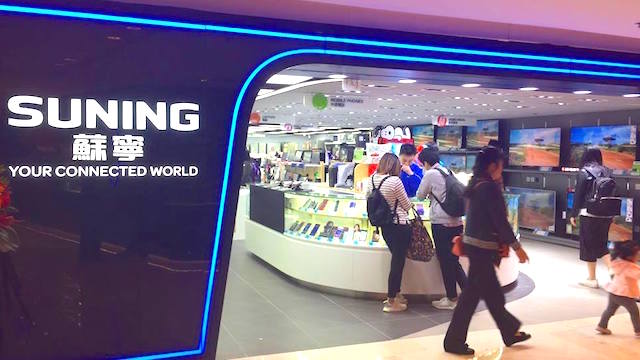
    Chinese retail giant Suning has launched a smart-retail experience centre in Nanjing.

    The venue is the first of its kind for the brand, opening in Suning.com Plaza as an upgrade of the Suning.com flagship store and what it describes as a new benchmark for its strategic retail development. Offline shopping is “considered optional” in the store, and product experience is core to differentiating the concept from traditional shopping outlets.

    The new flagship achieved a gross merchandise volume of RMB10 million (US$1.4 million) within 58 seconds of opening for trading and hit RMB100 million ($14 million) in just 13 hours.

    According to a statement from the company, the store is conceived as a way to “accelerate the promotion of consumption, optimize consumption structure, and improve the quality of economic development”.

    The new store will allow 24-hour sampling across all categories and consumers will be able to purchase products from a smart screen “virtual shelf”, providing an O2O channel that allows shopping experiences via internet tools such as applets, communities, and live streaming.

    The store’s hi-tech showroom features a 400sqm L-shaped interactive LED screen, mainly reserved for product launches and PR events.

  • Outlook’s anti-spam feature available on Android finally arrives on iOS

    Outlook’s anti-spam feature available on Android finally arrives on iOS

    It’s not unusual for developers to launch apps on multiple platforms with a different set of features. Microsoft is no exception, as many of its Android apps aren’t as well-developed as their iOS counterparts and vice-versa.

    For example, Outlook offers a feature called “Ignore Conversation” on just about every compatible platform except iOS. Ignore Conversation lets Outlook users avoid getting those spam or annoying emails that they don’t want in their inboxes.

    When used on an email that you received, Ignore Conversation will automatically reroute all emails to the deleted items folder instead of inbox. It will not delete the emails completely, but you’ll be able to focus on what’s important to you.

    The good news is Ignore Conversation is finally making its way to Outlook users on iPhones and iPads. The latest update for Outlook is now available for download on the Apple App Store. You can even check out the official changelog to learn more about the updated app.

  • Charles & Keith Hong Kong expands footprint further

    Charles & Keith Hong Kong expands footprint further

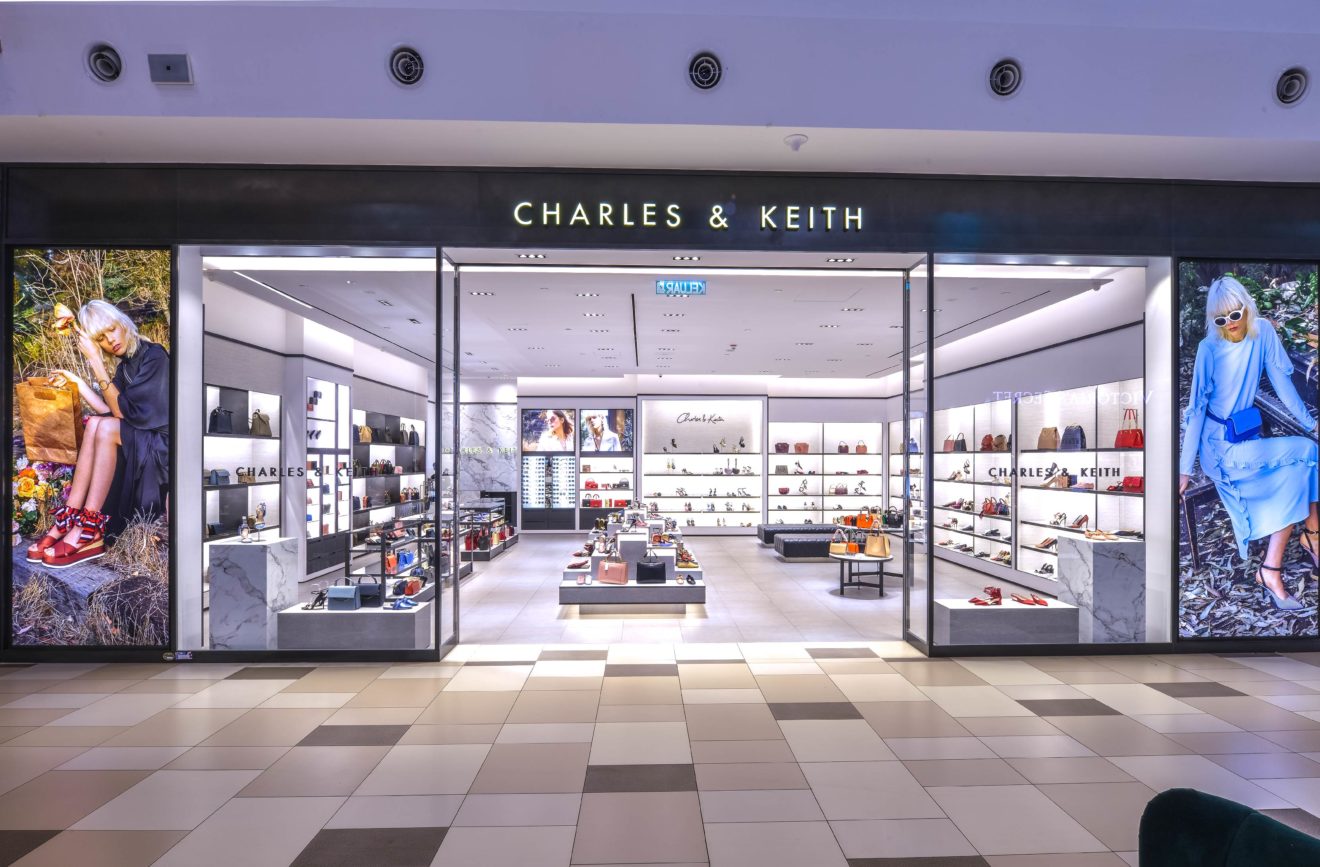
    Charles & Keith Hong Kong is opening a new store at Harbour City, its seventh in the territory.

    Apparently undeterred by the Covid-19 pandemic, the Singapore-headquartered retailer of footwear and accessories, is continuing its rapid rollout in the territory after opening three stores over the summer holidays – at APM mall, DFS T Galleria Sun Plaza Canton Road and Langham Place, Mongkok. It made its debut in the territory in October 2018.

    The seventh Charles & Keith Hong Kong store to open, it is the first to introduce mobile point-of-sale devices, offering customers the convenience of being able to make payments anywhere in the shop. That enables faster checkouts and better sustainability practice by reducing the use of paper receipts.

    The store’s aesthetics feature limestone fixtures and dark grey powder furnishing, aimed at creating a “sophisticated simplicity” to complement the style of the brand’s trend-focused collections.

    Each section of the store communicates the different “stories of the season”, from footwear and bags to lifestyle accessories, including the brand’s Little Collection for kids.

  • J Crew enters bankruptcy, weighed down by US$2 billion of debt

    J Crew enters bankruptcy, weighed down by US$2 billion of debt

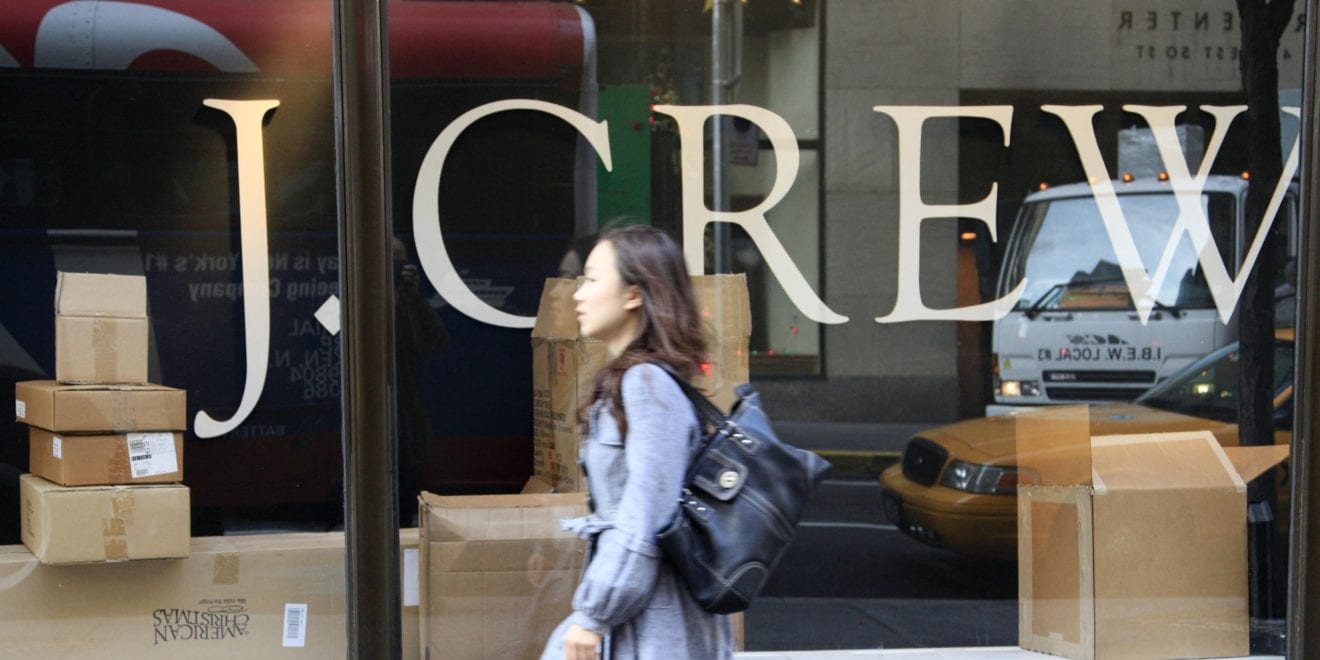
    US fashion-retailing icon J Crew has collapsed under the weight of US$2 billion of debt and with all 492 stores closed due to the Covid-19 epidemic.

    The company, founded in 1947, entered Chapter 11 bankruptcy protection this week allowing it to restructure its debt and business operations to survive in the post-Covid-19 era.

    In a letter to customers, the company reassured it was business as usual during the bankruptcy process with e-commerce sites of its namesake brand and its denim label Madewell continuing to operate.

    “We are there for our customers and fully operational throughout this restructuring process. We will continue operating under the Covid response measures currently in place and look forward to reopening our stores in accordance with CDC (US Centers for Disease Control) guidance as quickly and safely as possible.”

    Much of J Crew’s crippling debt relates to the company’s acquisition by private-equity investment companies TPG Capital and Leonard Green & Partners back in 2011. Under the Chapter 11 process, $1.65 billion of the company’s debt will be converted into equity

    “This agreement with our lenders represents a critical milestone in the ongoing process to transform our business with the goal of driving long-term, sustainable growth for J. Crew and further enhancing Madewell’s growth momentum,” said CEO Jan Singer.

    Neil Saunders, MD at GlobalData Retail, said that although J Crew had been making progress in reducing its losses, the company still ended its last fiscal year $78.8 million in the red.

    “The primary source of this financial woe is the $1.7 billion of long-term debt that sits on the company’s balance sheet like a millstone around its neck. Quite simply this is crippling the business which, at an operating level, is profitable.”

    Saunders described the move into Chapter 11 as “prudent” suggesting it should have been done years ago.

    “The coronavirus crisis has forced the situation to a head. It has also given J Crew some justification to ask lenders to make the unpalatable choice of having their debt converted into equity. In the current trading environment, the alternative would have been defaulted, putting J Crew on the path to liquidation.”

    However, Saunders warns that when J Crew emerges from Chapter 11 – and the pandemic – it has other challenges to overcome.

    “The J Crew brand still isn’t resonating with consumers – especially across the full-price part of the business. J Crew’s products are not terrible in either quality or design. However, ranges are samey and lack the embellishments and twists of more contemporary brands that would allow them to stand out. The consequence of this is that a growing number of shoppers see J Crew as both boring and bad value for money and refuse to pay full price for garments.”

    Madewell, he says, is performing better, with sales up strongly, driven by a growing loyal base of shoppers.

    “While the brand is smaller than J Crew it is an important driver of the company’s overall value. As such, it is not surprising that it will now remain a part of the group and not be spun off via an IPO.

    “Before Chapter 11, J Crew was on a slow march to ruin. This process gives the company a chance to survive. However, that survival is not just dependent on reduced debt; it requires a reinvention of the J Crew brand. Given the apparel market will be highly subdued, extremely promotional, and intensely competitive as the coronavirus crisis abates, the reinvigoration of the ailing label will be an order of the tallest magnitude.”

  • AirAsia sets up special recovery flights in the Philippines

    AirAsia sets up special recovery flights in the Philippines

    AirAsia released a schedule of special recovery flights in the Philippines for those who are affected by the lockdown or enhanced community quarantine in parts of Luzon and in different areas of the country.

    The flights are in response to requests from various organizations, including local and international government agencies.

    Those who intend to book these flights must get in touch with the relevant government agency.

    The airline is arranging more flights as required.

    AirAsia added that flight schedules may change at short notice, as new regulations may have to be met in response to the COVID-19 pandemic.

    “AirAsia assures that the safety and wellbeing of our guests and Allstars is our top priority. AirAsia is complying with advice and regulations from the local government, civil aviation authorities, global and local health agencies, including the World Health Organization,” it said.

    It added, “AirAsia is closely monitoring this situation and reserves the right to announce further policies according to the latest developments.”