Category: General

Retail News Asia is committed to providing both local and global retailers with the latest General Retail news throughout the Asian market. This on a daily base.

  • Muji Japan moves online as Covid-19 crisis closes stores

    Muji Japan moves online as Covid-19 crisis closes stores

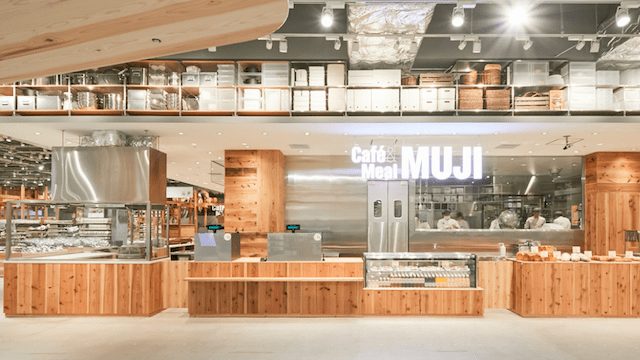
    Muji Japan has launched an online store on Amazon, strengthening its e-commerce presence as the Covid-19 crisis closes stores.

    According to the Nikkei Asian Review, the new Muji Japan online store will feature 250 items, mostly beauty products, storage containers, and cooking utensils.

    It is the first time Japan’s Ryohin Keikaku has sold Muji products via an online platform outside its own e-commerce store. With Amazon’s extensive user base, the company hopes to attract more potential customers.

    The launch with Amazon follows the closure of 280 physical stores across Japan and many others having to trade for reduced hours due to social-distancing requirements in the wake of the Covid-19 pandemic.

  • The Shoppes at Marina Bay Sands launches E-commerce concierge

    The Shoppes at Marina Bay Sands launches E-commerce concierge

    The Shoppes at Marina Bay Sands has launched a ‘click-and-deliver’ digital shopping concierge for online shoppers.

    The new service – the first of its kind among Singapore’s luxury shopping malls – features hundreds of selected fashion items that can be delivered free anywhere on the island. It launches with more than 10 participating brands including Bally, Boss, Bottega Veneta, Fendi, Jimmy Choo, Loewe, Manolo Blahnik and Moncler.

    “This new service is an extension of The Shoppes Edit portal,” said Marina Bay Sands VP of retail Hazel Chan. “Beyond simply reserving products online, shoppers can now choose to have them delivered directly to their doorstep. Through this service, we want to make luxury shopping an effortless pursuit for our customers.”

    A shopping voucher promotion is currently on offer to celebrate the launch of the service until May 31.

  • 500,000 Zoom logins are being sold on the dark web

    500,000 Zoom logins are being sold on the dark web

    According to its listings in the App Store and the Google Play Store, the Zoom Cloud Meeting app delivers the best iPhone, iPad, and Android video meeting quality and screen sharing quality. Those using the iOS app on the iPhone 8, iPad 5, iPad Pro, and all later models can add a virtual background to their video teleconference. This is an amazing time for Zoom as the pandemic is forcing wedding receptions to be held on the platform. Zoom was even used to help direct the cast of the “Parks and Recreation” reunion that NBC broadcast last week.

    Zoom has been the subject of several complaints. Founder and CEO Eric Yuan explained some security problems that Zoom had by stating that the platform was designed for large firms that have an IT department. This past March, the Zoom iOS app was caught sending user information to Facebook without the user knowing. Zoom responded by saying that Facebook’s SDK was collecting data related to the make and model of the device and the operating system being used to login to the app. An update removed the SDK. A lawsuit was filed that same month accusing Zoom of passing user information to third parties including Facebook.

    Last month, a data-mining feature on Zoom, using a tool designed to match Zoom users’ names and email addresses with their LinkedIn user profiles, was discovered by the New York Times. Other people in the same video meeting using LinkedIn Sales Navigator were able to see other participants’ LinkedIn profiles without permission by tapping on an icon next to their names. Both Zoom and LinkedIn ended this feature.

    In an attempt to earn back user trust, CEO Yuan recently announced a 90-day security plan. One of the new initiatives allows users to decide which regions their data will be run through. Previously, all data was run through China which made ears perk up in Washington D.C. among the anti-Huawei crowd.

    Could things get worse for Zoom users? More than 500,000 Zoom logins have been offered for sale on the dark web. The price for each login is a penny (1.25 U.S. cents) or $6,250 USD for the entire list. Cybersecurity intelligence company Cyble purchased the logins from a Russian-sounding person over the Telegraph app. A Zoom spokesman said, “We continue to investigate, are locking accounts we have found to be compromised, asking users to change their passwords to something more secure, and are looking at implementing additional technology solutions to bolster our efforts.” The company has also hired intelligence firms to find who is responsible for selling the passwords and the tools used to collect them. It is also investigating an unnamed company that has tricked people into downloading malware and revealing their login information on certain sites.

    The company recently had to walk back a claim that it had 300 million daily users and said that it actually has “300 million daily meeting participants.” These are two different metrics because a person can take part in more than one meeting in a day. Zoom has yet to release the number of active daily users, although to be fair this is a number that is constantly changing because of the pandemic. Zoom’s growth during the COVID-19 outbreak can easily be seen in the jump from 10 million daily participants in December to 300 million last month.

    Yuan recently said that the company is working hard to prevent Zoombombing. The latter takes place whenever an uninvited person crashes a Zoom video conference without an invitation and has become a major annoyance for users of the Zoom platform. Zoom investors also have been cashing in. The company’s stock (ZM-Nasdaq) has more than doubled since the end of last year closing Friday at $138.56.

  • Meal kits drive strong sales and profit growth for GS Retail

    Meal kits drive strong sales and profit growth for GS Retail

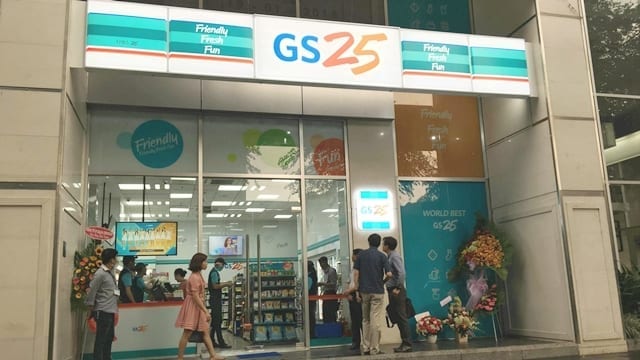
    GS Retail, which operates the South Korean convenience-store chain GS25, has reported a huge profit increase for this year’s first financial quarter, boosted by sales of pre-packed meal kits popular during the coronavirus lockdown.

    GS Retailreported a KRW88.8 billion (US$72.1 million) in profit from January to March, a 314.7-per-cent increase over last year’s figures. The result was considerably higher than the projected KRW23.9 billion ($19.5 million) profit for the period and sparked a 16.6-per-cent rise in its share value.

    A 98.7-per-cent surge in online sales was also a significant contributor to the firm’s first-quarter good fortune, with overall sales totaling KRW1.6 trillion ($1.3 billion).

    Last year, in the same period, GS Retail recorded a loss of KRW4.8 billion ($3.9 million).

  • Covid-19 exacerbates apparel-sales down in Japan

    Covid-19 exacerbates apparel-sales down in Japan

    Sales of apparel and accessories at Japanese department stores plummeted 40 percent last month compared with a year earlier.

    The figures were released by the Japan Department Stores Association showing the impact of the coronavirus outbreak on its member businesses. Data showed ¥97,548 million (US$911.5 million) in revenues for the month, compared to ¥243,870 million ($2.28 billion) for March last year.

    According to the association’s data, based on member polls, womenswear sales fell 44.2 percent during the period, with menswear falling 39.7 percent and kidswear 24.9 percent.

    Covid-19 is not the sole factor in the industry downturn, with sales figures already dropping since October last year, well before the coronavirus was discovered.

    The downward trend was aggravated by the Japanese administration’s restrictions on movement and by temporary store closures during the pandemic.

  • Singapore Press Holdings sells its Buzz convenience-store chain

    Singapore Press Holdings sells its Buzz convenience-store chain

    Singapore Press Holdings has sold its wholly-owned convenience-store chain Buzz Shop to Thai-Pore Enterprise.

    “This divestment of a non-core business will sharpen SPH Group’s strategic focus on its main business segments of media, retail real estate, purpose-built student accommodation, and aged care,” the firm said in a statement. “SPH will continue with its disciplined approach as it reviews its investments and businesses on an ongoing basis to maximize shareholder value.”

    As part of the deal, the price of which was not disclosed, the publisher retains the rights to distribute its publications through the Buzz Shop network.

    The move sees Thai-Pore expanding from its core business of liquor imports into the convenience-store business.

    According to CEO Wee Eng Tee, the acquisition “supports our growth strategy and enhances our presence in the retail market”.

    “We look forward to growing the Buzz brand which SPH has laid a strong foundation (for) in the past decades,” he said.

  • Profit increased for Singapore supermarket Sheng Siong

    Profit increased for Singapore supermarket Sheng Siong

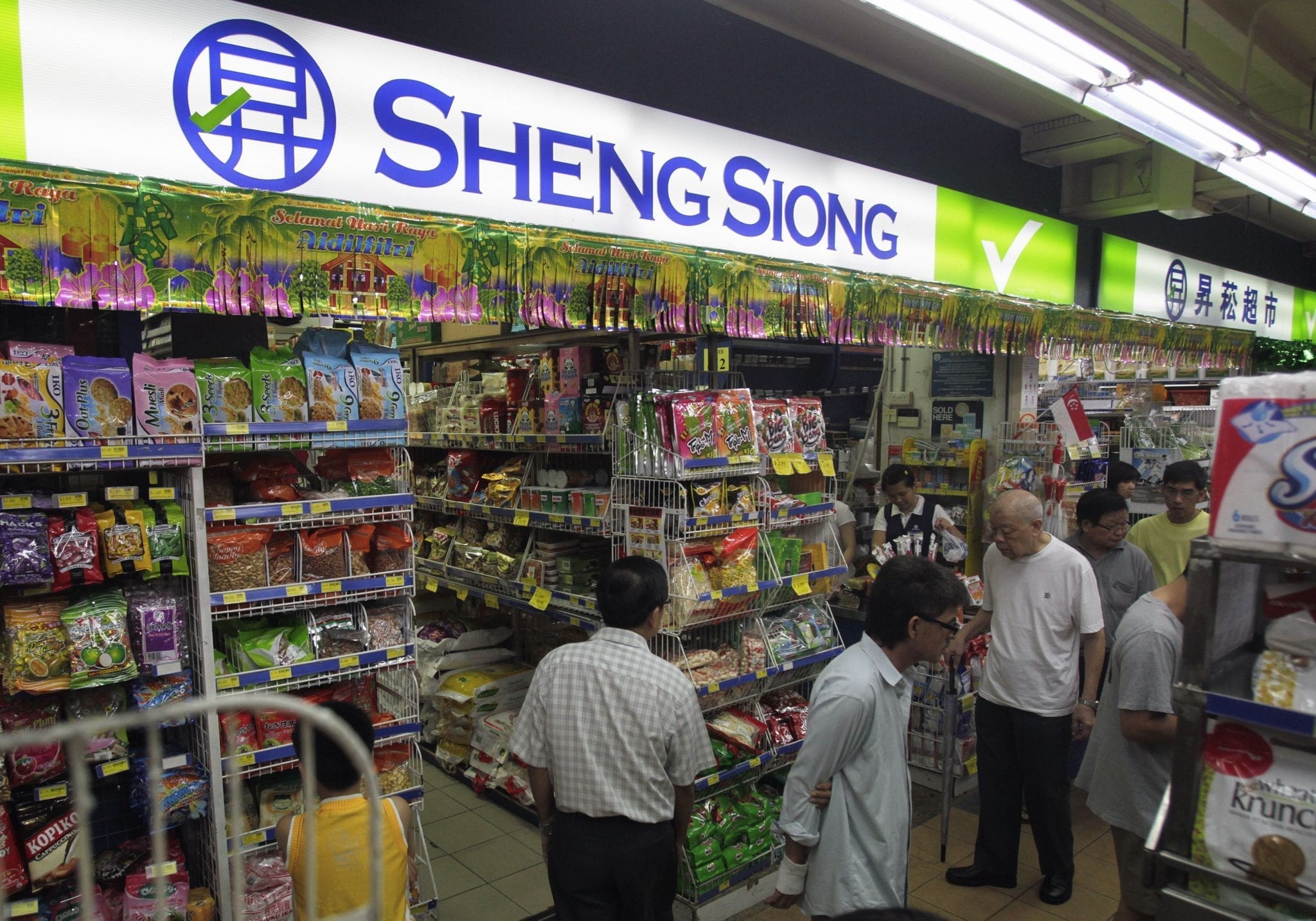
    Singapore supermarket operator Sheng Siong boosted net profit by 49 percent in the March quarter as sales surged due to the Covid-19 pandemic.

    Sales were up by 30.7 percent in the quarter, or by 19.7 percent on a same-store basis, initially due to stronger Lunar New Year sales. When Singapore’s government introduced a round of restrictions on public behavior due to the pandemic on February 7, demand for groceries soared.

    “Since then, demand has been elevated as more people are eating at home and probably loading up their pantry as well,” the company said in a statement.

    Profit for the March quarter was S$29 million on sales of $328.7 million, with gross margin improving from 26.1 percent to 27 percent, largely due to increased sales of house brands.

    The company says it is uncertain how long Singapore’s economy will take to normalize once the Covid-19 pandemic passes.

    “When that happens, the group expects revenue to taper off from the current elevated levels as buffer stocks kept by households are consumed. In the meantime, the group will continue to hold a higher-than-normal level of inventory to hedge against potential disruption in the supply chain.”

    The group is also wary of Covid-19’s effect on the supply chain, with some international food companies warning of future disruptions and an increase in the price of some goods due to the now worldwide lockdown.

    Sheng Siong CEO Lim Hock Chee says the company remains committed to a strategy of opening supermarkets in areas where potential customers reside but where it has no presence yet.

    “We will continue with our efforts to nurture the growth of the new stores and build on the momentum of improving comparable same-store sales in Singapore and China, while focusing on improving gross margin and cost efficiency by changing the sales mix with a higher proportion of fresh produce and deriving more efficiency gains in the supply chain,” he said.

    Since March 31, the company has secured two new HDB stores in Singapore which were tendered in January – at Block 872C Tampines Street 86 (8490sqft) and Block 455 Sengkang West Avenue (9040sqft). It also won a tender for a 4610sqft shop in the Potong Pasir Community Club at 6 Potong Pasir Ave 2.

    Sheng Siong will open five stores this year taking its network to 64 and its combined retailing area to 575,160sqft.

  • Hong Kong govt hands out HK$1.5 billion support to retailers

    Hong Kong govt hands out HK$1.5 billion support to retailers

    More than HK$1.5 billion (US$193.5 million) in subsidies have been approved so far for eligible retailers under the Hong Kong government’s Retail Sector Subsidy Scheme.

    The scheme is the first round of the administration’s Anti-epidemic Fund, involving more than 19,000 applications. Roughly 93,000 applications were received within the three-week application period, and disbursement of subsidies to approved applicants commenced on April 9.

    “The government has been striving to speed up the implementation of the measures under the fund,” said chief secretary for administration and chairman of the Anti-epidemic Fund Steering Committee Matthew Cheung Kin-chung.

    “We were able to launch the RSSS within one month after the Legislative Council approved the setting up of the fund, providing timely relief to retailers hit by the epidemic.”

    The government’s Subsidy Scheme for Beauty Parlours, Massage Establishments, and Party Rooms are expected to be open for application early next month.

  • Instagram launches online food-ordering apps

    Instagram launches online food-ordering apps

    Social media platform Instagram has launched new food-ordering tools to assist small-to-medium businesses facing difficulties during the coronavirus pandemic.

    Foodservice operators can now share food order stickers in Instagram Stories and as a button on their profiles.

    Consumers clicking on the Stories sticker or profile button will be taken to the business’ food-delivery platform to complete their purchase. They can also reshare the stickers with their own followers on Instagram Stories.

    “We heard really clearly that restaurants want help staying open,” said Instagram COO Justin Osofsky. “As you’re looking at what’s happening just naturally on Instagram, a lot of people are trying to promote gift cards and the ability to support them, and a lot are using Instagram to highlight their delivery services. This is taking something that’s already happening and making it a lot easier.”

    The Instagram features were rolled out in the North American market a fortnight ago and are now being rolled out globally in multiple languages, including in Hong Kong and other Asian markets.

  • Vietnam Airlines to operate two direct flights to US amid pandemic chaos

    Vietnam Airlines to operate two direct flights to US amid pandemic chaos

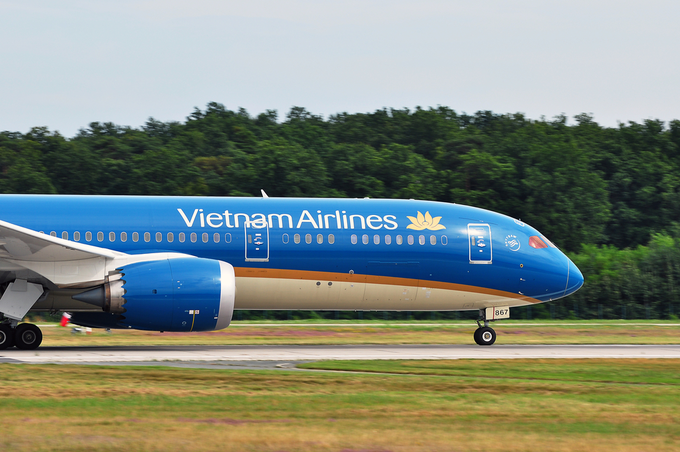
    Vietnam Airlines will operate two commercial flights from Hanoi to the U.S. in May, exclusively for U.S. nationals.

    One would leave at 9:45 a.m. on May 2 and arrive in San Francisco at 10:00 a.m. local time, and the other will depart from Hanoi at 6:20 a.m. on May 10 and land in Washington, D.C., at 1:00 p.m. local time, the U.S. embassy announced.

    The fare would depend on the number of passengers and could be higher than a normal one-way ticket, it said, calling for citizens who need departure assistance to register with the embassy by Tuesday afternoon.

    Vietnam has suspended all international flights as a containment measure against Covid-19 and thousands of foreigners are stuck in the country.

    Some special flights have been operated in recent weeks to repatriate Europeans and citizens of several Southeast Asian countries.

    The U.S. Federal Aviation Administration issued a Category 1 rating to the Civil Aviation Authority of Vietnam under its International Aviation Safety Assessment program in 2019, meaning it met safety standards to operate flights to the U.S.

    Vietnam has emerged as a favorite travel destination for Americans.

    The United States Tour Operators Association had said Vietnam was one of the hottest destinations for U.S. travelers in 2019, with 746,171 of them visiting, an increase of 10.8 percent from 2018.

  • Google launches restaurants menu-sharing app in Singapore

    Google launches restaurants menu-sharing app in Singapore

    Google in Singapore has launched a new menu discovery feature on its Google Pay app to make it easier for consumers to interact with local eateries and order food for delivery.

    Using the app, Singaporeans can browse menus, choose what they want, and contact the retailer director to order and pay. Depending on the vendor, customers can choose to pick up or have food delivered. A link in the app allows sharing with friends.

    More than 100 small food businesses such as coffee shops, hawker stalls, and restaurants have joined 150 large chains already on the platform, including Burger King, Canadian Pizza, Cedele, Da Paolo Group, The Daily Cut and Tuk Tuk Cha.

    “Quick food pick-ups and door-to-door deliveries are now a necessity, as Singaporeans stay home during this critical period,” explained Patrick Teo, director of engineering for payments and engineering site lead at Google in Singapore.

    “Like others in Singapore, we were sharing food menus among family and friends. So we thought, what if we could scale this and make this easier for consumers and restaurants? We rallied our employees to come together quickly and discussed ways in which we could offer a solution.”

    Early partners in the menu discovery feature include Kok Sen, O Banh Mi, Outram Park Ya Hua Rou Gu Cha, Blue Ginger, O.Bba BBQ Jjajang, and Nude Seafood.

    “We hope to make the process of discovering local eateries simple and easy, and support even the smallest businesses – like hawkers – and minimize disruptions to their business,” said Teo.

    “We have rushed to get this out and will continue to improve the experience and hope that the easy access to a variety of food options will help Singaporeans enjoy their meals safely at home and support small businesses during these tough times.”

    Samuel Phan Chee Chiat, the owner of Vietnamese eatery O Banh Mi, located at Tiong Bahru Plaza, says having an online presence during the lockdown period is critical as he turns to online delivery and takeaways to keep the business going.

    “O Banh Mi hopes to leverage this platform to reach out to both new and existing patrons, offer a more seamless mobile experience and ultimately contribute to our bottom line. It is with help from government agencies, landlords, and major players like Google that we are able to continue serving our signature Vietnamese dishes during this trying time, and in turn, protect the jobs of our valuable staff.”

    “Our world’s been turned upside down” added Hong Junchen, a partner in Nude Seafood, which has two restaurants in the city. “But it’s also an opportunity to transform.

    “We made early plans before the circuit breaker to introduce our delivery service, and that has helped to widen our customer pool beyond the office crowd and into the neighborhoods. We’re no longer limited by our physical location and can serve good seafood islandwide. With this new feature on Google Pay, we hope to tap on the app’s existing user base to create relevant exposure and visibility for our business, as well as to continue establishing a personal relationship with our customers during this trying period.”

  • AirAsia won’t be missed, says ex-aviation chief

    AirAsia won’t be missed, says ex-aviation chief

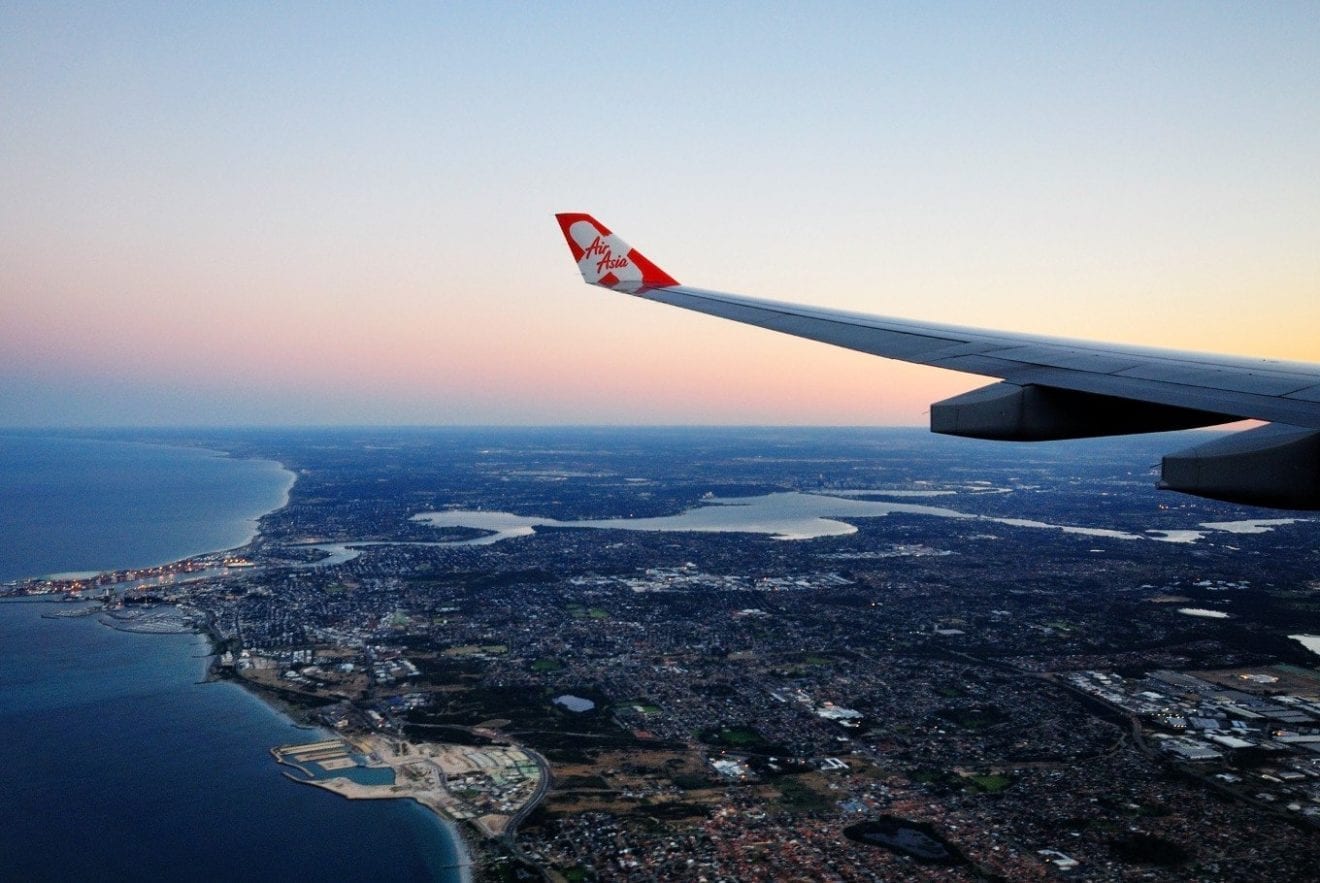
    Low-cost air travel will remain largely unaffected if AirAsia were to cease operations because of lost revenue caused by the Covid-19 pandemic, says an aviation expert.

    Malaysia’s former head of civil aviation, Azharuddin Abdul Rahman, said the impact on air travel and tourism would only be felt initially. Low-cost air travel would soar again after other airlines take up AirAsia’s flight slots. Aviation specialist and researcher Roger Teoh agrees, saying new airlines would be created to take the place of insolvent airlines in a survival of the fittest. Azaruddin said AirAsia’s flight slots would be a precious aviation commodity. The carrier had hundreds of slots every day.

    He could not imagine AirAsia closing shop after the airline had “changed the landscape of air travel, not only in this region but in Asia Pacific as well”. Azharuddin said there was a place for both low-cost carriers like AirAsia and legacy full-service carriers such as Malaysia Airlines.

    The two airlines have been at the center of recent speculation about a merger, with Malaysia Airlines suffering the impact of its long-standing financial problems.

    AirAsia recently announced that 96% of its 255-strong fleet had been grounded because of the Covid-19 pandemic. Its staff has been required to take pay cuts of between 15% and 75%, and aircraft manufacturer Airbus recently announced it would sell six aircraft on order by AirAsia.

    Azharuddin said the two airlines should form a partnership but remain as separate entities in order to stay competitive.

    The partnership could capitalize on the large 600 million population of Southeast Asia, with the Asia Pacific area as another catchment area, he said.

    Azharuddin said a MAS-AirAsia partnership could compete with Singapore Airlines (SIA).

    SIA recently merged with its low-cost spinoff airline SilkAir in February, before the height of the pandemic.

    ‘Root of AirAsia’s problems’

    Teoh, a researcher with Imperial College London specializing in aviation, said a merger between AirAsia and MAS would raise airfares over the long term from lack of competition.

    He said while it was not certain if AirAsia would cease operations, any potential exit of low-cost carriers would only affect the tourism industry temporarily.

    New airlines would be created to take the place of insolvent airlines, in a “survival of the fittest” with potential consolidation among existing airlines.

    Teoh said AirAsia management decisions were partly to blame for the airline’s problems. A sale and leaseback policy (in which aircraft was sold and leased back from the buyer) had resulted in higher operating expenses.

    He claimed that since this model was adopted in 2019, “AirAsia has not made an annualized profit”.

    RM5 billion raised from the sale of aircraft was then redistributed to shareholders as special dividends from December 2018 to August 2019, a move which cost AirAsia’s long-term financial health and resilience.

    Hedging on fuel prices at the end of 2019 had caused the airline to lock in its fuel costs, Teoh added.

    “They are not able to benefit from the cheap oil prices that we see today,” he said.

    “This is expected to result in a very large derivative loss in their coming financial statement.”

  • Facebook’s virtual Messenger Rooms allow up to 50 people to video chat simultaneously

    Facebook’s virtual Messenger Rooms allow up to 50 people to video chat simultaneously

    Thanks to the COVID-19 outbreak, people are connecting with their friends and family through video chat apps such as FaceTime, Duo, Houseparty, and Zoom. When Apple released iOS 12.1 in 2018, it updated FaceTime allowing 32 participants in a video chat at one time. Duo has been hiking the number of its simultaneous users to 12. Houseparty can handle eight participants at one time while Zoom’s free tier can handle as many as 100 users at one time.

    Today, Facebook said that some of its properties have seen heavy increases in demand for communicating by video. In many countries, Messenger and WhatsApp video calling more than doubled and more people are watching live streams “broadcast” by Instagram and Facebook users. So today, Facebook introduced Messenger Rooms. You can create a room from Facebook or Messenger and invite up to 50 people to join you in a video chat with no time limit. And you can even invite people to join you even if they do not have a Facebook account.

    Facebook says that it will soon allow users to create such rooms from Instagram Direct, WhatsApp, and Portal. If you’re invited to “enter” a room,  you can join from your phone or computer right away without having to download anything. And those with the Messenger app can spruce up their appearance through the use of Augmented Reality (AR) and Artificial Intelligence. With the former, you can add things like bunny ears, and with the latter, you can place yourself in selected locations using immersive 360-degree backgrounds.

    Those who create a room get to kick people out and can also lock a room if they don’t want any more people to join. In fact, the room creator gets to decide who can see the room and join it. And no one is stuck inside a room; anyone can leave whenever they feel like it. And yes, if you create a room you can block people you don’t like from entering, but you won’t be able to join their rooms. The new Messenger Rooms will be available in some countries this week and will be offered to the rest of the world in the upcoming months.

    Facebook says, “Host celebrations, gather a book club or just hang out on the couch with friends. You don’t need to call someone and hope it’s a good time or checks everyone’s calendar first. You can start and share rooms on Facebook through News Feed, Groups, and Events, so it’s easy for people to drop by.”

    Until we are able to better get a grip on the coronavirus, video chats are the safest way to stay connected to friends and family that don’t live with you. The free tier of Zoom can help 100 people “attend” virtual wedding reception and virtual weddings. Last week, New York Mayor Andrew Cuomo signed an Executive Order allowing people to get married in the state over video chat.

    On its privacy page, Facebook notes that it doesn’t watch your video calls (or listen to your audio calls for that matter). But it does collect data from Messenger Rooms whether you joined via the app or just walked into a room without having an account. The data collected is used to improve the experience of using the feature and Facebook says that it does not show ads in any of the Rooms and that video and audio from these Rooms are not used to “inform ads.” If you “walk” into a room without having a Facebook account, information like the device and browser you’re using is collected to, in the words of Facebook, “improve the Rooms product experience and to help keep Rooms safe and secure.

  • WhatsApp claims surveillance company used US-based servers to spy on users

    WhatsApp claims surveillance company used US-based servers to spy on users

    In May 2019, WhatsApp identified and fixed a loophole that enabled cybercriminals to install spyware on smartphones just by ringing the victim’s phone. The video calling system was exploited in particular and it did not require users to answer the calls.

    Around 1,400 users were affected, including journalists and human rights defendants in at least 20 countries. Later in October, the attack was blamed on the Israeli spyware developer NSO Group, also known as Q Cyber Technologies.

    Facebook, which owns WhatsApp, is now saying that US-based servers were used by the NSO Group to target WhatsApp users using signature Pegasus software.

    The social media company says that Los Angeles-based hosting service QuadraNet’s server was used over 700 times during the attack to install malware on the devices of WhatsApp users between April and May 2019. The spyware developer is also accused of using an Amazon-hosted remote server to launch attacks.

    When Facebook sued the surveillance firm in October, the NSO group denied the allegations, claiming that its technology is only sold to government clients.

    However, now that Facebook is accusing it of using US-based servers to stage attacks, it could weaken the software developer’s case. That’s because NSO had earlier said that it couldn’t run operations in the US.

    Additionally, Facebook has also challenged NSO Group’s claim that the case should be dissolved as its government clientele grants it immunity and also because of jurisdictional technicalities. Facebook says the company hasn’t named even one country it sold software to and it has provided no proof, such as a document, which proves its role was only operational. This could have helped absolve the spyware maker of the action of its clients. Basically, the NSO Group wants to get off scot-free just because governments seemingly use its products and Facebook isn’t buying that.

    The NSO Group, on the other hand, is still standing its ground. The company has reiterated that the Pegasus software doesn’t work in the US.

  • Thai Vietjet offers THB9 promotional tickets for flights from August

    Thai Vietjet offers THB9 promotional tickets for flights from August

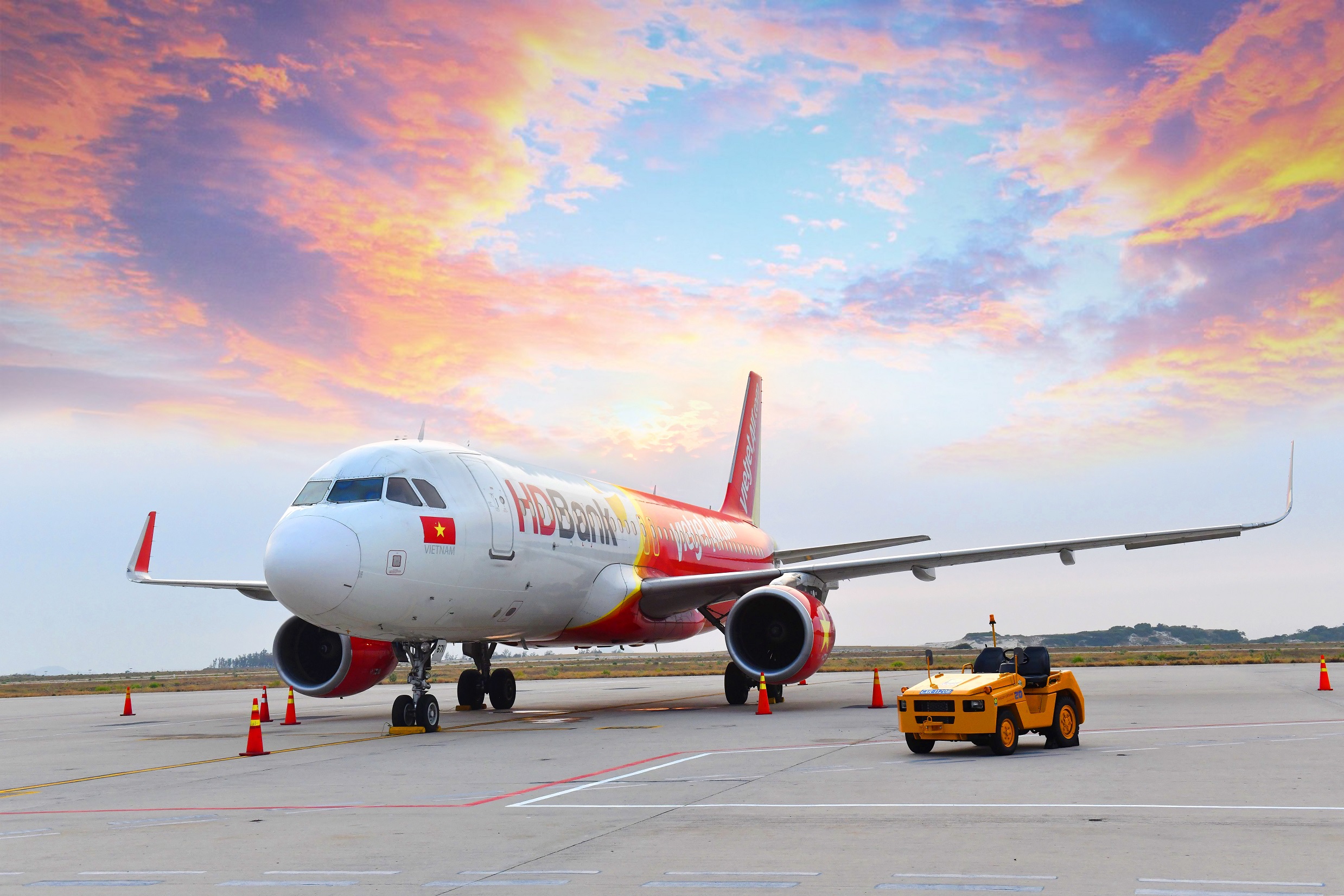
    Thai Vietjet is offering more than a million promotional tickets priced from only THB9 (approximately USD 28 cents) (*) for Thailand flights from August. Passengers can book the promotional tickets on Vietjet’s website from 27 April to 3 May 2020. Tickets are valid for travel between 1 August to 31 December 2020.

    The promotional tickets are applicable for all routes from Da Nang and Da Lat in Vietnam to Bangkok (Suvarnabhumi airport), and from Ho Chi Minh City in Vietnam to Udonthani. This also includes Thailand’s domestic routes from Bangkok (Suvarnabhumi airport) to Chiang Mai, Chiang Rai, Phuket, Krabi, Udon Thani, from Phuket to Chiang Rai, and from Udon Thani to Chiang Rai.

    More detailed information about the flight schedules will be available on Vietjet’s official channels including Vietjet’s website, hotline (19001886), official Facebook page, ticket offices and official agents of Vietjet. Payment can be easily made with Visa/ MasterCard/ AMEX/ JCB/ KCP/UnionPay cards.

    Vietjet is currently offering Power Passes that allows its holders to take unlimited flights within Vietnam. The two Power Pass options include the Power Pass Sky6 priced at VND8,999,000 (approximately USD 382) (*) for unlimited domestic flights until the end of 30 September 2020, and the Power Pass Sky12 priced at VND16,999,000 (approximately USD 724) (*) for unlimited domestic flights until the end of 31 March 2021.

    To improve public health and prevent the spread of COVID-19, Vietjet conducts disease prevention, thorough health check procedures for all passengers and crew before all flights and follows all mandatory requirements such as the wearing face masks. All Vietjet flights are in alignment with all global standards and guidelines from the local authorities, the World Health Organization and the International Air Transport Association (IATA) to ensure the health and safety for passengers, flight crew and the community.