Category: General

Retail News Asia is committed to providing both local and global retailers with the latest General Retail news throughout the Asian market. This on a daily base.

  • AirAsia counters most active after flight resumption announcement

    AirAsia counters most active after flight resumption announcement

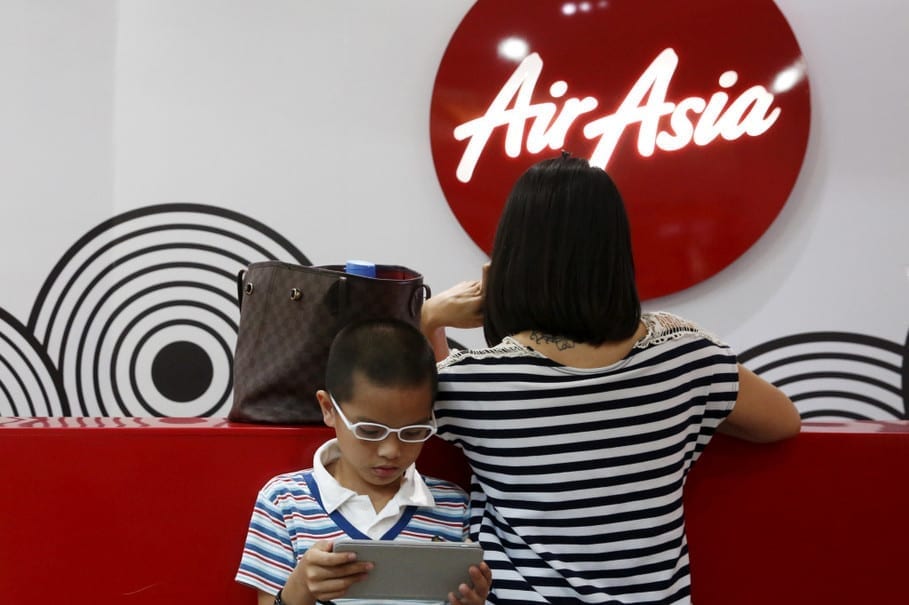
    AirAsia counters emerged as among the most active stocks on Bursa Malaysia today, after the low-cost carrier announced it will resume its scheduled domestic flights, beginning with Malaysia on April 29, 2020.

    As at 3.31 pm, AirAsia Group Bhd rose 8.5 sen to 87 sen with 151.61 million shares changing hands, while its long-haul arm, AirAsia X Bhd, increased by four sen to 12 sen with a sum of 440.99 million shares transacted.

    On Friday, AirAsia said beside Malaysia, the airline would also resume its domestic flight in Thailand and the Philippines on May 1, 2020, followed by India on May 4, 2020 and Indonesia on May 7, 2020, subject to approval from authorities.

    “The resumption of services will first be for key selected domestic routes, which will be increased gradually to include international destinations once the situation improves and governments lift borders and travel restrictions,” it said.

    AirAsia Group president (airlines) Bo Lingam said AirAsia has undertaken a thorough review of its guest handling procedures both on the ground and onboard in light of the COVID-19 pandemic.

    “We have been working closely with the airport authorities to ensure that all the relevant precautionary measures are in place to ensure a safe, pleasant and comfortable journey for everyone,” he said.

  • Covid-19 is accelerating the use of automation

    Covid-19 is accelerating the use of automation

    Companies are rapidly turning to automation to keep business running during the coronavirus outbreak, according to new research by Bain & Company.

    The firm’s data shows that processes are being automated to manage payroll, diagnose customer experience issues while call centers are closed, and resolve IT service issues. It is based on survey responses from nearly 800 executives worldwide.

    “The ongoing crisis forced companies to move their operations remote within a matter of days, underscoring a greater need than ever for automation technology to help maintain business continuity,” said Bain & Company partner Michael Heric. “As companies adapt to new routines and prepare for a pending downturn, automation solutions that might have been years away a few months ago, are suddenly right around the corner.”

    Companies are reporting cost savings of roughly 20 percent over the past two years from the implementation of automation, while nearly 45 percent of respondents report that their automation projects have not delivered the expected savings.

    The report shows companies lacking a rigorous automation agenda risk falling behind in their respective industries.

    The firm estimates the number of companies scaling up automation technologies will double over the next two years as the Covid-19 crisis likely accelerates.

  • The Global CBD Market: Will It Overtake THC?

    The Global CBD Market: Will It Overtake THC?

    CBD has come a long way since it was taken off the list of schedule 1 drugs a few years ago. It’s available online everywhere and in stores and dispensaries across the nation. It’s not only available in pharmacies like CVS and Walmart, but you can even buy it in stores like Abercrombie & Fitch and American Eagle Outfitters.

    There are also far fewer restrictions on growing and distributing CBD. Organically grown CBD from Oregon, for example, is becoming a widespread industry thanks to the integration of USDA regulations that help to monitor hemp growth and improve the final products. Colorado, Washington, Kentucky, and other states are also taking advantage of more lax industrial hemp laws to help turn the CBD market into a multi-billion-dollar industry.

    With the rapid growth and excitement around CBD, investors and fans alike are asking: Will CBD become more popular than THC?

    The answer to this question depends on who you’re talking to, but most of the evidence points to yes. CBD seems to be growing at an unstoppable rate, and the dollar signs just keep growing.

    2018 Began an Upward Swing for CBD Sales

    Market research shows that 2018 was the beginning of CBD sales as we know them now. The upward tick occurred even before the Farm Bill was passed at the end of the year, allowing more industrial hemp growth across the nation.

    During 2018, there was great political and media awareness of CBD, and that made consumers curious. When the FDA got involved and conducted a hearing on cannabis with more than 100 speakers sharing their opinions, that curiosity only grew. It increased sales just through simple curiosity.

    More than 10 percent of all dollars spent in a dispensary were spent on CBD in 2018, according to a BDS Analytics report. This was up 3 points from the previous year, a monumental growth in the industry.

    This was also the year that the creativity in the market started to explode. We went from having inhalable CBD and sublingual oil tinctures to having gummies, capsules, gel capsules, chocolates, coffees, and so much more.

    CBD to Be a $20 Billion+ Industry

    Multiple reports show that the CBD industry is slated to reach upwards of $20 billion within the next four years. BDS Analytics believes it will be worth $20 billion by 2024, which is 10 times what it was worth in 2018. Rolling Stone published a report recently stating that it would be a $22 billion industry, and other reports believe it will be worth even more

    Currently, the cannabis industry as a whole is worth about $52 billion with an anticipated growth rate of 18 percent. That means that CBD amounts to nearly half of all cannabis sales, and it could overtake current THC sales faster than you might think.

    Overall Consumers Seem to Prefer CBD

    When compared to the sales of CBD, THC seems to be far less popular than CBD. This could be because of the legal issues surrounding THC in certain states, but it’s more likely because CBD offers many of the benefits of marijuana without getting users high. For some, getting high is a nice perk, but for most, it’s very inconvenient to be high all the time in order to get the health benefits of the cannabis plant.

    CBD as an alternative form of medicine is very enticing to consumers. There are boundless claims to what CBD can do, and while we’re getting more research to play out the roles of CBD in human physical and mental health, the facts are still a little fuzzy on all CBD can do.But many consumers aren’t interested in the scientific facts about CBD. Rather, they like to hear what others are saying and how they feel with the substance in their systems. So far, the most common praises of the best CBD oil involve relief from the following ailments:

    • Anxiety
    • Pain
    • Inflammation
    • Depression
    • Epilepsy/seizures
    • Neuroprotection
    • Skin conditions
    • Overall health protection
    • Addiction recovery
    • Cancer symptoms treatment

    These claims are not groundless. We do have plenty of research on animals and some human trials that show positive results in these areas, and that’s enough for many consumers. They continuing buying CBD, whether or not it has a placebo or real effect on their systems. And these results are the reason why CBD has become so popular. Many people look for the best CBD balms, oils and other related products.

    The FDA’s Involvement Will Play a Large Roll

    Analytical reports on the state of CBD show that the FDA will be getting more involved in the future, and that could be a game changer for CBD. The FDA has been holding hearings and sponsoring research over the last couple of years to evaluate how best to get involved in the CBD market.

    The outcome of the FDA’s findings will be huge for the CBD market as a whole. If they deem CBD a useful medication and start regulating it like they do any other drug, the sales of CBD will skyrocket. Not only will consumers be more apt to purchase the products, but doctors will begin suggesting CBD to more patients.

    Big pharma will start buying up CBD and industrial hemp farms, laying out the groundwork for endless research on the product. They’ll develop medications and likely sell them at high price points, massively driving up the numbers for the CBD market. THC has played a role in pharmaceutical research, but the restrictions make it difficult for it to go mainstream, another way that CBD and THC markets differ.

    If the FDA determines that CBD should not be part of their federal regulations and that it’s more of a supplement, CBD sales will likely continue to grow at the same rate. Things will continue as usual.

    But if the government group decides that it’s harmful and starts marketing it as such, sales will no doubt plummet and CBD companies will be shut down all over the country. Thankfully for CBD users and those invested in the products, the chances of this occurring are very slim.

    This list of possibilities simply illustrates how the FDA has a great stake in the future of CBD. Any investors in the industry would do well to monitor the FDA’s stances on CBD during this coming year.


     

  • Service robots prove popular at height of pandemic

    Service robots prove popular at height of pandemic

    With the coronavirus pandemic continuing to spread relentlessly around the globe, “untact,” or non-contact services are emerging as a new trend, and demand for service robots to replace humans is also growing.

    The state-run Korea Trade-Investment Promotion Agency (Kotra) says interest in service robots has soared since they were employed in public-sanitation and service businesses to limit the spread of Covid-19 in China.

    According to the China Academy of Information and Communications Technology, 54 percent of all voice robots introduced in China were used more than 1 million times per day during the Chinese COVID-19 quarantine period, which lasted until February 7.

    According to an analysis of some 500 cases collected by the coronavirus artificial intelligence (AI) quarantine support information platform, the most popular products were service robots, big data analysis systems and smart recognition (body temperature measurement) devices.

    Service robots are divided into “professional service robots” used at companies and in public places and “home and personal service robots” used in ordinary homes.

    Among them, the market for service robots stood at US$9.46 billion as of last year, up 14.1 percent from a year earlier. The average annual growth rate of service robots over the past five years also stands at 21.9 percent.

    China’s service robot market stood at US$2.2 billion last year, accounting for 25 percent of the global service robot market.

    It is a figure that grew 19.6 percent year on year, with an annual average growth rate of 28 percent over the past five years, exceeding the global average. Furthermore, it is expected to grow to $4 billion in 2021 as demand rises.

    Chinese service robots have been focused on housekeeping, guest reception, customer service (in retail stores, restaurants and banks) and education, led by start-up companies.

    However, with the outbreak of Covid-19, service robots have drawn more attention in areas such as delivery, quarantine disinfection and patrol.

    In particular, during the coronavirus quarantine process, multi-function products for disinfection, temperature measurement, and mask-wear monitoring, rather than products equipped with one function, were notable.

    “The market for service robots is expanding through rental services, easing the initial burden of introduction compared to directly selling hardware,” Kotra said.

  • WhatsApp to increase group audio and video call limit in upcoming update

    WhatsApp to increase group audio and video call limit in upcoming update

    The current global crisis has led to an increase in communication services usage, but it looks like they’re able to cope with the demand for the time being. Even though it seems that there’s enough bandwidth to accommodate the spike in usage, many of these services require improvements.

    WhatsApp is in the process of upgrading its mobile apps with a couple of improvements that are meant to allow multiple users to participate in audio and video calls. WABetaInfo has learned that WhatsApp plans to extend group audio and video call limit on Android and iOS devices.

    Currently, WhatsApp users can initiate group calls with up to 4 participants, but a future update will increase the number of participants that you can invite in a group call to at least 6. It’s unclear what the final number will be, but we do know that WhatsApp will apply the same enhancements to the video call group feature.

    Neither of these improvements is available in the beta version of WhatsApp yet, but they are evident in some strings of code discovered by WABetaInfo. The changes are expected to be implemented in both Android and iOS versions of WhatsApp, but we don’t know when exactly they will be rolled out.

  • One in four Hong Kong retail stores set to close this year

    One in four Hong Kong retail stores set to close this year

    With sales decimated by the coronavirus crisis, and with little support coming from landlords, some 20,400 Hong Kong retail stores will close by year-end, according to research from the HKRMA.

    A study conducted amongst 152 retailers ranging from SMEs through to large chains shows most retailers will have insufficient resources to survive beyond June, even after the first round of government support.

    Respondents to the HKRMA (Hong Kong Retail Management Association) study collectively operate some 3350 stores and account for 23 percent of the territory’s retail workforce.

    So far this year, an estimated 5200 Hong Kong retail stores have closed permanently. With 62,400 retail stores still operating, the HKRMA predicts that a further 6600 stores will shutter between May and August, and another 8600 between September and December – totaling up to 20,400 stores by year-end, including those already closed since the crisis evolved.

    Just half of the retailers responding to the survey said they had received rental relief from their landlords – but four in five had found the support to be inadequate with rent reductions of less than 50 percent.

    Meanwhile, only 16.5 percent of retailers had found the government grant to be useful in their aid, with the amount not sustainable for continued operations in addition to restrictions on how the funds could be used.

    About 40 percent of survey respondents said they can sustain their businesses for only four more months at most, and only 20 percent of retailers for eight months.

    Thousands to lose their jobs

    Nine out of 10 retailers revealed a “severe to medium loss” in their business from the epidemic, more so than the initial impact from the social unrest in the past year. As the sector continues to struggle, two-thirds of retailers had forced workers to take unpaid leave and the majority of the remainder had laid-off workers or imposed pay reductions.

    While the Hong Kong government has implemented a HK$80 billion plan to subsidize employers to pay workers 50 percent of their salaries (capped at HK$9000 a month, or £930), in contrast, the UK government is offering a furlough scheme financing 80 percent of workers’ wages (capped at £2500 per month) during government-enforced lockdown periods.

    The HKRMA calculates that 10,400 employees in the local retail sector lost their jobs in the past three months alone.

    As the Hong Kong government prepares to launch a second round of pandemic-relief funds to businesses, the HKRMA warns that the amount of relief will be insufficient to cover the wages of all retail employees and lay-offs will continue.

    With Hong Kong retail sales already plunging 44 percent in February, the government subsidies have arrived too late, says the HKRMA, because retailers will be unable to continue trading through until the cash arrives in June.

  • AirAsia to resume flights in Malaysia

    AirAsia to resume flights in Malaysia

    Low-cost carrier Airasia is set to resume local flights in Malaysia on April 29, subject to the authorities’ approval.

    It said yesterday it has also set to commence flights in Thailand on May 1, the Philippines (May 1), India (May 4) and Indonesia (May 7).

    “The resumption of services will initially be for key selected domestic routes, which will increase gradually to include international destinations around the network, once the situation improves and governments lift borders and travel restrictions, ” AirAsia said in a statement.

    The low-cost carrier said flights are already open for booking via the airasia.com website and its mobile app.

    “Guests may use their credit accounts to redeem for these flights, ” it said, adding that further details on more routes and flight schedules will be announced in the coming weeks, subject to approval from the authorities.

    In the same statement, AirAsia Group president (airlines) Bo Lingam(pic below) said the group hopes to resume full operations as soon as possible.

    “We have undertaken a thorough review of our guest handling procedures both on the ground and onboard in light of the Covid-19 pandemic.

    “We have been working closely with the airport authorities to ensure that all the relevant precautionary measures are in place to ensure a safe, pleasant and comfortable journey for everyone.

    “At AirAsia, the safety and wellbeing of our guests and employees is always our highest priority.

    “We work actively with all our regulators, local governments, civil aviation and health authorities, including adhering to guidance from the World Health Organisation and International Civil Aviation Organisation to ensure the highest standards of compliance and conformance are in place for every single flight we operate in our network.”

  • FamilyMart Taiwan starting delivery service with Foodpanda

    FamilyMart Taiwan starting delivery service with Foodpanda

    FamilyMart Taiwan is partnering with the food-delivery platform Foodpanda to launch a delivery service.

    Starting Wednesday next week, the firm plans to offer delivery services from its 1000 outlets nationwide by June, with initial services commencing out of Familymart Taiwan’s 146 locations within Taipei and New Taipei. The service will be rolled out to the remaining outlets in two further phases.

    Deliveries will be made between the hours of 5.30 pm to 2 am on the day following the purchase, and will serve almost 200 of its food items including snacks, beverages, groceries and pre-packed meals.

    FamilyMart Taiwan partnered with Uber Eats last year to start a food delivery service before the advent of the Covid-19 pandemic. That partnership ended in March.

    The new partnership is expected to address the sharp rise in e-commerce trading in response to the coronavirus outbreak as consumers are staying home. The firm has seen demand for delivery of its products rise 15 percent since February, according to senior executive Lee Ching-hsien.

  • Google Debuts P2P Fund Transfers in Singapore

    Google Debuts P2P Fund Transfers in Singapore

    With OCBC enabling peer-to-peer (P2P) fund transfers on Google Pay, the city-state becomes the third globally to offer the service, after India and the United States.

    The integration means that OCBC customers can now transfer or receive payments directly from their bank accounts to or from anyone registered to PayNow using the Google Pay app, the bank announced in a statement this week.

    At the same time, bank account holders without credit cards can also Google Pay to make payments to merchants in Singapore.

    We have long rejected the ‘digital wallet’ approach that requires customers to top up an e-wallet and hold funds in one without earning interest. Instead, we put a lot of effort into developing OCBC Pay Anyone as an open-loop payment system, whereby customers literally ‘pay anyone’ directly from their bank accounts, Ching Wei Hong, OCBC head of Global Wealth Management & Consumer Banking, said.

    Introduced in 2017, Singapore’s national e-payments system PayNow enables digital payments directly between customers’ bank accounts and funds transfers using their recipients’ mobile numbers.

    The integration of Google Pay and PayNow is expected to significantly impact the adoption and usage of PayNow in Singapore, which already recorded more than 70 million transactions worth S$12.16 billion in 2019, OCBC noted.

    Google previously said it is looking at adding more banks to Google Pay, including DBS and Standard Chartered, with launches expected by the end of 2020.

  • WhatsApp to increase group audio and video call limit in upcoming update

    WhatsApp to increase group audio and video call limit in upcoming update

    The current global crisis has led to an increase in communication services usage, but it looks like they’re able to cope with the demand for the time being. Even though it seems that there’s enough bandwidth to accommodate the spike in usage, many of these services require improvements.

    WhatsApp is in the process of upgrading its mobile apps with a couple of improvements that are meant to allow multiple users to participate in audio and video calls. WABetaInfo has learned that WhatsApp plans to extend group audio and video call limit on Android and iOS devices.

    Currently, WhatsApp users can initiate group calls with up to 4 participants, but a future update will increase the number of participants that you can invite in a group call to at least 6. It’s unclear what the final number will be, but we do know that WhatsApp will apply the same enhancements to the video call group feature.

    Neither of these improvements is available in the beta version of WhatsApp yet, but they are evident in some strings of code discovered by WABetaInfo. The changes are expected to be implemented in both Android and iOS versions of WhatsApp, but we don’t know when exactly they will be rolled out.

  • WhatsApp for iOS to make it trickier to share images and links with recent contacts

    WhatsApp for iOS to make it trickier to share images and links with recent contacts

    Recently, WhatsApp has been fighting misinformation in regards to the coronavirus pandemic and has therefore introduced some restrictions on its app. This time, however, a new update is supposedly going to further restrict the app, but not because of COVID-19-related reasons. The change is said to affect only the iOS version of the popular messaging app.

    WABetaInfo reports that a feature for easy sharing of images and links on iPhone devices is going to be removed in the latest WhatsApp beta version. The feature was introduced earlier this year and is referred to as share sheet integration, which allowed, after long-pressing on what you want to share, to select a person in a list of recently used WhatsApp contacts and share the item without opening the app first.

    Unfortunately, though, this simple-looking feature seems to be proving unstable and its removal seems not to be related to the fight against the coronavirus misinformation. Reportedly, a lot of users have been complaining from crashes when using the feature.

    You will still be able to share links and images to your WhatsApp contacts, but you will have to first tap on the WhatsApp icon, which will reportedly then open the app. Additionally, the feature could be returned to the app at a later stage if the app’s developers find a way to assure it’s more stable.

  • Google helps you remember what you searched for with search terms chip feature

    Google helps you remember what you searched for with search terms chip feature

    Last year, Google updated the tab overview in Chrome with a nifty Grid Layout. Now comes another improvement to the search experience of the browser. The new feature, still in an experimental phase, adds a little search term chip on each tab in the preview screen showing the term you’ve used to get there.

    To activate the new feature, you should head to the chrome://flags page (type it in the address bar) and search for the Tab Grid Layout field. Tap on it and choose Enabled Search term chip from the drop-down menu. You have to Relaunch the browser to activate the change. After you complete these steps, whenever you perform a search through Chrome’s address bar, the search term will appear on the thumbnail for the tab of the page you opened. The feature works with other search engines as well, as long as you’re using the Chrome browser.

    The little term chip appears at the bottom of the thumbnail when you tap on the tab switcher icon. If you tap on the search term itself, you will go back to your search results on Google. This feature can be extra useful if you like to open dozens of tabs in Chrome and sometimes wonder what brought you to a specific page.

  • Asian consumer behaviour may change forever after Covid-19

    Asian consumer behaviour may change forever after Covid-19

    New research has shown that some shifts in Asian consumer behavior in response to the coronavirus outbreak could be lasting beyond the pandemic.

    And that is something that should prompt food retailers to act – and in some cases, accelerate – the changes they have already made in response to the crisis.

    The survey, conducted by US management consulting firm McKinsey & Company, is based on research conducted with more than 5000 consumers in Asia across seven countries – Australia, China, India, Indonesia, Japan, South Korea, and Thailand. The data determined that there are four areas within the food industry that may need to be reimagined following the end of the crisis.

    Firstly, food retailers should reimagine the safety, health, and scope of their supply chains.

    Consumers across the countries surveyed appeared to care more about in-store safety and to prefer healthy, locally sourced offerings than they did before Covid-19. Consumers have shown a heightened awareness of hygiene and cleanliness that may remain important in the post-coronavirus period.

    The data on Asian consumer behavior showed an increase in the consumption of products perceived by consumers to be healthy, such as fresh food, eggs, dairy, and bottled water – and a drop in purchases of alcoholic beverages and snacks.

    The research suggests retailers should rethink their offerings and provide healthier, more locally sourced products with a smaller environmental footprint. To meet rising customer expectations, companies should rethink the safety of the customer journey – for example, by using technologies such as self-checkout and cash-free transactions to reduce risks.

    Secondly, retailers should reimagine how technology can enhance delivery services. The survey results show consumers are shifting their food spending online and have yet to return to their normal spending levels for food service. Responses suggest an opportunity for grocers to digitalize their stores.

    Respondents in most countries showed a 30–70 per-cent drop in preferences for dine-in spending and an increase in grocery shopping and purchases of ready-made food in grocery stores, which consumers tend to prefer more than meal delivery from restaurants.

    Consumers are indicating they intend to continue shopping online at the new pace.

    To respond to the current crisis and meet future ones, food retailers should scale up their e-commerce channels and their capacity for home delivery, perhaps by partnering with last-mile players and cold-storage warehouses; by expanding shifts in existing warehouses; by using hybrid picking models or by converting some retail locations into dark stores.

    Thirdly, retailers should reimagine the meaning of value for money. People are currently concerned about the pandemic’s impact on their personal incomes, and consumers are willing to forgo planned future purchases because of uncertainty related to Covid-19. To address these shifts, food retailers should rethink their promotional calendars to safeguard their marketing spending for use only when needed to stimulate demand, either for discretionary products or for post-crisis essentials to meet people’s desire for value.

    Finally, retailers should reimagine loyalty. During the crisis, Asian consumer behavior has reflected loyalty to retailers and brands offering essential products in their assortments. The location and availability of goods have been the primary reasons why consumers have changed stores, rather than promotions or pricing.

    Retailers are advised to determine which stores are being affected disproportionately by customers shifting to other primary stores. Targeted marketing may help bring these customers back, as would retailers finding a way to better communicate the efforts they are taking to support customers and their societies more broadly.

    These measures should help retailers be better equipped to provide employment opportunities to people who are currently out of work, reshape their industry ecosystem, and work closely with business partners on how to operate under the new normal.

  • Google Play Store update helps parents find content for their shut-in kids

    Google Play Store update helps parents find content for their shut-in kids

    Parents of young children are really having a tough time with the stay-at-home orders. Not only do they have to try and entertain their kids 24/7, but the parents also have to explain to them why they are stuck at home. Most kids that understand death will worry about their own demise and will be frightened at the possibility that their parents could die. Children this young probably should not be allowed to watch or listen to the news.

    To help parents find things for their kids to do, Google announced that starting today, it will be adding a new Kids tab to the Google Play Store. Tapping on the tab will deliver what Google calls “teacher-approved” apps that are “both enriching and entertaining.” Parents can browse the Play Store looking for apps with the “Teacher approved” badge, or they can check the Kids tab when it appears on the Play Store app on their Android devices. The update should be received by U.S. Android users during the next few days and will roll out the feature to international users during the coming months. And those with a Google Play Pass subscription can find such apps under “Apps and games for kids.” Google Play Pass costs $4.99 a month for unlocked access to over 350 apps. While there is normally a 10-day free trial, right now Android users can grab a 30-day free trial of the service throughout the month of April.

    The launch of the new tab was pushed up after Google was told by parents testing it how useful the Kids tab is, especially during the times we live in. Those checking out the tab might not spot their favorite kiddie apps, but Google notes that it is adding new content as fast as possible. Apps in the Play Store that are approved by educators have a page that shows why they received such acclaim. Google explains what age group each of these apps is appropriate for and what makes each individual app fun & engaging. It also notes what makes a particular app creative and the positive emotions elicited by this title.

    Google says, “Today’s announcement wouldn’t be possible without teachers who’ve been working closely with us for the last few years to curate apps that can help kids develop, grow and have fun. We trust teachers to enrich our kids while they’re in school, and we’re grateful they’ve shared their expertise to rate the apps kids use when they’re not in school as well.”

  • Coronavirus lockdown to slash Malaysian retail sales

    Coronavirus lockdown to slash Malaysian retail sales

    The six-week-long coronavirus lockdown is expected to slash Malaysian retail sales by 60.7 percent this month as non-essential stores are forced to close.

    Retail Group Malaysia, which calculates data on behalf of the Malaysia Retailers Association, estimates that retail sales for the full year will drop by 5.5 percent, should the government’s Movement Control Order be lifted at the end of this month. It has already been extended from March 18 until April 28

    RGM’s MD Tan Hai Hsin told The Edge that the majority of the nation’s retailers are recording zero sales this month. “This has never happened before in history”.

    While online sales have surged in Malaysia since the coronavirus struck the nation, and consumers are spending more on food and groceries, categories like jewelry, furniture and luxury goods have been decimated.

    Last year, Malaysian retail sales grew by 3.7 percent to RM107.5 billion (US$24.8 billion), but RGM is now forecasting RM101.6 billion ($23.45 billion) for the full year, a figure which must take into account a rebound once the lockdown order is lifted.

    The MRA estimates 209,000 stores have been forced to close during the lockdown and 90 percent of stalls and markets have been affected, which previously accounted for 63 percent of the nation’s total retail sales. The remaining 126,000 stores classified as essential include supermarkets, hypermarkets, convenience stores and pharmacies.

    Meanwhile, RGM has estimated that operating costs, including staff and store overheads, are likely to reach RM20.48 billion (US$4.7 billion) during the lockdown which retailers will have to carry in the absence of sales.

    It is, as yet, unclear the volume of online sales during the period and whether these will help mitigate in part the sales decline of any non-essential retailers.