Category: General

Retail News Asia is committed to providing both local and global retailers with the latest General Retail news throughout the Asian market. This on a daily base.

  • YouTube will now delete videos claiming that 5G is linked to the coronavirus outbreak

    YouTube will now delete videos claiming that 5G is linked to the coronavirus outbreak

    After recent events, related to some conspiracy theories linking the ongoing coronavirus pandemic with the development and launch of 5G networks around the world, social media giants were urged to better moderate misinformation and harmful theories on their platforms. BBC now reports that YouTube has decided to impose a more strict policy in regards to related to the topic video content.

    Recently, 5G conspiracy theories have gained popularity and are now causing people to even vandalize cell towers. Groups, inciting violence, have been emerging on Facebook and the company has already removed several of them.

    YouTube, however, classified such theories as “borderline content” and its algorithm was only restricting their popularity on the platform. However, this seems to be changing now, as YouTube removed a video with an interview with the conspiracy theorist David Icke, who linked the virus outbreak to the existence of 5G networks.

    The theory has been denounced by scientists that indicated that 5G radio frequency is not strong enough to damage living cells and is even weaker than the electromagnetic frequency radiation of sunlight.

    In consequence of David Icke’s already removed YouTube interview, more people were calling for attacks on 5G towers.

    A YouTube spokesperson stated that videos that promote medically unsubstantiated methods to prevent the coronavirus are against YouTube’s policy and will be removed. Additionally, every content that disputes the existence or transmission of the virus, as described by the World Health Organization or local health authorities, will be considered against the policy and therefore, will also be deleted.

  • New World launches vending machines offering free face masks in Hong Kong

    New World launches vending machines offering free face masks in Hong Kong

    New World Development, parent of the K11 malls across Greater China, has launched 35 vending machines dispensing free face masks in Hong Kong.

    Partnering with eight non-government organizations, the group has placed the smart vending machines across 18 districts in Hong Kong. The “Mask To Go” machines will dispense free face masks in Hong Kong that have been designed, produced and manufactured locally by the group. New World Development currently has two local mask production lines and will open two more next month with a target of making 7 million face masks.

    As the number of Covid-19 cases continues to rise globally in addition to Hong Kong’s second wave of imported and locally transmitted cases, Adrian Cheng, executive vice-chairman of New World Development finds the cause close to heart: “Medical face masks are an essential protective tool in our fight against Covid-19… It is heartbreaking to see so many people suffer because they simply cannot afford or get a hold of masks, which have become so costly and scarce”.

    The group had previously also donated HK$10 million to establish a ‘Community Anti-Epidemic’ fund offering more than 2 million masks and 10,000 hygiene kits to low-income families in Hong Kong.

    The NGOs will provide contactless redemption cards specifically for disadvantaged and low-income groups in the community such as the elderly, disabled and children. The scheme is expected to benefit more than 40,000 people in the community. Consumers can also download a mobile app and register on it to eliminate queueing and reduce touch points. Each consumer will be able to retrieve a free pack of five masks every week and is expected to run its course over the next 10 weeks. Any extension of the program will be determined after monitoring the pandemic’s impact and spread before more NGOs are invited to participate.

    Previously, New World Development launched a CSR campaign #LoveWithoutBorders donating RMB50 million and 5.5 million masks to partners and local communities in Asia and Europe. Additionally, the group has sourced, delivered and donated 2.5 million masks to partners in South Korea, France, Italy and the UK, distributed through local embassies and consulates.

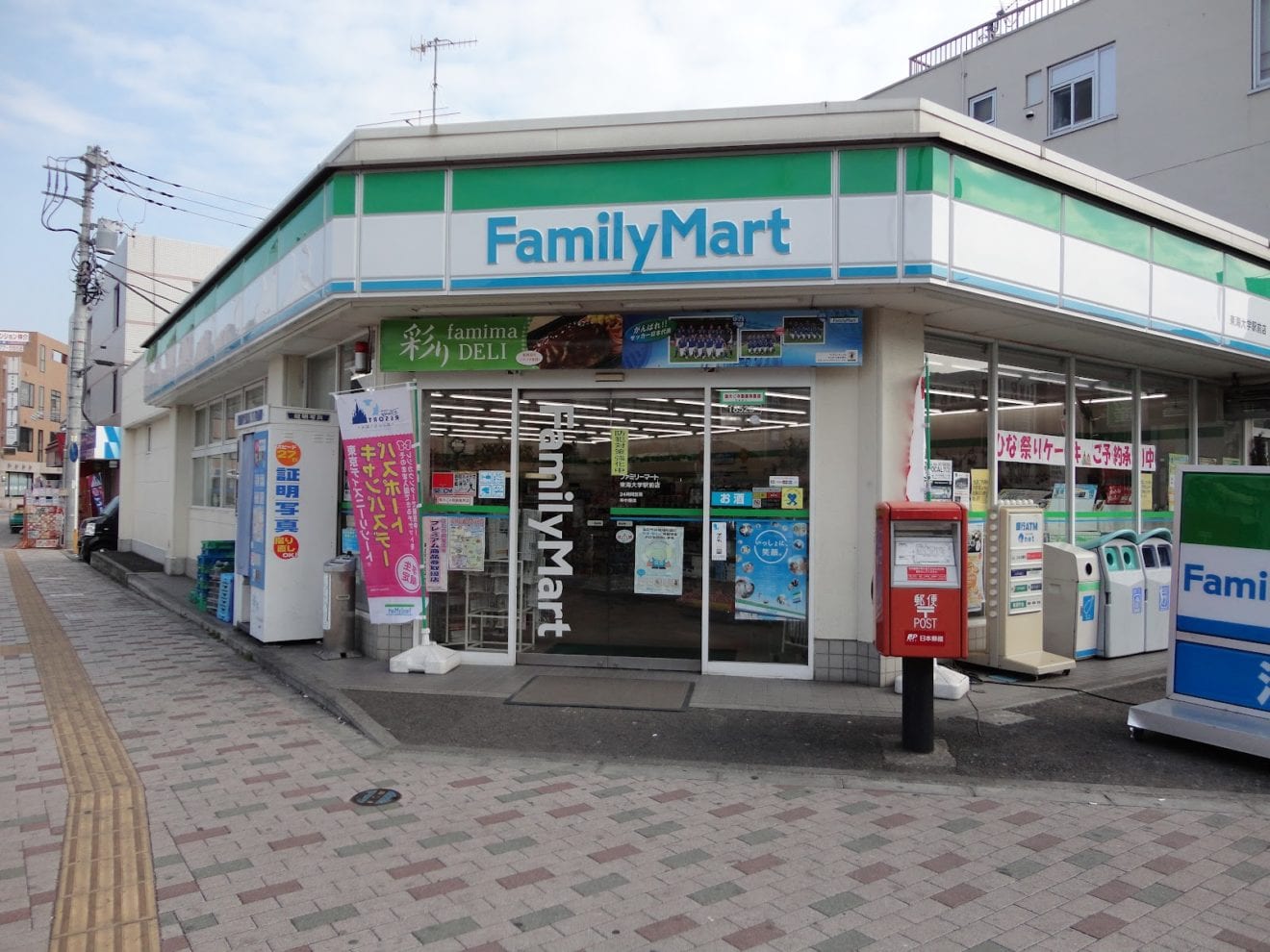
  • FamilyMart Taiwan plans rolling out 200 new stores

    FamilyMart Taiwan plans rolling out 200 new stores

    Familymart Taiwan is aiming to open 220–230 new stores in the territory this year, as the Japanese convenience-store chain franchise, emerges unaffected by the coronavirus turmoil.

    The firm’s takings in this year’s first financial quarter are anticipated to rise 8.4 percent year -on year to NT$19.71 billion (US$652.3 million). FamilyMart Taiwan reported net earnings of NT$1.83 billion ($60.56 million) last year.

    The franchise has suffered minimal fallout from the coronavirus pandemic, with only a low percentage of its earnings derived from operations in Mainland China.

    The firm is the second-largest convenience-store chain in Taiwan, operating 3606 locations nationwide and more than 1200 stores in nine cities on the mainland. The number of closed stores in China dropped from 600 to 100 last month as the Covid-19 pandemic eased. The firm expects operations in China to normalize in July.

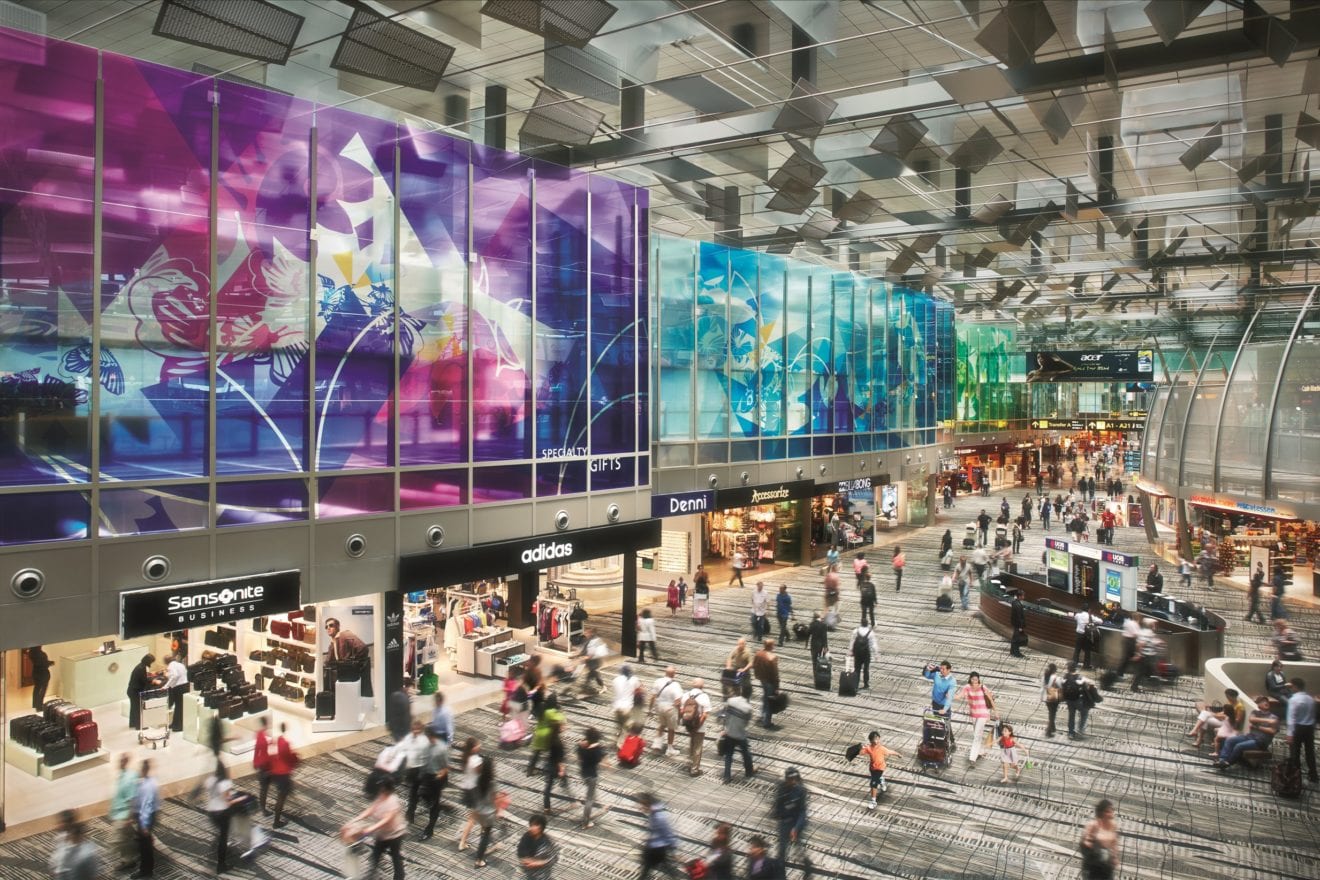
  • Changi Airport to consolidate terminal operations from May 1st

    Changi Airport to consolidate terminal operations from May 1st

    Singapore’s Changi Airport will close its Terminal 2 from May onwards, consolidating its operations in response to a steep decline in passenger traffic caused by the coronavirus outbreak.

    Given the unlikelihood of a return to normal passenger numbers in the near future, Changi will shutter the terminal, allowing ongoing upgrade work to be accelerated.

    The move will enable stakeholders to save on running costs and optimize resources across the airport’s terminals to better match the low travel demand and airlines’ flight operations.

    The suspension of operations will allow the current Terminal 2 expansion works, currently scheduled for completion in 2024, to be brought forward by up to one year.

    Additionally, the airport’s Terminal 4 operations have been scaled down, with a small number of aircraft boarding gates kept in use and shops allowed to close early. Changi may also consider suspending operations at the terminal until normal flights resume.

    “Even as our airport capacity is being optimized for the current situation, we will have the flexibility and we stand ready to ramp up operations quickly once the recovery takes place,” said Changi’s executive VP of airport management Tan Lye Teck.

    Rentals for retailers operating in D4 have been waived for two months due to very low passenger traffic in the terminal.

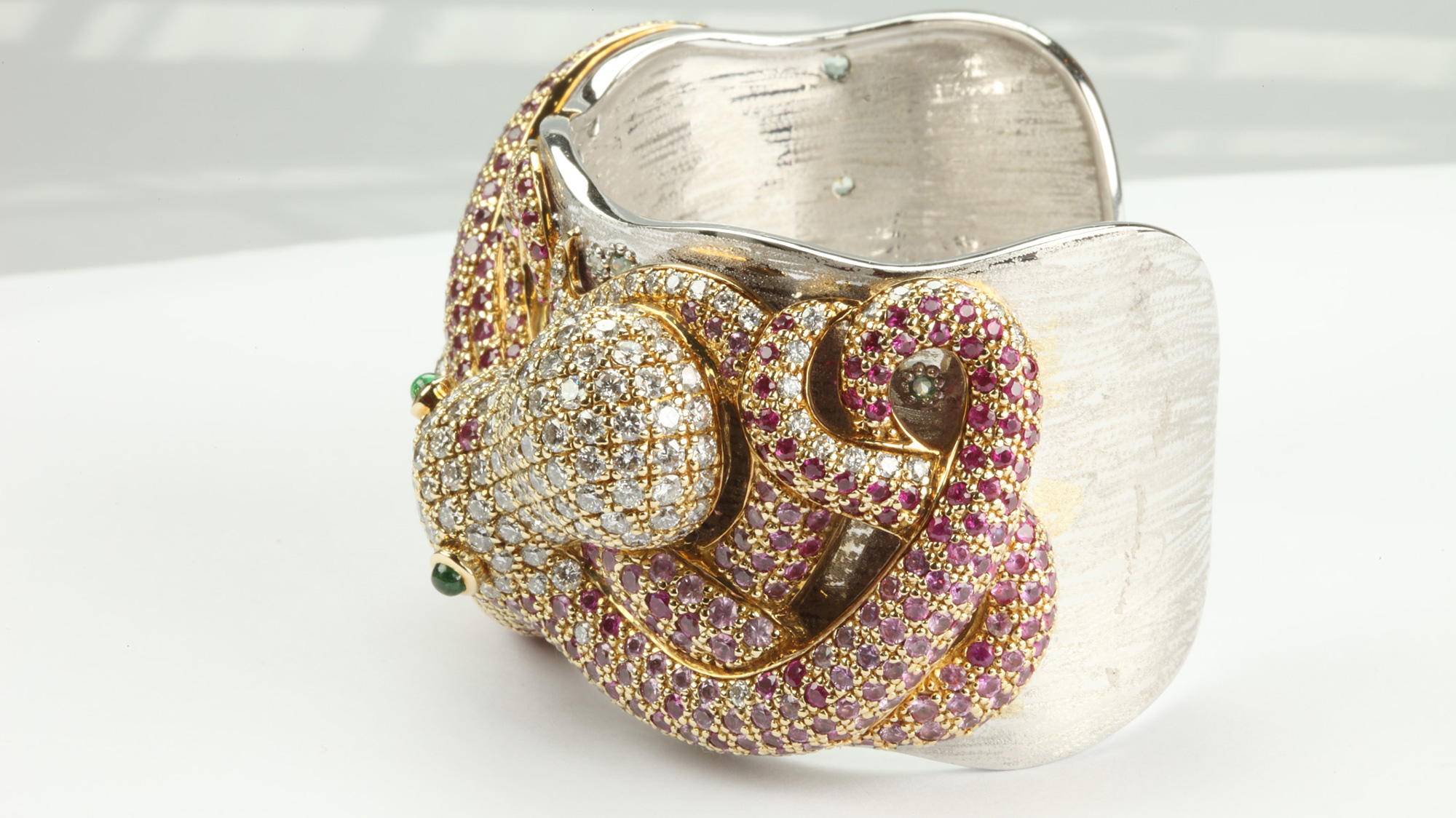
  • How Chinese jeweller Ideal transformed staff into live-streaming KOLs

    How Chinese jeweller Ideal transformed staff into live-streaming KOLs

    Shenzhen’s multi-brand jeweler Ideal has transformed its 18-year-old traditional business model to a New Retail business virtually overnight in light of the coronavirus crisis.

    The retailer rolled out a transformation initiative dubbed “Thousand People, Thousand Stores” by establishing ‘online cloud stores’ through live streaming, turning its ranks of sales associates into live stream broadcasters.

    The jewelry industry traditionally has a high dependency on physical brick-and-mortar outlets due to the nature of the high-ticket items it sells. However, with the pandemic forcing stores to shutter and consumers to stay home, Ideal fast-tracked its New Retail plans originally scheduled for launch in May to navigate the coronavirus crisis in February.

    With several brands under its umbrella, the group had first trialed community marketing with its sister brand Cemni where it garnered more than 100 fan-community groups engaging with more than 50,000 people within three days of launching online. The retailer has admitted it was difficult to turnaround multiple subsidiaries and sub-brands, resulting in a huge test of agility and resilience as it created a virtual ‘store’ experience to replace physical shops.

    The push to go online was undoubtedly driven by the digital-savvy Gen Z consumers in addition to the rising competition from decentralized D2C jewelry brands. Shifting its focus from its traditional business model, Ideal had developed a new younger range of fashionable jewelry pieces, different to its offline offer, to attract a new customer segment online. Its brand-new product selection showcases fine jewelry pieces at an economical price point starting at RMB1000 (US$141), with a diamond ring valued at RMB3000 ($424). Ideal also plans to introduce more luxurious and high-value pieces into the mix as its client base matures with stabilizing spending power.

    The transformation of jeweler Ideal’s physical store network into an online business involved transitioning its in-store sales staff to become live broadcasters, each managing their own ‘store’. Ideal chose to partner with YouZan, a SaaS retail-software and service provider that builds mini-programs within WeChat, which enable brands and influencers to sell natively within the platform. Using YouZan’s platform as a virtual warehouse, its retail stores, and sales associates can now collectively share the total warehouse inventory nationwide.

    The brand curated most marketable products for its online entity and had set up sales associates with YouZan accounts to transact through their own private domains within their WeChat community. Under the new business model, sales associates earn a commission ranging from 10 to 50 percent on each sale, a huge jump from the original 3 percent an employee would have received from in-store sales. With high incentives set in place, Ideal hopes to encourage its sales associates to be more aggressive with their selling. Very early results show more than 2000 pieces sold, achieving more than RMB2 million ($282,000) in revenue. On Valentine’s Day, the brand also sold a 5.01-carat diamond ring for RMB99,000 ($14,000) online.

    To maintain the interest of its franchisees, Ideal has also broadened its transformation strategy to include its partners into the New Retail system. Franchisees’ sales staff are incorporated into the New Retail model, and will not need to carry the cost of goods or the risk of returns.

    IiMedia Research predicts live-streaming e-commerce will hit RMB916 billion (US$129 billion) in value this year and reach 526 million users online. Ideal transformed its sales associates into KOLs firstly by nurturing and empowering them through online training courses. Expanding its existing online business school from 2010, the retailer has supercharged its course-based system to launch more online live courses nationwide. A grading system for sales associates has been set in place with training content customized to their level.

    Ideal has also partnered with an agency managing Tmall live broadcasters to direct and guide its sales associates. Jewelry expert and KOL broadcaster Lan Congge was recruited to train and empower Ideal’s employees in how to successfully upgrade their broadcasting skills to maximize sales.

    Jeweler Ideal has tasked each regional team with pushing out and endorsing the group’s New Retail plan among its employees. Regional stores have curated their own selections according to the consumption characteristics of their local customers. Yet, certain cities with a stronger consumption power are directed to specialize in content creation whereas stores in prefectures are to create more personal and interactive content during live streaming by acting as a personal stylist, offering peer advice and using discounts and promotions to attract new sales.

    As older members of the community are synonymous with existing customers, sales staff look to retain their client base through promotional activity such as birthday offers and personalized recommendations. To attract new and younger clients, sales associates are encouraged to create an interactive and dynamic selling atmosphere such as using flash sales and QR codes for direct orders as a means to shorten the conversion path.

    Bytedance’s short video platform Douyin currently reaches more than 400 million daily active users making it one of the most powerful social media platforms in China. The unique selling point of jeweller Ideal has always been storytelling, so now the company plans to begin marketing the story of the brand and its culture on Douyin.

    As part of its strategy to boost exposure and manipulate its algorithm, the aim is to have each virtual store follow the brand’s main account. From there, Ideal’s official account will reverse-generate interest to each of its individual smaller stores. The Douyin profile will provide content support for thousands of its virtual stores to drive traffic and popularity and in turn boost sales.

    However as Douyin’s e-commerce features are still maturing, Ideal will focus for now on leveraging the platform’s user base to promote its brand culture, while pushing the platform to develop e-commerce as part of its longer-term plan.

  • Retail real estate investors in Hong Kong searching massive discounts

    Retail real estate investors in Hong Kong searching massive discounts

    Retail real estate investors in Hong Kong are seeking discounts ranging from 30 to 50 percent compared to previous peak prices, according to data from real-estate company Savills.

    However, for now, even fewer retail landlords are willing to entertain such price reductions, preferring to hold on to their assets, according to the company.

    “Volumes in both the office and retail investment markets are tapping new lows making price discovery problematic, but deals are still being done, even in these tough market conditions,” said Peter Yuen, MD, head of investment & sales.

    “A more protracted recovery will increase the likelihood of finding distressed stock at deep discounts later in the year.”

    The global spread of the virus, stricter controls on borders and limits on social activities have fuelled a dramatic reduction in retail sales and visitor arrivals in the territory, which fell by 96 percent in February. Savills said retail landlords are finding it hard to retain tenants and sustain occupancy even with deeply discounted rents and generous rental concessions.

    Prime high-street shop prices fell by 6.5 percent during the first quarter of this year according to Savills, with Tsim Sha Tsui and Mong Kok – two shopping districts popular among mainland visitors – registering greater declines.

    “The retail market peaked in 2014 and has seen a particularly steep adjustment since then,” said Sharon Fong, senior director, retail sales, investment & sales.

    “More recently the social unrest and the virus has been a perfect storm for the sector while at the same time underlying fundamentals are being disrupted by e-commerce so even after the outbreak, investors are unsure what future we will emerge into.”

    Simon Smith, a senior director, research & consultancy, added that while commercial investment sentiment has hit a new low in Hong Kong, China’s cautious economic recovery, the benign interest rate environment, tight short-term commercial supply conditions and further rounds of fiscal stimulus may help to sustain price levels affecting retail real estate investors in Hong Kong.

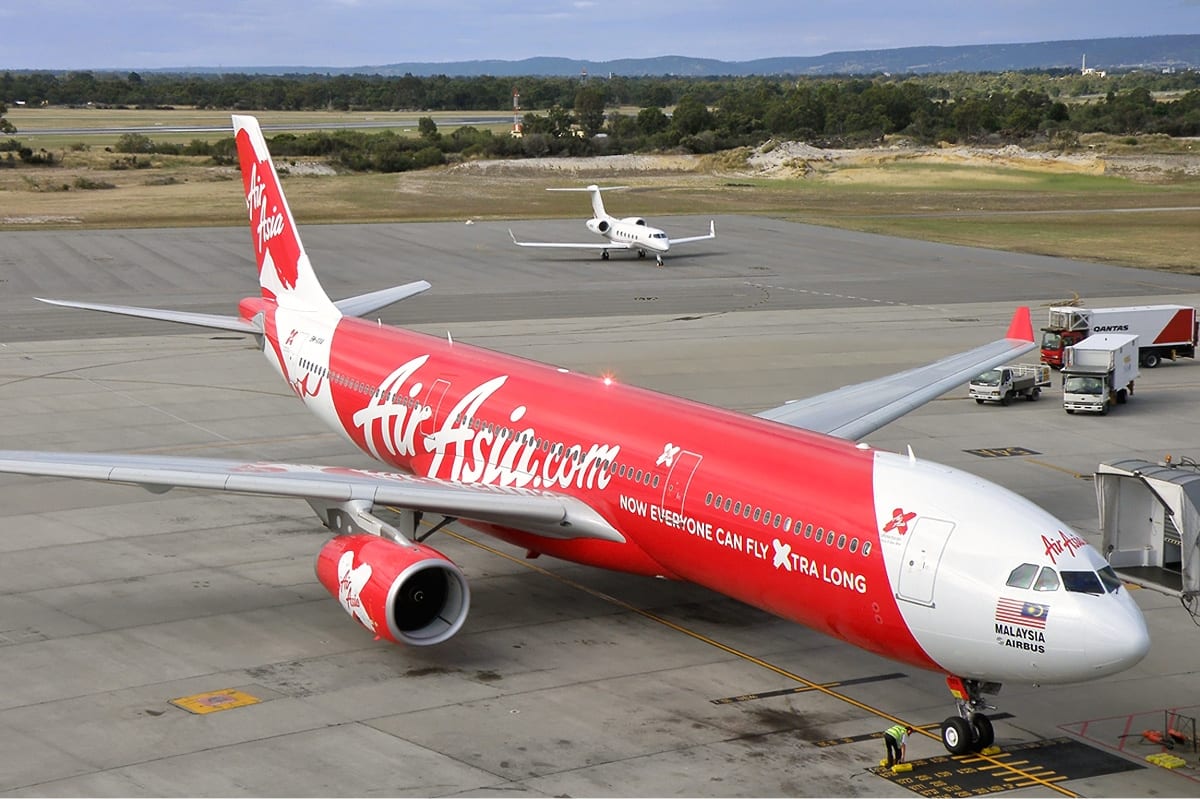
  • AirAsia’s burden adds on with asset-light strategy

    AirAsia’s burden adds on with asset-light strategy

    AirAsia has quite a bit going for it. It has cash, RM2.59bil of it, a strong business model and a brand-name that naturally is a crowd-puller in any markets it ventures.

    However, the low-cost carrier knows it is not in a comfortable position in its course of navigating out of the economic maelstrom in the aviation industry caused by the coronavirus disease (Covid-19) pandemic. Firstly, the airline has high commitments to begin with by moving to an asset-light business model.

    It may be a good way of doing away with the residual risk of owning aircraft but in times of downturns, it is the airlines that will incur additional cost for leases.

    And this is proven with AirAsia’s fourth-quarter results for the financial year ended December 2019, where it dipped further into the red by 35.9% to record a net operating loss of RM373.95mil.

    Based on the 2019 unaudited results, leasing charges comes up to RM505.87mil while staff cost is another RM1.78bil.

    Coupled with other fixed overheads such as rentals and finance cost, the burn rate a month can come up to RM200mil, even with none of AirAsia’s flights in operation.

    The group has temporarily suspended all its international and domestic flights in its Malaysia operations for about a month and also in the region, including the Philippines, Thailand and India.

    In Indonesia, it is significantly reducing the frequency of its international and domestic flights.Assuming that everything is back on track with flights operating at their usual frequencies, AirAsia would be incurring additional expenses such as fuel cost, maintenance and overhaul and user charges.

    Based on the 2019 accounts, this would easily add RM300mil more per month to its cost.

    However, the low-cost carrier would generate some amount of cash flow to mitigate its cost.

    “The drawback is the operating cash inflow would not pick up quickly unless a vaccine is found for Covid-19, ” says an analyst.

    And the RM2.59bil, or whatever that is left now after the first quarter, is the only buffer the airline has when it resumes business operations.

    The group knows it cannot be taking any chances and it needs to raise as much cash as it can, which is why it is seeking out a loan from the government.

    This is also why group chief executive officer Tan Sri Tony Fernandes told Bloomberg Markets that it is going to be an uphill slog, even with his team having a lot of ideas to get going again.

    “No bailout. You don’t need a bailout. Obviously many airlines are looking at loans and we think the cash will last us for the most part of this year.

    “And when the sales return, then we’re okay. It’ll be great to get a loan as well and we’re working on that with our government, ” he told Bloomberg.

    The budget airline knows there is no way it is going to get easy money or cheap loans so the best bet is still the government and Fernandes is confident something will transpire out of the airline’s recent meeting with it.

    After all, AirAsia has a high bargaining power with it ferrying the bulk of passengers into Malaysia and domestic flights, which allows it to boast of accounting for 1.8% of the tourism industry’s contribution to the gross domestic product (GDP).

    The question now is, how much cash does it need and at what price would it come?

    Or will it be easier for shareholders to fork out money for a rights issue considering they have been amply-rewarded in the past two years?

    Shareholders of AirAsia have made a pile of cash over the last 18 months from dividends that the group has been giving out, largely from its strategy to go asset-light.

    The airline declared a record special dividend of 90 sen a share in May last year after it sold its 25 aircraft to US-based private investment firm Castlelake LP for US$768mil (RM3.22bil).

    Back in March 2018, it entered into a sales and leaseback arrangement with BBAM Ltd Partnership involving 79 aircraft and 14 aircraft engines, of which AirAsia received US$1.19bil (RM4.62bil).

    There was another special dividend of 40 sen declared for the third quarter of 2018, on top of the interim dividends of 12 sen each for the first and fourth quarters.

    Just from the two years, shareholders have pocketed RM5.15bil in dividends.

    The sales and leasebacks of the aircraft may have made the group asset-light but the commitments of the lease itself has become a huge burden to the airline.

    On the rumors of a merger between AirAsia and Malaysia Airlines, sources say it is unlikely to happen.

    “Malaysia Airlines’ burn rate is not likely to be as high as AirAsia. AirAsia employs 29,000 people while MAS has far fewer workes.

    “Moreover, AirAsia has commitments to take up new planes while MAS does not. So there really is no push for a merger, ” says an executive familiar with the airline industry.

    Instead, Khazanah Nasional Bhd, which owns 100% of Malaysia Airlines, might want to take a stake in AirAsia if the offer is cheap.

    “But there won’t be any merger. It is during a crisis like this that shows that you truly need a national airline on a standalone basis.

    “With AirAsia temporarily hibernating its planes, Malaysia Airlines is the only one prepared to fly, ” the source says.

    Year-to-date, AirAsia’s share price has declined 50.89% from RM1.69 to 83 sen as of yesterday’s close.

  • Sustainability concerns on hold as Covit 19 virus wreaks havoc

    Sustainability concerns on hold as Covit 19 virus wreaks havoc

    The coronavirus pandemic has slowed progress on sustainability issues in the retail industry, says GlobalData analyst Emily Salter.

    While sustainability was a buzz word last year and set to be a key focus of retailers through 2020, progress has now all but halted, says Salter.

    “Making changes to materials, logistics and production processes to improve the sustainability of products and operations will slow, as sustainability is no longer top of retailers’ and consumers’ agendas. This is due to long-term adjustments being costly and many non-food retailers will be financially unstable as they emerge from this crisis after a significant period of low or no sales,” she explains.

    Before the coronavirus pandemic brought retail to a standstill in most countries around the world, there were clear signs shopping habits were changing. For example, a survey undertaken in the UK last year showed 74 percent of consumers would prefer to shop at a supermarket that had more loose fruit and vegetables than packed. However, nowadays, people are seeking security and safety and there are signs shoppers prefer produce to be wrapped.

    There has also been a dramatic increase in sales of hand sanitizers and anti-bacterial gel in plastic bottles. Salter says consumers are showing little regard for plastic-free alternatives or refills.

    “Sustainability and single-use plastic will be less important to many consumers in the short term where hygiene and cleanliness is more of a priority to prevent the spread of the virus.

    “Another issue is the problem of unsold stock that retailers will be stuck with, as all non-essential stores and some websites have ceased trading temporarily,” she says.

    “Some items and ranges may be able to be sold at a later date, but this may not be the case for highly seasonal and trend-led pieces, raising questions about how these items will be disposed of.

    “Given Burberry came under fire for burning stock in 2018, retailers must be careful how they deal with this issue.”

    Accessories label Kurt Geiger took the initiative to donate some of its surplus stock to National Health Service staff excess, which reduced inventory and generated positive media exposure.

    “Although sustainability will slowly become more important again once the spread of Covid-19 has ceased, the increased awareness of cleanliness and germs is likely to remain at the forefront of shoppers’ minds and will continue to hinder the growth of sustainability initiatives, such as refill stores,” Salter concludes.

  • South Korean duty-free stores cut hours since travel restrictions

    South Korean duty-free stores cut hours since travel restrictions

    South Korean duty-free stores are electing to temporarily close for business as the coronavirus pandemic continues.

    With the continued idling of airport gateways, the industry has been hit particularly severely, with operators making tough decisions on opening hours that usually run 24/7/365.

    Shilla Duty-Free will shutter its store on the popular Jeju Island on weekends and holidays for the month, while Shinsegae Duty-Free closed yet its fifth outlet out of 19 stores at Incheon International Airport. Shinsegae has also agreed with the airport to stop midnight sales at the remaining stores in operation.

    Lotte Duty-Free and Shilla have also reduced hours at their Incheon Terminal 2 stores, closing at 9.30 pm. Shilla is also expected to shutter its Yongsan downtown store in Seoul.

  • Singapore retail sales down with 10 percent in February

    Singapore retail sales down with 10 percent in February

    Singapore retail sales in February fell by 10.2 percent, excluding motor vehicles.  Including motor vehicles, sales were down by 8.6 percent year on year. In releasing the data, Statistics Singapore attributed the decline to falling sales of discretionary items due to fewer inbound tourists and lower domestic consumption in the wake of the coronavirus pandemic.

    The month-on-month decline in Singapore retail sales in February was 11.2 percent, excluding motor vehicles.

    The two worst-affected categories in February were apparel and footwear, down 41 percent year on year, and food and alcohol, down by 40.5 percent.

    Sales in department stores dropped by 36.3 percent, while sales of watches and jewelry fell by 23.8 percent.

    On the plus side, sales by supermarkets and hypermarkets surged by 15.3 percent and of furniture and household equipment by 5.9 percent.

    Statistics Singapore estimated total Singapore retail sales in February at $3.1 billion. Of that figure, online retail sales accounted for 7.4 percent, with the computer & telecommunications equipment the largest contributor, accounting for 30.4 percent.

    Meanwhile, year-on-year sales of food & beverage services fell by 16.6 percent in February, on the back of declining consumption related to the coronavirus pandemic. On a seasonally adjusted basis, sales of food & beverage services decreased by 18.3 percent month on month.

    Statistics Singapore estimated sales of food & beverage services in February totaling $732 million, of which online sales accounted for 12.5 percent.

    The turnover of food caterers and restaurants decreased by 31.5 percent and 29.1 percent respectively, while sales by cafes, food courts and other eating places decreased by 2.3 percent. Sales by fast-food outlets rose 5.8 percent during the month.

  • Nervous Chinese consumers hesitating to return to retailers

    Nervous Chinese consumers hesitating to return to retailers

    Mainland Chinese retailers are discovering that a return to normal business after the coronavirus will take longer than expected.

    Shopping malls and high-street shops have begun to reopen across the country as the worst of the pandemic which paralyzed the nation in February appeared to be over.

    According to figures from China’s Ministry of Commerce, about four in five restaurants and cafes and 90 percent of commercial facilities have now reopened.

    But retailers are reporting footfall is well down on pre-coronavirus levels. One worker at a Walmart store in Shanghai told a reporter that customer numbers were running at about half the usual level. “Sales are not growing at all.”

    Data from the China Chain Store & Franchise Association shows that more than half of companies operating shopping malls expect a decline in sales of between 30 percent and 70 percent during the first quarter of this year. None expect growth.

    Fast-food operator Yum! China had earlier reported in a shareholder update that customer numbers were down by about 20 percent late last month, but it expected turnover to steadily recover. Store closures peaked in mid-February when about 35 percent of the company’s network of KFC, Pizza Hut and Little Sheep chains were closed, the balance offering delivery only. Almost all stores are now trading again.

    But the problem for retailers – ranging from food to fashion – is that consumers remain nervous about the potential to contract the virus and are continuing to practice social distancing. This has led to many who may have routinely dined out after work, eating at home instead.

    Other consumers are practicing frugality due to lost earnings or concerns about their ongoing job security, while many Mainland Chinese consumers are shopping online.

    While shops in major cities have been given the official green light to resume trading, many luxury stores remain closed.

    Electrical goods retailer Suning says some of its stores are experiencing only about half the pre-coronavirus footfall.

  • Indonesia AirAsia’s growth halted due to coronavirus and economy

    Indonesia AirAsia’s growth halted due to coronavirus and economy

    Indonesia AirAsia has been forced to halt its growth plan for this year, as a result of the coronavirus pandemic and economic challenges faced by Indonesia.

    The plan for 2020 was for the low-cost carrier to increase its market share by adding three new aircraft and launching new services, having recorded a 28% growth in revenue for 2019 as compared to 2018, says parent company AirAsia Indonesia.

    The viral outbreak has led to travel restrictions imposed by neighboring countries and is affecting the demand for domestic and international air travel. AirAsia Indonesia says that Indonesia’s “economic situation has become more challenging”, noting that the exchange rate for rupiah against the dollar is now at more than Rp16,000 ($0.97), and it continues to fluctuate.

    “By considering these factors carefully and deeply, the company is forced to suspend international and domestic flights until the situation improves, and demand for air travel picks up. The measure will certainly have a significant influence on the company’s operating and financial performance in the first half of 2020,” says AirAsia Indonesia.

    Indonesia AirAsia suspended operations on 1 April. Domestic flights are suspended until 21 April and international flights until 17 May.

    Meanwhile, AirAsia Indonesia’s plan to resume trading on Indonesia Stock Exchange (BEI) by offering new shares to the public was also affected, although it did not offer any other details.

    It was suspended from trading in August 2019 for not complying with BEI’s requirement for a company to have at least 7.5% of its paid-in capital available as free float in order to remain listed. As of 29 February, it only had 1.6% of shares available for trade.

    AirAsia Indonesia’s priority for the group over the next six months is to reduce its operating cost base by renegotiating with suppliers and key stakeholders, and to ensure that it can continue to operate during this period, it says. This will then be followed by working to “restore” its finances after the outbreak is declared over.

  • Harvey Norman executives take pay cut as crisis worsens

    Harvey Norman executives take pay cut as crisis worsens

    Harvey Norman has told shareholders the business will not pay an interim dividend and that its executive team and non-directors will forgo 20 percent of their salaries and director’s fees for three months.

    “In the present environment, the board believes that preserving cash is the most prudent course of action to protect shareholder value,” company secretary Chris Mentis wrote in a letter to shareholders.

    Australian-based Harvey Norman operates stores in Singapore and Malaysia, selling electronic and electrical goods and furniture.

    The decision will keep A$149.5 million of cash in the business and comes two weeks after Harvey Norman revealed a 9.4-per-cent increase in comparable sales in its Australian stores for the period of March 1 to 17.

    At the time, chairman Gerry Harvey told television program 60 Minutes that coronavirus could be an ‘opportunity’ for retailers in certain categories, noting that sales of freezers had quadrupled and air purifiers had doubled.

    Public backlash was swift, and two days later Harvey admitted he was “mortified” that he had come off as a “heartless, greedy old bastard”.

    “Now everyone thinks I’m this callous old bastard out making a profit on other people’s misery… but believe me, that was not my intention,” Harvey said.

    “I was trying to give a positive view of the Covid-19 crisis.”

    Harvey Norman was contacted but had not provided comment by publication.

    The Harvey Norman board’s decision is made in the context of dozens of retailers entering a hibernation state amid a collapsed bricks-and-mortar retail sector, with customer confidence hitting an almost-50-year low.

    ANZ head of Australian economics David Plank said confidence on current economic conditions had fallen almost 50 percent over the last two weeks to its lowest ever level.

    “And many other aspects of the survey are exceptionally weak. The announcement of the largest fiscal package yet may stabilize confidence, but much will depend on how the pandemic evolves,” Plank said.

  • AirAsia seeking govt loan

    AirAsia seeking govt loan

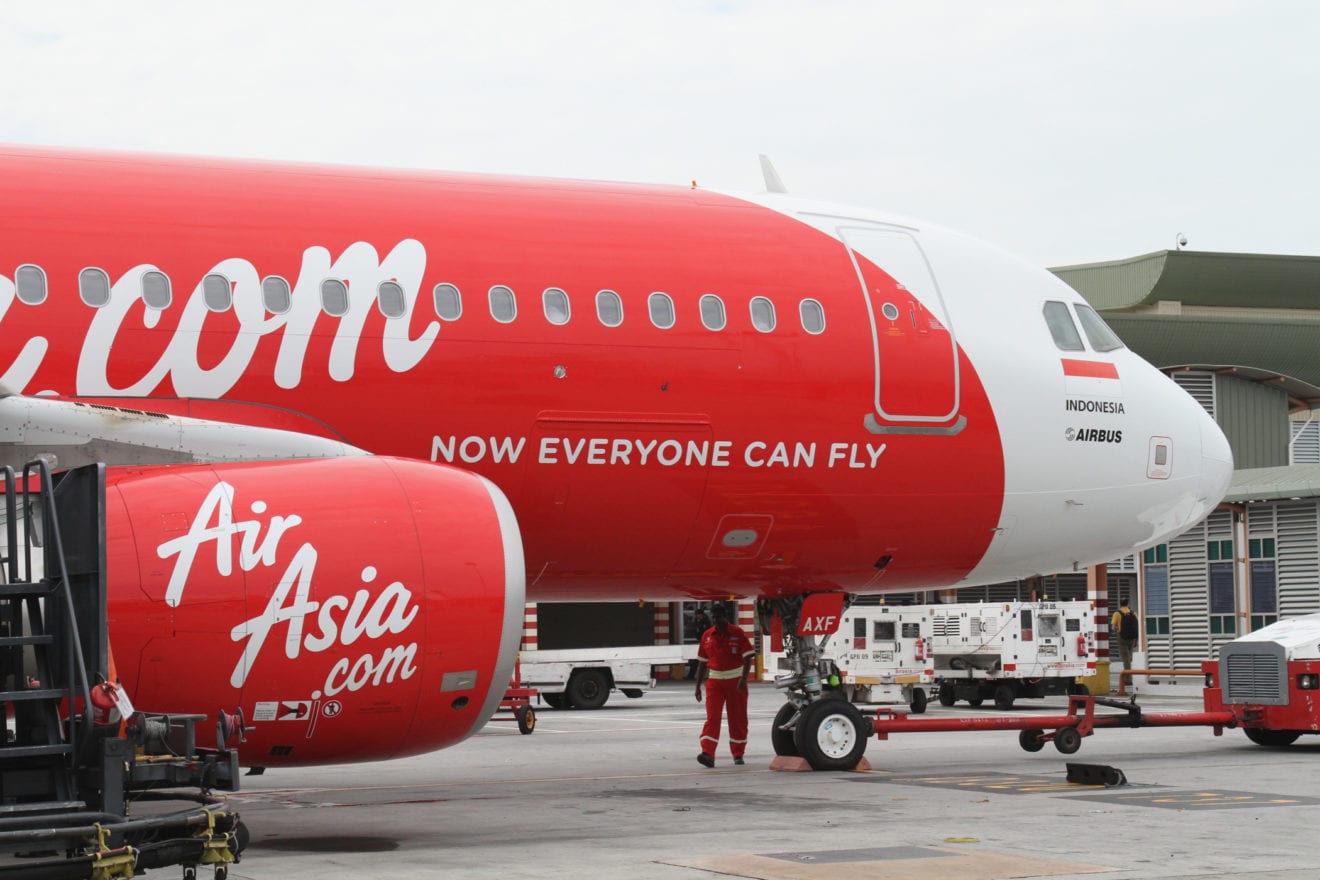
    Airasia may have enough cash to last them for most of 2020 but it is currently seeking out a loan from the Malaysian government to cushion the impact from the challenging economic environment.

    The low-cost carrier’s chief executive officer Tan Sri Tony Fernandes(pic) said there was no need for bailouts and what most airlines were looking for were loans.

    “We think the cash will last us for the most part of this year and when the sales return, then we’re okay.

    “It’ll be great to get a loan as well and we’re working on that with our government. We think liquidity is available in Malaysia and Thailand, ” he told Bloomberg Markets in an interview.

    And amidst the tough environment that airlines are operating in, Fernandes remained optimistic, adding that AirAsia was lucky to have restructured its business a lot and moved towards the digital end.

    He also said the airline’s cost structure is robust enough and the group is restructuring further.

    He admitted that the coronavirus disease (Covid-19) pandemic was currently the worst crisis he has ever been through.

    “We have a lot of ideas to get going again.

    “It’s going to be an uphill slog but we remain optimistic. It’s always better to have more cash.

    “We have enough at the moment but we’ll be very happy to raise some.

    “And it’s about getting our planes flying again, that’s the most important thing right now.

    “Growth will come later, ” he said.

    Fernandes also said that AirAsia had made its representations to the government and he was sure that something would come out.

    “Tourism is 15.8% of the gross domestic product (GDP) and AirAsia itself is 1.8% of that GDP.

    “So we’re sure our suggestions will be listened to, ” he said.

    On its non-airline businesses such as e-wallet, F&B and cargo, Fernandes said the businesses were doing very well and the beauty was, they did not burn a lot of cash on that side.

    He added that they were far from others but the challenging environment currently might give them the chance to catch up.

    Asked about the talks of a merger between AirAsia and Malaysia Airlines, Fernandes said he was not aware of it as AirAsia was just focussed on getting themselves in order as he had never looked at mergers and acquisitions as a solution.

    “But at this point, we’ll keep all options open, but it’s not being discussed at the moment.

    “I think it will be very silly of me and the board to close all options, ” he said.

    On the long haul carrier AirAsia X Bhd, Fernandes said it was doing very well over the last fourth quarter and the beginning of January prior to Covid-19.

    He said it was rationalizing its fleet and most of AirAsia X’s flights have become medium-haul.

    “We’re changing the fleet, we’re bringing down routes to shorter distances and we think we’ll be beneficiaries in some ways because people want to save some money.

    “When we return, a low-cost product would be more viable and we think in the immediate future, travel will be very regional and won’t be cross-continental so we think we’re in a good spot, both AirAsia and AirAsia X, ” he said. Asked if there were any considerations for AirAsia to switch from Airbus’ A330 to Boeing’s 787, Fernandes replied no, stressing that AirAsia has an “interesting relationship” with Airbus and it has a large order book with them.

    “Whether its Boeing or Airbus, I can’t see anyone taking new planes at least for a while. I don’t think any airline is looking at growth right now.

    “The airline industry has to recover, numbers have to come down and business models will have to change. The world is changing but we’re prepared. You can put your head in the sand and cry or you can get up there and do something, ” Fernandes said

  • Aeon to open mall in Myanmar by 2023

    Aeon to open mall in Myanmar by 2023

    Japan’s largest retailer Aeon is to open a shopping mall in Yangon, Myanmar’s largest city, in 2023. The Japanese retailer will partner with Myanmar conglomerate Shwe Taung Group to set up a joint venture in the country this year.

    The new Aeon shopping mall will target Myanmar’s middle class, which is predicted to increase significantly during the next few years.

    The opening plan is part of the group’s strategy to strengthen its position in the Southeast Asian market. Aeon Group generated US$315 million profit from the region’s operations in the fiscal year to February last year.

    “We will continue our targeted investment in Asia,” said Akio Yoshida, president of Aeon. “I think [Myanmar] will trace the same trajectory Japan once traveled toward a ‘100 million middle class.’”

    Yangon has a population of 5.2 million and was the nation’s capital until 2006.