Category: General

Retail News Asia is committed to providing both local and global retailers with the latest General Retail news throughout the Asian market. This on a daily base.

  • Philippine Airlines to operate Manila-London roundtrip for stranded travellers

    Philippine Airlines to operate Manila-London roundtrip for stranded travellers

    Philippine Airlines will fly a single round-trip flight between Manila and London Heathrow on April 4 “in response to an urgent public need amid Covid-19 quarantine situation,” the airline said in a notice posted on its website.

    While the airline initially announced that it would pause all remaining international flights from March 26 until April 14 last week, it will now operate this one-off service to the UK to help stranded travelers return home.

    The Manila-London Heathrow flight (PR720) will be allowed to carry only UK nationals to comply with “current Covid-related UK immigration restrictions”, the airline said.

    The return leg (PR721), on the other hand, will be allowed to carry only Filipinos, their foreign spouse and children, and officials from governments and international organizations.

    The service will be operated with an Airbus A350-900, which has seats for 295 passengers.

    Hundreds of thousands of British citizens are thought to be struggling to get home from overseas after the UK government advised all British travelers to come home as soon as possible on March 23. Many airlines are operating a small number of flights to help stranded passengers return home after countries around the world closed their borders to help stop the spread of the coronavirus.

  • South Korean department stores restore sales campaigns

    South Korean department stores restore sales campaigns

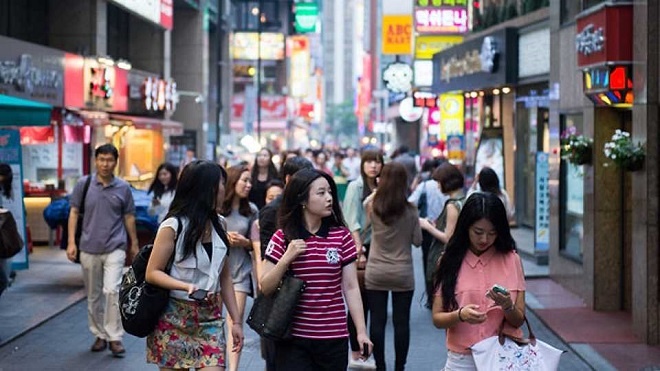
    South Korean department stores will no longer postpone their sales programs due to the coronavirus pandemic.

    In a move analysts say is aimed at restoring turnover as the coronavirus essentially comes under control in the country, stores are looking to restore volumes which plunged last month.

    Top department stores are under pressure to clear seasonal stock after drops of 10 and 20 percent in year-on-year sales in February and March respectively.

    “The most important thing is when the new coronavirus will die out here,” Eugene Investment analyst Joo Young-hoon told the Korea Times. “As soon as Korea overcomes it, the sales of department stores here will rebound faster than that of any other sectors,” he said.

    South Korean department stores are expected to resume their expected sales events over the coming fortnight, after delays in the midst of the coronavirus outbreak and called to implement social distancing.

    The stores are running various promotional programs to attract customers while at the same time attempting to spread out visits to prevent crowds and the risk of viral transmission.

    Industry analysts have predicted a strong bounce-back in the region’s retail sector once the pandemic recedes.

    Meanwhile, in Japan, department store operators have reported their worst year-on-year sales declines on record.

    J.Front Retailing said sales at its Daimaru Matsuzakaya department store chain fell by 43 percent last month, while rival Takashimaya reported a 36-per-cent fall.

  • Don Don Donki opens second store in Thailand

    Don Don Donki opens second store in Thailand

    Amidst the Covid-19 outbreak, Japanese discount-variety store Don Don Donki has continued ahead with the opening of its latest branch in Bangkok, Thailand as part of its international expansion.

    The Japanese retailer, known at home as Don Quixote, entered Thailand in February last year, opening a Donki Mall in the expatriate haven of Thonglor.

    The new store, located at The Market mall, will retail more than 130,000 items including fresh groceries and daily necessities.

    The new branch also features its private-label Jonetsu Kakaku with an in-store dining space. However, in the short term, the branch will provide only take-away services for cooked food due to the coronavirus pandemic and government limits on cafe operations. To further adjust to the current situation, the retailer will limit the number of store entrances and exits and will control the flow of customers into the store. The temperatures of staff and customers will be checked at numerous touchpoints around the store and baskets and cashier counters will be sterilized frequently.

    Chairman Shimanuki Yosuke says the company had imported large stocks of products in advance of the opening, and before the coronavirus pandemic broke out.

    Meanwhile, in Hong Kong, the daily customer count of the company’s stores there tripled during recent weeks as locals stocked up on imported goods, unable to travel abroad.

    There are widespread rumors that Don Don Donki is about to open its fifth outlet in the territory, at Central. The news leaked out during rental leasing negotiations for nearby properties.

    Local media is reporting that the retailer has its eye on two-storey premises at 100 Queen’s Road Central, spanning 17,800sqft. Earlier reports had the company opening more stores at Tseung Kwan O and Causeway Bay, to complement its flagships in Tsim Tsa Tsui and Tsuen Wan.

  • Gome Retail boosts GMV, cuts losses as restructure continues

    Gome Retail boosts GMV, cuts losses as restructure continues

    Gome Retail says its revenue last year fell, but it nearly halved its annual loss as its restructuring program continued to pay dividends.

    Gome Retail is in the midst of a major transition and restructure from a brick-and-mortar-dominated format into a multichannel digital business anchored around its online platform. It is also expanding its physical store network into low tier cities and rural locations across China.

    The company says its gross merchandise volume (GMV) doubled last year. GMV from stores in rural parts of China soared by 61 percent and from new businesses such as home solutions and kitchen cabinets integrating electrical appliances, increased by 86 percent. GMV from smart products increased by 43 percent and from services by 61 percent, the company said.

    Despite a 7.57-per-cent decline in total sales to RMB 59.48 billion (US$8.376 billion), the company’s loss attributable to shareholders fell from RMB4.887 billion ($688 million) in 2018 to RMB2.590 billion ($365 million) last year.

    “The booming new business indicates that the group’s strategic transformation is progressing well,” the company said in an earnings statement.

    During the year ahead, it plans to accelerate its strategy to penetrate into lower-tier markets, using a franchising model.

    “This will enable Gome to seize market share with low operating costs.”

    The company plans to build 100 franchise stores this year, with a target turnover of RMB100 million ($14 million) for each.

  • Siam Piwat uses online media to connect shoppers and retailers

    Siam Piwat uses online media to connect shoppers and retailers

    Bangkok shopping mall operator Siam Piwat has launched new retail services to engage and support customers and retail tenants during social distancing.

    The new services include Call & Pick up, Eat at home and OneSiam Chat & Shop, which allow customers to shop online via live chat at OneSiam Line official accounts, shopping centers’ social media and OneSiam mobile application.

    “Amid the current situation, OneSiam has worked in line with the government’s attempts to cease the spread of Covid-19,” said Chanisa Kaewruen, senior deputy MD of Siam Piwat.

    With Call & Pick up service, loyalty program members can place orders for grocery shopping via phone and collect their groceries at the pick-up point. Meanwhile, the Eat at Home service allows customers to order food from more than 50 restaurants at Siam Paragon, Gourmet Garden, Paragon Food Hall and IconSiam.

    OneSiam Chat & Shop is the company’s new omnichannel service, providing live chat that connects customers with shopping advocates to make purchases on OneSiam’s Line account and its other social media channels.

    “Social media has been our major platform to communicate and keep our customers updated with interesting and relevant information,” said Suthida Maleipan, deputy MD at Siam Piwat. “This is in tune with our social commerce strategy and the Chat & Shop service is expected to increase customer engagement to over 25 million followers next year.”

  • Cebu Pacific net income doubled in 2019

    Cebu Pacific net income doubled in 2019

    Cebu Pacific on Wednesday reported a 132.6-percent jump in net income for 2019, before the coronavirus pandemic grounded world travel and plunged airlines into financial turmoil.

    The Philippines’ largest airline posted net income of P9.123 billion last year from nearly P4 billion in the previous year, according to a stock exchange filing. Passenger revenue grew 8.7 percent to P4.3 billion while cargo revenue rose 19.3 percent to P887.8 million.

    Gokongwei-led Cebu Pacific, Philippine Airlines and AirAsia Philippines on Tuesday sought credit relief from Manila, saying their survival was at stake. Flight were suspended throughout the 1-month Luzon lockdown, scheduled to end on April 12.

    “While it is difficult to predict when operating conditions will improve, the Group believes that it remains a going concern, given the measures undertaken, its liquidity position, its access to short and long term funding, and the strong relationships it has with major suppliers,” Cebu Pacific said.

    Cebu Pacific earlier said its senior management took pay cuts to avoid layoffs.

  • Hong Kong retail sales plunge 44 per cent in February

    Hong Kong retail sales plunge 44 per cent in February

    February saw a catastrophic collapse in Hong Kong retail sales, which slumped a massive 44 percent year on year, the greatest fall since records were first taken. The unprecedented collapse followed a 21.5-per-cent decline in January and a 19.4-per-cent fall in December. For the first two months of this year, Hong Kong retail sales felt by 31.8 percent.

    The collapse in sales followed the effective lockdown of Mainland China for the last week of January and all of February and came as Hong Kong tightened travel into the territory worldwide following the outbreak of the coronavirus pandemic.

    A government spokesman confirmed the fall mainly reflected the heavy blow to tourism- and consumption-related activities dealt by the pandemic, although a distortion from the timing of Lunar New Year also contributed.

    “The business environment of retail trade will remain extremely austere in the near term, as the Covid-19 pandemic has brought inbound tourism to a standstill and severely dented local consumption demand,” the spokesman said.

    Figures released today by the Census and Statistics Department (C&SD) provisionally estimated the value of Hong Kong retail sales in February, at $22.7 billion (US$2.9 billion).

    After netting out the effect of inflation, total retail sales fell by 46.7 percent, following a 23.1-per-cent fall in January. For the first two months of the year, the inflation-adjusted decline was 33.9 percent.

    While sales of jewelry and luxury goods fell by 58.6 percent in January and February combined, it was a surprising 9.3-per-cent slump in the sale of food, alcohol and tobacco which caused the most significant impact on the overall figures, according to the C&SD.

    Sales of miscellaneous consumer goods fell by 21.9 percent; of electrical goods and other consumer durables by 25.1 percent; and of medicines and cosmetics by 42.7 percent.

    Department-store sales slumped 41.4 percent, apparel sales by 49.9 percent; footwear and accessories by 43.1 percent; furniture and fixtures by 19.6 percent; Chinese drugs and herbs by 23.7 percent; books, newspapers, stationery and gifts by 35 percent; and optical shop turnover slumped 28.6 percent.

    The only two categories showing growth were supermarkets, which boosted sales by 11.1 percent, during the first two months of the year, and fuels, up by 6.5 percent.

  • Dark Sky announces acquisition by Apple and discontinuation of Android support

    Dark Sky announces acquisition by Apple and discontinuation of Android support

    Popular weather app Dark Sky made a huge announcement, and the forecast for Android users doesn’t look good. The company revealed that it has been acquired by Apple, causing some major changes for users in the near future.

    Dark Sky, which describes itself as a hyperlocal weather app, made its name on down-to-the-minute precipitation forecasts based on a number of sources, including crowdsourced data from users who opt-in. Receiving widespread acclaim, the app quickly amassed over 1 million Android users, establishing itself as a formidable force in the weather service market.

    Following the acquisition by the iPhone maker, announced in a company blog post, Dark Sky reportedly won’t go through any major branding changes (no iDark Sky for now), but support for Android will be discontinued on July 1, 2020.

    A complete drop of support for a large portion of users is kind of a big deal, especially for Android users like me, but the company also announced that all active subscribers will be given a refund at the date of discontinuation, which will also affect Wear OS and web clients of the service.

    Given Dark Sky’s reputation as the best weather app around, it’s sad to see it go as far as the Play Store is concerned. But based on the app’s #1 status in the Weather category of the iOS App Store, Dark Sky will likely still enjoy much popularity on the other side of the fence.

  • Tesla To Supply FDA-Approved Ventilators Free Of Cost In U.S.

    Tesla To Supply FDA-Approved Ventilators Free Of Cost In U.S.

    American electric carmaker Tesla’s CEO Elon Musk has said that the company has extra FDA-approved ventilators that can be shipped free of cost to hospitals within the company’s delivery region. Announcing the news on his social media handle, Musk confirmed that the device and shipping cost will be free, but his only requirement is that the ventilators should be immediately used for patients who need it, not stored in a warehouse. Those who need it can contact Musk of Tesla on their respective Twitter pages or other official channels.

    Tesla did not immediately respond to a request for comment on how many ventilators it has to offer, or how the company will prioritize requests. However, while answering a Twitter user’s question regarding where did the company get the ventilators from, Musk confirmed that Tesla bought 1255 FDA-approved ResMed, Philips & Medtronic ventilators from China, and got it shipped to Los Angeles.

    Yup, China had an oversupply, so we bought 1255 FDA-approved ResMed, Philips & Medtronic ventilators on Friday night & air-shipped them to LA. If you want a free ventilator installed, please let us know!

    Governments across the globe have appealed to automakers and aerospace companies to help procure or make ventilators and other medical equipment amid a fast-spreading coronavirus outbreak, which has infected more than 777,000 people globally and killed over 37,500. In the United States, states hard hit by the pandemic have pleaded with the Trump administration and manufacturers to speed up the production of ventilators to cope with a surge in patients.

    Earlier this week, Ford Motor Co said it will produce 50,000 ventilators over the next 100 days at a plant in Michigan in cooperation with General Electric’s healthcare unit, and can then build 30,000 per month as needed to treat patients afflicted with the coronavirus.

  • Two more AirAsia carriers suspend operations from April

    Two more AirAsia carriers suspend operations from April

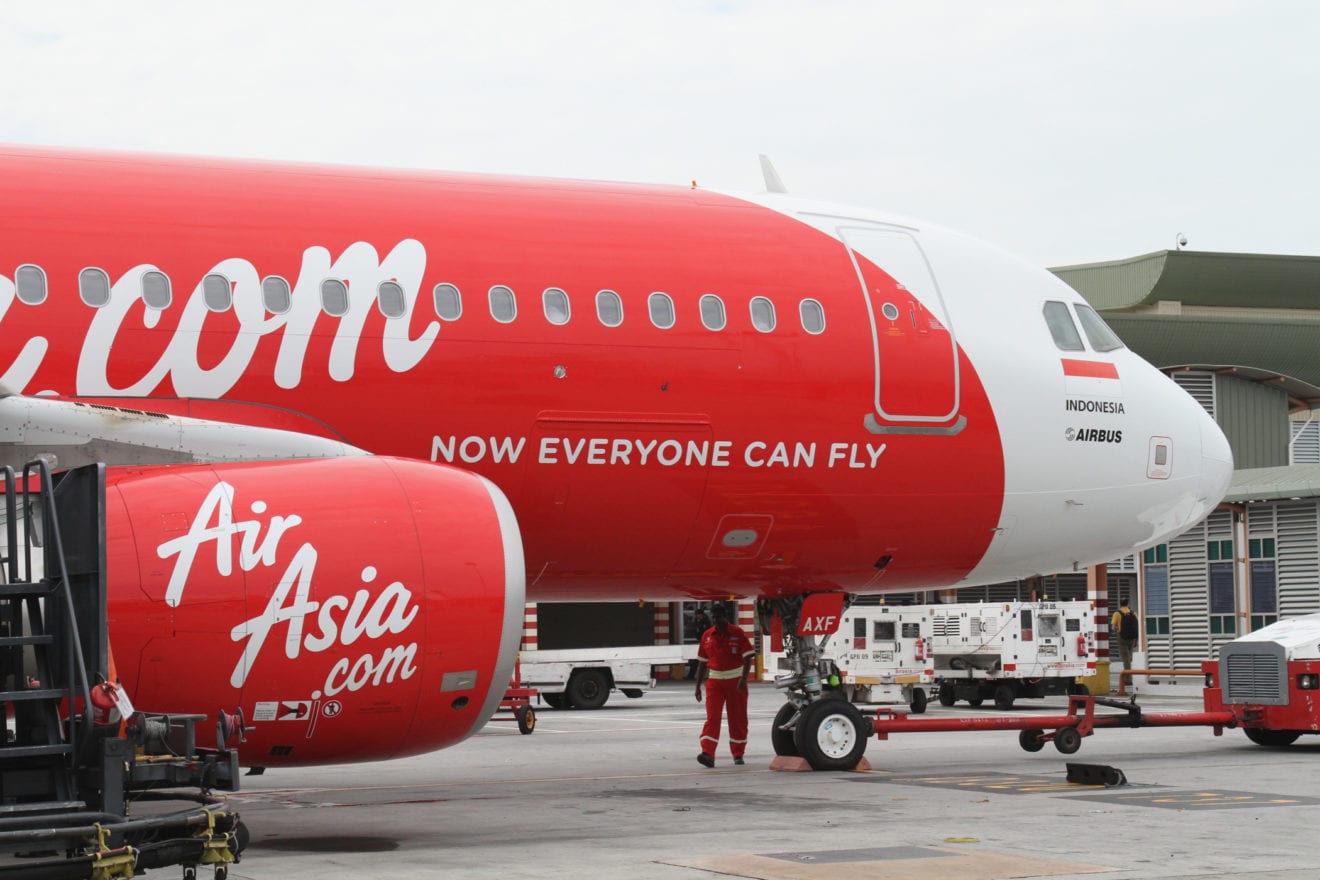
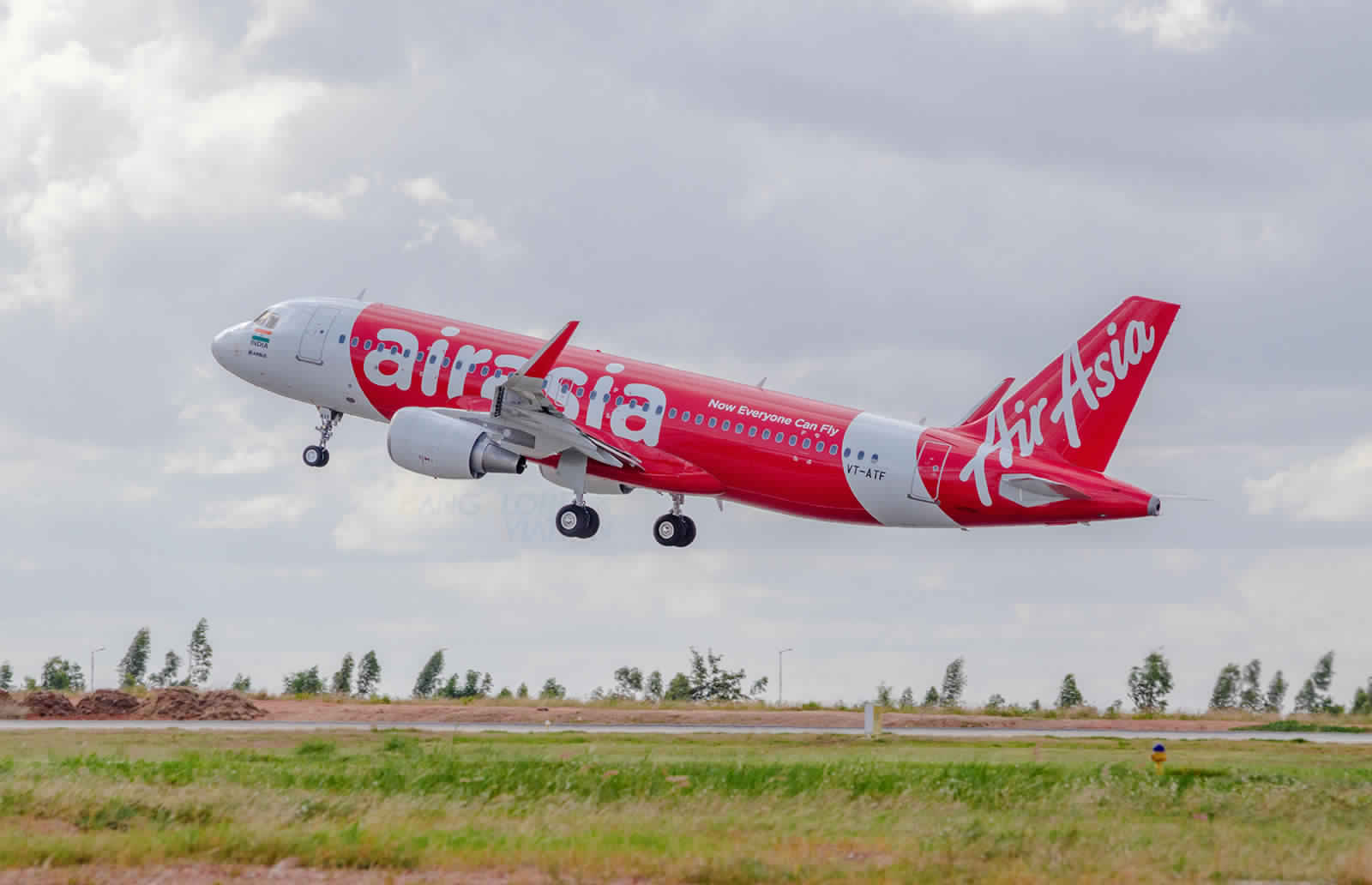
    Indonesia AirAsia and Thai AirAsia are the latest among the AirAsia Group carriers to suspend operations, leaving just AirAsia Japan in service.

    Indonesia AirAsia will suspend domestic flights until 21 April and international flights until 17 May. Thai AirAsia will halt all domestic services during the month of April, having suspended international flights since 22 March. Indonesia AirAsia’s grounding will not have a significant impact on Indonesia, as Lion Air dominates the market.

    The grounding of Thai AirAsia will have a more significant impact on Thailand, as the airline accounts for 19% of Thailand’s total capacity in February.

    Thai AirAsia’s parent Asia Aviation says the airline is implementing cost reduction measures. This includes voluntary pay cuts for management and senior employees, halting non-essential employee travel, and imposing a hiring freeze.

    Asia Aviation expects a reduction in Thai AirAsia’s variable expenses, which makes up around 70% of its total cost. General administrative expenses could also be reduced through a work-from-home scheme for employees.

    To cope with the suspension, the company is building up its liquidity levels. At the end of 2019, its cash on hand and current investments were collectively valued at Bt3.98 billion ($122 million).

    It says: ”Thai AirAsia also has unutilized revolving credit facilities with banks and has the ability to mobilize the liquidity further by way of the credit facility backed by the remaining no-encumbrance owned aircraft and/or other approaches in the future.”

    It discloses that a transaction announced in January, for the sale-and-leaseback of nine aircraft and the outright sale of one, has been completed in March, with net proceeds totaling Bt3.6 billion.

    Moving forward, Thai AirAsia will not take delivery of any aircraft this year and will study the number of aircraft it needs. The parent company adds that any significant capital expenditures will either be suspended or delayed.

  • Panic buying underpins Japanese retail sales growth

    Panic buying underpins Japanese retail sales growth

    Japanese retail sales have recorded a distinct uptick as consumers enter a panic-buying mode in response to the coronavirus outbreak, according to Nikkei Asian Review. According to the Ministry of Economy, Trade and Industry, Japanese retail sales rose 1.7 percent year on year in February.

    Pharmacy sales showed the highest rate of growth, surging 18.9 percent due to higher sales of protective masks and toilet paper, among other hygiene-related purchases.

    Supermarket sales increased 6 percent following increased purchases of consumer goods.

    By contrast, sales figures for department stores slipped 11.8 percent resulting directly from a drop in tourism.

    The slowing down of local business has concurrently seen a drop in employment figures, with fewer businesses seeking to fill positions.

  • AirAsia Indonesia suspends all flights starting April 1

    AirAsia Indonesia suspends all flights starting April 1

    Amid the alarming spread of COVID-19 across the country, low-cost carrier AirAsia Indonesia announced on Saturday that it would suspend all its QZ flight code services starting April 1.

    The carrier’s domestic and international routes will be temporarily suspended until April 21 and May 17, respectively.

    “AirAsia Indonesia will continue to monitor the development of the situation and conduct steps to anticipate what’s required to continue our flight services,” read the statement.

    The airline said affected passengers would be notified by email and SMS. Passengers can access support.airasia.com to either reschedule their flight before Oct. 31 at no additional charge, or convert the amount paid for the flight into a credit account that can be used for the next 365 days.

    Those who booked their flights through booking group services, travel agencies or other third parties are advised to contact the respective parties.

    Passengers who need to travel in the near future are advised to reschedule their flight to a date prior to April 1.

    Meanwhile, on March 20 national flag carrier Garuda Indonesia announced that it would continue to operate some of its services, including to Australia and Netherlands.

  • AS Watson sales grew 7 per cent last year, despite protests

    AS Watson sales grew 7 per cent last year, despite protests

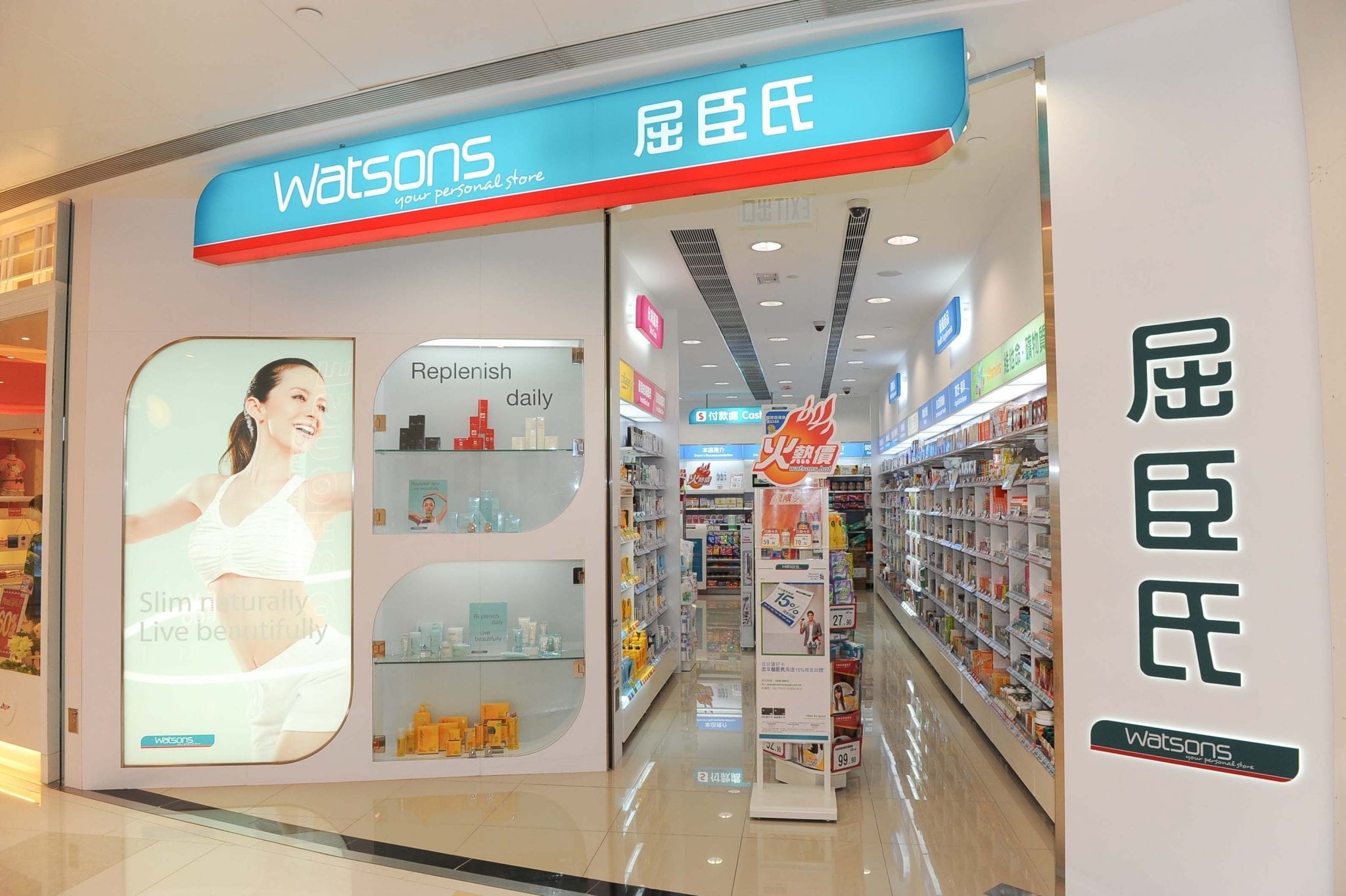
    Health-and-beauty retailer AS Watson recorded 7 percent growth last year despite the political unrest in its key Hong Kong market.

    “What’s worth mentioning is the growth of health and beauty in Asia which was significantly impacted by the social unrest in the second half of 2019,” said AS Watson Group MD Dominic Lai. “If you take it out, the rest of Asia [outside Hong Kong] was growing at 14 percent, which is very healthy,” he said in comments translated by the South China Morning Post.

    Watsons Hong Kong represented just 2.6 percent of the retail division’s pre-tax profit last year.

    The retailer operates more than 15,000 stores in 25 international markets, predominantly in the health-and-beauty category. The sector benefited from developments in digital retail, house brands and exclusive offerings, and an uptick in customer connectivity with its 137 million-strong membership base.

    The firm expects its China trading this year to be affected by the coronavirus pandemic but is confident that its profits will be sustainable profitability given its geographical diversity, strong partner relationships and loyal member base.

  • Indonesian retail bussineses starts shutting down as coronavirus crisis gets worse

    Indonesian retail bussineses starts shutting down as coronavirus crisis gets worse

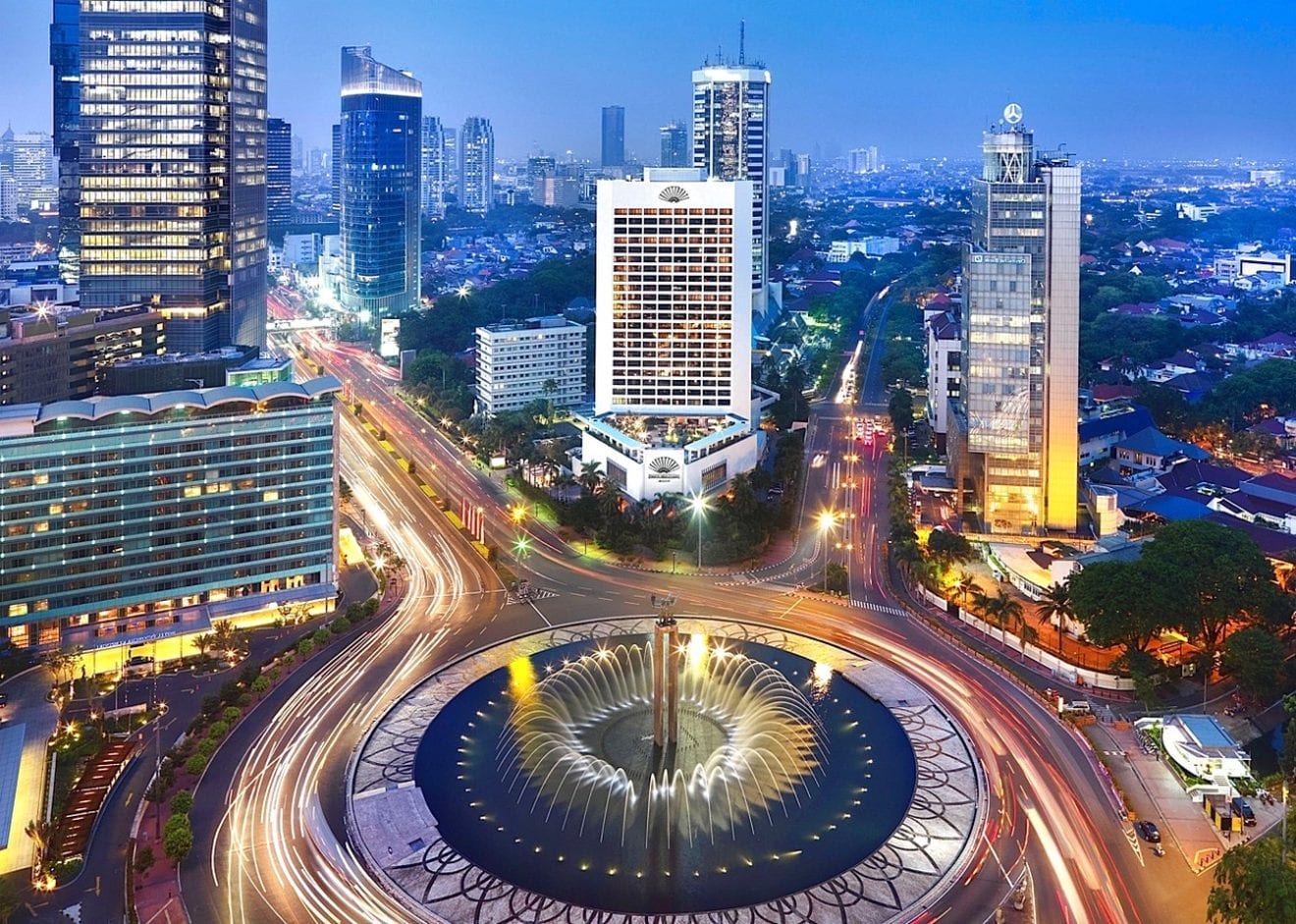
    The Indonesian retail sector has begun to shut down in the wake of the coronavirus crisis, with shopping centers and retail chains voluntarily closing the doors to non-essential categories.

    More than 30 shopping malls have been shut down in the country despite no order from authorities. Lippo Malls Indonesia Retail Trust (LMIRT) has temporarily closed 11 out of 23 shopping malls in the Greater Jakarta region, Bandung and Bali.

    According to LMIRT, the company will close its malls until April 9 and waive rent for all affected tenants. Essential services including supermarkets and pharmacies remain open during the shutdown.

    Other shopping malls across Jakarta closed include Senayan City, Plaza Indonesia, Aeon Malls, Mall of Indonesia and Lotte Shopping Avenue.

    Meanwhile, McDonald’s Indonesia will cease dine-in services across the country for two weeks starting from April 1. The company said on its social media channels that it still offers to take away, drive-through and home delivery services.

    As Indonesian retail continues to wind down, many local restaurants have also closed their doors but continue to operate through third-party apps like Gojek and Grab.

    Japanese fashion brand Uniqlo is among the latest retailers to temporarily close their stores in Indonesia.

    As of today, Indonesia has confirmed 1414 positive cases of Covid-19 including 122 deaths and 75 recovered.

  • Zoom for iOS stops sharing information with Facebook after a new update

    Zoom for iOS stops sharing information with Facebook after a new update

    Last week, we reported that the popular video-conferencing app Zoom had a concerning privacy issue, when Vice’s Motherboard informed us that the app was sharing data with Facebook, even for people who didn’t have a Facebook account.

    Now, Motherboard brings to our attention that Zoom has removed the code from its iOS app that was sending data to Facebook and is now offering the new version of the code with an update. The app used Facebook’s software development kits (SDKs) on its backend and therefore it sent analytics data, mainly related to targeted ads, to Facebook, without notifying the app’s users in its privacy policy.

    However, Zoom’s CEO, Eric S. Yuan, apologized in a blog post about the concern raised by the situation. He stated that Zoom users’ privacy is extremely important to the company and that they have decided to remove Facebook’s SDK from the iOS app. Additionally, he said that the information, sent to Facebook, did not include names, notes, attendees or any meeting-related information, but data about devices’ OS and some technical specifications.

    He also provided the following list of example information that the SDK was sending to Facebook:

    • Application Bundle Identifier
    • Application Instance ID
    • Application Version
    • Device Carrier
    • iOS Advertiser ID
    • iOS Device CPU Cores
    • iOS Device Disk Space Available
    • iOS Device Disk Space Remaining
    • iOS Device Display Dimensions
    • iOS Device Model
    • iOS Language
    • iOS Timezone
    • iOS Version
    • IP Address

    The update is now available for download for Zoom for iOS from Apple’s App Store. With the new version, users will be able to log in using their Facebook account only through a browser, and not directly from the app. Previously, the in-app Facebook login was associated with the now removed Facebook SDKs.