Category: General

Retail News Asia is committed to providing both local and global retailers with the latest General Retail news throughout the Asian market. This on a daily base.

  • Covid-19 troubles push over 100,000 businesses to suspend operations

    Covid-19 troubles push over 100,000 businesses to suspend operations

    The Covid-19 pandemic’s severe impacts have seen as many as 101,700 businesses in Vietnam close up shop in 2020, up 13.9 percent year-on-year.

    Of these 46,600 have registered to temporarily suspend operations, while 37,700 are waiting to complete dissolution procedures, according to a new report by the General Statistics Office. The report also says that 17,500 enterprises completed their dissolution procedures this year.

    The surge in business suspensions has been attributed to the adverse impacts of Covid-19, which has cripped key sectors and seriously affected socio-economic activities worldwide.

    The number of newly-established enterprises in Vietnam this year fell 2.3 percent year-on-year to 134,900 with a combined registered capital of VND2,200 trillion ($94.31 billion), up 29 percent.

    If the VND3,300 trillion in additionally registered capital for 39,500 companies is included, the total registered capital added to the economy this year is more than VND5,500 trillion, an increase of 39.3 percent year-on-year.

    The GSO report says a survey on business sentiment in the manufacturing and processing sectors in the fourth quarter of 2020 found 40.6 percent of enterprises experiencing improvement in business performance over the previous quarter, while 24.7 percent faced difficulties and 34.7 percent said their business remained stable.

    Almost 43 percent of companies expect things to get better in the first quarter of 2021, while 19 percent foresee more difficulties and 38.2 percent believe the situation will be stable.

    Vietnam’s economic growth slowed to 2.91 percent this year, its lowest level in a decade, given the negative impacts of Covid-19, natural disasters and a sluggish global economy. However, it was one of the few economies in the world to record positive growth, most others experiencing contractions.

  • Vietnam’s sixth carrier making plans to take of by mid-January

    Vietnam’s sixth carrier making plans to take of by mid-January

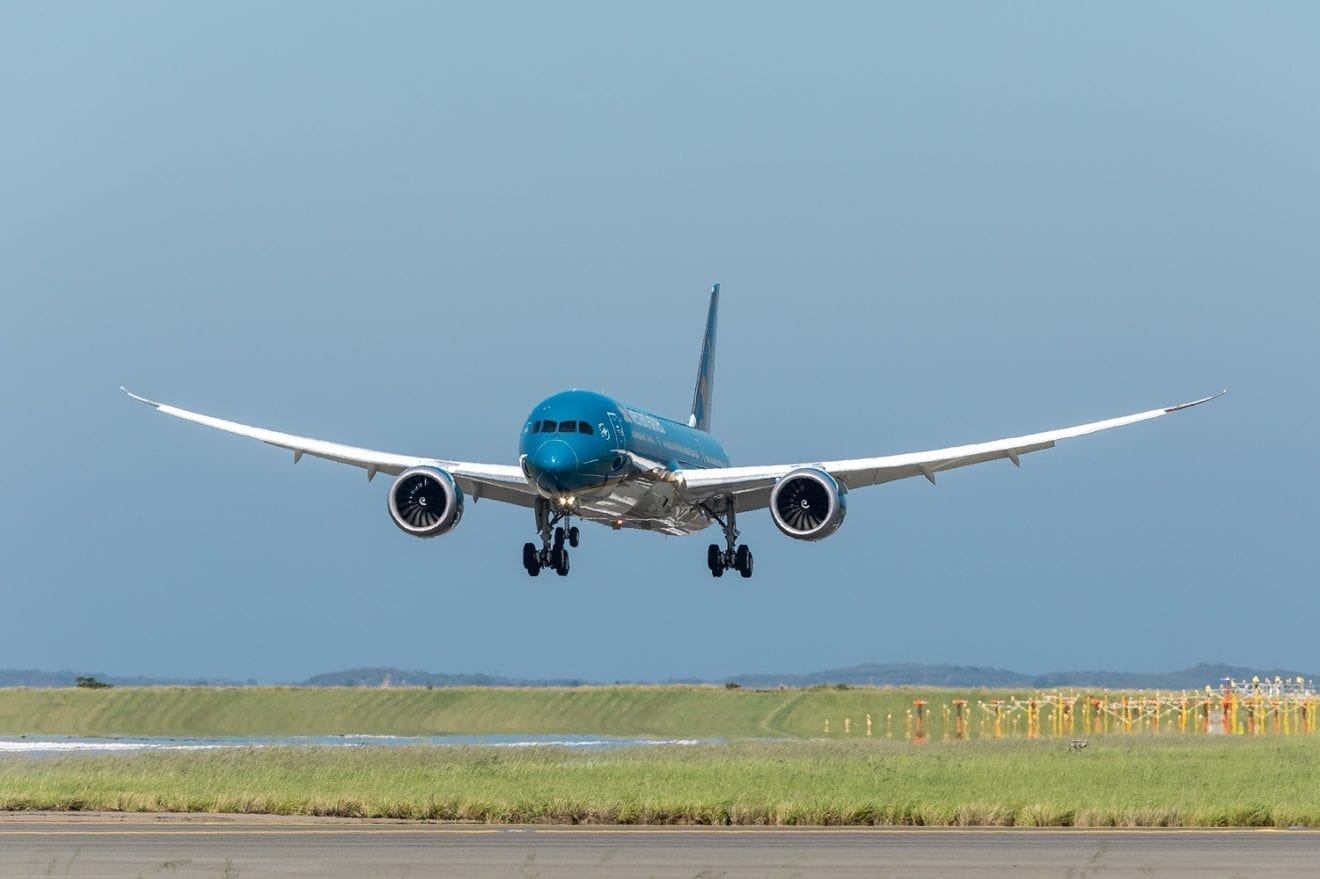
    Vietravel Airlines, Vietnam’s sixth carrier, has received permission to fly aircraft for commercial purposes, and plans to begin operations in mid-January.

    It received the aircraft operator certificate from the Civil Aviation Authority of Vietnam (CAAV) last week, the last permit it needed to fly.

    Vietravel would start selling tickets in January, Vu Duc Bien, its general director, said. It targets breaking even in its second year of operations, he said

    Starting amid the turbulence created by the pandemic has helped the carrier acquire good aircraft and pilots and engineers at competitive rates besides benefiting from low fuel costs and a stimulus package from the government, he added.

    It recently took delivery of its first 220-seat Airbus A321CEO plane and is due to get two more soon to meet the increased travel demand during the Lunar New Year Tet in Februrary, 2021.

    Based at Phu Bai International Airport near Hue, Vietnam’s former imperial capital, it will start with services to Hanoi and HCMC before expanding to major tourist destinations like Nha Trang, Da Nang and Da Lat.

    It has hired some 200 pilots and flight attendants, and is looking to expand its fleet to 30 to prepare for international operations.

    It plans to fly to Southeast Asia, especially Thailand, the Middle East and Northeast Asia, markets that Vietravel services.

    The airline enters a fiercely competitive aviation market which already has five players, Vietnam Airlines, Vietjet, Jetstar Pacific, Vietnam Air Services Company, and Bamboo Airways, at a time when the industry has gone through one of its most challenging years ever due to Covid-19 restrictions, which have caused airlines huge losses.

  • Qualcomm is no longer the top supplier of chipsets for smartphones

    Qualcomm is no longer the top supplier of chipsets for smartphones

    There has been a change in the smartphone industry. During the third quarter of this year covering July through September, MediaTek overtook Qualcomm to become the top provider of chipsets for the smartphone industry with a 31% share of the market. Counterpoint attributes MediaTek’s success to strong sales of phones in the $100-$250 price range amid strong growth in the top two smartphone markets in the world; that would be China (#1) and India (#2). As a developing country, Indian consumers prefer value brands many of which use MediaTek chips instead of Qualcomm’s pricier Snapdragon silicon.

    This is not to say that Qualcomm couldn’t find a sweet spot for growth in Q3. With 39% of the market, the chip maker is the leading provider of 5G chipsets for phones and this is a market that doubled during the third quarter. Counterpoint says that 17% of  all phones sold during the third quarter supported 5G. That figure is expected to rise to 33% for the current quarter that started in October and concludes at the end of the year. With strong growth in 5G shipments for the fourth quarter, Qualcomm does have a chance to take back the crown that MediaTek took away from it.

    MediaTek’s leading 31% share of the smartphone chipset market was a 19% percent gain from the 25% share that the Taiwan based firm had last year. During the same time period, Qualcomm’s slice of the chipset pie for handsets declined from a leading 31% to the current 29%. Apple was third as its A-series chips, built exclusively for its phones and tablets, garnered 12% of the market. That put Apple in a three-way tie with Samsung and Huawei’s HiSilicon unit.

    Counterpoint Research Director Dale Gai pointed out that “MediaTek’s strong market share gain in Q3 2020 happened due to three reasons – strong performance in the mid-end smartphone price segment ($100-$250) and emerging markets like LATAM (Latin America) and MEA (Middle East and Asia), the US ban on Huawei and finally wins in leading OEMs like Samsung, Xiaomi and Honor. The share of MediaTek chipsets in Xiaomi has increased by more than three times since the same period last year. MediaTek was also able to leverage the gap created due to the US ban on Huawei. Affordable MediaTek chips fabricated by TSMC became the first option for many OEMs to quickly fill the gap left by Huawei’s absence. Huawei had also previously purchased a significant amount of chipsets ahead of the ban.”

    Gai also noted that, “On the other hand, Qualcomm also posted strong share gains (from a year ago) in the high-end segment in Q3 2020, again thanks to HiSilicon’s supply issues. However, Qualcomm faced competition from MediaTek in the mid-end segment. We believe both will continue to compete intensively through aggressive pricing, and mainstream 5G SoC products into 2021.”

    Counterpoint Research Analyst Ankit Malhotra added, “Qualcomm and MediaTek have both reshuffled their portfolios, and consumer focus has played a key role here. Last year, MediaTek launched a new gaming-based G-series, while Dimensity chipsets have helped in bringing 5G to affordable categories. The world’s cheapest 5G device, the realme V3, is powered by MediaTek. Using his crystal ball to look into the future, Malhotra said, “The immediate focus of chipset vendors will be to bring 5G to the masses, which will then unlock the potential of consumer 5G use cases like cloud gaming, which in turn will lead to higher demand for higher clocked GPUs and more powerful processors. Qualcomm and MediaTek will continue to contend for the top position.”

  • The entire Retail News Editorial team wishes you a Joyful and Merry Christmas

    The entire Retail News Editorial team wishes you a Joyful and Merry Christmas

    It’s been a difficult year; we better say the most difficult year in decades with Covid-19 and all social restrictions that were put in place. But we were resilient, and prepare ourselves for a better year.

    Hopefully with more and more retail events and summits; cause that’s what we retailers live from. Showcase and demo products, networking, and meeting up with customers and vendors. It’s not that far ahead of us… we already prepare ourselves in order to get ready when the markets are ready again to shift gears.

    Thanks for being part of the largest retail community covering Asia this year. The entire Retail News Editorial team is wishing you a Happy Holiday season. We wish you joy and peace in the upcoming year. Wishing you all the joys of the season and happiness throughout the coming year.

    Thanks for support us; thanks for reading us and stay close in the new year!


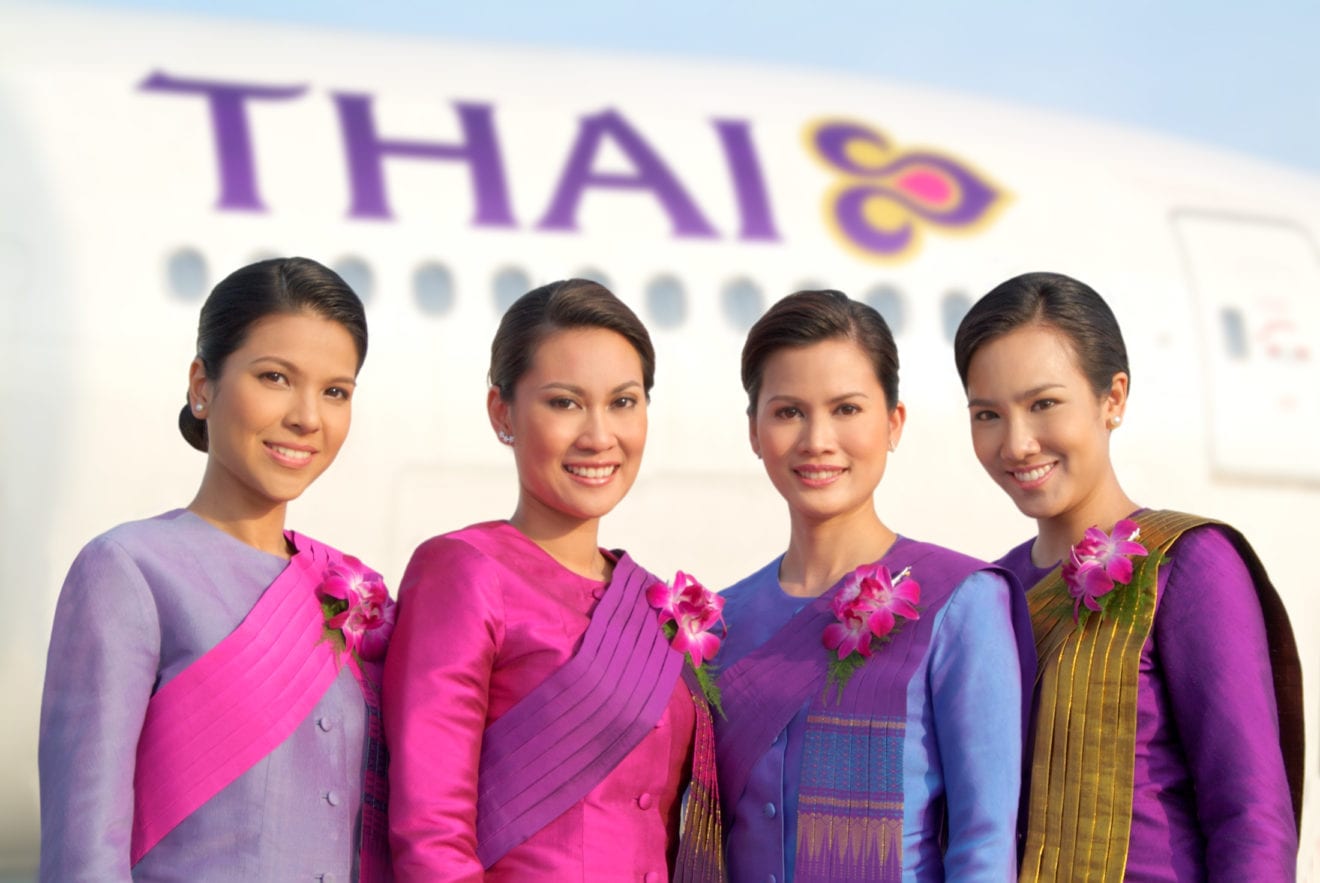
  • Thai Airways Launches Scenic Fly By and Over Buddhist Attractions

    Thai Airways Launches Scenic Fly By and Over Buddhist Attractions

    Proving the ‘flights to nowhere’ trend is taking off, Thai Airways has given religious tourists a bird’s-eye view of 99 holy places across Thailand. Olivia Palamountain reports.

    Led by “celebrity fortune-teller and religion history expert” Dr Khata Chinbunchon at the end of November, the “Thai Magical Flying Experience Campaign” from Thai Airways gave Buddhists the chance to see 99 sacred sights from the air, complete with chanting.

    Passengers on the Thai Airways flight from Bangkok received Buddhist prayer books and a special in-flight meal while flying over temples in 31 provinces before returning home. Tickets ranged in price from 5,999 baht (£149) to 9,999 baht (£248).

    The sacred sights included Bangkok’s Wat Arun and Wat Phra Kaew (commonly known as the Temple of the Emerald Buddha), Phra Samut Chedi in Samut Prakarn, Wat Phra Boromma That Chaiya in Surat Thani and UNESCO-listed heritage sites in Sukhothai and Ayutthaya, in the kingdom’s central plains.

    Part of a plan to boost domestic tourism, the initiative comes hot on the heels of similar offerings from the likes of Qantas, China Airlines and Eva Air, all of which have launched their own series of scenic and themed flights over the past few months. Globetrotter has also reported on Covid-secure luxury cruises to nowhere, recently launched in Singapore.

    Tourism accounts for up to 20 percent of GDP in Thailand, and in a blow to the national carrier, the kingdom has remained shut to foreign travellers throughout the pandemic. However, the airline had been struggling even before coronavirus turned travel upside down. Estimates suggest it is now buried under £6 billion worth of debt.

    Still, Thai Airways has been a pioneer of creative initiatives that boost revenue. The airline has put bags made from life vests and slide rafts on sale, opened an airline-themed café selling in-flight meals in Bangkok, and a food stall selling dough fritters. It has also opened its Airbus and Boeing flight simulators to the public.

    In the autumn, Thailand reopened its borders to international travelers with the launch of a new 90-day Special Tourist Visa (STV).

  • Thai cement giant buys 7th packaging firm in Vietnam

    Thai cement giant buys 7th packaging firm in Vietnam

    Thai cement giant SCG Group has acquired its seventh packaging company in Vietnam, Bien Hoa Packaging, at a cost of VND2.07 trillion ($89 million).

    The company owns a 94.11 percent stake in the company through its subsidiary Thai Containers Group Company Ltd, according to a recent statement.

    It paid VND171,450 ($7.38) for each share of Bien Hoa Packaging, 84 percent higher than the current market price.

    Bien Hoa’s clients are mainly high-growth consumer brands that are multinationals, the statement said.

    Its three manufacturing facilities in southern Vietnam will enlarge SCG’s customer base in the food, beverage and fast-moving consumer goods segments, it added.

    One of the six companies SCG acquired earlier is the largest in the country, Kraft Vina, a joint venture with Japanese packaging firm Rengo.

    SCG was one of the earliest foreign investors in Vietnam, coming as it did in the 1990s.

    Over the last decade it has been pouring money to acquire major companies, including one of the largest plastic producers, Binh Minh Plastics.

  • ZA Tech Partners to Launch Insurtech in Indonesia

    ZA Tech Partners to Launch Insurtech in Indonesia

    Chinese firm ZA Tech Global is partnering Indonesian payments giant Ovo to offer Indonesian insurance companies access to its proprietary insurtech capabilities and applications.

    BCP, the holding company of Indonesia’s leading e-wallet Ovo, and ZA Tech Global, a technology venture for overseas markets of ZhongAn Online P&C Insurance, have announced a strategic joint venture to create an insurtech platform in Indonesia, towards fast-tracking digitalization of Indonesia’s insurance industry and improving financial inclusion.

    The joint venture will help Indonesian insurance companies rapidly digitize their products and offer fractionalized digital insurance products to the masses, in turn driving and improving financial inclusion in Indonesia’s vastly underserved market, the announcement said.

    The announcment noted that only 1.7 percent of Indonesia’s population of 265 million are currently covered by private insurance. It is also the fastest-growing market in Southeast Asia, with economic growth averaging over 5 percent in the past three years.

    The low awareness of the benefits and role of insurance as a tool for protection, savings and wealth creation in Indonesia is something we seek to address. The current pandemic has further highlighted the need for insurance to safeguard people’s health and welfare,» Bill Song, CEO of ZA Tech, said.

    ZA Tech Global previously inked micro-insurance partnerships with Grab and NTUC Income in Singapore, and regionally with AIA.

  • Vietnam Airlines seeks shareholder loans

    Vietnam Airlines seeks shareholder loans

    Vietnam Airlines Group has called an extraordinary shareholders’ meeting next week to source low-interest loans to accelerate Covid-19 recovery.

    At the meeting, to be held on Dec. 29, the flag carrier will seek loans from its shareholders that comprise the government with an over 86 percent stake, Japanese aviation company ANA Holdings with 8.7 percent, and other organizations and individuals.

    The National Assembly in November approved a plan for the central bank to refinance Vietnam Airlines and rollover loans. The airline had earlier asked for a relief package of VND12 trillion.

    The group will also seek shareholder approval to issue more shares to existing stakeholders and so increase its capital.

    Vietnam Airlines Group, consisting of the carrier and subsidiaries Pacific Airlines and Vietnam Air Services Company (VASCO), posted a loss of VND10.75 trillion ($464 million) for January-September as the Covid-19 pandemic slashed its number of flights.

    It has forecast the figure would rise to VND15.2 trillion for the whole year.

    All Vietnamese airlines have fallen victim to Covid-19 this year with the number of flights plunging 36 percent year-on-year to 19.

  • AirAsia Reduces Stake In Indian Subsidiary

    AirAsia Reduces Stake In Indian Subsidiary

    AirAsia is scaling back its investment in AirAsia India as the group continues to face financial difficulties. The group will reportedly cut its stake to just 13%, giving the Tata Group significantly more stake in the airline. The change in ownership is unlikely to affect the AirAsia India brand but could see the airline separate from AirAsia’s operations.

    Questions over the future of AirAsia India have been swirling for a few months now, with both Tata and AirAsia considering an exit. Eventually, the AirAsia group stopped funding the airline and left Tata to decide the carrier’s future.

    According to a report, Tata has bought out most of AirAsia’s stake, leaving the group with only 13% of the airline. This means Tata now owns 87% of the carrier, making AirAsia more of an investor than a joint-venture partner. While the “AirAsia India” brand will survive, Tata is making some changes to the company.

    Tata is reportedly working on a new booking website for AirAsia India, which is currently integrated into the AirAsia group’s website. Additionally, a new crew scheduling software will also be put in place for the airline. While there are unlikely to be many changes on the surface, the Tata Group does have big plans for Indian aviation at large.

    AirAsia India first began flying in 2014, with 51% owned by Tata and 49% by AirAsia. The carrier hoped to capture the fast-growing low-cost market in India, similar to the model AirAsia had replicated in other regions. The partnership with Tata provided the airline with funding and strong name recognition in India.

    However, the airline struggled to make its mark in the Indian market, facing stiff competition from established players like IndiGo, SpiceJet, and GoAir. As of November 2020, the airline only has a market share of 6.6%. This places AirAsia India second-last on the list of major domestic airlines. The carrier currently operates a fleet of 33 aircraft, consisting of 30 A320-200s and three A320neo aircraft.

    All of this has resulted in AirAsia India being a loss-making airline for nearly all of its existence. Following a relatively better 2019, the pandemic has once again pushed AirAsia India deep into the red. The airline reported a 69% drop in revenue during the second fiscal quarter and losses of nearly $45 million in the first.

    This isn’t the first subsidiary AirAsia is exiting this year, with both its Indonesia and Japan arms being axed. The carrier has faced significant financial concerns this year, as flight traffic across Asia remains low. While traffic has been picking up slightly recently, the group continues to face existential crises as the pandemic drags on.

  • Bauhaus leaves all markets except Hong Kong, Macau

    Bauhaus leaves all markets except Hong Kong, Macau

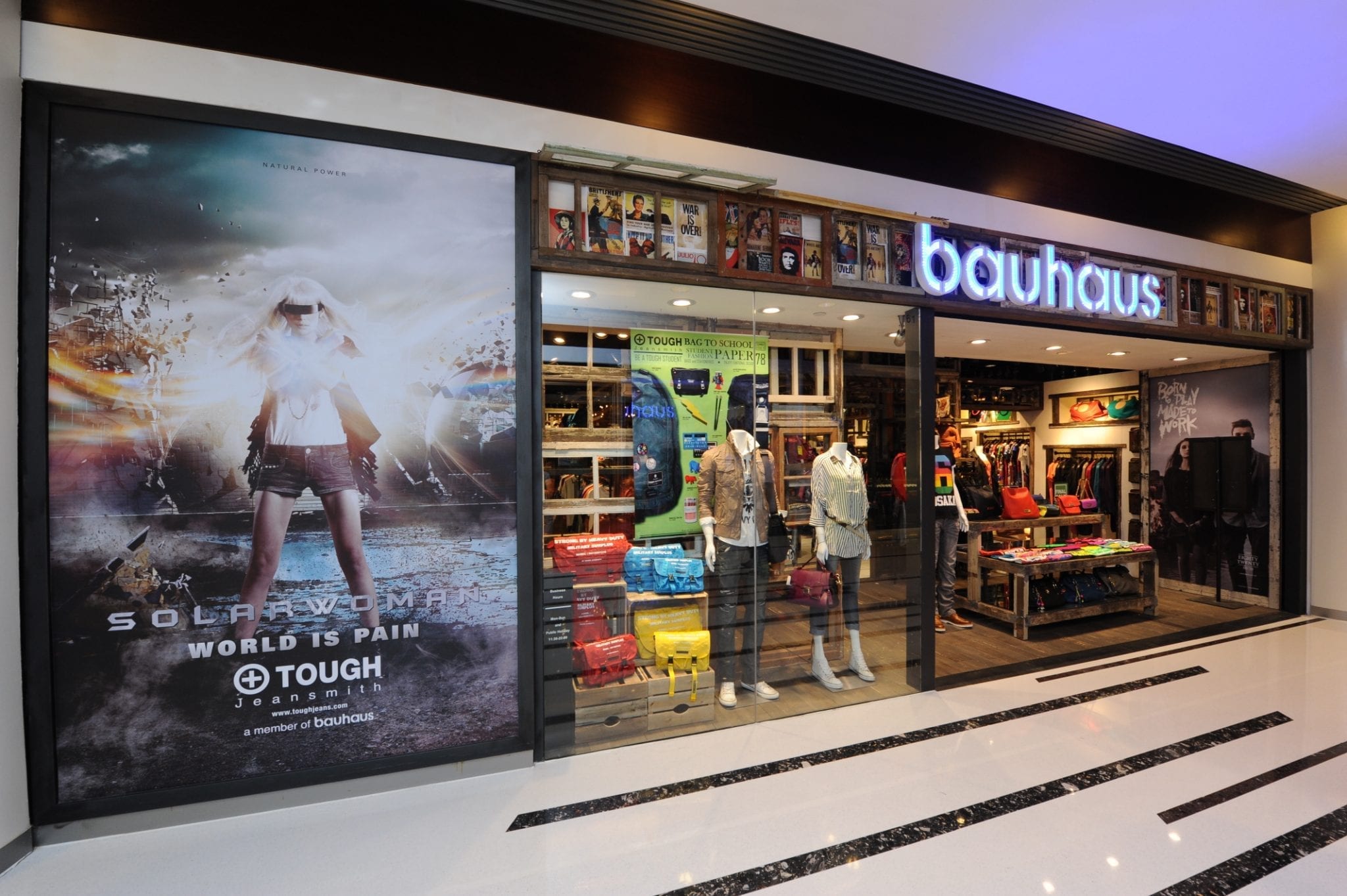
    Local apparel retailer Bauhaus International (0483) has revealed an intention to close all its retail stores outside Hong Kong and Macau by the end of March.

    The group’s loss outside Hong Kong and Macau expanded more than 13 times to HK$78.4 million in 2019 over 2018 before it narrowed to HK$68.6 million this year.

    Most of the Bauhau offline retailing operations beyond Hong Kong and Macau are in the mainland and Taiwan.

    It suffered an annual loss of HK$142.8 million this year compared with a profit of HK$2.76 million in 2019.

    The company will negotiate with landlords of the 14 stores its intends to shut down, and the precise timing of each closure will depend on how the talks go.

    About 50 employees will be laid off as a result of the closing program.

    The retailer is still looking at the possibilities of accessing the non-Hong Kong and Macau markets through centrally-managed online operations run from its Hong Kong headquarters.

    Bauhaus says more realistic economies of scope will result from the closures, which are also seen to be in the best interests of the company and its shareholders.

  • Central Food Hall features robots and stores in Thai stores

    Central Food Hall features robots and stores in Thai stores

    The Central Food Hall supermarket chain has turned to robots to disinfect stores as part of its fight against the coronavirus. The robots use UV-C to sterilize stores.

    The UV-C light reaches 360 degrees and destroys more than 99.99% of all pathogens nearly instantaneously. The robot currently is only disinfecting the Central Food Hall location in the central Chidlom area of Bangkok while the store is closed. The chain indicated it would be employing the robots at other Central Food Hall and Tops Market locations soon.

    The technology has been used for more than three years at Thai factories, companies, hotels, schools and hospitals. Testing indicates the light doesn’t have any harmful side effects on products or food.

    UV-C light has been approved by the Food Standards Agency in the United Kingdom, the U.S. Food and Drug Administration and the Soil Association (Organic Lobby) as an effective method of disinfection.

  • Melorra set to revolutionize shopping for gold with its brick-and-mortar store launch

    Melorra set to revolutionize shopping for gold with its brick-and-mortar store launch

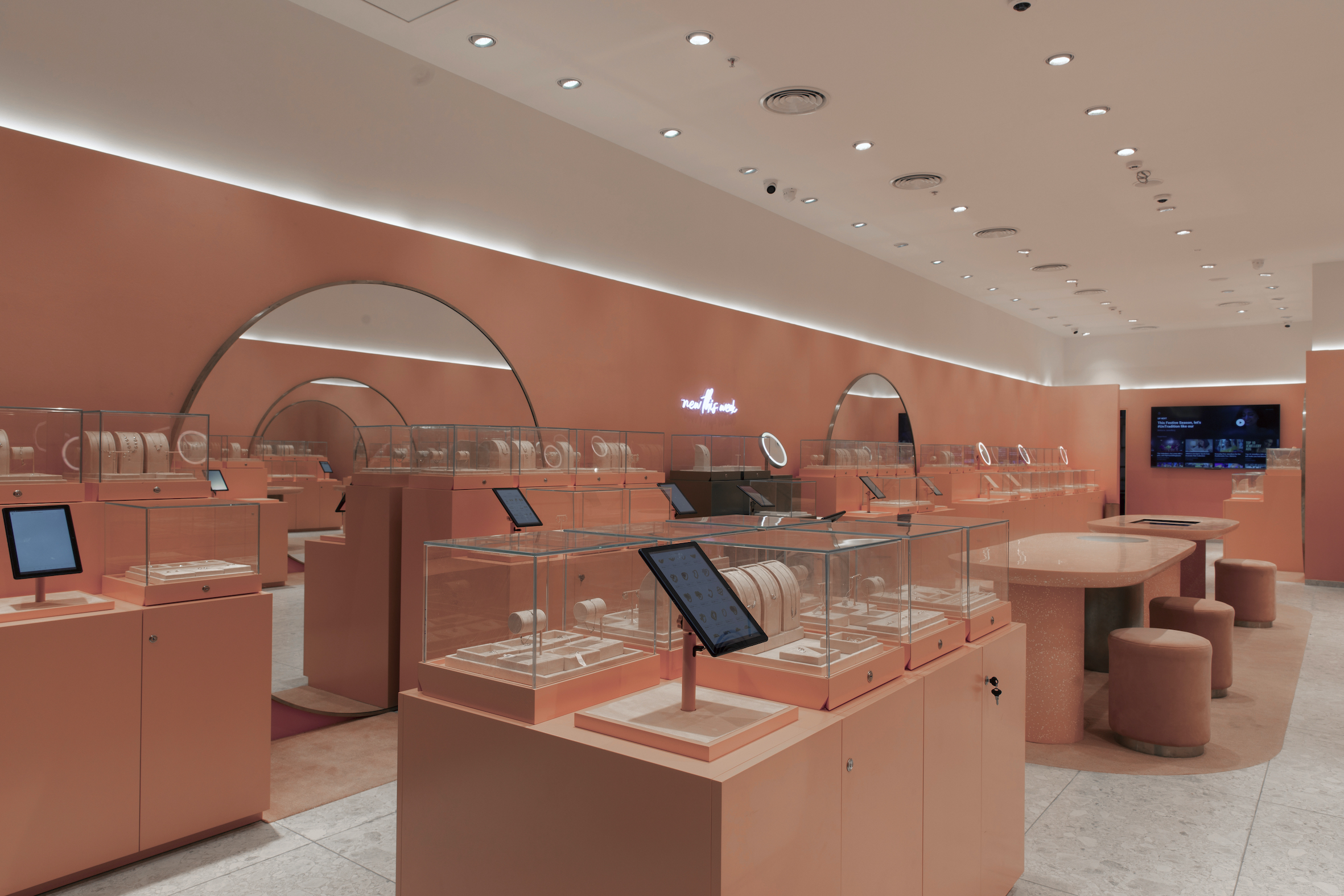
    India’s fastest growing lightweight fine jewellery brand designing affordable jewellery for everyday wear, recently launched its first brick-and-mortar store in Orion Mall, Rajajinagar Bangalore on 21st December 2020.

    The women-centric jewellery ‘experience centre’ for millennials is fresh and fun, driven by Melorra’s three pillars — fashion, technology and variety. The launch was attended by Siddharth Talwar, Co-Founder and Partner at Lightbox, Sandeep Murthy, Partner at Lightbox and Nirupa Shankar, Executive Director, Brigade Group.

    Built in line with the online experience that Melorra currently offers, the physical outlets are unique, fresh, and iconic. The brand aims to enhance a customer’s sense of touch, feel and trial of Melorra jewellery, through the experience centre.

    Speaking about this, Saroja Yeramilli, Founder and CEO, Melorra, said, “Melorra’s journey in the jewellery world has been completely unique in every respect. From online to offline, the launch of the retail stores will provide a seamless, customer-in-control experience. We are a brand taking inspiration from global fashion trends, and launch a new collection every week. Melorra is known for its design innovation offering customers easy to wear, comfortable everyday jewellery. We offer the largest range of over 10000 unique, contemporary, lightweight gold and diamond jewellery designs.”

    Adding further, Saroja Yeramilli said, “At our physical stores, customers can shop worry free with the option of a digital checkout. They walk in not just to buy jewellery, but also to get informed about global fashion trends. There is a Bliss Bar wherein women can get along their friends, have fun trying Melorra’s latest jewellery or just go through the recent trends.”

    Functionally, the stores are designed for any of the many journeys a customer may choose to adopt: shop online pick up in store; shop in store ship to home and everything in between.

    Melorra warmly welcomes their customers with beautiful full-length mirrors and in-store stylists available as advisors and consultants, enabling the woman to build her fashionable fine jewellery wardrobe. The brand aims to give its customers a high-energy and high-fashion experience – with the physical stores becoming a super happy place to be!

    Melorra has been a disruptor in the jewellery industry since it started operations in 2016. The brand is redefining the way fine jewellery is being perceived and worn. So far, Melorra has delivered to over 1900 towns in the country and made its mark everywhere – from villages with a population of less than 10,000 to cities with population above 1 million.

    Melorra recently raised US $12.50 mn in an oversubscribed funding round led by Symphony Asia (one of Asia’s first private equity firms), Lightbox Ventures, Alteria Capital and other leading family offices. The brand has been recording accelerated growth in order value and numbers ever since the lockdown was lifted.

  • 9 Unusual Reasons To Take An Online MBA

    9 Unusual Reasons To Take An Online MBA

    Everyone who considers taking an MBA is going to have their own reasons for doing so. Most of those reasons will be the obvious ones, such as wanting to start their own business or reach a higher level in their own career. However, there are dozens of reasons why an online style of MBA might be the right thing for you, and some of those reasons are quite unusual.

    This doesn’t mean they are any less valid or that you shouldn’t sign up for an MBA online if you want to. If one of these reasons resonates with you, perhaps it will help make the final decision as to whether you want to put in the time, effort and money to take this additional degree. Read on to find out what some of the more unusual reasons for taking an MBA are.

    A Chance To Think About Business Issues

    When you are completely focused on a business, working in it day to day, there often isn’t much of chance to take a step back and reflect on the issues that are taking place within the world of business. An online MBA gives you that opportunity, and not only allows it but encourages it.

    Needing to take a degree in order to give yourself this moment of reflection may seem extreme, but since the MBA will have many other benefits too, taking this opportunity to look more deeply into today’s business challenges is something you can see as a bonus. Far from being a luxury of time that you can’t afford, reflecting on the state of business and trying to come up with answers to make things easier not just for you but for everyone working in a business environment is certainly a good reason to take an MBA. You could change the world (or the world of business at least).

    Making Like Minded Friends

    Being in business, particularly when you are a business owner, can be lonely. You need to work long hours, putting in a great deal of hard work to make your business a success and this can mean having to sacrifice time with friends and family, at least at the beginning of the process.

    When you are a business owner or you’re trying to boost your career in business, it may feel as though there is no one to talk to about what you’re going through because no one in your immediate circle will understand. Taking an MBA means you will be with people who definitely understand, and who you can talk to about all kinds of business issues. They might even come up with solutions to problems that you were finding it difficult to get around.

    Of course, being an online MBA means that you won’t be with these people in a physical, face to face setting and often you won’t even be online at the same time – it will depend on the set up of the MBA and whether the lectures are live or recorded for you to listen to at your leisure – but you will still be able to ‘talk’ to those who have the same mindset as you. There will usually be special online groups set up for those who are taking the same course, and being able to talk about business, and potentially your business in particular, can make all the difference. It can certainly help to keep you motivated for the future.

    You’ll Be Humbled

    When you’re working in your own bubble of business it might not occur to you that there is a lot you don’t yet know. It may feel as though there is nothing left to learn because you are doing everything you can every day to make your business a success.

    The truth is, and this is something an MBA will teach you, there is always more to learn. There are always those who are more successful and who know more. Rather than being envious of these people, why not learn from them? They are the ones who will be giving lectures and talking about how they do what they do in business. They are the ones who will give you your MBA after you put in the hard work and listen to what they say.

    You will find that taking a degree like this in a subject that you thought you knew a lot about, will reveal much about you that you weren’t aware of, and in many cases you will be humbled. This is a good thing. Working alone in business, feeling as though you know it all, is bad for your career. It means your mind is closed to new ideas and possibilities. By taking an online MBA, your mind will be opened once more and you will be able to take on board many ideas that you wouldn’t have considered before, making your business much more successful than it would have been otherwise.

    Being humble is a good thing, especially when you are able to learn and build yourself up from it.

    Working As A Team

    Initially, an online MBA may appear to be a solo pursuit, but this is not necessarily the case. There might be team projects that you can get involved in and although they might not be mandatory, they will be useful if you do take up the idea.

    Business owners and those who are working for someone else but who want to get ahead in their careers are not always the best at working in a team. Their personalities are such that they tend to work alone, preferring to do things their own way. This could well sound familiar to you. However, learning to work in a team is something that can easily stand you in good stead for the future and it could make you much more successful as you move forward, so trying in the safe environment of your MBA is a good thing to do.

    Teamwork is something that, once you have mastered it, can help you in many ways. It can turn you into a great leader, for example, which is going to be absolutely crucial when you have your own team beneath you. It can also show you the importance of listening, which again will be of great use when you are an employer or manager. You’ll also know what to look out for in the future when your own team is working on a project; you’ll know who is pulling their weight and who should be doing more.

    Understand The Global Economy

    Due to its very nature, an online MBA is a mode of study that will attract students from all around the world. In fact, you might even decide to study at an international business school yourself.

    There are great advantages to doing this, but even if you decide to stay closer to home you will still have a chance to learn about international business. Is there any point to this when you aren’t importing or exporting and you’re not dealing with international clients?

    The answer is yes, and it’s a big reason for some to take on an online MBA. The world of business is getting smaller thanks to new technology and new ideas. This means that, even if you’re not working with foreign customers and suppliers right now, you might do in the future; learning about international business will help you get prepared for this.

    Even if you never work in this way, learning about how other countries or even entire continents do business could give you some useful ideas about changes you might want to make in your own business.

    Or perhaps you are going to continue working in the way you work, on a local scale. Understanding international business is still important; it will give you knowledge and an overview of the business world that will make you a more well-rounded individual.

    It’s A Challenge

    Not everyone who takes an MBA specifically needs this degree to move on with their careers. So why do they sign up for something that will take so much hard work and be time-consuming (even if, thanks to the unique nature of online degrees, they can work at their own pace to achieve their qualification) if it’s not required?

    The answer is that an MBA is a challenge. If you can learn what you need to learn and focus on your studies, if you can achieve your goal of adding an MBA to your name, if you can do all this and continue to work in or on your business and enjoy your family life (which is the beauty of an online MBA as it allows you to do all this without any sacrifice), then you will have achieved a great thing and the challenge you set yourself will be done and complete.

    You will be able to look back at what you have done and be proud of yourself. Being challenged in life is important as it means you always have a goal to strive for, plus you can keep your brain active. An online version of the MBA is an excellent choice if you want a long term challenge with an excellent reward at the end.

    Guest Speakers

    Although the guest speakers that your chosen MBA may bring in to give you more of an insight into the world of business and management will probably not be the sole reason for signing up for this additional qualification, they will certainly be a bonus that should not be missed.

    Being able to learn from accomplished people who really do know what they are talking about because they have already done it all and now want to impart their wisdom to others is not something to be taken lightly. It’s also not something that everyone in business is able to take advantage of. However, if you are taking an online MBA, it’s something that you can certainly enjoy and benefit from.

    Going into business is difficult and it is full of challenges. Most business owners have to navigate these challenges with their eyes closed, hoping that the decisions they are making within their business are the right ones. When you have taken an MBA and you have been privy to the knowledge and business tips that a guest speaker will give you, your eyes will be wide open as you work on your business, and you’ll have a much clearer idea of how to make it through.

    Refocus Yourself

    If you’re even the slightest bit unhappy in your career choice – or your sector choice – taking the time to study for an MBA will give you the chance to refocus and reassess your situation. This is the time to make a change so that, once you have your degree in your hand, you can move forward immediately.

    No matter what it is you want out of life, when you are completely immersed in your career or business it can be hard to take enough of a step back to see whether it’s the right thing for you. Since we spend so much time and effort at work in our lives, it’s crucial that what you do is something that you are going to enjoy, or at least not hate so much that you stop trying to move forward and do better.

    Although an online MBA won’t give you a complete break from work (unless you choose for this to happen), it will allow you to focus on something else for a while and for a change, and this could be enough to finally be honest about your current situation. If you are happy with it, your online MBA is the next step forward. If you’re unhappy, that same MBA could be the next step sideways, or a leap across to a different career altogether. Once you have the degree you have the power to refocus yourself and do something you’ve always wanted to do.

    Learn Management

    Why is it that some people are born to manage other people and others find it a challenge that they can’t seem to get quite right?  Although we don’t know the answer to that, we do know that an online MBA is a great way to understand more about management and to  learn a management style that will help you in the future.

    Everyone works in a different way and everyone responds to management in a different way. Yet when you have a style that works for you, one you have learned through your studies, you can be sure that your team will work hard for you and be loyal.


  • Cebu Pacific considers sending more aircraft to Alice Springs

    Cebu Pacific considers sending more aircraft to Alice Springs

    Philippine low-cost carrier Cebu Pacific Air is considering putting more aircraft in long-term storage, as it weighs a volatile demand environment amid the coronavirus pandemic.

    The carrier has 14 aircraft in long-term storage at Asia Pacific Aircraft Storage in Alice Springs, Australia, says Alex Reyes, vice president for cargo at Cebu Pacific.

    Cebu Pacific also operates Airbus A321neos. These comprise seven Airbus A321s, two A330s, four ATR72-600s, and one A320.

    “We are looking to put more aircraft for long-term storage, but this is still under study given the volatility in market demand and travel restrictions,” says Reyes.

    Cerium fleets data indicates that overall the airline has 30 aircraft in service and 23 in storage. It also has 56 aircraft on order from Airbus. These comprise 24 A321neos, 16 A320neos, and 16 A330-900s.

    The airline’s in-service fleet comprises 12 A320s, seven A321neos, six A330-300s, and five A320neos.

    “We have had positive discussions with Airbus and our engine suppliers regarding our pending orders,” says Reyes.

    “The current plan is in line with our conservative forecast in the coming years, given our current situation. We will proceed as planned per our long-term vision, which includes the continuation of an orderly exit strategy of older aircraft that began before COVID-19.”

    He adds that the airline continues to target sale & leaseback transactions, per its pre-pandemic plans.

    Cebu Pacific has been working to restore flights after operating less than 10% of its domestic network from June to November. It is now operating 400-450 flights weekly to 28 domestic and eight international destinations.

    In its third-quarter ended 30 September, Cebu Pacific and its units reported an operating loss of Ps6.7 billion ($139 million), reversing the Ps873 million quarterly operating profit it made last year.

    Revenue for the period plummeted 89% to Ps2 billion, outpacing a 52% year-on-year decline in expenses. The revenue decline was led by a dramatic 97% drop in passenger revenue year on year.

  • Google announces major news for Android users

    Google announces major news for Android users

    Google has announced that Android phones starting with the ones powered by the upcoming Snapdragon 888 Mobile Platform will support four years of Android system updates instead of the typical two to three that Android phones offer. While the actual number of updates that an Android phone supports is up to the manufacturer of that handset, today’s news indicates that newer Android models will have the ability to be updated as many as four times before losing support. That would include an extra year of OS and security updates.

    Unlike Apple, which allows an iPhone model to continue to receive iOS updates until the hardware no longer can do justice to the software, Google typically ends Android support for handsets after three years. Apple has an advantage in that it not only develops iOS itself, it also is behind the design of the phone running the operating system. Google, on the other hand, does develop Android but there are quite a number of individual companies that manufacture Android phones.

    To reiterate, most Android phones can be updated for as long as three years compared to approximately five years for an iPhone model. Google’s announcement today cuts that advantage from two years to just one. But before Android users start getting giddy about that extra year of support, it will be up to Android phone manufacturers to determine whether or not to allow their phones to receive four years of Android updates.

    Extending the number of years that an Android phone can receive an OS update to four will reduce the number of times that an Android user is forced to buy a new phone just to receive the latest version of the Android OS.