Category: General

Retail News Asia is committed to providing both local and global retailers with the latest General Retail news throughout the Asian market. This on a daily base.

  • New Institute to Lead Digital Finance Research in Singapore

    New Institute to Lead Digital Finance Research in Singapore

    Singapore will soon see the establishment of a research institute that will develop deep capabilities to support the needs of digital financial services in Asia.

    Expected to begin operations by the end of 2020, the Asian Institute of Digital Finance (AIDF) will provide thought leadership and strengthen synergies between education, research, and entrepreneurship in the thriving area of digital finance, a statement on Wednesday said.

    The institute, which combines education, research, innovation, and business incubation, is a joint initiative of the Monetary Authority of Singapore (MAS), the National Research Foundation (NRF) and the National University of Singapore (NUS), where it will be hosted.

    AIDF will be an important addition to Singapore’s rich and vibrant FinTech ecosystem. Through applied research and active collaboration with industry, AIDF will help to build strong capabilities in digital finance and fintech,» Ravi Menon, MAS managing director, said.

    Led by led by NUS Business School professor Duan Jin-Chuan, AIDF will offer masters and doctoral programs in digital finance and fintech, as well as train post-doctoral fellows in these fields, building a pipeline for fintech leadership development in Singapore and the region.

    A steering group comprising NUS deputy president and provost, Professor Ho Teck Hua, MAS chief fintech officer Sopnendu Mohanty and thought leaders from the financial and technology industries will provide guidance on curriculum design and align AIDF’s research direction with strategic priorities in Singapore and the region.

    The steering group will also evaluate the impact of AIDF’s research and identify opportunities for collaboration and partnerships in Asia and beyond, the announcement said.

    Potential areas of focus for research include digital assets and ledger technology, artificial intelligence and machine learning, digital finance platforms, green finance technology, and next-gen financial services on 5G networks.

    The institute will also establish a Fincubator program to drive transformation of ideas and projects by promising students and entrepreneurs into market-ready products and services.

  • GS Retail recruits local residents to deliver products

    GS Retail recruits local residents to deliver products

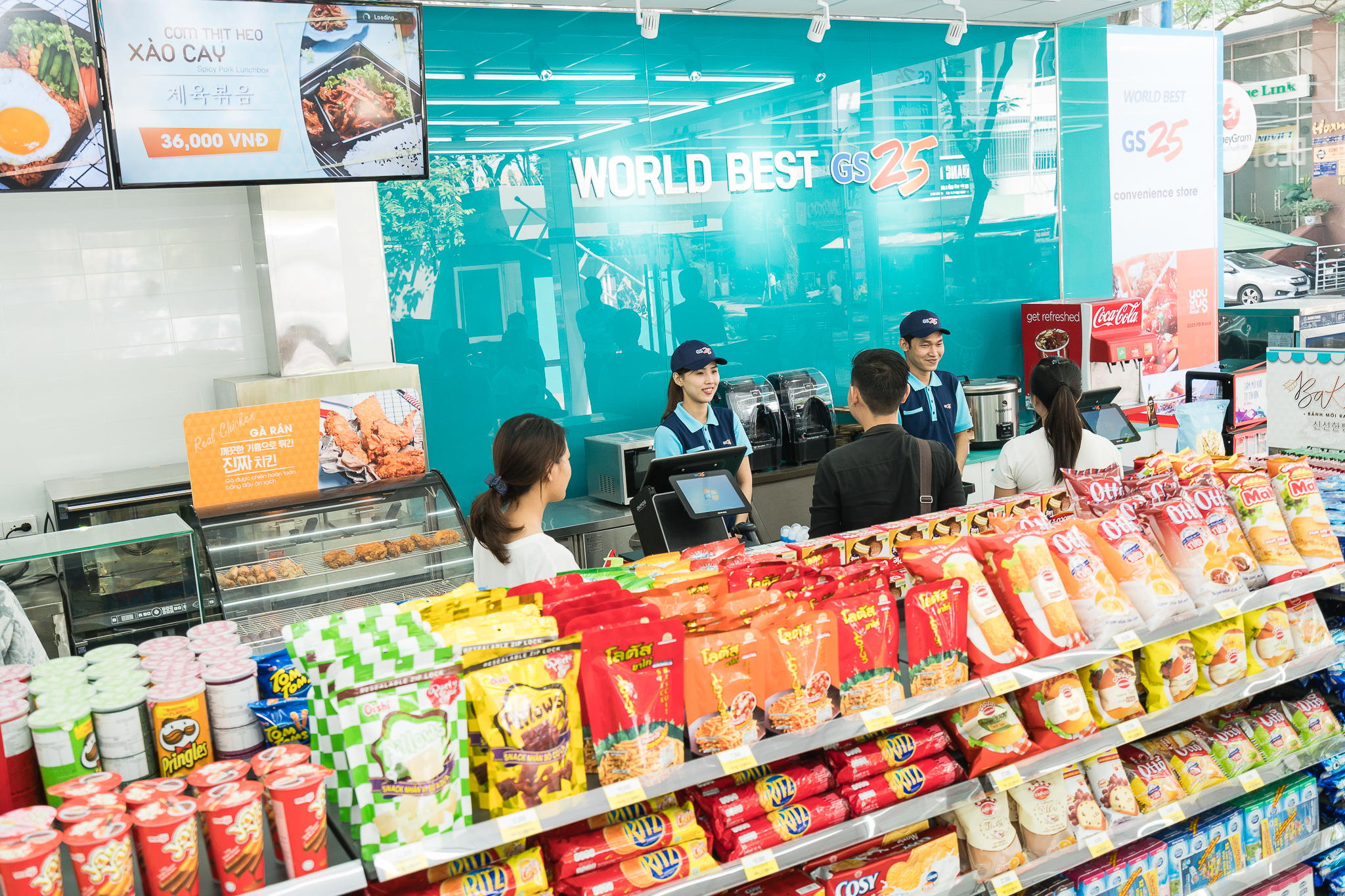
    South Korean convenience-store operator GS Retail plans to hire local residents with ample knowledge about their neighborhoods to speed delivery of products in areas where alleyways and addresses may prove confusing.

    GS Retail, which runs the convenience-store chain GS25, will begin testing its new ‘Neighborhood Delivery’ service, which is open to all applicants without limits to time and task.

    Each person will be delivering products within a 1.5km radius of their current location. The products, too, will weigh less than 5kg, allowing retirees, homemakers, and after-work office workers to work without difficulty.

    If a customer orders a product from a nearby GS25 convenience store through the Yogiyo app, the delivery person can respond to an incoming delivery call to bring the product to the customer.

    Each delivery will pay US$2.35-$2.68 in commissions.

    GS Retail plans to test the new delivery program at three convenience stores in Seoul’s Gangnam District starting Monday. On August 17, the program will be expanded to cover all GS25 stores throughout Seoul.

    The company aims to infiltrate the $17 billion delivery market with ‘Neighborhood Delivery’, a short-distance quick-commerce platform based on 15,000 brick-and-mortar stores.

  • Vietnam retail sales continued to recover before Covid-19 second wave hit

    Vietnam retail sales continued to recover before Covid-19 second wave hit

    Vietnam’s retail industry continued to recover after the March lockdown to fight Covid-19, with a 4.3-per-cent increase year on year in July’s retail sales.

    However, after being virus-free for more than three months, Vietnam is now facing the second wave of Covid-19 which originated in the coastal city of Danang. With a full lockdown in Da Nang and partial lockdown in Ho Chi Minh City and Hanoi, retail sales are expected to be impacted this month.

    According to the General Statistics Office (SGO), retail sales dropped just 0.4 percent year on year over the first seven months of this year, reaching about US$121.7 billion.

    The office said Vietnam’s retail sales have shown positive signs of economic recovery due to domestic consumption and tourism push in July. Last month, Vietnam retail sales rose 3.3 percent from June’s figures.

    Sales of consumer goods reached $96.4 billion, increasing by 3.6 percent year on year. Growth sectors include home appliances and fresh-food products with 7.6 percent and 7.5 percent increases respectively. Meanwhile, F&B revenues fell 16.6 percent, generating $12.2 billion.

  • SaSa teams with Boutir to develop personal online stores for sales staff

    SaSa teams with Boutir to develop personal online stores for sales staff

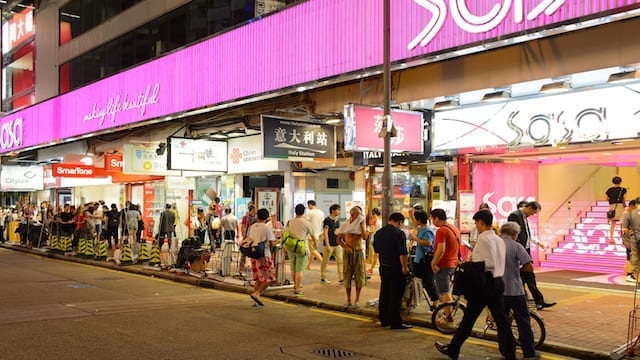
    Hong Kong-based cosmetics & personal care chain SaSa has set up personal online stores for its beauty consultants to provide a new sales channel for the brand’s customer-facing staff in partnership with the e-commerce platform Boutir.

    The solution uses the Boutir mobile app to allow customers to make purchases on the consultants’ personal storefronts, providing additional commissions for staff as well as a more flexible experience for consumers. The move is an opportunity for the brand to combine its strengths in in-person shopping with digital retail, helping SaSa expand its omnichannel sales approach.

    “SaSa is committed to social commerce and is constantly developing new online sales channels,” said SaSa chairman and CEO Dr Simon Kwok. “The partnership with Boutir allows SaSa to transcend the spatial-temporal boundaries, use social media to engage and sell more with customers in Hong Kong SAR and leverage potential synergies between its online presence with the existing brick-and-mortar stores to provide a seamless online-to-offline shopping experience that is more flexible, accessible and intimate.”

    SaSa has been building its digital strategies swiftly following the advent of the coronavirus pandemic, including the development of a WeChat mini program to target customers from the mainland who had previously visited physical outlets in Hong Kong or Macau. The personal service component made possible via the Boutir platform is expected to potentially outperform the brand’s traditional online sales in terms of house brand mix, gross margin and basket size.

    Boutir founder Eric Ng said the partnership with SaSa would use the expertise of the chain’s professional beauty consultants to extend their customer service in brick-and-mortar stores onto the online platform. “It will also improve customer loyalty, broaden the customer base and increase the sales conversion rate.”

  • Covid-19 will strip US$95.4bn from Apac apparel market

    Covid-19 will strip US$95.4bn from Apac apparel market

    The coronavirus pandemic is likely to cost the apparel and footwear industries across the Asia-Pacific region US$95.4 billion in lost sales this year.

    The impact on the broader global industry will be a massive US$395.6 billion in lost sales, according to analytics firm GlobalData, which represents a 19.5-per-cent decline on last year’s figures. The sector will account for 29.1 percent of the total $1.3617 trillion impacts of lost revenues by the retail industry during the period.

    The figures are the result of an industry examination undertaken by GlobalData, which found that the apparel sector is still the worst affected by the outbreak, continuing to be hit by store closures and poor consumer demand. Rising unemployment and a possible recession is likely to worsen the situation for players in the industry.

    According to research conducted by the firm, 60 percent of consumers surveyed said that trustworthiness, risk-free and familiarity are factors currently influencing their choices of products/services.

    “Brands need to continuously engage with consumers through social media channels and personalized messages to stay in contact and engage with their customers,” said GlobalData Retail analyst Vijay Bhupathiraju.

    “They should continue to build trust by delivering messages addressing Covid-19 and social responsibility and advertise the safety and hygiene measures taken during the manufacturing process and in-stores to drive more consumers to the stores.”

  • Vietnam Airlines loss soars to $280 mln

    Vietnam Airlines loss soars to $280 mln

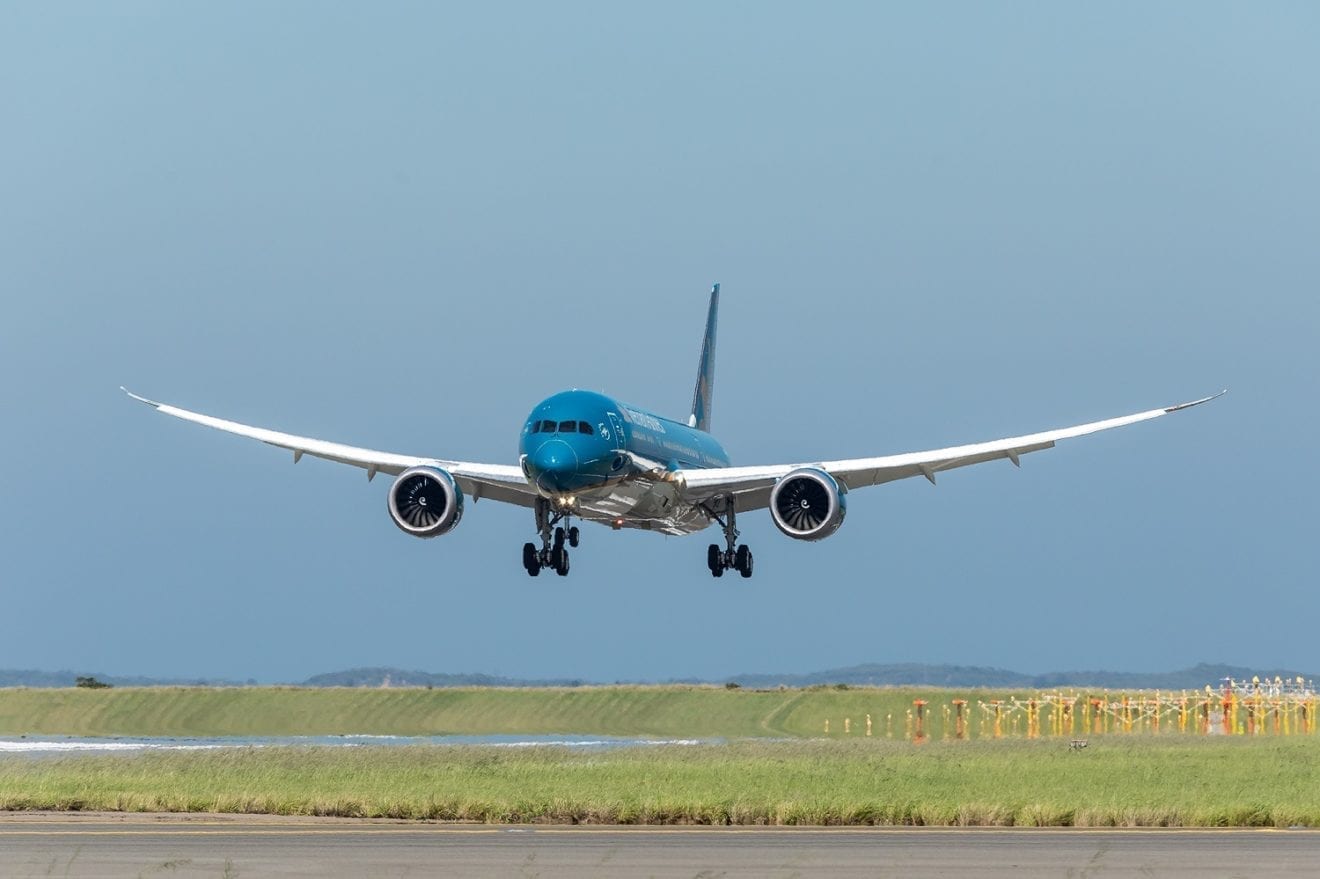
    Vietnam Airlines reported a loss of over VND4 trillion ($170 million) in the second quarter and cumulative first-half losses of over VND6.64 trillion ($286 million).

    In its consolidated financial statement for the second quarter of 2020, the carrier reported revenues of just VND6 trillion ($258.6 million), a 68 percent fall from the previous quarter.

    It blamed the decline on the Covid-19 pandemic, which had forced it to suspend all international flights and, during the social distancing period in early April, limit domestic flights.

    Significantly cutting sales, financial and management costs did not enable the airline to remain in the black. Earlier this month its CEO, Duong Tri Thanh, estimated that its full-year revenues would drop by half from last year to just VND50 trillion ($2.16 billion), and the loss would be around VND13 trillion ($560.34 million).

    The airline has asked the government for an urgent VND12 trillion ($517.24 million) bailout, claiming it would otherwise be in a very difficult situation by the end of August. It will hold its annual general meeting, which has been delayed twice due to the agenda, on August 10.

  • Seven & I confirms on-again, off-again Speedway deal

    Seven & I confirms on-again, off-again Speedway deal

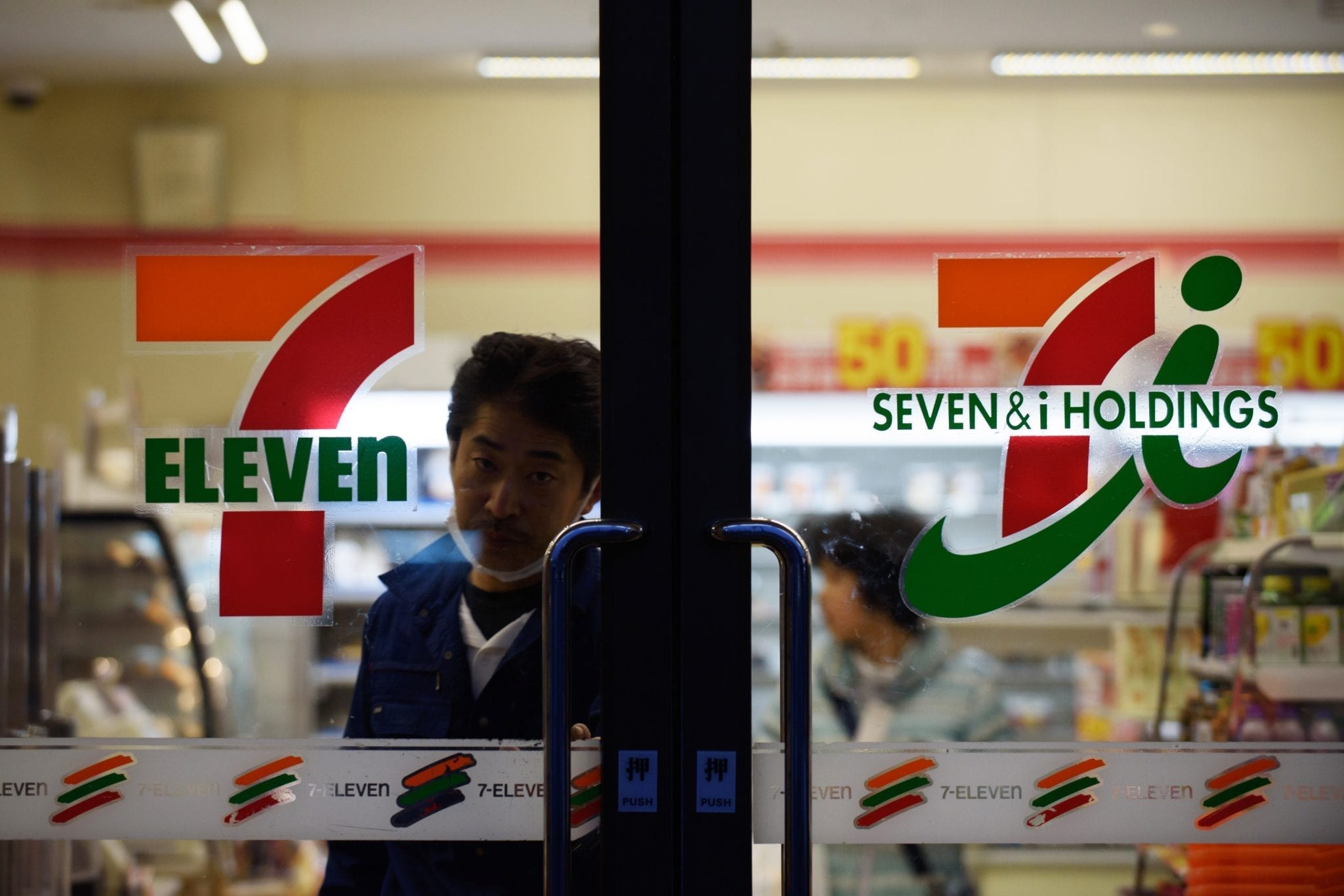
    Japanese 7-Eleven convenience store chain owner Seven & I will purchase Marathon Petroleum’s American Speedway petrol stations in a US$21 billion deal that has been significantly delayed by the advent of the coronavirus pandemic.

    The firm was reported to be in talks to purchase the brand’s convenience-store network in the US last February, in a move then expected to be the largest overseas acquisition by a Japanese firm in the US so far this year. The purchase was dropped in March because the expected asking price was considered too pricey by the group’s board of directors.

    Now that the deal has been picked up, Seven & I has the opportunity to look beyond its own market and greatly extend the number of outlets it already operates in the territory, bringing its estimated total North American stores to around 14,000. The deal also comes with a 15-year fuel supply agreement with Speedway.

    7-Eleven is facing stiff competition from competitors at home in a saturated market both in terms of physical operators and online retailers.

    For Marathon, proceeds from the sale are likely to go towards reducing the company’s significant debt.

  • Messaging app plans to challenge TikTok

    Messaging app plans to challenge TikTok

    When Snapchat first crossed our consciousness in May of 2012, its claim to fame was self-deleting photo messages that would disappear after 10 seconds. Eventually, Snapchat invented the “Stories” feature that Instagram and other social media apps copied. Today, Snapchat is known for its AR Lenses which can turn you into a sunglasses-wearing motorcycle cop, a dog sticking out his long tongue, and more.

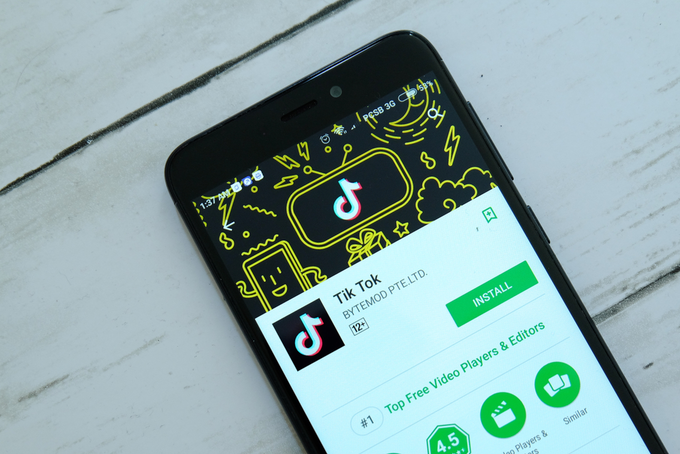
    And now Snapchat is planning on going head-to-head against TikTok. The latter, with over 2 billion installs from the App Store and the Google Play Store, is one of the most popular apps in the U.S. as it allows users (mostly teens, pre-teens, and a smattering of adults) to create short-form videos of 15 and 60 seconds in length. Content includes lip-syncing, dancing, comedy bits and more. Snapchat announced today that it will be testing a new feature that will allow users to have their Snaps play with music in the background. Sound familiar?

    This is the perfect time for Snapchat to explore adding TikTok-esque features to the app. President Donald Trump has made it clear that the U.S. will not allow companies with possible ties to the communist Chinese government to operate in the states, and while he is allowing Microsoft to negotiate with TikTok parent ByteDance (a company based in China) to acquire the app in the U.S. and several other countries, such a transaction comes with a pretty high price tag which means that there is no guarantee that it will get done. If a deal isn’t agreed to, TikTok could get banned in the states and its 800 million global active users (100 million in the U.S.) will be searching for an alternative to the app, something that we’re sure that Snapchat understands.

    Snapchat parent SNAP has licensing deals with a number of music publishers including Warner Music. The music will be available for Snapchat users to add before recording a video, or afterward. When one of the new Snaps with music is shared, the person on the receiving end will swipe up to see album art, the title of the song being played, and the name of the artist. A “Play this song link” will send the user to Linkfire’s website or to the user’s preferred streaming music platform where the entire song can be played. That could be considered an improvement over what TikTok offers; tap the “sound” link on the latter app and you’ll see other clips that use the same song. Snapchat says that the new feature is designed for sharing music with your “real friends.”

    “We’re always looking for new ways to give Snapchatters creative tools to express themselves,” said a SNAP spokesman. “Music is a new dimension they can add to their Snaps that helps capture feelings and moments they want to share with their real friends.”

    While Snapchat seems to be overlooked in the messaging apps category, as of last quarter it counted 238 million daily active users worldwide. It also reaches more 13-to-24-year olds in the U.S. (90%) than Instagram, Facebook, and Messenger. Even more impressive, Snapchat says that it reaches more users in the U.S. than Twitter and TikTok combined.

    A Snapchat spokesman said, “We’re constantly building on our relationships within the music industry, and making sure the entire music ecosystem — artists, labels, songwriters, publishers and streaming service — are seeing the value in our partnerships.” Snapchat plans on rolling out this feature in English-speaking markets starting this fall, although it is being tested starting today in New Zealand and Australia.

    Meanwhile, Instagram is about to roll out its own short-form video feature called “Reels” which is making TikTok parent ByteDancer very unhappy. In a statement late Sunday, ByteDancer accused Instagram owner Facebook of “plagiarism.” The whole statement read, “ByteDance has always been committed to becoming a global company. During this process, we have faced all kinds of complex and unimaginable difficulties, including the tense international political environment, collision and conflict of different cultures and plagiarism and smears from competitor Facebook.”

  • Hong Kong beauty chain Bonjour warns of another loss

    Hong Kong beauty chain Bonjour warns of another loss

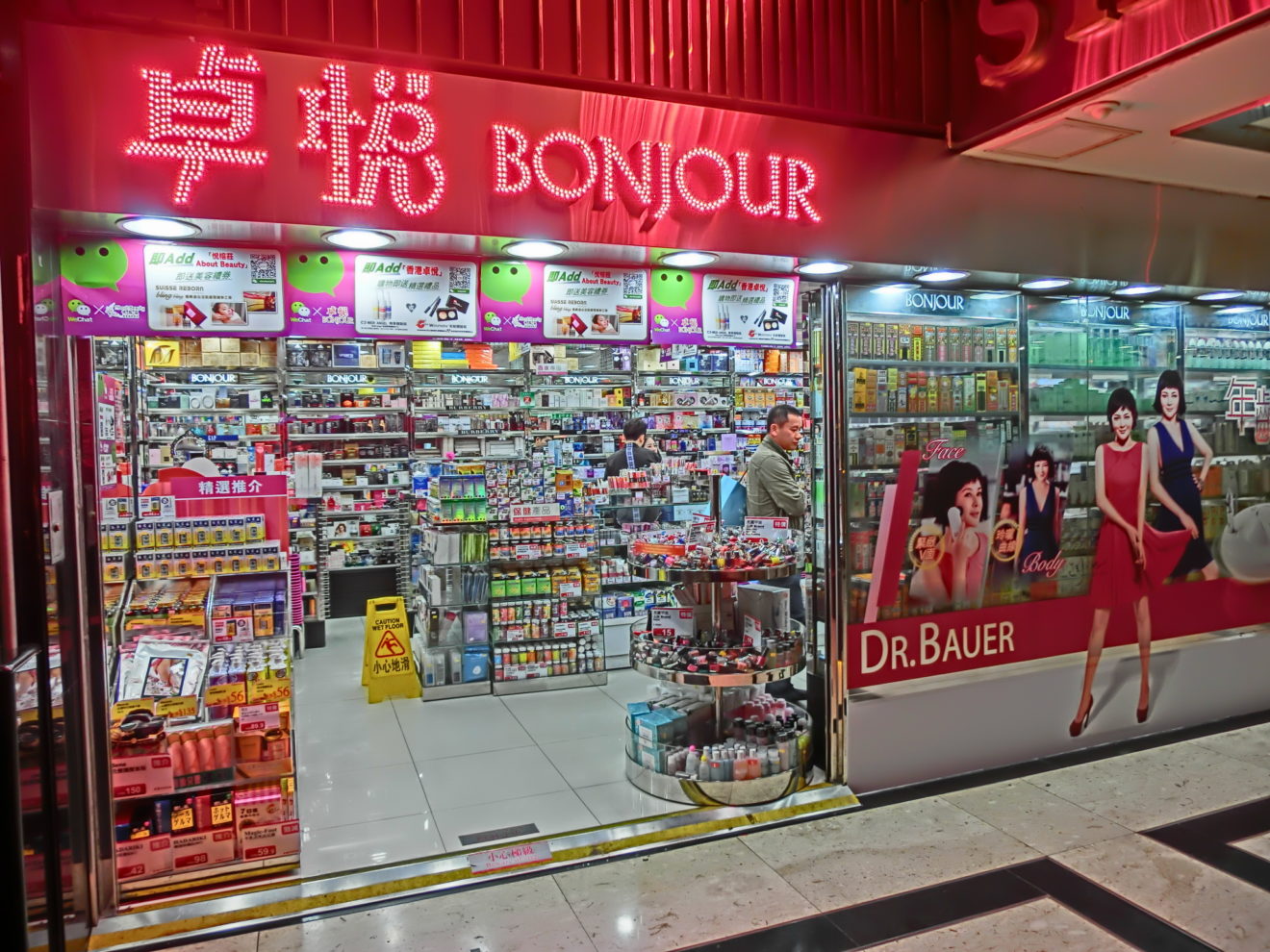
    Bonjour Holdings has warned of a loss as high as US$12 million for the half-year to June as it weighs the impact of protest activity and the Covid-19-driven lockdown of the border with Mainland China.

    In a profit warning, the health & beauty retail group said a preliminary, unaudited review of its results suggests a loss “not less than 300 percent” of that of the same period last year when it finished the period $3.8 million in the red.

    Besides the decline in inbound tourists to the territory, local consumer sentiment weakened during the six months.

    The company has also booked impairment provisions related to assets and property, and inventories resulting from losses at its retail stores, but such provisions are by nature noncash and have no impact on the group’s cash flow or liquidity.

    Confirmed results will be released at the end of this month.

    In April, Bonjour said it was delisting slow-moving products and had trimmed its store network to compensate for falling sales after reporting a full-year loss of $16.7 million.

    In May, the husband-and-wife founders of the company stepped back from their senior leadership roles, with Dr Wilson Ip Chun Heng resigning as chairman and CEO, and his wife, Chung Pui Wan, stepping down as vice-chairman. Both remained on the board.

  • I.T Limited sales, margins eroded due to Covid-19 lockdowns

    I.T Limited sales, margins eroded due to Covid-19 lockdowns

    Hong Kong-headquartered fashion retailer I.T Limited says its sales have fallen in all of its markets, with the US and Japan the worst affected. Same-store sales of its Hong Kong and Macau stores fell by 49.1 percent in the three months to May 31, while US and Japan store sales plunged 66.1 percent. In Mainland China, the sales decline was a less dramatic 11.8 percent.

    I.T Group operates its own brands, including Chocolate and 5cm, concept stores Izzue and Double-Park; international brands it has local licenses for including Kurt Geiger and Camper; and A Bathing Ape, which the company rescued from Japanese owners in 2011.

    Chairman Sham Kar Wai has warned that the company will post a loss for the first quarter compared to a profit for the same period last year.

    “It remains difficult for the group to precisely predict and quantify the negative impact that will result from the Covid-19 pandemic and social unrest around the world, but we expect our business will continue to face strong headwinds for the remainder of the year,” he said in a stock-exchange filing.

    Stores were closed or forced to trade for reduced hours, in most markets due to the Covid-19 crisis.

    “Although our initial strategy was to focus on full-price sales and reduce discount related activities in order to secure gross margin, we eventually had to increase mark-downs to boost sales volume amidst an incredibly difficult trading environment,” he said.

    Gross profit margin fell by 8.8 percent globally, with a 9.5-per-cent decline in Hong Kong and Macau resulting in a final margin of 49.9 percent. Despite the size of the sales decline in Japan and the US, gross margin remained higher than in any other market at 64.5 percent, down 7.8 percent in the quarter. In Mainland China it fell 8.7 percent to 55.3 percent.
  • Trump gives Microsoft the green light to bid for TikTok

    Trump gives Microsoft the green light to bid for TikTok

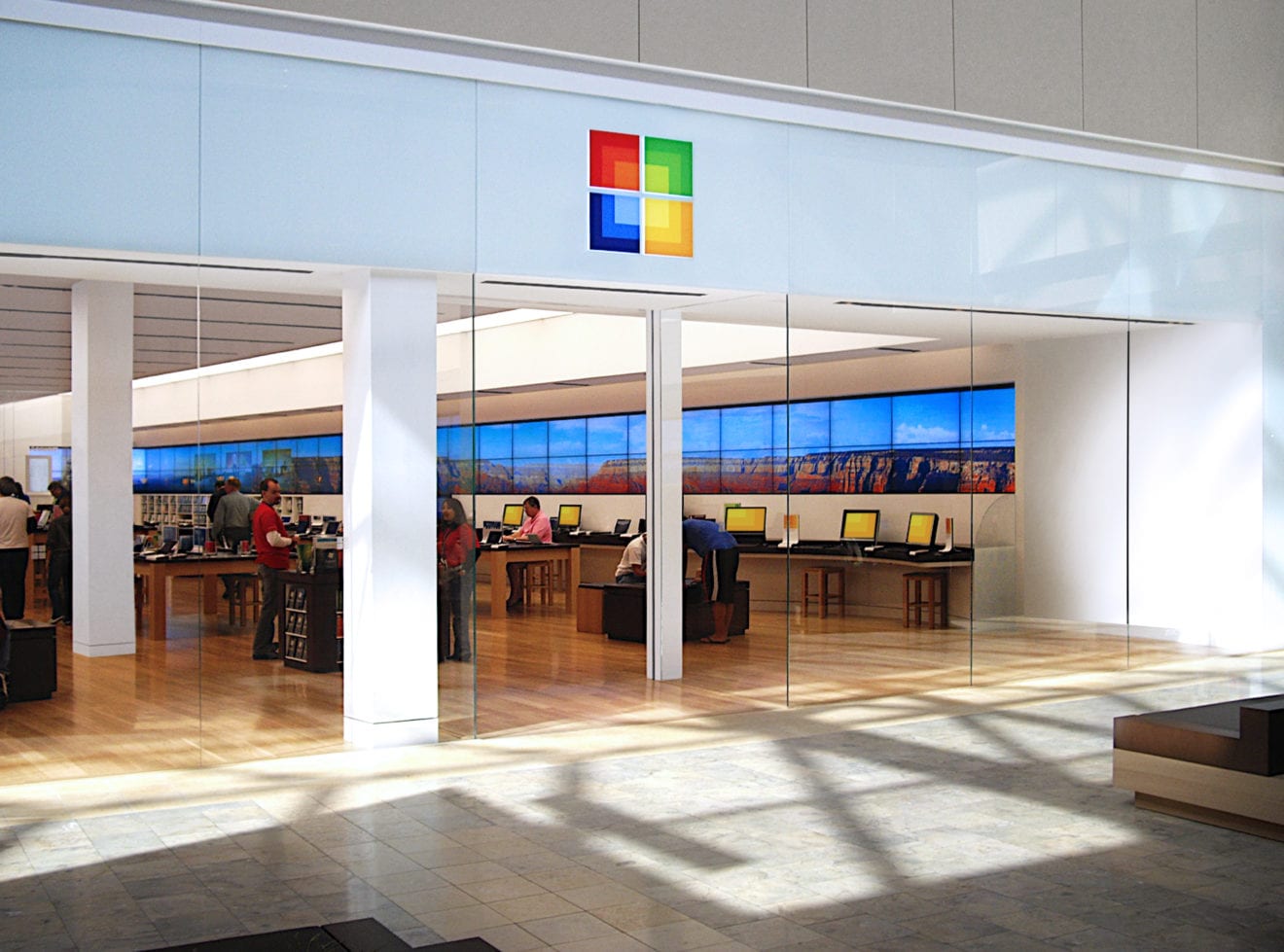
    No, we don’t think that the TikTok story is the only game in town. However, it isn’t every day when an app with over two billion installations becomes the subject of a takeover battle involving a huge U.S. company and the President of the United States. This afternoon, Microsoft’s official blog reported that following a conversation between Microsoft CEO Satya Nadella and President Donald Trump, Microsoft has decided to continue talks with TikTok’s corporate parent ByteDance in an attempt to purchase the short-form video app. Microsoft says that it would like to complete discussions with ByteDance by September 15, 2020.

    There are several possible reasons why the Trump administration has been seeking to ban TikTok in the U.S. In the states, several Chinese companies are considered national security threats with fears that they will collect personal data and send it to Beijing. Earlier this month Secretary of State Mike Pompeo compared the attempt to ban TikTok with other bans placed against Chinese manufacturers Huawei and ZTE. “Whether it was the problems of having Huawei technology in your infrastructure we’ve gone all over the world and we’re making real progress getting that out. We declared ZTE a danger to American national security. With respect to Chinese apps on peoples’ cellphones, the United States will get this one right too.”

    Microsoft said on Sunday that it “fully appreciates the importance of addressing the President’s concerns. It is committed to acquiring TikTok subject to a complete security review and providing proper economic benefits to the United States, including the United States Treasury.” Some of those economic benefits include the addition of 10,000 new jobs that TikTok intends to bring into the U.S. over the next three years, according to a TikTok video posted on the app this morning by U.S. General Manager Vanessa Pappas.

    TikTok allows users to create 15-second or 60-second videos with comedic content, singing, dancing, and protesting. It is used by teens, pre-teens, and yes, even older folk. With many people stuck inside during the pandemic, TikTok became a popular app for those seeking a way to pass the time of day. If the deal is allowed, Microsoft will own and operate TikTok in the United States, Canada, Australia, and New Zealand. The software giant could also ask some other firms to be minority investors. Microsoft also said, “This new structure would build on the experience TikTok users currently love while adding world-class security, privacy, and digital safety protections. The operating model for the service would be built to ensure transparency to users as well as appropriate security oversight by governments in these countries.”

    Microsoft said that it would make sure that any American TikTok user’s personal data would remain in the U.S. Any data backed up or stored on servers outside of the states would be deleted by Microsoft. The software giant also made sure to let the president know how much it appreciated his efforts in allowing the company to make a bid for TikTok. The company wrote, “Microsoft appreciates the U.S. Government’s and President Trump’s personal involvement as it continues to develop strong security protections for the country.”

    There is no guarantee that a deal will be completed. Microsoft says that it does not plan to comment further on a possible deal with ByteDance for TikTok until a definitive agreement has been made. While it is in negotiations with TikTok parent ByteDance, Microsoft says that “during this process, Microsoft looks forward to continuing dialogue with the United States Government, including with the President.”

    TikTok is estimated to be valued at $50 billion-$100 billion. Microsoft’s market capitalization is approximately $1.55 trillion.<

  • Li & Fung, JD to invest $100 million in developing a future digital supply chain strategy

    Li & Fung, JD to invest $100 million in developing a future digital supply chain strategy

    Chinese e-commerce giant JD has invested US$100 million in Li & Fung via newly issued capital as a move to further develop its digital supply chain.

    The move is expected to assist Li & Fung expands its own business within the Chinese mainland via private-label initiatives, using the JD relationship and its partnership with Singapore-based logistics solutions provider GLP to further develop its end-to-end digital supply chain. JD’s own proprietary supply-chain technologies have already contributed to fully integrated digital retail and supply-chain platforms designed to serve its omnichannel strategies.

    “Amidst the continuing digital disruption to retail and the ongoing global trade tensions, compounded by the dramatic impact of Covid-19, the global retail supply chain has become more and more complex,” read a statement by the firm. “With the breadth and depth of its global sourcing and production ecosystem, pan-Asia logistics network, and industry-leading digital product development capabilities, Li & Fung is helping global retailers and brands navigate a highly uncertain and ever-changing macro environment.”

    “Our goal to create the supply chain of the future and to improve the lives of 1 billion people in our global supply chain remains more relevant than ever in this turbulent world,” said Li & Fung CEO Spencer Fung. “The partnership with GLP and the addition of JD will be instrumental in further strengthening Li & Fung.”

    The firm will remain under the control of the Fung family who are retaining 60 percent of voting shares.

  • Japan retail sales tumble during June

    Japan retail sales tumble during June

    Japanese retail sales have fallen by 1.2 percent during the month of June over the same month last year. It was the fourth consecutive month of a decline in retail trade, largely brought about by the impact of the coronavirus pandemic.

    The drop stands in contrast with earlier median market projections that forecasted a 6.5-per-cent decrease.

    The information was revealed yesterday in government data released by the Ministry of Economy, Trade, and Industry.

    Sales continued to plummet in categories such as general merchandise, fabrics apparel & accessories, motor vehicles, and fuel – although not as sharply as in the month previous. By contrast, sales rebounded for machinery & equipment

    A bright spot in the figures showed food & beverage sales continuing to increase by 3 percent following a 1.9-per-cent rise in May.

  • AS Watson opens MoneyBack online venture for all retailers and restaurants

    AS Watson opens MoneyBack online venture for all retailers and restaurants

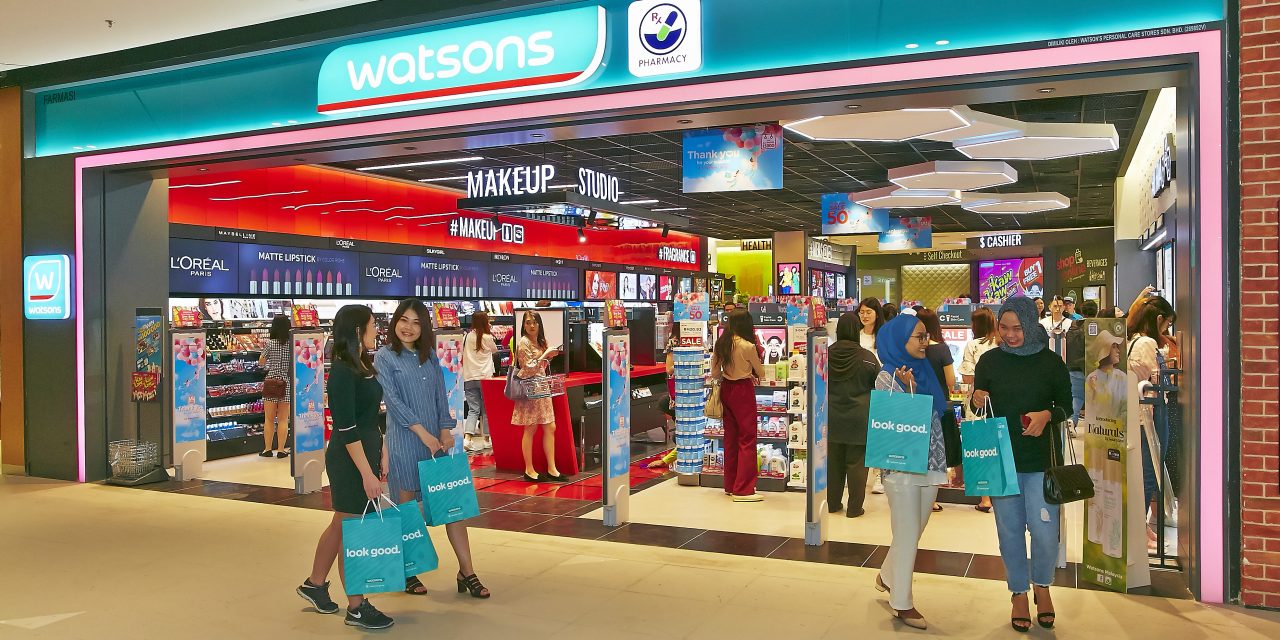
    Health and beauty retailer AS Watson has opened up its Moneyback loyalty program to help retailers in Hong Kong promote their businesses for free in preparation for an easing in the coronavirus pandemic.

    “The pandemic has hit every community hard in many aspects, and it is extremely challenging for retailers,” said AS Watson (Asia & Europe) CEO Malina Ngai. “AS Watson is deeply rooted in Hong Kong for 180 years, we have been through many crises of different nature with the community. We know difficult days will pass, hence we should proactively plan ahead.”

    The group’s loyalty program, which partners with 130 offline and online retailers, has an active member base of 3.7 million people, roughly half of Hong Kong’s population.

    Small and large retailers are now being encouraged by the firm to register for the program free of charge. Participating merchants will receive free promotional opportunities, including the provision of free Watson face masks as shopping rewards.

  • Hong Kong retail sales in June slip

    Hong Kong retail sales in June slip

    Hong Kong retail sales in June slumped by 24.8 percent to US$3.42 billion as the territory’s borders remained all but closed to tourists due to the Covid-19 pandemic.

    The decline was lower than in May when sales were down 32.9 percent year on year and the 33.3-per-cent rate for the six months to June.

    A Hong Kong government spokesman said the slowing rate of the decline reflected the pandemic’s abatement during the month, resulting in more locals returning to the shop.

    However, with inbound tourism remaining at a standstill in July and local consumption hit by the surge in local Covid-19 cases resulting in a tightening of social-distancing measures, the retail trading environment “has turned more austere again” since June, they said.

    June last year was when the social unrest began to impact Hong Kong retail, so the year-on-year declines each month for the rest of this year will likely be less dramatic than in recent months, due to the lower base.

    In order of the category’s impact on the overall figures, the biggest declines were in department-store sales down 7 percent; miscellaneous consumer goods by 10 percent, food, alcohol and tobacco down 13.2 percent; jewelry and watches by 56.5 percent; electrical goods by 8.8 percent; and apparel by 38.8 percent.

    The medicines and cosmetics category was down by 57.4 percent; motor vehicles and parts by 17.9 percent; footwear and accessories by 39.7 percent; Chinese drugs and herbs by 29 percent; books, newspapers, stationery, and gifts by 41.3 percent; and sales at optical shops fell by 32.5 percent.

    The only categories showing growth in Hong Kong retail sales in June were supermarkets up by 4.5 percent, fuels by 8.4 percent, and furniture and fixtures by 0.3 percent.