Category: General

Retail News Asia is committed to providing both local and global retailers with the latest General Retail news throughout the Asian market. This on a daily base.

  • Vietjet Boosts Fleet with 44 Pratt & Whitney-Powered Airbus A320neos: A Stride Towards Fuel Efficiency

    Vietjet Boosts Fleet with 44 Pratt & Whitney-Powered Airbus A320neos: A Stride Towards Fuel Efficiency

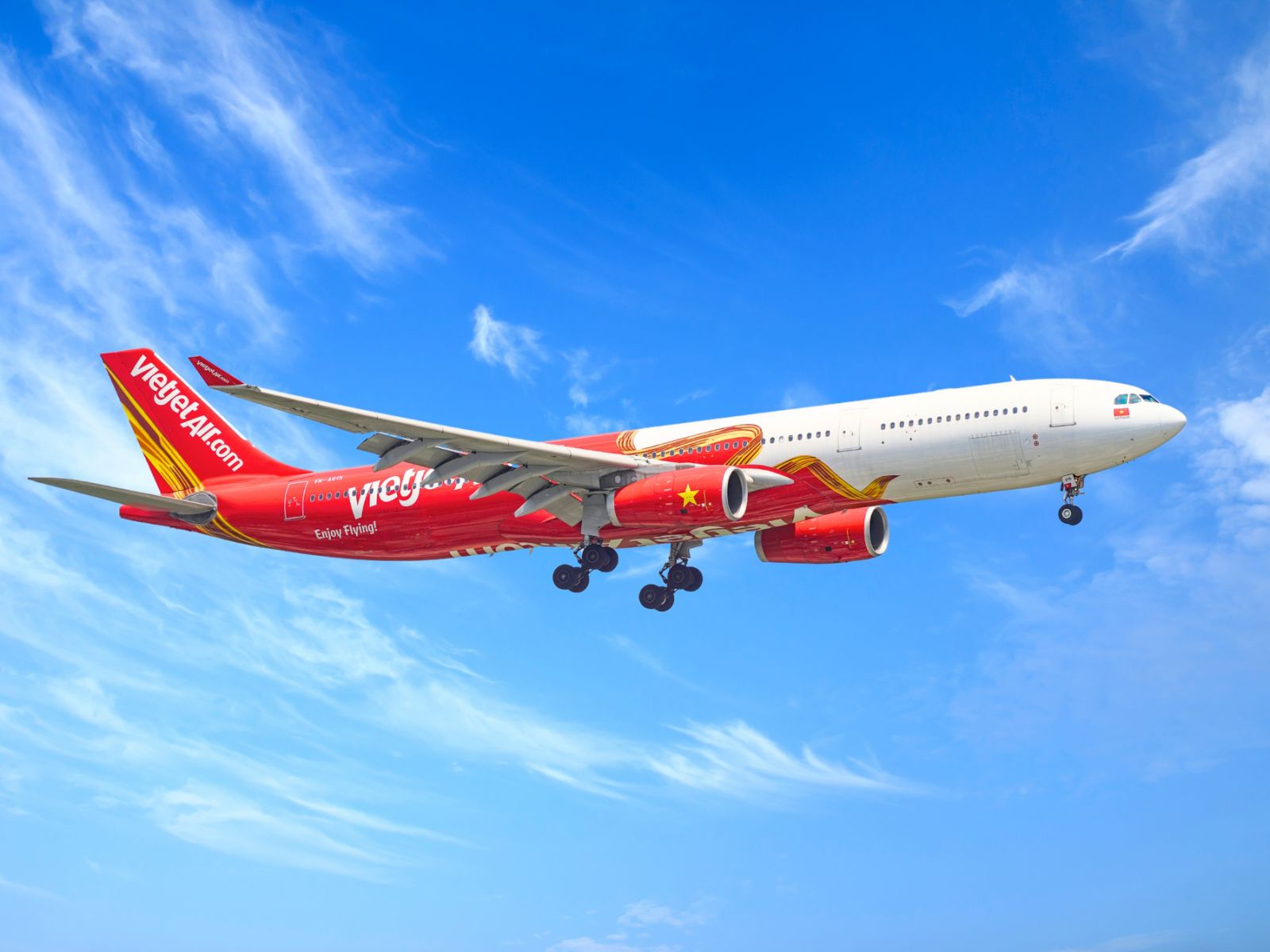
    Vietjet Air recently revealed its partnership with Pratt & Whitney, an international leader in the production and servicing of aircraft engines, to supply its 44 Airbus A320neo airliners with Geared Turbofan (GTF) engines. This new order brings the total number of GTF-powered aircraft ordered by Vietjet to 137.

    Order Details

    The new order comprises 24 A321neo and 20 A321XLR aircraft. The first batch of deliveries is slated to begin in July 2026. Besides supplying the GTF engines, Pratt & Whitney has pledged to offer Vietjet engine maintenance services under a 12-year EngineWise comprehensive maintenance plan.

    “The GTF engine is powering our growth with industry-leading operating economics and fuel efficiency of up to 20% lower than earlier aircraft,” commented Vietjet’s managing director Nguyen Thanh Son.

    In 2018, Vietjet received its initial A321neo aircraft. Currently, the airline operates 42 A321neo aircraft, all powered by GTF engines. The airline’s future plans include outfitting a total of 93 aircraft in its fleet with this specific engine variant.

    Benefits and Commitments

    Rick Deurloo, the president and chief commercial officer of Pratt & Whitney, acknowledged that the latest order would allow Vietjet to fully leverage the merits of one of the most efficient engines for single-aisle aircraft. He also reiterated Pratt & Whitney’s enduring commitment to assisting the airline’s network expansion.

    Compared to previous-generation engines, the GTF engine slashes fuel consumption by up to 20% and noise levels by 75%. To date, over 2,600 GTF-powered aircraft have been delivered to more than 90 customers around the world.

    Network Expansion

    Vietjet currently manages an extensive Asia-Pacific network, connecting Vietnam and Thailand with locations in Australia, India, Kazakhstan, China, Japan, and the Republic of Korea. The airline has plans for a steady expansion towards Europe.

    Questions & Answers

    What is the significance of the new order with Pratt & Whitney?
    The new order will allow Vietjet to achieve maximum fuel efficiency and reduced noise levels, making it one of the most efficient engines for single-aisle aircraft.

    What are the future plans of Vietjet regarding the use of GTF engines?
    Vietjet intends to equip a total of 93 aircraft in its fleet with GTF engines, extending the benefits of fuel efficiency and reduced noise levels across its operations.

    How does the GTF engine compare to previous generation engines?
    Compared to its predecessors, the GTF engine can reduce fuel consumption by up to 20% and noise levels by 75%, making it a more efficient and environmentally friendly option.
  • Hong Kong Retail Boom: December Sales Surge in 8th Consecutive Monthly Increase

    Hong Kong Retail Boom: December Sales Surge in 8th Consecutive Monthly Increase

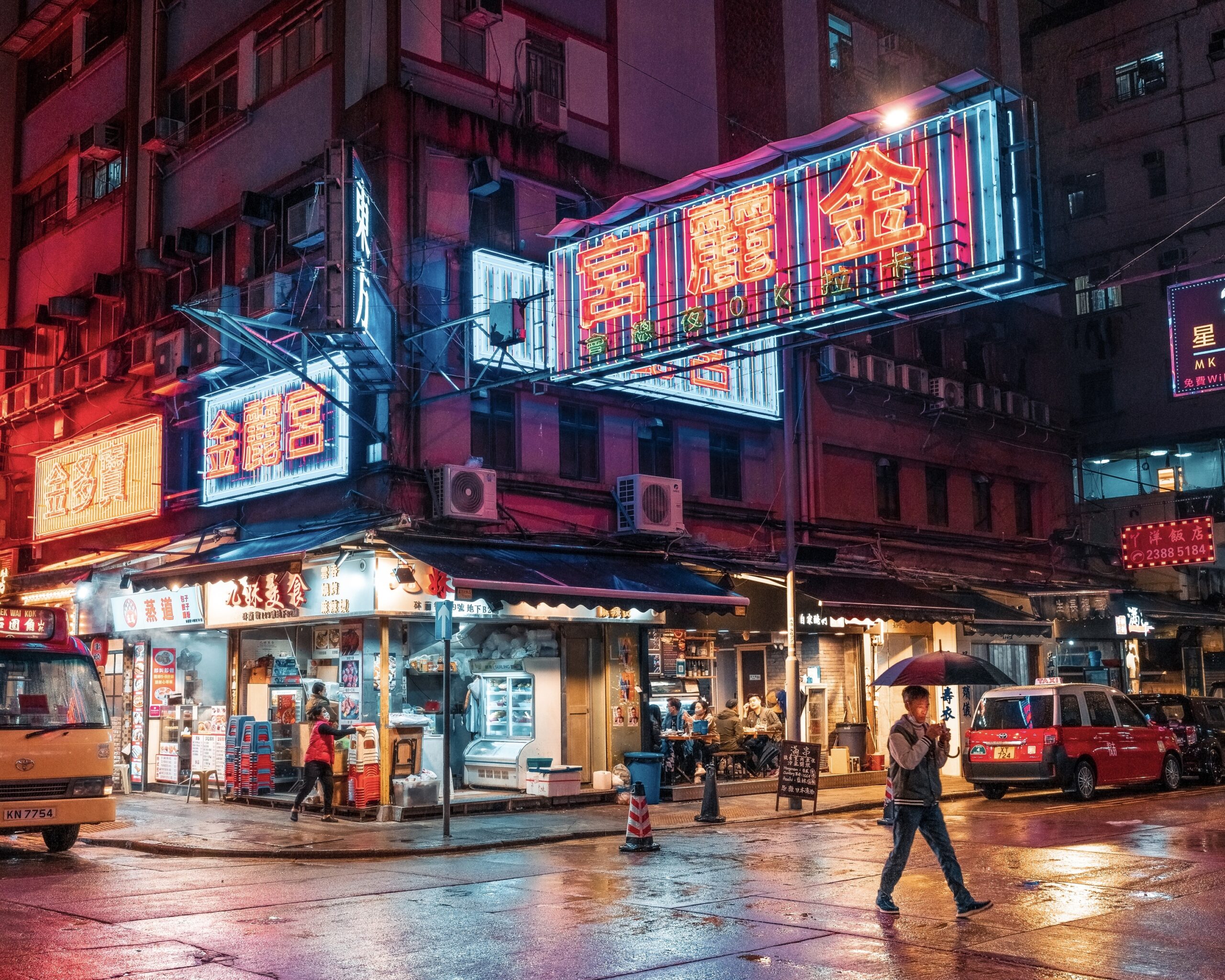
    In December, retail sales in Hong Kong rose by 6.6% compared to the previous year, marking the eighth consecutive month of growth. This trend indicates a steady economic recovery in the region, according to recent government data.

    This increase amounted to a total of HK$35 billion (US$4.48 billion) in retail sales. In November, there was a similar rise in retail sales, with a 6.5% year-on-year increase.

    Retail Sales Volume

    In terms of volume, December’s retail sales saw a 5.1% increase from the previous year, showing a slight acceleration compared to the 4.4% rise witnessed in November.

    Looking forward, the value of total retail sales in 2025 is projected to rise by 1% from the previous year. Meanwhile, the volume is expected to remain at a similar level as compared to 2024.

    Consumer Sentiment and Tourism

    A government spokesperson highlighted the positive local consumption sentiment, backed by robust economic growth momentum. Coupled with the continued surge in inbound visitors, this is expected to support the retail businesses in the region.

    Tourist arrivals in December saw a significant upturn, with 4.65 million visitors, a 9.2% increase from the previous year, according to data from the Hong Kong Tourism Board.

    Mainland Chinese visitors made up the majority of these arrivals, accounting for 3.35 million. This represents an 8.2% increase year-on-year.

    Sales Across Various Retail Sectors

    In December, certain retail sectors saw remarkable growth. Sales of jewellery, watches, clocks, and valuable gifts surged by 14.3% year-on-year, a significant jump from the 3.6% rise in November.

    However, not all sectors experienced growth. The sales of clothing, footwear, and allied products fell by 10.3% year-on-year in December, despite a 2% increase in November.

    Questions & Answers

    What was the percentage increase in retail sales in Hong Kong in December?

    In December, retail sales in Hong Kong increased by 6.6% compared to the same period in the previous year.

    What is the projected increase in the value of total retail sales in 2025?

    The value of total retail sales in 2025 is projected to increase by 1% from the previous year.

    How did the sales of jewellery, watches, clocks, and valuable gifts perform in December?

    In December, sales of jewellery, watches, clocks, and valuable gifts surged by 14.3% year-on-year.

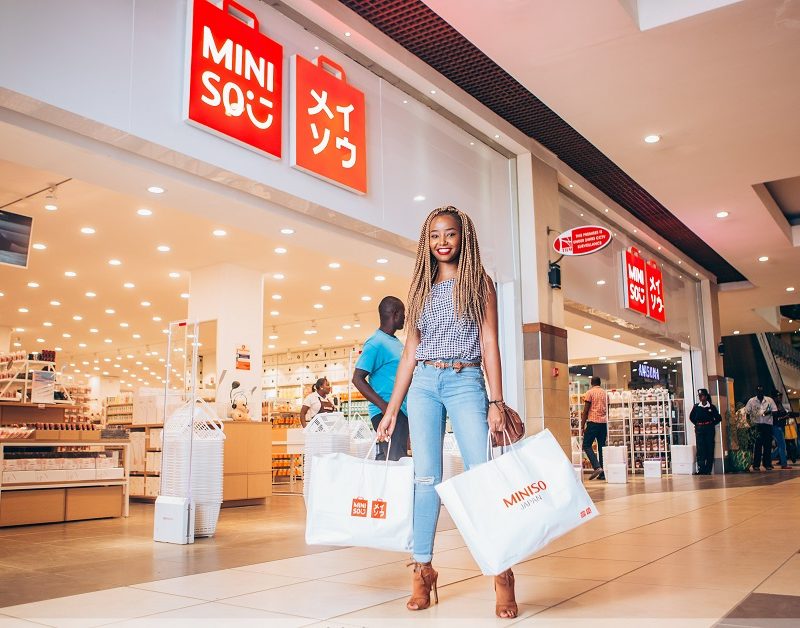
  • Miniso Unleashes IP-Led Expansion with New ‘Miniso Land’ Stores Across the Globe

    Miniso Unleashes IP-Led Expansion with New ‘Miniso Land’ Stores Across the Globe

    Chinese lifestyle retailer Miniso is amplifying its commitment to intellectual property (IP), identifying IP creation and immersive retail experiences as essential aspects of its future worldwide growth.

    During its Global Partner Conference, Miniso announced plans to ramp up investments in both licensed and self-owned IP. This announcement marks a significant departure from the company’s original focus on affordable lifestyle products, as it now moves towards an IP-centric business model.

    Since 2020, Miniso has established partnerships with over 180 external IP owners, encompassing a broad range of international entertainment and pop culture identities.

    Miniso’s founder and CEO, Ye Guofu, stated that intellectual property embodies emotion, culture, and significance. He asserted that the next phase of competition would hinge on who has a more profound understanding of culture and IP.

    Guofu also expressed that Miniso aspires to craft globally-acclaimed, original IP and introduce hundreds of IPs to international markets in the coming decade.

    This strategic direction is strongly supported by Miniso Land. This large-scale store concept is built around engaging IP experiences unlike the typical Miniso stores. Miniso Land locations showcase theme-oriented environments and character-based merchandise, with the majority of the product range being IP-related.

    Miniso recently inaugurated a new Miniso Land flagship store in Guangzhou’s Grandview Mall. This is the city’s second such store, where approximately 90% of the merchandise is IP-related. This unique store format has also been introduced in other locations such as Shanghai, Beijing, and certain international markets like Thailand.

    As a component of its global expansion strategy, Miniso has plans to expedite the worldwide introduction of the Miniso Land concept this year.

    Questions & Answers

    What is Miniso’s new focus in its business approach?
    Miniso is moving away from its traditional focus on affordable lifestyle products towards an IP-centric business model, with a significant investment in both licensed and proprietary IP.

    What is the role of Miniso Land in the company’s new strategy?
    Miniso Land supports the company’s new strategy as a large-scale store concept built around engaging IP experiences. Unlike standard Miniso stores, these locations showcase themed environments and character-based merchandise.

    What are Miniso’s plans for the Miniso Land concept this year?
    As a part of its global expansion strategy, Miniso plans to expedite the worldwide rollout of the Miniso Land concept this year.

  • Experiential Retail: The Resilient Future Of Physical Stores Amidst E-commerce Surge

    Experiential Retail: The Resilient Future Of Physical Stores Amidst E-commerce Surge

    Despite the rise of e-commerce, physical retail continues to retain a strong appeal among consumers. According to Savills latest survey of its global expert network on occupier outlooks, physical retail is proving resilient with responses leaning 65% towards anticipating rental growth, 26% forecasting stable rents, and 9% anticipating declines; a clear shift from previous years. In 2024, only half of the experts polled projected rising rents, and one in five expected rental decreases.

    Sarah Brooks, Associate Director, Savills World Research, stated that across Asia Pacific, India, Malaysia and Viet Nam are expected to see robust retail rent rises and improved take-up. These markets benefit from rapidly increasing consumer affluence, growing tourism and an influx of international brands. In addition, the supply of high-quality retail space has not kept pace with demand, pushing vacancy rates down and driving competition.

    Experiential retail as a key growth driver

    According to Matthew Powell, Director of Savills Ha Noi, Viet Nam has a distinctive traditional market culture, where grocery stores and physical retail spaces are essential in daily life. Retail spaces are not just transactional; they also provide connection and community building. As such, retail stores will continue to maintain a significant presence in the market.

    In this context, experiential retail has become a key strategy for shopping centres seeking to remain competitive. By shifting the focus from purchasing to experience-led environments that are engaging, such as interactive stores, pop-ups, workshops, and curated F&B concepts, it creates compelling reasons for visitors to stay longer, return more often, and ultimately drive footfall beyond products alone.

    The importance of this shift has increased as online channels continue to change consumer behaviour. Physical retail can no longer rely solely on product offerings, especially in Viet Nam, as Gen Z and Millennials account for 60–70% of urban mall traffic and care more about discovery, interaction and social engagement.
    According to research conducted by Censuswide, 62% of Gen Z consumers and 68% of Millennials believe that luxury is defined not only by the product but also by the experience. This shift in consumer expectations is reshaping how shopping centres operate and select tenants, with operators moving beyond occupancy-led strategies to curate tenant mixes that enhance the overall customer experience.

    Tenant selection is therefore no longer based only on brand names or rental levels, but also on a brand’s ability to encourage interaction, create immersive experiences, and match lifestyle expectations.

    Looking ahead, the future of physical retail is experiential. In markets such as Viet Nam, where consumption, tourism, and lifestyle spending continue to grow, shopping centres that embrace experiential retail will not only remain relevant but strengthen their role as community and commercial hubs, supporting long-term value for occupiers and investors alike.

  • Vietjet Announces One-day-only 30% Discount On Deluxe Fares For 2026 Travel

    Vietjet Announces One-day-only 30% Discount On Deluxe Fares For 2026 Travel

    Vietjet is welcoming the New Year with a one-day-only 30% discount on Deluxe fares across all domestic and international routes on 15 January 2026, giving travellers in Singapore the perfect opportunity to plan their 2026 Vietnam adventures—whether it’s a beach escape to Phu Quoc or Da Nang, or a city break in Hanoi, Ho Chi Minh City, and more at affordable prices.

    From 01:00 on 15 January to 00:00 on 16 January (GMT+8), travellers booking Deluxe tickets via www.vietjetair.com or the “Vietjet Air” mobile app can enjoy 30% off base fares (excluding taxes and fees) by entering the promo code DELUXE2026. The offer applies to flights operated from 1 February to 31 December 2026 (Travel periods may vary by route and blackout dates apply), giving travellers plenty of time to plan ahead for holidays, long weekends, and year-end trips.

    Designed for added comfort and flexibility, Vietjet’s Deluxe fare includes 20kg of checked baggage, free seat selection, free itinerary changes, and other value-added benefits (terms and conditions apply).

    Vietnam continues to be a favourite year-round destination for global travellers, offering a vibrant mix of culture, cuisine and landscapes. From Hanoi’s vibrant streets and ancient cultural heritage to Ho Chi Minh City’s electric energy, to the misty mountain splendours of Ha Giang, Sa Pa, and the pristine beaches of Da Nang, Phu Quoc, and Nha Trang, the country weaves an irresistible tapestry of world-class cuisine, rich traditions, stunning nature, and genuine hospitality.

    Onboard, passengers can enjoy fresh, hot Vietnamese favourites such as Pho, Banh Mi, and Vietnamese iced milk coffee, alongside a selection of international options, served by Vietjet’s professional and attentive cabin crew on a new, modern fleet.

  • KK Super Mart Eyes $750M IPO Boost: A New Milestone in Malaysia’s Thriving Equity Markets

    KK Super Mart Eyes $750M IPO Boost: A New Milestone in Malaysia’s Thriving Equity Markets

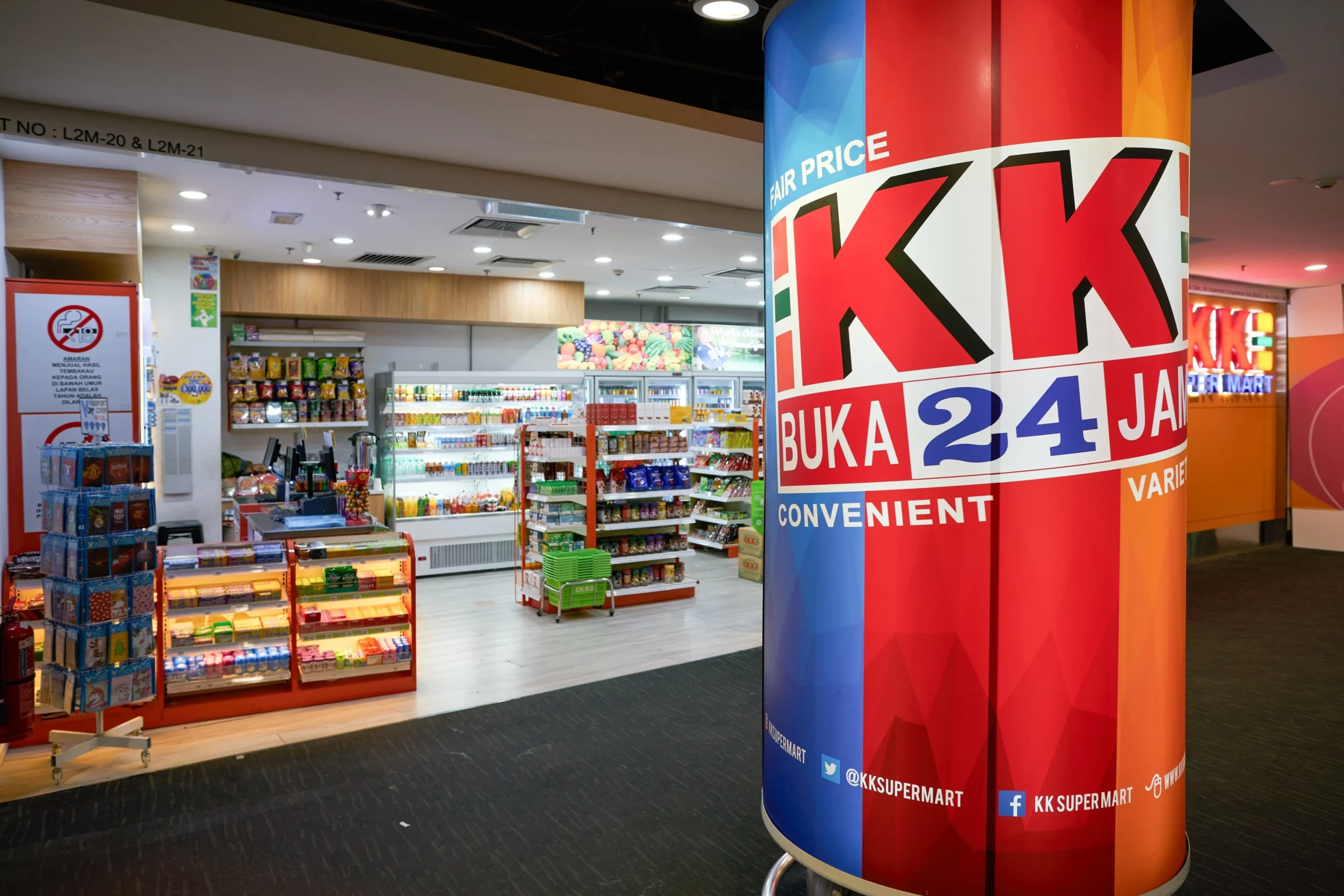
    KK Super Mart, a prominent convenience-store chain in Malaysia, is purportedly preparing for an initial public offering (IPO) that could potentially reach a staggering US$750 million in the latter half of this year.

    Company Ownership and Valuation

    The anticipated IPO is estimated to encompass over 25 percent of the company’s total valuation. A significant 95 percent stake in the business is held by the Chairman, KK Chai. The remaining 5 percent is owned by his spouse and fellow director, Loh Siew Mui. This proposed IPO is predicted to play a significant role in shaping the company’s financial future and market standing.

    KK Super Mart’s Presence and Operations

    Known to many as KK Mart, the company operates an impressive network of more than 900 stores across Malaysia, India, and Nepal. Their broad geographical presence has established them as a significant player in the retail sector in these regions.

    Malaysia’s Equity Market Resurgence

    This revelation emerges amidst a resurgence in Malaysia’s equity markets. The Kuala Lumpur Composite Index has reached its highest trading levels since 2018. Moreover, the country listed a record 60 companies in the previous year, marking the highest number in over two decades.

    Market Position and Competition

    As Malaysia’s second-largest minimarket chain, KK Super Mart holds a substantial presence in the retail industry. A successful listing could place it in direct competition with other publicly traded counterparts like 99 Speedmart, boasting over 3000 stores, and Eco-Shop Marketing with upwards of 400 outlets.

    Questions & Answers

    What is the projected value of KK Super Mart’s IPO?
    The company’s IPO is rumored to be worth up to US$750 million.

    Who holds the majority stake in KK Super Mart?
    KK Chai, the Chairman of the company, holds a commanding 95 percent stake.

    Where does KK Super Mart operate?
    KK Super Mart has a network of over 900 stores spread across Malaysia, India, and Nepal.

  • Boost for UK Economy as Labubu Creator Pop Mart Establishes London HQ and Unveils Major Store Expansion

    Boost for UK Economy as Labubu Creator Pop Mart Establishes London HQ and Unveils Major Store Expansion

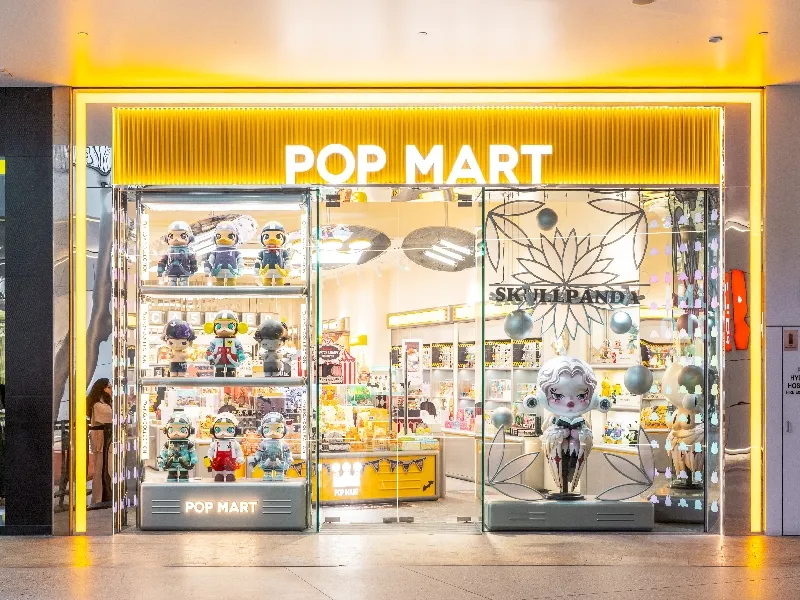
    Pop Mart, renowned for creating the popular Labubu doll, has revealed London as the location for its new regional headquarters. In addition, it has plans to launch seven more stores across the UK. This decision is viewed as a significant investment for the UK, secured by British Prime Minister, Keir Starmer during his visit to China.

    Strengthening Economic Ties

    The purpose of Starmer’s four-day trip to China was to stimulate the UK’s economy through bolstering the ties between the two nations. This strategy includes enhancing market access, diminishing tariffs, and arranging investment deals like the one involving Pop Mart.

    The Labubu dolls, distinctive for their pointy ears and toothy smiles, exemplify an intentionally flawed ‘ugly-cute’ aesthetic. These dolls have gained collector status after gaining significant popularity on social media, a mere 18 months ago.

    Starmer’s diplomatic visit resulted in export deals amounting to £2.2 billion (approximately US$3.02 billion). It has also facilitated market access estimated at £2.3 billion over the next five years, and secured hundreds of millions of pounds in investments, according to a recent statement from his office.

    UK Expansion Plans

    Pop Mart has plans to establish its presence in seven locations throughout the UK, with Birmingham, Cardiff, and London’s Oxford Street as key locations. The latter will host Pop Mart’s new flagship store. In addition, the firm also intends to open 20 more stores across Europe.

    This new venture is expected to generate over 150 jobs in the UK, as stated in the official release.

    Grant Wang, the founder and CEO of Pop Mart, expressed his excitement about the firm’s European expansion. He stated, “London is at the core of the global creative ecosystem, and we are ecstatic to establish our European base here.”

    Pop Mart is part of a group of Chinese consumer-facing companies, including the fashion retailer Urban Revivo and coffee chain Luckin, looking to tap into overseas markets. This move comes in response to weaker domestic spending in China, associated with an extended property crisis and wage stability concerns.

    HITHIUM, a Chinese energy storage company, is also set to invest £200 million in the UK, creating an additional 300 jobs. Additionally, life sciences group Asymchem is planning to expand its UK operations, which will create 150 jobs.

    Questions & Answers

    Why has Pop Mart chosen London for its new regional headquarters?
    Pop Mart perceives London as a central hub within the global creative ecosystem, making it an ideal location for their European base.

    What are the broader implications of Pop Mart’s expansion into the UK?
    In addition to strengthening relations between China and the UK, this expansion is set to create over 150 jobs and contribute to Britain’s economy.

    How are other Chinese consumer-facing companies reacting to domestic economic pressures?
    In response to a prolonged property crisis and wage security issues leading to weaker domestic spending, companies like Urban Revivo and Luckin are exploring opportunities in overseas markets.

  • China’s Luxury Market Primed for Modest Rebound in 2026: A Bain & Company Insight

    China’s Luxury Market Primed for Modest Rebound in 2026: A Bain & Company Insight

    China’s personal luxury goods market is anticipated to experience moderate growth in 2026, according to global management consulting firm, Bain & Company. However, they also caution that this recovery may be unstable and variegated across various brands and product categories.

    A Fragile Recovery

    In 2025, China’s luxury market contracted by 3-5%, showing some recuperation after a decline of 17-19% in 2024. Bain & Company forecasts that China, as the world’s second-largest economy, will persist as a crucial contributor to the growth of the luxury market.

    Brands that cater to the affordable luxury and ultra-premium segments have thrived, providing what the consultancy perceives as ‘true value’.

    China’s consumer confidence, which comprises approximately 25% of luxury expenditure, has been impacted by an extended property crisis and employment concerns. These factors have compelled luxury brands to reassess their strategies within the world’s second-largest economy.

    Despite consumer sentiment appearing cautious for much of 2025, the luxury sector indicated signs of stability from the third quarter onwards. Bain & Company cites a stronger stock market and improved consumer confidence, recovering from the weak economic base of 2024, as catalysts for this stabilisation.

    Future Outlook

    The firm anticipates a ‘modest’ expansion in 2026, facilitated by a burgeoning middle class, escalating consumer confidence, and policy measures intended to boost domestic consumption. However, Bruno Lannes, a senior partner, stated that this growth will remain ‘segment-specific’.

    2025 was viewed as a year of ‘recalibration’ for the world’s second-largest luxury market, with consumers becoming more discerning and gravitating towards items offering ‘true value’.

    Emerging Local Brands

    The study also reveals a preference for travel and wellness experiences over material purchases. The consultancy further highlighted the rise of local players as a significant trend in 2025. Emerging Chinese brands are attracting the attention of consumers with innovative and culturally relevant offerings, positioning them as robust competitors.

    Performance varied across different categories, with beauty being the most resilient, rebounding to growth of 4-7%. Conversely, demand for fashion declined by 5-8%, while the demand for leather goods dropped by 8-11%, partly due to price increases.

    Demand for watches plummeted by an estimated 14-17% as consumers shifted towards investments or second-hand alternatives. The jewellery sector’s decline narrowed to up to 5%.

    The Resilience of Desirable Brands

    Brands that preserve strong desirability and provide clear value through innovation and targeted pricing strategies have proven to be more resilient, according to the report.

    Domestic spending made up 65% of Chinese luxury consumption in 2025, which signifies a reversal of the recovery in overseas demand observed over the previous two years.

    A weaker currency and narrowing global price differences have driven more purchases back to the domestic market, despite a recovery in outbound travel.

    The secondhand luxury sector witnessed growth of 15-20%. Meanwhile, ‘daigou’ sales, a term referring to purchases made on behalf of others and a long-standing pillar of Chinese luxury spending abroad, showed signs of slowing as brands tightened control over unofficial channels.

    Questions & Answers

    How did China’s luxury market perform in 2025?
    In 2025, China’s luxury market experienced a contraction of 3-5%, showing signs of recovery from a more significant decline of 17-19% in 2024.

    What factors are expected to support the growth of China’s luxury market in 2026?
    The expected growth in 2026 is predicted to be supported by an expanding middle class, increasing consumer confidence, and policy measures aimed at stimulating domestic consumption.

    What trends were observed in China’s luxury market in 2025?
    In 2025, a significant trend was the rise of local players, with emerging Chinese brands capturing consumer attention through innovative and culturally relevant offerings. Additionally, consumers showed a preference for travel and wellness experiences over material purchases.

  • Pop Mart’s Aggressive US Expansion: Over 20 New Stores Set to Boost Presence in American Malls

    Pop Mart’s Aggressive US Expansion: Over 20 New Stores Set to Boost Presence in American Malls

    Pop Mart, renowned for producing the popular Labubu figures, is set to expand its presence in the United States. This decision has been well-received by the corporation’s shareholders.

    Pop Mart has unveiled an ambitious plan to inaugurate more than 20 new outlets across malls in the United States. The company intends to join forces with Simon Property Group to realize this expansion. With the completion of this initiative, Pop Mart’s total outlets in the U.S. and Canada will exceed 60.

    Pop Mart marked its initial foray into the U.S. market by launching its first store in the American Dream Mall, New Jersey, in September 2023. By 2024, the firm had expressed intentions to manage as many as 200 stores within the region.

    The company observed a decline in its share price from its peak in August. However, the announcement of the U.S. expansion and subsequent investment brought about a significant turnaround. The company’s shares noticed a single-day increase of 10% – marking the most substantial growth since August 20.

    The first half of the previous year saw a dramatic 1142% year-on-year revenue increase in the U.S., amounting to US$315 million. This figure considerably surpassed the 135% growth recorded in China during the corresponding period.

    Questions & Answers

    What is Pop Mart’s expansion plan in the United States?
    Pop Mart has announced plans to open more than 20 new stores in American malls in collaboration with Simon Property Group.

    What was the response of Pop Mart’s shareholders to the U.S. expansion plan?
    The shareholders responded positively to Pop Mart’s U.S. expansion plans, evident from the 10% single-day increase in the company’s shares following the announcement.

    How did the U.S. market contribute to Pop Mart’s revenues in the first six months of last year?
    The U.S. market contributed significantly to Pop Mart’s revenues during the first half of last year, with a year-on-year increase of 1142% amounting to US$315 million.

  • Kodak Apparel Captures Hong Kong Market with First Pop-Up Store, Celebrating Legacy with Film-Inspired Fashion

    Kodak Apparel Captures Hong Kong Market with First Pop-Up Store, Celebrating Legacy with Film-Inspired Fashion

    Kodak Apparel, a fashion brand licensed by Eastman Kodak and based in South Korea, has expanded its retail presence with the launch of a pop-up store in Kai Tak’s Airside, Hong Kong. This event marks the brand’s first physical entry into the Hong Kong market.

    Product Offerings

    The pop-up store features an array of Kodak Apparel’s licensed merchandise. The range includes various apparel and accessory items such as jackets, t-shirts, knit caps, backpacks, and socks. The products prominently display Kodak’s heritage, using film-inspired branding and the company’s distinctive red-and-yellow colour scheme.

    Unique Store Features

    In addition to its product offerings, the Hong Kong pop-up store pays homage to Kodak’s deep-rooted history in photography. This is evident in the themed photo booth installations found within the store. Additionally, an exclusive t-shirt, bearing the words “Kodak Hong Kong” accompanied by the slogan “You press the button, we do the rest” is on offer to customers.

    Brand Expansion

    Since its inception in South Korea in 2020, Kodak Apparel has experienced a rapid surge in growth within its home market. It operates over 100 brick-and-mortar stores, including concession stands in major department stores. The brand’s expansion into Hong Kong follows earlier forays into the Japanese and Taiwanese markets. These developments align with Kodak Apparel’s wider strategy of strengthening its fashion footprint across various Asian markets.

    Questions & Answers

    When was Kodak Apparel Launched?
    Kodak Apparel was launched in South Korea in the year 2020.

    What kind of merchandise does Kodak Apparel offer?
    Kodak Apparel offers a range of apparel and accessories, which includes jackets, t-shirts, knit caps, backpacks, and socks.

    What is the significance of the pop-up store in Hong Kong?
    The pop-up store in Hong Kong marks Kodak Apparel’s first physical retail presence in the Hong Kong market.

  • Anta Sports Clinches $1.8 Billion Puma Stake, Emerges as Largest Shareholder in German Sports Giant

    Anta Sports Clinches $1.8 Billion Puma Stake, Emerges as Largest Shareholder in German Sports Giant

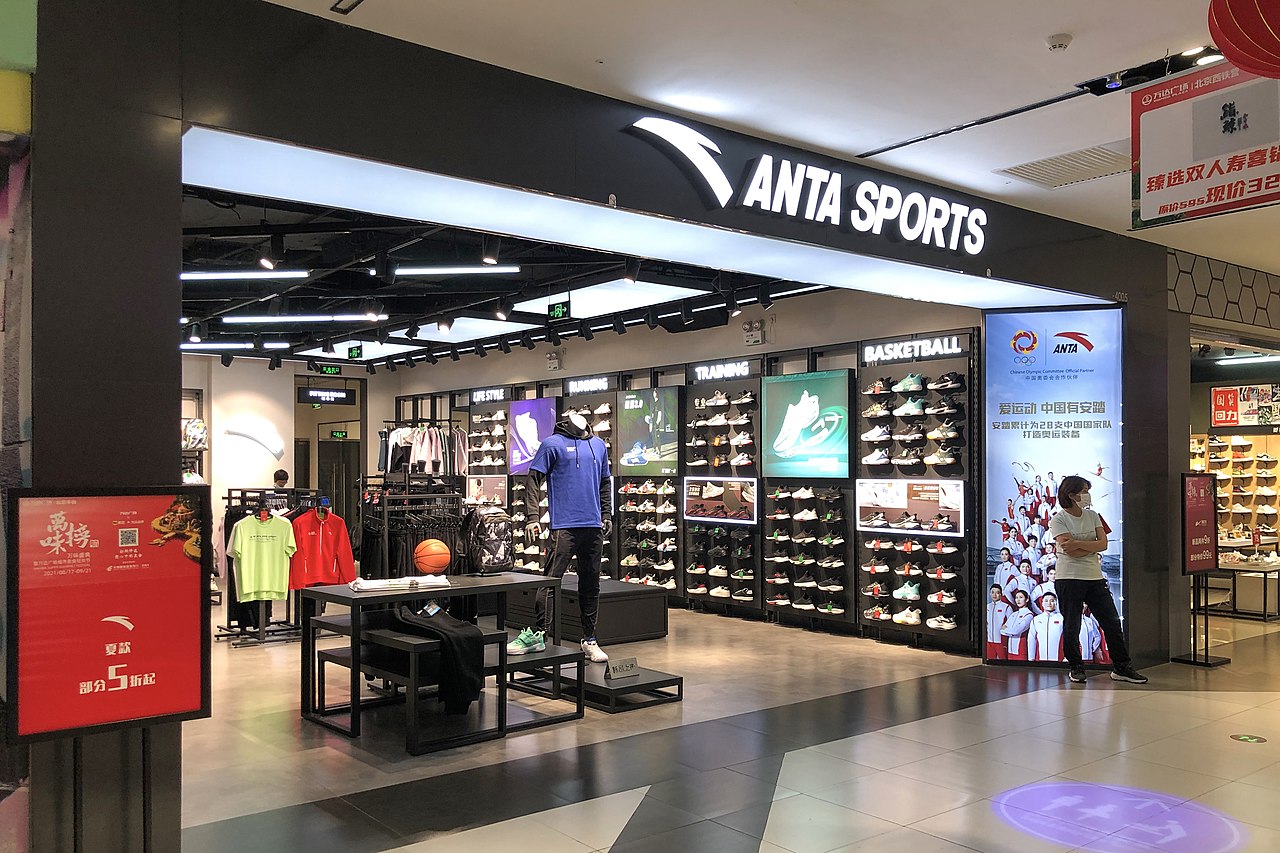
    Anta Sports Products, a leading sports company based in China, announced on Tuesday that it plans to acquire a 29.06 percent share in Puma from the Pinault family. The deal, worth 1.5 billion euros (approximately US$1.8 billion), will make Anta the largest shareholder in the German sports apparel manufacturer.

    In the agreement, which was outlined in a stock exchange filing, Anta will pay 35 euros per share in cash for 43 million Puma shares. This represents a considerable 62 percent premium on Puma’s closing share price of 21.63 euros on Monday. Following this announcement, Anta’s shares saw an early trading increase of 3.4 percent on Tuesday.

    The Strategic Sale

    This strategic move comes at a time when Puma is striving to regain its market position after losing ground to rivals Nike and Adidas. The brand is also currently dealing with increasing competition from rapidly expanding brands such as New Balance and Hoka.

    Anta expressed its confidence in Puma’s potential to enhance its global competitiveness and brand awareness with Anta as its primary investor. It was also stated that, upon finalizing the deal, Anta would pursue seats on Puma’s board.

    “Puma’s global business footprint and focused positioning in sports categories are highly complementary to our existing multi-brand and specialized business,” Anta expressed in a public statement.

    Expanding Market Reach

    The acquisition is likely to boost Puma’s sales in the highly profitable mainland Chinese market, while also promoting Anta’s multi-brand strategy. Anta has a successful history of acquiring and revitalizing Western sports and lifestyle brands. In 2019, for instance, Anta led a consortium to purchase Amer Sports, a company that owns brands such as racquet manufacturer Wilson and mountain sports specialist Salomon.

    The transaction follows a challenging period for Puma, as the company strives to boost sales and investor confidence under new CEO, Arthur Hoeld. In an effort to ignite a company turnaround, Puma announced in October that it would increase discounts, enhance marketing, and reduce its product range. This strategic shift also includes the reduction of 900 jobs.

    Previously, Artemis, headed by Francois-Henri Pinault, the chairman of luxury group Kering, characterized its Puma stake as non-strategic. The Pinault family received the holding from Kering in 2018 when the group refocused its operations exclusively on luxury goods.

    Puma has been grappling with weakened demand and lackluster sneaker launches, such as the Speedcat. Hoeld, who took the helm last year, has proposed a turnaround strategy focused on “brand heat,” performance products, and cost discipline.

    The deal is still conditional on antitrust clearances, shareholder approval at Anta, and regulatory approvals in China and other jurisdictions. Anta plans to organize an extraordinary general meeting, with the deal’s closure expected following the fulfillment of these conditions.

    Questions & Answers

    What percentage share in Puma does Anta Sports Products plan to acquire?
    Anta Sports Products is planning to acquire a 29.06 percent share in Puma.

    How does Anta Sports Products plan to pay for the Puma shares?
    Anta will pay 35 euros per share in cash for 43 million Puma shares.

    What is the expected impact of this acquisition on Puma’s sales?
    The acquisition is expected to increase Puma’s sales in the profitable mainland Chinese market.

  • Record-Breaking 2025: Changi Airport Soars with Highest Passenger Traffic and Unprecedented Cargo Performance

    Record-Breaking 2025: Changi Airport Soars with Highest Passenger Traffic and Unprecedented Cargo Performance

    In the year 2025, Singapore’s Changi Airport experienced record-breaking passenger traffic, with 69.98 million passenger movements noted, indicating a rise of 3.4% in comparison to the previous year. Aircraft activities, such as landings and take-offs, also witnessed a growth of 2.2%, reaching 374,000 movements in total. Furthermore, airfreight throughput amounted to an impressive 2.08 million tonnes, surpassing the prior year’s records by 4.5% and solidifying its position as one of Changi Airport’s most successful cargo performances.

    Busiest Periods of 2025

    The most crowded month of the year was December 2025, which saw 6.3 million passenger movements. A significant day during this period was the 20th of December, the Saturday preceding Christmas, when more than 223,000 passengers traversed the Changi terminals.

    The growth in traffic for 2025 was diversified, underpinned by steady travel demand and the air hub’s improved connectivity. Notably, the top five passenger markets for Changi Airport were China, Indonesia, Malaysia, Australia and India. China, in particular, remained the largest traffic market with the most significant growth of 12.2% compared to 2024. Vietnam and Japan also experienced substantial growth of 9.8% and 7.0% respectively. The most frequented routes for the year included Kuala Lumpur, Bangkok, Jakarta, Denpasar (Bali), and Hong Kong.

    Cargo Performance and Expansion

    In terms of cargo, growth was observed in all areas – exports, imports and transshipments. This can be attributed to the first three quarters’ front-loading activities and the robust global demand for semiconductors, driven by advancements in AI, electric vehicles and clean technology. The top five air cargo markets for Changi were China, the United States, Australia, Hong Kong and India, with China, the United States and Taiwan posting the highest growth.

    Enhancing Global Connectivity

    Changi Airport achieved a milestone in network growth in 2025 by adding 13 city links to its global network. These new destinations included locations in China, Indonesia, Austria, India, Malaysia, Mongolia and Vietnam. This expansion included two new passenger airlines, MIAT Mongolian Airlines and Pelita Air.

    A significant addition was the introduction of a direct connection to Ulaanbaatar, Mongolia, strengthening Changi’s position as a regional gateway. The introduction of new routes in China and Southeast Asia underscores Changi Airport’s commitment to diversifying its Asian network and enhancing its competitive edge as a hub.

    A Word from the CEO

    Mr Yam Kum Weng, Chief Executive Officer of Changi Airport Group (CAG), expressed satisfaction with the year’s performance, attributing the success to strong collaboration with airline partners. As travel demand in Asia continues to grow, Changi is actively seeking to expand its regional network, including to emerging secondary cities with promising economic and tourism potential. He also stated that CAG would continue to innovate to deliver more efficient and seamless operations to ensure Changi remains a leading aviation hub.

    As of January 2026, approximately 100 airlines operate more than 7,300 weekly scheduled flights at Changi Airport, connecting Singapore to over 170 cities in 50 countries and territories worldwide.

    Questions & Answers

    What was the total passenger traffic at Changi Airport in 2025?
    The total passenger traffic at Changi Airport in 2025 was 69.98 million.

    Which were the top five passenger markets for Changi Airport in 2025?
    The top five passenger markets for Changi Airport in 2025 were China, Indonesia, Malaysia, Australia, and India.

    Which new routes were added to Changi Airport’s network in 2025?
    New routes added to Changi Airport’s network in 2025 included destinations in China, Indonesia, Austria, India, Malaysia, Mongolia, and Vietnam.

  • Explore More: China Boosts Tax-Free Shopping with 41 New Duty-Free Stores for Global Travellers

    Explore More: China Boosts Tax-Free Shopping with 41 New Duty-Free Stores for Global Travellers

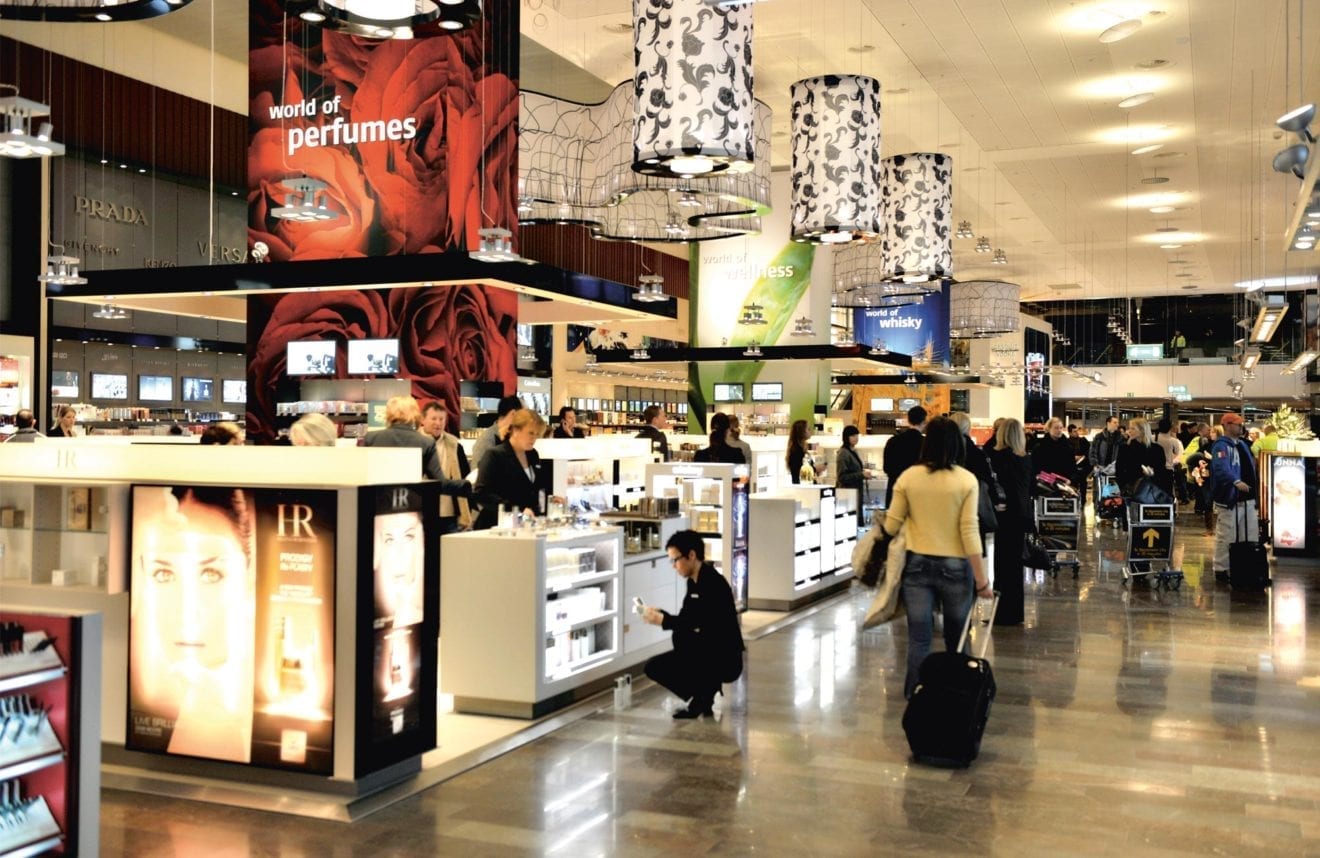
    China is set to increase its appeal to international tourists by opening 41 new duty-free stores, as part of a broader initiative to stimulate tax-free shopping upon arrival. This new development was unveiled in a joint statement by five Chinese government departments, including the Ministry of Finance.

    This enhancement comes in the wake of China Tourism Group Duty Free purchasing the travel retail business of DFS Greater China from luxury goods conglomerate LVMH for a sum of US$400 million.

    The statement outlined that the primary goal of establishing and refining these duty-free stores at entry ports is to provide a more straightforward and seamless duty-free shopping experience for arriving passengers. Furthermore, the intention is to fully utilize the potential of duty-free stores to reinforce and stimulate consumption, thereby fostering the growth and systematic progression of the duty-free retail sector.

    The announcement also highlighted that provisions are being made for the creation of duty-free stores in an additional 11 locations. However, the establishment of such outlets at Qingdao Liuting International Airport, Guangzhou East Railway Station, and Jiangmen Port will be discontinued.

    The authorities also pointed out the increasing significance of shopping for tourists in China, stating that it has become an “increasingly integral” aspect of travel itineraries.

    Questions & Answers

    Why is China planning to increase the number of its duty-free stores?
    China aims to stimulate tax-free shopping for international tourists upon arrival and sees this as a way to boost consumption and foster systematic progression of the duty-free retail sector.

    What recent significant purchase might have influenced this decision?
    China Tourism Group Duty Free recently purchased the travel retail business of DFS Greater China from LVMH for US$400 million, which may have triggered this decision.

    What changes will occur at current duty-free locations?
    Although the creation of duty-free stores in an additional 11 locations is planned, the establishment of such outlets at Qingdao Liuting International Airport, Guangzhou East Railway Station, and Jiangmen Port will be discontinued.

  • Singapore Eateries Appeal for Increased Subsidies and Rent Control Amid Skyrocketing Business Closures

    Singapore Eateries Appeal for Increased Subsidies and Rent Control Amid Skyrocketing Business Closures

    Amid numerous business closures, the restaurant industry in Singapore is urging the government for additional labor cost subsidies and measures to control excessive rental hikes for the food and beverage sector. This appeal was recently put forward by The Restaurant Association of Singapore, which suggested an increase in subsidies under the Progressive Wage Credit Scheme to 75% for 2026 to 2028, a notable rise from the current 50%.

    The Impact on Singapore’s Food Scene

    As patrons review menus outside a local restaurant in a Singaporean shopping center, the underlying struggles of the industry are far from view. The association has proposed numerous changes, including the elimination of foreign worker levies, reducing the wait time for Progressive Wage Credit Scheme payouts, and allocating additional funding to support employees’ parental leave.

    The restaurant industry in Singapore is weathering what the association refers to as a “perfect storm” of escalating costs, labor shortages, and evolving consumer habits. The situation has led the association to seek government intervention to enhance cost predictability and stimulate domestic demand in the food and beverage sector.

    According to government data, the food scene in Singapore suffered 2,431 closures within the first ten months of the previous year, with 63% of these businesses failing to make it past the five-year mark. With the sector’s contraction in 2024 and record-breaking business closures, the association warns of potential threats to the long-term sustainability of food and beverage businesses, especially small and medium-sized enterprises (SMEs).

    Addressing High Rental Costs

    Another key focus of the association’s proposal is rental stabilization. Maintaining a consistent rental cost is a significant issue for the industry, as it represents a major fixed expense for businesses. The association asserts that providing “essential cost predictability” would equip businesses with the necessary information to make informed, long-term financial decisions.

    The association has suggested policy interventions to address exorbitant rental renewal increases. These include introducing caps on increases or linking them to macroeconomic indicators such as gross domestic product growth.

    In an effort to further support local businesses, the association is advocating for stronger measures, including raising foreign worker quotas and simplifying licensing fees.

    Benjamin Boh, President of the association, stated, “A vibrant and thriving food and beverage industry is crucial to making Singapore an attractive place to live and visit for both residents and tourists.” He emphasized that the proposed measures would offer business owners and operators a much-needed “breathing room” to fortify their business structures while managing external market pressures.

    Since its establishment in 1980, the Restaurant Association of Singapore has represented over 500 members and roughly 800 brands, covering more than 5,000 outlets.

    Questions & Answers

    What is the Progressive Wage Credit Scheme?
    This is a government initiative in Singapore designed to subsidize labor costs in various sectors, including food and beverage.

    What policy interventions has the Restaurant Association of Singapore proposed to address high rental costs?
    The association has suggested measures such as introducing caps on rental increases or linking them to macroeconomic indicators like gross domestic product growth.

    What was the impact of business closures on Singapore’s food scene last year?
    The food scene in Singapore witnessed 2,431 closures within the first ten months of the previous year, with 63% of these businesses failing to survive beyond five years.

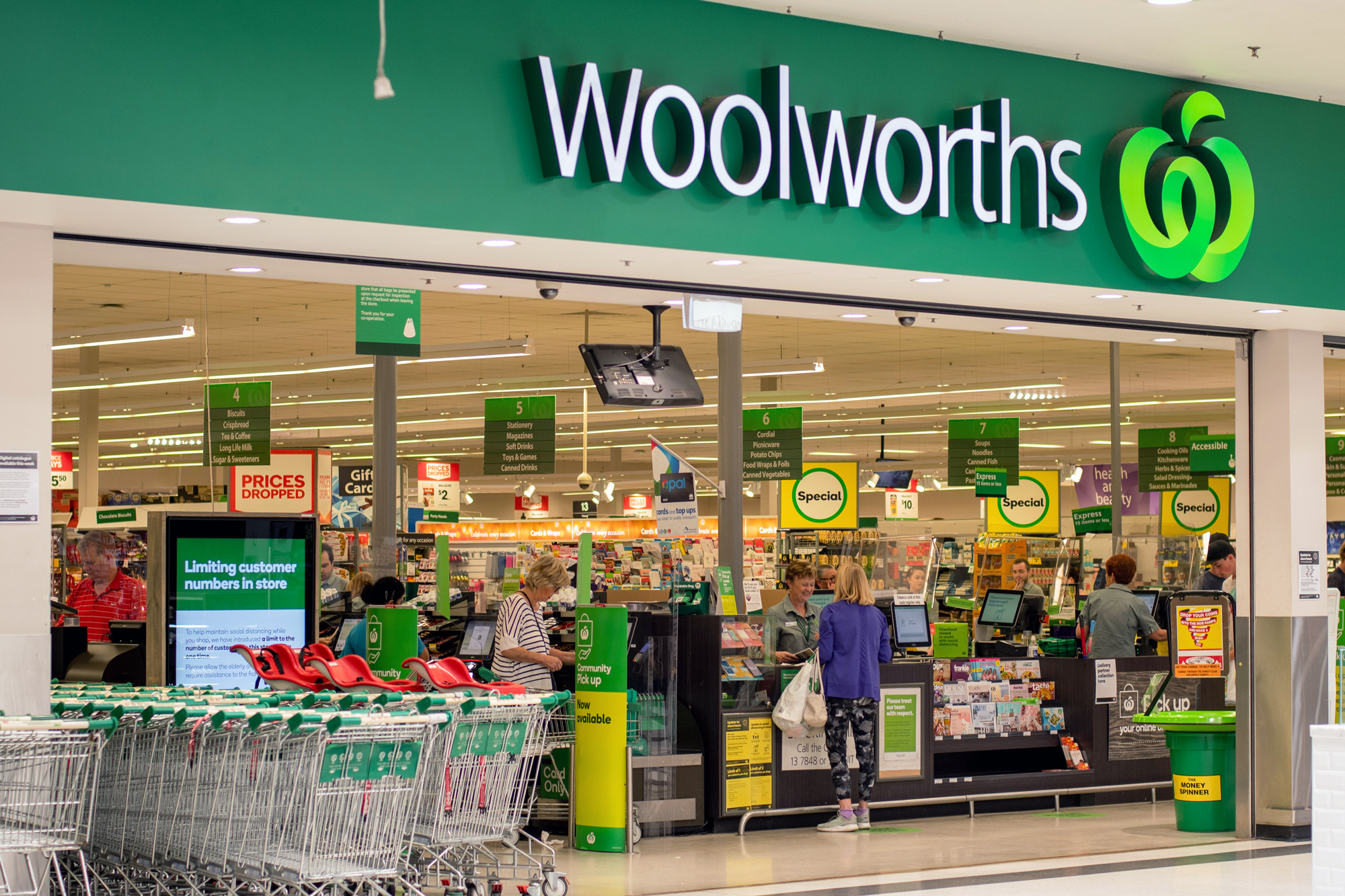
  • Woolworths Faces Potential New Zealand Regulatory Breach Amid Alleged Grocery Industry Competition Act Violations

    Woolworths Faces Potential New Zealand Regulatory Breach Amid Alleged Grocery Industry Competition Act Violations

    Woolworths, a prominent supermarket chain, has recently been cautioned about potentially violating the Grocery Industry Competition Act. This situation arose due to the delisting of certain products in its New Zealand branches.

    Grocery Industry Competition Act: Purpose and Management

    The Grocery Industry Competition Act is governed by the New Zealand Commerce Commission (NZCC). Its primary objective is to regulate the relationship between suppliers and supermarkets. By demanding greater transparency when products are delisted from store shelves, it seeks to protect the interests of smaller suppliers.

    The act, which was established in 2023, is expected to incorporate the Grocery Supply Code in May. Non-compliance with the code could lead to penalties, as per the statement from the commission.

    Investigation into Non-Compliance

    The NZCC has been scrutinizing the product-range review methods of leading supermarkets to ensure they are complying with the code.

    A spokesperson commented on the situation, saying, “Through this process, we identified and investigated situations where it appeared that Woolworths New Zealand might not be fulfilling its responsibilities.” Post investigation, Woolworths New Zealand was issued a warning for a probable breach of the Grocery Industry Competition Act. However, the spokesperson noted that only a court can establish whether an actual breach has occurred. Since the warning, Woolworths has amended its procedures to comply with the regulations.

    Impact on Groceries and Suppliers

    Alice Hume, the head of groceries at NZCC, stated that this action was taken in response to suppliers’ concerns. She highlighted the pressure on suppliers with the possibility of their products being delisted. This situation could further exacerbate the imbalance of power between major supermarkets and smaller suppliers.

    “The fear of losing market access can pressure suppliers into accepting unfavorable conditions and foster distrust towards supermarkets’ decision-making processes,” Hume explained. “The code is instrumental in equalizing the power dynamics between large supermarkets and smaller suppliers, so we treat compliance with the utmost seriousness.”

    Hume also mentioned that the NZCC continues to assess the product ranges available at supermarkets, inviting any worried suppliers to reach out to the commission.

    Questions & Answers

    What is the purpose of the Grocery Industry Competition Act?
    The Grocery Industry Competition Act is designed to govern the relationship between supermarkets and suppliers, with a demand for more transparency during product delisting to protect smaller suppliers.

    What are the consequences of breaching the Grocery Supply Code?
    Non-compliance with the Grocery Supply Code, which is part of the Grocery Industry Competition Act, can result in penalties.

    What are the concerns of the smaller suppliers?
    Smaller suppliers are concerned about potential product delisting, which could reinforce power imbalances with major supermarkets, pressurize them into accepting unfavorable conditions, and induce a lack of trust in supermarkets’ decision-making processes.