Category: General

Retail News Asia is committed to providing both local and global retailers with the latest General Retail news throughout the Asian market. This on a daily base.

  • Mr DIY Scales New Heights: Targets 3,000 Stores in Thailand by 2031 Following Stellar Growth

    Mr DIY Scales New Heights: Targets 3,000 Stores in Thailand by 2031 Following Stellar Growth

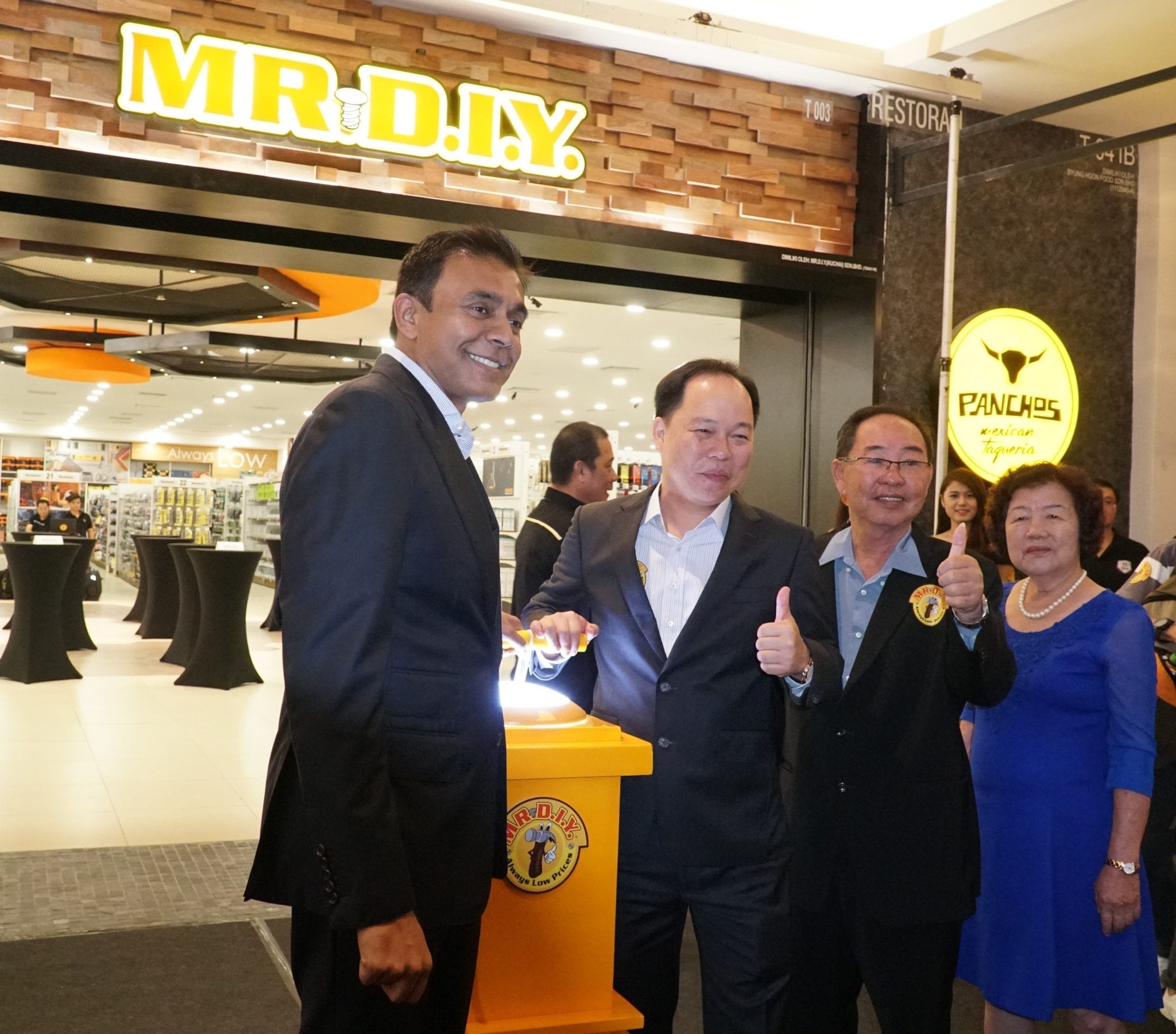
    Mr DIY, the biggest home improvement retail chain in Asia, is setting its sights on further expansion in Thailand, having recently reached the milestone of 1,000 stores in the country.

    Establishing a Strong Retail Presence

    Since its debut in Thailand in 2016, Mr DIY has broadened its reach significantly across 77 provinces. With its origins in Malaysia, the company now runs more than 5,000 stores in 11 countries worldwide.

    Andy Chin, the CEO of Mr DIY Thailand, expressed his excitement and optimism about the company’s future growth prospects. He shared some details about the expansion plans they have in place.

    Expansion Plans

    Mr DIY has set an ambitious target of opening an additional 210 stores in Thailand this year. In aid of this, the construction of an automated warehouse in Samut Prakan is currently in progress.

    This warehouse is set to function as a distribution center, thereby assisting Mr DIY in achieving its goal of 3,000 stores by 2031. By 2027, the company envisages having 1,500 stores operational within Thailand.

    Financial Performance

    In terms of financial performance, Mr DIY reported a revenue of THB20.1 billion during the fiscal year 2025, which was a 24.4 percent annual increase. Additionally, the company also witnessed a significant 47.8 percent surge in profits.

    Questions & Answers

    What is Mr DIY’s target number of stores in Thailand by 2031?
    Mr DIY aims to have 3,000 stores in Thailand by 2031.

    What is the role of the new warehouse in Samut Prakan?
    The new warehouse in Samut Prakan will serve as a distribution center to facilitate Mr DIY’s expansion goals.

    How has Mr DIY’s financial performance been in recent years?
    In the 2025 financial year, Mr DIY recorded a revenue of THB20.1 billion, marking a 24.4% yearly increase. Profits also saw a substantial increase of 47.8%.

  • Revolutionizing Language Switch: Google Translate’s New Pinned Languages Feature for Android and iOS Users

    Revolutionizing Language Switch: Google Translate’s New Pinned Languages Feature for Android and iOS Users

    Google Translate, the language translation app that has become an essential tool for global travelers and multilingual professionals, is set to introduce a new feature that will streamline the process of switching between languages. Launched in 2011, Google Translate currently boasts a user base of one billion monthly active users worldwide, translating over one trillion words each month.

    Enhancing Language Access

    The upcoming update of the Google Translate app (version 10.8.48.878519627.2) will introduce a feature that allows users to pin their frequently used languages to the language selection page. This feature will enable users to have up to 10 language options readily available for quick selection.

    Currently, the app offers a ‘Recent languages’ list, which displays up to nine recently used languages at the top of the screen. However, adding another language to the list causes one to be removed. The forthcoming ‘Pinned languages’ section, which will be positioned above the ‘Recent languages’ list, will allow users to keep up to 10 languages permanently visible on the screen.

    Though it may seem like a minor addition, for those who regularly switch between languages, this feature could significantly enhance the functionality of the app. For instance, when visiting a country with multiple prominent languages, users will be able to conveniently switch between them via the ‘Pinned languages’ section.

    Using the Pinned Languages List

    To pin a language, users should open the Google Translate app and tap the button on the left side, which showcases the language being translated from. Under the ‘Recent languages’ heading, users can select a language and swipe right to reveal a pin icon next to the language name. Tapping the pin icon will add the chosen language to the pinned section in the app. If users wish to unpin a language, the process is the same, but instead, an unpin icon will be displayed next to the pinned languages, which can be tapped to remove the language from the pinned list.

    Questions & Answers

    What does the new feature of Google Translate do?
    The new feature allows users to pin their frequently used languages to the language selection page, enabling quick and convenient language switching.

    How many languages can be pinned to the Google Translate app?
    Users can pin up to ten languages on the Google Translate app.

    How can a language be pinned or unpinned in Google Translate?
    In the app, under the ‘Recent languages’ section, users can swipe right on a language to reveal a pin icon. Tapping this icon will pin the language. Similarly, tapping the unpin icon next to a pinned language will remove it from the pinned list.

  • Singapore Airlines and Scoot Extend Flight Cancellations in Middle East Amid Escalating Tensions

    Singapore Airlines and Scoot Extend Flight Cancellations in Middle East Amid Escalating Tensions

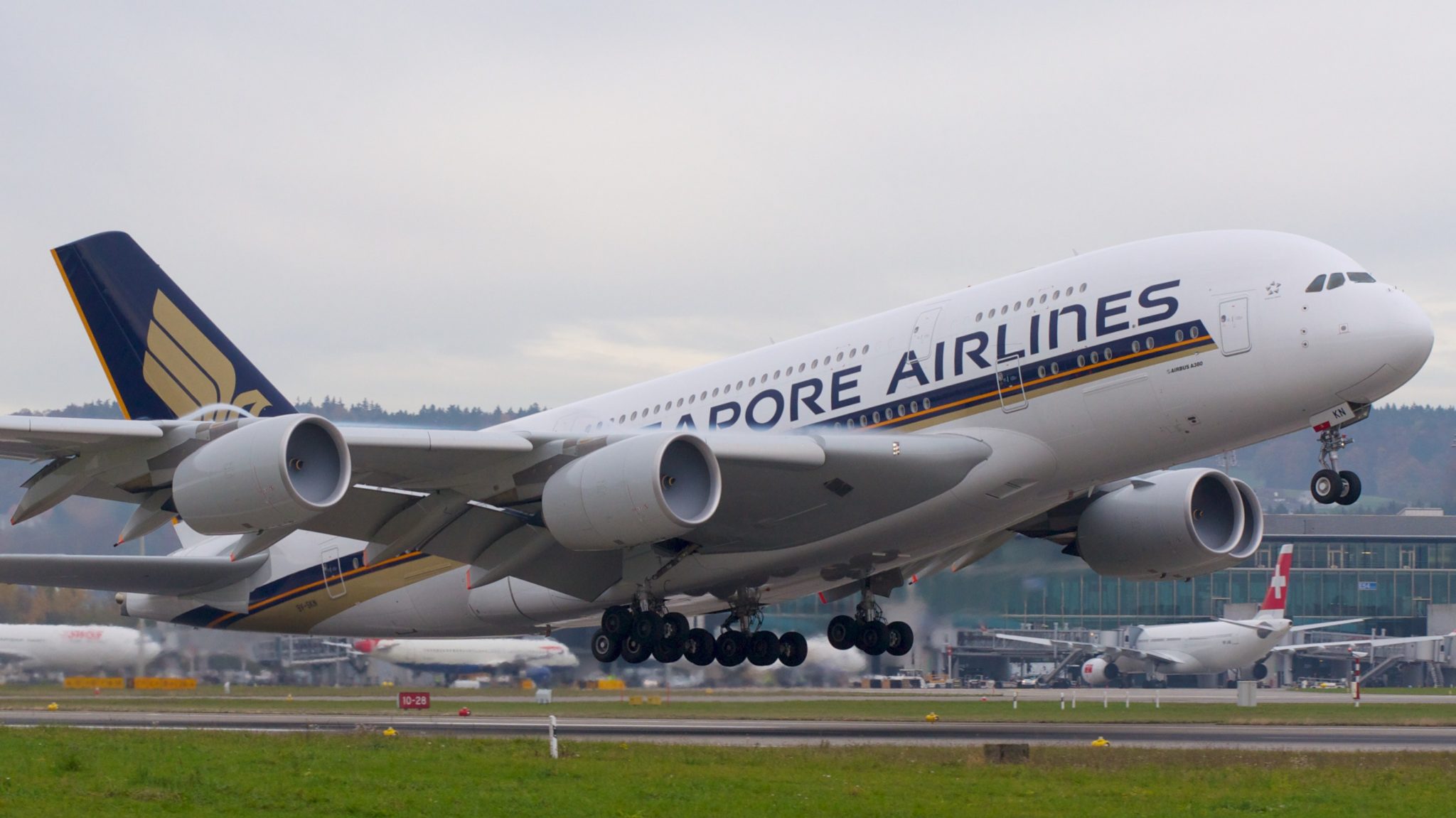
    Singapore Airlines and its budget subsidiary, Scoot, have announced further cancellations of various Middle East flights due to the ongoing tensions associated with the Iran conflict. These service suspensions are expected to last until March 15.

    Singapore Airlines Flight Cancellations

    Singapore Airlines stated on Thursday that Flights SQ494 (Singapore–Dubai) and SQ495 (Dubai–Singapore) will remain suspended until March 15 due to the volatile geopolitical situation in the Middle East. The airline further cautioned that additional flights could also be affected as the situation remains uncertain.

    Scoot Flight Cancellations

    Scoot also revealed that flights TR596 (Singapore–Jeddah) and TR597 (Jeddah–Singapore), which were scheduled for March 9 and March 10, will also be cancelled. These flights to Jeddah, which Scoot operates four times a week, have been suspended since February 28.

    Passengers Impacted by Flight Cancellations

    Passengers who have been affected by the cancellations will be accommodated on alternative flights or if they choose, they can receive a full refund for the unused portion of their tickets. The airlines also encourage their customers to keep their contact details updated via the manage booking function on their website or to subscribe to a mobile notification service to receive updates about their flight status.

    Resumption of Outbound Flights and Repatriation Efforts

    This week saw the resumption of a limited number of outbound flights from the United Arab Emirates, which were operated by long-haul carriers Etihad Airways and Emirates, based in Abu Dhabi and Dubai, respectively.

    Notably, the first plane carrying Singapore residents who were stranded in the Middle East arrived on Thursday morning.

    Singapore’s Minister of State for Foreign Affairs, Gan Siow Huang, announced that Singapore will conduct repatriation flights from Muscat, Oman on the upcoming weekend. She also noted that approximately one-fourth of Singaporeans who have e-registered with the Ministry of Foreign Affairs have requested assistance to return home since the conflict began.

    Faishal Ibrahim, Acting Minister-in-Charge of Muslim Affairs, reported that he has reached out to over 40 Singaporean students studying in various countries including Jordan, Egypt, Saudi Arabia, and Kuwait, to ensure their safety and well-being. According to him, the students are safe and there have been minimal disruptions to their studies.

    Questions & Answers

    What are the airlines doing for passengers affected by the cancellations?
    The airlines are placing the affected passengers on alternative flights. Passengers also have the option to receive a full refund for the unused portion of their tickets.

    How are the airlines keeping their customers updated about their flight status?
    The airlines are encouraging their customers to update their contact details via the manage booking function on their website or to subscribe to a mobile notification service to receive flight status updates.

    What measures are being taken to assist Singapore residents stranded in the Middle East?
    The Singapore government is running repatriation flights from Muscat, Oman. The Minister of State for Foreign Affairs noted that around one-fourth of Singaporeans who have e-registered with the Ministry of Foreign Affairs have requested assistance to return home.

  • Central Retail Amplifies Vietnam Presence: Plans for 30 New Stores to Bolster Retail Expansio

    Central Retail Amplifies Vietnam Presence: Plans for 30 New Stores to Bolster Retail Expansio

    Thailand’s Central Retail, a notable force in the retail industry, is gearing up to increase its investments in Vietnam. The company has announced its intentions to initiate the launch of over 30 new large-format stores in the country within the upcoming years.

    Expansion Plans

    In its expansion blueprint, Central Retail plans to introduce 10 to 12 Go! malls and hypermarkets as well as 23 to 25 mini Go! stores in Vietnam. This ambitious expansion project is set to span from 2026 to 2028. The move is indicative of Vietnam’s rapidly growing retail market, which has attracted several international and local retail entities. Companies like Japan’s Aeon, South Korea’s Lotte, and Vietnam’s own WinMart have been escalating their presence to leverage the increasing household expenditure.

    Central Retail’s Growth in Vietnam

    Central Retail made its debut in the Vietnamese market in 2012, starting with a fashion retail business. Since then, the company has evolved into one of the most prominent foreign multi-format retailers in the country. As of now, Central Retail manages 43 Go! hypermarkets, 16 mini Go! malls, nine Tops Market supermarkets, and 23 LanChi Mart stores across Vietnam.

    Digital Capabilities Strengthening

    In addition to its physical expansion, Central Retail is also dedicated to bolstering its digital capabilities. However, the company has identified several challenges that could potentially hinder its growth. Complex land procedures and the intricate licensing requirements for foreign-invested shopping mall projects could potentially impact the development timelines.

    Earlier this year, marking a shift in its business strategy, Central Retail divested its entire stake in Nguyen Kim Electronics. This move saw the company pull out of Vietnam’s consumer electronics segment after enduring years of financial losses.

    Questions & Answers

    When did Central Retail first enter the Vietnamese market?
    Central Retail made its foray into the Vietnamese market in 2012 with a fashion retail business.

    What is Central Retail’s current footprint in Vietnam?
    Central Retail currently operates 43 Go! hypermarkets, 16 mini Go! malls, nine Tops Market supermarkets, and 23 LanChi Mart stores across Vietnam.

    What challenges does Central Retail foresee in its expansion in Vietnam?
    According to Central Retail, complex land procedures and intricate licensing requirements for foreign-invested shopping mall projects could potentially impede its growth and affect its development timelines.

  • Thai Retail Giant CP Axtra Snaps Up The Food Purveyor in $421.6 Million Deal, Expanding Premium Grocery Footprint in Malaysia

    Thai Retail Giant CP Axtra Snaps Up The Food Purveyor in $421.6 Million Deal, Expanding Premium Grocery Footprint in Malaysia

    Thai retail powerhouse CP Axtra has secured a deal to acquire the Malaysian supermarket operator, The Food Purveyor, for a sum of US$421.6 million.

    The Food Purveyor’s Market Presence

    The Food Purveyor boasts a wide range of premium grocery brands under its umbrella, including Village Grocer, Ben’s Independent Grocer, BSC Fine Foods, OTK, and The Food Merchant. The company currently operates a broad network of 50 stores spread throughout Malaysia.

    CP Axtra’s Growth Trajectory

    CP Axtra, established in 1988, is one of the leading wholesale and grocery conglomerates in Thailand. It expanded into Malaysia by acquiring Tesco in 2020 and subsequently operating it under the brand name Lotus Malaysia. With a sprawling network of more than 2600 outlets spread across countries like Thailand, Malaysia, Cambodia, Vietnam, Singapore, Hong Kong, Oman, and the UAE, the company has established a significant presence worldwide.

    Strategic Acquisition

    This new acquisition forms part of CP Axtra’s comprehensive strategy to penetrate high-potential international markets, such as Malaysia. It also bolsters the company’s foothold in the premium grocery segment. Upon the deal’s completion, CP Axtra will operate in excess of 120 grocery chains nationwide. This figure combines 50 stores from The Food Purveyor and 70 stores from Lotus.

    The transaction is slated for completion in the fourth quarter, dependent on receiving the necessary regulatory approvals.

    Questions & Answers

    What major brands does The Food Purveyor operate under?
    The Food Purveyor operates major premium grocery brands such as Village Grocer, Ben’s Independent Grocer, BSC Fine Foods, OTK, and The Food Merchant.

    How has CP Axtra grown over the years?
    CP Axtra has grown significantly since its establishment in 1988. It now operates more than 2600 outlets across Thailand, Malaysia, Cambodia, Vietnam, Singapore, Hong Kong, Oman, and the UAE.

    What is the significance of this acquisition for CP Axtra?
    The acquisition of The Food Purveyor enables CP Axtra to expand into high-potential overseas markets such as Malaysia and strengthen its position in the premium grocery segment.

  • Google Messages Embraces Trash Feature, Enhancing Message Recovery: A Page from Samsung and Apple’s Playbook

    Google Messages Embraces Trash Feature, Enhancing Message Recovery: A Page from Samsung and Apple’s Playbook

    Google Messages has been the focal point of numerous updates recently. With a keen emphasis on enhancing user experience, developers have introduced new features and improvements. One such feature is an updated Details page, designed to increase usability. Further modifications are on the horizon, with a significant change in the pipeline concerning how the platform handles message deletion.

    Recovering Mistakenly Deleted Messages

    Presently, if a user attempts to delete a message in Google Messages, a pop-up warns the user that deletion is permanent and irreversible. This means once the “Delete” button is clicked, the message is permanently erased. However, situations may arise where a conversation is accidentally deleted, or a user realizes they need a message that was previously deleted.

    In response to such scenarios, Google has implemented a Trash feature in their messaging app. Notable in the beta version 20260227 of the app, this feature aims to retain accessibility to deleted messages.

    New Trash Feature Replaces the Delete Option

    The new trash feature supersedes the existing delete option in Google Messages. With this feature, when a message is deleted, it is moved to a new trash folder instead of being permanently discarded. This folder can be accessed by tapping the profile icon located in the top-right corner of the app and selecting the “Trash” option.

    Deleted messages remain in the trash folder for 30 days. Users have the option to restore all messages or delete them all simultaneously using the ‘restore all’ or ‘delete all’ icons. There’s also a provision for restoring or deleting individual messages.

    The previous delete option, which appeared when opening a conversation and tapping the three-dot menu, has been replaced with the new Trash feature. The swipe actions menu has also been updated to display the new Trash option in place of Delete.

    Consequently, upon the rollout of this update, users cannot permanently delete messages immediately. Instead, messages will first transition to the Trash section, providing users with a second chance to review their content. If a user is certain that a specific message isn’t required, they can permanently delete it from the trash section.

    Google Messages Follows in the Footsteps of Samsung and Apple Messages

    The concept of a trash folder may seem familiar to users of Samsung Messages or Apple Messages. Samsung’s app features a dedicated Recycle Bin section, storing deleted chats for 30 days before permanently erasing them.

    Likewise, Apple devices move deleted messages to a Recently Deleted section, where users can choose to either restore the message or permanently delete it. Both Samsung and Apple’s messaging platforms have incorporated this feature for years, and Google Messages now joins the bandwagon.

    Questions & Answers

    What happens when a message is deleted in the new Google Messages update?
    When a message is deleted in the new Google Messages update, it is moved to a Trash folder instead of being permanently erased. Users can access this folder from their profile icon.

    How long will deleted messages remain in the Trash folder?
    Deleted messages will be stored in the Trash folder for 30 days.

    Can users restore deleted messages from the Trash folder?
    Yes, users have the option to restore all messages at once or select individual messages for restoration. They can also permanently delete all or selected messages from the Trash folder.

  • DFI Retail Group Triumphs with 35% Profit Surge Amid Strategic Overhaul – An In-depth Look at the 2025 Fiscal Year

    DFI Retail Group Triumphs with 35% Profit Surge Amid Strategic Overhaul – An In-depth Look at the 2025 Fiscal Year

    DFI Retail Group, a prominent pan-Asian retailer, has confirmed the efficacy of its ongoing strategic alterations, following a successful 2025 fiscal year. The group reported a substantial 35% increase in underlying profits to US$270 million, despite no growth in its year-end revenue stream, which remained consistent with the 2024 figure at $8.8 billion.

    Strategic Execution and Profitability

    The robust financial performance and enhanced shareholder returns in 2025 have been attributed to the effective implementation of strategic initiatives. DFI Retail Group’s Chairman, Lincoln Pan, emphasized that this was achieved despite the challenging circumstances in the retail industry. Significant strides in portfolio simplification have notably increased the group’s investment capabilities. This shift has facilitated the prioritization of strategic initiatives, providing greater value for customers and paving the way for sustainable growth and returns through accretive inorganic opportunities.

    Portfolio Adjustments and Performance

    In an effort to adapt to changing market conditions and consumer preferences, DFI Retail Group has made adjustments to its brand portfolios. As part of this strategy, 7-Eleven, one of the group’s brands, has shifted its focus towards higher-margin, non-cigarette categories. Ready-to-eat offerings now account for 24% of convenience sales for the brand in 2025, highlighting a considerable change in product focus.

    Financial Performance

    The group’s strong financial performance is also reflected in its operating cash flow. After making lease payments, the operating cash flow for the group stood at $430 million, marking a 30% increase from the previous year. In addition, the group’s free cash flow saw a remarkable year-on-year increase of 78%.

    Questions & Answers

    What were the underlying profits for DFI Retail Group in the fiscal year 2025?
    In the fiscal year 2025, DFI Retail Group reported underlying profits of US$270 million.

    What strategical changes did 7-Eleven, a brand under DFI Retail Group, adopt in 2025?
    7-Eleven shifted its focus towards higher-margin, non-cigarette categories. Ready-to-eat offerings constituted 24% of the brand’s convenience sales.

    How did the operating cash flow of DFI Retail Group fare in 2025?
    After lease payments, DFI Retail Group’s operating cash flow in 2025 stood at $430 million, which was a 30% increase from the previous year.

  • Miniso Unveils Malaysia’s First Miniso Land: A Mega Retail Experience at Sunway Pyramid

    Miniso Unveils Malaysia’s First Miniso Land: A Mega Retail Experience at Sunway Pyramid

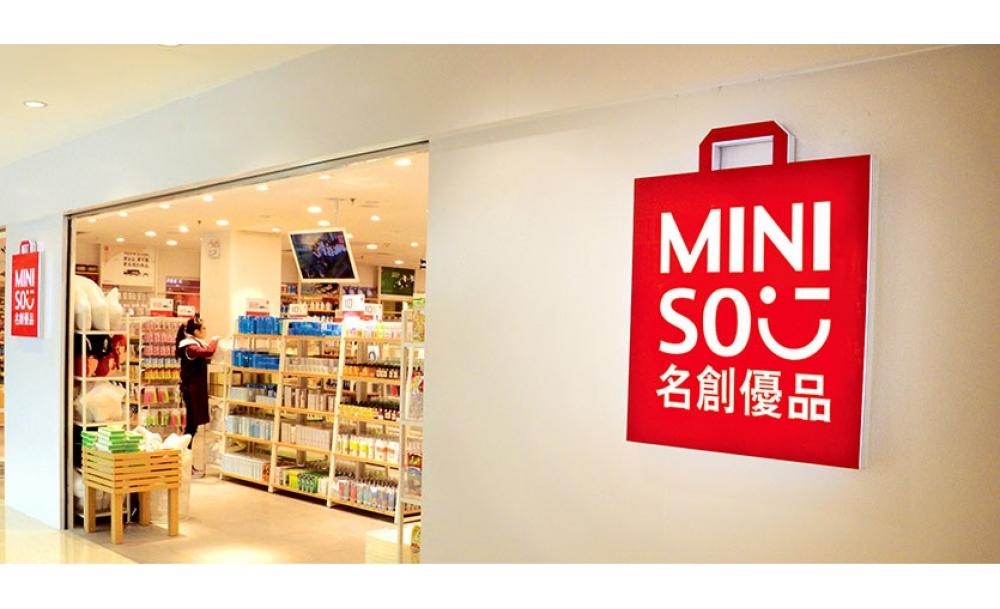
    Miniso, the global retail brand, has inaugurated its first ‘Miniso Land’ in Malaysia, situated at the Sunway Pyramid mall. This new establishment has become the largest in Southeast Asia operating under the brand name.

    The Land of Miniso

    Located on the first floor of the mall, the expansive store covers around 1700 square meters. It brings forward a larger format retail concept, primarily focusing on Intellectual Property (IP) collaborations and engaging retail design. The store is home to over 8000 products, with more than 70% of the items crafted with licensed or proprietary IP characters.

    Thematic Retail and Interactive Zones

    The store features 15 distinct sections, each with a unique theme for retail and interactive purposes. These zones merge product displays with character installations, offering photo opportunities for visitors. The store houses a range of product categories such as mystery toys, stuffed toys, house accessories, drinkware, and a vast collection of beauty and skincare items.

    Spotlight on IP Collaborations

    The store showcases collaborations with licensed brands such as Sanrio and Monchhichi, while also highlighting Miniso’s in-house IP portfolio, including the YoYo series. The store’s visual appeal is further enhanced with ten large-scale Yo-Yo sculptures, emphasizing the brand’s focus on visual merchandising and social media engagement.

    Expansion Strategy

    The ‘Miniso Land’ concept is a significant part of the company’s expansion strategy. The brand aims to create themed environments and character-driven merchandising, with IP-related products constituting the majority of their inventory.

    This concept was first launched in Shanghai and has since grown to multiple locations across China and international markets such as Thailand, Spain, Indonesia, and Australia.

    Questions & Answers

    What is the size of the new Miniso Land in Malaysia?
    The new Miniso Land in Malaysia covers around 1700 square meters.

    What is unique about the Miniso Land concept?
    Miniso Land focuses on creating themed environments and character-driven merchandising, with a majority of the products being IP-related.

    Where was the first Miniso Land introduced?
    The first Miniso Land was introduced in Shanghai.

  • Mastercard Appoints Fintech Veteran Minsook Cho as New Singapore Country Manager

    Mastercard Appoints Fintech Veteran Minsook Cho as New Singapore Country Manager

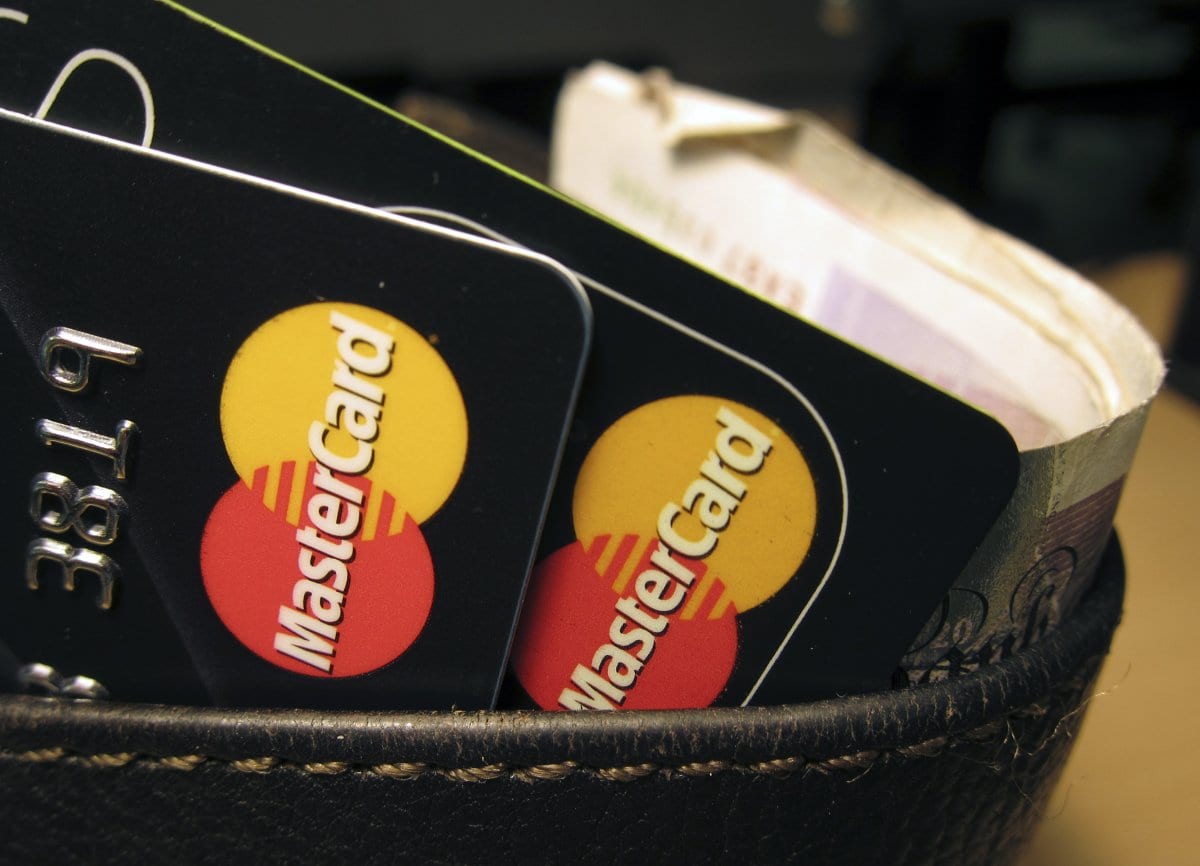
    Mastercard, the globally renowned credit card company, has named Minsook Cho as its new country manager for Singapore. Cho, an industry veteran with more than two decades of experience, will hold the key responsibility of determining and implementing the company’s strategic direction and overseeing business operations in the market.

    Cho’s Role at Mastercard

    As part of her role, Cho will also work closely with regional and global clients based in the city-state. Additionally, she will support a range of cross-market and strategic initiatives.

    Cho’s expertise spans across various sectors, including payments, fintech, analytics, and consulting. She has been part of the Mastercard team since 2013 and has held the position of senior vice president, advisors client services, Asia Pacific. In this role, she directed consulting, analytics, test & learn, and managed services across several markets such as Japan, Korea, China, Australia, New Zealand, and Southeast Asia.

    Prior to her time at Mastercard, Cho served in senior leadership roles across APAC at companies like Foodpanda and Lazada.

    Mastercard’s Expectations from Cho

    Speaking about this appointment, Safdar Khan, Mastercard’s Southeast Asia division president, expressed his confidence in Cho’s abilities. He highlighted her extensive experience in Data and Services, including enhancing business performance, elevating consumer experiences, and enabling innovation. Khan believes that Cho’s deep market understanding will be vital in strengthening intelligence, security, and interoperability across Singapore’s payments ecosystem.

    Questions & Answers

    Who has Mastercard appointed as its new country manager for Singapore?
    Mastercard has appointed Minsook Cho as its new country manager for Singapore.

    What will Cho’s role at Mastercard entail?
    Cho will be responsible for the strategic direction and business operations of Mastercard in Singapore. She will also collaborate with regional and global clients based in the city-state and support cross-market and strategic initiatives.

    What is Cho’s previous experience?
    Cho has over 20 years of experience in payments, fintech, analytics, and consulting. She has been with Mastercard since 2013, previously serving in multiple leadership roles. Prior to Mastercard, she held senior APAC leadership roles at Foodpanda and Lazada.

  • Panpuri Unveils ‘Teahouse of Scent’ Flagship in Macau: A Fusion of Traditions and Modern Fragrance Experience

    Panpuri Unveils ‘Teahouse of Scent’ Flagship in Macau: A Fusion of Traditions and Modern Fragrance Experience

    Panpuri, a wellness brand from Thailand, has made a significant stride in its broader expansion plan across Greater China with the inauguration of its premier flagship boutique in Macau.

    The Teahouse of Scent: A Unique Boutique Concept

    The newly established Panpuri Sensorial Boutique, nestled within the heart of The Venetian Macau, takes its design inspiration from the concept of ‘The Teahouse of Scent’. This motif is deeply rooted in Macau’s rich cultural heritage and its long-standing tradition of tea drinking. The store is an imaginative ode to Casa de Cha Long Wa, the last of Macau’s authentic Chinese teahouses, transforming timeless tea rituals into an immersive modern fragrance experience.

    A Reflection of Macau’s Heritage and Panpuri’s Vision

    Commenting on the launch, Vorravit Siripak, Founder and CEO of Panpuri, shared his belief that Macau holds a crucial role in the brand’s regional expansion. The city’s rich history of cultural exchange and craftsmanship resonates with Panpuri’s commitment to promoting holistic well-being. The first-of-its-kind flagship boutique, according to Siripak, is more than just a retail destination. It aims to be a sanctuary that mirrors Macau’s unique heritage and introduces Panpuri’s distinctive approach to fragrance and wellness to the wider community in Greater China.

    Inspired Interior and Signature Scent

    The boutique’s interior is a synergy of misty blue walls, oxidised green metal details, and dark walnut finishes, reminiscent of the design of traditional teahouses. At the core of the store is the ‘Oolong Ritual’, a unique scent inspired by traditional tea ceremonies. This signature fragrance enhances the in-store experience, transforming the tea ritual into a contemporary sensory journey.

    Panpuri made its first global venture in 2024 by opening a flagship store at K11 Musea in Hong Kong. This boutique, however, followed a distinct concept called ‘The Perfumist’s Chamber’, which elegantly fused Thai culture with the dynamic energy of Hong Kong.

    Questions & Answers

    What is the concept behind the new Panpuri Sensorial Boutique store in Macau?
    The Panpuri Sensorial Boutique in Macau is designed with the concept of ‘The Teahouse of Scent’, which is inspired by Macau’s rich cultural heritage and long tradition of tea drinking.

    How does the interior of the new Panpuri boutique reflect the brand’s vision?
    The interior of the boutique features misty blue walls, oxidised green metal details, and dark walnut finishes, reminiscent of the design of traditional teahouses. At the heart of the store is the ‘Oolong Ritual’, a signature scent inspired by traditional tea ceremonies, which speaks to the brand’s focus on holistic well-being through sensory experiences.

    What was Panpuri’s first international location?
    Panpuri’s first international venture was a flagship store at K11 Musea in Hong Kong, which opened in 2024.

  • Hong Kong’s Bonjour Holdings Navigates Stormy Retail Waters: Half-Year Losses Amid Shift in Consumer Behavior

    Hong Kong’s Bonjour Holdings Navigates Stormy Retail Waters: Half-Year Losses Amid Shift in Consumer Behavior

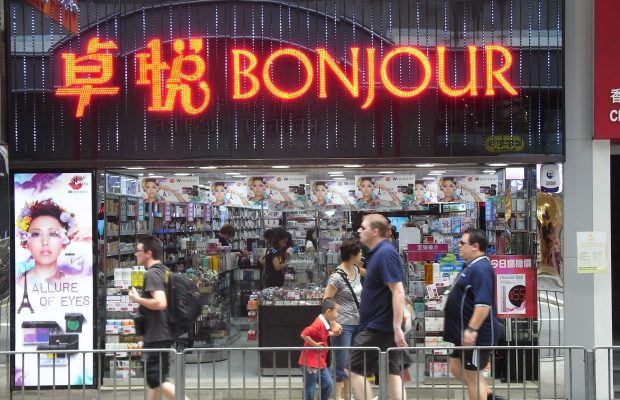
    Hong Kong-based financial behemoth, Bonjour Holdings, has reported a slump in its earnings attributed to what the corporation describes as a “complicated” retail atmosphere.

    Financial Figures

    Bonjour Holdings reported a loss of HK$68.8 million (US$8.8 million) for the half-year ending December 31, 2025. This figure represents a better performance than the same period in 2024 when the company reported a loss of $134.4 million ($17.2 million).

    Bonjour Holdings’ expansive portfolio includes over 20,000 products from brands such as Suisse Reborn, Yumei, Dr. Schafter, and Dr. Bauer.

    The firm’s retail, wholesale, lifestyle, healthcare, and beauty sector recorded a half-year turnover of HK$6.7 million, while technology sales contributed an additional HK$5.5 million. The gross profit for both sectors stood at HK$2.8 million. However, both year-on-year revenue and gross profit witnessed a steep decline of 50.4 per cent and 84.6 per cent, respectively.

    Complex Retail Environment

    In its earnings report statement, Bonjour Holdings stated that the latter half of 2025 presented a complex retail landscape in Hong Kong. Despite the overall inflation rate remaining relatively low at around 1.2 per cent during this period, consumer spending habits reflected cautiousness due to ongoing economic uncertainties.

    The company also highlighted that fluctuations in the property market significantly affected its customers’ disposable income.

    Tourism and Consumer Behavior

    Bonjour Holdings noted that tourism was on a slow path to recovery, with an increase in visitor arrivals. However, the spending habits of these visitors shifted towards experiential consumption, moving away from the traditional luxury retail. Mainland Chinese tourists, albeit returning in larger volumes, showed more selective purchasing habits compared to their pre-pandemic patterns.

    Questions & Answers

    What was Bonjour Holdings’ reported loss for the six months ending December 31, 2025?
    The company reported a loss of HK$68.8 million (US$8.8 million).

    What is the overall impact on Bonjour Holdings due to the current retail environment?
    The complicated retail environment, coupled with economic uncertainties and shifts in the property market, have led to a significant decrease in the company’s earnings.

    How has the spending behavior of tourists, specifically mainland Chinese, changed post-pandemic?
    While the number of mainland Chinese tourists has increased, their purchasing behavior has become more selective compared to pre-pandemic patterns, with a notable shift towards experiential consumption rather than traditional luxury retail.

  • Bluebell Group Ushers in New Era: Appoints Philippe Guettat as CEO in Key Leadership Revamp

    Bluebell Group Ushers in New Era: Appoints Philippe Guettat as CEO in Key Leadership Revamp

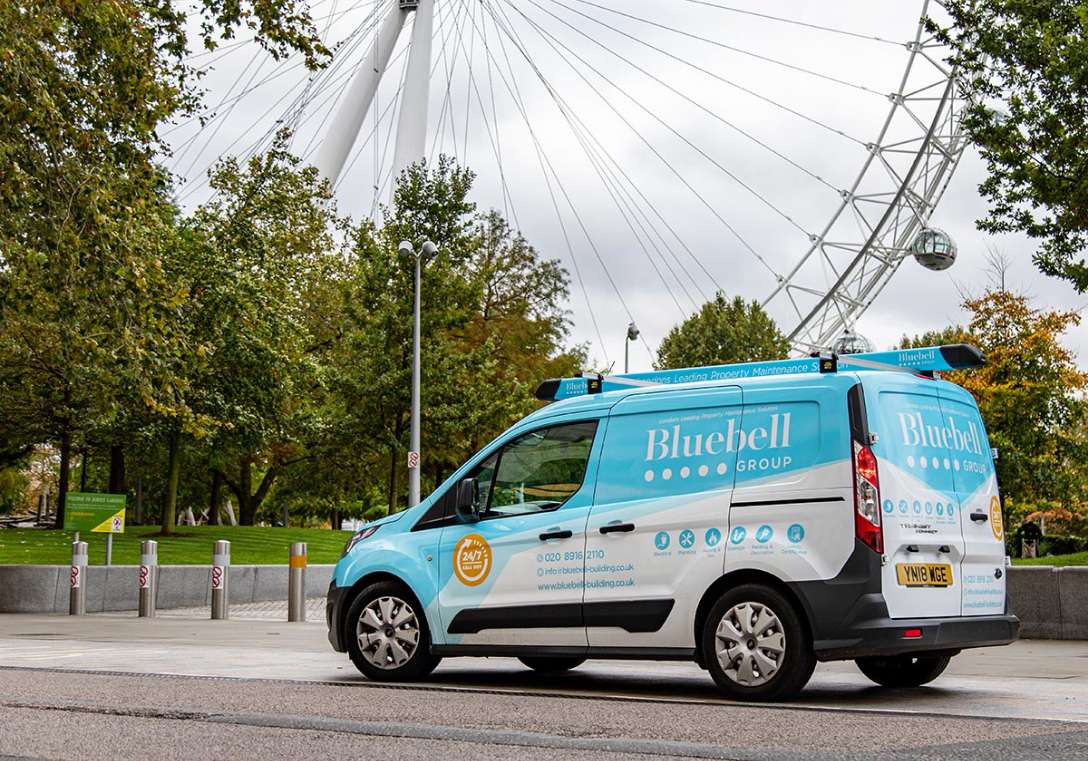
    The Bluebell Group recently announced the confirmation of Philippe Guettat as its permanent group president and CEO. This decision is part of an extensive leadership overhaul aimed at bolstering harmonization throughout its Asian operations.

    Guettat, who previously served in the role temporarily, received the official nod from the board after demonstrating a period of strategic focus and operational discipline. Chairman of the board, Laurent de Rougemont, expressed admiration for the distinct clarity and strategic discipline Guettat brought to the group during his temporary tenure.

    Rougemont said, “His dedication to operational excellence and delivering value for our stakeholders solidifies him as the ideal choice to guide the group into its next phase of success.”

    Leadership Update

    As part of the leadership transformation, Bluebell has elevated the roles of people and culture to the executive level. The company has appointed Ivan Zenovic as the new Chief People and Communications Officer. Zenovic, who will report directly to Guettat, will be in charge of talent processes and striving to standardize retail excellence across various markets.

    Rougemont added, “We move forward with a reinforced leadership structure and a straightforward goal: to ensure Bluebell remains the top sophisticated, high-performance home to the world’s most iconic brands.”

    Bluebell, a privately-owned company established in 1954, operates in vital markets throughout the Asia-Pacific region. It manages over 170 international brands through approximately 650 sales outlets, in addition to e-commerce and travel retail channels.

    Questions & Answers

    What is Philippe Guettat’s new role at Bluebell?
    Philippe Guettat has been confirmed as the permanent group president and CEO of Bluebell Group.

    What are the responsibilities of Ivan Zenovic, the new Chief People and Communications Officer?
    Ivan Zenovic will oversee talent processes and work to standardize retail excellence across various markets.

    What is the main goal of Bluebell following this leadership reshuffle?
    The main goal is to ensure Bluebell remains the top sophisticated, high-performance home to the world’s most iconic brands.

  • Coles’ Profit Dips Amid Ongoing ACCC Pricing Case and Regulatory Disputes

    Coles’ Profit Dips Amid Ongoing ACCC Pricing Case and Regulatory Disputes

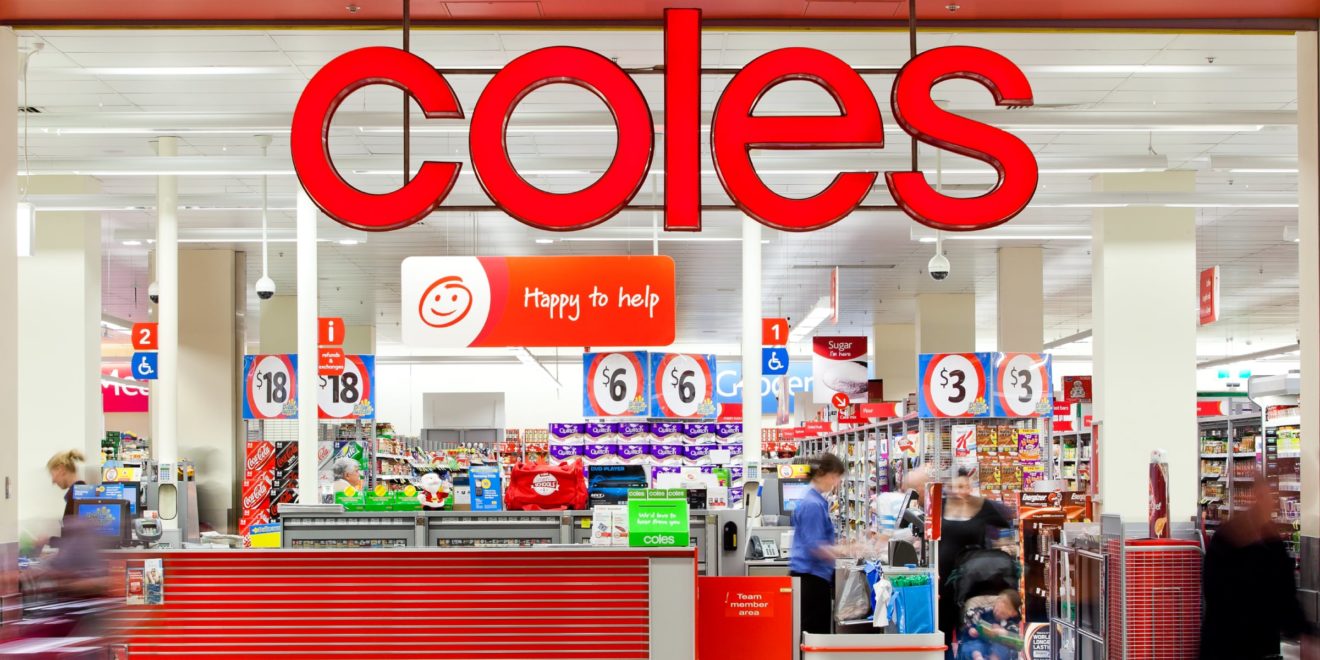
    Despite seeing growth in its supermarket division, leading grocery retailer, Coles, has experienced a significant fall in profits, largely due to what has been referred to as the “case of the century”, instigated by the Australian Competition and Consumer Commission (ACCC).

    Profit Decline Amidst Supermarket Growth

    Coles’ after-tax profit for the first half of this financial year saw an 11.3% decline. This happened in spite of a considerable expansion in the company’s supermarket division, where sales, gross margin and earnings before interest and tax (EBIT) all increased. The phenomenal $23.1 billion in revenue from grocery stores contributed to 90 per cent of Coles’ total revenue for the period.

    Liquor Sales Dwindle

    On the contrary to the supermarket division, Coles’ liquor sales witnessed a “subdued” period, according to the company. The segment experienced a 3.2 per cent fall in revenue along with a significant 37 per cent plunge in EBIT.

    Regulatory Disputes Affecting Profits

    Coles’ after-tax profits were substantially impacted by provisions from regulatory disputes. One such dispute involved allegations of the company not adhering to the general retail industry award (GRIA) guidelines in terms of staff remuneration. The Fair Work Ombudsman passed a judgment on this matter on September 5 of the previous year.

    This case, heard in the Federal Court of Australia, along with subsequent settlements, resulted in a staggering $235 million cost to Coles. The company also warned of the “risk” of further payments. The dispute involved 15,011 staff members and led Coles to pay $31 million in remuneration to employees following an internal review.

    Ongoing ACCC Dispute

    In addition to past disputes, Coles is currently faced with an ongoing disagreement with the ACCC. The dispute involves the supermarket’s longstanding “Down Down” promotion which has not yet been resolved.

    Despite the ACCC’s allegations of misleading customers with its discount promotion, Coles maintains its innocence. The company stated that “at least” 245 products are being reviewed, and the financial impact of any outcome remains uncertain.

    Questions & Answers

    What was Coles’ primary source of revenue in the first half of this financial year?
    The primary source of Coles’ revenue was its supermarket division, which contributed to 90% of the company’s total revenue.

    How have regulatory disputes affected Coles’ profits?
    Regulatory disputes have significantly impacted Coles’ after-tax profits. One such dispute resulted in a $235 million cost to the company with the risk of further payments.

    What is the ongoing dispute between Coles and the ACCC about?
    The ongoing dispute between Coles and the ACCC is regarding the supermarket’s longstanding “Down Down” promotion. The ACCC alleges Coles misled customers with this discount promotion, a claim which Coles denies.

  • Revolutionizing Retail: How WhatsApp and Conversational AI are Transforming Your Shopping Experience

    Revolutionizing Retail: How WhatsApp and Conversational AI are Transforming Your Shopping Experience

    The shift towards Conversational Artificial Intelligence (AI) is transforming the retail landscape, with AI-powered customer experiences emerging as the new standard, particularly within the realm of daily use messaging apps. This trend signals a departure from the previously flashy, novelty bots to a more meaningful, user-centered approach.

    Transition from Broadcasting to Dialogue

    For the past ten years, retailers have primarily focused on optimizing websites, apps, and mass emails – platforms that were primarily designed for broadcasting messages rather than fostering interactions. Burton Chau, CEO and Co-founder of Sanuker, contends that such platforms are now out of sync with how individuals typically utilize their smartphones. While websites, apps, and email blasts continue to play an essential role, they tend to be more transactional. Messaging platforms, which consumers frequently use daily, present an opportunity for high user interaction, high intent, and measurable customer journeys, particularly when supplemented with AI, automation, and data.

    This shift marks a significant realignment of the tech stack. Retailers are increasingly focusing on meeting consumers within their preferred platforms, such as WhatsApp, Messenger, and Instagram, and threading marketing, service, and commerce into a single chat thread. AI agents are employed within these threads to manage discovery, frequently asked questions (FAQs), lead qualification, and first-line service, with human staff handling more complex tasks.

    WhatsApp as the New Retail Hub

    Sanuker operates across various messaging platforms, but WhatsApp has emerged as the anchor for conversational retail in markets like Hong Kong, Malaysia, Singapore, India, and Indonesia. Chau attributes this to the app’s ubiquity and the quality controls established by Meta. A key selling point is that WhatsApp supports the entire retail journey, from pre-sales inquiries to recommendations, purchasing, post-sales follow-ups, and customer support.

    Using Sanuker’s technology, retailers can integrate the conversation with e-commerce platforms, Customer Relationship Management (CRM), and Enterprise Resource Planning (ERP) systems, providing real-time updates on inventory, pricing, and order status. As a result, the customer experience becomes less like a campaign and more like a continuous relationship.

    Personalization with a Contextual Memory

    While many retailers claim to offer personalization, Chau identifies a clear distinction between basic tweaks and what he terms “CRM-connected personalization.” He asserts that an AI agent achieves true personalization when it uses real-time customer data to provide accurate responses and promote outcomes. This includes access to purchase history, interests, and behaviors. The ability to update the backend with new events when orders or inquiries are made within the chat creates a closed loop that makes conversational AI economically attractive.

    Automation: The Future of the First-line Concierge

    Sanuker foresees a future where AI agents serve as the first-line digital concierge on messaging platforms. Chau believes that AI agents could replace human agents in customer service roles by 2026, not by eliminating human roles, but by taking on repetitive questions and escalating only when necessary.

    Achieving this requires a seamless integration of technologies. Sanuker’s platform, alongside tools like N8N and Dify, enable retailers to quickly and efficiently connect messaging with e-commerce, CRM, and ERP systems, and integrate AI models from OpenAI, Azure, Gemini, or DeepSeek.

    Guardrails, Not Gimmicks

    Despite the promise of conversational AI, it also brings potential risks, including spammy bots that undermine trust and invite regulatory scrutiny. Chau emphasizes the need for robust governance and compliance measures, and highlights the importance of designing explicit handover routes to human agents to ensure that customers never feel trapped in an automated loop.

    In his vision, the most successful retailers in 2026 will not be those that replace staff with bots, but those that utilize conversational AI to enhance human interactions, making them rarer, richer, and more consequential.

    Questions & Answers

    What is the role of messaging platforms in the shift towards conversational AI?
    Messaging platforms, such as WhatsApp, Messenger, and Instagram, are pivotal to the shift towards conversational AI as they provide the daily-use platform that allows for high user interaction, high intent, and measurable customer journeys.

    How does Sanuker’s technology enhance the customer experience on WhatsApp?
    Sanuker’s technology integrates WhatsApp conversations with e-commerce platforms, CRM, and ERP systems, providing real-time updates on inventory, pricing, and order status. This makes the customer experience more personalized and relationship-based.

    How does Sanuker envision the future of conversational AI in retail?
    Sanuker envisages a future where AI agents serve as the first-line digital concierge on messaging platforms. These AI agents would handle repetitive questions, escalating only when necessary, thereby enhancing the efficiency of the customer service process.

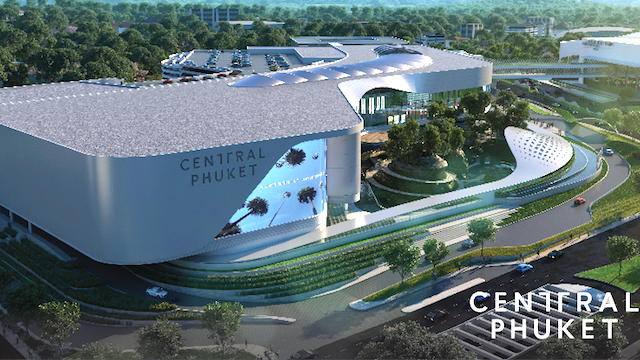
  • Central Phuket’s Expansion: Transforming Thailand’s Luxury Retail Landscape by 2028

    Central Phuket’s Expansion: Transforming Thailand’s Luxury Retail Landscape by 2028

    Central Pattana is embarking on a significant expansion of Central Phuket, aiming to transform the mixed-use development into a keystone of Phuket’s transition from a tourist-centric locale to a global lifestyle hub.

    The expansion will enlarge the project’s existing area by approximately 40%, pushing the total developmental value past 26 billion baht (US$835.7 million) when completed in 2028. The expanded project will cover an approximate 500,000 square meters of gross building area, solidifying its standing as one of southern Thailand’s major retail and lifestyle establishments.

    Transition to Luxury Lifestyle Destination

    Situated in Phuket City, Central Phuket has gradually evolved from a traditional mall set-up to a luxury-focussed, experience-centric destination. It is designed to cater to high-spending local and international consumers. The latest development phase is set to tap into the escalating long-term residency, growth in branded residential spaces, and infrastructure improvements across Phuket.

    A key aspect of the expansion plan is the doubling of luxury retail space in Central Phuket Floresta. Central Phuket Festival will also be repositioned to enhance its appeal in the fashion and lifestyle sector. The expansion will additionally usher in new high-end dining areas and significant attractions, including immersive entertainment concepts, scheduled for gradual introduction by 2028.

    Central Pattana’s chief marketing officer, Nattakit Tangpoonsinthana, has drawn comparisons between this development model and successful examples in Miami, Saint-Tropez, and Barcelona. He emphasized Central Pattana’s commitment to strengthening this approach with a ‘Global Coastal City’ model. This model is underpinned by three core elements: luxury lifestyle, downtown economy, and a global community, positioning Phuket for long-term sustainable growth.

    Store Expansions and Exclusive Concepts

    The expansion will see the introduction of multiple store expansions and unique shopping concepts. These include the largest Louis Vuitton outlet in southern Thailand, a 597 square meter Prada boutique showcasing one of its widest beachwear collections, a pop-up by Celine, and revamped concept stores from Balenciaga and Saint Laurent.

    In a separate development, Central Pattana allocated 21 billion baht (US$640 million) last year to construct a new mega shopping and lifestyle complex, The Central Phaholyothin, in northern Bangkok.

    Questions & Answers

    What is the projected value of the expanded Central Phuket project?
    The total developmental value is estimated to exceed 26 billion baht (US$835.7 million) upon its completion in 2028.

    What new features will the expansion of Central Phuket introduce?
    The expansion plans include the doubling of luxury retail space, the introduction of new high-end dining areas, major attractions including immersive entertainment concepts, store expansions, and unique shopping concepts.

    What is the ‘Global Coastal City’ model?
    The ‘Global Coastal City’ model is driven by three core elements: luxury lifestyle, downtown economy, and a global community. It aims to position Phuket for long-term sustainable growth.