Category: General

Retail News Asia is committed to providing both local and global retailers with the latest General Retail news throughout the Asian market. This on a daily base.

  • Revolutionizing IT Stability: How 24/7 Monitoring Shields Japanese Firms from Downtime Risks

    Revolutionizing IT Stability: How 24/7 Monitoring Shields Japanese Firms from Downtime Risks

    The necessity for constant system monitoring is gaining traction among Japanese businesses, as it plays a crucial role in ensuring IT operations run smoothly and minimizes the chances of service disruptions. As dependence on digital infrastructures grows, it’s essential to maintain consistent system performance. This rings true for a variety of sectors, from e-commerce platforms to manufacturing systems and financial services, all of which demand nearly uninterrupted availability.

    24/7 Monitoring: The New Norm

    To cater to this demand, organizations are opting for round-the-clock monitoring strategies aimed at fostering stable, secure, and responsive systems. Continuous monitoring enables the early detection of potential problems, which can help to decrease service interruptions and uphold performance standards.

    Enterprise systems these days are often spread across intricate environments that mesh cloud infrastructure, databases, applications, and integrated services. In such landscapes, even minor unresolved issues can escalate into significant operational problems if not attended to promptly.

    A 24/7 monitoring setup offers real-time insights into system health and performance, fostering speedy detection and response to arising issues. Advantages of this approach commonly include early problem detection, less downtime, and enhanced system performance. These factors can facilitate smoother operations as businesses expand their digital services.

    The Digital Transformation Wave

    As the digital transformation journey advances, Japanese businesses are growing more reliant on robust IT systems. Reports predict that Japan’s expenditure on digital transformation will surpass US$73 billion by 2027, mirroring the increasing demand for stable and efficiently managed infrastructure.

    The rise in real-time platforms and hybrid cloud environments usage has led to monitoring solutions becoming a core part of IT operations.

    The Impact of System Downtime

    System downtime can have operational and financial repercussions. In sectors like finance, e-commerce, and manufacturing, even minor disruptions can influence transactions, delay processes, and affect user experience.

    Industry estimates point out that downtime cost for large corporations can be substantial, depending on the scale of the system and business model. Beyond direct financial damage, downtime can interrupt revenue streams, impede productivity, damage reputation, disappoint customers, and necessitate additional recovery efforts.

    For corporations managing environments that mix legacy systems with modern cloud platforms, minimizing disruption risks is an ongoing concern.

    Continuous Monitoring: A Risk Management Strategy

    Continuous monitoring is a strategy embraced to manage these risks. Monitoring systems typically offer real-time data and trigger alerts when irregular activity is detected, allowing technical teams to respond promptly.

    Typical practices include performance tracking, automated alerts, predictive analysis, and incident response mechanisms. Collectively, these functions reinforce system reliability and help manage operational risks.

    An all-encompassing monitoring strategy may encompass infrastructure, applications, security, and incident management. These elements are often merged to support overall system availability.

    Certain businesses collaborate with external service providers to oversee monitoring and related operations.

    Questions & Answers

    What is the role of continuous monitoring in modern businesses?
    Continuous monitoring plays a crucial role in modern businesses, enabling early detection of potential issues which can reduce service interruptions and maintain performance standards.

    What is the predicted expenditure of Japan on digital transformation by 2027?
    Japan’s expenditure on digital transformation is projected to exceed US$73 billion by 2027.

    What are the implications of system downtime?
    System downtime can have significant operational and financial implications, including interrupted transactions, delayed processes, poor user experience, revenue losses, reduced productivity, reputational damage, and additional recovery efforts.

  • Vietjet announces major U.S. agreements worth over US$6.3 billion

    Vietjet announces major U.S. agreements worth over US$6.3 billion

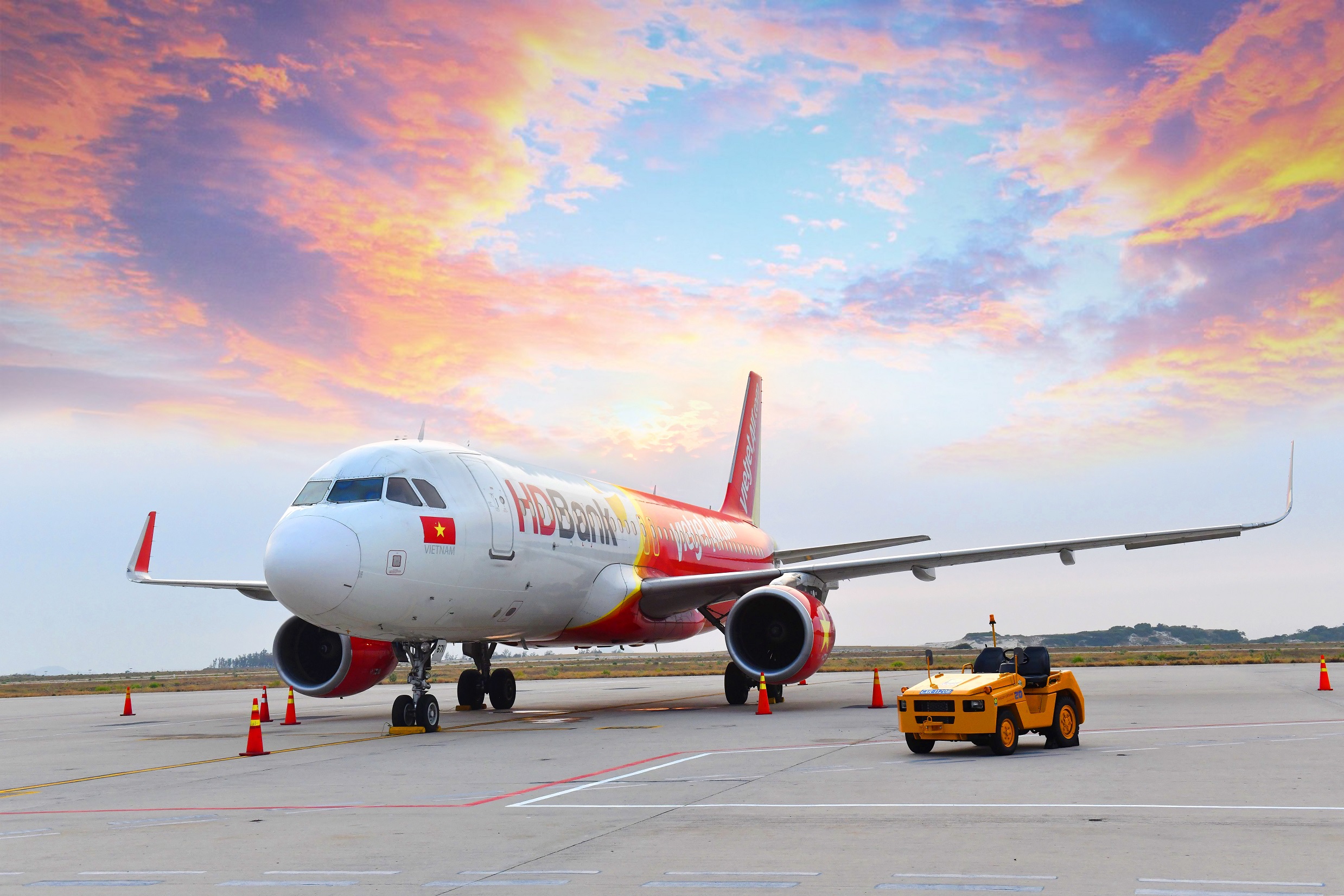
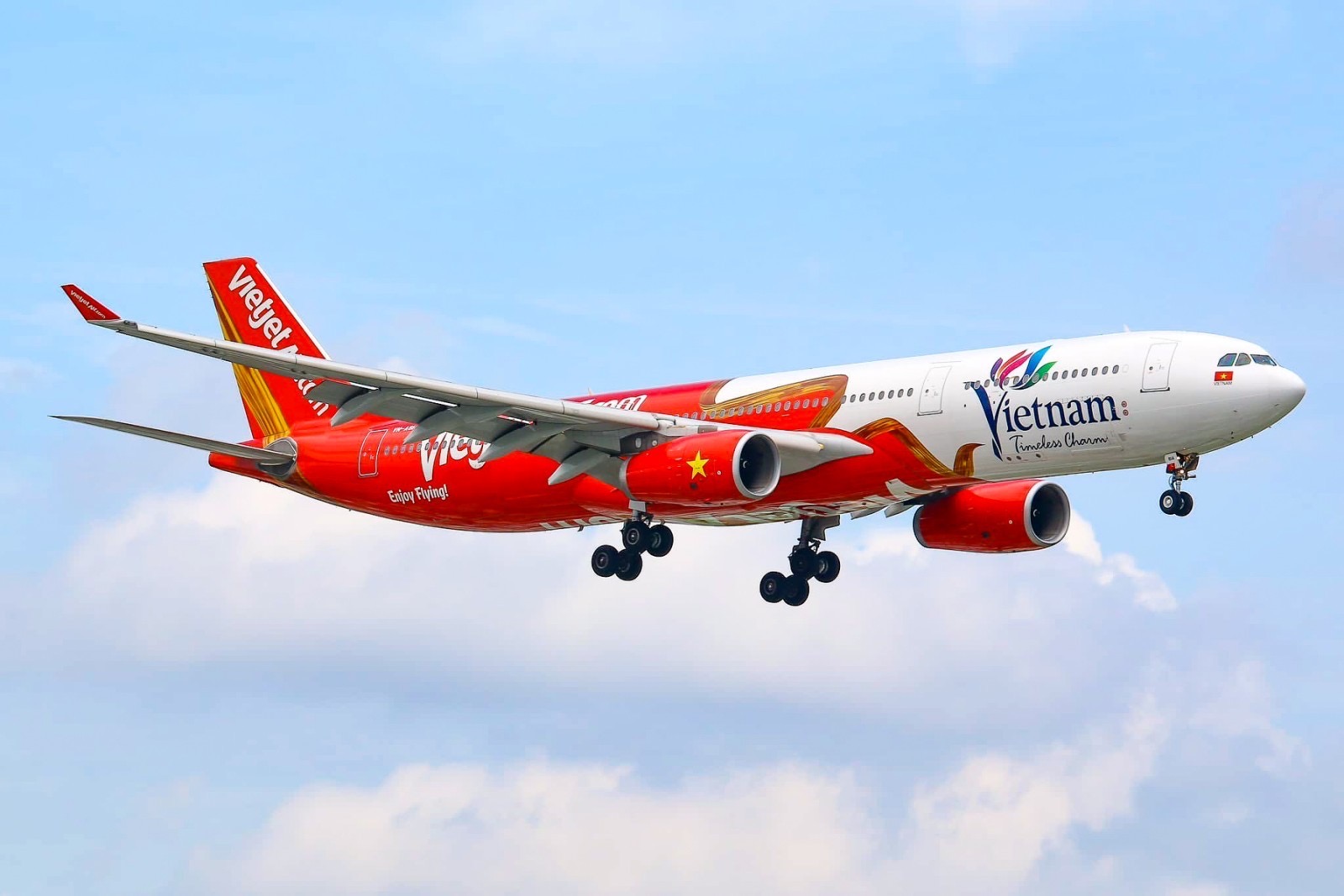
    Vietjet has signed multiple strategic agreements with leading U.S. corporations and financial institutions, with a total value exceeding US$6.3 billion (approx. SGD7.99 billion). The signing ceremony took place in the presence of Vietnam’s General Secretary To Lam, alongside senior Vietnamese and U.S. government officials in Washington, D.C., where General Secretary To Lam attended the opening session of the United States-led Board of Peace, an international body established to support peace, stability, and reconstruction in Gaza, at the invitation of U.S. President Donald Trump.

    The event comes amid continued momentum in Vietnam–U.S. relations, particularly across the economic, financial, and technology sectors. On this occasion, the State Bank of Vietnam and the U.S. Department of the Treasury also issued a joint statement reaffirming their commitment to enhanced cooperation under the Vietnam–U.S. Macroeconomic and Financial Policy Dialogue framework.

    As Vietjet continues to expand its international network, the strengthened fleet and financing capacity also support growth in high-demand regional markets, including Singapore where Vietjet currently operates direct routes linking Singapore with Hanoi, Ho Chi Minh City, Da Nang and Phu Quoc.

    US$5.4 Billion (Approx. SGD6.85 Billion) Engine and Maintenance Services Agreement with Pratt & Whitney

    Vietjet and Pratt & Whitney, an RTX business, a global leader in aircraft engines and engine services headquartered in the United States, signed an agreement covering the selection of Pratt & Whitney GTFTM engines, and comprehensive maintenance services for 44 A321NEO and A321XLR aircraft. The total estimated value of the contract is approximately US$5.4 billion (approx. SGD6.85 billion).

    Under the agreement, Pratt & Whitney will provide new-generation engines to optimise operational performance, reduce operating costs, and lower emissions, advancing Vietjet’s sustainable development and green transition strategy.

    Boeing 737-8 Aircraft Financing Agreement with U.S. Partner

    Vietjet also signed an aircraft financing agreement with Griffin Global Asset Management to finance six Boeing 737-8 aircraft, valued at approximately US$965 million (approx. SGD1.22 billion) at list prices.

    The agreement marks a significant step in Vietjet’s strategy to diversify international funding sources while strengthening its financial capacity and capital structure in line with global standards.

    A Milestone in Vietnam–U.S. Aviation and Economic Cooperation

    With a combined value exceeding US$6.3 billion (approx. SGD7.99 billion), the agreements carry significance beyond their commercial impact. They support deeper collaboration in technology and finance, contribute to job creation, and strengthen value chain integration between the two economies.

    Vietjet Managing Director Nguyen Thanh Son said: “These agreements in the United States reflect Vietjet’s strong commitment to expanding the scale of international partnerships and developing a modern, sustainable fleet. They provide a solid foundation to enhance our financial strength, elevate operational standards, and support long-term growth for the aviation industry in Vietnam and globally.”

    The strategic agreements signed in Washington, D.C. reinforce Vietjet’s long-term vision as a dynamic, globally integrated aviation group with strong international competitiveness.

    They also contribute to advancing the Vietnam–U.S. Comprehensive Strategic Partnership by promoting capital flows, technology collaboration, and value chain integration in a new phase of economic development.

  • Miniso Launches First Immersive ‘Miniso Friends’ Concept Store in Malaysia, Shaking Up Retail Experience

    Miniso Launches First Immersive ‘Miniso Friends’ Concept Store in Malaysia, Shaking Up Retail Experience

    Miniso, a prominent retail brand, has launched its inaugural Miniso Friends concept store in Malaysia. This move aligns with the company’s pursuit to enlarge its unique intellectual property (IP) driven retail model and immersive shopping experiences across the Southeast Asia region.

    Store Location and Size

    The new Miniso Friends store is situated in LaLaport BBCC, a popular shopping destination. The store spans approximately 14,000 square feet, making it one of Miniso’s most substantial outlets in the Malaysian market.

    Intellectual Property Focus

    Miniso’s concept store strongly revolves around intellectual property (IP). About 62 per cent of its 6,500 products are associated with licensed characters and in-house creations. This strategic product combination is part of Miniso’s plan to captivate more customers and escalate sales by leveraging character storytelling and brand partnerships.

    Among the notable franchises featured in the store is Stitch, along with Miniso’s own intellectual property, YoYo.

    Customer Engagement

    In an effort to bolster customer engagement, the store’s design includes large installations and interactive photo zones to enhance the overall shopping experience. This concept specifically aims to appeal to younger consumers, particularly those from Generation Z, who tend to favour immersive and socially shareable retail spaces.

    This grand opening comes on the heels of Miniso’s first introduction of its Miniso Land concept in Malaysia earlier in the month.

    Questions & Answers

    What is the focus of the new Miniso Friends concept store in Malaysia?
    The new Miniso Friends concept store in Malaysia emphasizes on intellectual property, with about 62% of its products linked to licensed and in-house characters.

    What elements does the store incorporate to enhance customer engagement?
    The store includes large installations and interactive photo zones to augment the shopping experience, specifically targeting younger consumers who prefer immersive and socially shareable retail spaces.

    How does this opening fit into Miniso’s broader strategy?
    The opening of the Miniso Friends concept store aligns with the company’s strategy to expand its unique intellectual property-driven retail model and immersive shopping experiences across Southeast Asia.

  • Vietjet named “Global Best Place to Work” at the World HRD Congress & Awards 2026

    Vietjet named “Global Best Place to Work” at the World HRD Congress & Awards 2026

    Vietjet has been honoured with three prestigious international accolades, including “Global Best Place to Work in 2026,” “Diversity Impact Award,” and “Global Best Employer Brand,” at the World HRD Congress & Awards 2026. The recognition reinforces Vietjet’s people-driven values and commitment to service quality. The airline connects Singapore with Vietnam through four direct services to Hanoi, Ho Chi Minh City, Da Nang and Phu Quoc, alongside an extensive network across Vietnam and the Asia-Pacific region.

    For the first time, the World HRD Congress & Awards recognised Vietjet as a “Global Best Place to Work” and presented the airline with the “Diversity Impact Award,” highlighting its progress in talent development and in building a corporate culture aligned with international standards. Together, these accolades reflect Vietjet’s commitment to putting people at the center of its ESG strategy and sustainable growth.

    Today, Vietjet employs more than 9,000 people, including over 1,000 international employees from 68 countries/territories. This multicultural workforce reflects an open and inclusive environment that embodies the global vision of the new-age airline. Vietjet’s sustainable HR strategy is anchored in policies that promote equal opportunities, respect diversity, and strengthen inclusion across the organisation, from flight operations and engineering to services and corporate functions. Employees are empowered to grow based on merit and results, with their voices valued heard and contributions recognised in a transparent, professional setting.

    Vietjet has been previously named a “Best Place to Work” multiple times in Vietnam and across Asia, and has also received top honours from Skytrax, AirlineRatings, and World Travel Awards. Guided by the belief that people drive sustainable growth, the airline continues to position itself as a launchpad for careers, supporting its mission to connect the world through trust, opportunity, and ambition.

    Established in 1992, the World HRD Congress ranks among the world’s largest events on HR and professional development. It brings together senior leaders and experts from over 133 countries to network and celebrate organisations leading in people-focused strategies. Awards are judged by a panel of renowned international experts. This year’s HRD Congress & Awards was held in Mumbai, India.

  • Unilever Courts McCormick for Potential Mega-Deal: A $33 Billion Foods Business at Stake

    Unilever Courts McCormick for Potential Mega-Deal: A $33 Billion Foods Business at Stake

    Unilever, a multinational consumer goods corporation, has confirmed that it is in discussions with McCormick & Company regarding the potential sale of its food division. The company has made this admission in response to ongoing rumours about the possible transaction, but has also made it clear that the completion of the deal is not guaranteed.

    Value of Unilever’s Food Business

    Unilever’s food business, which comprises around a quarter of the corporation’s annual revenue, is considered to be a very appealing acquisition. Brands like Hellmann’s, Colman’s, and Knorr form its diverse portfolio. If McCormick & Company were to acquire this business, it would represent the most costly purchase in their 137-year history.

    The food business is seen as a robust entity with a strong financial profile. The company’s management is confident about the future prospects of the food division, citing the presence of several market-leading brands in burgeoning categories as significant strengths.

    Unilever’s Future Growth Priorities

    In the company’s 2025 financial results report, Fernando Fernandez, the newly appointed CEO of Unilever, outlined the corporation’s objectives. Under his leadership, Unilever plans to build a future-oriented brand portfolio that focuses on beauty, wellbeing, and personal care. Premium segments and digital commerce will be the areas of priority. The company aims to root its growth in the US and India markets.

    Bloomberg has estimated the value of Unilever’s Food Business to be around $33 billion, which is more than double the market cap of McCormick, which stands at $14.5 billion.

    Questions & Answers

    What is the estimated value of Unilever’s Food Business?
    The estimated value of Unilever’s Food Business is $33 billion, according to Bloomberg.

    What brands are part of Unilever’s Food Business?
    Unilever’s Food Business includes brands such as Hellmann’s, Colman’s, and Knorr.

    What are Unilever’s growth priorities as set out by its new CEO?
    Unilever’s new CEO, Fernando Fernandez, has identified the development of a future-oriented brand portfolio focusing on beauty, wellbeing, and personal care as a major priority. The company also plans to prioritize premium segments, digital commerce, and growth in the US and India markets.

  • South Korean Scent Sensation Tamburins Unveils Fairy-tale Flagship Store in Daikanyama, Tokyo

    South Korean Scent Sensation Tamburins Unveils Fairy-tale Flagship Store in Daikanyama, Tokyo

    Tamburins, a prominent fragrance brand based in South Korea, has recently inaugurated its latest flagship store in Daikanyama, marking its fifth establishment in Tokyo.

    A Modern-Day Wonderland

    The two-story venue is designed to resemble a whimsical fairytale, complete with a 13-meter tall sculpture of a dachshund dog. The brand invites customers to immerse themselves in a unique and sensory-rich environment that blends scent and spatial design. The store’s launch also includes the release of an exclusive egg perfume and other special gift items.

    Tamburins was established in Seoul in 2017. Initially launched as a beauty-focused offshoot of Iicombined – the parent organization of the renowned eyewear brand, Gentle Monster, the brand has flourished under the leadership of Hankook Kim. Its first flagship store was opened in the Sinsa-dong district of Seoul.

    Store Features and Product Range

    The store boasts an array of features designed to enhance the shopping experience. This includes a photo booth for customers to capture their visit, a relaxing lounge area for them to unwind, and ample display spaces. The company affirms that the flagship store carries the complete range of Tamburins products.

    Questions & Answers

    What is the concept behind the design of Tamburins’ newest store?
    The Daikanyama flagship store is designed to resemble a whimsical fairytale, with a 13-metre tall sculpture of a dachshund dog.

    What unique features does the Daikanyama flagship store offer?
    Besides its unique design, the store includes a photo booth, a lounge space, and large display areas to enhance the shopping experience.

    What is special about the launch of the new Tamburins store?
    The store’s launch includes the release of an exclusive egg perfume and other special gift items.

  • Skyrocketing Fuel Prices Push Global Airlines into Fare Hike: Vietnam’s Aviation Sector Braces for Impact

    Skyrocketing Fuel Prices Push Global Airlines into Fare Hike: Vietnam’s Aviation Sector Braces for Impact

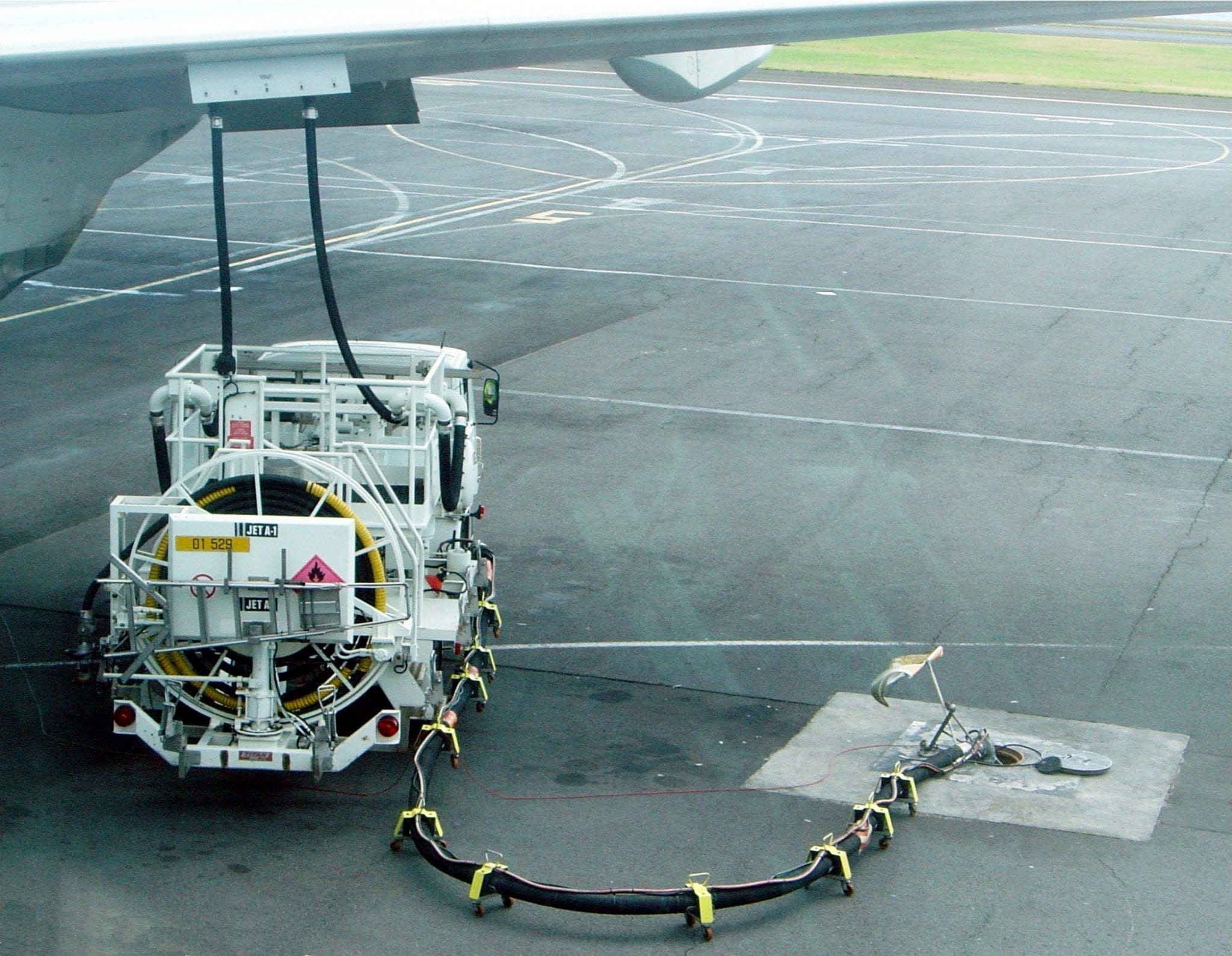
    As global aviation fuel costs rise due to increased geopolitical instability, more than 60% of international airlines have already increased their fares or are planning to do so from mid-March, according to the Civil Aviation Authority of Vietnam (CAAV). The soaring fuel prices have resulted in mounting operational costs, leading many international carriers to utilize fuel surcharges to balance their expenses and maintain consistent service levels.

    The Impact of Rising Fuel Prices

    The CAAV conducted a swift survey on March 20, covering nearly 40 international and regional airlines operating routes to Vietnam. The survey revealed that over 60% of these airlines have already implemented, are in the process of implementing, or are planning to introduce fare adjustments or fuel surcharges, starting from mid-March.

    This trend is notable in significant aviation markets across Asia, Europe, and North America, highlighting the extensive financial pressure experienced by airlines globally. In Northeast Asia, which includes Taiwan, China, Japan, and the Republic of Korea, ticket prices have significantly increased, with hikes ranging from $11.5 to nearly $115 per ticket.

    Regional Variations in Fare Hikes

    In contrast, fare increases in Southeast and South Asia have been more moderate, typically fluctuating around $5 to approximately $70 per ticket. For long-haul flights to Europe and North America, fuel surcharges are considerably higher, generally ranging from around $43 to over $215 per ticket, with even greater increases for business-class passengers.

    The air cargo sector is also feeling the impact, with some airlines introducing fuel surcharges calculated on a per-kilogram basis. Despite these adjustments being seen as a short-term response to fluctuating fuel prices, they are expected to elevate both passenger airfares and cargo costs in the upcoming months.

    Questions & Answers

    What is driving the increase in global aviation fuel prices?
    Geopolitical instability is the primary factor contributing to the rise in global aviation fuel prices.

    How are airlines offsetting the rising operational costs?
    Many international airlines are introducing fuel surcharges or adjusting their fares to counterbalance the increased operational costs.

    What impact will these adjustments have on the aviation industry?
    These adjustments are expected to increase both passenger airfares and cargo costs in the near future.

  • How Freight Strategy Impacts Retail Supply Chains Sourcing From Asia

    How Freight Strategy Impacts Retail Supply Chains Sourcing From Asia

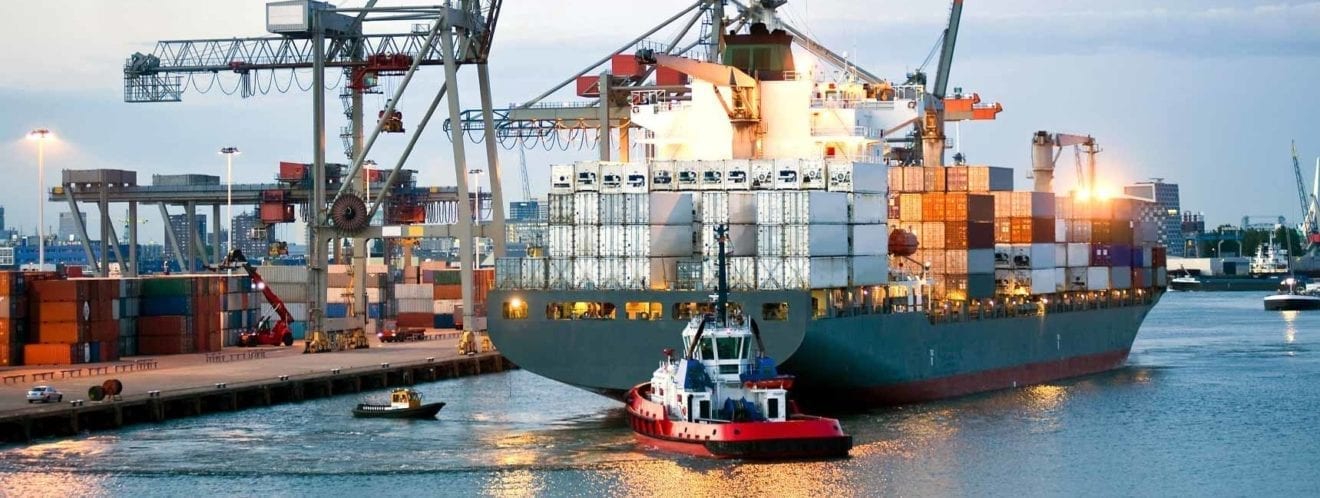
    Sourcing from Asia offers retailers access to a vast range of products at competitive prices, but the efficiency of a retail supply chain hinges on a carefully considered freight strategy. By making informed choices about transport modes, partners, and risk management, businesses can minimise disruption, achieve cost savings, and maintain strong supplier relationships. With Asia’s trade activity expanding steadily, the region collectively imported goods worth $9.04 trillion and exported $10.06 trillion in 2022, highlighting its growing role in global supply chains and manufacturing (source: Asia Trade Data, TradeImeX). 

    Key Points

    • Freight strategy directly affects cost, delivery speed, and flexibility in retail supply chains sourcing from Asia.
    • Mode choice, partner selection, and documentation accuracy are critical factors.
    • Practical steps, such as engaging reliable providers and using consolidated shipments, help minimise risk and delays.

    Why Freight Strategy Matters for Sourcing From Asia

    What Is a Freight Strategy?

    A freight strategy defines how a business plans, organises, and manages the movement of goods from overseas suppliers. It covers decisions such as selecting between sea, air, or rail, consolidating shipments, and choosing the right freight forwarder. 

    Impact on Cost and Efficiency

    Choosing the optimal mode of transport directly influences freight costs and delivery times. For instance, sea freight services are typically the most cost-effective, especially for bulk orders, Asia accounts for about 42% of all maritime goods loaded worldwide (i.e., exports via sea) and around 64% of all goods discharged (imports), confirming its role as the world’s main maritime cargo hub. Air freight is faster but more expensive. Rail freight now plays a growing role in the China-Europe corridor, offering delivery times up to 50% quicker than sea but at a lower cost than air, making it ideal for high-value or time-sensitive stock. Balancing these options is crucial when sourcing from Asia.

    Key Factors in Successful Asia Freight Strategies

    Choosing the Right Freight Partners

    Reliable freight partners are essential for seamless supply chains when sourcing goods internationally. Freight forwarders play a key role in coordinating shipments across multiple transport modes, arranging carrier space, managing customs clearance, and ensuring that goods move efficiently from supplier to destination. A well-chosen logistics partner can also provide shipment tracking, advice on routing and documentation, and proactive communication that helps businesses anticipate delays or disruptions before they impact inventory.

    In practice, many companies look for freight forwarders with expertise in the specific trade lanes they operate in. For example, UK retailers sourcing products from Asian manufacturers often work with a freight forwarder from China to UK that understands both markets, the regulations governing imports, and the most reliable shipping routes between them. These specialists help coordinate schedules, manage customs processes, and provide real-time updates throughout the journey. The most trusted partners combine transparency, strong experience with Asian trade routes, and responsive communication, qualities that are frequently highlighted in customer reviews and logistics industry surveys.

    Managing Documentation and Compliance

    Errors in customs paperwork can cause delays and extra costs. Accurate documentation, such as commercial invoices, packing lists, and commodity codes, ensures smooth clearance. 

    Tip: Invest in Training

    Procurement teams should regularly update their knowledge of import regulations and Incoterms, or partner with providers who offer advice and support on compliance.

    Optimising Modes and Routes for Sourcing From Asia

    Comparing Modes: Sea, Air, and Rail Freight

    Mode Typical Transit Time Best For
    Sea Freight 28-35 days Bulk, non-urgent goods
    Rail Freight 15-20 days Mid-value, time-sensitive goods
    Air Freight 3-7 days High-value, urgent goods


    Consolidation 

    For smaller shipments, groupage or LCL (less-than-container load) services can keep costs down by combining goods from several importers. Retailers sourcing from Asia often use these options to avoid overstocking or to trial new products.

    Practical Steps to Enhance Asia Sourcing Freight Strategy

    • Regularly review freight contracts and compare providers for best value and reliability.
    • Leverage technology for shipment tracking and proactive communication.
    • Use consolidated sea or air freight services to manage smaller shipments efficiently.
    • Build relationships with partners who offer expertise in customs and real-time updates.
    • Plan for seasonal demand peaks by reserving capacity in advance.

    These steps not only reduce disruption but also improve cash flow and supplier trust. In our experience, even small adjustments to documentation procedures or shipment consolidation can result in measurable savings and smoother operations.

    Frequently Asked Questions About Asia Freight and Sourcing

    • How can I avoid delays when sourcing from Asia? Ensure accurate documentation, choose reliable freight partners, and plan ahead for peak seasons.
    • Which mode is best for urgent goods? Air freight offers the fastest delivery, while rail freight is a strong mid-point for speed and cost.
    • Is it cheaper to ship full containers? Full container loads (FCL) usually offer a better rate per unit, but groupage or LCL can be more cost-effective for smaller volumes.

    Conclusion: Strengthening Your Retail Supply Chain

    Freight strategy is at the heart of a reliable supply chain when sourcing from Asia. The right combination of transport modes, partners, and documentation processes can minimise costs and delays, ensuring retailers remain competitive and responsive to market needs. By investing in expertise and regular process reviews, businesses can future-proof their Asia freight operations and achieve consistent success.


  • Boucheron Debuts Extravagant Flagship Store in Shanghai: French Elegance Meets Chinese Charm

    Boucheron Debuts Extravagant Flagship Store in Shanghai: French Elegance Meets Chinese Charm

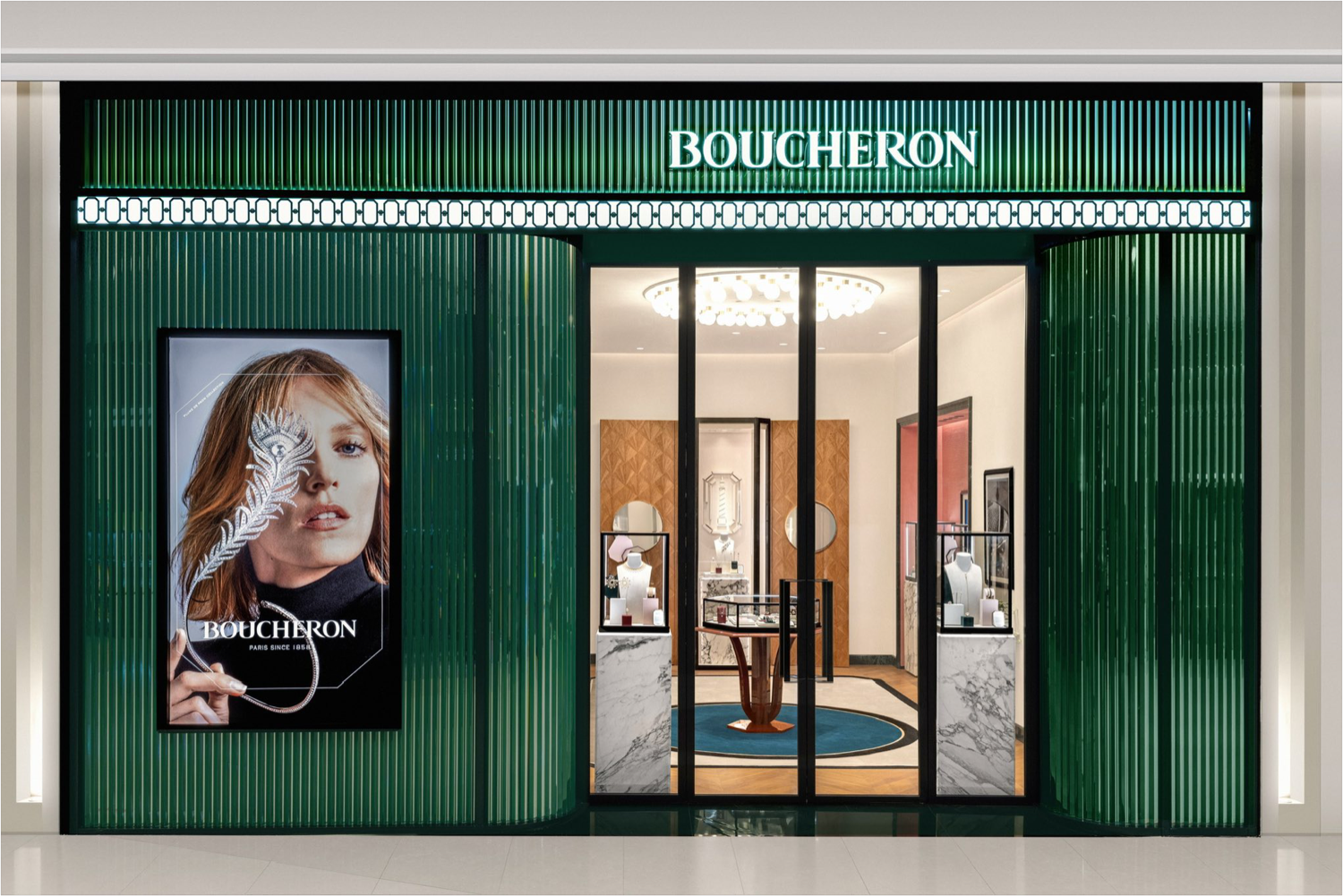
    Boucheron, the renowned French jewelry house, has inaugurated its first-ever flagship store in China. This significant milestone marks the brand’s expansion into the mainland market, with the store situated in Shanghai’s Xintiandi district.

    The New Store

    The expansive store spans 278 square meters, making it Boucheron’s third global flagship store, following successful outlets in Paris and Tokyo. The brand’s decision to launch in China underscores the crucial role Asia holds in its growth and expansion strategy.

    The new store is housed in a carefully restored 19th-century shikumen building. This architectural style is an intriguing blend of Chinese and Western influences, creating a unique and memorable shopping environment for customers.

    Design and Aesthetics

    The interior design of the store mirrors the architectural fusion expressed in the building’s exterior. It incorporates a harmonious balance of French and Chinese style elements, creating a rich and engaging shopping experience. One of the key design highlights includes nature-inspired elements featured throughout the store, adding a serene and organic feel to the luxury retail space.

    This design approach is in line with the ongoing trend among global luxury retailers. More and more, brands are striving to tailor their physical stores to resonate with local markets while simultaneously maintaining a coherent and recognizable brand identity.

    Previous Endeavors

    Boucheron’s venture into China is not the brand’s first foray into the Asian market. In the previous year, the luxury jewelry brand opened a boutique in Thailand’s Siam Paragon. The design of this store was inspired both by its flagship store located in Place Vendome in Paris and traditional Thai temples.

    Questions & Answers

    What is Boucheron’s latest venture in its expansion strategy?
    Boucheron’s latest venture is the launch of its first flagship store in China, located in Shanghai’s Xintiandi district.

    What is unique about the design of the new store?
    The new store is located in a renovated 19th-century shikumen building, and the interior design is a combination of French and Chinese influences with nature-inspired elements throughout.

    Has Boucheron opened stores in other Asian countries?
    Yes, prior to the launch in China, Boucheron opened a boutique in Thailand’s Siam Paragon. The design of this store was inspired by its flagship store in Paris and traditional Thai temples.

  • 11 Macau Satellite Casinos Shut Down, Leaving More Than 6,000 People Out Of Work

    11 Macau Satellite Casinos Shut Down, Leaving More Than 6,000 People Out Of Work

    A total of 11 satellite casinos operating under Macau’s three licensed gaming concessionaires officially ceased operations on 31 December last year. The closures followed the end of a three-year transition period introduced after Macau revised its Gaming Law in 2022. Around 6,000 employees were affected, including about 5,600 local workers and around 400 foreign employees.

    After receiving formal notice from gaming operators last June, the Macau government instructed the companies to make proper arrangements for affected staff and protect their legal rights.

    With the full closure of these satellite casinos, an operating model that had been used for decades has now come to an end. Meanwhile, Macau’s gaming industry has completed another major phase of restructuring.

    The growth of online gambling

    As technology continues to advance and consumer behaviour keeps changing, the global online casino market has expanded rapidly in recent years.

    Hong Kong has long been one of Macau’s most important visitor sources, with Hong Kong travellers accounting for more than one-fifth of inbound visitors. Because of this, the market is closely watching whether the shutdown of satellite casinos will lead to changes in entertainment habits.

    Some observers believe that, after the closures, certain players may become more open to using licensed online casinos in Hong Kong as an alternative, rather than travelling to Macau in person for gambling activities. This possibility has drawn attention as the wider gaming sector moves further into the digital era.

    A new era for the gaming sector

    According to information published by the Macau government, the 11 satellite casinos that ended operationsincluded Casino Casa Real, Casino Emperor Palace, Casino Fortuna, Casino Kam Pek Paradise, Casino Landmark, Casino Le Royal Arc, Casino L’Arc Macau, Casino Ponte 16, Casino Rio, and Casino Waldo under SJM Resorts, as well as Waldo Casino under Galaxy Entertainment Group and Grand Dragon Casino under Melco Resorts & Entertainment.

    A “satellite casino” refers to a smaller venue operated by a non-licensed party under the authorisation of a licensed gaming company. This model first emerged in the 1990s and, at its peak, there were more than 20 such casinos in Macau.

    However, Macau’s revised Gaming Law in 2022 required all casinos to be directly managed and controlled by licensed concessionaires, effectively bringing the authorisation model to an end.

    For many years, satellite casinos formed part of the city’s broader gaming ecosystem and helped extend casino operations to different commercial properties. However, regulators have now moved to tighten control over the sector, strengthen compliance, and create a more standardised framework for future development.

    Changing visitor spending patterns

    On top of the legal change, visitor spending habits have also shifted. According to Sands China, its gaming revenue fell from about US$8.362 billion in 2014 to US$5.346 billion in 2024, a decline of around 36%. Over the same period, revenue from hotel rooms, dining, and shopping recorded strong growth.

    Analysts say that although visitor arrivals to Macau have recovered, gambling spend per visitor has not returned to past peak levels. Besides, the contraction of the VIP gaming segment has further weakened the business case for the satellite casino model. In other words, even as tourism rebounds, the old structure is becoming harder to sustain.

    This trend suggests that Macau is no longer relying on gaming alone in the same way it once did. Visitors today may be more interested in integrated travel experiences that include accommodation, food, luxury shopping, live entertainment, and family-friendly attractions.

    Push towards non-gaming development

    Over the past decade, the Macau government has been actively promoting more diversified economic development. It has required the city’s six major gaming operators to invest more than MOP118.8 billionbetween 2023 and 2032. Of that amount, only around MOP10.1 billion is allocated to gaming facilities, while the rest is being directed towards culture, entertainment, and sports-related projects.

    Many gaming operators have also increased investment in hotels, retail, and dining in order to attract more family and business travellers. For example, French luxury brand Hermes expanded and renovated its store in Macau last year, strengthening the city’s position as a tourism and lifestyle destination rather than only a gaming hub.

    This policy direction shows that Macau wants to build a more balanced economic model. By expanding non-gaming attractions and reducing reliance on casino revenue, the city hopes to improve resilience and create new sources of growth over the long term.

    Regional connectivity may support tourism

    Cross-border transport links within the Greater Bay Area continue to improve. Earlier, the Hong Kong government released a transport strategy blueprint proposing further study and promotion of measures such as mutual recognition of commercial vehicle licences across Hong Kong, Macau, and Guangdong. It also called for better sharing of cross-border public transport information to make trip planning easier for families and business travellers.

    These improvements could provide better connectivity and bring more visitors to Macau, even as the city continues shifting away from older gaming structures and towards a broader tourism and leisure model.


    Source: https://pixabay.com/photos/casino-entertainment-venues-936910/


    ALT Text: the slot machines in a macau’s casino

  • No Brand Korean Retail Concept Makes Grand Debut in Thailand through Central Food Retail Partnership

    No Brand Korean Retail Concept Makes Grand Debut in Thailand through Central Food Retail Partnership

    Central Food Retail, a division of Central Retail, is broadening its operations via a collaboration with Emart, a South Korean retailer, to introduce No Brand, a store model focused on value, in Thailand.

    First No Brand Store in Thailand

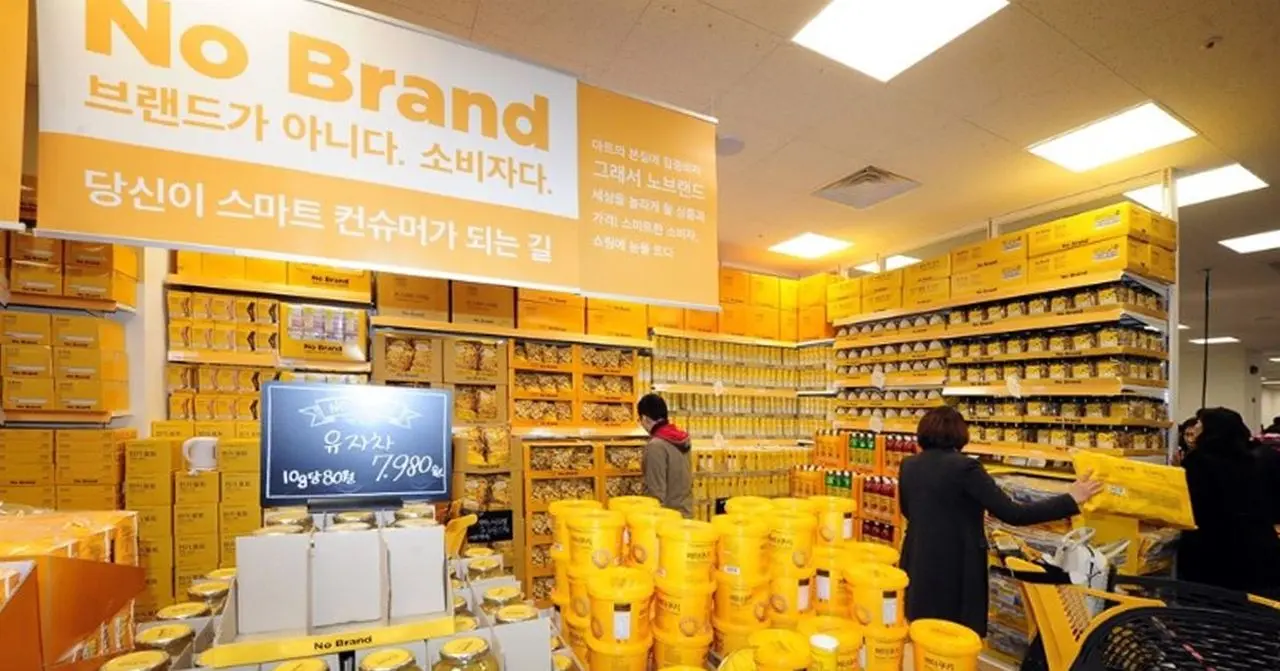
    The No Brand store, the first of its kind in Thailand, will commence operations at Central Bangna on March 31. This move signifies the official entrance of the brand into the Thai market. The forthcoming Bangkok outlet will stock over 2,200 items, encompassing Korean treats, essential pantry items, and household products.

    According to Central Food Retail, the No Brand concept appeals to customers who are after value but do not want to sacrifice quality. The store concept aims to leverage the ongoing popularity of Korean culture and products in Thailand.

    Broadening Retail Offerings

    MD Thanawat Jirajariyavej stated that the alliance with Emart forms part of their strategy to expand the group’s retail offering while meeting the demand for value-oriented products among Thai consumers. “This initiative signifies another crucial step in enhancing our portfolio towards becoming a global grocery destination through a value-driven retail model that consistently delivers quality, design, and value to our consumers,” Jirajariyavej stated.

    He also added that this partnership underscores Thailand’s potential as a strategic consumer hub in Southeast Asia, a region that continues to exhibit steady growth and attract top-tier brands to extend their reach in this area.

    About No Brand and Central Food Retail

    Emart launched No Brand in South Korea, and the chain now operates over 270 stores in the country. The brand has also extended its operations to other international markets, including the Philippines and Laos, and exports its products to more than 20 countries.

    Central Food Retail manages grocery and specialty retail formats, such as Tops, Tops Food Hall, Tops Daily, Tops Online, Tops Care, and Matsukiyo.

    Questions & Answers

    What is the new initiative of Central Food Retail in Thailand?
    Central Food Retail is expanding its portfolio through a partnership with South Korean retailer Emart to launch the value-focused store concept No Brand in Thailand.

    What is the aim of the No Brand store concept?
    The No Brand concept targets consumers seeking value without compromising on quality, and seeks to leverage the continued popularity of Korean culture and products in Thailand.

    What does the collaboration with Emart signify for Central Food Retail?
    The collaboration forms part of Central Food Retail’s strategy to expand its retail offering while meeting the demand for value-oriented products among Thai consumers. It also highlights Thailand’s potential as a strategic consumer hub in Southeast Asia.

  • Indonesia’s Economic Leap: Poised to Join Global Top 5 Economies by 2050

    Indonesia’s Economic Leap: Poised to Join Global Top 5 Economies by 2050

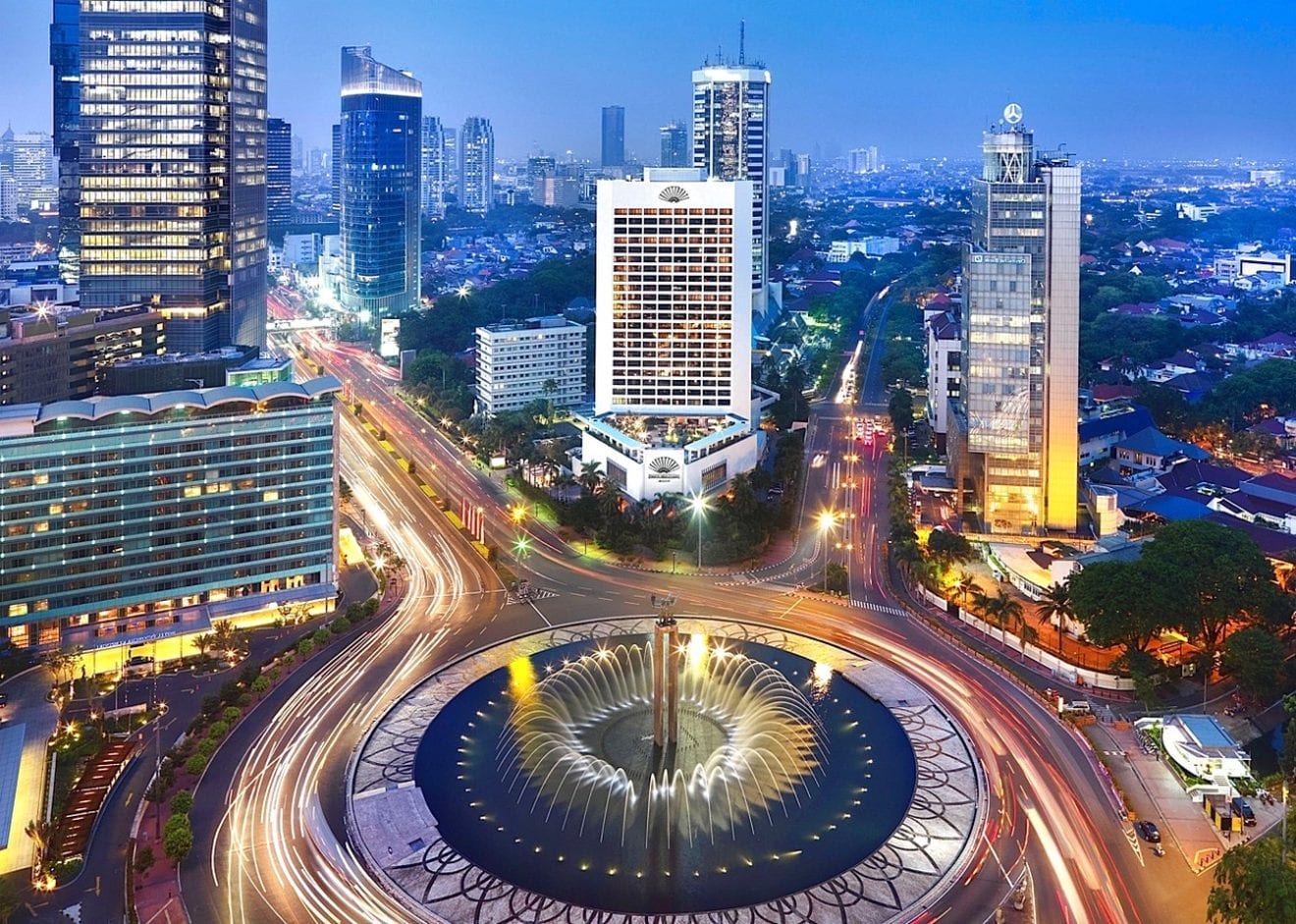
    According to the Coordinating Minister for Economic Affairs, Airlangga Hartarto, Indonesia possesses the potential to rank among the top five global economies by the year 2050 provided it continues its current growth trajectory and structural reformation efforts.

    Indonesia’s Economic Outlook

    Airlangga is optimistic for the short-term, forecasting a growth rate of around 5.4% for the Indonesian economy by 2026. He bases this prediction on the stability of the domestic economy, citing a 69-month long trade surplus, a healthy level of foreign currency reserves, and inflation successfully kept within target bounds.

    Government Strategy for Economic Growth

    The Indonesian government is currently focusing on fortifying coordination between public and private sectors, encouraging industrialization, digital transformation, and sustainable economic growth. Key policy areas include strategic infrastructure, downstream mineral resources, development of electric vehicles, renewable energy, and strengthening the domestic supply chain.

    Regional Partnerships and Global Economy

    Airlangga highlighted that Indonesia is eager to extend collaboration with regional partners, particularly within the Association of Southeast Asian Nations (ASEAN) framework and free trade agreements. This is with the aim of boosting the resilience of the global economy in the face of geopolitical fluctuations.

    Airlangga further noted that Asia has the capacity to emerge as the principal economic powerhouse globally, given its commitment to open and inclusive regional cooperation. He projected that by 2050, the region could contribute around 52% of the global GDP.

    Long-Term Economic Forecasts

    Long-term forecasts cited by Airlangga suggest that by 2050, China could have a GDP of US$58 trillion, India could reach $44 trillion, and Indonesia could achieve $10-11 trillion. These figures would place Indonesia third in Asia and among the top five economies worldwide.

    In order to actualize this, Indonesia needs to sustain an annual growth rate exceeding 5%, expedite institutional reforms, enhance the quality of its human resources, and boost labor productivity. The nation’s young population, large domestic market, and plentiful resources are seen as vital drivers for the expansion of Southeast Asia’s biggest economy.

    Questions & Answers

    What are the key factors driving Indonesia’s potential as a global economic powerhouse?
    Indonesia’s potential is driven by its young population, large domestic market, and abundant resources. Additionally, the government’s ongoing efforts towards industrialization, digital transformation, and green economic development have a significant role.

    What are the main policy areas of the Indonesian government?
    The main policy focus includes strategic infrastructure, downstream mineral resources, electric vehicle development, renewable energy, and strengthening the domestic supply chain.

    What is the projected GDP of Indonesia by 2050?
    It is projected that by 2050, Indonesia could reach a GDP of $10-11 trillion, potentially making it the third-largest economy in Asia and one of the five largest economies globally.

  • Mondelez Revives ’90s Classic: In A Biskit Crispy Potato Hits Australian Shelves Again!

    Mondelez Revives ’90s Classic: In A Biskit Crispy Potato Hits Australian Shelves Again!

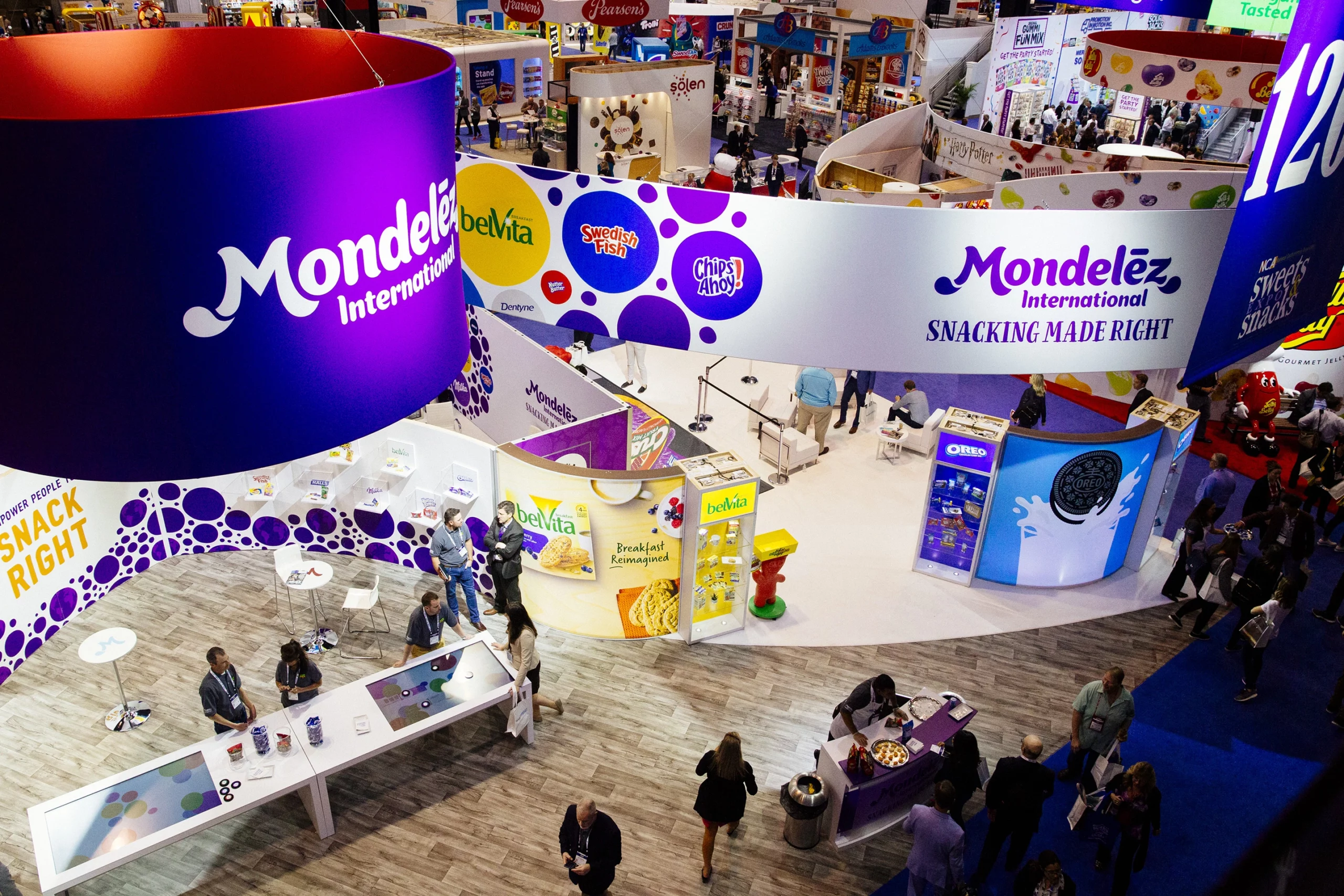
    Mondelez International, the multinational snack and food conglomerate, has reintroduced its In A Biskit Crispy Potato flavor into the Australian market, a product that first gained popularity in the 1990s.

    Reviving a Vintage Snack

    The revived snack is made from genuine potato flakes and has a thin, baked texture, offering consumers a delightful crunch with every bite. This classic flavor holds a fond memory for many Australians, serving as a favorite snack during leisurely afternoons spent solving Rubik’s Cubes or rewinding VHS tapes.

    Modern Packaging for a Classic Product

    In an effort to appeal to both original consumers and a new generation of customers, the product’s packaging has been updated to a more modern design. The classic snack is available in 145g packs with a recommended retail price of $4. The packs are available nationwide at IGA, Woolworths, and Coles retail stores.

    Mondelez Performance

    In the recent past, Mondelez has reported growth in its annual sales. However, this positive trend was somewhat offset by a decline in profit margins due to the high cost of cocoa, a key ingredient in many of the company’s products.

    Questions & Answers

    What is the key feature of the reintroduced In A Biskit Crispy Potato flavor?
    The reintroduced snack is made from real potato flakes and offers a thin, baked texture.

    How has Mondelez updated the product for modern consumers?
    Mondelez has modernized the packaging of the product to appeal to both original consumers and a new generation of snack lovers.

    What factors affected Mondelez’s recent financial performance?
    While the company reported growth in annual sales, its profit was impacted by the high cost of cocoa, a key ingredient in many of its products.

  • Chinese Retailer KKV Makes Splash in Hong Kong, Launches First Store Flaunting ‘100 Lifestyles’ Concept

    Chinese Retailer KKV Makes Splash in Hong Kong, Launches First Store Flaunting ‘100 Lifestyles’ Concept

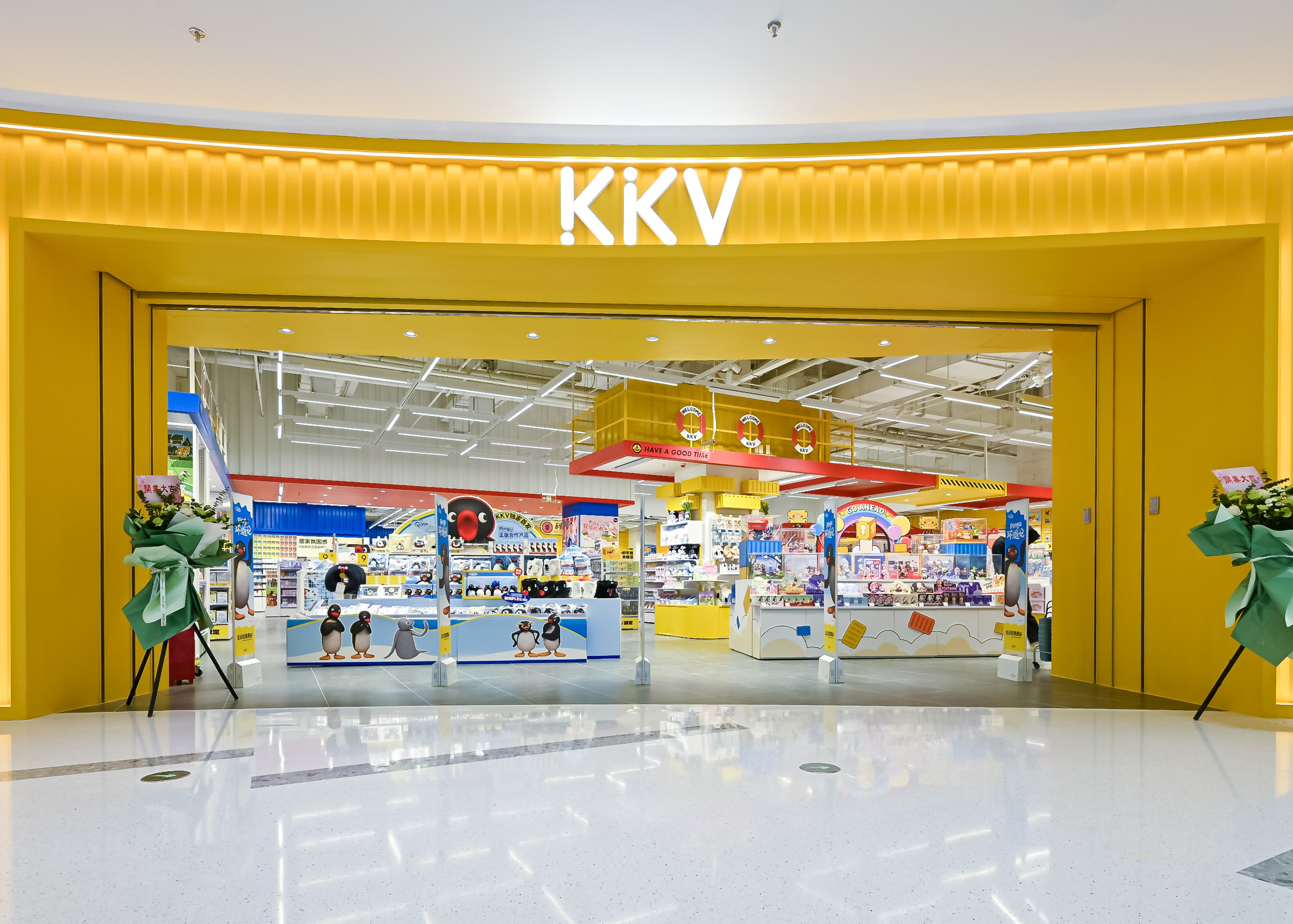
    KKV, a leading Chinese lifestyle retailer, has paved its way into Hong Kong, initiating its first store at the bustling Lee Tung Avenue.

    Phase of Expansion

    This unveiling signifies yet another step in the brand’s strategy to strengthen its presence in the region. KKV, a brainchild of KK Group, was established in 2019, and since then, it has swiftly gained wide acceptance across mainland China and other Asian markets. This popularity can be attributed to its large-format stores that offer an array of beauty products, snacks, toys, stationery, and lifestyle items, all under a discovery-driven shopping atmosphere.

    ‘100 Lifestyles’ Concept

    The newly launched store in Hong Kong offers local consumers a unique shopping experience, underpinned by KKV’s ‘100 Lifestyles’ concept. This approach is characterized by visually immersive merchandising, quick product turnover, and a vast range of economically priced goods. The main target group for these offerings is Generation Z and young urban consumers.

    Recent Developments

    In the recent past, KKV marked its presence in Vietnam, where the KK Group opened its first standalone flagship store. This was situated in the heart of Ho Chi Minh City, further extending its regional footprint.

    Today, KK Group operates a robust network of over 1000 stores in more than 200 cities across China. In addition, it has over 150 outlets spread across Southeast Asia. The brand portfolio under the group includes KKV, The Colorist, and X11.

    Questions & Answers

    What is the ‘100 Lifestyles’ concept introduced by KKV?
    The ‘100 Lifestyles’ concept by KKV focuses on visually immersive merchandising, quick product turnover, and a large variety of affordable goods, primarily targeting Generation Z and young urban consumers.

    Where was the first standalone flagship store of KKV outside China opened?
    The first standalone flagship store of KKV outside China was opened in Ho Chi Minh City, Vietnam.

    What is the total number of stores operated by KK Group?
    KK Group operates over 1000 stores in more than 200 cities in China, along with more than 150 outlets across Southeast Asia.

  • Reliance Retail Bolsters Beauty Portfolio with Acquisition of Sustainable Skincare Brand Pahadi Local

    Reliance Retail Bolsters Beauty Portfolio with Acquisition of Sustainable Skincare Brand Pahadi Local

    Reliance Retail, a major Indian retail company, has successfully acquired the skincare and wellness brand, Pahadi Local. Pahadi Local, established in 2018, is well-regarded for its clean ingredient formulations, ethical sourcing practices, and sustainable product offerings. The company is known for its Himalayan ingredients, especially Gutti Ka Tel (Apricot Kernel Oil), which has gained widespread recognition and consumer loyalty.

    The Acquisition & Future Plans

    Reliance Retail’s acquisition of Pahadi Local aligns with its strategic goal to invest in promising Indian brands across multiple sectors, including beauty, wellness, fashion, and lifestyle. The retail giant has plans to foster Pahadi Local’s next growth phase by broadening its retail presence, strengthening its digital footprint, and fast-tracking innovation.

    The founding team of Pahadi Local will remain integral to the company’s operations post-acquisition, playing a crucial role in shaping the brand’s creative direction, product development, and overall philosophy.

    Comment from Reliance Retail

    Isha Ambani, executive director of Reliance Retail Ventures, commented on the acquisition, emphasizing the company’s focus on curating brands that blend authenticity, innovation, and significant consumer relevance. Ambani praised Pahadi Local’s commitment to Himalayan wellness traditions and responsible sourcing, making it a valuable addition to their beauty brand portfolio.

    Reliance Retail is a subsidiary of Reliance Retail Ventures, the umbrella corporation for all retail companies within the Reliance Industries group.

    Questions & Answers

    What is the main product offering of Pahadi Local?
    Pahadi Local is known for its skincare and wellness products primarily made from Himalayan ingredients, with Gutti Ka Tel (Apricot Kernel Oil) as its standout product.

    What are Reliance Retail’s plans for Pahadi Local post-acquisition?
    Reliance Retail plans to expand Pahadi Local’s retail presence, strengthen its digital footprint, and accelerate innovation to foster the brand’s next phase of growth.

    How will the founding team of Pahadi Local be involved in the brand post-acquisition?
    The founding team will continue to play a critical role in shaping the brand’s creative direction, product development, and overall philosophy.