Category: General

Retail News Asia is committed to providing both local and global retailers with the latest General Retail news throughout the Asian market. This on a daily base.

  • Daeil Kim Steps Up as New CEO to Fuel 7-Eleven’s Revival in Korea

    Daeil Kim Steps Up as New CEO to Fuel 7-Eleven’s Revival in Korea

    Korean Seven, the South Korean operator of the worldwide convenience store franchise 7-Eleven, has recently appointed Daeil Kim as its latest CEO. The move is aimed at driving growth and propelling a significant business transformation.

    Daeil Kim Steps Up

    Kim officially took the reins of the company on April 1. He brings along a robust portfolio of 28 years that spans across global business leadership, management consulting, and digital platforms.

    Kim expressed his dedication to his new role by articulating his focus on cooperating with the skilled team at Korea Seven. The goal is to rebuild the brand and steer it towards a period of renewed growth.

    A Wealth of Industry Experience

    Kim’s professional journey includes senior positions across various sectors, such as fintech, digital services, and marketing technology. His most recent role was as CEO of Secta9ine, the marketing and technology solutions division of SPC Group. The group operates globally recognized brands such as Paris Baguette and Baskin-Robbins.

    Prior to his tenure at Secta9ine, Kim held the position of MD and head of international business at Ascend Group. Here, he led the expansion of the ‘TrueMoney’ fintech platform across Southeast Asia.

    Revitalizing the Brand

    Kim’s appointment is a testament to Korea Seven’s dedication to rejuvenating its brand. The retail sector in Korea is witnessing rising competition and evolving consumer expectations. Korea Seven is focused on meeting these new challenges head-on and continuing to thrive in this dynamic market.

    Questions & Answers

    What is the focus of Daeil Kim in his new role as CEO of Korea Seven?
    Kim plans to work closely with the talented Korea Seven team to rebuild and boost the brand to a period of growth.

    What sectors does Kim’s professional experience span across?
    Kim has served in senior roles across fintech, digital services, and marketing technology sectors.

    What is Korea Seven’s commitment amidst the rising competition and changing consumer expectations in the Korean retail sector?
    Korea Seven is committed to revitalizing its brand to meet the increasing competition and shifting consumer preferences in the Korean retail sector.

  • Chinese New Year Sparks Stellar 11.2% Surge in Singapore’s Retail Sales

    Chinese New Year Sparks Stellar 11.2% Surge in Singapore’s Retail Sales

    In February, retail sales in Singapore experienced a significant surge, partially attributed to the shifting timing of the Chinese New Year. According to data released by Singapore’s Department of Statistics, retail sales, excluding automobiles and related parts and accessories, skyrocketed by 11.2% in February. This marked a turnaround from a decrease of 2.9% in January.

    Details of Retail Growth

    The estimated total retail sales for February amounted to SG$3.6 billion (US$2.8 billion), with online sales accounting for 16.2% of the total. The significant growth seen in February was partially due to the Chinese New Year falling in February this year, compared to January the previous year.

    For the combined period of January and February, retail sales increased by 3.5% year-on-year.

    Sectoral Growth Patterns

    Most sectors reported year-on-year growth in February’s sales. Supermarkets and hypermarkets led the surge with a growth of 29.3%, followed by recreational goods which saw an increase of 26%. Department stores reported a rise of 16.8% in sales, while the food and alcohol, cosmetics, and watches and jewelry sectors each saw an approximate increase of 13%.

    However, not all sectors experienced growth. The petrol service stations and mini-marts and convenience stores sectors faced declines of 9.8% and 6.1% respectively.

    The food and beverage services sector saw a rise in sales of 5.5% in February, marking a recovery from the 3.2% decline recorded in January.

    Questions & Answers

    What were the estimated total retail sales for Singapore in February?
    The estimated total retail sales for Singapore in February were SG$3.6 billion (US$2.8 billion).

    What percentage of February’s retail sales were from online?
    Online sales made up 16.2% of the total retail sales in February.

    Which sectors saw the most significant growth in February?
    Supermarkets and hypermarkets experienced the most significant growth with a rise of 29.3%, closely followed by recreational goods with a 26% increase.

  • Vietnam’s Retail Boom: Tourism Wave Drives Double-Digit Sales Growth

    Vietnam’s Retail Boom: Tourism Wave Drives Double-Digit Sales Growth

    Vietnam’s retail sector experienced significant growth in the first quarter, with sales figures revealing a year-on-year increase of 10.9%. This rise is largely attributed to increased consumer spending over the holiday period, in addition to a significant upsurge in international tourism numbers. These figures were provided by the National Statistics Office of Vietnam.

    During the quarter, total retail sales of consumer goods and services reached an impressive US$72.2 billion, marking a 7% increase. The product categories contributing to this growth include apparel, food, and household goods.

    As well as retail, the country’s accommodation and food services sectors also saw an increase in revenue, generating $8.9 billion – a 13.3% increase.

    To further boost the country’s finances, tourism revenue also showed signs of growth, increasing to $870 million. This growth can be largely attributed to an increase in visitors during the Lunar New Year period.

    According to the National Statistics Office, the retail sector remains the largest contributor to Vietnam’s revenue. Accounting for a significant 76.3% of turnover, the retail sector generated $55.1 billion.

    Questions & Answers

    What was the increase in Vietnam’s retail sales figures in the first quarter?
    Vietnam’s retail sales experienced a year-on-year increase of 10.9% in the first quarter.

    Which sectors contributed to this growth?
    The growth in retail sales can be attributed to increased consumer spending in the apparel, food, and household goods sectors, as well as a surge in international tourism.

    What percentage of Vietnam’s revenue is contributed by the retail sector?
    The retail sector accounts for a significant 76.3% of Vietnam’s revenue.

  • Best 5 Social Media Intelligence Platforms

    Best 5 Social Media Intelligence Platforms

    Social media is no longer just a communication channel. For many companies, it is one of the fastest ways to understand how customers react to products, campaigns, competitors, and market shifts. People do not wait for formal surveys to explain what they think. They post in real time, compare brands publicly, share frustrations, praise features, and amplify trends long before most internal dashboards catch up.

    That makes social media intelligence far more important than simple monitoring. Counting mentions or tracking hashtags is useful, but it is not enough on its own. Companies need to know what conversations mean, which themes are growing, where sentiment is changing, and how those signals should influence product, brand, and customer experience decisions.

    This is where modern social media intelligence platforms earn their place. The best tools do more than collect public conversations. They apply AI to group themes, detect sentiment shifts, surface competitive signals, and help teams interpret fast-moving digital discussions without drowning in volume.

    What Social Media Intelligence Means in 2026

    Social media intelligence is often confused with two related categories: social monitoring and social listening. They overlap, but they are not the same thing.

    Social monitoring is usually the most basic layer. It focuses on tracking mentions, tags, comments, and keywords. It helps teams answer questions like:

    • How often was our brand mentioned today?
    • Which post generated the most engagement?
    • Are people talking about a campaign right now?

    Social listening adds another layer. It looks for patterns across conversations and identifies what audiences are discussing over time. That usually includes:

    • Sentiment trends
    • Topic clusters
    • Audience themes
    • Competitor mentions

    Social media intelligence goes further. It tries to transform public conversation into structured insight that can support decisions across the business. That means moving from observation to interpretation.

    A strong social media intelligence platform should help teams answer questions such as:

    • What specific product issue is showing up across public conversations?
    • Which competitor is gaining momentum in a category and why?
    • Is negative sentiment tied to one campaign, one audience, or one feature?
    • Which theme is growing fastest and needs action now?

    In 2026, that last step matters most. Many brands already know how to collect data. The harder problem is understanding what deserves attention and what should happen next.

    Best Social Media Intelligence Platforms

    1. Revuze – Best Overall Media Intelligence Platform

    Revuze stands out by approaching social intelligence as part of a broader consumer insight problem. Instead of treating social data as a stream of mentions that must be monitored, the platform is designed to extract structured intelligence from unstructured customer language across public and owned channels.

    That makes it particularly strong for organizations that want to connect social conversation with reviews and broader feedback themes. Revuze is especially useful when the goal is not only to monitor sentiment, but to understand what customers are actually saying about products, features, and competitors at scale.

    Its strength lies in semantic analysis. Rather than forcing teams to define rigid taxonomies in advance, Revuze helps themes surface from the language itself. That makes it useful in categories where customer vocabulary changes quickly or product issues are inconsistently described.

    Key strengths

    • Strong AI-driven theme detection
    • Useful for social plus review intelligence
    • Good fit for product and CX use cases
    • Clear focus on structured consumer insight

    2. Brandwatch – For Enterprise-Scale Social Intelligence and Analytics

    Brandwatch is one of the most recognized names in the category and is often chosen by large organizations that need broad coverage, mature analytics, and enterprise reporting capabilities.

    The platform is designed for scale. It helps teams monitor conversations across major public channels, benchmark brand performance, and analyze discussion themes over time. For companies with global audiences and multiple brands, Brandwatch’s depth and operational maturity are major advantages.

    Its analytics and visualization capabilities are especially strong, which is one reason large marketing and insights teams often choose it. It works well in environments where social intelligence must support:

    Key strengths

    • Strong enterprise-scale data coverage
    • Mature reporting and benchmarking
    • Well-suited for brand and campaign intelligence
    • Strong reputation among large organizations

    3. Talkwalker – For Visual and Image-Based Social Listening

    Talkwalker is a visual intelligence matter. In categories where logos, products, and brand elements appear in images and videos, text analysis alone misses a significant part of the conversation.

    That is where Talkwalker differentiates itself. Its image recognition capabilities help teams track visual brand presence even when users do not mention the company by name. This makes it especially useful for consumer brands, lifestyle companies, and highly visible product categories.

    It is often chosen by organizations that need both text-based intelligence and strong visual monitoring on the same platform.

    Key strengths

    • Strong image and visual content analysis
    • Good real-time monitoring capabilities
    • Useful for crisis and reputation tracking
    • Well-suited for brands with heavy visual exposure

    4. Sprinklr – For Unified Customer Experience and Social Intelligence

    Sprinklr is broader than a pure social intelligence tool. Its strength comes from combining social intelligence with customer engagement, service, and experience workflows. For organizations that want social insight connected directly to action, that broader architecture can be a major advantage.

    Rather than operating as a standalone intelligence layer, Sprinklr helps organizations see public conversation in the context of customer interaction and brand operations. That makes it especially relevant for large enterprises, where social, support, and customer experience teams need a shared operational system.

    It may feel heavier than narrower tools, but for the right organization, that breadth is exactly the point.

    Key strengths

    • Strong unified CX and social positioning
    • Broad workflow and automation capabilities
    • Useful for enterprises with multiple teams involved
    • Connects insight to action more directly than many peers

    5. Meltwater – For Media Intelligence Combined With Social Monitoring

    Meltwater is often chosen by organizations that want both social intelligence and a robust media monitoring platform. That combination matters for communications, PR, and brand teams who need to understand how public narratives develop across both social channels and broader media coverage.

    Its strength is not limited to consumer conversation. It helps teams see how a story moves from social platforms into media or how media coverage influences public discussion. That broader perspective is useful in environments where reputation is shaped by multiple public channels at once.

    For organizations that need a combined media intelligence and social monitoring view, it remains a strong option.

    Key strengths

    • Combines media and social intelligence
    • Strong fit for PR and communications teams
    • Useful for tracking public narratives across channels
    • Good global monitoring coverage

    How Social Media Intelligence Platforms Work

    Most social media intelligence platforms follow a similar workflow, even if their depth and sophistication vary.

    First, they gather data from multiple sources. That usually includes:

    • Major social platforms
    • Reviews and rating sites
    • Forums and communities
    • Blogs and public discussion spaces
    • In some cases, news and creator content

    Then they process that information using AI and language models. The better platforms do more than keyword matching. They use semantic analysis to understand when people are talking about the same issue in different ways.

    For example, customers might describe the same problem with phrases like:

    • “The app keeps freezing.”
    • “It crashes after login.”
    • “It stops responding every time I open it.”

    A basic monitoring tool may treat those as separate comments. A stronger intelligence platform will cluster them into a single product stability theme.

    Most mature systems also perform some combination of:

    • Sentiment analysis
    • Emotion detection
    • Topic clustering
    • Trend identification
    • Competitive comparison
    • Visual analysis for logos or brand assets in images and videos

    That processing layer is where most of the real value comes from. Without it, teams are left with a flood of raw mentions and not much clarity.

    The best platforms also differ in how they deliver insight. Some are dashboard-heavy and designed for analysts. Others prioritize actionability, such as alerts, prioritization, and cross-team reporting. A platform may have strong analytics, but still fail if the right teams cannot use the output.

    Key Capabilities to Look For

    Social media intelligence platforms often sound similar in category pages and demo materials. The real differences appear when teams evaluate how well the platform handles complexity.

    A few capabilities matter more than the rest.

    Broad and relevant channel coverage

    A platform should cover the channels that matter most to your audience, not just the most famous ones. For some companies, Instagram and TikTok matter most. For others, Reddit, app reviews, and niche forums are more valuable.

    AI-driven categorization

    Manual tagging does not scale. Strong tools use AI to cluster conversations by meaning, not just keywords.

    Sentiment and emotion analysis

    Simple positive vs negative scoring is rarely enough. Better platforms detect tone shifts, intensity, and nuance.

    Trend detection

    A useful tool does not just summarize what happened. It identifies what is accelerating, stabilizing, or becoming risky.

    Reporting flexibility

    Different teams need different views:

    • Marketing may want campaign and brand dashboards
    • Product may want feature-level themes
    • Leadership may want synthesized takeaways
    • CX may want issue categories that connect to service trends

  • Google Meet Zooms onto CarPlay: A Hands-Free Meeting Revolution Android Auto Can’t Join Yet

    Google Meet Zooms onto CarPlay: A Hands-Free Meeting Revolution Android Auto Can’t Join Yet

    Google has recently introduced its video meeting application to automobile dashboards, enhancing the in-vehicle experience for iPhone users. Now, through CarPlay, drivers can join Google Meet calls hands-free while commuting. However, it’s worth mentioning that this feature is not yet available for Android Auto users.

    Google Meet on CarPlay: An Audio-Only Experience

    Google has officially confirmed that Google Meet is now accessible on Apple CarPlay. The feature was launched on March 23rd and is expected to be available to all users within a fortnight.

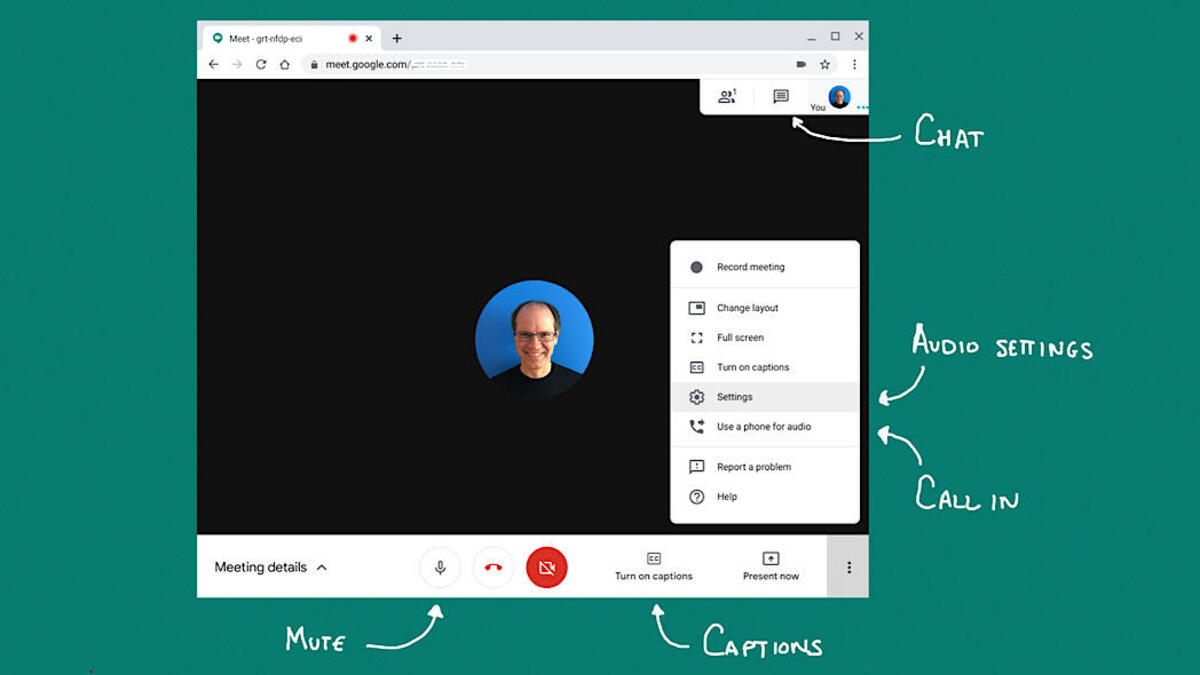
    The operation is simple and user-friendly. Upon connecting your iPhone to a CarPlay-compatible vehicle, the Google Meet application automatically appears on your vehicle’s display. Users can view their upcoming meetings and join them with a single click, enjoying an audio-only call experience.

    By design, there is no video functionality in this setting. The camera remains off, and users will not see other participants’ video feeds. The interface is simplified to only include two buttons—one to mute the call and another to leave the meeting. For a comprehensive meeting experience, users are advised to park their vehicle and switch to their phones.

    A minor setback for Google is the lack of this feature for Android Auto users. The company has confirmed that an Android Auto version of Google Meet is underway but has provided no further details regarding its release.

    Significance for Commuters

    This new feature holds significant potential for millions of individuals who use Google Meet for work. Commuters with tight schedules no longer need struggle with their phones to join meetings. The real advantage lies in the calendar integration, which presents upcoming meetings directly on the vehicle’s display.

    This development aligns well with the broader evolution of CarPlay. As Apple continues to enhance the capabilities of CarPlay, the presence of Google applications on this platform bolsters its appeal and functionality.

    Questions & Answers

    What is the new Google Meet feature on Apple CarPlay?
    Google Meet is now accessible on Apple CarPlay, allowing users to join meetings with a single click and engage in audio-only calls.

    Is the Google Meet feature available for Android Auto users?
    Currently, the Google Meet feature is not available for Android Auto users. However, Google has confirmed that it is working on a version for Android Auto.

    What are the benefits of Google Meet’s integration with Apple CarPlay?
    The integration of Google Meet with Apple CarPlay simplifies the process of joining meetings for commuters. The calendar integration feature, which displays upcoming meetings on the vehicle’s screen, is particularly beneficial for users with busy schedules.

  • Jason Archer Ascends to APAC MD Role at Canada Goose: Driving Expansion and Luxury Presence in Asia

    Jason Archer Ascends to APAC MD Role at Canada Goose: Driving Expansion and Luxury Presence in Asia

    Canada Goose, the luxury outerwear retailer, has recently appointed Jason Archer as Managing Director (MD) of the Asia Pacific region (APAC). This move signifies the brand’s strategy to strengthen its luxury positioning and extend its market footprint in the region.

    Role and Responsibilities

    Jason Archer, based in Hong Kong, will report directly to the President of APAC for Canada Goose, Daniel Binder. His key responsibilities will involve steering the region’s strategy, managing commercial execution, and supervising operations.

    Archer brings more than twenty years of professional experience to the role. Prior to his promotion, he held the position of Senior Vice President, APAC operations and business development for Canada Goose.

    Impressive Track Record

    Over his tenure at Canada Goose, Archer has already made significant strides in the company’s development. His accomplishments include driving double-digit revenue growth within the APAC region, enhancing the brand’s direct-to-consumer performance, and ensuring brand consistency across various markets.

    Binder expressed his confidence in Archer, stating that his excellent work has significantly strengthened the company’s regional operations. He further stated, “With his global experience and strong leadership, Archer is the right person to guide us forward and unlock the brand’s full potential.”

    Noteworthy Appointments

    In another significant move in 2024, Canada Goose had appointed French designer Haider Ackermann as its inaugural Creative Director, thereby highlighting its commitment to further enhancing its luxury positioning.

    Questions & Answers

    Who is the newly appointed MD of APAC for Canada Goose?
    Jason Archer has been appointed as the new Managing Director of APAC for Canada Goose.

    What are the key responsibilities of his new role?
    His main responsibilities will be to steer the region’s strategy, oversee commercial execution, and supervise operations.

    What has Jason Archer accomplished in his tenure at Canada Goose?
    Archer has driven double-digit revenue growth in the APAC region, enhanced the brand’s direct-to-consumer performance, and ensured brand consistency across various markets.

  • Hong Kong Retail Sales Skyrocket by 19%: A Decade of Growth Boosted by Surge in Visitor Numbers

    Hong Kong Retail Sales Skyrocket by 19%: A Decade of Growth Boosted by Surge in Visitor Numbers

    February saw a significant upswing in Hong Kong’s retail sales, with a 19.3 per cent surge compared to the same month in the previous year. This marks a full 10 months of consistent gains, demonstrating the robust health of the retail sector.

    Broad-Based Growth Across Retail Outlets

    A variety of retail outlets experienced growth in February, according to government data. In fact, the month’s surge was the most substantial since June 2023, when retail sales saw a 19.5 per cent increase. Prior months also showed steady growth, with a 5.5 per cent rise in January and a 6.6 per cent hike in December’s retail sales.

    An official spokesperson for the government anticipates the trend to continue, citing the local economy’s resilient growth and an increase in inbound visitors as key supporting factors for retail businesses.

    High-End Goods and Clothing Sales on the Rise

    Certain sectors saw particularly notable increases in February. Jewelry, watches, clocks, and other valuable gifts experienced a 24.2 per cent spike, following a 31.1 per cent increase in January. Meanwhile, sales of clothing, footwear, and related products also rose by 14.1 per cent, emerging from a marginal 0.2 per cent rise in January.

    Retail Sales Growth in Volume Terms

    Viewed in terms of volume, retail sales in February soared 17.5 per cent from the same period last year, a significant leap compared to January’s revised rise of 3.5 per cent. This is the largest percentage gain observed since March 2023, which experienced a staggering 39.3 per cent increase.

    Spike in Visitor Arrivals

    The Hong Kong Tourism Board reported a 40.2 per cent increase in visitor arrivals in February, totalling 5.14 million, compared to the same month last year. The number of visitors from Mainland China saw an even more dramatic rise, skyrocketing by 53.4 per cent to reach 4.25 million.

    Questions & Answers

    What was the percentage growth in Hong Kong’s retail sales in February?
    Hong Kong’s retail sales grew by 19.3 per cent in February.

    Which sectors experienced significant sales increases in February?
    Sectors that saw significant sales increases included jewelry, watches, clocks, and valuable gifts, along with clothing, footwear, and related products.

    How much did the visitor arrival number increase in February, according to the Hong Kong Tourism Board?
    The Hong Kong Tourism Board reported a 40.2 per cent increase in visitor arrivals in February.

  • Thailand’s DIY Titans Losing Ground Amid Sluggish Economy and Rising Costs: A Deep Dive into the Struggles and Strategies

    Thailand’s DIY Titans Losing Ground Amid Sluggish Economy and Rising Costs: A Deep Dive into the Struggles and Strategies

    Home improvement retail is a sector known for its cyclical nature and susceptibility to shifts in consumer confidence. This is evident in Thailand’s DIY market, Southeast Asia’s largest, which is currently grappling with low consumer confidence, escalating household debt, rising energy costs, and general macroeconomic instability. Retailers are finding their large warehouses less productive, but they continue to add stores. This results in consistent drops in same-store sales and increasingly fierce competition. Profit margins are further threatened by increasing material costs, placing a squeeze on both revenue and net income.

    Home Pro: A Silver Lining Amid Stagnation

    Home Pro and Thai Watsadu are the largest players in this market based on revenue. Home Pro operates 126 stores in Thailand and seven in Malaysia. Despite reporting a decrease of 2.8% in 2025’s annual revenue compared to the previous year, the company is persistently expanding its network of warehouses. The firm’s same-store sales fell by 6.4% and showed weakened momentum during the fourth quarter.

    Interestingly, Home Pro asserts its sales growth is sustainable even though it has witnessed successive years of revenue decline. The company’s home services business, however, shows promise, with a growth rate of over 9% in 2025 as customers shift from DIY to DIFY services, which include installation, renovation, maintenance, and repair.

    Home Pro also earns rent from its Market Village shopping malls, particularly in popular tourist destinations like Hua Hin, Rayong, and the region adjacent to Suvarnabhumi Airport. However, the current geopolitical instability could impact the influx of tourists, predominantly from Europe, further dampening the outlook for 2026.

    Thai Watsadu: Parallel Trajectories

    Thai Watsadu, a subsidiary of Central Retail Corporation, closely competes with Home Pro. Despite experiencing a similar decline in same-store sales, it is on an expansion spree. The company’s total sales in 2025 matched Home Pro’s at about 70.6 billion baht (US$2.2 billion). Apart from DIY warehouses, the company’s portfolio includes electronics and white goods, office supplies, stationery, and home furniture chains.

    At the end of 2025, the Thai Watsadu chain comprised 88 stores, with plans to open an additional three to five locations this year.

    Siam Global House: Amid Pressure

    Siam Global House operates from the small northeastern provincial capital of Roi Et and is a fierce contender for Home Pro and Thai Watsadu. Despite its vast network of 96 warehouses in Thailand, the company’s revenue decreased by 1.9% in 2025 from the previous year, and its net profit fell by 20%.

    Mr DIY: A Potential Winner in the Short Term

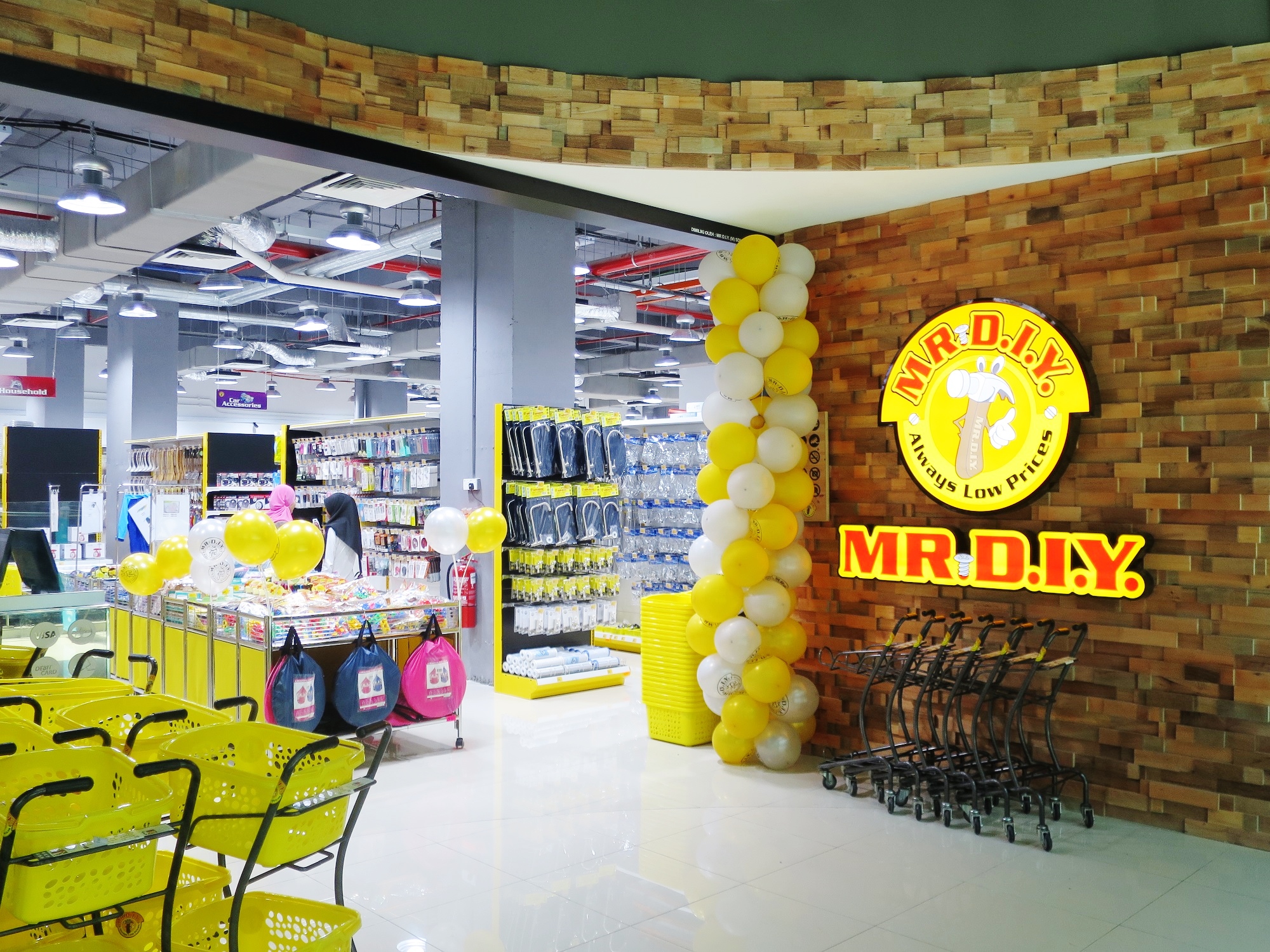
    Malaysia-based Mr DIY, with its smaller store formats, appears better equipped to navigate Thailand’s challenging retail landscape in the short term. With more than 2,000 stores across 10 countries, including approximately 900 in Thailand, Mr DIY offers a limited range of DIY goods that can be easily accommodated in conventional malls and high-traffic shopping areas. This strategy provides the chain with a short-term advantage while the weakening economy and geopolitical tensions continue to impact larger home improvement warehouses.

    The Future: An Uphill Battle

    The general outlook for the sector suggests a slower recovery, with rising materials and operating costs on the horizon. Home improvement retailers, who have already weathered the storm of the Covid-19 pandemic and various geopolitical conflicts, will likely have to delay their expected recovery until beyond 2026.

    Questions & Answers

    What is the current state of the home improvement retail industry in Thailand?
    A: The industry is experiencing a downturn due to weak consumer confidence, rising household debt, and increasing material costs.

    What are the business strategies of major players like Home Pro and Thai Watsadu in response to the challenging market conditions?
    A: Both companies continue to expand their store networks despite declining same-store sales, with Home Pro also focusing on its profitable home services and mall rental businesses.

    Why is Mr DIY potentially better positioned than its competitors in the short term?
    A: Mr DIY’s smaller store formats and limited range of goods make it a flexible fit in conventional malls and busy shopping areas, providing an advantage in the current economic climate.

  • Air China Soars Back to North Korea After Six-Year Hiatus: A Positive Shift Towards Open Borders

    Air China Soars Back to North Korea After Six-Year Hiatus: A Positive Shift Towards Open Borders

    After a six-year break, Air China has reinstated direct flights from Beijing to Pyongyang. This comes as another indication that North Korea is gradually becoming more accessible, following the reestablishment of train services between the two capitals.

    Resumption of Flight Services

    Air China’s Flight CA121 took off from Beijing Capital Airport at 7:58 a.m. and touched down at Pyongyang’s Sunan International Airport at 10:37 a.m. The aircraft used for the journey was a Boeing 737-700, which has a passenger capacity of up to 128. However, only individuals with business or study purposes or those with special reasons are currently allowed to undertake the cross-border trip.

    Chinese ambassador to North Korea, Wang Yajun, along with other Chinese diplomats, welcomed the passengers upon their arrival at the airport.

    Passenger Perspectives

    Among the passengers ready to embark on the flight was business traveler Zhao Bin, who conveyed positive sentiments about the resumption of services. He anticipates that the increased availability of transportation options will enhance travel and communication between the two countries. Zhao, a frequent visitor to North Korea, said that the renewed flight service will significantly benefit those who regularly journey between Beijing and Pyongyang.

    In addition, Zhao expressed his eagerness to explore North Korea’s diverse culinary scene and looked forward to the potential strengthening of relations between the two nations due to increased exchange.

    Implications for Tourism

    The cost of economy class tickets for the flight was around $200. A return flight from Pyongyang is planned for midday.

    While this is a promising step, there is still no clear information regarding the resumption of tourism for Western visitors. Before the pandemic, Chinese tourists made up the majority of foreign visitors in North Korea, with approximately 350,000 in 2019, making it a significant source of revenue for Pyongyang.

    By contrast, around 5,000 Western tourists visited North Korea annually from 2009, with U.S. citizens making up 20% of these numbers.

    Slow Reopening

    North Korea has been slower in reopening its borders fully compared to China. The country resumed direct flights and train services with Russia last year, and state carrier Air Koryo reinstated flights from Beijing to Pyongyang in 2023.

    Questions & Answers

    What is the capacity of the Boeing 737-700 used for the flight between Beijing and Pyongyang?
    The Boeing 737-700 used for the flight can accommodate up to 128 passengers.

    Who are currently allowed to travel between Beijing and Pyongyang?
    Only individuals traveling for business or study purposes or those with special reasons are currently allowed to undertake the cross-border trip.

    How many Chinese tourists visited North Korea before the pandemic?
    Before the pandemic, Chinese tourists made up the majority of foreign visitors in North Korea, with approximately 350,000 in 2019.

  • Miniso’s Shanghai Pop-Up Brings Blackpink’s Jennie Ruby Experience to Life: Exclusive Merchandise and More

    Miniso’s Shanghai Pop-Up Brings Blackpink’s Jennie Ruby Experience to Life: Exclusive Merchandise and More

    Miniso, the Japanese-inspired variety store, recently launched its premier Jennie Ruby pop-up store in Shanghai, offering fans a unique retail experience that’s linked with Blackpink member Jennie’s solo album Ruby.

    Location and Concept

    This pop-up store is located in the bustling central atrium of Grand Gateway Plaza and will continue to operate until April 19th. The store’s aesthetic, featuring a bold red and black design, is a direct reflection of the album’s visual theme.

    Beyond its vibrant design, the pop-up store opens its doors to a myriad of fashion-inspired displays, collectible items, stationery, and lifestyle products. It offers more than 70 stock-keeping units (SKUs), including exclusive loungewear that has been specifically designed for the pop-up.

    Expansion to Beijing and Guangzhou

    After the successful launch in Shanghai, Miniso further broadened its horizons by extending the pop-up concept to Beijing and Guangzhou. These additional locations will operate until April 21st, at the Miniso Land Chaoyang Avenue Park store in Beijing, and the Beijing Road flagship store in Guangzhou.

    Miniso’s Strategy

    This collaboration is an integral part of Miniso’s strategy to establish partnerships with celebrity IPs. This strategy has been proven successful in past initiatives such as the Enhypen collection, which was targeted at engaging younger consumers and creating unique and experiential retail opportunities.

    Questions & Answers

    What is the concept of the Jennie Ruby pop-up store?
    The Jennie Ruby pop-up store offers fans a retail experience that is linked to Blackpink member Jennie’s solo album Ruby. It features a red and black design reflecting the album’s visual theme and offers more than 70 SKUs, including exclusive loungewear.

    After its Shanghai launch, where has Miniso expanded the pop-up concept?
    After launching in Shanghai, the pop-up concept was expanded to Beijing and Guangzhou.

    What is the purpose of Miniso’s collaborations with celebrity IPs?
    Miniso collaborates with celebrity IPs as part of its strategy to engage younger consumers and create unique, experiential retail opportunities.

  • Singapore Sees First Gasoline Price Drop in Weeks as Global Oil Tumbles

    Singapore Sees First Gasoline Price Drop in Weeks as Global Oil Tumbles

    In a surprising turn of events, gasoline prices in Singapore have seen a drop for the first time in nearly three weeks. Shell, one of the leading retailers, has become the pioneer in cutting its rates.

    As of Wednesday afternoon, Shell was selling 95-octane petrol at a 1.44% reduced rate, which translates to SGD3.42 (US$2.67) per liter. This move has set them apart from other companies such as Caltex, Esso, and Sinopec which have opted to maintain their rates at SGD3.47. Despite the reduction in petrol prices, Shell has increased its diesel price by a significant 5.3%, hiking it up to SGD3.93.

    Global Oil Prices and International Relations

    Interestingly, this development has coincided with a fall in global oil prices. The Brent benchmark, for instance, slipped below $100 at the time of writing. This was largely attributed to an announcement from Iran stating that “non-hostile vessels” could safely navigate through the Strait of Hormuz, provided they liaised with its authorities.

    Simultaneously, U.S. President Donald Trump has reversed his earlier threats aimed at Iran’s power grid. He recently stated that the U.S. and Iran had engaged in “very good and productive” conversations.

    Trends in Diesel Prices

    According to Tom Kloza, a prominent energy adviser at Gulf Oil, diesel prices have been climbing at a steeper rate than petrol prices. This is party due to a squeeze on supply, even before any conflict. He stated, “The world was well supplied with petrol on Feb 28, but it was not well-supplied on these middle distillates like diesel, gasoil, marine fuel, and jet fuel.”

    Questions & Answers

    Why did Shell reduce its petrol prices?
    Shell reduced its petrol prices due to the recent fall in global oil prices.

    Why have diesel prices been climbing faster than petrol prices?
    Diesel prices have been rising faster than petrol prices due to a tight supply of diesel and other middle distillates like gasoil, marine fuel, and jet fuel.

    What was the reason behind the recent drop in global oil prices?
    Global oil prices fell after Iran assured the safe passage of “non-hostile vessels” through the Strait of Hormuz, given they coordinated with Iranian authorities. This, coupled with U.S. President Donald Trump stepping back from threats to target Iran’s power grid, eased tensions and led to the drop in oil prices.

  • Daiso to Close Another Singapore Store in Four Months: An 18-Year Legacy Ends

    Daiso to Close Another Singapore Store in Four Months: An 18-Year Legacy Ends

    Daiso, a well-known Japanese retail chain offering a variety of economical household items, is preparing to shutter its second store in a span of four months after a lengthy 18 years of operation. The Daiso Sembawang Shopping Centre location is scheduled to cease operations beginning April 6, 2026, according to an announcement from Daiso Singapore. The company has not provided an explanation for the impending closure.

    A Look at the Store’s History

    The Daiso Sembawang Shopping Centre first opened its doors in 2008 and underwent a significant expansion in 2021. This expansion introduced the Threeppy concept store, specializing in an array of “cute and fashionable” products.

    The upcoming closure of this location follows on the heels of two other recent closures — the Daiso outlets at the 100 AM mall, which closed in January, and the Kinex location in Tanjong Katong, which shuttered last July.

    Daiso’s Presence in Singapore

    As of March 26, Daiso maintains a notable presence in Singapore. The retail chain, renowned for its flat SGD2 (US$1.56) price point on its most affordable items, operates a total of 33 stores throughout the country. Daiso’s pricing can reach up to SGD20 for specialized items, with these prices not inclusive of tax.

    Daiso’s product line is diverse, encompassing a wide range of goods, from housewares, toys and stationery to decorations and gifts.

    Questions & Answers

    Why is Daiso closing its Sembawang Shopping Centre location?
    The company has not yet released a statement regarding the reason for the store’s impending closure.

    When did the Daiso Sembawang Shopping Centre location first open?
    The store first opened in 2008 and expanded in 2021 to include the Threeppy concept store.

    How many Daiso stores are in operation in Singapore as of March 26?
    As of this date, there are 33 Daiso retail stores in operation across Singapore.

  • Gold Prices Tumble Worldwide Amid Oil-Inflated Inflation Fears: How Vietnam is Weathering the Precious Metal Dip

    Gold Prices Tumble Worldwide Amid Oil-Inflated Inflation Fears: How Vietnam is Weathering the Precious Metal Dip

    On Thursday afternoon, gold prices in Vietnam reflected a downward trend, triggered by a global market decline for the precious metal. This drop is linked to fears that escalating oil prices would cause a surge in inflation.

    Gold Bar and Ring Prices Drop

    The Saigon Jewelry Company reported a 1.15% decrease in the price of their gold bars, now valued at VND171.5 million, or US$6,508.79 per tael. To clarify, a tael is equivalent to 37.5 grams or 1.2 ounces.

    In addition, there was a similar 1.15% decrease in the price of gold rings, bringing the associated cost to VND171.3 million per tael. Despite these recent drops, gold prices have seen an overall increase of 12.2% since the start of the year.

    Global Gold Price Decline

    On the international stage, gold prices also fell on Thursday. There are heightened expectations of imminent U.S. Federal Reserve rate hikes this year, primarily sparked by rising oil prices causing concerns about inflation. Investors also awaited clarity on efforts to de-escalate situations in the Middle East.

    Spot gold, in particular, experienced a drop of 1.2%, reducing its price to $4,451.47 per ounce. Concurrently, U.S. gold futures for April delivery saw a decrease of 2.3%, to $4,448.

    According to Ilya Spivak, head of global macro at Tastylive, these changes can be attributed to an acceleration of the perception that inflation, potentially triggered by ongoing conflict, will prompt a response from central banks, leading to higher interest rates.

    Impact on Crude Oil Prices

    Furthermore, Brent crude futures have risen above $100 per barrel due to concerns that ongoing conflict in the Middle East may continue to disrupt energy flows.

    Questions & Answers

    What caused the recent decrease in gold prices in Vietnam?
    The reduction in gold prices can be attributed to concerns that escalating oil costs could lead to inflation, influencing global gold markets.

    How has the ongoing Middle Eastern conflict affected gold and oil prices?
    The ongoing conflict has elevated concerns about potential disruption in energy flows. As a result, Brent crude futures have increased, while anticipation of these disruptions has contributed to a fall in gold prices.

    What are the potential impacts of rising inflation on global gold markets?
    Rising inflation can lead to an increase in interest rates as a reactive measure from central banks, which can result in a decline in gold prices.

  • Miniso Unveils First-of-its-Kind ‘Miniso Friends’ Store in Malaysia: A New Era of IP-led Retail Experience

    Miniso Unveils First-of-its-Kind ‘Miniso Friends’ Store in Malaysia: A New Era of IP-led Retail Experience

    Miniso, a leading retailer, has unveiled its inaugural ‘Miniso Friends’ concept store in Malaysia. This move aligns with the company’s initiative to expand its intellectual property-centered retail and experiential schemes throughout Southeast Asia.

    Store Location and Details

    The brand-new store is situated at LaLaport BBCC, with a sprawling area of about 14,000 square feet, making it one of Miniso’s most spacious outlets in the market. The concept primarily revolves around intellectual property (IP). Approximately 62% of the store’s 6500 products are affiliated with licensed and proprietary characters.

    The Product Strategy

    The product range is key to Miniso’s strategy, aiming to attract a larger audience and stimulate sales through character narratives and brand collaborations. The store showcases renowned franchises such as Stitch, along with Miniso’s own IP, YoYo.

    Enhancing Customer Experience

    The store’s design is conceived to amplify customer engagement. To augment the shopping experience, the store incorporates grand installations and interactive photo zones. This concept is particularly aimed at younger shoppers, especially Generation Z, who have a fondness for immersive and shareable retail spaces.

    Expansion Plans

    The rollout of this store comes close on the heels of Miniso’s debut of its first ‘Miniso Land’ concept in Malaysia earlier in the month.

    Questions & Answers

    What is unique about Miniso’s new concept store in Malaysia?
    The ‘Miniso Friends’ concept store is unique as it is focused on intellectual property with around 62% of its products linked to licensed and proprietary characters.

    How does Miniso plan to enhance customer engagement at the new store?
    Miniso aims to boost customer engagement by introducing large installations and interactive photo zones at the new store, thereby improving the overall shopping experience.

    Who is the target demographic for the Miniso Friends concept store?
    The Miniso Friends concept store specifically targets younger shoppers, particularly from Generation Z, who are known to appreciate immersive and shareable retail spaces.

  • Google Messages Ends QR Code Pairing: What it Means for Your Web Setup

    Google Messages Ends QR Code Pairing: What it Means for Your Web Setup

    Google Messages is set to eliminate its QR code pairing feature for the web, opting instead for Google Account log-in as the sole method of access. The change will enhance the stability and functionality of the Google Messages for Web feature.

    Google Messages: An Evolution

    Google Messages for Web is a popular and convenient feature, allowing users to send and receive texts from their computers, thus eliminating the need to constantly check their phones. Up till now, the feature offered two ways to connect to a computer: scanning a QR code with a phone or logging in through a Google Account.

    The QR code method, which has been part of the feature since its launch, is quite straightforward. Users open the app and scan the QR code displayed on their computer screens. This method requires neither passwords nor accounts, simplifying the connection process.

    A Shift in The Connection Process

    However, Google has decided that the QR code pairing method is insufficient and will cease to be an option. Instead, Google Account log-in will become the only way to access the Messages feature on the web.

    While this change may seem like a minor adjustment, its impact is significant. When a Messages session is linked to a Google Account rather than just a phone, the connection becomes more stable. Currently, if a phone loses signal or restarts, the web session can be disrupted. However, account-based sessions are more resilient to these problems.

    Fostering Device-to-Device Continuity

    This modification aligns with Google’s recent focus on strengthening its apps around the Google Account. The tech giant is striving to achieve the seamless, device-to-device continuity Apple has enjoyed with iMessage for years. This shift in Google Messages for Web brings the feature closer to this goal, transforming it from a remote display for a phone into an independent application.

    Questions & Answers

    What is the main change announced for Google Messages for Web?
    Google has decided to remove the option to access Google Messages for Web via QR code, shifting to Google Account log-in as the sole method of access.

    How does this change affect the stability of the Messages feature?
    When a Messages session is linked to a Google Account rather than a phone, the connection becomes more stable and resilient to disruptions like signal loss or phone restarts.

    What is the broader strategy behind this change?
    This change aligns with Google’s efforts to foster seamless, device-to-device continuity across its applications, similar to what Apple offers with iMessage.