Category: General

Retail News Asia is committed to providing both local and global retailers with the latest General Retail news throughout the Asian market. This on a daily base.

  • Kimberly-Clark Braces for $170M Blow from Rising Oil Prices Amid Robust Personal Care Product Demand

    Kimberly-Clark Braces for $170M Blow from Rising Oil Prices Amid Robust Personal Care Product Demand

    Kimberly-Clark, the multinational personal care corporation, announced on Tuesday that sustained high oil prices could tally an additional US$170 million in expenses for the second half of the year. Despite the warning, the company maintained its annual forecast, citing steady demand for personal care products.

    Higher Oil Prices to Impact Input Costs

    Concerns about escalating oil prices have been reverberating throughout the consumer goods industry, particularly among Kimberly-Clark’s competitors such as Procter & Gamble. The ongoing conflict in the Middle East continues to push up the price of oil. The company’s CFO, Nelson Urdaneta, asserted that if oil prices remain at $100-per-barrel for the remainder of the year, the company could witness a surge in gross input cost inflation of between $150 million and $170 million. Urdaneta clarified that the forecasted potential impact is not yet included in the company’s current outlook. However, management is reportedly exploring ways to mitigate these potential losses.

    Additional Risks and Challenges

    The manufacturer of Huggies diapers also anticipates a $50 million loss in the second quarter due to a recent fire at one of their distribution centers in California. This is in addition to the already mounting costs related to the Middle East conflict.

    Despite facing a slowdown in demand and stringent competition, Kimberly-Clark has managed to stay on course to complete its $40 billion acquisition of Kenvue, the maker of Tylenol, in the latter half of 2026. Rising product sales and a wider array of affordable options have helped the company weather these challenges.

    Company Outlook

    Chief Marketing Strategist at Zacks Investment ​Management, Brian Mulberry, noted that Kimberly-Clark’s transformation, with its focus on value across its product tiers, places the company in a better position compared to its counterparts.

    The company anticipates its organic sales growth for fiscal 2026 to be in line with or slightly ahead of the average growth in the categories and markets it competes. In the past 12 months, these markets have grown at a rate of approximately 2.5 per cent. The company’s annual adjusted profit forecast remains unchanged.

    Following the announcement that Kimberly-Clark surpassed first-quarter sales estimates, its shares rose about 1 per cent. The corporation reported sales of $4.16 billion, exceeding the average analyst estimate of $4.09 billion. However, the quarterly adjusted profit declined to $1.60 per share from $1.62 a year ago, affected by price reductions and investments in product innovation.

    Questions & Answers

    What is the projected impact of sustained high oil prices on Kimberly-Clark’s expenses?
    The company estimates an additional $150 million to $170 million in costs for the second half of the year if oil prices remain at $100 per barrel.

    What other challenges is the company facing aside from high oil prices?
    Kimberly-Clark is dealing with a slowdown in demand, intense competition, and a $50 million loss due to a fire at a distribution center in California.

    What is the state of Kimberly-Clark’s sales growth and forecast?
    Kimberly-Clark expects its 2026 organic sales growth to align with or surpass the average growth in its competitive markets. The company’s annual adjusted profit forecast remains consistent.

  • Thai AirAsia Trims Seat Capacity by 30% Amid Soaring Fuel Prices and Slowing Travel Demand

    Thai AirAsia Trims Seat Capacity by 30% Amid Soaring Fuel Prices and Slowing Travel Demand

    In response to escalating aviation fuel costs and a decrease in mid-year travel demand, Thai AirAsia is set to curtail its overall seat capacity by about 30% for the months of May and June.

    Adapting to Market Changes

    The airline stated on Tuesday that it would meticulously adjust flight frequencies for domestic routes. Internationally, the airline has temporarily suspended and decreased frequencies, primarily on Indian routes, due to elevated operating costs.

    Phairat Pornpathananangoon, the CEO of the budget airline, reported that they are actively working on cost management strategies to counterbalance the sustained surge in aviation fuel prices and the expected mid-year travel downturn.

    Managing Seat Capacity and Flight Frequencies

    The airline is also focusing on effectively managing seat capacity to aptly meet the travel demand. Simultaneously, it is maintaining a balance by ensuring the fares reflect actual costs while remaining affordable for its customers.

    In the case of Thailand’s domestic network, the airline plans to reduce its flight schedules at Suvarnabhumi Airport. During May and June, it will only maintain direct services from Suvarnabhumi to Chiang Mai and Phuket.

    Meanwhile, for Don Mueang Airport, the airline intends to persist with its complete network across all destinations. The flight frequencies will be strategically adjusted to mirror actual passenger demand.

    Questions & Answers

    What measures is Thai AirAsia taking in response to the increase in aviation fuel prices and decreased mid-year travel demand?
    Thai AirAsia is reducing its overall seat capacity by approximately 30% for May and June. It is also adjusting flight frequencies for domestic routes and has temporarily suspended and decreased frequencies on certain international routes.

    How is Thai AirAsia managing its fares amid these changes?
    The airline is working to ensure that fares remain reflective of actual costs while still being reasonable for its customers.

    What changes will be made to Thai AirAsia’s domestic network?
    The airline plans to scale back its flight schedules at Suvarnabhumi Airport, retaining only direct services from Suvarnabhumi to Chiang Mai and Phuket during May and June. However, it will continue to operate its full network at Don Mueang Airport, adjusting flight frequencies to match passenger demand.

  • Miniso Boosts Southeast Asian Presence With Landmark Flagship Stores in Singapore and Vietnam

    Miniso Boosts Southeast Asian Presence With Landmark Flagship Stores in Singapore and Vietnam

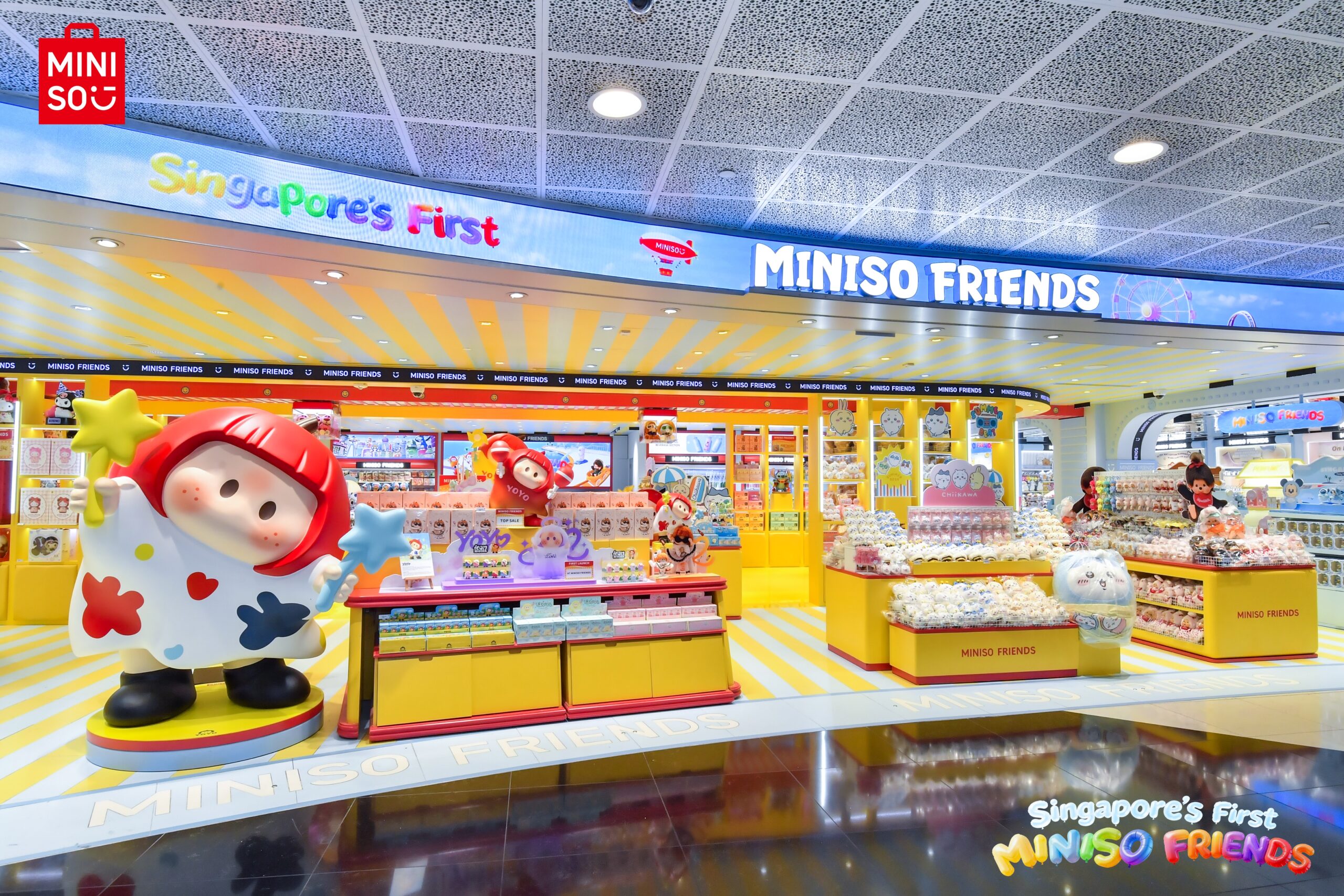
    Miniso, a major retailer in Asia, is intensifying its expansion efforts in Southeast Asia as it introduces its “Miniso Friends” concept in Singapore and Vietnam. This development forms part of a more extensive strategic shift towards experiential and intellectual property (IP)-centered retail.

    Experiential Retail: A Strategic Shift

    The Miniso Friends stores, according to the company, are larger and situated in prominent commercial districts. They are intended to act as city-level landmarks differing from conventional lifestyle outlets. This move signifies the brand’s effort to replace the traditional retail environment with an experiential, IP-focused one.

    Miniso in Vietnam

    In Vietnam, the new Miniso Friends store is located in the Van Hanh Mall in Ho Chi Minh City. This opening aligns with Miniso’s 10th anniversary in the Vietnamese market. The store dedicates 70% of its stock to IP-related merchandise. The product selection includes items from the YoYo Fly with the Wind Series, the Sanrio SEA-exclusive Leopard collections, and the Chiikawa Sakura Season. In addition, the store also introduced Star Wars and Luo Xiaohei collaboration merchandises to the market.

    Miniso in Singapore

    In Singapore, Miniso has acquired a 450 square meter space in VivoCity, the nation’s biggest shopping mall. The store stocks over 3,200 stock keeping units (SKUs). Emphasizing local products, it offers Singapore-exclusive Disney Mickey items featuring the iconic Merlion design.

    These recent expansions come after a period of rapid regional growth earlier in the fiscal year 2026, highlighted by the introduction of the Miniso Friends model in Malaysia.

    Miniso’s Broader Growth

    By the end of 2025, Miniso had already established 26 Miniso Land locations in China, representing another aspect of its transition to IP-centric retailing.

    Questions & Answers

    What is the Miniso Friends concept?
    Miniso Friends is a part of Miniso’s strategic pivot towards an experiential and IP-centric retail concept. These stores are larger and located in prominent commercial areas, functioning as city landmarks.

    What kind of products does the new Miniso store in Vietnam offer?
    The new Miniso store in Vietnam offers a variety of IP-related products. This includes items from the YoYo Fly with the Wind Series, Sanrio SEA-exclusive Leopard collections, and the Chiikawa Sakura Season. It also marks the market debut of Star Wars and Luo Xiaohei collaboration lines.

    How does Miniso cater to the local market in Singapore?
    In Singapore, Miniso emphasizes localized products. It offers Singapore-exclusive Disney Mickey items featuring the iconic Merlion design.

  • Thailand’s Export Boom: Record-Breaking $35.16B Earned in March 2026 Amid Threats of Global Volatility

    Thailand’s Export Boom: Record-Breaking $35.16B Earned in March 2026 Amid Threats of Global Volatility

    Thailand’s merchandise exports experienced a surge for the 21st month in a row in March 2026, reaching a new high of US$35.16 billion, an increase of 18.7% when compared to the previous year. The Ministry of Commerce reported these figures, highlighting a significant growth compared to the 9.9% increase recorded in February. This data further underscores the crucial role of exports in boosting the Thai economy.

    Driving Factors for Growth

    This remarkable performance can largely be attributed to the strength of technology-related products, a robust global supply chain activity, and the temporary relief from certain U.S. tariff measures. Nantapong Chiralerspong, the Director-General of the Trade Policy and Strategy Office (TPSO), added that the recovery in global manufacturing, evident from the stable demand and new orders from international markets, also contributed to this export growth.

    Despite the positive indicators, Chiralerspong issued a word of caution. He pointed out the presence of emerging challenges, particularly the disruptions in shipping through the Strait of Hormuz, which is starting to impact Middle Eastern markets, indicating a potential slowdown.

    Imports and Trade Deficit

    On another note, Thailand witnessed a significant rise of 35.7% in imports in March, bringing the figure to $38.50 billion. This resulted in a trade deficit of $3.34 billion. The first quarter of the year saw total exports from Thailand reaching $96.17 billion, marking an increase of 17.6%. On the other hand, imports surged by 32.4% to $105.65 billion, leading to a trade deficit of $9.48 billion.

    Future Outlook

    The Ministry of Commerce expressed concerns over the uncertain future of export prospects due to global volatility. The ongoing tensions in the Middle East are driving up logistics, energy, and production costs, thereby increasing the pressure on Thailand’s export sector.

    Questions & Answers

    What are the main drivers of Thailand’s recent export growth?
    The recent export growth in Thailand can mostly be attributed to the robust sales of technology-related products, active global supply chain activity, and the temporary relaxation of certain U.S. tariff measures. The recovery in global manufacturing has also supported this growth.

    What challenges is Thailand facing in its export sector?
    Emerging challenges, including disruptions in shipping through the Strait of Hormuz, are starting to impact the Middle Eastern markets, indicating a potential slowdown. Additionally, ongoing Middle East tensions are escalating logistics, energy, and production costs.

    How has the import activity been in Thailand recently?
    Thailand has seen a sharp increase in imports, rising by 35.7% in March 2026 to $38.50 billion. In the first quarter of the same year, imports surged by 32.4% to $105.65 billion.

  • Cathay Pacific Makes Historic Move with HKD Fixed-Rate Notes Release: A Milestone in Hong Kong’s Airline Sector

    Cathay Pacific Makes Historic Move with HKD Fixed-Rate Notes Release: A Milestone in Hong Kong’s Airline Sector

    Cathay Pacific, headquartered in Hong Kong, has unveiled its intention to release three-year benchmark-sized Hong Kong dollar senior unsecured fixed-rate notes. The airline has set the initial price guidance in the area of 4.1%.

    Details of the Bond Issuance

    The bonds are expected to come to maturity on April 29, 2029, with interest payments to be made on a semi-annual basis. The settlement of the bonds is anticipated to occur on April 29, 2026. The proceeds from the bond issuance will be lent to the airline and its subsidiary companies to be used as working capital and for other general corporate purposes.

    HSBC has played an instrumental role as Joint Bookrunner and Joint Lead Manager in Cathay’s public bond issuance of HKD2,080 million. The bond issuance also coincides with Cathay’s celebration of its 80th anniversary in Hong Kong.

    Significance of the Bond Issuance

    This represents Cathay’s inaugural HKD public bond issuance, marking its first re-entry into the public bond market since 2021. Eugene Ng, HSBC Head of Debt Capital Markets, Greater China, emphasised the importance of the bond issuance, calling it a testament to the strength of the HKD bond market as a reliable source of local-currency funding for top-tier Hong Kong corporations.

    Ng further highlighted that this is the largest HKD public bond issuance by a Hong Kong non-public sector corporate and the first from the airline sector, thereby indicating an expansion in the local issuer base. He expressed HSBC’s commitment to continue to leverage its local-currency expertise and capabilities to assist issuers in gaining access to the HKD market as part of their solid funding strategies. This move supports Hong Kong’s Fixed Income and Currency Roadmap to deepen liquidity and broaden participation.

    Bank of China (Hong Kong), BNP Paribas, and DBS are the other joint bookrunners and joint lead managers for this bond issuance.

    Questions & Answers

    When are the bonds expected to mature?
    The bonds are set to mature on April 29, 2029.

    What will the proceeds from the bond issuance be used for?
    The proceeds will be directed towards the airline and its subsidiaries for purposes such as working capital and other general corporate needs.

    Who are the joint bookrunners and joint lead managers for this bond issuance?
    HSBC, Bank of China (Hong Kong), BNP Paribas, and DBS are the joint bookrunners and joint lead managers for this bond issuance.

  • Pop Mart Unleashes Exciting Expansion: Beijing’s Pop Land Theme Park Reveals New Attractions and Diversification Strategy

    Pop Mart Unleashes Exciting Expansion: Beijing’s Pop Land Theme Park Reveals New Attractions and Diversification Strategy

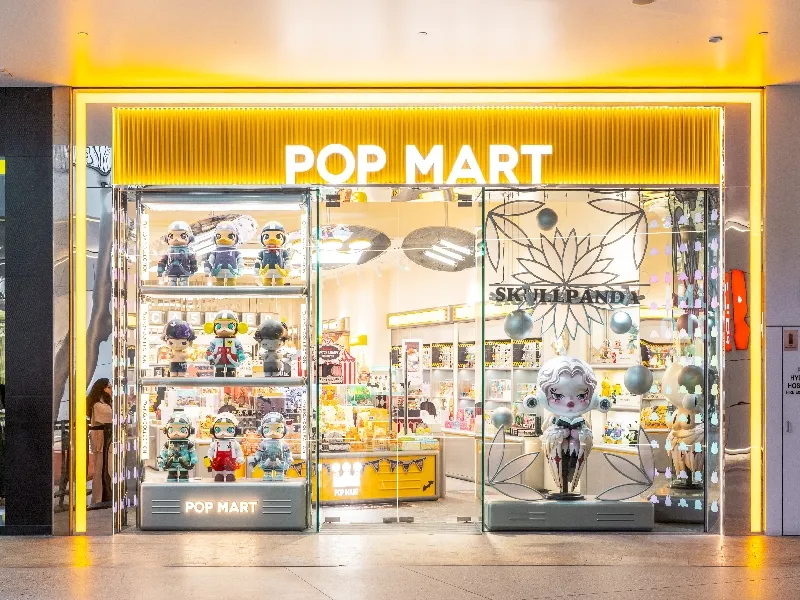
    Pop Mart, a Hong Kong-based firm known for their popular ‘blind box’ collectible toys, including the iconic Labubu, has recently updated and broadened its range at its Beijing-based theme park, Pop Land.

    A Revamped Experience

    After a year of significant renovations, the Labubu Forest Zone is set to reopen to the public on April 30th, the company announced during a recent event. This conversion includes several new amusement park rides, engaging carnival games, live entertainment, food vendors, and retail outlets featuring beloved characters such as Dimoo and the The Monsters series, including fan-favorite Labubu.

    A Gradual and Strategic Expansion

    During a press conference, Pop Mart’s Vice President, Jeffrey Hu, shared his insights on the company’s growth strategy. After examining both Chinese and global markets, Hu believes there are ample opportunities for expansion. However, he indicated that the company wishes to focus on perfecting one theme park before duplicating the concept elsewhere.

    The evolution of Pop Land, which initially opened its doors in 2023, represents a shift in Pop Mart’s strategy. Moving away from a sole reliance on toys, the company aims to diversify its business by capitalizing on a wider selection of intellectual properties featuring its characters. To further this strategic diversification, a Labubu-themed film in collaboration with Sony Pictures is also in development.

    Impressive Financial Growth

    In terms of financial performance, Pop Mart reported a nearly three-fold increase in its 2025 revenue. The company’s revenue surged to 37.12 billion yuan, up from 13.04 billion yuan a year earlier. The firm’s profit also witnessed a substantial growth, soaring by 308 percent to reach 12.78 billion yuan.

    Questions & Answers

    What are the new features in the renovated Labubu Forest Zone?
    The newly renovated Labubu Forest Zone offers new amusement park rides, carnival games, live performances, food outlets, and retail stores featuring popular characters like Dimoo and Labubu.

    What is Pop Mart’s current growth strategy?
    Pop Mart is focusing on expanding its intellectual property portfolio and diversifying its offerings beyond toys. This includes the development of a theme park and a movie in collaboration with Sony Pictures.

    How did Pop Mart perform financially in 2025?
    Pop Mart reported a nearly three-fold increase in its 2025 revenue, which rose to 37.12 billion yuan from 13.04 billion yuan a year earlier. The company’s profit also witnessed a substantial growth of 308 percent, amounting to 12.78 billion yuan.

  • The 10 Best Finance Movies from Wall Street to the UK Market

    The 10 Best Finance Movies from Wall Street to the UK Market

    It’s difficult to get good financial advice: opinions and methods are always different, and there’s no set conclusion. Timing the market is a tale as old as the world, and the same goes for diversification. And it isn’t getting better in the UK, with 44% of adults showing poor financial literacy. As trusting a single expert’s advice isn’t the option, you could maybe learn from someone else’s experience.

    And that’s what the cinema is for! Over the years, many talented directors have explored financing topics through art, and some of these are highly applicable to modern markets, including the UK. Let’s have a closer look at some of them, the top 10 to be precise, and explore why they are worth your time.

    How We Created the List

    Taste is subjective, and we don’t expect you to be immediately interested in all the films listed. To create the article, we reviewed each of them based on the following criteria:

    • Acting and performance. Whether the film is indeed informationally poignant, presentation also matters. Performances help the narrative; otherwise, you won’t be interested.
    • Quality of financial topic coverage. We reviewed and assessed each film based on how seriously it took finance. We looked into whether the filmmakers put in the hours to explain the underlying financial mechanics and made them accessible to the broader audience.
    • Storytelling and pacing. Structure is important, especially in films. If the film’s story takes too long to take off, or the overall narrative feels jumpy and poorly stitched together, that makes for a bad experience.
    • Lasting relevance. Priority went to films still referenced in financial and cultural conversations today, not just titles that got acclaim on release and were forgotten shortly after.

    The 10 Best Finance Movies

    Now that you’re familiar with how we picked each movie, here’s the top 10 list of the best finance movies that hold up well even today.

    1.   The Big Short

    A half-serious foray into how the 2008 financial crisis occurred in America, The Big Short, based on the eponymous book, is excellent in every way imaginable, starting with the acting.

    Christian Bale gave it his all when portraying Michael Burry: the “lazy eye”, the slight social awkwardness, but a genius financial mind. Steve Carell gave a more serious performance as the quick-to-anger, emotional Mark Baum, loosely based on Steve Eisman. Not to mention the brilliantly funny Ryan Gosling as the Deutsche Bank salesman Jared Vennet, together with Ben Ricket portrayed by Brad Pitt.

    The film starts slowly, by introducing Bale’s character and how he gradually discovers that the banks and rating agencies are gaming the system. After that, the stories of Mark Baum. Dr. Burry, Vennet, and Ricket intertwine and take place at the same time, building towards the conclusion and neatly tying everything together.

    The financial topics themselves are explored in a humorous, relatable, and clear way. You get the legendary Anthony Bourdain explaining CDOs, Margot Robbie lying in a bathtub, and talking about how CDOs came to be in the first place, you name it. And all these are just brief cutaways in an otherwise brilliant narrative.

    This should surely excite you and push you towards watching. And the film is relevant today, as banks continue the same practices that led to the market downfall in 2008.

    2.   Margin Call

    While The Big Short focuses on humor and celebrity cameos, Margin Call creates a serious atmosphere from the beginning. J.C. Chandor, the director, locks you inside a single building for one night and lets the tension do the work.

    Kevin Spacey plays Sam Rogers, a veteran trader caught between loyalty and decency, and delivers an extremely good performance. Jeremy Irons is magnetic as the firm’s CEO — cold and completely unbothered by the human cost of what he’s about to authorize. Zachary Quinto anchors the film as the analyst who first uncovers the problem, carrying the audience’s sense of dread throughout.

    The financial aspects are completely taken care of in the film. It doesn’t over-explain, but there’s nothing even remotely vague. You understand what toxic assets are, why the firm is exposed, and why the only solution was to dump those assets on unsuspecting clients. The pacing in the story is alright, but everything takes place within glass offices, and the only action you get is conversations. The film is a slow-burn by design.

    Overall, it remains one of the most clinically honest films about institutional finance. It also gets more relevant with every new market crisis that comes along.

    3.   The Wolf of Wall Street

    You probably expected this entry to be #1. Still, it was moved down mainly because the film focuses on the chaos of Jordan Belfort’s life rather than on how exactly he accumulated his wealth through illegal means.

    The Wolf of Wall Street is a cautionary tale about greed, directed by Martin Scorsese. Leonardo DiCaprio gives an Oscar-worthy performance as Jordan Belfort, along with some of the best acting done by Jonah Hill and Margot Robbie. The film starts by exploring how the young Belfort was lured into brokering, continues by showing how he began his machinations, and focuses on the extravagance and crazy side of his rich life.

    The film does show its financial underbelly, and you get a pretty good understanding of what a “pump and dump” is, but it’s never the focus. You get bombarded with frequent drug use, wild parties, and just generally reprehensible, but fun-to-watch acts performed by Jordan and his friends.

    Because of that, The Wolf of Wall Street is #3 on our list. It’s a hard-to-ignore film with a gripping, comedic story that everyone is talking about even today. Yet it glosses over the financial aspects somewhat.

    4.   Wall Street

    Filmed by Oliver Stone in 1987, this film set the standard for how high finance should look on screen. The phrase “greed is good” didn’t enter the cultural lexicon by accident.

    Michael Douglas is the reason to watch this film. His portrayal of Gordon Gekko is one of his best performances, earning him the Oscar statuette. Gekko is charismatic enough that you understand exactly why the young, hungry Bud Fox (Charlie Sheen) falls under his spell, and menacing enough that you never quite forget what he actually is.

    The way the film covers finance is also good for the era. You get a glimpse of insider trading, hostile takeovers, and the mechanics of corporate trading. The main focus is on the moral aspects of being on Wall Street, and the movie thoroughly explores the human condition.

    Like The Wolf of Wall Street, the film still holds pretty well today, as stories about greed never really go out of fashion. The only difference is that it did it earlier.

    5.   Boiler Room

    Boiler Room occupies the midpoint for a couple of reasons: it’s not as ambitious as The Wolf of Wall Street, nor is it as technically accurate as The Big Short. What it is, though, is a grounded portrayal of fraud.

    The film is about Seth Davis, played by Giovanni Ribisi, who drops out of college and gets a job at a brokerage firm. After some time, he realizes he’s participating in market machinations or pump and dump schemes. Vin Diesel and Ben Affleck show up in supporting roles, with Affleck in particular delivering a memorable motivational speech to a room full of young brokers.

    The financial topic coverage is actually good. The film clearly explains what a “pump and dump” is: the structure, how clients are targeted, and how the work culture deliberately forces everyone to ask fewer questions and keep on the grind. But this excellence is overshadowed by a somewhat slow pace and subplots that underserve the overall story.

    6.   Inside Job

    Inside Job is a documentary by Charles Ferguson that explores the 2008 financial crisis. It differs from The Big Short in both tone and style, focusing more on interviews and allowing Matt Damon to do his magic as a narrator.

    There are no standout individual performances here in the traditional sense, but Ferguson’s direction is precise enough to function as one. The film’s greatest skill is in how it sequences its interviews. It lets subjects incriminate and contradict themselves, it draws out contradictions, and builds into an actual case.

    In terms of financial topic coverage, Inside Job is arguably the most thorough entry on this list. It explains the root causes, mortgage-backed securities, and credit default swaps, and thoroughly covers just how the banks manipulated the market, while also shedding light on who won and who was persecuted.

    The documentary is structurally brilliant and moves comfortably through its four chapters while maintaining momentum. It won the Oscar for Best Documentary in 2011 and remains the clearest explanation of what happened in 2008 and why it was allowed to happen. If you watch only one film on this list for informational value, this is probably the one.

    7.   Rogue Trader

    Rogue Trader is a distinctly British entry and is probably one of the more unappreciated films. It tells the true story of Nick Leeson, the derivatives trader whose unauthorized positions brought down Barings Bank, which was a crazy story back in the day.

    Ewan McGregor carries the film with this performance. His take on Nick Leeson, the main character, portrays him as ambitious and skilled, which genuinely makes the story even more gripping. McGregor plays him as someone who initially conceals losses out of embarrassment rather than malice, and only gradually crosses into something more deliberate and dangerous.

    The more relatable aspect of the story, though, is how he gets into debt due to poor decisions. He never wanted to come clean before it was too late, and that’s what led to his downfall. Leeson’s case was quite dramatic, but plenty of ordinary people find themselves in less high-stakes situations, still dealing with financial pressure. In those moments, people often try to manage the situation in different ways, sometimes without fully stepping back to assess the consequences of their choices.

    This kind of decision-making under pressure is something financial professionals deal with in real life as well. This is something we’ve heard consistently from professionals working in the field. Terryl Payne, Financial Advisor at 15M Finance, points out that financial stress often narrows decision-making:

    “When people feel pressure, they tend to focus on immediate relief rather than long-term outcomes. The problem isn’t always the lack of options, but how those options are evaluated in the moment.”

    However, it does fall a bit flat as it tries to convey this lesson from a sympathetic angle. Neeson isn’t, by any means, a beacon of virtue, and McGregor’s portrayal doesn’t make him likable. The story focuses more on the moral aspects of trading. Pacing, however, is one of the strong suits as you get through Leeson’s rise and fall adequately, without anything interrupting the story, although the plot is definitely on the weak side.

    If you want to see Ewan McGregor at his best, he does some of his finest acting here. Plus, it could be a good watch if you’re familiar with everything on the list so far.

    8.   The Bank

    The Bank is the least known film on this list. An Australian production directed by Robert Connolly, it follows Jim Doyle, a mathematician who develops a model capable of predicting stock market fluctuations, and the powerful bank that recruits him to put it to use.

    David Wenham plays Doyle with a controlled intensity that suits the character well, while Anthony LaPaglia is the film’s real engine as Simon O’Reilly, the bank’s CEO, projecting the kind of smooth, boardroom confidence that makes you both trust and distrust him. The interactions between these two characters create all the tension in the story, and this aspect is indeed done well.

    Structurally, the film properly makes use of its 2-hour runtime, and the pacing is generally good. Where the film falls flat, however, is the story, which can get quite high-octane in some places and drastically raise the stakes. This doesn’t work for everyone, as everyday financial operations typically don’t lead to such consequences.

    The Bank won’t make many mainstream best-of lists, but for a low-budget take on the relationship between institutional power, ordinary people, and mathematics, it gets the job done.

    9.   Enron: The Smartest Guys in the Room

    Enron: The Smartest Guys in the Room is a secondary documentary we’re putting on the list. Here, director Alex Gibney takes one of the largest corporate fraud cases in American history and reconstructs it with the pacing and tension of a thriller — which, given the material, isn’t much of a stretch.

    Gibney interviews former employees, analysts, and journalists who watched Enron from the inside and outside, and the picture that emerges is as much a study in collective delusion as it is in deliberate fraud. The executives, who are the actual culprits, are never interviewed directly, which is an interesting choice that makes the evidence against them more damning.

    In terms of financial topic coverage, the film is excellent. It explains mark-to-market accounting clearly enough that any viewer can grasp both how it worked and why it was so easy to abuse. It also covers the manipulation of California’s energy market, the role of Arthur Andersen in signing off on fraudulent accounts, and the broader culture of Wall Street.

    The pacing and story are both decent, and the documentary is chronologically sound with a natural dramatic arc. More than two decades on, Enron remains a reference point whenever corporate fraud, accounting manipulation, or the failure of financial oversight enters the conversation. However, not everyone likes documentaries, which is why it’s lower on the list than the other films.

    10.                 Industry

    Created by Mickey Down and Konrad Kay, Industry follows a group of graduate recruits fighting for permanent positions at a prestigious London investment bank. It is the most contemporary entry on this list and, in many ways, the most viscerally uncomfortable.

    The ensemble cast is strong, with Myha’la Herrold and Marisa Abela standing out in the first season as Harper and Yasmin, respectively. Harry Lawtey is quietly compelling as Robert, the most conventionally talented recruit in the group, and the supporting cast of senior bankers is written and performed with enough specificity to feel genuinely observed rather than constructed.

    On financial topic coverage, the Industry is less concerned with explaining and would rather tell you about the culture surrounding investments. However, you come away with a strong sense of how trading floors actually operate, even if the show never stops to explain what a structured product is.

    Structurally, the series format gives it room that a two-hour film simply couldn’t accommodate. Character development that would feel rushed in a feature unfolds across episodes with patience and detail, and the writing consistently rewards attention. If the pacing occasionally dips in the middle of each season, the overall feel remains throughout the series.

    For anyone who has ever wondered what actually goes on behind the glass walls of a City of London investment bank, this is the most honest answer currently available.

    The Best Finance Films Have One Thing in Common

    Every film on this list is ultimately about people making decisions under pressure, and what those decisions cost them. The settings and instruments change, but the underlying dynamics don’t: ambition outpacing judgment, institutions prioritizing survival over accountability, the list goes on.

    What ties them together is the timelessness of the story elements. Greed still dominates investing, fraud remains common, and large market machinations can, to this day, cause major crashes. If there’s any lesson to be learned, it’s that you have to be prepared, and if you don’t know where to begin, try to watch any of the films on the list to get yourself interested in finance.


  • Miniso Founder Guofu Ye Doubles Down: Plans to Boost Stake by $6.4M Amid Company’s Rapid Growth

    Miniso Founder Guofu Ye Doubles Down: Plans to Boost Stake by $6.4M Amid Company’s Rapid Growth

    Guofu Ye, the founder of retailing company Miniso Group Holding, is planning to augment his ownership in the business by a minimum of HK$50 million (US$6.4 million). Over the course of the next year, Ye intends to elevate his shareholding by purchasing more company shares. This includes American Depositary Shares (ADSs) and ordinary shares that are publicly listed on the Hong Kong Stock Exchange.

    The method of transactions will vary, being made either on the open market or via private transactions. These transactions will be conducted directly or through entities that Ye controls, with all purchases funded by his personal finances.

    Ye is presently a majority stakeholder in Miniso, holding approximately 63.7% of the company’s shares, not including treasury shares.

    Reflecting on Miniso’s trajectory and performance in recent years, Ye stated that these elements have confirmed the company’s strategic direction and the team’s exceptional execution capabilities. He expressed his firm belief in Miniso’s ongoing growth and demonstrated his commitment through this proactive investment decision.

    However, with the company yet to release its financial results for the first quarter ending on March 31, Ye is bound by trading blackout restrictions and director securities transaction restrictions. He will initiate his plan to increase his shareholding following the end of this blackout period, which will occur post the disclosure of the company’s first-quarter results. Ye reassured that he would not have access to any significant non-public information during this period.

    The specifics regarding the timing, cost, and volume of each purchase will be ascertained based on the prevailing market conditions at the time.

    In the previous year, Miniso reported a substantial 26.2% surge in revenue, and the total number of stores climbed to 8,485.

    Questions & Answers

    What is the intended increase in Guofu Ye’s stake in Miniso Group Holding?
    Guofu Ye plans to increase his stake by at least HK$50 million (US$6.4 million).

    How will Ye execute the purchases for this increased stake?
    Purchases will be made either on the open market or via private transactions, directly or through entities controlled by Ye.

    What are Miniso’s recent performance indicators?
    In the previous year, Miniso reported a 26.2% increase in revenue and the number of stores rose to 8,485.

  • Stacked Store Revolutionizes Singapore Retail With First Standalone Shop: A Blend of Unique Brands, Immersive Experience & Dynamic Events

    Stacked Store Revolutionizes Singapore Retail With First Standalone Shop: A Blend of Unique Brands, Immersive Experience & Dynamic Events

    Stacked Store is set to launch its inaugural independent retail establishment in Singapore’s New Bahru district on May 16, broadening its physical presence following its predominant operation as an online platform.

    A New Take on Retail

    Sited within The Factory, this establishment is envisaged as a hybrid of retail and exploration. It showcases an expertly curated assortment of independent brands, unique home decor items, and design-centric products that ordinary mass-market stores seldom offer.

    The interior design follows a bare, industrial style, with the primary structure of the space made up of raw scaffolding. This contrasting backdrop is designed to accentuate the products on display while promoting a more leisurely, tactile shopping experience.

    Unique Features

    One of the primary attractions is the brand’s trademark living room setting, which has been reimagined for the new location in partnership with W Atelier.

    However, the venue is not just for shopping. It also serves as a platform for engaging customers with the brand. Stacked Store intends to organize workshops, collaborative pop-up events, and exclusive product launches. It also plans to debut its forthcoming in-house brand.

    Expanding Physical Presence

    Earlier this month, the retailer broadened its offline footprint by opening the IMBA Store – the exclusive gift shop for interactive exhibitions at Gardens by the Bay.

    Questions & Answers

    What is the concept behind the new Stacked Store location in Singapore’s New Bahru district?
    The new location is a hybrid of retail and discovery, offering a curated selection of independent brands and unique home decor items. The store is designed to provide a leisurely, tactile shopping experience.

    What unique features does the Stacked Store offer?
    The store houses a reimagined version of the brand’s signature living room setting. It will also serve as a platform for brand engagement, hosting workshops, collaborative pop-ups, exclusive product launches, and unveiling its in-house brand.

    Has Stacked Store expanded its physical presence in other ways?
    Yes, the retailer launched the IMBA Store, the official gift shop for interactive exhibitions at Gardens by the Bay, earlier this month to broaden its offline presence.

  • DFI Retail Group Sees Robust Sales Boost Driven by Beauty and Health Segment Amid Global Challenges

    DFI Retail Group Sees Robust Sales Boost Driven by Beauty and Health Segment Amid Global Challenges

    The Hong Kong-based DFI Retail Group has recently announced a steady increase in sales for the first quarter of the year, primarily fueled by their health and beauty sector.

    Driving Growth with Health and Beauty

    Excluding cigarette sales, the DFI Retail Group reports a 4% sales rise on a year-on-year basis, using a constant currency, and a 3% increase on a like-for-like (LFL) basis. The health and beauty division is credited with a large part of this growth, with a 7% boost in LFL sales, thanks to increased transaction counts and larger basket sizes.

    In Hong Kong, Mannings saw notable growth due to a surge in tourist store sales, driven by an uptick in visitor arrivals. Similarly, Guardian’s sales in Southeast Asia reflected a robust performance in the wellness category. Standout growth was seen in Indonesia and Vietnam, which delivered double-digit LFL sales growth due to increased customer traffic.

    Divisional Performance and Growth

    Excluding cigarette sales, the convenience division, which includes 7-Eleven, saw a 2% growth on a LFL basis. Sales at 7-Eleven increased by 3% in both Hong Kong and Singapore, while sales in South China remained stable.

    The food division showed signs of improvement, with a reported 1% sales increase in Hong Kong. Home furnishings (Ikea) also showed positive trends, with a 4% growth. Both Hong Kong and Taiwan saw mid-single-digit LFL sales growth, owing to Chinese New Year promotions. Meanwhile, Indonesia bolstered its omnichannel strategy with robust online sales growth.

    Profit Growth Despite Market Challenges

    Operating profit from continuing businesses, excluding impacts from the divestment of the Singapore food business and the closure of Mannings China, grew by 12%. The underlying profit from ongoing businesses significantly increased by 49%.

    Despite a dynamic trading environment and increasing geopolitical uncertainties, DFI management stated the group remained resilient. This resilience was attributed to sourcing improvements and cost optimization, which supported price competitiveness and mitigated the impact of oil price volatility.

    DFI confirmed its full-year guidance of an underlying profit in the range of US$270 million to $300 million, supported by an organic revenue growth of approximately 2-3%.

    Questions & Answers

    What division drove the most growth for DFI Retail Group in the first quarter?
    The health and beauty division was the primary driver of growth in the first quarter, with a 7% increase in LFL sales.

    How did geopolitical uncertainties impact DFI Retail Group’s performance?
    Despite geopolitical uncertainties, DFI remained resilient due to sourcing improvements and cost optimization, which helped maintain price competitiveness and minimize the impact of oil price volatility.

    What is the projected full-year guidance for DFI’s underlying profit?
    DFI’s projected full-year guidance for underlying profit is in the range of US$270 million to $300 million, supported by an expected organic revenue growth of about 2-3%.

  • KK Mart Announces Massive IPO: A Game-Changer in the Malaysian Convenience Store Industry

    KK Mart Announces Massive IPO: A Game-Changer in the Malaysian Convenience Store Industry

    KK Mart Retail Bhd, the parent company running the KK Super Mart and KK Mart convenience store chain, has revealed plans for an initial public offering (IPO) on Bursa Malaysia. The news came as the company filed a draft prospectus with the Securities Commission Malaysia earlier this week.

    Details of the IPO

    Although the prospectus does not provide specific details about the IPO price, overall fundraising size or listing schedule, it does confirm that the IPO will involve up to 840 million shares. This sum includes the sale of as many as 630 million existing shares, along with the issuing of 210 million new shares.

    Current Operations

    At present, KK Mart operates 996 convenience stores throughout Malaysia. The stores provide customers with everyday essentials and services, such as bill payments and mobile top-ups.

    Use of IPO Proceeds

    The funds raised from the new shares will be allocated to various areas of the business. These include expanding store operations and distribution centers, investing in the digital sphere and IT capabilities, repaying bank loans, and covering the expenses associated with listing.

    The Maybank Investment Bank will serve in multiple roles for this offering, including as the principal advisor, the sole bookrunner, underwriter, and placement agent.

    Questions & Answers

    What is the expected IPO price and total fundraising size for KK Mart Retail Bhd?
    As of now, the company has not disclosed any specific details about the IPO price or the total fundraising size.

    How many convenience stores does KK Mart currently operate?
    KK Mart currently operates 996 convenience stores across Malaysia.

    How will the proceeds from the new shares be used?
    The proceeds from the new shares will be used for expanding store operations and distribution centers, investing in digital and IT capabilities, repaying bank loans, and covering listing-related expenses.

  • Comedian Andy Lee Champions Australian Made Products in 40th Anniversary Campaign

    Comedian Andy Lee Champions Australian Made Products in 40th Anniversary Campaign

    Australian Made, an organization renowned for promoting and certifying Australian-made products, has recently announced the appointment of Andy Lee as its ambassador for the upcoming Australian Made Week. Scheduled for the week of the 18th to the 24th of May, Australian Made Week aims to encourage consumers to prioritize purchasing products adorned with the Australian Made logo.

    Andy Lee is a comedian, children’s book author, and a member of the renowned comedy duo Hamish & Andy. As an ambassador, Lee’s main role will be to spearhead a campaign promoting the economic benefits of choosing products made within Australia. To emphasize this, he will don the national colours of green and gold throughout the campaign. This year also marks a significant milestone for Australian Made as they celebrate 40 years since the Australian Made logo was first introduced as a national symbol of origin.

    Ben Lazzaro, CEO of Australian Made, revealed that Lee was chosen as the ambassador due to his unwavering support for local manufacturing throughout his career as a business owner and investor.

    Lee expressed his belief that choosing Australian-made products can have far-reaching economic impacts, including supporting local employment and supply chains. He hopes his role will inspire consumers both locally and internationally to support Australian producers.

    Lee said, “Nothing would make me happier than knowing my involvement in Australian Made Week had encouraged people to support our wonderful country and the incredible things our local makers create.”

    Interestingly, a recent survey conducted by Roy Morgan Research indicates a high level of support for domestic production among consumers. According to the survey, 87% of respondents believe buying Australian-made products is important, with 56% stating they ‘often’ or ‘always’ opt for them. Furthermore, an impressive 99% of those surveyed were able to recognize the Australian Made logo.

    Australian Made encourages consumers to prioritize Australian-made products in all their daily purchases. They stress that domestically produced options are available across a wide range of categories, including health and beauty products, industrial materials, furniture, and mattresses.

    In addition to promoting local products, Australian Made Week will also include a host of community activities and a programme recognizing businesses in the certification system used by more than 4500 companies.

    Questions & Answers

    Who has been appointed as the ambassador for Australian Made Week?
    Andy Lee, a comedian and children’s book author, has been appointed as the ambassador for Australian Made Week.

    Why was Andy Lee selected as the ambassador for Australian Made Week?
    Andy Lee was chosen for his long-standing support for local manufacturing and his work as a business owner and investor.

    What are the main objectives of Australian Made Week?
    Australian Made Week aims to promote the economic benefits of choosing domestically produced goods and to encourage consumers to prioritize products bearing the Australian Made logo.

  • Tim Cook Passes the Apple Torch: A New Era Dawns with CEO Transition

    Tim Cook Passes the Apple Torch: A New Era Dawns with CEO Transition

    Speculation has been rife for some time about the imminent departure of Apple CEO Tim Cook from his position. The unexpected announcement of his replacement has therefore caught many by surprise. Despite forecasts suggesting Cook’s remaining tenure might run into a few more years, it now appears his exit is imminent.

    Tim Cook’s New Role

    Tim Cook is slated to relinquish his CEO role later this year after a successful and influential period of leadership at Apple. Starting from September 1, Cook will transition into the position of executive chairman on Apple’s board of directors.

    According to typical patterns, Cook is expected to serve as executive chairman for a substantial period, though his presence at the launch of the iPhone 18 in the upcoming months remains uncertain.

    The decision to appoint Cook’s successor, John Ternus, as the new CEO seems like a well-anticipated move to many. Recently, Ternus has been increasingly in the public eye, having even presented the iPhone Air. Some believe this was a strategic move to familiarize the public with Ternus’s presence during significant product launches.

    Cook’s Farewell Message

    In an internal memo to Apple employees, Cook reflected on his time with the company and the collective accomplishments of the team. He praised the company’s values and expressed his confidence in Apple’s future prospects. This, he noted, influenced his decision to transition to the role of executive chairman and pass on the CEO baton to John Ternus. He affirmed his belief in Ternus’s capability to guide Apple into the future and maintain the company’s core values.

    Cook also expressed his intention to support Ternus and the company in various key areas in his new role and thanked the executive team for their brilliance throughout the years. He concluded by expressing his optimism about the future and inviting all to join him in congratulating Ternus.

    John Ternus’s Response

    In a memo of his own, John Ternus expressed his excitement about his new role as CEO and gratitude for the opportunity to lead the hardware engineering team. He revealed that as he transitions to the CEO role, Tom Marieb will take over as the head of hardware engineering, reporting to Johny Srouji, who is taking on an expanded role of Chief Hardware Officer. Ternus expressed his anticipation for their continued work together and shared his confidence in the team.

    Reflecting on Cook’s Legacy

    Reflecting on Cook’s tenure, it’s astounding to consider the significant impact he has had on Apple and its global user base. Cook’s strategic prowess following the passing of Steve Jobs was instrumental in sustaining the company’s stability and growth.

    Under Cook’s leadership, Apple’s product range has evolved remarkably. The MacBook has become a powerful technological asset, and the iPhone 17 Pro is widely regarded as one of the best flagship smartphones on the market.

    The upcoming launch of the iPhone 18 Pro and the iPhone Ultra later this year will be a poignant moment, given Cook’s absence. The future Apple events are inevitably going to be different, marking a shift in an era in the company’s history.

    Questions & Answers

    Who will replace Tim Cook as CEO of Apple?
    John Ternus has been announced as the successor to Tim Cook as CEO of Apple.

    What will be Tim Cook’s new role at Apple?
    Tim Cook will transition to the role of executive chairman on Apple’s board of directors.

    Who will take over as head of hardware engineering at Apple?
    Tom Marieb will assume the role of head of hardware engineering at Apple as John Ternus transitions to the CEO role.

  • Job Cull at Meta: 8,000 Layoffs Loom as Zuckerberg Pioneers AI Leadership Clone

    Job Cull at Meta: 8,000 Layoffs Loom as Zuckerberg Pioneers AI Leadership Clone

    Many employees at Meta are expected to face job losses, with the first wave of layoffs beginning on May 20, potentially affecting as many as 8,000 roles. However, this initial round of job losses only signifies the start of a broader restructuring effort.

    Continued Layoffs Anticipated

    According to recent reports, Meta’s workforce reduction is far from complete. After the initial elimination of 8,000 positions, which represents approximately 10% of Meta’s global workforce, another round of layoffs is expected to occur in the latter half of 2026.

    The specifics regarding the second round of layoffs, including the exact timing and the number of affected employees, remain uncertain. This lack of detailed information may be due to the unpredictability of advancements in artificial intelligence (AI), a field that could substantially influence Meta’s employment requirements. If AI technology continues to become more effective and powerful, more job cuts could consequently ensue at Meta.

    Reports have indicated that Meta is considering a 20% reduction of its global workforce, suggesting that at least another 8,000 jobs could be eliminated in the second wave of layoffs.

    Industry-Wide Job Losses

    While Meta grapples with impending layoffs and the task of enhancing its AI capabilities, other industry giants are facing similar challenges. Amazon, for example, has recently initiated layoffs affecting 30,000 of its corporate employees, equivalent to 10% of its white-collar workforce.

    According to some tracking tools, more than 73,000 employees have been laid off in 2026 across the industry. This figure nearly reaches half of the total layoffs for the entire year of 2024, despite only the first quarter of 2026 having concluded.

    The Advent of AI Leadership

    Despite the turbulence, a bright future could await those who manage to retain their positions at Meta. Reports suggest that the company is developing an AI clone of its CEO, which would be capable of responding to questions in his distinct voice using his past statements.

    The AI clone project aims to strengthen employee connection with leadership, reflecting the company’s shift towards AI-driven tools rather than focusing solely on its earlier metaverse ambitions. The CEO is said to be directly involved in training his digital counterpart, a concept that could inspire the creation of similar AI personas for influencers and creators.

    Questions & Answers

    Why is Meta laying off a significant portion of its workforce?
    Meta’s layoffs are part of a broader restructuring strategy, potentially influenced by advancements in AI technology, which could transform the company’s employment and operational needs.

    What is the expected number of total layoffs at Meta?
    While exact numbers are not confirmed, reports suggest that Meta is considering a 20% reduction of its global workforce, which could result in about 16,000 job losses.

    What is the purpose of the AI clone of Meta’s CEO?
    The AI clone project aims to strengthen the connection between employees and leadership. The AI clone, trained to respond in the CEO’s voice using his past statements, reflects Meta’s strategic shift towards AI-driven tools.

  • How Online Booking Behavior Is Forcing Hotels To Rethink Pricing Strategy

    How Online Booking Behavior Is Forcing Hotels To Rethink Pricing Strategy

    The way travelers book hotels has changed significantly over the past decade, and the pace of that change shows no signs of slowing. Guests now compare rates across dozens of platforms in minutes, often on mobile devices, often at the last minute. For hotels still relying on weekly rate reviews or static seasonal tariffs, the gap between their pricing approach and the market they are operating in is growing wider.

    Price Transparency Has Shifted the Power Balance

    When a potential guest searches for a room, they are not just looking at your hotel. They are looking at your hotel alongside your competitors, often on the same screen. OTAs and metasearch engines have made rate comparisons effortless. The platforms driving this shift include:

    • OTAs like Booking.com and Expedia, which surface competing properties side by side
    • Metasearch engines like Google Hotels and Trivago, which aggregate rates across channels in real time
    • Direct booking tools that allow guests to cross-check your own website against third-party listings before committing

    A rate set too high relative to comparable properties will show up immediately in search results. A rate set too low might drive bookings, but it can also erode the revenue per available room the property needs to remain profitable. Pricing decisions now need to account for what the wider market is doing in real time, not just what internal targets suggest.

    Booking Windows Are Shrinking

    Consumer behavior has also shifted in terms of when people book. Last-minute reservations, once the exception, are now a routine part of the booking mix. Key patterns shaping this trend include:

    • A significant share of leisure travelers making decisions within a week of arrival, sometimes within 48 hours
    • Mobile search making it easier than ever to compare and book on the same device, in the same session
    • Post-pandemic flexibility leading more travelers to hold off on committing until closer to their trip

    This creates a real problem for any hotel relying on a set-and-forget approach to rates. A room that looked correctly priced three weeks out may be significantly under or overpriced as the arrival date approaches, depending on how demand has developed. Shorter booking windows require more frequent pricing responses, and that is difficult to deliver manually without dedicated staff and real-time data.

    Competitor Rate Visibility Is No Longer Optional

    Rate intelligence, once a tool available mainly to larger hotel groups, is now accessible to properties of all sizes. The question is whether independent hotels are using it. Staying competitive requires a clear view of:

    • What comparable properties are charging on peak nights, weekends, and during local events
    • How competitor rates shift as availability tightens closer to arrival
    • Where your property sits in the search results relative to similarly priced options

    A hotel adjusting prices based on internal assumptions alone, without any view of competitor positioning, is working with incomplete information. Good hotel revenue management is no longer just about yield calculations and forecasting models. It requires a continuous feed of external market data and the ability to act on it quickly.

    Why Static Pricing No Longer Holds Up

    Static pricing made sense when the effort required to change rates was high and competitor visibility was low. Neither of those conditions exists now. The limitations of manual or static approaches include:

    • Rates that stay fixed while demand fluctuates, leaving money on the table during high-demand periods
    • No mechanism to respond when a competitor drops or raises rates around the same dates
    • Staff time consumed by manual rate reviews that could be better spent on guest experience

    A well-structured hotel pricing strategy guide will typically cover the shift from static to dynamic pricing as a foundational step, because the commercial case is clear. Hotels that adjust rates in response to demand signals and competitor moves consistently outperform those that don’t, particularly during periods of fluctuating demand.

    The Case for Automation and Smarter Tools

    Dynamic pricing for hotels is not a new concept, but the practical ability to implement it has improved considerably. Modern hotel pricing software can process multiple inputs automatically, including:

    • Real-time competitor rate data across OTA and direct channels
    • Booking pace against historical pickup patterns
    • Local events, holidays, and demand spikes that affect market rates
    • Channel-specific performance to optimize where bookings come from

    This matters most for independent properties. Large hotel chains have teams of revenue managers and proprietary systems. An independent hotel with one or two staff handling all commercial decisions cannot realistically monitor and respond to market changes manually around the clock. Access to hotel revenue management solutions that automate this process is no longer a luxury reserved for brands with scale. It is increasingly a baseline requirement for any property that wants to compete on price effectively.

    Looking Ahead

    The hotels that will perform well over the next few years are those that treat pricing as a live commercial decision rather than an administrative task. The data is available, the tools exist, and the cost of inaction is measurable in lost revenue and occupancy.

    Pricing strategy in hospitality is no longer something you revisit quarterly. It is something that needs to keep pace with the market, every day.