Category: General

Retail News Asia is committed to providing both local and global retailers with the latest General Retail news throughout the Asian market. This on a daily base.

  • VIPshop Cash-In: Lunar New Year Boosts Quarterly Profits Amid Strong Apparel Sales

    VIPshop Cash-In: Lunar New Year Boosts Quarterly Profits Amid Strong Apparel Sales

    Chinese retail giant, VIPshop, has recently announced an increase in their first-quarter profits, a result of robust clothing sales and enhanced margins during the Lunar New Year shopping period.

    The firm revealed a total net revenue of RMB26.6 billion (US$3.9 billion) for the quarter which concluded on March 31, marking an increase of 1.2 per cent compared to the previous year.

    In addition to this, the number of active customers saw a moderate rise to 41.7 million, and total orders experienced a growth of 3.2 per cent, equating to 172.6 million.

    Key Factors Behind The Growth

    Eric Shen, the Chairman and CEO, attributed the company’s successful quarter to robust clothing sales and escalated expenditure by high-value customers throughout the Lunar New Year shopping period. He stated that their SVIP client base saw commendable growth in both numbers and contribution, showcasing their continued attractiveness to high-value consumers.

    Shen stated, “In conjunction with these outcomes, we have made consistent progress in our product range, customer engagement, and AI integration. All these factors are aiding us in further capitalizing on our off-price retail model for expansion. We remain committed to the brand-discount space and are confident in our capacity to ensure sustainable, profitable growth in the long term.”

    Mark Wang, the CFO, further elaborated that consumer expenditure was primarily concentrated within the first two months of the quarter. This was due to the earlier occurrence of the Lunar New Year holiday. This, combined with a more robust product mix and disciplined cost management, led to an improvement in profitability.

    Projected Future Revenue

    Looking forward, VIPshop anticipates their second-quarter revenue to fall between RMB24.5 billion (US$3.6 billion) and RMB25.8 billion (US$3.79 billion). This represents a prospective year-over-year decrease of approximately 5 per cent to 0 per cent.

    Questions & Answers

    What was the key factor contributing to VIPShop’s increased first-quarter profits?
    High apparel sales and improved margins during the Lunar New Year shopping season were significant contributors to the increased profits.

    How has the SVIP customer base been significant to VIPShop’s success?
    The SVIP customer base has demonstrated solid growth in both numbers and contributions, indicating the brand’s sustained appeal to high-value consumers.

    What are VIPShop’s expectations for the second-quarter revenues?
    VIPShop anticipates their second-quarter revenue to be between RMB24.5 billion (US$3.6 billion) and RMB25.8 billion (US$3.79 billion), indicating a potential year-over-year decrease of approximately 5 per cent to 0 per cent.
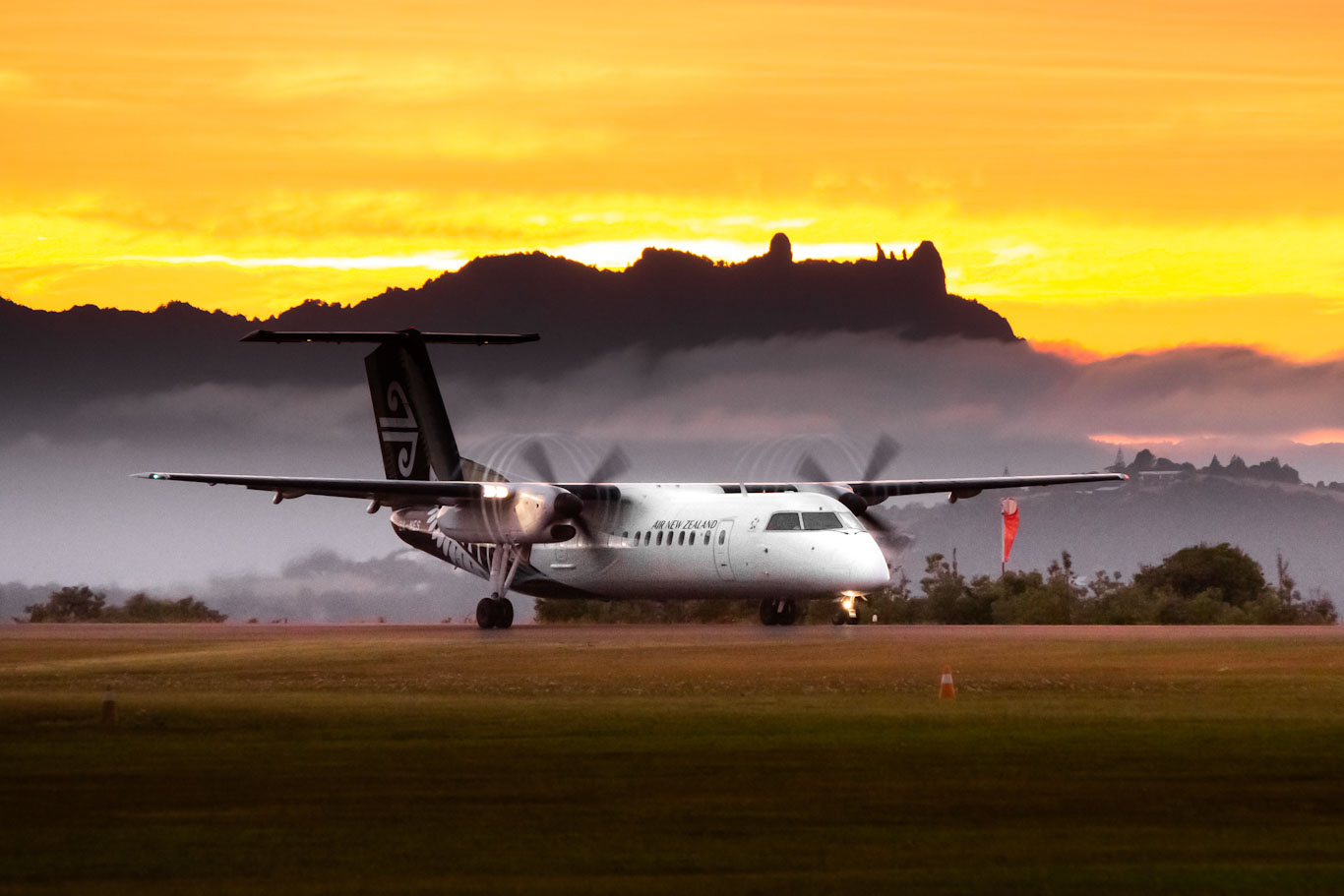

  • Air New Zealands Thrilling Reconnection: Direct Singapore-Christchurch Flights Launching this October

    Air New Zealands Thrilling Reconnection: Direct Singapore-Christchurch Flights Launching this October

    Air New Zealand is set to inaugurate a regular direct service connecting Singapore to Christchurch in New Zealand’s South Island from October 28. The airline has already started selling tickets for this service, which will operate thrice weekly. During the northern winter season, the airline anticipates that it will provide over 34,000 seats on this route, according to a statement released by the airline on Wednesday.

    The approximate flight time for this route is 10 hours, and it will be serviced by the airline’s refurbished Boeing 787 Dreamliner aircraft.

    Expansion of Services

    Air New Zealand indicated that the addition of this new route is a complementary extension to its existing Auckland-Singapore service. It also forms part of the airline’s overarching plan to increase capacity during the peak season, details of which will be revealed in late May.

    Additionally, the airline will introduce new services connecting Christchurch with Narita (Tokyo) and Perth (Australia) by the end of November.

    According to Air New Zealand CEO, Nikhil Ravishankar, the addition of these three new routes is a strategic move designed to directly re-link Christchurch with major global hubs in Asia, bolster connections with Australia, and revolutionize how the South Island connects with the rest of the world. This will effectively alter the arrival points for visitors and consequently, how they traverse the country.

    In the past, Air New Zealand has operated flights from Christchurch to Singapore in 2020, to Perth in 2019 and to Narita in 2015. Besides Air New Zealand, Singapore Airlines also offers direct flights between Singapore and Auckland.

    Questions & Answers

    When will Air New Zealand’s direct service from Singapore to Christchurch commence?
    The service will begin on October 28.

    What type of aircraft will be used for this service?
    The flights will be operated using the airline’s retrofitted Boeing 787 Dreamliner aircraft.

    What other new routes does Air New Zealand plan to introduce?
    New services connecting Christchurch with Narita (Tokyo) and Perth (Australia) will be introduced by the end of November.

  • Meta Kickstarts Global Layoff of 8,000 Employees: The Dawn of AI Transformation Begins with 4 AM Emails in Singapore

    Meta Kickstarts Global Layoff of 8,000 Employees: The Dawn of AI Transformation Begins with 4 AM Emails in Singapore

    Meta, the global tech powerhouse, has initiated an extensive downsizing initiative, beginning with an announcement to its Singaporean employees. The company plans a 10% reduction of its workforce across the globe, also affecting team members in the US and the UK. As the process unfolds, employees have been advised to work remotely.

    This current layoff phase is projected to have a significant impact on Meta’s product and engineering teams. Insiders suggest that additional cuts could follow later in 2026. However, this information has not yet been made public.

    New Focus on AI

    As part of its strategic restructuring, Meta has reassigned approximately 7,000 employees to newly-formed teams. These groups are centered around artificial intelligence (AI) initiatives, including the development of AI products and agents.

    Committed to its AI focus, Meta has earmarked over US$100 billion for AI capital expenditures in 2026. As of March’s end, Meta’s employee count stood just shy of 80,000, prior to the announced layoffs and reassignments.

    Janelle Gale, Meta’s Head of People, has explained that these changes allow for a streamlined, efficient organizational structure. Smaller, agile teams or “pods” can work at a quicker pace and with a greater sense of ownership. Gale expressed confidence that this approach would bolster productivity and elevate job satisfaction.

    A History of Layoffs and Backlash

    Over recent years, Meta has repeatedly downsized its workforce as part of continuous efficiency pursuits, championed by CEO Mark Zuckerberg. He has urged engineers to leverage AI agents for coding and other functions, proposed device monitoring strategies to enhance technology, and developed his own AI-assistant for handling CEO-related tasks, such as collating employee feedback. The cumulative impact of these job cuts and reassignments is expected to affect approximately 20% of the company’s workforce.

    However, this drastic change has not been quietly accepted by all. Many Meta employees have expressed their dissent, distributing protest flyers at company offices and posting criticisms on its internal communications platform, Workplace. A petition against the proposed installation of mouse-tracking software — designed to train Meta’s AI models by monitoring human-computer interaction — has already garnered over 1,000 signatures.

    The wider tech industry is also wrestling with the implications of AI advancement. Rising stock prices and the burgeoning valuation of AI startups contrast starkly with the increasing job cuts. In 2026 alone, nearly 110,000 job positions have been eliminated across 137 tech companies, trending towards a repeat of the 2023 peak. That year, over 260,000 workers were laid off in the wake of the Covid-19 pandemic’s hiring surge.

    Questions & Answers

    Why is Meta initiating these layoffs?
    Meta is restructuring to focus on AI initiatives and streamline its structure, aiming for greater efficiency and productivity.

    What roles are affected by these layoffs?
    The layoffs are expected to significantly impact Meta’s engineering and product teams.

    How has the downsizing been received by the company’s employees?
    There has been considerable backlash among Meta employees, with protests and a petition against the proposed use of mouse-tracking software to train AI models.

  • Vietjet and Bamboo Airways Hike Checked Baggage Fees Prior to Peak Summer Travel Rush

    Vietjet and Bamboo Airways Hike Checked Baggage Fees Prior to Peak Summer Travel Rush

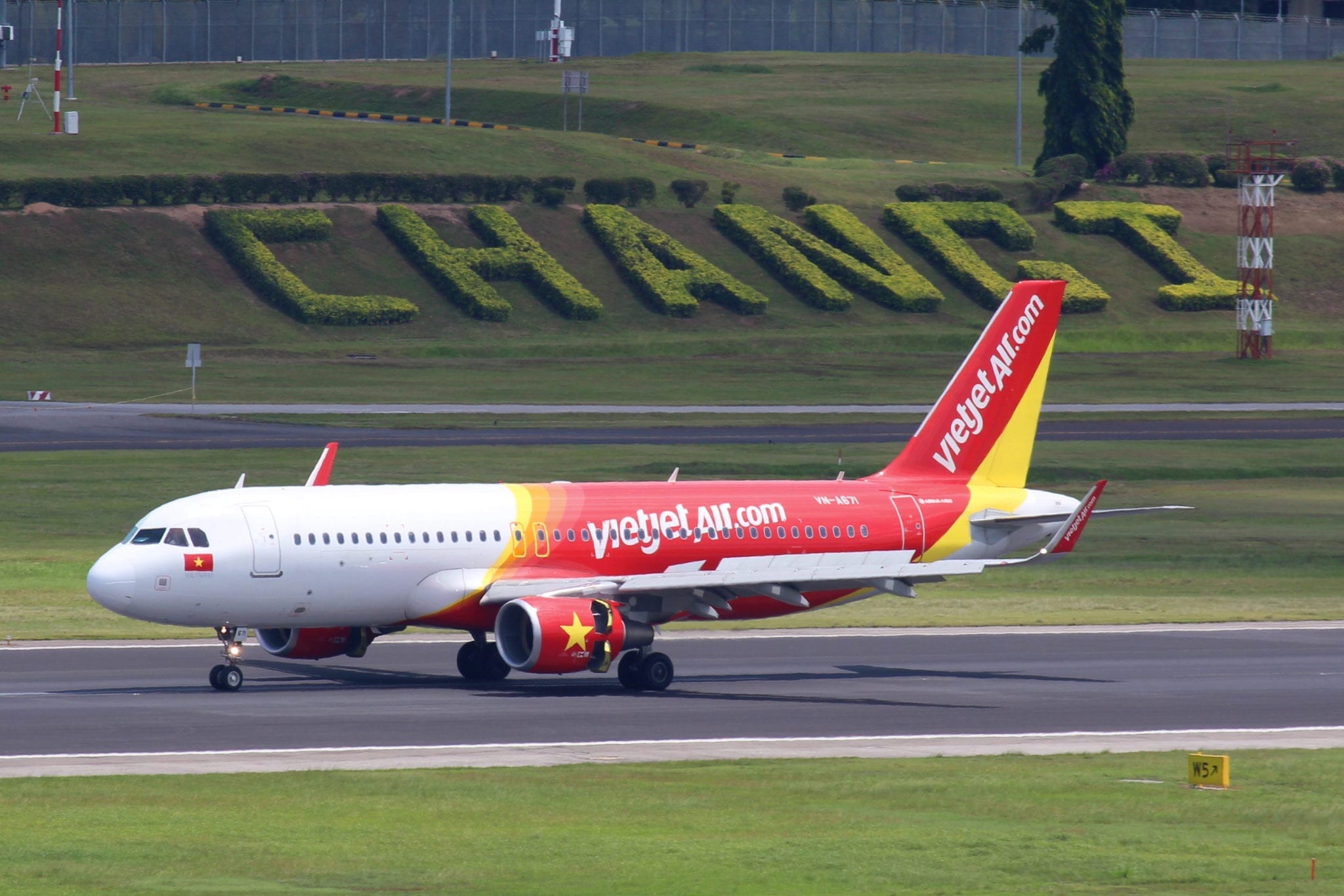
    Vietjet Air and Bamboo Airways, two leading airline companies, have recently increased their rates for checked luggage by 15-25%. This price surge has come into effect just before the beginning of the high-demand summer travel season.

    Revised Baggage Prices

    According to a recently released pricing schedule, checking in 20 kg on Vietjet’s domestic flights has become 25% more expensive, now costing VND250,000 (equivalent to US$9.5) plus tax. For 30 and 40 kg luggage, the prices have risen by 20%, costing VND360,000 and VND480,000 respectively. Furthermore, the pricing for oversized bags and extra carry-on allowance has also seen an increase of approximately 20%.

    The price adjustments also apply to various international routes. For instance, the price for checked baggage weighing 20 kg on Southeast Asia flights has increased by 21%, amounting to VND580,000. Meanwhile, on flights to Hong Kong, Taiwan, and mainland China, the rate has similarly increased to VND700,000.

    Bamboo Airways has also implemented an approximate 15% increase on their domestic flights during peak seasons such as Tet (the Lunar New Year) and summer. The summer fees are set to be applicable from May 20 to August 15 as well as from August 27 to September 2.

    Implications of Rising Costs

    A flight booking agency in Ho Chi Minh City noted that several airlines have been increasing fares and other prices, such as checked baggage, seat selection, and in-flight meals, in response to the escalating fuel costs. It has been observed that customers, who previously focused solely on ticket prices, are now showing heightened awareness of baggage fees when planning their travel expenses, particularly families and long-term travelers who may end up adding millions of dong to each trip due to these charges.

    According to a report by the Civil Aviation Authority of Vietnam, the prices of Jet A1 aviation fuel have consistently remained high in Asia, occasionally reaching US$214-216, as a result of Middle East tensions. This fluctuation in fuel prices has significantly impacted airlines’ operating costs and airfares in recent years.

    Questions & Answers

    What is the percentage increase in Vietjet Air and Bamboo Airways’ checked baggage prices?
    Answer: Their checked baggage prices have increased by 15-25%.

    How is the increase in baggage prices affecting customers’ travel planning?
    Answer: Customers are now more conscious of baggage fees when planning their travel expenses.

    What has contributed to the increasing operating costs for airlines in recent years?
    Answer: Fluctuating fuel prices, particularly of Jet A1 aviation fuel, have significantly impacted airlines’ operating costs and airfares in recent years.

  • Miniso Introduces Global IP Strategy with Revolutionary Art Gallery in Shanghai

    Miniso Introduces Global IP Strategy with Revolutionary Art Gallery in Shanghai

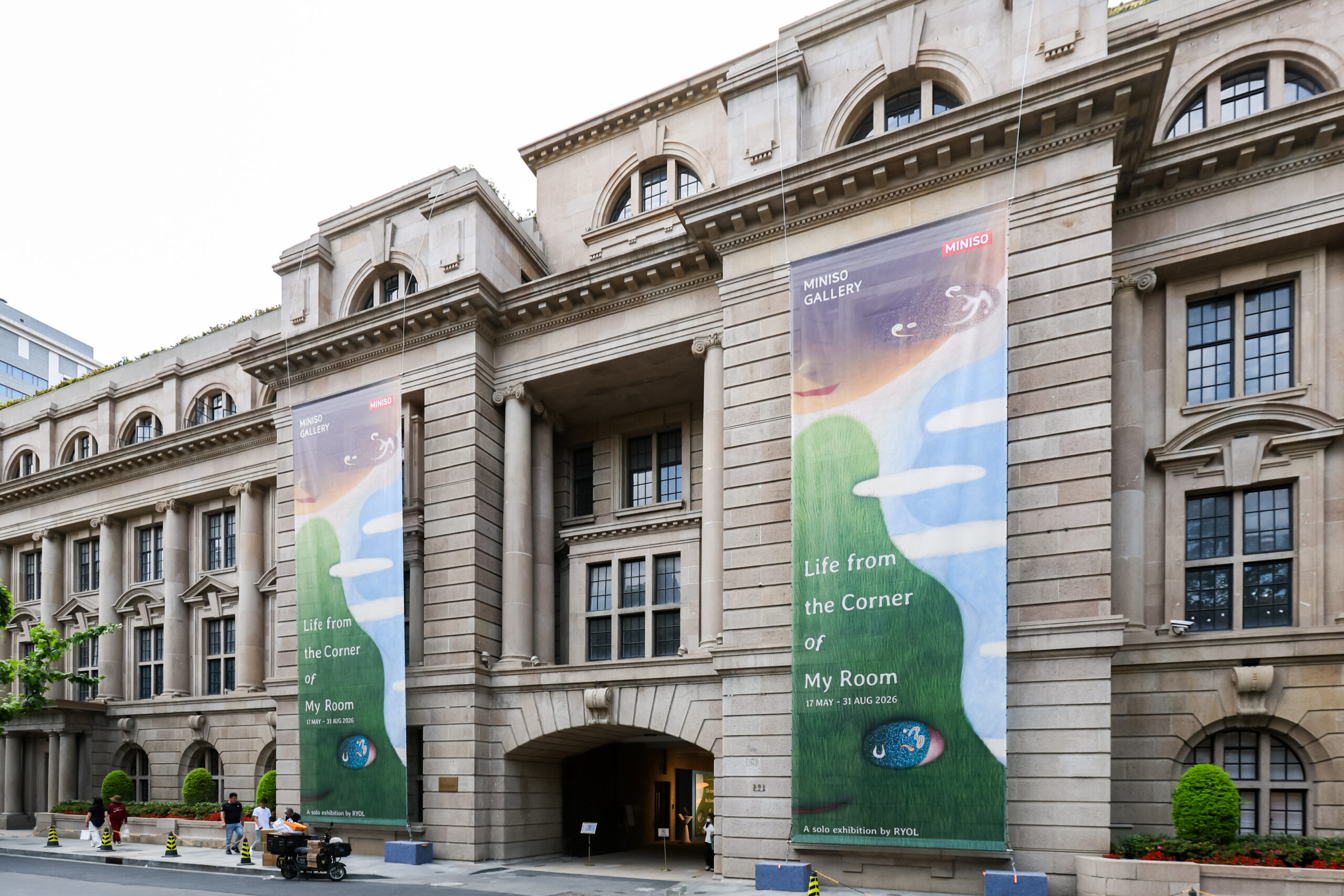
    Miniso, the prominent variety retailer, is intensifying its global Intellectual Property (IP) efforts with the inauguration of the first-ever Miniso Gallery in Shanghai.

    The new gallery, located in the Bund City Hall Plaza, is primarily designed as a specialized exhibition space and a platform for collaboration. It will feature the works of global artists and IP-centric creative projects. This innovative initiative redefines the role of the gallery from being a mere exhibition space to a hub promoting international artistic collaborations.

    The gallery’s inaugural exhibition showcased the work of Indonesian contemporary artist Ryo Laksamana, also known by the pseudonym Ryol. Ryol has the distinction of being Miniso’s first global exclusive artist.

    The strategic location of the gallery in Shanghai furthers the establishment’s retail experience ecosystem. The gallery is within a short stroll from Miniso Land, the company’s flagship concept. This positioning further amplifies the breadth and depth of Miniso’s commitment to delivering a wholesome and enriching customer experience.

    Miniso’s founder and CEO, Ye Guofu, emphasized the gallery’s role as more than just an exhibition space. Guofu highlighted the gallery’s mission of providing burgeoning artists with a platform to reach global audiences. He stated, “Drawing from our knowledge and experience in introducing global IP to consumers, our goal is to form connections between creators worldwide. We aim to enable more original and engaging works to be seen, appreciated, and profitably marketed.”

    Looking forward, Miniso intends to extend the reach of its gallery to more significant art centers worldwide, including Shanghai, Hong Kong, Beijing, Tokyo, Paris, and New York.

    Currently, Miniso operates over 8000 stores in 100 countries and regions. The retailer’s presence is notable in major retail hubs, underscoring its global reach and influence.

    Questions & Answers

    What is the purpose of the newly launched Miniso Gallery?
    The Miniso Gallery is designed as a dedicated exhibition space and a platform for collaboration, aiming to feature the works of global artists and IP-centric creative projects.

    Who is the first artist to be featured in the Miniso Gallery?
    The inaugural exhibition of Miniso Gallery showcased the work of Indonesian contemporary artist Ryo Laksamana, also known as Ryol, who is Miniso’s first global exclusive artist.

    What are Miniso’s expansion plans for the Miniso Gallery?
    Miniso plans to extend the reach of its gallery to more significant art centers worldwide, such as Shanghai, Hong Kong, Beijing, Tokyo, Paris, and New York.

  • SSI Group Sees Profits Plunge as Luxury Spending Goes Out of Style in the Philippines

    SSI Group Sees Profits Plunge as Luxury Spending Goes Out of Style in the Philippines

    In the first quarter of 2021, SSI Group, a leading luxury retailer in the Philippines, witnessed a significant drop in profits. The company reported a decrease of 58.5 per cent in net income to US$2.4 million (PHP$152.9 million), even though revenue increased by 11.4 per cent to $123.8 million. This decline in earnings is attributed to consumers prioritizing essentials over luxury goods.

    Financial Performance and Consumer Behavior

    A more promotional business environment impacted SSI’s profitability, shrinking the merchandise gross margin from 44.6 per cent the previous year to 42.6 per cent. The main reason for this change is the growing price sensitivity among consumers due to inflation and escalating living costs. Operating expenses also increased by 15.8 per cent to $48.3 million, due to inflationary pressures and store network expansion, which led to a decrease in EBITDA by 18.4 per cent to $12.3 million.

    During this same period, consumer demand was primarily focused on the essential and lifestyle categories with a 48.5 per cent sales increase in SSI’s ‘others’ segment, which includes personal care, food, and home products. Footwear, accessories, and luggage also experienced a 32.7 per cent increase in sales. However, the group’s core luxury and bridge segment witnessed a 1.7 per cent drop in sales, indicating decreased spending on premium discretionary items.

    Online Sales and Store Operations

    E-commerce sales reached $9.1 million, making up 7.4 per cent of total revenue, while rental income from its Central Square property saw an 8.1 per cent increase to $387,270.

    SSI Group also made adjustments to its physical stores. The company closed 14 underperforming stores permanently, opened five new locations, and renovated 12 stores during the quarter. At the end of the quarter, SSI Group operated 631 stores nationwide.

    SSI Group’s portfolio includes a broad range of brands, from luxury labels like Hermès, Cartier, and Salvatore Ferragamo to fashion and lifestyle brands such as Zara, Bershka, Stradivarius, Pull&Bear, Gap, Old Navy, Lacoste, and Muji. The retailer also offers beauty brands like Mac, Lush, and Beauty Bar; home retailers like Pottery Barn and West Elm; and dining concepts like Shake Shack, SaladStop!, and Venchi.

    In February, the retailer announced the termination of its franchise agreement with Marks & Spencer, which had been in operation since 1980.

    Questions & Answers

    What contributed to the decline in SSI Group’s profits for the first quarter of 2021?
    Consumers shifting their priorities from luxury goods to essentials, coupled with inflation and increased living costs, resulted in the decline of SSI Group’s profits.

    How has SSI responded to this change in consumer behavior?
    In response to changing consumer behavior, the group has focused on promoting essential and lifestyle categories more. It has also optimized its physical store network by closing underperforming stores and opening new ones.

    What is the future of SSI’s relationship with Marks & Spencer?
    SSI Group has decided to end its franchise agreement with Marks & Spencer, which had been operational since 1980. The future of this relationship is not clear at this point.

  • NAORA Launches the World’s First Private Expedition Membership: A New Way of Living at Sea

    NAORA Launches the World’s First Private Expedition Membership: A New Way of Living at Sea

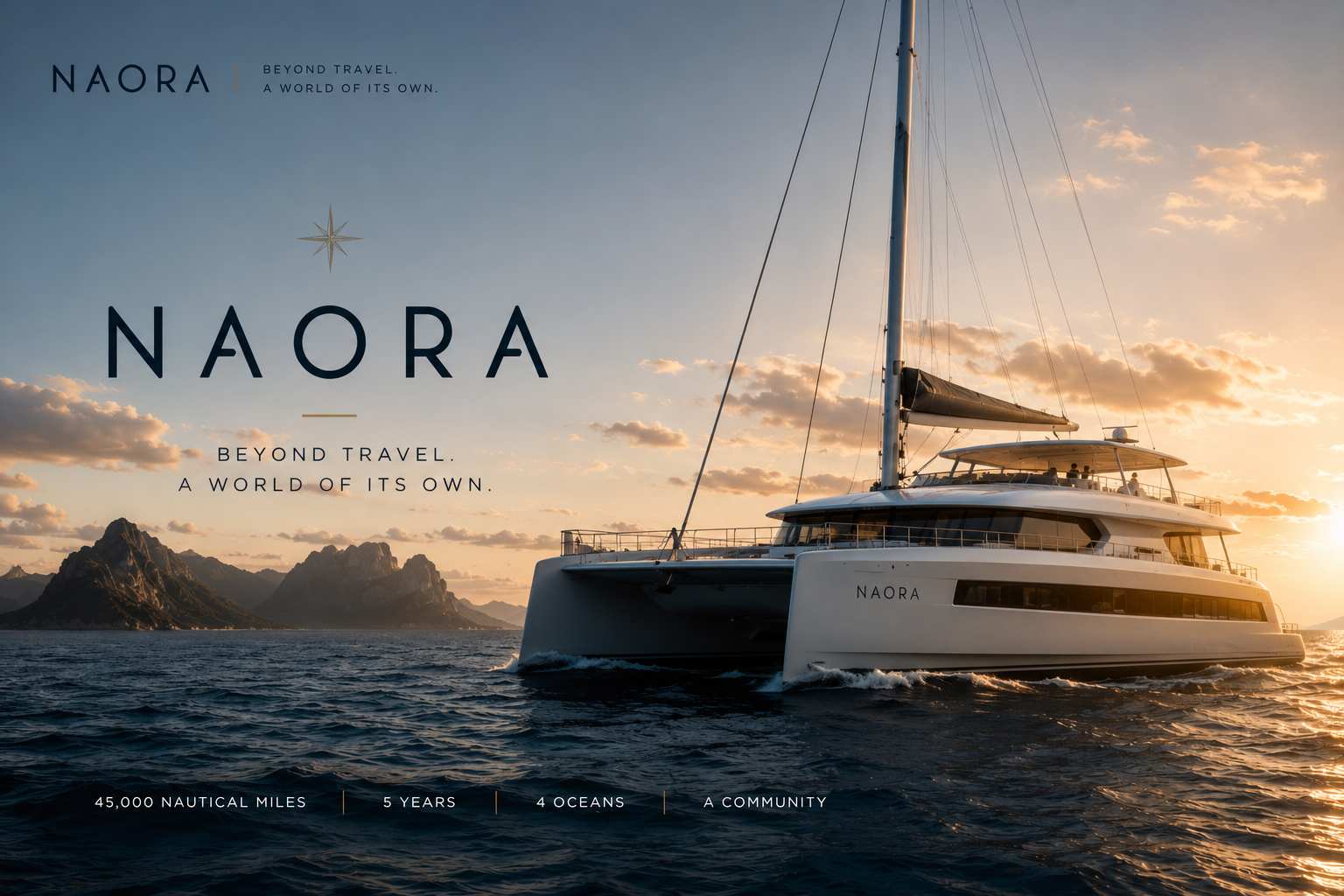
    NAORA, a new membership-based sailing concept founded by a team of four Belgian explorers, today announced the official launch of its private expedition membership — a continuously moving global journey that allows members to join and leave the vessel at their own pace, across 183+ destinations over a five-year route.

    Unlike traditional cruises, charters, or yacht ownership, NAORA introduces an entirely new category of living: a curated, invitation-only ecosystem at sea, built for a new class of modern explorers who value depth, continuity, and belonging over one-off experiences.

    Not a trip. Not a booking. A membership.

    NAORA members don’t book a holiday. They join a world. Aboard the Fountaine Pajot Thira 80 — an 80-foot luxury catamaran — members can step on in the Mediterranean, disembark when life calls, and rejoin months later in the Caribbean, exactly where they left off. No expiry dates. No starting from zero.

    Membership is structured in tiers — Coastal, Offshore, and Navigator — offering between one week and up to 90 days per year aboard the vessel, with a one-time entry fee starting from €3,000 and annual fees ranging from €9,000 to €59,000 depending on access level.

    Built from 25+ years at sea

    NAORA was founded by Sven, a commercially licensed Master Mariner with 25+ years of offshore sailing experience, alongside three co-founders with deep roots in international business, adventure, and community building. The concept grew not from a business plan, but from decades of real expeditions across the Mediterranean, the North Sea, and the Caribbean.

    “I didn’t build NAORA because I saw a market opportunity. I built it because I knew this world existed and no one had made it accessible. — Sven, Founder & Captain”

    A global route designed around seasons, not tourism calendars

    The NAORA route covers 45,000+ nautical miles across 183+ destinations over five years, following trade winds and peak seasons rather than tourist schedules. Each leg is optimised for conditions, culture, and natural beauty — from remote Azorean bays to the outer reefs of the Maldives and the South Pacific.

    Membership intake is strictly limited. Every applicant passes through a personal selection process to ensure genuine alignment with the NAORA community — a circle of founders, investors, artists, athletes, and nomadic professionals who value depth over display.

    For more information or to request a private conversation, visit www.naora.world.

  • Cambodia Adjusts 2026 Growth Forecast Down to 4.2% Amid Global Crises and Climate Change Impacts

    Cambodia Adjusts 2026 Growth Forecast Down to 4.2% Amid Global Crises and Climate Change Impacts

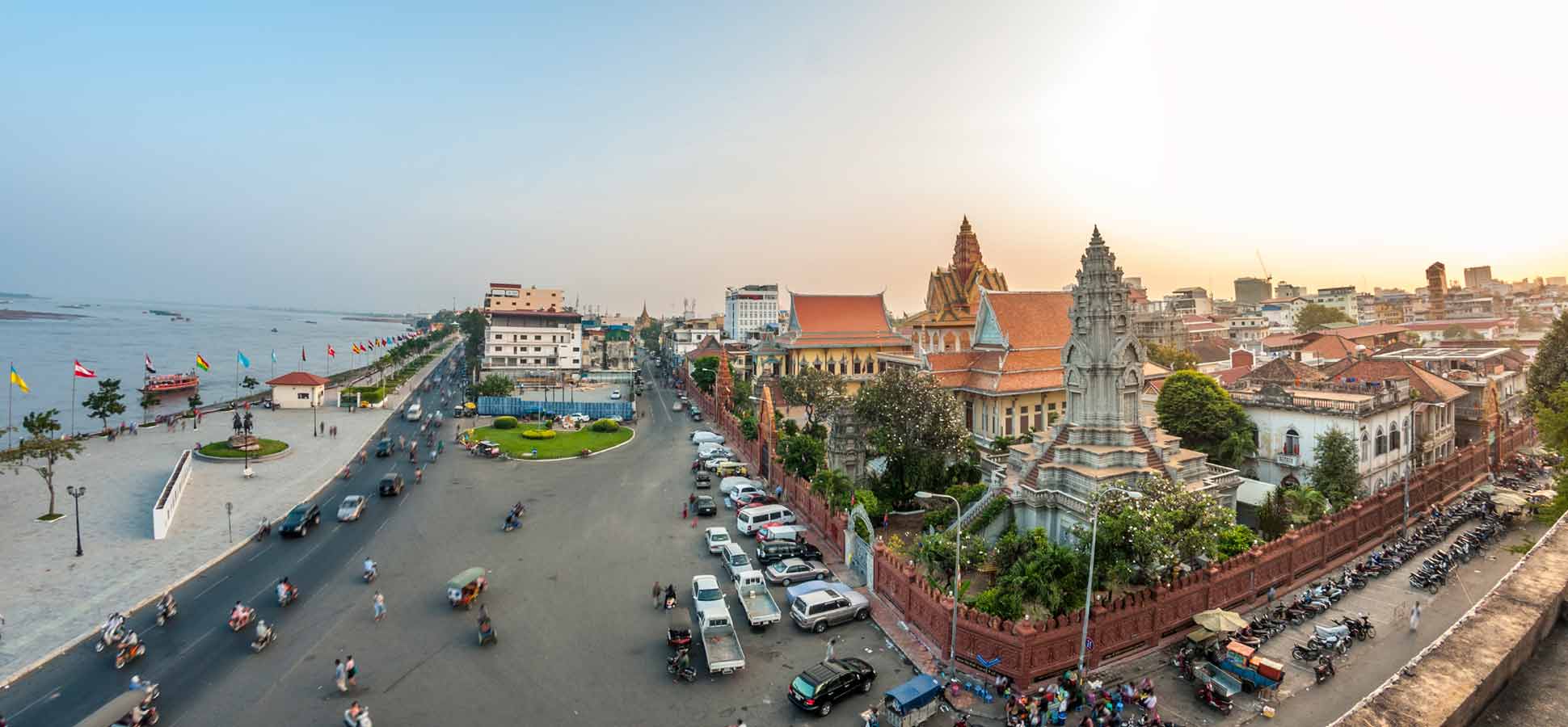
    The Cambodian Government has revised its economic growth expectation for 2026, dropping it from an earlier prediction of 5% to a more conservative 4.2%. Prime Minister Hun Manet, in the recently published medium-term fiscal framework for 2027-2029, cited a number of global crises as the reasons for this adjustment.

    Challenging Global Crises

    The Prime Minister indicated that Cambodia is undergoing a transition in the midst of prolonged global difficulties. This includes the rise in protectionism, trade conflicts, geopolitical and geoeconomic strife, and escalating impacts from climate change and natural disasters.

    The report also highlighted three consecutive storms that struck Cambodia in the past two years, causing significant damage. Additional challenges noted include the reciprocal tariff policies rolled out during former US President Donald Trump’s tenure, the ongoing border dispute between Cambodia and Thailand, and the turmoil in the Middle East which has led to an energy crisis.

    Future Economic Forecast

    Amid these struggles, the growth forecast for 2027 has also been decreased from 5.5% to 5%, as the economic drag from 2026 is anticipated to carry over into the following year. However, the government remains optimistic that growth will bounce back to an average of approximately 5.5% between 2028 and 2029. This projection is based on the expectation that socio-economic activities will gradually recover to pre-crisis levels.

    Questions & Answers

    **What is Cambodia’s revised economic growth forecast for 2026?**
    The Cambodian Government has reduced its economic growth forecast for 2026 to 4.2%, down from an initial projection of 5%.

    **What are some of the global crises affecting Cambodia’s economy?**
    Cambodia’s economy is being impacted by a series of global crises, including escalating protectionism, trade wars, geopolitical and geoeconomic tensions, and the increasing effects of climate change and natural disasters.

    **What is the anticipated economic growth for Cambodia beyond 2026?**
    Despite lower forecasts for 2026 and 2027, the Cambodian Government expects that economic growth will rebound to an average of around 5.5% from 2028 to 2029 as socio-economic activities gradually return to pre-crisis conditions.

  • Singapore and Thailand Rank High on Worlds Happiest Economies Index

    Singapore and Thailand Rank High on Worlds Happiest Economies Index

    Singapore and Thailand have been identified as two of the world’s “happiest” economies according to the annual Misery Index by Steve Hanke, a Johns Hopkins University economist. Singapore took the second spot globally, just behind Taiwan, achieving a Misery Index score of 2.6. This index gauges the economic conditions experienced by the average citizen. A lower score suggests stable employment, controlled prices, affordable credit, and rising incomes.

    Singapore’s high ranking is attributed to a robust labor market characterized by a mere 2.0% unemployment rate, a 1.2% inflation rate, and a real GDP per capita growth of 4.3%. Thailand followed closely in third place, with a score of 3.1, buoyed by low inflation and steady employment. Consumer prices dropped by 0.3%, unemployment was at 0.8%, and the real GDP per capita rose by 2.5%.

    Hanke noted that Singapore and Thailand’s stable inflation and reasonably low borrowing costs resulted from prudent management of their money supply. In spite of Thailand’s moderate GDP growth, the falling consumer prices and minimal unemployment imply that the Thai citizens are not experiencing a sluggish economy in their daily lives.

    Southeast Asia’s Economic Health

    Other Southeast Asian economies also surpassed larger competitors, with Malaysia, Cambodia, and Vietnam ranking in the bottom quintile of the index. The Philippines, Laos, and Indonesia also had commendable performances. However, Myanmar, currently experiencing conflict, was the exception, ranking 14th.

    Steve Hanke, who had previously acted as the chief economic advisor to the president of Indonesia, described Southeast Asia as “one of the healthiest economic regions globally.” Nevertheless, he observed that high unemployment and increased bank-lending rates negatively impacted the Philippines’ economic outlook.

    Overall, Hanke attributed the region’s economic resilience to pragmatic central banking, generally open trade regimes, and high savings rates funneled into productive investments. He highlighted the Philippine economy’s rapid growth in recent years, particularly before the pandemic, attributing this to its dynamic monetary policies and financial stability.

    However, he cautioned that disruptive events like the Gulf conflict could lead to inflationary pressures, with countries heavily reliant on energy imports from the Middle East, such as Thailand and the Philippines, being the most vulnerable.

    The Misery Index is calculated using four factors: unemployment, inflation, bank-lending rates (which are added together), and the growth rate of the real gross domestic product (which is subtracted). A total of 178 economies were evaluated, with Venezuela being identified as the most miserable, scoring 556.5 due to the world’s highest inflation rate of 475% and a 35% unemployment rate.

    In contrast, Taiwan emerged as the happiest economy with a score of 2.1 – an achievement driven by a high global demand for semiconductors and artificial intelligence hardware, leading to a 9.2% increase in real GDP growth per capita, while keeping unemployment, inflation, and bank-lending rates low.

    Questions & Answers

    What is the annual Misery Index?
    The annual Misery Index is a measure developed by Steve Hanke, an economist at Johns Hopkins University, to gauge the economic conditions experienced by the average citizen. It factors in elements like stable employment, controlled prices, affordable credit, and rising incomes.

    Which economies ranked as the “happiest” according to the Misery Index?
    Taiwan ranked as the “happiest” economy, followed by Singapore and Thailand in second and third place respectively.

    What factors could potentially impact the economic outlook of Southeast Asian countries?
    Events like the Gulf conflict, which could lead to inflationary pressures, could impact the economic outlook. Countries heavily reliant on energy imports from the Middle East, like Thailand and the Philippines, are considered the most vulnerable.

  • Pop Mart Warns of Shrinking Margins Amid Rising Production Costs and Market Uncertainties

    Pop Mart Warns of Shrinking Margins Amid Rising Production Costs and Market Uncertainties

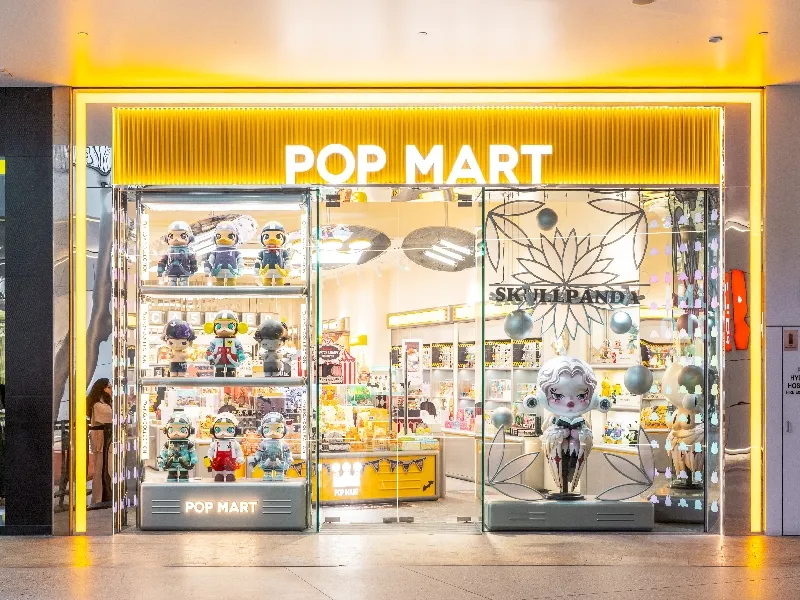
    Pop Mart, a Beijing-based producer of ‘blind box’ collectible toys, recently announced that their imminent profit margins are expected to be impacted by escalating production costs. The increase in production costs is the result of surging raw material prices, which have been significantly influenced by the unforeseen energy price fluctuations due to circumstances in Iran.

    Despite the global popularity of their viral Labubu toys beginning to stabilize, Pop Mart has begun implementing standardization processes across its international retail and operations. The company is also establishing itself in the entertainment and culture sectors, with a Labubu film project underway and an extension to their Beijing theme park, Pop Land, that opened in the previous month.

    Performance in the Stock Market

    On Wednesday afternoon, Pop Mart’s shares declined by approximately 2%, settling at HK$159.50. In spite of this, the toy company announced an impressive 75% to 80% surge in revenue for the first quarter on Tuesday after the market closed. This substantial increase in revenue surpassed the growth projections for China, even though international growth experienced a slow-down.

    The company also acknowledged the potential impact of rising fuel prices on the gross profit of their international business. Furthermore, it was reported that earnings from regions with higher profit margins have also seen a decline.

    Challenges and Opportunities

    Pop Mart is currently tackling concerns in the market about the durability of its principal intellectual properties. Despite these concerns, recent collaborations, including the highly demanded Labubu x FIFA World Cup 2026 series, have performed exceptionally well. However, market experts have observed a decline in interest in the secondary market for some of their new releases.

    Questions & Answers

    What potential challenges is Pop Mart currently facing?
    Pop Mart is dealing with higher production costs caused by rising raw material prices, along with concerns about the longevity of its core intellectual properties.

    What strategic steps is Pop Mart taking to expand its brand?
    Pop Mart is working on standardizing its global retail and operations. Additionally, the company is venturing into the entertainment and culture sectors, with a movie project and theme park extensions in the pipeline.

    How has Pop Mart’s recent performance in the stock market been?
    Although shares declined by about 2% on Wednesday afternoon, the company reported a robust increase in first-quarter revenue, outperforming growth expectations in China.

  • Don Don Donki to Bid Farewell to HarbourFront Centre Location amid Singapore Malls Redevelopment Plan

    Don Don Donki to Bid Farewell to HarbourFront Centre Location amid Singapore Malls Redevelopment Plan

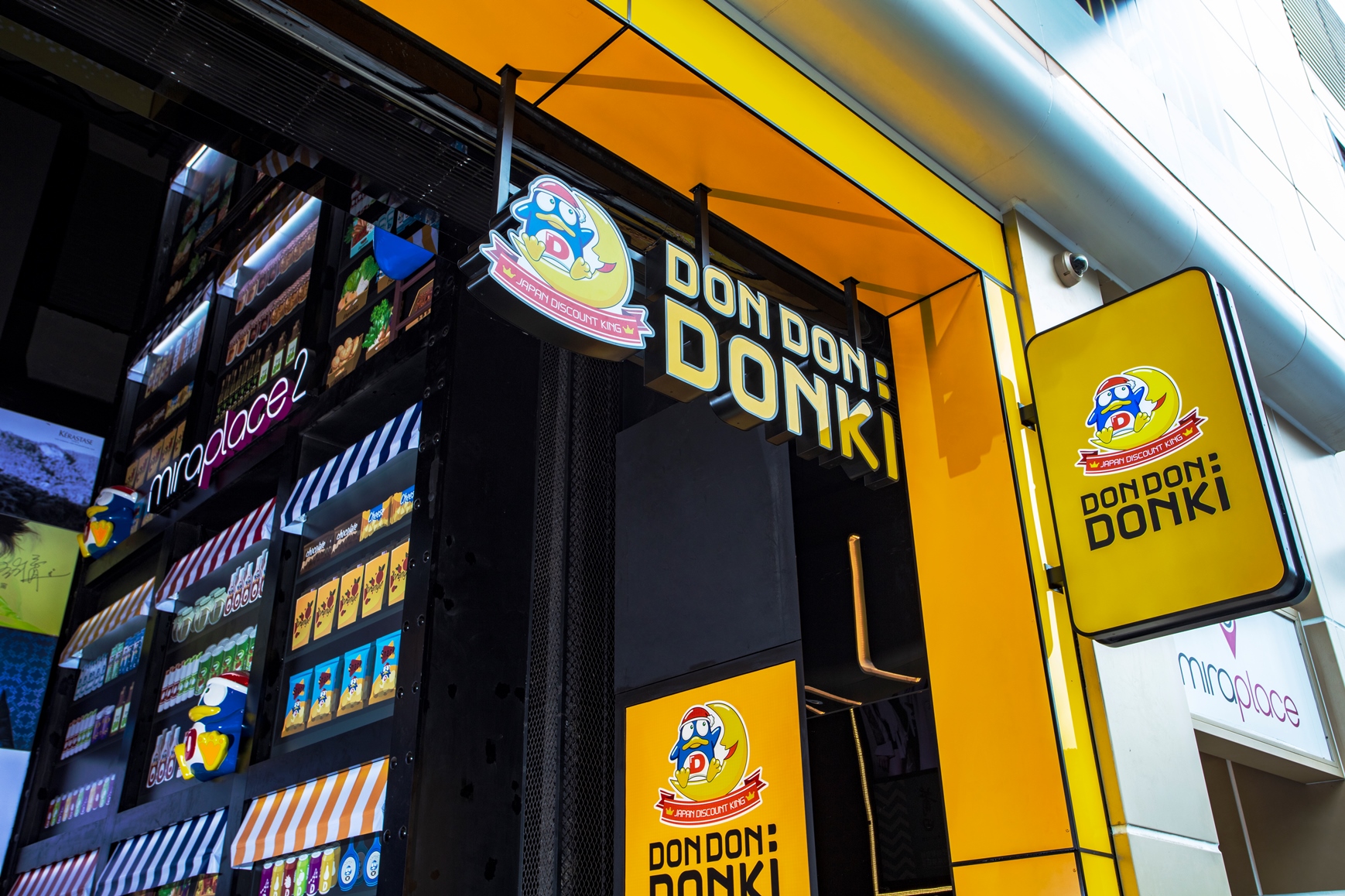
    The Japanese retail giant, Don Don Donki, has disclosed plans to close its outlet at HarbourFront Centre in Singapore this July. Shoppers will be in for a treat as select items will be sold at clearance discounts, some with up to 70% off.

    The store, popular amongst commuters, visitors venturing to Sentosa, and late-night shoppers eager for sushi, bentos, and Japanese snacks, is due to shut its doors for the last time on July 19. The imminent closure aligns with the anticipated redevelopment of the mall. The outlet is strategically located on the third floor of the mall, just above the bustling cruise center.

    A Transformation for HarbourFront Centre

    HarbourFront Centre has a storied past and is on the brink of another major transformation. Initially opened in 1978 as the World Trade Centre, the centre underwent renovations and was relaunched as HarbourFront Centre in 2003. The current redevelopment plans aim to transform the centre into a 33-storey mixed-use development, integrating retail and office spaces along with an elevated waterfront park.

    The redevelopment project ties into the larger Greater Southern Waterfront initiative, a visionary plan to revolutionize Singapore’s southern coastline into a lifestyle and recreational hub.

    Business as Usual for Other Outlets

    Despite the closure, Don Don Donki continues to operate its remaining 16 outlets across Singapore. These include locations at Orchard Central, Jem, Tampines 1, Suntec City, Waterway Point, and 100 AM. The chain was first introduced to the local market at Orchard Central in December 2017. Since then, it has flourished, with one exception – the Downtown East mall outlet, which closed this March after nearly five years in operation.

    Questions & Answers

    What is the current discount available at the Don Don Donki outlet at HarbourFront Centre?
    There are clearance discounts on selected items, with some discounted by up to 70%.

    What is the future plan for HarbourFront Centre?
    The centre is set to be redeveloped into a mixed-use development, comprising retail and office spaces, along with an elevated waterfront park.

    What will happen to other Don Don Donki outlets in Singapore?
    Don Don Donki’s remaining 16 outlets in Singapore, including those at Orchard Central, Jem, Tampines 1, Suntec City, Waterway Point, and 100 AM, will continue to operate as usual.

  • Thai Retail Powerhouse Siam Piwat and Huawei Transform Travel Retail with Wearable Tech Integration

    Thai Retail Powerhouse Siam Piwat and Huawei Transform Travel Retail with Wearable Tech Integration

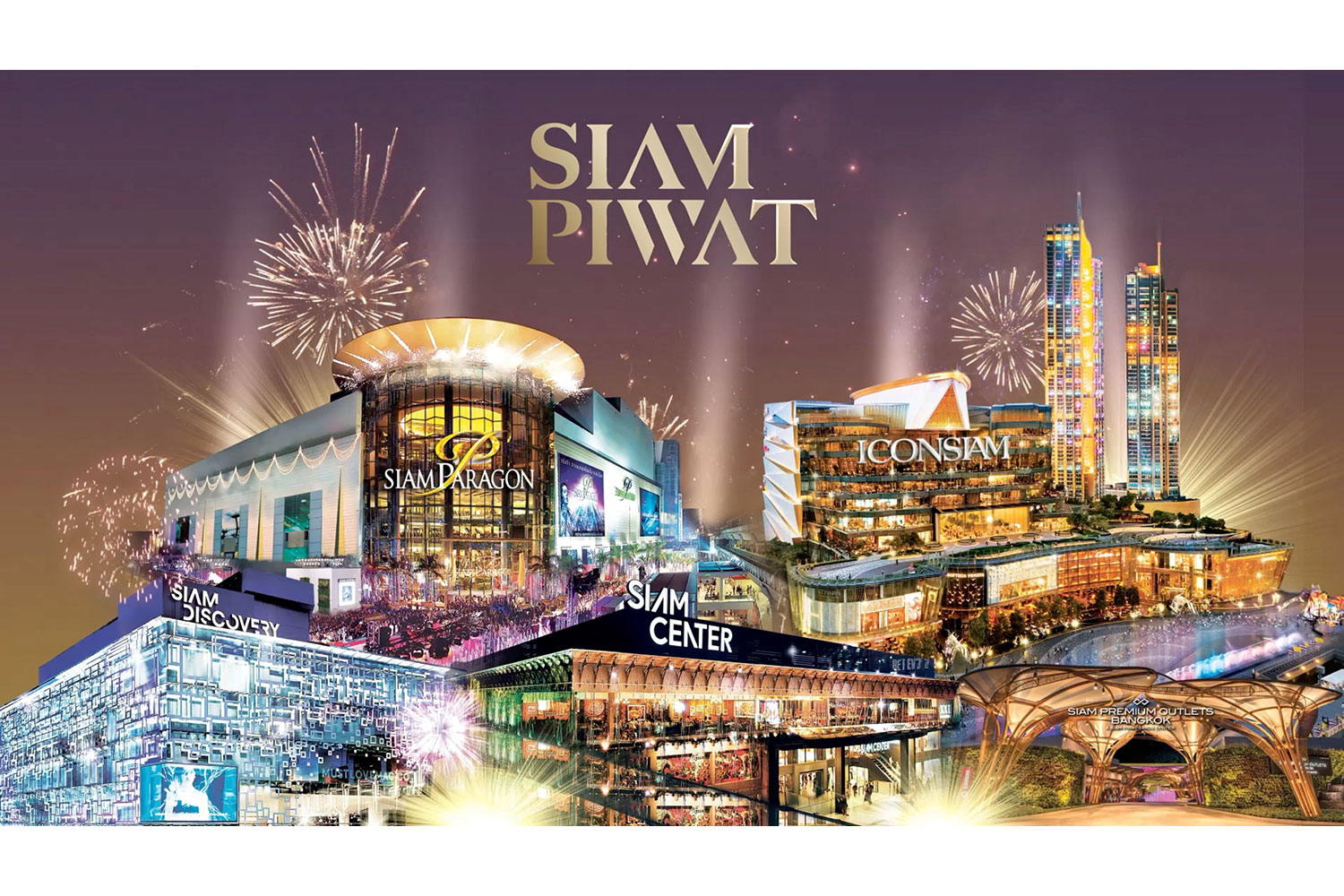
    Siam Piwat, a leading Thai real estate developer, has made a groundbreaking move in the retail sphere by becoming the first in Thailand to launch the OneSiam Global Visitor Card on Huawei Wearable devices. This strategic integration will provide access to over 200 million Huawei Wearable users across the globe.

    The primary aim of this collaboration is to attract high-value tourists from key regions such as China, Hong Kong, Japan, Malaysia, Indonesia, Vietnam, and other Southeast Asian countries. Siam Piwat, the mastermind behind renowned properties like Siam Paragon and IconSiam, anticipates that this alliance with Huawei will spur a transformation in the travel retail industry, increase the competitiveness of Thai tourism, and solidify Siam Piwat’s role as a cornerstone in designing global experiential destinations.

    A Continuous and Strategic Partnership

    This initiative is not the first collaboration between Siam Piwat and Huawei. They initially joined forces in 2020 when Siam Piwat incorporated Huawei Cloud to improve operational efficiency across retail omnichannels and enhance the OneSiam SuperApp, creating a platform that smoothly combines offline and online experiences.

    Amporn Chotiruchsakul, the president of the business support group at Siam Piwat, believes that this partnership has been instrumental in revolutionizing the retail industry and bringing value to customers, partners, and the entire ecosystem. He reiterated the importance of expanding their global partner ecosystem to accommodate the needs of modern travellers.

    Rachel Zhou, director of Huawei Consumer Cloud Service Apac, echoed these sentiments, emphasising that the strengthened partnership signifies a productive blend of world-class retail destinations and innovative technology which will create unrivalled value for Chinese travellers and international tourists visiting Thailand.

    Enhancing the Tourist Experience

    The integration of the OneSiam Global Visitor Card with Huawei Wearables offers international visitors to Siam Paragon and IconSiam the luxury of instant access to exclusive member benefits by simply raising their wrist.

    In addition, the launch of the OneSiam Global Visitor Card on Huawei Wearables will enrich the tourist experience by offering Quick Apps that are instantly usable and compatible with all operating systems, including iOS, Android, and HarmonyOS. These apps feature one-tap membership registration, e-coupons, and an in-mall navigation system—components designed to ensure a superior and personalized user experience.

    Moreover, the initiative aligns with the opening of the Huawei Experience Store flagship on the third floor of Siam Paragon in March. This flagship is the first in the Asia-Pacific region designed as a one-stop service centre for Huawei customers, amalgamating retail space, product trials, and full after-sales services in one location.

    Questions & Answers

    What is the main objective of the Siam Piwat and Huawei partnership?
    The partnership aims to attract high-value tourists from key regions, transform the travel retail industry, and reinforce Siam Piwat’s role in developing global experiential destinations.

    What benefits does the OneSiam Global Visitor Card offer to Huawei Wearable users?
    The card offers instant access to exclusive member benefits, features like one-tap membership registration, e-coupons, and an in-mall navigation system for a personalized user experience.

    What does the Huawei Experience Store flagship offer?
    The flagship, located at Siam Paragon, is designed as a one-stop service centre for Huawei customers, offering retail space, product trials, and full after-sales services.

  • Indonesias Ultra-Rich Population Soars, Poised for Fastest Global Growth

    Indonesias Ultra-Rich Population Soars, Poised for Fastest Global Growth

    In Southeast Asia, Indonesia holds the second position in terms of inhabitants who possess a net worth of US$30 million or more, according to a recent report. Projections anticipate that this figure will nearly double within the next five years. Presently, the country boasts 3,833 ultra-high net worth individuals, marking a 37% increase since 2021.

    Global Wealth Growth

    By the year 2031, the number of ultra-high net worth individuals in Indonesia is forecasted to spike by 82%, reaching 6,966. This growth signifies the fastest expansion rate globally. Indonesia is one of the rapidly maturing economies expected to take the lead in the global ultra-high net worth population’s growth over the subsequent five years.

    Singapore currently holds the top spot in Southeast Asia for its population of ultra-high net worth individuals, tallying at 7,171. Thailand follows in third place with 2,853, trailed by the Philippines (1,910), Malaysia (1,566) and Vietnam (1,233).

    The wider Asia-Pacific area accounts for almost 31% of the world’s ultra-high net worth population. This percentage is second only to North America, which holds 37%.

    The U.S. and China: Global Leaders

    On a worldwide scale, the U.S. and China hold the lead in terms of ultra-high net worth populations, with more than 251,300 and 121,600 individuals respectively. Moreover, the U.S. also takes the reins regarding wealth creation, constituting approximately 41% of the newly minted ultra-wealthy over the past five years.

    Questions & Answers

    Which country in Southeast Asia has the highest number of ultra-high net worth individuals?
    Singapore currently holds the highest number in Southeast Asia, with a total of 7,171 individuals.

    What is the predicted growth in the number of ultra-high net worth individuals in Indonesia by 2031?
    By 2031, the number of ultra-high net worth individuals in Indonesia is expected to surge by 82%, reaching 6,966.

    Which countries lead globally in terms of the ultra-high net worth population?
    Globally, the U.S. and China lead with more than 251,300 and 121,600 individuals, respectively.

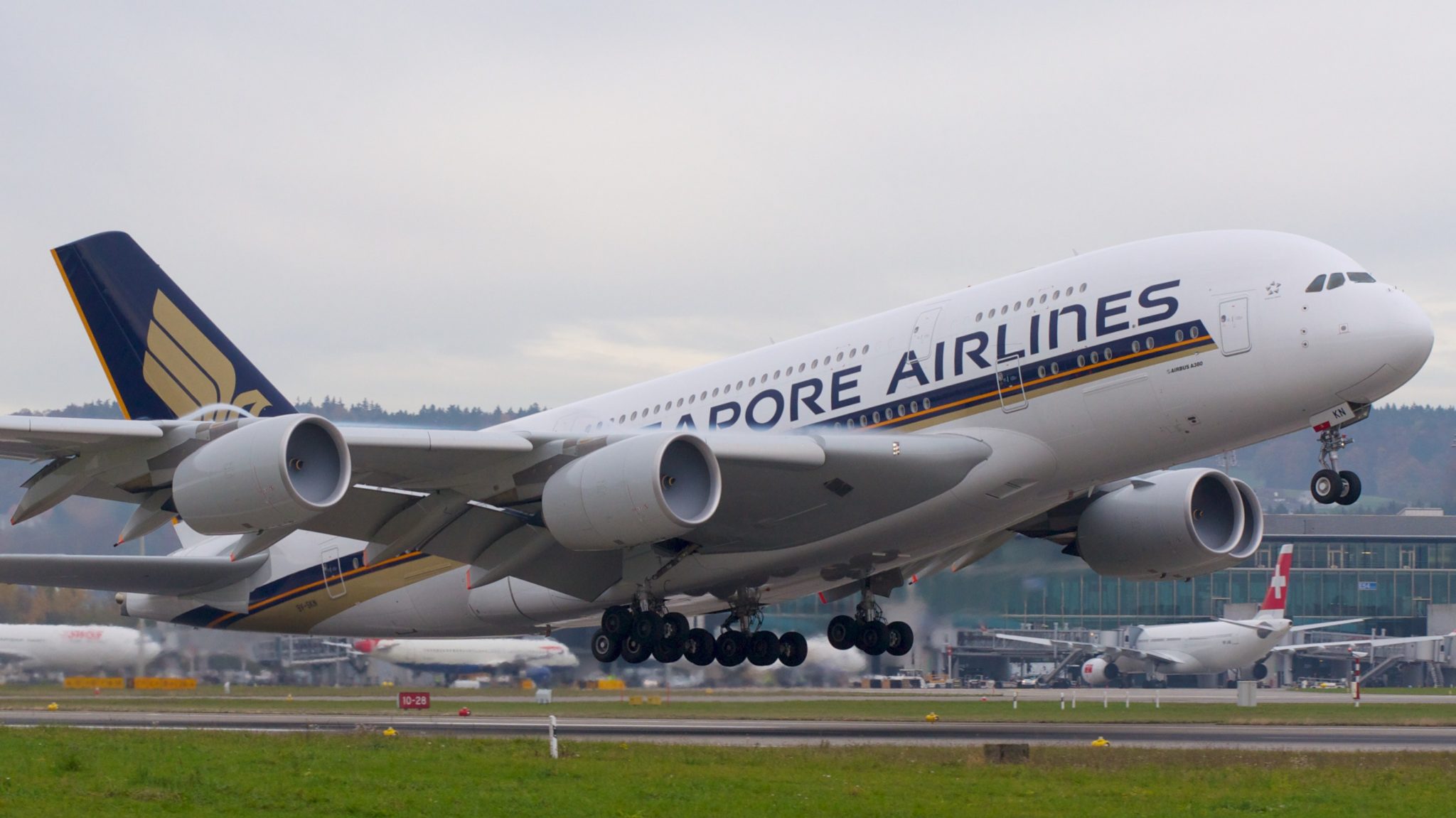
  • Singapore Airlines Postpones Next-Gen First-Class Seat Debut to 2027 Amid Industry Constraints

    Singapore Airlines Postpones Next-Gen First-Class Seat Debut to 2027 Amid Industry Constraints

    Singapore Airlines has postponed the unveiling of its upgraded first and business class cabins on Airbus A350-900 aircraft until the first quarter of 2027, retreating from the original target date in the second quarter of 2026. The adjusted timeline comes as a response to the widespread supply chain issues plaguing the aviation industry, compounded by delays in the approval of one of the new seating designs, as was communicated by a company representative on Wednesday.

    Revamping the Flying Experience

    The change in the cabins is part of a broader revamp announced by Singapore Airlines in November 2024, a move targeted at rolling out newly designed long-haul products across a fleet of 41 Airbus A350-900 long-distance and extreme long-range aircraft. The new products were declared to be an entirely new innovation, boasting spacious layouts and ergonomics designed to cater to the diverse requirements of the airline’s passengers.

    Although the airline has yet to disclose the final designs of the revamped cabin classes, a preview of the new business class product released in 2024 hinted at seats equipped with privacy doors, bearing a resemblance to the Qsuite of Qatar Airways.

    Singapore Airlines had previously broadcast an investment of SGD1.1 billion (US$863 million) in this venture, with the refurbishment work delegated to the SIA Engineering Company in Singapore.

    Operational Delays and Future Expectations

    Singapore Airlines stated on Wednesday that the refurbished A350-900 aircraft are now predicted to commence operations in the first quarter of 2027, pending regulatory approvals. The company pledged to offer an update on the introduction of the upgraded A350-900 ultra-long-range aircraft when appropriate.

    Upon completion of the renovations, the company plans to equip 34 of the A350-900 long-haul aircraft with 42 business class seats, 24 premium economy seats, and 192 economy seats. The seven A350-900ULR aircraft in the airline’s possession will be arranged with four first-class seats, 70 business class seats, and 58 premium economy seats.

    Questions & Answers

    What is the new timeline for the launch of the upgraded seats on Airbus A350-900 aircraft?
    The new launching date is set for the first quarter of 2027, a delay from the initial schedule of the second quarter of 2026.

    Why has the launch been delayed?
    The delay is due to industry-wide supply chain issues and a setback in the certification of one of the new seat designs.

    What will the new cabins look like?
    Details of the design remain undisclosed, but a teaser of the business class product showed seats with privacy doors, similar to those of Qatar Airways’ Qsuite.

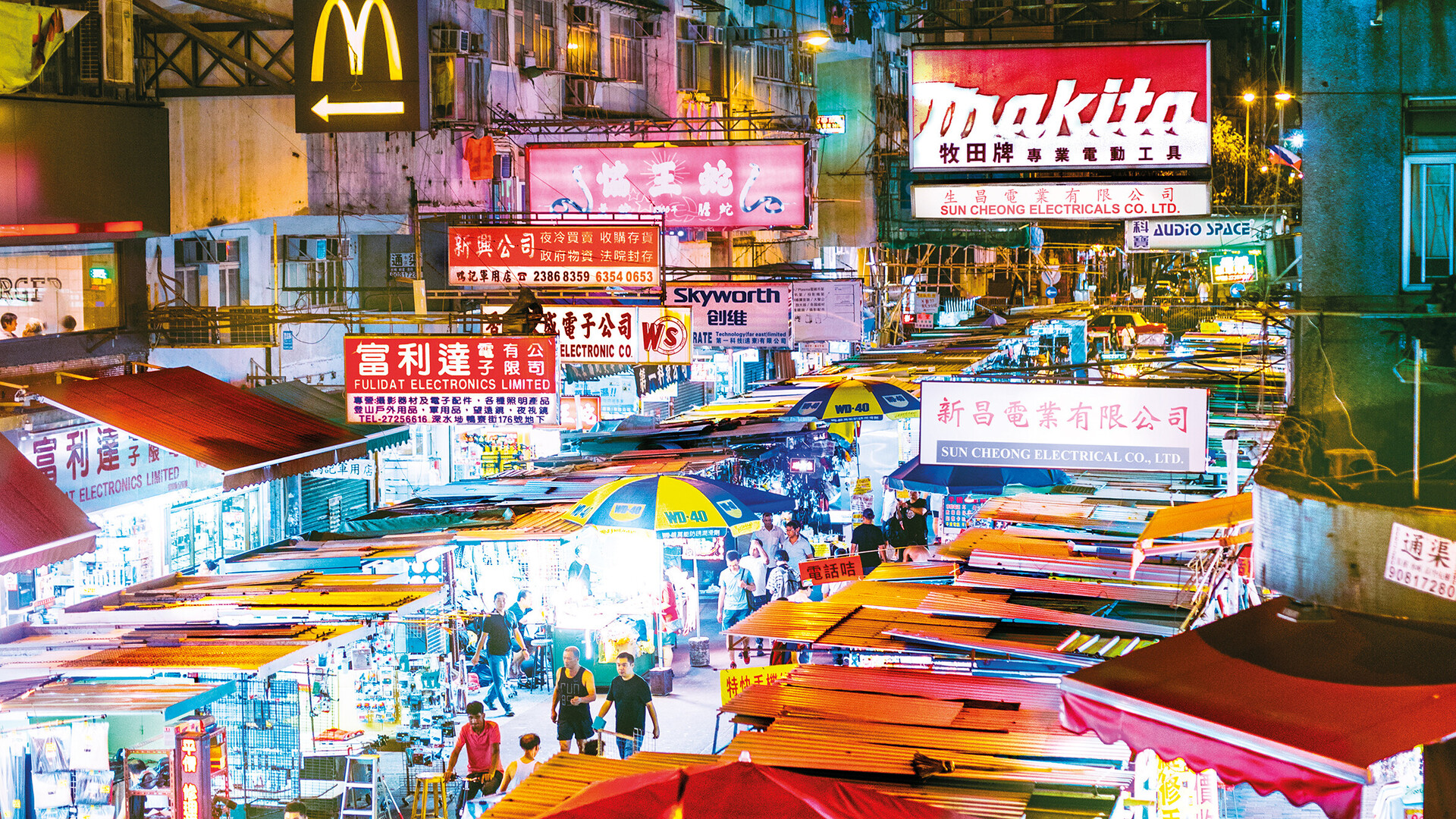
  • Hong Kong Retail Sales Soar for 11th Consecutive Month, Fueled by Local Demand and Tourism Surge

    Hong Kong Retail Sales Soar for 11th Consecutive Month, Fueled by Local Demand and Tourism Surge

    In March, Hong Kong’s retail sector saw a 12.8% increase in sales compared to the same month in the previous year. This marks the 11th consecutive month of growth, according to recent government data. Sales touched HK$33.9 billion (US$4.33 billion), demonstrating a healthy economy. In February, the year-on-year rise was recorded at 19.3%.

    Key Growth Areas

    Motor vehicle sales exhibited notable progress, with a surge in purchases just before the first registration tax concessions for electric private cars expired at the end of March.

    When it comes to sales volume, a 9.8% increase was observed in March compared to the same period last year. This is slightly less than February’s 17.5% rise.

    For the initial quarter of 2026, the total value of retail sales rose by 12.1% year-on-year, while the volume of retail sales witnessed a 9.8% increase.

    A government representative attributed the positive trajectory of retail sales to the recovery of local demand, steady growth in tourist arrivals, and a favourable macro-financial environment.

    The Hong Kong Tourism Board reported a 14% year-on-year increase in visitor arrivals in March, reaching 4.35 million. Chinese mainland visitors, who account for a significant portion of these arrivals, increased by 15.9% year-on-year to 3.19 million.

    Sector-Specific Performance

    Specific sectors such as jewellery, watches, clocks, and valuable gifts experienced a robust growth of 27.2% year-on-year in March, following a 24.2% rise in February.

    The motor vehicles and parts sector saw an impressive 80.8% year-on-year jump in March, substantial growth from the 37.3% rise seen in February.

    Meanwhile, the clothing, footwear, and related products sector saw a modest increase of 5.9% year-on-year in March, a decrease from the 14.1% rise recorded in February.

    Questions & Answers

    What was the percentage increase in Hong Kong’s retail sales in March?
    Retail sales in Hong Kong saw a 12.8% rise in March compared to the same month in the previous year.

    Which sectors saw significant growth in March?
    The motor vehicles and parts sector, as well as the jewellery, watches, clocks, and valuable gifts sector, experienced substantial growth in March.

    What factors contributed to the positive outlook for retail sales?
    The recovery of local demand, steady growth in inbound tourism, and a favourable macro-financial environment have all played a role in the optimistic outlook for retail sales.