Category: General

Retail News Asia is committed to providing both local and global retailers with the latest General Retail news throughout the Asian market. This on a daily base.

  • How Better Product Visuals Are Changing Furniture Retail in Asia

    How Better Product Visuals Are Changing Furniture Retail in Asia

    A customer in Jakarta sees a sofa on a marketplace at lunchtime, saves it, compares finishes on the brand’s website that evening, visits a showroom on the weekend to sit on it, then buys it online the following week from her phone on the commute home. Five touchpoints, two of them physical, three of them digital, spread across nine days. At every one of them, she was looking at images of the same sofa — and if those images did not agree with each other, some of her confidence leaked away at each step.

    This is the shape of furniture retail across much of Asia now, and it has quietly turned product visuals from a marketing expense into a piece of retail infrastructure.

    Furniture is hard to sell on a screen

    Most retail categories survive a weak product photo. Furniture does not. A customer buying a sofa is making a large, infrequent, difficult-to-return decision, and the questions they need answered are exactly the ones a single flattering image cannot address: How big is it, really, against a normal living room? What does the fabric actually feel like? Is that grey warm or cool? Does the modular version come apart the way I think it does? Will it fit up the stairwell of an apartment block?

    As furniture retailers expand across ecommerce, marketplaces, showrooms, and reseller networks, working with a 3d rendering company can help them create consistent product visuals before every item, finish, or room scene is physically photographed. The commercial logic is straightforward: the more of those questions the visuals answer, the fewer customers abandon the purchase out of uncertainty — and the fewer who buy, misjudge, and return, which in furniture is an expensive event for everyone.

    The showroom and the screen should tell one story

    The temptation is to treat each channel as its own project — the website team shoots one set of images, the marketplace team adapts another, the showroom runs whatever the catalogue provided, the resellers use whatever they can find. The result is a brand that looks slightly different everywhere a customer meets it.

    In an omnichannel journey, that inconsistency is felt directly, because customers now move between channels within a single purchase. The sofa on the marketplace should be visibly the same sofa, in the same finish, photographed to the same standard, as the one on the brand site and the one on the showroom screen. Retailers like IKEA have built their Asian growth partly on exactly this kind of coherence between localised store formats and a growing ecommerce presence — the channels reinforcing one another rather than competing.

    When the visuals align across touchpoints, each channel builds on the confidence the last one created. When they do not, each channel makes the customer start over.

    Large catalogs break under one-off production

    A furniture brand with forty products can photograph its way to a decent catalogue. A brand with six hundred SKUs — each in several finishes, some modular, some seasonal, some assorted differently for different markets across the region — cannot. At that scale, treating every image as an individual shoot guarantees inconsistency, because the shoots happen at different times, in different conditions, by different hands.

    For furniture brands managing large catalogs, finish variations, modular collections, and reseller assets, resources such as https://cgifurniture.com/service/3d-furniture-rendering-services/ show how one visualization workflow can support lifestyle renders, silo images, PDP content, animations, 360° views, configurators, and ecommerce listings. The structural advantage is that the visual standards are set once and applied to everything — a new finish does not require a new shoot, a new market’s assortment draws from the same library, and the catalogue stays coherent as it grows. For a regional retailer adding SKUs and markets simultaneously, that repeatability is the difference between a managed catalogue and a sprawling one.

    Consistency is a retail operations problem, not a design preference

    It is easy to file visual consistency under “branding” and leave it to the creative team. In omnichannel furniture retail, it belongs closer to operations.

    The places it breaks are operational places. A marketplace listing that looks cheaper than the brand’s own site, undercutting the premium the brand is trying to charge. A reseller portal full of outdated images showing a finish that was discontinued two seasons ago. Lifestyle scenes shot for one market that look wrong to customers in another. Each of these is a small leak in the brand’s pricing power and trust, and each is fixed not by better taste but by a system: approved assets, current and complete, supplied to every channel that represents the brand.

    Static photos answer only some of the questions

    Furniture customers ask questions that a flat image cannot answer, which is why the format mix matters as much as the consistency.

    White-background silo images do the clean catalogue work. Lifestyle renders place the piece in a room so customers can judge scale and atmosphere. Close-ups carry the material story — the weave, the grain, the stitch. A 360° view lets a customer inspect the back and sides the way they would in a showroom. AR previews answer the single most common furniture worry by placing the actual piece, at actual size, in the customer’s actual room. Configurators let modular and multi-finish products be explored without a hundred separate product pages. Each format exists because a customer somewhere had a question, and the right format is the one that answers the question that customer is actually holding.

    Visual readiness is launch readiness

    Furniture launches in retail run on a calendar — seasonal collections, regional rollouts, marketplace campaign windows. And the assets are often needed before the products physically exist in quantity: the marketplace listing, the reseller kit, the campaign creative, the showroom screen content, all due before the first container of stock has cleared.

    A launch is not ready if its visual assets are not ready, however complete the inventory. Retailers who can produce launch visuals from approved product data, in parallel with manufacturing rather than after it, hit their campaign dates and their reseller-onboarding deadlines. Those who wait for physical samples and photography slip — and a furniture launch that misses its season has missed a meaningful share of its year.

    A checklist before the catalog goes live

    Worth confirming across the team before product visuals publish: Are all priority SKUs visually covered, including the variants? Are the PDP images consistent in standard and treatment across the catalogue? Are material close-ups available for the products where finish drives the decision? Do the lifestyle scenes match the customer the brand is actually selling to in each market? Are the marketplace-specific formats prepared to each platform’s spec? Are the reseller kits current and using approved imagery? Are the launch assets ready ahead of the campaign date, not on it? And for complex modular or multi-finish products, are 360° or configurator assets needed to do them justice?

    A gap found on this list is a quick fix. The same gap found by a customer comparing your marketplace listing to your website is a lost sale.

    Furniture retailers across Asia are competing in an environment where the same customer will meet a product on a phone, a marketplace, a showroom floor, and a reseller’s page before deciding. Treating product visuals as a reusable asset system — consistent, complete, and ready ahead of need — is becoming part of how that competition is won. The retailers building these systems are not just producing nicer images. They are removing friction from a journey their customers are already taking.
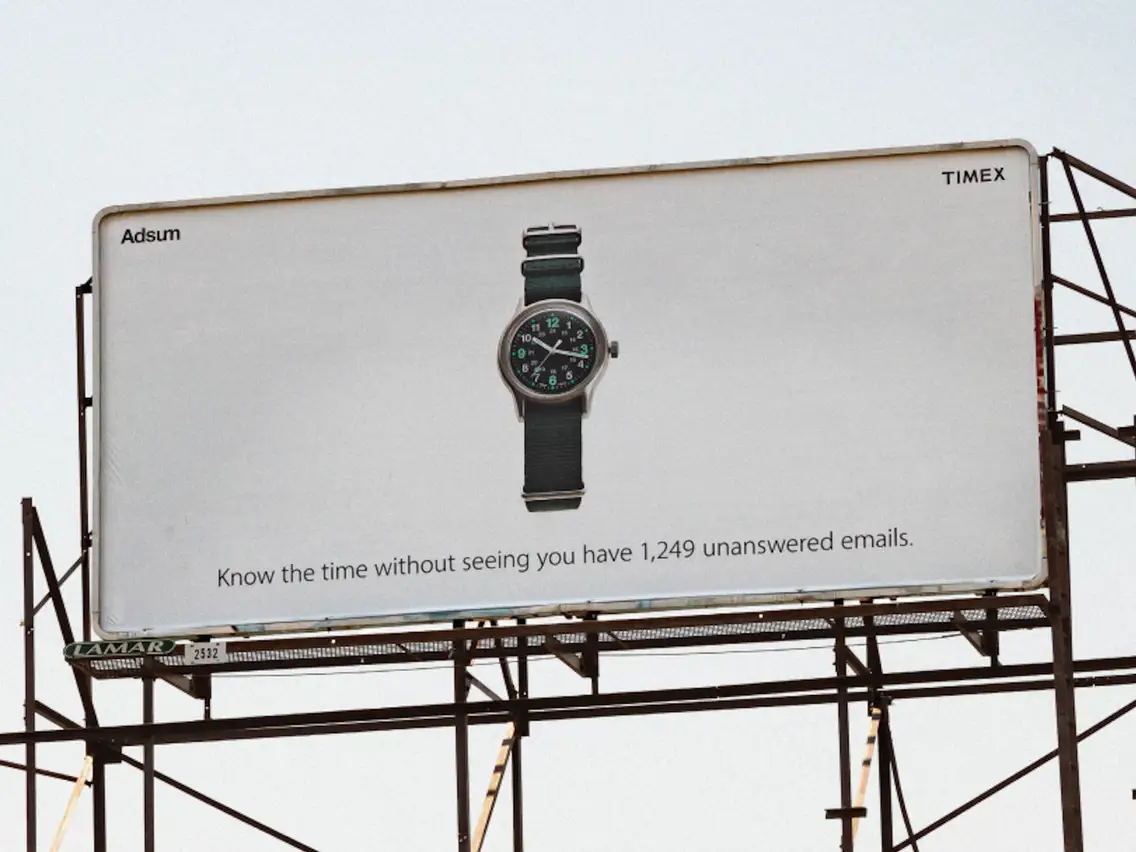

  • Timex Takes Time to Triumph: Full Acquisition of Daniel Wellington Finalized

    Timex Takes Time to Triumph: Full Acquisition of Daniel Wellington Finalized

    Timex Group has successfully finalized the acquisition of Daniel Wellington, a distinguished Swedish watch and jewellery brand. This follows an initial 25% investment made by Timex three years prior. Throughout this time, the two entities have collaborated extensively in various areas including product development, sourcing, brand storytelling, and commercial operations.

    As Timex takes over complete ownership, they intend to propel Daniel Wellington’s forthcoming growth phase. The expansion will be achieved through various strategies such as product innovation, brand building, and increased global capabilities.

    Daniel Wellington: A Unique Brand Identity

    Despite the acquisition, Daniel Wellington will maintain its individuality as a unique brand. It will continue to embody its Scandinavian minimalistic design heritage, distinctive style, and a direct connection with its consumer base. The brand is expected to leverage Timex’s expertise in design, product development, sourcing, manufacturing, distribution, and digital engagement to its advantage.

    The acquisition has further solidified Timex’s standing in the realm of design-oriented watches and jewellery. It also aligns with Timex’s strategic plan to build and expand a distinctive global brand portfolio.

    Tobias Reiss-Schmidt, Timex Group’s President and CEO, opined on the acquisition. “Our association with Daniel Wellington over the past three years, and our increasing involvement with the team, has bolstered our belief in the brand’s potential,” he said. He lauded the team’s efforts and the progress they’ve made in reviving Daniel Wellington’s growth.

    Daniel Wellington’s founder, Filip Tysander, acknowledged Timex Group’s respect for the brand’s identity. “They’ve provided the experience and scale needed to facilitate our brand’s continued growth,” he stated. Tysander is proud of his team’s accomplishments and is confident in the brand’s success in the future.

    The financial particulars of the transaction were kept private.

    Questions & Answers

    What does Timex Group’s acquisition of Daniel Wellington signify?
    It indicates Timex’s commitment to building and growing a portfolio of distinctive global brands. It also strengthens its position in the field of design-led watches and jewellery.

    Will Daniel Wellington maintain its brand identity post-acquisition?
    Yes, Daniel Wellington will continue to operate as a distinct brand preserving its Scandinavian minimalistic design heritage, unique style, and direct connection with consumers.

    How is Daniel Wellington expected to benefit from this acquisition?
    The brand is expected to benefit from Timex’s expertise in design, product development, sourcing, manufacturing, distribution, and digital engagement, thereby propelling its growth.

  • Booming Retail Sales in Hong Kong Predicted to Persist Amid Positive Economic Climate

    Booming Retail Sales in Hong Kong Predicted to Persist Amid Positive Economic Climate

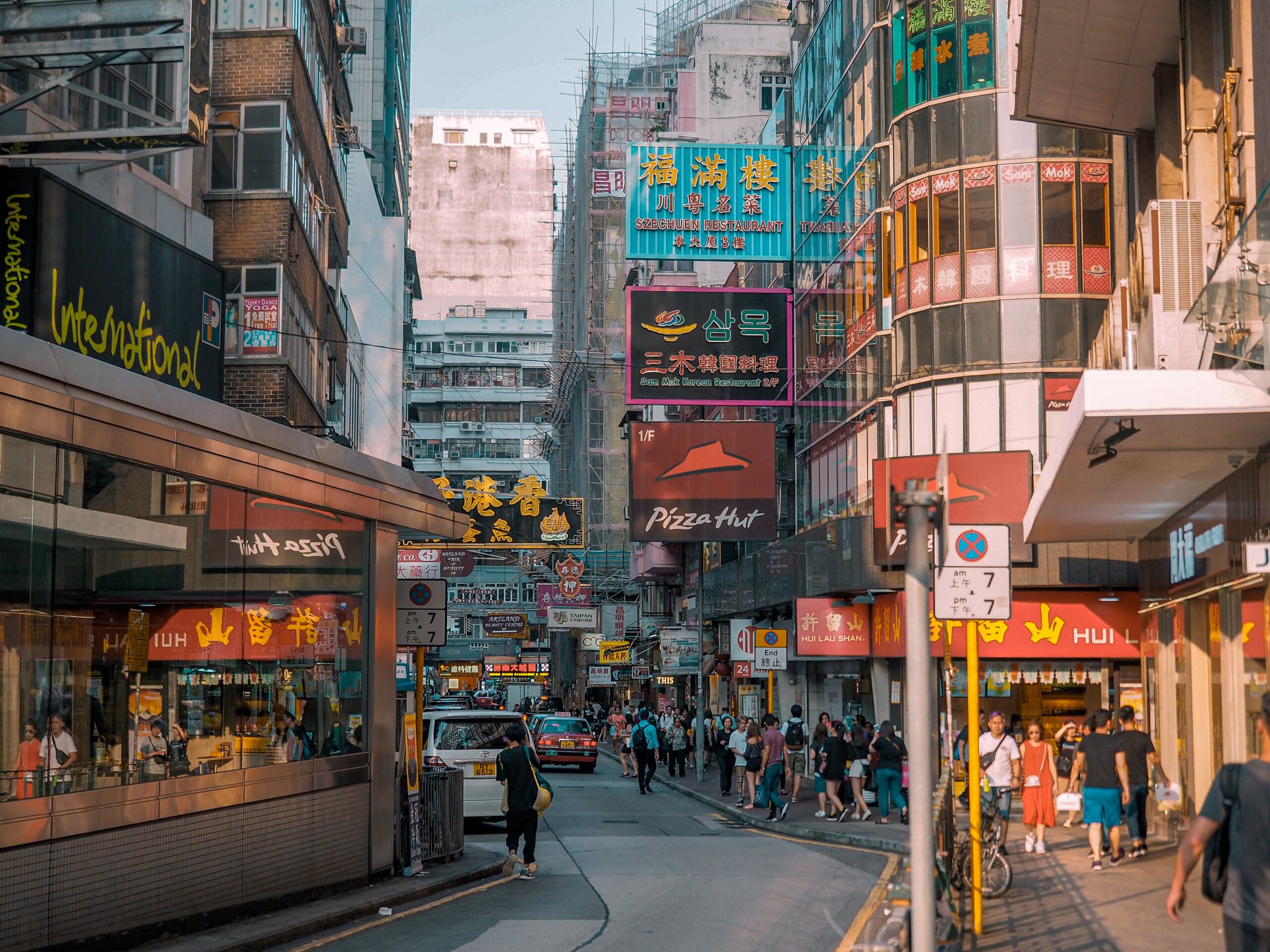
    The retail sector in Hong Kong experienced a healthy growth in May, a trend that is anticipated to sustain, given the positive economic climate. Data from the Census and Statistics Department reveals a 7.9% year-on-year increase in retail sales, reaching HK$33.8 billion (US$4.3 billion) for the month of May. This extends the revised growth of 8.7% witnessed in April.

    Sales Performance in Different Retail Categories

    In the first five months of the year, retail sales showed an approximate increase of 10.6% compared to the same timeframe last year. When considering the effect of price changes over the same period, retail sales witnessed an improvement of 4.8% in May.

    A government representative stated that majority of the retail categories demonstrated gains in May, continuing the growth observed in the retail sector. The highest growth was seen in valuable gifts with a rise of 25.8%. This was followed by electrical goods and other consumer durable goods with a 13% increase, optical shops at 10.3%, and department store commodities at 9.2%.

    Meanwhile, other categories like apparel and footwear, cosmetics, and furniture experienced modest growth ranging between 3% and 5%.

    However, not all categories thrived. Fuels, Chinese medicines and herbs saw a significant decline in sales by 12.2% and 9.5% respectively. Food, alcoholic beverages, and tobacco also experienced a slight dip of 0.3%.

    Anticipated Trends and Government Overview

    Looking into the future, the government spokesperson is hopeful about the continued growth in the retail sector. The ongoing economic expansion, increasing local labour earnings, and a rise in inbound visitors are expected to keep benefiting retail businesses.

    The government, in response, has pledged to keep a close watch on any potential impact of changing external uncertainties on the local consumption market.

    Questions & Answers

    What was the growth rate for retail sales in Hong Kong in May?
    Retail sales in Hong Kong recorded a 7.9% year-on-year increase in May.

    Which retail category observed the highest growth?
    The highest growth was recorded in the category of valuable gifts, which saw a rise of 25.8%.

    What are the government’s expectations for the future of the retail market?
    The government anticipates continued growth in the retail market, backed by economic expansion, increasing local labour earnings, and a rise in inbound visitors.

  • Dutch Yacht Giant Alumax Sets Sail in Vietnam with First International Shipyard

    Dutch Yacht Giant Alumax Sets Sail in Vietnam with First International Shipyard

    Alumax Boats, a Dutch firm known for supplying water taxis for the 2012 London Olympics, has launched its first shipyard outside its homeland in Vietnam, through a joint venture partnership. This expansion was marked with a grand inauguration ceremony held on Wednesday at the Thuan Thanh Industrial Park situated in the northern province of Bac Ninh. The joint venture, Alumax Amsterdam, is a collaborative effort between Alumax Boats, the local conglomerate Son Ha Group, and shipbuilder James Boat.

    The Lego of Shipbuilding

    The process of production at the shipyard has been likened to ‘playing with Lego’ by the joint venture representatives. Here, the workers assemble precut aluminium components to create the final product. This is a testament to Alumax Boats’ specialization in constructing aluminium vessels, the expertise that the firm first exported to Vietnam in 2021 during the Covid-19 pandemic through its alliance with James Boat.

    As a part of the joint venture, Alumax Boats stands as the provider of core high-performance aluminium shipbuilding technology. On the other hand, Son Ha Group brings to the table its industrial manufacturing capacity, management acumen, and financial resources, while James Boat serves as the technological conduit amongst the partners. The responsibility of vessel design is shared between Alumax Boats and James Boat, with the production designs subsequently transferred to Son Ha’s manufacturing facilities.

    The Rise of Marine Tourism

    The leaders of the joint venture have expressed their optimism about the growing demand in Vietnam for catamaran party yachts. These are open-deck leisure vessels capable of hosting 30 to 50 passengers. Typically, these yachts feature sound systems, dining areas, bars, bedrooms, and spacious decks for the guests to soak in the panoramic ocean views. Acknowledging this, a spokesperson for the joint venture stated, “This has been identified as one of our strategic products to capitalize on the growth of marine tourism in Vietnam and across the region.”

    The joint venture has planned to manufacture three yachts, ranging from 6.5 to 16.5 meters in length, this year. It has already bagged orders for government service vessels and yachts worth US$20 million. Son believes that building yachts in Vietnam could result in a price reduction of about 40% compared to imported ones.

    The lightweight properties of aluminium lead to improved fuel efficiency. After 40 to 50 years of service life, these vessels can be recycled far more effectively than their steel and composite counterparts, which are still commonly produced in Vietnam.

    Questions & Answers

    What makes the joint venture’s production process unique?
    The joint venture compares its production process to ‘playing with Lego,’ where workers assemble precut aluminium components to form the final product.

    What role does each party play in the joint venture?
    Alumax Boats provides core high-performance aluminium shipbuilding technology, Son Ha Group contributes its industrial manufacturing capacity, management expertise, and financial resources, and James Boat serves as the technological bridge between the partners.

    What are the benefits of manufacturing yachts in Vietnam?
    Manufacturing yachts in Vietnam could result in a price reduction of about 40% compared to imports. Additionally, the use of aluminium leads to improved fuel efficiency and allows for effective recycling after 40 to 50 years of service.

  • Manila’s Record-Breaking 12% Minimum Wage Boost Benefits Over a Million Workers

    Manila’s Record-Breaking 12% Minimum Wage Boost Benefits Over a Million Workers

    The Philippine government has sanctioned an unprecedented 12% increase in the daily minimum wage for Metro Manila, providing an additional 85 pesos (US$1.4) in two separate instalments beginning later this month. This decision is set to impact over 1.1 million minimum wage workers in Metro Manila with the largest single wage adjustment ever made in the capital region.

    Increased Wages and Phased Approach

    The wage hike will be implemented in two parts, with an initial 60 pesos increase on July 19, and a follow-up rise of 25 pesos on January 20, 2027. Once both increases have been fully enacted, non-agriculture workers will earn a daily minimum wage of 780 pesos (US$12.73). The hike also extends to other sectors, with workers in agriculture, service and retail establishments employing 15 or fewer staff, and manufacturing companies with fewer than 10 workers experiencing a 13% increase to their daily minimum wage, reaching 743 pesos.

    The adjustment comes at a time when the price of fuel and basic goods in the Philippines have surged since March, due to the conflict between the U.S. and Iran. This has consequently escalated inflation and diminished consumer purchasing power.

    Inflation in the Southeast Asian nation decreased to 6.8% in May from a three-year peak of 7.2% in April, though it still considerably surpasses the central bank’s maximum target of 4%.

    Metro Manila: Highest Minimum Wage in the Country

    Metro Manila, which is composed of 16 cities, currently holds the record for the country’s highest legislated daily minimum wage. According to research, the living wage for an average family of five in the capital region is 1,289 pesos.

    John Paolo Rivera, a senior research associate at the government-operated Philippine Institute for Development Studies, has expressed that the wage increase will provide “meaningful relief” to workers by “boosting purchasing power in a high-inflation environment and facilitating household consumption.” However, he also cautioned that it could elevate costs for small and medium-sized businesses, which may respond by increasing prices or slowing recruitment.

    “The overall effect will hinge on the adaptability of firms and whether productivity improvements accompany higher wages,” he stated. The Trade Union Congress of the Philippines, however, has criticized the two-part implementation and characterized the increase as “grossly inadequate considering the erosion of workers’ purchasing power.”

    Questions & Answers

    What is the new minimum wage for Metro Manila?
    The new minimum wage for non-agriculture workers in Metro Manila will be 780 pesos (US$12.73) once both increases have been fully implemented.

    When will the wage increase take effect?
    The wage increase will be implemented in two stages, with the first increase of 60 pesos starting on July 19, and the second increase of 25 pesos on January 20, 2027.

    What are the potential impacts of this wage increase?
    While the wage hike is expected to provide “meaningful relief” to workers by boosting purchasing power in a high-inflation environment, it may also raise costs for small and medium-sized enterprises, potentially leading to higher prices or slower hiring.

  • Chat with Your Inbox: Googles New Gmail Live Feature Set to Revolutionize Email Search

    Chat with Your Inbox: Googles New Gmail Live Feature Set to Revolutionize Email Search

    Google is currently in the process of testing a new feature for both iOS and Android known as Gmail Live. This innovative feature will allow users to engage in a conversational interaction with the Gmail application, particularly when seeking information from a specific email. This function is particularly beneficial for users like myself who have hundreds of emails crowding their Gmail inbox, providing a more efficient method to retrieve information rather than manually searching through the inbox.

    Understanding the Gmail Live Feature

    Upon opening the Gmail application and tapping the search bar, an option labeled “Ask Gmail” will be visible. This option represents the text version of the new feature wherein users can type in a natural language query and receive an AI Overview in response. If a user prefers to utilize voice commands, they can do so by tapping an icon situated within the search bar which resembles the Gemini Live icon, distinguished by a sound wave and a sparkle.

    Tapping this icon will present a full-page user interface (still in the testing phase), similar to Gemini Live, providing examples of prompts that can be used. For instance, if a user wishes to check the status of orders placed with Amazon, they could ask, “What are the updates on my latest orders?” This question is then transcribed on the screen and is subsequently answered after Gmail Live processes the question. The response is simultaneously displayed on the screen and read aloud.

    The Future of Gmail Live

    The Gmail Live feature, which is currently under testing for both Android and iOS, is set to be launched later this summer for Google AI Pro and Ultra subscribers. Subscribers to these Google AI services will discover the ability to interact with Gmail in a conversational manner.

    Google AI Pro is priced at $19.99 per month and is crafted for power users without the high costs associated with an enterprise subscription. It includes YouTube Premium Lite, 5TB of storage, and a $10 monthly credit for Google Cloud. Google AI Ultra, on the other hand, is priced between $99.99 to $199.99 per month, providing 20TB of storage, a full YouTube Premium subscription, and a $40 monthly Google Cloud credit.

    Questions & Answers

    What is the new feature that Google is testing?
    Google is testing a feature called Gmail Live which allows users to interact with the Gmail application in a conversational manner.

    How does the Gmail Live feature work?
    Users can either type a natural language query or use voice commands to ask Gmail a question. The question is processed, and an answer is provided both visually on the screen and audibly.

    Who can access the Gmail Live feature?
    The Gmail Live feature will be made available to Google AI Pro and Ultra subscribers.

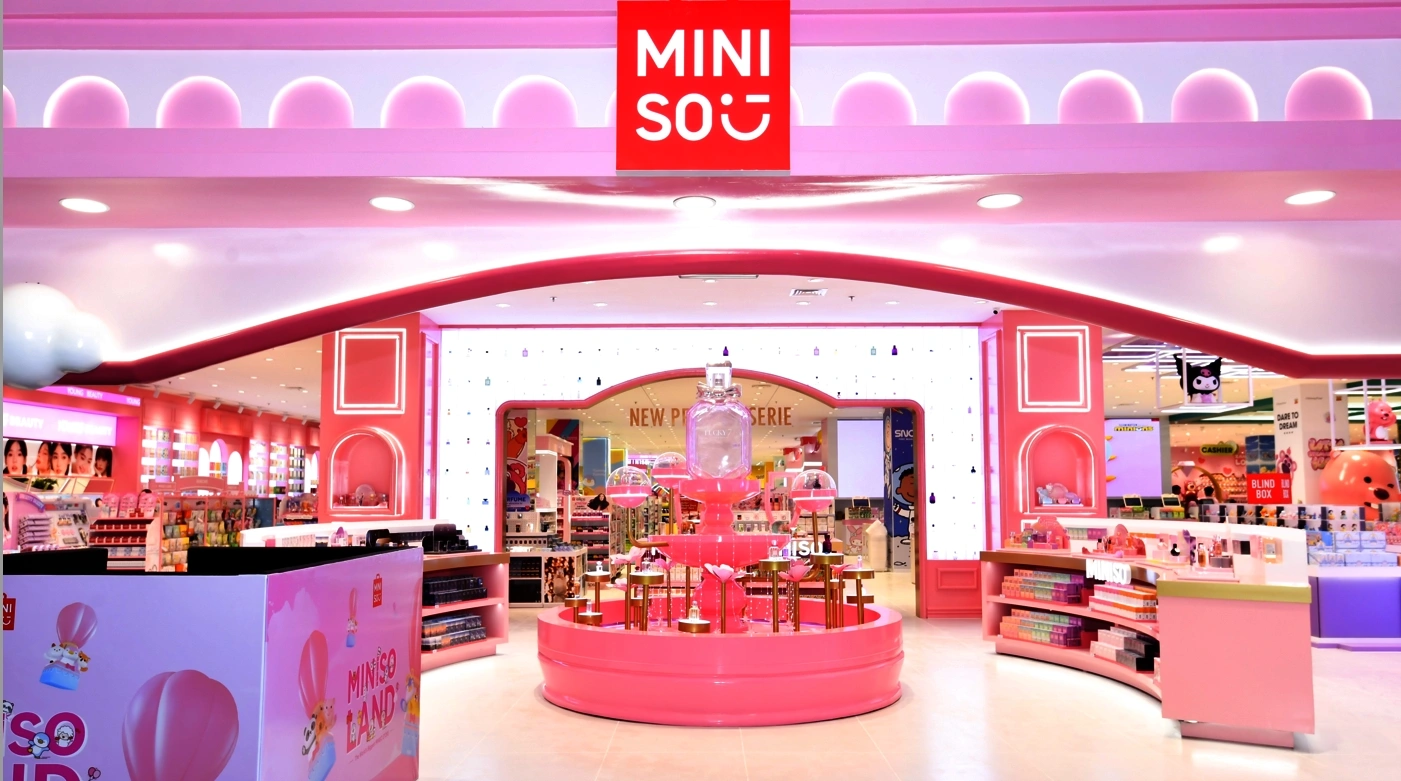
  • Miniso Initiates $255M Share Buyback Plan Aiming for Steady Returns Amid Rapid Growth: Founders Stake Boost Imminent

    Miniso Initiates $255M Share Buyback Plan Aiming for Steady Returns Amid Rapid Growth: Founders Stake Boost Imminent

    Retail giant Miniso has unveiled a HK$2 billion (approximately US$255 million) share buyback initiative. This strategic move comes several months after Guofu Ye, Miniso’s founder, chairman and CEO, vowed to augment his personal stake in the company. The 12-month scheme, which became effective as of June 30, allows the company to buy up to HK$2 billion worth of its standard shares and American depositary shares (ADSs).

    Funding and Confidence in Growth

    The funding for this repurchase program will come from the company’s surplus cash reserves. The company’s board believes this decision mirrors their confidence in Miniso’s long-term growth. They also believe that the current share price does not adequately represent the company’s true worth.

    This new buyback scheme follows a previous one in which approximately HK$1.37 billion worth of shares and ADSs were reacquired by the company. The main objective of this most recent initiative is to balance the group’s quick expansion with consistent and reliable returns for shareholders.

    CEO’s Confidence in Continued Growth

    This new repurchase program closely follows Ye’s April pledge to increase his shareholding by purchasing at least HK$50 million worth of Miniso shares over a one-year period using his personal finances. At that point, Ye had ownership of approximately 63.7% of the company’s shares. He stated that his planned purchase was an indication of his faith in the ongoing growth of the retailer.

    Questions & Answers

    What is the main goal of Miniso’s new share repurchase program?
    The program aims to balance the company’s rapid growth with stable, predictable returns for its shareholders.

    How is Miniso funding its share buyback program?
    The funds for the repurchase program will come from the company’s surplus cash on its balance sheet.

    What led to the launch of this new share repurchase program?
    This decision followed a pledge made in April by Miniso’s CEO, Guofu Ye, to increase his personal shareholding in the company. This new initiative reflects the company’s confidence in its long-term growth and its belief that the current share price does not fully represent its intrinsic value.

  • Revamped Pokémon Center Singapore Unveils Cultural Heritage-Inspired Store and Exclusive Merchandise

    Revamped Pokémon Center Singapore Unveils Cultural Heritage-Inspired Store and Exclusive Merchandise

    After a three-month refurbishment, Pokémon Center Singapore celebrated its reopening at Jewel Changi Airport, presenting a fresh store design influenced by Singapore’s rich cultural heritage and an array of exclusive new merchandise. The updated store boasts unique interiors inspired by traditional local architecture and features a variety of themed spaces, such as a food court-inspired zone and an ocean-themed event section.

    Revitalizing Pokémon Center Singapore with New Symbol and Exclusive Products

    In addition to its fresh new look, the store has adopted Solgaleo as its new emblem Pokémon. The iconic Legendary Pokémon now graces the official logo and stands proudly at the entrance, accompanying Pikachu.

    The Pokémon Center Singapore, strategically placed at Jewel Changi Airport, continues to serve as a lively community hub and a cherished destination for locals and global travelers. The reopening is a significant step in enhancing relationships with local consumers and Pokémon enthusiasts worldwide.

    To commemorate the grand reopening, the Pokémon Singapore team is set to launch 20 exclusive celebratory products in two stages. The first wave, released on July 1, includes Singapore-inspired lifestyle items. A second collection, expected to be available on August 7, comprises locally-themed merchandise such as Pikachu bag charms, Peranakan-inspired pouches, T-shirts, and tote bags.

    Established in 2019, the Pokémon Center Singapore was the first permanent Pokémon Center in Southeast Asia. The brand is progressing its regional expansion with the planned opening of its second Southeast Asian store at CentralWorld in Thailand.

    Questions & Answers

    What is the new design concept of the refurbished Pokémon Center Singapore?
    The newly refurbished Pokémon Center Singapore features a design concept inspired by traditional local architecture and Singapore’s cultural heritage.

    What is the new symbol Pokémon for the store?
    The store has chosen Solgaleo as its new symbol Pokémon, which now features on the official logo and at the entrance alongside Pikachu.

    Are there any special events or products to mark the reopening?
    Yes, the reopening is being marked with the launch of 20 exclusive commemorative products in two waves. The first wave includes Singapore-inspired lifestyle items, and the second wave features locally-themed merchandise such as Pikachu bag charms, Peranakan-inspired pouches, T-shirts, and tote bags.

  • IndiaMart Boosts Spend on AI Solutions, Battling Bogus Listings and Ushering in Enhanced Content Checks

    IndiaMart Boosts Spend on AI Solutions, Battling Bogus Listings and Ushering in Enhanced Content Checks

    IndiaMart, a leading online marketplace in India, intends to significantly boost its investment in artificial intelligence (AI) technologies. The company has announced plans to double spending on AI tools every six months with an aim of mitigating false listings and enhancing content checks, according to a top executive.

    The e-commerce platform operates as a conduit connecting buyers and sellers across a diverse array of categories, including everything from phone accessories and garden equipment to pharmaceuticals and industrial machinery. Unlike many online marketplaces, IndiaMart does not generally oversee the transactions that take place between its users.

    AI to Reinforce Integrity

    To bolster the authenticity and integrity of its platform, IndiaMart has begun utilising AI technologies to detect potential fraudulent accounts through pattern analysis across seller profiles. In addition, the company has introduced real-time voice-to-text tools to expedite processing of buyer requests, tasks previously carried out by call centre staff. This information was shared by Amarinder S Dhaliwal, Chief Product Officer of IndiaMart.

    The issue of counterfeit listings has been a long-standing challenge for the company. In fact, IndiaMart was mentioned in the 2022 ‘Notorious Markets’ list released by the US Trade Representative, which highlighted the issue of counterfeit goods on the platform as a significant concern.

    To combat this, IndiaMart is focusing on the development of AI tools. The company is both creating some of these tools internally and also partnering with external AI firms to tackle the issue.

    Investing in AI

    IndiaMart has been judicious in its approach to AI investment, and has not disclosed its specific budget for this. For context, the company’s total expenses for technology and content in fiscal 2026 amounted to approximately 2.26 billion rupees (US$23.94 million).

    According to Dhaliwal, content on IndiaMart can be classified into two categories: supplier contamination, which refers to sellers with malicious intent infiltrating the platform, and harmful listings, such as drugs or firearms. He noted that AI tools have been instrumental in improving the filtering of such harmful content.

    As of now, IndiaMart facilitates roughly 600 buyer-supplier matches every minute and attracts around 90 million visitors each month. With a current roster of about 220,000 sellers and a buyer conversion rate of nearly 45 per cent, the company is aiming for an ambitious target of hosting 1 million sellers.

    Questions & Answers

    How is IndiaMart using AI to enhance its platform?
    IndiaMart is investing in AI to detect potential fraudulent accounts and accelerate the processing of buyer requests. It’s also using AI to filter out harmful content and counterfeit listings.

    What is the scale of IndiaMart’s operations?
    IndiaMart connects about 600 buyers and sellers every minute and attracts around 90 million visitors each month. It currently hosts approximately 220,000 sellers on its platform.

    What are the company’s future plans?
    IndiaMart intends to double its AI investment every six months to further improve its platform. The company is also aiming to eventually host 1 million sellers.

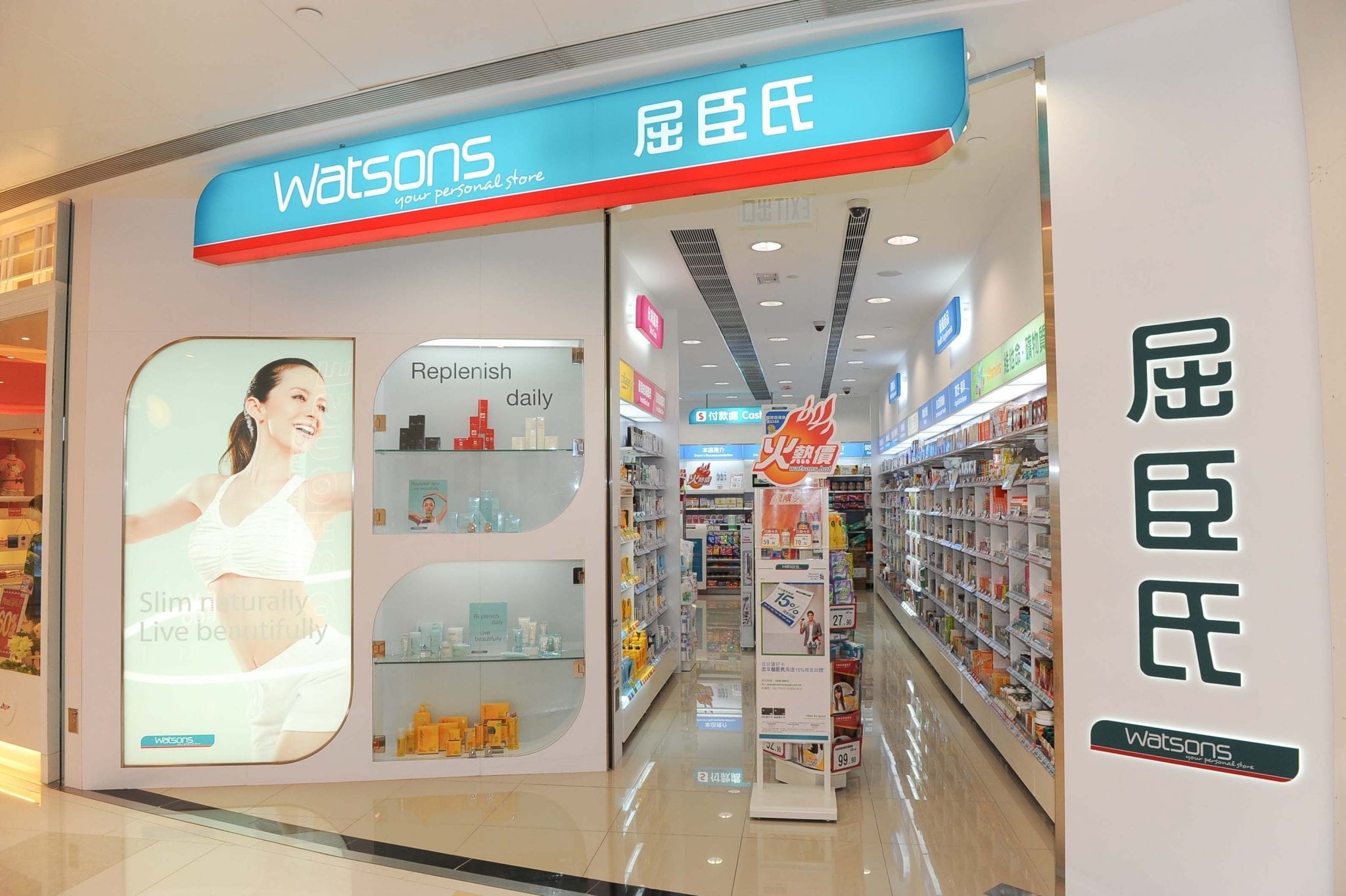
  • AS Watson Group Promotes Queennie Fung to Lead Global Corporate Communications

    AS Watson Group Promotes Queennie Fung to Lead Global Corporate Communications

    AS Watson Group, a leading global health and beauty retailer, has announced the promotion of Queennie Fung to the position of General Manager of Group Corporate Communications. In this role, Fung will be responsible for overseeing the company’s brand positioning, reputation management, and stakeholder engagement across its 31 markets worldwide.

    Professional Journey of Queennie Fung

    Queennie Fung joined AS Watson Group in 2014 and has since made notable advancements within the organization. Prior to her promotion, she served as the Head of Corporate Communications, a position she assumed in 2024. In this capacity, she successfully led integrated communications initiatives across various markets, working in close collaboration with numerous business units to ensure the delivery of consistent messaging.

    In addition to this, Fung has been at the forefront of several campaigns aimed at bolstering AS Watson Group’s brand presence and amplifying community engagement. Her strategic and impactful contributions have been instrumental in refining the group’s global communications strategy and enhancing relationships with customers, partners, and communities.

    Looking Ahead: AS Watson’s Global Vision

    Commenting on the promotion, Malina Ngai, Group CEO of AS Watson Group, emphasized Fung’s pivotal role in shaping the company’s communication strategy. Ngai expressed confidence in Fung’s leadership, envisaging her as instrumental in fostering a more integrated and purpose-driven brand across all markets.

    The decision to promote Fung is in line with AS Watson’s ongoing efforts to strengthen its global brand and stakeholder engagement across its international business divisions.

    Questions & Answers

    Who is Queennie Fung?
    Queennie Fung is the newly appointed General Manager of Group Corporate Communications for AS Watson Group. She joined the company in 2014 and has held various roles within the organization.

    What will be Fung’s responsibilities in her new role?
    As the General Manager of Group Corporate Communications, Fung will oversee AS Watson Group’s brand positioning, reputation management, and stakeholder engagement worldwide.

    What has been Fung’s contribution to AS Watson Group so far?
    Fung has played a critical role in shaping the company’s global communications strategy and strengthening its relationships with customers, partners, and communities. She has led integrated communications initiatives and driven campaigns to enhance the brand and boost community engagement.

  • Malaysia Soars to 15th Spot in Global Economic Competitiveness, Credits Boom in AI and Semiconductor Industry

    Malaysia Soars to 15th Spot in Global Economic Competitiveness, Credits Boom in AI and Semiconductor Industry

    In the most recent 2026 IMD World Competitiveness Ranking, Malaysia’s standing significantly improved, moving up eight spots to claim the 15th place. This notable advancement represents the country’s greatest leap in recent years. The International Institute for Management Development, the authority that published the ranking, attributed Malaysia’s enhanced position to advancements across all four pillars of competitiveness.

    The four pillars considered in the ranking include economic performance, government efficiency, business efficiency, and infrastructure. Malaysia demonstrated remarkable progress in all these areas. The country obtained 4th place worldwide for economic performance, while government efficiency ascended 11 places, reaching the 14th position. Business efficiency moved up 16 spots to the 16th position, and infrastructure experienced a slight boost, improving two spots to rank 33rd.

    An Examination of Sub-factors

    Looking deeper into the sub-factors, Malaysia’s domestic economy ranking ascended four places, achieving the 11th position, and the international trade ranking rose one spot to the 5th position. One significant leap was observed in the international investment sector, which climbed seven places to reach the 19th position.

    The IMD ranking evaluates 70 economies based on the aforementioned four fundamental pillars. Malaysia’s consistent improvement is evidenced by its steady ascent over the years. In the previous year, the nation jumped 11 places to secure the 23rd position among 69 economies. This was a marked improvement from the 34th position it held among 67 economies in 2024.

    According to economists, the critical factors contributing to Malaysia’s elevated ranking include a robust economic foundation, heightened trade competitiveness, improved public and business sector performance, and expanding opportunities within the technology sector.

    Stephen Innes, Managing Partner at SPI Asset Management, believes that Malaysia’s substantial boost in competitiveness is not merely indicative of a short-term recovery. Instead, he points to the rapid growth of artificial intelligence and the semiconductor industry as key drivers of this progress. Innes notes that Malaysia’s advantageous positioning across the electrical and electronics supply chain, coupled with its appeal in attracting investment in advanced packaging and data centers, makes it a natural beneficiary of global supply chain diversification.

    Questions & Answers

    What factors led to Malaysia’s improved ranking in the 2026 IMD World Competitiveness Ranking?
    Malaysia’s improvement is attributed to advancements in economic performance, government efficiency, business efficiency, and infrastructure. The rapid growth in artificial intelligence and the semiconductor industry were also highlighted as key contributors.

    How has Malaysia’s ranking evolved over the years?
    Malaysia has shown steady improvement in its standing, moving from 34th out of 67 economies in 2024, to 23rd out of 69 in 2025, and finally to 15th out of 70 economies in 2026.

    What sub-factors saw notable improvement in Malaysia’s ranking?
    Significant improvements were observed in the country’s domestic economy, international trade, and international investment rankings.

  • Domestic Demand Dwindles in China Despite Soaring Industrial Output

    Domestic Demand Dwindles in China Despite Soaring Industrial Output

    The second-largest economy in the world is currently experiencing a dual-speed growth pattern. While factories are flourishing due to robust exports, domestic demand is on a downward trajectory due to an ongoing slump in the property market.

    In May, retail sales, which serve as a critical measure of consumption, decreased by 0.6%, a significant drop from April’s 0.2% rise, and below the predicted 0.0%. This decline in retail sales marks the first reduction since December 2022. Even the extended Labour Day holiday was unable to boost consumer morale, and the government’s consumer goods trade-in initiative is gradually losing its effectiveness. An inflated base from the previous year’s May further added to this downturn.

    According to Zhiwei Zhang, chief economist at Pinpoint Asset Management, the disappointing retail sales data puts increased pressure on the government to contemplate policy measures aimed at stabilizing consumption. “Policy ‘fine tuning’ is anticipated around July, following the release of the second quarter GDP data,” Zhang added.

    On the other hand, data from the National Bureau of Statistics (NBS) revealed that industrial output in May grew by 4.5% compared to the previous year, an increase from the 4.1% growth recorded in April. This rise surpassed the projected 4.3% increase.

    Divides in the Economy

    A boom in global AI investment and related tech demand has allowed the world’s largest manufacturer to counterbalance the anticipated export blow from the Iran war. However, a 19.4% increase in exports has yet to positively impact domestic consumption.

    The economic weakness was particularly noticeable in the automotive sector, as domestic car sales suffered a decline for the eighth consecutive month in May. This trend hints at a diminishing demand in the world’s biggest car market, a pressure that is expected to linger throughout the year.

    Senior economist at the Economist Intelligence Unit, Xu Tianchen, identified several divisions in the May economy. “The divide between domestic and external demand, the divide between AI and traditional industries, and the divide between goods retail and services consumption,” he mentioned.

    He expects the second quarter’s economic growth to slow down to 4.5% from the first quarter’s 5%.

    Growing investment weakness and ongoing property drag

    Investment figures were also significantly weaker than expected. Fixed-asset investment dropped by 4.1% in the first five months of 2025, a fall from the 1.6% decrease recorded from January to April. Economists had anticipated a 2% decline.

    According to NBS spokesperson Fu Linghui, this fall is partially due to extreme weather conditions in several regions, as well as the shift from old to new growth drivers. Fu added that China still has substantial room for future investment, with urbanisation, rural revitalisation, the development of new quality productive forces, and public service improvements all requiring support.

    Questions & Answers

    What contributed to the decline in retail sales in May?
    Several factors contributed to the decline in retail sales in May, including a lack of consumer confidence, the waning effectiveness of the government’s trade-in scheme, and a high base from the same period last year.

    How are the car sales in China currently?
    Car sales within China have been on the decline, with May marking the eighth consecutive month of decreasing sales. This is indicative of a softened demand in the world’s largest auto market.

    What are the expectations for China’s economic growth?
    It’s anticipated that China’s economic growth may slow in the second quarter, dropping to 4.5% from 5% in the first quarter. While it might not be difficult to achieve a full-year growth target of 4.5-5%, the sluggish domestic demand may necessitate policy intervention in the second half of the year.

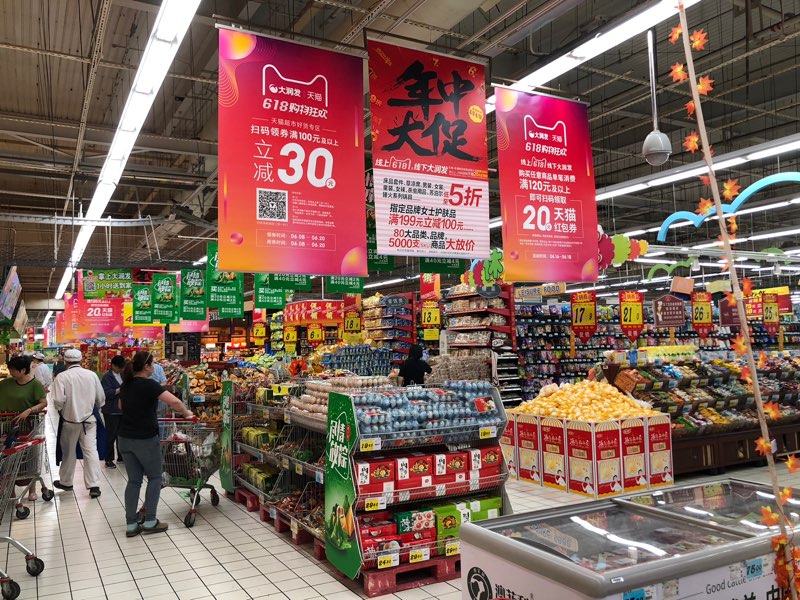
  • China Cracks Down on Walmart’s Sams Club Over Food Safety Concerns

    China Cracks Down on Walmart’s Sams Club Over Food Safety Concerns

    In a recent development, China’s market regulator has enforced stringent measures on the supermarket chain, Sam’s Club, which is owned by Walmart. The regulator has initiated these steps as part of a bid to eradicate food safety risks from the company’s supply chain and ensure public dietary safety.

    The directive comes as Sam’s Club is actively pursuing expansion activities in China. As a result of new store openings, the company achieved double-digit growth in its transactions last year. This has increased the number of its membership-only stores to 63 across the nation, as per the data available on the company’s website.

    The decision was made following a meeting with a top-level executive from the U.S. retail giant to address recently identified food safety concerns. The State Administration for Market Regulation shared this information in an announcement on Monday, without specifying the date on which the meeting took place.

    As of now, Walmart’s China office has not responded to any requests for comments on this matter.

    In response to the regulator’s directive, Sam’s Club has issued an apology stating, “We will consistently report the progress of our rectification measures to the regulatory authorities and willingly accept their supervision.”

    In an effort to rectify the situation, the grocery chain has established an exclusive task force, headed by its management. This team is responsible for conducting supply chain inspections to ensure compliance with regulations and maintain the highest standards of product quality control.

    Questions & Answers

    What actions has China’s market regulator taken against Sam’s Club?
    The regulator has ordered Sam’s Club to enforce strict measures to eliminate food safety risks in its supply chain and ensure public dietary safety.

    What was the reason behind the regulator’s directive?
    The decision was made following a meeting with a top-level executive from Sam’s Club to address recently identified food safety concerns.

    What steps is Sam’s Club taking in response to the regulator’s orders?
    Sam’s Club has established a specialized task force, led by its management, to ensure strict compliance with regulations and maintain the highest standards of product quality control. The company will also regularly update the regulatory authorities about the progress of these rectification measures.

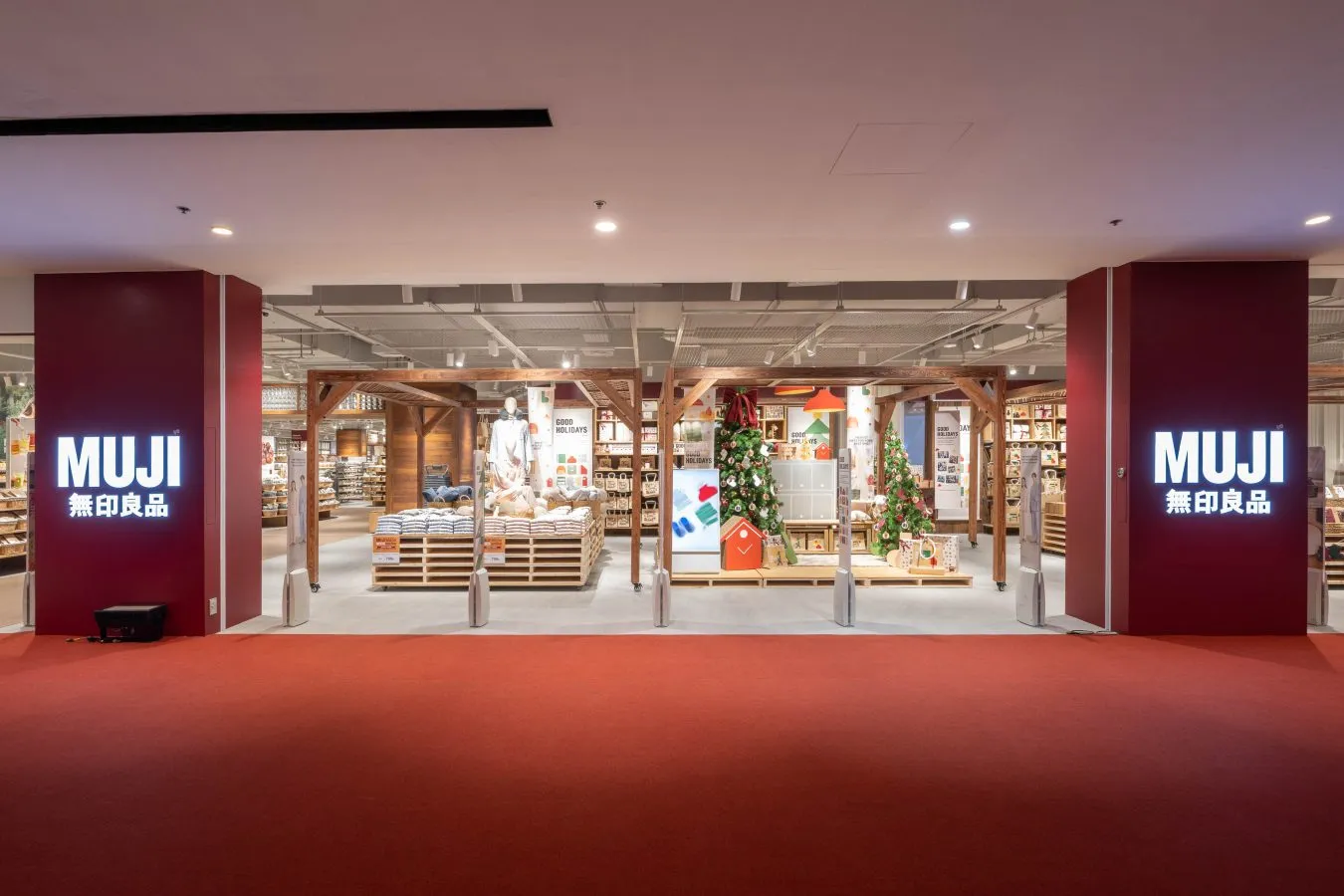
  • Muji’s Expansion in China: Winning Over Consumers with Localization Strategy

    Muji’s Expansion in China: Winning Over Consumers with Localization Strategy

    In 2005, Muji, the Japanese lifestyle retailer, established its first store in Mainland China at one of Shanghai’s prime retail destinations, Nanjing West Road. Today, 20 years later, the company has adopted a subtler growth approach in China. Despite making adjustments to its store network, including closing some retail locations as part of its standard optimization, Muji’s focus remains on expansion, localisation, and fostering a deeper engagement with customers.

    China is currently Muji’s largest foreign market with over 400 stores. The brand’s growth strategy in the region is increasingly focusing on local product development, flagship store experiences, and the integration of online and offline retail.

    Muji’s Strategic Approach

    According to Shu Wu, a board member and CMO, China, the focus is not only on launching more stores but also ensuring that the brand remains relevant as Chinese consumer behaviour transforms.

    “Muji strives to be a fundamental brand for a superior lifestyle,” Wu stated. She highlighted that the brand’s intention is to support a lifestyle that is both materially and spiritually rich while using as few resources as possible. The brand’s philosophy is centred around the ‘Power of Nature’ concept, which manifests in the production of goods from natural materials and minimal disturbance of nature, resulting in a sustainable and truthful lifestyle for everyone.

    Moreover, Wu emphasized that expressing this philosophy in China requires a stronger local connection. She stated, “In the local market, while staying true to this positioning and approach, Muji places even greater emphasis on local connections. With respect for Chinese nature, culture, and society, we continue to deepen our roots here.”

    Competitive Stance and Digital Growth

    In an increasingly competitive market with brands such as Miniso and other lower-cost alternatives, Muji’s approach is not to compete solely on price. Instead, the company focuses on reinforcing product quality, purpose, and relevance.

    Furthermore, as the brand continues to invest in physical stores, China’s digital ecosystem has become a significant part of its overall retail strategy. Wu revealed that e-commerce now accounts for more than 20% of Muji’s total sales in the local market. The company views online and offline channels as complementary, enhancing the consumer experience instead of competing with each other.

    Muji sees its next stage of growth in China as less about defending its existing position and more about adjusting its global brand philosophy to a changing local market.

    Questions & Answers

    What is Muji’s growth strategy in China?
    Muji’s growth strategy in China focuses on expansion, localisation, and fostering deeper engagement with customers. The company aims to stay relevant as Chinese consumer behaviour transforms.

    How is Muji competing in an increasingly competitive market?
    Muji’s approach to competition is not to compete solely on price. Instead, the company focuses on reinforcing product quality, purpose, and relevance.

    What role does digital growth play in Muji’s strategy?
    Digital growth plays a significant role in Muji’s strategy. With e-commerce accounting for over 20% of Muji’s total sales in the local market, the company views online and offline channels as complementary, not competitive. The brand aims to enhance the customer experience across all platforms.

  • Google Messages to Unveil AI-Edit Detector, Aims to Curb Fake Photos Spread

    Google Messages to Unveil AI-Edit Detector, Aims to Curb Fake Photos Spread

    Google Messages, the popular messaging app, is in the process of developing a tool that can identify whether an image shared in a conversation has been created or modified by artificial intelligence (AI). Evidence of this feature was uncovered in the app’s source code, indicating that it will take advantage of C2PA content credentials – integral data that can verify the creation and manipulation history of an image file. Regardless of the device used, this feature is expected to be a standard element in the Google Messages application, which is pre-installed on most top-level Android phones.

    Distinguishing the Authentic from the Artificial

    The discovery of this development was made by AssembleDebug, a skilled code investigator who has a history of revealing Google’s yet-to-be-released features. The initial groundwork for this tool has been detected in various recent releases of the app, although it isn’t operational at this time. It should be seen as a significant signal of what’s to come, rather than an available feature.

    The Coalition for Content Provenance and Authenticity (C2PA) is the organization behind the standard that records the creation and editing history of an image. Essentially, this would mean your phone could inform you whether a photo you received was taken with a camera or generated via AI.

    This aligns with Google’s broader strategy of integrating SynthID watermark detection into Google Photos and Gemini, and now extending this into Google Messages. The tool is expected to have around 18 labels, distinguishing between photos taken with cameras, those modified by partial AI edits, and fully AI-generated media, demonstrating Google’s emphasis on nuanced detection.

    Addressing Growing Concerns

    This development comes amidst growing apprehension around the increasing sophistication of AI-generated images. Some fear that even those with technical know-how are starting to fall for these hyper-realistic images, underlining the critical need for such detection tools.

    However, execution is not without potential pitfalls. Meta Platforms, the company behind Facebook, Instagram, and WhatsApp, implemented a similar feature, which encountered issues due to false positives. For instance, genuine photos were incorrectly flagged as AI-generated due to metadata left behind by standard Photoshop edits. Google Messages’ adoption of the C2PA standard might face similar issues.

    The primary beneficiaries of this tool would be users who often receive forwarded images, group-chat memes, and screenshots. A simple tap to verify the image’s provenance would be more efficient than manually scrutinizing the image.

    In terms of accessibility, users would be able to reach this feature by clicking on an image, opening the overflow menu, and selecting “View details”. It’s also worth noting that this feature isn’t live yet, so there’s nothing to test currently.

    Interestingly, Google, which has developed impressive image-generating models like Nano Banana, is now building a tool to detect the products of such models. Despite the seeming contradiction, it’s a necessary step towards ensuring authenticity and transparency in digital communication. If Google’s tool proves more reliable than Meta’s version, it will be a game-changer.

    Questions & Answers

    What is the purpose of the new tool being developed for Google Messages?
    The tool aims to identify whether an image shared in a chat has been created or manipulated by AI, helping users distinguish real photos from AI-generated ones.

    What is the C2PA standard?
    The C2PA (Coalition for Content Provenance and Authenticity) standard records the creation and editing history of an image, allowing verification of whether a photo was captured with a camera or generated by AI.

    What potential issues might arise with this tool?
    Similar to Meta’s implementation, Google’s tool may encounter issues with false positives, where genuine photos are incorrectly flagged as AI-generated due to the metadata left behind by standard editing tools such as Photoshop.