Category: General

Retail News Asia is committed to providing both local and global retailers with the latest General Retail news throughout the Asian market. This on a daily base.

  • Expanding Horizons: Seven & I Eyes Multi-Billion Dollar Investment in Polish Retail Giant Zabka

    Expanding Horizons: Seven & I Eyes Multi-Billion Dollar Investment in Polish Retail Giant Zabka

    Japanese retail giant Seven & I, proprietor of the international 7-Eleven chain, saw its share price increase by 3% on the Tokyo stock market this past Friday. This rise comes amidst discussions of the corporation’s potential acquisition of a share in Zabka Group, a prominent convenience store conglomerate in Poland.

    According to reports, the prospective investment could amount to several hundred billion yen, equivalent to several billion US dollars. The deal would mark a significant expansion of the company’s operations into Eastern Europe, extending its current strongholds in Japan and North America. This move is part of the strategic growth plan implemented by Seven & I’s CEO, Stephen Dacus, who started his tenure last year.

    Beyond Domestic Markets

    Seven & I’s share price increase was a standout performance in a market experiencing turbulence due to falling semiconductor shares. Analyst Naoshi Matsumoto explains: “Defensive sectors centered on domestic demand are being bought.” Other Japanese retail stocks, such as Aeon, experienced a similar rise in share value. Meanwhile, Warsaw-listed Zabka Group, which operates over 13,000 stores in Poland and Romania, saw its share value surge by 11% following the news.

    In 2021, Seven & I expanded its US presence by acquiring Speedway petrol stations. The company already operates outlets in three Nordic countries and has identified Europe as a significant area for future growth. However, the corporation has faced challenges in improving its performance following a standoff with Canadian rival, Alimentation Couche-Tard, which previously attempted a takeover.

    A Strategic Approach

    Seven & I has faced pressure from investors due to underwhelming returns and calls to focus on its core convenience store operations. In response, the company agreed to sell its supermarket business to Bain Capital last year. Further developments include discussions with SoftBank Corp and mobile payment operator PayPay about making significant investments in Seven & I. Bernstein analysts suggest this potential partnership could serve as a protective measure against future takeover attempts.

    Questions & Answers

    What prompted Seven & I’s recent share price increase?
    The share price rose following news that the company is in talks to acquire a stake in the Polish convenience store operator, Zabka Group.

    What plans does Seven & I have for future growth?
    In addition to its potential acquisition of a stake in Zabka Group, Seven & I is reportedly viewing Europe as a significant growth area. The company is also considering investments from SoftBank Corp and mobile payment operator PayPay.

    What challenges has Seven & I faced recently?
    The company has been under pressure from investors due to lackluster returns. It has also faced calls to concentrate on its core convenience store business, leading to its decision to sell its supermarket business to Bain Capital last year.

  • Vicca Ng Steps into COO Role at Hextar Retail: Driving Expansion and Strategic Partnerships

    Vicca Ng Steps into COO Role at Hextar Retail: Driving Expansion and Strategic Partnerships

    Vicca Ng has been appointed as the Chief Operating Officer (COO) of Hextar Retail, a Malaysian retail conglomerate. Ng’s new role takes effect immediately and she will continue to supervise the group’s retail operations, in addition to serving as an executive director.

    Vicca Ng’s Role in Hextar Retail

    Ng has been instrumental in the expansion of Hextar Retail. She has successfully managed the brand’s growth, fostered strategic partnerships, and developed retail operations across a growing portfolio. Her background encompasses business expansion, retail operations, and commercial development. In her new role as COO and Executive Director, Hextar Retail looks forward to Ng’s continued leadership as the company evolves and expands.

    Hextar Retail, initially established in 1988 as Classic Scenic Berhad, was rebranded in 2024. The company is a subsidiary of the larger Malaysian conglomerate, the Hextar Group. The Hextar Retail portfolio covers a range of sectors, including lifestyle, apparel, food and beverage, as well as convenience retail sectors.

    Questions & Answers

    What is the new role of Vicca Ng in Hextar Retail?
    Vicca Ng has been appointed as the Chief Operating Officer and will function as an Executive Director. She will supervise the group’s retail operations.

    What role has Vicca Ng played in the expansion of Hextar Retail?
    Ng has been instrumental in the company’s expansion, overseeing brand growth, fostering strategic partnerships, and developing retail operations across the growing portfolio.

    What sectors does Hextar Retail’s portfolio cover?
    Hextar Retail’s portfolio spans a wide range of sectors, including lifestyle, apparel, food and beverage, and convenience retail sectors.

  • China Targets $9 Trillion Retail Sales in Unprecedented Consumption-Driven Five-Year Plan

    China Targets $9 Trillion Retail Sales in Unprecedented Consumption-Driven Five-Year Plan

    China has unveiled its inaugural five-year scheme centered on consumption, where it anticipates annual retail sales to reach approximately 60 trillion yuan (US$9 trillion) by 2030. This indicates a deceleration in year-on-year growth to roughly 3.7 per cent, compared to the estimated 5 per cent noted between 2021 to 2025.

    Encouraging Household Consumption and Spending

    In addition to scaling retail sales, China also committed to enhancing household incomes and significantly augmenting the share of household consumption in the economy, which presently stands around 40 per cent. The yearly target for retail sales growth mirrors a declining impetus in goods consumption, prompting policymakers to shift the focus towards bolstering household expenditure as a key growth propeller.

    China’s State Council approved and unveiled the plan on Monday, with a pronounced focus on service consumption. Target sectors encompass elderly care, childcare, healthcare, culture, tourism, sports, and education. The State Council anticipates that, by 2030, the consumer market will expand further, the household consumption rate will increase considerably, and the economic growth’s reliance on consumption will be solidified further.

    The new blueprint also advocates for substantial tourism-related spending, broadening of visa-free entry to additional countries, and increasing direct international flights to Europe, the US, and countries involved in the Belt and Road Initiative.

    Addressing Consumption Imbalances and Enhancing Services

    While China’s services expenditure has outpaced goods consumption growth in recent years, it remains significantly behind developed economies. In 2025, per capita services consumption amounted to 46.1 per cent of total consumption, markedly lower than the approximately 70 per cent observed in the US.

    To redress the deepening imbalance between robust industrial output – buoyed by exports – and tepid domestic consumption, some government economists have advocated for long-overdue income and welfare reforms.

    The plan also aims to make China’s social security system more streamlined and sustainable, providing individuals with greater spending confidence and stability.

    The five-year plan underscores the need to strengthen household spending power via higher wages, increased property income, enhanced social security, and improved public services. Commitments have also been made to eliminate “unreasonable restrictive measures” in areas like car purchases, housing, and approvals for entertainment events.

    Fiscal and financial policy is expected to place heightened emphasis on direct benefits to consumers, spending related to livelihood, and consumption-related infrastructure.

    Questions & Answers

    What is China’s anticipated annual retail sales by 2030?
    China aims for annual retail sales to reach approximately 60 trillion yuan (US$9 trillion) by 2030.

    What sectors does China’s inaugural five-year scheme on consumption target?
    The industries of focus encompass elderly care, childcare, healthcare, culture, tourism, sports and education.

    What measures does China’s consumption plan propose to strengthen household spending power?
    The plan proposes measures such as increasing wages, enhancing property income, improving social security, and boosting public services. It also promises to remove restrictive measures in areas like car purchases, housing, and approvals for entertainment events.

  • World Cup Fever Ignites Retail Boom: How Vietnamese Consumers Score Big with Huge Discounts

    World Cup Fever Ignites Retail Boom: How Vietnamese Consumers Score Big with Huge Discounts

    In Vietnam, the excitement of the 2026 World Cup has sparked a shopping frenzy, as consumers eagerly take advantage of retail promotions. With retailers offering substantial discounts on household appliances and fashion items, Vietnamese shoppers have been quick to seize the opportunity.

    Major Discounts on Household Appliances

    One shopper, Hang, who resides in Ho Chi Minh City (HCMC), had been monitoring prices for a few months. In early June, she successfully purchased a slow juicer at half its regular price, thanks to a World Cup promotion. She excitedly shared how previous discounts on the product, which only ranged from 10-20%, hadn’t been enticing enough. However, with the price slashed by over half, she made the purchase immediately.

    Another Ho Chi Minh City resident, Lan Anh, also capitalized on the ongoing promotions to purchase a variety of household appliances, including a television and a vacuum cleaner. Anh noted that aside from the significant markdowns, retailers were also providing additional incentives such as vouchers and gifts as part of interactive match prediction programs.

    The World Cup’s influence also extends to the electronics retail market. Several electronics retailers in HCMC have been actively promoting televisions in light of the football event. Various TV models have been discounted significantly, with some prices reduced by as much as 61%. This has been described as the most substantial price-cutting campaign for TVs to date, with large-screen models being heavily discounted to meet the tournament-driven demand.

    Boost in Retail Sectors Beyond Electronics

    While electronics retailers are witnessing a surge in sales, other consumer goods retailers haven’t been left behind. Saigon Co.op, for example, offers discounts of up to 30% on almost half of their snack, beer, and beverage bundles, targeted at football fans. They are even rewarding customers making large purchases with gifts.

    Fashion retailers are also leveraging the World Cup frenzy to their advantage. Pierre Cardin Shoes and Oscar Fashion reported the simultaneous launch of their World Cup’s Vancouver 2026 collection in six markets: Vietnam, Cambodia, Myanmar, Thailand, Laos, and Canada. Since the campaign’s inception, store traffic has reportedly increased by more than 55%, and sales have reached approximately 65% of the campaign’s target.

    The World Cup’s impact on global retail activity is projected to be highly positive, with predictions suggesting it could contribute up to $41 billion to global GDP by stimulating tourism, services, and consumption.

    Questions & Answers

    Q: How have Vietnamese consumers reacted to the World Cup retail promotions?
    A: Vietnamese shoppers have been quick to take advantage of the significant discounts offered by retailers during the World Cup, leading to a shopping frenzy.

    Q: Which sectors have seen a boost in sales due to the World Cup?
    A: The electronics sector, particularly TV sales, has seen a substantial boost, along with other consumer goods retailers and the fashion industry.

    Q: What has been the impact of the World Cup on global retail activity and GDP?
    A: The World Cup is expected to have a highly positive impact on global retail activity and could potentially contribute up to $41 billion to the global GDP by boosting tourism, services, and consumption.

  • FamilyMart Revolutionizes Retail with Innovative Flagship Store Concept in Tokyo

    FamilyMart Revolutionizes Retail with Innovative Flagship Store Concept in Tokyo

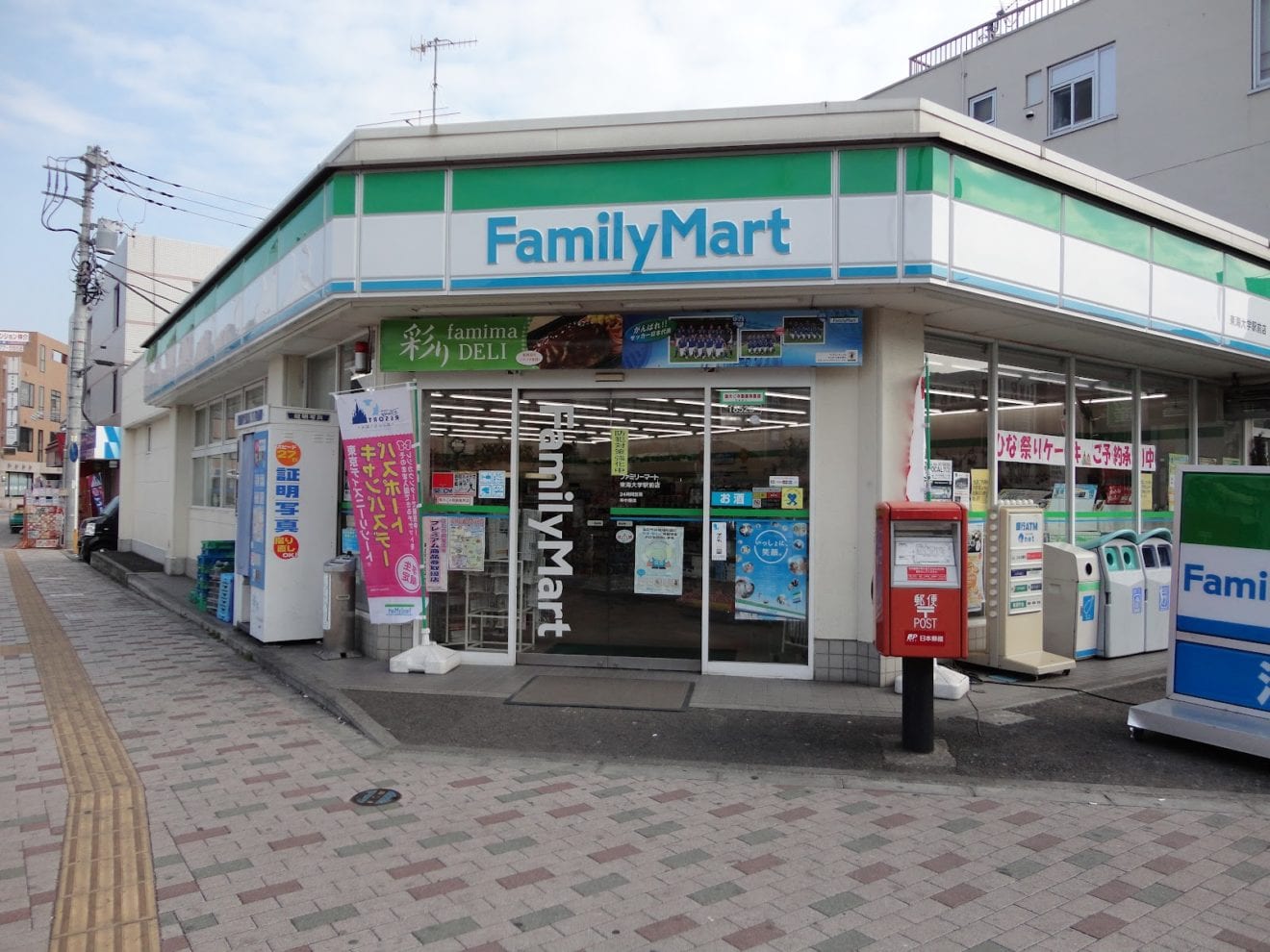
    FamilyMart, Japan’s widely recognized retailer, has launched its first Famima flagship store in Tokyo, marking a significant reimagining of the conventional convenience store as the company gears up for its 45th anniversary.

    FamilyMart’s Next Generation Retail

    Located in Tokyo’s upscale Azabudai district, the 217sqm store is a striking deviation from the traditional convenience store model. It features a unique blend of convenience, lifestyle products, and fashion; an official unveiling of a fresh retail concept. The new store boasts a ‘Convenience Wear’ apparel section, interactive styling tools, and exclusive merchandise. It also provides multilingual support to cater to a diverse customer base.

    The store design goes beyond the indoors, featuring outdoor seating areas, a rooftop garden, and even a takeaway counter.

    This innovative venture is part of FamilyMart’s ‘Next FamilyMart Project,’ an initiative aimed at experimenting with novel store formats, merchandising approaches, and customer experiences, with the potential for successful concepts to be implemented more broadly in the market.

    FamilyMart’s Collaboration and Expansion Strategy

    The store’s concept was conceived in partnership with renowned Japanese creative director Nigo. This collaboration underscores FamilyMart’s growing emphasis on delivering an experience-focused retail model that expertly melds lifestyle products, fashion, and design with the retailer’s staple convenience offerings.

    FamilyMart is expanding its intellectual property strategy with the introduction of a new Famima brand character. Merchandise featuring the new character is making its debut at the flagship store, with plans for a wider rollout across Japan in the future.

    Insights gleaned from the flagship store in Tokyo will influence future store expansions, with the expectation of gradually introducing selected concepts to FamilyMart’s nationwide network.

    FamilyMart’s representative director and president, Tatsuo Odani, stated, “Our new Famima initiative aims to unlock the full potential of convenience stores and bring it to life. Transformation and evolution, with a view to the future, will be necessary for sustained growth. Through collaboration with creators, we aim to infuse even more creativity, enjoyment, and excitement into the convenience store experience.”

    This initiative represents FamilyMart’s broader strategy to redefine the convenience store model in response to evolving customer expectations that extend beyond speed and accessibility to more distinct and unique retail experiences.

    Questions & Answers

    What is the Next FamilyMart Project?
    This is FamilyMart’s initiative to test new store formats, merchandising approaches, and customer experiences that could later be implemented across the market.

    What does the new Famima flagship store offer?
    The store offers a unique blend of lifestyle products, fashion, and convenience, featuring a ‘Convenience Wear’ apparel section, interactive styling tools, exclusive merchandise, outdoor seating, a rooftop garden, and a takeaway counter.

    What’s new about FamilyMart’s intellectual property strategy?
    FamilyMart has introduced a new Famima brand character as part of an expanded intellectual property strategy. Character-themed merchandise has debuted at the flagship store with plans for a broader rollout across Japan in the future.

  • Bangkoks Ultra-Rich Population on Pace to Lead Southeast Asias Wealth Boom

    Bangkoks Ultra-Rich Population on Pace to Lead Southeast Asias Wealth Boom

    Bangkok is emerging as Southeast Asia’s most dynamic hub for ultra-high-net-worth (UHNW) individuals, illustrating Thailand’s increasing allure for global wealth despite ongoing economic and geopolitical instability. The UHNW populace in Thailand’s capital is anticipated to expand to approximately 1,840 by 2030, up from 1,210 in 2025. This growth represents a surge of over 50%, equating to an average yearly increase of 8.7%.

    In 2025, Thailand recorded 2,090 UHNW individuals, with 1,210 primarily residing in Bangkok. UHNW individuals are classified as those possessing net assets exceeding US$30 million. This predicted growth positions Bangkok as the twelfth fastest expanding major UHNW city globally among the 100 largest urban economies by nominal GDP, rendering it the quickest growing wealth center in Southeast Asia, surpassing Jakarta.

    Bangkok’s Wealth Creation: A Unique Blend

    Bangkok’s wealth generation is notable not just for its speed but also for its unique blend of robust domestic entrepreneurship and increasing international appeal. Predictions suggest that, among major global cities, Bangkok will experience one of the swiftest increases in its ultra-wealthy population over the next five years. This growth will further consolidate its position as an emerging global wealth center.

    Most UHNW individuals based in Bangkok are self-made entrepreneurs. However, many benefitted from inherited capital during their businesses’ early development stages. The global UHNW population reached an all-time high of 556,850 individuals in 2025, a 14.4% rise from the previous year. This growth marked the second successive year of double-digit expansion and the strongest growth since 2017.

    In Asia, Hong Kong has the highest number of UHNW people, with 18,290, ranking second only to New York globally, which boasts 23,785 individuals. By 2030, the global UHNW population is expected to reach 746,570, with total wealth swelling to $85 trillion.

    Questions & Answers

    What is the projected number of ultra-high-net-worth individuals in Bangkok by 2030?
    The number of ultra-high-net-worth individuals in Bangkok is predicted to rise to about 1,840 by 2030, up from 1,210 in 2025.

    What factors contribute to Bangkok’s wealth generation?
    Bangkok’s wealth generation is characterized by robust domestic entrepreneurship and an increasing international appeal, making it a global wealth center.

    How does Bangkok’s ultra-high-net-worth population growth compare globally?
    Bangkok is projected to have the twelfth fastest-growing major ultra-high-net-worth population among the 100 largest urban economies by nominal GDP. This places it as the quickest growing wealth center in Southeast Asia.

  • Vietnam’s Economy Skyrockets: UOB Predicts Record-Breaking 8.5% Growth Amidst AI Boom

    Vietnam’s Economy Skyrockets: UOB Predicts Record-Breaking 8.5% Growth Amidst AI Boom

    United Overseas Bank (UOB), a leading financial institution based in Singapore, has increased its prediction concerning Vietnam’s GDP growth for the current year. Previously, the bank estimated a 7% increase; however, based on the country’s stronger-than-anticipated economic performance in the first six months, moderating energy costs, and the influence of artificial intelligence, UOB has revised its forecast to an 8.5% growth rate.

    Encouraging Economic Performance

    This revised prediction follows the announcement that Vietnam’s economy expanded by 8.18% in the first half of the year. This growth rate, which surpassed UOB’s initial projections, is the highest in Southeast Asia. The robust economic performance is attributed to widespread growth across various sectors, including industrial, construction, services, and agriculture.

    Manufacturing emerged as a key driver of this growth, bolstered by a global surge in demand for artificial intelligence, as stated by UOB. The bank also noted an impressive 61% upswing in foreign direct investment (FDI) during the first six months, reaching a total of US$34.7 billion. This significant increase strengthens the prediction that 2026 could set a record for Vietnam in terms of attracting FDI.

    Demonstrating Economic Resilience

    Despite the impacts of political tensions in the Middle East, Vietnam’s economy has displayed remarkable resilience which is expected to provide a solid foundation for economic growth in the second half of the year. UOB’s GDP growth prediction is currently one of the most optimistic among international organizations.

    In fact, the Asian Development Bank recently released a report forecasting Vietnam as the fastest-growing economy in Southeast Asia this year with a projected growth rate of 7.2%. Vietnam itself is aiming for a minimum growth rate of 10% this year and has outlined a plan that necessitates an 11.9% growth rate in the second half of the year.

    UOB will continue to observe global economic developments, particularly the impending U.S. tariffs expected to be implemented in late July. These tariffs could potentially add more strain on global trade and impact Vietnam’s economic growth trajectory.

    Despite general weakness among Asian currencies in June, the Vietnamese dong demonstrated notable resilience. UOB maintains its outlook that the dong will remain relatively stable, potentially strengthening against the dollar to 26,500 in the third quarter and 26,400 in the fourth.

    Questions & Answers

    What factors led UOB to increase its GDP growth prediction for Vietnam?
    This decision was influenced by Vietnam’s stronger-than-expected economic performance in the first half of the year, moderating energy prices, and the impact of artificial intelligence.

    Which sector was identified as a primary driver of Vietnam’s economic growth?
    Manufacturing has emerged as a key contributor to Vietnam’s economic growth, supported by surging global demand for artificial intelligence.

    What is the projected stability of the Vietnamese dong in the near future?
    UOB maintains that the Vietnamese dong will remain relatively stable, potentially strengthening against the dollar to 26,500 in the third quarter and 26,400 in the fourth.

  • Vietnam’s Sparkling Affair: $121.5M Diamond Imports in H1 2026, India Emerges as Top Supplier

    Vietnam’s Sparkling Affair: $121.5M Diamond Imports in H1 2026, India Emerges as Top Supplier

    In the first half of 2026, Vietnam saw diamond imports totalling an estimated US$121.5 million. Of this figure, India emerged as the main supplier, accounting for approximately 52% of the total imports, around $63.2 million. This figure is a significant increase compared to the previous year, where diamond imports from India totalled $107.6 million over the year.

    Other Notable Diamond Suppliers

    Belgium, another key player in the diamond market, came in second as a supplier. The country’s diamond exports to Vietnam amounted to $17.9 million, a decrease from the previous year’s total export value of $51.7 million. Israel followed closely as the third largest supplier with $9 million worth of diamond imports. Botswana and Thailand completed the list of top five suppliers, with imports valued at $7.7 million and $5.1 million, respectively.

    Other noteworthy suppliers to Vietnam included the U.S., contributing $3.6 million worth of diamonds, Hong Kong at $2.8 million, Japan at $2.7 million, and finally China at $2.2 million.

    Under current regulations, the Department of Customs stated that rough diamonds can only be imported from markets that participate in the Kimberley Process Certification Scheme (KPCS). The accompanying shipment must have a valid KPCS certificate issued by the appropriate authority of the exporting market, and it must comply with all customs documentation and clearance procedures.

    Customs authorities bear the responsibility of examining documentation, inspecting consignments, issuing certificates for imported rough diamond, and managing imports in line with the law. Customs clearance is executed based on import declarations, KPCS certificates, and other relevant documents submitted by importers.

    Recent Diamond Smuggling Incident

    These import figures have come under public scrutiny following the recent crackdown on a significant cross-border diamond smuggling operation. This operation, dismantled by police in the central province of Thanh Hoa, led to charges against 22 suspects and the seizure of 1,100 diamonds. According to police reports, the network had conducted 141 smuggling operations since 2024, trafficking more than 28,000 diamonds from Hong Kong into Vietnam. The estimated turnover of this operation was VND280 billion (roughly US$10.6 million).

    Questions & Answers

    Who is Vietnam’s largest diamond supplier in the first half of 2026?
    India was Vietnam’s largest diamond supplier in the first half of 2026, accounting for 52% of total imports.

    What is the Kimberley Process Certification Scheme (KPCS)?
    The KPCS is a scheme that regulates the trade of rough diamonds, ensuring the diamonds are legally mined and sold, to prevent the sale of conflict diamonds.

    What were the details of the recent diamond smuggling incident in Vietnam?
    A major cross-border diamond smuggling operation was recently dismantled by police in the central province of Thanh Hoa. The operation had trafficked more than 28,000 diamonds from Hong Kong into Vietnam since 2024, netting an estimated turnover of VND280 billion (roughly US$10.6 million).

  • Philippine Airlines Soars with $300M Bond Sale: Billionaire Lucio Tans Strategy for Expansion and Recovery Post-Bankruptcy

    Philippine Airlines Soars with $300M Bond Sale: Billionaire Lucio Tans Strategy for Expansion and Recovery Post-Bankruptcy

    Philippine Airlines, under the ownership of billionaire Lucio Tan, renowned for his ventures in the tobacco and banking sectors, has successfully garnered US$300 million via a five-year bond sale. This strategic move is aimed at financing the carrier’s ambitious plans for fleet modernization and growth.

    The bonds, which have been guaranteed as senior unsecured, were issued at a rate of 7.75% by Primero Agila, a fully owned subsidiary of the airline. The statement issued by the carrier also revealed the overwhelming response received for the offering, which was subscribed to 4.5 times more than anticipated, resulting in an order book surpassing $1.4 billion.

    First Bond Sale Since Bankruptcy Clearance

    Significantly, this bond sale is the first for Philippine Airlines following its emergence from Chapter 11 bankruptcy proceedings in the U.S. in December 2021. The funds raised will be used to bolster the carrier’s international expansion plans, which include augmenting the frequency of flights to major North American hotspots including Chicago, New York, Toronto, and Vancouver.

    In the words of Lucio C. Tan III, president of PAL Holdings and the grandson of the tycoon, “This landmark bond offering is a powerful affirmation of Philippine Airlines’ transformation and the confidence that global investors have in our long-term vision and growth ambitions. This allows us to strengthen our network and continue to elevate the travel experience for our customers.”

    A Landmark Achievement

    The bonds, which have received an unconditional and irrevocable guarantee by Philippine Airlines and its wholly-owned subsidiary, Air Philippines Corp., will be listed on the Singapore Exchange. The $300 million bond sale has been recognized as the first rated high-yield bond offering by a Philippine issuer in over a decade and the first unsecured rated high-yield bond issued by an Asian airline.

    Moreover, the airline has demonstrated a robust earnings recovery since the height of the Covid-19 pandemic. Its net profit witnessed a rise of 2.6% to $78.6 million in the first quarter, compared to the same period in the previous year, while revenue experienced a healthy increase of 9.7% to $895.7 million.

    In addition to aviation, Tan maintains interests in multiple sectors including banking, beer, spirits, tobacco, and real estate via his publicly listed flagship company, LT Group. His net worth stands at an impressive $3 billion, making him one of the wealthiest tycoons in the Philippines.

    Questions & Answers

    What will the proceeds from the bond sale be used for?
    The funds raised from the bond sale will be used to support Philippine Airlines’ international expansion plans, including the increase of flight frequencies to major North American cities.

    Why is this bond sale significant for Philippine Airlines and the aviation industry?
    This bond sale is the first for Philippine Airlines since it emerged from bankruptcy proceedings last year. It is also the first rated high-yield bond offering by a Philippine issuer in over a decade and the first unsecured rated high-yield bond issued by an Asian airline.

    How has Philippine Airlines performed financially since the height of the Covid-19 pandemic?
    The airline has shown a strong earnings recovery, with net profit rising 2.6% to $78.6 million in the first quarter from a year earlier, while revenue increased 9.7% to $895.7 million.

  • Mr DIY Unveils Expanded Plus Concept Store at The Mines, Offering a One-Stop Shopping Experience

    Mr DIY Unveils Expanded Plus Concept Store at The Mines, Offering a One-Stop Shopping Experience

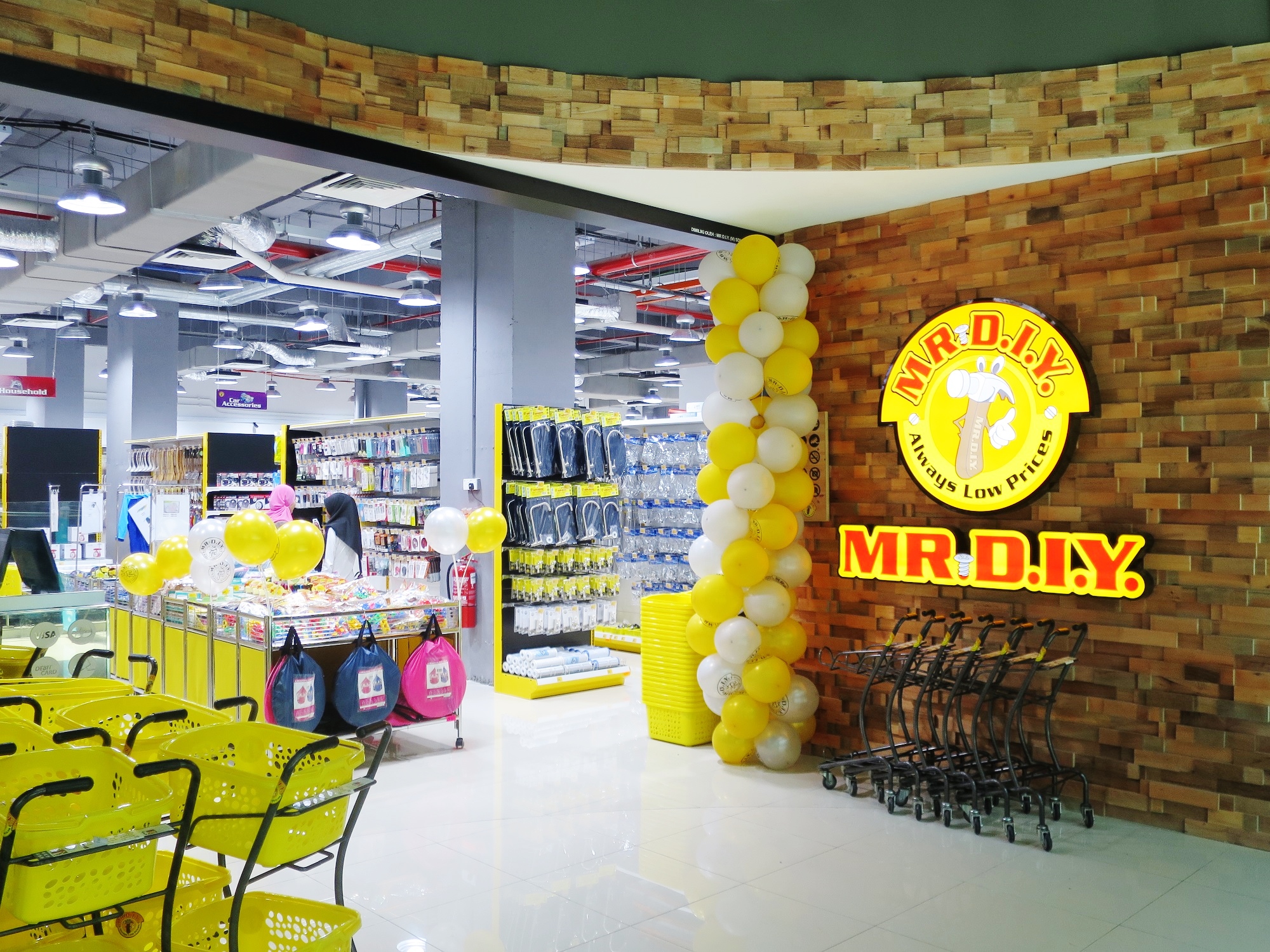
    Mr DIY, a renowned retailer, has broadened its retail scope by launching a new larger-format store, known as Mr DIY Plus, located in The Mines, Malaysia. This latest addition encapsulates the company’s four diversified retail brands: Mr DIY, Mr Toy, Mr Dollar, and Emtop. Providing a more comprehensive selection of products, the store caters to customer needs in various categories such as home improvement, household, hardware, electrical, stationery, toy, automotive, and lifestyle.

    The new store is not just a shopping spot, but an interactive community hub. The outlet features innovative community-focused attributes such as dedicated spaces for weekend workshops and activities, along with captivating retail displays to foster customer engagement. The overarching goal of this larger-format concept is to enhance customer convenience by amalgamating a multitude of product categories into one single, easy-to-navigate shopping destination.

    Adrian Ong, CEO of Mr DIY, shared his insights on the evolving shopping habits of customers. He stated that customers no longer have to compromise on variety or value in search of convenience, as the new Mr DIY Plus store is designed to cater to these needs. In addition to providing everyday essentials, the store encompasses a wider range of products, creating a unique and refreshed shopping experience. By positioning itself as a community destination, Mr DIY Plus aims to further integrate into the daily routines of its customers.

    This inaugural event comes as Mr DIY maintains its growth trajectory in the region. The retailer marked an impressive milestone earlier in the year as it expanded to over 1000 stores in Thailand. Reflecting on its expansion plans, Mr DIY has set an ambitious goal of reaching 3000 stores in Thailand by 2031, with an anticipated addition of 210 outlets within the current year.

    Questions & Answers

    What new concept has Mr DIY introduced with its latest store?
    With the new Mr DIY Plus store, the company has introduced a larger-format retail concept. This includes an amalgamation of the group’s four retail brands, offering a wider range of products and an easier-to-navigate design.

    What unique features does the new Mr DIY Plus store offer?
    The store introduces community-focused features, such as dedicated spaces for weekend workshops and activities, as well as interactive displays to engage customers.

    What are Mr DIY’s expansion plans in Thailand?
    Earlier this year, Mr DIY surpassed 1000 stores in Thailand. The retailer plans to add another 210 outlets this year, with a target of reaching 3000 stores in Thailand by 2031.

  • Vietnam’s Textile Exports Soar to $22.2B in H1: Embracing Sustainability and Tech for Future Growth

    Vietnam’s Textile Exports Soar to $22.2B in H1: Embracing Sustainability and Tech for Future Growth

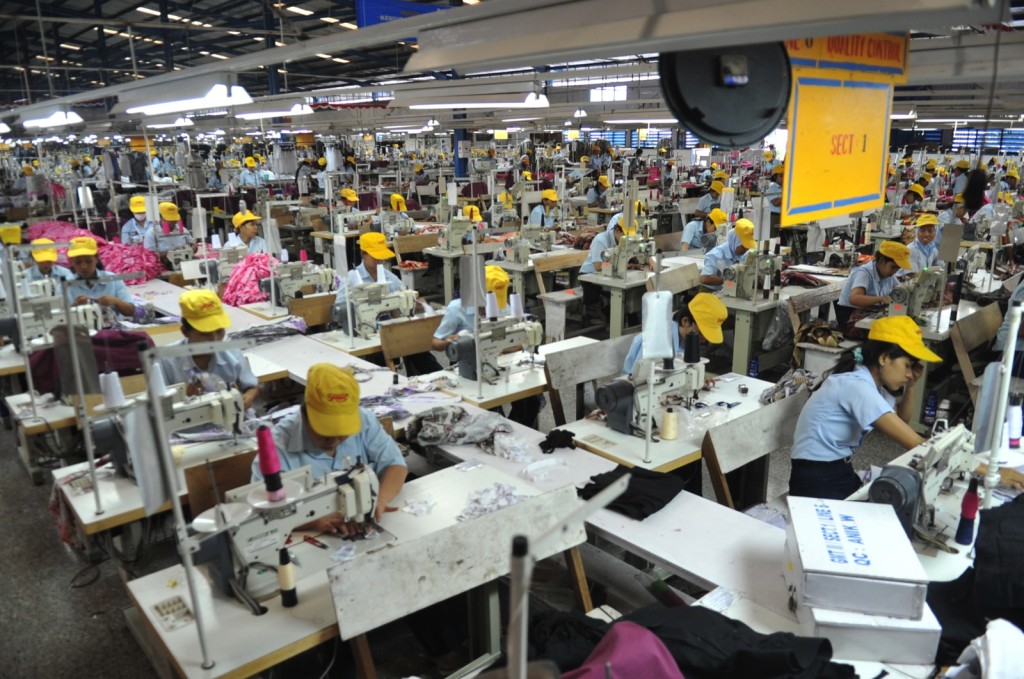
    Vietnam’s textile and garment industry saw a slight increase in exports for the first half of the year, reaching an estimated $22.2 billion, marking a 1.7% rise compared to the same period in the previous year. This information was released by the Vietnam Textile and Apparel Association (VITAS), which also noted that certain areas of the industry, including fibre, fabric, accessory, and nonwoven material exports, experienced a more substantial growth, with rates between 5.6% and 10.6%. However, the garment sector experienced a slight downturn, with exports decreasing by 0.4% due to weakened consumer demand in key markets.

    Export Markets and Trade Surplus

    In the first five months of the year, the U.S. continued to be the largest export market for Vietnam, with shipments amounting to $6.81 billion. This was a 1.3% increase, and represented approximately 45% of total exports. The E.U. market showed the strongest growth, with an increase of 8.8%, equating to $1.94 billion, whereas exports to Japan and the Republic of Korea dropped by 6.2% and 8.9% respectively. The industry was able to maintain a trade surplus of nearly $10 billion in the first half of the year.

    Challenges remain for the industry, despite the overall positive performance. VITAS outlined these obstacles, which include weak demand in key markets, high price competition, a heavy reliance on imported raw materials, increasing costs related to environmental, social and governance (ESG) standards and product traceability, and a growing uncertainty surrounding global trade policies.

    Future Focus and Strategy

    VITAS Chairman Vu Duc Giang spoke about the industry’s limited scope for expansion through solely increasing production volume. He expressed that the future growth of the industry hinges on enhancing productivity and creating higher-value products. This will be achieved by developing domestic sources of raw materials, diversifying export markets, and speeding up the digital and green transformations.

    To facilitate this shift, VITAS has given the green light for the establishment of four specialised committees during the 2025–2030 term. These committees will focus on fashion and domestic market development, international business and supply chains, sustainable development, and technology, innovation, and digital transformation. The committees are expected to commence their pilot operations in the third quarter of 2026.

    As the industry’s exports reached $22.2 billion in the first half of the year, the goal is to sustain an average monthly export revenue exceeding $4 billion in the remaining months. This will help to achieve the full-year target of roughly $48 billion. The industry’s key priorities in this endeavor include adapting to new purchasing strategies of global brands, expanding domestic supplies of raw materials, diversifying markets and products, preparing for potential legal and trade risks, and increasing investment in technology, automation, and digital transformation.

    Questions & Answers

    What growth did Vietnam’s textile and garment exports experience in the first half of the year?
    They experienced a slight increase of 1.7%, reaching an estimated $22.2 billion.

    What are the major challenges faced by Vietnam’s textile and garment industry?
    Major challenges include weakened demand in key markets, high price competition, reliance on imported raw materials, rising costs related to ESG standards and product traceability, and growing uncertainty regarding global trade policies.

    What strategies does the industry plan to implement for future growth?
    Strategies include enhancing productivity, creating high-value products, developing domestic raw material sources, diversifying export markets, and accelerating the digital and green transformations.

  • 7-Eleven Takes Nike to Court over Air Max Design: The Battle of the Tri-Color Stripe

    7-Eleven Takes Nike to Court over Air Max Design: The Battle of the Tri-Color Stripe

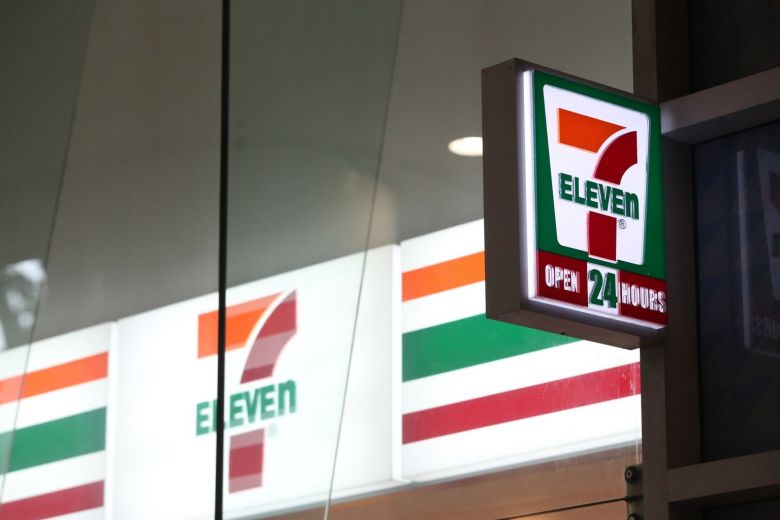
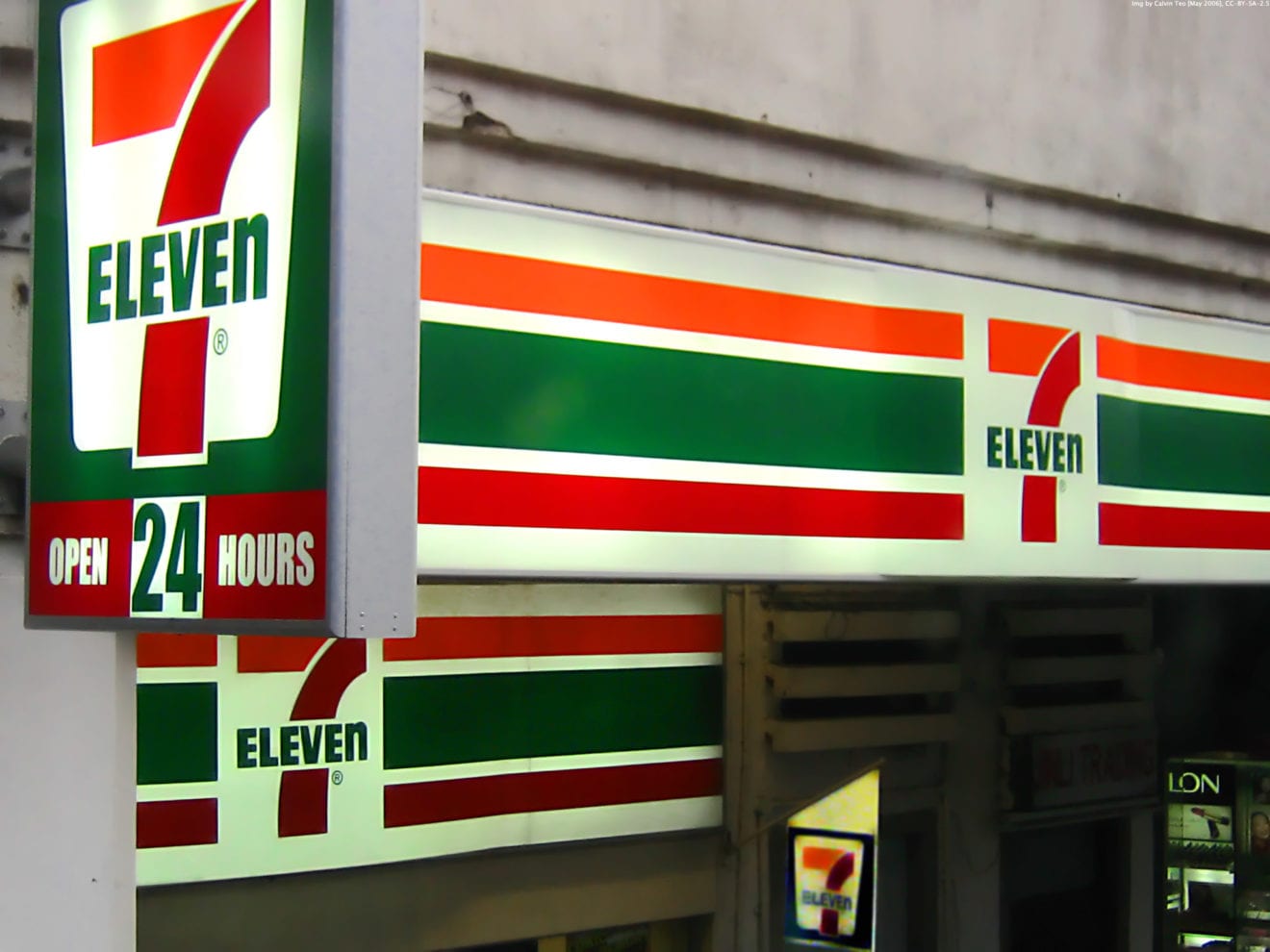
    The popular convenience store chain, 7-Eleven, has filed a lawsuit against sportswear behemoth Nike, alleging that their upcoming sneaker design infringes upon 7-Eleven’s iconic tri-color branding. This legal action comes in response to the striking resemblance between the orange, green, and red stripe pattern of Nike’s soon-to-be-launched Air Max 95 shoe and 7-Eleven’s company branding.

    Accusations of Brand Infringement

    The lawsuit, lodged in a federal court in Dallas, accuses Nike of creating a “confusingly similar imitation” of 7-Eleven’s tri-color stripe motif. 7-Eleven argues that this design is integral to its brand identity, and is universally recognized as being representative of their stores. Nike’s decision to schedule the shoe release for July 11, a date known for 7-Eleven’s annual “7-Eleven Day” celebration and Free Slurpee Day, further aggravated the dispute.

    The lawsuit alleges that Nike has shown a “callous and malicious disregard” for 7-Eleven’s brand rights. The convenience store chain has expressed concern that the unauthorized use of their brand, coupled with the shoe’s launch on their company’s “birthday”, necessitated this legal action to safeguard their brand identity.

    7-Eleven asserts that they made numerous attempts to amicably resolve the issue prior to filing the lawsuit, but were met with Nike’s resolve to proceed with the shoe’s launch and continued promotion.

    Seeking Resolution and Retribution

    The chain contends it has used the orange, green, and red color scheme for many years across various platforms including store signage, advertising, merchandise, and footwear. It claims ownership of multiple trademark registrations for this design.

    The lawsuit argues that Nike deliberately designed the shoe to conjure associations with 7-Eleven, thus profiting from their established brand recognition. The suit suggests that consumers are likely to incorrectly presume an endorsement or sponsorship from 7-Eleven, even though no such partnership exists.

    7-Eleven is pursuing a court order to halt Nike’s sales of the shoe, as well as a recall of any distributed products. The company is also seeking financial compensation and all profits from the sales of the controversial footwear.

    Questions & Answers

    What is the cause of the dispute between 7-Eleven and Nike?
    7-Eleven has accused Nike of infringing upon their tri-color stripe branding in their upcoming Air Max 95 shoe design.

    What resolution is 7-Eleven seeking in the lawsuit?
    7-Eleven is seeking a court order to stop the sale of the shoe, a recall of any distributed products, financial compensation, and all profits from the sales of the footwear.

    Did 7-Eleven attempt to resolve the dispute before filing the lawsuit?
    According to their statements, 7-Eleven tried multiple times to resolve the issue amicably but were met with Nike’s insistence on proceeding with the launch, leading them to take legal action.

  • Watson’s Celebrates 185 Years with Exclusive Heritage Concept Store in Hong Kong, Offering Unique Merchandise and Experiential Retail

    Watson’s Celebrates 185 Years with Exclusive Heritage Concept Store in Hong Kong, Offering Unique Merchandise and Experiential Retail

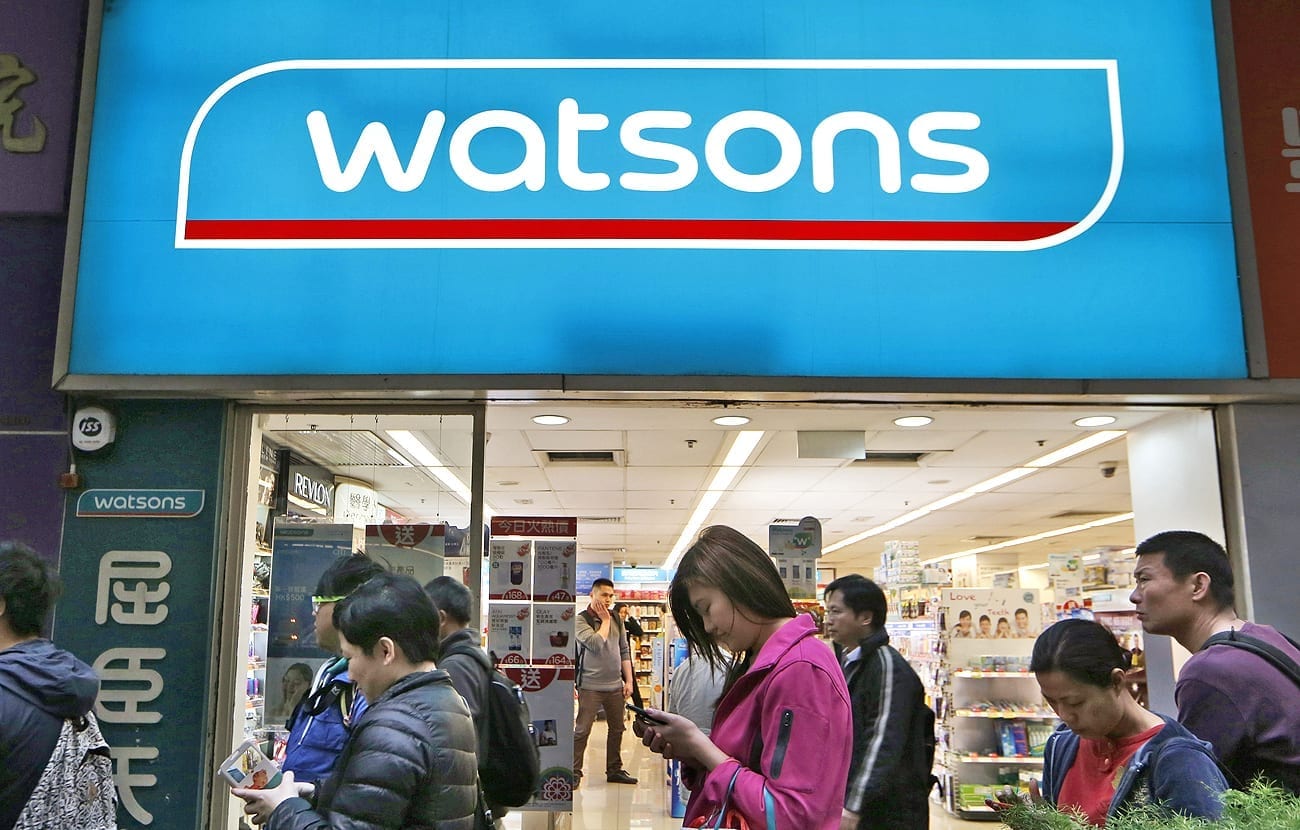
    In celebration of its 185th anniversary, Watsons Hong Kong has unveiled a heritage concept store in Yau Ma Tei. This innovative store seeks to blend the brand’s long-standing pharmacy heritage with the excitement of experiential retail and exclusive anniversary merchandise.

    Situated on Nathan Road, the store pays homage to AS Watson’s pharmacy origins with interiors that take design cues from yesteryears, interactive spaces for customers to engage with, and exclusive merchandise created especially for the anniversary. This experiential retail space features three themed photo zones which are inspired by the rich culture of Hong Kong’s pharmacies: a vintage medicine cabinet, a retro vanity corner, and a bathroom-themed display.

    To commemorate its opening, Watsons has launched a series of anniversary-exclusive products. Among these are a vintage-themed ‘Watjai’ mascot plush collection and a unique ‘Love Your Organs’ blind box series. In addition, a collaboration with popular brands Bioré, Colgate, and Darlie has resulted in the introduction of retro-inspired packaging for select products.

    In conjunction with the 185th anniversary campaign, other retail brands under the AS Watson Group umbrella, such as ParknShop, Fortress, and Watsons Water, are also participating. Exclusive merchandise from these brands will make their debut at the heritage concept store. Customers can look forward to items like lightbox-style magnets that pay tribute to ParknShop’s signage, a retro film camera from Fortress, and a vintage-style bottle opener courtesy of Watsons Water.

    This heritage concept store forms an integral part of Watsons’ overarching 185th-anniversary campaign, encapsulating the brand’s commitment to honoring its history while incorporating more experiential elements into its physical store network.

    Questions & Answers

    What is the heritage concept store?
    The heritage concept store is a new retail space by Watsons Hong Kong that combines the brand’s pharmacy history with experiential retail and exclusive anniversary merchandise.

    What can customers expect at the new heritage concept store?
    Customers can engage with vintage-inspired interiors and interactive experiences at the store. They can also purchase exclusive anniversary merchandise, including a ‘Watjai’ mascot plush collection and a ‘Love Your Organs’ blind box series.

    Which other brands are participating in Watsons’ 185th-anniversary campaign?
    Other retail brands under the AS Watson Group, such as ParknShop, Fortress, and Watsons Water, are also taking part in the anniversary campaign with exclusive merchandise debuting at the heritage concept store.

  • Singapore Retail Sales Continue Upward Trend, Albeit at a Slower Pace in May

    Singapore Retail Sales Continue Upward Trend, Albeit at a Slower Pace in May

    Singapore’s retail sector experienced continued growth in May, albeit at a slower pace than in April. Statistics from the Department of Statistics indicate that retail sales, excluding motor vehicles, parts, and accessories, rose by 3.7% in May. This increase represents a slight slowdown when compared to April’s 4.5% growth. Nevertheless, this marks the continued progression of the positive trend that started in February.

    The total value of retail sales in May was estimated at SG$3.8 billion (US$2.9 billion). Interestingly, online sales made up 17.7% of the total. However, on a seasonally adjusted basis, retail sales decreased by 1.8% compared to the previous month.

    Trends by Category

    Examining the growth by category, recreational goods and watches and jewelry saw the most significant increases, with sales jumping 23.6% and 11.7% year-on-year, respectively. A 9.5% increase in sales was also noted at petrol service stations, primarily due to rising petrol prices.

    Other categories that noted sales boosts between 4.5% and 7.7% include cosmetics, optical goods and books, furniture, and telecommunications equipment.

    On the other hand, food and alcohol retailers and department stores experienced declines, reporting decreases of 3.7% and 3.3%, respectively. The sector of food and beverage services maintained a steady level in May, showing no significant increase when compared to the 0.1% growth in April.

    Questions & Answers

    Which retail categories experienced the most growth in May?
    Recreational goods and watches and jewelry saw the most significant growth, with sales increasing by 23.6% and 11.7% year-on-year, respectively.

    What percentage of total retail sales were made online?
    In May, online sales constituted 17.7% of the total retail sales.

    Did all retail categories see an increase in sales?
    No, not all categories saw an increase. Food and alcohol retailers and department stores reported declines in sales of 3.7% and 3.3%, respectively.

  • 10 Ways to Save Money Using Free Apps and Online Tools

    10 Ways to Save Money Using Free Apps and Online Tools

    Saving money doesn’t always mean giving up the things you enjoy. Whether you’re shopping online, streaming your favorite content, or exploring digital entertainment such as Jili games, making smarter financial choices can help you get more value from your budget. Thanks to a wide range of free apps and online tools, it’s easier than ever to track expenses, find discounts, and manage everyday spending.

    The best part is that many of these solutions are completely free to use. Whether your goal is to reduce monthly expenses, stay on top of your finances, or simply spend more wisely, these practical tools can help you save money without sacrificing convenience. Here are 10 effective ways to make the most of free apps and online resources.

    1. Track Your Spending with a Budgeting App

    One of the easiest ways to save money is to know where it is going. Budgeting apps that are free help you keep track of your income and expenses, categorise purchases, and monitor your monthly spending habits.

    When you can see where your money goes, you can spot expenses you don’t need to be paying and make better financial decisions, but still be free. 

    2. Search for Coupons Before You Buy

    Take a few minutes to look for coupon codes or promotional offers before you buy something online. Many free browser extensions and coupon websites automatically find and apply available discounts at checkout.

    Even small discounts add up over time, especially if you shop online regularly. 

    3. Compare Prices Across Multiple Stores

    Never jump at the first price you see. Price comparison websites are useful for comparing different retailers before you buy.

    If you’re shopping for electronics, household goods or everyday necessities, price comparisons can help you get better deals and not overpay. 

    4. Set Price Alerts

    Thinking about buying something but waiting for a better deal? Many shopping sites and price-tracking tools let you set alerts for specific products.

    No need to check prices every day, you’ll get a notification when the price drops, this helps you to buy at the right time. 

    5. Use Cashback and Rewards Platforms

    Cashback sites and rewards apps allow you to earn points or a cut of your purchase back when you shop with participating retailers.

    Even if the savings on one purchase seem small, the regular use can result in considerable savings over the year. 

    6. Organize Bills and Payment Reminders

    Late payment fees are an avoidable expense that you can often avoid.

    Free calendar apps and reminder tools help you remember when to pay bills, subscriptions and recurring payments: This means you can better manage your monthly finances and not get charged penalties. Being organized… 

    7. Cancel Unused Subscriptions

    There’s still a lot of people paying for streaming services, software or memberships they hardly ever use.

    Subscription management apps can help you find recurring charges and see what you’re actually using. Cancelling one or two unnecessary subscriptions can release some extra cash every month. 

    8. Use Free Cloud Storage and Productivity Tools

    Use free cloud storage, document editors, spreadsheets and collaboration tools online instead of paying for pricey software.

    These services provide everything many users need for work, school, or personal projects without the need for expensive subscriptions. 

    9. Take Advantage of Free Learning Resources

    You don’t have to pay for expensive courses to learn new skills.

    There are many trustworthy sites that provide free tutorials, online courses, educational videos, and digital libraries on topics such as personal finance, technology, design, business, languages, and more. You could even get better career opportunities without any additional educational costs by improving your skills. 

    10. Choose Entertainment That Fits Your Budget

    Entertainment is important, but it doesn’t have to be a financial burden.

    Many digital entertainment platforms offer welcome offers, loyalty programmes, free content, or special promotions that enable users to get more value. So before signing up for any platform, be sure to compare available features, understand the terms and select services that fit your interests and your budget.

    For online gaming and digital entertainment, it is also worth choosing licensed platforms that encourage responsible play via functions such as deposit limits, time management tools and self-exclusion options. Responsible entertainment ensures that having fun stays fun and affordable. 

    Tips for Saving Even More Money Online

    Free apps are only part of the equation. Building smart financial habits can help you maximise your savings over the long term.

    Here are some simple practices to adopt:

    • Review your monthly expenses.
    • Look up prices before you buy something big.
    • Avoid impulse buying by waiting 24 hours before making non-essential purchases.
    • Instead of running after every bargain, look for legitimate promotions.
    • Protect your personal information using trusted websites and strong passwords.
    • Don’t fall for deals that sound too good to be true.

    Small changes to your daily habits can add up to the biggest savings over the long run.