Category: General

Retail News Asia is committed to providing both local and global retailers with the latest General Retail news throughout the Asian market. This on a daily base.

  • Singapore’s Affluent Investors Neglect Retirement Plans, Despite Confidence in Financial Future: HSBC Survey

    Singapore’s Affluent Investors Neglect Retirement Plans, Despite Confidence in Financial Future: HSBC Survey

    Affluent investors in Singapore are optimistic about their financial future, though many are overlooking the crucial aspects of retirement and wealth-transfer planning. This is according to recently released data from a survey by HSBC.

    There’s a noticeable contradiction among these investors; despite their confidence in their future financial status, their readiness for significant life-stage events is still lacking. HSBC’s Global Affluent Investor Snapshot 2026 reveals that a mere 20% of affluent investors in Singapore currently utilize retirement-planning services. Even fewer, just 9%, use wealth-transfer planning services, despite both being high on their list of financial priorities.

    Opportunities for Private Banks and Wealth Managers

    The survey’s findings indicate a sizable opportunity for private banks, wealth managers, and family-office advisors. This comes as Singapore’s wealthy population expands and the complexity of portfolios increases.

    The trend of international diversification is being led by younger investors. More than half (55%) of affluent Gen Z investors in Singapore prefer investing outside their home market. This surpasses both the average of 50% for Singapore and the global Gen Z average of 49%.

    However, the confidence of Gen Z investors has significantly declined. This is especially apparent in their medium-term financial goals, with confidence dropping from 73% the previous year to just 48%. HSBC reports that despite this decline, the younger generation remains strongly focused on wealth creation and financial security. The rising market uncertainty seems to be impacting their expectations.

    Investor Confidence Remains Robust

    Despite these concerns, the overall investor sentiment in Singapore is still strong. Confidence in achieving short-term financial goals increased to 78%, while faith in medium- and long-term goals reached 63% and 65% respectively. Retirement planning, wealth preservation and financial security continue to be high priorities for affluent investors.

    International diversification continues to be a crucial strategy. Half of Singapore’s affluent investors are now looking for investment opportunities beyond their domestic market, which is above the global average of 47%.

    Increasing Demand for Diverse Investment Products

    The study also points to a growing demand for a wider variety of investment products. Across the globe, investors plan to raise allocations to insurance products, alternatives and gold over the next year. Ownership of insurance products is anticipated to rise from 39% to 57%, and alternative investments could increase from 27% to 44%. Interest in gold is also on the rise.

    Younger investors are projected to be the main drivers of demand for alternative investments, private equity, and digital assets. Ashmita Acharya, Head of International Wealth and Premier Banking at HSBC Singapore, says the findings underline the necessity for more comprehensive wealth-planning solutions.

    She points out that as portfolios become increasingly international and diversified in nature, many investors are finding it challenging to turn financial ambitions into actionable plans.

    Questions & Answers

    Why are affluent investors in Singapore overlooking retirement and wealth-transfer planning?
    The exact reasons vary, but one possible explanation could be the lack of awareness or understanding of the importance of these financial planning aspects.

    What is the significance of the growing trend towards international diversification among Singapore’s investors?
    This trend indicates that Singapore’s investors are seeking to spread their investments geographically to mitigate risk and potentially take advantage of higher returns in other markets.

    How are financial institutions responding to the growing demand for a broader range of investment products?
    Financial institutions are increasingly offering more diverse and sophisticated products to meet the evolving demands of their clients, including alternative investments and digital assets.


  • Bluebell Group’s BlueSpace: A New Retail Star in Shenzhen’s Premium Market

    Bluebell Group’s BlueSpace: A New Retail Star in Shenzhen’s Premium Market

    Bluebell Group has unveiled BlueSpace, an innovative multi-brand retail platform in Shenzhen, offering a curated selection of beauty products, fragrances, lifestyle items, and collector’s pieces all under one roof. This strategic move is part of the company’s ongoing expansion of its high-end retail offerings in the Chinese market.

    The first BlueSpace store is located at the Galeries Lafayette Shenzhen in UpperHills mall. The store carries a diverse selection of international and Chinese brands such as Malin+Goetz, Noble Panacea, Niance, The Different Company, Rose et Marius, Notes for Later, Chujian, To Wild, Bobo Nuts, and CosMouni.

    Aiming for Broader Growth

    BlueSpace is a significant component of Bluebell Group’s overarching growth strategy. It provides a unique retail format intended to assist brand partners in exploring and expanding their reach in China’s upscale consumer market. According to Philippe Guettat, the group’s president and CEO, this progressive model offers their brand partners an unprecedented, low-risk platform to forge meaningful connections with high-end consumers throughout China.

    Earlier in the year, Bluebell Group named Guettat as their permanent group president and CEO in a broader leadership reshuffle. This was done with the aim of reinforcing alignment across their Asian operations.

    Questions & Answers

    What is BlueSpace?
    BlueSpace is a multi-brand retail concept launched by Bluebell Group in Shenzhen. It offers a wide range of beauty, fragrance, lifestyle products, and collectibles under one roof.

    What is the significance of BlueSpace in Bluebell Group’s strategy?
    The introduction of BlueSpace is a key part of Bluebell Group’s growth strategy. It aims to provide a unique retail format for their brand partners to test and expand their presence in China’s high-end consumer market.

    Who is Philippe Guettat?
    Philippe Guettat is the group president and CEO of Bluebell Group. He was appointed to this permanent position earlier this year as part of a broader leadership reshuffle within the company.

  • DFI Retail Triumphs: H1 Profits Leap by 44% Amid Sales Surge in All Business Sectors

    DFI Retail Triumphs: H1 Profits Leap by 44% Amid Sales Surge in All Business Sectors

    DFI Retail Group has announced a substantial surge in profits for the first half of the year, with all its subsidiaries showing positive sales growth for the period. The company’s underlying profit from ongoing operations leapt by 44 per cent, reaching an impressive US$117 million for the six months ending in June.

    Rising Sales Across Segments

    In terms of like-for-like (LFL) sales, the company saw a 3 per cent improvement. This was driven by the robust performance of the health and beauty sector and a return to growth for the convenience and home furnishings segments. Health and beauty witnessed a 6 per cent increase in LFL sales, with Mannings in Hong Kong contributing a 5 per cent growth. This was fuelled by an expanded basket size and a boost in visitor numbers. Guardian in Southeast Asia posted a strong growth of 9 per cent, with Indonesia and Vietnam experiencing close to a 20 per cent enhancement.

    The company’s convenience segment, responsible for 7-Eleven stores in Hong Kong, Macao, Singapore and South China, saw a 2 per cent rise in LFL sales. The home furnishings division, which operates Ikea stores in Hong Kong, Macau, Taiwan and Indonesia, reported a 4 per cent LFL sales hike, a considerable improvement from last year’s 6 per cent decline. The food division, managing supermarket and grocery chains in East and Southeast Asia, noted a modest 0.5 per cent uplift in LFL sales.

    Affirming the Company’s Strategy

    DFI’s CEO, Scott Price, attributed the first-half results to the effectiveness of the company’s strategy, which is defined by its customer-centricity, focus on returns and principled execution. He stated, “As we continue to deepen customer engagement and build new profit pools through the DFI Omni Platform, we are well-positioned to deliver sustainable long-term value with greater earnings resilience.”

    DFI recently made news with its acquisition of Cody Hong Kong, an outdoor advertising solution provider, to the tune of approximately $3.8 million. This move is in line with DFI’s strategy to create an all-encompassing advertising solution in Hong Kong via DFIQ Media.

    DFI has also made some changes to its leadership team this month, appointing Andrew Wong as the CEO of DFI Ikea, Curtis Liu as CEO of health and beauty, Tom van der Lee as CEO of Food, and Kaizhi Wu as group CFO.

    DFI has revised its full-year outlook, projecting organic revenue growth of 3-4 per cent and an underlying profit of between $285 and $305 million. Despite a higher oil price forecast for the rest of the year, the group anticipates stronger profitability backed by improved operational efficiency.

    Questions & Answers

    What is the expected organic revenue growth for DFI Retail Group?
    DFI anticipates an organic revenue growth of 3-4 per cent.

    Who was recently appointed as the CEO of DFI Ikea?
    Andrew Wong was recently appointed as the CEO of DFI Ikea.

    What led to the strong performance of DFI’s health and beauty sector?
    The strong performance of DFI’s health and beauty sector was driven by an expanded basket size and a boost in visitor numbers in Hong Kong, and significant growth in Southeast Asia.

  • Q2 2026 Sees 17.2 Million Passengers at Changi Airport Despite Slight Decline in Passenger Traffic

    Q2 2026 Sees 17.2 Million Passengers at Changi Airport Despite Slight Decline in Passenger Traffic

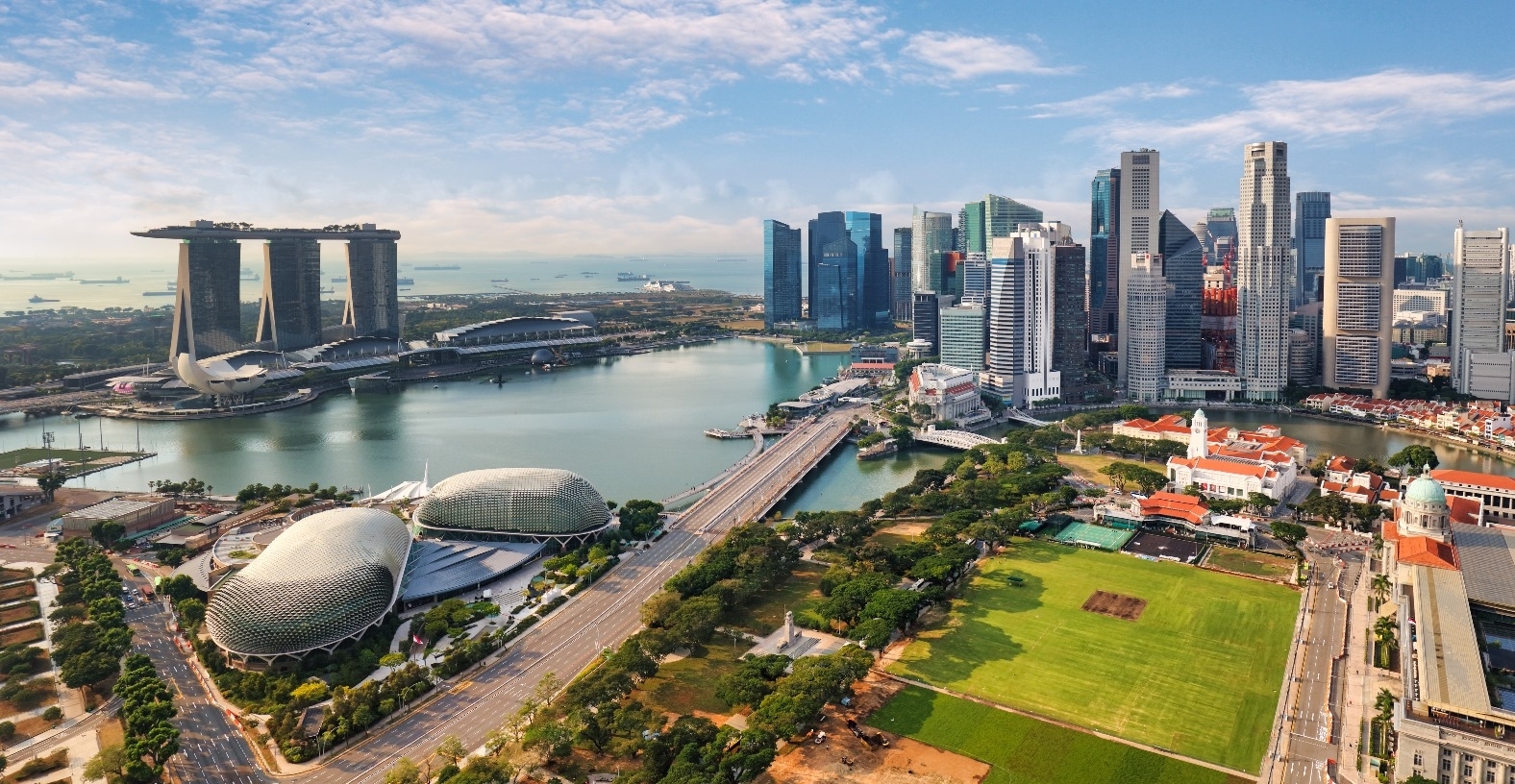
    In the second quarter of 2026, Singapore’s Changi Airport recorded 17.2 million passenger movements, representing a slight 1.5% decline compared to the same period in the previous year. Despite this, the airport saw a 0.4% increase in passenger traffic in the first half of the year.

    Quarterly Performance Indicators

    Within the quarter, there were 92,400 aircraft movements, including both landings and takeoffs, which marks a 1.3% decrease from the same period last year. The total aircraft movements for the first half of the year equaled 188,000, on par with the numbers from the previous year.

    Traffic to and from Europe and the Southwest Pacific went up by 8.7% and 3.0% respectively due to airlines increasing their capacity on these routes to streamline their operations. However, the challenging business environment, characterized by high jet fuel costs and fuel supply constraints, led to reduced services, particularly on Southeast Asian routes, which saw a 5.0% decrease in traffic.

    The top five passenger markets for Changi Airport in this quarter were China, Indonesia, Australia, Malaysia, and India. Despite the overall decline, Vietnam and China experienced robust growth, with year-on-year increases of 18.5% and 8.3% respectively. Japan also saw a steady growth of 7.0%.

    In the second quarter, Changi Airport handled 567,000 tonnes of airfreight throughput, a 9.8% increase from the same period in the previous year. This strong performance was driven by growth in all cargo flows, particularly in AI-related semiconductor and electronics shipments. The top five air cargo markets were China, the United States, Australia, Hong Kong, and India.

    Looking Forward

    Mr. Lim Ching Kiat, Executive Vice President for Air Hub and Cargo Development at Changi Airport Group, noted that although airlines continue to adjust their services due to changing operating conditions, the sustained demand for travel is encouraging, particularly to and from Europe and Northeast Asia.

    Changi Airport expanded its connectivity in the second quarter, with the introduction of new passenger and cargo services. China Eastern started services to Dalian in April, while Scoot added services to Belitung and Pontianak in Indonesia in May and June respectively. The airport also welcomed two new passenger airlines, Shanghai Airlines and Oman Air.

    On the cargo front, Tianjin Air Cargo began operations between Singapore and Haikou in June, becoming Changi Airport’s newest cargo operator.

    Questions & Answers

    What was the total number of passenger movements recorded at Changi Airport in the second quarter of 2026?
    Changi Airport recorded 17.2 million passenger movements in the second quarter of 2026.

    How did aircraft movements in the first half of 2026 compare to the same period in the previous year?
    The total number of aircraft movements in the first half of 2026 was 188,000, similar to the same period in the previous year.

    Which were the top five passenger markets for Changi Airport in the second quarter of 2026?
    The top five passenger markets were China, Indonesia, Australia, Malaysia, and India.

  • Formula 1’s Malaysian Comeback: An Economic Boost through Tourism and Global Exposure

    Formula 1’s Malaysian Comeback: An Economic Boost through Tourism and Global Exposure

    Malaysia is poised to host the Formula 1 Bahrain Grand Prix in October, an event that is projected to give a significant boost to the country’s economy through tourism and related sectors. Analysts believe that the race will have long-term economic benefits for the country, contributing to an increase in tourism, attracting more international investment, and promoting the organization of other world-class events.

    Race Details and Economic Impacts

    Deputy Prime Minister Ahmad Zahid Hamidi stated that the economic impacts of hosting such a prestigious event extend beyond simply increasing tourist numbers. The global media coverage and viewership that the race attracts will also greatly contribute to promoting Malaysia on an international scale. Formula 1 and the Fédération Internationale de l’Automobile (FIA) recently announced that Malaysia has been selected to host the Bahrain Grand Prix at the Sepang International Circuit (SIC) from October 2-4, 2026. This is contingent upon final agreements and official approval, including endorsement from the World Motor Sport Council.

    The upcoming race, set to take place between the Azerbaijan and Singapore Grands Prix, is a one-off replacement for the Bahrain GP, which has been postponed due to regional conflicts. Malaysia has been chosen as the host country due to the SIC having been the venue for F1 on numerous occasions between 1999 and 2017.

    Positive Reactions and Expectations

    The decision has been well-received in Malaysia, with former Sepang International Circuit CEO, Datuk Razlan Razali, stating that the choice of Malaysia as host makes strategic sense. Razali also believes that hosting the Bahrain GP will not pose any major operational challenges and that the SIC will not require any significant modifications for Formula 1.

    While the idea of Formula 1’s permanent return to Malaysia remains unlikely due to the high costs associated with hosting the championship, Razali is confident that the upcoming race will benefit domestic tourism and create opportunities for local suppliers and food and beverage businesses.

    Motorsports Association of Malaysia president Tan Sri Mokhzani Mahathir also welcomed the return of Formula 1 to Sepang, stating that it would be particularly meaningful for younger motorsport fans who missed the championship after it left Malaysia in 2017. Mahathir is optimistic that the hospitality, tourism, airline, and F&B sectors will all see benefits from the event.

    Questions & Answers

    What are the expected benefits of Malaysia hosting the Formula 1 Bahrain GP?
    Hosting the race is expected to boost Malaysia’s economy through increased tourism and related industries. In the long run, it could potentially attract more international investment and encourage organization of other world-class events.

    Why was Malaysia chosen to host the Bahrain GP?
    Malaysia was selected due to its successful track record of hosting F1 at the Sepang International Circuit, having done so 19 times between 1999 and 2017.

    Is there a possibility of Formula 1 permanently returning to Malaysia?
    The likelihood of a permanent return is currently considered remote due to the high costs associated with hosting the championship. However, this upcoming race could potentially pave the way for further discussions.

  • J&J’s Talc-Cancer Lawsuits: 69,000 Cases at Risk of Dismissal as Judge Demands Stronger Evidence

    J&J’s Talc-Cancer Lawsuits: 69,000 Cases at Risk of Dismissal as Judge Demands Stronger Evidence

    A U.S. federal judge on Wednesday expressed skepticism regarding the accusations of roughly 69,000 individuals who assert that Johnson & Johnson’s baby powder and other talc-related products led to ovarian cancer. The judge stated that the plaintiffs must offer more definitive evidence or face the possibility of their lawsuits being dismissed.

    Doubts Over Evidence

    US Magistrate Judge Rukhsanah Singh, based in Trenton, New Jersey, noted that recent testimonies from two expert witnesses representing the plaintiffs raised questions about the validity of their claims. The experts had testified that talcum powder usage specifically caused the plaintiffs’ ovarian cancer. These expert testimonies were part of a preparation for a set of six pivotal, or ‘bellwether’, trials aimed at assessing the potential worth of the remaining claims and guiding settlement discussions.

    The experts in question, Judith Wolf and Daniel Clarke-Pearson, delivered their testimonies in May. Despite their involvement, they were unable to conclusively rule out other potential causes for the plaintiffs’ ovarian cancer, leading to further doubts about the lawsuits.

    Johnson & Johnson’s Stance

    Johnson & Johnson has consistently refuted the allegations that its talc products cause cancer. The company maintains its stand that talc is safe and asbestos-free. Erik Haas, Johnson & Johnson’s VP of litigation, stated that the recent decision edges these cases closer to a fair and suitable outcome – the complete dismissal of the talc lawsuits. At the time of writing, both a spokesperson for Johnson & Johnson and a lead attorney for the plaintiffs had not responded to requests for comments.

    Despite the concerns raised, Judge Singh stated that the ongoing debate over causation would not lead to an immediate dismissal of the consolidated federal lawsuits. Instead, the plaintiffs have been given until November 19 to provide a response and a reason why their case should not be dismissed due to the failure to provide an admissible expert opinion that Johnson & Johnson’s talc caused their specific cancer.

    In addition to these federal cases, Johnson & Johnson also faces lawsuits in state courts across the US. The company has seen victories in some recent trials, but large verdicts have also been awarded to plaintiffs in other cases. The litigation process resumed in March 2025 after being paused for over three years due to unsuccessful attempts by Johnson & Johnson to resolve the lawsuits through a shell company’s bankruptcy.

    As a response to the ongoing controversy, Johnson & Johnson ceased sales of talc-based baby powder in the US in 2020, opting instead for a cornstarch product.

    Questions & Answers

    What was the recent decision made by the US Magistrate Judge Rukhsanah Singh about?
    The decision expressed skepticism about the accusations made by individuals who assert that Johnson & Johnson’s talc products caused their ovarian cancer. The judge noted that the plaintiffs must provide more definitive evidence or risk their lawsuits being dismissed.

    What impact did the expert testimonies have on the case?
    The expert witnesses, Judith Wolf and Daniel Clarke-Pearson, were unable to rule out other potential causes for the plaintiffs’ ovarian cancer. This uncertainty has raised further questions about the validity of the lawsuits against Johnson & Johnson.

    What is Johnson & Johnson’s stance on the allegations about their talc products?
    Johnson & Johnson has consistently refuted the allegations, maintaining that their talc products are safe and asbestos-free. The company believes that a fair and suitable outcome would be the complete dismissal of the talc lawsuits.

  • Costco Leverages JD.com for Bold China Expansion, Boosts Online Presence Beyond Warehouses

    Costco Leverages JD.com for Bold China Expansion, Boosts Online Presence Beyond Warehouses

    Costco, the multi-national corporation recognized for its warehouse club model, has embarked on an exciting new venture in China. Costco has launched an online flagship store on JD, one of China’s largest online retailers, thereby marking a significant point in its expansion in the Chinese market. This strategic move aims to augment Costco’s digital presence beyond the parameters of its existing network of physical warehouses.

    A Growing Online Presence

    The collaboration with JD makes it possible for consumers across China to access approximately 700 products. The diverse range of offerings includes grocery items, household essentials, health supplements, beauty products, and Costco’s private-label range, Kirkland Signature. Notably, the online store allows Costco to penetrate cities where it currently does not have a physical presence.

    The launching of the flagship store on JD represents a crucial milestone for Costco in China. It signifies a significant shift in strategy that emphasizes the importance of online retail in the current market scenario. Costco China says, “By leveraging JD’s well-established online platform and extensive logistics network, we are able to overcome regional limitations and extend our reach into broader markets. This allows us to effectively deliver Costco’s signature merchandise and service value to consumers across the country.”

    Impressive Initial Response and Expansion Plans

    The online store first underwent a trial phase in late May. It was met with an overwhelmingly positive response, attracting over 30 million visits and almost 200,000 followers in just the first month. This underscores strong consumer interest and sets the stage for an optimistic official launch.

    Costco’s strategic move is part of its cautious yet continuous expansion in Mainland China. Since the opening of its first warehouse in Shanghai in 2019, Costco has added a few more stores in major cities. However, the emphasis has increasingly been on using digital channels to further expand its market reach.

    Questions & Answers

    What does Costco’s partnership with JD aim to achieve?
    Through the partnership with JD, Costco aims to overcome regional limitations and expand its reach into broader markets in China. It also allows Costco to deliver its signature merchandise and service value to consumers nationwide.

    What range of products will be available in Costco’s online flagship store on JD?
    The online store will offer around 700 products, including grocery items, household essentials, health supplements, beauty products, and Costco’s private-label range, Kirkland Signature.

    How has the initial response been to the trial phase of Costco’s online store on JD?
    The initial response has been overwhelmingly positive, with the store attracting over 30 million visits and nearly 200,000 followers in the first month.

  • Coles Plans Closure of Crime-Plagued Elizabeth Street Store in Melbourne CBD by 2027

    Coles Plans Closure of Crime-Plagued Elizabeth Street Store in Melbourne CBD by 2027

    Coles, a leading supermarket chain in Australia, has disclosed plans to shutter its store on Melbourne’s infamous Elizabeth Street due to the location’s ongoing issues with crime and antisocial behaviour. The location, which has once again come under the spotlight following two separate machete attacks recently, is situated across from Melbourne’s Flinders Street station. The Coles Central store shares its vicinity with Woolworths Metro, located just a few doors down.

    A Strictly Commercial Decision

    Coles has stressed that the decision to vacate the premises at the end of their lease agreement in 2027 is purely a business move. This will result in the supermarket maintaining only one store in Melbourne’s Central Business District (CBD), based in Melbourne Central.

    The supermarket chain has recently made public its extended collaboration with Crime Stoppers Victoria, aiming to address the issue of crime within retail settings. Increasing instances of theft, abuse and hostility towards frontline workers have contributed to a progressively challenging environment within the retail sector, a Coles representative explained.

    Martin Smithson, General Manager of Supermarket Operations at Coles, stated that the rise in retail violence was absolutely unacceptable. He emphasized that the partnership with Crime Stoppers was just one of the steps being taken to tackle it, and called for a collaborative approach involving industry, retailers, government and police.

    Victoria: A Hotspot for Retail Crime

    Victoria, and particularly Melbourne, has been a focal point of Australia’s escalating retail crime issue. In 2025, the state recorded 95,181 criminal incidents at retail locations, marking an increase of 25.7% over the preceding decade.

    According to Chris Rodwell, CEO of the Australian Retail Council, the trend is irrefutable. Retail crime in Victoria continues to surge, posing a persistent, widespread threat to frontline workers and customers.

    Questions & Answers

    What is the reason for Coles’ decision to close its store on Elizabeth Street?
    The decision is strictly commercial, according to a Coles spokesperson.

    How is Coles addressing the issue of retail crime?
    Coles has announced an extension of its partnership with Crime Stoppers Victoria to help tackle retail crime.

    What has been the trend in retail crime in Victoria over the past decade?
    The state has seen a 25.7% increase in criminal incidents in retail locations over the past decade.

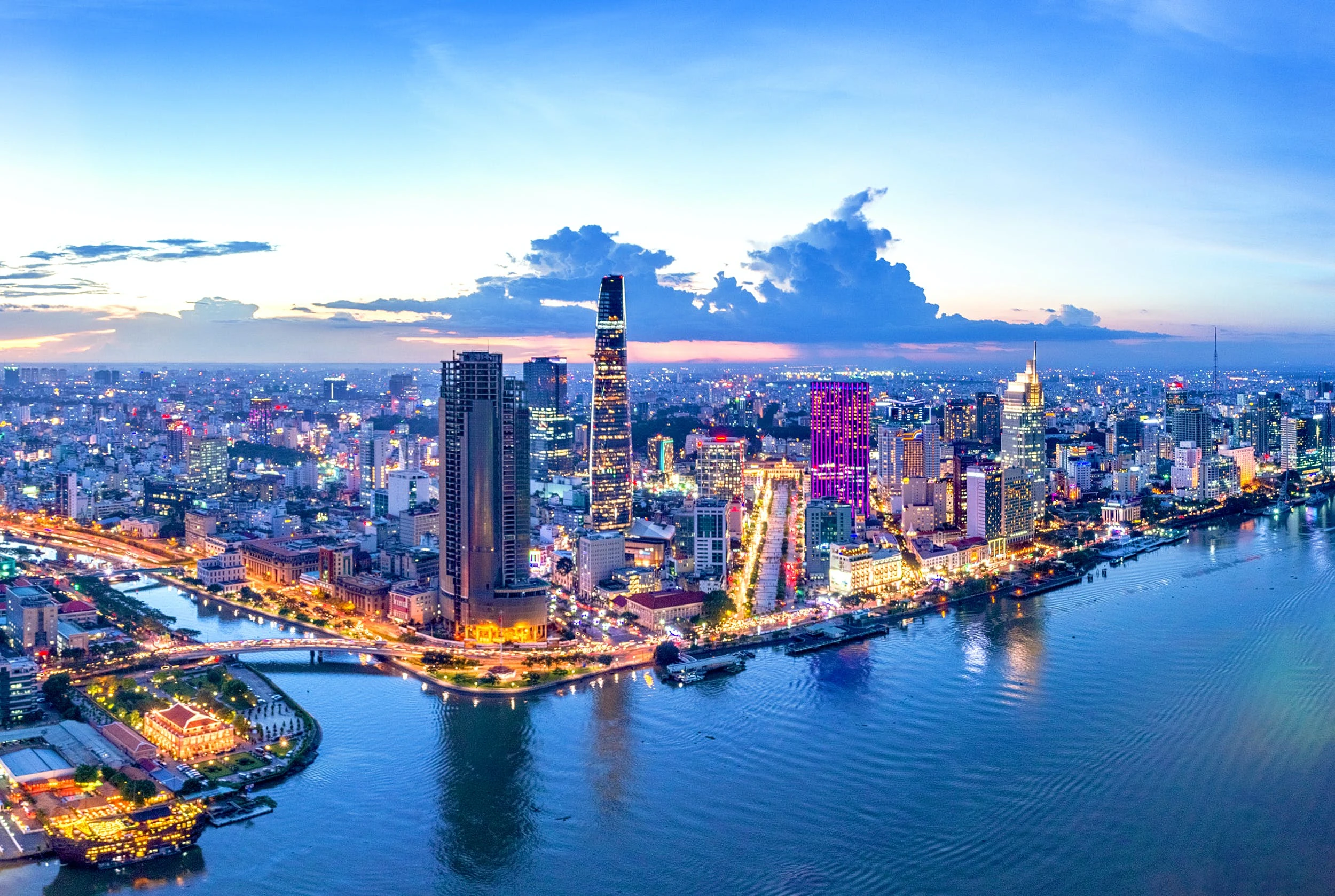
  • HCMC’s Overseas Remittances Drop 23% Amid Global Economic Challenges in H1 of 2026

    HCMC’s Overseas Remittances Drop 23% Amid Global Economic Challenges in H1 of 2026

    In the first half of 2026, Ho Chi Minh City (HCMC) received over $4 billion in remittances, marking a considerable decrease of almost 23% compared to the same period in the previous year. Factors contributing to this downward trend include a sluggish global economy, more restrictive immigration policies, and shifts in capital flows, all of which negatively affected overseas Vietnamese transfers.

    During the second quarter, remittances that were transferred via credit institutions and economic organizations amounted to $2.03 billion. Although this reflects a slight increase of 1.4% from the first quarter, it is a significant decrease of 27.9% compared to the same quarter last year, as reported by the State Bank of Vietnam (SBV)’s Region 2 Branch.

    Geographical Distribution of Remittances

    Tran Thi Ngoc Lien, the Deputy Director of the SBV’s Region 2 Branch, disclosed that Asia continued to be the most significant source of remittances, contributing over $1 billion, representing 49.3% of total inflows. This figure is up by 9.8% from the previous quarter. The Americas came in second, contributing $672.6 million, making up over 33% of the total.

    In the first quarter, remittances from Asia increased by 9.8%, becoming the primary force of recovery. However, inflows from Europe, the Americas, and Oceania decreased.

    For the first six months, Asia and the Americas remained the leading sources, accounting for over 81% of total remittances. Asia led the way with $1.92 billion, accounting for 47.5% of the total. The Americas followed with $1.38 billion, or 34.1%, and Oceania contributed $418.3 million or 10.4% of the total.

    Contributing Factors and Future Projections

    According to Lien, the decline in remittances is attributed to a mix of international and domestic factors. Slow global economic growth, the strong U.S. dollar, and stricter immigration policies in several countries have all affected employment and income, impeding the ability of overseas Vietnamese to send money home.

    Inflationary pressures, increased living costs, labor market changes, and tax policy adjustments related to certain money transfer transactions have also impacted the Americas, particularly the U.S. – a significant remittance market for HCMC.

    Domestically, the SBV’s Region 2 Branch pointed out that some investment channels have not been attractive enough to absorb remittance capital. Moreover, the interest rates for foreign currency deposits have remained at 0%, leading some overseas Vietnamese to keep their funds abroad or shift them to other investment assets.

    Nevertheless, the SBV’s Region 2 Branch predicts a potential recovery, provided the global economy avoids major disruptions, and the current recovery trend persists in the second half of the year. The projections suggest that HCMC’s total remittance inflows in 2026 could reach between $8.6 and $8.9 billion.

    Despite being below levels recorded in previous years, remittances are expected to recover more noticeably on a quarterly basis, bolstered by the easing of international interest rate conditions, exchange rate stability, and the continued effectiveness of banks’ remittance promotion programs.

    Questions & Answers

    Why have remittances to HCMC reduced significantly in the first half of 2026?
    The decline can be attributed to global economic challenges, tighter immigration policies, and shifts in capital flows that have affected overseas Vietnamese transfers.

    Which regions are the main contributors to remittances to HCMC?
    Asia and the Americas are the two principal sources of remittances to HCMC, collectively accounting for over 81% of total remittances.

    What are the expectations for HCMC’s remittances in the second half of 2026?
    If the global economy remains stable and the current recovery trend continues, HCMC’s total remittance inflows are projected to reach between $8.6 and $8.9 billion in 2026.

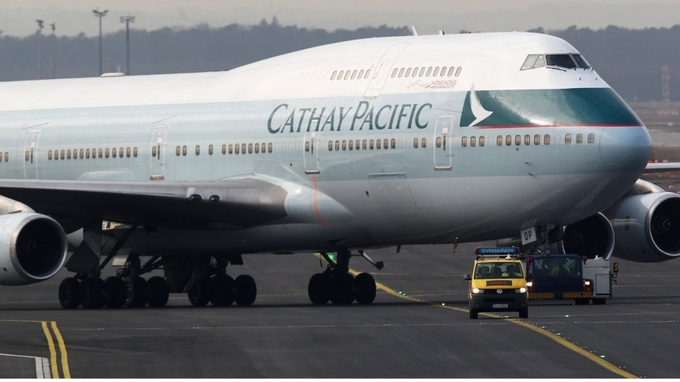
  • Cathay Pacific Airways Sees Skyrocketing Profits on the Horizon Amidst Rising Global Demand

    Cathay Pacific Airways Sees Skyrocketing Profits on the Horizon Amidst Rising Global Demand

    Cathay Pacific Airways, the third most highly ranked airline globally last year, has announced its potential to realize a profit surge of up to 76% for the first half of this year. This surge, driven by robust passenger and cargo demand, is in comparison with the corresponding period last year.

    Financial Forecasts and Market Performance

    On Wednesday, the airline group projected a profit ranging from HKD6 billion to HKD6.5 billion ($765.39 million to $829.12 million) for the six months concluding on June 30. This projection marks a significant jump from HKD3.7 billion recorded during the same period last year. These estimations integrate a one-off gain of around HKD1.4 billion, attributable to the airline’s partial dilution of its stake in Air China.

    Without this one-off item, the sound underlying performance is reliant on robust demand within both passenger and cargo operations. This prediction shows resilience, as the wider aviation industry contends with a drastic surge in fuel costs. The International Air Transport Association (IATA) had projected that airlines’ fuel expenditures would skyrocket to $350 billion this year from $252 billion in 2025, driven by average jet fuel prices of $152 per barrel—nearly 70% higher than 2025 levels. Despite this, Cathay has acknowledged this hurdle whilst also reporting stronger earnings.

    Shares of Cathay, listed in Hong Kong, climbed more than 3% in the afternoon session after experiencing a slight dip in the morning. This rise was attributed to the optimistic profit prediction, which outperformed some analysts’ forecasts.

    Operational Performance

    The cargo division of Cathay, in June, transported 9% more cargo than the previous year, resulting in a 9% increase in total tonnage for the first half of the year. Lavinia Lau, Chief Customer and Commercial Officer, attributed this growth to semiconductor and pharmaceutical shipments which fuelled their specialist product lines, Cathay Expert and Cathay Pharma.

    On the passenger front, Cathay Pacific recorded a 12% increase in passenger numbers in June year-on-year, coupled with a 6% rise in available seat kilometers. For the first half of the year, passenger numbers swelled by 17%.

    Despite June traditionally being a more relaxed month, load factors remained stable, partially boosted by rerouted traffic via Hong Kong amidst the ongoing Middle East conflict. Demand in premium cabins also sustained strong corporate and premium leisure travel. “The outlook for the summer peak remains encouraging, particularly across our long-haul network,” Lau stated.

    HK Express, the group’s budget unit, experienced a slight dip with passenger numbers falling by 4% in June after the carrier reduced capacity to counterbalance higher fuel costs. However, Lau stated that bookings for July were trending ahead of the previous year.

    The group’s complete interim results are anticipated to be released in August. Cathay Pacific Airways clinched the third spot in 2025’s Skytrax’s ranking of the world’s best airlines, only surpassed by Qatar Airways and Singapore Airlines.

    Questions & Answers

    What is Cathay Pacific’s projected profit for the first half of this year?
    Cathay Pacific predicts a profit ranging from HKD6 billion to HKD6.5 billion ($765.39 million to $829.12 million) for the first half of this year.

    What contributed to Cathay Pacific’s robust performance?
    The airline attributed its sound performance to strong demand across both its passenger and cargo operations, along with a one-time gain from partially diluting its stake in Air China.

    Despite a dip in June, how is HK Express, Cathay Pacific’s budget unit, performing in July?
    July bookings for HK Express are currently outpacing those from last year, despite a 4% drop in passenger numbers in June.

  • China’s New Renaissance: How AI and Digital Economy Could Transform Global Investments

    China’s New Renaissance: How AI and Digital Economy Could Transform Global Investments

    After enduring years of economic adjustments and investor uncertainty, China is on the cusp of entering a fresh chapter. This revival is anticipated to be powered by advancements in manufacturing, artificial intelligence (AI), and the digital economy, potentially presenting vast implications for global investors, according to the Bank of Singapore.

    Reassessing China’s Economic Prospects

    The Bank of Singapore suggests a reevaluation of China’s economic potential. In its report titled “2026 Supertrends: Cycles, Halos and Moonshots,” the private bank identifies China’s renaissance as one of five key trends expected to shape investment markets by 2030. The other trends include geopolitical chokepoints, a refreshed approach to portfolio development, the expansive influence of artificial intelligence, and the rapidly growing longevity economy. However, the resurgence of China’s economy is deemed particularly significant for Asian investors.

    The bank asserts that China is transitioning from an era of economic recalibration to a new phase of renaissance. The economic opportunities are projected to stem from high-value products and services as China intensifies the development of its digital economy. The bank also forecasts that the emerging strength in advanced manufacturing in North Asia, especially industries contributing to AI development, will be a crucial source of investment returns. A robust Chinese renminbi is also expected to be a favorable contributing factor.

    This hypothesis signals a significant shift in outlook, following several challenging years for Chinese assets characterized by a prolonged property downturn, dwindling domestic demand, and geopolitical tensions.

    The Transformative Role of AI in Investments

    The potential resurgence of China is closely linked to another significant investment theme identified by the Bank of Singapore: artificial intelligence. The bank anticipates that the investment sectors benefiting from AI expansion will extend far beyond a select group of technology stocks. Possibilities are expected to arise across asset classes, including equities and fixed income as well as public and private markets.

    This could be advantageous for North Asia, where advanced manufacturing, semiconductors, and the broader technology supply chain are gaining increasing importance in the global AI ecosystem.

    Geopolitics, however, remains a significant risk, expected to shape investment strategies in a world increasingly influenced by strategic chokepoints. Control over resources and infrastructure could be wielded for strategic or economic leverage, as exemplified by China’s position in rare earths and other critical materials. This could result in a more volatile global climate, contributing to higher inflation, elevated government deficits, and fluctuating long-term bond yields.

    The evolving global landscape could also significantly impact currencies. The Bank of Singapore predicts modest short-term strengthening for the US dollar but a more bearish outlook in the long term. Large fiscal and current account deficits, coupled with potential political pressure on the Federal Reserve, could trigger a multi-year downtrend for the greenback.

    Consequently, safe-haven assets such as gold, the Swiss franc, and the Singapore dollar may gain prominence as investors seek alternatives to traditional government bonds for portfolio hedges.

    For investors, the inference is clear: the forthcoming phase of Asian growth is expected to be drastically different from the past, characterized by less dependence on traditional globalization and more emphasis on technology, strategic supply chains, and the competition for critical resources.

    Questions & Answers

    What is the anticipated economic shift in China?
    The Bank of Singapore suggests that China is transitioning from a period of economic recalibration to a new phase of renaissance, powered by advancements in manufacturing, AI, and the digital economy.

    What role does artificial intelligence (AI) play in this shift?
    AI is considered a major catalyst for the expected economic resurgence in China, with opportunities expected across asset classes. It is also perceived as instrumental in advancing North Asia’s manufacturing and technology sectors.

    What implications could the changing global landscape have on currencies?
    The Bank of Singapore anticipates modest short-term strengthening for the US dollar but a bearish outlook in the long term, which could result in a multi-year downtrend for the greenback due to large fiscal and current account deficits, and potential political pressure on the Federal Reserve.

  • Lucio Tans Sky-High Ambitions: Philippine Airlines to Boost Fleet with 20 Boeing Dreamliners

    Lucio Tans Sky-High Ambitions: Philippine Airlines to Boost Fleet with 20 Boeing Dreamliners

    Philippine Airlines, under the leadership of banking and tobacco magnate Lucio Tan, intends to acquire up to 20 Boeing 787-10 Dreamliner jets as the company upgrades its fleet in response to increased demand in air travel. The national airline has committed to purchasing at least 15 Dreamliners, with the option to buy another five, as stipulated in a preliminary agreement established in the United Kingdom.

    A Historic Purchase for Philippine Airlines

    The new order represents Philippine Airlines’ initial acquisition of Boeing aircraft in nearly 20 years, with delivery slated between 2031 and 2034. While the financial details of the agreement were not disclosed, the overall deal could potentially exceed $7.1 billion based on listed prices. A single Dreamliner typically ranges from $150 million to $200 million, even though its list price can reach a peak of $355 million.

    The procurement follows Philippine Airlines’ successful fundraising of $300 million from its inaugural bond sale after emerging from Chapter 11 bankruptcy in the U.S. in December 2021. The generated funding will contribute to the rejuvenation and expansion of the 85-year-old airline’s fleet.

    Lucio Tan III, president of PAL Holdings, the airline’s parent company, said, “This investment exemplifies our faith in the future of Philippine Airlines and the projected growth of air travel.” He added, “The Boeing 787-10 will augment our medium and longhaul fleet, enabling us to offer an enhanced travel experience for our passengers while improving operational efficiency.”

    A Broader Strategy for Efficiency and Sustainability

    The acquisition of the 787 Dreamliners is part of a larger plan to build a more efficient, sustainable, and competitive airline. The new aircraft will be powered by GE Aerospace’s GEnx-1B engines. Philippine Airlines, which boasts a fleet of over 80 aircraft, provides service to various destinations across the Philippines and 40 international routes in Asia, North America, Australia, and the Middle East.

    Since 2024, the airline has been actively expanding and upgrading its fleet, following a record profit in 2023 spurred by a post-pandemic travel surge. In December, the airline also added five Airbus A320 aircraft to its fleet.

    In addition to aviation, Tan’s business portfolio extends to banking, beer, spirits, tobacco, and real estate through his publicly traded LT Group. His net worth is estimated to be $2.9 billion.

    This purchase also represents a significant win for Boeing, which has also recently secured orders for 100 aircraft from leasing company SMBC and 28 jets from Riyadh Air.

    Questions & Answers

    What is the significance of this purchase by Philippine Airlines?
    This is the first time in nearly two decades that Philippine Airlines has placed an order for Boeing aircraft, marking a significant milestone in the company’s fleet upgrade strategy.

    How will this acquisition benefit Philippine Airlines?
    The acquisition of the Boeing 787-10 Dreamliner aircraft is expected to enhance operational efficiency and the overall travel experience for passengers, particularly for medium and long-haul flights.

    What are Lucio Tan’s other business interests besides aviation?
    Apart from aviation, Lucio Tan’s business interests span across various sectors, including banking, beer, spirits, tobacco, and real estate through his publicly listed LT Group.

  • Singapore’s Metro Redefines Retail, Plans Closure of Two Major Stores for Smaller Multi-Concept Outlets

    Singapore’s Metro Redefines Retail, Plans Closure of Two Major Stores for Smaller Multi-Concept Outlets

    Metro, a well-known retailer based in Singapore, has announced plans to shutter its department stores located at Paragon on Orchard Road and Causeway Point. This decision comes in line with the company’s strategic pivot away from traditional large-format department store models, as their leases approach expiration.

    Embracing a New Retail Model

    Metro’s future plans revolve around introducing a flexible retail model that focuses on smaller-format and multi-concept stores. The company is currently exploring potential locations and liaising with landlords to advance the rollout of these innovative multi-concept stores.

    To ensure the financial viability and success of its new retail approach, Metro is considering several key factors. These include the location, rental terms, and implementation timelines of these proposed stores. This strategic move is aimed at meeting the fundamentally different consumer expectations of today’s market, while allowing more flexibility for the introduction of new concepts, brands, and partnerships.

    Commenting on the new direction, Yip Hoong Mun, Group CEO and Executive Director of Metro, said that the company’s refreshed retail strategy is designed to tackle the challenging operating environment and align with customers’ evolving expectations.

    Transforming the Retail Landscape

    Tan Soo Khoon, the chairman of Metro, further highlighted that this repositioning would pave the way for a more agile retail platform. This transformation is expected to support the company’s long-term growth ambitions. “As the retail landscape continues to transform, it is vital for us to evolve alongside it,” Tan noted.

    In the past year, Metro has been revamping its offerings through various partnerships and experiential concepts. However, despite its initiatives, the company reported a net loss of US$8.8 million for the fiscal year ending March 31, attributing the downturn to lower revenue, weaker margins, and impairment charges.

    Meanwhile, potential plans are being reviewed to optimise and selectively reconfigure parts of the Orchard Road mall, which presently houses Metro.

    Questions & Answers

    What is the new retail model that Metro is adopting?
    Metro is shifting towards a flexible retail model centred on smaller-format and multi-concept stores.

    Why is Metro shifting away from traditional department stores?
    Metro’s shift is prompted by changing consumer expectations and a desire for greater flexibility to introduce new concepts, brands, and partnerships.

    Will Metro continue to operate in the Orchard Road Mall?
    Metro has expressed interest in remaining at the Paragon on Orchard Road under its new retail concept, and discussions are ongoing.

  • Vietnam’s Economic Surge: Standard Chartered Uplifts 2026 GDP Growth Forecast to 9.5%

    Vietnam’s Economic Surge: Standard Chartered Uplifts 2026 GDP Growth Forecast to 9.5%

    Standard Chartered has increased its projection for Vietnam’s economic growth in 2026 to 9.5%, a considerable increase from its previous estimate of 7.2%. This revision comes on the heels of Vietnam’s robust economic performance in the first half of the year, with key growth sectors showing continuing momentum. Moreover, the bank expects this positive trend to extend into 2027, anticipating a GDP growth of 11%. This revision signifies one of the most substantial forecast upgrades the bank has made for Vietnam in recent times.

    Forecast Adjustments and Economic Stability

    In tandem with this increased growth projection, Standard Chartered has decreased its inflation forecast for 2026 and 2027 to 4.4% and 3.3% respectively. This reduction comes as the bank predicts a further easing of price pressures. Consequently, the State Bank of Vietnam is expected to keep its policy rates unchanged, maintaining a balance between supporting economic growth and ensuring macroeconomic stability.

    According to Tim Leelahaphan, Senior Economist for Vietnam and Thailand at Standard Chartered, Vietnam has shown significant resilience and adaptability during the first half of 2026. Growth has exceeded expectations, largely due to the robust recovery of the manufacturing-processing industry, services, and investment sectors, as well as the beneficial impact of pro-growth policy measures.

    Outlook for the Future

    Despite existing global economic uncertainties and inflationary risks, Vietnam is stepping into the second half of the year with a solid foundation. Continuous domestic demand, persistent investment in infrastructure, enhanced production capacity, and ongoing economic restructuring are expected to cultivate a balanced and sustainable growth model. These factors are predicted to support the nation’s long-term development goals.

    With its revised 9.5% growth projection for 2026, Standard Chartered stands as one of the most optimistic international institutions regarding Vietnam’s economic future. Other international financial institutions have also echoed this upbeat outlook. This growing confidence in the resilience and prospects of the Vietnamese economy emphasizes the positive direction the country is headed in, despite varying forecasts. The principal factors supporting this economic expansion include recovering domestic demand, sustained investment inflows, pro-growth policies, and accelerated infrastructure development. However, external uncertainties still necessitate careful monitoring to ensure sustainable growth.

    Questions & Answers

    What is Standard Chartered’s revised economic growth projection for Vietnam in 2026?
    The bank has revised its growth projection to 9.5%, up from its previous forecast of 7.2%.

    What factors have contributed to Vietnam’s positive economic performance in the first half of 2026?
    The robust recovery of the manufacturing-processing industry, services, and investment sectors, along with the positive impact of pro-growth policy measures, have contributed to this positive performance.

    What are the main drivers expected to support the Vietnamese economy’s expansion in the coming years?
    Factors such as recovering domestic demand, sustained investment inflows, pro-growth policies, and accelerated infrastructure development are expected to remain the principal drivers supporting the country’s economic expansion.

  • Chinese Airlines Secure $17.8 Billion Airbus Deal to Boost Capacity and Modernize Fleets

    Chinese Airlines Secure $17.8 Billion Airbus Deal to Boost Capacity and Modernize Fleets

    Three major Chinese airline companies are set to acquire 95 aircraft from Airbus, in deals collectively valued at approximately $17.8 billion. This comes as part of a concerted effort by these airlines to expand their capacities and modernise their fleets with more fuel-efficient aircraft amidst the bourgeoning growth of China’s aviation market – the second-largest globally.

    Air China and its subsidiary Shenzhen Airlines have agreed to purchase 55 Airbus aircraft for a total value of $12.4 billion. Conversely, Hainan Airlines has independently agreed to buy 40 A320neo-family jets, with a list price of up to $5.4 billion.

    Air China will acquire 15 A350-900 wide-body jets, while Shenzhen Airlines will separately buy 40 narrow-body A320neo-family aircraft. The A350-900 jets, valued at roughly $6.09 billion, are set for delivery between 2030 and 2032. The 40 A320neo-family aircraft, worth approximately $6.35 billion, are slated for delivery between 2029 and 2032. Meanwhile, Hainan Airlines has scheduled the delivery of its 40 A320neo jets between 2028 to 2032.

    However, Air China has clarified that the actual transaction prices will be lower than the listed values, stating that Airbus has granted significant discounts in line with standard practice for large-scale aircraft orders.

    This surge of orders is indicative of the ongoing recovery and expansion of Chinese carriers post-pandemic, despite notable challenges. Recently, Air China reported a potential net loss of up to 2.6 billion yuan for the first half of this year, attributing the financial squeeze to rising fuel prices.

    Other Chinese carriers have also been investing in large orders with Airbus. Previous notable investments include those by China Eastern Airlines and China Southern Airlines, which have made substantial aircraft purchases in recent months.

    These new jets are predicted to increase the total capacity of the Air China group and Shenzhen Airlines by 7.1% and 4.3% respectively, based on their combined passenger and cargo capacity as of December 31, 2025. In addition, some of the new aircraft will replace older models set to be retired.

    Competition-wise, the A320neo family rivals the Boeing 737 MAX on medium-haul routes, while the A350-900 is favored for long-haul international services.

    According to the IATA World Air Transport Statistics, the U.S. remained the world’s largest aviation market last year with 890.1 million passengers, with China following closely at 776.1 million passengers.

    Questions & Answers

    What is the total value of the Airbus aircraft orders by the three Chinese airlines?
    The total list price of the 95 Airbus aircraft ordered by Air China, Shenzhen Airlines, and Hainan Airlines is approximately $17.8 billion.

    Which aircraft models are being purchased by the Chinese airlines from Airbus?
    The three airlines have agreed to purchase various models, with Air China acquiring 15 A350-900 wide-body jets and Shenzhen Airlines buying 40 narrow-body A320neo-family aircraft. Hainan Airlines will be purchasing 40 A320neo-family jets.

    How will these purchases affect the total capacity of the Air China group and Shenzhen Airlines?
    The acquisition of these new jets is expected to boost the total capacity of the Air China group by about 7.1% and Shenzhen Airlines by 4.3%, based on their combined passenger and cargo capacity as of December 31, 2025.