Hong Kong supply chain distributor Star Leap has revamped its cosmetics procurement model to target regional divergences across Southeast Asian, European, and American beauty retail markets.
The company confirmed that global demand patterns no longer align across key consumer territories, forcing wholesalers to match stock directly to local channel mechanics rather than relying on global brand awareness.
Shifting Channel Demands Across Regions
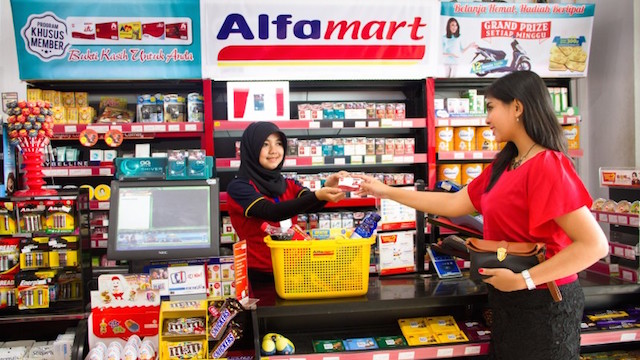
Market dynamics are splitting along regional lines. In Vietnam and across wider Southeast Asia, multinational cosmetics labels face stiff competition from domestic brands, producing a price-sensitive consumer base with distinct SKU preferences.
Western territories show different retail drivers. United States retailers are tying physical store sales directly to artificial intelligence tools and virtual testing setups, while European buyers are shifting purchasing budgets toward South Korean and Japanese beauty imports at the expense of traditional domestic lines.
Matching Inventory to Local Channels
Distributors must balance unit costs against shelf-life constraints and regional stock velocity. Star Leap tracks purchasing costs, batch codes, and SKU assortments against specific distribution channels to prevent unsold stock sitting in secondary markets.
Cross-border beauty logistics across Asia Pacific historically relied on moving excess inventory between territories when domestic demand slowed. Rising import compliance standards and the rapid growth of domestic Southeast Asian brands have largely closed those secondary arbitrage routes.
Procurement teams are now locking in smaller, localized batch orders as retailers prepare their mid-year stock allocations across Asian department stores and regional e-commerce platforms.