Category: General

Retail News Asia is committed to providing both local and global retailers with the latest General Retail news throughout the Asian market. This on a daily base.

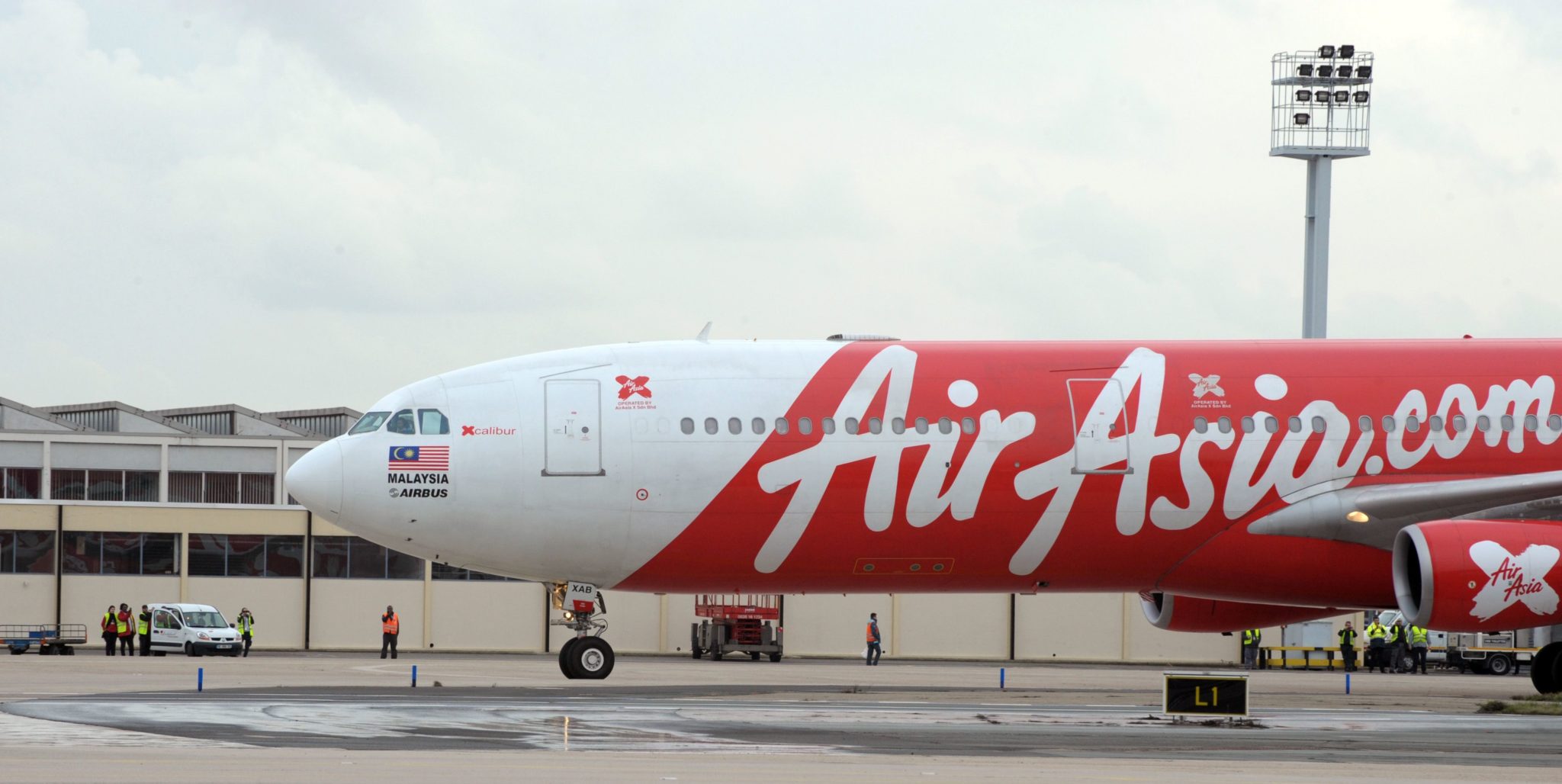
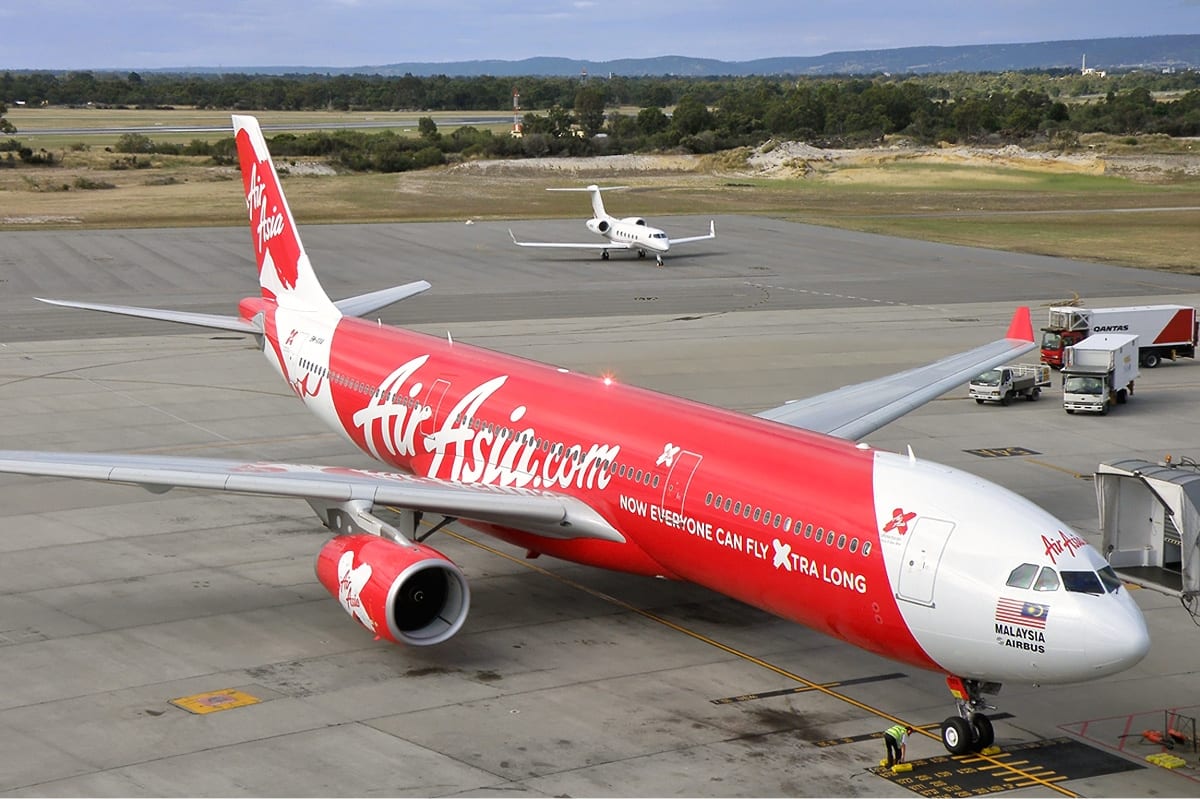
  • AirAsia abandons Vietnam venture

    AirAsia abandons Vietnam venture

    It’s wholly-owned unit, AirAsia Investment Ltd, together with Gumin Company Ltd and Hai Au Aviation Joint Stock Company, have mutually agreed to terminate the agreement to set up a joint venture in Vietnam, effective today.

    “The company, nonetheless, remains interested in operating a low-cost airline in Vietnam due to its favourable geographical location, expanding aviation market and overall growth potential,” it said.

  • Tatas raise stake in AirAsia India to 51%

    Tatas raise stake in AirAsia India to 51%

    Tata Group raised its stake in AirAsia India to 51% and injected 5b rupees together with AirAsia Investments to fund the carrier’s international expansion plans, the Economic Times reports, citing two unidentified people familiar with the matter.

    * Tata Group also holds controlling stake in Vistara

    * Vistara and AirAsia have both applied for approval to fly international routes

  • JHP designs the first Hyundai Duty Free store

    JHP designs the first Hyundai Duty Free store

    Hyundai Department Store has opened its first ever downtown duty free store on top of its flagship in Seoul, South Korea.

    The 14,250sqm outlet was designed by JHP after an international design competition to help them integrate the duty free shopping experience into the city. It offers three floors of shopping for a selection of international luxury brands across the beauty, fashion, F&B and technology industries.

    The unique store features rich natural finishes, textured surfaces and filtered light to integrate a sense of the excitement of Seoul into the store.

    Hyundai’s duty-free store is expecting to generate KRW670 billion (US$593 million) in sales revenue this year and more than KRW1 trillion ($885 million) in 2020.

  • Kipling opens Two New Stores in Singapore

    Kipling opens Two New Stores in Singapore

    Kipling Singapore is opening two concept stores this month – one at the new Jewel Changi shopping centre, the other at Ion Orchard. The openings come as the Belgian accessories brand refreshes its logo and shifts direction towards what it describes as “closer to its origins, one that is cool, gender inclusive, and authentic to Kipling’s roots”. In a statement, Kipling Singapore says refreshed bag designs will appeal to a larger target group – “millennials of both genders”.

    Both new stores feature product zones with an ‘icon wall’ showing off Kipling’s most popular products and the Jewel Changi store includes a space displaying bags for travellers.

    The Ion Orchard store features a ‘Make It Personal’ corner, where shoppers can customise their bags by adding charms, straps, key rings and stencils.

    The Jewel Changi Kipling store opened last week, while the one at Ion Orchard will open on Friday (April 26).

    Paying tribute to Kipling’s history, monkey elements will feature in all new stores globally, including a monkey mural painted in collaboration with local artists from each city.

    “The monkey murals capture and tell their stories as a bridge between the city and customers,” said a Kipling Singapore spokesperson.

    In Singapore, the brand collaborated with local artist and illustrator Tiffany Lovage for its mural at Jewel Changi Airport, and with popular local Singaporean art collective Tell Your Children at Ion Orchard.

    Headquartered in Antwerp, Kipling is owned by US-listed VF Corporation, whose other brands include Eastpak, Jansport, Napapijri, Reef, Vans, The North Face, Lee, Wrangler, 7 For All Mankind and Timberland.

  • First Aid, Delivered: Deliveroo Provides Riders With Red Cross First Aid Training

    First Aid, Delivered: Deliveroo Provides Riders With Red Cross First Aid Training

    Deliveroo riders are well loved in Hong Kong for delivering great food direct to people’s doors, and now many riders and walkers will also have the skills to deliver first aid to members of the public in an emergency – thanks to first aid training rolled out by the leading food delivery platform in April.

    Deliveroo will provide over 150 riders in Hong Kong with access to 13 first aid training classes. Administered by the Hong Kong Red Cross. The courses will equip Deliveroo riders and walkers with life-saving skills that can benefit the Hong Kong community in which they live and work. Participants in the training sessions will gain skills and confidence in dealing with emergencies, including scenarios such as finding someone unresponsive, badly injured or unable to breathe. cardiopulmonary resuscitation instruction and an introduction to automated external defibrillators will also be provided.

    Brian Lo, General Manager of Deliveroo Hong Kong, said, “I’m proud of our riders in Hong Kong for consistently going above and beyond in bringing the best food from local restaurants direct to hungry diners. Our riders are a force for good, and we hope that through this initiative, Deliveroo can help tackle the problem of people not receiving life-saving first aid in advance of emergency services getting to the scene. We’re delighted to equip riders with first aid skills and knowledge that will serve them in life, in their careers, and for the good of Hong Kong.”

    The training programme in Hong Kong is part of a global initiative from Deliveroo, which will see a total of 3,000 riders receive first aid courses. The first aid initiative was created after research commissioned by the British Red Cross in January 2018 showed that just 5% of adults in Britain have the skills and confidence to provide first aid in emergency situations.

    In Hong Kong, various groups including The University of Hong Kong and the Hong Kong Medical Journal have found evidence that the public lacks first aid knowledge and skills, which affects their willingness to offer assistance in an emergency situation. However, the research also shows that when training courses are provided, there is significant improvement in people’s willingness to provide first aid.

    Mr. LEUNG Yiu-wah, Chairman of First Aid Advisory Panel, Hong Kong Red Cross said, “First aid is an extremely valuable skill, enabling you to provide assistance in a crisis or time of need. While many people may feel unqualified to provide help in an emergency situation, having a knowledge of first aid means you can make simple yet impactful interventions. We encourage everyone in Hong Kong to enhance their own first aid education.”

    Chun-ming, a 25 year old rider with Deliveroo in Hong Kong, said, “Being a Deliveroo rider puts me in all corners of Hong Kong, at all times of the day. You never know what’s going to happen, so I think it’s quite useful to have an understanding of how to help out if I do come across a medical emergency involving members of the public. Hong Kong is my home, and as a member of the Hong Kong community, I’m proud to be able to enroll in this first aid course and potentially make a difference for others.”

    The first aid training programme for riders comes off the back of other recent Deliveroo initiatives in support of the Hong Kong community. In February, Deliveroo collaborated with St. James’ Settlement and restaurant partner LAO ER by Crystal Jade to host a festive Chinese New Year tea gathering event for elderly people in Hong Kong who live alone. Deliveroo also offered 100 free meals to domestic helpers last December, as a holiday treat to recognise their valuable role for families in Hong Kong.

  • Lululab unveils the first AI Beauty Store at Dubai Mall

    Lululab unveils the first AI Beauty Store at Dubai Mall

    Beauty AI startup Lululab has unveiled its unmanned virtual retail space “AI Beauty Store” in the giant Dubai Mall.

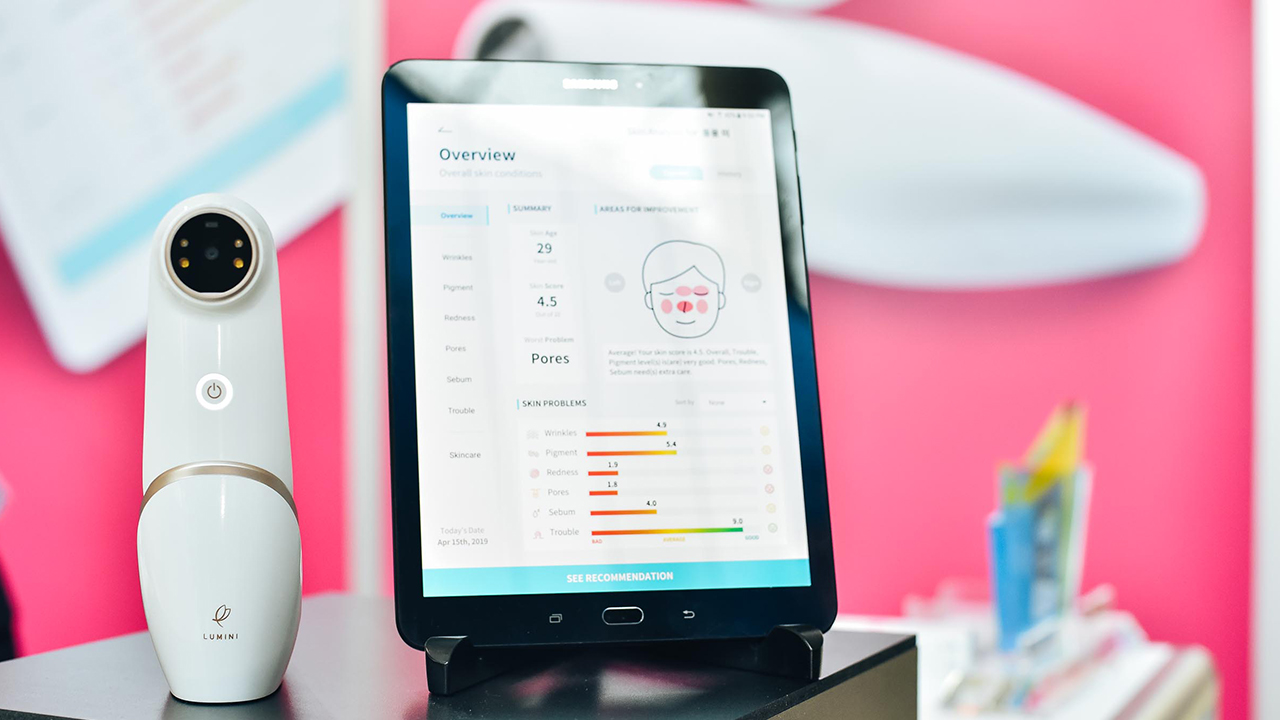
    Lululab is the developer of Lumini, an AI-based skincare assistant that provides individually tailored skin-care solutions. It offers a smart-shopping experience through the store, which combines AI and big-data technology, on the ground floor of the popular French department store Galeries Lafayette.

    The service is made up of three steps: self-skin analysis by the customer; recommendation of products that best satisfy the customer’s skincare needs; and provision of an outcome report via mobile.

    By taking a single selfie with the multispectral camera at the Lumini kiosk, customers can receive an accurate analysis of their skin’s top layer condition and a list of recommended skin care products based on the result, making it unnecessary for them to wander around the shopping mall searching for random skin care products. They can also receive discounts for the recommended products.

    “AI Beauty Store offers many tourists from all over the world who visit Dubai Mall the opportunity to enjoy a revolutionary shopping experience,” said Lululab CEO Yongjoon Choe. “By establishing skincare-related big data, we will be providing sophisticated and individualised services.”

    Based on its collaboration with Galleries Lafayette, Lululab plans to accelerate its entry into the Middle Eastern and global beauty markets.

  • Habitat by Honestbee Flies High with global Retail Innovation

    Habitat by Honestbee Flies High with global Retail Innovation

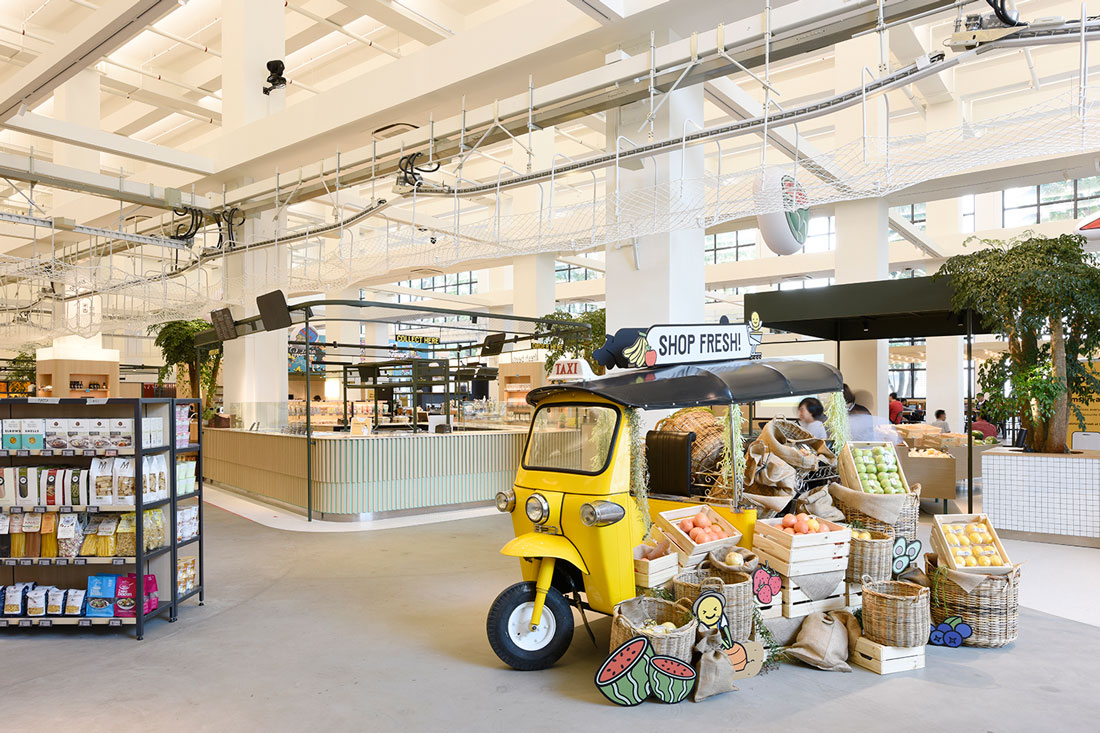
    Habitat by Honestbee has been voted one of the must-see retail innovations in the world this year. The concept was listed among the top 16 stores to visit in the world by IGD, and Google reports it among the top 10 trending searches in Singapore last year.

    The 60,000sqft flagship store opened last October, offering more than 20,000 essential and unique food and grocery products.

    The store is billed as the world’s first tech-enabled food-and-grocery concept which uses technology to provide a seamless shopping experience with human interaction.

    According to Honestbee, customers are spending an average of two hours at the store – considerably more time than people spend in a single visit to any other supermarket in Singapore.

    Close to 500,000 people spanning all age groups have visited the store, despite its remote location. The two largest demographic groups of customers fall between the ages of 26 – 35 years old (41 per cent) and 36 – 45 (28 per cent). Two in three customers are family groups who visit the store, attracted by the mix of grocery and dining and its friendly neighbourhood feel.

    “We are pleased to have had such a resounding success since the launch, not just with customers, but also with the business community in retail, property, grocery and F&B,” said Pauline Png, Habitat by Honestbee MD.

    “Strong sales growth pushes us to continue delivering a memorable experience for customers to visit, try new products and return. This tactility that Habitat by Honestbee provides ignites a curiosity for our products, which are also available online.”

    Future growth plans

    Png says Honestbee will soon be providing an option to combine food carts on the app, enabling orders from multiple F&B concepts at the store on one receipt.

    More engaging product information and content will be added in time, along with personalised recommendations.

    “The launch of Habitat by Honestbee has allowed us to elevate our business into an omnichannel platform and work with partners like no other online player can,” said Joel Sng, CEO and founder of Honestbee.

    “Habitat by Honestbee has built on our brand’s promise and expertise in using data to optimise the customer experience.”

    Sng says the company is confident it can expand the concept into other markets.

    “In the second quarter of the year, we will be extending our food-retail leadership in Asia by launching a scalable, multi-concept kitchen and convenience store powered by data.”

    Honestbee started in early 2015 as an online concierge and food-delivery service.

  • Sogo opens at Shah Alam’s Central I-City

    Sogo opens at Shah Alam’s Central I-City

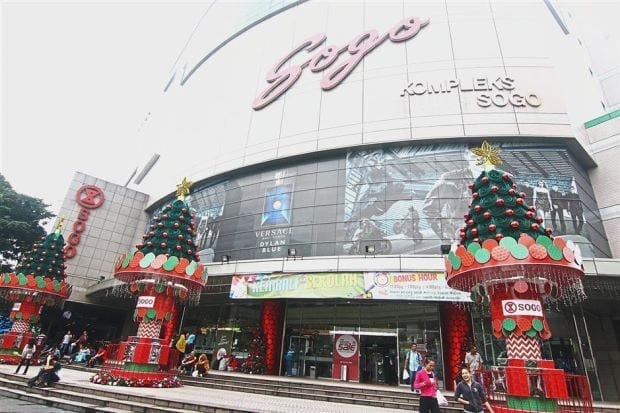
    A second Sogo Malaysia department store has launched at Central I-City shopping centre in Shah Alam, Selangor.
    The new four-storey store, designed according to a distinctive Japanese aesthetic, features 18,581sqm of retail space and more than 400 brands in a wide variety of product categories.

    “Aside from purchasing beauty products on the ground floor, shoppers can get their manicure, pedicure and waxing done at the Smooch Waxing Studio,” said Sogo Malaysia group COO Raymond Teo. “There is also the Prinz Classic Barbershop on the second level, while the shoe and bag spa is at the ladies’ shoes section on the first floor. We also have cafes for those who want to chill out without having to leave the department store.”

    A range of promotions, redemptions and activities are being held to celebrate the launch.

    “This year marks our 25th anniversary and the opening of this store is an important milestone for us,” said Sogo Malaysia CEO Toh Peng Koon. “Opening Sogo in Central I-City is not only to cater to the needs of the Shah Alam community and beyond but also to be nearer and engage more with them.”
    “We are opening two new stores this month,” he added. “After Sogo Central I-City, it will be Sogo The Mall in Mid Valley Southkey, Johor Baru, on April 23.”

    By 2022, Sogo should have expanded its total network to six stores with a total retail space of 222,967sqm, which includes Prai Megamall in Penang, Selayang, Terengganu, and the first Seibu department store at the Tun Razak Exchange (TRX) Lifestyle Precinct in Kuala Lumpur.

  • Google starts rolling out Android updates via Play Store

    Google starts rolling out Android updates via Play Store

    What started as a rumor last week has now become a certainty, as Google is now rolling out Android Q betaupdates through Play Store. The main benefit is that you’ll now find Android updates much easier, or let’s say that they will find you faster and easier than before.

    A couple of Pixel users have taken to Reddit to confirm their Android Q beta updates have arrived via Google Play Store. Those with Pixel phones that run the previous Android Q beta build should start receiving notifications like the ones you usually get for an app update. Once the update is downloaded and installed, your phone will restart automatically.

    Aside from the fact that the whole process of find and downloading an update is quicker and easier, it’s also faster than previous updates. We doubt the new update method will become available to those using phones other than Pixels anytime soon, but we can safely assume that Google will reveal in-depth details about how it’s done in early May at Google I/O.

    If Google pushes for the standardization of the Android OS updates via Play Store, it could mean a more user-friendly method of updating your phone, but it certainly doesn’t guarantee that these important updates will be released faster and at the same time for everyone.

  • Three arrested at Mong Kok ginseng store

    Three arrested at Mong Kok ginseng store

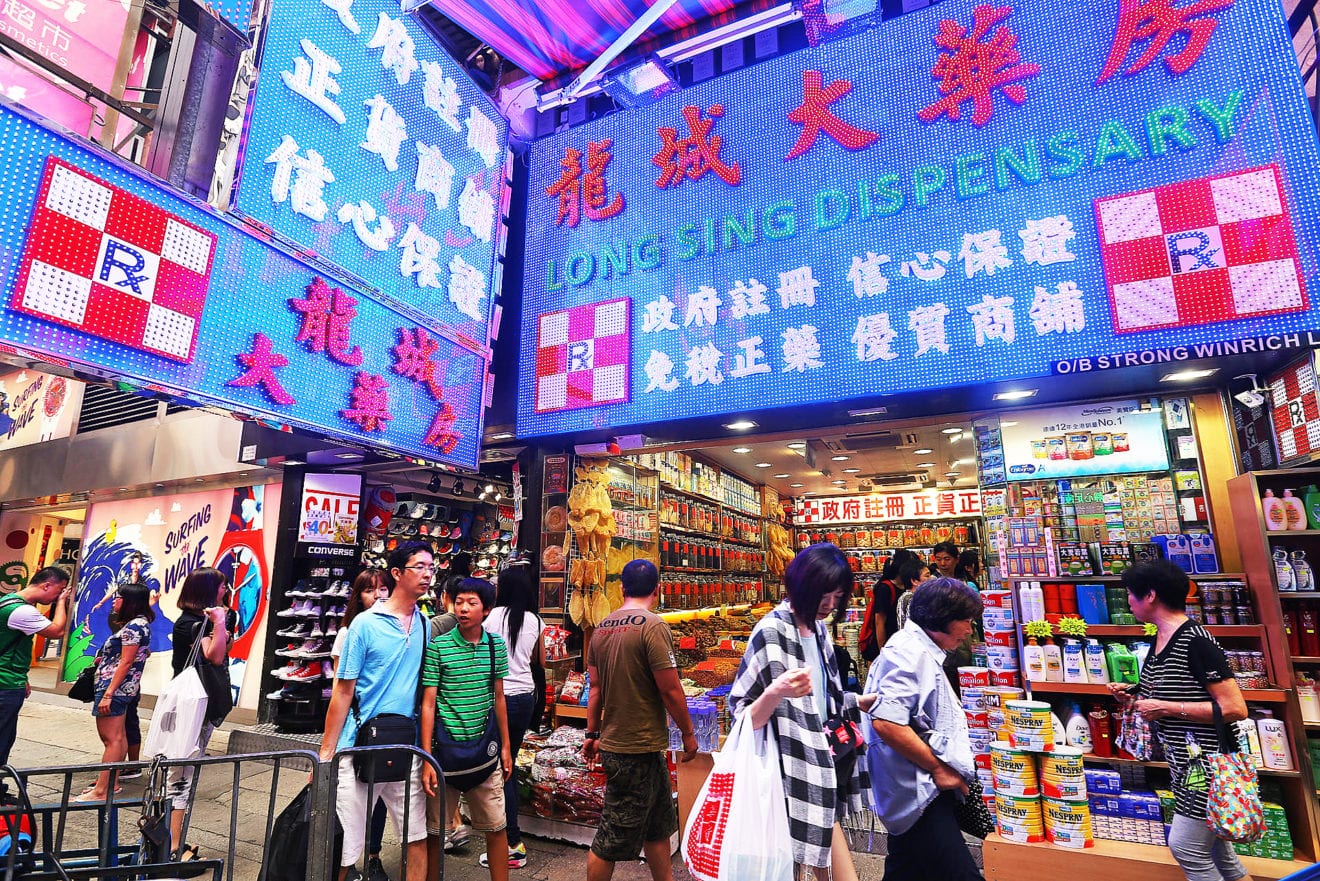
    Hong Kong Customs officers have arrested three Mong Kok ginseng store staff, charging them with making false representations.

    Hong Kong Customs officers have arrested three Mong Kok ginseng store staff, charging them with making false representations during the sale of American ginseng.

    Their actions allegedly contravened the Trade Descriptions Ordinance (TDO) and if found guilty they face a maximum penalty of a $500,000 fine and imprisonment for five years.

    Customs were acting on a tip-off alleging salesmen of a ginseng and dried seafood shop in Mong Kok used a gift to attract a customer and further claimed that American ginseng was being sold at a specific price. After the goods were sliced, the salesmen revealed that the American ginseng was priced per tael. The price was 16 times different from expected.

    After investigation, Customs officers arrested three men, aged between 27 and 42, two of them directors of the company and the other a salesperson.

    Investigations are ongoing and the arrested men have been released on bail pending further investigation.

    A Customs spokesperson says inspections and enforcement will be stepped up ahead of the coming of the Labour Day Golden Week period.

    “Customs reminds traders to comply with the requirements of the TDO and consumers to purchase products from reputable shops,” the spokesperson said.

    “Consumers should also be cautious about the unit price and ask for more information, including the total price of the goods selected, before making a purchase decision.”

  • Calzedonia pays the price in Russell Street

    Calzedonia pays the price in Russell Street

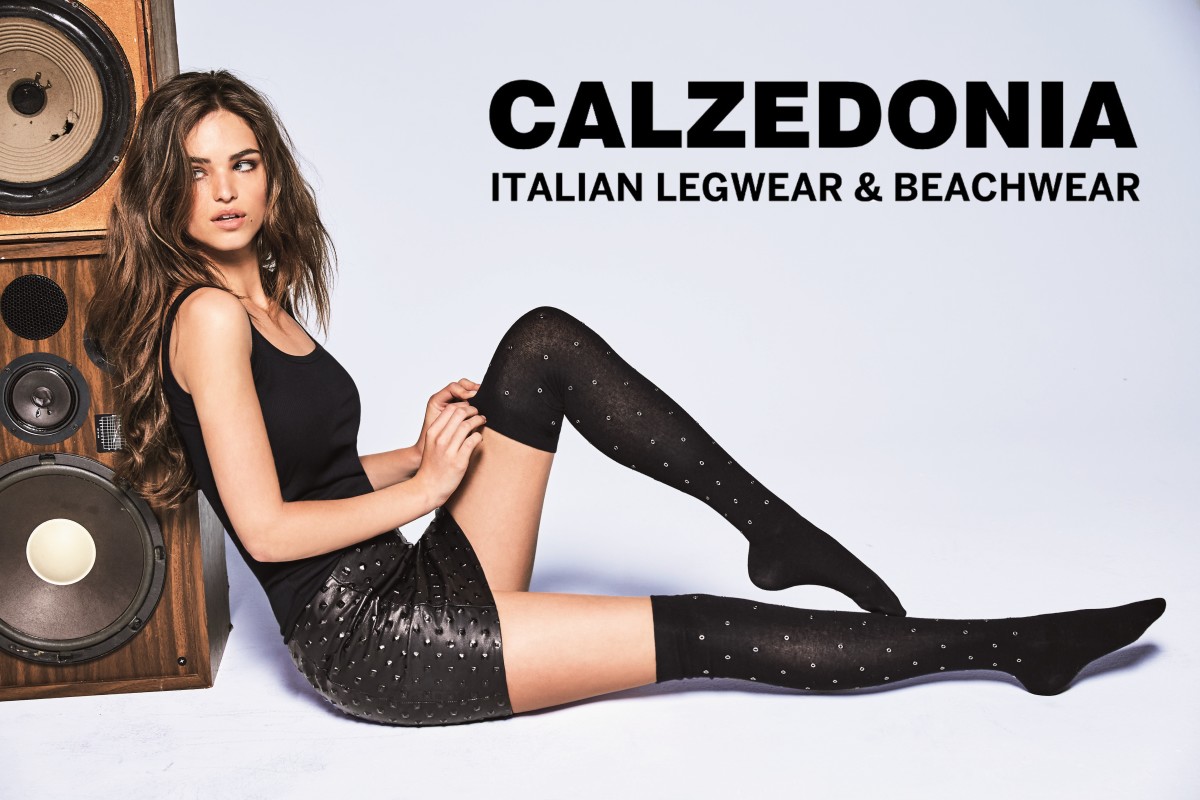
    Italian fashion brand Calzedonia has reportedly renewed its Causeway Bay lease at a 15 per cent increase.

    According to reports in business media, the firm re-signed for the 400sqft retail space with just a month to spare on its existing contract at a cost of HK$9 million (US$1.15 million) for one year on the world’s most expensive retail strip, Russell Street.

    The rental translates to $750,000 ($95,674) per month, a typical figure for the shopping street that demands pricier rentals than even New York’s 5th Avenue. The street is a must-see for big-spending luxury retail hunters from Mainland China.

    The opening of the new Hong Kong-Zhuhai-Macao bridge and high-speed Express Rail Link is expected to attract higher numbers of tourists and reverse the city’s trends of falling rentals, but to date the increases has not met expectations.

    Calzedonia operates 16 outlets in Hong Kong, including those for its Intimissimi and Falconeri brands.

    The opening of the new Hong Kong-Zhuhai-Macao bridge and high-speed Express Rail Link is expected to attract higher numbers of tourists and reverse the city’s trends of falling rentals, but to date the increases has not met expectations.

    Calzedonia operates 16 outlets in Hong Kong, including those for its Intimissimi and Falconeri brands.

  • Vietnam’s exports to Japan increase rapidly in Q1

    Vietnam’s exports to Japan increase rapidly in Q1

    Elimination of many tariff lines for goods under the CPTPP has helped Vietnam’s exports to Japan increase sharply in the first quarter of this year, according to the General Department of Customs.

    Vietnam’s export value to Japan in the first quarter surged 6.7 per cent year on year to US$4.6 billion, the general department said. Việt Nam became one of three markets gaining an export value in the billions of US dollars to Japan, after the US and China.

    In March 2019 alone, the export value to Japan reached $1.7 billion, a sharp increase of 62.3 per cent month on month and a surge of 2.7 per cent year on year.

    The strong growth in Vietnam’s export value to Japan was attributed to the Comprehensive and Progressive Agreement for Trans-Pacific Partnership (CPTPP). According to this agreement, Japan for the first time has pledged to completely eliminate tariffs for the majority of Việt Nam’s agricultural and seafood products exported to this market.

    That meant Japan immediately abolished 86 per cent of tariff lines, equivalent to 93.6 per cent of Việt Nam’s export value to Japan, and then this figure will increase to 90 per cent of tariff lines within five years.

    On the other hand, the Việt Nam-Japan and ASEAN-Japan free trade agreements have created advantages in tariffs for some of Việt Nam’s seafood products exported to Japan.

    About 62.5 per cent of Vietnam’s total goods items exported to Japan in the first quarter gained strong growth compared to the same period last year, according to the general department.

    The major export products to Japan included textiles (export value of about $900 million), means of transport and spare parts ($630 million), machinery and equipment ($450 million) and seafood products ($306 million).

    Especially, the fertiliser exports to this market had a sudden growth in the first quarter of 2019 to 8,126 tonnes, earning $3.7 million. The exports rose up by five times in volume and about 11 times in value year on year.

    In addition, Vietnam saw strong growth in exports of some goods to Japan in the first quarter, including chemical products (up 70 per cent), animal feed and raw materials (up 56.8 per cent), ore and minerals (up 52 per cent), all kinds of steel (up 49 per cent) and plastic materials (up 43 per cent).

    Meanwhile, Japan sharply reduced imports of cassava and cassava products from Vietnam, with a reduction of 99.6 per cent in volume and 98.5 per cent in value over the same period, despite the average export price of cassava surging by 3.3 times to $886 per tonne.

    In 2018, Vietnam’s goods export value to Japan reached more than $18.8 billion. Textiles and garments accounted for the largest proportion with over 20 per cent of the total export value. Meanwhile, seafood, furniture and footwear respectively hold 7.4 per cent, 6.1 per cent and 4.5 per cent.

  • Vietnam Airlines approved for listing on HoSE

    Vietnam Airlines approved for listing on HoSE

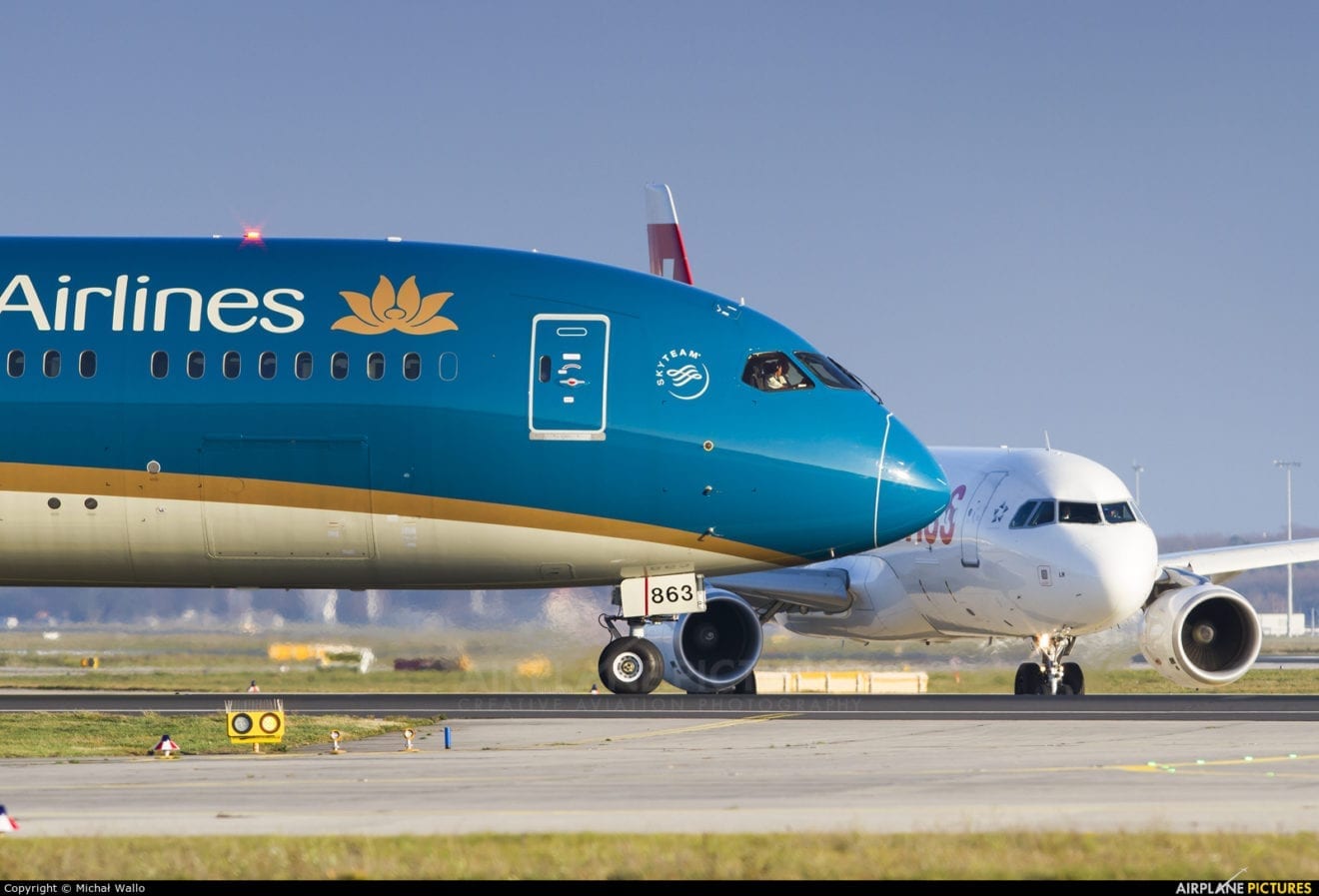
    The national carrier Vietnam Airlines (UPCoM: HVN) has gained approval of the Hồ Chí Minh Stock Exchange (HoSE) to list its 1.4 billion shares on the southern bourse.

    The company will move to HoSE from the Unlisted Public Company Market (UPCoM) and the stock ticket will remain as HVN.

    The company’s market value on HoSE is approved at VNĐ14 trillion (US$602 million).

    Vietnam Airlines planned to switch to HoSE from UPCoM in 2018, but the decline of the stock market in the second half of 2018 made the firm delay its plan until now.

    The national carrier sold 49 million shares, equal to 3.48 per cent of the total, for VNĐ1.09 trillion at the initial public offering (IPO) in November 2014.

    In 2016, the Japanese aviation firm ANA Holdings bought 8.8 per cent of Vietnam Airlines’ capital for $108 million.

    In 2018, Vietnam Airlines posted a record-high revenue of VNĐ96.8 trillion, up 17 per cent year on year.

    Its pre-tax profit for 2018 rose 34 per cent year on year to VNĐ3.24 trillion.

    Vietnam Airlines shares on UPCoM have increased by nearly a quarter since the end of last year, ending Tuesday at VNĐ41,200 per share.

    The private-equity new-age carrier Vietjet is now the only aviation firm that lists shares on the stock market with the market value of $3 billion.

  • AuMake in trading halt

    AuMake in trading halt

    Shares in daigou-focused retailer AuMake have been placed in a trading halt pending an announcement on an acquisition and related capital-raising.

    The company, which last month extended its bricks-and-mortar presence beyond Sydney, has requested the halt be lifted before the open of markets on Wednesday April 17, or when its anticipated announcement is released to the market.

    AuMake sells Australian skin care, supplements and milk formula to Chinese tourists and personal exporters.

    It has 17 stores across Sydney, Brisbane, and Auckland and is aiming for a bigger bite of the $2 billion cross-border commerce market.

    In February the company announced it had halved its losses after more than doubling its sales in the space of a year, with its internal sales forecast upgraded 30 to 40 per cent in March after it flagged the expansion of its stores.

  • Cebu Pacific receives highest ranking for safety

    Cebu Pacific receives highest ranking for safety

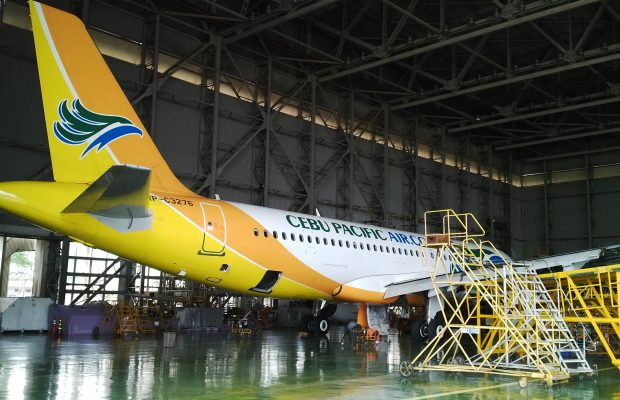
    Cebu Pacific has now achieved the highest ranking for safety with 7-stars from the world’s only safety and product rating agency AirlineRatings.com

    After careful evaluation and feedback from the airline and aviation industry AirlineRatings.com has upgraded its seven-star safety rating system to give more importance to IOSA and this move elevates Cebu Pacific up to 7-stars – the highest ranking.

    IOSA – the International Air Transport Association Operation Safety Audit – was first introduced in 2003 to curb the disturbing trend in airline accidents that could be attributed to simple processes and maintenance programs.

    Since it was introduced airlines that have completed IOSA have up to a four-fold safer safety record than airlines that do not do the audit.

    In 2017, the all accident rate for airlines on the IOSA registry was nearly four times better than that of non-IOSA airlines (0.56 vs. 2.17 accidents per million flights) and it was nearly three times better over the 2012-16 period.

    Of significant importance to Airlineratings.com is that the audit is done every two years and covers over 1060 parameters.

    AirlineRatings.com now awards an airline that has completed IOSA three stars.

    AirlineRatings.com Editor-in-Chief Geoffrey Thomas congratulated Cebu Pacific on this achievement.

    “Cebu Pacific has become a major part of the fabric of life in the Philippines bringing affordable travel to most,” said Thomas.

    “The airline has a very modern fleet and operationally is now up there with the best.”

    “That is great news for the traveling public,” said Thomas.

    The rating agency has reduced the stars allocated for ICAO compliance from two to one.

    The International Civil Aviation Organization (ICAO) was created to promote the safe and orderly development of international civil aviation throughout the world.

    It sets standards and regulations necessary for aviation safety, security, efficiency, and regularity, as well as for aviation environmental protection.

    It has 8 audit parameters that pertain to safety and they are; Legislation, Organization, Licensing, Operations, Airworthiness, Accident Investigation, Air Navigation Service and Aerodromes.

    If the country meets between 6 and 8 of the audits one star is awarded to the airline. Five secures 1/2 star. However, if any of the criteria are below the average by less than 5 percent it is considered a pass. If the country only meets up to four criteria no star is given.

    The other main criteria are; Is the airline on the European Union (EU) Blacklist; has it a fatality free record for the past 10 years and is the airline FAA (USA) endorsed?

    Cebu Pacific commenced services in March 1996, initially only domestic operations but launched international operations in November 2001.

    It now flies to 64 tourist/business destinations within Asia and operates 67 mainly Airbus aircraft

    Cebu was the first local airline to introduce e-ticketing, prepaid excess baggage and seat selection in the Philippines.