Category: General

Retail News Asia is committed to providing both local and global retailers with the latest General Retail news throughout the Asian market. This on a daily base.

  • Noisy retailer Bonnie Vegetables fined again for noise violations

    Noisy retailer Bonnie Vegetables fined again for noise violations

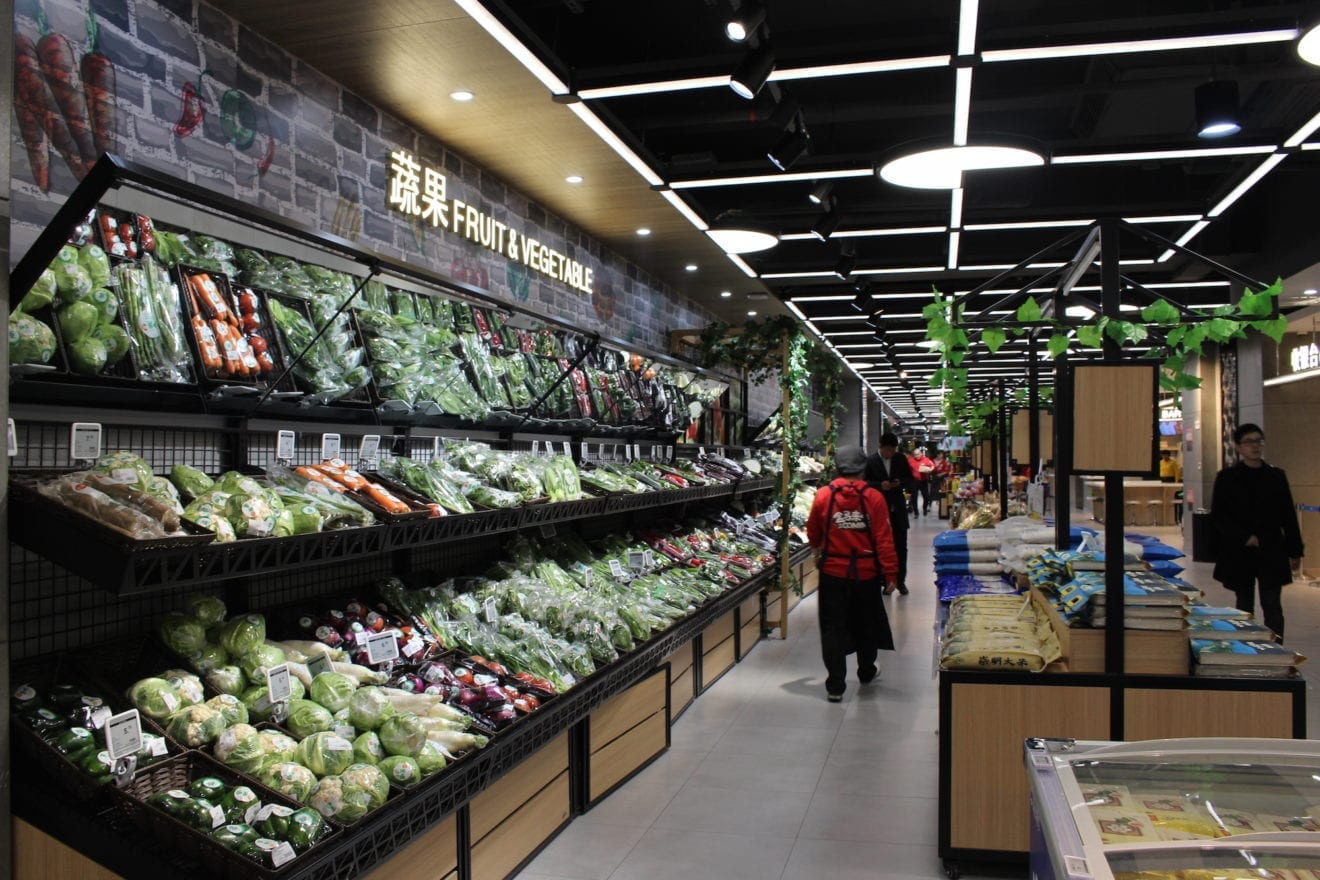
    Local retailer Bonnie Vegetables and Fruit has been prosecuted once again for repeated violations of Hong Kong’s Noise Control Ordinance (NCO).

    The firm’s conviction that a booming, irritating promotional soundtrack was its best chance of luring customers to check out its produce has spectacularly backfired over the past year with snowballing fines now in excess of HK$110,000 (US$14,070).

    The business was hit yesterday with an $27,000 ($3450) fine from the Fanling Magistrates’ Courts for profoundly annoying local residents, as well as an additional $12,000 ($1535) fine against the company’s director, who was found criminally liable of contravening the NCO.

    The ruling follows a similar decision two months ago to slap an $8000 ($1025) fine on the firm – and another $5000 ($640) against the director – for exactly the same offense. That decision by the court was notable even then as the second prosecution of the business within a year for its exasperatingly persistent promotional racket.

    A spokesman for the Environmental Protection Department (EPD) said that during the inspections in December last year, the department discovered that three branches of Bonnie Vegetables and Fruit on Kwong Fuk Road and Heung Sze Wui Street in Tai Po, as well as Hop Choi Street in Yuen Long, were proudly broadcasting the promotional recordings through high-volume loudspeakers, causing considerable aggravation amongst nearby residents.

    After the series of law enforcement actions taken by the EPD, the number of noise complaints against the shops in Tai Po and Yuen Long has largely reduced. Considering Bonnie Vegetables and Fruit’s particular confidence in the effectiveness of its strategy despite previous reprimands, however, the chances of further appearances in court for the firm are not insignificant.

    More responsible retailers are reminded that promotional recordings should be contained within their shop area and should not cause a disturbance to people outside – otherwise, it constitutes an offence. Offenders are liable to a maximum fine of $10,000 for each offence. For repeat offenders, the relevant operators will also be criminally liable for the offences once convicted.


  • Google removes seven spying apps from the Google Play Store

    Google removes seven spying apps from the Google Play Store

    Security firm Avast’s mobile threat researchers found seven “stalker” apps from the Google Play Store. The apps were most likely designed by a Russian developer and spied on their targets. All of the apps were subsequently removed by Google, but not before they had been installed a total of 130,000 times in aggregate. Two of the apps, Spy Tracker, and SMS Tracker, were installed over 50,000 times each.

    The apps were made to help users stalk their kids, significant others, employees and others. They tracked the target’s location, collected his/her contacts, SMS and call history. However, for these apps to work, the person doing the stalking had to have access to the target’s phone and install one of the apps on that device. The snoop then used his email address and password to have the same app sent to his own phone. Once placed on the target’s phone, the app showed the spy how to eliminate any sign that it had been installed. No icon appeared to alert the person being stalked that an app had secretly been loaded on his or her phone.

    “These apps are highly unethical and problematic for people’s privacy and shouldn’t be on the Google Play Store. They promote criminal behavior and can be abused by employers, stalkers or abusive partners to spy on their victims. We classify such apps as stalkerware, and using apklab.io we can identify such apps quickly, and collaborate with Google to get them removed.”-Nikolaos Chrysaidos, head of mobile threat intelligence and security, Avast

    The apps that were removed included:

    • Track Employees Check Work Phone Online Spy Free
    • Spy Kids Tracker
    • Phone Cell Tracker
    • Mobile Tracking
    • Spy Tracker
    • SMS Tracker
    • Employee Work Spy
  • Singapore retail sales slip again

    Singapore retail sales slip again

    Singapore retail sales slipped 1 per cent year on year in May, after motor vehicles were excluded from the data. The month-on-month decline was the same.

    Statistics Singapore estimated total retail sales in May (including motor vehicles) at $3.7 billion, with online retail sales accounting for 5.3 per cent of that figure.

    Year-on-year, furniture and household equipment was the category showing the greatest decline –  7.5 per cent – while sales of computer and telecommunications equipment, of optical goods and books, and by department stores, fell by between 4.7 per cent and 7 per cent.

    Categories to improve in May included watches and jewellery, up by 4.1 per cent, partly due to higher demand for gold jewellery during the Akshaya Tritiya festival.

    Sales of food and beverage services grew by 2 per cent year on year to n estimated $849 million.

    Turnover of restaurants, other eating places (such as cafes) and fast-food outlets increased by between 1.8 per cent and 2.7 per cent in May.

    In contrast, sales by food caterers decreased by 1.2 per cent.

  • Canberra Airport announces new retail partners

    Canberra Airport announces new retail partners

    Canberra Airport is overhauling its terminal retail offering, with construction set to begin on more than 1000sqm of new shops in the coming months.

    On Friday, the airport announced Airport Retail Enterprises (ARE) has been awarded the food and beverage component of the new terminal retail, and Australian Way Pty Ltd (AWPL) has been awarded the news, books and gifting component.

    “We are excited about these new partnerships as we work through the last piece in our terminal puzzle,” Richard Snow, head of property at Canberra Airport, said in a statement.

    “We have worked for years, focusing on making the travel experience for Canberrans and our visitors as seamless and efficient as possible. Now we are proud to be able to add in more restaurants and café options as well as retail that helps visitors remember their trip with local produce and gifts.”

    ARE, which also manages food and drink offerings in Sydney Airport, Melbourne Airport, Brisbane Airport, Gold Coast Airport and Gatwick Airport in the UK, will create a new cafe, City Hill Coffee, featuring locally-roasted Ona coffee, an Asian noodle and sushi offering called Noodles XO and a health food offer on the Western Concourse.

    Several existing food and drink options on the Southern Concourse, will be replaced by Capital Brewing Co Bar, through a partnership with the local brewery of the same name. ARE will also add a mixed news, books, travel essentials and cafe space on the ground floor in the arrivals baggage hall.

    “Canberra has a fantastic local food scene, and we are very pleased to be partnering with many local producers to bring this to the airport,” John Chapman, CEO of ARE said in a statement.

    “The new terminal will become a fantastic showcase of the region’s produce.”

    AWPL, which operates stores in numerous domestic and international terminals around Australia and New Zealand, will initially bring a news, books and travel essentials offering called News@CBR to the airport.

    Following this, it will open a second store called Merchant Canberra, which will showcase iconic gifts from the city, surrounding region and Australia.

    “It is our absolute focus to connect with the local community, deliver a retail offering that brings commercial growth to Canberra Airport, and also significantly enhances the customer experience,” AWPL managing director Costa Kouros said in a statement.

    Construction of the new retail offerings is expected to begin in the coming months, with stage one to be finished by the end of this year. The second and final stage is expected to be complete by Easter 2020.

  • Don Quijote Hong Kong opens first store

    Don Quijote Hong Kong opens first store

    Don Quijote Hong Kong has opened its first store, in Mira Mall at Tsim Sha Tsui.

    The Japanese bargain retailer will sell a full range of discount merchandise as in Japan, as well as ready-to-eat meals and Japanese specialty products.

    Regional operator Pan Pacific International Holdings, which has three stores in Singapore and also plans to make its Thai debut in Bangkok this year, has leased a 15,000sqft space at the mall. The store is the sixth in its regional network, which also trade under the Don Don Donki brand. It has operated in Singapore since 2017, and has close to 40 stores in the US.

    The company is hoping to target Mainland Chinese tourists with its distinctively Japanese product range.

    “Don Quijote’s Tsim Sha Tsui location can attract mainland tourists who travel via the high-speed rail and mega bridge,” said senior director and head of retail services at Knight Frank Helen Mak. “Instead of shopping for luxury items, these same-day visitors usually spend money on cosmetics, health care items and food, products that are most celebrated at [Don Quijote].”

    Besides its general merchandise and fresh food offer, the Don Quijote Hong Kong store features a cafe.

  • TerryWhite Chemmart appoints new CEO as Anthony White steps down

    TerryWhite Chemmart appoints new CEO as Anthony White steps down

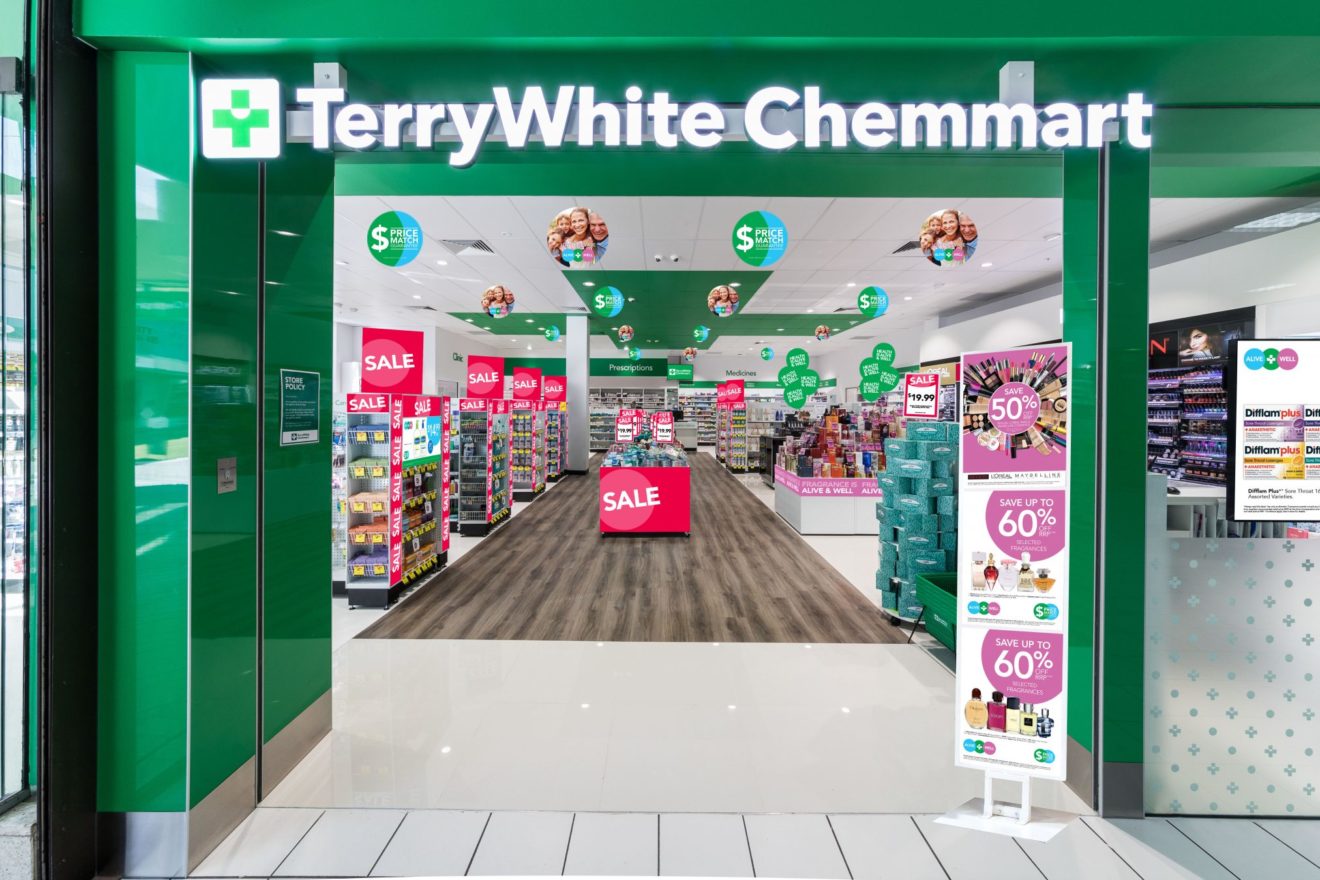
    TerryWhite Chemmart (TWC) announced Duncan Phillips as the new chief executive of the pharmacy retailer on Tuesday, following Anthony White’s decision to step down after 11 years at the helm.

    White said in a statement on Tuesday that it has been “an absolute privilege” to lead the company but that the time is right for fresh leadership. He will remain with the business, moving into the role of executive director of pharmacy network development, which includes more than 450 pharmacies across Australia.

    “I’m very fortunate to have worked with so many talented pharmacy owners and the dedicated team at the support centre over the years,” White said.

    “It’s been an absolute privilege and I look forward to supporting the further
    development of the network in my new role. In particular, it’s been great working closely with Duncan on a wide range of initiatives to grow the Group substantially over this period and I wish him every success in the future.”

    White ic credited for leading TWC through a dramatic period of change and growth including the network rebrand and sale to EBOS Group.

    White’s successor Duncan Phillips, who takes up the role effective immediately, has up to now held the chief operating officer role at TWC.

    The retailer said in a statement that Phillips brings both domestic and international experience as well as strong industry contacts.

    The company said its core focus now is building further value for network partners.

    Chief executive of EBOS Group John Cullity paid tribute to White on Tuesday.

    “Anthony has decided after 11 exciting and demanding years as CEO for TWC that it’s time for a change. He has worked tirelessly in his tenure as CEO and leaves the TWC network in great shape and on the cusp of further growth” Cullity said.

    Ebos Group took full ownership of Terry White Group in December 2018.

  • Precision marketing set to surge in Apac

    Precision marketing set to surge in Apac

    Asia Pacific is poised for growth in data-driven marketing (“precision marketing”) given the increasing base of 2 billion online users and expected rise of advertising budgets in the next five to 10 years.

    The conclusions arise from the latest report by research company Nielsen, A Digital Giant Awakens, which surveyed marketing leaders across Asia-Pacific markets on their next-level strategy and implementation road-map, revealing investments in precision marketing are likely to increase in the next year from 14 per cent of marketing budgets to about one-fifth of spends (19 per cent) going beyond social, search and mobile toward newer applications.

    In the next six months the top three platforms where advertisers across the Asia Pacific region will be allocating their marketing spends are Facebook/Instagram (60 per cent), Google/Youtube (43 per cent) and mobile (42 per cent). Meanwhile, investments in advanced applications are increasingly gaining pace, particularly for data-science/modelling (36 per cent), high-quality third party data (32 per cent) and analytics to measure ROI (28 per cent).

    The survey, conducted across top leading advertisers in the region, found precision marketing is enabling advertisers to understand consumers’ purchase journeys, personalised communications and consumer profiling.

    Key factors accelerating the progress of precision marketing include better quality and reliability of data, clear demonstration of ROI for advertisers and further education to stay ahead in the game.

    “With advancements in technology and popularity of digital media there is tremendous headroom for growth in precision marketing across Asia Pacific,” said Nielsen’s MD media North Asia Ranjeet Laungani. “Precision marketing is capable of driving marketing applications out of predictive analytics and forecasting results and it is strongly recommended for advertisers to consider in their repertoire of new-age tools.”

    The report spotlights Data Management Platforms (DMPs) as pivotal technology enablers for advertisers to successfully implement precision marketing in their overall strategy. Such platforms manage and unify multiple streams of disparate consumer data and assist in consumer profiling and targeted messaging, thereby limiting spends on media waste.

    The challenge for advertisers remains to show quick wins during early stages of DMP engagement.

    Data science and analytic prowess are top attribute advertisers in Asia Pacific look for while evaluating a data management platform.

    “Currently the space is under-invested, however, broadening expert ecosystems, presence of higher quality datasets, and presenting more success stories will drive up confidence and adoption in the industry,” added Laungani.

    “The void in awareness and education can be filled by agencies, media owners and advertisers by maintaining an eye on the long-term and short-term potential of precision marketing.”

  • Hong Kong Customs smash two counterfeit cosmetics rings

    Hong Kong Customs smash two counterfeit cosmetics rings

    Hong Kong Customs officers have smashed two counterfeit-cosmetics rings selling makeup and skincare products.

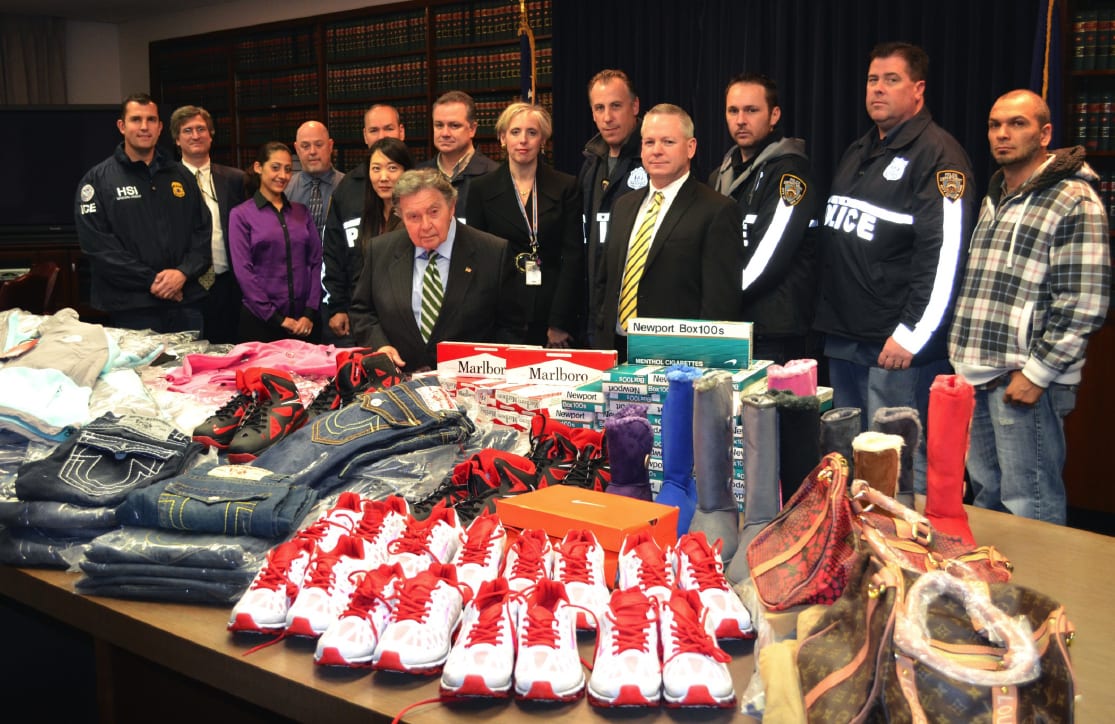
    In a five-day-long anti-counterfeiting operation last week, 12 people were arrested after seven retail stores and three warehouses were raided across the territory. Some 6400 items of suspected counterfeit cosmetics were seized with a market value estimated at HK$590,000.

    The raids followed routine patrols where Customs officers discovered shops selling suspected counterfeit goods.

    “After an in-depth investigation with the assistance of trademark owners, Customs officers took enforcement action in various districts during the above-mentioned period,” a Customs spokesperson said.

    Six retail shops in Causeway Bay, Yau Ma Tei and Sheung Shui were raided first resulting in the seizure of about 1400 counterfeit items. After further investigation, Customs then focused on two suppliers distributing suspected counterfeit cosmetics and skin care products. A retail shop in Sheung Shui and three storage facilities of the two suppliers located in Yuen Long and Fanling were raided. About 5000 items were seized across those locations.

    The products seized included toner, lotion, moisturising gel and sunscreen. Seven of the people arrested were men and five were women. They comprised five directors, one shop owner and six salespersons, all aged between 23 and 46.

    “Investigation is ongoing and all arrested persons have been released on bail pending further investigation,” the spokesperson said.

    Divisional Commander (IP general investigation) of Customs, Peggy Tam, said Customs has been taking stringent enforcement actions against the sale of counterfeit goods. She warned traders to be cautious and prudent in merchandising since the sale of counterfeit goods is a serious crime and offenders are liable to criminal sanctions. She also appealed to consumers to procure goods at reputable shops and to check with the trademark owners or their authorised agents if the authenticity of a product is in doubt.

    Under the Trade Descriptions Ordinance, any person who sells or possesses for sale any goods with a forged trademark commits an offence. The maximum penalty upon conviction is a fine of $500,000 and imprisonment for five years.

  • New app blocks spam calls to your Apple iPhone

    Considering that 50% of the calls you receive on your smartphone this year could be from spammers trying to scam you, would you pay $3.99 a month to make the insanity stop? That’s how much a new app called Firewall charges to block spammers and scammers without these calls even reaching your voice mail. And the app provides users with an unlimited supply of fake numbers to trick spammer’s Caller ID if you decide to return a call.
    The Firewall website offers a two-week free trial for iOS users (an Android version is being prepped and you can arrange to be notified via email when it is ready). It uses the whitelist approach, which it says is the only way to guarantee that 100% of unwanted calls are blocked. Users will prepare the list of numbers that are allowed to go through, including the numbers on their contacts list.
    Subscribers forward their phone number to Firewall. When they receive an incoming call, Firewall determines whether it should go through to their phone or go to Firewall’s own voice mail feature. This determination is based on a member’s whitelist and Firewall’s multiple databases of known phone numbers used by spammers. If a call goes to Firewall’s voice mail, users get to read a transcription of the message left by the unknown caller just in case they want to call them back. If the subscriber does decide to return a call, Firewall will give them a fake number that will show up on the other party’s screen. And if members don’t want future calls from a particular number to be screened, that number can be easily added to their whitelist. If a subscriber is expecting an important call, Firewall can be paused for 10, 30 or 60 minutes with the tap of a button.
    Google gives Pixel, Moto G7, and Motorola One users the option of using the Call Screen feature. When a call comes in from an unknown number, those with these Android handsets can have Google Assistant answer a call while they read a transcription of the conversation in real time on the phone (or adjust the volume to hear the conversation between the Assistant and the caller). Users can join in the call at any time. And iOS 13 will be adding a new “Silence unknown callers” toggle that when enabled, will only ring through calls from numbers in iPhone users’ contacts list, email and Messages apps. For many smartphone owners, these features might be enough to help them combat spam calls without having to make monthly payments. But for those who want,/need the extra protection of using Firewall’s databases, fake numbers and voice mailbox, the service is now available.
    Firewall works with all four major U.S. carriers. But members do need to be mindful of the possibility that they will end up screening legitimate calls from companies not on their whitelist.
  • Courts opens first IoT store at Funan mall, Singapore

    Courts opens first IoT store at Funan mall, Singapore

    Courts Singapore has opened its first Internet of Things store at Funan mall.

    The 12,000sqft store houses Google’s first experience zone in Asia and another from Samsung.

    Consumers can try Google’s entire range of products in Singapore, from smartphones to the recently launched Nest Hub smart display, which is similar to a smart speaker but with a screen.

    Ben Tan, Courts Singapore country CEO, shared with The Straits Times that 80 per cent of the products on sale are compatible with smart-home platforms such as the one anchored by Google Assistant, Google’s artificial intelligence-powered voice-assistant software.

    “The number of smart products available here that work with Google Assistant has increased by 200 per cent this year on year,” Tan said.

    At the Samsung experiential zone at the Courts Singapore Funan mall store, consumers can try out an integrated smart home.

    They can open a door using a digital lock, see notifications from a security camera on a smart Samsung television and issue voice commands to smart home appliances such as washing machines and fridges.

    According to Tan, Courts will offer more services to go along with smart home, such as setting up the devices and educating users on how to control their smart gadgets.

  • Dyson opens Beauty Lab in Sydney

    Dyson opens Beauty Lab in Sydney

    On Wednesday, Dyson opened its first ‘Beauty Lab’ in Australia, where customers can book hair styling appointments, drink prosecco and try out and buy the company’s extremely popular hair products.

    Located in Sydney’s Queen Victoria Building, the store marks a shift from the wholesale and e-commerce channels the company has traditionally relied on. While Dyson has previously held pop-ups, the Beauty Lab marks its first permanent bricks-and-mortar location in the country.

    The Beauty Lab concept is focused on educating customers and providing a luxury experience.

    “Dyson is continually disrupting the styling industry and its Beauty Lab is no exception,” said Joey Scandizzo, Dyson styling ambassador.

    “It’s exciting to be part of the journey to create amazing styles and educate people on how to help prevent extreme heat damage by using game-changing Dyson styling technologies.”

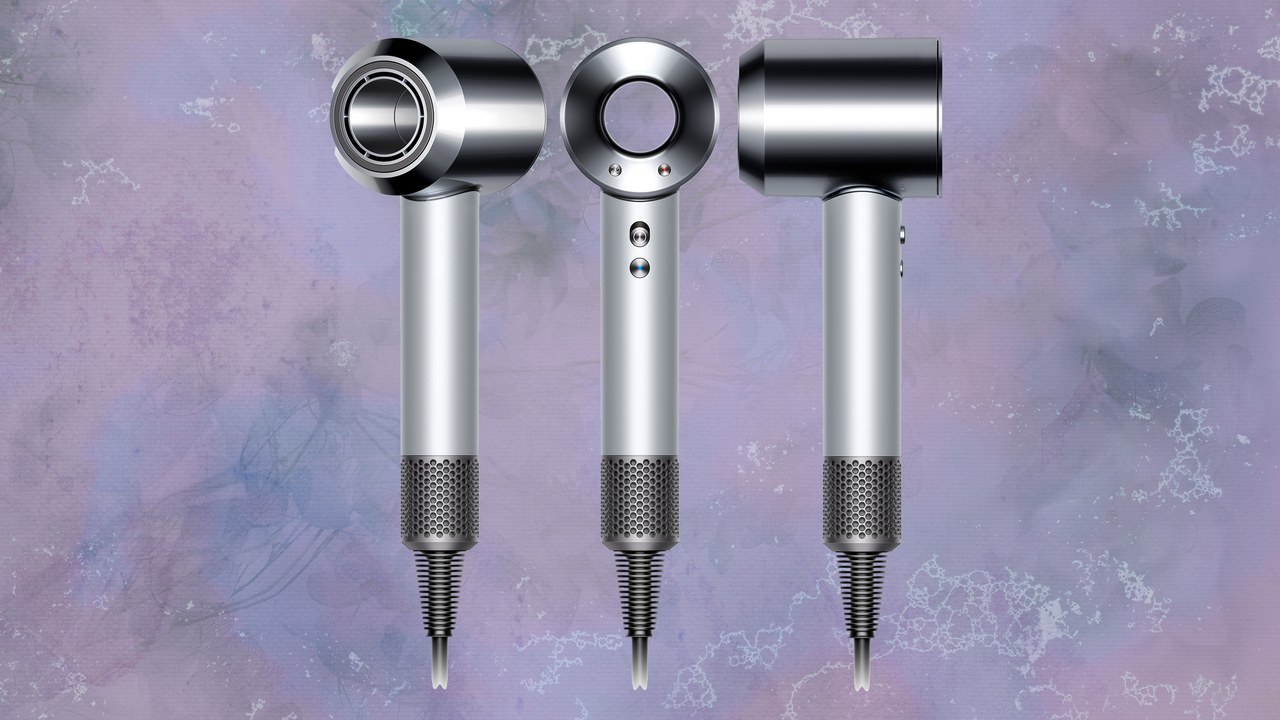
    The store features two products – Dyson’s Supersonic hair dryer and Airwrap styler – which took two years and almost £100 million ($179 million) to develop, the company said.

    The styling tools have been extremely popular in a product category that had not seen much innovation for decades, and are only now back in stock after having sold out.

    Customers can make appointments to have their hair styled by an expert at the Beauty Lab. For $50, they receive a complimentary beverage including prosecco, a hair consultation by a Dyson styling expert, a luxury hair wash with treatments and a head massage.

    The session is free for those who purchase a Dyson hairdryer or styler. Buyers will also buy receive a free gift (choosing from a brush kit, Supersonic stand or a woven bag).

    The launch of the Beauty Lab comes after the company added a second call centre in Australia last year, in what it said was a significant commitment to its presence here.

  • AirAsia adopts Workday cloud tech to manage 22,000 global employees

    AirAsia adopts Workday cloud tech to manage 22,000 global employees

    Southeast Asia’s largest budget carrier, AirAsia, is adopting cloud technology to manage the company’s 22,000 employees across the region as part of its digital transformation.

    AirAsia operates flights to more than 140 destinations across 22 markets.

    AirAsia announced it had recently taken a huge leap in human capital management (HCM) in cooperation with Workday, a provider of financial and human capital management software that is based in California.

    AirAsia chief people and culture officer Varun Bhatia said that Workday’s cloud technology could help the company maintain what he called “single-source truth and employee data”.

    “We believe we have to move towards a more personalized approach and employees have to get a personal experience,” Bhatia said recently.

    The collaboration, Bhatia said, enabled the airline’s employees to access the integrated, cloud-based platform individually from their mobile phones at any time and from anywhere.

    “It is a self-service platform where employees can do basic [things] like arranging leave, completing their data information and the like,” he said.

    The platform keeps information on each individual employee and their employment records, including career path, technical skills level and professional development, as well as standard information that employees need to do their jobs.

    Employees can also check their daily work schedule, manage leave days and track information about their salaries.AirAsia chief people and culture officer Varun Bhatia (right) and Workday president of Asia Rob Wells (left) shake hands to mark the collaboration in cloud-based human capital management recently at AirAsia Headquarters, Malaysia. (Courtesy of /AirAsia)

    Workday president for Asia Rob Wells said that with the help of technology and digitalization, AirAsia could allow its workforce to achieve efficiency and make their jobs easier.

    “Every day, the 22,000 employees of AirAsia are either serving us, flying us, caring for our baggage or making sure that the airplane works all the time,” said Wells.

    “They don’t have the time to come to the office to a desktop device. Thus, engaging the workforce through mobile, through access to digitalization, is essential,” he said.

    Adopting cloud technology to manage its human capital is part of the airline’s “AirAsia 3.0” vision to go beyond being an air travel company and become a travel tech company. AirAsia 3.0 also envisions providing hotel booking and logistics services as a one-stop e-commerce platform for travelers.

  • Vietnam budget airline VietJet to launch online business

    Vietnam budget airline VietJet to launch online business

    Vietnamese budget airline Vietjet is set to enter the e-commerce business. The firm is currently forging alliances with industry partners to enable it to offer a range of goods and services online as it seeks to build on and profit from its existing customer data. The new platform, which will be based on blockchain technology to facilitate transactions among partners, is expected to launch within the next two years.

    “Following our concept of ‘Consumer Airline’, we will have an e-commerce platform to serve not only air tickets but whatever they need,” said Vietjet’s VP Nguyen Thi Thuy Binh in Tokyo in an interview with the Nikkei Asian Review. “All the suppliers and partners will join our platform to serve the products to not only our 30 million passengers but also hundreds of millions of customers in Vietnam and other parts of the world.”

    The service will offer banking, insurance, hotel bookings and consumer goods, among other planned features. It will initially target passengers on the airline before expanding to the general public.

    Vietjet is expected to fly 30 million passengers this year, an increase of 30 per cent over last year’s total. While its revenues have been increasing over the period, rising fuel costs and intensifying competition have increased pressure on the firm’s core business. Vietjet has already formed a partnership with finance firm HD Saison Finance to allow customers to purchase air tickets ‘on loan’ in hope of attracting sales even from travellers who cannot immediately afford to buy.

    Vietjet currently flies 119 domestic and international routes, with a fleet of almost 80 aircraft.

  • Hema Fresh eyes 2000 stores by 2022

    Hema Fresh eyes 2000 stores by 2022

    Alibaba’s grocery-store network Hema Fresh (Hema Xiansheng) is targeting at least 2000 stores across China by 2022.

    With the current network at 160, expansion of the two-year-old chain is now being ramped up after Alibaba worked to refine the format. According to senior executives of Alibaba, quoted in Chinese news media reports, Hema Fresh will have stores in 200 cities by 2030. It is currently in 21, including Shenzhen, Shanghai and Beijing.

    Hou Yi, Hema Fresh’s CEO and VP of Alibaba, says the company will be targeting cities with populations in excess of 1 million as it achieves critical mass.

    As Pascal Martin and Jack Chuang, partners at OC&C Strategy Consultants, described in a deep dive into the Hema format published early this year, the Hema concept was developed from scratch by Hou Yi, a logistics expert hired from rival Jing Dong.

    The Hema store’s value proposition is built on three pillars:

    * Superb quality fresh food – particularly seafood – at an attractive price, that you can pick and have cooked to dine in the store or to go.

    * A completely integrated smartphone-centric experience, from product information (by scanning QR codes on product labels) to automated check-out enabled by RFID tags, to payment through Alipay (although Alibaba was recently forced by regulators to accept other payment platforms and cash).

    * An extended shopping experience with the download of an application that allows online ordering and free home delivery within 30 minutes within a 3km radius of each store.

  • Nu Skin flagship ready for the Future

    Nu Skin flagship ready for the Future

    Health-and-beauty firm Nu Skin is rolling out a new store design based on its Shenzhen flagship, which opened in November last year.

    A Digital Signage Connection case study described the Nu Xtore flagship as “a state-of-the-art digital sensory experience centre that incorporates Nu Skin’s history, high-quality products, community involvement and scientific innovation”.

    Two further Nu Xtores are scheduled to open this year in China, following the Shikatani Lacroix Design “future-proofed” format intended to reflect trends in the market and target younger consumers. The design was put together in partnership with consulting firm MetaThink, building a combined conventional and digital experience to support the firm’s brand story and blur the line between gallery, science center, community hub, and event space.

    “Metathink and SLD delivered beyond expectations in elevating the Nu Skin brand to new heights through user-driven insights, meticulous strategy and digital immersive experience design,” said Nu Skin’s VP of marketing Queenie Sheng.

    “It was important to create a cohesive and choreographed experience that flowed from start to finish,” reads the case study on SLD’s store design, centred around a central “Fountain of You” interaction piece that serves as a visual metaphor for youth, wellness and energy.

    “Integration to existing digital tools and applications requiring data exchange added additional levels of complexity to the digital experiences. In very short timelines, all of the graphics, wayfinding, digital experiences and environmental design had to constantly evolve and adapt.”

    The design won a DSE 2019 APEX award in the Retail Environments category.