Category: General

Retail News Asia is committed to providing both local and global retailers with the latest General Retail news throughout the Asian market. This on a daily base.

  • Vietnam’s millionaire population growth among world’s fastest

    Vietnam’s millionaire population growth among world’s fastest

    Vietnam ranks fourth among the world’s top 10 countries with the fastest millionaire population growth, a new report says. The country’s High Net Worth (HNW) population is set to grow by 10.1 percent each year in the 2018-2023 period, says wealth research firm Wealth-X. This growth rate is only lower than Nigeria at 16.3 percent, Egypt, 12.5 percent and Bangladesh, 11.4 percent, says the report, which covered over 540,000 HNW individuals in the world.

    The report defines HNW population as those with a net worth between $1 million and $30 million. The world’s HNW population grew by 1.9 percent last year from 2017 to 22.4 million people with a combined wealth of $61.3 trillion.

    About 25 percent of the world’s HNW population were located in Asia last year, and their total wealth was $15.48 trillion.

    Although the region’s GDP went up 8 percent last year, its stock markets plunged by more than 11 percent, partly explaining why Asia’s HNW population and total wealth remained virtually unchanged from last year, the report said.

    It also said that the top 10 countries accounted for over 75.2 percent of the global HNW population and 73.8 percent of total HNW wealth last year.

    U.S. topped the list with over 8.6 million people, following by China with 1.8 million, Japan, 1.6 million and Germany over 1 million.

    In another report published last September, Wealth-X said that the number of ultra wealthy population, those with a net worth of over $30 million, has increased by 12.7 percent in Vietnam from 2012 to 2017, making it the third fastest growing country in the world in this category.
  • Vietnam’s top five brands increase value by $2.3 billion

    Vietnam’s top five brands increase value by $2.3 billion

    Vietnam’s five most valuable brands were worth a combined $8.1 billion in 2018, up $2.3 billion or 39 percent against 2017, Brand Finance estimated. The most valuable brand was military-owned mobile network Viettel at $2.8 billion last year, up 9 percent from $2.57 billion 2017, said the UK brand valuation company. The 47th most valuable telecom brand in the world has operations in Laos, Cambodia, Haiti, Mozambique and Peru.

    In second place was Vinamilk, the country’s largest dairy company by far, which was worth $1.9 billion, up 39 percent. State-owned Vietnam Posts and Telecommunications Group (VNPT) was in third place after increasing its brand value by 84 percent to $1.34 billion.

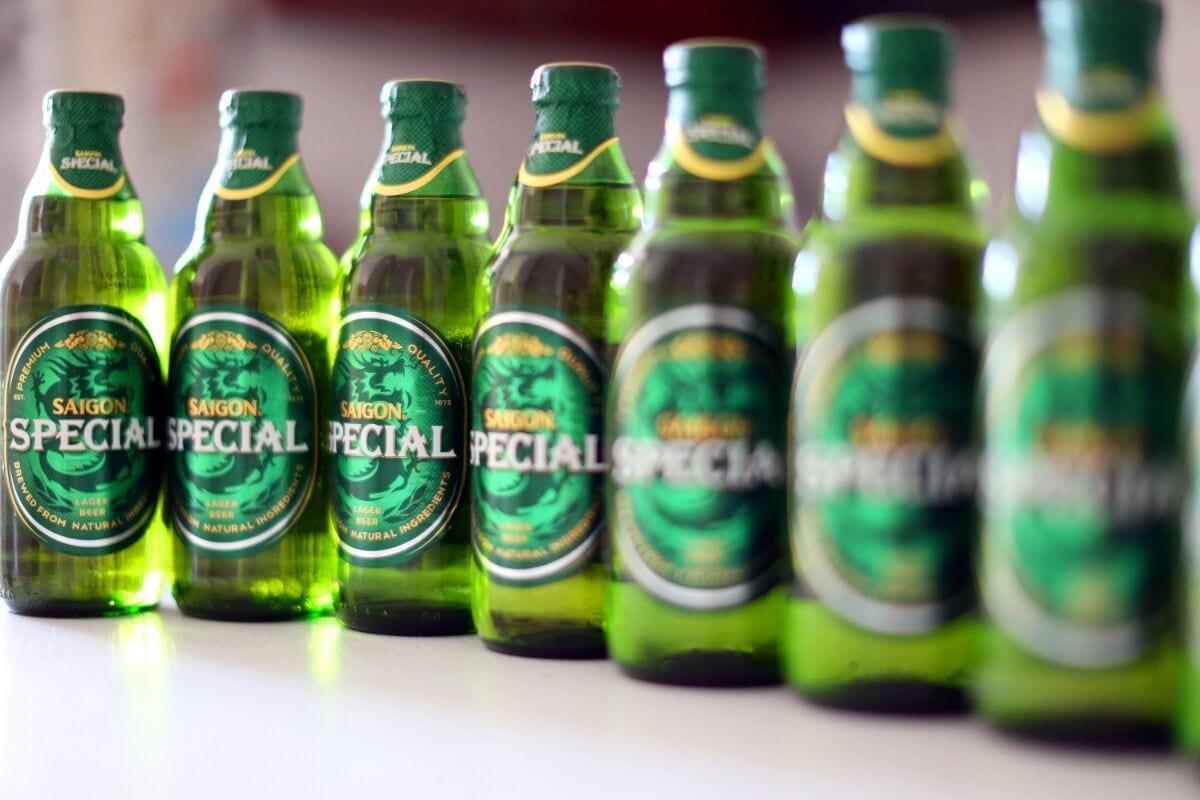
    In fourth and fifth places were Vinhomes, the real estate subsidiary of Vietnam’s largest private conglomerate Vingroup, and Sabeco, Vietnam’s biggest brewer, at $1.18 billion and $950 million respectively.

    Samir Dixit, CEO, Asia-Pacific of Brand Finance, said: “Branding is the most critical asset of every business. It is difficult to predict the performance and behavior of customers, but the only thing that remains a constant is the brand.”

    Brand Finance’s valuation criteria uses several metrics. The value accorded to each brand is a summary of its financial strength. Each brand also gets a brand rating, which indicates its strength, risk and future potential relative to its competitors.

  • 7-Eleven parent sales surges: Report

    7-Eleven parent sales surges: Report

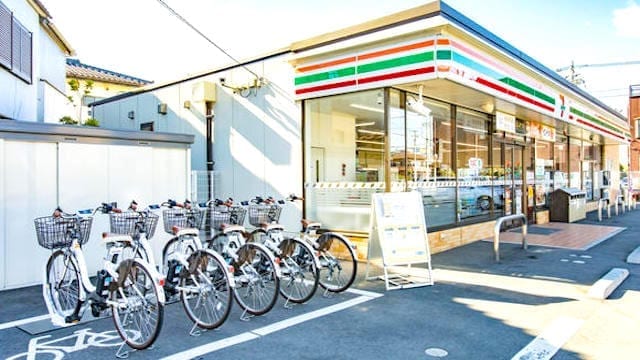
    Japanese retail giant Seven & I has reported a 15.8 per cent increase in net sales for the nine months to November. Profit rose by a less impressive 2.9 per cent. The 7-Eleven parent said its overseas convenience store business achieved an impressive 15.7 per cent increase in operating profit year on year.

    At home, its Ito-Yokado superstore managed to reduce its operating loss to ¥200 million (US$1.85 million), however its York-Benimaru supermarket division and Sogo & Seibu department stores both struggled, the latter losing ¥937 million ($8.6 million).

    Seven & I’s net sales totalled ¥4.11 trillion ($38 billion).

  • The Indian Luxury Outlook 2019

    The Indian Luxury Outlook 2019

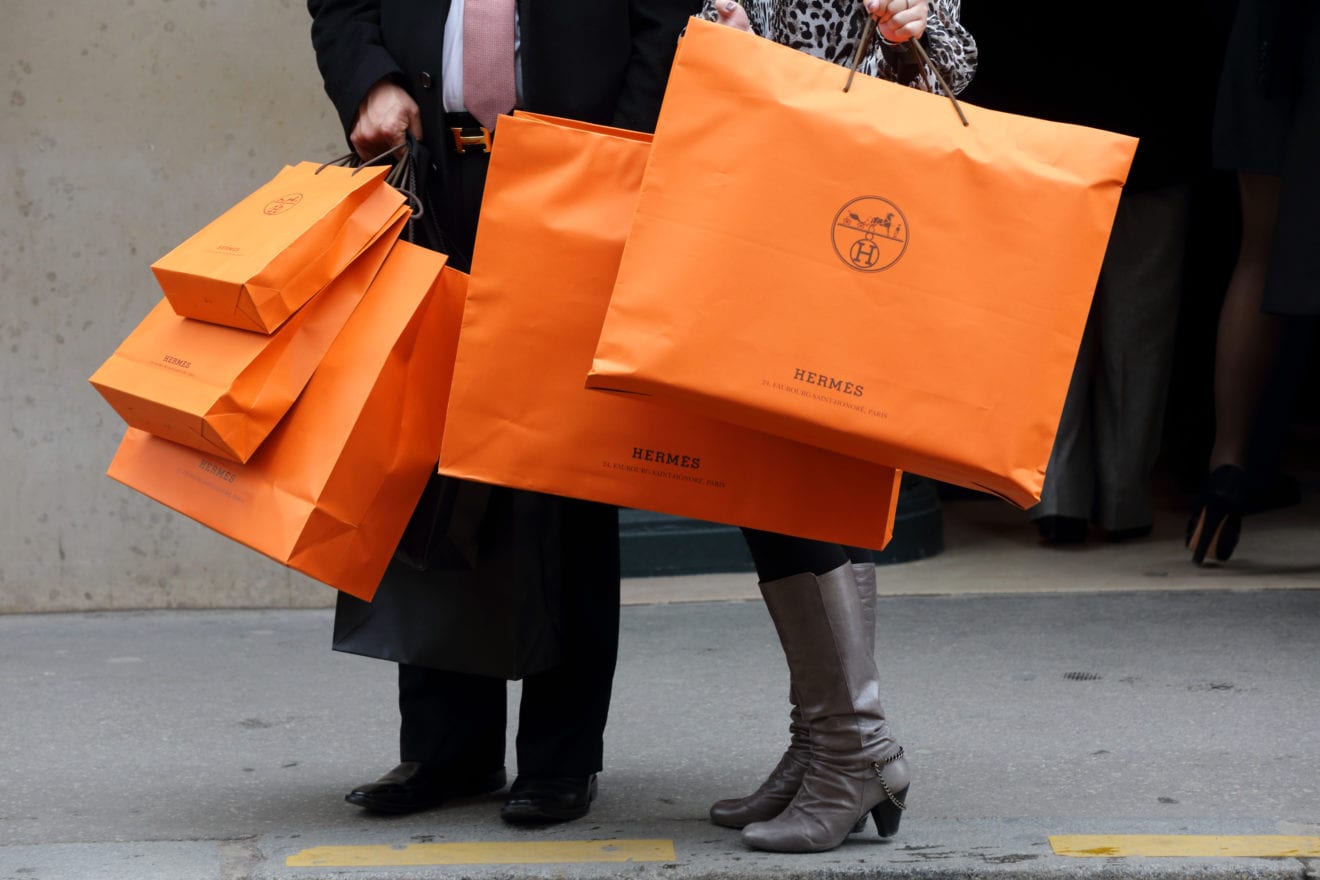
    As 2018 comes to a cold & wintry end, as political environment hots up, as new alliances, mergers and acquisitions take shape in business & politics, as GST corrections & FDI norms in ecommerce are tinkered, what is it that the Indian Luxury Industry can look forward to?

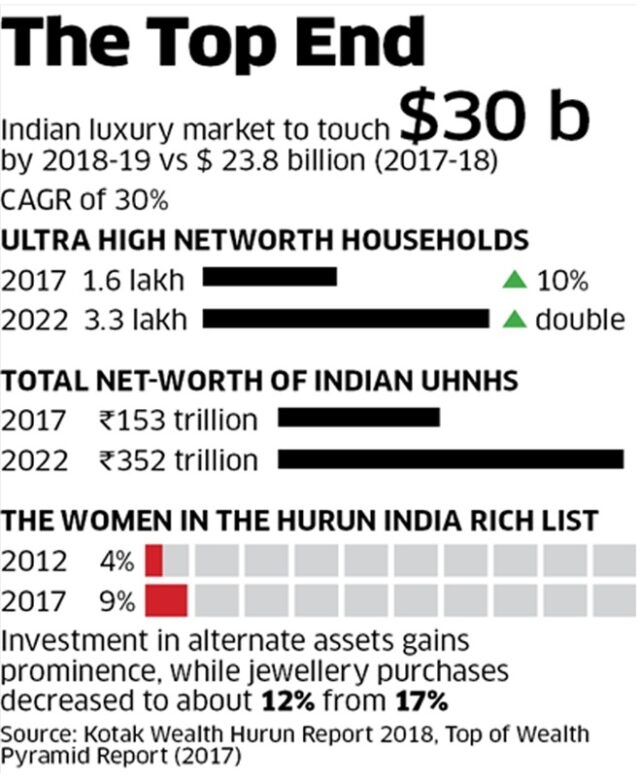
    Assocham figures continue to be optimistic and bullish. As per last projection, not only is the industry expected to be of a size of USD 30b by the year end 2018, but is also to continue its growth trajectory unhindered. But alas, the suddenly disturbed seemingly stable political applecart, the floundering rupee, the growing uncertainty, and the eminent global slowdown of 2020 looms large. Ground reality for luxury could be different. Industry insiders, trade analysts and brands all alike seek the pot of gold at the end of the rainbow.

    A seeming direction that the Indian Luxury Industry could take or adopt from the rest of the world appears as under:

    1. Consolidation is the key: With Reliance brands having taken over Genesis Retail in 2018, the largest fashion and accessory conglomerate of Indian Luxury and premium space has taken shape. With almost no competition, the all-powerful group is set to be the only point of entry into India. Surely independent brands and smaller groups continue to offer their wares, the sheer strength, negotiation powers and might of Reliance will perhaps be the single most driver of the fashion & Luxury space.
    2. Power of the Common Man: Someone wise enough once said ‘don’t underestimate the power of the common man’. Sure enough, luxury has slowly spread its wings to the hitherto sleepy tier I & tier II towns. The fast emerging Indian market is not only witnessing demand for luxury products from the Metros but also Tier I and Tier II cities which have a sizable number of HNIs (High Net-worth Individuals). Alongside, an increase in wealth for the middle class coupled with internet penetration has resulted in newer segments of first-time luxury buyers. This has given ample space for a whole lot of brands to set up shop in India, retail their brands through distribution networks. This surely will be the next growth driver for Luxury in India.
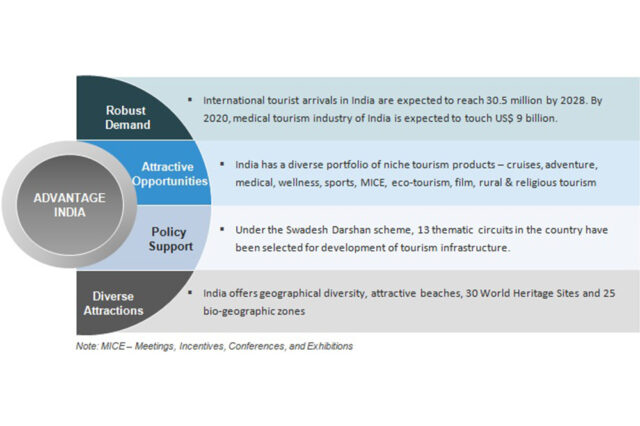
    3. Travel, Tourism &Hospitality will drive further growth to the value pie: With increased e-visa processing, faster on the ground arrival support, eye catchy Incredible India campaigns, the tourist inflow from within and outside is likely to further increase. Statistics according to a new report of the World Travel and Tourism Council (WTTC) reveal that India’s travel and tourism sector ranks 7th in the world in terms of its total contribution to the country’s GDP.During January-October 2018 FEEs from tourism increased 8.30 per cent year-on-year to US$ 23.54 billion.


      Source : www.ibef.or


    4. The Great Big Fat Indian Wedding carnivals will drive luxury: The wedding industry and the wedding service industry sets unprecedented benchmarks. According to a 2017 KPMG report titled Market Study of Online Matrimony and Marriage Services in India, the marriage services industry is estimated to be worth approximately US $53.77 billion (Rs 3, 68,100cr).This is one sector which adds incremental sales to all sectors of the industry – from beauty, fashion, accessories,  photography, jewellery, travel, hospitality, gifting to also the cuisine segment. With high standards being set by the likes of stars like Anushka Sharma – ViratKohli ; Priyanka Chopra – Nick Jonas& finally the Ambani weddings, the aspiration of average Indian to splurge on weddings is reaching a new peak. With Rolex watches as gifts to the entire wedding procession to bespoke clothing from super luxury brands to not only the entire family but the whole procession adds further fillip to the trade.
    5. Technology and Luxury: From high end home appliances such as Sub Zero Wolf to tech controlled homes like Home Automat, luxury and technology seem to marry and create an inseparable union. What was earlier restricted to high end laptops and computer systems demand has now invaded the mobile space, the home entertainment space besides the affluent kitchens. Super expensive mobiles from Iphone X to Hanmac are finding a demand que beyond their imagination in India.
    6. Technology and Retail: Omni-presence now means beyond just available everywhere to also be ‘Phygital’. A merger of the physical and digital retail is quietly invading the global retail. Amazon Go has already launched 8 number of cashier less stores& plans to ramp up to 3000 by 2021. Can India, the tech brain of the world be far behind? In Bangalore, Decathlon launched a similar store by introducing a ‘phygital experience’- an innovative mix of physical retail and digital touch points. From virtual reality to digital payments the intent is to create a fun, unique and immersive user experience designed to engage and add value to for them at every step of the way while choosing their favourite sports gear.On other hand, another concept store called ‘Watasale’ went further to create cashier less store, its first store in Kochi and have plans to expand to other cities including Bengaluru and New Delhi in the near future. Can Indian Luxury ignore this anymore?
    7. Predictive Analysis to Predictive Selling: The Indian fashion industry proudly receives its first futuristic analysis software, ‘Stylumia’. Created by ex Myntra founder Ganesh Subramanium, the software will assist in better buying to be able to improve efficiencies and sell through ratios. Most Luxury brands dependent on the human predictions of the buyer can now resort to technology and manage their budgets better. This coupled with predictive selling, could bring in the much needed correction in stocks over load with luxury brands.
    8. Experiential retail, Virtual Reality and Artificial Intelligence: These three aspects will come to the forefront: Brands like Arvind have introduced Magic Mirrors through its brand Creyate Custom Clothing. Also, Shoppers Stop has launched an innovative augmented reality-based dressing room: ‘The Magic Mirror’. It is an intelligent photo booth that gives customers the option to select and view apparel and accessories on themselves without having to physically ‘try on’ the desired products. Apart from this, ecommerce players such as Lenskart(Eyewear) and Caratlane (Jewellery) are already into Virtual trial of the products by customers.
    9. Rent a Luxury / Reusable Luxury are a reality: What started as a trickle two years back, is now a stream with more ventures offering specialised product categories arriving at the horizon.Websites such as Confidential Couture offer usable Luxury Goods while Ziniosa & Rent A Closet offer fashion on rent.And now, even the affluent women are renting high end jewellery for their wedding. The fashion rental market is becoming the biggest trend. A wedding suit or gown worth Rs. one lakh could be rented for as low as Rs. 2000 to Rs. 2500! It is estimated that the online wedding rental  business is worth Rs. 100 crore and the existing players have claimed a 25 to 50 per cent year-on-year surge in business (Black Book).
    10. Sustainable, Authentic and Responsible Luxury is being sought forGrassRootby Anita Dongre and Nicobar by Good Earth are few names that are famous for their Sustainable offerings.Slowly but surely, the well exposed Indian consumer seeks value over mere brand name. Value definitions are shifting rapidly in line with global shifts. A brand who pays heed to such demands will perhaps go a long way.
    11. SUVs take over the roads Various variants of SUVs have been introduced by automakers of all categories. From Mahindra XUV 500 to Lamborghini Urus, Rolls Royce Cullanin to Porsche Cayenne, almost all Luxury brands have come up with their SUV variant. Sale of SUVs grew seven times faster than that of passenger sedans. While small cars and sedans managed a growth of 3% in the last financial year, the sales of SUV grew 21%. The share of SUVs in overall passenger vehicle sales rose to nearly 30 % in 2017-18, compared to 14% recorded at the end of March 2017-18.According to numbers released by Society of Indian Automobile Manufacturers (Siam), 9.2 lakh SUVs were sold in 2017-18 against 7.6 lakh units in the previous year.
  • November Singapore retail sales stagnant

    November Singapore retail sales stagnant

    November Singapore retail sales were static, rising just 0.2 per cent year on year after removing motor vehicles from the data. On a month-on-month basis, sales rose 1.4 per cent, again after disregarding motor vehicles. Perhaps the most interesting figure was the share of total retail sales which occurred online, reaching 6.6 per cent. In September, online accounted for 4.9 per cent of sales, in October 5 per cent. The November figure suggests the Singles Day shopping promotions on November 11 had a significant impact in Singapore.

    The worst-performing retail category in November Singapore retail sales was computers and telecommunications equipment, slumping 22.1 per cent year on year, which Statistics Singapore attributes to strong sales of phones in November 2017 due to the launch of new models.

    The optical goods and books categories posted sales declines of 4.6 per cent, while food retailers and supermarkets & hypermarkets fell by 3.7 per cent and 1.4 per cent, respectively.

    Department stores registered an increase of 8.7 per cent in sales, while medical goods & toiletries sales rose by 4.8 per cent.

    Turnover of fast-food outlets, restaurants and other eating places (such as cafes) increased between by 2.5 per cent and 4.5 per cent year on year in November. However, sales of food caterers decreased 2 per cent.

  • Tesco Asia sales continue dropping despite growth in profit

    Tesco Asia sales continue dropping despite growth in profit

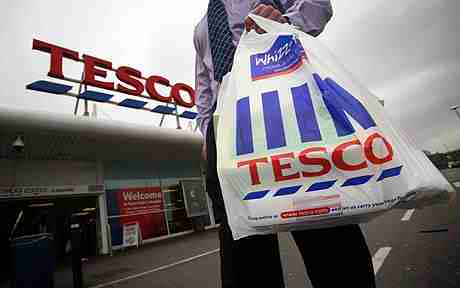
    Tesco Asia like-for-like sales continue to decline while the UK-headquartered company repositions its offer – masking a stronger underlying performance for the business. “We have made good progress in our discussions with suppliers towards a new commercial approach,” explained Tesco CEO Dave Lewis in a quarterly update. “We also accelerated planned changes to our operating model in Thailand, helping to reduce costs and underpinning our profit recovery.”

    Lewis said that despite minor changes to the government-issued welfare cards scheme during the third quarter, Tesco Thailand sales fell by about 1 per cent for the 19-weeks including the key Christmas trading period.

    Restructured Thailand store operations have led to reduced costs, underpinning profit recovery at the expense of sales.

    Referring to Tesco’s global operations, Lewis added: “We have more to do everywhere but remain bang on track to deliver our plans for the year and as we enter our centenary we are in a strong position.”

    The December quarter represented the 12th consecutive quarter of like-for-like sales growth for Tesco globally, with sales up 2.6 per cent.

  • Judge extends Sears lifeline to mid-January

    Judge extends Sears lifeline to mid-January

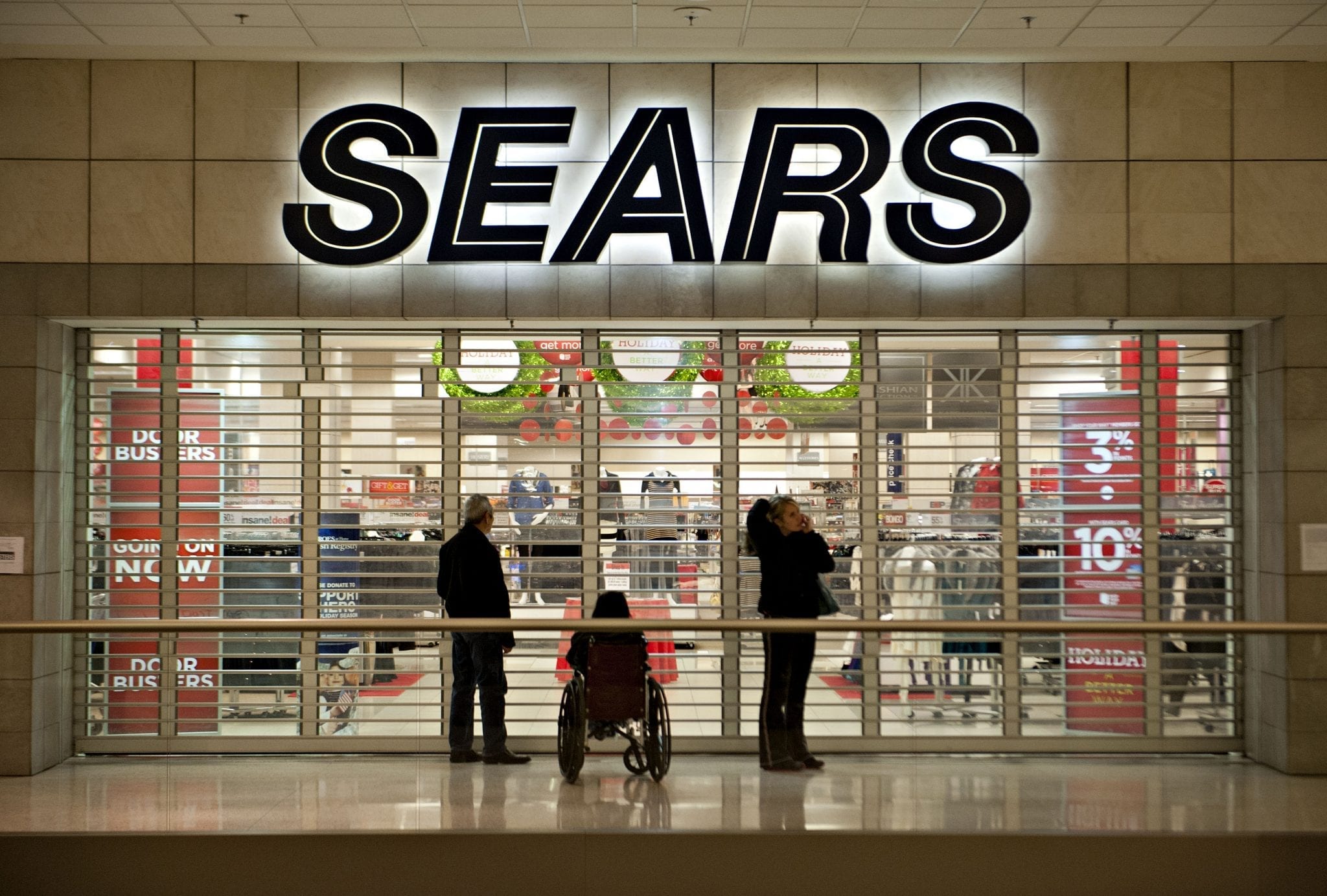
    Embattled US department store Sears has been granted yet another lifeline, with a bankruptcy auction now scheduled for January 14. That will give billionaire hedge fund operator Edward Lampert, Sears biggest shareholder and former CEO, one final opportunity to preserve the business. At Monday’s auction, he will bid against rival parties seeking to liquidate the business, described by GlobalData Retail MD Neil Saunders as “more like a patient in a coma than a fully functioning retailer”.

    Sears filed for Chapter 11 bankruptcy protection in October and the independent directors of the 126-year-old company are seeking its liquidation, seeing it as the only means by which creditors can retrieve some of the $5 billion in debts it owes. Lampert wants the remaining 425 stores trading under the Sears and Kmart banners to remain open, convinced it can return to viable trading.

    Saunders disagrees and says talk of a potential liquidation of the company suggests the much-storied retailer is now at the end of its long road to collapse.

    “Its recent journey to this point has been characterised by incredibly poor strategic decisions, chronic underinvestment, and continuous financial machinations designed to keep the company afloat. All of this impacted trading, which has remained dire.”

    Saunders says while Lampert has worked hard to rescue the remains of his empire, there is simply not enough financial firepower left in the company to persuade investors of his bid. Indeed, the terms of the deal put forward by Lampert would only likely delay the inevitable and make it far more difficult for creditors to extract their money.

    “Moreover, his track record in putting the company on a sound financial footing has been less than impressive, and we believe this has undermined his credibility with stakeholders.”

    Saunders says there may be interest from people who see value in elements of Sears business such as the automotive side, the online operations, the brands, and the various home services. Those operations include brands like Kenmore appliances, DieHard batteries and Wrangler jeans. “As such, parts of Sears could live on even if the company as we know it will disappear.”

    According to The Wall Street Journal, Sears, which merged with rival Kmart in 2005, has been losing money for seven years under Lampert’s leadership. Sine April 2007, the company has shed 200,000 staff, lost $30 billion in shareholder value and closed more than 1700 stores, leaving it with less than 700 now.

    Saunders says Sears will act as a case study in how not to run a retail operation.

    “It also serves as an example that even the once most powerful and cutting edge of brands can easily fail in a retail environment where change and evolution are the order of the day.”

  • Vietnam says Facebook violated cybersecurity law

    Vietnam says Facebook violated cybersecurity law

    Vietnam says Facebook has violated its new cybersecurity law by allowing users to post anti-government comments on the platform. “Facebook had reportedly not responded to a request to remove fanpages provoking activities against the state,” the official said, citing the Ministry of Information and Communication. In a statement, a Facebook spokeswoman said: “We have a clear process for governments to report illegal content to us, and we review all these requests against our terms of service and local law.”

    She did not elaborate. The ministry said Facebook also allowed personal accounts to upload posts containing “slanderous” content, anti-government sentiment and defamation of individuals and organizations, the agency added.

    “This content had been found to seriously violate Vietnam’s Law on cybersecurity” and government regulations on the management, provision and use of internet services, it quoted the ministry as saying.

    Facebook had refused to provide information on “fraudulent accounts” to Vietnamese security agencies, the agency said in Wednesday’s report.

    The information ministry is also considering taxing Facebook for advertising revenue from the platform.

    The report cited a market research company as saying $235 million was spent on advertising on Facebook in Vietnam in 2018, but that Facebook was ignoring its tax obligations there.

    In November, Vietnam said it wanted half of social media users on domestic social networks by 2020 and plans to prevent “toxic information” on Facebook and Google.

  • KKR invests into lifestyle products

    KKR invests into lifestyle products

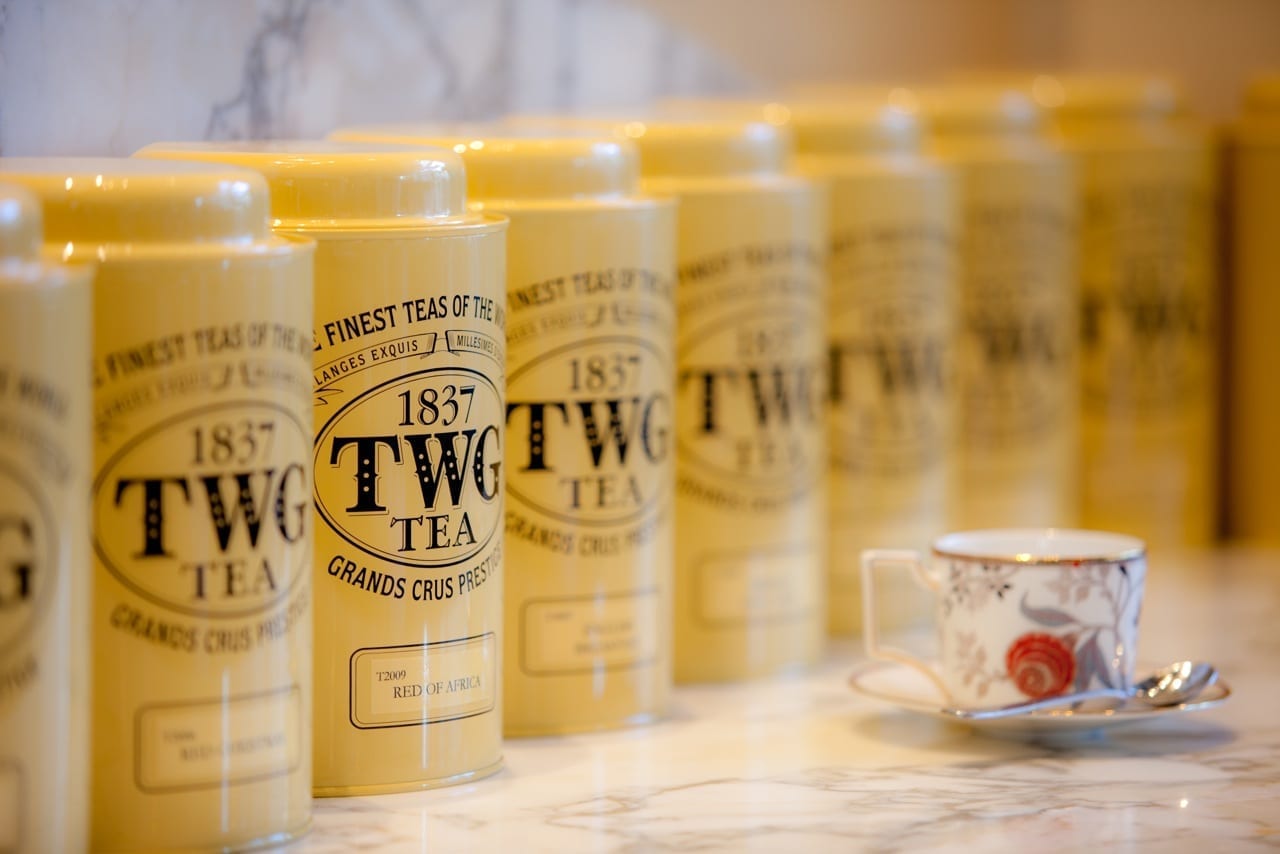
    Private Equity firm KKR has taken up a “significant stake” in massage chair and lifestyle products group V3, the owner of the OSIM and TWG Tea brands. KKR’s investment is up to S$500 million in V3, valuing V3 at an enterprise value of about S$1.7 billion. However,  Both parties declined to comment on the exact mix of equity and debt financing. KKR is making the investment from its Asian Fund III. What we know is that the investment by KKR represents more than 50 percent increase in enterprise value compared to when the group was taken private.

    Ron Sim remains the Chairman, Chief Executive and Controlling Shareholder of V3. He said: “I am extremely pleased to welcome KKR as a significant shareholder in V3. I am confident this investment will position the company for our next phase of growth, starting with the immediate expansion of TWG Tea in Japan and the US and of OSIM in China. We would also be looking into M&A opportunities that are earnings accretive.”

    KKR partner Jaka Prasetya said the investment underscores KKR’s strong belief in the continued growth of the region’s consumer sector: “We aim to provide support and capital to successful home-grown, regional companies like V3 in order to capture opportunities across Asia and beyond.”

    Headquartered in Singapore, V3 has a presence in over 100 cities in 26 countries around the world. The largest chunk of V3’s revenue comes from sales of OSIM massage chairs.

    V3’s annual revenue climbed back above the S$600 million mark last year, reversing the revenue decline owing to store closures in China in prior years. Profit also rose, Mr Sim said.

    The luxury lifestyle and wellness industry continues to be a sector of exciting growth in Asia, proliferated by rapidly rising consumer affluence throughout the region.

  • Malaysian businesses less optimistic on prospects for next six months

    Malaysian businesses less optimistic on prospects for next six months

    Malaysian businesses are displaying less optimistic sentiment on prospects for the next six months as the RAM Business Confidence Index (RAM BCI) fell to its lowest level since its inception two year ago. RAM said in a statement today that the corporate and the SME indices of the RAM BCI declined to 55.1 and 51.0 respectively, although the reading above 50.0 still denotes positive sentiment.

    The RAM BCI is a comprehensive survey jointly conducted by RAM Holdings Bhd and RAM Credit Information Sdn Bhd, on business sentiment in Malaysia. Released quarterly, the index is based on data from a survey of close to 3,500 SMEs and corporates across five main industry segments respectively.

    The cooler sentiment is attributable predominantly to the weak economic prospects in the next six months, with a number of firms citing this as the main challenge, rising to 41.2% and 41% both corporate and SME segments.

    Decelerating domestic growth, uncertain global demand and investment activities and a lack of positive catalysts, including the relatively neutral Budget 2019, all play a part in the generally weaker business sentiment on the next six months.

    On a sectoral basic, the construction sector appeared the least bullish with the SME sector recording a reading at 49.7 while the corporate sector declined for the third time in a row to 53.0.

    Without any new growth catalyst amid the property overhang, plus the shelving of new big-ticket infrastructure projects, it is not surprising that the construction sub-indices have hit record lows, RAM said.

    Another sector that showed pessimism in the Q1-Q2 2019 survey is SME retail as its performance outlook slipped back into negative territory after a brief expansionary momentum that had been aided by the tax-free window from June to August 2018.

    “Faced with uncertain global and domestic economic prospects, consumers are once again more prudent with their spending, leading to weaker sentiment on retail consumption in 2019,” it added.

    On the back of weaker prospects, the firms are also holding back from capacity building with the sub-indices tracking corporate business expansion, capital investment and hiring recording a fall in three consecutive surveys.

    Likewise, the capacity-building sub-indices for SMEs pulled back from the last survey and remain below those of corporates.

    RAM noted that firms’ expressed reticence on capacity building remains the most prominent downside risk, as it could weigh on the momentum of economic growth in 2019 and potential economic output over the longer run. This is particularly true in respect of SMEs, which are more vulnerable and sensitive to immediate economic challenges.

    “That said, more guidance on future economic policies that will shape the overall business environment will be crucial to building business confidence among firms, potentially being the game changer for a more resilient growth trajectory this year,” it added.

  • Malaysian consumer sentiment to remain healthy this year

    Malaysian consumer sentiment to remain healthy this year

    AmInvestment Bank has maintained its “overweight” rating on the consumer sector, as consumer sentiment is expected to remain healthy on the back of recent consumer-friendly initiatives by the government. It said in a report that recent initiatives such as the reintroduction of petrol subsidy, capping of the electricity tariff and introduction of public transport subsidies, have contained the problem of rising cost of living and effectively put more money back into the pockets of consumers.

    “The substitution of the Goods and Services Tax (GST) with the Sales and Services Tax (SST) is a net positive to consumers as the SST has a narrower scope compared with the GST,” it said.

    According to the Malaysian Institute of Economic Research, the Consumer Sentiment Index has recovered beyond the 100-point confidence threshold after three years of a low sentiment trend.

    AmInvestment Bank believes that the positive trend in consumer sentiment will be sustained as consumers become more confident of the government with expectations of more rakyat-centric government policies, better governance and transparency.

    It expects private consumption to grow at 6.5% year-on-year on the back of a healthy labour market and stable inflation.

    While the food and beverage sub-sector does not typically benefit from greater disposable income, AmInvestment Bank has identified Berjaya Food Bhd (BFood), Mynews Holdings Bhd and Power Root Bhd as the top picks for the sector.

    It said that BFood is a beneficiary as improved consumer sentiment will drive discretionary spending while Mynews will be an indirect beneficiary of the public transportation subsidy.

    “We reckon that this measure will boost foot traffic surrounding the train stations. Mynews currently operates more than 30 stores in the MRT, LRT and monorail stations,” it added.

    Meanwhile, Power Root will be a potential beneficiary as it is a producer of staple products. It will also benefit from a stronger US dollar as around 50% of its sales are in exports.

    Downside risks that may prompt it to review its call for the sector are weakening of the ringgit against the US dollar (its 2019 assumption average is RM4.12) and sluggish improvement to economic fundamentals, which could lead to a de-rating of the sector.

    “A sluggish recovery in economic fundamentals such as high operational costs and a weak ringgit may not see consumers fully benefitting from savings tied to the SST reintroduction and consumer-friendly measures, thereby dampening the recovery in consumer sentiment,” it said.

  • South Korean convenience store openings slow down

    South Korean convenience store openings slow down

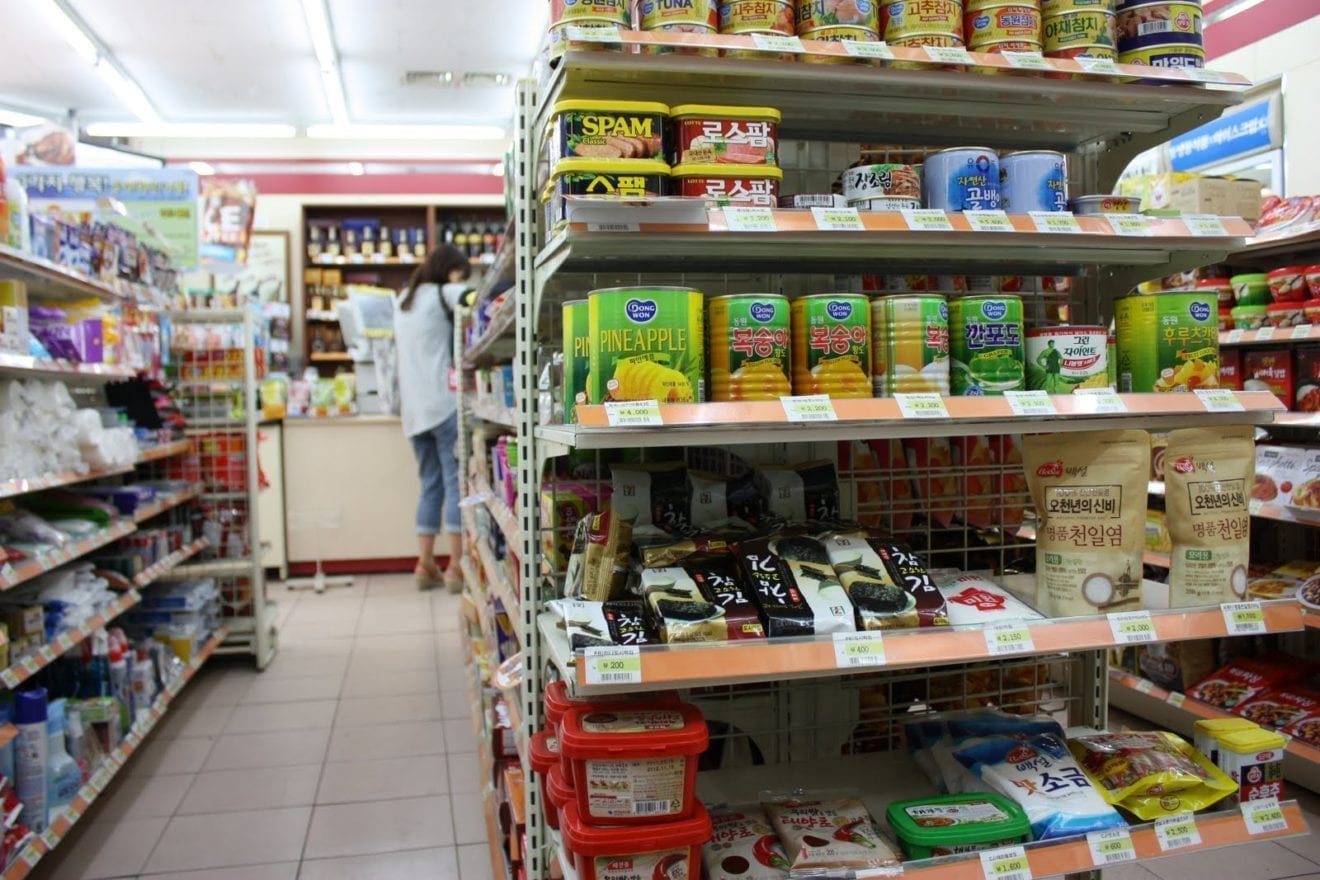
    South Korean convenience store openings in South Korea fell last year, according to industry data. Thought to be the effect of increasing labour costs and market saturation, the slowdown has manifested amongst several industry operators – including BGF Retail’s CU, which opened 980 fewer stores than the previous year’s total of 1646; and GS25, which opened 1023 fewer stores last year after launching 1701 outlets in 2017.

    A government advisory to chain stores to maintain more of a distance between competing branches signals a likely continuation of the downward trend, as well as new laws mandating higher levels of paid leave to staff and a higher minimum wage. The same pressures have seen 19 per cent of convenience stores closing at night rather than operate 24 hours, compared with 10 per cent in 2017.

    A statement issued by CU said that the firm is prioritising profitability of existing stores over opening new locations.

  • Time is running out for Sears offer

    Time is running out for Sears offer

    Sears chairman Eddie Lampert’s last minute plans to save the bankrupt retail chain are set to be terminated on Friday afternoon, New York time, should they be determined to not be a “qualifying bid”. The first plan, a US$4.4 billion offer to purchase Sears, would provide ongoing positions for 50,000 employees and is the “best outcome for the debtors and their creditors and other stakeholders,” according to documents filed with the US Securities and Exchange Commission.

    The second plan, however, is an offer to acquire at least 250 stores as a going concern, as well as certain assets across the home services division and certain intellectual property.

    Earlier this week the business confirmed a further 80 stores would be closing by March, alongside the 40 already announced, with liquidation sales expected to begin in early January 2019.

    GlobalData Retail managing director Neil Saunders mused that the brand had hit rock bottom and was “essentially worthless” in its current state.

    “Ultimately, reinventing Sears now would be akin to raising the Titanic and making is seaworthy again: a thankless and rather pointless task,” Saunders said.

    Lampert stepped down as company chief executive when it filed for bankruptcy in October.

  • South Korean retail sales rise strongly in November

    South Korean retail sales rise strongly in November

    Online shopping during the month of November has driven a 4.6 per cent increase in South Korean retail sales compared to the same period in the previous year, according to government data. Ministry of Trade, Industry and Energy figures showed a 12.7 per cent year-on-year growth in online sales alongside a 0.5 per cent drop in offline retail during the month.

    Convenience stores, chain supermarkets and super supermarket sales showed positive growth, while large discount outlets and department stores saw declines of 2.8 per cent and 3.9 per cent respectively.

    Online sales in November were largely propped up by e-commerce shopping festivals in China and the US during the period.

  • Hong Kong November retail sales almost stagnant

    Hong Kong November retail sales almost stagnant

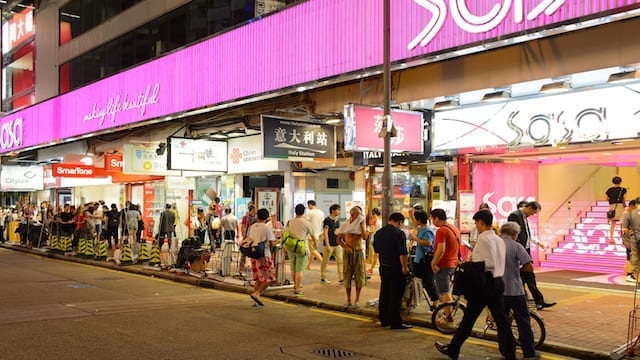
    The growth of Hong Kong retail sales in November slowed to a crawl according to Census and Statistics Department figures just released. After a 6 per cent year-on-year increase in October, the value of sales in November rose just 1.4 per cent to an estimated HK$39.2 billion. That is well below the 9.7 per cent year-to-date rise for the first 11 months of the year.

    And after netting out the effect of price changes over the same period, Hong Kong retail sales in November rose by just 1.2 per cent year on year.

    A spokesman for the C&SD said the “generally moderated growth in retail sales in recent months” reflected more cautious consumption sentiment in the face of various external uncertainties such as the US-Mainland trade tensions and volatilities in the global financial markets.

    “Looking forward, while the favourable local job and income conditions and continued expansion in inbound tourism should still provide some support to the retail sector in the near term, consumer sentiment could be affected by weaker asset prices and the external uncertainties.”

    The overall figure was affected by soft sales of the key jewellery and watches category, down by 3.9 per cent, and of electronics, down by 4.9 per cent. Clothing sales fell by 3.6 per cent.

    Countering those falls were department store turnover, up 3.9 per cent; medicines and cosmetics up 10.1 per cent; food, alcoholic drinks and tobacco up 1.9 per cent; and other consumer goods, not elsewhere classified by 14.3 per cent. Optical store sales rose by 5.4 per cent and books and stationery by 6. 2 per cent.

    Quarter on quarter, Hong Kong retail sales receded during the three months to November by 2.7 per cent, compared with the preceding three months, with the volume of sales (after factoring in inflation) falling 1.8 per cent.

    For the first 11 months of last year, the volume of retail sales increased by 8.4 per cent.