Category: General

Retail News Asia is committed to providing both local and global retailers with the latest General Retail news throughout the Asian market. This on a daily base.

  • Suning develops omnichannel smart retail through Wanda department stores

    Suning develops omnichannel smart retail through Wanda department stores

    Suning.com, the Fortune Global 500 retailer owned by Suning Holdings Group, one of the largest commercial enterprises in China, recently announced the establishment of its Department Store Group. It will focus on professional operations of fashion department store business to strengthen its full-scenarios development in online-and-offline smart retail and improve the shoppers’ experience.

    The Company will also acquire nationwide all Wanda Department Stores, belonging to Wanda Group, the large Chinese commercial real estate developer, to expand its bricks-and-mortar retail portfolios and facilitate the all-categories merchandise supply chain to satisfy more local consumers and boost Chinese retail market profits.

    As the leading omni-channel smart retailer in China, Suning.com has always been committed to building a full-scenarios retail ecosystem both online and offline to create diversified shopping experiences visible and ready to serve consumers anytime and anywhere. The establishment of the new group with acquisition of Wanda Department Store is expected to further reinforce Suning.com’s offline advantages, improving its overall retail network resources and increasing the business potential of the Company to develop new business opportunities of all-categories merchandise operation, especially of fashion, lifestyle products and fast-moving consumer goods.

    The 37 Wanda Department Stores are located in first- and second-tier cities in China, with more than 4 million registered customers. Through the deal, Suning.com will also bring its powerful technology capabilities such as data learning, artificial intelligence, IoT to accelerate the digitization of operation management for traditional department stores to increase the overall service experience and profitability of the industry.

    Zhang Jindong, Chairman of Suning Holdings Group said: “The prosperity of the physical retail industry must not only rely on the traditional model and experience. It needs to embrace innovative technology and market concepts to continuously create quality and customized services for consumers.”

    Suning and Wanda has built a strategic cooperation since 2015 and strengthened the partnership in 2018 with the former’s acquisition of a tiny stake in the latter’s commercial management subsidiary.

  • Japanese megastore Don Quijote to open its first Hong Kong store

    Japanese megastore Don Quijote to open its first Hong Kong store

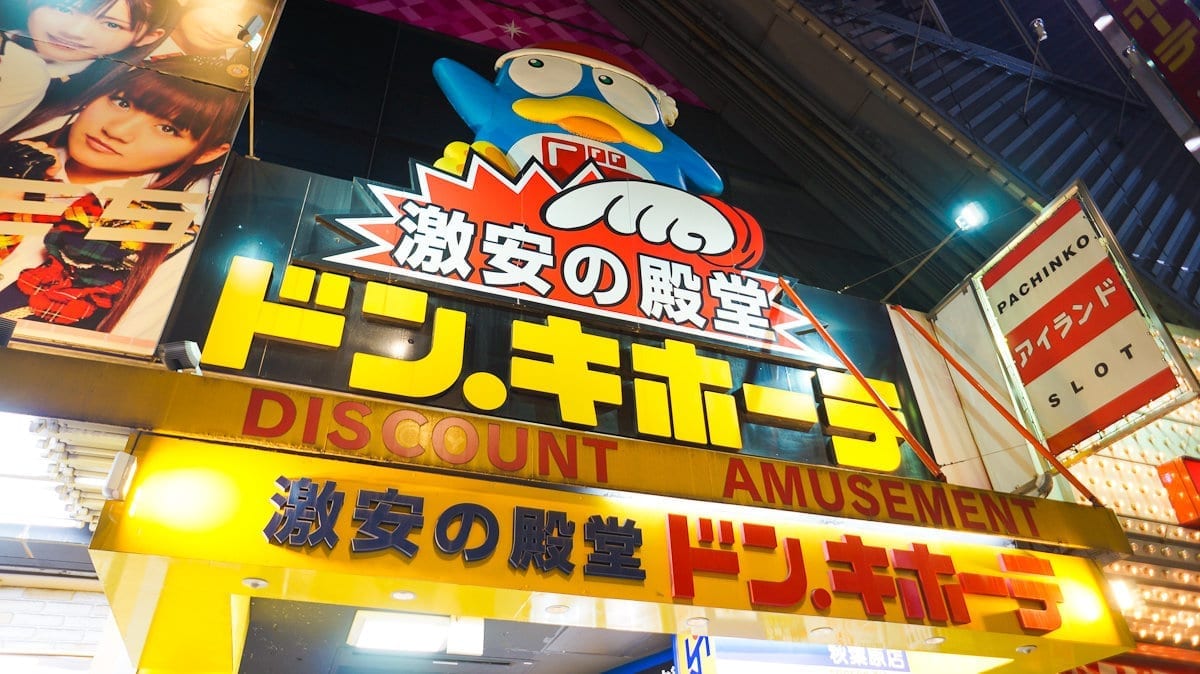
    Don Quijote Hong Kong is set to make its debut in the middle of this year. The Japanese discount merchandise retailer – which has three stores in Singapore and also plans to make its Thai debut in Bangkok this year – has leased a 15,000sqft space in the basement of Mira Place Two on Nathan Road in Tsim Sha Tsui.

    In Japan, most of the company’s 160 discount stores trade 24 hours, but this is unlikely in Hong Kong.

    Helen Mak, senior director and head of retail services at Knight Frank said the basement location would appeal to local consumers and tourists.

    “Don Quijote’s Tsim Sha Tsui location can attract mainland tourists who travel via the high-speed rail and mega bridge. Instead of shopping for luxury items, these same-day visitors usually spend money on cosmetics, health care items and food, products that are most celebrated at [Don Quijote].”

    According to the SCMP, Don Quijote will pay HK$1 million (US$127,000) a month for the space, with the fitout expected to be complete by July.

    Besides its general merchandise and fresh food offer, the Don Quijote Hong Kong store will feature a cafe.

  • All about Generation Z

    All about Generation Z

    People born in the year 2000 will turn 19 this year, entering university or finding jobs in a society struggling with slowing economic growth and a rapidly declining population. But as Korea adapts to a difficult economic environment, how will this new generation that prioritizes personal experiences and online communities fit in? The generation, known as Generation Z, follows the millennial generation, Generation Y, and refers to those born in the late ’90s and early 2000s.

    David Stillman, an expert and author on Generation Z, has named it as the first real global age group that has interacted with the world through mobile devices throughout their lives. He also said they are used to fierce competition after experiencing the realities of the global recession in the late 2000s.

    Korea’s Generation Z is unique in that it is the first to experience both low economic growth and a declining population.

    According to Statistics Korea, the number of births in the country decreased from 1 million in 1970 to 492,000 in 2002. The figure for last year is expected to be around 325,000.

    Economic growth has experienced a similar trajectory. While Korea recorded 8.9 percent in gross domestic product growth rate in 2000, the figure for 2018 was at 2.7 percent.

    The changing demographic toward smaller families, the shifting economic landscape and the availability of personalized technology have led Generation Z to place emphasis on personal standards and develop spending habits for products personalized for them.

    “They have a strong sense of individuality compared to past generations,” said Oh Jun-beom, a researcher at Hyundai Research Institute. “It is highly likely that they will become consumers with a lot of different needs.”

    A truly mobile generation

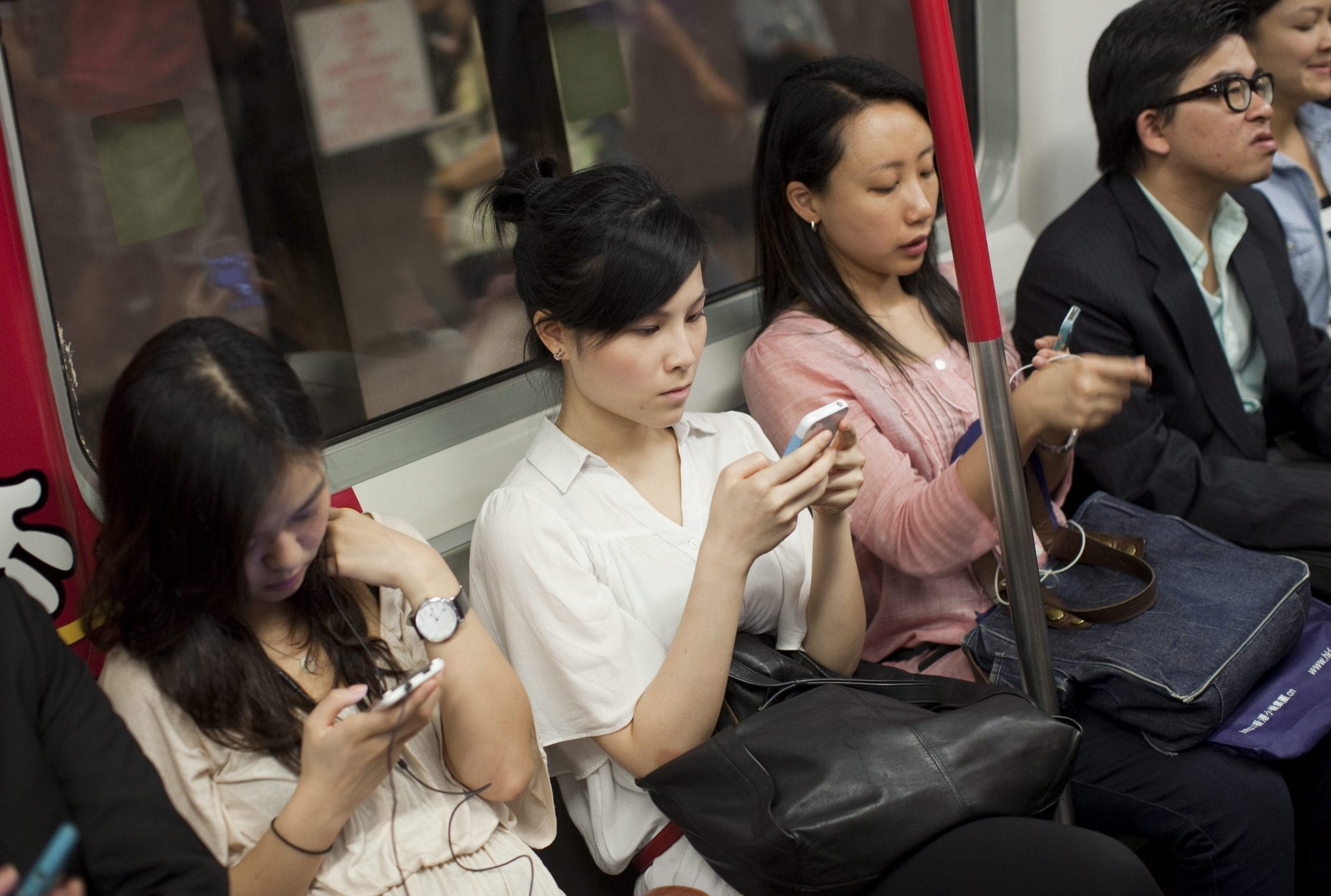
    Generation Z was raised with access to technology that connected them to the world. “If millennials are ‘digital natives’ of computers, Generation Z are ‘mobile natives’ used to smartphones,” said Hong Joo-eun, CEO of Ginger T Project, a consulting company specializing on non-profits.

    The technology allowed Generation Z to become more easily exposed to new and foreign cultures compared to previous generations. “Millennials were exposed to American TV shows by their experiences studying abroad,” said Hong. “Generation Z can watch YouTube videos from wherever they are.”

    According to the IBM Institute for Business Value’s survey on Generation Z, 74 percent of respondents said they spend their free time online, compared to 44 percent who said they spend time with their friends.

    The generation’s most preferred mobile device was the smartphone, at 75 percent. The preference for smartphones has led to a tendency to focus on personalized experiences.

    “Computers, largely used by previous generations, have a strong sense of co-ownership,” explained Shin Cheol-ho, CEO of mobile start-up OGQ. “On the other hand, smartphones have a sense of individualism.”

    Smartphones come with numerous apps and social media services, which Shin said allows users to create a completely individual experience, reflecting the generation’s preference for uniqueness.

    Korea’s Generation Z is different from Korea’s Generation Y, known for following trends en masse. Millennials played a leading role in the bench coat craze during their student years, with students wearing identical jackets as if they were uniforms advertised by famous celebrities.

    The new generation is different in that they are more accustomed to social media platforms and trust YouTube stars for product recommendations rather than advertisements by celebrities.

    With the rise of social media and content, the new generation also places importance on visual images.

    In a report by Park Hye-sook, a professor of design at Pyeongtaek University, the average concentration period of the new generation is eight seconds. It is more familiar with using emoticons and images rather than text. The study emphasized incorporating images in marketing to target young consumers.

    Very important babies

    Despite the slowing economy, Generation Z was brought up in an environment where their parents and grandparents went all out to invest in their upbringing. As they grew older, child-related industries in Korea developed a premium strategy to suit new demands.

    There are beauty parlors and skin care establishments that exclusively cater to children in the posh neighborhoods of Gangnam District in southern Seoul.

    Pharmaceutical company Yuhan even launched a premium skin care brand targeting young children in 2017.

    For baby products, imported goods have taken a market share of 64 percent in 2015 from around 20 percent in 2002.

    Expensive foreign children’s brands such as Rachel Riley, used by the British royal family, and Bonpoint, a premium French brand, have been widely popular in Korea.

    Meanwhile, local brands that have focused on mid-to-low range products have struggled.

    Agabang & Company, Korea’s first baby brand, was once the market leader, but its sales have decreased dramatically since the 2000s.

    “As more children are well cared for, almost like princes or princesses, sales for premium brands are on the rise each year,” explained Son Moon-guk, the head of the products division at Shinsegae Department Store.

    “There is a trend to emphasize distinction through premium or specialized services for younger children,” explained Hong. “The private education market will continue to grow separate from the government’s efforts to expand early childhood public education programs.”

    Through their upbringing, the Generation Z displays a strong sense of self-awareness and individualism, which reflects in their spending preferences.

    “Teenagers these days change their smartphone background image if someone else uses the same image, even if they really like it,” explained one mobile start-up executive.

    Living in the now

    Generation Z is different from previous generations as they place more importance on the present or the near future rather than long-term goals.

    Experts say the tendency to place importance on the present is based on the overall economic environment.

    “The 1997 Asian Financial Crisis changed the lives of Generation X [the parents of Generation Z],” said Shin Kwan-yeong, a professor of sociology at Chung-Ang University. “Generation Z seems to have come to the conclusion that it is meaningless to plan or save up for an uncertain future.”

    With the explosion of mobile technology and social media, Generation Z is familiar with the variety of apps and services that require effort to manage. This has led to a tendency to be strict in time management and prioritizing certain activities over others for the sake of efficiency.

    This trend is most noticeable in how the Generation Z does not spend much time on meals yet avoids fast food. Companies have picked up on the trend and Korea Yakult launched its meal kit business in 2017, targeting the younger generation with small, packaged dishes that were popular when they were children.

    With this focus on experience, Generation Z also avoids group tours.

    Airbnb launched its trip service, where the host provides local tours for visitors in 2016 and has found popularity among younger users.

    “It was neither a commercial nor generic trip,” said Kim Ye-seul, who used the service for a trip to Jeju in December. “It was very unique.”

    The retail industry is currently offering products that target Generation Z. Although they do not yet have purchasing power, younger consumers have a strong influence on their parents’ purchases based on their ability to get access to information on a wide variety of products for the best price.

    In December last year, the Ansan branch of the Lotte Department Store made a drastic change to its layout, placing a bar selling alcohol and drinks on the first floor instead of the usual cosmetics stores. The establishment installed a Muji store, which specializes in households goods with a no-logo policy, on the same floor and is popular with younger shoppers.

    “Retail companies can no longer ignore the preference of Generation Z on lifestyle and real experiences,” said Lee Seung-yun, a business professor at Konkuk University.


  • Indonesian retail sales experiences rapid growth

    Indonesian retail sales experiences rapid growth

    Indonesian retail sales posted solid growth in December, according to a central bank survey. According to the data release, December sales grew at 7.7 per cent throughout the territory, a significantly faster rate than shown in figures from the year previous, are more than double November’s growth rate of 3.4 per cent.

    Sales throughout the month were predominantly underpinned by purchases of food, beverages and tobacco, alongside cultural and recreational goods.

    The survey predicts Indonesian retail sales will grow at a year-on-year rate of 4.8 per cent in January.

  • Singapore December retail sales drops 3 per cent

    Singapore December retail sales drops 3 per cent

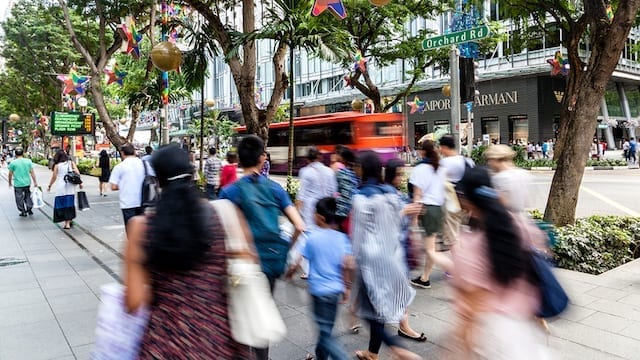
    Singapore retail sales in December slipped 3 per cent year on year. Including motor vehicles in the data, they fell by 6 per cent. There was a month-on-month decline of  4.1 per cent excluding vehicles, largely due to the online-sales boom driven by Singles Day and Black Friday in November.

    Online retailing continues to eat into traditional channels, accounting for 5.5 per cent of total sales in December, which compares favourably with the festivals-driven 6.6 per cent in November.

    The main drivers of change in monthly data was a 20.7 per cent slump in motor vehicle sales, and a 16.8 per cent fall in sales of computer and telecommunications equipment, largely down to  new product releases in December 2017.

    Singapore retail sales in December of recreational goods, watches and jewellery and furniture and household equipment decreased between 3.9 per cent and 5.8 per cent. Statistics Singapore attributed that to lower demand for sporting goods, jewellery and furniture. Conversely, sales of medical goods and toiletries increased 1.8 per cent.

    Sales of food and beverage services increased 4.5 per cent in December, compared to the same month last year.

    Sales by food caterers, fast-food outlets, restaurants and other eating places (such as cafes) all increased, by between 2.5 per cent and 6.6 per cent year on year.

  • Sears gets away from bankruptcy

    Sears gets away from bankruptcy

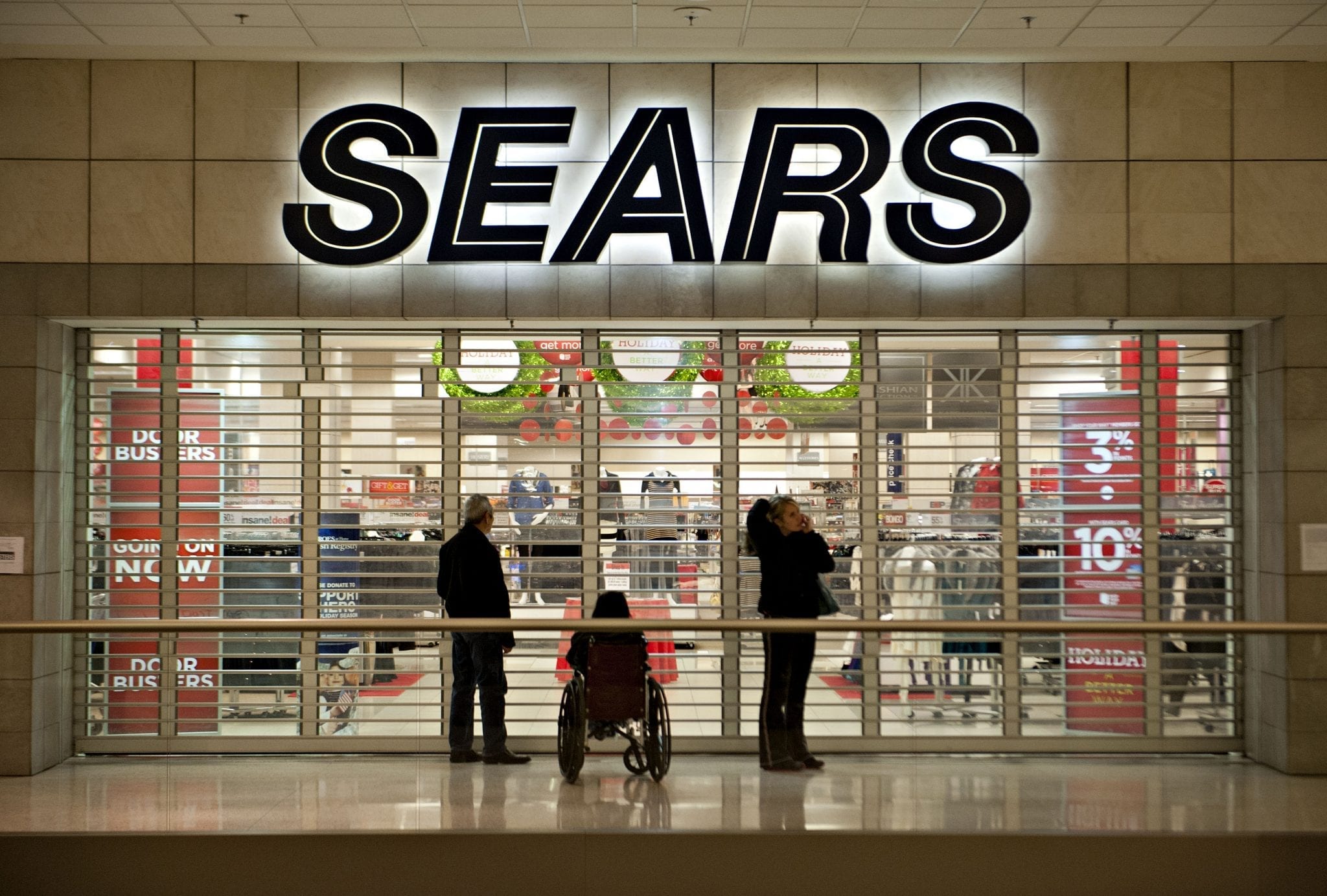
    Sears Holdings chair Edward Lampert’s US$5.2 billion bid to save 425 Sears and Kmart stores and roughly 45,000 jobs from liquidation was approved by a US bankruptcy court judge last week. Lampert’s bid, which he made through his hedge fund ESL Investments Inc., was approved by Judge Robert Drain after a hearing spanning several days in a White Plains, NY, federal bankruptcy court.

    Terms of the sale allow for some litigation to continue against Lampert and ESL.

    Drain said that Lampert, the only bidder offering to keep Sears alive, had been subjected to substantial verbal abuse during the proceedings, with critics characterising the Sears chairman’s plan a scheme to rob the company and its creditors of assets.

    “He is a wealthy individual and a big boy and I guess he can take it,” Drain said, adding that some of the abuse may have been justified.

    As CEO and chairman, Lampert’s time at Sears led to cost-cutting efforts that had resulted in a decline in sales, store closures, and inventory reductions.

    He arranged the US$11 billion merger between Sears and discounter Kmart in 2005 and tried for years to boost business.

    The company’s restructuring officer Mohsin Meghji and company directors Bill Transier and Alan Carr were among those questioned on the witness stand during the court hearing on Lampert’s offer.

    Lampert, who stepped down as CEO when the department store chain filed for bankruptcy in October last year, remained the retailer’s chairman, largest shareholder and creditor. A restructuring committee of independent directors negotiated with Lampert and his advisers.

    Lampert’s offer, which had been rejected more than once, came after the retailer had been pushed to the brink of liquidation multiple times. In the end, he increased his initial offer by $800 million, largely in the assumption of Sears’ bills for taxes and merchandise.

    As per a report, Drain grew impatient as the proceedings wore on Thursday, when a creditor’s committee lawyer argued an objection to the takeover bid.

    It added money owed to lawyers, bankers and other advisers working on the retailer’s bankruptcy case also proved contentious as Sears lacked enough money to meet all its obligations.

    The report added Lampert still remains exposed to lawsuits related to certain transactions he engaged in while leading Sears before filing for bankruptcy.

  • Korea’s industrial output growth slowest in near 20 years

    Korea’s industrial output growth slowest in near 20 years

    Industrial output is growing at the slowest rate in nearly 20 years, while facility investment dropped the most in a decade.  Other signs that the economy is in trouble include seven straight month of declines in the coincident and leading indexes. According to Statistics Korea and the Ministry of Strategy and Finance Thursday, last year industrial output grew 1 percent compared to 2017. This is the slowest annual growth rate since 2000.

    Manufacturing industry output was only able to rise 0.3 percent, while the construction industry, which is an important contributor to the domestic economy, fell 5.1 percent, with a particularly weak second half.

    Facility investment was down 4.2 percent, the sharpest drop since 2009, when the number declined 9.6 percent. The government said the decline in facility investment was largely due to weakening in the semiconductor sector.

    Consumption statistics were relatively strong, on the rising sales of both durable and nondurable goods. When compared to the previous year, consumption rose 4.2 percent, the sharpest increase in seven years. In 2011 consumption went up 4.6 percent.

    Strength was noted at duty-free shops and online.

    While traditional retail store sales were down, including those of discount marts like Emart and Lotte Mart, falling 2.8 percent, as well as those at smaller supermarkets and miscellaneous stores, falling 0.7 percent, sales of online stores were up 14.2 percent and duty-free sales surged 31.5 percent. Chinese tourists returned to the country in great numbers as a result of easing tensions over the introduction of a U.S. missile defense system.

    Convenience store sales were up 8.5 percent, a trend that has been seen in recent years as the number of people living alone has been rising.

    December figures weren’t comforting.

    When compared to the previous year, overall output grew 0.3 percent, which is half of the 0.6 percent reported in November. When compared to the previous month, December output fell for the second consecutive month at 0.6 percent.

    Manufacturing and mining output improved compared to the previous month. It also rose 1.6 percent compared to the same month the previous year, compared to November’s 1.1 percent.

    December output fell 1.4 percent month-on-month, the second consecutive month of decline.

    While the fall in output of automobiles was one of the major factors, down 5.9 percent compared to November, semiconductor output was also another contributing factor, as it fell 4.5 percent.

    The ministry said automobile production continued to fall as exports have shrunk. Overseas and domestic demands have been weak.

    Semiconductors, which have long been a positive force, started to become a drag, with production at some companies falling on weak demand.

    Investment in December alone fell sharply, declining 14.5 percent year-on-year, the sharpest fall since September 2018, when it tumbled 19.2 percent. Even when compared to the previous month, it dipped 0.4 percent.

    The coincident index, which shows the current economic situation when compared to the previous month, fell 0.2 points, down for nine consecutive months.

    It is the longest losing streak since falling for 11 months starting September 1997, when Korea was hit by the first financial crisis.

    The leading economic index fell 0.2 points compared to November, declining for seven consecutive months.

    In a statement, the ministry said it will swiftly move on “big projects” so investment sentiment will improve.

    “The government, if possible, is trying spend a quarter of the budget as early as possible,” Finance Minister Hong Nam-ki said Thursday.

    He denied he is looking into the possibility of a supplementary budget to boost the economy.

    “We’re only in January,” Hong said. “A supplementary budget is not under consideration.”

    The minister said the government will be announcing export measures, mostly focusing on financial aid to SMEs.

    “While finding new markets [for exports] is important, currently the most difficult issue is [SME] exporters struggling to get financial aid,” Hong said.

  • Apple again the most valuable US company

    Apple again the most valuable US company

    Apple won back its crown as the most valuable publicly listed US company on Wednesday, ending the session with a market capitalization above recent leaders Microsoft and Amazon.com. Apple edged up 0.03%, putting its market value at $821.5 billion. Microsoft’s market capitalization ended at $813.4 billion after its stock dipped 1.11%, while Amazon’s stock market value finished the day at $805.7 billion, in third place, after its shares slid 1.12%.

    Apple’s stock has risen about 13% since its quarterly earnings report on Jan 29, with investors betting it was oversold following months of concern about a slowdown in iPhone demand and the company’s rare revenue warning on Jan 2 related to soft demand in China.

    But slowing iPhone sales have led to lower expectations for Apple’s stock. The average analyst price target for Apple has fallen from $240 three months ago to $175, less than a dollar more than its current stock price of $174.24.

    After touching a record $1.1 trillion last October, Apple’s market capitalization fell gradually, and it was overtaken in December by Amazon and Microsoft, which have taken turns in the top position since then.

    Apple’s stock market value hit a low of $675 billion on Jan 3 after its revenue warning, but then steadily recovered, helped in part by a quarterly report that was better than feared by investors.

    While Apple has gained in recent sessions, Microsoft and Amazon’s shares fell after their quarterly reports. Amazon has declined almost 5% since Thursday, when it forecast first-quarter sales below Wall Street estimates and said it would step up investments in 2019.

    “That has raised some eyebrows, it’s a perception that Amazon may be settling into a more mature phase in terms of growth,” said Dan Morgan, a senior portfolio manager at Synovus Trust in Atlanta.

    Morgan owns shares in Apple, Amazon and Microsoft, but he said that if forced to choose, he would favor Amazon because of its lead in cloud-computing market share.

    Microsoft’s stock is about flat from last Wednesday, when the software maker met targets for its quarterly results and forecast.

  • From bikes to phones, ‘Made in Vietnam’ grows with foreign help

    From bikes to phones, ‘Made in Vietnam’ grows with foreign help

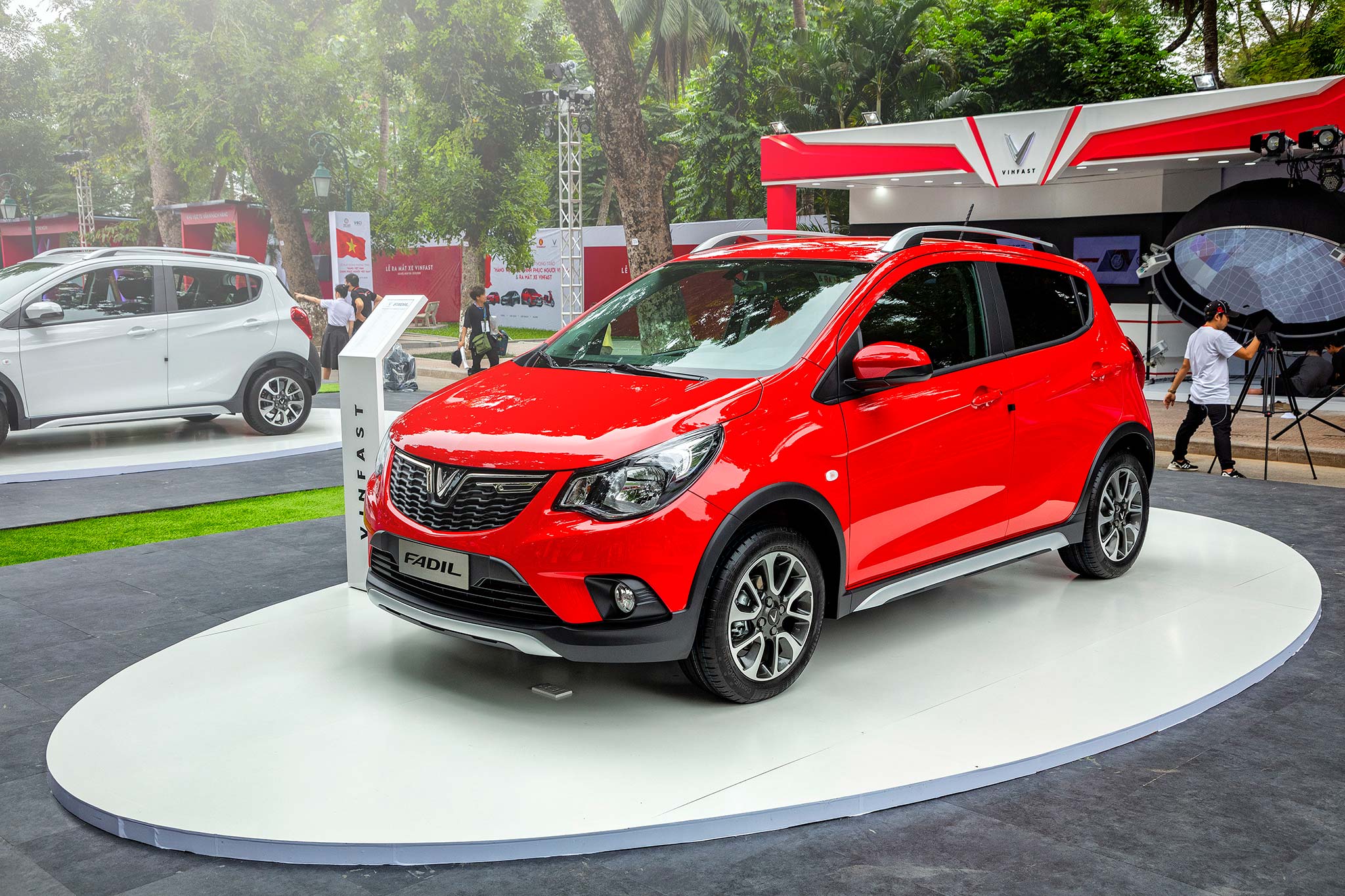
    Vietnamese companies are branching out into new areas, in line with the government’s goal of establishing the country as a manufacturing powerhouse by 2020. Real estate conglomerate Vingroup has started manufacturing electric motorbikes and smartphones and is set to enter the car industry in June. VinFast, a Vingroup unit, began selling its first electric motorbike in November. Designed in the mold of Italy’s Vespa, the Klara is a stylish, well-manufactured bike that can cover up to 80 km on one charge.

    Klara, like many other domestically made products, however, remains heavily dependent on foreign parts and technologies. While the collaboration with companies such as BMW, Robert Bosch and Siemens enabled Vingroup to bring the Klara to the market in just over a year after announcing plans to expand into motor vehicles, it reflects the long path the country has to travel before becoming a full-fledged industrial power.

    A group of 20 European businesses are helping Vingroup produce the bike, and around 200 German engineers are currently working at Vingroup’s plant in the northern city of Haiphong. Klara offers a glimpse into the type of outside assistance that will go into building the country’s first national car, which the company plans to launch in June.

    Some of the company’s cars will be based on a small vehicle produced by Germany’s Opel and use chassis provided by Western makers, according to local media. An Italian design studio that has worked for Ferrari and other European marques is in charge of designing VinFast cars.

    Most of the parts have to be imported, as the country lacks a developed car manufacturing supply chain.

    Vingroup’s foray into the smartphone market is also supported heavily by foreign manufacturers.

    The conglomerate has teamed up with Spanish maker BQ to launch its Vsmart model, and its smartphone plant has started operation, also in Haiphong.

    Vingroup has enlisted the help of Qualcomm and Google for its smartphone business.

    Vietnam’s first domestically made smartphone, the Bphone, was launched in 2015 by software developer Bkav and was also largely made up of components supplied by foreign makers. Its liquid crystal display, for instance, came from Sharp and its chips from Qualcomm.

    In October, Bkav put the third-generation model of the Bphone on the market.

    Truong Hai Automobile, also known as Thaco, a contract manufacturer for Mazda Motor and Kia Motors, started selling Vietnamese-made agricultural machinery in 2018. The company, which has entered a technological tie-up with South Korea’s LS Mtron, reportedly makes equipment mostly with imported parts.

    The government is seeking to develop a cycle of domestic manufacturing, hoping that sales of locally made products will help its industries climb up the technology ladder and create employment.

    It is understood that a variety of tax and other incentives are being extended to Vingroup and other companies that are cooperating with state efforts to promote domestic production.

    Some analysts, however, have questioned the sustainability of this approach.

    “What Vietnam needs to do is to accelerate technology transfers to small and midsized companies for long-term development, instead of providing special incentives to specific large companies,” said a Hanoi-based Japanese consultant.

    In addition, the “Made-in-Vietnam” label has yet to win over consumers, according to Cao Thi Khanh Nguyet at the Asia Pacific Institute of Research, and manufacturers need a well-designed brand strategy to establish a solid presence in the market.

    Samsung Electronics, which operates two massive manufacturing plants in the country, controls 40% of its smartphone market. Many consumers also opt for Japanese, Thai and South Korean products when it comes to food and daily goods.

    Manufacturers in emerging markets often look to foreign powerhouses for support in accelerating their growth and evolution.

    Generally, industries begin the shift toward domestic production after they have acquired sufficient expertise and built up a dependable network of domestic suppliers.

    Some analysts say that Vietnam’s push to establish full-fledged domestic production by 2020 is too ambitious. But the blueprint has been in place for years.

    The 2020 target was first proposed at the ruling Communist Party’s National Congress in 1996. Two decades later, in 2016, the party reiterated its pledge to make the country a modern industrialized nation, despite widespread expectations that the plan would be abandoned.

    Vingroup chose Sept. 2, 2017 to announce its entry into automotives. It was no coincidence, falling on National Day, when the Vietnamese commemorate Ho Chi Minh’s 1945 declaration of independence.

  • Australia’s December sales slump below expectations

    Australia’s December sales slump below expectations

    Monthly retail figures from the Australian Bureau of Statistics have shown a somewhat dismal December trading period performance, having fallen 0.4 per cent to $27 billion, compared to the 0.5 per cent increase seen in November. While online retail turnover made up 5.6 per cent of the total figure, this figure fell from 6.6 per cent enjoyed in November, indicating the increasing importance of the pre-Christmas sales events such as Black Friday and Cyber Monday.

    The results show that, over the course of the holiday period Australians spent $48.7 billion on retail sales, below the $51 billion projected by the Australian Retailers Association (ARA) and Roy Morgan, though above the corresponding turnover of $47.5 billion from 2017.

    National Retail Association chief executive Dominique Lamb pointed out that these figures should serve as a warning, to both sides of the political landscape, that sectors of the retail industry are struggling.

    “Retail is the second biggest sector in the Australian economy, so when it goes through a challenging period there is a knock-on effect throughout the economy,” Lamb said.

    “While the retail community certainly doesn’t look to government for all the answers, it is during slow periods such as these that measures are required that assist small business.”

    Household goods fell 2.8 per cent, and clothing and footwear saw a 2.4 per cent decline in spending over the month, while department store turnover decreased 1.1 per cent. However, cafes, restaurants and takeaway food services rose by 1.1 per cent over the month.

    ARA executive director Russell Zimmerman pointed out that, while the monthly figures were depressed, annually the industry achieved a 3 per cent growth in sales, compared to the 2.76 per cent seen the previous year.

    “Although these figures are disappointing, it is important to note that there are a variety of factors that have contributed to these soft figures, including the decrease in consumer sentiment caused by rising household costs and low wage growth, which continues to plague the industry and overall economy,” Zimmerman said.

    These sentiments were echoed earlier in the month by NAB chief economist Alan Oster, who noted that these factors had led to consumers becoming reluctant to spend on non-essentials, having observed a 1.4 per cent decrease in online spending over the December period.

  • US retail sales expected to grow at slower rate in 2019

    US retail sales expected to grow at slower rate in 2019

    US retail sales are expected to climb between 3.8 per cent and 4.4 per cent to more than US$3.6 trillion ($4.97 trillion) in 2019, according to data from the National Retail Federation (NRF). The predicted rise in retail sales, which is excluding automobile dealers, gasoline stations and restaurants, however, would be less than the 4.6 per cent growth in 2018, citing threats from an ongoing trade war, the volatile stock market and the effects of the government shutdown.

    NRF said in August of last year it expected 2018 retail sales to be up at least 4.5 per cent.

    The retail industry group says the 2018 figure is its preliminary estimate for retail sales last year, pending the release of December data from the Commerce Department that was stalled from being announced during the government shutdown.

    Matthew Shay, NRF president and CEO, said the biggest priority is to ensure that the economy continues to grow and to avoid self-inflicted wounds.

    “It’s time for artificial problems like trade wars and shutdowns to end, and to focus on prosperity not politics,” Shay said.

    Shay said despite fears in the industry that a trade war in China or an economic slowdown might impact consumer spending, they believe the underlying state of the economy is sound.

    “More people are working, they’re making more money, their taxes are lower and their confidence remains high,” he said.

    Preliminary estimates, according to the NRF, show that retail sales during 2018 grew 4.6 per cent over 2017 to US$3.68 trillion ($5.08 trillion), exceeding NRF’s forecast of at least 4.5 per cent growth.

    The figures include online and other non-store sales, which were up 10.4 per cent to US$682.8 billion ($942.6 billion). That met NRF’s forecast of 10-12 per cent online growth, and online is expected to grow in the same 10-12 per cent range again this year. The numbers exclude automobile dealers, gasoline stations and restaurants.

    Growth of between 3.8 per cent and 4.4 percent would result in total 2019 retail sales of between US$3.82 trillion and $US3.84 trillion ($5.27 trillion to $5.3 trillion). Based on growth of 10-12 per cent, online sales would total between US$751.1 billion and US$764.8 billion ($1.03 trillion and $1.05 trillion), which are included in the total.

    The 2018 results are based on Commerce Department data up through November but include NRF estimates for December because the agency was closed during the recent government shutdown and has not yet released December figures.

    The NRF said the results are subject to revision once December numbers become available, and government numbers are revised again each spring regardless of the shutdown.

    “We are not seeing any deterioration in the financial health of the consumer,” said Jack Kleinhenz, NRF chief economist.

    “Consumers are in better shape than any time in the last few years,” Kleinhenz said. “Most important for the year ahead will be the ongoing strength in the job market, which will support the consumer income and spending that are both key drivers of the economy.”

    Kleinhenz said the bottom line is the economy is in a good place despite the ups and downs of the stock market and other uncertainties.

    “Growth remains solid,” he said.

    NRF said it expects the overall economy to gain an average of 170,000 jobs per month, down from 220,000 in 2018, and that unemployment – currently at 4 per cent – will drop to 3.5 per cent by the end of the year. Gross domestic product is likely to grow about 2.5 per cent over 2018.

    Kleinhenz said inflation and interest rates are expected to remain low this year and that retail sales have been helped by recent reductions in gasoline prices.

  • Tesco to build simpler, more sustainable business; axe 9,000 jobs

    Tesco to build simpler, more sustainable business; axe 9,000 jobs

    Tesco has recently announced that the brand is making some strategic changes to further simplify the business and this might affect jobs of 9,000 employees. “Since we launched our turnaround four years ago, we have built a stronger business focused on serving our customers. Whilst this turnaround continues, it does so in a competitive and challenging market. We’ve briefed our colleagues on some changes we’re making to our stores and offices to further simplify our business, so that we can continue to invest in serving our customers,” Tesco said in a statement.

    Jason Tarry, CEO, UK & ROI said: “In our four years of turnaround we’ve made good progress, but the market is challenging and we need to continually adapt to remain competitive and respond to how customers want to shop. We’re making changes to our UK stores and head office to simplify what we do and how we do it, so we’re better able to meet the needs of our customers. This will impact some of our colleagues and our commitment is to minimise this as much as possible and support our colleagues throughout.”

    Changes include the following:

    Counters simplification

    Over recent years, convenience and online businesses have continued to grow, as the brand has core grocery and fresh departments in large stores. Not only are customers shopping in different ways, but they have less time available to shop too – which means they are using counters less frequently. The brand will be making changes to the counters in large stores to ensure that they have the right offer for customers. It is expected that around 90 stores will close their counters, with the remaining 700 trading with either a full or flexible counter offer for customers.

    Stock control simplification

    As business changes, the brand is also changing the way they manage their stock. After a number of trials, they have found a simpler way to conduct store routines and will be rolling this out to all of the stores. These changes mean a significantly reduced workload, with fewer hours needed to complete the routines.

    Merchandising simplification

    The brand wants to make shopping with them even easier, and they are aware that when they move products around this can prove frustrating for customers. The in-store employees have expressed to the brand that they want to spend more time with  customers, rather than moving products around the store. They have been working to reduce the amount of layout changes they make, so it’s easier for customers, and less work for in-store employees meaning fewer merchandising hours are needed.

    Colleague rooms

    Currently only one third of stores provide a hot food service and, over recent years, there has been reduced demand for this. Over the last three years the brand has been rolling out new self-service colleague kitchen areas in a number of stores, and they are now extending this to all remaining stores with a hot food service. This change will impact the people working in colleague rooms, who are employed by third party caterers, and the brand is working with them to provide as much support as they can.

    Head office

    The brand has completed a detailed review and this week they are talking to employees about changes in some of their head office teams, moving to a simpler and leaner structure, which will allow them to focus on supporting customers.

    In-store bakeries

    Contrary to media reports over the weekend, the brand has no plans to make any significant changes to bakeries this year.

    “Overall, we estimate that up to 9,000 Tesco colleague roles could be impacted, however, our expectation is that up to half of these colleagues could be redeployed to other customer-facing roles. We are working with our third party providers to understand the impact on their staff in our colleague hot food service,” Tesco said in a statement.

  • 5 Tips for Digital Transformation

    5 Tips for Digital Transformation

    Retailers know they need to evolve, even though they cannot do it overnight. But while there’s no silver bullet for transforming culture, collaboration, and workflows inside a large organization, there are steps you can take to make sure your business is receptive to the change it’s about to undergo.

    Understand performance goals

    Before you start, you need to understand the business problem and the role that technology is going to play. Solving complex organizational issues needs the relentless management of changes in behavior, process, and technology all working together to support your performance goals and objectives.

    Collaboration is not a KPI

    Decide how you’re going to measure your KPIs. And remember that collaboration is not a KPI – it’s a means to an end. KPIs could include customer satisfaction, getting products to store faster, selling more products per visit, or retention. You need to get down to that granular detail.

    Shut things off

    If you have an existing tool which people did not like and you invest in something new to overcome those challenges and frustrations, you need to have a path to turning that tool off or at least turning off the elements that are now conflicting. This will impact adoption of new tools and ways of working.

    Educate, educate, educate

    Launching a tool is the easy part, the real work begins when people use it. People need to be educated on what they should be using it for. Show some examples of what ‘good’ looks like, and also what the tool should not be used for. Design an internal marketing campaign and treat it exactly the same as an external campaign. A product-driven approach could help here. Think about how companies try to refresh products in the market over time to improve adoption.

    Put somebody in charge

    For any system, and especially for a collaborative experience, you need someone who can get employees to use the tool in the right way at different times. That might be a community manager who understands the business cycle. Putting up content is the single most important driver of getting people to use the platform and to entice them to contribute their own.

  • Vingroup reports $25 mln revenue from vehicle, smartphone sales

    Vingroup reports $25 mln revenue from vehicle, smartphone sales

    Vietnam’s largest listed private company Vingroup has reported revenues of VND600 billion ($25.77 million) from car, electric motorbike and phone sales last year. VinFast, a Vingroup subsidiary, became the country’s first indigenous car manufacturer last October and showed off its first two car models at the Paris Motor Show in France. It has begun to accept bookings and deposits for the cars, and will start selling them next August.

    Last November it launched its first two electric scooters, but has not disclosed sales figures.

    VinSmart, the Vingroup unit that produces smart electronic devices, launched four new phones in December in a market of 95 million people currently dominated by Samsung and Apple.

    Its factory in the northern city of Hai Phong is capable of making five million phones a year in the first phase.

    The company also hopes to expand to markets outside Vietnam, and will make smart TVs and other smart products soon.

    Vingroup is a conglomerate with the country’s largest real estate operations and interests in retail, healthcare and resorts.

    The conglomerate reported profit before tax of over VND13.8 trillion ($592.6 million) last year, up 52 percent from 2017, on net revenues of VND122.57 trillion ($5.24 billion).

  • Puregold reveals expansion plan

    Puregold reveals expansion plan

    Philippines’ retail chain Puregold will open 25 outlets this year to boost its nationwide footprint. Parent company Puregold Price Club also plans to open four more S&R Membership warehouse stores. Planned locations include Metro Manila, Southern Luzon, and outside Metro Manila. Puregold VP for investor relations John Marson Hao said the company would use proceeds from the recently-concluded P4.69-billion public offering to fund the construction of the new outlets.

    The Puregold group operates 397 stores nationwide, including 345 Puregold stores, 16 S&R membership shopping warehouses and 36 S&R New York Style outlets.