Category: General

Retail News Asia is committed to providing both local and global retailers with the latest General Retail news throughout the Asian market. This on a daily base.

  • New retail stores to open at Changi Airport

    New retail stores to open at Changi Airport

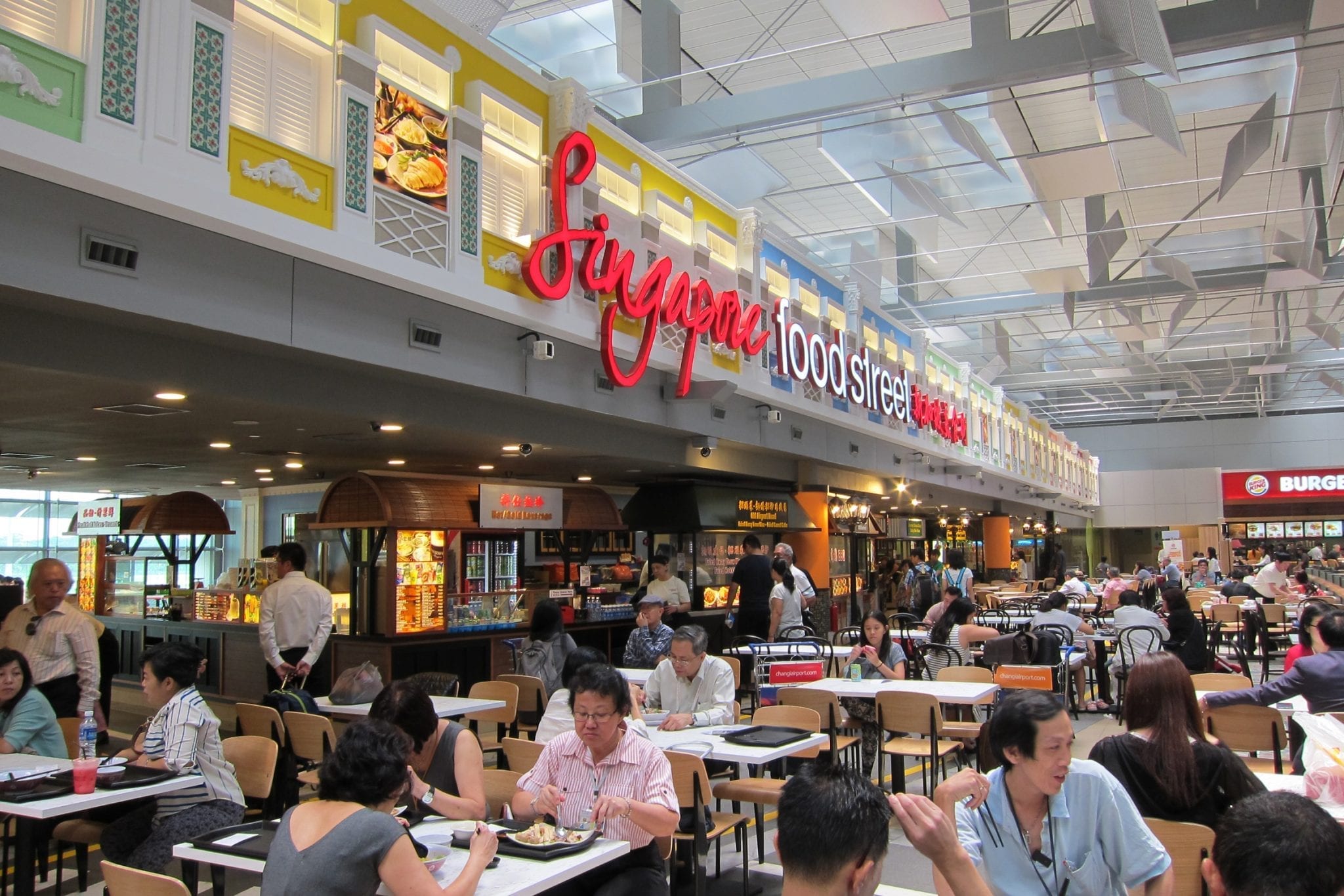
    Changi Airport has added new restaurants and stores to its retail offer. In the transit area, Irvin’s Salted Egg has opened a kiosk at Terminal 1. In the public areas, new eateries have opened at Terminal 3’s basement 2 including three by the Pezzo Group: Crave, Coffee Boy and Stuff’d. Mr Teh Tarik Express and multi-concept gourmet food hall, Terminal M, featuring a mix of Korean, Chinese and Japanese foods, are also available at this terminal.

    Visitors can now shop a new outlet of casual clothing retailer The Blues or confectioner The Cocoa Trees.

    Singapore Changi Airport handled 5.62 million passenger movements in January, a 6 per cent year-on-year increase.

    Passenger traffic growth during January was broad-based with increases recorded for all regions except the Middle East.

  • AirAsia sets up venture capital fund to boost, Redbeat

    AirAsia sets up venture capital fund to boost, Redbeat

    AirAsia has launched a new venture capital fund, RedBeat Capital, to invest in start-up businesses that aims to boost the low-cost carrier’s ancillary segment. RedBeat Capital will work alongside San Francisco-based venture capital firm 500 Startups in supporting businesses seeking to enter or expand their presence in southeast Asia, with a particular focus on travel and lifestyle, logistics, and financial technology.

    It will also invest in digital streams as such artificial intelligence, the internet of things, and cyber security.

    AirAsia and RedBeat Capital are on the lookout for the world’s best and brightest to help us develop a travel technology ecosystem,” says AirAsia Group‘s chief executive Tony Fernandes.

    “We intend to operationalise this year… to identify and invest in startups that are willing to grow and expand, particularly into southeast Asia where we have the network, data and regional expertise to help accelerate their business.”

    AirAsia adds that the venture capital fund will complement and enhance the group carrier’s transformation into a travel technology company.

    In a separate interview, Fernandes tells FlightGlobal that AirAsiahas already invested over $10 million into RedBeat Capital.

    “One of the reasons we’re doing what we’re doing is because you can’t survive long-haul low-cost purely on an airfare, so there are lots of ancillary streams to supplement that,” he said.

    AirAsia‘s digital venture arm RedBeat Ventures will oversee RedBeat Capital. Aireen Omar, who is AirAsia Group‘s deputy chief executive for technology, also serves as the chief executive of RedBeat Ventures.

  • Vietjet Air offers 2.4 million cheap tickets to the fast ones

    Vietjet Air offers 2.4 million cheap tickets to the fast ones

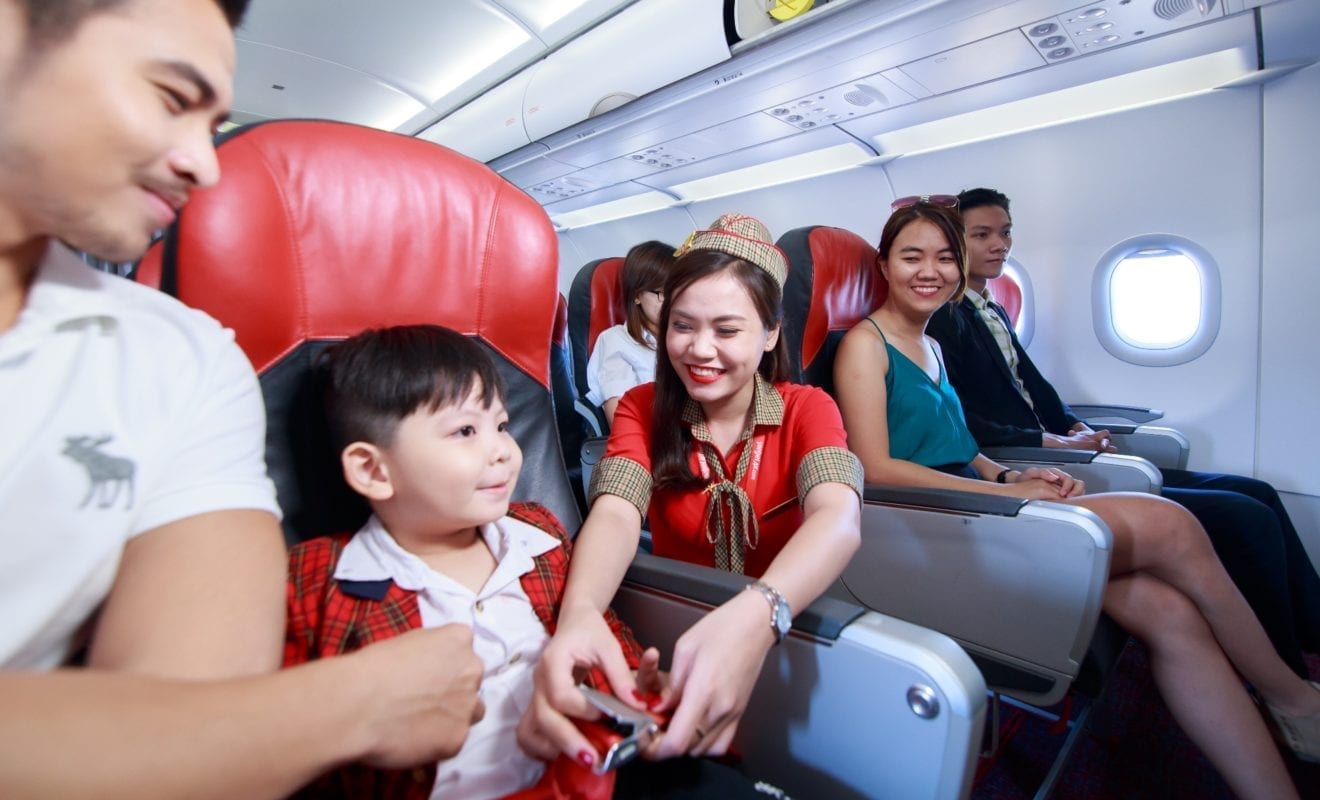
    Budget airline Vietjet Air will offer 2.4 million tickets starting from 0 VND on March 6-8 to celebrate the International Women’s Day (March 8). Promotional tickets will be on sale from 12:00 to 14:00 for flights across Vietnam, Thailand and some other international ones.

    Meanwhile, low-cost tickets for some flights to Japan and Hong Kong (China) will be offered every hour of the three days. The tickets are valid for passengers travelling from May 7 to December 31 this year.

    The promotional tickets are available on all sales channels, including the website www.vietjetair.com

    Vietjet Air currently operates 40 domestic routes and 66 international ones.

  • Singapore Airlines ups Johannesburg frequency

    Singapore Airlines ups Johannesburg frequency

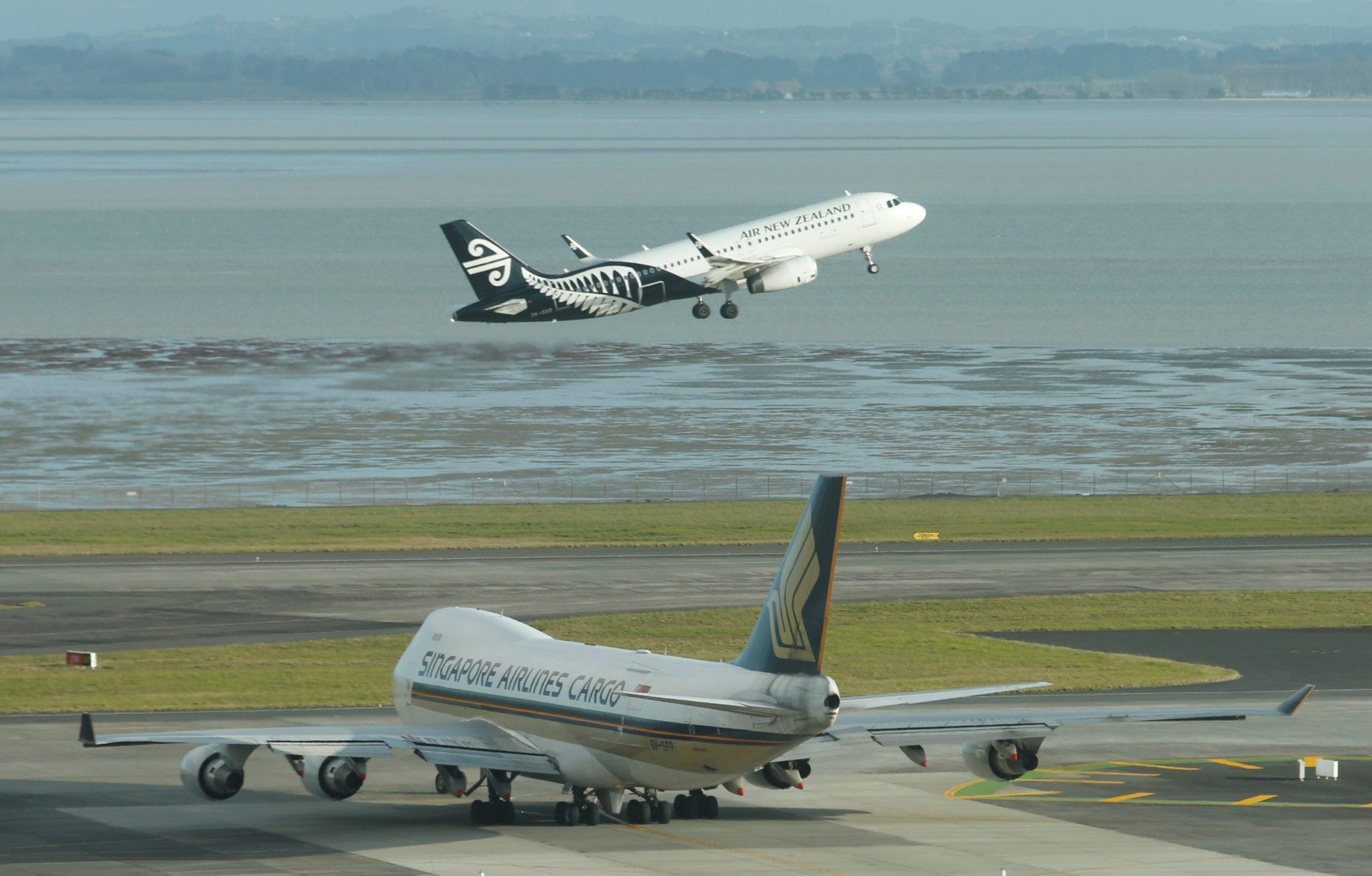
    Effective March 31, Singapore Airlines (SQ) is permanently increasing capacity on the Johannesburg-Singapore route, with three additional flights on Wednesdays, Fridays and Sundays.

    They will be on a permanent basis after the increase was trialed in July and August last year. SQ481 will depart from Johannesburg at 22h30, arriving in Singapore at 14h55 the next day.

    Flight SQ482 departs from Singapore at 16h35, arriving in Johannesburg at 21h10.

    SQ479 and SQ478, the airline’s existing Johannesburg flights, will continue to fly onward to Cape Town daily.

  • AirAsia X fits Fukuoka as destination into its network

    AirAsia X fits Fukuoka as destination into its network

    AirAsia X launched its fourth Japanese route from Kuala Lumpur (KUL) on 28 February, beginning a four times weekly service to Fukuoka (FUK). The carrier already flies from the Malaysian hub to Osaka Kansai, Sapparo Chitose and Tokyo Haneda in Japan. The airline will operate the 4,545-kilometre route using its fleet of A330-300s, with it being the only carrier to fly the airport pair.

    “More than 156,000 seats per year will be available on this new route, providing guests with the opportunity to book low-cost travel to yet another amazing destination in Japan,” commented Benyamin Ismail, CEO of AirAsia X.

    “This new service signifies our commitment to accelerating our growth story in Japan, and we’re confident the route will deliver a significant boost to the local economy. We wish to thank our airport, tourism and local government partners and authorities for making this new route a reality.”

  • Technology helps to boost Carrefour China profit

    Technology helps to boost Carrefour China profit

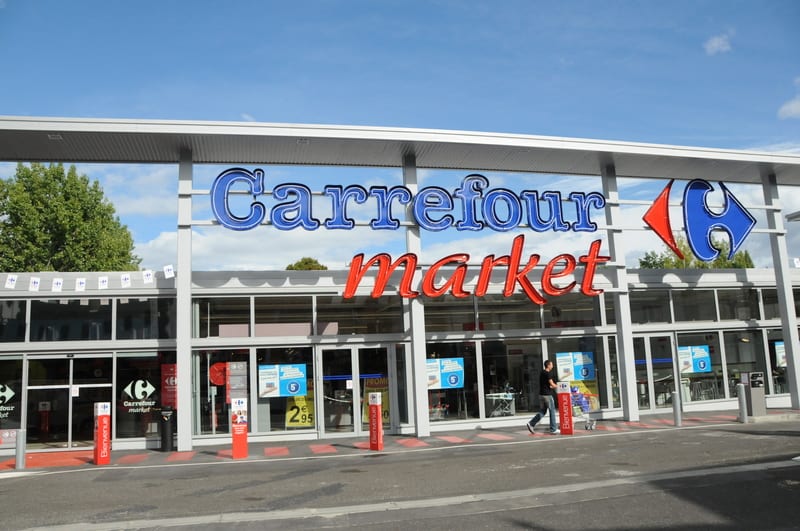
    Carrefour China has boosted its profit 11-fold according to documents filed in France, where its parent company is based. In China, Carrefour achieved €45 million operating income from its 245 outlets and online business, which it put down to investments in previous years in boosting its operations and profile there.

    The company said it has transformed the commercial model of its Le Marche hypermarket chain, and boosted sales online. An investment in technology allowing facial recognition and Scan & Go had particularly paid off.

    “China is a retailing laboratory for the world,” said Thierry Garnier, president and CEO of Carrefour China. “For Carrefour, China is a specific market that has helped us to learn and to understand the future.”

    At the end of last year, Carrefour opened a flagship on Tmall which is expected to further improve sales.

    Globally, Carrefour increased its sales by 1.4 per cent to reach €85 billion.

  • Axys Consulting Asia names new chief

    Axys Consulting Asia names new chief

    Axys Consultants (Paris) and Axys Asia (Hong Kong) have named Alexandre Viale-Berthelier as new partner and head of Asia.

    This follows the recent announcement of Axys’s expansion in Northern America (through Axbility Consulting), and two years of business development in Hong Kong.

    Paul Strippe, Axys Consultants group CEO, said the appointment demonstrates the company’s commitment to support its growing portfolio of international clients and to expand the reach of its services in Asia.

    “Alexandre’s mission will be to build a diverse and inclusive team and I trust his ability to help our team and our clients to reach their full potential.”

    Viale-Berthelier has been appointed from within the firm’s digital, marketing & commerce division. Based in Hong Kong since 2011, he previously worked at EY where he served as an advisory director for many of the consultancy’s largest accounts in retail and luxury, transportation, banking and wealth management.

    Viale-Berthelier said Axys has taken a strong international direction, supported by talented consultants. “I am excited to build on this strong foundation and deliver our performance improvement services to a larger set of local and international clients.”

    Founded in 1987 in France, Axys Consultants focuses on procurement, finance & performance management, Digital, marketing and commerce, data, and change management.

  • Amorepacific adopts a new eco-friendly packaging

    Amorepacific adopts a new eco-friendly packaging

    Nowadays, products purchased online are typically delivered in a big box with bubble wrap for protection. But once the package is safely delivered, the packaging becomes nothing more than waste. Amorepacific, however, has chosen to make use of eco-friendly packaging, adopting paper materials instead of bubble wrap.

    What seems like a small and insignificant change is the result of hard work, with an eye to the environment.

    The company’s new paper packaging, which was piled up among workers and automatic packaging devices at a logistics centre in Osan, Gyeonggi Province, consists of eco-friendly shock-absorbing packing material called ‘geami’ and ‘papillon’.

    When the product is wrapped with geami and the remaining space is stuffed with papillon, it can withstand most external shocks.

    It took months of research and testing before such materials were put into use. Furthermore, paper packaging is two or three times more expensive than bubble wrap, and its use extends the time required for packaging.

    Despite all of the disadvantages of the new materials, paper packaging was chosen because its value to the environment cannot be calculated and converted into money, the company says.

    Amorepacific needed a pre-emptive response as the problem of over-packing and using plastic is becoming a serious social problem, and as the number of consumers considering the environment increased. The remaining problem was how consumers would react to such change. As expected, some customers complained that they were sent garbage.

    Soon enough, however, the mood turned with positive comments regarding the new packaging surfacing online.

    Amorepacific continues to change to contribute to the environment. It no longer uses vinyl tape on its packages, replacing it instead with paper tape.

    The company has stopped using colour-coated boxes, and also uses smaller and slimmer boxes when possible. Product containers also went through major changes to become more eco-friendly.

    It was a difficult process as many consumers buy cosmetics because of the packaging.

    Since aesthetic standards cannot be ignored, Amorepacific changed the design of containers to reduce the amount of plastic used, made transparent containers for easy recycling, and used paper to make dual-structure containers.

    In addition, last year Amorepacific used paper that was certified with Forest Stewardship Council (FSC), which is given to paper produced in a sustainable way, on boxes for 500 different products.

    Although the company’s packaging materials research team is having difficulty developing new designs, it is continuously developing cosmetics containers that maximise aesthetic effects and at the same time reflect eco-friendly elements without affecting product preservation.

  • AirAsia withdraws flight tickets from Traveloka

    AirAsia withdraws flight tickets from Traveloka

    AirAsia has withdrawn its tickets from Traveloka. The move follows an incident in which the low-cost airline’s flights were unavailable on the sites of several online travel agents, namely Traveloka and Tiket.com.

    “As a group, AirAsia has discontinued the sales of all of our tickets on Traveloka. It’s based on our disappointment with them,” Dendy Kurniawan, president director of AirAsia Indonesia, said in a press conference on March 4 in South Jakarta. In the meantime, AirAsia is still waiting for official clarification from Tiket.com.

    AirAsia flights were missing from Traveloka and Tiket.com from Feb. 14 to 17. At the time, Traveloka told that it was due to the airline’s system upgrades, while Tiket.com had remained silent on the matter. However, Rifai Taberi, AirAsia Indonesia commercial director, wrote on his Facebook account that it was not caused by AirAsia’s system.

    The flights then reappeared on Feb. 18, but have been missing for the second time since March 2 on both sites.

    “We’ve been patient enough waiting for Traveloka’s official explanation – despite rumors that were spread at that time,” said Dendy. “If [they said] it’s because of the system – come on, they should’ve anticipated it. They could’ve contacted us directly.”

    Dendy said he had received reports that Traveloka had not provided a clear explanation about the unavailability to their customers and that the online travel agent had not directed AirAsia customers to the airline’s official website or app to book tickets. “But they suggested that people choose other airlines that were available on their website. We perceive this as something that hurts our good business relations with them,” said Dendy.

    Dendy added that the withdrawal could have a short-term impact on the airlines. “Perhaps [for] less than a month,” he said. “I believe our customers [will] check our website directly.”

    Also present at the press conference, Rifai agreed with Dendy’s statement. “Our sales in February were not affected by it at all,” said Rifai, adding that his side had emailed Traveloka five times since Saturday afternoon but had not received a response.

    Rifai confirmed the statement, but said Traveloka had contacted AirAsia through phone communication. “What we didn’t get was professional communication […] but we already responded to them,” he said.

    In a statement on Monday, Sufinitri Rahayu, public relations director for Traveloka, said the travel site highly prioritized continuous collaboration with all stakeholders and partners. “Since last weekend, we’ve asked for time to talk with AirAsia to come up with the best solutions for both parties,” Sufinitri said.

    Additionally, in February, Rifai once indicated an instruction forcing online travel agents to stop selling AirAsia tickets on his Facebook account, but Dendy said he did not want to make any speculation. “Just let the relevant agencies investigate it. We’re not going to cooperate with parties with the intention of unhealthy competition. That’s none of our business,” Dendy said.

  • Where Chinese tourists go for shopping

    Where Chinese tourists go for shopping

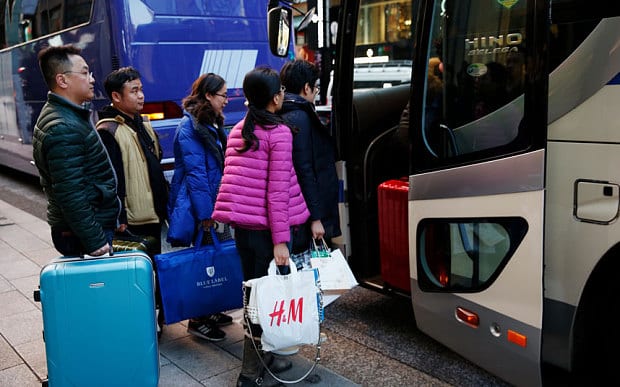
    Hong Kong, Tokyo, Seoul and Singapore were among the hottest shopping destinations for Chinese tourists last year, according to Ctrip. In the latest big-data report from the Chinese travel-services provider, Edinburgh, Singapore and San Francisco were also among the top 10. Last year, nearly 150 million overseas trips were made by Chinese tourists, who collectively spent US$120 billion.

    London was the city that saw the highest per-capita spending by Chinese tourists – more than US$4428 – followed by Paris, Macau, Dubai, Okinawa, Kyoto, Osaka, Nagoya, Hong Kong, Singapore and Fukuoka.

    Europe is still a hot destination for Chinese luxury goods buyers because prices there are much lower than the global average, and a tax-refund system also facilitates sales.

    Despite the recovery of the British pound last year, the UK remained a popular destination for Chinese tourists, said Ctrip.

    Experts noted that Chinese consumers would still be a focus of competition between shopping destinations this year, and many retailers internationally have upgraded their shopping facilities to lure Chinese tourists.

  • The Africa Netpreneur Prize Initiative by jack Ma Foundation calls for applications in March

    The Africa Netpreneur Prize Initiative by jack Ma Foundation calls for applications in March

    The Africa Netpreneur Prize Initiative (ANPI) will officially call for applications starting from the 27th of March 2019. The ANPI is a US$10 million Prize competition for African entrepreneurs, founded by the Jack Ma Foundation. Each year for the next ten years, the Prize will host a pitch competition in Africa where ten finalists from across the continent will compete for US$1 million in total prize money.

    The Prize, which is supported by its continental partner Nailab, is focused on empowering a new generation of entrepreneurs, with a focus on small businesses, grassroots communities and women-founded enterprises.

    “The Netpreneur Prize Initiative has brought together a strong ecosystem of players to support both technology-driven and traditional businesses. We look forward to unveiling the full slate of regional partners and to receiving applications from promising African entrepreneurs in the coming weeks,” said Sam Gichuru, Founder and CEO, Nailab.

    All ten finalists will receive grant funding from the Jack Ma Foundation, as well as access to the Netpreneur community of African business leaders to leverage the community’s shared expertise, best practices, and resources.

    “By 2030, we hope to identify and shine a spotlight on 100 African entrepreneur heroes who will inspire the continent. From day one, our approach has been community-based and focused on inclusiveness; to be truly for Africans and by Africans. To realize these goals, we are excited to work with Nailab as our implementing partner in Africa and multiple African partners across to continent.”

  • SPAR India to partner Himachal Pradesh in promoting fresh sourcing and manufacturing

    SPAR India to partner Himachal Pradesh in promoting fresh sourcing and manufacturing

    As part of ‘The Global Investors Meet’ in Dharamshala, Himachal Pradesh on June 10-11, 2019, which will have the CII as key national partner, a road show was organized in Bangalore recently that saw senior leaders from various industries participate in the event. SPAR was one such participant at the show as a representative of the retail industry.

    At the event, SPAR India’s MD & CEO Rajeev Krishnan and Solai Shakthivel, Senior Vice President – Buying and Merchandising Foods, had the opportunity for a one-on-one interaction with the Chief Minister of Himachal Pradesh Jai Ram Thakur and Industry minister Bikram Singh.

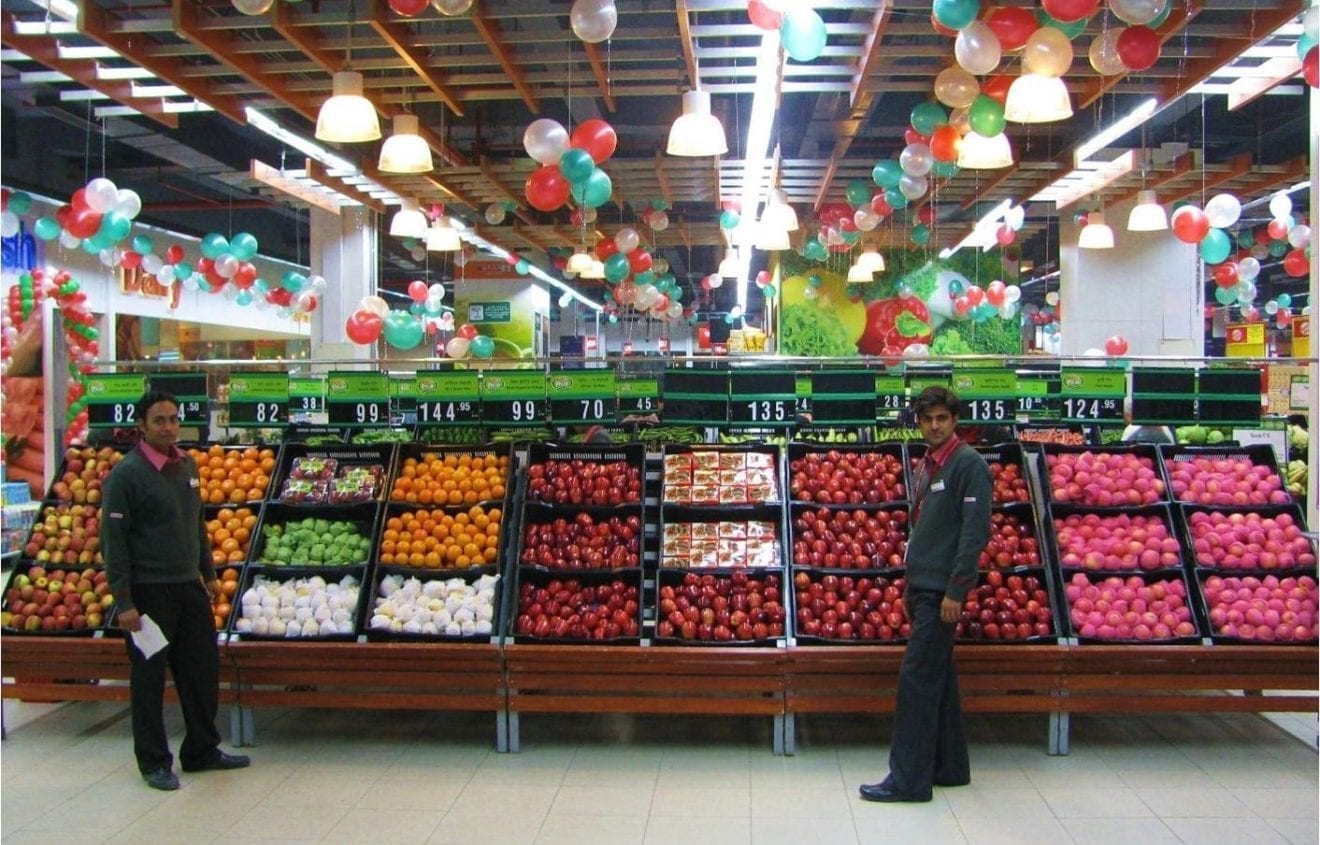
    Himachal Pradesh, known as the ‘Fruit bowl of India’, is famous for its manufacturing and SME development. With its ideal weather conditions, there are different varieties of fruits and vegetables grown in Himachal Pradesh. The state is famed for its abundance of crisp, juicy apples as well as for its pears, peaches, plums, grapes, apricots, mangoes, strawberries and citrus fruits.

    SPAR India offers a variety of fresh produce to its customers, which are mainly sourced from Himachal Pradesh. These include apples, green peas, oranges, honey, organic produce, among other products.

    According to Krishnan, “SPAR India is committed to continue building strong farm to fork relationships. We will be working jointly with the State on sourcing and developing our private label products – soaps, handicrafts, etc which, in turn, will support the growth of SMEs.”

    In its endeavour to continue making a difference in the lives of farmers, customers and communities, SPAR wants to be a strong partner to Himachal Pradesh in promoting fresh sourcing, manufacturing and tourism in the coming years.

  • Millionaires are showing off their money in a new way

    Millionaires are showing off their money in a new way

    The definition of luxury is evolving, and the change applies to not only what people are spending money on, but how they’re doing it. “In the last few years, we have seen the crystallization of two luxury worlds: one which focuses on an encyclopedic choice of luxury products available at a click; another which is doubling down on the experience mantra,” the global ultra-high-net-worth intelligence firm Wealth-X said in its 2019 handbook, which examines the spending habits and preferences of people whose net worth is between $1 million and $30 million.

    That shift coincides with an era in which people are choosing to display their wealth differently than previous generations did.

    This is an era where brands like Goyard— a two-century-old Parisian company that eschews any type of advertising but represents the pinnacle of luxury for the world’s elite — and investments like education, security, and privacy are the chosen trappings of the world’s wealthiest people.

    Still, luxury fashion is booming, and it partially has to do with how it is consumed.

    Technology has left nearly no industry unchanged, and luxury is no exception.

    “Mass-market principles have worked their way into luxury and are disrupting the market,” Mike Phillips, Wealth-X’s vice president of marketing and communications said. “Now you can be selling something — and there might be only one made — but it’s on an app.”

    Whereas previously the ultimate luxury shopping experience might have included shutting down an entire store for a top spender, that person now has access to the same goods with the increased convenience of an app.

    Phillips said apps and sites like Net-a-Porter, Farfetch, and Moda Operandi that sell designer clothes, shoes, and accessories had capitalized on this trend as a new generation of wealthy shoppers emerges.

    “When it comes to wealthy millennials or Gen Xers, there are still instances where they are seeking an immersive brand experience at a brick-and-mortar store,” Phillips said, “but at other times they may want to avoid that more traditional pomp and circumstance and opt for the ‘Seamless’ option.”

    “Younger generations are less likely to be staunch loyalists to a single brand when compared to their parents and grandparents,” Phillips said. “They’re more likely to try something new if it speaks to their personal values and passions.”

    In this way, experiences may not be outright replacing the role of brands in wealthy people’s lives, but they are augmenting the significance of and consideration that goes into buying a particular brand.

    “More and more,” Phillips said, “the wealthy are evaluating a brand in terms of: What mission does this brand represent? How does it contribute to the greater good … If I choose to purchase this product, what does that say about me and my values?”

    And entire industries are developing or adjusting services to cater to this customer interest too. Wellness is increasingly regarded as a modern embodiment of luxury, and accordingly, an array of spas and studios offering treatments like cryofacials, weeklong retreats, and vitamin IV drips are delivering those experiences.

    Exclusivity and personalization also play important roles in the way luxury experiences are marketed. Customers do not want just any experience — they want a unique one tailored to them.

    Both of those preferences can clearly be seen in the hospitality industry, where high-end hotels are remembering their guests and tweaking their experiences with personalized touches. Other hotels, meanwhile, are fulfilling guests’ appetites for exclusivity by making their most luxurious or expensive rooms “invisible” and available only to well-connected clients who heard about the room by word of mouth.

  • First Vietnamese to enter 200 richest people in the world list

    First Vietnamese to enter 200 richest people in the world list

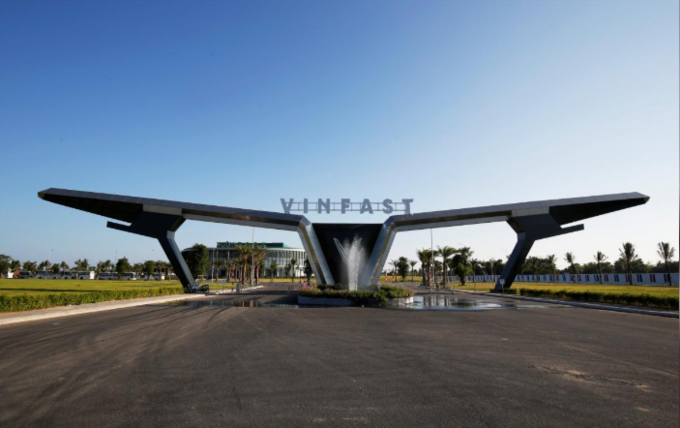
    Pham Nhat Vuong is the first Vietnamese to enter the list of the world’s 200 wealthiest people. He has an estimated worth of $7.5 billion. Vuong, who heads the Vingroup conglomerate, is 198th on the real time billionaires ranking updated by Forbes magazine on Saturday. His net worth has increased by $3.2 billion over last year when he topped Forbes’s list of four Vietnamese billionaires.

    A 13 percent increase in the value of Vingroup’s shares in the first week after Vietnam’s stock market reopened following a 9-day Tet (Lunar New Year Festival) break has been a factor in boosting Vuong’s net worth and catapulting him into the top 200 list.

    Price of Vingroup’s share (VIC) stood at VND112,000 ($4.82) at the end of the trading session last Friday.

    Vingroup, one of Vietnam’s largest real estate conglomerates, has been expanding rapidly into retail, logistics, agriculture, education and healthcare sectors. Vuong was first mentioned as a billionaire on the Forbes list in 2013 with a net worth of $1.5 billion, ranking 974th richest in the world.

    Nguyen Thi Phuong Thao, the other Vietnamese billionaire and owner of budget carrier Vietjet, is 1,014th on the Forbes list of global billionaires with assets worth around $2.3 billion.

    Topping the Forbes list was Amazon founder Jeff Bezos, who became world’s first centi-billionaire with a net worth of $133 billion, up $21 billion from 2018. Bill Gates, Microsoft’s co-founder, was in second place with a net worth of $97 billion.

  • 7-Eleven may make India foray with Future Group

    7-Eleven may make India foray with Future Group

    Convenience store chain 7-Eleven is holding advanced talks with India’s Future Group to enter the territory. The parties may announce an agreement to launch a network of 7-Eleven India stores next month, according to inside reports. Future Group would operate small format stores as a master franchisee, with a focus on food retailing. The partnership is expected to help Future extend its reach to buyers beyond its own existing store network.

    “Future Group has a number of neighbourhood stores through their own format launches and through acquisitions”, observed Devangshu Dutta, CEO at consultancy firm Third Eyesight. “Some of them could surely be repurposed to 7-Eleven convenience stores, while there could be other franchisees appointed for specific sites or territories,” he said.

    “However, becoming a franchisee entails costs and restrictions. The question is whether there is enough margin available in the business to allow for so many tiers of stakeholders.”

    7-Eleven India potential partner Future Group runs 1,444 stores in 409 cities, specialising in food and grocery retailing.