Category: General

Retail News Asia is committed to providing both local and global retailers with the latest General Retail news throughout the Asian market. This on a daily base.

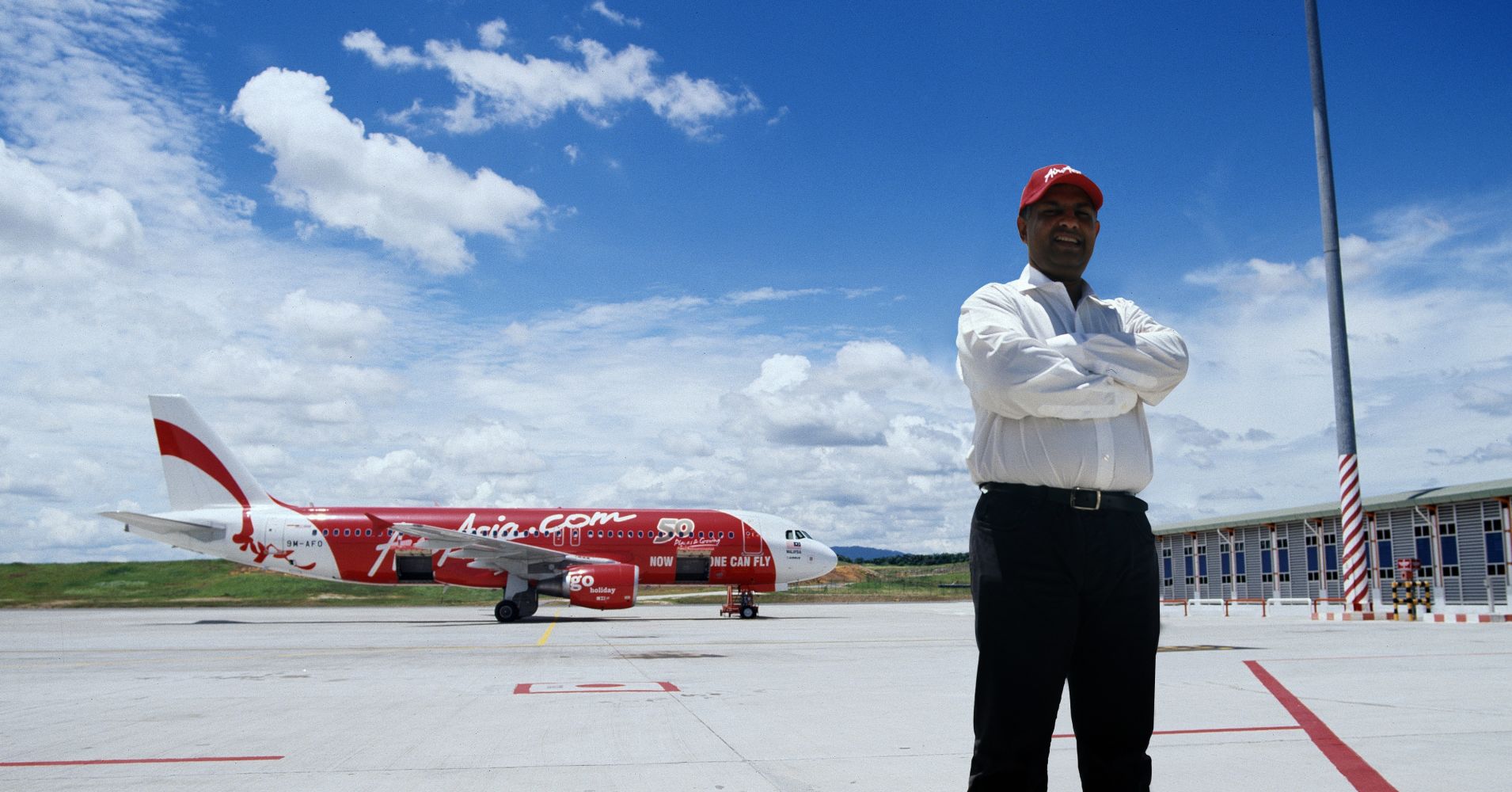
  • AirAsia buys Irish leasing units; Citilink Indonesia bid rejected

    AirAsia buys Irish leasing units; Citilink Indonesia bid rejected

    Asia Aviation Capital Ltd (AACL), the aircraft leasing unit of AirAsia Group Bhd, has acquired four newly incorporated companies in Ireland. AirAsia said in a stock exchange filing that AACL — its indirect wholly-owned subsidiary — had acquired the entire issued and paid-up share capital of Merah Aviation Asset Holding Two Ltd, Merah Aviation Asset Holding Three Ltd, Merah Aviation Asset Holding Four Ltd, and Merah Aviation Asset Holding Five Ltd.

    AirAsia said the four Merah Aviation companies were incorporated under the laws of Ireland on Wednesday for the purpose of owning, leasing and/or financing of aircraft. Each of Merah Aviation has issued and paid-up share capital of US$1 (RM4.09).

    In a separate matter, the Jakarta Post reported yesterday that AirAsia Indonesia’s proposal to acquire low-cost carrier (LCC) Citilink Indonesia had been rejected by Garuda Indonesia, quoting Garuda president director Ari Askhara.

    Citilink is a subsidiary of Garuda, according to the Jakarta Post report that is based on a report.  Ari was quoted as claiming that “Citilink is doing better than AirAsia, even under Garuda’s new management”.

    He said there are no internal talks within Garuda and no order from shareholders to sell Citilink. He also said Garuda has not received an official proposal from AirAsia Indonesia to buy Citilink.

    Though he conceded that talks had taken place between Garuda and AirAsia, he gave assurance that they were about possible cooperation, not acquisition.

    The report came after AirAsia Indonesia president director Dendy Kurniawan said on Monday the company was interested in acquiring Citilink because of the similarities between the two LCCs.

    “Both are LCCs. We are strong in international routes, while they (Citilink) are strong domestically. We have also a similar rating of pilots and cabin crew members.

    “We are interested. If Citilink’s shareholders welcome our offer, we will thank God. But if not, it is no problem,” Dendy said, adding that both LCCs operate Airbus aircraft.

  • Vietnam to establish National Innovation Centre

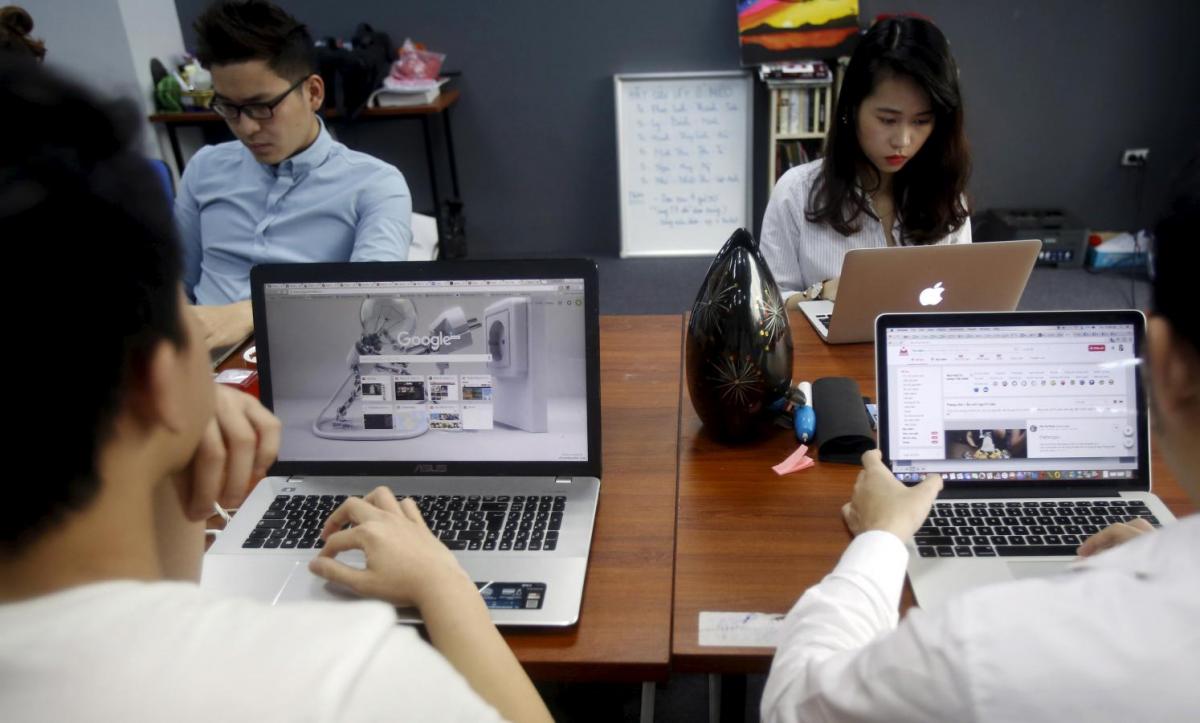
    Vietnam to establish National Innovation Centre

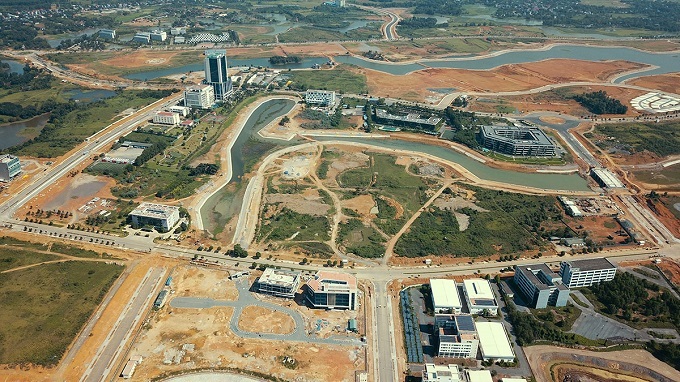
    The Vietnamese government will tomorrow formally launch a project to establish a National Innovation Centre in Hanoi to help lay the groundwork for Vietnam to capitalize on the Industry 4.0 era.

    The project is set to break ground later this year and could be ready for operation by next year. It will be developed over a three year period.

    The NIC aims to lure 40 large technology companies, as well as 150 startups and SMEs and 15 venture investment funds, the Ministry of Information and Communication announced.

    It will initially focus on priority areas including network security, digital content and smart manufacturing and smart city technologies.

    The draft plan for the project stipulates the construction on a 23 hectare area of Hoa Lac Hi-Tech park, and calls for total investment of 1.9 trillion dong ($81.7 million). The project forms part of the

    The NIC is a part of the Ministry of Planning and Investment’s Vietnam Innovation Network initiative, and if the project is successful, the government plans to establish more such centers across Vietnam.

  • MarketingPulse draws the world’s best marketers to Hong Kong

    MarketingPulse draws the world’s best marketers to Hong Kong

    Some of the world’s most inspiring marketing professionals will gather in Hong Kong later this month. MarketingPulse is an integrated branding and marketing conference for global marketers, brands, advertising agencies, media, enterprises and innovation professionals to gather and share the latest marketing trends, exchange best marketing practices and explore new collaborations in Asia.

    From defining new marketing strategies to reviewing events that connect and catalyse, MarketingPulse is not only a conference, but an inspiring annual rendezvous to explore new frontiers in marketing.
    The event will kickstart with a session journeying into a new era of branding, where leading chief marketing officers share tricks and tips on how they keep ahead of the pack with innovative campaigns embracing global trends, and reveal how future marketers should story tell and enhance brand experiences.

    Jonathan Mildenhall, one of the speakers in this session, previously held roles as chief marketing officer at Airbnb and VP of global advertising strategy and creative excellence at the Coca-Cola Company. Mildenhall joined Airbnb in June 2014 and made it his mission to help Airbnb transform the industry, converting a disruptive property-rental platform into a global superbrand.

    Just as he did at Airbnb, through TwentyFirstCenturyBrand, Mildenhall is partnering with some of Silicon Valley’s most influential founders and CEOs in order to drive transformational growth through purpose-driven marketing and world-class excellence in global brand stewardship.

    Michelle Cordeiro Grant, another speaker in the session, is the Founder and CEO of Lively. She has spent her career creating brands and products for some of the world’s largest retailers including Federated, VF Corporation, Limited Brands/ Victoria’s Secret and Thrillist Media Group.

    Grant is passionate about the entire process of creating and developing amazing brands and products – from concept to customer. Working with Victoria’s Secret inspired her to create a completely new experience for the lingerie category— a concept she calls Leisuree — and so Lively was born. Grant believes that “customer conversations should be the heart of your market and help you build a cohesive brand and community”.

    MarketingPulse will be held on March 20 at the Hong Kong Convention and Exhibition Centre.

  • Vietjet Prepares for Take-off with Super Promotional Tickets  in Conjunction with International Women’s Day

    Vietjet Prepares for Take-off with Super Promotional Tickets in Conjunction with International Women’s Day

    Jetsetters certainly have something exciting to look forward to. With just a few days left till International Women’s Day, Vietjet is offering a whopping 2.4 million super-saving tickets priced from MYR0. Tickets can be purchased at https://www.vietjetair.com/ from 6 to 8 March, 2019.

    The promotional tickets are applicable during golden hours from 1.00pm – 3.00pm on all of Vietjet and Thai Vietjet’s domestic routes, as well as international routes connecting Vietnam to Malaysia (Kuala Lumpur), South Korea (Busan and Daegu), Taiwan (Kaohsiung, Taipei, Taichung and Tainan), Singapore, Thailand (Bangkok, Phuket and Chiang Mai), Myanmar (Yangon) and Cambodia (Siem Reap).

    To top it off, for flights linking Hanoi / Ho Chi Minh City – Osaka (Japan); Hanoi – Tokyo; and Ho Chi Minh City / Phu Quoc – Hong Kong (China), the special promotional tickets will be available at all times during the three golden day sale period. The flight period is from 7 May – 31 December 2019 (**).

    With a network comprising 39 domestic routes and 66 international routes, Vietjet operates safe flights with a technical reliability rate of 99.64% — the highest rate in the Asia Pacific region. As a fully-fledged member of International Air Transport Association (IATA), Vietjet has obtained the IATA Operational Safety Audit (IOSA) certificate and has been awarded a 7-star ranking, the world’s highest rate for safety, by AirlineRatings.

  • Sogo department stores see strong sales growth

    Sogo department stores see strong sales growth

    Sogo department stores parent Lifestyle International has reported a 50 per cent drop in net profit for last year, despite increased sales.

    While turnover rose 16 per cent to HK$4.36 billion (US$555 million), net profit fell to $1.69 billion ($215 million).

    However, the company explained the fall was largely due to comparison with 2017 when the company received a one-off gain from the sale of a majority stake in its subsidiary, netting $420.8 million. On a trading basis, the department stores it operates posted solid results.

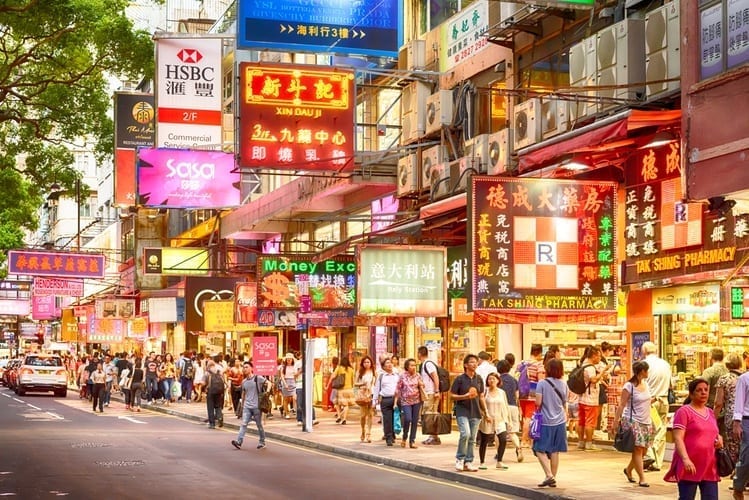
    Sales at its Sogo Causeway Bay flagship store rose by 10.5 per cent last year, and mainland tourists underpinned a 30.3 per cent increase in sales at the Sogo Tsim Sha Tsui store.

    CFO Terry Poon Fuk-chuen said the improved turnover was due to the company enhancing the shopping experience at its stores.

    Lifestyle International executive director Kam Shim Lau predicts this year will be challenging for retail as declining wage growth and weakening asset values may dent consumer sentiment.

    “Looking ahead, the group predicts a single digit growth in the first half of 2019 and adopts a cautious approach for 2019,” he said.

  • DesignSingapore to take local brands global

    DesignSingapore to take local brands global

    DesignSingapore Council (DSG)’s new Business of Design (BOD) program has launched to help local furniture and lifestyle brands expand globally.

    As a part of Singapore Design Week 2019, which runs until March 17, the program will select up to six brands the council believes have the potential to expand internationally, to receive mentorship from industry experts.

    During the first two years, the BOD program will focus on the furniture and lifestyle product sector, and it will be expanded to include designers from other industries later.

    “With increasing industry demand for design, the role of designers will expand,” said Chee Hong Tat, senior minister of state for trade and Industry. “Hence, our design education and talent development programme must adapt to help our designers tackle more complex challenges in the future.

    A themed collective showcase will be held in 2020 at an international location before travelling to other events including Milan Design Week. Displays will also be created at retail pop ups in cities including Shanghai.

    Established in 2003, DSG aims to help local companies expand beyond Singapore.

  • Most Japanese firms want to expand Vietnam operations

    Most Japanese firms want to expand Vietnam operations

    Higher revenues have motivated almost 70 percent of Japanese firms in Vietnam to consider expanding their business here. Higher revenue was cited as the reason for expansion plans by 65 percent of Japanese businesses. Another 43 percent saw greater potential and high growth as encouraging factors. The majority of respondents also said that Vietnam has advantages in market scale and high growth, political-social stability and low labor costs.

    65.3 percent of Japanese companies in Vietnam reported profit last year, up 0.2 percentage points from 2017. The ratio of businesses reporting loss went down 2.8 percentage points to 12.7 percent last year. Japanese businesses in Vietnam seem to be most confident in their prospects this year among the Asia countries JETRO surveyed. 58.7 percent of businesses in Vietnam expect their profit to increase this year, while this figure is only 47 percent in Thailand, 44.7 percent in Malaysia and 39.5 percent in China.

    However, the ratio of businesses reporting profit last year is lower than other countries in Asia, including Indonesia at 65.5 percent, Thailand 67.2 percent, and Malaysia 68.9 percent. Japanese businesses also said that the top risks in the country were increasing labor costs, an incomplete legal system, lack of transparency in law enforcement and complicated tax and administrative procedures.

    They said that Vietnam has a high rate of employee turnover, with 36.2 percent of respondents mentioning this as a problem, higher than in Thailand at 33.2 percent and India at 32.5 percent.

    Labor costs account for 20 percent of total costs in Vietnam, higher than the Philippines at 16.8 percent and Indonesia at 16.5 percent.

    The localization rate in Vietnam remains low, the Japanese respondents said. Only 14.4 percent of Japanese businesses said they bought material and parts from local businesses last year, lower than in Indonesia at 19.5 percent, Malaysia 20.4 percent, and China 41.6 percent.

    This is the 32nd year that JETRO has surveyed business conditions of Japanese firms in Asia and Oceania.

    The survey polled 787 Japanese businesses operating in Vietnam in October and November last year.

    Japan was the largest foreign direct investor in Vietnam last year, with a total registered investment of $8.59 billion, accounting for 24.2 percent of the total, according to the Ministry of Planning and Investment.

  • New stores boost sales for Sheng Siong Group

    New stores boost sales for Sheng Siong Group

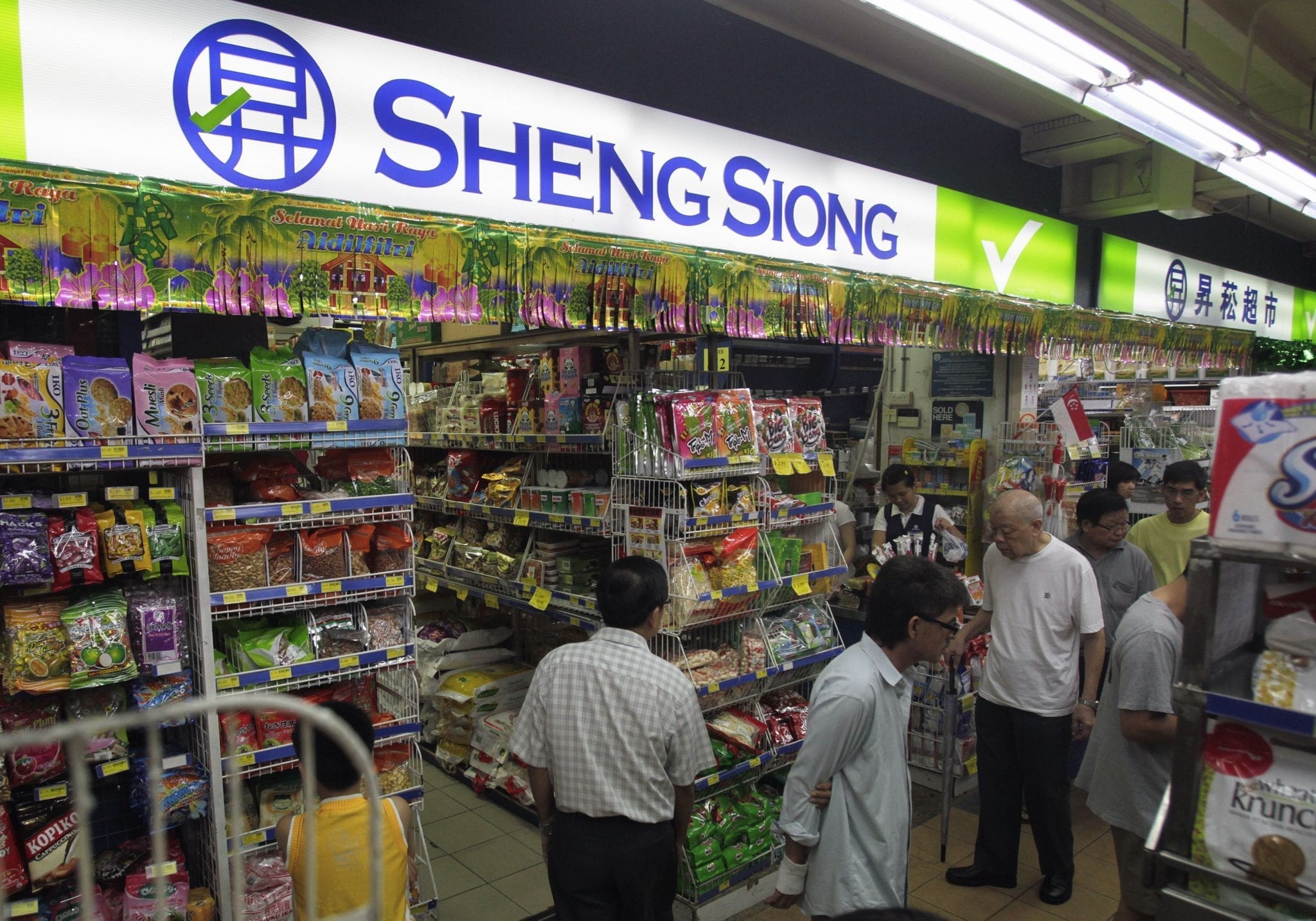
    Singapore supermarket chain Sheng Siong Group has reported a 1.4 per cent year-on-year rise in net profit to S$70.5 million for 2018. Revenue, gross profit and gross margin all improved in both the final quarter and full year, but they were offset by a reduction in other income and higher operating expenses. Government statistics show sales in supermarkets across the city state shrank during the year, but Sheng Siong Group said it was able to mitigate that with new stores, its revenue rising 7.4 per cent for the year.

    The company’s gross margin increased to 26.8 per cent, from 26.2 per cent, mainly because of better buying prices, higher rebates from suppliers for special promotions and volume discounts, improvement in efficiency in the central distribution centre and higher mix of fresh versus non-fresh offerings.

    In a statement, Sheng Siong Group said it expects competition in Singapore’s supermarket industry to remain keen, “exacerbated by the proliferation of new supermarkets in HDB residential areas, as well as the push by new and existing e-commerce players for market share”.

    The group will continue to look for new retail spaces in new and existing HDB housing estates, particularly in estates where there is no presence. It has delayed a planned expansion of its central warehouse, which is now likely to be completed about mid year.

    The company’s store in Kunming, China, which opened in November 2017, recorded a loss of $700,000 last year.  It has has leased a site for a second supermarket in the city and hopes this will commence trading in the third quarter

    “Our store expansion plans have been well on track where we have opened 10 new stores during the year, bringing our total store count to 54 and expanding our total retail area to 496,200sqft,” said CEO Lim Hock Chee.

    “Going ahead, we remain on the lookout for new retail opportunities, especially in areas where we do not have a presence. Besides nurturing the growth of our new stores in Singapore and China, we will continue with our efforts in enhancing the gross margin via more efficiency gains in the supply chain and higher sales mix of fresh produce. We will remain vigilant on costs.”

  • Indian mall supply industry booming

    Indian mall supply industry booming

    A three-fold jump in Indian mall supply from 3.2 million sqft last year to nearly 10 million sqft this year has been reported in India, following supply rollover from the previous year.

    The figures were outlined in the research report Customer Experience (CX) – The Epicentre of Retailing by property consultant firm Anarock, released at the Retail Leadership Summit 2019 in Mumbai this week. The report finds that customer experience and ‘built environment’ are completely metamorphosing the retail business in the country, and that these trends have already started influencing and impacting both the online and the offline retail segments.

    “With the new e-commerce policy in effect from early this month, online retail giants are realigning their business strategies and focussing to expand their offline presence,” said Anarock chairman Anuj Puri.

    “Brick-and-mortar retailers who were earlier under threat from e-commerce can now look forward to a more level playing field and tap into the rapidly growing Indian consumer market with renewed confidence and business prospects. The new e-commerce policy will bring parity between the online and offline retailers and address the concern of data colonisation as well. Even as online players may lose many of their competitive advantages – such as high price discounts on their private labels – brick-and-mortar stores will focus on offering superior customer experience to enhance customer loyalty.

    “The new e-commerce policy will cause online retail entities to invest seriously in offline stores,” he continued. “They will consider tie-ups with offline retailers or buy stakes in them. However, as competition stiffens, customer experience will be the key differentiator to the success and sustenance of any new retail venture.”

    Kumar Rajagopalan, Retailers Association of India CEO, added: “A combination of essential and value-added services, along with sound marketing strategy, is now the key to customer attraction and therefore successful mall performance. F&B and entertainment are critical ingredients for attracting footfalls into retail developments. Simultaneously, style, variety, and overall quality of malls also play crucial roles in ensuring customer satisfaction.”

    Historically dominated by unorganised mom-and-pop stores, the Indian retail sector’s dynamics are rapidly changing post liberalisation and subsequent e-commerce boom across the country. The rise in internet subscribers and active social media users, changing lifestyles and increasing disposable incomes have transformed the rural and urban consumer bases alike. This dynamic resulted in the increasing prominence of e-commerce across the country, leading to India’s emergence as a key global retail market.

    Nearly $1.42 billion FDI has already been infused in the Indian markets between April 2000 to June 2018 – and global investments into Indian retail are all set to increase further, states the report. The Indian retail sector is expected to reach $1.750 trillion by 2026, due to changing demographics and increasing consumer expenditure, which is expected to rise to $3.6 trillion by 2020.

  • Vietnam borrows $188 million to boost connectivity in the north

    Vietnam borrows $188 million to boost connectivity in the north

    The Asian Development Bank will lend Vietnam $188 million to upgrade roads towards improving connectivity in northwestern provinces. Under an agreement signed by ADB and the Ministry of Finance Tuesday, the loan will be used to upgrade of 198 kilometers of roads that connect several towns and districts in northwestern provinces of Lai Chau, Lao Cai and Yen Bai with the Noi Bai – Lao Cai Expressway.

    The 265-kilometer expressway is part of the Greater Mekong Subregion (GMS) Kunming-Hai Phong Transport Corridor that connects Hanoi with northern localities in Vietnam and Yunnan Province in China.

    Some of the road upgrades will create economic opportunities for some of the poorest people in the project area, the bank said.

    “The project aims to expand the benefits of the GMS corridors to the northwestern provinces,” said Eric Sidgwick, ADB country director for Vietnam.

    “The improved connectivity will not only boost border trade, private investment and job creation in the region, but also provide better access to basic social services, such as education, health care, job training and emergency disaster relief for the people of the northwestern provinces, especially the poor ethnic minorities,” he added.

  • Blue chip stock plummets after YouTube ‘incident’

    Blue chip stock plummets after YouTube ‘incident’

    YEG shares of Vietnam’s Yeah1 Group lost over $22 million in Monday’s trading session following a YouTube incident. The incident arose after YouTube claimed SPRINGme Pte. Ltd, a Thailand-based company, indirectly owned by Yeah1 (16.93 percent), had violated its policies with some of its channel management activities, according to YouTube.

    While a series of stocks surged in Monday’s trading session, YEG was one of the few that lost out the most, down seven percent by the end of the session.

    This was equivalent to a drop of VND17,100 ($0.74) per share, down to VND227,900 ($9.82), bringing YEG’s market capitalization down by VND520 billion ($22.42 million).

    YEG shares plummeted in response to YouTube announcing it was terminating all Content Hosting Services Agreements (CHSA) after March 31 with all YEG’s subsidiaries or investment companies with business activities related to YouTube Adsense, the program that allows publishers on the video channel to serve advertisements by third parties, which in turn generate revenue for the content provider.

    The termination would apply to several of YEG’s multi-channel network (MCN) companies it has control over, such as Thailand-based SPRINGme, US-based ScaleLab, and organic Yeah1 Network Pte Ltd.

    The Yeah1 Group management has said it is seeking further clarification with YouTube regarding this action, and actively working with the video hosting website to prolong the CHSA’s after March 31.

    In 2018 alone, YEG’s YouTube AdSense business contributed about $1 million to its revenue, equivalent to 13 percent of the group’s after-tax profit. However, the digital conglomerate has also diversified and pledged to generate revenue through different channels to ensure its overall development.

    At the end of 2018, Yeah1 reported VND1.66 trillion ($71.58 million) in revenue, up 97 percent over the previous year; and VND180 billion ($7.76 million) in after tax profits, up 119 percent.

    Founded in 2006, Yeah1 is Vietnam’s largest multi-channel media ecosystem, operating TV channels, movie studios, Youtube networks, and digital news.

    It was also the first media company to go public, listing on the Ho Chi Minh Stock Exchange (HOSE) last June.

    YEG shares are currently the second most expensive stock on HOSE, behind SAB shares of Vietnam’s largest brewer Sabeco.

  • Thai AirAsia says it will not buy shares in Nok Air

    Thai AirAsia says it will not buy shares in Nok Air

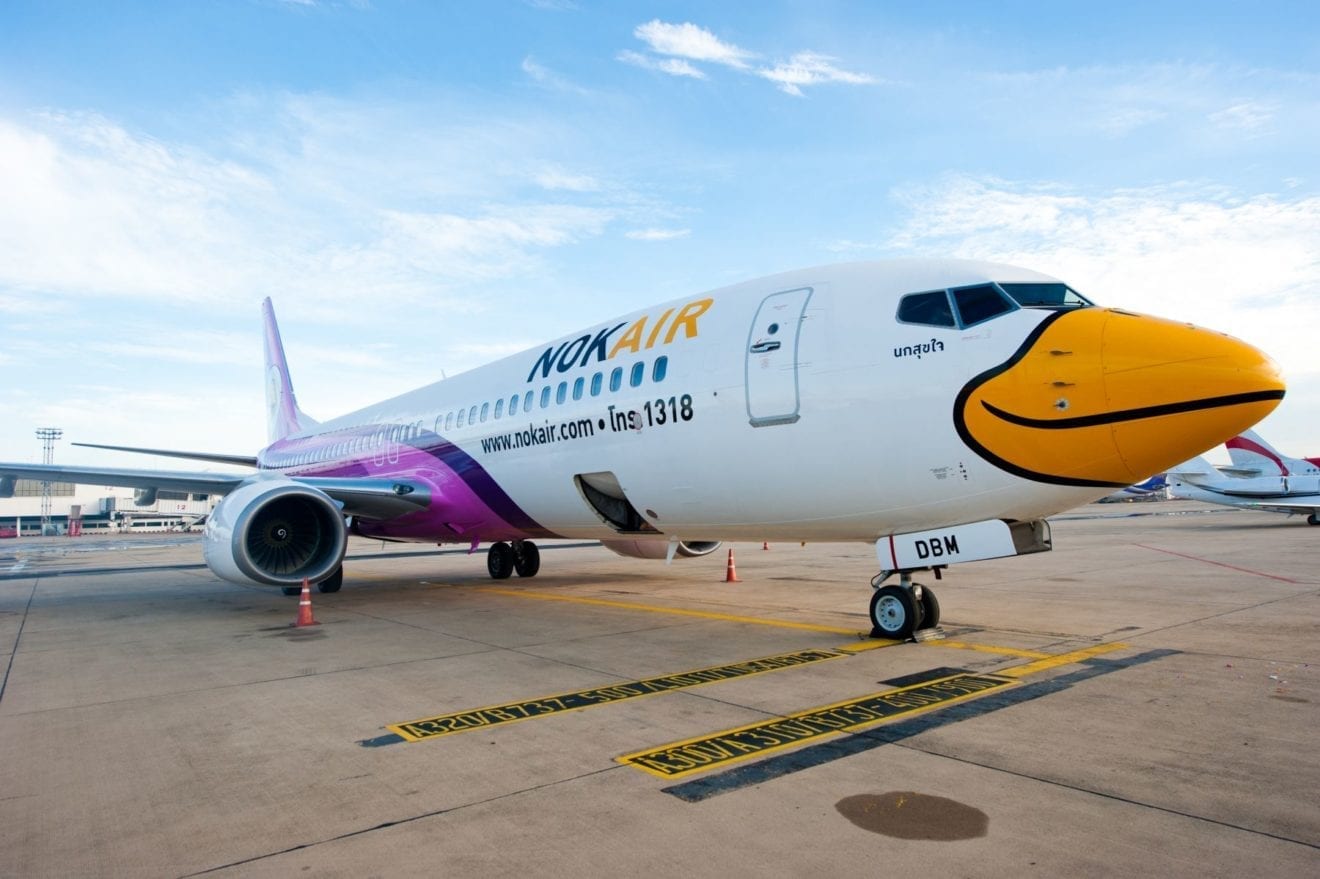
    Asia Aviation, majority shareholder of budget airline Thai AirAsia, said on Wednesday that it would not proceed with an acquisition of shares in rival carrier Nok Airlines, sending Nok’s shares down.

    Nok’s shares fell more than 12% and Asia Aviation’s prices slid nearly 3% in the morning trading session.

    Asia Aviation said in February that it was in talks to buy Nok shares, although Nok had said at the time that it was “not aware of any details in this respect”.

    Nok is 53% owned by the Jurangkool family, which also controls Thai Steel Cable PCL and unlisted auto parts maker Thai Summit.

    Intense competition among budget airlines has led to quarterly losses since 2015 for Nok.

    Asia Aviation owns 55% of Thai AirAsia, with the remainder held by Malaysia’s AirAsia Group Bhd.

  • January surge for Hong Kong retail sales

    January surge for Hong Kong retail sales

    Hong Kong retail sales surged 7.1 per cent in January – but the Census and Statistics Department (C&SD) warns they could be affected by the timing of Lunar New Year.

    “Retail sales tend to show greater volatility in the first two months of a year due to the timing of the Lunar New Year,” said a C&SD spokesman. “Local consumer spending normally attains a seasonal high before the festival. As the Lunar New Year fell on February 5 this year but on February 16 last year, the year-on-year comparison of the figures for January … might have been affected by this factor.”

    After netting out the effect of price changes year on year, the volume of retail sales increased by 6.9 per cent.

    However, for the three months to January, Hong Kong retail sales declined by 2 per cent compared with the preceding quarter, and by 2.1 per cent compared with the same period a year earlier.

    Revised estimates for December showed a growth of 0.1 per cent in both value and volume.

    Sales of watches and jewellery rose by 4.7 per cent, while medicine and cosmetic sales rose 12.9 per cent and apparel by 2.4 per cent. Sales of goods in department stores surged 15.1 per cent, of food, liquor and tobacco by 13 per cent and of supermarket goods by 8.6 per cent.

    Categories to show a decline in sales were electrical goods and other consumer durable items, but 11 per cent.

    The C&SD spokesman said besides the LUnar New Year affect, retail sales were in part boosted by a surge in visitor arrivals in that month.

    “Yet, given the distortion by the difference in timing of the Lunar New Year, it would therefore be more meaningful to examine the retail sales figures for January and February combined, when available, to ascertain the underlying trend.”

    The spokesman said the outlook for retail sales in the near term is still uncertain.

    “While the full-employment situation in the local labour market and the sustained expansion in inbound tourism should provide support, consumption sentiment will still be affected by the unsteady external environment.”

  • Ted Baker’s CEO resigns

    Ted Baker’s CEO resigns

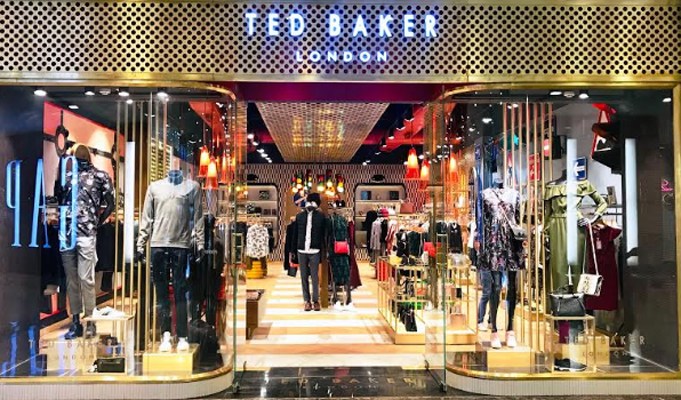
    Ray Kelvin has stepped down from his position as CEO and director of UK fashion label Ted Baker amid allegations of misconduct. The company’s founder and former CEO had been taking a voluntary leave of absence after employees launched an online petition in December 2018, accusing him of inappropriate comments and conduct, including forced hugging.

    An ‘independent committee’ within the business has been in the process of investigating the allegations over the past three months. The committee commissioned the law firm Herbert Smith Freehills (HSF) to investigate the allegations and the comapny’s policies, procedures and handling of HR-related complaints.

    The investigation will continue, with the primary focus now on Ted Baker’s policies, procedures and handling of complaints. It is expected that HSF will conclude its investigation at the end of Q1 or early in Q2 2019.

    Kelvin has denied all allegations of misconduct, but he resigned on Monday with immediate effect. Acting CEO Lindsay Page has agreed to continue in her role, and director David Bernstein has been asked to act as executive chairman to provide additional support to Page.

    Bernstein said he will continue in this position until no later than 30 November 2020, by which time a successor will be appointed. In a regulatory statement. Bernstein attempted to toe the line between thanking Kelvin, and expressing his support for Ted Baker’s staff.

    “Ray Kelvin founded the business 32 years ago and has, together with the fantastic team around him, been the driving force behind it becoming the global brand it is today,” Bernstein said.

    “As founder and CEO, we are grateful for his tireless energy and vision. However, in light of the allegations made against him, Ray has decided that it is in the best interests of the company for him to resign so that the business can move forward under new leadership.

    “As a board of directors, we are committed to ensuring that that all employees feel respected and valued. We are determined to learn lessons from what has happened and from what our employees have told us and to ensure that, while the many positive and unique aspects of Ted’s culture are maintained, appropriate changes are made.

    “Sharon Baylay has agreed to act as the designated non-executive director for engagement with the Ted workforce. Led by Lindsay, we are confident that the strong and experienced team we have in place will build the Ted culture and move the business forward.”

    Taking such a middle-of-the-road position, however, seems untenable in the long run. Just last month Karren Brady stepped down from her position as chair of Taveta Investments, the holding company of Sir Philip Green’s Arcadia Group, which in turn owns the UK fashion retailer Topshop, amid ongoing allegations that Green has sexual harassed and made racist remarks to in-store staff.

    There are new calls for Green to lose his knighthood and step down from his position.

  • Dyson Beauty Demo Zone opens at 1 Utama mall

    Dyson Beauty Demo Zone opens at 1 Utama mall

    A Dyson Beauty Demo Zone has opened at Kuala Lumpur’s 1 Utama mall. The outlet, which opened a few days ago, invites shoppers to examine, test and purchase the brand’s range of hair care products.

    Dyson is a British engineering design firm opened by James Dyson, the inventor of cyclonic vacuum technology. Its hair care products employ a high-speed jet of focussed air to effect drying and styling without intense heat.

    The brand is offering a free stand to OneCard members purchasing the Dyson Supersonic hair dryer as an opening special, while stocks last.