Category: General

Retail News Asia is committed to providing both local and global retailers with the latest General Retail news throughout the Asian market. This on a daily base.

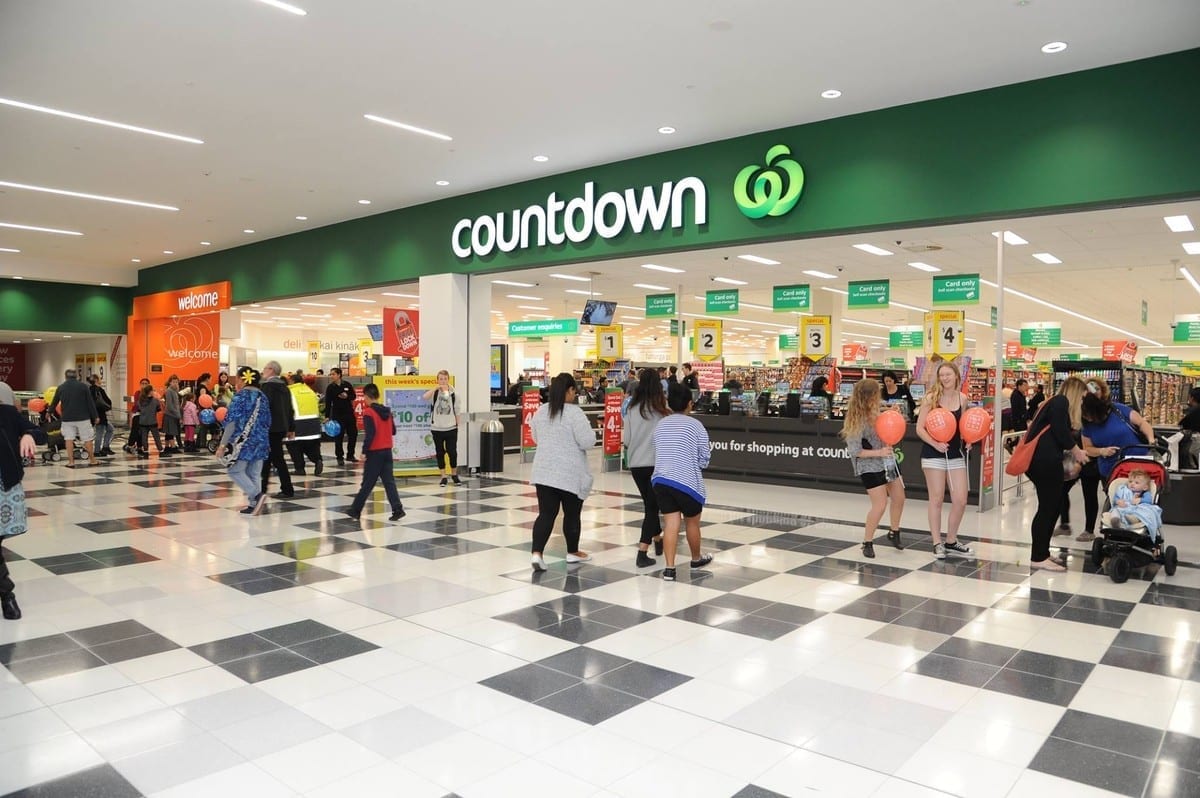
  • Countdown shares impact of family violence

    Countdown shares impact of family violence

    Countdown was one of the first companies in New Zealand to adopt a family violence leave policy across its business, and it is encouraging other retailers to do the same by the sharing the positive impact its policy has had for employees since it was implemented in November 2016.

    Last week, Kiri Hannifin, the supermarket’s general manager of corporate affairs, safety and sustainability, revealed that Countdown has actively supported 28 team members impacted by family violence and provided more than 100 days of paid leave to team members through the policy. Eighty-six per cent of those seeking support have been female.

    Hannifin was speaking alongside the Minister for Workplace Relations and Safety, Hon Iain Lees-Galloway, Under-Secretary Jan Logie and representatives from Shine and the Human Rights Commission at Countdown’s Cable Car Lane store on Thursday last week, ahead of the government’s Domestic Violence – Victims’ Protection Act, which is coming into effect on April 1.

    “Countdown recognises what a significant issue family violence is and as a large employer we wanted to do something meaningful to support our team and show leadership on a really important issue,” Hannifin said.

    “We are committed to providing a safe and supportive workplace at Countdown, and we care about our team and their families – so implementing this policy was just the right thing to do.”

    The range of support Countdown has provided to date also includes free counselling sessions, including on-site; variations to hours; relocation; longer-term leave and facilitating where to seek extra support.

    The policy has also opened up the conversation about family violence across the business, according to Hannifin.

    “Through training, [we have] given our people skills on how to approach and talk to team members who are impacted by family violence,” she said.

    “The more openly our country’s leaders and businesses talk about family violence, the easier we make it for people to ask for our help.

    “That’s why the new Act is so important, not just because of the additional support it gives New Zealanders but because it sends a real signal to all of us that we each have a role to play.”

    Hannifin added that Countdown is very willing to share its knowledge and learnings from the implementing the policy over the last few years, and she encouraged other businesses to think strongly about what they can do to support their team who might be impacted by family violence.

  • Franchising report reveals “cultural problems”

    Franchising report reveals “cultural problems”

    The Australian Senate thinks there needs to be a comprehensive shift in power in the franchising sector.

    In a long-awaited report on its inquiry into the sector, released today, the Senate said the current regulatory environment has failed to deter poor conduct and exploitation within the sector and created an imbalance in power.

    On that basis, it recommends giving greater protection to franchisees and whistleblowers and applying greater penalties for misconduct. This would involve making several changes to the Franchising and Oil Codes and giving more responsibility and enforcement powers to the ACCC to conduct investigations into misconduct in the sector.

    “There are deeply rooted cultural problems that will not be resolved by a franchisor replacing a few senior executives,” the report stated.

    The report points out that disclosure has been the principal and almost only protection for franchisees, and that while many franchisors would like to keep it that way, it is no longer sufficient.

    “The extent and breadth of misconduct within the franchise sector demonstrates that disclosures and transparency alone, while vitally important, are an insufficient response to power and information asymmetry,” the report said.

    The report recommends more protection for franchisees and employees who want to blow the whistle on franchisors engaging in misconduct, and suggests that whistleblower protections should apply in these cases. The inquiry uncovered many instances of franchisors using intimidation to keep franchisees from speaking out.

    The report also recommends steeper civil penalties be introduced into the Competition and Consumer Act 2010, and the Franchising Code of Conduct, in order to ensure they act as a “meaningful deterrent” against further misconduct.

    The penalty amounts would be similar to those currently found under Australian Consumer Law, and should be prescribed in legislation so that the limit on penalties under industry codes does not apply to franchising.

    One of the major issues in the sector presented in the report is wage theft, partly due to the business model franchisors operate under, and partly due to social and cultural problems within the industry.

    “At times, wage theft is occurring as a way for franchisees to extract profits or service payments in order to stay afloat in a financially constrained business model (given wages are one of the greatest costs in the franchisee’s control),” the report said.

    “Whilst many franchisors cited greed as the primary motivation for wage theft, the committee notes that the issue is far more complex and partly inherent to the business models’ structural breakdown of power and the imposition of cost controls.”

    Last week, the Migrant Workers Taskforce recommended criminal penalties be put in place for businesses which intentionally conduct staff underpayment, noting it had found “widespread levels of non-compliance with relevant laws.”

  • API doubts Sigma plans

    API doubts Sigma plans

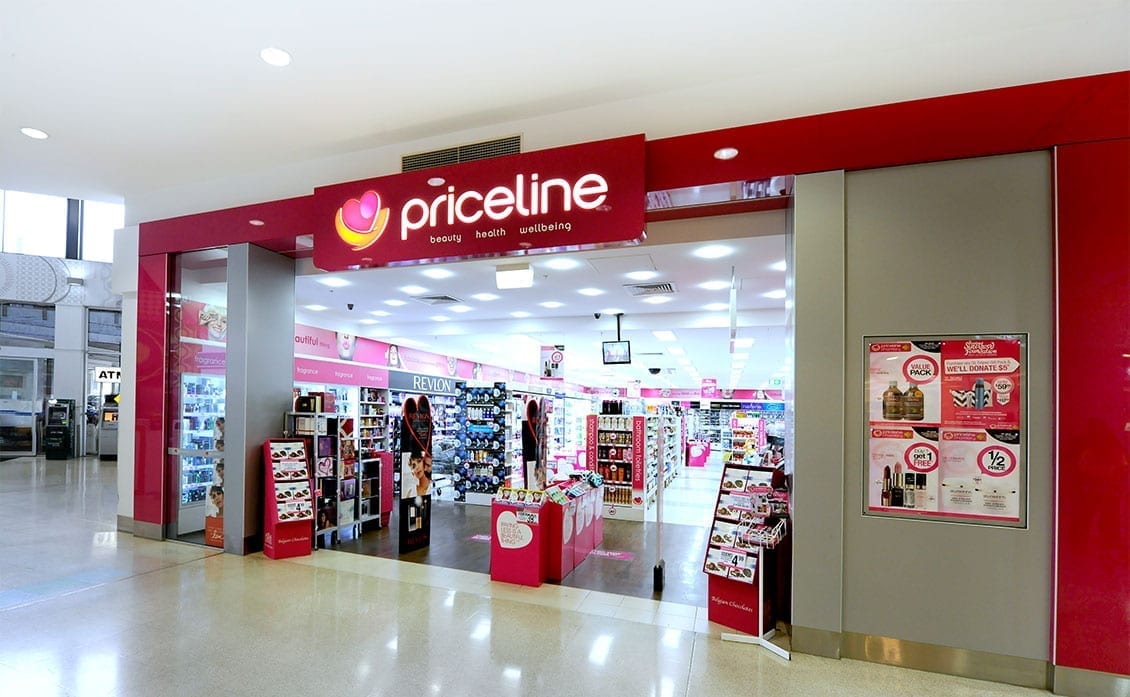
    The proposed merger between the owners of the Priceline and Amcal pharmacy chains is off after Sigma Healthcare rebuffed an approach by its rival.

    Amcal owner Sigma, which is restructuring after losing a contract to supply Chemist Warehouse, said on Wednesday that October’s cash-and-scrip approach by Australian Pharmaceuticals Industries had undervalued its long-term prospects.

    Instead of responding with an increased offer, API questioned Sigma’s plans and said it would now decide what to do with the 12.85 per cent stake it bought late last year.

    “The Sigma Board has chose a path to restructure its significantly downsized business, rather than pursue a merger to create a future that benefits consumers, pharmacists and both sets of shareholders,” API said.

    Sigma said it agreed the tie-up could save the combined company $60 million a year through supply chain consolidation, but that a business review completed last month found $100 million in potential savings through cost-cutting as a stand-alone company.

    It also said that a decline in API’s share price also meant the offer was worth 12 per cent less than when it was made in October.

    The offer was worth about $727 million when it was made public in December.

    API countered by saying the cost savings that Sigma was citing were uncertain and unclear, and would mostly be offset by revenue lost by Chemist Warehouse’s decision to take its business elsewhere.

    It also pointed out its offer represented a 41.8 per cent premium to the average price of Sigma shares in the month before the offer was announced.

    “API notes that very little information has been provided by Sigma in relation to its intended restructure,” API said.

    Sigma shares slumped on the development, dropping 14 per cent to 52.5 cents by 1423 AEDT, their lowest since before the merger proposal was made public.

    API shares were down 3.57 per cent, at $1.35.

    Sigma is the owner of franchise brands Amcal, Chemist King, Discount Drugs and Guardian.

    API owns the Priceline, Soul Pattinson and Pharmacist Advice brands.

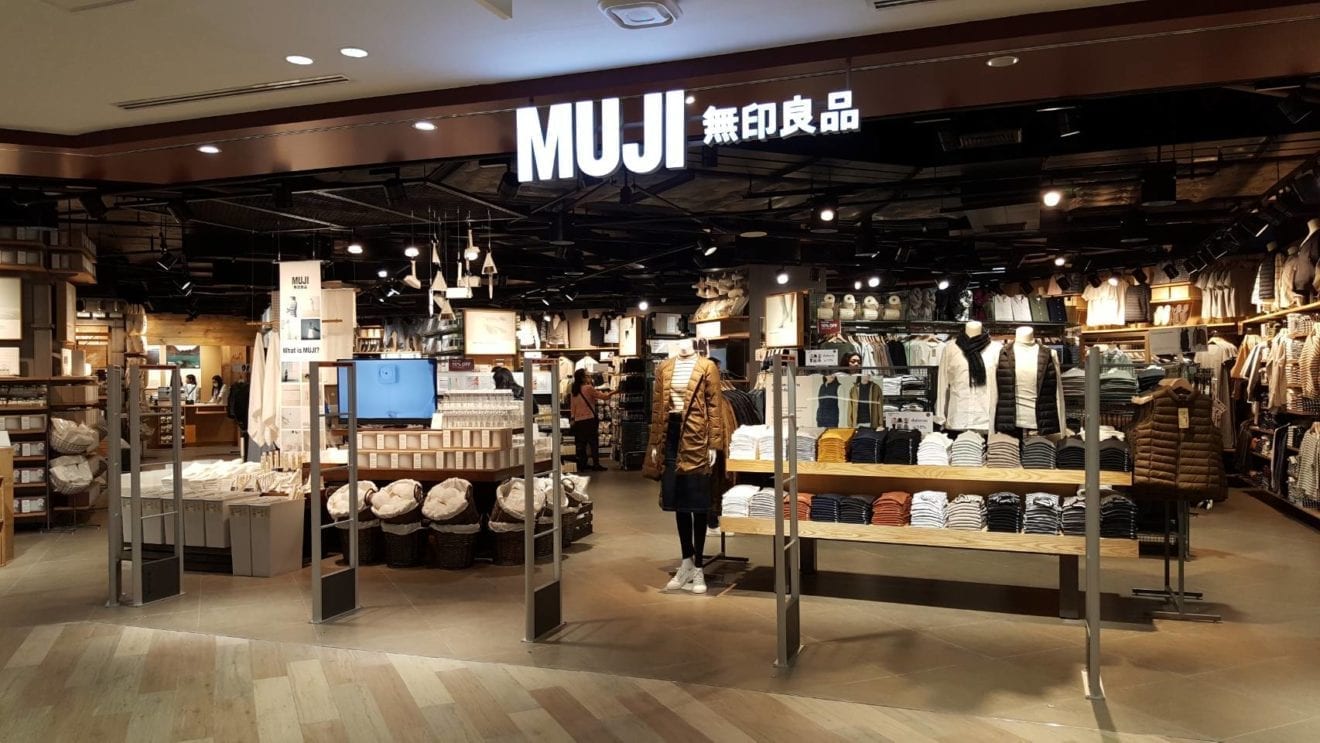
  • Iuiga defends use of Muji brand on its website

    Iuiga defends use of Muji brand on its website

    Singaporean retailer Iuiga says it has done “nothing wrong” using the Muji brand name on its website.

    “The information on our website is factually accurate and our manufacturing processes are legal,” said Jaslyn Chan, Iuiga chief growth officer.

    Iuiga says it works directly with Original Design Manufacturers (ODM), who produce for large international brands including Muji. Under the ODM business model, the exterior, aesthetics, materials, dimensions and patented technologies are developed by the ODM and these product and design rights belong to them.

    “There is no direct ownership of the product by any single brand entity, allowing the ODM to produce for more than one brand. This is what Iuiga means when it says a certain product is from the “same manufacturer as Brand A”.

    Based on this, Iuiga maintains it is working with ODMs that also work with Muji.

    “Iuiga is also preparing a list of manufacturers that both Iuiga and Muji work with to be released to the media later,” Chan added.

  • Retail Sales growth slows in February

    Retail Sales growth slows in February

    Electronic card spending was up 0.9 per cent month on month in February, according to the latest figures from Stats NZ, which are adjusted for seasonal effects.

    This was modest compared to January’s 1.8 per cent month on month increase, though spending rose across five of the six retail industries in February.

    The biggest increases were seen in groceries and liquor, where spending was up 1 per cent or $19 million on the previous month, fuel, where spending was up 1.3 per cent or $7.4 million on the previous month, and hospitality, where spending was up 0.7 per cent or $7 million on the previous month.

    Vehicles, excluding fuel, was up 2.6 per cent or $4.6 million on January, and apparel was up 0.9 per cent or $2.8 million on January. Only durables was down 0.2 per cent, or $2.5 million.

    “The rise in fuel spending coincided with a gradual increase in fuel prices, after a period of lower fuel prices,” Stats NZ retail manager Sue Chapman said.

    “Sales of durables such as furniture, hardware and appliances, as well as clothes and shoes, appear to have levelled out in February, after a more volatile patch in December and January,” she said.

    Core retail spending, which excludes the fuel and vehicle-related industries) rose 0.9 per cent in February.

    Actual retail spending using electronic cards was $5.1 billion in the month, up $168 million, or 3.4 per cent, from February 2018.

  • Wesfarmers, Woolworths lead list of top 1000 Australian companies

    Wesfarmers, Woolworths lead list of top 1000 Australian companies

    Research firm IBISWorld on Tuesday revealed Australia’s top 1000 companies in 2018, with Wesfarmers and Woolworths placing within the top five.

    The list provides an overview of Australia’s corporate landscape, and highlights the largest firms, growing and declining sectors and new businesses to watch in the coming years.

    According to the report, over 75 per cent of the companies on the list lifted their revenue over the course of the year, with total revenue across the list having increased 1.5 per cent year on year, while over 70 per cent of businesses remained profitable.

    However, after enjoying the top position in 2017, IBISWorld senior industry analyst James Thompson expects Wesfarmers to drop from second position in the list next year due to its demerger from supermarket Coles.

    Source: IBISWorld

    There were a number of new entrants, including online retailer Kogan, which joined the list at number 910 after generating significant revenue due to its expanded service offering and the growth of Kogan Mobile. The online retailer enjoyed annual revenue growth of 10.6 per cent, totalling $231.8 million, over the 2018-19 financial year.

    Noni B, which entered the list at number 997, did so off the back of the successful integration of the brands it acquired from Specialty Fashion Group, which delivered revenue growth of 17.8 per cent for the year.

    Other notable retailers on the list include:

    • Metcash: 26
    • Aldi: 49
    • JB Hi-Fi: 56
    • 7-Eleven: 84
    • Harvey Norman: 123
    • Cotton On: 157
    • Myer: 158
    • Super Retail Group: 160
    • David Jones: 175
    • Costco: 244
    • Ikea Australia: 323
    • Luxottica: 480
    • The Reject Shop: 527
    • Accent Group: 612
    • Michael Hill: 710
    • Nike: 772
    • Amazon: 968
    • Retail Food Group: 995
  • Retail company Yo-ren eyes Thailand and Malaysia

    Retail company Yo-ren eyes Thailand and Malaysia

    Hong Kong-headquartered retail technology company Yo-ren has secured US$11 million in a funding round it plans to use to expand into Thailand and Malaysia.

    Yo-ren designs, develops, and operates smart phone-based customer management programs and provides retailers with social network services, e-commerce website planning and operations, collects user data and performs data analysis, as well as developing market strategies based on user characteristics.

    The company’s current clients include Japanese convenience store chain Lawson.

    Yo-ren is also investing in AI technology as part of an agenda to merge digital and physical store spaces, possibly extending as far as allowing consumers to buy clothing in unstaffed stores, in similar fashion to Amazon Go.

    “We foresee the optimal use of digital environments as a service, and big data gathered from increasingly connected networks as critical up-and-coming managerial problems,” Yo-ren wrote in a statement.

    Investors in the latest Yo-ren funding round included Lawson and T-Gaia Corporation.

  • Tourism Malaysia Collaborates with ShopBack to Incentivise Travellers to Cuti-Cuti Malaysia

    Tourism Malaysia Collaborates with ShopBack to Incentivise Travellers to Cuti-Cuti Malaysia

    Recognising the growth of online travel bookings in Malaysia, Tourism Malaysia recently confirms its support towards the largest Online Travel Fair organised by ShopBack Malaysia from 11th to 17th March 2019, and applauds the company’s efforts in enticing travellers to go around Malaysia with attractive travel bonus and cashback.

    Dato’ Dr. Ammar Abd Ghapar, Senior Director, Domestic & Events Division, Tourism Malaysia says, “This is the third year that Tourism Malaysia is supporting ShopBack Malaysia’s efforts in promoting domestic travels. In the past two years, it has been rolling out a Chief Travel Officer video series to showcase the immense beauty of our land to the public, and this year we are expanding our support towards ShopBack’s Online Travel Fair, the largest e-travel fair in Malaysia which is held in collaboration with its partner merchants including Agoda, Booking.com, Expedia, Malaysia Airlines, BusOnlineTicket, KLOOK, Traveloka, Trip.com, and many more.”

    “The past ShopBack Online Travel Fair achieved 100% year-on-year growth. This is definitely encouraging and together with the continuous efforts from the public sector as well as private e-commerce players, we are confident in growing the industry performance towards the Visit Malaysia 2020 goal,” Dato’ Dr. Ammar says.

    Alvin Gill, Country General Manager of ShopBack Malaysia, expressed that every year, hundreds of thousands of travellers use ShopBack to make travel bookings with Agoda, Booking.com, Expedia, Malaysia Airlines etc. because it saves them more money. “Through a special partnership with all the online travel sites, travellers can get up to 8% cashback on each travel booking. That means if a hotel room cost RM500, a traveller just needs to open the ShopBack web/app, click to our merchant site to make the booking and he/she will get RM40 cashback from us. The booking price is the same, but you will get cashback in your ShopBack account if you use us.”

    “In conjunction with our first Online Travel Fair in 2019, we are also giving away an extra up to RM25 bonus cashback to all travellers who purchase flight, accommodation, and trip packages to any Malaysia destination via our platforms from 11th to 17th March 2019. We are truly honoured to have Tourism Malaysia’s support for this campaign – together we can empower more people to rediscover the food, art, nature and culture in the country and create fond memories with their family and friends here,” Alvin adds.

    The leading cashback site works with a full range of travel sites that covers airlines, bus, rides, accommodations and tour services to offer cashback on top of discounts provided by merchants. Signing up to ShopBack is free. Over 1 million Malaysians are using ShopBack at the moment, and over RM30 million of cashback has been given to local users since 2015.

  • The Google app hits an impressive milestone in the Play Store

    The Google app hits an impressive milestone in the Play Store

    Remember when the Google Play Store was called the Android Market? Google changed the name on March 6th, 2012. Twenty-six months later, Gmail became the first Android app to reach 1 billion installs. Since then, two other apps in the Play Store have been installed over 5 billion times-that is, until today. Google Maps and YouTube have been joined in the exclusive club by the Google app.

    Video streaming site YouTube was the first Android app to hit 5 billion downloads, and was followed this past weekend by navigation app Google Maps. Now, the Google app itself  has joined the club. Technically, there are four members if you include Google Play Services, but this is a systems app that allows an Android phone to update Google developed apps and apps from the Google Play Store.

    The three apps, YouTube, Google Maps and Google, are not only must-haves for every Android user, they are also pre-installed on every Android phone that comes with Google Play Services out of the box. When an app is pre-loaded onto an Android device, that is included in the total number of installations.

    Google has worked on expanding the features offered by each of the three apps in the 5 billion installs club. Besides offering streaming videos from amateurs, the site now includes trailers from movies and clips taken from television shows. In addition, YouTube now offers its own original programming for paid subscribers. Google Maps has added several new navigation based items, including the ability to report a crash or speed trap, a speed limit reminder, and more. It also has moved into the lifestyle category by showing places of interest to visit in your home town and locations you travel to.

    The Google app, which helps users search for websites, also reports news, sports and weather of interest to the user. A summary of the user’s schedule for the day can be seen thanks to Google Calendar integration, and a list of stock prices can be monitored. All three apps do have iOS counterparts in the Apple App Store.

  • One in Three Entrepreneurs in APAC Rely on M&A

    One in Three Entrepreneurs in APAC Rely on M&A

    In Asia Pacific, one in three entrepreneur leverages on merger or acquisition as means to grow or expand their businesses, according to a recent report by BNP Paribas. A high proportion of entrepreneurs (33%) in the region rely on merger or acquisition to grow their businesses compared to their counterparts in Europe, GCC and USA, according to the 2019 BNP Paribas Global Entrepreneur Report.

    38 percent of Hong Kong business owners have undergone either a merger or acquisition in the past.

    Disruption and Development

    Over 50 percent of Indonesian entrepreneurs focus on contributing to growth of the local economy as their business goals in five years, while the entrepreneurial ambition in Taiwan is gravitated towards contributing to innovation and development in their chosen sectors. For Taiwan entrepreneurs, 38 percent are disruptors – their business goal is to permanently change the status quo with a new product or concept within five years.

    In India, it is for the next generation of their families to have meaningful careers.

    Use Of Credit Solutions

    Globally, 44 percent of elite entrepreneurs have used credit solutions to develop their business.  In Asia, 55 percent of entrepreneurs have sought to borrow to invest in their own businesses. This rises to six in every ten entrepreneurs in China, India and Indonesia.

    61 percent of Chinese entrepreneurs use credit or lending products to finance their business.  54 percent of Indonesian entrepreneurs have used structured products for credit or lending.

    Respondents

    The report is based on the responses of 2,763 Asian elite entrepreneurs handling a total net worth of USD16 billion, spanning 23 countries across Europe, Asia, the United States and the Middle East. It also unveils the different stages of maturity of their entrepreneurial journey, the impact on their private wealth and their need for family governance.

    Sampling of the Asia respondents include 830 elite entrepreneurs covering China, Hong Kong, India, Indonesia, Singapore and Taiwan. The average primary company revenue was $7.2 million.

  • Improved penalty rates and conditions for Priceline workers

    Improved penalty rates and conditions for Priceline workers

    Retail workers’ union SDA has secured a new agreement for Priceline Pharmacy workers that improves penalty rates and leave conditions for staff.

    The new agreement, which came into effect on Friday March 8, will see annual pay increases backdated from July last year, through to July 2020.

    “Wage growth for Australian workers is at an all time low and we’re proud we’ve been able to lock in strong annual pay increases for Priceline workers for the next three years,” SDA national secretary Gerard Dwyer said.

    “Priceline workers will receive an immediate 3.5 per cent pay increase backdated from 1 July 2018, and 3 per cent pay increases from 1 July 2019 and 1 July 2020. This means the permanent hourly rate for Priceline workers will increase to A$21.81 and the casual hourly rate will increase to A$27.26 per hour. With the rate of inflation at 1.8 per cent these pay increases will make it a little easier for Priceline workers and their families to make ends meet.”

    The new agreement also includes five days paid and five days unpaid Family and Domestic Violence Leave for all employees per year.

    “Unions, employers and government must all take responsibility for addressing family and domestic violence and we’re pleased we’ve taken the first steps in this agreement,” said Dwyer.

    Workers will also be paid superannuation on all paid leave, including paid parental leave. The SDA said this will help address the gender pay gap, as previously superannuation was not paid when parental leave was taken.

  • SilkAir boosts Phuket-Singapore flights

    SilkAir boosts Phuket-Singapore flights

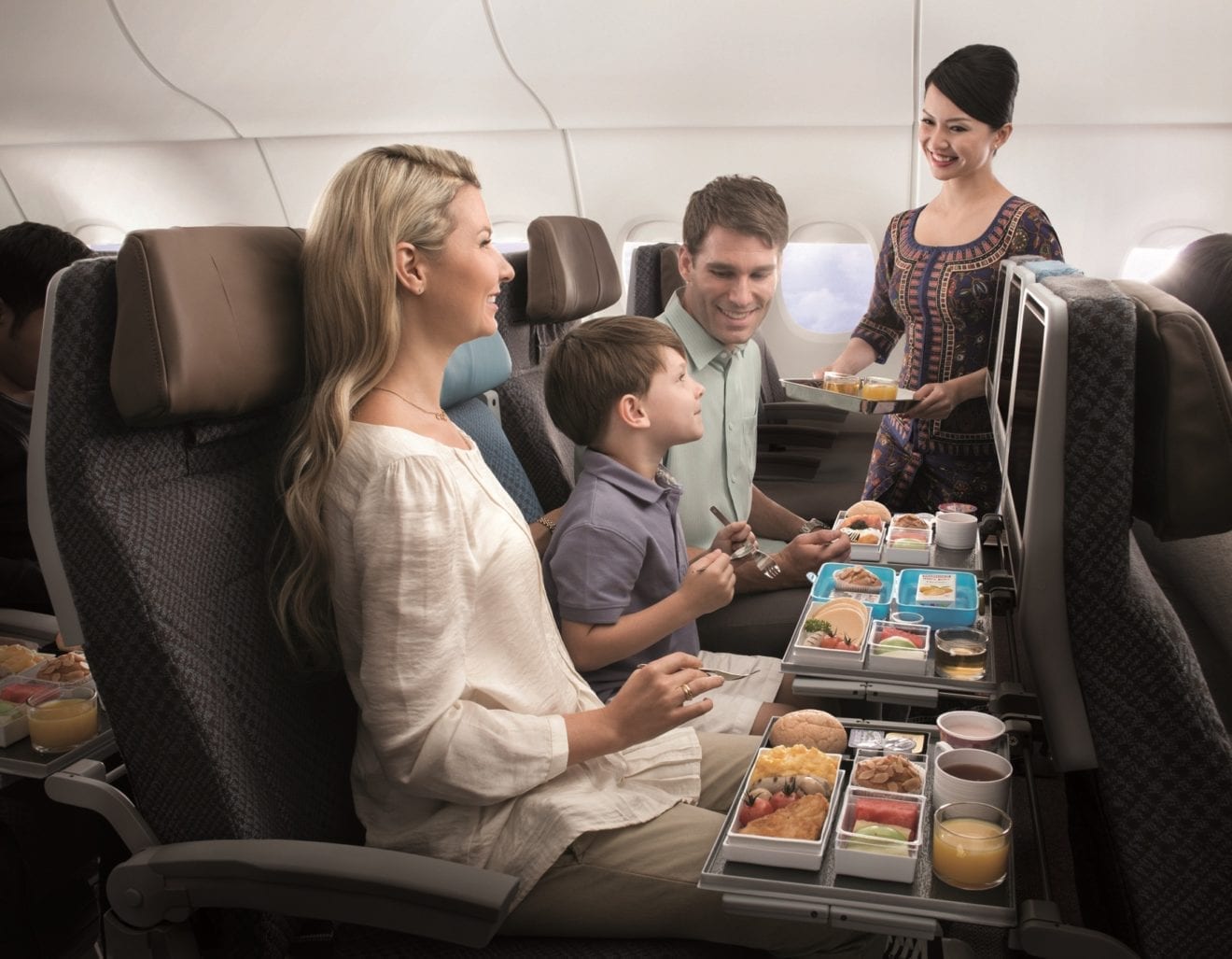
    SilkAir, the regional wing of Singapore Airlines, will add a sixth daily service between Phuket and Singapore from May to meet growing demand for travel between Singapore and Thailand. SilkAir currently operates five flights per day on the popular Singapore-Phuket route, and a sixth will be introduced with effect from May 24, noted a release announcing the new flights.

    “The new service will be operated by Boeing 737 aircraft, which feature both Business and Economy Class cabins. Customers can look forward to a full-service experience, including in-flight meals, wireless in-flight entertainment on SilkAir Studio, complimentary baggage allowance as well as through check-in if they are connecting to or from another SilkAir or Singapore Airlines point via Singapore,” the release noted.

    The additional service, MI760, will depart Singapore at 9:50am (Singapore Time) and arrive at Phuket at 10:45am (Phuket Time).

    The return flight will operate as MI759, departing Phuket at 11:35am (Phuket Time) and arriving in Singapore at 2:20pm (Singapore Time). (See schedule below.)

    As the regional wing of Singapore Airlines, SilkAir extends the SIA Group’s network by seeding and developing new destinations in the Asia-Pacific, noted the release.

    The airline took to the skies in February 1989 as Tradewinds the Airline, before evolving into SilkAir in 1992. In its early days, it catered to passengers holidaying in exotic destinations in the region, including Phuket and Tioman. As the carrier developed, regional business destinations such as Phnom Penh, Yangon and Kuala Lumpur were added.

    Today, the full-service airline operates about 400 weekly flights to 49 destinations in 16 countries.

  • RFG totters making its way

    RFG totters making its way

    Retail Food Group remains in danger of collapse as it tests the nerve of its financiers. The multi-brand franchisor has racked up losses of more than half a billion dollars in the past 18 months; its market capitalisation has fallen below $50 million, with its share price dropping to 25¢ last week on the Australian Securities Exchange.

    Directors have been attempting to sell assets in a bid to reduce debt to satisfy bankers and ensure the company can continue to trade.

    The problem is that most of the assets have little value in real terms and, in some instances, carry significant liabilities in respect of store lease commitments, exit costs on unprofitable and unfranchised stores and prospective legal action by disgruntled franchisees.

    The results for the first half of the 2019 financial year would indicate that the entire company is struggling to survive and is facing imminent administration if it cannot quickly conclude a significant asset sale.

    Debt covenants tested

    A waiver of debt covenants by lenders NAB and Westpac expired on December 31 – and are due to be tested by March 31. Without clear indications of the viability of the company on an ongoing basis, lenders are unlikely to hold their nerve.

    Directors of the company have been unable to conclude a deal on any asset sales despite the company reporting the Donut King and QSR Division as discontinued operations in its FY19 first-half results released last week.

    Directors advised investors that negotiations were ongoing but no formal binding agreement had been achieved with a proposed buyer.

  • South Korean K-pop merchandise sales surge to US$132 million

    South Korean K-pop merchandise sales surge to US$132 million

    South Korea’s K-pop merchandise market is booming, reaching KRW 150 billion (US$132 million) last year.

    Led by the recent global fame of BTS, K-pop’s popularity has expanded far and wide, and a growing number of fans are enthusiastically spend their time and money collecting even the smallest souvenirs that remind them of their favorite pop stars.

    Mugs, notebooks, pens, bags, T-shirts, tumblers and slippers with photos of BTS, EXO, Blackpink, Twice and the like all stir K-pop fans’ desire to be closer to the performers they like the most.

    “I spent more than 1 million won ($881) buying BTS merchandise last year,” one BTS fan told Yonhap, requesting anonymity. “Sometimes even I think it’s a bit excessive, but it’s one of my big hobbies.”

    According to the latest data from the Korea Creative Content Agency (KCCA), the total sales of the South Korean music industry reached 2.87 trillion won in the first half of last year, up 9.2 per cent from a year earlier.

    K-pop merchandise sales of 150 billion won last year alone includes privately created items and pirated goods.

    “Fans with huge loyalty to their singers buy albums and goods together. Many of them create unofficial goods too,” said Sung Mi-kyoung, a senior researcher at the KCCA. “The idol culture started to explode in the latter half of 2017 on the back of the rising global popularity of BTS. Estimates of 150 billion won in sales are not groundless.”

    She said the three leading music labels — SM Entertainment, JYP Entertainment Corp. and YG Entertainment Inc. — have already acknowledged the potential of the goods market and started to rack up revenues there.

    According to their regulatory filings, the three listed companies’ combined sales of albums and digital music content reached 76.69 billion won in the first half of 2018.

    And they posted a combined 105.44 trillion won in sales from K-pop merchandise, royalties and other fees over the cited period.

    YG alone earned 76.91 billion won in royalties and brand-related sales as the company runs fashion and cosmetics subsidiaries using artist brands like Big Bang, iKon and Blackpink.

    SM, which manages Exo, Shinee and Super Junior, runs its official merchandise shops SUM Market and SMTown Gift shop in southern Seoul, selling collaborative products combined with its artists’ brands.

    “It has been a minor culture among young fans of K-pop,” said Sung. “But from now on, its huge potential will attract the entire entertainment industry to focus on this market.”

    She said 50 per cent of South Korean teenagers have bought a K-pop item at least once.

    “These young teens who are very willing and familiar with spending money on goods related to their idols will grow up and have greater purchasing power when they become 30-somethings or 40-somethings.”

    Against this backdrop, the K-pop market is broadening into a comprehensive content industry linked with performance, fashion, food, tourism and even manufacturing.

    Tens of money-making goods and events can be derived from a picture of a K-pop singer, she noted.

    “People do not only consume music to listen to but also enjoy such entertainment in other forms. The music industry now comes with concerts, merchandise and intellectual property,” the KCCA expert said. “I hope the public sector will fine-tune the legal issues involving intellectual rights to level the playing field and foster the content industry further.”

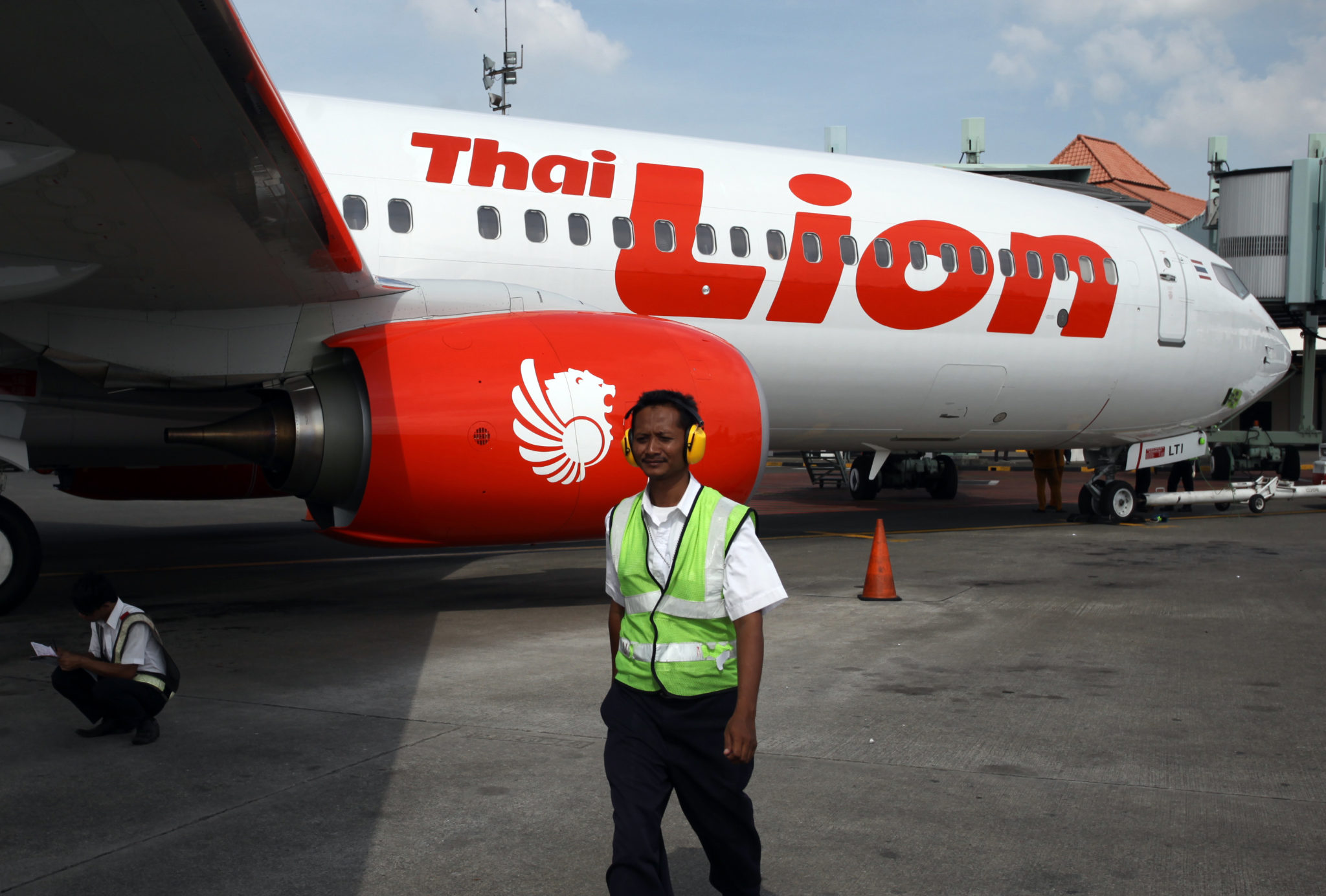
  • Lion Air offers discounted flight tickets from Jakarta to Medan

    Lion Air offers discounted flight tickets from Jakarta to Medan

    Following Garuda Indonesia’s recent decision to lower its ticket prices for flights connecting Jakarta and Palembang, South Sumatra, the country’s largest low-cost carrier, Lion Air Group, announced a promotional program called #liburanmakinmurah (vacationing gets cheaper)  that will start on Friday.

    According to Lion Air statement, the airline will offer 50 percent discounts on a number of domestic routes, with flights from Jakarta to Medan, North Sumatra, for example, starting from Rp 880,000 (US$62.54) and flights connecting Jakarta and Jayapura, Papua, starting from Rp. 2.28 million. These prices do not include both excluding passenger service charges (PSC), value-added taxes (PPN) and insurance.

    “This move is part of Lion Air’s efforts to support the government’s campaign to increase foreign and domestic tourist arrivals, therefore, boosting both the local and national economies,” the statement read.

    The promotional tickets can be purchased on the airline’s official website, Lionair.co.id, ticketing offices and travel agencies.