Category: General

Retail News Asia is committed to providing both local and global retailers with the latest General Retail news throughout the Asian market. This on a daily base.

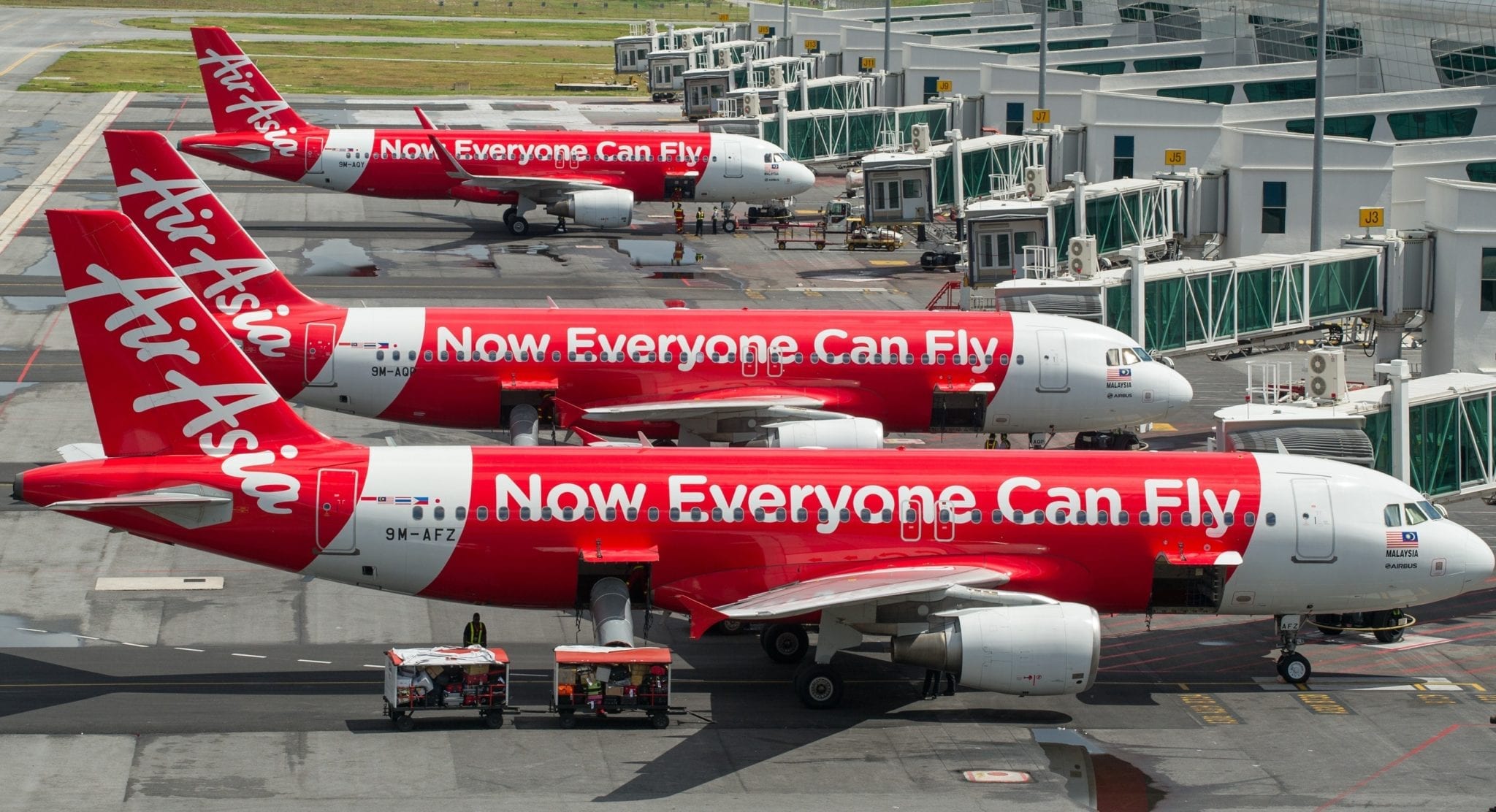
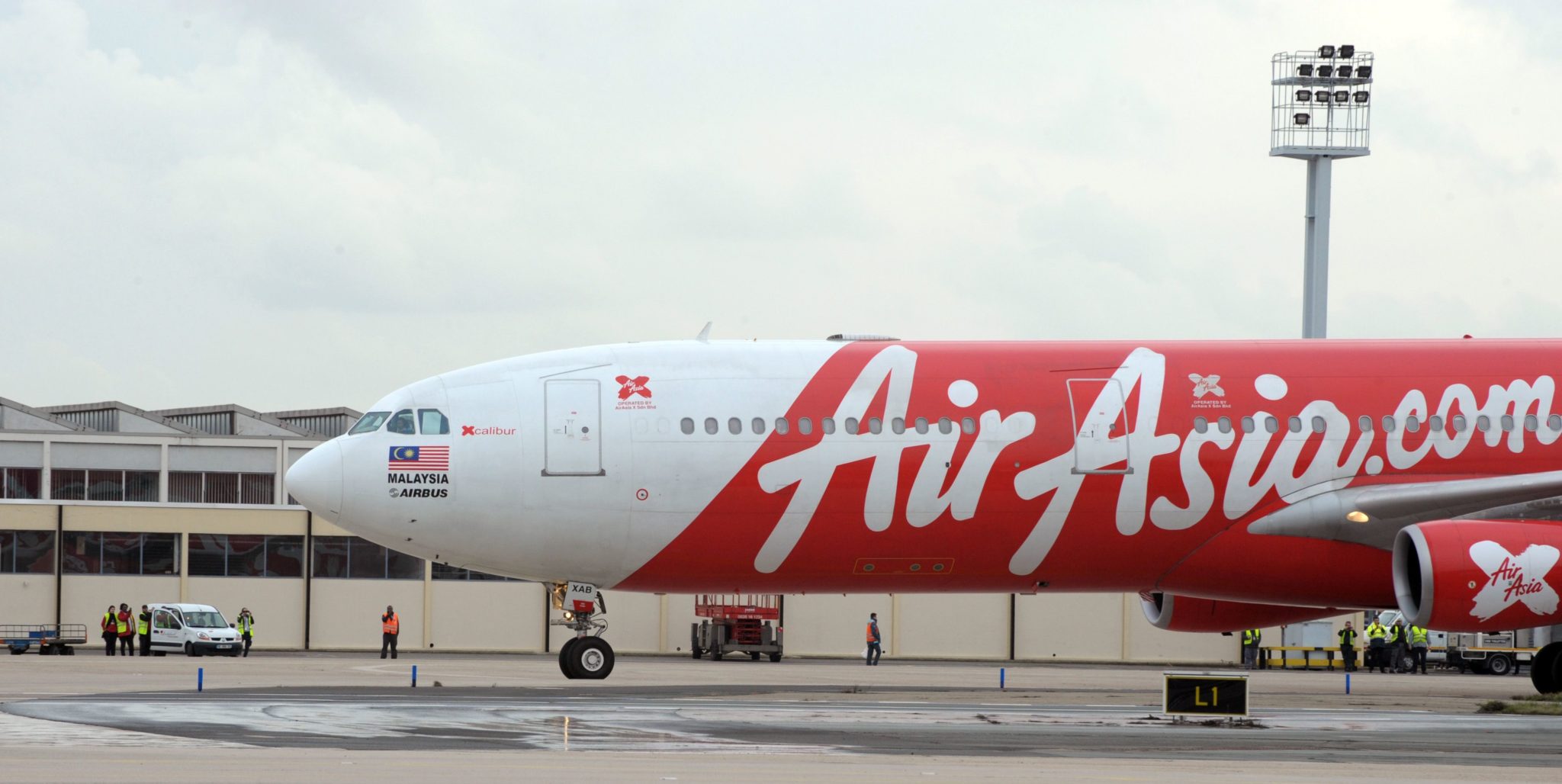
  • AirAsia announces ‘Red Hot’ sale started Monday

    AirAsia announces ‘Red Hot’ sale started Monday

    AirAsia Philippines said it would offer seats for selected domestic and international flights for as low as P16 starting on Monday.

    AirAsia will offer fares from as low as P16 for flights from Clark to Iloilo, Tacloban, Puerto Princesa, and Cagayan De Oro; P201 for flights from Manila to Kalibo, Cebu, Davao, Bangkok, and Kuala Lumpur; and P316 for flights from Cebu to Cagayan De Oro, Davao, Caticlan, Singapore and many more destinations.

    The sale will run from March 11 to 17 for travel from September 1, 2019 to June 2, 2020.

    AirAsia BIG members will also enjoy 24-hour priority access to the sale from March 10.

    Aside from discounted fares, AirAsia will also be offering discounts on its inflight meals and pick-a-seat options.

    Bookings can be made on AirAsia’s website and on its mobile app.

  • AirAsia offering five million promotional seats

    AirAsia offering five million promotional seats

    Budget airline AirAsia is offering five million promotional seats and this time with a bundle of discounts for hotels, add-ons and duty-free products.

    Promotional all-in members fares are up for grabs from as low as RM12 for flights from Kuala Lumpur to Kuantan, Johor Baru, Kota Baru and Penang, and from RM36 for flights to Can Tho, Padang, Hua Hin, Siem Reap, Banda Aceh, and many more.

    “Fly with AirAsia X (long-haul, low-cost affiliate affiliate of AirAsia Bhd) from as low as RM199 for flights from Kuala Lumpur to Tianjin, Gold Coast, Osaka, Seoul, Honolulu and others.

    “For comfort and perks, the Premium Flatbed from Kuala Lumpur to Jaipur, Taipei, Chengdu, Fukuoka, Jeju from only RM699,” AirAsia said in a statement today.

    Bookings can be done at airasia.com and the AirAsia mobile app from March 11-17, 2019 for travel between September 1, 2019 and June 2, 2020.

  • King Power monopoly ending at Bangkok’s airport

    King Power monopoly ending at Bangkok’s airport

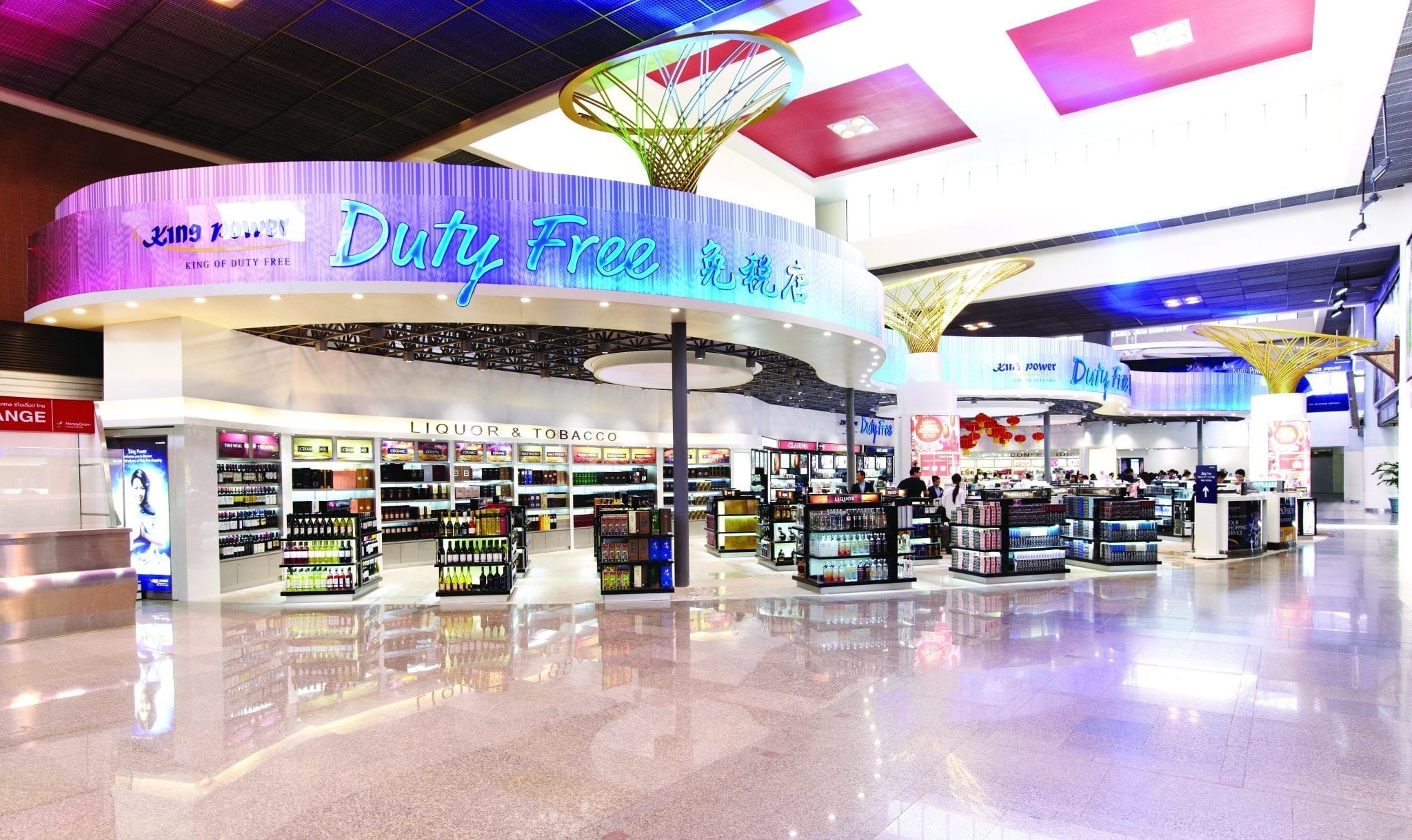
    Thailand’s much-maligned airport duty-free monopoly appears set to be nearing an end.

    For years, major Thai retailers have complained that incumbent operator King Power has controlled the retail offer – and prices – at Thailand’s largest airports, especially Suvarnabhumi outside Bangkok. Frequent travellers often comment that airport ‘duty-free’ prices are higher than at other airports in the region, including Singapore and Hong Kong.

    On Wednesday, state-owned Airports of Thailand (AOT) approved guidelines for concessions for duty-free and commercial activities at its airports, the first step in opening up retail spaces to other companies.

    According to Reuters, AOT will offer three retail licences at an upcoming auction, clearing the way for Thai retail giants Central Group and The Mall Group, along with South Korea’s Hotel Shilla, to enter the fray.

    King Power’s current licence ends next year.

    AOT says contracts will cover duty-free retail, commercial businesses such as food and beverage outlets and pick-up counters for shoppers who buy goods in town and collect them at the airport after clearing customs and immigration.

  • Retail slow in January despite Luxury growth

    Retail slow in January despite Luxury growth

    While several retailers have talked about conditions improving since a somewhat dismal holiday trading period, the Australian Bureau of Statistics have released a more muted view of month of January, with retail sales having improved by 0.1 per cent.

    This increase followed a fall of 0.4 per cent over December 2018, and a 0.5 per cent increase in November off the back of successful Black Friday and Cyber Monday sales events.

    “While January hasn’t proved to be a ground-breaking month by any stretch, on the plus side it does indicate that retail is slowly picking itself up and heading in the right direction,” National Retail Association chief executive Dominique Lamb said.

    Department store spending saw a 2.1 per cent decline over the month, while spending on clothing, footwear and personal accessories dipped 0.3 per cent.

    Food retailing and cafes, restaurants and takeaway services saw spending 0.3 per cent higher than the month prior, while ‘other retailing’, which brings together several industries such as pharmaceuticals, books and recreational goods, saw a jump of 0.7 per cent.

    The increase in cafe spending could be indicative of consumers beginning to feel more comfortable spending on ‘little luxuries’, according to Australian Retailers Association executive director Russell Zimmerman.

    “We hope this trend will continue to increase and spill into other retail categories across the retail sector,” Zimmerman said.

    The NRA’s Lamb went on to point to the upcoming Federal Budget, stating the importance that the Government puts a focus on encouraging consumer spending.

    “Measures such as tax cuts, infrastructure spending and initiatives that ease the burden on small businesses can all help improve the economy and assist retail in getting out of this sluggish phase it’s experiencing,” Lamb said.

  • Regulating Facebook could hinder small businesses

    Regulating Facebook could hinder small businesses

    Digital platforms provide a host of challenges for governments. Questions about how to best protect privacy, democracy, and speech online become more pressing every year.

    But policies that affect online platforms also affect international trade. Many Australian small businesses rely on digital platforms to stay on par with their international competitors.

    As Australia starts tackling the challenges wrought by digital platforms, policymakers should be careful not to undo the good things that stem from an evermore connected world. That includes the critical role of these platforms in helping retailers sell their products to overseas customers.

    Platforms facilitate exports

    As my new research with colleague Danielle Parks shows, digital platforms appear to significantly reduce the economic distance and trade costs between buyers and sellers.

    Take Facebook, for example. Facebook is both a social networking platform and digital market platform, where Facebook’s Marketplace helps business owners connect with potential customers.

    The social networking interface allows buyers and sellers to message each other and exchange information about what the seller has, and what the buyer wants. Meanwhile, Marketplace features like identity verification and buyer ratings help to facilitate connections more quickly, and with more trust, than might otherwise be possible.

    There isn’t a lot of large-scale data on cross-border e-commerce, so researchers must get creative to study digital platforms and trade. The findings are extraordinary.

    One study found that 97% of US-based eBay sellers export product to overseas buyers. Another found the “economic effect of distance” to be 65% smaller on eBay. In other words, the digital platform reduces the challenges of selling to people in other countries.

    Research conducted by PayPal showed that 79% of US small businesses on its platform sell to foreign markets. And PayPal merchants that exported, outperformed businesses in general. Interestingly, that finding held for coastal and non-coastal businesses, and for rural and urban businesses alike.

    In our new study, we surveyed Australian businesses on Facebook. We found that those with a Facebook presence were 63% more likely to export their products internationally than other businesses. The propensity to export was higher across all business sectors and nearly all company sizes.

    This emerging pattern shows how world markets are opening up to smaller businesses that might not otherwise be able to compete with their larger, multinational rivals. These findings can partly be attributed to export-prone firms being more likely than others to use digital platforms. But there is no question that the platforms can also enable trade.

    Most governments recognise the need to dismantle barriers to foreign market access, and any new policies regarding digital platforms should not make it harder for small and medium sized businesses to engage in trade.

    How regulation could hurt small businesses

    The Australian Competition and Consumer Commission (ACCC) is currently conducting an inquiry into digital platforms at the request of the treasurer.

    The ACCC’s preliminary report recognises how digital platforms have revolutionised the ways consumers and businesses communicate with one another. The report also highlights concerns over data privacy and the influence of bad actors producing and spreading misinformation.

    The final report, expected in June, will make policy recommendations that aim to address these concerns. But these policies could also inadvertently threaten the revenue streams of businesses that advertise on these platforms or that use them to facilitate online sales.

    Restrictions on the cross border flow of consumer information could interfere with everyday business practices. For example, a key advantage of e-commerce, especially for small businesses, is using search engine techniques to reach larger audiences, and target potential customers. So, search engine restrictions could limit the way businesses target customers with advertising, therefore limiting a business owner’s ability to reach customers abroad.

    Other regulations could restrict business owners from storing the personal information of customers – such as credit card information, consumer preferences and purchase history. That would then limit businesses in how they interact with customers at home and abroad.

    What’s happening at the moment

    Australia is not alone in considering these tough issues. The landscape of digital data flows, data privacy, and e-commerce is a work in progress for governments across the globe.

    The EU recently enacted data privacy regulation called the General Data Protection Regulation (GDPR), which is designed to:

    […] fundamentally reshape the way in which data is handled across every sector, from health care to banking and beyond.

    Meanwhile, the United States Congress will likely consider new internet privacy legislation this year.

    Provisions on digital data flows have been included in major recent international trade agreements. Both the United States-Mexico-Canada Agreement (USMCA) and the Trans Pacific Partnership (TPP) bar data localisation requirements. That means foreign companies would only be allowed to work in a country if they built out or leased separate data infrastructures in that country – a costly endeavour, especially for smaller businesses.

    On the other hand, USMCA and TPP do not allow participating countries to require that platforms disclose their source code or algorithms. These provisions do not necessarily preclude countries from adopting privacy protections, but they do make it easier for platforms like Facebook to operate without fear that they will be asked to handover important intellectual property.

    As the government considers the Australian Competition and Consumer Commission report, one thing should be clear: any policy changes should not overlook the role of these platforms in helping Australian small businesses sell goods to customers in the global marketplace.
  • Thailand franchise market ready for further growth

    Thailand franchise market ready for further growth

    Thailand franchise consultancy Gnosis Co expects a healthy market for franchises in the country.

    Gnosis MD Sethaphong Phadungpisuth said more than 50 chains from both local and international brands are exploring the market this year following measures to ease regulations on the part of the Business Development Department.

    “The Thailand franchise market will become more active this year. We expect the overall number of new franchise brands both from abroad and the domestic market that will open their franchise in Thailand this year to increase by 10 per cent to about 630 brands”, he said.

    According to Gnosis, some brands have chosen Thailand as a springboard to other Asean countries, in particular Myanmar and Laos.

    Among those diverse brands set to start operations in Thailand this year include Taco Bell, The Edge Learning Centre, and Singaporean hygiene and disinfection products firm Sureclean. Additionally the number of Taiwanese milk tea chains continues to increase in the territory.

    Franchise business in Thailand is estimated to be valued at THB250-300 billion (US$7.84 billion).

  • Don Quijote Thailand launches as Don Don Donki

    Don Quijote Thailand launches as Don Don Donki

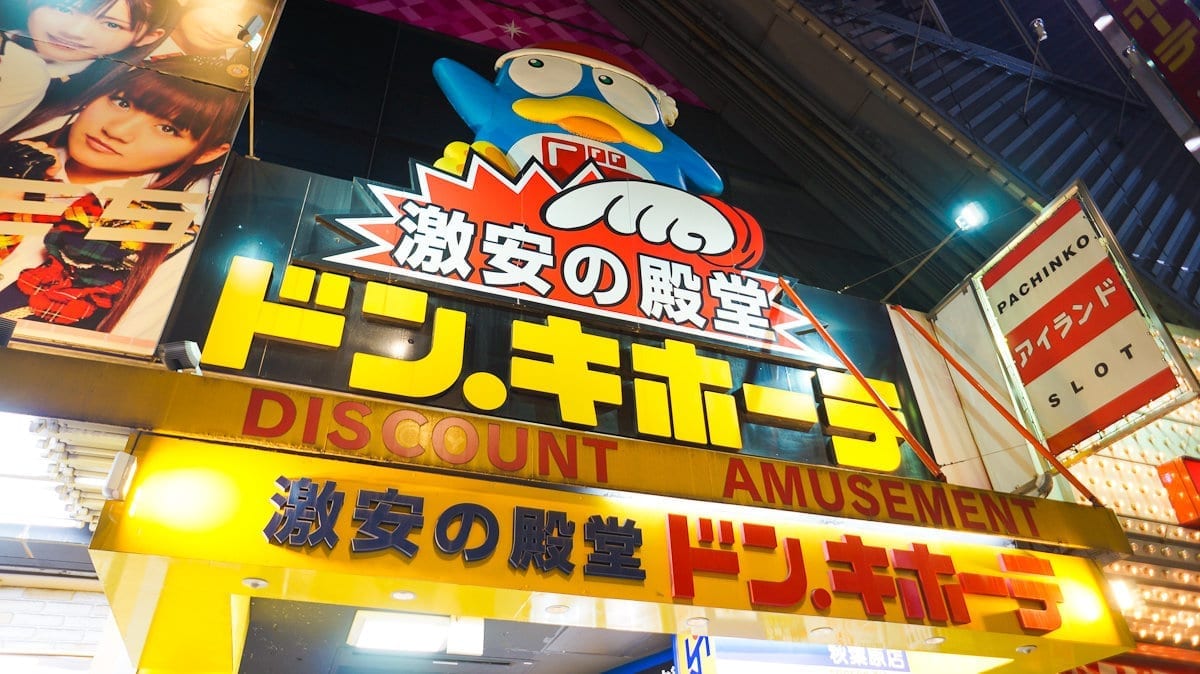
    Japanese discount chain Don Quijote has launched its first store in Thailand.

    Trading as Don Don Donki, the Don Quijote Thailand foray marks a continuation of an aggressive and rapid rollout of stores across Asia, including in Hong Kong, Taiwan, Philippines and Malaysia. The company plans to expand its overseas store network from the current 41 to 200.

    Located at Mall Thonglor, an upscale residential area of Bangkok which is home to many Japanese expats, the store anticipates US$18 million in annual sales.

    The 28,000sqm shopping centre is operated by a joint venture among Pan Pacific, Thai paint maker TOA group and a local subsidiary of a Japanese parking lot developer.

    “Thailand is the most marketable country in Southeast Asia,” said Takao Yasuda, founding chairman and supreme advisor at Pan Pacific.

    “We will continue to explore opening multiple stores here.”

    Don Quijote Thailand is operating under the alternative name – as it does in Singapore – because the Don Quijote brand is used by another business.

  • GOZOOP wins Digital Mandate for amanté

    GOZOOP wins Digital Mandate for amanté

    GOZOOP, a leading integrated marketing company based in Mumbai, has bagged the digital media mandate of amanté -The International intimate wear brand. As part of their digital duties, the agency will manage the brand’s presence across social media and other digital platforms.

    amanté is an international intimate wear brand, adding confidence, glamour and sensuality to every modern Asian woman’s wardrobe. A brand owned by MAS Brands, subsidiary of MAS Holdings South Asia’s largest supplier of niche market intimate wear, it embodies 30 years of excellence held by the conglomerate in lingerie manufacturing. The brand is available in 1500+ outlets across partner stores in India, with a strong presence on leading online portals, along with its own direct to consumer brand stores and e-stores. MAS Brands has now extended to multiple consumer groups with three brands, amanté -which celebrates a decade long trust of discerning consumers, every dé by amanté- for value conscious consumers looking for pocket-friendly yet good quality products, and Ultimo – the specialist brand for the full-figured women.

    The mandate entails GOZOOP to build and reinforce the brand’s digital presence and create new, out-of-the-box communication strategies to strengthen brand awareness on digital platforms including social media and search engines. The association aims to integrate the digital presence across platforms and build content seamlessly across all platforms.

    Commenting on the win, Ahmed Aftab Naqvi, CEO and Co-Founder, GOZOOP said, “Partnering with brands give GOZOOP an equal seat not just for driving digital communication, but also business innovation basis consumer insights and behaviour across platforms. amanté is one such partnership and we are looking to use our capabilities to accelerate the brand and help grow the business.”

    Smita Murarka, Marketing Head, MAS Brands commented “We are excited about this partnership with GOZOOP! Being a leader in the lingerie industry in India, we are looking to connect with our audience through powerful digital content as they are spending most of their time online. amanté is glad to associate with an agency that understands the digital landscape very well and will help us meet our goals. MAS brands India is glad to associate with an agency that understands the digital landscape very well and will help us meet the goals for all our brands. We really look forward to seeing innovative ways to integrate our marketing strategies with their creative intellect.”

  • Jewel Changi mall planned to open on April 17

    Jewel Changi mall planned to open on April 17

    Changi Airport’s mega retail and lifestyle development Jewel Changi Airport will open on April 17, senior minister of state for transport Lam Pin Min has announced. The 10-story complex consisting of five storeys above ground and five basement floors will be home to more than 280 shops and food and beverage (F&B) outlets and an 11-screen cineplex. Fast-food chain A&W will mark its Singapore return at the new mall and Swiss chocolatier Laderach will open its first outlet there. Other retailers include include Norwegian casual-seafood restaurant Pink Fish and American fine casual chain Shake Shack.

    The first overseas outlet of Pokemon Center is also ready to open.

    Jewel Changi will also be home to a long list of local brands, including design retailer Naiise, gallery store Supermama and Tiger Beer which will be launching a first-in-the-world Tiger Street Lab on level 5.

    Local chef Violet Oon will open her largest restaurant – more than 350sqm in size – offering local delicacies, such as dry laksa.

    Sneak peek for residents

    Ahead of the opening, Singapore residents will get to have a sneak peek of the new development.

    From April 11 to 16, 500,000 free tickets will be available for the public to visit Jewel Changi Airport, allocated in three-hour time blocks each day to avoid congestion.

    Registration will open online at jewelpreview.com at 6am on March 12. Each member of the public can register for up to four participants.

    “Visitors will be able to explore various points of interest in Jewel, such as the lush greenery of the four-storey Forest Valley with two walking trails and take in the magnificent 40m Rain Vortex, the world’s tallest indoor waterfall,” Changi Airport Group announced.

    “They will also be able to shop or dine at more than 90 per cent of Jewel’s 280 shopping and dining outlets.”

    Travel experience for tourists

    On top of the retail offer, Jewel Changi Airport will feature aviation facilities that will improve the travel experience for passengers, such as early check-in facilities, integrated ticketing and baggage services for fly-cruise and fly-coach transfers.

    The new T1/Jewel car park – spanning five underground levels B2M to B5 – will also be fully operational from April 11, following the development of Terminal 4.

  • AirAsia opens technology centre in India’s Silicon Valley

    AirAsia opens technology centre in India’s Silicon Valley

    AirAsia has unveiled a new technology centre in Bengaluru, India’s Silicon Valley, housing 35 software engineering and technology experts each tasked to design and create custom-built solutions for AirAsia’s airline and digital businesses.

    The new centre affirms its mission to transform into a travel technology company, AirAsia said in a statement. The team will work to streamline the airline’s digital assets such as airasia.com and the AirAsia mobile app, alongside the creation and implementation of new products and enhancements such as the new AI-powered chatbot, AVA, to provide frictionless journeys for the airline’s guests.

    The opening of the new technology centre is one of many global initiatives AirAsia is exploring to drive its digital transformation. In recent times, AirAsia has implemented a number of new digital features including flight search mapping and voice assistance which provides guests with a more seamless, user-friendly experience on its mobile app. Last October, it also collaborated with Google Cloud to integrate machine learning and artificial intelligence into every aspect of the airline’s business and culture.

    Aireen Omar, AirAsia deputy group CEO (technology and digital) said: ““India is a source for innovation and cutting-edge technology, and offers us tremendous growth potential when it comes to our mission to develop an all-encompassing travel technology ecosystem. This is why we are so excited to expand our footprint in India with the opening of a new technology centre.”

    AirAsia India MD and CEO Sunil Bhaskaran added that India’s skilled manpower can address the requirements of the global market, at the same time adding value to the Indian ICT industry and helping to strengthen the industry ecosystem.

  • Ex-AirAsia marketer Kathleen Tan shares her personal challenges as a female boss

    Ex-AirAsia marketer Kathleen Tan shares her personal challenges as a female boss

    While there have been a wave of female leaders breaking the glass ceiling, women still face challenges in the workplace and those in leadership positions are often seen as aggressive or difficult. In 2018, Malaysia was ranked the sixth lowest in East Asia and the Pacific by the World Economic Forum in its Global Gender Report 2018, which measures countries on their progress towards gender parity.

    The country had a score of 0.676 out of 1.0 and was ranked 101th globally. Meanwhile, Singapore came in 67th with a score of 0.707, while Indonesia was ranked 85th with a score of 0.691. In line with International Women’s Day, A+M speaks to female leaders in the industry about their views on being a female boss and the challenges that come with it.

    Kicking off the series is marketing veteran Kathleen Tan (pictured), former AirAsia president of China who also previously helmed regional roles at Warner Music and FJ Benjamin. Tan shares her journey about being a female boss and the biggest challenges women on top in the advertising and marketing world face today.

    A+M: What has been the toughest thing about being a female boss?

    Tan: In my corporate journey, I have never put a lot of focus on my gender but rather on what I can contribute, and leverage on my ability to make a difference in whatever I do in my position as a professional and to do my best. However, there are some moments where I have to deal with male staff who let me or themselves down when it came to performance, and the toughest times for me is to see a man break down in front of me. Such moments strike the raw nerves of my gender and breaks my heart to see a man, who is traditionally seen as “macho”, cry.

    I worked in one of toughest industries – aviation – which is highly male-dominated who view women differently, and they see senior management roles more suited for qualified men than women. My toughest challenge is to combat prejudices in my early days as someone who came from an entertainment background and knew nothing about the aviation industry while also being a woman. I had to constantly deal with government regulators, especially in China. Many possess traditional views and dealing with foreign woman like me shocked their system.

    Instead of being daunted, I chose to view my role as a ‘novelty’ and took on the challenge to win and influence them with wit, charm and smartness.

    A+M: Staff members aren’t always the kindest to opinionated female leaders, how do you deal with this?

    Tan: I get this a lot and I either ignored them or squared with them. If things get out of control, confrontation is best way to handle them. Generally, people are still not used to seeing women speaking up or calling the shots as corporate boardrooms are still dominated by men. It takes courage, honesty to confront the issue and deal with it in a professional manner. After we became friends, I have had male leaders confess that they too get intimidated with strong women and are sometimes unsure of how to handle them, as well as what to wear when they had to meet me for the first time and what my expectations were.

    A+M: What are some of the biggest challenges women on top in the ad/marketing world face?

    Tan: Prejudices, discrimination and sometimes sexual harassment as women are viewed as the “the weaker sex” in the corporate world. However, to address and improve this, women must step up, be aware of our rights and not be afraid to call them out. Just focus on your competence and confidence to deliver results. The way we carry ourselves is also important so as to not send wrong signals.

    The ability to deliver results and be professional will silence critics.

    A+M: What was the toughest thing about getting to the top?

    Tan: As women contributors, we should not focus too much on our gender and if we want to be taken seriously, we should not expect to be treated differently but rather focus on our ability to deliver, work smart and not just work hard. While women have attributes that some may see as weakness, focus on turning them into advantages.  This has worked so well for me in a male dominated industry where I spent many years.

    My respect goes to women who can strike a good balance, to have a career, be a wife and mother. The key is to also build a strong support system whether it is in the workplace or at home. Having a strong mental resilience is essential.

    For women who are ambitious, build advocates with your male colleagues to win and influence them. Honest engagement with HR and management also helps.

    A+M: Is sexism and harassment in the ad/marketing industry an issue in Southeast Asia markets? 

    Tan: I believe it’s not just in Southeast Asia but an issue that is getting more attention and awareness by regulators especially through social media.

    A+M: Do you see tides changing locally since the emergence of the #MeToo movement?   

    Tan: It will take time but Asia is still behind and I believe with the Millennial generation, the issue may be lessened as their values are very different from the colonial era.

  • AirAsia scores with Malaysian Football League partnership

    AirAsia scores with Malaysian Football League partnership

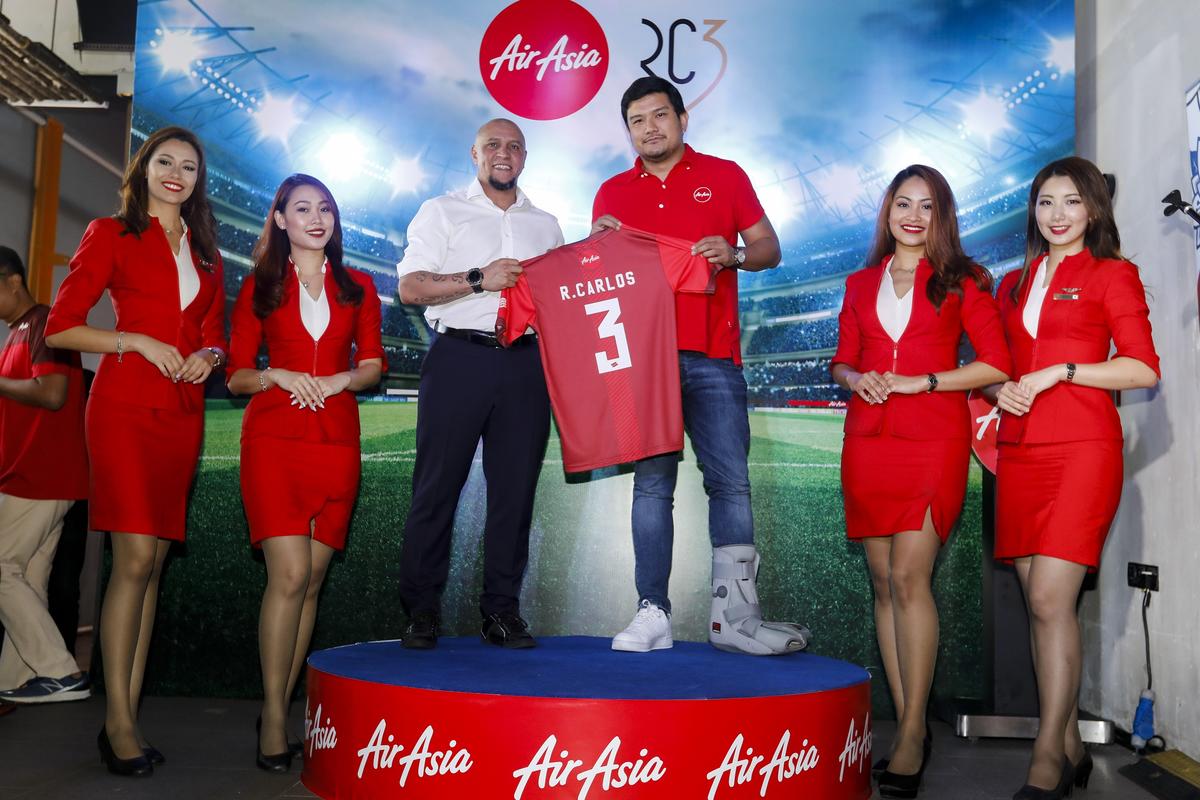
    AirAsia has scored an agreement with the Malaysian Football League (MFL) to become the exclusive official airline for the 2019-2020 league season. As part of the partnership, AirAsia will support MFL teams playing in the Piala Malaysia, Liga Super, Liga Premier and Piala FA tournaments with discounted fares for them to fly with the airline to games across Malaysia and the region.

    AirAsia will also have the rights to sell match tickets either as standalone or packaged with flights and/or hotel deals through airasiaredtix.com.

    According to AirAsia’s group CEO Tony Fernandes, the MFL deal is an “incredible opportunity” for the airline to continue supporting Malaysian football. “We are proud to be able to play a part in inspiring a new generation of dreamers and making dreams come true for the players, the teams, and ultimately, the fans. We look forward to welcoming our heroes and their fans on board,” Fernandes added.

    MFL CEO Kevin Ramalingam said: “It’s not often that you see a Malaysian company make it big, and I think we can all be proud of what Fernandes and his team have achieved. We hope that with this partnership, the local football scene will grow to even greater heights as we strive towards putting Malaysia on the footballing map again.”

    The airline has been active in the football scene. Last year, it tied up with AFF Suzuki Cup 2018 as the official supporter for the first time, to drive greater fan engagement and offer players with more exposure in their home countries. It also picked Brazilian footballer Roberto Carlos as its global brand ambassador for two years.

  • Huawei takes US government to court

    Huawei takes US government to court

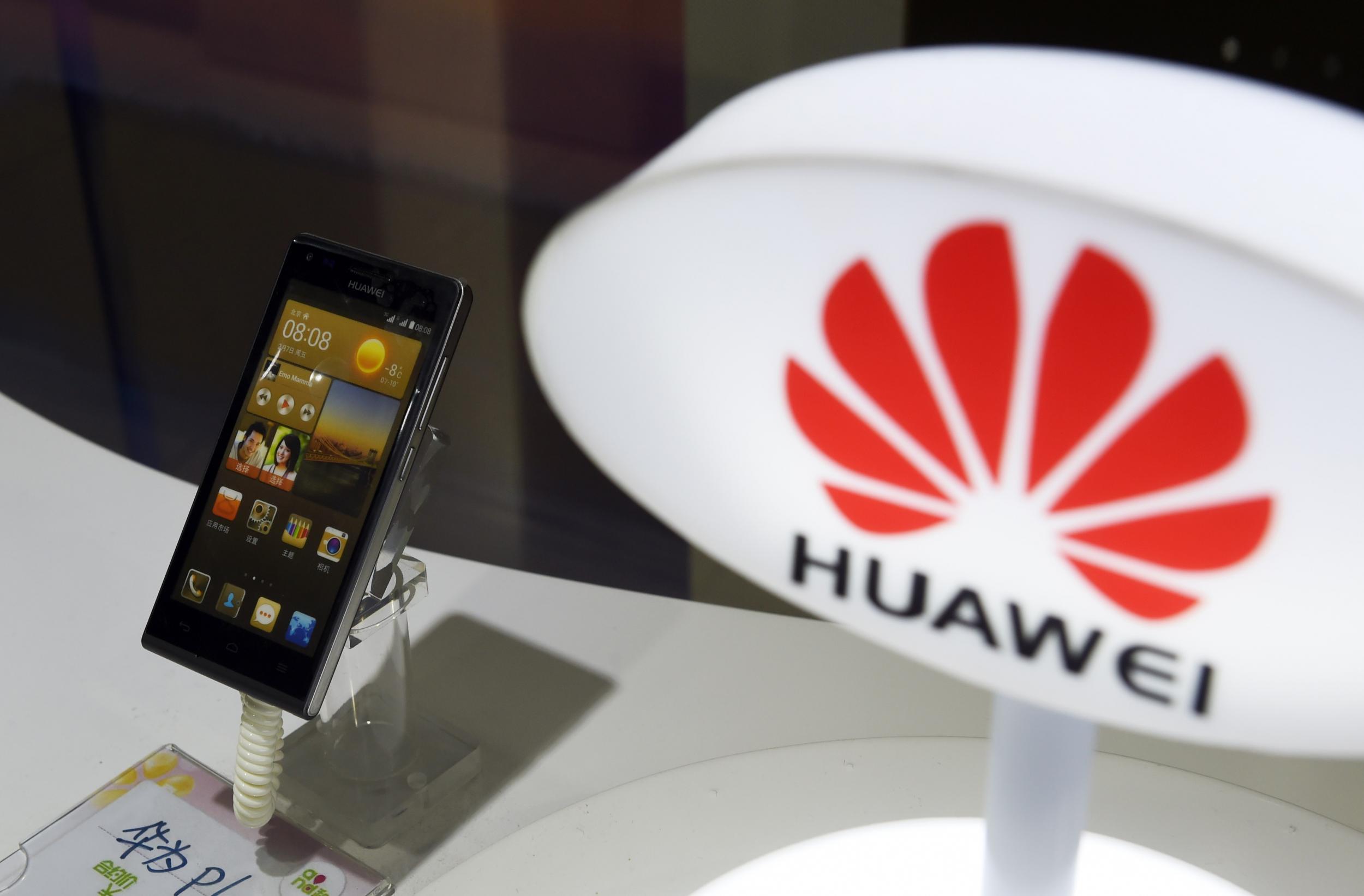
    Huawei lost its trade mark reticence when it announced yesterday that it is suing the US government for banning federal agencies from buying its products.

    The complaint filed in a U.S. federal court challenges the constitutionality of Section 889 of the 2019 National Defense Authorization Act (NDAA). Through this action, Huawei seeks a declaratory judgment that the restrictions targeting Huawei are unconstitutional, and a permanent injunction against these restrictions.

    From Huawei’s perspective, the NDAA restrictions prevent the company from providing more advanced 5G technologies to U.S. consumers, which will delay the commercial application of 5G, in turn, impeding efforts to improve the performance of 5G networks in the U.S.

    “The U.S. Congress has repeatedly failed to produce any evidence to support its restrictions on Huawei products. We are compelled to take this legal action as a proper and last resort,” Guo Ping, Huawei rotating chairman said in a press conference held yesterday at company’s Shenzhen campus.

    “This ban not only is unlawful, but also restricts Huawei from engaging in fair competition, ultimately harming U.S. consumers,” he said.

    The lawsuit was filed in a U.S. District Court in Plano, Texas. According to the complaint, Section 889 of the 2019 NDAA not only bars all U.S. Government agencies from buying Huawei equipment and services, but also bars them from contracting with or awarding grants or loans to third parties who buy Huawei equipment or services, without any executive or judicial process.

    The Chinese telecoms and IT equipment vender claims this violates the Bill of Attainder Clause and the Due Process Clause. The Huawei lawsuit also claims the violation of the Separation-of-Powers principles enshrined in the U.S. Constitution, because Congress is both making the law, and attempting to adjudicate and execute it.

    “Section 889 is based on numerous false, unproven, and untested propositions,’ said Song Liuping, Huawei’s chief legal officer.” Contrary to the statute’s premise, Huawei is not owned, controlled, or influenced by the Chinese government.”

    He added: “Moreover, Huawei has an excellent security record and program. No contrary evidence has been offered.”

    Citing industry sources, Huawei claims that allowing them to compete would reduce the cost of wireless infrastructure by between 15% and 40%. This would save North America at least US$20 billion over the next four years.

    “If this law is set aside, as it should be, Huawei can bring more advanced technologies to the United States and help it build the best 5G networks,” Guo Ping said. “Huawei is willing to address the U.S. Government’s security concerns. Lifting the NDAA ban will give the U.S. Government the flexibility it needs to work with Huawei and solve real security issues.”

  • Philippine Seven chief wins retail award

    Philippine Seven chief wins retail award

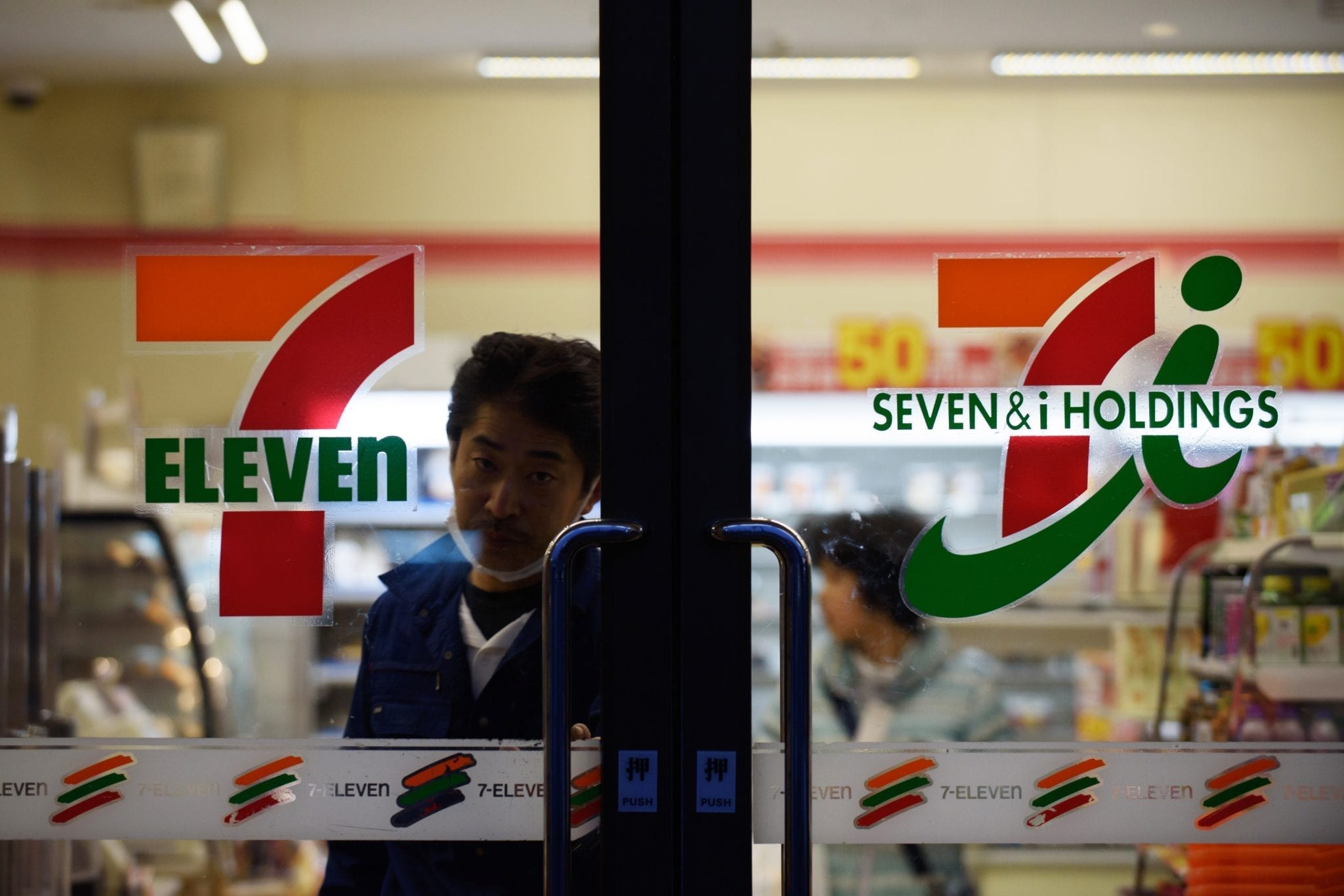
    Jose Victor Paterno, president and CEO of Philippine Seven Corp, has been named the NACS Asian Convenience Retail Leader of the Year.

    The award, endowed by PepsiCo, recognises and honours “the most successful and influential convenience industry leader of 2019” in the region.

    It was presented before an international audience of convenience retailers and suppliers at the NACS Convenience Summit Asia this week in Shanghai, China. Paterno joins last year’s winner Richard Yeung, CEO of Circle K Convenience Stores Hong Kong, and Tomoyasu “Tommy” Marutani, president of Secoma, which operates Seicomart in Northern Japan, the year before.

    Paterno was recognised for navigating Philippine Seven through the implementation of one of the most complicated supply-chain networks in Asia. The company operates 13 warehouses nationwide and overcomes the country’s geography to deliver daily to 2600 stores across the Philippines, which comprises more than 7000 islands. The warehouses carry 3000 items. His company uses the network to offer store pick-up points for items ordered online through their CLiQQ Shop and Rewards Program, making the Philippines convenience chain a true online-to-offline retailer.

    “Not only is the dynamism of Philippines Seven’s drive to redefine convenience impressive (eg, the CLiQQ Shop), but Victor’s personal commitment to and support of our global convenience-retail industry is widely respected,” said Henry Armour, president and CEO of NACS.

    A one-time technology entrepreneur, Paterno believes in the potential for technology to transform small-format retail. He is an engineer by education who fell into retailing when he joined the company at his father’s invitation as construction and maintenance manager in 1993. Although the position was supposed to be temporary, Paterno was intrigued by the complexities of retailing and stayed on longer than planned. He was appointed president and CEO in 2005 by majority shareholders President Chain Store of Taiwan.

  • AirAsia Considers Prospects for Heavy Maintenance Facility

    AirAsia Considers Prospects for Heavy Maintenance Facility

    AirAsia is assessing whether to set up its own heavy maintenance operation to accommodate its fleet growth plans, and if so, where it would be located. While the LCC is yet to make a decision, it wants to handle some of its own base maintenance needs in the future, AirAsia head of group aircraft engineering Nantha Kumar said during the Aviation Week MRO Southeast Asia conference Mar. 6.

    AirAsia currently outsources all of its heavy maintenance to a range of providers such as Sepang Aircraft Engineering (SAE). Kumar stressed that AirAsia will continue to work with these providers, as the carrier will have an increasing MRO requirement that can be addressed with both insourced and outsourced work. It is still too early to say how the additional work would be divided between existing suppliers and AirAsia, Kumar said.

    There is no specific timeline for deciding about the heavy maintenance facility, although the group’s senior leadership envisages beginning operations within two years of making a decision, Kumar said. AirAsia will review whether “it makes business sense for us to invest” in an MRO facility.

    Any such operation would handle work for AirAsia and its various overseas affiliates, as well as widebody operator AirAsia X. The scope would potentially include airframe work up to C-checks, wheels and brakes and composite repair, but not engine work or components. While AirAsia would primarily be focused on its own fleet, there may be opportunities for third-party work in the long term, Kumar said.

    The new maintenance facility would likely start with one hangar, and at least 2-3 lines, Kumar said. The carrier would select one location, which could be in Thailand or Malaysia. AirAsia would consider establishing a partnership or joint venture with an existing MRO provider.

    AirAsia is interested in becoming one of the MRO providers in a new aerospace development in U-Tapao, Thailand, and group CEO Tony Fernandes in 2018 said AirAsia wanted to open a facility there. However, there is still much uncertainty about how the Thai government selection process will work and what benefits will be offered.

    This will be one of the factors in determining the timing of AirAsia’s own decisions about whether to proceed with heavy maintenance and where it will be located, Kumar said. Once more details about U-Tapao are known, AirAsia will be able to conduct a review and determine if the business case makes sense.

    If the carrier decides to establish an MRO base in Malaysia instead, it would be located either in Kuala Lumpur or in another part of the country. AirAsia’s main hub is at Kuala Lumpur International Airport, and major MRO provider SAE is also based there. However, various Malaysian state governments have been engaging with AirAsia to try to secure the MRO facility for their airports.