Category: General

Retail News Asia is committed to providing both local and global retailers with the latest General Retail news throughout the Asian market. This on a daily base.

  • November Singapore retail sales stagnant

    November Singapore retail sales stagnant

    November Singapore retail sales were static, rising just 0.2 per cent year on year after removing motor vehicles from the data. On a month-on-month basis, sales rose 1.4 per cent, again after disregarding motor vehicles. Perhaps the most interesting figure was the share of total retail sales which occurred online, reaching 6.6 per cent. In September, online accounted for 4.9 per cent of sales, in October 5 per cent. The November figure suggests the Singles Day shopping promotions on November 11 had a significant impact in Singapore.

    The worst-performing retail category in November Singapore retail sales was computers and telecommunications equipment, slumping 22.1 per cent year on year, which Statistics Singapore attributes to strong sales of phones in November 2017 due to the launch of new models.

    The optical goods and books categories posted sales declines of 4.6 per cent, while food retailers and supermarkets & hypermarkets fell by 3.7 per cent and 1.4 per cent, respectively.

    Department stores registered an increase of 8.7 per cent in sales, while medical goods & toiletries sales rose by 4.8 per cent.

    Turnover of fast-food outlets, restaurants and other eating places (such as cafes) increased between by 2.5 per cent and 4.5 per cent year on year in November. However, sales of food caterers decreased 2 per cent.

  • Tesco Asia sales continue dropping despite growth in profit

    Tesco Asia sales continue dropping despite growth in profit

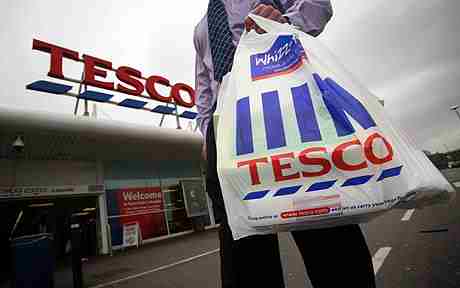
    Tesco Asia like-for-like sales continue to decline while the UK-headquartered company repositions its offer – masking a stronger underlying performance for the business. “We have made good progress in our discussions with suppliers towards a new commercial approach,” explained Tesco CEO Dave Lewis in a quarterly update. “We also accelerated planned changes to our operating model in Thailand, helping to reduce costs and underpinning our profit recovery.”

    Lewis said that despite minor changes to the government-issued welfare cards scheme during the third quarter, Tesco Thailand sales fell by about 1 per cent for the 19-weeks including the key Christmas trading period.

    Restructured Thailand store operations have led to reduced costs, underpinning profit recovery at the expense of sales.

    Referring to Tesco’s global operations, Lewis added: “We have more to do everywhere but remain bang on track to deliver our plans for the year and as we enter our centenary we are in a strong position.”

    The December quarter represented the 12th consecutive quarter of like-for-like sales growth for Tesco globally, with sales up 2.6 per cent.

  • Judge extends Sears lifeline to mid-January

    Judge extends Sears lifeline to mid-January

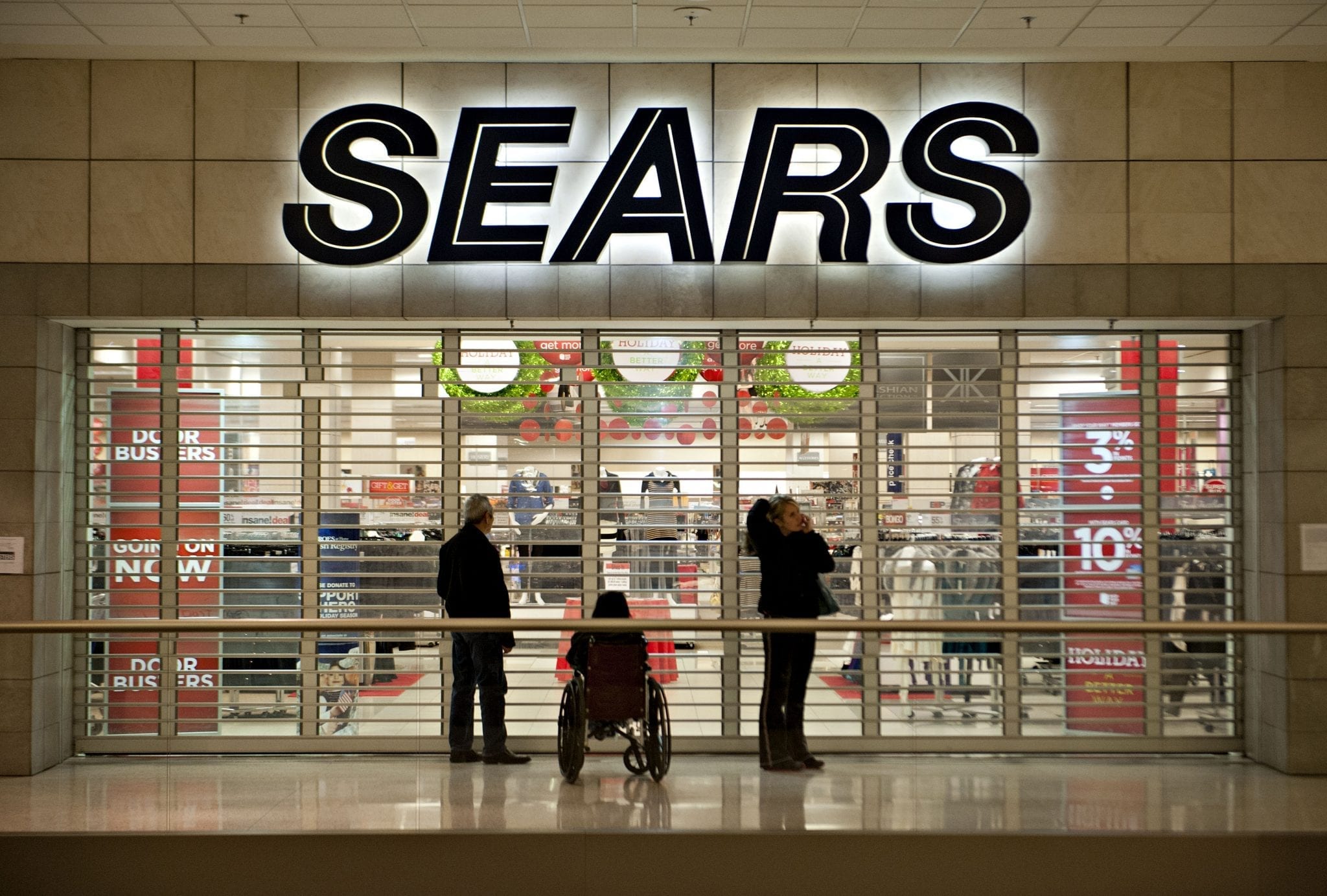
    Embattled US department store Sears has been granted yet another lifeline, with a bankruptcy auction now scheduled for January 14. That will give billionaire hedge fund operator Edward Lampert, Sears biggest shareholder and former CEO, one final opportunity to preserve the business. At Monday’s auction, he will bid against rival parties seeking to liquidate the business, described by GlobalData Retail MD Neil Saunders as “more like a patient in a coma than a fully functioning retailer”.

    Sears filed for Chapter 11 bankruptcy protection in October and the independent directors of the 126-year-old company are seeking its liquidation, seeing it as the only means by which creditors can retrieve some of the $5 billion in debts it owes. Lampert wants the remaining 425 stores trading under the Sears and Kmart banners to remain open, convinced it can return to viable trading.

    Saunders disagrees and says talk of a potential liquidation of the company suggests the much-storied retailer is now at the end of its long road to collapse.

    “Its recent journey to this point has been characterised by incredibly poor strategic decisions, chronic underinvestment, and continuous financial machinations designed to keep the company afloat. All of this impacted trading, which has remained dire.”

    Saunders says while Lampert has worked hard to rescue the remains of his empire, there is simply not enough financial firepower left in the company to persuade investors of his bid. Indeed, the terms of the deal put forward by Lampert would only likely delay the inevitable and make it far more difficult for creditors to extract their money.

    “Moreover, his track record in putting the company on a sound financial footing has been less than impressive, and we believe this has undermined his credibility with stakeholders.”

    Saunders says there may be interest from people who see value in elements of Sears business such as the automotive side, the online operations, the brands, and the various home services. Those operations include brands like Kenmore appliances, DieHard batteries and Wrangler jeans. “As such, parts of Sears could live on even if the company as we know it will disappear.”

    According to The Wall Street Journal, Sears, which merged with rival Kmart in 2005, has been losing money for seven years under Lampert’s leadership. Sine April 2007, the company has shed 200,000 staff, lost $30 billion in shareholder value and closed more than 1700 stores, leaving it with less than 700 now.

    Saunders says Sears will act as a case study in how not to run a retail operation.

    “It also serves as an example that even the once most powerful and cutting edge of brands can easily fail in a retail environment where change and evolution are the order of the day.”

  • Vietnam says Facebook violated cybersecurity law

    Vietnam says Facebook violated cybersecurity law

    Vietnam says Facebook has violated its new cybersecurity law by allowing users to post anti-government comments on the platform. “Facebook had reportedly not responded to a request to remove fanpages provoking activities against the state,” the official said, citing the Ministry of Information and Communication. In a statement, a Facebook spokeswoman said: “We have a clear process for governments to report illegal content to us, and we review all these requests against our terms of service and local law.”

    She did not elaborate. The ministry said Facebook also allowed personal accounts to upload posts containing “slanderous” content, anti-government sentiment and defamation of individuals and organizations, the agency added.

    “This content had been found to seriously violate Vietnam’s Law on cybersecurity” and government regulations on the management, provision and use of internet services, it quoted the ministry as saying.

    Facebook had refused to provide information on “fraudulent accounts” to Vietnamese security agencies, the agency said in Wednesday’s report.

    The information ministry is also considering taxing Facebook for advertising revenue from the platform.

    The report cited a market research company as saying $235 million was spent on advertising on Facebook in Vietnam in 2018, but that Facebook was ignoring its tax obligations there.

    In November, Vietnam said it wanted half of social media users on domestic social networks by 2020 and plans to prevent “toxic information” on Facebook and Google.

  • KKR invests into lifestyle products

    KKR invests into lifestyle products

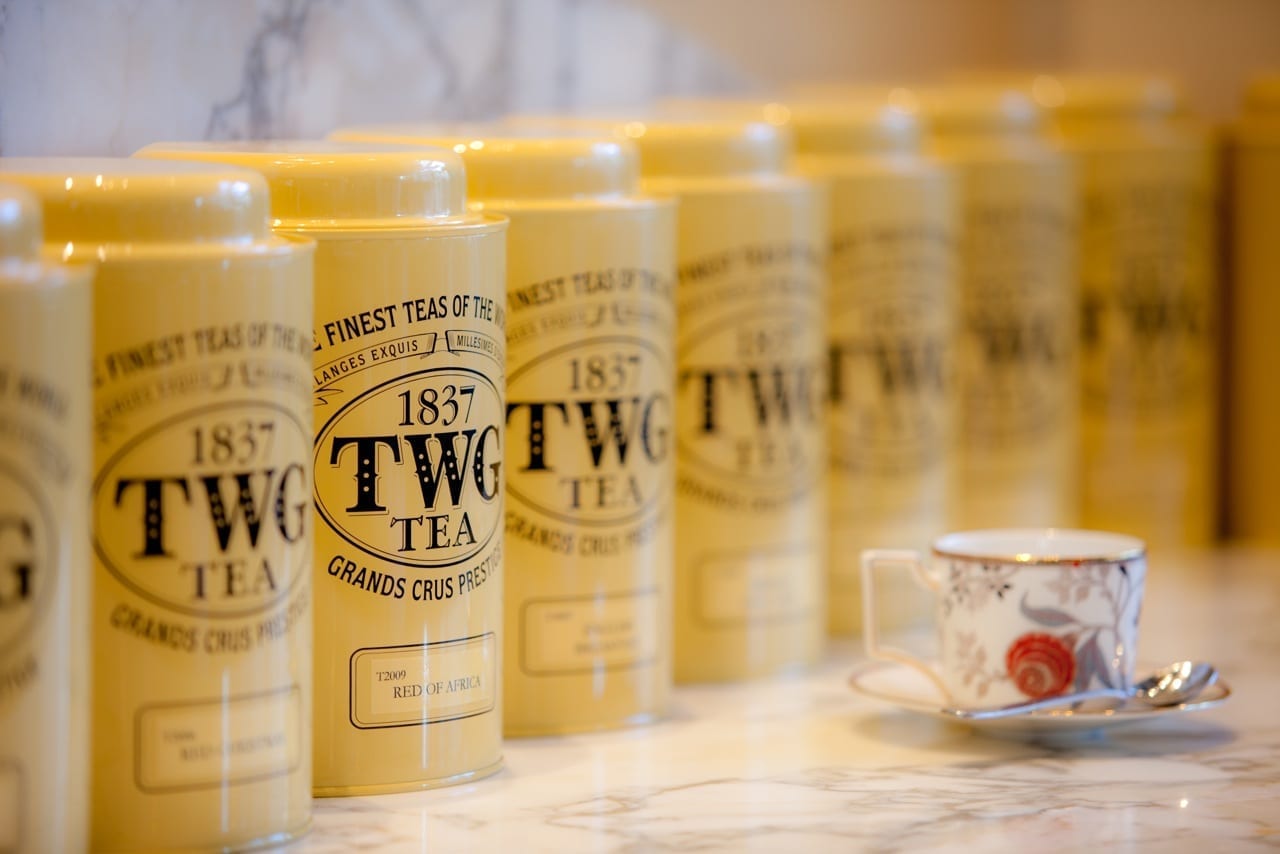
    Private Equity firm KKR has taken up a “significant stake” in massage chair and lifestyle products group V3, the owner of the OSIM and TWG Tea brands. KKR’s investment is up to S$500 million in V3, valuing V3 at an enterprise value of about S$1.7 billion. However,  Both parties declined to comment on the exact mix of equity and debt financing. KKR is making the investment from its Asian Fund III. What we know is that the investment by KKR represents more than 50 percent increase in enterprise value compared to when the group was taken private.

    Ron Sim remains the Chairman, Chief Executive and Controlling Shareholder of V3. He said: “I am extremely pleased to welcome KKR as a significant shareholder in V3. I am confident this investment will position the company for our next phase of growth, starting with the immediate expansion of TWG Tea in Japan and the US and of OSIM in China. We would also be looking into M&A opportunities that are earnings accretive.”

    KKR partner Jaka Prasetya said the investment underscores KKR’s strong belief in the continued growth of the region’s consumer sector: “We aim to provide support and capital to successful home-grown, regional companies like V3 in order to capture opportunities across Asia and beyond.”

    Headquartered in Singapore, V3 has a presence in over 100 cities in 26 countries around the world. The largest chunk of V3’s revenue comes from sales of OSIM massage chairs.

    V3’s annual revenue climbed back above the S$600 million mark last year, reversing the revenue decline owing to store closures in China in prior years. Profit also rose, Mr Sim said.

    The luxury lifestyle and wellness industry continues to be a sector of exciting growth in Asia, proliferated by rapidly rising consumer affluence throughout the region.

  • Malaysian businesses less optimistic on prospects for next six months

    Malaysian businesses less optimistic on prospects for next six months

    Malaysian businesses are displaying less optimistic sentiment on prospects for the next six months as the RAM Business Confidence Index (RAM BCI) fell to its lowest level since its inception two year ago. RAM said in a statement today that the corporate and the SME indices of the RAM BCI declined to 55.1 and 51.0 respectively, although the reading above 50.0 still denotes positive sentiment.

    The RAM BCI is a comprehensive survey jointly conducted by RAM Holdings Bhd and RAM Credit Information Sdn Bhd, on business sentiment in Malaysia. Released quarterly, the index is based on data from a survey of close to 3,500 SMEs and corporates across five main industry segments respectively.

    The cooler sentiment is attributable predominantly to the weak economic prospects in the next six months, with a number of firms citing this as the main challenge, rising to 41.2% and 41% both corporate and SME segments.

    Decelerating domestic growth, uncertain global demand and investment activities and a lack of positive catalysts, including the relatively neutral Budget 2019, all play a part in the generally weaker business sentiment on the next six months.

    On a sectoral basic, the construction sector appeared the least bullish with the SME sector recording a reading at 49.7 while the corporate sector declined for the third time in a row to 53.0.

    Without any new growth catalyst amid the property overhang, plus the shelving of new big-ticket infrastructure projects, it is not surprising that the construction sub-indices have hit record lows, RAM said.

    Another sector that showed pessimism in the Q1-Q2 2019 survey is SME retail as its performance outlook slipped back into negative territory after a brief expansionary momentum that had been aided by the tax-free window from June to August 2018.

    “Faced with uncertain global and domestic economic prospects, consumers are once again more prudent with their spending, leading to weaker sentiment on retail consumption in 2019,” it added.

    On the back of weaker prospects, the firms are also holding back from capacity building with the sub-indices tracking corporate business expansion, capital investment and hiring recording a fall in three consecutive surveys.

    Likewise, the capacity-building sub-indices for SMEs pulled back from the last survey and remain below those of corporates.

    RAM noted that firms’ expressed reticence on capacity building remains the most prominent downside risk, as it could weigh on the momentum of economic growth in 2019 and potential economic output over the longer run. This is particularly true in respect of SMEs, which are more vulnerable and sensitive to immediate economic challenges.

    “That said, more guidance on future economic policies that will shape the overall business environment will be crucial to building business confidence among firms, potentially being the game changer for a more resilient growth trajectory this year,” it added.

  • Malaysian consumer sentiment to remain healthy this year

    Malaysian consumer sentiment to remain healthy this year

    AmInvestment Bank has maintained its “overweight” rating on the consumer sector, as consumer sentiment is expected to remain healthy on the back of recent consumer-friendly initiatives by the government. It said in a report that recent initiatives such as the reintroduction of petrol subsidy, capping of the electricity tariff and introduction of public transport subsidies, have contained the problem of rising cost of living and effectively put more money back into the pockets of consumers.

    “The substitution of the Goods and Services Tax (GST) with the Sales and Services Tax (SST) is a net positive to consumers as the SST has a narrower scope compared with the GST,” it said.

    According to the Malaysian Institute of Economic Research, the Consumer Sentiment Index has recovered beyond the 100-point confidence threshold after three years of a low sentiment trend.

    AmInvestment Bank believes that the positive trend in consumer sentiment will be sustained as consumers become more confident of the government with expectations of more rakyat-centric government policies, better governance and transparency.

    It expects private consumption to grow at 6.5% year-on-year on the back of a healthy labour market and stable inflation.

    While the food and beverage sub-sector does not typically benefit from greater disposable income, AmInvestment Bank has identified Berjaya Food Bhd (BFood), Mynews Holdings Bhd and Power Root Bhd as the top picks for the sector.

    It said that BFood is a beneficiary as improved consumer sentiment will drive discretionary spending while Mynews will be an indirect beneficiary of the public transportation subsidy.

    “We reckon that this measure will boost foot traffic surrounding the train stations. Mynews currently operates more than 30 stores in the MRT, LRT and monorail stations,” it added.

    Meanwhile, Power Root will be a potential beneficiary as it is a producer of staple products. It will also benefit from a stronger US dollar as around 50% of its sales are in exports.

    Downside risks that may prompt it to review its call for the sector are weakening of the ringgit against the US dollar (its 2019 assumption average is RM4.12) and sluggish improvement to economic fundamentals, which could lead to a de-rating of the sector.

    “A sluggish recovery in economic fundamentals such as high operational costs and a weak ringgit may not see consumers fully benefitting from savings tied to the SST reintroduction and consumer-friendly measures, thereby dampening the recovery in consumer sentiment,” it said.

  • South Korean convenience store openings slow down

    South Korean convenience store openings slow down

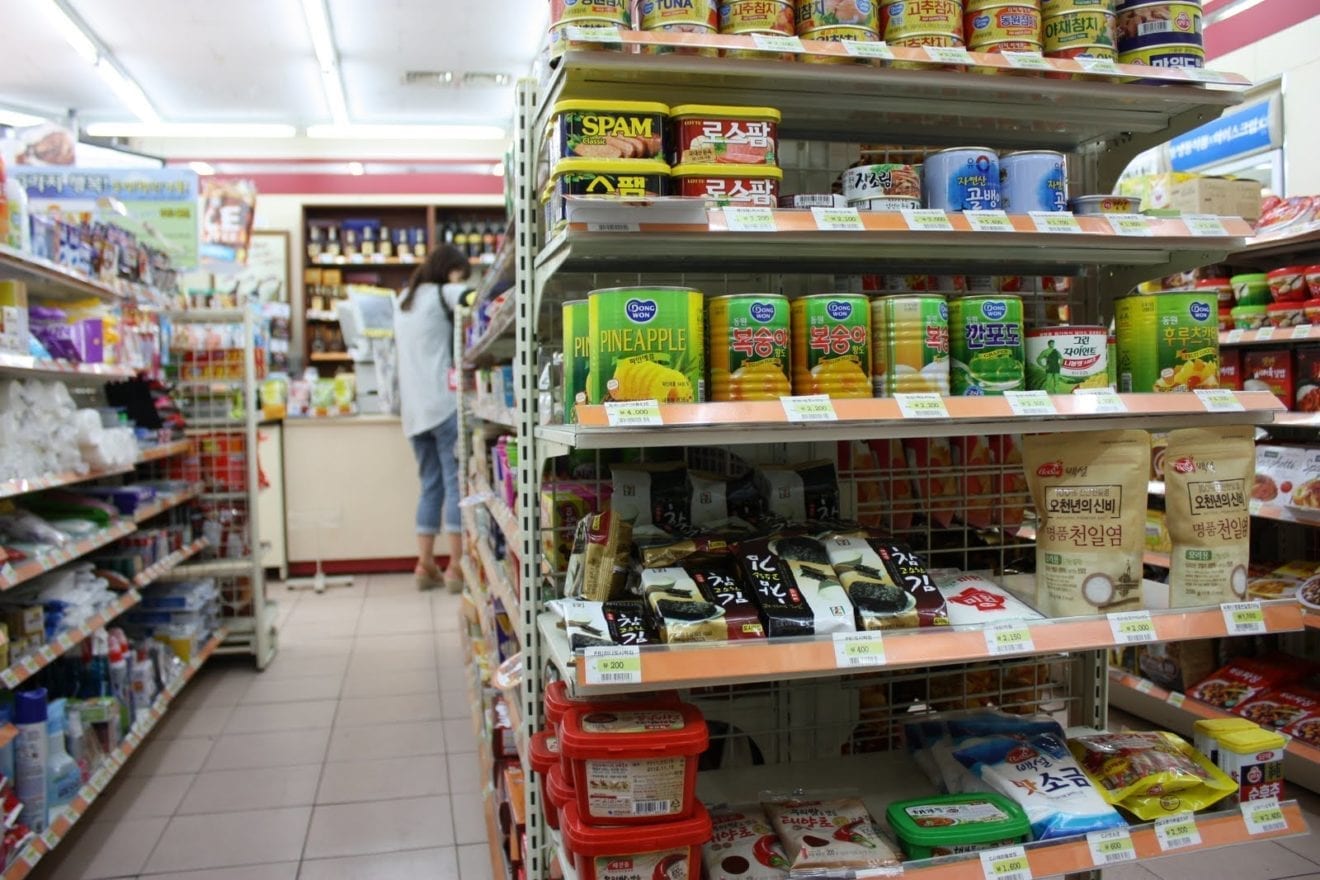
    South Korean convenience store openings in South Korea fell last year, according to industry data. Thought to be the effect of increasing labour costs and market saturation, the slowdown has manifested amongst several industry operators – including BGF Retail’s CU, which opened 980 fewer stores than the previous year’s total of 1646; and GS25, which opened 1023 fewer stores last year after launching 1701 outlets in 2017.

    A government advisory to chain stores to maintain more of a distance between competing branches signals a likely continuation of the downward trend, as well as new laws mandating higher levels of paid leave to staff and a higher minimum wage. The same pressures have seen 19 per cent of convenience stores closing at night rather than operate 24 hours, compared with 10 per cent in 2017.

    A statement issued by CU said that the firm is prioritising profitability of existing stores over opening new locations.

  • Time is running out for Sears offer

    Time is running out for Sears offer

    Sears chairman Eddie Lampert’s last minute plans to save the bankrupt retail chain are set to be terminated on Friday afternoon, New York time, should they be determined to not be a “qualifying bid”. The first plan, a US$4.4 billion offer to purchase Sears, would provide ongoing positions for 50,000 employees and is the “best outcome for the debtors and their creditors and other stakeholders,” according to documents filed with the US Securities and Exchange Commission.

    The second plan, however, is an offer to acquire at least 250 stores as a going concern, as well as certain assets across the home services division and certain intellectual property.

    Earlier this week the business confirmed a further 80 stores would be closing by March, alongside the 40 already announced, with liquidation sales expected to begin in early January 2019.

    GlobalData Retail managing director Neil Saunders mused that the brand had hit rock bottom and was “essentially worthless” in its current state.

    “Ultimately, reinventing Sears now would be akin to raising the Titanic and making is seaworthy again: a thankless and rather pointless task,” Saunders said.

    Lampert stepped down as company chief executive when it filed for bankruptcy in October.

  • South Korean retail sales rise strongly in November

    South Korean retail sales rise strongly in November

    Online shopping during the month of November has driven a 4.6 per cent increase in South Korean retail sales compared to the same period in the previous year, according to government data. Ministry of Trade, Industry and Energy figures showed a 12.7 per cent year-on-year growth in online sales alongside a 0.5 per cent drop in offline retail during the month.

    Convenience stores, chain supermarkets and super supermarket sales showed positive growth, while large discount outlets and department stores saw declines of 2.8 per cent and 3.9 per cent respectively.

    Online sales in November were largely propped up by e-commerce shopping festivals in China and the US during the period.

  • Hong Kong November retail sales almost stagnant

    Hong Kong November retail sales almost stagnant

    The growth of Hong Kong retail sales in November slowed to a crawl according to Census and Statistics Department figures just released. After a 6 per cent year-on-year increase in October, the value of sales in November rose just 1.4 per cent to an estimated HK$39.2 billion. That is well below the 9.7 per cent year-to-date rise for the first 11 months of the year.

    And after netting out the effect of price changes over the same period, Hong Kong retail sales in November rose by just 1.2 per cent year on year.

    A spokesman for the C&SD said the “generally moderated growth in retail sales in recent months” reflected more cautious consumption sentiment in the face of various external uncertainties such as the US-Mainland trade tensions and volatilities in the global financial markets.

    “Looking forward, while the favourable local job and income conditions and continued expansion in inbound tourism should still provide some support to the retail sector in the near term, consumer sentiment could be affected by weaker asset prices and the external uncertainties.”

    The overall figure was affected by soft sales of the key jewellery and watches category, down by 3.9 per cent, and of electronics, down by 4.9 per cent. Clothing sales fell by 3.6 per cent.

    Countering those falls were department store turnover, up 3.9 per cent; medicines and cosmetics up 10.1 per cent; food, alcoholic drinks and tobacco up 1.9 per cent; and other consumer goods, not elsewhere classified by 14.3 per cent. Optical store sales rose by 5.4 per cent and books and stationery by 6. 2 per cent.

    Quarter on quarter, Hong Kong retail sales receded during the three months to November by 2.7 per cent, compared with the preceding three months, with the volume of sales (after factoring in inflation) falling 1.8 per cent.

    For the first 11 months of last year, the volume of retail sales increased by 8.4 per cent.

  • E-Land’s owners step down from management

    E-Land’s owners step down from management

    Owner family members of fashion conglomerate E-Land Group stepped down from management on Thursday, handing over the helm to younger executives internally promoted to leadership roles. The move comes in an effort to rejuvenate its governance structure to strengthen the role of the board of directors of each affiliate and enhance their autonomy when it comes to making business decisions.

    Founder Park Sung-su, 65, will step down from the day-to-day management of the group while remaining chairman. He will focus on nurturing next-generation leaders and developing new businesses instead of being directly involved in the management of subsidiaries.

    “In the past, our chairman made a lot of important decisions across the group, but since late 2016, we’ve been making preparations to give more autonomy to affiliates and develop their capacity to make business decisions on their own,” said an E-Land spokesman.

    Park’s younger sister Park Sung-kyung, 62, also stepped down from her position as vice chairwoman of the group. Having worked at E-Land for more than 12 years, Park has led the group when it comes to external affairs in the last few years. She also managed E-Land’s global operations, including in China.

    Stepping aside from management, Park Sung-kyung will chair the board of directors of the E-Land Welfare Foundation, which pursues charity activities inside the group.

    To fill the void, two vice chairmen were appointed. Former E-Land Retail CEO Choi Jong-rang has been promoted to vice chairman of the retail subsidiary, which operates NewCore department stores as well as popular shoe brand Shoopen. Kim Il-kyu has also been newly appointed as vice chairman of E-Land World, which manages the group’s key clothing brands.

    E-Land also promoted a handful of top executives in their 30s and 40s to head up their respective business divisions.

    Choi Wan-sik was promoted to CEO of E-Land World’s fashion division. Choi previously gained recognition for his performance as the director of Spao.

    At E-Land Park, which manages the group’s resorts and restaurant chains, 35-year-old Kim Wan-sik took over the reins as the subsidiary’s head of restaurants, which includes buffet franchises Ashley and Pizza Mall.

  • How technology will play a big role in retail in 2019

    How technology will play a big role in retail in 2019

    Technology has penetrated in every sphere of our lives. We live, love, eat and sleep on #technology now. Each year, we see technology moving deeper and deeper into our existence. It’s good and bad – both. Good because it helps us in doing more in less time and efforts. Bad because interweaving of tech in our lives has left us dependent, vulnerable and very anxious. Let’s see what 2019 has in store for us – specifically 5 technology leaps to look out for in retail.

    Omnichannelisation – The technology approach to seamlessly tie all sales channels in a see-anywhere-buy-anywhere way in picking up steam with mainstream brands and retailers. Omni channel technology is also being used as a strategic advantage by multichannel stores and small brands/retailers to scale their operations while centralizing the inventory. The main advantage is higher brand loyalty due to “all touch point” approach – and much lower active inventory requirements. In 2019, we expect omni channel to penetrate deeper into all spheres of retail through simplification and customization of omni-tech.

    Cashier-Less Shopping – Yes, it all started with #Amazon GO, a proprietary technology that eliminates the need of checkout registers and cashiers. Customers can activate a geo-sensed resident app (Amazon GO app), walk in, pick up what they need and walk out – and all transaction happens in the backdrop through something what Amazon calls “Just Walk Out” (JWO) Technology. Ease of use, time savings and low cost operations are at the core of this technology. In 2019, you’ll see Amazon and a few other technology providers opening more of these JWO stores worldwide.

    Virtual Retail Experience – According to #emarketer report, two thirds of US customers were interested in using Virtual retail experience – where you could get near-real brand and store experiences using head mounted or holographic hardware. 2019 could see a surge in virtual-reality based retail experiences. The upside? No (or very low) rentals and really easy reconfiguration of virtual stores.

    Hyper-Local Retail – Hyperlocal retail refers to the technology where consumers can find and buy products near to them using an app that runs on geolocation. A catalog of products from local stores is uploaded on the app and the customers can discover and buy products from nearby stores. It’s a great cusp between purely online and purely offline retail experience. This is very useful for daily needs products, appliances and electronics. It’s awesome for the retailer since it allows for expansion of product-discovery while minimizing store footfall. Overall, a win-win for retailer and consumer. In 2019, watch out for companies like #nearbuy and #zopper making it big in India.

    AI-based Consumer Insight – Artificial intelligence and machine learning is growing leaps and bounds in almost every segment. Retail is no exception. In 2019, AI and ML is expected to grow manifold in terms of demand forecasting, inventory planning, customer service bots, natural language based customer engagement and customer’s next purchase (and time) prediction. Though it may sound a bit nerdy, but the more data flows through the AP engines, the more powerful they get at predicting consumer behavior; and provide more powerful strategic advantages to the brands and store. Watch out! If you have that weird feeling that your phone purchase was somehow orchestrated – but cannot put a finger on anything concrete, you may have been Artificially Driven into that purchase!

  • DHL’s five useful hacks for social media selling

    DHL’s five useful hacks for social media selling

    Logistics provider DHL Express enumerated a few hacks on social media selling. As Filipinos search for gift ideas especially this holiday season, it is crucial for social media sellers to get their products to stand out and top their customers’ feeds. Nailing these two can increase their chances of converting followers into customers. Distilled from experiences from helping other small businesses grow and readily available on DHL Discover, an online library of business and culture insights, here are the global logistics leader’s top recommendations.

    First, choose the right platform. If 94 percent of shoppers said that Facebook posts affect their holiday buying choices, then sellers would definitely want to be there. Go for social media channels that reach out to buyers and have free analytic tools. Facebook is able to give audience insights which may help sellers make informed decisions in scheduling content and targeting audience when they are most engaged.

    Second, #GetNoticed. Hashtags are a crucial way to link products to customers who are looking for it. An example of this is using the hashtags, #giftideas and #nochebuena to get the attention of potential customers.

    Third, work with advocates. Social media influencers may help because of their loyal follower-base. Through the content of bloggers and vloggers, consumers may get a firsthand opinion on products. This will make the endorsement more authentic and less of a hard sell, which makes brands more credible.

    Fourth, get your call to action right. Make the call to action clear and ensure the buying process is simple. Something as straightforward as adding a “click to buy” tab underneath that Instagram product photo they liked will help leverage positive leads.

    Lastly, encourage customer feedback. Leverage consumer reviews to create a space where happy consumers can share positive experiences of the product. Although not all reviews may be positive, sellers should be aware and respond to complaints quickly.

    As customers look forward to reviewing your product or service, keep in mind that their overall experience, from window-shopping to check-out to shipping, shapes their perception of your brand. By counting on a logistics provider like DHL for last mile requirements, you can deliver the best possible customer experience worth sharing on social media.

  • Back to the future going trendy in 2019

    Back to the future going trendy in 2019

    In 2019, retro will remain hot, and gender-neutral fashion will become ever more neutral, according to Lee Hyang-eun, a design engineering professor at Sungshin Women’s University, and professional speaker and consultant Kim Yong-sub. Other themes they see are the environment, data and consumers becoming even more demanding than they have been in the past. The JoongAng Ilbo sat down with the two trend analysts to discuss their forecasts for the new year.

    Lee is a co-author of “Trend Korea 2019,” an annual trend report published by Seoul National University’s Consumer Trends Analysis Center. Kim is the author of “Life Trend 2019,” another comprehensive trend report. He has also spoken at over a thousand seminars hosted by large companies, including Samsung Electronics.

    Newtro

    A retro wave has swept over Korea in the past few years, as cafes and restaurants began adopting designs from the 1970s to the ’90s. Many have enjoyed success.

    Lee Hyang-eun expects “newtro,” the term used to describe the return of the retro, to continue winning over fans from all age groups this year.

    “The return of the 1970s-to-’90s style brings back memories for older generations, but offers a whole new culture for young people in their teens and twenties,” said Lee.

    “A new form of retro with a youthful touch will be all the rage in 2019.”

    The key to newtro is not bringing back the past as it was, but polishing it to suit contemporary tastes. Good examples are Dosan Bunsik, a casual restaurant that rose to social media fame last year, as well as Fila’s Disruptor 2, a fresh take on a shoe originally released in the 1990s.

    “The trend is positive for brands, which can target new customers, and for young consumers as well, who can develop a sense of respect for cultures and objects that are older than them,” said Lee.

    Chamelezones 

    Chamelezones, or spaces that transform beyond their intended purpose, is another trend to keep an eye out for in 2019.

    Dongchoon 175 is a warehouse-turned-shopping mall in Yongin, Gyeonggi, that is becoming a huge hit with women in their 30s and 40s. Previously a logistics warehouse, the building now hosts everything from clothing stores to a trampoline park and a Finland-forest inspired lounge.

    “As chameleons change color based on their surroundings, these spaces transform according to different situations” said Lee.

    Businesses can also use chamelezones to win customers back to brick-and-mortar stores by encouraging interactive experiences and hosting regular exhibitions and concerts.

    “It’s important to breathe new life into spaces and attract people by adopting new concepts and technologies,” said Lee. “The key here is to create experiences and satisfy the five senses.”

    Data intelligence 

    Data intelligence is expected to be a dominant theme this year.

    This technology combines data analysis capabilities with voice and facial recognition tools to personalize a user experience and give businesses a better idea of consumer preferences.

    “When you process data once, it becomes information, and when you process it once more, it becomes intelligence,” said Lee. “Do it once more, and you get wisdom.”

    Data intelligence-powered services are already offered by the world’s biggest companies.

    Amazon’s Echo Look, for example, processes and analyzes a user’s outfits to make style recommendations, while new makeup apps can now apply eye shadows and lipstick on users virtually and recommend foundation shades based on skin tones.

    Gender neutral 

    Gender neutrality, a long-running theme, seems to be evolving and going beyond the simple idea of swapping dominant colors and dressing up.

    “Even with what we call unisex fashion, women just end up wearing men’s clothing,” said consultant Kim Yong-sub. “Gender neutral seeks to erase the distinction between the genders itself, and this trend is quickly expanding across not only fashion and beauty businesses but corporate structures in other sectors.”

    Kim predicts that the movement to look beyond people’s genders will gain traction in 2019, especially after the Me Too campaign and claims of harassment have shaken Korea.

    “There are times where trends stop being limited to a social issue and become economic, and that is happening with gender issues today,” he said.

    Single origin

    People will become more selective about what they eat too, Kim says.

    Starting around 2016, Koreans started pursuing their preferences in consumption instead of simply following the masses. Kim believes 2019 will be the year when people have fully developed preferences and adjust their lifestyles accordingly.

    He calls this preference-based consumption.

    “The tendency to prioritize personal preferences will become especially evident in food consumption, leading people to try to identify the origin, types and the processing methods of whatever they eat,” he said.

    The rise of the single-origin coffee attests to the growing power of personal preferences.

    Single-origin coffee is made with beans grown from a single farm, geographic area or country. Many consumers seek them out as they want to taste the flavors of a certain region instead of blends, which are made of coffee beans from several places.

    Plastic alternatives

    Environment-wise, 2018 was the year of awakening for Korea, especially on matters regarding plastic waste.

    Cafes stopped offering plastic cups in stores last year, while franchises replaced plastic straws with paper straws. Many companies are expected to continue going green this year.

    “In the past, only a small minority demonstrated an interest in environmental issues, but now celebrities and the wealthy also talk about them,” said Kim.

    As popular figures show interest, it will become fashionable to talk about the environment, Kim predicts.

    “Now, corporate interest in the environment is not a matter of choice but also of survival,” he continued. “Only businesses that actively react to environmental issues will attract consumers.”