Category: General

Retail News Asia is committed to providing both local and global retailers with the latest General Retail news throughout the Asian market. This on a daily base.

  • Air Asia X named cheapest airline in the world

    Air Asia X named cheapest airline in the world

    ASIA dominates the world’s cheapest airlines list, but the other results may surprise you.You’d think it would be difficult to find out which operator is the cheapest since airlines don’t all share the same routes on the same days. But Rome2Rio’s expert team of data scientists analyzed economy-class airfares sold on the site over  a two-month period to get the definitive answer.

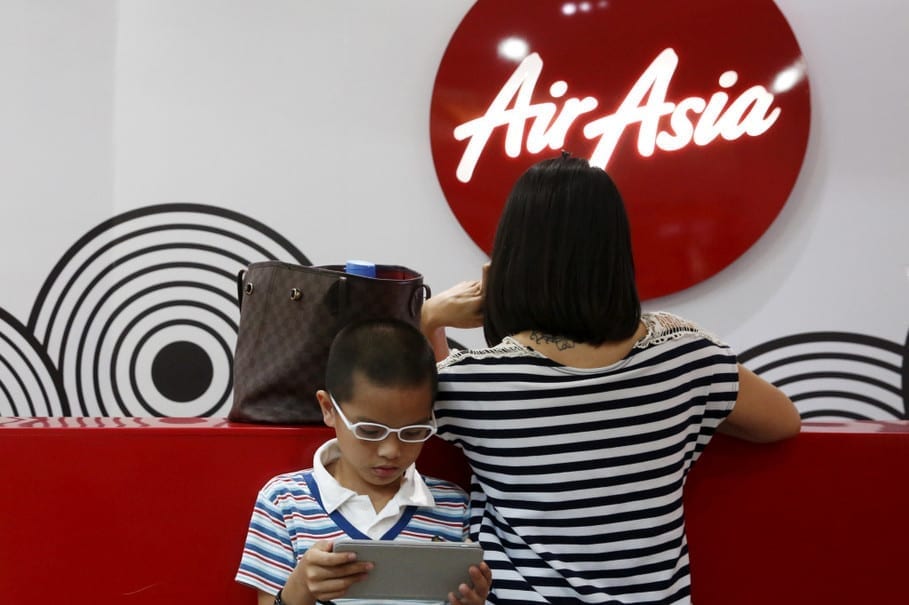
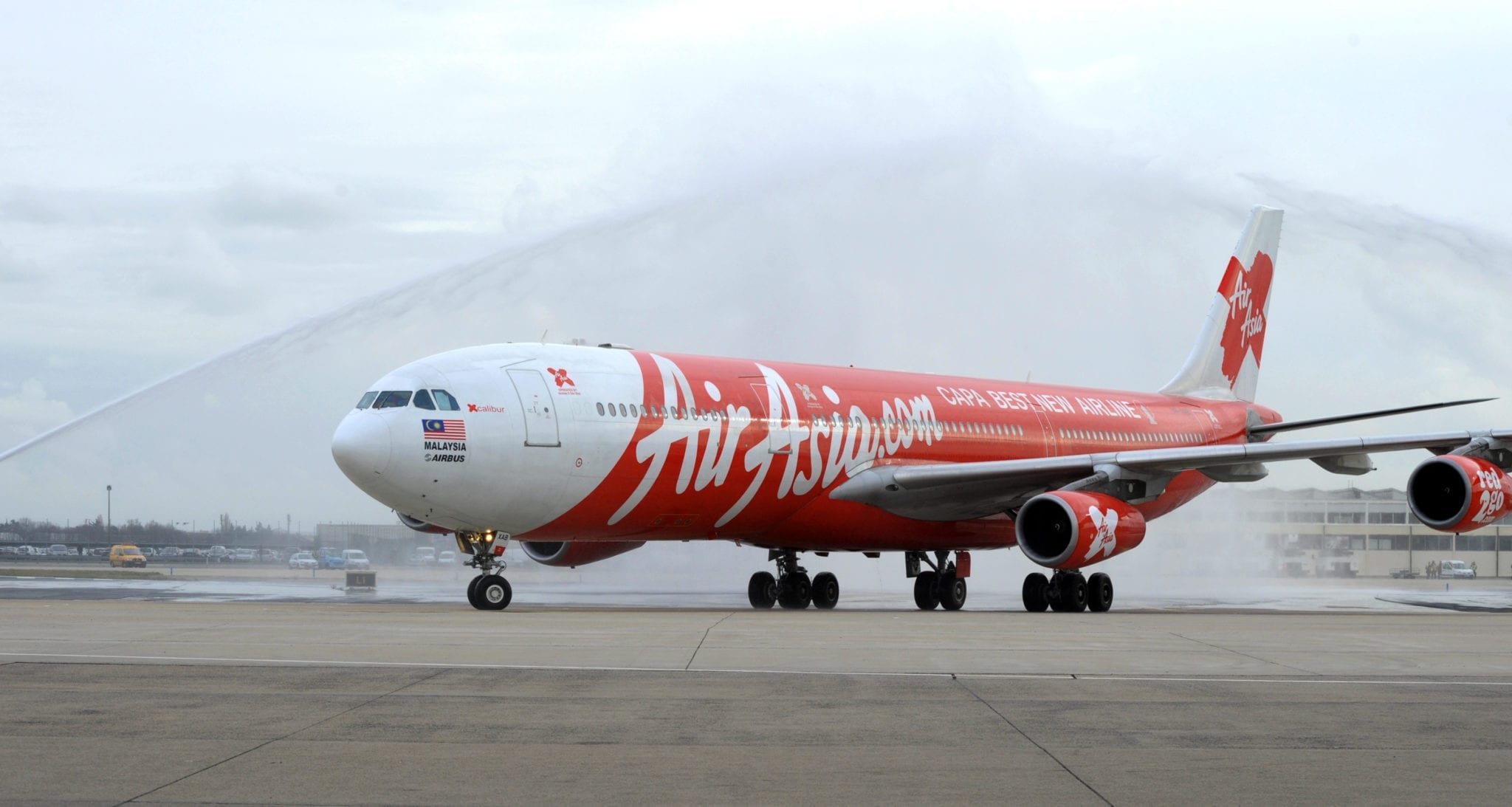
    AirAsia X was declared the cheapest airline in the world for economy class tickets based on price per kilometre in US dollars. According to the survey, the carrier’s international flights cost US$0.07 per kilometre – cheaper than driving.

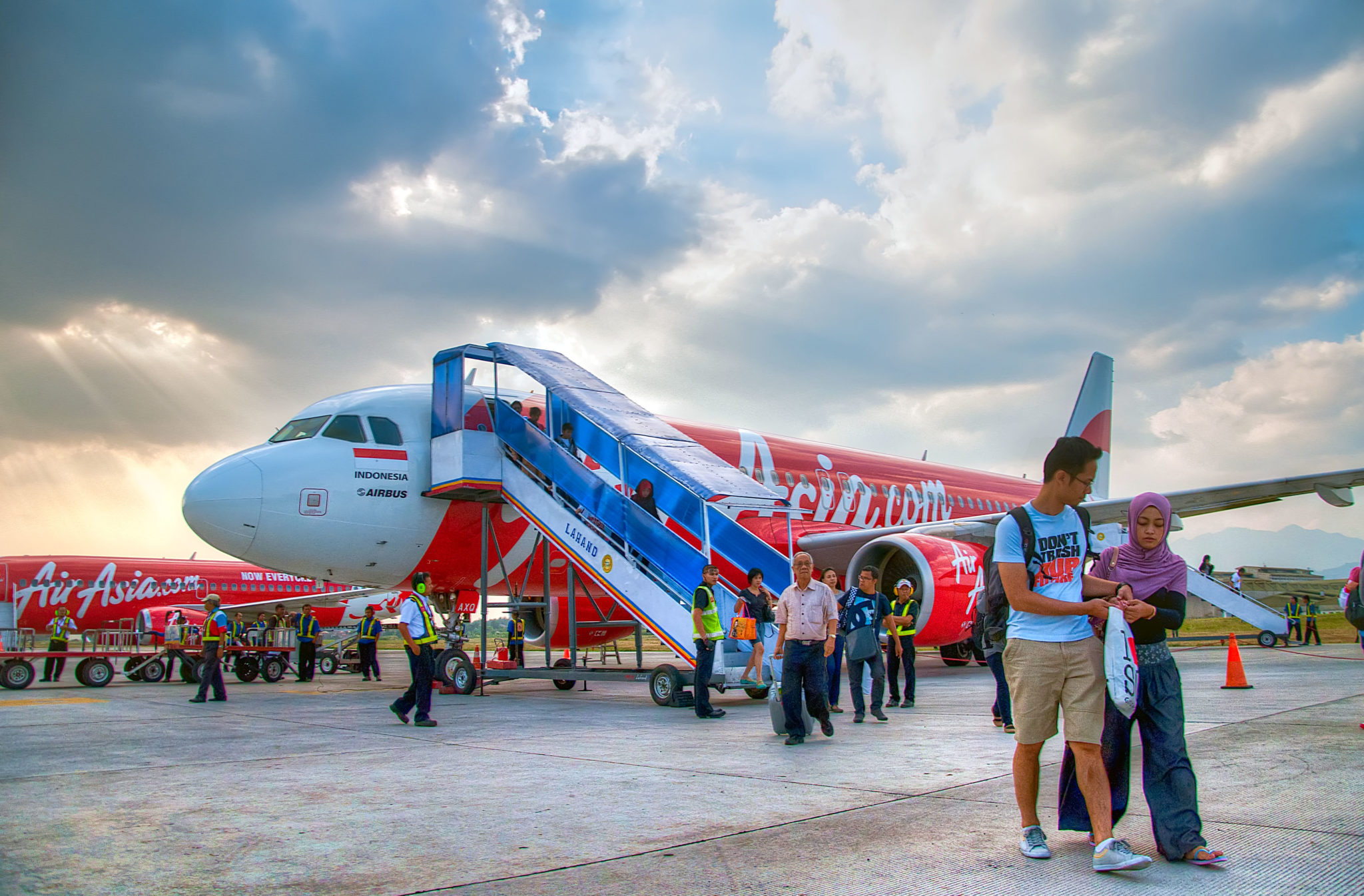
    Trailing closely behind AirAsia X is Air India Express, Indonesia AirAsia, Primera Air (Iceland), and IndiGo. Further down the list at number 18 is AirAsia Philippines, meaning AirAsia brands dominate the top 20.

    This, however, may not come as a surprise to those who have flown with any of the AirAsia brands before. The airline is constantly offering travel promotions, including the latest Free Seats deal where flyers only have to pay airport taxes.

    The surprising results

    However, there were a few unexpected results in the top 25 cheapest airlines, including higher-end airlines such as Etihad, Qatar Air, and Emirates.

    “Although Qantas ranks highly for value, we are often seeing travelers from the UK to Asia and Australia booking with carriers such as Etihad, Royal Brunei Airlines, China Southern and Emirates,” Rome2Rio chief operating officer Kirsteene Phelan told.

    Rome2Rio found Etihad’s economy tickets to be the fifth cheapest in the world at US$0.10 per kilometre. Etihad Airways’ first class service couldn’t look more different though. The airline boasts the world’s only three-room suites on board a commercial airline.

    Travelers flying from Abu Dhabi to New York, London, Melbourne, Sydney, and Paris can enjoy a living room, bedroom, en-suite shower and a personal Savoy-trained butler for the cool price of US$17,000.

    The report revealed “minor shifts” in pricing and ranking for airlines since the last gathered information in 2016.

    “In general, the low end of both the international and domestic rankings have shifted up in cost per km,” the report stated. “With reports of flight prices headed upwards, largely due to increased fuel costs, this may, unfortunately, be a trend that continues.”

    As aviation proceeds to push boundaries in the sky, flyers can only anticipate how airlines will keep costs down and improve economy comfort.


  • Henderson to buy Japanese retailer FamilyMart’s Hong Kong stores for US$38 million

    Henderson to buy Japanese retailer FamilyMart’s Hong Kong stores for US$38 million

    Property developer Henderson Land plans to acquire the Hong Kong unit of FamilyMart UNY, Japan’s second-largest convenience store chain, for HK$300 million (US$38 million) through its investment subsidiary, it announced on Thursday.

    UNY (HK) owns and operates three outlets in the city – described as hybrids of merchandise stores and supermarkets – under the brand names Apita, UNY and Piago, respectively in Taikoo Shing, Lok Fu and Kowloon Bay, as well as a discount store named Watashi to Seikatsu in North Point, which is due to close when the lease runs out in September.

    The acquisition is expected to strengthen the company’s position in the local retail market, expand its store coverage to Hong Kong Island and enhance its reach to the city’s middle-class households, according to a statement from Henderson Investment, a subsidiary of Henderson Land Development. Henderson Land is the property flagship of real estate tycoon Lee Shau-kee, Hong Kong’s second richest man according to Forbes magazine.

    The companies expect to complete the transaction by May 31, after which Henderson will be granted the use of certain trademarks of UNY for 10 years.

    UNY’s Hong Kong stores have been rooted in the local retail scene for around 30 years with a focus on offering Japanese food and fresh produce. UNY HK reported a net income of HK$31 million in the fiscal year ending November 2017, down 22.5 per cent from the same period a year ago.

    Henderson Investment’s presence in Hong Kong’s retail landscape includes its operation of local department chain, Citistore, which the company acquired for HK$934.5 million from its parent company in 2014. Citistore currently has six department stores, in Tsuen Wan, Yuen Long, Ma On Shan, Tuen Mun, Tseung Kwan O and Tai Kok Tsui.

    Listed in Hong Kong, Henderson Investment halted its trading in the local bourse on Thursday morning with its shares at 68 HK cents, and expected to resume trading on Friday.

  • Walmart India, Flipkart top executives meet CCI

    Walmart India, Flipkart top executives meet CCI

    Top executives of Walmart India and Flipkart on Wednesday met fair trade regulator CCI to explain their activities in the country, days after submitting an application seeking approval for their $16-billion mega merger deal.

    While there was no official word on the meeting, sources said it was a “courtesy call” by the executives of the two companies during which they also apprised the regulatory authority of Walmart’s global sourcing from India, including from the farmers, and its work towards kirana stores and supplier development programmes.

    Those present in the meeting included Walmart India president and CEO Krish Iyer and the company’s senior vice president and chief corporate affairs officer Rajneesh Kumar, besides Flipkart CEO Kalyan Krishnamurthy and its group legal head R Baweja, sources said.

    In their meeting with CCI member Sudhir Mittal, the officials of the two companies briefly explained about their individual businesses, development programmes and other activities.

    The meeting comes days after Walmart approached the Competition Commission of India (CCI) for approval of its proposed acquisition of a majority stake in e-commerce major Flipkart. In their application filed last week, the two companies have said the acquisition, proposed through Walmart International Holdings, deal doesn’t raise any competition concerns.

    Mergers and acquisitions beyond a certain threshold require the approval of the CCI.

    In their plea, Walmart has told the regulator that Flipkart is a Singapore-based investment holding firm, which along with its direct and indirect subsidiaries, both in India and elsewhere, is primarily engaged in the business of wholesale cash and carry of goods and providing marketplace based e-commerce platforms to facilitate trade between customers and sellers in India.

    According to the notice submitted to the CCI by Wal-Mart International Holdings, the proposed transaction will be effected pursuant to the share purchase agreement and the share issuance and acquisition agreement entered into on May 9 by and among Walmart’s subsidiary and Flipkart.

    Retailers have joined hands to approach CCI against $16 billion Walmart-Flipkart deal as they apprehend that it would lead to massive job loss and be a “nightmare for retail trade” of the country.

    Earlier this week, traders body CAIT also said it will approach the CCI to file objections on the proposed Walmart-Flipkart deal, claiming that the agreement would lead to an uneven playing field and massive job losses.

    On the other hand, an online sellers industry body has already moved the CCI against Flipkart India Pvt Ltd, a wholesale company, for allegedly abusing its dominant position on Flipkart’s online marketplace.

    Walmart seeks to acquire 77 percent stake in the homegrown e-commerce firm with a buyout of $16 billion.

    Opposing the deal, the Confederation of All India Traders (CAIT) has also written to Commerce Minister Suresh Prabhu, seeking to know the steps being taken by the government to scrutinise the deal.

    CAIT alleged that the deal involves important issues related to FDI policy, cyber security, apprehension of using e-commerce for entering retail trade by circumventing the law etc.

  • Carrefour opens ‘smart store’ in Shanghai

    Carrefour opens ‘smart store’ in Shanghai

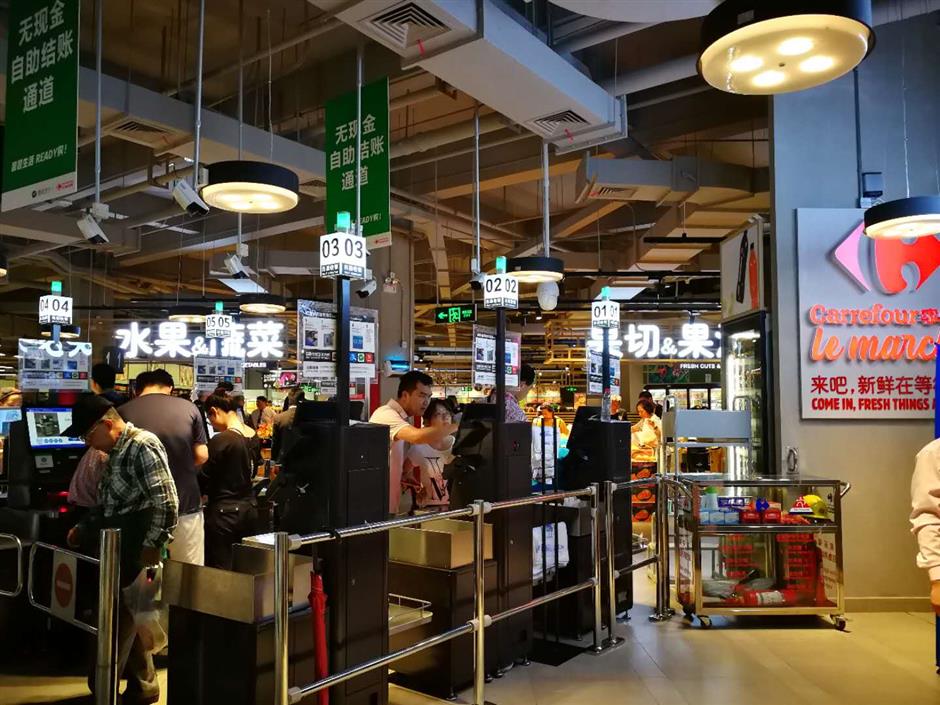
    Carrefour China has opened its first-ever ‘smart supermarket’ in Shanghai in partnership with Tencent, four months after the parent company of the WeChat app bought a stake in the French retailer.

    Covering 4000sqm over two levels in Changning district, the new Le Marche store is connected to the Beixinjing metro station. It offers more than 25,000 product types, mostly food, and customers can pay with their WeChat accounts by scanning a QR code and using facial-recognition technology.

    A feature of the supermarket is on-screen entertainment, including reality TV show Produce 101, owned by Tencent’s video arm.

  • TK Maxx owner TJX Companies reports strong sales growth

    TK Maxx owner TJX Companies reports strong sales growth

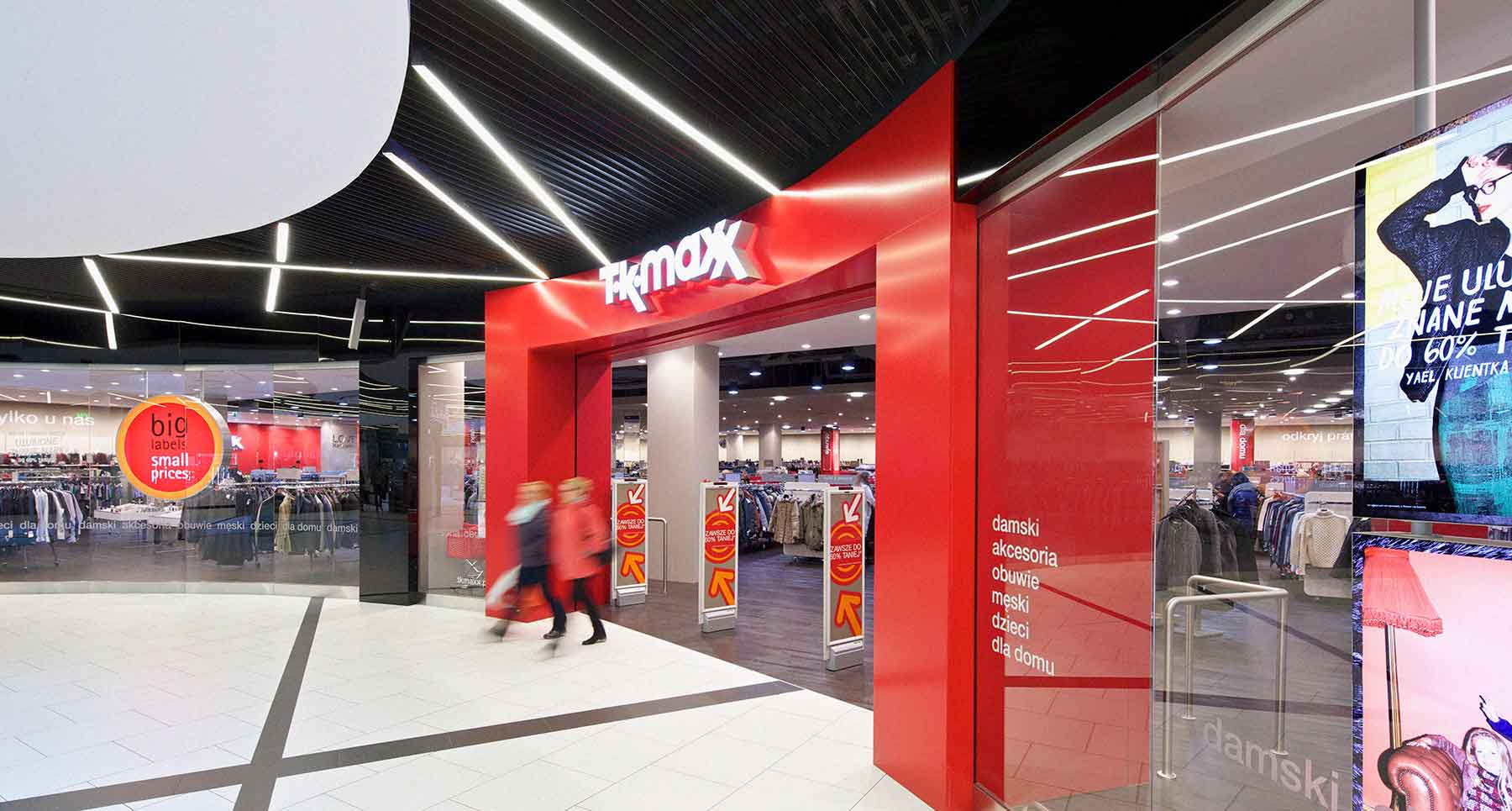
    Off-price retailer TJX has posted an increase in sales for the first quarter with earnings that exceeded its expectations.

    Net income for the quarter ended 5 May was $716 million, while adjusted diluted earnings per share was $.96, a 17 per cent increase over the prior year.

    The TK Maxx owner posted a 12 per cent increase in net sales for the first quarter ending May 5 to $8.7 billion, while consolidated comparable sales increased by three per cent.

    “We are very pleased with our first quarter results as both our consolidated comp store sales growth of three per cent and earnings per share exceeded our expectations,” said Ernie Herrman, CEO and President of The TJX Companies.

    Marmaxx, the company’s largest division, delivered a strong four per cent comparable store sales.

    “Customer traffic was once again the primary driver of our comparable store sales increases at each of our four large divisions,” Herrman said. “Based on our strong first quarter performance, we are updating our outlook for full-year earnings per share. We believe that the consistency of our customer traffic increases demonstrates the strength and resiliency of our business and our ability to succeed through many types of economic and retail environments.”

    Herrman said their second quarter is off to a strong start and added they are seeing a lot of opportunities to capitalize on the fashions and brands available to them in the marketplace.

    “We are convinced that we will continue to gain market share and grow successfully around the world,” he said.

    For the second quarter of FY2019, the company announced it expects diluted earnings per share to be in the range of $1.02 to $1.04. Excluding an expected benefit of approximately $.15 per share due to items related to the 2017 Tax Cuts and Jobs Act (primarily the lower US corporate income tax rate), the company expects adjusted earnings per share to be in the range of $.87 to $.89, compared to $.85 last year.

    The company added it now expects diluted earnings per share to be in the range of $4.75 to $4.83, which represents an 18 per cent to 20 per cent increase over the prior year’s $4.04.
    The company also said it is increasing the high-end of its FY2019 adjusted EPS guidance by $.02 to reflect its strong first quarter results.

    During the first quarter period, the company has increased its store count by 71 stores to a total of 4,141 stores. The company increased square footage by five per cent over the same period last year.

  • Takashimaya is more losing money than profit

    Takashimaya is more losing money than profit

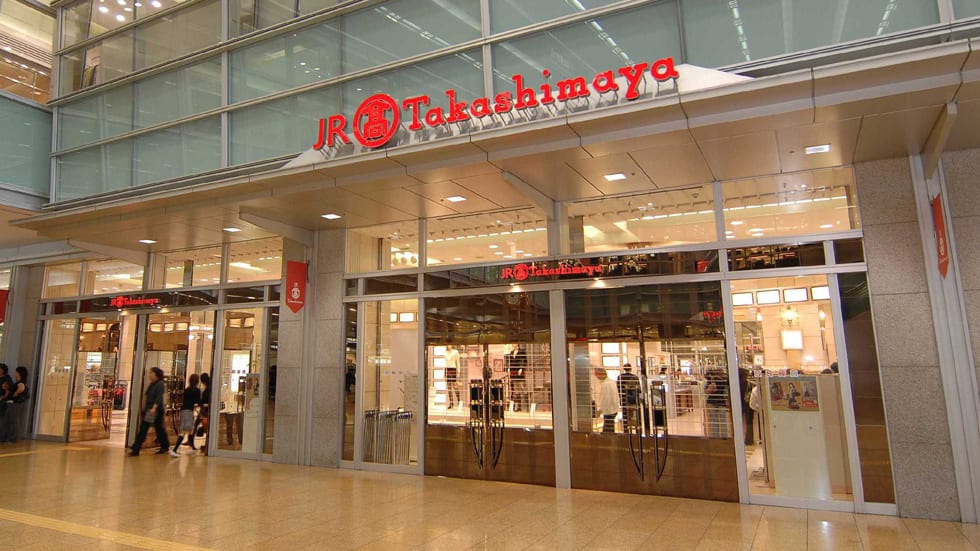
    Just one of Japanese department store chain Takashimaya’s three overseas stores is currently trading at a profit.

    But the company says it believes it can make them all profitable by 2023, including a fourth store set to open in Bangkok late this year.

    The successful store is on Singapore’s Orchard Road, which opened in 1993 and is reportedly earning more than 3 billion yen (US$27.2 million) annually.

    The chain’s Shanghai store, which opened in 2012, has been hampered by delays in the completion of neighbouring projects which would have drawn higher visitor numbers, along with administration costs running over budget. According to a report published by Nikkei, the store is expected to post its seventh consecutive loss in the 12 months to February next year, but should make money in 2020.

    The Ho Chi Minh City store in Vietnam, which opened in 2016, has “struggled from the start” according to Nikkei, its offer apparently too expensive for middle-class Vietnamese consumers. The company plans to boost sales by “broadening offerings of everyday items for families” which it hopes will lead it into profit in the 2022 year.

    The planned Siam Takashimaya store will be one of the anchors of Siam Piwat’s IconSiam, currently under construction and scheduled to open late this year – possibly in October.

    Takashimaya anticipates the Bangkok store to be profitable in its first year, thanks to rent concessions.

    The company’s president, Shigeru Kimoto, said it plans to continue Southeast Asian expansion, despite the challenges to date because it sees potential in the region.

    “In the long term, we seek to capitalise on Asia’s growth,” he said.

  • Lower palm prices pull Malaysia Boustead Plantations’ Q1 profit down 82.2%

    Lower palm prices pull Malaysia Boustead Plantations’ Q1 profit down 82.2%

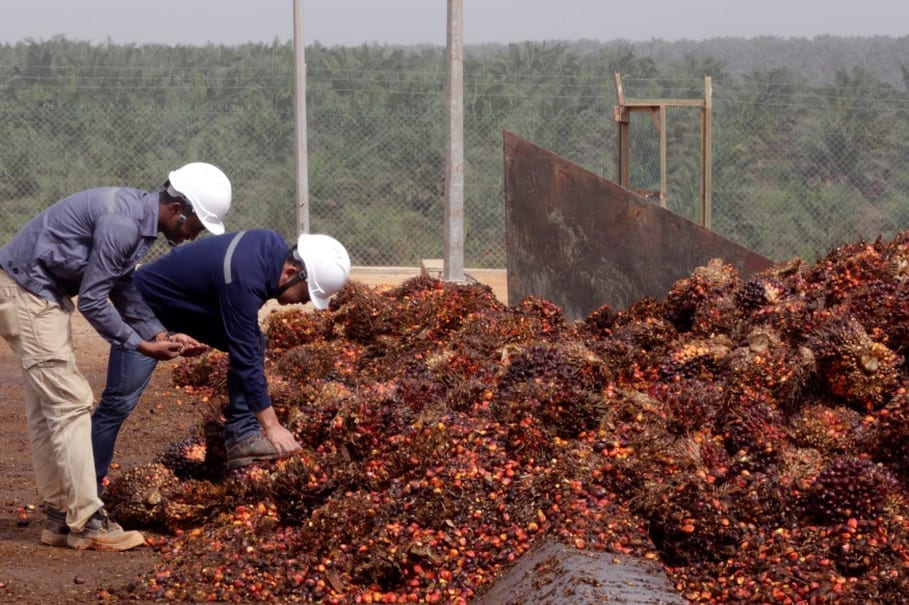
    Boustead Plantations Bhd saw its net profit slump 82.2% to RM5.26 million for the first quarter ended March 31, 2018 compared with RM29.56 million in the previous corresponding period, dragged by lower prices of palm products.

    Revenue also fell 18.2% to RM154.6 million from RM189.02 million.

    Boustead Plantations has proposed to declare an interim dividend of 2.5 sen per share for the quarter under review.

    The group said in a filing with the stock exchange that the average crude palm oil (CPO) selling price was at RM2,491 per metric tonne (MT), 21% lower compared with RM3,166 per MT in the same quarter last year, while average palm kernel oil price declined 32% to RM2,188 per MT.

    Fresh fruit bunches (FFB) production for the quarter increased 8% to 226,323 MT, largely due to improved yields post El-Nino. Average oil extraction rate was slightly lower 20.5%.

    Boustead Plantations vice chairman Tan Sri Lodin Wok Kamaruddin said the year ahead is expected to see an increasing supply of alternative vegetable oils, putting pressure on demand for CPO and leading to increased palm oil inventories.

    “However, the CPO market could benefit from the likelihood of higher tariffs by China on US soybean as well as the European Union’s removal of anti-dumping duty on Indonesian biodiesel.”

    At the midday break, Boustead Plantations shares fell 1 sen or 0.7% to RM1.35 on some 992,600 shares done.

  • Who’s who of retail CEOs at Consumer Goods Forum

    Who’s who of retail CEOs at Consumer Goods Forum

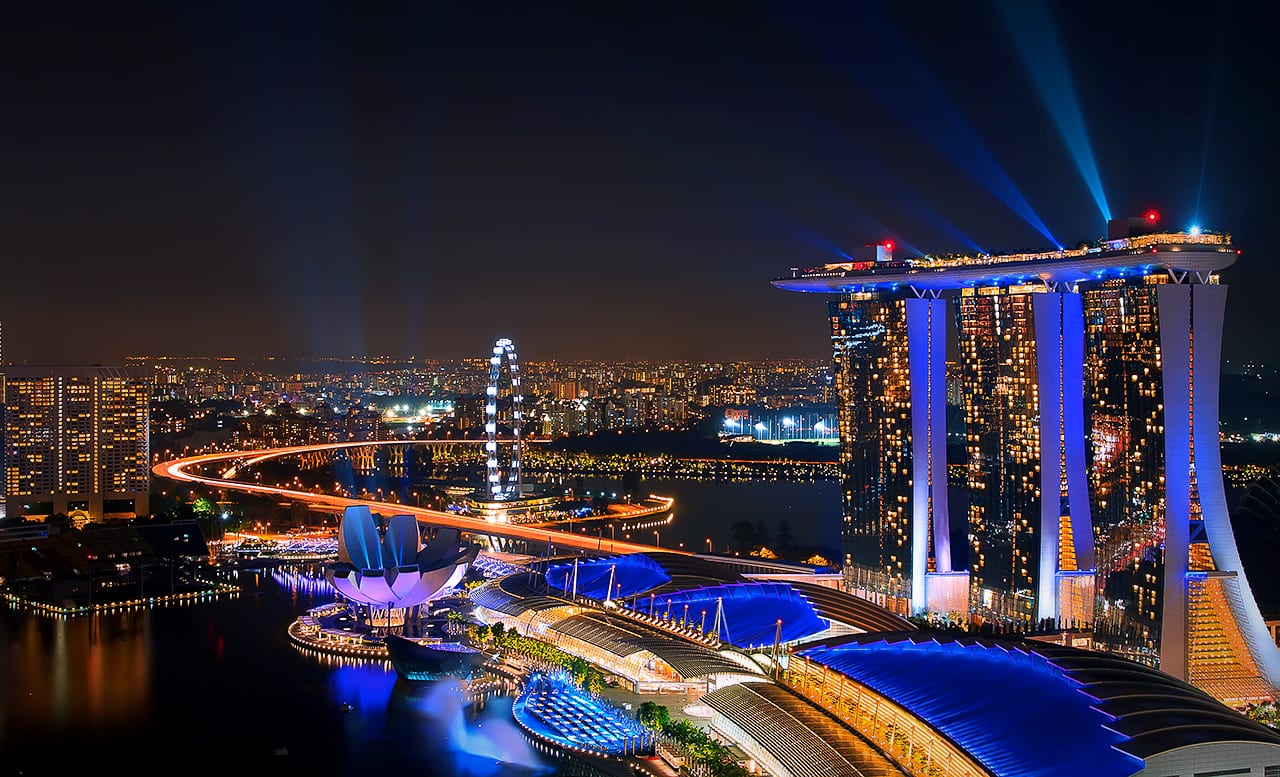
    Next month’s Consumer Goods Forum to be held at the Marina Bay Sands will feature a ‘who’s who’ of international retail leaders.

    This year marks the first time in a decade the event is being held in Asia. Running from June 12-15, it is themed Consumer Centricity in a Data-Driven World.

    Industry leaders including Alibaba CEO Daniel Zhang, Dairy Farm International CEO Ian McLeod, Coca-Cola Company CEO James Quincey, Majid Al Futtaim Holding CEO Alain Bejjani, Ahold Delhaize CEO Dick Boer, JD international president Winston Cheng, Central Retail CEO Nicolo Galante, Carrefour China president and CEO Thierry Garnier and Metro AG CEO and chairman Olaf Koch are all on the speaking roster.

    Former US Secretary of State Madeleine Albright will deliver a keynote address.

    Consumer Goods Forum MD Peter Freedman says the summit is often described as the most important leadership event on the consumer goods industry’s calendar.

    “The key focus of this year’s conference will be on how to ensure that we continue to keep consumers at the centre of the digital transformation in our industry. In that context we will also be discussing how we can accelerate our work on global positive change, which millennials and younger consumers are so concerned to see. We are delighted to be holding the event in Singapore, one of the world’s leading smart cities, with some of the most digitally sophisticated consumers, and geographically close to so many Asian digital innovations.”

    More than 1000 delegates, from more than 400 leading retailers and consumer goods companies will engage with this year’s theme through sessions focused on stories such as:

    • Investing in the age of disruption;
    • Evolving retail for the smart consumer;
    • The future of work: people & technology;
    • Positive change in action: driving a circular economy;
    • New Retail: creating new value for consumers;
    • Global millennials: the data-driven facts;
    • Executing a digital and omni-channel growth strategy; and
    • Transforming customer experiences through big data.
  • Cebu Pacific Air deepens Japan presence with first branch office

    Cebu Pacific Air deepens Japan presence with first branch office

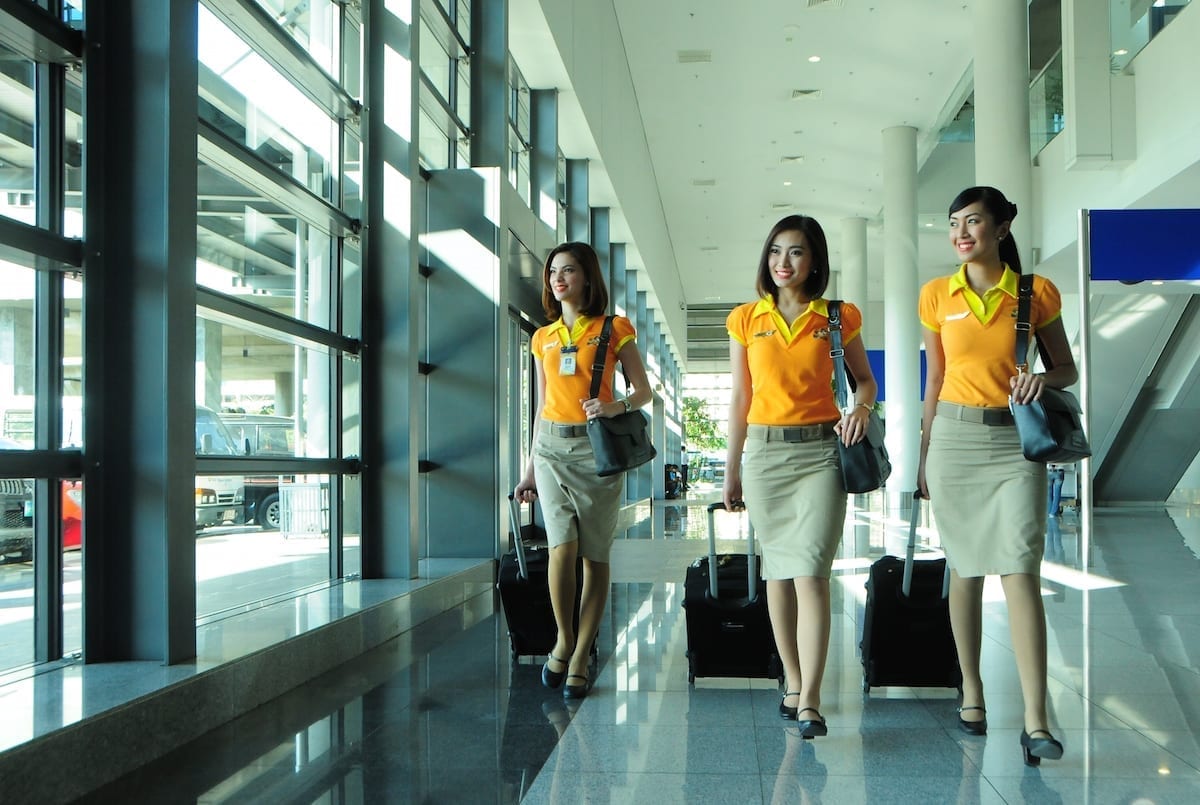
    Cebu Pacific Air has opened its first branch office in Japan to serve as the hub for all its activities and business transactions in the country.

    Heading the office in Chou-ku Tokyo is Tomohiko Matsumoto, who was appointed country manager for Japan in December 2017. A veteran in the travel and aviation industries with over 25 years’ experience, he served as country manager and international air cargo manager for Qatar Airways and more recently, as sales and marketing manager for Japan for Tigerair Taiwan.

    The airline’s first Japan branch office has an address in Chuo-ku, Tokyo

    Mike Szcus, chief executive adviser at Cebu Pacific Air, commented that the airline’s new branch office in Japan will bring the airline into the “next stage of growth” in the market, which is today “one of the most important across our network”.

    “In 2017, we flew over 435,000 passengers between the Philippines and Japan. Compared to the (size of the Japan outbound market), there is much room to grow,” noted Alex Reyes, vice president for cargo at Cebu Pacific Air.

    Now on its 10th year of operations in Japan, Cebu Pacific Air operates a total of 70 flights a week between Japan and the Philippines. Cebu Pacific Air flies between Manila and Narita, Osaka, Nagoya and Fukuoka, as well as between Cebu and Narita, utilising its fleet of Airbus A330 and A320 aircraft for these routes.

    Aside from B2B and B2C transactions such as group reservation services, ticket sales and customer support, the Japan brance office will also drive marketing strategies and promotional activities of Cebu Pacific Air in the country.

  • Higher oil prices to weigh on AirAsia X

    Higher oil prices to weigh on AirAsia X

    CIMB Equities Research expects significantly weaker performance for the rest of the year for long-haul low-cost carrier AirAsia X due to higher oil prices, with FY18F estimated to be loss-making.

    The research house said on Wednesday that based on prior-year quarterly trends, AAX’s 1Q18 core net profit (CNP) of RM91mil was 30% more than its previous full-year forecast.

    While Malaysia AirAsia X (MAAX) reported in-line CNP, Thai AirAsia X’s (TAAX) CNP was 80% more than expected due to strong inbound tourist arrivals into Thailand.

    “We downgrade our call from Hold to Reduce and lower target price to 29 sen, based on a lower CY18F P/BV multiple of 1.3 times (one standard deviation below mean), from 1.5 times previously,” it said.

    CIMB Research raised its spot jet fuel price assumption from US$75/bbl to US$85/bbl for all forecast years; jet fuel is trading at US$88/bbl currently.

    With a light hedge of only 12% at US$68/bbl, AAX is caught unprepared. AAX also does not have a fuel surcharge mechanism in place, it said.

    “Separately, MAHB is entitled to collect RM73/pax airport tax from Feb 1 but AAX is still collecting only RM50/pax. AAX is on the hook for the remaining RM23/pax or c.RM50m up to May 31, which we have factored into our FY18F forecasts,” it said.

    CIMB Research said MAAX reported CNP of RM36.8m, up RM8.3m on-year (+29%) due to a lower net interest expense position as the net debt balance was cut on loan installment repayments.

    MAAX’s EBIT was merely flat on-year while cargo revenue grew and ASK capacity expansion of 10% was well absorbed without any load factor or yield dilution. Operating costs rose at a faster rate of 13% on-year due to the 33% on-year rise in fuel prices to US$88/bbl, partially offset by the 12% depreciation of the US$.

    TAAX was the star of the show, growing 1Q18 CNP by 151% on-year.  AAX’s 49% share of TAAX’s 1Q18 CNP amounted to RM47.7m, up 151% on-year from RM19m in 1Q17.

    Passengers carried rose 19% on-year as inbound tourist arrivals into Thailand rose 15% on-year. TAAX grew its ASK capacity 19% on-year and kept its load factor unchanged at 94%.

    On top of that, TAAX managed a 25% on-year rise in average base fares to US$163/pax in 1Q18 from US$130/pax in 1Q17.

    Indonesia AirAsia X (IAAX) reported a breakeven CNP in 1Q18, against RM31m losses in 1Q17 as it relaunched services since 2Q17 on two routes, Bali-Mumbai and Bali-Tokyo Narita. The 1Q18 performance was commendable given that one of its two A330s had been sent for scheduled maintenance.

    MAAX currently has 22 A330s and plans to add two to three more planes this year via operating leases, with all-economy seats.

    “Given its excellent performance, TAAX plans to take delivery of three to four more operating lease planes (all-economy seats) to add to its current fleet of six A330s.

    TAAX launched Don Mueang-Sapporo in April and more North Asia route launches are expected throughout the year.

    As for IAAX, it cancelled its Bali-Mumbai route in May, presumably due to route underperformance, replacing it with Jakarta-Tokyo Narita, and its fleet of two A330s will remain unchanged.

  • Korea department store sales benefit from holidays

    Korea department store sales benefit from holidays

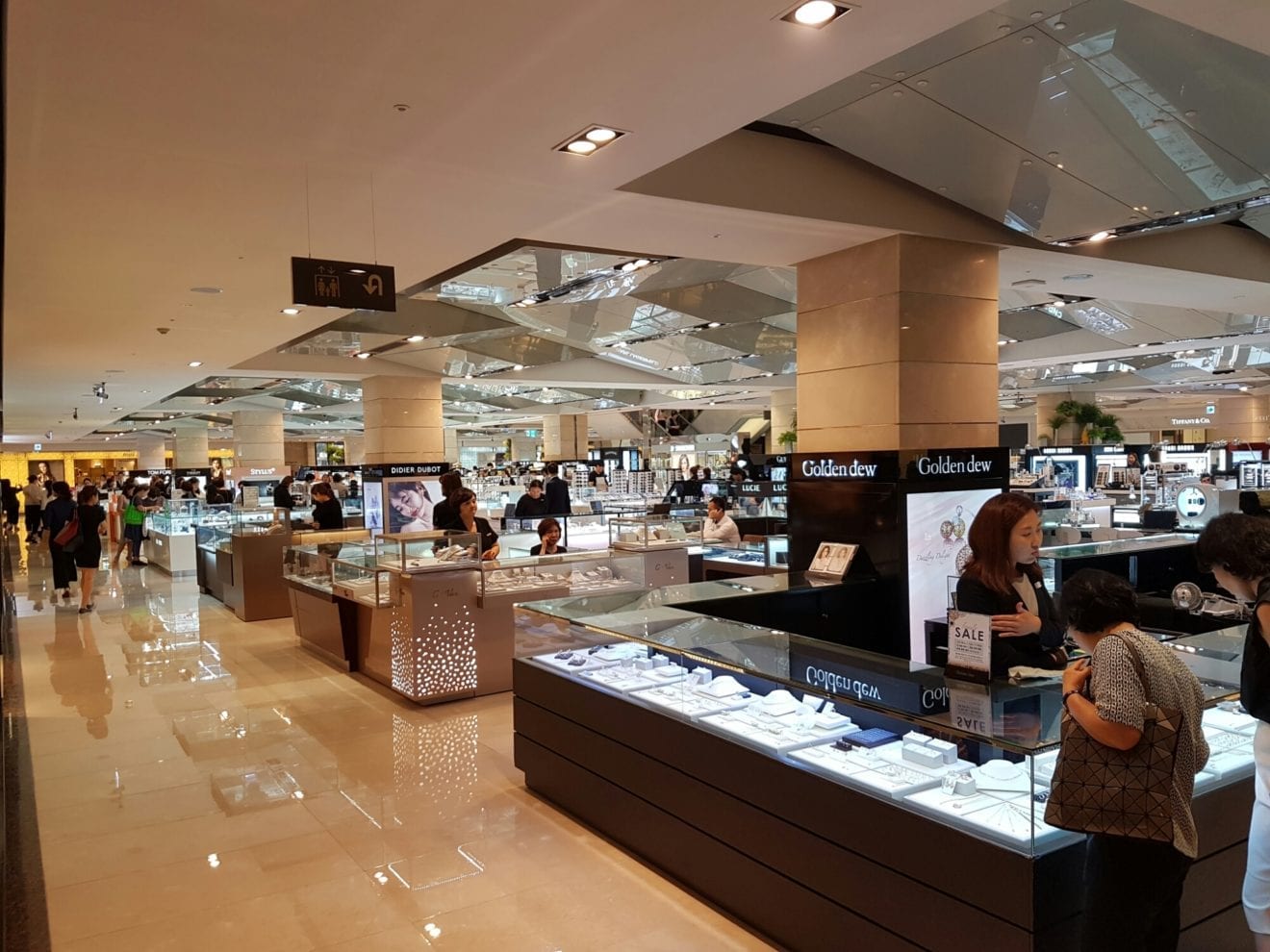
    Department store sales rose this month on the strength of several family-oriented holidays and special occasions, retail industry data showed Tuesday.

    Numbers provided by major Korean retailers showed Children’s Day, which falls on May 5 every year, a substitute day off, and May 8 Parents’ Day all contributed to more consumption at department stores.

    In addition, Buddha’s Birthday, which is a national holiday that fell on Tuesday, created a long four-day break for some workers, giving them more time to spend.

    In the first 20 days of this month, sales at upper-end department stores like Shinsegae, Lotte and Hyundai all rose, with some reporting close to double-digit gains compared to the year before.

    Shinsegae said its sales shot up 9.9 percent on-year, which is an improvement on the 1.5 percent contraction reported for May 2017.

    The store said sales of men’s and women’s clothing rose 16.1 percent and 12.6 percent, respectively, while demand for sports products moved up 12.6 percent. It said demand for expensive designer goods soared 26 percent.

    The increase in sales was also reported by Hyundai and Lotte department stores during the same period. Hyundai said it sold 6.1 percent more goods, with Lotte trailing with a gain of 5.3 vis-a-vis the year before.

    Clothing, cosmetics, sports and imports generated growth for the stores with demand for consumer electronics and home fashion items contributing to the overall good showing.

    “Holidays and special occasions requiring gift buying played a part in better sales numbers this year,” a Lotte Department Store representative said.

    He said sales ahead of Children’s Day and Parents’ Day were good.

    On the other hand, less demand for fresh produce that make up a large part of hypermarket sales caused a drop in numbers for such retailers.

    Emart, the country’s largest discount store chain, said sales for April and May were off slightly compared with the year before. It said demand for both fresh and processed food fell last month and coming into May.

    The company said sales of TVs, refrigerators and washers did rise, although not enough to offset the dip in demand in other areas.

    This trend was repeated at Lotte Mart, which said sales were off 1.8 percent so far in May, affected in part by negative growth in fresh produce.

    An industry expert said sluggish economic conditions were having an effect, with department stores that tailor to the more wealthy less vulnerable than hypermarkets.

  • Lippo, Itochu Explore Expanding Cooperation in Asia

    Lippo, Itochu Explore Expanding Cooperation in Asia

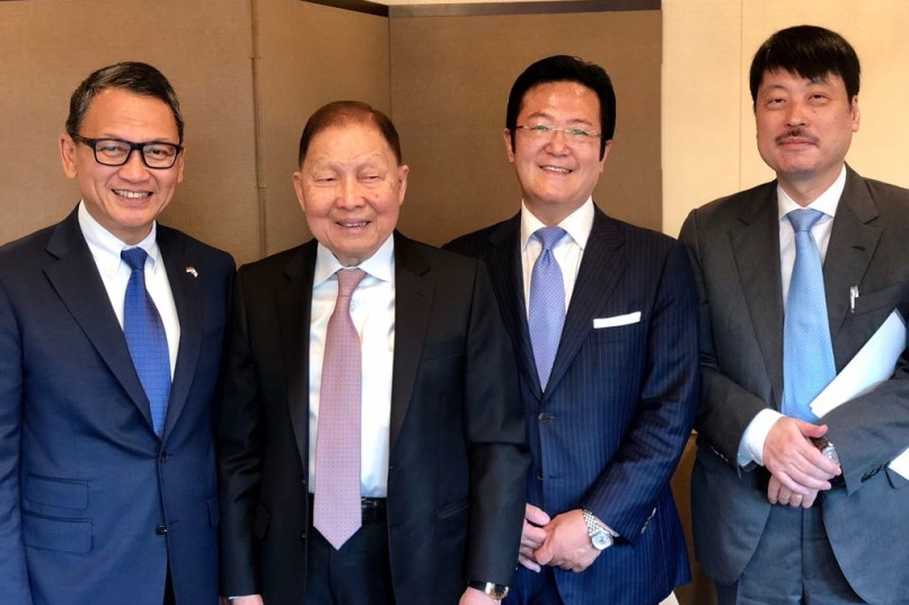
    James Riady, the chief executive officer of Lippo Group, one of Indonesia’s largest property conglomerates, met with Itochu chairman and chief executive Masahiro Okafuji in Tokyo on Monday to discuss ways to boost the companies’ cooperation in the regional healthcare sector.

    Lippo and Itochu are strategic joint venture partners in Lippo’s Healthcare operations outside Indonesia, covering 106 medical clinics serving 1.4 million Singaporeans, a hospital in China and 12 elderly medical facilities in Japan.

    The two business leaders discussed how to intensify their joint healthcare exposure across Asia and Indonesia, according to a statement from Lippo Group.

    Itochu is one of Japan’s largest and most profitable “sogo shosha” general trading groups with global operations and over $43 billion annual revenue in 2017 fiscal year.

    Lippo is Indonesia’s leading integrated services groups with operations in nine countries, including in Singapore, Hong Kong, China and the United States.

    Lippo’s 115,000 staff and employees serve over sixty million customers in various asset categories, including department stores, hypermarkets, malls, housing developments, hospitals, broadband and internet, technology and digital services, media, hotels, banking and financial services and township developments.

  • Lippo Urges Deeper Indonesia-Japan Business Ties

    Lippo Urges Deeper Indonesia-Japan Business Ties

    The Lippo Group, one of Indonesia’s largest conglomerates, has called for deeper ties between the Japanese and Indonesian business communities to help realize the Southeast Asian country’s high investment potential over the next decade.

    Japan has long been a major source for foreign direct investment in Indonesia, influencing a wide range of sectors, from mining and basic industries to automotive and public transportation.

    “Japan has been critical to Indonesia’s modern development. Today, as Indonesia continues to be a go-to market for textile, automotive, chemical and technology manufacturing, and more, Indonesia continues to be an attractive, high-potential business opportunity,” Lippo Group chief executive James Riady said on the sidelines of the Nikkei Asia300 Forum in Tokyo on Monday.

    “We began our relationship with the Japanese business community over 30 years ago. It began with investment projects with various reputable Japanese banks,” James said.

    “Today, we are proud to have partners in a wide range of industries, from telecommunications to data centers, property to health care, financial technology to e-commerce. We are excited about deepening and widening this range of partnerships,” he added.

    Among the Lippo Group’s Japanese partners is Itochu Corporation, which is involved in the group’s health care business outside Indonesia. Lippo has worked with Mitsui & Co. since 2014 to expand mobile broadband services in Indonesia.

    Lippo opened the way for the Toyota Tsusho Corporation, the trading arm of the Toyota Group, in the Indonesian property market for the first time in 2013 with a hotel-style apartment tower project in Bekasi, West Java.

    Mochtar Riady, Lippo Group founder and chairman, used the Nikkei Asia300 Forum as an opportunity to thank Japanese partners and friends for putting their trust in the Lippo Group and the Indonesian economy. The Lippo Group believes in growing with partners and working together to achieve long-term results, he said in a statement.


  • Capillary Technologies grows its global business by 200% YoY

    Capillary Technologies grows its global business by 200% YoY

    Capillary Technologies, with presence in 30+ countries and helping consumer businesses achieve digital transformation, using its AI Powered technology platform; today announced that it has grown its global business by 200% YoY and has elevated Abhijeet Vijayvergiya as its President & Managing Director, Global Accounts and Asia Pacific.

    In his new role, Abhijeet will not only be continuing to own sales for Asia Pacific but will also be responsible in nurturing and scaling Capillary’s global accounts such as Pizza Hut, KFC, Bata, Asics, VF Brands and Siam Makro. He will be based out of Singapore.

    “Abhijeet is responsible for the three times business growth in Southeast Asia as well as scaling up India. Asia Pacific countries are strategic markets for us. Abhijeet will play a vital role in growing our Asia Pacific business, excluding India and China. He will also lead our global accounts segment across all geographies,” said Ganesh Lakshminarayanan, COO, Capillary Technologies.

    “Increasingly, our global customers are leveraging our product suite across multiple countries. Brands are unlocking tremendous value with us for many reasons. Firstly, as the brands scale to multiple countries with our product suite, they realise better ROI. Secondly, our co-innovation focused agile delivery model helps brands to launch new ideas across markets in faster time. Finally, our global Center of Excellence (CoE) set-up helps brands to leverage learnings across countries,” added Ganesh.

    Till date, Capillary has raised more than $100 million in funding, including the recent $20 million round. While Capillary has a strong presence in India, South East and Middle East, it is looking to further strengthen presence in China and the Middle East, besides penetrating further into Southeast Asia. Its opening second office in China at Guangzhou and then another at Beijing later this year.

  • Philippines AirAsia targets 70-aircraft fleet by 2028

    Philippines AirAsia targets 70-aircraft fleet by 2028

    Chief executive Dexter Comendador tells FlightGlobal that PAA will operate 22 Airbus A320s by end of 2018, and add five new aircraft annually between 2019 and 2028. Flight Fleets Analyzer shows that PAA now operates 20 A320s.

    Should the plan proceed as planned, the airline will have a fleet of around 70 jets by 2028.

    The chief executive however notes that the airports in the Philippines, such as those in Manila, Cebu and Kalibo are slot-constrained, and that PAA is hence looking at building up Clark for its growth.

    “I chose to go to Clark because I have room for my 50 new planes. Definitely in Manila, I cannot place my 50 planes. Manila is too full,” says Comendador.

    “Moving forward, Clark will be established as the LCC hub of the Philippines. With the development of Clark, we hope to do something like what Thai AirAsia executive chairman, Tassapon Bijleveld did with Bangkok Don Mueang airport.”

    He adds: “The challenge is for the infrastructure to be able to cope with the order of planes that will be coming in. Cebu Pacific ordered planes, so did Philippine Airlines, which will be delivered within the next 5 years. That will be a lot of planes coming into the Philippines.”

    He also does not rule out PAA taking some of the 100 A321neos that AirAsia Group has on order. This is especially since the airline may need to upgauge its flights due to slot constraints at the airports.