Category: General

Retail News Asia is committed to providing both local and global retailers with the latest General Retail news throughout the Asian market. This on a daily base.

  • Customer engagement must be digitized

    Customer engagement must be digitized

    Merchandizer, wholesalers and other enterprises are encouraged to deal with customers in a more meaningful way given the projected expansion of the retail industry and the emergence of young consumers as potential new markets.

    According to Maria Lourdes Yaptinchay, director of Sector Planning Bureau of the Department of Trade and Industry, the country’s retail sector is expected to become more dynamic and poised for further growth in the years to come.

    Among several factors seen helping drive this development are the increased purchasing power of consumers because of decreasing unemployment rate, strong demand due to the onset of organized retail, and the proliferation of an omnichannel business approach.

    The challenge for retailers now is how to address the demands of the country’s young buyers.  To serve the needs of this market, they should bring more convenience and better experience to their customers, Epson Philippines Marketing Division Director Eduardo Bonoan said.

    “In today’s digital shift, businesses are urged to create more meaningful engagements with their customers,” he noted. “Whether it’s online or in physical establishments, it always boils down to how the experience is conveyed to the customers,” he added.

    To hep them, the technology firm offers a wide array of advanced products that can help retailers innovate and create customer experiences for better business results.

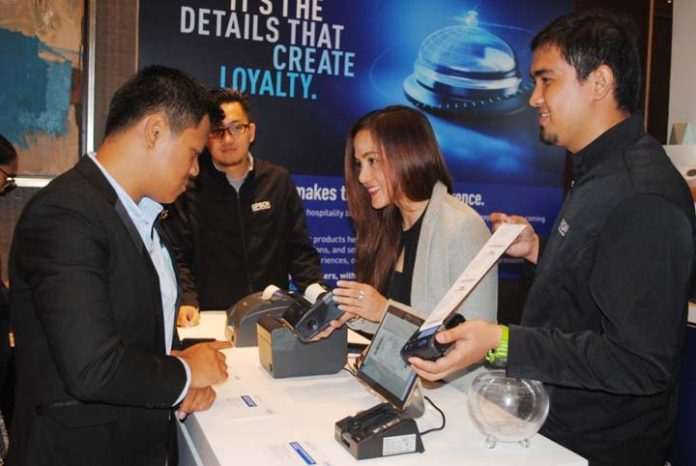
    Among these products displayed during the Fourth Retail Technology and Innovation Summit Asia, held recently in Parañaqu, were Epson’s point-of-sale (POS) receipt printers, label printers and projectors. These solutions are designed to support better customer engagement, increased sales and more efficient cost management. “Epson aspires to help these businesses achieve their goals with [these] latest innovations and solutions.”

    During this event, the attendees were also shown how they can utilize a virtual approach to dealing with their business operations.

    From tablet-enabled receipt printers to advanced all-in-one systems, Epson provides an ideal mobile POS solution using cloud platforms.

    “Epson’s solutions are dedicated to produce desired customer outcomes, delivered through our unique technologies and industry-leading products,” Bonoan said. “More than this, our obsession with details and precision allow us to foster and innovate technologies on par with the performance and reliability that today’s various industry segments need,” he stressed.

    Multinational Epson is dedicated to connecting people, things and information with its original efficient, compact and precision technologies.

    Led by the Japan-based Seiko Epson Corp., the Epson Group comprises more than 76,000 employees in 87 companies worldwide. Its corporate presence in the Philippines began in 1998, and now has an extensive network of 77 authorized service centers with over 200 dealers and more than 800 shops nationwide.

    Organized by Escom Events, the event was graced by stakeholders, decision-makers, thought leaders, and disruptors from the hospitality industry to share their expertise and valuable experiences in utilizing the latest trends and innovations to stay competitive in the ever-changing digital economy.
  • Lippo Group Indonesia Opens Matahari Department Store’s 155th Outlet

    Lippo Group Indonesia Opens Matahari Department Store’s 155th Outlet

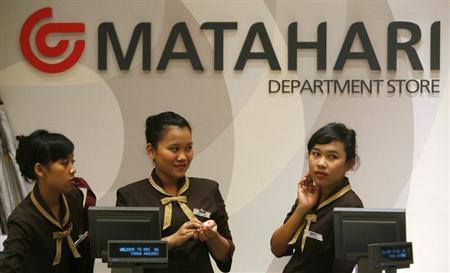
    Residents of Cilegon in Banten Province, Indonesia, responded enthusiastically to the opening of Matahari Department Store’s 155th outlet on Friday (01/06).

    In addition to being strategically located in the central business district, the 5,700-square-meter store inside the 67,000 square-meter Cilegon Center shopping mall also boasts a modern design.

    The first day of trading saw extraordinary sales, as more than 30,000 customers flooded the new outlet, said Irwin Abuthan, director at Matahari Department Store.

    “It was an extraordinary day. The turnout was fantastic. The store and mall will bring great added value and benefit to the city of Cilegon and surrounding areas,” Irwin said.

    Matahari Department Store, Hypermart, Matahari Supermarket, Foodmart, Primo, Boston Health & Beauty and Books & Beyond are all controlled by the Lippo Group, Indonesia’s largest multi-format retail group with more than 600 outlets spread out across Indonesia, from Aceh to Papua.

    This vast retail network is supported by a robust system comprised of formidable logistical networks and distribution channels.

    The Lippo Group owns and operates 70 shopping malls in Indonesia, making it the country’s largest.

    The image of the opening can be viewed below (3 images) :

  • AEON teams up with Big C to launch “More Delightful Every Day” campaign

    AEON teams up with Big C to launch “More Delightful Every Day” campaign

    Mr.Nuntawat Chotvijit (left), Director of AEON Thana Sinsap (Thailand) Public Company Limited together with Dr. Piyawan Piyapong (right), Senior Vice President New Service Development of Big C Supercenter Public Company Limited launched the “More Delightful Every Day” campaign for the Big C Platinum PayWave Credit Card. The card offers more happiness and benefits for cardholders with a 5% instant discount on every purchase at Big C, up to a maximum of 1,500 baht discount per month, per card when purchasing selected items, including electric appliances paid in full, at Big C Supercenter, Big C Extra, Big C Market, Mini Big C, and Big C Online Shopping from 1st June – 31st December 2018.

  • AirAsia Potentially Planning Launch of Esports Team, League, and Center

    AirAsia Potentially Planning Launch of Esports Team, League, and Center

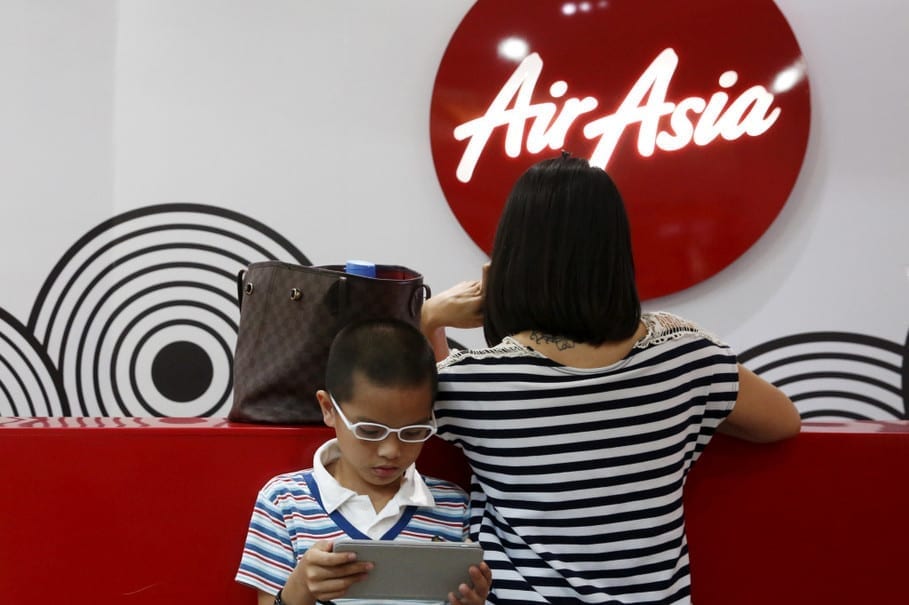
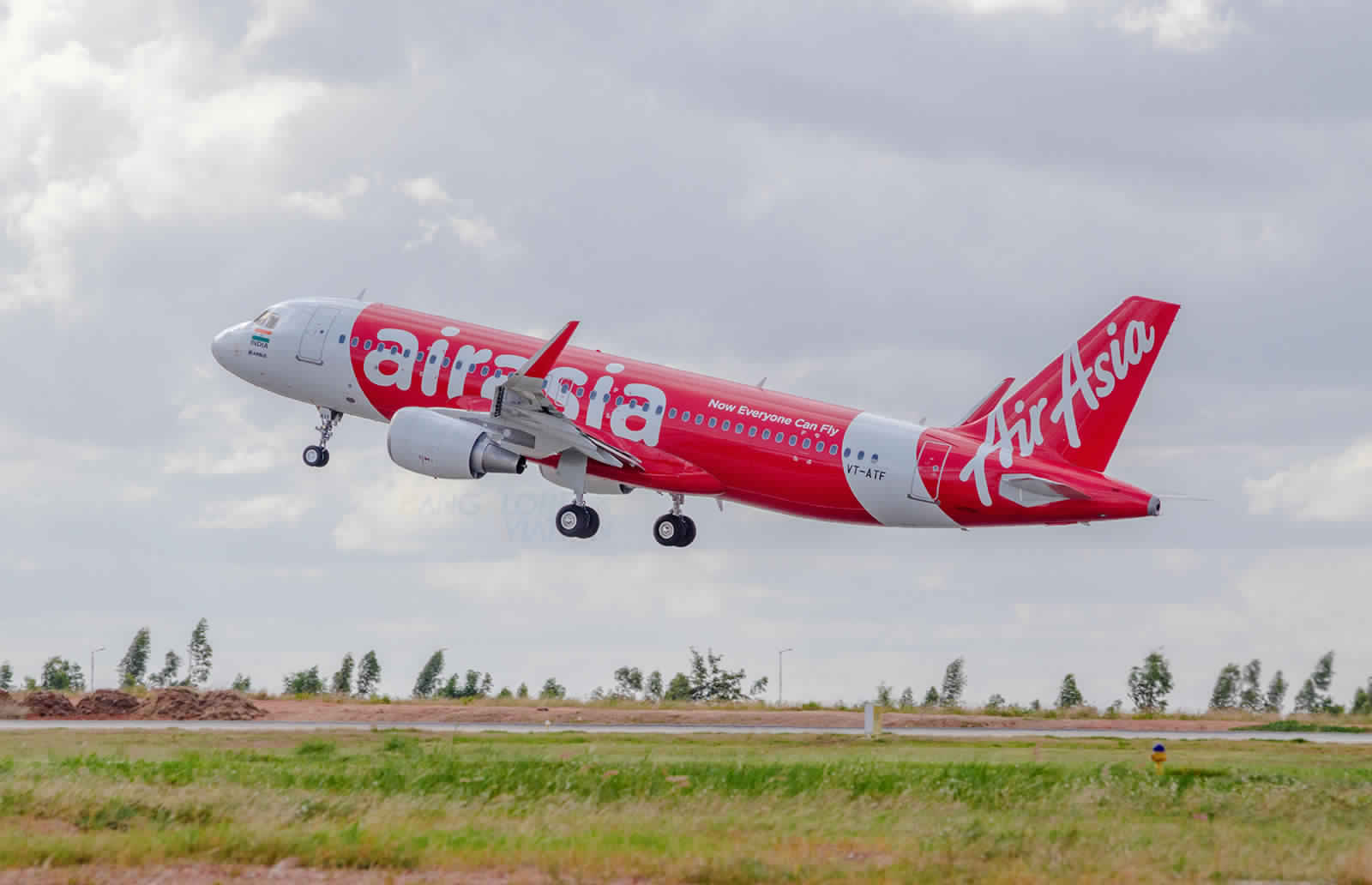
    Malaysian low-cost airline, AirAsia, is looking to take its esports activities to new heights. In an Instagram post, Kamarudin Meranun—chairman of AirAsia and CEO of its parent company, Tune Group—says the company will develop its own team, league, and esports centre.

    With no formal announcement made by the airline yet, it’s not clear whether the company is launching own competition series, or simply become a named sponsor for an existing event.

    AirAsia CEO Tony Fernandes acquired a majority stake in Mobile Legends esports organization Team Saiyan, earlier this year. The squad was subsequently rebranded, but this announcement suggests the airline could even be building its own esports team subsidiary.

    The Esports Observer reached out to AirAsia, who declined to provide more details at this point in time.

    The airline is also a sponsor of Mineski’s Dota 2  team, and runs an esports program for its employees: the AirAsia Allstars Esports Club. Tony Fernandes, who is also a majority shareholder of the Queens Park Rangers soccer club, has also previously hinted at a potential partnership with Singapore-gaming brand Razer

  • Are Macau’s glory days back?

    Are Macau’s glory days back?

    Macau’s gaming sector rebounded in 2017 with total visitor arrivals growing 5.1% year-on-year. With increasing visitors, gaming and retail sales has rebounded dramatically however distribution of these gains has not been equal.

    During the fourth quarter of 2017, Macao has experienced record sales with an increase by 12.6% compared to the previous year. This impressive recovery takes place just two years after the 2015 crisis during which sales dropped by 80%.

    Operators, retailers and the government seem to have found the good recipe to attract people and make them stay in Macao.

    Macao’s hotels have become attractions by themselves. They propose a wide range of accommodations and a large variety of facilities such as swimming pools, restaurants, fitness centers, shopping centers… “40% of visitors choose their place to stay in Macao based on retail and dining options” said Olivier Tong, Head of Retail at JLL.

    On top of that, the average 5-stars hotel price in Macao is 45% cheaper than Hong-Kong.

    These two strategies definitely improve customers’ experience in Macao and clearly have the same objective: make visitors stay longer in Macao. And it seems to work because Macao has recorded an increase of 22.2% of overnighters compared with 2015.

    Casino operators are diversifying their business by offering more shopping options to their clients. The highest revenue growth rates have been recorded in casinos with the highest retail surface.

    The government is also aware of its past as a destination for one-day trippers. This is why it encourages developing nightlife and non-gaming activities. Every year, the Government is involved in the organization of important events such as the Light Festival or the Macao International Parade.

    It also would impose non-gaming commitments to casinos to enable them to renew their gambling license. For instance, non-gaming revenue must reach 9% of total revenue to meet the government’s commitment. This new rule would offer great opportunities for many brands to make business in casinos like the recent Prada pop-up at Galaxy Macau.

    Thanks to all that, Macau is experimenting a strong economic recovery with a VIP-gaming, which is “much healthier” according to Olivier Tong, representing 56% of overall gaming. But operators, retailers and government still need to make this recovery sustainable.

    Contributor: Quentin Mauriac

    Quentin Mauriac is a EDHEC Business School Grande Ecole Program student. He is currently an intern for Financial Planning & Analysis at Bluebell Group. Prior to Bluebell, he was an intern at Credit Mutel – CIC bank as Investment Advisor Assistant, and Internal Controller at Cdiscount, a leading e-commerce retailer in France. During his studies at EDHEC, he also had the opportunity to manage a 36-members team as President of EDHEC Jobs Management, a provider of marketing and business services to large companies such as LVMH, Danone, P&G, etc. Following his internship at Bluebell, Quentin will pursue his international experience in Germany where he will complete his Master degree and take the CFA certificated examination.

  • Mumuso Thailand opens door to franchisee

    Mumuso Thailand opens door to franchisee

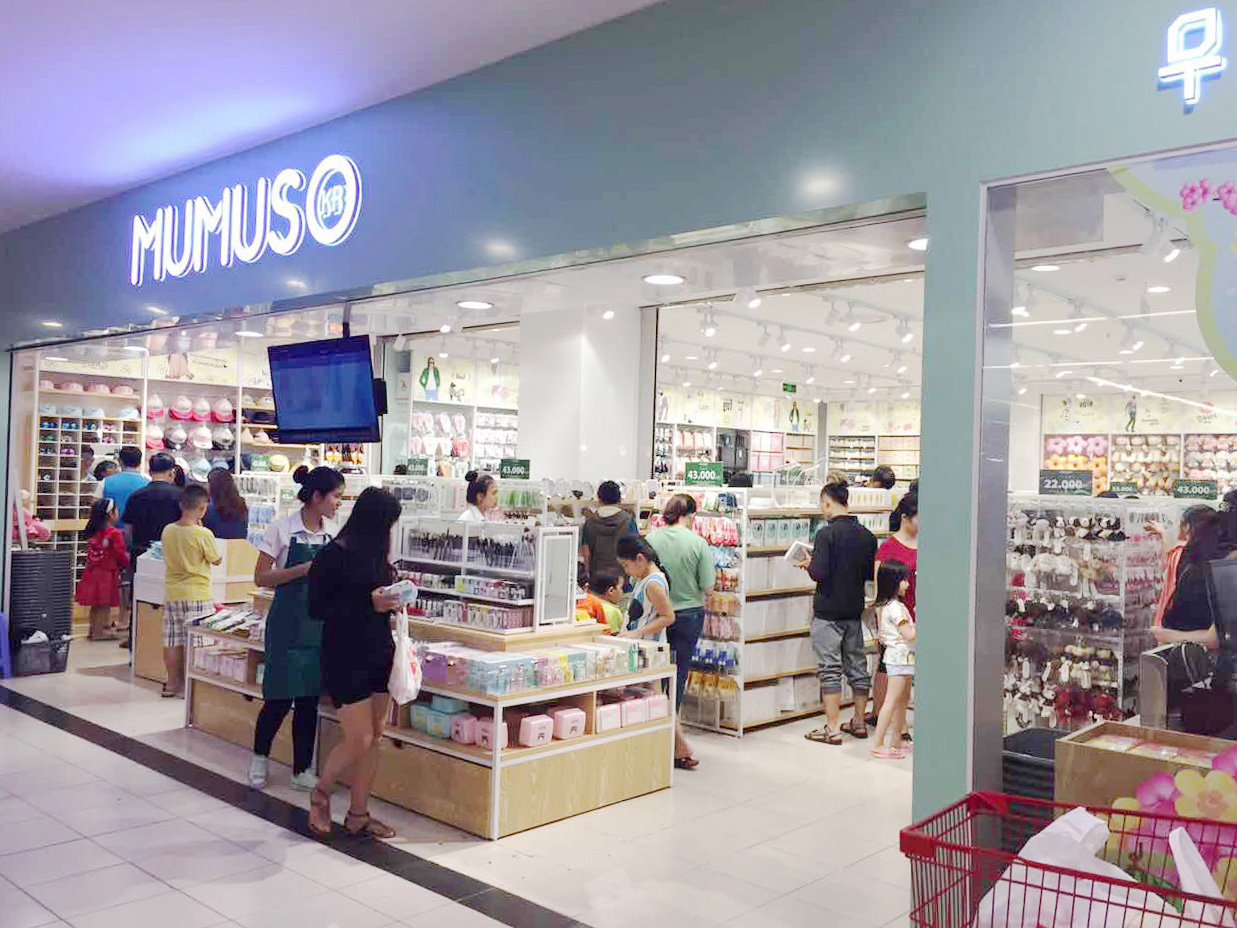
    International lifestyle retailer Mumuso Thailand plans to open up to 20 franchised stores by the end of next year, and up to 150 in the next five years.

    From Shanghai, the company promotes lifestyle products with a Korean flare. The brand moved into Thailand in August with a Mumuso lifestyle shop opening in The Mall Nakhon Ratchasima. It now has seven outlets, the latest being its first franchised outlet for Thailand.

    Mumuso (Thailand) strategic director Pakom Supawarapong says the company sees a growth opportunity in Thailand, including specialty stores.

    “It’s not all about e-commerce these days as the trend for specialty stores is something we all need to be aware of,” says Pakorn. “We expect our annual sales to reach THB2 billion [US$62.5 million] in the next five years. We target to achieve THB200 million in annual sales this year.”

    Mumuso (Thailand) president Amnuay Supawarapong says the brand has more than 600 branches in 150 cities. In Thailand, it has stores in Ayutthaya, Bang Saen in Chon Buri, Phitsanulok, Samut Sakhon, Siam Square One, Supanburi and The Mall Nakhon Ratchasima. The Phitsanulok shop, which opened this month, is the company’s first franchised outlet in Thailand.

    About 3000 different items of merchandise at Mumuso lifestyle shops cover children’s products, apparel, kitchen items, bags, stationery, skincare and cosmetic goods. Pakorn says the company has set aside THB150 million for this year, focusing on promotional activities at its stores.

  • Cebu Pacific offers cross-bookings to Maldives, Berlin and Athens

    Cebu Pacific offers cross-bookings to Maldives, Berlin and Athens

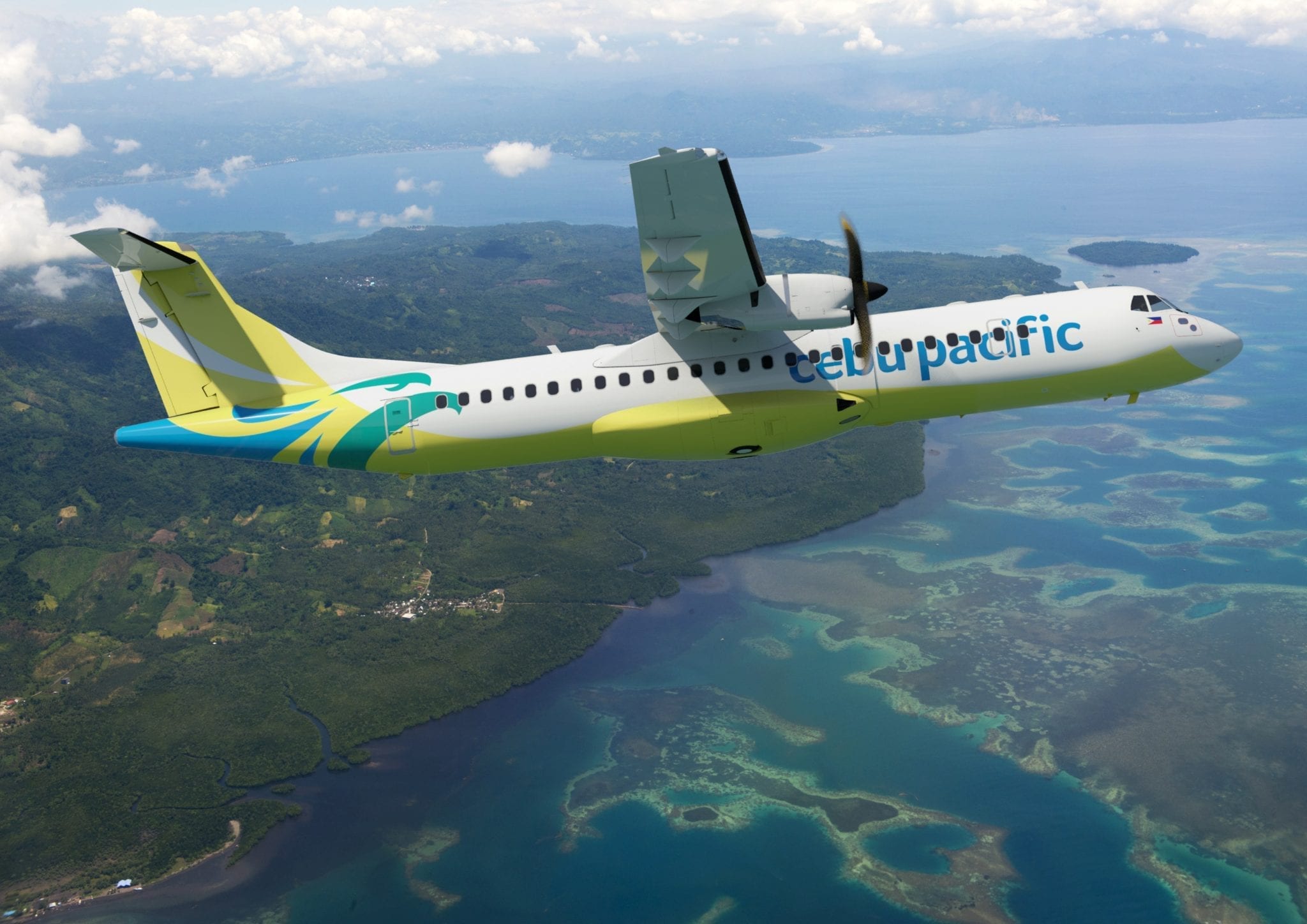
    Cebu Pacific and 7 other allied low-cost carriers relaunched their website on Wednesday, with the Filipino airline offering a seat sale to Athens, Berlin and Male in the Maldives.

    The Value Alliance website offers cross-sales among its members including Cebu Pacific, Cebgo, Jeju Air, Nok Air, NokScoot, Vanilla Air, Tigerair Australia, Scoot and Tigerair Singapore, the airline group said in a joint statement with the Philippines’ largest airline.

    Passengers who book through the website get re-accommodation in case of flight cancellations. Those affected by flight disruptions can also book hotels through the website for up to a certain amount, according to a joint statement by Cebu Pacific and the airline group.

    “This will not only give our customers access to the best deals, but will also allow them to enjoy ease of booking paired with seamless connectivity,” said Value Alliance chairman and Cebu Pacific chief executive adviser Mike Szucs.

    A special seat sale for Athens, Berlin and Male for as low as P7,472 will run from Wednesday until Thursday, according to the statement.

    A check on the Cebu Pacific website showed that flights to the three destinations could be booked without leaving the portal. For flights to Athens and Male, passengers need to fly to Singapore where they will take a connecting flight on Scoot.

    Value Alliance is the fourth largest airline alliance in the world according to the joint statement, with a combined fleet of 180 aircraft and 50 million annual passengers.

  • AirAsia stock plunges after India launches bribery probe

    AirAsia stock plunges after India launches bribery probe

    Shares in Asia’s biggest low-cost airline tumbled on Wednesday after police said they were investigating allegations that executives bribed Indian government officials. India’s Central Bureau of Investigation (CBI) said Tuesday it had opened a case looking into whether AirAsia’s Indian affiliate used illegal means to try and get favorable treatment from local regulators.

    Indian police conducted raids on AirAsia offices and residences belonging to company officials in Delhi, Mumbai and Bangalore, CBI spokesperson R.K. Gaur said. The CBI case names Tony Fernandes — founder and CEO of the Malaysia-based carrier — among several people accused of wrongdoing.

    AirAsia India denied any wrongdoing. Shuva Mandal, a director at the company, said in a statement that the company is “cooperating with all regulators and agencies to present the correct facts.”

    Indian police allege that AirAsia India executives used middlemen to funnel bribes to Indian government officials in order to try to secure a license for the airline to operate international flights.

    Until recently, airlines in India were required to have a fleet of 20 aircraft and five years of service in order to fly in and out of the country, conditions which AirAsia India could not meet because it only launched in 2014 and operates 18 planes.

    News of the investigation buffeted AirAsia Group’s stock, which fell nearly 7% in Kuala Lumpur on Wednesday.

    “Investors are concerned that the investigations could reduce or eliminate AirAsia India’s chances to operate international flights, which is where the goldmine lies,” said Corrine Png, founder of transportation research firm Crucial Perspective.

    The CBI case also accuses the airline’s Indian franchise of breaching the country’s foreign investment rules.

    Indian laws prevent foreign airlines from holding a controlling stake in any local airline. AirAsia Group owns 49% of its Indian affiliate, with another 49% held by Indian conglomerate Tata Sons.

    However, the CBI alleges that AirAsia India is effectively controlled by Fernandes, a violation of investment rules. It said that was achieved through a “brand license agreement” that turned AirAsia India into “a de-facto subsidiary rather than a joint venture.”

    In a statement late Wednesday, AirAsia India said Indian regulators had approved its operations and management as recently as February 2017, ruling that the license agreement was meant “only for ensuring uniformity of brand and quality of services.”

    “[AirAsia India] will be cooperating with the relevant authorities to facilitate an early conclusion of this matter,” it added.

    AirAsia in Malaysia didn’t respond to requests seeking comment from Fernandes on the allegations.

  • Fuel price hike propels Vietnam’s May inflation to record high

    Fuel price hike propels Vietnam’s May inflation to record high

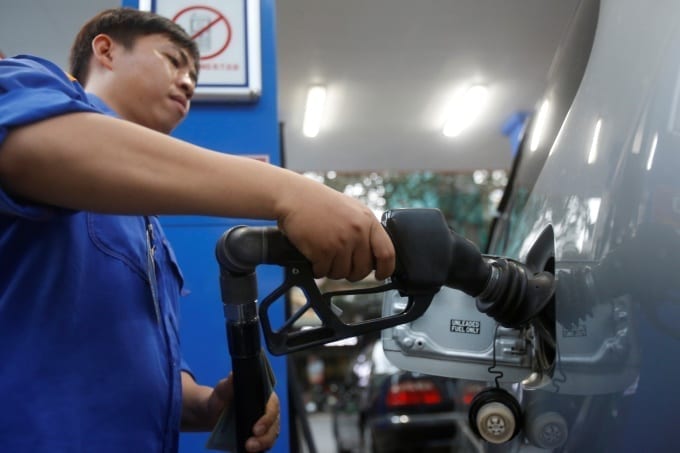
    Recent fuel price hikes have kicked up Vietnam’s Consumer Price Index (CPI) this month by 3.86 percent year on year, the General Statistics Office has reported.

    The hike was led by traffic and transportation services, which rose 1.72 percent over last month, followed by food and beverages by 0.88 percent and housing, construction and utilities by 0.34 percent.

    The increase in CPI this month is attributed to the fuel price hikes on May 8 and May 23, in which A95 and E5 fuel prices went up by VND1,010 per liter (4 cents), while diesel prices increased by VND960 per liter.

    The new gasoline prices have, in turn, pushed up the fares of transport services, said Huynh Quoc Thinh, CEO of the Phu My transport company. Fuel costs for containers and heavy trucks account for 40 percent of the total revenue. For other types of vehicles, the ratio is 30 percent.

    Higher transport tariffs could lead to higher general consumer prices, economists say.

    “Most of the products will have to suffer higher transportation costs, directly or indirectly, and therefore, the people will have to take the ‘full force’ of this increase,” economist Ngo Tri Long said.

    In addition to fuel price hikes, the plan to raise environment taxes on fuels starting in July could further increase inflation and hurt businesses in the country, the economists have warned.

    Under a Finance Ministry proposal being reviewed by the Standing Committee of the legislative National Assembly, the environment tax on gasoline will increase by 33 percent to VND4,000 per liter (17 cent).

    If approved, the tax increase would raise inflation by 0.11 to 0.15 percentage points in 2018. Vietnam has set an inflation target of 4 percent for this year.

    During a cabinet meeting last month, PM Nguyen Xuan Phuc warned that inflation could increase further as global prices of crude oil and basic commodities rose.

    “We cannot be careless when it comes to inflation,” he said.

  • Disruptive Technology, Automation Force Change in Workers’ Skills: McKinsey

    Disruptive Technology, Automation Force Change in Workers’ Skills: McKinsey

    Changes in global demand for different types of workforce skills, caused by the rapid growth of technology, will require business organizations to provide training programs to employees.

    McKinsey Global Institute (MGI), a think-tank of consulting firm McKinsey & Co., projects that by 2030, demand for technological expertise will increase by even 55 percent, while for social and emotional skills, needed in leadership and management, will rise by 24 percent. Demand for higher cognitive skills such as creativity, critical thinking, decision making and complex information processing will rise moderately, by 8 percent.

    According to McKinsey, some 800 million workers worldwide, or one-fifth of the global workforce, will lose their jobs to artificial intelligence.

    “Preparing for and managing the growing shifts in demand for different types of workforce skills represents one of the biggest challenges of the next decade. Our research highlights the big increase in demand for tech and social skills that are currently in quite short supply and an oversupply of skills that may be less needed in the future, including physical and manual skills,” MGI director Jacques Bughin said in a statement last week.

    Demand for basic cognitive skills, like simple data input and processing, will drop by 15 percent, while demand for manual and physical skills will decrease by 14 percent.

    According to a similar study by the Asian Development Bank, though technology has changed certain job tasks, it actually contributes to higher and faster economic growth, as automation will create higher demand for more goods and services, which in turn will create more new jobs to replace obsolete ones.

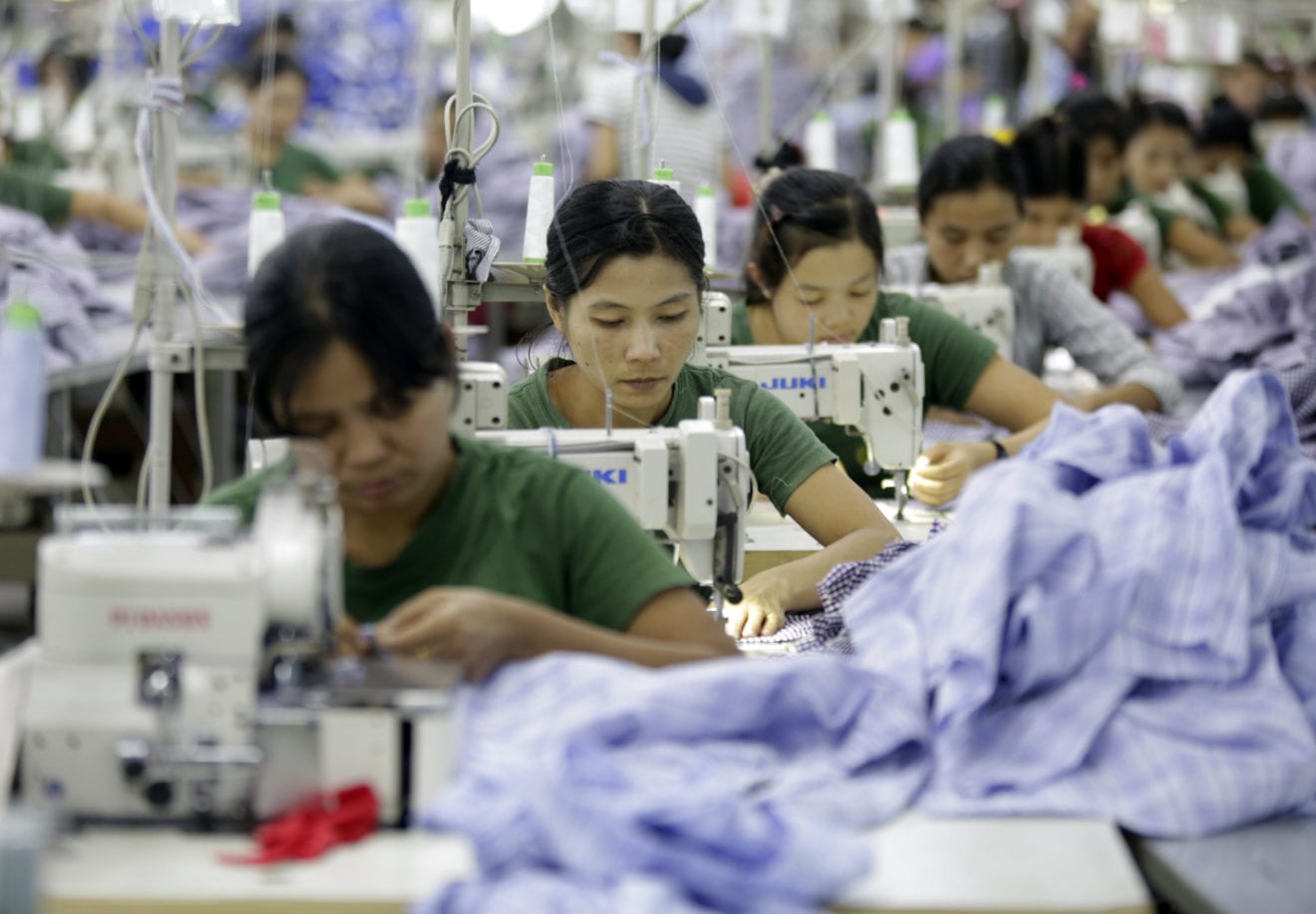
    Using data from 12 countries in Asia from 2005 to 2015, ADB estimated that 66 percent of jobs in the region, or 101 million jobs per year, were lost to automation. Among the most vulnerable are those in the manufacturing industry.

    After analyzing data in 12 Asian countries from 2005 to 2015, ADB estimated that 66 percent of jobs in the region, or 101 million jobs per year, had lost to automation. However, there was an 88 percent increase in employment over the period, or 134 million jobs per year, well offsetting the jobs lost to automation.The MGI and ADB reports are unanimous in their conclusions that working culture, training programs and organization structures must be redesigned.

    “Companies will take the lead in building their own future workforce, but all stakeholders — educators, foundations, industry associations, organized labor and of course policy makers — will have a role to play,” MGI partner Susan Lund said in the statement.

    “In our research, we identify a range of approaches and discuss the experience of some companies which are already engaging in large-scale workforce retraining,” she said.

    MGI suggests that companies and business leaders will have to decide in the coming years whether to pursue training using in-house resources or to partner with educational institutions that will provide external learning opportunities for employees.

  • Strong year of growth for SPAR with global sales

    Strong year of growth for SPAR with global sales

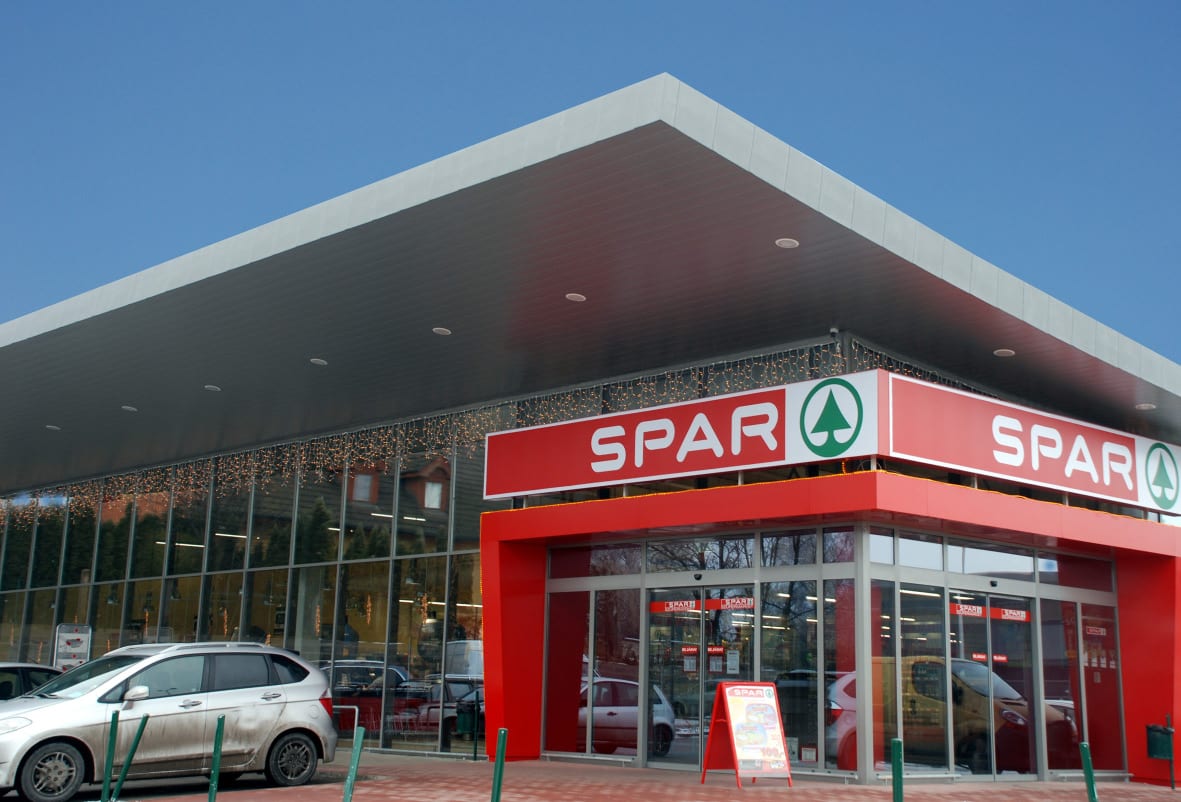
    SPAR International, the world’s largest food retail voluntary chain, has seen strong, continued growth with retail sales announced today of €34.5 billion for the year ending December 31st 2017. The results, which represent a year-on-year increase in retail sales of 5.3% on a constant currency basis, were announced at the 63rd International SPAR Congress in Bangalore, India.

    Performance highlights during the year include:

    • A year-on-year increase of 232 additional stores, bringing the total number to 12,777 stores globally equating to over 7.4 million m2 of sales area across all SPAR formats.
    • SPAR maintained its ongoing strategic focus on growth and international expansion and now operates across 48 countries worldwide. In 2017 SPAR was launched in five new countries – Saudi Arabia, Pakistan, Qatar, Ukraine and Belarus.
    • In the Eurozone SPAR recorded sales of €16.2 billion, an increase of 4% on 2016. SPAR Austria’s €650 million investment reaped rewards with a recorded domestic growth of 4.4% in 2017. Other standout performances include SPAR Netherlands (+7.7%), SPAR Spain (+5.5%) and SPAR Ireland (+4.8%). SPAR UK’s retail sales grew to €3.2 billion a 4% increase in local currency equivalent.
    • Central and Eastern Europe had an outstanding year growing 17% to combined sales of €5.2 billion. A key highlight was the 59% growth in sales of SPAR in Croatia as a consequence of the acquisition of the Billa store network in the country. SPAR Hungary also saw strong growth in retail sales of 8.8% in constant local currency equivalent.
    • In Russia, SPAR continues to win market share both with strong like-for-like growth as well as overall year-on-year increase of 18.8%.
    • In Africa and the Middle East SPAR grew its presence in 15 countries, recording strong growth of 8.5%, to achieve a consolidated regional turnover of €5.7 billion. In 2017, SPAR South Africa increased its turnover by 7%, to €4.83 billion in constant currency values.
    • SPAR now has a presence in six countries in the Asia Pacific region. SPAR China is expanding by transferring international best practice and multi-format stores in major cities of Southern and Northern China and the total number of stores grew to 408. SPAR Thailand is now firmly established in the market with over 30 stores opened in its first year of operation and SPAR Australia had an exceptional year of growth with sales growing by 14% in 2017.

    Speaking on the publication of the 2017 results, Tobias Wasmuht, CEO of SPAR International said, “2017 was an extraordinary year of growth for SPAR Worldwide, with sustained growth across all 48 markets where SPAR operates. Our strategy launched in 2016 entitled ‘SPAR: Better Together’, is showing strong signs of benefitting our SPAR country operations internationally, as we reap the significant economies of scale and synergies of our growing international presence and expansion. Over a two year period we have added 600 new stores and 500,000 m² of sales area and as a consequence have grown by €3.2 billion in revenue.

    “A key focus throughout 2017 has been to grow our presence through targeted expansion, and to drive retail development through expanding our multi-format retail strategy. Operationally we are stronger as a result of investments in the supply chain and are generating more value through better buying and leveraging our growing scale in procurement.

    “In Europe, pan-European trends of smaller households, aging populations and urbanisation have contributed to a growth in smaller store format channels. We are witnessing a renaissance in modern neighbourhood retailing across the continent and the channel is continuing to grow in strength and importance.

    Increasingly we are seeing global trends of health and wellness becoming the new norm as highlighted by the fast roll out of the award-winning SPAR Natural concept in Spain, Italy, Russia, Middle East, South Africa and India.

    “A further commonality across SPAR Worldwide in 2017 was the investment of SPAR on a major scale in responsible retailing. Our commitments and initiatives across the world, whilst tailored to community specific needs, are strongly focused on health, community, the environment and sourcing responsibly.

    Wasmuht concluded “SPAR’s ability to take a tailored approach to individual markets – be it adapting and evolving in existing markets or seamlessly integrating into new markets – sets it apart in the retail space. SPAR is increasingly attractive to regional retailers who seek to benefit from the scale and agility of SPAR to fast track their development in the face of growing international competition. The outlook for 2018 and beyond is positive. As SPAR grows internationally we create a continuous cycle of reinvesting that growth in resources which in turn makes us stronger and better together.”

  • Cheers convenience store set expansion plan in Vietnam

    Cheers convenience store set expansion plan in Vietnam

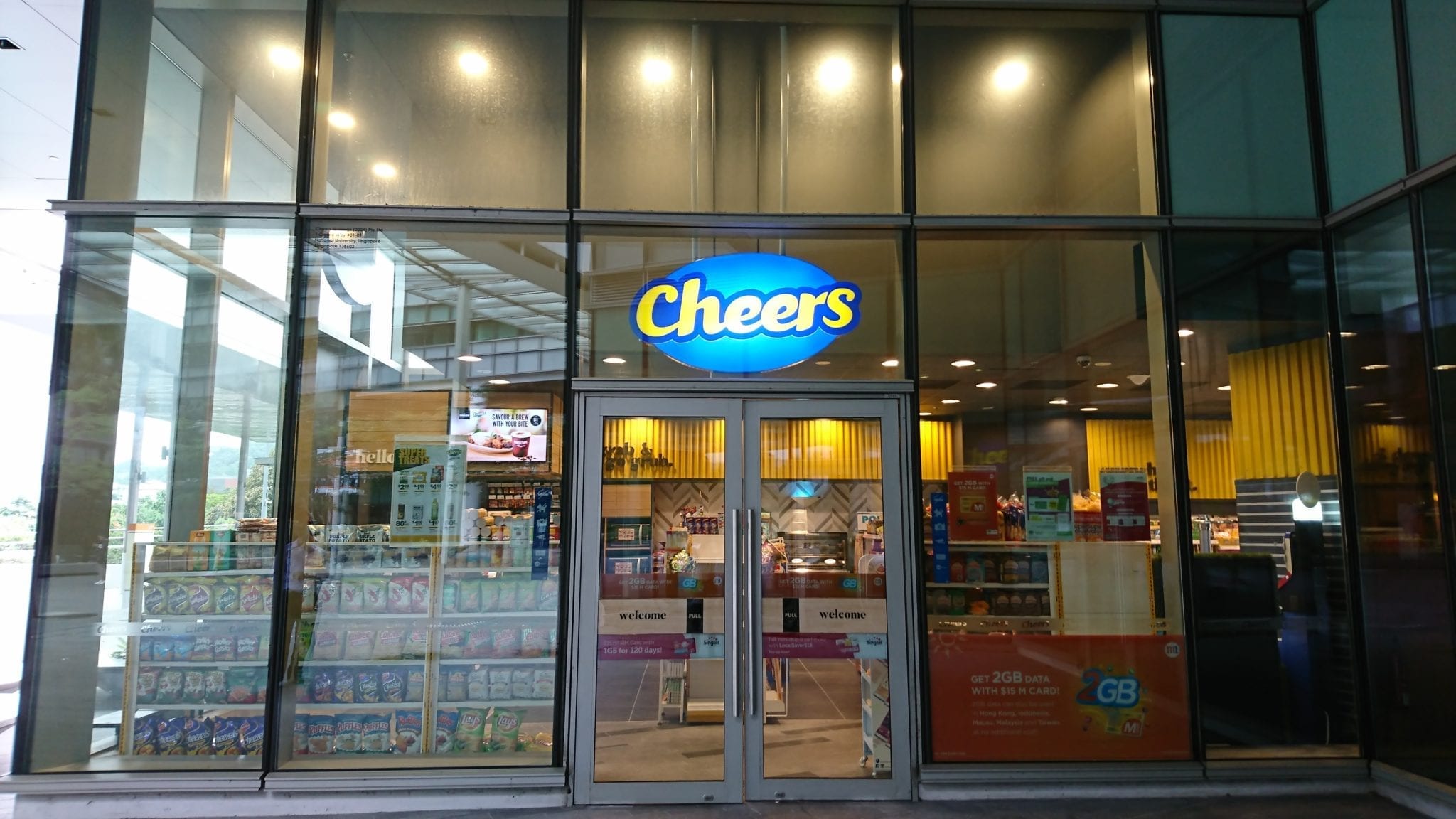
    Singapore-Vietnam convenience store joint venture Cheers has opened its third store, on Dinh Tien Hoang Street in downtown Ho Chi Minh City.

    Operated by Vietnam’s supermarket operator Saigon Co-op and Singapore’s NTUC FairPrice grocery network, Cheers is open 24 hours, selling fast-moving consumer goods, mostly imported, along with payment services for utilities. The stores offer dine-in areas with free wifi.

    Nguyen Anh Duc, deputy general director of Saigon Co-op, said Cheers’ links with his company’s other businesses,including Co-opmart, Co-op Food and Co-opXtra, allows customers to earn and spend loyalty points across the network.

    The first Cheers store opened on Hoa Hao Street, in District 10, last December. The partnership plans to have 50 stores trading in Vietnam by the end of this year.

    Saigon Co-op also partnered with NTUC FairPrice in its Co-opXtra hypermarket stores.

  • AirAsia unveils first UFC-branded livery following sponsorship

    AirAsia unveils first UFC-branded livery following sponsorship

    irAsia has launched the first UFC branded livery on an AirAsia Airbus A330-300, in collaboration with premier mixed martial arts (MMA) organisation UFC. This aircraft is the first of its kind in the world to feature the UFC branding, the press statement read.

    According to Rene Valencia, UFC vice president, international marketing partnerships, the partnership between UFC and AirAsia is a testament to the passion behind both brands. Vice president of Asia Pacific at UFC, Kevin Chang also added that the brand is committed to growing the brand and sport in Asia, and this collaborative partnership will continue to help the brand do that.

    “We are pleased to unveil this special livery as the Official Airline of the UFC in Asia. Fight fans have been eagerly awaiting the return of UFC to Singapore, and we are thrilled to be able to present Cowboy vs Edwards for their enjoyment,” Rudy Khaw, group head of branding, AirAsia added.

    Last year, AirAsia had inked a deal with UFC to serve as the global brand’s first-ever “Official Airline” sponsor. This gives the airline rights to the signage and branding at select international events in 2018. In addition, AirAsia will also serve as presenting sponsor of select UFC Fan Experiences throughout the region.

  • Department store sales benefit from holidays

    Department store sales benefit from holidays

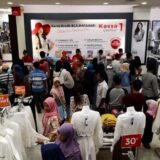
    Department-store sales in South Korea rose this month with several family-oriented holidays and special occasions, retail industry data shows.

    Children’s Day, which falls every May 5, a substitute day off and May 8 Parents’ Day all contributed to more consumption at department stores. Plus Buddha’s Birthday, which is a national holiday and falls on a Tuesday, created a four-day break for some workers.

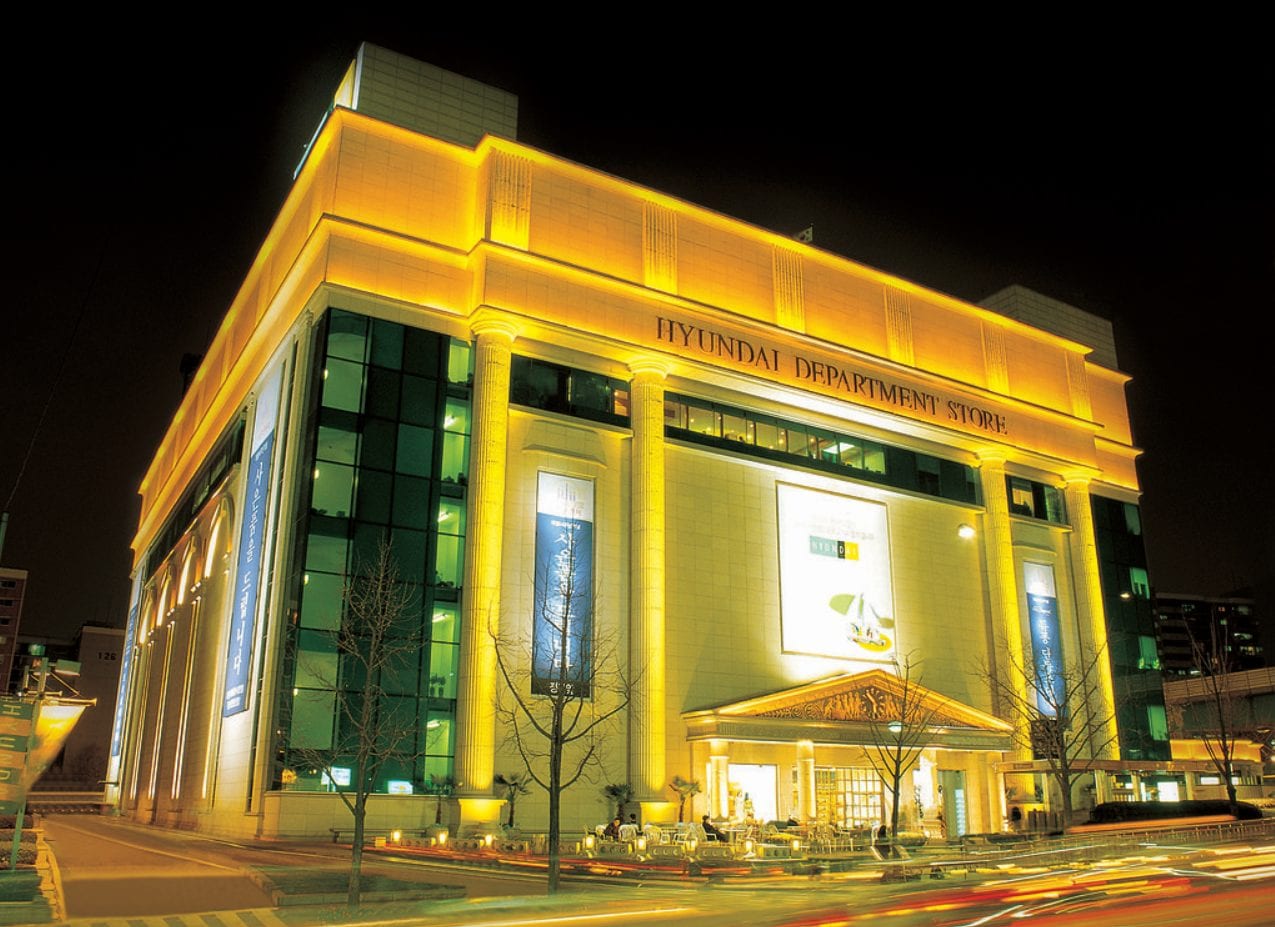
    In the first 20 days of this month, sales at upper-end department stores like Hyundai, Lotte and Shinsegae all rose, with some reporting close to double-digit gains compared with the year before.

    Shinsegae says its sales shot up 9.9 per cent, compared to a 1.5 per cent contraction for May last year. Sales of men’s and women’s clothing rose 16.1 and 12.6 per cent respectively, while demand for sports products rose 12.6 per cent. It said demand for designer goods soared 26 per cent.

    Hyundai says it sold 6.1 per cent more goods, with Lotte trailing with a gain of 5.3 per cent.

    Discount store chain E-Mart says sales for April and May were down slightly with the demand for both fresh and processed food falling last month.

  • Q1 sales growth quarter for 7-Eleven Malaysia

    Q1 sales growth quarter for 7-Eleven Malaysia

    In a first quarter marked by expansion and sales growth, 7-Eleven Malaysia saw its net profit soar 11.6 per cent from the same period a year ago.

    Total sales growth for the quarter was 2.5 per cent, while the gross profit margin continued to improve, says the company.

    Driven by store openings, higher customer counts and improved consumer promotions, the group’s revenue for the quarter grew by 2.5 per cent to RM535.7 million (US$134.4 million).

    Gross profit of RM171 million improved by 7 per cent, and this was mainly attributed to the increase in revenue and improvement in gross margin by 1.3 points.

    Profit after tax was RM8.9 million, up 11.6 per cent.

    One2Pay mobile wallet launched in January, with payments and top-ups enabled in all stores, while continued store expansion took the total network to 2235 outlets.