Category: General

Retail News Asia is committed to providing both local and global retailers with the latest General Retail news throughout the Asian market. This on a daily base.

  • Cebu Pacific sets new record for passengers flown in 1 day

    Cebu Pacific sets new record for passengers flown in 1 day

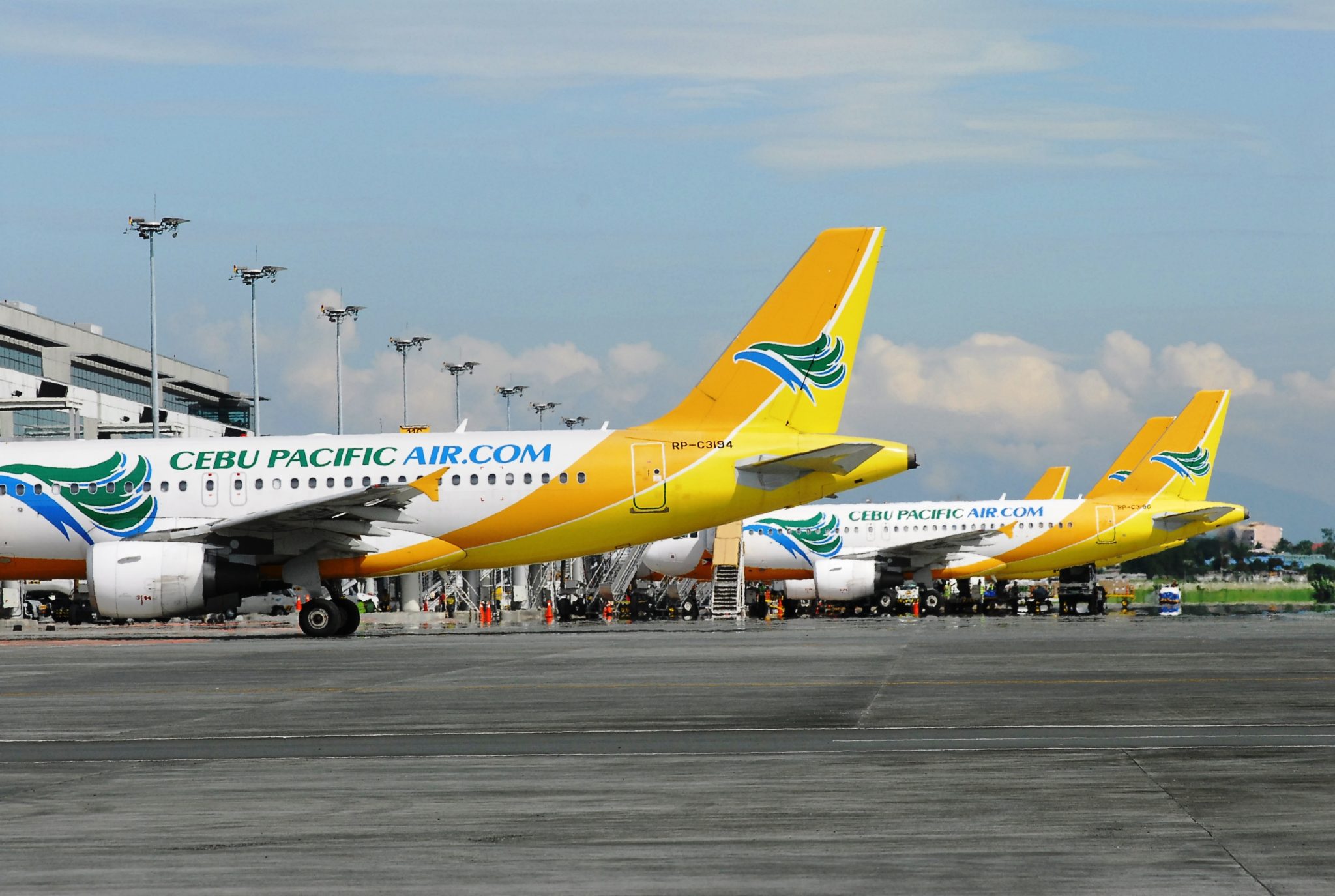
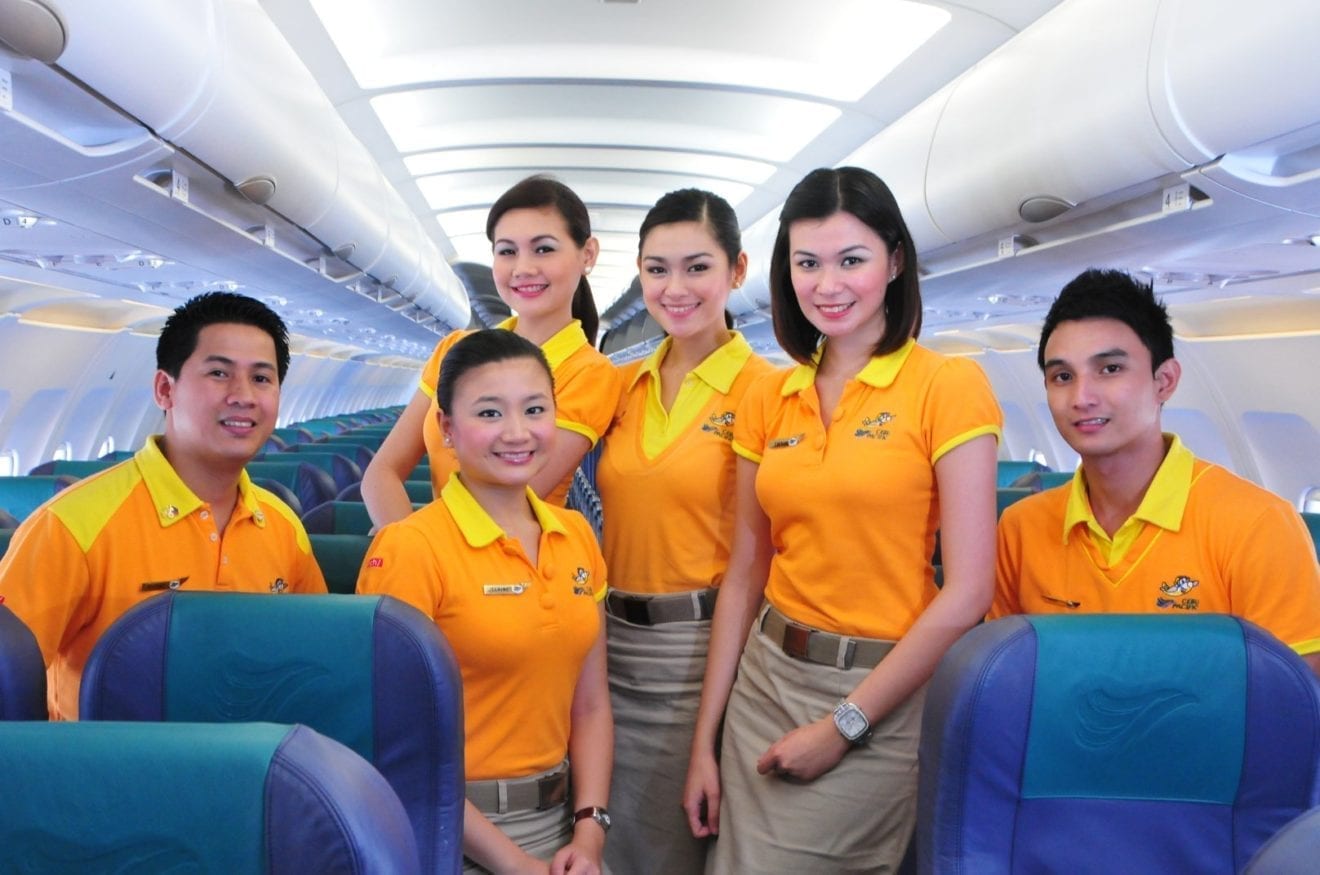
    Cebu Pacific said Monday it broke its own record for the most number of passengers flown in a single day, as summer season demand boosted traffic.

    The Gokongwei-led airline said it flew 65,298 on May 7, breaking the previous record of 64,684 on Dec. 27, 2016. The new record was set on 395 flights to 37 domestic and 26 international destinations.

    “As summer peak season reaches full swing, we are seeing more tourists going on vacation,” said Cebu Pacific vice president for corporate affairs JR Mantaring.

    Mantaring said the growing number of meetings, conferences and exhibitions helped drive passenger traffic.

    The country’s largest airline said it had 53-percent market share in the first 3 months of 2018, during which it flew 4.9 million passengers.

  • Tigerair launches new brand platform ‘Go for it’ encouraging Australians to travel

    Tigerair launches new brand platform ‘Go for it’ encouraging Australians to travel

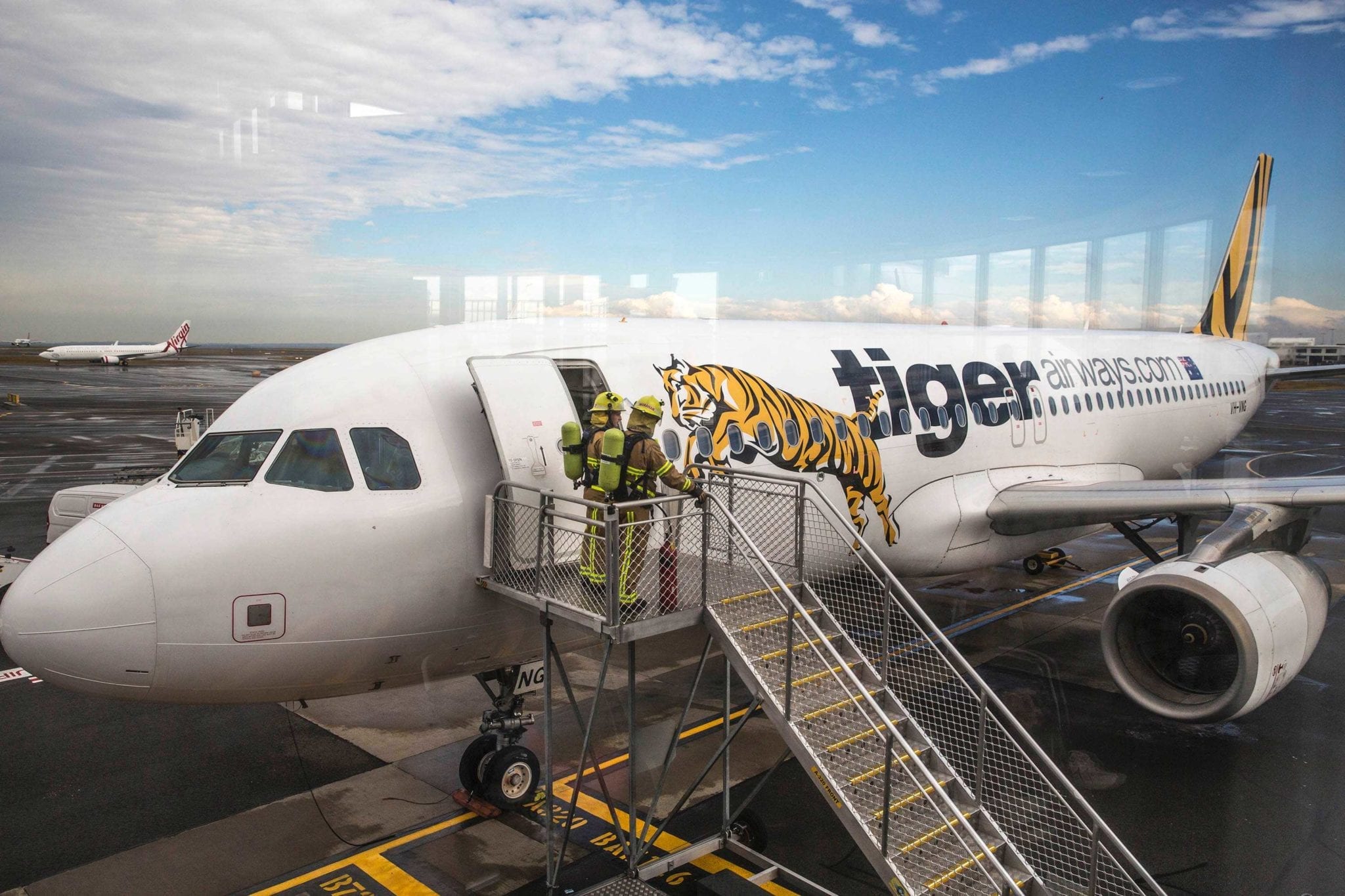
    Budget airline Tigerair has created a new brand platform ‘Go for it’, based on a consumer insight which revealed the main reason people travel is to see their loved ones.

    Developed by McCann Australia, Tigerair has also created a 30-second commercial which encourages Australians to travel by taking advantage of low-cost airfares, because “escaping is sometimes exactly what you need”.

    The ad features people travelling to attend sporting games, to see their family and to surprise their friends.

    “You can go for any reason no matter how small” is the tagline used at the conclusion of the ad.

    With a media spend of $710,000, the campaign will run across YouTube, Facebook, Snapchat, Instagram and out-of-home.

    Merren McArthur, CEO Tigerair, said in a statement: “At its heart, the campaign is about seizing the moments that matter, and how Tigerair can connect you with your family and friends at any time – so you can just go for it.

    “Once upon a time flying was a luxury, but with Tigerair you can go interstate for a weekend away, you can go because you need a break from the everyday, you can go to see friends for diner, or you can go for no reason at all.”

    Tigerair aims to target the youth market, but includes a range of demographics in the advertisement.

  • Retailers join StarHub in e-waste recycling initiative to improve the current situation

    Retailers join StarHub in e-waste recycling initiative to improve the current situation

    Four electronics retailers, Best Denki, Courts, Gain City and Harvey Norman have joined DHL, StarHub and Tes’ Renew program to further encourage electrical and electronic waste (e-waste) recycling in Singapore.

    Under the collaboration agreement, the four retailers will place the Renew bins in 20 of their retail stores. These include seven Courts stores, five Best Denki and Gain City stores each and three Harvey Norman stores.

    The signing of the e-waste recycling agreement was watched by Minister for the Environment and Water Resources Masagos Zulkifli, and Senior Minister of State, Dr Amy Khor, at StarHub Green. The aim of expanding the Renew program to include the four major electronics retailers is to provide consumers with greater recycling convenience and encourage them to responsibly dispose of their unwanted electronic devices as well as information and communications technology (ICT) equipment.

    The network of 468 Renew bins can be found across 422 locations island-wide, including educational institutions, malls, government offices, office buildings and community clubs. Since the launch of the StarHub Renew program in 2012, the amount of e-waste collected has increased exponentially. The program has cumulatively collected more than 249 tonnes of e-waste since 2012, with more than 92 tonnes collected last year.

    “The rate at which e-waste is generated has gathered pace as Singapore progresses toward its Smart Nation vision,” says StarHub chief strategic partnership office Jeannie Ong.

    “As DHL works toward its 2050 zero emission goal, we want to encourage more of our partners, customers and employees to join us on this journey. E-waste growth will only continue to accelerate with the pace of digital transformation, says DHL Express Singapore head of commercial Julian Neo.

    Non-bulky e-waste items such as mobile phones, cables, modems, laptops, remote controls, keyboards, mice, DVD players, MP3 players and lithium-ion batteries can be deposited into the Renew bins.

  • Instagram Shopping Business expanded to stories

    Instagram Shopping Business expanded to stories

    Instagram is bringing its successful shopping feature to Instagram Stories.

    Of the 500 million daily users of Instagram, over 300 million use Instagram Stories everyday, which is a significant consumer base for retailers to push into.

    “Brands have always been early adopters of stories, they create some of the most viewed and engaging content on the platform,” reads Instagram’s press release announcing the feature.

    “From Adidas and Aritzia to Louis Vuitton, people have been able to shop from their favorite brands around the world, and now you can shop these businesses in Instagram Stories.”

    According to Facebook IQ research, “more than one in three self-reported daily active Instagrammers surveyed… said they have become more invested in a brand or product after seeing it on Instagram Stories.”

    The feature will work much like the current Shopping feature in that a shopping bag icon will appear over products that can be purchased.

    Clicking on the icon will give you more information about the product, which includes a link to an e-commerce platform where the product can be purchased.

    The coming Instapocalypse

    The move comes less than three months after the Instagram Shopping feature was initially launched in Australia, which Showpo’s chief marketing officer Mark Baartse sees as an intention to monetize the platform.

    “If you look at the sponsored tags and the shopping in photos, and now in stories, these are organic and they’re given away for free,” he said.

    “What we’re almost certainly going to see [is what] we saw with Facebook several years ago.

    “Organic reach was broad, and then it got narrower and narrower, where now organic reach is effectively zero.

    “Businesses are getting massive reach on Instagram, and influencers are taking often large sums of money which Facebook and Instagram doesn’t see any revenue from.

    “I don’t think they’re going to be happy with that long term, nor are their shareholders.”

    Baartse sees a coming ‘Instapocalypse’, when Instagram will make an algorithmic shift to will limit organic reach for business or sponsored posts.

    “At some point they’re gonna say ‘well, these sponsored posts are doing to have limited organic reach, and as a result, you need to pay to promote those posts.

    “It’s going to be bad news for influencers.”

  • Carrefour and Google to partner in online shopping initiative

    Carrefour and Google to partner in online shopping initiative

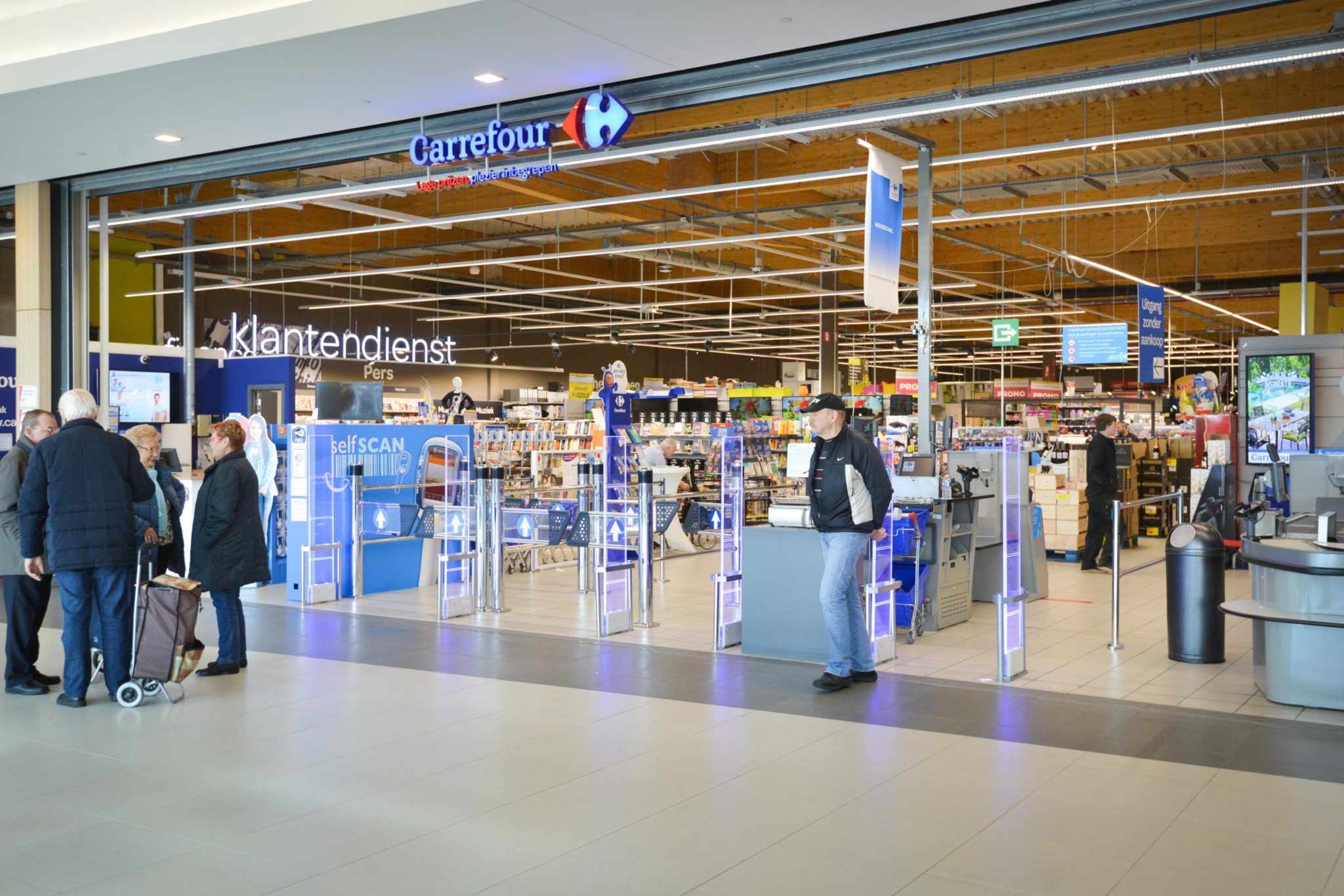
    Carrefour and Google have formed a strategic partnership to develop innovative online shopping solutions.

    The two companies say Google will contribute its technology and skills in AI, cloud computing and new consumer shopping interfaces like the Google Assistant, while Carrefour will bring its product expertise and know-how in logistics and sales.

    The partnership will focus on three initiatives: the availability of Carrefour on a new Google shopping website and Google Assistant in France, the creation of a Carrefour-Google innovation lab and the acceleration of Carrefour Group’s digitalisation.

    “The common objective of this partnership is to bring together the expertise of both companies to offer consumers new and innovative commerce experiences in France, whether that’s in a store, online, on smartphones, or with voice,” the two companies said in a statement.

    New buying experience

    The cooperation will see “a new buying experience from Carrefour across Google platforms” including Google Assistant, Google Home and a new Google Shopping website in France, expanding Carrefour’s footprint in the digital realm.

    “The common goal of both companies is to provide users with simplified and intuitive buying experiences. By early next year, users in France will be able to shop for groceries through a variety of channels including on Google Home, via the Google Assistant on their mobile phone, or on the web through the new Google shopping destination in France. Items can be delivered to their homes or made available for pick up in-store.”

    At the new innovation lab in Paris, Carrefour engineers will work side-by-side with Google Cloud AI experts to co-create new consumer experiences.

    Meanwhile, Carrefour will deploy Google Cloud’s G Suite productivity and collaboration solutions (including Gmail, calendar, drive, Hangouts, Docs) to more than 160,000 Carrefour employees.

    “This alliance makes Carrefour the first partner of Google on grocery e-commerce in Europe, creating a strong bond between the two companies,” said Alexandre Bompard, CEO of Carrefour.

    “It also marks an important step in the new story written by Carrefour since the announcement of the Carrefour 2022 plan. It allows us to accelerate our digital evolution and get a head start in deploying the omni-channel approach we want to offer our customers.”

    Sébastien Missoffe, VP and MD of Google France, said shoppers today are saddled with disconnected experiences through the online shopping journey, which often lead to abandoned shopping carts and low customer satisfaction and loyalty.

    “Customers want assistive, simple and personalised experiences that help them make decisions on what to buy, assist with easily building baskets across surfaces, and provide a seamless checkout. With Alexandre Bompard and his team, we wanted to explore new distribution models and e-commerce technologies to deliver simple, frictionless and deeply relevant experiences for shoppers in France.”

    Carrefour has a network of 12,300 stores across more than 30 countries.

  • Operation Goalkeeper World Cup against Counterfelt Goods

    Operation Goalkeeper World Cup against Counterfelt Goods

    In a sting to thwart criminal attempts to sell 2018 FIFA World Cup fakes, Hong Kong Customs’ Operation Goalkeeper has so far resulted in about $15.3 million worth of suspect merchandise being seized, plus five arrests.

    Aimed at preventing such items crossing the border, Operation Goalkeeper launched at the end of April with a focus on finding infringing items being trafficked through passenger and cargo channels at airport, seaport, land boundary and railway control points on the eve of the matches.

    Launched at the end of April 30, the sting has so far resulted in about 259,000 pieces of suspect items in 21 cases being seized.

    Items include about 180,000 pieces of apparel and accessories, 50,000 pairs of shoes and 29,000 bags. There are also about 57,000 suspected counterfeit jerseys, including 50,000 pieces bearing suspected forged FIFA trademarks.

    The items were seized from 12 seaborne containers, four goods vehicles and a batch of air parcels.

    Under the Trade Descriptions Ordinance, any person who imports or exports any goods to which a forged trademark is applied commits an offence. The maximum penalty is a fine of $500,000 and imprisonment for five years.

    Operation goalkeeper continues.

  • Singapore Sales stays under the Expectations

    Singapore Sales stays under the Expectations

    Falling sales of electronics and apparel muted the overall figure for Singapore retail sales in April.

    The year-on-year headline figure rose by just 0.7 per cent after sales of motor vehicles were excluded from the data. Sales of computers and phones fell by 9.8 per cent, while apparel and footwear sales fell by 3.4 per cent.

    Supermarkets and hypermarkets slipped by 2.3 per cent and department stores by 1.7 per cent.

    Categories which improved were led by petrol service stations, up 8.5 per cent, and medical goods and toiletries, up 7.8 per cent.  Sales of furniture and household goods rose 4.8 per cent.

    Month-on-month retail sales declined 1.7 per cent and Statistics Singapore estimated online shopping accounted for just 4.4 per cent of total retail sales in April.

    Food retailers also had a forgettable month, with total sales falling 1.7 per cent year on year. Within that category, fast-food outlets boosted sales by 5.4 per cent, at the expense of restaurants and cafes, which declined 4.3 per cent.

  • Japan studies regular mandatory closings in the Retail Industry

    Japan studies regular mandatory closings in the Retail Industry

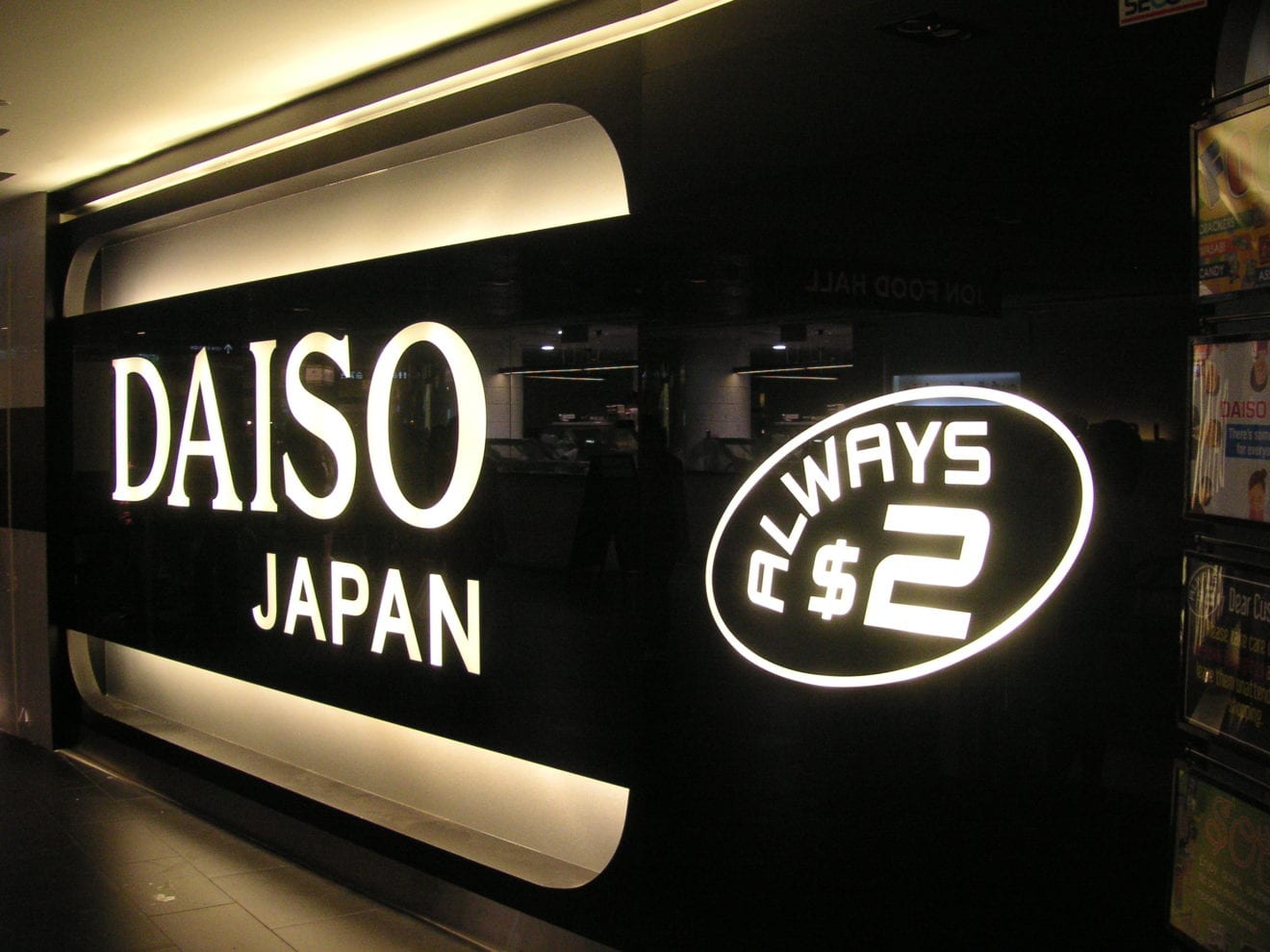
    Large-scale specialty stores such as Daiso and Ikea may be subject to mandatory closings every two weeks as the South Korean government studies the validity of such a regulation.

    Research on the appropriateness of the regulation on large-scale specialty stores will start this month, says the Korea Small Business Institute. It will examine whether the big retailers are hurting small shops, and whether the regular closures are necessary. Requested by the Ministry of SMEs and Startups, the study will determine if the regulation is necessary.

    The restriction on such large-scale specialty stores has become the thorniest issue in the retail industry. Large retail outlets such as E-mart, Home Plus and Lotte Mart are subject to restrictions on working hours following a revision of the Distribution Industry Development Act in 2012, aimed at protecting small shops. Local governments adopted ordinances based on the Act, forcing large retail outlets to close on the second and fourth Sunday of each month.

    However, critics say it is unfair as only retail outlets are subject to the regulation while shopping malls such as Shinsegae Group’s Starfield and specialty shops like Ikea were exempted.

  • Cebu Pacific to resume Manila-Busuanga flights in June

    Cebu Pacific to resume Manila-Busuanga flights in June

    Cebu Pacific is scheduled to resume flights between Manila and Busuanga, Palawan on Sunday, June 10 – two days after an airport mishap there.

    On Saturday, June 9, flights to and from Busuanga were canceled after a Skyjet plane overshot the runway of the Francisco Reyes Airport late Friday afternoon, June 8.

    In an advisory on Saturday night, Cebu Pacific announced that normal operations will resume on Sunday, and that all of its Cebgo flights will proceed as scheduled.

    It also announced additional Cebgo flights for Sunday to accommodate passengers affected by flight cancelations on Saturday:

    • DG 6049, Manila-Busuanga (Coron), 6:00 am
    • DG 6050, Busuanga (Coron)-Manila, 7:35 am
    • DG 6051, Manila-Busuanga (Coron), 9:30 am
    • DG 6052, Busuanga (Coron)-Manila, 11:05 am
    • DG 6053, Manila-Busuanga (Coron), 1:30 pm
    • DG 6054, Busuanga (Coron)-Manila, 3:05 pm
    • DG 6055, Manila-Busuanga (Coron), 2:50 pm
    • DG 6056, Busuanga (Coron)-Manila, 4:35 pm

    Cebu Pacific said that passengers whose Saturday flights had been canceled “are being notified regarding their new flight schedules.” It added that the passengers have the option to either rebook their flights within 30 days from original departure date, or claim a full refund or travel fund.

  • Cebu Pacific launches Independence Day seat sale for GetGo cardholders

    Cebu Pacific launches Independence Day seat sale for GetGo cardholders

    Cebu Pacific is staging a two-day exclusive seat sale for GetGo Visa cardholders in celebration of the 120th Independence Day.

    Cardholders will be able to book flights to select domestic destinations for as low as P699 and P1,199 to select international destinations such as Hong Kong, Kota Kinabalu, Singapore, Narita, and Melbourne.

    The seat sale runs from June 12 to June 13, for travel from January 1 to March 31, 2019.

    The seat sale is available on Cebu Pacific’s website and can be settled using GetGo credit, debit or prepaid cards by Union Bank of the Philippines.

  • AirAsia on the offensive over traffic rights

    AirAsia on the offensive over traffic rights

    AirAsia has accused Malaysia’s aviation body, Mavcom, of holding back the country’s aviation and damaging tourism growth.

    The airline made the accusations, Thursday, in a rebuttal of an earlier statement released by Mavcom saying it always adhered to a transparent and objective process when considering traffic right applications.

    AirAsia has accused Malaysian Aviation Commission (Mavcom) of making a grossly misleading statement on the evaluation process when allocating air traffic right to airlines.

    Mavcom had earlier said it that it followed a process that would take into account airlines’ views when it was allocating air traffic rights.

    But in its public statement, AirAsia disputed Mavcom’s claim saying the agency had failed to take into account the airline’s viewpoint made at three meetings since November last year to May this year.

    “Most of our concerns were ignored and have not been addressed,” the airline said in its statement.

    The airline claims that operations on international routes that are linked to unrestricted bilateral air agreements (permitting unlimited operations by airlines in terms of frequencies, seat capacity and aircraft types), should not be blocked by Mavcom.

    “Mavcom’s decision to reject our route applications is therefore completely against the Open Skies policy advocated by Malaysia’s  Ministry of Transport when negotiating for bilateral air agreements with other countries.”

    AirAsia is objecting to Mavcom’s demand that airlines should provide commercially sensitive and confidential information, such as unit revenue/cost (RASK/CASK) figures and fare structures, when requesting for route approvals.

    “Financial evaluation of routes should be left to the airlines, as it is the airlines’ prerogative to decide on the commercial viability of their own operations,” AirAsia said.

    It called on Mavcom to simplify the air traffic rights allocation process claiming it is “ now extremely cumbersome due to the high number of documents and data that need to be provided to support applications for route approvals.”

    AirAsia calls for more transparency from Mavcom as no detailed computation/supporting data is provided when a route is rejected, other than a statement citing “overcapacity” on the route concerned.

    The airline group noted that Mavcom rejected an application to increase Kota Kinabalu-Sandakan flights from 25 to 32 trips per week citing there was overcapacity on the route event though flights were operating at a 90% load factor.

    “We also wish to seek clarification from Mavcom on why MASwings is being allowed to operate 21 trips per week on the route. MASwings is a fully subsidised airline and possesses an undue financial advantage over other commercial airlines, and a review of its 21 times weekly service is required. Inter-Sabah air connectivity has been held back for years and we are keen to boost tourism in the state.”

    Malaysian carriers already lag behind their Asean competitors in terms of total weekly seats deployed for points in Asia.

    According to the Ministry of Tourism Malaysia, Thai carriers have deployed 893,166 weekly seats, while Singapore carriers have deployed 661,863, compared to 590,422 by Malaysian carriers as of December 2017.

    “Mavcom blocking growth in this manner only serves to benefit other regional airlines who are allowed to grow without undue restrictions by their own civil aviation authorities.

    “We have also seen a 3% decline in tourist arrivals to Malaysia to 25.95 million in 2017 from 26.76 million in 2016. Mavcom’s rejection of route applications will only further compound the issue and hamper Malaysia’s tourism and economic growth.”

    AirAsia Malaysia CEO Riad Asmat said, “Mavcom is not an airline, and should leave the business to actual airlines like AirAsia that understand the market. Since 2001, we have grown from two planes to more than 200 aircraft and from 200,000 guests flown in that first year to 89 million guests this year. We operate more than 320 routes – one-third of which are unique – to over 130 destinations across Asia-Pacific, the Middle East and the US.

    “By failing to understand the true business of airlines, and by trying to micro-manage the industry, Mavcom is doing more harm than good to Malaysian aviation, the exact opposite of its mandate. It is holding the industry back with slow approvals and high charges, while other countries invest heavily in increased air traffic connectivity, to the detriment of the Malaysian tourism sector and the economy,” the airline’s CEO concluded.

  • Singapore retail sales still lacklustre in April

    Singapore retail sales still lacklustre in April

    Retail sales continued its lacklustre streak in April, ticking up marginally by 0.4 per cent compared to a year ago, dragged down by a sharp dip in computer and telecommunications equipment.

    This followed March’s 1.1 per cent drop in retail sales.

    Excluding motor vehicle sales, retail takings inched up 0.7 per cent in April, according to Singapore Department of Statistics data released on Tuesday.

    Performance among the retail industries was a mixed bag, with the largest decline seen in computer and telecommunications equipment (-9.8 per cent), followed by apparel and footwear (-3.4 per cent), supermarkets and hypermarkets (-2.3 per cent), and department stores (-1.7 per cent).

    The top performer in April was petrol service stations, which reported a sales growth of 8.5 per cent, due partly to higher petrol prices.

    On a month-on-month basis, seasonally-adjusted retail sales fared even worse, decreasing by 0.2 per cent in April. Excluding motor vehicles, retail sales declined 1.7 per cent.

    The total retail sales value in April 2018 was estimated at S$3.6 billion, of which online sales accounted for about 4.4 per cent.

    The food and beverage services index was also awash in red in April, dipping 1.2 per cent compared to a year ago. On a month-on-month basis, it fell by 3.4 per cent.

    The total sales value of food and beverage services in April 2018 was estimated at S$662 million, lower than the S$670 million in April 2017.

  • Miniso India plans big expansion this year

    Miniso India plans big expansion this year

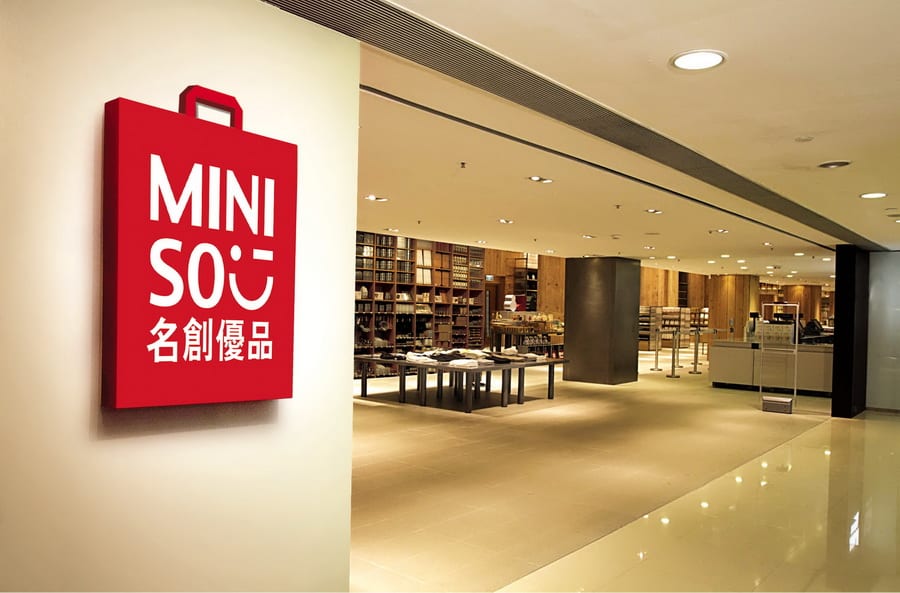
    Discount chain Miniso India plans to open 200 stores by year’s end.

    India has become a fertile market for many international retail brands, including Gap, H&M and Zara. So far, Miniso has opened 20 stores in India.

    A World Bank report says India’s economy has grown by 6.7 per cent from last year, and is expected to grow to 7.3 per cent this year, overtaking China as the world’s fastest-growing economy again.

    India’s GDP of about US$2.6 trillion made it the world’s sixth-largest economy last year.

    Rapid development of the economy also laid a good foundation for the prosperity of India’s retail industry.

    India’s robust economic growth and rising household incomes are expected to increase consumer spending to $4 trillion by 2025.

  • Daiso Taiwan to face second import ban

    Daiso Taiwan to face second import ban

    Japanese retail chain Daiso Taiwan is expecting to face a second import ban.

    It was earlier slapped with a six-month ban for illegally importing food products from areas affected by the 2011 Fukushima nuclear disaster and selling them with falsified labels of origin in Taiwan in 2015.

    Known for selling food and discounted consumer products, Daiso was also fined NT$41.64 million (US$1.39 million) for falsifying transaction dates to obtain import permits, says Taiwan’s Ministry of Economic Affairs. A total of 694 import application documents were found to be fraudulent.

    Daiso Taiwan may also close its retail branch in Penghu, leaving it with 59 outlets.

    Regarding the new import ban, Daiso Taiwan said on its website it had improved its import procedures since the lapse in 2015.

  • Retail Sales During Ramadan Signal a Rebound

    Retail Sales During Ramadan Signal a Rebound

    Retail sales in Indonesia increased ahead of the Idul Fitri holiday, hinting of a much-anticipated rebound in private consumption.

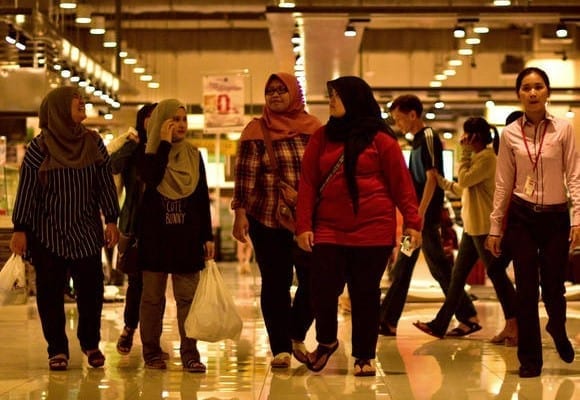
    Shopping malls saw crowds of people hunting for discounts on new clothes, jewelry or the latest trends in shoes and handbags ahead of the annual festivity. Housewives have meanwhile been filling their grocery baskets with staples such as beef, chicken and chili, the prices of which have been uncharacteristically low for this time of the year.

    “We expect retail sales to increase by between 20 percent and 25 percent, compared with the Idul Fitri holiday last year,” said Roy Mandey, chairman of the Indonesian Retailers Association (Aprindo).

    Sales growth has been accelerating since January, reversing last year’s downward trend, and reached 3.4 percent in April – the highest in 10 months, according to World Bank data.

    A Bank Indonesia survey also showed the Consumer Confidence Index increasing 2.9 points in May to 125.1 – near its three-year peak. A reading above 100 reflects optimism.

    Consumers started spending more of their incomes, according to the survey. The average income-for-consumption ratio slightly increased to 66.1 percent from 66 percent the previous month, while the income-for-saving ratio declined to 19.6 percent from 20 percent.

    According to Roy, retail sales during Ramadan and the Idul Fitri holiday will contribute around 40 percent to the full-year target. Last year, retail sales only contributed 6 percent to the total in the same period. The average contribution is 15 percent.

    Indofood Sukses Makmur, one of Indonesia’s largest producers of packaged goods and flour, predicts a 10 percent to 12 percent increase in sales during this period.

    “We increased stocks to meet rising demand during the fasting month and holidays that follow it,” Indofood director Taufik Wiraatmadja said on Thursday (07/06). He added that this was done to boost the company’s sales during Ramadan.

    Indofood CBP Sukses Makmur, its subsidiary that produces various branded consumer products such as instant noodles, snacks and dairy products, predicts an 8 percent to 12 percent rise, while Bogasari, its flour producer arm, predicts a 10 percent increase in sales.

    The growth in retail sales is also reflected in advertising spending during Ramadan, which increased 7 percent overall during Ramadan this year, compared with the same period last year.

    Research by Nielsen shows that there was an average of 7 million TV viewers in Indonesia per day during this year’s Ramadan, which is 18.6 percent more compared with other months. People watched TV about five hours 19 minutes on average during Ramadan, compared with four hours and 53 minutes during the non-Ramadan period. The research compared the Ramadan period on May 16-21, with the non-Ramadan period of April 1-7.

    “For online shopping during Ramadan, there is growth in clothing products, food and beverages products, household products and travel-related products,” said Hellen Katherina, executive director of media business at Nielsen Indonesia.

    Signs of a Turnaround

    Ramadan sales usually contribute 15 percent of Indonesian retailers’ annual sales, according to Roy of Aprindo. But last year’s sales were weak and only made up 6 percent of the full-year sales. As a result, retailers saw only 3.65 percent growth in 2017, representing the sector’s worst performance in the past 10 years.

    The positive trend comes as a relief to retailers, who are now confident of reaching between 8 percent and 9 percent growth by the end of this year, Roy said.

    He attributed the spike in retail sales to holiday bonuses and 13th checks received by some 4.3 million civil servants across the country.

    This year, the government allocated Rp 35.76 trillion ($2.56 billion) towards 13th checks and holiday bonuses for civil servants who have not seen pay raises since 2016. Last year’s figure was Rp 23 trillion. The government has also raised its expenditure on social assistance, which includes village funds, cash transfers under the Family Hope Program (PKH) and rice social assistance (Rastra). It has spent Rp 17.9 trillion between January and March, almost a double last year’s figure.

    “While a quarter that includes Ramadan usually fares better than other quarters, Jokowi’s move to increase the allowance for civil servants and expenditure on social programs proves to be a good decision to boost retail sales,” Alfred Nainggolan, a research analyst at brokerage firm Koneksi Kapital said on Sunday, referring to President Joko Widodo by his popular nickname.

    “There will be more momentum to increase it, such as regional elections and the Asian Games, which in turn will further support Indonesia’s economic growth,” Alfred said. The regional elections will be held at the end of June, while the Asian Games will take place in August and September.

    Stable food prices also contributed to consumer confidence, according to Juan Permata Adoe, deputy chairman of strategic foods affairs at the Indonesian Chamber of Commerce and Industry (Kadin).

    The government opened the import market for staple goods and imposed price controls on rice, sugar, meat, packaged cooking oil, and fuel and power to stabilize prices.

    A kilogram of beef sold for Rp 149,300 per kilogram during the last week of Ramadan, virtually unchanged from a month ago, according to National Strategic Food Price Information Center. In the past, it has not been unusual to see a 30 percent jump in commodity food prices during Ramadan and Idul Fitri.