Category: General

Retail News Asia is committed to providing both local and global retailers with the latest General Retail news throughout the Asian market. This on a daily base.

  • Petronas committed to help Sarawak become major oil industry player

    Petronas committed to help Sarawak become major oil industry player

    Petroliam Nasional Bhd (Petronas) is committed to supporting Sarawak’s aspiration to become a major player in the petroleum industry and has so far invested RM183 billion in the upstream sector in the state alone via production sharing contracts (PSCs).

    According to infographics released to Bernama, the national oil company, since 1976 and up to last year, made cash payments worth RM33 billion to Sarawak.

    In addition, through the state government’s equity in Petronas’ liquefied natural gas (LNG) complex in Bintulu, the state also received RM18 billion in dividends.

    Through the Sarawak Joint Working Committee, Petronas also works closely with the state government to ensure Sarawakians and local companies get priority in career and business opportunities in both upstream and downstream activities in the region.

    Petronas also spent RM411 million on scholarships and aid programmes for over 6,000 Sarawakian students while 5,000 Sarawakian professionals are working in Petronas operations, worldwide.

    The Sarawak government, in March this year, launched state-owned Petroleum Sarawak Bhd (Petros) to boost its own participation in the industry.

    The infographics also explained in detail the Petroleum Development Act 1974 , a Federal law enacted by Parliament, having the legislative competence under the Federal Constitution to promulgate laws relating to petroleum.

    The PDA 1974 gives Petronas exclusive ownership to oil and and resources in Malaysia and makes it the sole regulatory body for upstream oil and gas activities through PSCs.

    The PSC system addresses the need for a greater centralised management of the petroleum industry for the benefit of the nation and the states.

    This has allowed Petronas to create significant value for the nation, hence contributing to the well-being and development of the nation and the respective states.

    “The PDA 1974 serves to protect the interest of all Malaysians, ensuring that the nation will benefit the most from its petroleum resources,” Petronas said in the infographics.

    Under the Act, profit share is split between Petronas, contractors and income tax payment to the government with the states and Federal government getting five per cent royalty each from the Profit Oil, Petronas and the contractors sharing 12.5% each from the 1985-type PSC and 15% for income tax.

    From two other types of PSC, Profit Oil is only 10% with 3% each for both parties and 4% for income tax (under Deepwater/Ultra Water PSC) and for Revenue/Cost PSC, Profit Oil is at 20% of which 6% each is for Petronas and contractors and 8% for income tax.

    The infographics also highlighted the fact that PSCs are risky, highly capital intensive and take a long time to provide returns while exploration took between three and five years with no income and the probability to discover oil rated at only between 20% and 25%.

    The risks is extended to the development period of between four and six years’ spending to monetise the discovery, a period when still no income is made.

    Once production commences, the 10% cash payment to the federal government and the states starts while both Petronas and the contractors pay 38% income tax from the profits made.

    The national oil company also pays annual dividends to the federal government.

    Contrary to general perception, these cash payments are paid, twice a year, irrespective of whether the production from the field is profitable or not.

    According to the infographics, an increase of the royalty payment from 5% to 20% as demanded by producing states will have an adverse impact on the industry.

    Such an increase in cash payment would also reduce the attractiveness of Malaysia as an oil and gas investment destination for many players.

    There are currently over 40 investors in PSCs of which about 80% are foreign companies which view the Malaysian petroleum sector as stable and favourable based on current PSC arrangements.

  • Southeast Asia’s largest solar project to be built in Vietnam

    Southeast Asia’s largest solar project to be built in Vietnam

    Vietnamese construction firm Xuan Cau and Thailand conglomerate B.Grimm have teamed up to build Southeast Asia’s largest solar power plant in Tay Ninh Province.

    The signing of the joint venture agreement in Bangkok was witnessed by the prime ministers of both countries.

    The $420 million, 420MW project is set to be commissioned in June 2019, said Preeyanart Soontornwata, CEO of the B.Grimm Power Public Company.

    With Vietnam’s electricity demand growing significantly, B.Grimm estimates that the project will eventually account for 30 percent the company’s total income.

    Solar power currently accounts for 0.01 percent of the country’s total power output, but the government plans to increase the ratio to 3.3 percent by 2030 and 20 percent by 2050.

    Vietnam depends largely on hydropower and thermal power plants for its electricity demands, but the projects have often drawn criticism from both local and international communities due to environmental concerns.

    Vietnam is aiming to produce 10.7 percent of its electricity through renewable energy by 2030, mainly through solar and wind energy.

    Earlier this month, Prime Minister Nguyen Xuan Phuc said that Vietnam aimed to increase the number of households using solar energy from the current 4.3 percent to 26 percent by 2030.

  • Vietnamese steel, wood firms might gain from US-China trade war

    Vietnamese steel, wood firms might gain from US-China trade war

    The recent escalation of trade tensions between the U.S. and China could have a positive effect for some industries in Vietnam, but experts warn these gains could prove short-lived.

    U.S. President Donald Trump announced last week that he would push ahead with tariffs on $50 billion of Chinese imports starting July 6, and China retaliated by slapping the same amount of duties on commodities from the U.S.

    The U.S. would impose a 25 percent tariff on more than 800 strategically important imports from China including cars and oil, while China announced that it would slap a 25 percent tariff on 659 U.S. products, from soybeans to seafood.

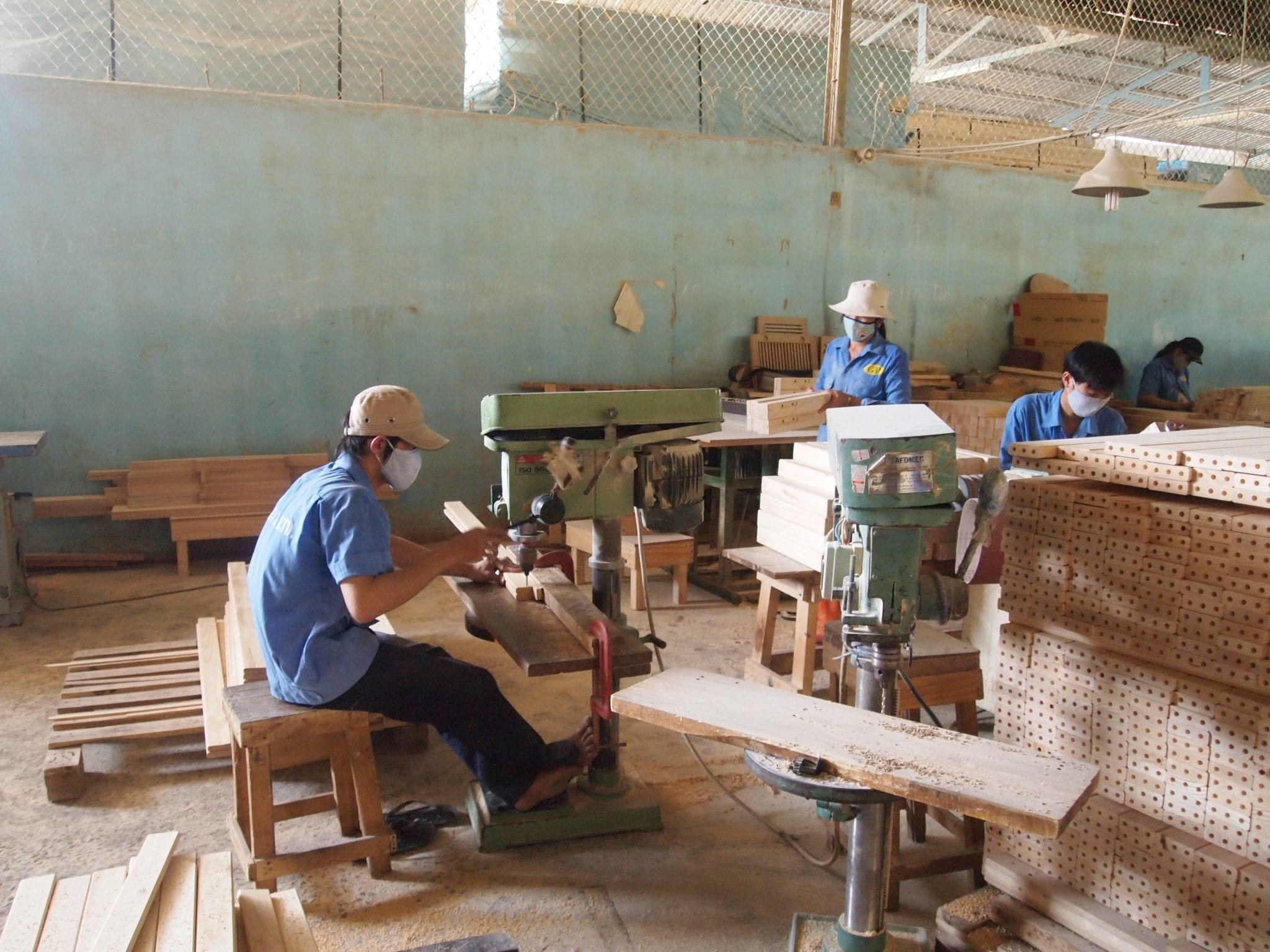
    Vietnamese wood businesses will be benefit from this trade war should the U.S. impose a heavy tax on Chinese wood starting this July, a representative of the Handicraft and Wood Industry Association of Ho Chi Minh City (HAWA) said.

    In the first two months this year, exports to the U.S. accounted for 39.7 percent of total wood export turnover, an increase of 14.6 percent from the same time last year, the source said.

    One of the reasons for this increase is the anti-dumping duties U.S. slapped on China at the end of last year, the source said.

    Vietnam is currently the fifth largest exporter of wood to the U.S., while China tops the list, according to HAWA statistics. If Vietnamese businesses can take this opportunity, growth can be much faster than now, the source said.

    Apart from wood, Vietnamese steel businesses would also enjoy a surge in steel exports to the U.S. if the latter ups its anti-dumping tariffs on China by 25-35 percent, Nguyen Huy Do, marketing director of Vietnam Italy Steel Jsc, said.

    However, industry insiders are warning that China might invest in manufacturing steel in Vietnam to have a ‘Vietnam label’ on products that will eventually be exported to the U.S.

    Last month, the U.S. Commerce Department slapped steep import duties on steel products from Vietnam that originated in China, finding that they evaded U.S. anti-dumping and anti-subsidy orders.

    After this, the Vietnam Steel Association has requested authorities to impose tighter controls on foreign investment in steel.

    Another risk is that China dumps its residual inventories on other countries in the region, including Vietnam, which will result in an unstable trade market, Dinh Tuan Minh, research director of market research firm Viet Analytics, said recently.

    Vietnam therefore needs to be careful amidst this trade war between the world’s largest economies and should not let itself be the target of steep tariffs, Minh said.

    “What the U.S. is doing to China can be done to Vietnam at some point,” he said.

  • Malaysia falls three spots in world digital competitiveness

    Malaysia falls three spots in world digital competitiveness

    Malaysia has fallen three spots to 27th position in the IMD World Digital Competitiveness Ranking 2018, its lowest overall score in five years.

    According to the IMD World Digital Competitiveness Center’s report, this year the majority (29) of countries in the study showed an improvement in their level of digital competitiveness, but Southeast Asian nations such as Malaysia, the Philippines and Indonesia recorded a decline.

    Meanwhile, Singapore, which was ranked number one in the last five years, was overtaken by the United States in the study of 63 economies. Other countries in the top five were Sweden, Denmark and Switzerland.

    “Results show that several countries are experiencing an “adaptive imbalance” or a mismatch between high levels of training and education, and the attitudes towards embracing digitalisation; among these economies, we note Austria, Malaysia and Russia,” said the report.

    The overall ranking was based on three factors: knowledge, technology and future readiness.

    Malaysia maintained its knowledge ranking at 17th place while dropping four rungs to 22 for technology and two spots to 29 for readiness towards digital transformation.

    IMD is an independent business school with Swiss roots and global reach.

  • How biometrics improves customer engagement in retail

    How biometrics improves customer engagement in retail

    A new age of identification technologies has arrived, giving physical stores an opportunity to level the playing field with online retailers.

    And identification technologies, such as biometrics in retail, can create deeper customer engagement more in line with an e-commerce experience.

    A recent Walker study found that by 2020, customer experience will overtake price and product as the key brand differentiator. Today’s customers will expect companies to know their individual needs and to personalise the experience to meet those needs. Equally significant: 86 per cent of these consumers are willing to pay more for it.

    Simply put, customer experience is now the new battleground, and every retailer should think about how to jump on the bandwagon sooner rather than later.

    E-commerce has traditionally held an edge over brick-and-mortar stores, with its ability to provide quality digital customer service and personal experience through the use of algorithms.

    An algorithm can easily detect a shopper who prefers white over black, or jeans over skirt, through past browsing and purchasing history. The next time he/she visits the online store, more personalised recommendations can be made accordingly.

    Now, the same function can be replicated across physical stores, and it doesn’t involve the use of any loyalty programs, membership cards or vouchers.

    To start, imagine entering one of your favourite stores and getting a new pair of jeans. If the store can identify you at the point of sale, through biometrics for example, this can then be the gateway to a data and analytics engine. It will enable the store to recall your purchase history and generate predictive analytics on your consumption habits and preferences.

    The store can recommend new stock which has arrived, like a shirt that would go perfectly with the pair of jeans you bought. And it is in black, your favourite colour. As a loyal customer, you receive a personalised recommendation or offer via an email newsletter, prompting you to visit the store again.

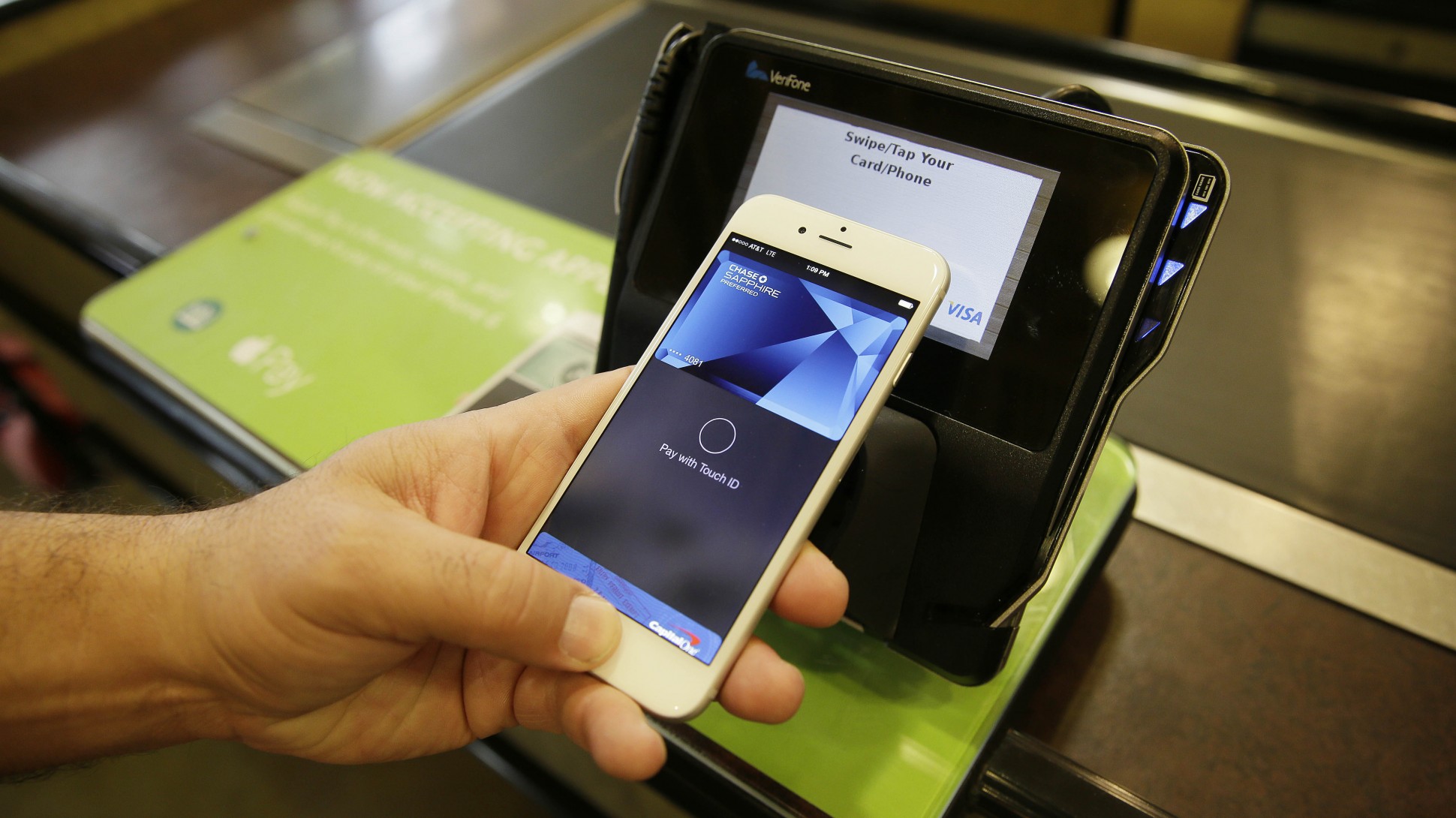
    In traditional cash or card payments, that data would be lost. With more sophisticated identification at the point of transaction, all a customer has to do is to sign up and register their credit cards. When they next transact with that store, restaurant or hotel, the data can be used to create bespoke experiences for that customer. Patterns of behaviour can be identified and digital marketing tactics developed around those insights.

    To top it off, customer-loyalty program entitlements are also applied automatically at every interaction and the customer is notified of the loyalty benefits or credit card promotional offers.

    This eliminates the need for an additional membership card or voucher, making the shopping experience fast, convenient and seamless.

    Biometrics will take the lead

    The next issue is which kind of identification technology will become the norm in the future? In my view, biometric payment systems are a good choice as they can be highly secure if applied correctly. Of those, using fingerprints for payments is by far the least intrusive.

    A recent Visa survey found that 96 per cent of consumers in Singapore would like to use biometrics for making payments, and 41 per cent said it is more secure compared to passwords and personal identification numbers. For a region where cash and credit cards dominate payments, the payment ecosystem remains inconsistent and inefficient. Customers are increasingly concerned with security and privacy issues.

  • Co-working space to become the next retail space

    Co-working space to become the next retail space

    In October 2017, 8-year-old co-working company WeWork made a deal to buy Hudson’s Bay Fifth Avenue property Lord & Taylor flagship store for $850 million, raising not just eyebrows but red flags as to the future of both retail and office facilities.

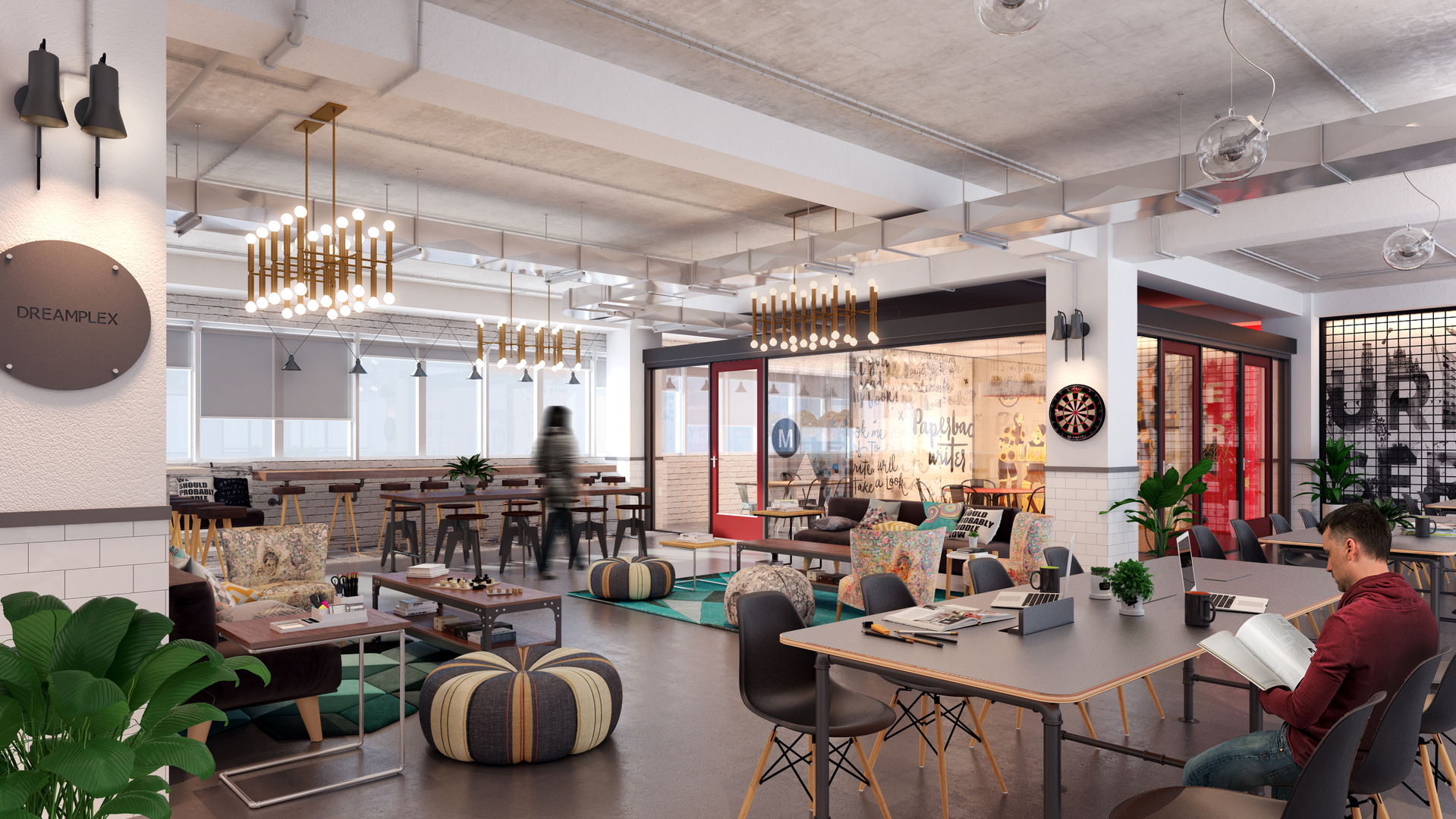
    As companies such as WeWork, Co-Optim and NeueHouse pop up, it is prompting some to wonder if the changing nature of work is giving rise to a new kind of retail experience.

    WeWork plans to turn the former Lord & Taylor space into its New York headquarters after the 2018 holiday season, with Lord & Taylor continuing to operate in the same building in a smaller capacity.

    The Hudson Bay/WeWork partnership will also include WeWork space on the upper floors of the Hudson’s Bay locations on Queen Street in Toronto and Granville Street in Vancouver in Canada, and in the Galleria Kaufhof in Frankfurt, Germany. It’s part of what appears to be a larger retail push for WeWork, which declined to comment for this story but has been rumored to be investing in several retail startup tech companies.

    But buying up store space isn’t the only retail push. Partnerships are another angle that WeWork — and other co-working companies — have been exploring in earnest. In February 2018, WeWork and LinkedIn announced a partnership with J. Crew that would include panel events, a new work-focus collection and campaign from J. Crew featuring WeWork members, and J. Crew pop-ups exclusively for WeWork members.

    The partnership comes at a particularly tense time for the J. Crew brand, which saw a 7% same-store sales drop in fourth quarter 2017 and plans to close as many as 20 additional stores in 2018, following the shuttering of 50 stores in 2017.

    Certainly WeWork isn’t the only co-working company exploring retail. Upscale co-working company NeueHouse, with locations in New York and Los Angeles, is also exploring its options.

    “We think of ourselves as home of the new,” said Jon Goss, chief commercial officer at NeueHouse, an upscale co-working space founded in 2011, with locations in New York and Los Angeles. “Retail is very much a part of that.”

    The company recently featured a pop-up shop in its New York location for Australian skincare brand Aesop, which is a NeueHouse member with studio space on the upper floor. “We are raising money right now, and looking to expand into more properties,” said Goss. “And we talk about how NeueHouse fits as more than just a work space. Work is one of the spaces, and then culture, and then lifestyle. It’s more than just a desk. And providing our customers with the ability to discover new products and experiences is part of that, and part of my vision for our customer experience.”

    NeueHouse has previously partnered with digital fashion retailer FarFetch, and they’ve just signed a deal with a new headphones brand that Goss declined to name. In addition, J. Crew chairman Mickey Drexler recently showed up to the New York location to talk to members about retail. Diane von Furstenberg was another a recent speaker. A recent visit to a WeWork facility in Chicago showed a pending pop-up with Oars + Alps, direct to consumer men’s grooming products.

    “We have to curate with the right partners,” said Goss. “In our Hollywood location, we’ve renovated our lobby to be used, in part, as a popup retail space.”

    Another co-working space working with retail partners is upscale Chicago-based Co-Optim. Alicia Hutzler, Co-Optim’s director of marketing and sales said its partnerships are about adding value for its members. To that end, the company in May began a partnership with Chanel and Bloomingdale’s in Chicago, offering men’s and women’s fragrance and hand lotion to Co-Optim’s co-working members.

    “We are in a unique position, because our members don’t pay for extras,” said Hutzler. “Printing, office supplies, food and beverages are all included with the membership fee. And we’re bringing in this additional value for members.” Hutzler expects the partnership to last throughout the summer. “And then we’ll see if it will be ongoing,” she said. Co-Optim itself is also looking to expand from its three current Chicago spaces to other cities, including Los Angeles, Denver, Miami, Dallas, Seattle and New York, with the expansion rolling out to at least two more cities over the next two years, and the rest by 2020.

    Other co-working retail partnerships include No. 18 and The Shops Buckhead Atlanta, which will bring upscale Stockholm-based co-working company No. 18 to Atlanta’s high-end open-air shopping center in fall 2018, and Staples launched a partnership with co-working space Workbar in 2016. Brooklyn-based The Wing is a space for women only with four locations in New York City and one in Washington D.C. There are seven more locations “coming soon” in Chicago, London, Seattle, San Francisco, Toronto, West Hollywood and Williamsburg, Brooklyn and a retail component that sells on-brand merchandise such as key chains with empowering female-centric messages — complete with an online shop.

    Spacious, another new concept functions like a pop-up shop, taking up short term residency in vacant storefronts and even Westfield Malls has its BeSpoke Coworking concept in its San Francisco Centre. Then there’s Co Work at the Mall, a 15,000 square foot space inside the Water Tower Place mall in Chicago that is a hybird co-working co-retailing concept that pairs pop-up shop and events space with the shared workplace.

    Yet despite retail’s active entrance into the co-working space, some analysts are hesitant to lump this co-branding experiment in with new ideas in experiential retail.

    “WeWork and others are not experiential retail,” Michael Brown, a partner in the retail practice of management consultant A.T. Kearney, and author of the report The Future of Shopping Centers said. “They are, however, creatively leveraging available space to serve the new demographic of gig economy workers that need physical locations to work and collaborate with other workers in related fields. So it’s more a way to re-purpose underutilized or less productive store space.”

    According to Healey Cypher, founder and CEO of Oak Labs, an interactive retail technology company recently acquired by Zlvelo (best known for its touchscreen technology), retail in co-working spaces is more about capturing the consumer’s attention than creating an experience. “When Sports Authority went bankrupt, this consulting firm found that 15% of sales went to Dick’s and 15% to Amazon,” said Cypher, the currently Zivelo’s CEO. “So what happened to the balance? The answer is that the sales disappeared. And it’s because humans are simple: If we don’t see it, we won’t buy it.”

    Adding retail to co-working spaces solves at least part of that problem, said Cypher. “You have all these hardworking folks in co-working spaces, and if they just happen to see stuff, there’s a good chance they’re going to buy it. If you take a small format store and [a] captive population with guests coming by all the time, it’s a really good idea.”

    The concept is particularly appealing for online brands looking to get their products in front of customers. “All these digital-only brands are opening pop-up stores anyway,” said Zoe Leavitt, senior retail analyst at CB Insights, a data analytics platform. “So maybe it makes sense to open one in the lobby of co-working space to capture consumers passing by and working.”

    But not all retail will work in co-working spaces. “With J. Crew in New York, they need to diversify, so I’m not surprised to see them jumping on a collaboration with WeWork,” said Syama Meagher, founder and chief retail strategist at retail consultancy Scaling Retail. “But if I were at WeWork, I would actually think about more lateral businesses,” such as office or work-oriented products and brands.

    WeWork, which is primarily geared toward tech startups, is more technology- than creatively-driven, and Meagher suggests the business might be better served by a retail collaboration more suited to its brand strategy. “Why not host an Apple popup shop,” she said. “Or maybe a Google popup? Give members a discount on those products, and give people access to tools and products they might actively use.”

    Shared workspaces are hosting workshops aimed at bettering member’s business or leadership skills, while makers of bespoke suits and work-appropriate apparel are making appearances on the chance that young workers will ditch the athleisure for new duds.

    For Meager, adding retail to co-working spaces needs to be not just fun but also practical. “Doing a retail storefront inside a co-working space is somewhat detrimental to people working,” she said. “So how are we helping the people in that space, and what is adding value? Is this adding value or is this just marketing?”

    Meagher suggested that finding the best fit may mean looking outside of fashion categories. “As opposed to fashion retail, what if [a co-working space] partnered with SoulCycle or another gym?” said Meagher. “You have to satisfy what people need. Retail can be food, or exercise. There are different ways of selling products. But the first question is, ‘What do customers need?’ Giving them a t-shirt from J. Crew doesn’t seem to be something that a consumer who’s working all day needs. J. Crew is fun, but who actually made any money off of it?”

    Leavitt agrees, noting that fitness and exercise classes such as WeWork’s Rise by We program, will be important parts of the co-working and retailing partnership. “I also see household goods that you could pick up at the office and bring home, like pet food and cleaning supplies,” said Leavitt. “But I see clothing coming last here.”

    There may be even more to retail in a co-working space than simply adding a popup store or bringing in brand partnerships, according to Meagher, who envisions some spaces as making a transition from workspaces to full co-retailing spaces, where merchants share space inside a location, like a co-operative version of a mall.

    “It would be no surprise if companies such as WeWork took some of their spaces and turned them into co-retailing spaces,” said Meagher. “Co-retailing is a very similar business model, and I wouldn’t be surprised if they’re testing the waters to see how retail operates. I think makes more sense than the WeWork apartments. This co-retailing business model is cropping up all over the place, and it’s actually an opportunity.”

    And for struggling malls, finding a way to integrate co-working and retail might be the solution to filling rapidly emptying storefronts.

    “Mall operators such as GGP and Simon Property Group have built homes and hotels alongside their properties, and have also signed co-working space providers as tenants on less-productive floors of shopping malls,” John Mercer, senior analyst, Coresight Research (formerly Fung Global Retail & Technology) said, pointing to a recent report from his company titled Retail Real Estate M&As: A Sign of Renewed Investor Confidence in US Retail?

    Yet adding retail to co-working spaces brings certain problems.

    “There are a couple big challenges I see,” Christopher Walton, an independent consultant and former vice president of Target Store of the Future said. “One, it is hard to coordinate retail partnerships at scale in such a way that the retail experiences will stay fresh and well executed across the country.”

    “Two, it will also be difficult for retailers to generate the return on the investment required from the partnerships or the product placement. It is similar, in my mind, to the phenomenon of retail at airports. Some money can be made at airport stores, but those stores don’t really blow the doors off for any retailer,” he said.

    Making retail work financially may be particularly important for WeWork, which owes $18 billion in rent despite having secured just over $700 million in a recent round of junk bond financing. Analysts are unsure whether the retail element is a practical measure economically — not just for WeWork, but for the co-working industry as a whole, which may be in a bubble that’s about to burst.

    “We are somewhat skeptical about the opportunities to bring retail into co-working spaces,” said Mercer. “We do not see an organic fit, unless the retail element is something such as a coffee shop, though, even then, that will be competing with WeWork’s free refreshment offering, which can range from coffee to beer. Many individuals and employers may not want the distraction of a retail element in their workspace, particularly if they are paying a premium for that space.”

    Moving forward, there may be opportunities for digital retail brands to beat co-working spaces at their own game by opening up co-working spaces of their own, much like retailers have begun opening hotels.

    “A lot of brands are really trying to crack the brick and mortar to mobile conversation,” said Meager. “So the notion of someone like MM.LaFleur creating a co-working space is intriguing.” Meager also sees room for companies such as Apple and, who else, Amazon to try co-working and pointed to the new Apple concept store in Chicago as a possible starting point.

    “It’s meant to have talks and be a community hub,” she said. “Formalizing that into a working space would, transitionally, make a lot sense. And Amazon being able to tap into its network of resources is a huge advantage. If you think all the way through to shipping and fulfillment, plus they own Whole Foods, co-working could be a brand extension for them, and a way of making the brand even more indispensable.”


  • E-Mart to introduce Korean SMEs’ products in Singapore

    E-Mart to introduce Korean SMEs’ products in Singapore

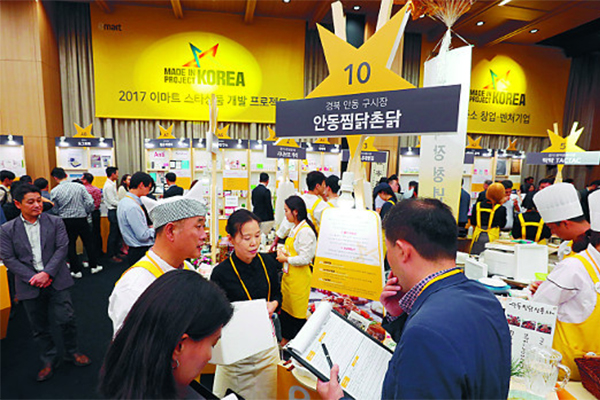
    Korean retailer E-Mart starts selling products from 16 Korean SME companies in Singapore yesterday.

    The move is a part of E-Mart’s plan to take Korean brands into new markets, starting with the winners of the giant retailer’s SME-support project.

    The products include Mpac Plus waterproof cases for smartphones and JM Green’s  containers for storing food in a refrigerator.

    E-Mart will promote the products via both online and offline sales channels across Southeast Asia.

    From yesterday until July 22, the products will be sold on Singapore’s largest online shopping mall, Qoo10.

    Korea’s Small & Medium Business Corporation has teamed with I’m Startice to sell the products through offline channels as well. A pop-up store will open at Suntec City from July 2 to 8.

    E-Mart will also provide consulting services for local buyers that want to sell Korean SME products.

    This the third time that E-Mart, a subsidiary of Shinsegae Group, has organised such a project.

  • Microsoft and Amazon compete in checkout-free retail

    Microsoft and Amazon compete in checkout-free retail

    Microsoft is taking aim at Amazon.com with the development of technology that would eliminate the need for cashiers and checkout lines.

    It’s a challenge to Amazon’s automated grocery shop.

    Microsoft has shown the idea to retailers around the world and has had talks with Walmart about a potential collaboration on the technology that tracks what shoppers add to their carts.

    In January, Amazon introduced Amazon Go, an automated brick-and-mortar store that opened in Seattle.

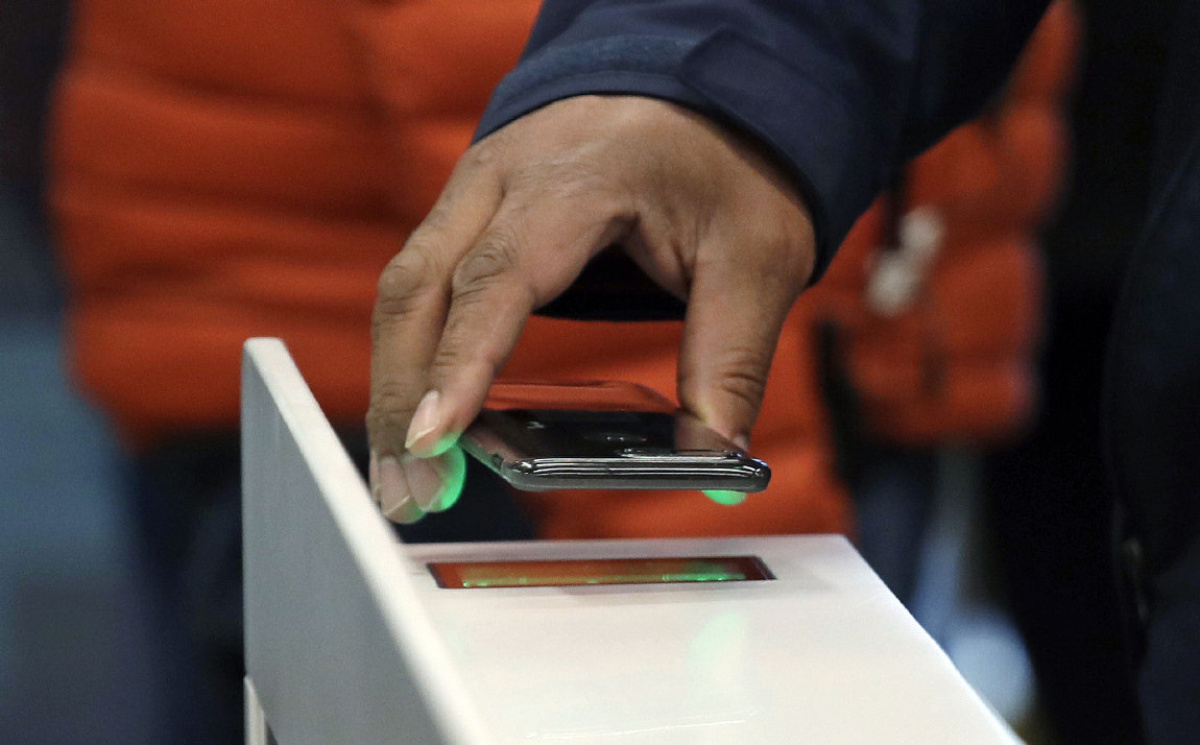
    Technology used at the store scans customers’ smartphones at a turnstile as they enter. Sensors then keep track of items that enter or leave a customer’s cart.

    As customers leave the store, Amazon automatically bills their credit card.

    Microsoft already competes with Amazon in selling cloud services that are important for running e-commerce sites.

    It is not clear how soon Microsoft would bring an automated checkout service to market, if at all, or whether its technology would be the answer retailers are looking for.

    “This is the future of checking out for convenience and grocery stores,” Gene Munster of Loup Ventures said.

    The venture capital firm estimates the U.S. market for automated checkout is potentially worth $50 billion. Cashier is one of the most commonly held jobs in the United States.


  • AirAsia to transfer International flights to MCIA’s new Terminal 2

    AirAsia to transfer International flights to MCIA’s new Terminal 2

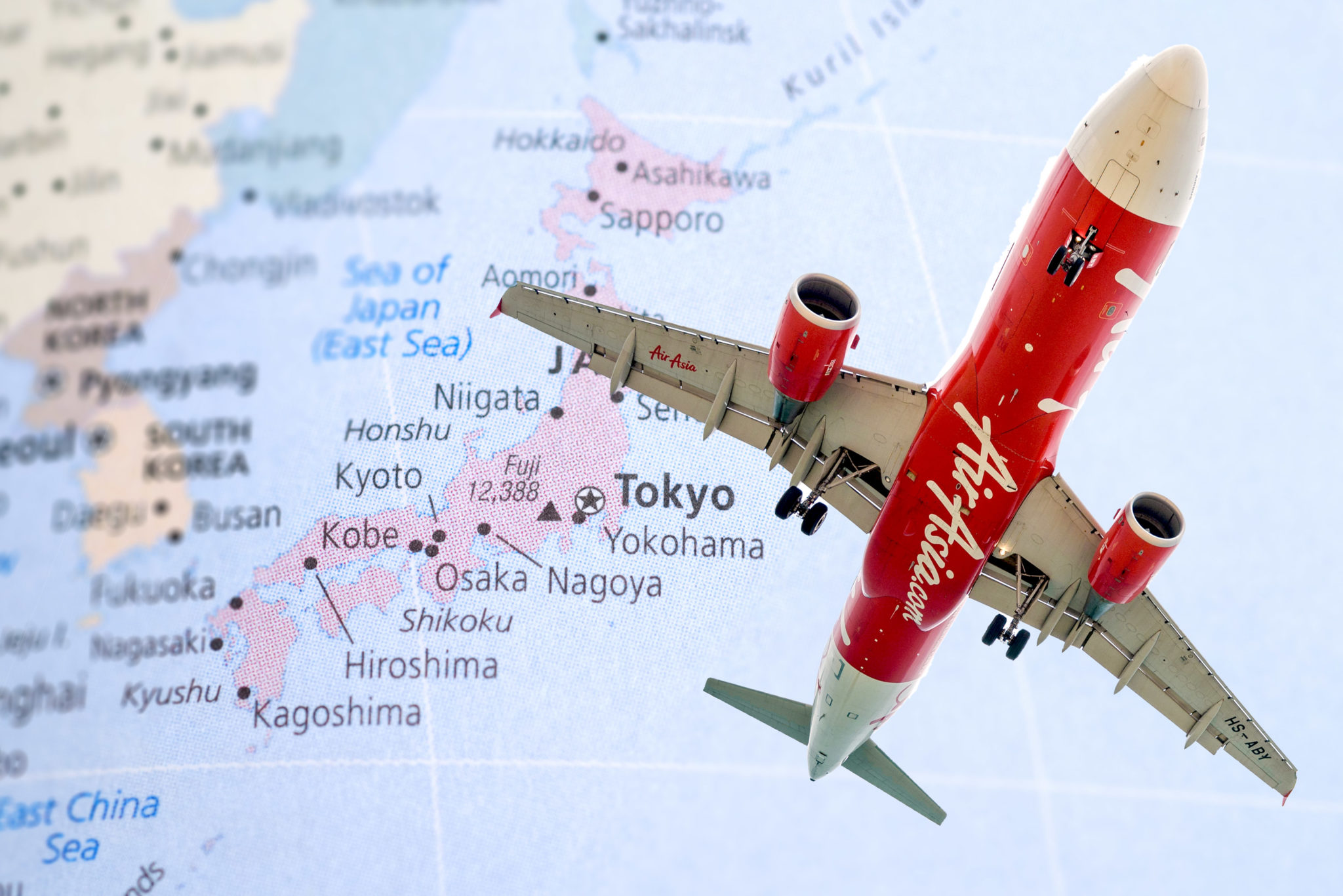
    With the opening of the new Terminal 2 of the Mactan Cebu International Airport (MCIA) next month, AirAsia Philippines has announced its transfer of international flights to and from Cebu at the new terminal by July 1.

    In an interview on Tuesday morning, AirAsia Philippines CEO Captain Dexter Comendador said they are excited to transfer to the new P17.5 billion terminal.

    “We are delighted to be moving to a new terminal, which will provide our guests with enhanced travel experience. The relocation to the new terminal also provides us with great capacity for long-term growth and expansion in Cebu as AirAsia’s hub,” he said.

    The low-cost airline is advising their passengers traveling from Cebu starting July to be at the Terminal 2 at least three hours before their scheduled flights.

    Currently, AirAsia already operates several international flights in Cebu including Kuala Lumpur, Singapore, Taipei, Incheon, Shenzhen, Hangzhou.

    They will also be having their inaugural flight from Cebu to Shanghai in China this coming July 7.

  • Don Don Donki Shop Targets Singapore office workers

    Don Don Donki Shop Targets Singapore office workers

    Don Don Donki Singapore’s second store has begun trading at 100AM Mall on Tras Street in the CBD.

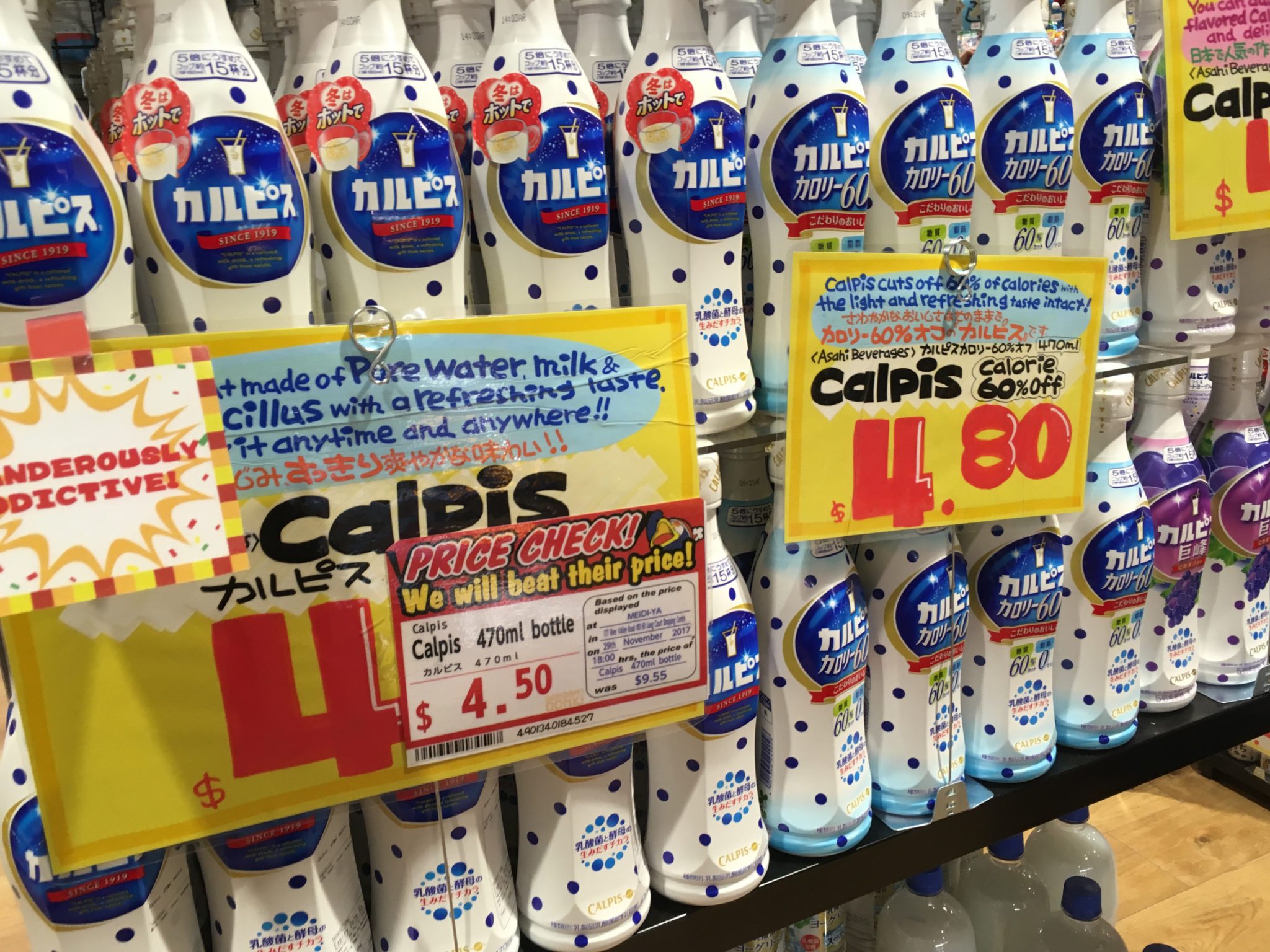
    The 1186sqm store will trade from 8am to midnight seven days a week, selling a wide range of fresh and packaged foods, liquor, cosmetics, stationery and other non-food items at prices ranging from $1 to $5.90. It opens just six months after the retailer’s debut on Orchard Road.

    Don Don Donki, which trades as Don Quijote Group in its Japan home market, will also sell its private label brand, Jonetsu Kakaku. One feature of the downtown store new to Singapore is a ‘Japan Mobile Foods’ corner dedicated to food items that cater to the busy office crowd in the CBD. The company says it hopes to establish itself as the “go-to convenience store for customers who live or work in the area”.

    The Don Quijote Group plans to continue expanding within Singapore and other parts of Southeast Asia.

    “By using scalability, such as reducing the cost of shipping products, the group aims to offer products to customers at even lower price” said Hideki Okada, director, Pan Pacific International Holdings, the Japanese parent’s local subsidiary.

    “With each Don Don Donki store that we open, we aim to retain the essence of the Donki shopping experience while also adapting the store’s offerings to the unique needs of the customers in the area.

    Business results from our first store have revealed that our food offering has done exceptionally well here, so that will continue to be a focus for the 100AM outlet,” he said.

  • Indian tobacco company plans 10,000 more 24Seven Stores

    Indian tobacco company plans 10,000 more 24Seven Stores

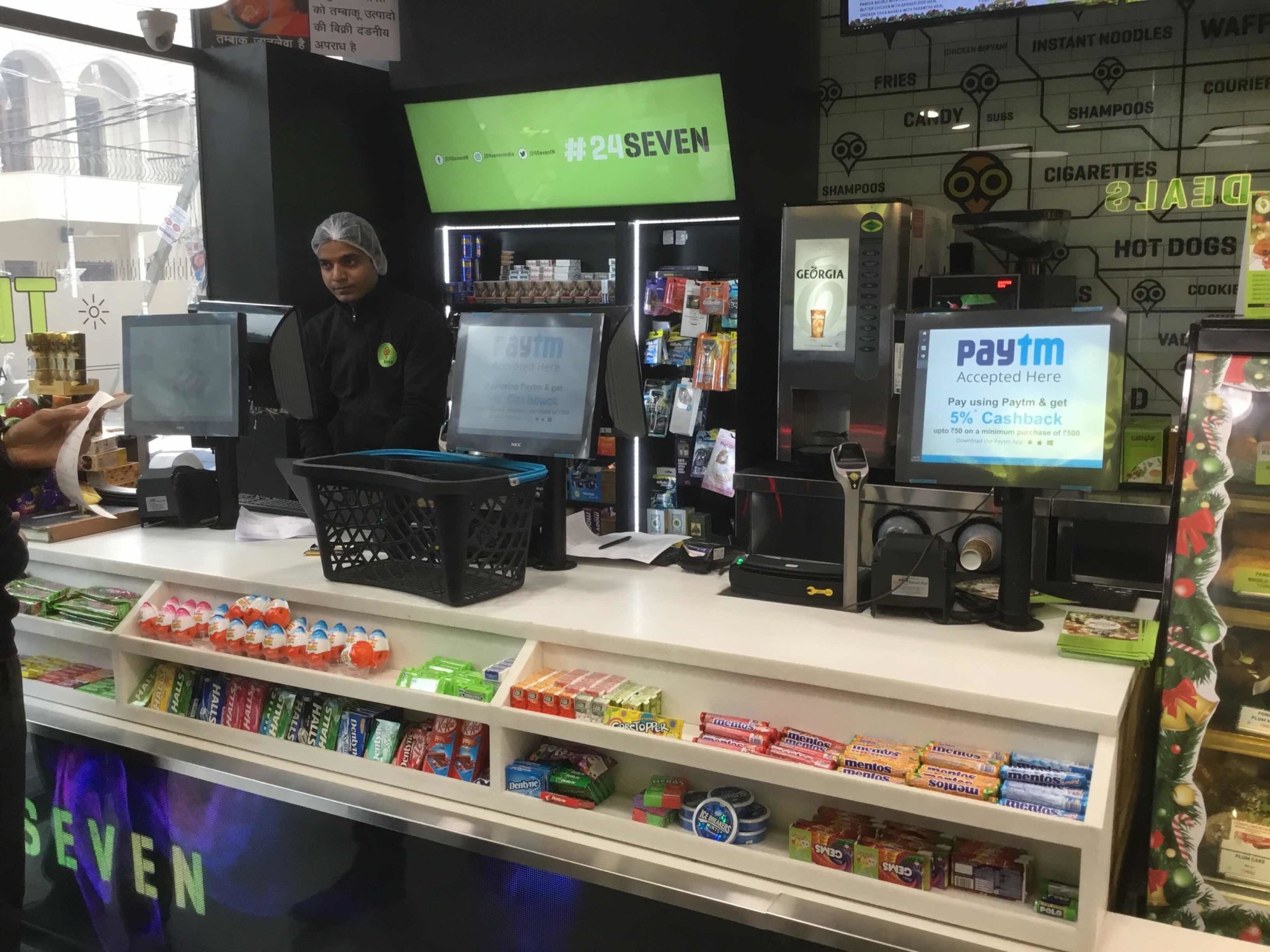
    Indian tobacco company Godfrey Philips is planning to open 10,000 of its 24Seven convenience-store chain nationwide.

    The company plans to treble its network between now and March next year to 170 stores, and expand into new markets from its current National Capital Region base. The first 24Seven store in Mumbai is scheduled to open in April and the company is eyeing early growth in Bangalore, Kolkata and Pune, in the west.

    A further 200 stores are scheduled to open next financial year, which starts on April 1 with a target of 10,000 stores within five years.

    Despite its rapidly rising ranks of middle-class consumers and a proliferation of fresh-food stores, India’s convenience-store network is relatively immature.

    Under a longer-term plan revealed in an interview by Godfrey Philips board member Samir Modi, the company will separate the 24Seven operations into a standalone business once it reaches 1000 stores. The expansion will be funded from internal reserves and use a  franchise business model.

    24Seven stores are typically about 75sqm in size, although some newer flagship stores are nearly double that and the company is looking to larger stores to broaden its product range.

    Modi also revealed plans to boost the number of imported lines on sale in its stores. Confectionery and biscuits, for example, would grow from about 90 lines at present to more than 350.

    Godfrey Philips opened its first 24Seven outlet in 2004. The stores look similar to those of 7-Eleven and, until recently, the company had a group of  former 7-Eleven executives consulting to it.

  • AirAsia to start flights to Ipoh

    AirAsia to start flights to Ipoh

    Low-cost carrier AirAsia Group Bhd is adding services to Ipoh and also looking at restarting flights to Kuantan, according to its group chief executive Tan Sri Tony Fernandes.

    He said this in a tweet this morning from his handle @tonyfernandes: “We opening IPOH soon and also looking to restart Kuantan. Would mean we would fly to all local destinations.”

    AirAsia had initially introduced flights to Kuantan in June 2008, but dropped it later.

    At 11.49am, AirAsia fell 1.25% or 4 sen to RM3.15 with 1.9 million shares done.

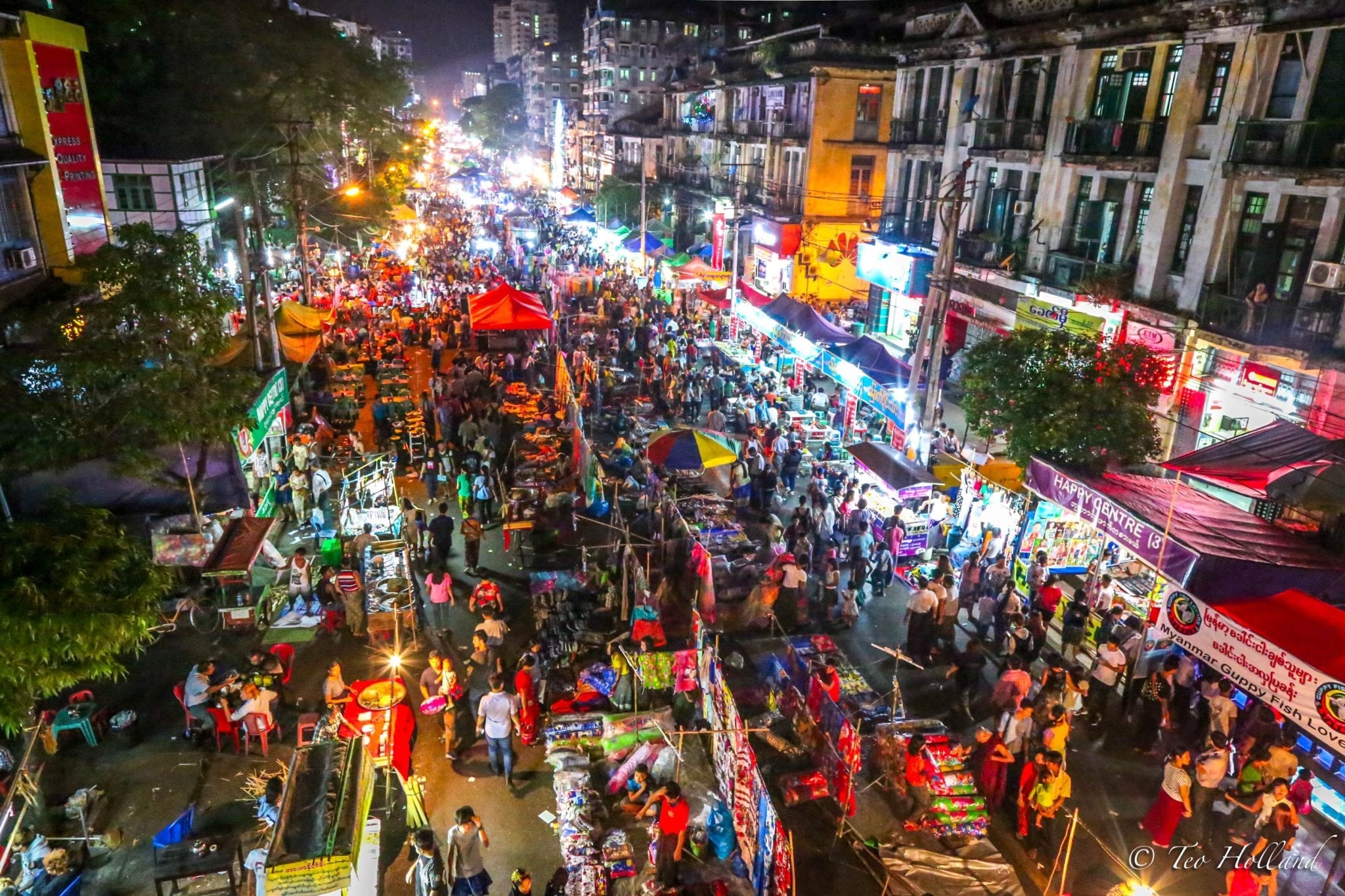
  • Retail interest in Myanmar robust, but foreign investment is lacking

    Retail interest in Myanmar robust, but foreign investment is lacking

    When RHB, a Singapore brokerage, first selected Singapore Exchange-listed Yoma Strategic Holdings as one of its top five stock picks for retail clients on May 2, shares of the company soared 15 percent, hitting a 4-month high of 48 cents on May 9 as investors hurried to get onboard.

    “Yoma Strategic offers a pure play on Myanmar, and is well positioned to capture growth opportunities in the country,” wrote RHB analyst Vijay Natarajan in his report.

    While prospects could be “clouded” because of Rakhine, Mr Natarajan believes Myanmar holds long-term growth potential and views “the stock as the best proxy for investors to get exposure to Myanmar.”

    With GDP growth projected to hit 6.8pc in 2018-19 and rise further to 7pc in the next fiscal year, according to the World Bank’s latest estimates, Myanmar remains one of the most promising emerging economies in Asia and retail investors have been keen for a slice of the pie.

    Yet, Myanmar’s economy also remains one of the most difficult to access, with few avenues available for retail investors to tap. “Many Maybank clients have been asking about opportunities to invest in Myanmar. But other than Yoma Strategic, there are hardly any other options for retail investors to enter the country,” said Chua Hak Bin, senior economist at Maybank Kim Eng Research.

    Mr Chua added that there is still a lack of statistics and data available on Myanmar compared to other countries, which has made it hard to generate reports that will help his clients make investment decisions.

    Consequently, many have been channeling funds into Vietnam instead. “Vietnam has opened up its economy, signed on to the Trans-Pacific Partnership [of 11] and attracted a flood of foreign direct investments,” Mr Chua said.

    Vietnam is also experiencing a tourism boom, led by tourists from China, as well as a remittance boom, as overseas Vietnamese re-invest their earnings, including into the property market. This has driven the current account and balance of payments into a surplus, even though imports have been on the rise.

    Notably, Vietnam’s push to equitise its State-owned enterprises has also helped to boost interest and liquidity in the country’s stock market. “Vietnam has been the rockstar in ASEAN. There are lessons for Myanmar from Vietnam’s experience,” Mr Chua said.

    ‘Many Maybank clients have been asking about opportunities to invest in Myanmar. But other than Yoma Strategic, there are hardly any other options for retail investors to enter the country.’ Chua Hak Bin, Maybank Kim Eng Research

    Companies Law

    While efforts to reform the economy have been slower than expected to materialise, Myanmar, for its part, has taken credible measures to liberalise its market with the enactment of several new laws, including the Myanmar Companies Law, which was signed last December.

    Among the most anticipated regulations is one that will allow foreigners to own stakes of up to 35pc in local companies, including the five listed on the Yangon Stock Exchange.

    “The purpose of this regulation is to allow foreigners to own shares in local firms and for local companies to benefit from access to foreign capital,” said U Aung Naing Oo, director general of the Directorate of Investment and Company Administration (DICA), during the Myanmar’s Business Leaders Summit in Yangon last week.

    At the summit, U Aung Naing Oo reaffirmed that the process of enforcing the Company Law “is going well. The key aim is to make it easier for foreign investors to invest in Myanmar. As promised, we will be able to fully enforce the law by August 1,” he said.

    In fact, the YSX has seen a spike in interest from local companies to list on the exchange since the Companies Law was approved. Within a year, investors should be able to trade shares of three more firms – engineering company Great Hor Kham, Myanmar Agro Exchange Public Limitedand logistics player Ever Flow River  -on the exchange.

    Still, some say it could take a while yet before the equity market opens up to retail investors. Pedro Jose Bernando, a partner at law firm Kelvin Chia, warns that while the Company Registration Office has already circulated draft rules on the Companies Law, it appears“they are more concerned now with the implementation of the e-registration system, and not so much with how the substance of the law, including the 35pc threshold will be implemented,” he told The Myanmar Times.

    He added that the 35pc rule will like be rolled out incrementally, to privately-owned Myanmar companies first, before being extended to public-listed companies, if at all.

    Stocks to watch

    In the meantime, investors still keen on placing their bet on Myanmar still have a few other stock options to consider. Singapore-listed Memories Group, the vehicle which holds Yoma Strategic and Yangon-listed First Myanmar Investments’ tourism businesses, is one.

    The company, which came to market in January, operates Balloons over Bagan and the Hpa-an Lodge and Pun Hlaing Lodge businesses. In March, it also bought a luxury yacht business in Mergui.

    London-listed Myanmar Strategic Holdings (MSH) is another option. Just last week, the company took up a $150,000 minority stake in Myanmar-based digital consulting firm, nexlabs. This came a month after MSH and Auston Institute of Management announced a joint venture to set up and operate a private school in Yangon. It is also invested in the Ostello Bello hostel chain in Bagan, Mandalay and Inle Lake.

    Then, there is London-listed Myanmar Investment International, an investment holding company with stakes across the financial services, telecommunications, healthcare and tourism sectors.

    Investors can also consider a handful of other companies which operate businesses in Myanmar, including Thai national oil and gas company PTT Exploration and Production Public Company Limited (PTTEP) as well as Thai Beverage, which is listed in Singapore.

    Last year, Thai Bev bought a 50pc stake in Myanmar Distillery Co, which makes Grand Royal whisky. In 2013, it acquired Singapore’s beverage maker Fraser & Neave (F&N), which this year received Myanmar Investment Commission approval to manufacture and distribute beer in the country, three years after it sold its 55pcstake in Myanmar Brewery to Japan’s Kirin Holdings for $560 million.

    In the meantime, Yoma Strategic is already upping its game. Last week, the company announced a joint venture with Pernod Ricard, which makes Chivas and Ballentine’s, to produce and distribute whisky in Myanmar.

  • Line Thailand launching theme park in Bangkok

    Line Thailand launching theme park in Bangkok

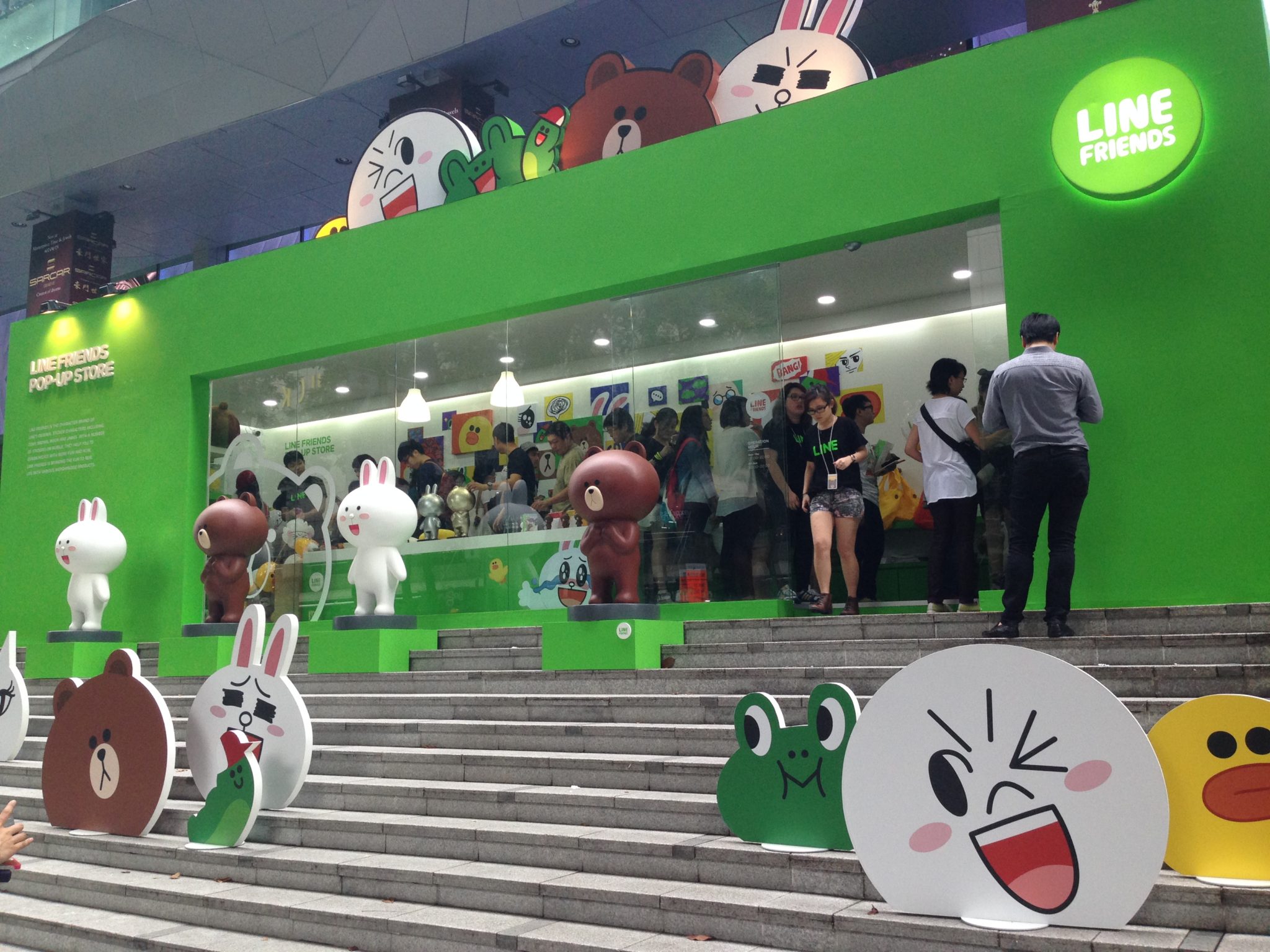
    Line Thailand, a Japanese company that started off as messaging app and has since expanded its services across food delivery to finance, will open its first digital indoor theme park in Bangkok’s Siam Square One on Friday.

    Line Village Bangkok: The Digital Adventure will cover 1300sqm across three floors of the mall. The visitor experience will begin with a mystery: finding a key to get in to Line Village. From there, guests proceed one stage at a time from a space tunnel to a library, then to a kitchen, theatre and rooftop, where the games and Line characters await.

    One of the highlights is for fans to see the world of their favourite chat stickers via a VR headset, and the attraction also includes a merchandise store and a themed restaurant.

    While several Asian cities already have Line stores, Bangkok will be the first to have a permanent indoor park.

  • De Beers Diamonds expands into Kowloon

    De Beers Diamonds expands into Kowloon

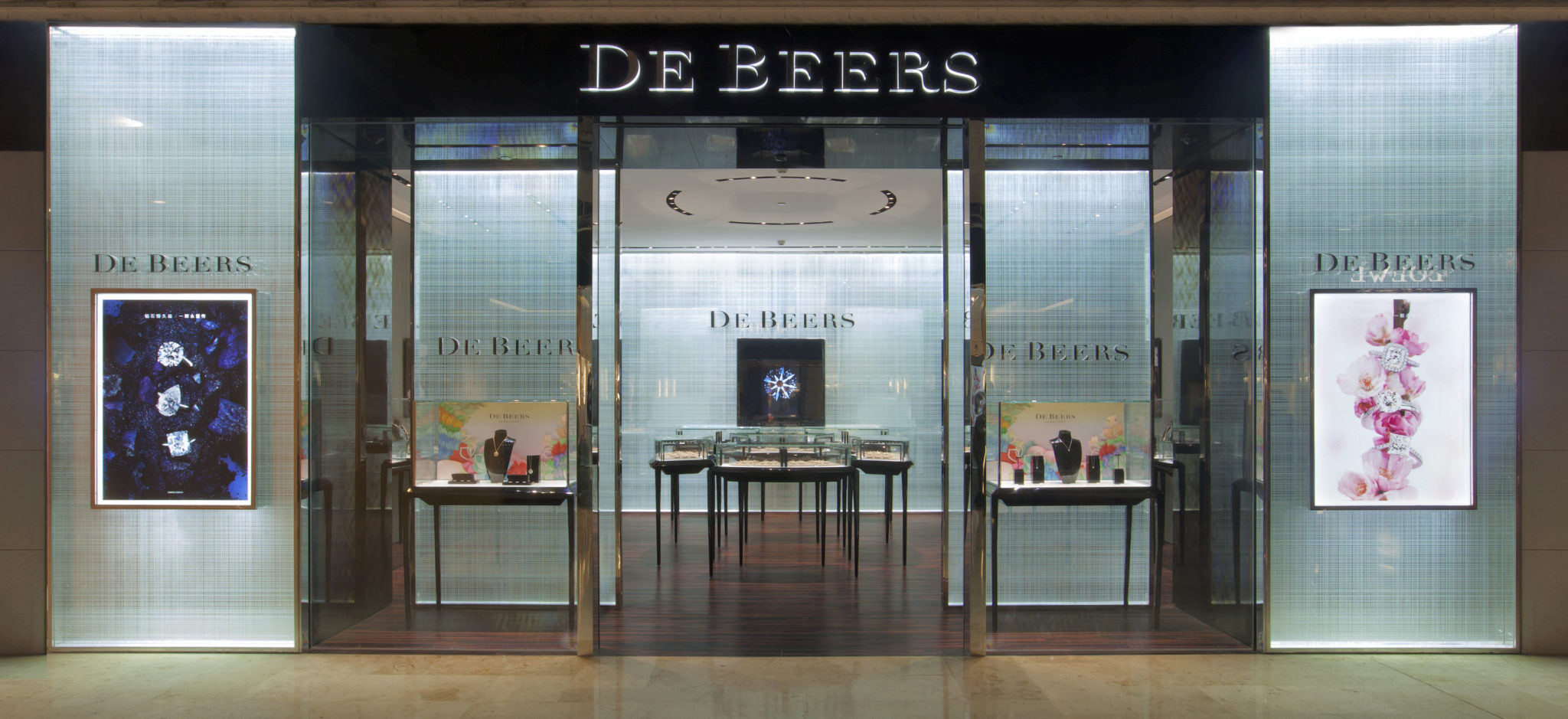
    De Beers Diamond Jewellers Hong Kong has launched a retail location, its fourth, in Kowloon.

    The 1000sqft store features bridal diamond jewellery including engagement rings and wedding bands, as well as high jewellery and iconic collections such as Talisman.

    The opening brings the chain’s global store count to 34. De Beers launched its retail chain in 2001 in partnership with LVMH. The miner last year bought out the luxury jeweller’s 50 per cent stake.