Category: General

Retail News Asia is committed to providing both local and global retailers with the latest General Retail news throughout the Asian market. This on a daily base.

  • Malaysia unemployment rate unchanged at 3.3% in May

    Malaysia unemployment rate unchanged at 3.3% in May

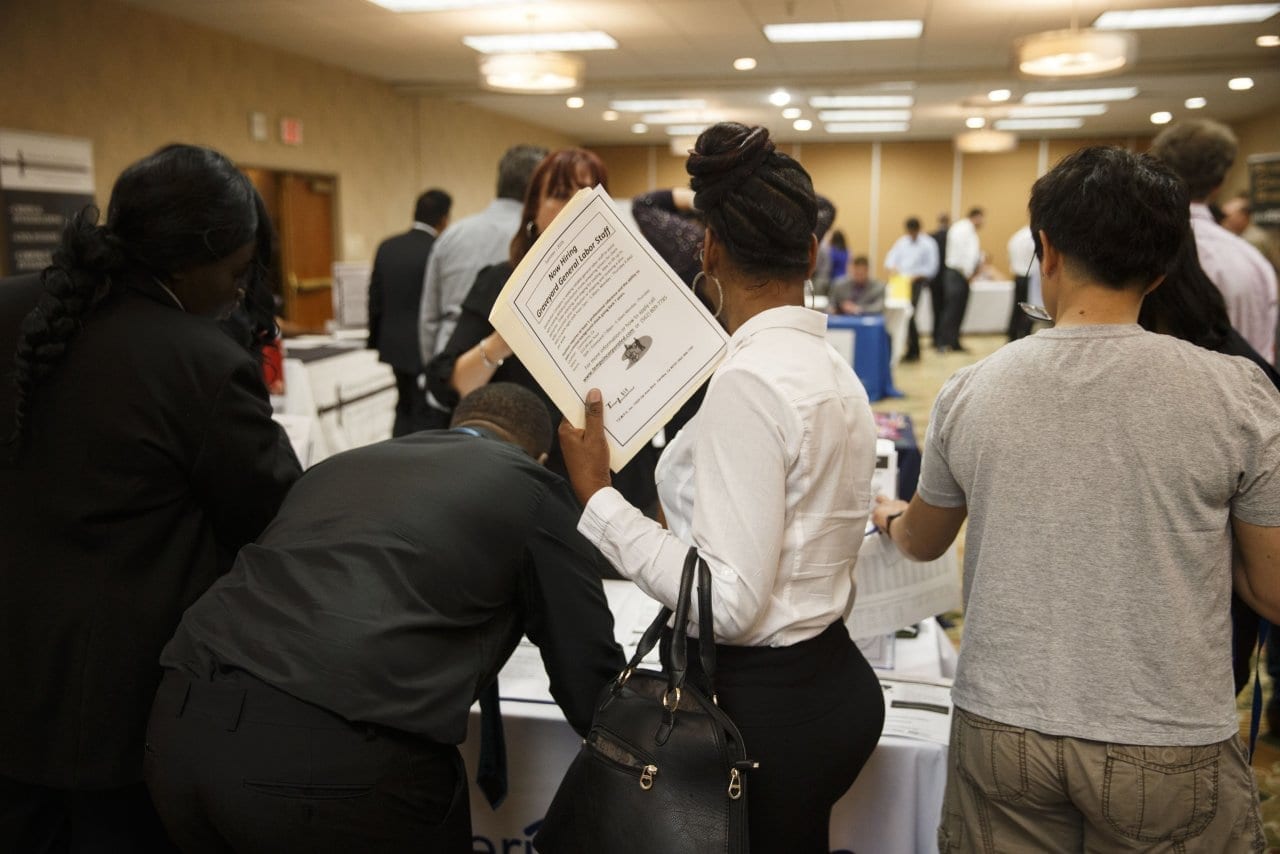
    Malaysia’s unemployment rate in May 2018 remained at 3.3% for four consecutive months, according to the Statistics Department.

    Year-on-year, the unemployment rate fell by 0.1 percentage point as compared to 3.4% in the same month of 2017, the department said in a statement today.

    “Number of unemployed persons recorded a total of 504.8 thousand persons, decreased 0.5% against May 2017,” it added.

    On a seasonally adjusted month-on-month basis, the unemployment rate in May 2018 remained at 3.3% as compared to the previous month.

    Meanwhile, the department said that labour force participation rate in May 2018 increased by 0.2 percentage points to 68.4% as compared to the previous month.

    Year-on-year showed that the labour force participation rate increased by 0.6 percentage points, it added.

    During the same period, employed persons increased 2.8% after registering 2.6% growth in the previous month.

    As at May 2018, the country’s labour force stood at 15.4 million.

  • Malaysia to have ore renewable energy projects in near term

    Malaysia to have ore renewable energy projects in near term

    More renewable energy (RE) projects are expected to come up for bids in the near term as the new Energy, Green Technology, Science, Climate Change and Environment Ministry is committed to push up the nation’s RE capacity.

    MIDF Research, which recently attended the Minister Yeo Bee Yin’s maiden townhall, said the latter pointed that the country already attains abundant reserve capacity of 30%, which is much higher than most countries.

    “While there is no indication of an ideal or target reserve capacity, the new Minister indicated that the abundant reserve capacity gives the industry decent time to build up its RE capacity within the next three to seven years, without the need for much more major new plant-ups in the near-term.

    “This suggests in the near future, sector opportunities could tilt heavily towards RE project awards and a dearth of future fossil fuel plants,” the research firm said in its report last Friday.

    MIDF added that the ministry aims to reduce the reliance on imported fuel by aggressively increasing the RE contribution to the mix from just 2% currently to 20% “in the future”.

    It said the push for RE is not entirely new and efforts had been taken previously to increase RE contribution to the system such as the Large Scale Solar (LSS) projects.

    “Solar accounts for the bulk of Malaysia’s RE. However, there is the issue of getting RE sources to reach grid parity for it to be cost competitive and gain a larger share of generation mix without burdening end-consumers,” it said.

    MIDF also noted that given the indication of excessive reserve capacity, the pace of any major plant-ups in the near-term is likely to be impacted.

    It added that although the new Minister’s intention is to champion RE, it opined that the shift is for RE to eventually dilute contribution from fossil fuel rather than near-term, outright replacement.

    “There is the issue of feasibility to induce RE in a big way into the system too which will have to be sorted out,” it added.

    Positively, MIDF said that most of the incumbent players such as Tenaga Nasional Bhd (TNB) and Malakoff Corp Bhd are already paving way into the RE space (in particular, solar), while Cypark has been moving aggressively into RE in recent years.

    Meanwhile, the research house also highlighted that the four Independent Power Producer (IPP) projects cancellations are likely to hit selective players, the majority of which are likely to be non-listed.

    “Among the major projects in the pipeline, we think Edra’s Track 4B with a massive 2242MW capacity in Malacca could come under scrutiny given that it was a directly awarded project.”

    “While Track 4A (TNB-SIPP) was a controversial project awarded on a directly negotiated basis (previously to the TNB-YTL-SIPP consortium) back in 2014, the project is already well underway (28% completion),” it said, noting that Tadmax is another directly negotiated power plant project at Pulau Indah.

    MIDF said, others might involve LSS project awards such as Quantum Solar which was the first to be awarded LSS projects under the LSS initiative on a direct award basis.

    “Ranhill was recently awarded a 300MW CCGT project in Sandakan Sabah. There has yet to be any development announced on the project so far,” it added.

    Nonetheless, MIDF said it remained positive on the power sector while its top pick include TNB and YTL Power.

  • Not Jack Ma, this is the richest guy in Asia

    Not Jack Ma, this is the richest guy in Asia

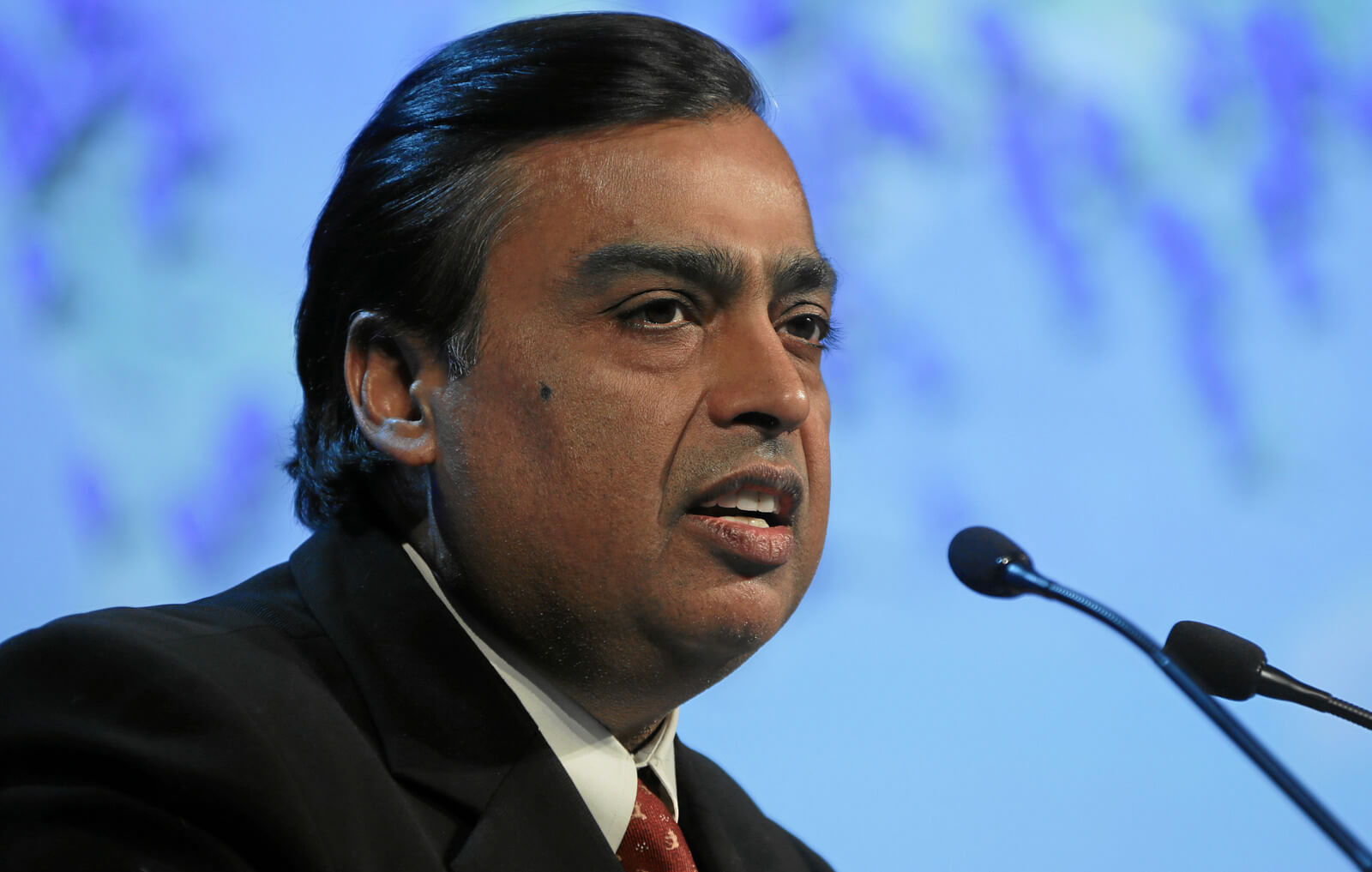
    Mukesh Ambani, Reliance Industries chairman has beaten Alibaba founder Jack Ma to become thr richest man in Asia on Friday, according to a report by Bloomberg.

    As per the report, Ambani’s estimated wealth rose to a whooping 44.3 billion dollars on Friday as Reliance Industries Ltd’s shares shot up to 1.6 per cent. Alibaba Group founder Ma’s wealth stood at 44 billion dollars at close of trade on Thursday in the US.

    Reliance doubled its petrochemicals capacity, adding 4 billion dollars to Ambani’s fortune in 2018. According to the report, Ambani also announced his plans to leverage his 215 million telecom subscribers to expand his e-commerce offerings.

    On the other hand, Ma lost 1.4 billion dollars in wealth this year.

    The shares of RIL rose for the fifth consecutive session on Thursday, and surged to a 52-week high of Rs 1,091 on the BSE, amid aggressive business plan announced in the AGM, ahead of its June quarter earnings.

    The company announced aggressive business plan at its annual general meeting (AGM) held last week. The stock has been on an uptrend ever since and has gained 13.05 per cent since July 5.

    At the AGM, Mukesh Ambani had unveiled an ultra high-speed fixed line fibre broadband for homes and enterprises across 1,100 cities and announced plans for an e-commerce platform that may rival likes of Amazon.


  • Singapore’s May retail sales rise by 2.2 per cent

    Singapore’s May retail sales rise by 2.2 per cent

    Singapore retail sales rose 2.2 per cent in May after excluding motor vehicles.

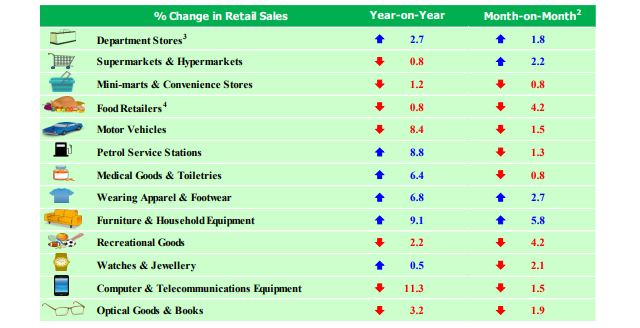
    The year-on-year increase was driven by rising sales of furniture and household equipment – up 9.1 per cent – and increased shopping before the Hari Raya festive period. Sales at petrol service stations rose 8.8 per cent, due partly to higher petrol prices.

    Sales of the apparel and footwear, medical goods and toiletries and department stores rose by between 2.7 per cent and 6.8 per cent. But sales of computer and telecommunications equipment fell 11.3 per cent.

    Compared to April, Singapore retail sales increased 0.4 per cent, after excluding motor vehicles.

    Statistics Singapore estimated total retail sales in May as worth S$3.8 billion. Online retail sales accounted for about 4.3 per cent of that.

    Compared to May last year, sales of food & beverage services increased 1.2 per cent in May to an estimated $689 million.

    Fast-food outlets and food caterers registered higher sales at 10.8 per cent and 5.7 per cent respectively, while turnover of restaurants and other eating places, such as cafes, fell by 0.3 per cent and 1.9 per cent respectively.


  • Singapore retail sales up in May

    Singapore retail sales up in May

    Retail sales in Singapore edged up marginally in May, with growth constrained partly by lower motor vehicle sales, according to Thursday’s (July 12) Department of Statistics release.

    May’s retail takings were up 0.1 per cent from the same month a year ago, with a total estimated sales value of S$3.8 billion, of which online retail sales contributed 4.3 per cent. Excluding motor vehicles, the rise was more significant, at 2.2 per cent.

    With increased shopping before the Hari Raya Puasa festive period, furniture and household equipment saw the biggest jump in sales, at 9.1 per cent. Sales at petrol service stations rose 8.8 per cent, due partly to higher petrol prices; after removing the price effect, the rise was just 0.8 per cent.

    Sales of apparel and footwear, medical goods and toiletries, and department stores industries also saw increases of between 2.7 per cent and 6.8 per cent.

    In contrast, sales of computer and telecommunications equipment fell 11.3 per cent, while those of motor vehicles fell 8.4 per cent. Takings from optical goods and books, recreational goods, minimarts and convenience stores, supermarkets and hypermarkets, and food retailers saw smaller decreases of between 0.8 per cent and 3.2 per cent.

    Lower vehicle sales also weighed down the month-on-month figures, though to a smaller degree. On a seasonally-adjusted basis, retail sales rose 0.1 per cent in May compared to April 2018. Excluding motor vehicles, retail sales rose 0.4 per cent month on month.

    Sales of food and beverage services rose on both a year-on-year and a seasonally-adjusted month-on-month basis: up 1.2 per cent compared to a year before, and up 0.6 per cent compared to the previous month. The total sales value of food and beverage services was estimated at S$689 million, up from S$681 million in May 2017.

  • Lotte Mart’s ‘Be Goods by Busan’ in Vietnam

    Lotte Mart’s ‘Be Goods by Busan’ in Vietnam

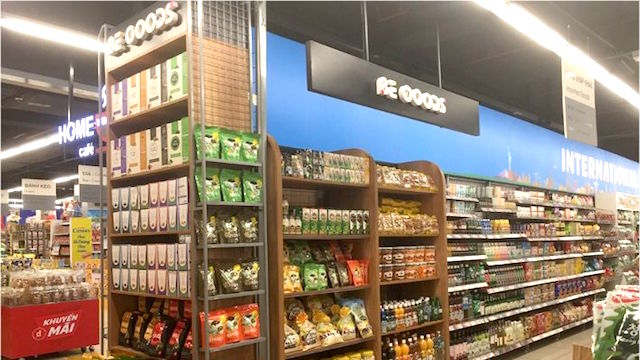
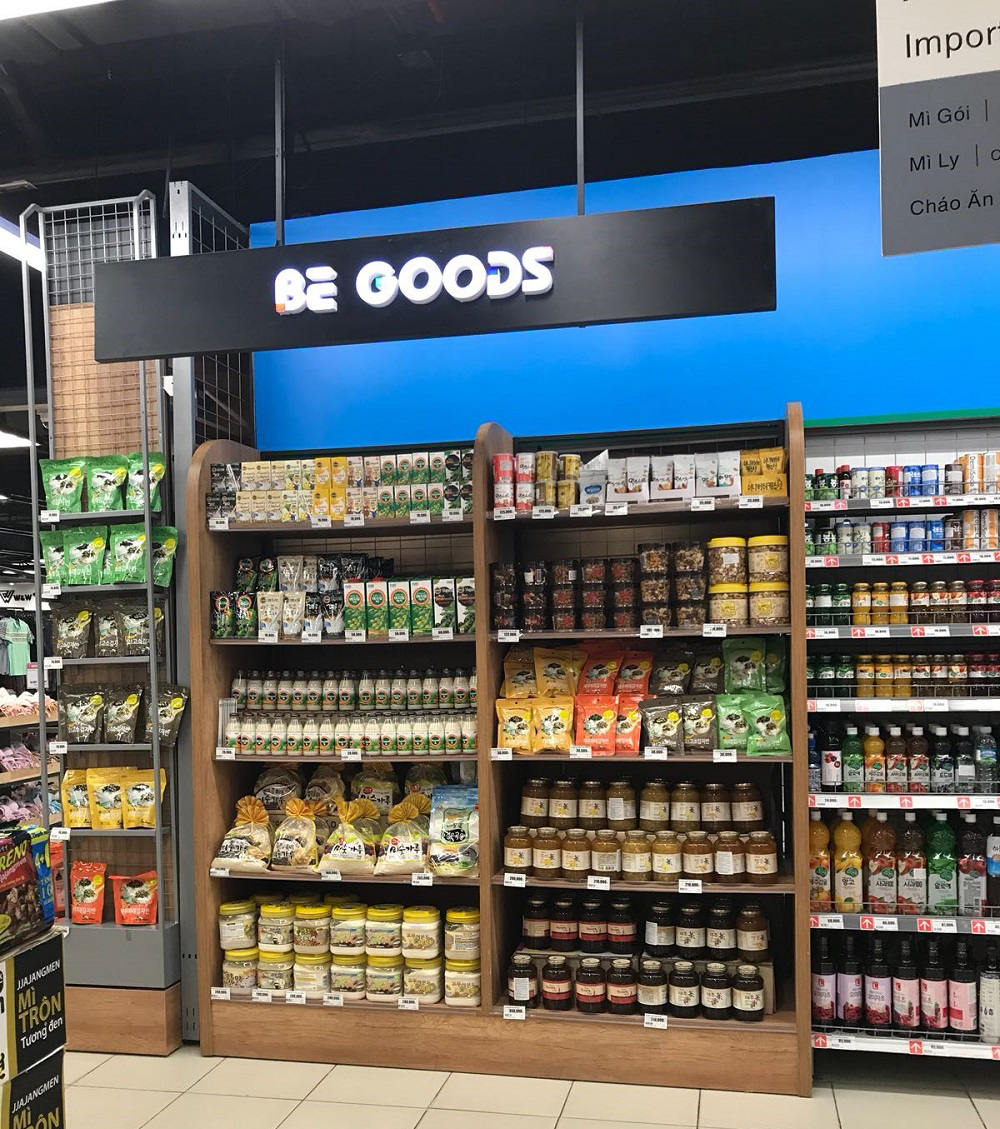
    Lotte Mart Vietnam will promote products from South Korean SMEs in its Go Vap outlet in Ho Chi Minh City.

    The retailer will add a special sales zone called Be Goods by Busan, to sell 70 products from 13 companies based in Busan.

    Lotte has selected products including fruit and vegetable drinks, frying pans and shampoos, items it believes will appeal to local Vietnamese consumers. More items are to follow.

    The retailer is also planning to provide online and offline marketing support for the products.

    This is the second time Lotte Mart has opened a Be Goods store.

    Last October, Lotte Mart Nguyen Van Linh hosted 196 products of 23 Korean SMEs, and earned 240 million won (US$215,827) in sales over seven months.

    Vietnam is Korea’s third largest export market and Lotte Mart believes it is the best place for Korean SMEs to test and export their products.

    Last month, another Korean retailer E-Mart also promoted Korean SME’s products in Singapore.

  • South Korean convenience stores to sell more own brand

    South Korean convenience stores to sell more own brand

    More South Korean c-stores are set to launch in-house products as local retailers move to attract more consumers with price competitiveness.

    E-Mart24, the convenience-store arm of South Korean retail giant Shinsegae, said it is planning to unveil its own private-label product within this year. Ministop Korea, operator of Ministop, is set to launch its own branded products in September.

    The moves are part of the companies’ broader efforts to find a breakthrough in the saturated South Korean c-store landscape. The size of South Korean convenience stores private-label product market is estimated at around 3.5 trillion won (US$3.15 billion).

    CU, South Korea’s largest convenience-store chain, operated by BGF Retail, released its own brand, Heyroo, in 2015, and GS25, another major convenience-store chain, joined the move with You Us in 2016.

    BGF Retail said sales of its private-label products rose 35.3 per cent year-on-year in 2016. Last year’s revenue was up 19.1 per cent from 2016.

    GS Retail, operator of GS25, said sales of its private-brand items accounted for 36.6 per cent of its total revenue in the first half of this year, excluding revenue generated from cigarettes and services. The company has around 2000 products under private label.

    Another major convenience store chain, 7-Eleven, said sales of its in-house products accounted for 35.9 per cent of this year’s total revenue as of Sunday. It currently has some 1500 products under its private brand.

    “The companies will be able to survive in this saturated market only if they manage to secure consumers who are highly loyal to their private label products,” an industry source said.

    The market size for convenience stores in South Korea surpassed 20 trillion won in 2016, up 18.6 per cent from the previous year, according to industry data.

  • 7-Eleven boosts parents profit growth

    7-Eleven boosts parents profit growth

    Overseas growth in the 7-Eleven convenience store business drove a modest increase in profit for Japanese retail group Seven & I Holdings in the first quarter.

    While the challenges of a shrinking population, falling household spending and corresponding lacklustre economy in its home market subdued local performance, offshore growth continues to underpin the company’s results.

    Operating profit of 86.4 billion yen (US$781.2 million) was 2.7 per cent higher year-on-year in the three months to May.

    While 7-Eleven Japan is the nation’s largest convenience store chain, with more than 20,000 stores, the c-store sector is struggling to make headway amid growing competition from drugstores, and Seven & I Holdings’ Ito-Yokado supermarket chain, and its department stores are essentially standing still.

    That makes overseas growth critical for Seven & I Holdings. While 7-Eleven Japan operating profit fell 6.9 per cent to 55.4 billion yen, overseas 7-Eleven profits surged 33 per cent. In Thailand, the chain has about 11,000 stores operated by local partner CP All. It has another 9500 stores in the US and more still under franchise agreements in markets including Malaysia, Australia and, more recently, Vietnam.

  • AirAsia partners with Vice to woo travellers with culinary adventurism

    AirAsia partners with Vice to woo travellers with culinary adventurism

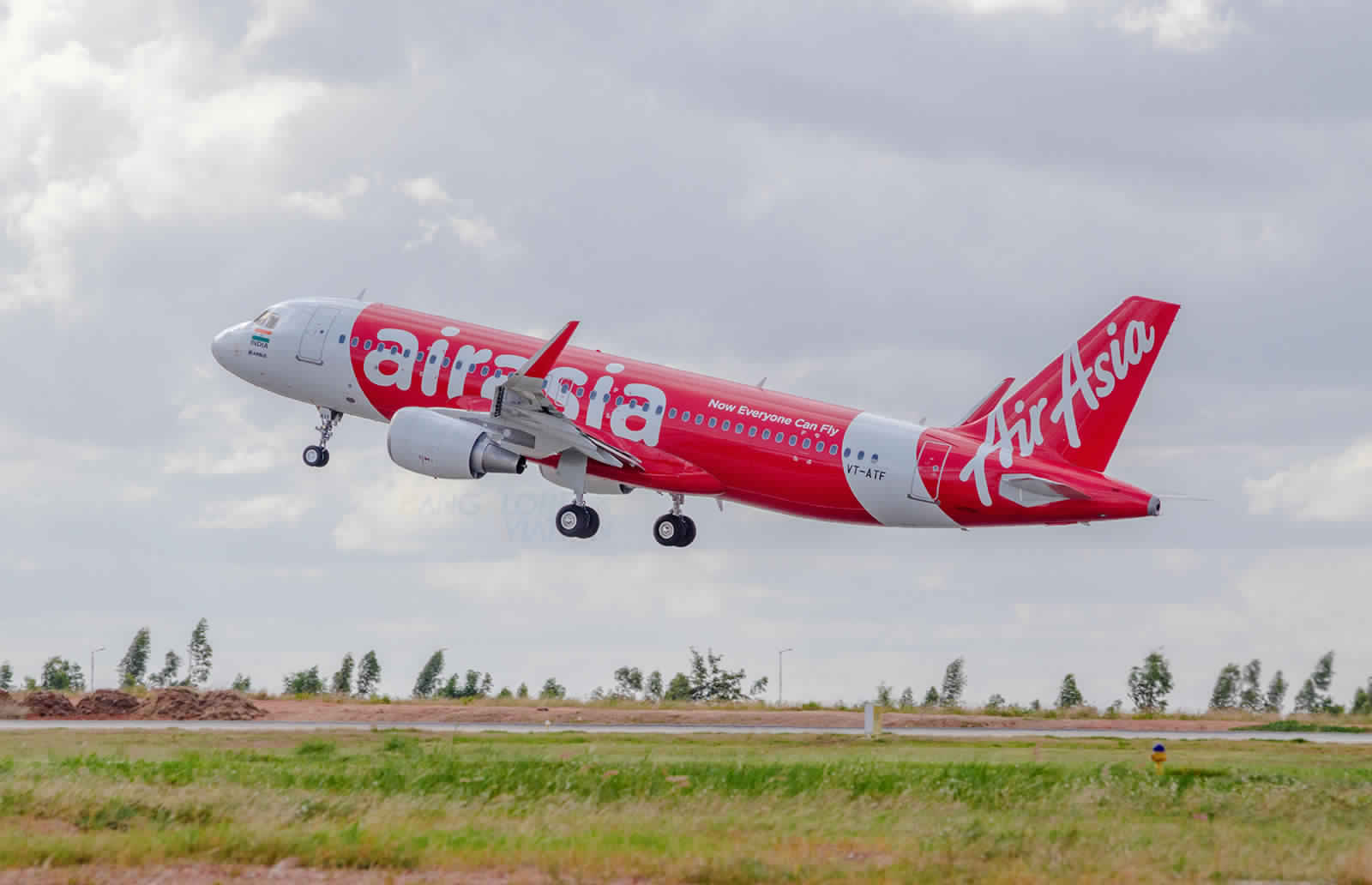
    AirAsia has announced a content partnership with Vice to encourage travellers to explore some of the world’s spiciest regions and cuisines.

    The content partnership consists of a four-part travel series Hot Heads which will be hosted by Karina Utomo, of Australian hardcore band High Tension, who will travel to India to discover the spiciest dishes available.

    Hot Heads will tour diverse locations within AirAsia’s India network which includes Chennai, Bangalore, Hyderabad and Jaipur.

    AirAsia Group head of branding, Rudy Khaw said: “Vice are the perfect partner for us to showcase India as an exciting destination for millennials. Using food as the driver, the unique series challenges the host Karina to step outside her comfort zone and explore the diverse sights and sounds of India.”

    Business development director of brand partnerships Vice Australia, Cain Collins said: “We’re incredibly excited to be working with the team at AirAsia, and inspiring the search for unique and exciting experiences.

    “Hot Heads is a travel series informed by quantifiable insights drawn from Vice owned data around what’s currently driving young people’s destination consideration set: culinary adventurism and local experiences, combined with a little bit of Schadenfreude.”

    AirAsia recently re-created its Weekdays campaign from 2015 to encourage more people to travel within Thailand.

  • AirAsia celebrates Avalon Airport launch with $99 flights to Asia

    AirAsia celebrates Avalon Airport launch with $99 flights to Asia

    Earlier in the year, Avalon Airport and AirAsia announced they would be teaming up to offer the first ever international flights out of Melbourne’s second airport, Avalon.

    Now, tickets for first flights are finally out and to celebrate they are on sale for as little as $99 each way.

    These are to AirAsia’s home city Kuala Lumpur and, to be perfectly frank, are actually on sale for $12 each waywith airport taxes coming in at $87. Put the two together and you get your flight fare.

    Whichever way you look at it, it is super cheap and is definitely not one to be missed.

    The Melbourne to Kuala Lumpur route will operate twice daily on AirAsia’s long haul carrier AirAsia X on an A330-300 aircraft. While it’s the focus flight of this launch, it isn’t the only one from Avalon Airport on sale. Direct flights from Melbourne (Avalon) to Bangkok are also available from $154 each way while over 70 indirect flights via Kuala Lumpur are also available to snap up for cheap. This includes Melbourne to Singapore from $140, Melbourne to Phuket from $147, Melbourne to Male (Maldives) from $201 and Melbourne to Tokyo from $249, to name a few.

    Again all these fares are one-way with returns costing double.

    Travel is open across a more-than-generous period, ranging from 4 December 2018 to 13 August 2019. This includes peak season dates such as Christmas, though these are limited so you may need to be flexible with your dates around high-season to keep to your intended budget.

  • Cebu to get Go Lokal! store by September

    Cebu to get Go Lokal! store by September

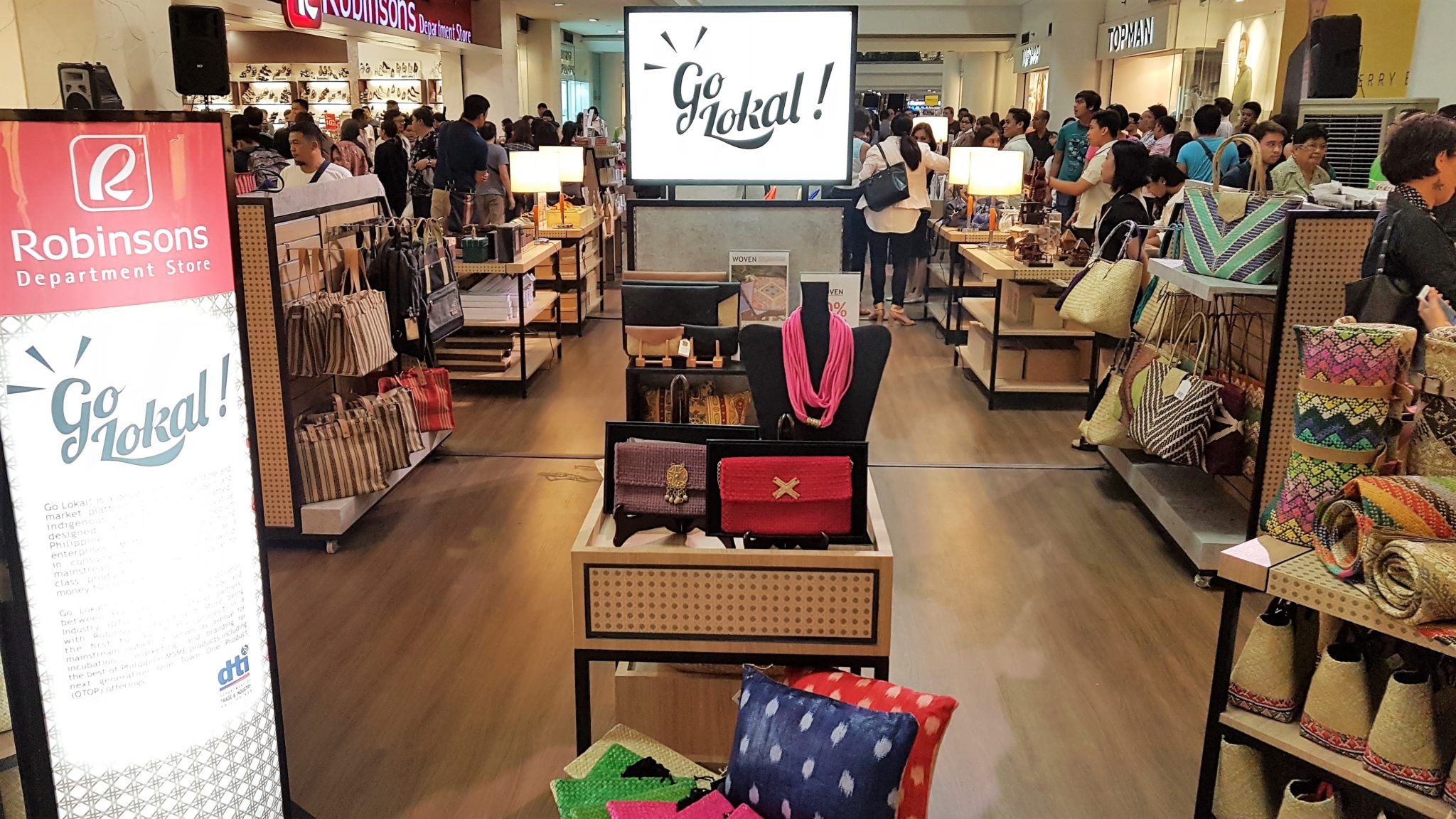
    Department of Trade and Industry (DTI) 7 Director Asteria Caberte said this will be the first Go Lokal! branch outside of Metro Manila and will be installed in the new wing of Ayala Center Cebu.

    Go Lokal! is a retail concept store showcasing Philippine products crafted, designed, and produced by micro, small, and medium enterprises (MSMEs).

    “This will be a different concept. It will highlight our export-quality, high-end products,” said Caberte, adding that they target the ballooning tourism market, balikbayans and affluent society as potential buyers of top-tier Filipino-made products.

    Go Lokal! carries everyday products made from indigenous materials that are modern in design, world-class in packaging, and competitively priced, including processed food, home decor, arts and crafts, health and wellness products, fashion apparel, accessories, and eco-friendly products.

    These products undergo extensive product development with specialists from the Design Center of the Philippines to make them suitable for the retail, export, and souvenir markets.

    Besides the upcoming Ayala Center Cebu branch, Caberte will reach out to the officials of the GMR-Megawide Cebu Airport Corp. (GMCAC) for her plan to mount a stand- alone Go Lokal! at the Terminal 1 of the Mactan-Cebu International Airport.

    “We will be talking to them mid-August about our proposed Go Lokal! branch in the domestic terminal,” said Caberte.

    After the completion of Terminal 2, GMCAC will rehabilitate the domestic airport terminal to be consistent with its resort-themed airport.

    Last March, DTI signed an agreement with Shopinas and Air 21 to provide an e-commerce platform for Go Lokal! products.

    “This is a partnership on innovation, which is a key element in DTI’s thrust to support the (MSMEs). Through this platform, our MSMEs will be able to reach out a larger market beyond the boundaries of the country while maximizing their potential,” said DTI secretary Ramon Lopez in a statement.

    A Go Lokal microsite will be available on Shopinas website that will feature MSME products. Items purchased on this platform will be delivered through Air 21.

  • Alibaba Says Its AI Copywriting Tool Passed the Turing Test

    Alibaba Says Its AI Copywriting Tool Passed the Turing Test

    Alibaba’s digital marketing arm Alimama has unveiled an artificial intelligence-powered copywriting tool.

    Tapping the huge pool of content on Alibaba’s e-commerce sites Tmall and Taobao, the AI copywriter uses deep learning and natural language-processing technologies learn from millions of top-quality existing samples to generate copy for products. Brands and advertisers can insert a link to any product page, and click the “Produce Smart Copy” button to see multiple copy ideas.

    Currently, the AI copywriter technology has passed the ‘Turing test’ and is capable of producing 20,000 lines of copy in a second, said Alimama. Brands using the new tool, such as Hong Kong-listed fashion chain Esprit and Texas-born clothing brand Dickies, can adjust the length and tone of their copy, such as dictating whether they want the tone to be “promotional, functional, fun, poetic or heartwarming.”

    The tool is used on average nearly a million times per day, by merchants and marketers on Alibaba-owned sites such as Taobao, Tmall, Mei.com (a fashion flash sale website) and 1688.com (Alibaba’s Chinese-language wholesale buying site).

    “For merchants, from today onwards, AI can take care of a portion of their copywriting needs. And it significantly changes the way [copywriters] work: They will shift from thinking up copy – one line at a time – to choosing the best out of many machine-generated options, largely improving efficiency,” Alimama said in a statement.

    As with design, copywriting involves a certain degree of repetitive, low-value work that can be made made more efficient, Alimama added. A single product might require up to 10 versions of copy for different ad formats, like posters, web banners, product pages and other special event pages.

    “All the content produced by the AI Copywriter is the result of applying deep learning models, trained with large volumes of quality content created by humans. Human creativity is the cornerstone for the machine, which isn’t able to replace the creativity of people,” said Christina Lu, GM of Alimama marketing. “AI for marketing… allows people to devote more energy to richly creative work.”

    “The AI copywriter is a really amazing tool,” said Shaozhang Ding, head of e-commerce for the Asia Pacific market at Esprit. “Based on a massive database of existing copy and advanced AI technologies, the tool can reduce the repetitive and tedious copywriting workload for our teams.

    The AI Copywriter is the latest in a suite of technologies Alimama has developed to assist small to mid-sized businesses on Alibaba’s e-commerce platforms, including a “smart banner designer” released in April that can resize and reformat promotional website banners with the slide of a mouse (drag a corner of the banner to change the shape of the box, and the system automatically reproportions the images and copy to fit the new format). In the same vein, Alibaba released an AI-powered video-editing tool for brands to generate – in less than a minute – 20-second videos to use for promotion on Taobao.

  • German retailer removes single-use products to combat plastic pollution

    German retailer removes single-use products to combat plastic pollution

    Rewe will remove single-use plastic straws from the aisles of its supermarkets in order to help combat environmental pollution, the German retail chain announced on Wednesday.

    The Cologne-based company estimated that the move across its 6,000 stores would lead to an annual reduction of around 42 million single-use plastic straws going to landfill.

    The retail group includes the popular supermarket chains “Rewe” and “Penny”, as well as the “Toom” hardware stores in Germany.

    Rewe is only one of several German retailers which have recently taken steps to address growing concerns over the environmental consequences of excessive plastic consumption.

    Amongst others, the discounter Lidl will no longer stock single-use plastic products like cutlery and straws from 2020 onwards while rival Edeka is developing a returnable packaging system as an alternative to single-use.

    According to the “Seas at Risk” group of non-governmental organizations (NGO), around 100,000 tons of plastic from the European Union (EU) end up in the bloc’s seas every year with devastating implications for marine ecosystems. In total, 46 billion single-use bottles and 36 billion straws are consumed annually in the EU only to be thrown away shortly thereafter.

    The EU commission has set itself a goal to lower the amount of single-use waste in its seas by 30 percent until 2020 while the European Parliament is demanding for a more ambitious target of 50 percent until 2030.

    In a widely-discussed proposal, EU budgetary commissioner Guenther Oettinger recently called for the introduction of a plastic tax as a means to lower consumer use and simultaneously improve the bloc’s finances following the departure of the United Kingdom.

    Speaking to the German press agency on Wednesday, a spokesperson for the German ministry for the environment emphasized, however, that environmental pollution through single-use products was a problem that applied to plastic as well as other materials.

    “We need to overcome a powerful throw-away culture”, the spokesperson said.

  • Department store in Nagoya ends 400-year history

    Department store in Nagoya ends 400-year history

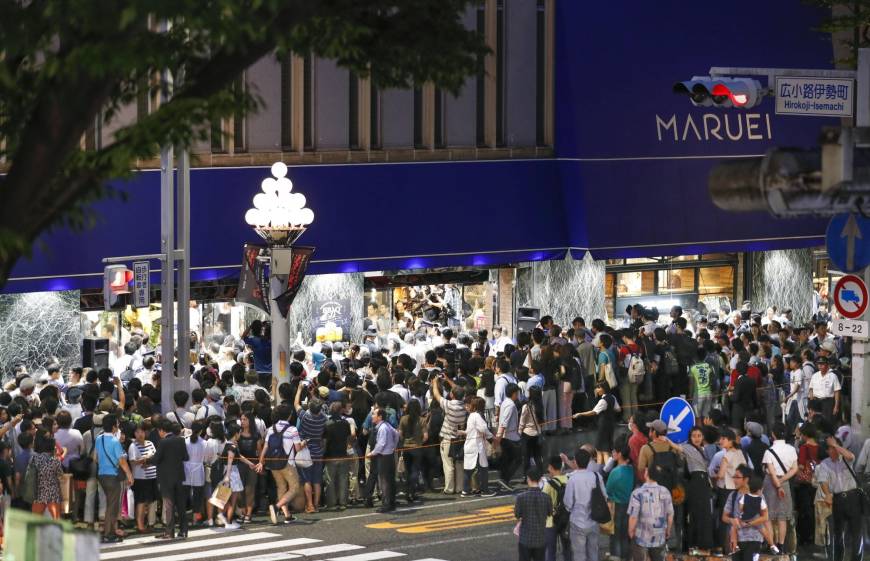
    A 400-year-old department store in Nagoya has closed.

    Maruei Department Store, which opened as Juichiya kimono shop in 1615 and was renamed in 1943 when it merged with another retailer, was once the largest stores of its kind in Western Japan. It was hit by hard economic times in the early 1990s but was kept operational until sales dropped to an all-time low last year.

    Under new ownership since being acquired by Nagoya pharmaceuticals firm Kowa in 2010, the store failed to overcome the rise of e-commerce and became obsolete, with some observers noting a base inconsistency in its various product lineups. Kowa is planning to reopen a commercial facility on the same site several years from now.

    Yoshimitsu Hamajima, the president of Maruei Department Store, thanked the crowds of well-wishers who showed up for the grand closing ceremony.

  • Supermarket chains Tesco, Carrefour form strategic alliance

    Supermarket chains Tesco, Carrefour form strategic alliance

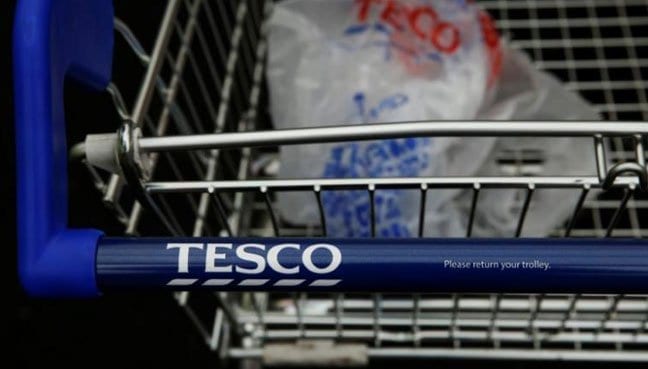
    Britain’s largest grocery chain Tesco and French grocery giant Carrefour have joined forces on how they source and buy from suppliers in a bid to cut prices.

    The long-term deal, which was struck amid mounting competition from Amazon and other rivals, allows the supermarket giants to jointly source certain products to lower prices and offer a wide range of product offerings to customers.

    According to Tesco, the alliance will be governed by a three-year operational framework and will enable both companies to improve the quality and choice of products available to their customers at even lower prices.

    Both companies will continue to work with supplier partners at a local and national level.

    “By working together and making the most of our collective product expertise and sourcing capability, we will be able to serve our customers even better, further improving choice, quality and value,” said Dave Lewis, Tesco Group chief executive.

    Alexandre Bompard, chairman and CEO of Carrefour, said the strategic alliance between the two grocery giants is a major agreement that combines the purchasing expertise “of two world leaders, complementary in geographies with common strategies.”

    The alliance will be formally agreed within the next two months, Tesco said in a statement.

    The British retailer has trialled a few days ago a new “shop and go” technology that allows Tesco customers to pay for their groceries without visiting a till, just through a smartphone.

    The retailer has given 100 company employees smartphones and use them to shop at its headquarters to trial the service. They use the phones to scan barcodes and pay for their shopping.

    The experiment is similar to the technology Amazon has already adapted in its grocery store in Seattle.