Category: General

Retail News Asia is committed to providing both local and global retailers with the latest General Retail news throughout the Asian market. This on a daily base.

  • How to maximise instagram as sales channel

    How to maximise instagram as sales channel

    Retailers who want to sell on Instagram might be surprised how easy and effective it is – for businesses both big and small.

    According to one research study, 75 per cent of Instagram users who follow businesses take some form of action, whether it be visiting a site or making a purchase, after seeing a promotional post.

    Of course, to leverage this platform to its full potential, it helps to keep certain points in mind. Just like when advertising on Facebook, you must follow best practices to successfully sell on Instagram. The following tips will help you maximise your profit when you sell on Instagram, by developing marketing campaigns that work.

    Treat your Instagram page like your website

    The rise of social media platforms has fuelled growth of digital marketplaces, where many customers don’t actually visit a company’s website when they first encounter a brand online. Instead, they view its social media page as a substitute for the site.

    So it makes sense to optimise your Instagram account by including a thorough summary of your business and all it offers. You should also select a profile picture that represents your brand. Furthermore, be sure to post any relevant visual content featuring information that your customers might find out about via your website. This may be something simple like information about an upcoming sale or promotion, but it’s still important to promote via Instagram.

    Create ads

    Instagram, like Facebook, allows users to create business accounts and advertisements.

    Once you sign up, the platform will seamlessly guide you through the process of creating and publishing an ad.

    Luckily, you don’t need to create unique content for your ad if you’ve already shared a post that highlights the same key information. A major bonus of the platform is that Instagram lets users turn regular posts into ads if they choose. Experiment with different types of ads to determine which are most effective for your business.

    You may also want to consider creating an ad using the new Instagram Stories format. This provides a more immersive visual experience, as it takes up a device’s entire screen by playing vertically. Since Instagram users view 60 per cent of stories with the sound on, it also gives you an opportunity to incorporate engaging audio content.

    Let users make purchases via the app

    Instagram posts can be an effective way to direct users to your online store to make a purchase. That said, one valid concern is that users will get distracted before completing the transaction. It would be easier if they could simply purchase an item directly via the app.

    Thanks to features like Shopify’s Shoppable Instagram Galleries, they can. This tool lets you tag items in posts that are for sale, meaning users no longer have to leave the app to make a purchase. Instagram has also begun working on a similar feature for business accounts.

    As always, it’s important to ensure your posts look appealing and accurately represent your products. Fortunately, social media marketing makes A/B testing very easy. As you experiment with different strategies, you’ll learn exactly what works best for your future Instagram campaigns.

  • JLL : 83% of retailers plan to open new stores over the next 12 months

    JLL : 83% of retailers plan to open new stores over the next 12 months

    A recent survey by JLL found that 83% of international and local retailers have plans to open new stores in Hong Kong over the next 12 months, a significant jump from 62% as recorded a year ago.

    More retailers planned to expand as retail sales in the first half have increased noticeably and are expected to grow further.JLL surveyed 40 retailers and retail landlords in June and found that more than 90% of the respondents stated their retail sales in the first half of 2018 fared better than those in the previous year.

    They also envisioned the like-for-like sales will grow by more than 10% in the second half. The resilient retail sales have encouraged 83% of the retailers to have plans for more store openings in Hong Kong in the coming 12 months.

    Hong Kong’s retail sector has been taking a broad upturn after bottoming out late last year. The latest government figures showed that the value of total retail sales gained strong momentum for the first five months of 2018, surging by 13.7% year-on-year, with all categories recording positive growth.

    An visible increase in visitor arrivals particularly those from mainland China, and a robust wealth effect led by strength in the city’s stock and property markets, coupled with an improvement in the overall local consumer sentiment, all contributed to the solid performance of the retail sector.

    In May 2018, the value of total retail sales increased by 12.9% year-on-year to a provisional estimate of HK$40.5 billion. A breakdown of retail sales by category revealed that the value of sales of jewellery, watches and clocks, and valuable gifts continued to lead the sector’s recovery, posting an impressive growth of 23.8% year-on-year. This was followed by medicines and cosmetics at 18.7%. Department stores and supermarkets also saw higher commodity sales.

    James Assersohn, Director of Asia Pacific Retail at JLL, said: “There is a great deal of positivity in the market at the moment. Retailers from almost all sectors are seeing strong and sustained growth in their sales which will lead to them investing more into the market. The luxury sector is currently the biggest winner, led predominantly by the Mainland Chinese tourists, but we also see locals increase spending which provides a deeper and more sustainable growth trajectory for retail businesses here”.

    “While the resuming demand for luxury goods would propel further recovery, it is worth noting that changing consumption patterns and shopper profiles fueled by millennials and generation Z have also led to greater demand for mass and mid-market brands, serving as a significant boost to local spending. The presence of the affordable brands of the kind are growing in major shopping districts at a swift pace. They will remain one of the main sources of leasing demand this year and onwards” he continued.

    Terence Chan, Head of Retail at JLL in Hong Kong, added: “The number of inbound visitors has increased remarkably in recent months, which helped lift retail sales to a considerable extent. Retailers are set to look for retail spaces in the major four shopping districts for expansion. However, given that the bulk of leasing demand continues to be from retailers with lower rental budgets, we believe a v-shaped recovery in retail rents is unlikely happen in the short term. We expect the rents of high street shops and prime shopping centres to grow in the range of 0-5% for the full year.”

  • Malaysia ranked 5th most complex country in corporate compliance regulation

    Malaysia ranked 5th most complex country in corporate compliance regulation

    Malaysia has one of the most complex corporate compliance regulations among 84 jurisdictions in the world, according to TMF Group’s Compliance Complexity Index.

    Malaysia emerged as the fifth country in the world with the most complex corporate compliance regulation and second in Asia Pacific.

    The ranking was based on the difficulty of adhering to local business regulations and associated issues – such as local reporting requirements, and the time taken to set up companies.

    TFM Malaysia’s group managing director Sharon Yam said the index confirms the notion of Malaysia being reputed as one of the most complex jurisdictions for businesses to operate in.

    “However, the government has enacted legislation that is causing drastic changes to the business landscape and compliance regulations, and may ultimately result in greater simplicity for businesses,” she said.

    “With the introduction of an updated version of the 1968 Companies Act, out of date and time-sapping regulations have been replaced by more modern compliance standards. For example, the maximum age of directorship has been abolished, and companies are no longer required to state their shared capital. In the long term, this will make it easier for companies to comply with regulations, and Malaysia may begin to slide back down our list.”

    The United Arab Emirates emerged as the country with the most complex regulations followed by, Qatar, China, Argentina and Malaysia.

    TMF Group provides accounting, corporate secretarial, HR administrative and capital market support to companies of all sizes in more than 80 countries.

  • 7-Eleven open second unstaffed X-store in Taiwan

    7-Eleven open second unstaffed X-store in Taiwan

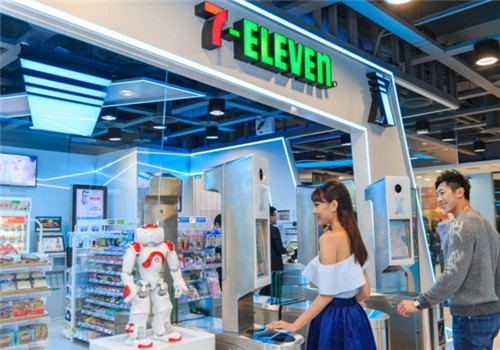
    7-Eleven Taiwan operator President Chain Store Corporation has opened its second unstaffed X-store in Taipei.

    Located in Xinyi District, the store recognises customers by facial-recognition card or iCash 2.0 card.

    There is also an intelligent ATM machine using fingerprint and facial recognition technologies, allowing customers to deposit small change and withdraw foreign currencies, project management department chief Hsu Yi-hsiung said.

    The first X-Store opened on the first floor of the company’s headquarters in January, targeting the large crowds of white-collar workers and students in the area.

    The number of customers at the first X-Store increased 50 per cent over six months, Hsu said.

    With the growing convergence of online and offline, automated shops such as the X-Store enhance customer expectations, while improving in-store service and automating supply chain and real-time inventory management.

  • Vietnam tops ASEAN in luring Japanese investment

    Vietnam tops ASEAN in luring Japanese investment

    Almost 1,800 Japanese businesses have invested in Vietnam in the first half of the year, the highest among ASEAN countries.

    This number accounts for 24.6 percent of total number of Japanese firms investing in ASEAN countries, said Keiichi Kadowaki, chairman of Japanese Chamber of Commerce and Industry in ASEAN (FJCCIA).

    He was speaking at the 11th Dialogue between the Secretary General of ASEAN and the Federation of the Japanese Chamber of Commerce and Industry in ASEAN (FJCCIA) in Ho Chi Minh City on Monday.

    Japan and Vietnam also signed 36 memorandums of understanding worth $21 billion last month.

    “This shows that Vietnam is becoming more attractive to Japanese firms,” Kadowaki said.

    Vietnam’s open business environment and robust economic growth of 5-6 percent each year has increased its attractiveness in recent years, he added.

    Up to 70 percent of Japanese firms in Vietnam plan to expand their business in the country, as most of them believe that revenue will continue to increase, according to a recent survey by the Japan External Trade Organization (JETRO).

    Over 65 percent of surveyed firms said they have been profitable in Vietnam.

    Japan was the fourth largest trading partner of Vietnam last year, with a total turnover of almost $34 billion, up 13.8 percent from 2016, according to Vietnam Customs.

  • Walmart to open 6 more stores in Uttar Pradesh India soon

    Walmart to open 6 more stores in Uttar Pradesh India soon

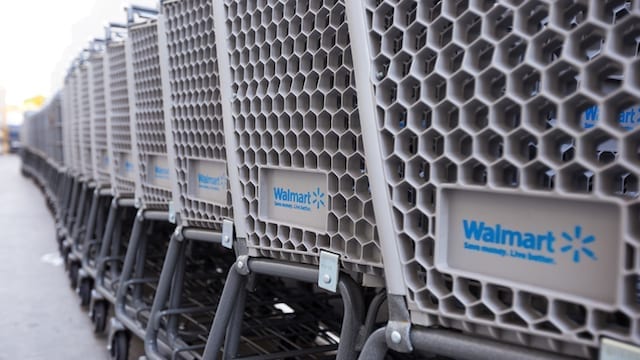
    US retail major Walmart will open six more stores in Uttar Pradesh soon, taking the number of such outlets to ten, a top company official said.

    “We have four stores at present – two in Agra, and one each in Meerut and Lucknow,” Krish Iyer, President and CEO of Walmart said.

    According to a PTI report: He was addressing reporters after launching Walmart India’s second B2B Fulfilment Centre here — the first in Uttar Pradesh and the second in the country after Bhiwandi, Mumbai, which was set up last November.

    “Uttar Pradesh is a very important and priority growth region for us and we are further expanding our business in the state to support kiranas, small farmers and local suppliers to help make them successful,” Iyer said.

    “The next such centre will be set up in Hyderabad,” he said.

    Iyer said that these centres would support ‘kirana shops’ and other small businesses.

    “It aims to contribute to local and state economy by creating thousands of job opportunities at the local level, besides giving a boost to the SME sector and the farmers,” he said.

    “The Fulfilment Centre will cater to the business needs of under-served small businesses such as kiranas (re-sellers), offices and institutions, and hotels, restauants and caterers,” he said.

    Walmart also plans to set up its ‘Best Price’ stores at various locations in Uttar Pradesh, including Kanpur, Moradabad, Varanasi, Gorakhpur, Sharanpur, Lucknow and Ghaziabad.

  • Carrefour to open 300 mini stores in Indonesia

    Carrefour to open 300 mini stores in Indonesia

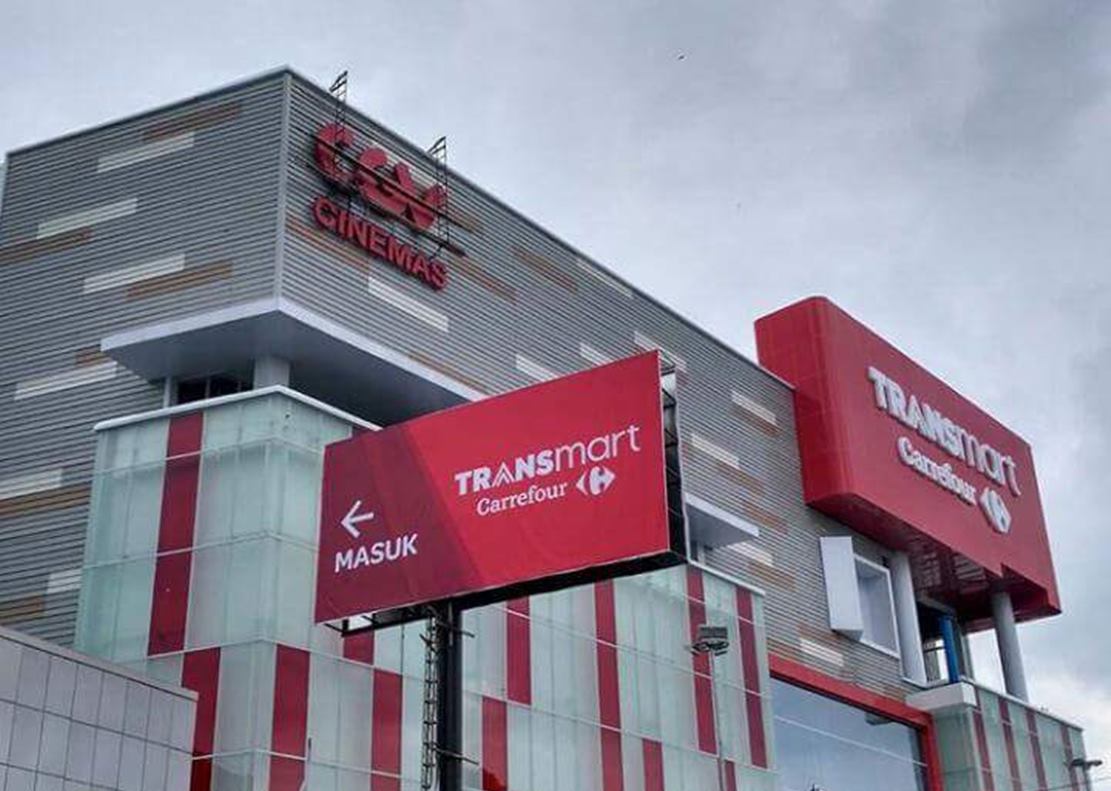
    Carrefour Indonesia has sealed a deal with the nation’s Mosque Council (Dewan Masjid Indonesia, DMI) to open up to 300 mini supermarkets.

    The stores will be built in mosque districts by Carrefour’s local entity Trans Retail Indonesia and range in size between 10sqm and 250sqm.

    According to Salaam Gateway, the company is working with the national mosque body to select districts for stores in cities including Jakarta, Sukabumi, Bandung, Bekasi, and Depok, as well as in provincial centres such as Riau, Padang, Lombok, and Makassar.

    VP for corporate communications with Trans Retail, Satria Hamid, says a memorandum of understanding has been signed with DMI “and we agreed on three points: boost human capital skills in retail management, grow the number of entrepreneurs from mosque districts, and increase the purchasing power of this captive market.”

    Profits will be shared equally.

    The retail infrastructure and store operations will be overseen by DMI and Trans Retail will supply products as well as providing technical assistance, training, and support on merchandising, safety, hygiene and other operational factors.

    The new Carrefour Indonesia stores will compete with Alfamart convenience stores.

    Trans Retail operates 112 Carrefour hypermarkets and supermarkets across Indonesia under the umbrella of four brands: Carrefour, Transmart Carrefour, Transmart, and Groserindo Carrefour.

    Trans Retail’s parent CT Corp acquired 100 per cent of Carrefour Indonesia from Carrefour France in late 2012.

  • Korean-licensed Mumuso sells Chinese products, found guilty of ‘misleading’ consumers

    Korean-licensed Mumuso sells Chinese products, found guilty of ‘misleading’ consumers

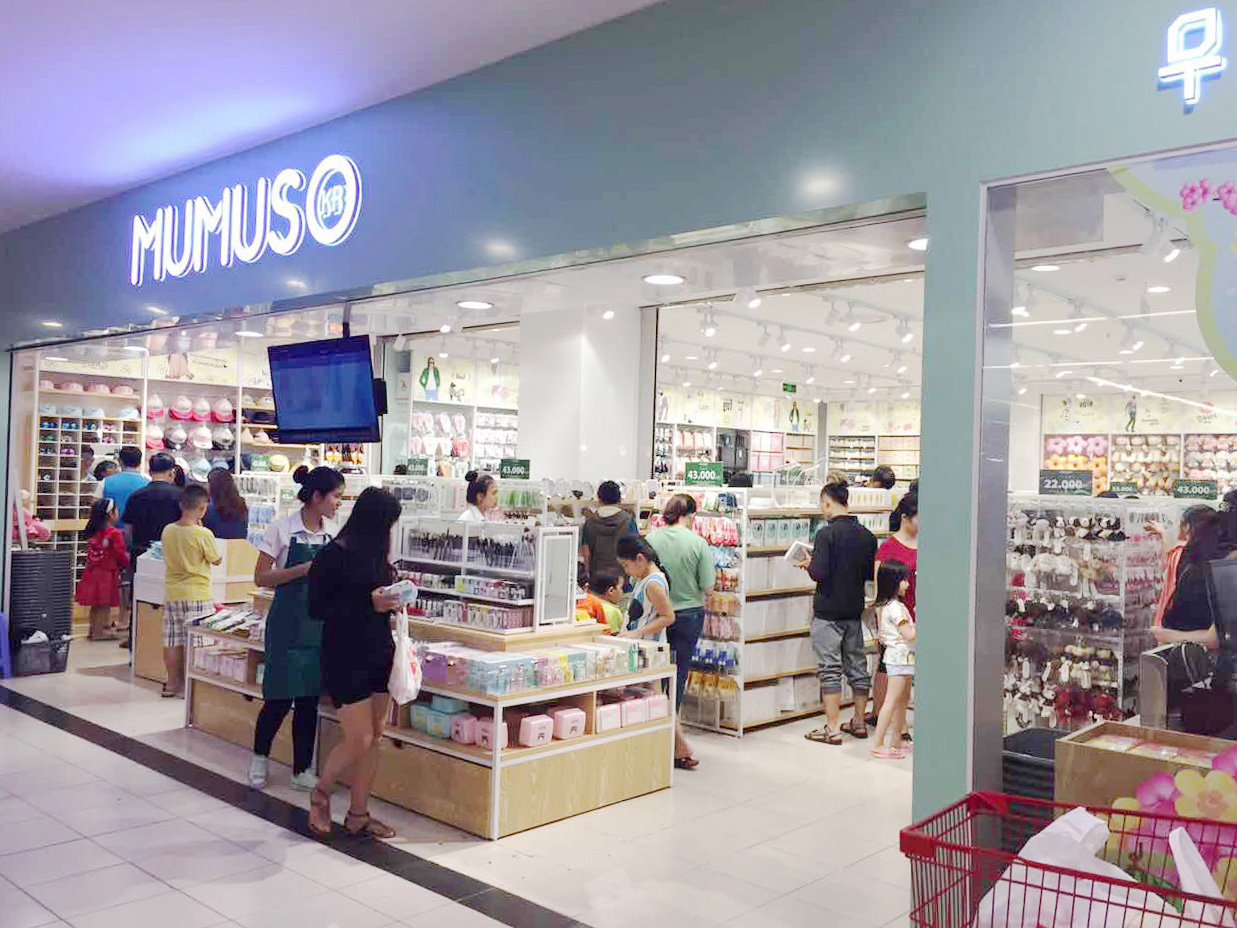
    After inspecting 2,273 items sold by Mumuso Vietnam Import Export Company Limited in the country, the Ministry of Industry and Trade (MOIT) said 99.3 percent was imported from China.

    Earlier, the company, whose product range includes beauty, healthcare, fashion accessories and home appliances, said that it was a legitimate Korean enterprise that has outsourced production to China.

    It had also said then that the product designs are made by a South Korean company.

    The inspectors said local laws were violated despite the firm’s explanation saying that Mumuso is a trademark established in Korea and its products are manufactured at its headquarters in Shanghai, China.

    The inspectors also said Mumuso put out a lot of content expressing its products’ connections to Korea, could show no documents or other proof for such information, especially relating to the origin and the technology used.

    The company was violating the Vietnamese Competition Law by engaging in unfair competition with similar firms selling Chinese-origin products. The content they provided has led to wrong understanding among customers about the chain and its products, the inspectors said.

    They said that the company had provided incomplete and inaccurate information to Vietnamese consumers, who’d assumed that the products were Korean.

    Mumuso does not have a single store in Korea.

    It has committed several other violations including not having a Vietnamese label on their products and providing inaccurate information about its website to the Ministry of Industry and Trade, inspectors found.

    It had registered neither the franchising associated with the Mumuso trademark nor its head office engaging in commercial activities. It had also not informed the MOIT about its promotion programs.

    The ministry has instructed relevant agencies to deal with all the violations that the company has committed under various laws of Vietnam.

    In Vietnam since late 2016, Mumuso has rapidly developed in Hanoi and Ho Chi Minh City, with 27 stores in central locations.

    It sells many low cost products, starting from as little VND22,000 (less than $1) per unit.

  • Profit dive leads Ministop to uncertainty

    Profit dive leads Ministop to uncertainty

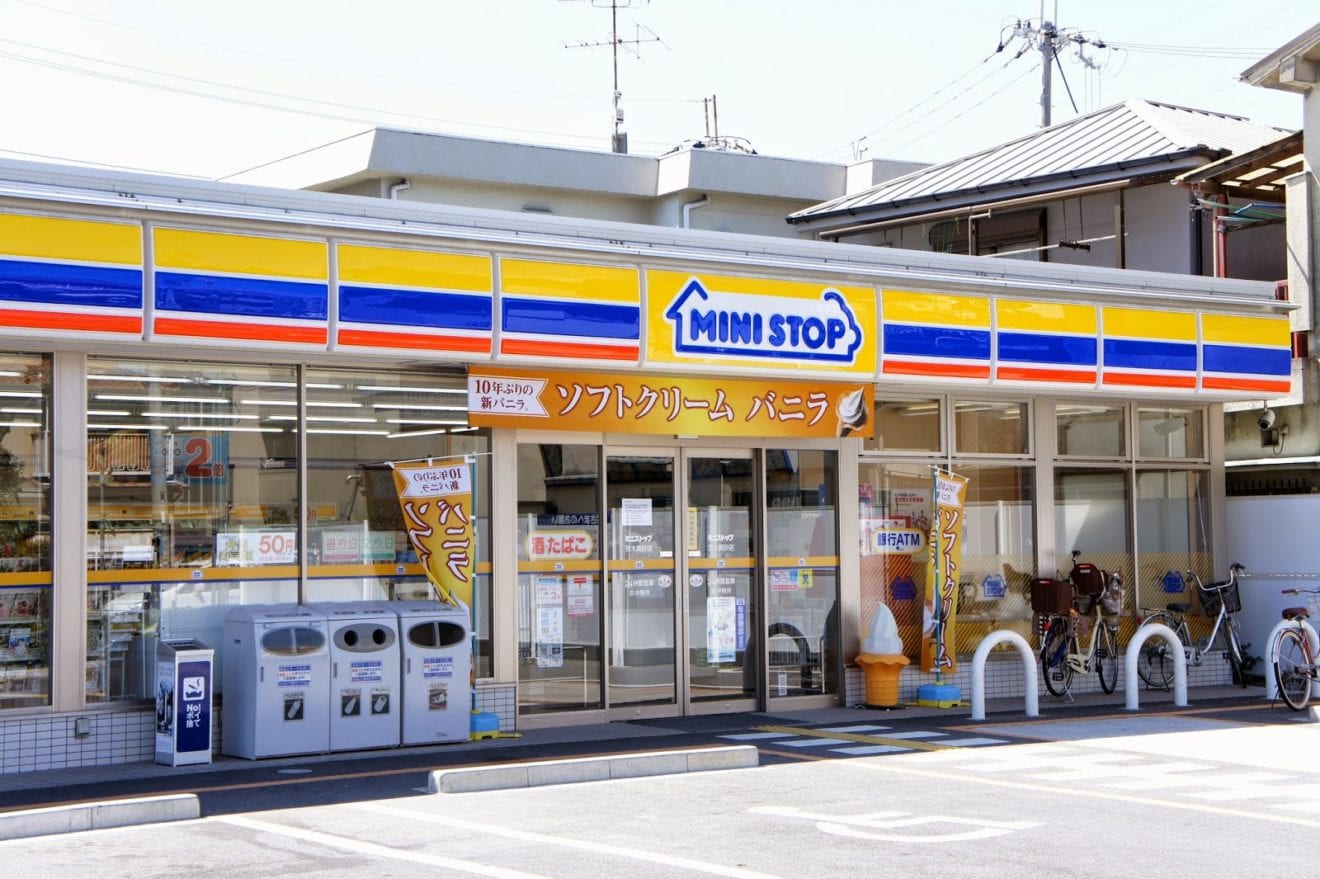
    The future ownership of South Korea’s fourth-largest convenience store chain, MiniStop Korea, is uncertain with options under review.

    Parent Aeon Group of Japan is apparently tiring of falling profits from the chain and has appointed Nomura Securities to explore sale options, including a clean sale of its stake or attracting a strategic investor.

    With more than 2500 stores spread across South Korea, MiniStop’s sales reached 1.18 trillion won (US$1 billion) last year.

    In a statement issued this week, Aeon said: “Even though we are considering business tie-ups with other companies to improve corporate value, there are no concrete plans on selling off MiniStop Korea yet.”

    Aeon currently owns 76.06 per cent of MiniStop Korea with local Daesang Group holding 20 per cent and Japan’s Mitsubishi the remaining 3.94 per cent.

    Intense local competition is behind the decline in MiniStop Korea’s profitability, according to local industry sources. Profit plunged 23 per cent last year to 2.6 billion won (US$2.3 million). In 2015 the company achieved an operating profit of 13.2 billion won.

  • Malaysia’s onsumer confidence in Q2 hits 21-year high

    Malaysia’s onsumer confidence in Q2 hits 21-year high

    Malaysian consumer confidence jumped to its highest level in 21 years in the second quarter of 2018 (Q2 2018), as households were upbeat about the labour market and their future incomes, according to Malaysian Institute of Economic Research (MIER).

    The think-tank said its Consumer Sentiments Index (CSI) survey, which involved 1,020 households in Peninsular Malaysia, rebounded above the 100-point optimism threshold to soar to 132.9 points in the second quarter, the highest level since Q2 1997.

    MIER said this is likely due to the recent change in the political landscape, abolition of the Goods and Services Tax (GST) and the consumers’ expectations of an improvement in the economic welfare.

    Speaking at MIER’s 33rd National Economic Briefing today, its executive director Dr Zakariah Abdul Rashid said the survey also revealed that the consumers are having ambitious spending plans in the coming months, especially for consumer durables.

    “This is underpinned by the improved consumers’ current incomes as well as future incomes and favourable employment outlook as shown by the survey results,” he added.

    MIER said based on the CSI survey results, 21% of the households interviewed enjoyed better finances in Q2 2018, the highest proportion received since Q1 2014, while majority (65%) of them saw no change in their incomes recently.

    “Only 13% of the respondents this time lamented being worse off financially then before, the smallest proportion tabulated since Q4 2004,” it noted.

    Consistent with its CSI survey, MIER said that businesses are also upbeat on the economy, as its Q2 2018 Business Conditions Index (BCI) rebounded strongly recording the highest level over the last 13 quarters, surpassing the demarcation level of 100-point threshold of optimism.

    Meanwhile, Zakariah said the government’s decision to abolish the GST and reinstate the Sales and Services Tax (SST) would not significantly impact the country’s economic growth.

    “The brief period of the tax holiday and the shift to SST in September won’t have much impact on GDP as the (GST and SST) elements play a very small or insignificant role in (contributing to) GDP. I think other factors (such as domestic demand, private and public consumptions) are more important,” he added.

    MIER maintained its GDP (gross domestic product) growth forecast at 5.5% this year. GDP growth is expected to moderate to between 4.8% and 5.3% next year.

    Additionally, Zakariah said growth prospects for 2018 and 2019 would depend heavily on resilient growth in domestic demand and good performances of major developed economies.
    Meanwhile, he said, the ringgit is expected to trade between RM4.18 and RM4.20 against the US dollar by year-end due to capital flows amid global interest rate differentials.

  • Business optimism in Malaysia soars in Q2

    Business optimism in Malaysia soars in Q2

    Business optimism in Malaysia rose 24 percentage points (pp) to 52% net as at the end of the second quarter (Q2) of 2018 versus 28% in Q1 after the change in the new federal government, according to Grant Thornton International Business Report.

    This near doubling in business optimism was the highest among the Asean countries.

    Grant Thornton Malaysia’s country managing partner Datuk NK Jasani said the results indicated that Malaysian businesses are upbeat and confident with the outlook of country’s economic landscape.

    “The outcome of the 14th General Election has contributed to this significant increase of confidence among Malaysian businesses and the results can been seen in various sectors.”

    He opined that the government should now emphasize on business transparency and have business friendly budget to continue this positive momentum.

    Business owners are confident about their business performances over the next year, with many having positive outlooks for revenue, employment and also investments. A net 56% of businesses are expecting an increase in revenue over the next 12 months, an increase of 22pp from Q1.

    The report finds that a net 26% of businesses owners are expecting to hire more employees, an increase of 12pp from Q1.

    Apart from that, business owners are expecting to increase their level of investments. 66% plan to increase their investment in technology; 44% in plant & machinery; 24% in research and development; and 22% in new buildings.

    Lesser business owners have cited the economic uncertainty as a constraint to their business growth, a decrease from 44% in Q1 to 32% in Q2.

    However, there is growing concern on the lack of skilled workers, energy costs and exchange rate fluctuations.

    Access to skilled workers is seen as the biggest constraint to growth by Malaysian businesses at 46%, an increase of 14pp from Q1.

    Concerns have also increased for exchange rate fluctuations, driven by the prospect of further US Federal Reserve rate increases this year.

    Jasani said with many businesses across Asean still borrowing in US dollars, fears over rate rises could easily blow business confidence off course.

    “For the emerging economies, including Asean, it is not an easy situation for businesses. However, action can be taken to reduce the risks associated with a reliance on US dollars. One option is to hedge and lock in a more predictable exchange rate for a period of time.”

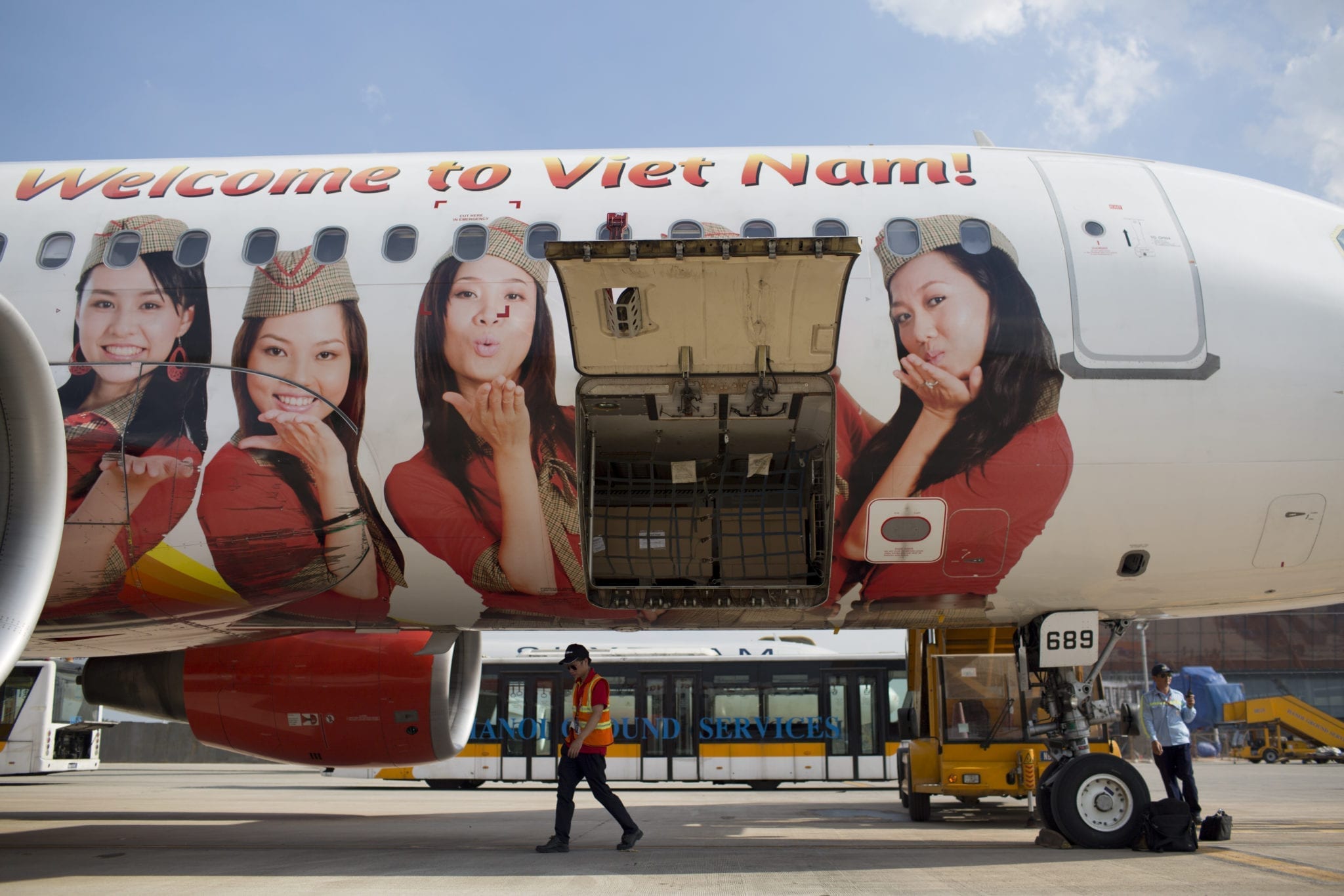
  • VietJet inked 100 Boeing 737 jets deal

    VietJet inked 100 Boeing 737 jets deal

    Boeing Co struck a new deal for 100 passenger jets with Vietnamese budget airline VietJet Aviation JSC VJC.HM on Wednesday, deepening a battle for market share against rival Airbus (AIR.PA) in one of southeast Asia’s hottest markets.

    Boeing and VietJet signed the provisional order for 100 Boeing 737 MAX airplanes worth almost $13 billion at list prices at the Farnborough Airshow in southern England.

    Of these, 80 are the recently launched 737 MAX 10 – the largest version of Boeing’s best-selling 737 range – and 20 are the benchmark 737 MAX 8 model.

    “The growth is incredibly strong in Southeast Asia,” said Boeing Commercial Airplanes CEO Kevin McAllister. “VietJet is a major player there.”

    The draft deal comes two years after Boeing upstaged Airbus by clinching an order for 100 737 MAX jets during a visit by then-U.S. President Barack Obama.

    Until then, VietJet had only ordered planes from Airbus, including a bumper order for 92 jets in December 2013.

    However, aircraft finance industry sources have expressed doubts over whether all the planes on order would be delivered on schedule amid a glut of airplane orders in the region.

    VietJet CEO Nguyen Thi Phuong Thao insisted on Wednesday the airline would use both the A320 and 737 aircraft in its fleet and would have “no problem” taking delivery.

    The companies said VietJet, one of the fastest-growing carriers in southeast Asia, needed the planes to satisfy surging demand on high-dense domestic routes as well as popular routes throughout Asia.

    Vietnam’s first privately owned airline will become the largest MAX 10 customer in Asia once the deal is completed, with deliveries due in 2022-2025, the companies said.

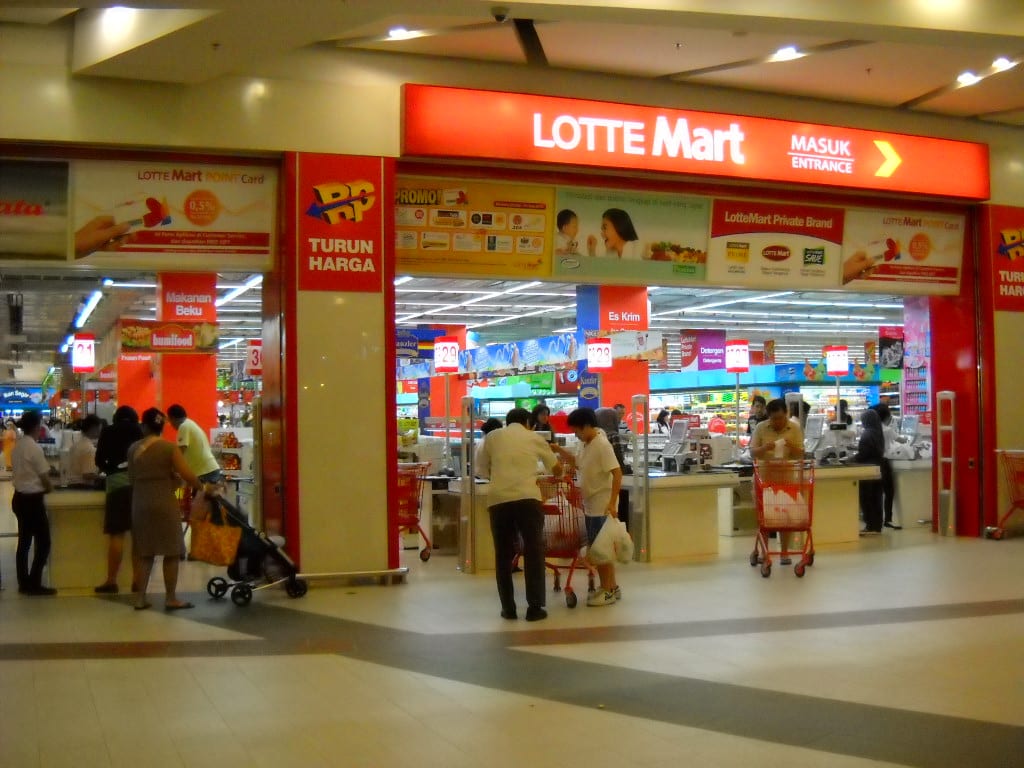
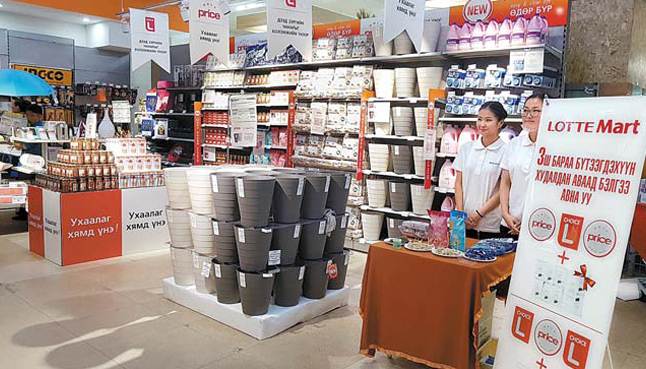
  • Lotte Mart makes debut in Mongolia

    Lotte Mart makes debut in Mongolia

    Lotte Mart Mongolia is opening its first store, in Ulaanbaatar, in the first half of next year.

    The South Korean retailer has set up a joint venture with local retailer Nomin Holdings, which will sell Lotte’s private label products for the next 10 years. It is initially targeting sales of US$3 million annually.

    To prepare for this expansion, Lotte Mart has already sold its food products of its private labels – Only Price, Yorihada, and Choice L – last year at four stores including a state-run department store and two supermarkets owned by Nomin in Ulaanbaatar.

    Nomin Holdings is one of Mongolia’s three largest enterprises and has also worked with other global names including L’Oreal, Mango, and Century 21 in the country.

    Mongolia is one of Lotte’s latest foreign markets after it pulled out from China. Parent Lotte Group operates 46 Lotte Mart stores in Indonesia and 13 in Vietnam. It launched its fast-food brand Lotteria in Ulaanbaatar last month.

  • Ministop Korea denies rumors of closing shop

    He added that reports which said Ministop has selected Nomura Securities as deal manager to sell its Korean unit are untrue.

    Established in 1997, Ministop Korea is the fourth-largest player in the country. But recently the company has faced some difficulties doing business here. The number of Emart24 outlets has increased dramatically from 501 in 2014 to 3,236 as of June this year, outnumbering Ministop’s 2,346 outlets. Moreover, the Fair Trade Commission slapped it with a 234 million won (US$207,796) fine for signing illegal and unfair contracts with its suppliers.

    Emart24, the convenience store chain of retail giant Shinsegae, which is considered to be one of the likely candidates to acquire Ministop, also denied the reports, saying it is unrealistic.

    “Our operating system is totally different from Ministop. If we acquire the chain, we will have to adjust all the differences, which takes too much effort,” a Emart24 spokesperson said.

  • Berjaya Corp acquires 98% stake in Just KPop

    Berjaya Corp acquires 98% stake in Just KPop

    Berjaya Corp Bhd’s (BCorp) wholly-owned subsidiary Berjaya HR Café Ltd has acquired 98% equity interest in South Korea’s Just KPop Ltd (JKP), for KRW98 million(RM354,172).

    The group told the stock exchange that following the subscription of 19,600 common stocks at par value of KRW5,000 (RM17.87) each, JKP has now become a 98%-owned subsidiary of BCorp.

    JKP, which has not commenced operations, is intended to carry out food and beverages businesses and restaurants as its principal activities.

    It was incorporated in South Korea under the Korean Commercial Act with an issued share capital of KRW100 million (RM357,473.68) comprising 20,000 common stocks at KRW5,000 each.