Category: General

Retail News Asia is committed to providing both local and global retailers with the latest General Retail news throughout the Asian market. This on a daily base.

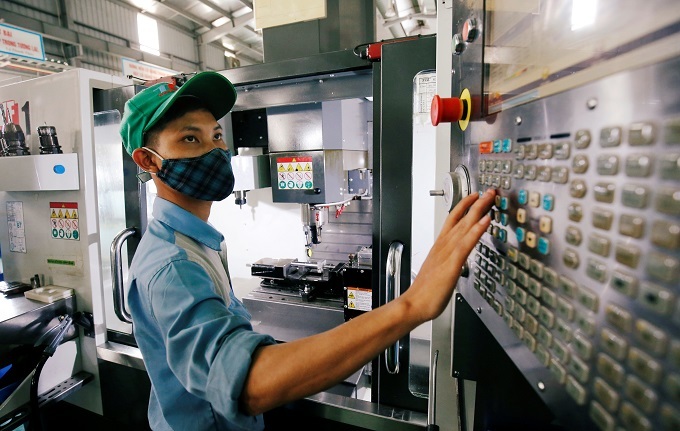
  • Vietnam set to increase minimum wages in 2019

    Vietnam set to increase minimum wages in 2019

    Vietnam’s National Wage Council has proposed a minimum wage increase of nearly $7-9 per month across all four levels in 2019.

    Overall, the average increase across the four levels will be 5.3 percent.

    All members of the National Wage Council (NWC) on Monday voted on the proposal to be submitted to the government.

    Under the proposal, the minimum monthly wage across four levels will be raised, depending on the area, from $171 to $180 (region 1); $152 to $159 (region 2); $133 to $140 (region 3); and $118 to $125 (region 4).

    At the same meeting, the Vietnam General Confederation of Labor (VGCL), proposed a minimum increase of 6.1 percent, while the Vietnam Chamber of Commerce and Industry, representing the business owners, proposed a 5.1 percent increase.

    All sides came to an agreement of a 5.3 percent increase as the final rate so the meeting could move to the voting round.

    Doan Mau Diep, deputy labor minister and chairman of NWC, said a 5.3 percent increase was reasonable and acceptable.

    “As the inflation rate is not too high, labor productivity is rising and businesses are facing exchange rate risks, we think it is reasonable to increase the minimum wage between 5 and 5.5 percent.”

    VGCL recently published a study on minimum wage and cost of living after surveying over 3,000 laborers in 150 different businesses in the country.

    26.5 percent said they were “barely getting by,” while 12.5 percent said their incomes were not enough to support their families, and have to work overtime or extra jobs to make ends meet.

    The study found that an average worker’s minimum spending is VND6.5 million ($290) each month, while the average base salary is just VND4.6 million.

    Thus laborers need to work on average an extra 28 hours a month just to make ends meet, the study found.

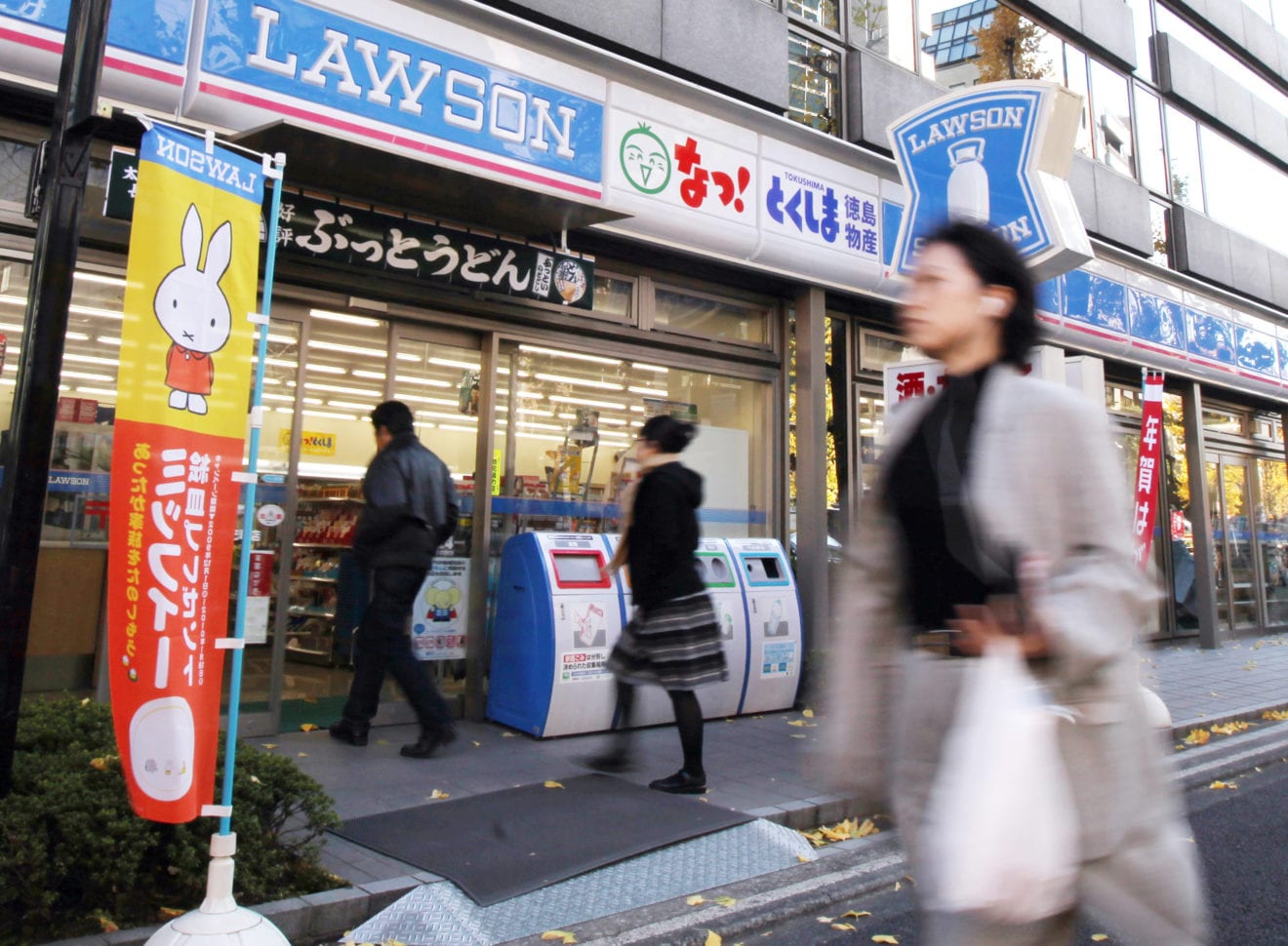
  • Japanese convenience store ready to fight new challenge

    Japanese convenience store ready to fight new challenge

    Healthcare is becoming a staple category for Japanese convenience store chains as they seek to counter the encroachment of pharmacies on their traditional product ranges.

    According reports, while Japanese drugstores are increasingly offering snacks and quick meals, convenience stores are now selling medicines and even setting up health consultation stations in stores.

    Lawson-branded stores have launched 17 in-store consultation corners and plans to expand this number to 100 locations.

    Lawson president Sadanobu Takemasu said the company wants to resolve the community issues that arise “in an age where many people live to be 100”. The service is intended to attract more families and elderly people.

    FamilyMart and Seven-Eleven convenience chains in Japan have also been found to be selling medicines, with some also offering pharmacy-style advice.

    Japanese drugstores have been increasingly expanding beyond medical products in recent years, which has paid off. The value of pharmacy industry sales has gone up five per cent in the past two years, as opposed to two per cent on convenience store sales over the same period.

    The number of pharmaceutical outlets increased 11 per cent since 2015, during which time convenience store expansion was limited to just three per cent.

  • Thai 7-Eleven number goes down

    Thai 7-Eleven number goes down

    Thai 7-Eleven operator CP All has reported slowing profit growth, despite increased revenue.

    Net profit growth of 2.8 per cent was its weakest quarterly result in years, according to Thomson Reuters. Its net surplus was 4.78 billion baht (US$144.2 million). In the same period a year ago, growth reached 10.8 per cent.

    The company’s gross margin slipped a half percentage point to 27.7 per cent due to higher sales of alcohol, cigarettes and game cards, which have low margins.

    Total sales across the 10,000-strong Thai 7-Eleven store network was 129.7 billion baht, up 7.5 per cent, but the company was impacted by an increase in the minimum wage, rising power prices and higher supply chain costs.

    CP All expects to have 13,000 stores by 2021.

  • Convenience store in Korea enjoying revenue boost

    Convenience store in Korea enjoying revenue boost

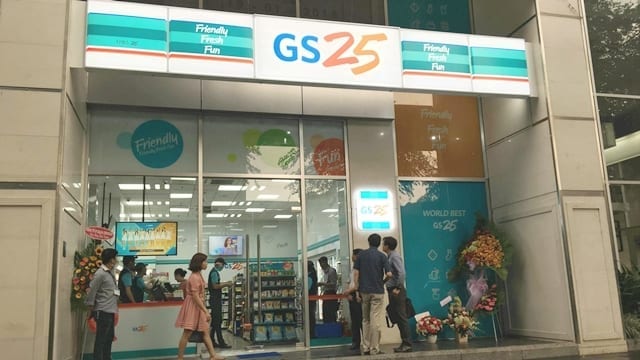
    South Korean convenience store operators GS25 and CU received a boost from in-house brands in the second quarter.

    GS Retail, which operates the GS25 chain, recorded a net profit jump of 11.1 per cent year on year to 45.8 billion won (US$41 million) in the April-June period, on sales up 5.3 per cent to US$2 billion.

    GS Retail attributed the growth to development of new products at its convenience stores, with 36.7 per cent of GS25’s sales excluding alcohol and cigarettes coming from its private-label products in July.

    South Korean convenience store operators have been developing private-label products to attract more customers.

    GS25’s main rival CU posted a net profit of US$60 million from April to June, an increase of 105 per cent from the first quarter of this year, on sales of $1.3 billion.

  • Singapore retail sales shows disappointing number in June

    Singapore retail sales shows disappointing number in June

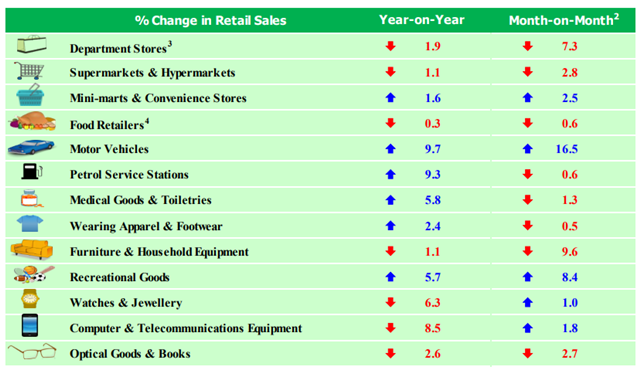
    June Singapore retail sales remained static in June, rising a mere 0.2 per cent after motor vehicles were excluded from the data.

    Month on month, retail sales excluding cars fell by 1.8 per cent.

    Considering higher fuel prices drove a 9.3 per cent increase in sales year on year, traditional retail sales probably did not increase at all in June. Statistics Singapore said that in volume terms, after removing the price effect, the increase recorded by petrol service stations was 0.2 per cent.

    Sales of medical goods & toiletries increased by 5.8 per cent, due to higher sales of cosmetics & toiletries. Sales of recreational goods rose by 5.7 per cent, mainly from sporting apparel during the FIFA World Cup.

    Sectors to record declines in June Singapore retail sales included computer and telecommunications equipment (down 8.5 per cent), watches & jewellery (down 6.3 per cent) and optical goods & books (down 2.6 per cent). Following sales growths in the previous month, sales of department stores and furniture & household equipment decreased by 1.9 per cent and 1.1 per cent, respectively.

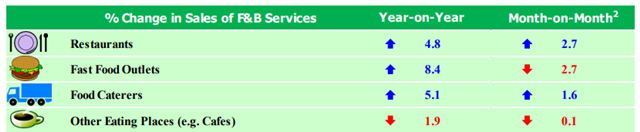
    Most food & beverage service industries achieved higher turnover in June this year, compared with last year. Fast-food outlets, food caterers and restaurants rose between 4.8 per cent and 8.4 per cent during this period.

    In contrast, sales of other eating places, such as cafes, fell by 1.9 per cent.

  • Consumer goods, property most attractive sectors for acquisition in Vietnam

    Consumer goods, property most attractive sectors for acquisition in Vietnam

    The most promising sectors for mergers and acquisitions in Vietnam are consumer goods and real estate, says a global advisory firm.

    Food and beverage (F&B) tops the list followed by pharmaceuticals and real estate in joint second position and fast moving consumer goods, KPMG said in its latest outlook report for M&A released at the Vietnam M&A Forum (MAF) 2019 in HCMC last week.

    The firm came up with the report following a survey of more than 300 professionals working for private equity firms, securities companies and M&A advisory firms besides company owners.

    F&B takes the lead thanks to a booming young middle class, stable economic growth of 6.5 percent and increasing exposure to new concepts and cultures especially influenced by globalization.

    As for pharmaceuticals and life sciences, the survey found that while some foreign companies in this industry could see M&A as a faster means of obtaining the necessary licenses in Vietnam, several other arguments were also made in support of this trend: such as the government’s plan to simplify licensing policies and reforming regulatory frameworks, and the increasing demand for healthcare.

    Besides, the country’s rapid urbanization rate means the real estate sector will continue to remain a magnet for investment, especially the residential and hospitality segments.

    A report of the MAF 2019 stated that foreign investors in the consumer goods sector do not just have an eye for local brands but also their distribution networks.

    “Thai and South Korean investors have expressed interest in Vietnam’s consumer goods sector since M&A deals will help them access established channels to distribute Thai and Korean goods in the Vietnamese market,” said the report.

    As for the real estate sector, it noted foreign investors are interested in M&A because it often takes long to complete procedures for new real estate projects in Vietnam, and acquiring local firms would be a shortcut.

    Besides, the availability of land for new projects is limited, with local firms already buying up most of them, making it difficult for foreign investors to strike out on their own.

    MAF 2019 data showed that the total M&A value in Vietnam last year was $10.2 billion, the highest ever and 175 percent up from 2016.

    In the first six months of this year the figure was $3.55 billion, up 55 percent.

    Consumer goods and real estate accounted for the biggest slices of the M&A pie last year, with 57 percent and 27 percent, respectively.

    In H1 this year real estate surged to the top, accounting for 66.75 percent, followed by finance-banking with 19.06 percent.

    Experts at the forum said this year the M&A value could be lower at $6.5-6.9 billion.

    Last year it had been boosted by the biggest ever divestment deal in the country when Thai Beverage paid nearly $5 billion for a 54 percent stake in Vietnam’s top brewer Sabeco.

    KPMG’s survey found that Japan, South Korea and China would continue to be the top sources of M&A deals in the next three years.

    Warrick Cleine, chairman and CEO of KPMG in Vietnam and Cambodia, said the wave of investments from Asia into Vietnam would be huge and the Comprehensive and Progressive Agreement for Trans-Pacific Partnership (CPTPP) that Vietnam signed in March with 10 other Asia-Pacific countries would make Vietnam’s market even more attractive to investors from Japan and South Korea.

    Deputy Prime Minister Vuong Dinh Hue told the forum the government is amending and finalizing policies related to management of state-owned equity.

    The government will continue to push with its equitization of state-owned firms and tighten up rules to ensure those that have already launched IPOs list on the stock market, he said.

    The government is seeking to make things easier for investors. “The target is to cut 30-50 percent of business procedures within this year. Now 15 percent of such procedures has been axed. We will do the same with specialized inspection procedures to improve the investment environment in Vietnam to make it easier for the establishment of new firms as well as M&A activities,” the deputy PM added.

    Pham Van Thinh, CEO of advisory firm Deloitte Vietnam, said as the government continues to facilitate foreign investment and make the economy more open, Vietnam would remain an attractive market for the next five to 10 years.

    However, as most companies in Vietnam are small or medium-sized, which means many of them do not have strategic policies for long-term development, there is not much scope for strong growth in M&A in future, he said.

    Dominic Scriven, executive chairman of Dragon Capital, one of the top investment funds in Vietnam, said he is optimistic about the M&A prospects in Vietnam.

    But he noticed three factors that should be sorted out to bolster the M&A landscape: the government’s policy to attract foreign investment, a change in attitude of local firms many of whom still want to handle everything themselves and do not look at M&A as a solution to become stronger and how effectively Vietnam can handle possible disputes between partners in M&A deals.

  • China retail sales slump in July

    China retail sales slump in July

    Mainland China retail sales fell in July according to a survey of 50 major retail chains.

    According to the China National Commercial Information Centre (CNCIC), a government-backed consultancy authorised by the National Statistics Bureau, sales fell 3.9 per cent year on year, with home appliance retailers the worst hit, with a decline of 9.9 per cent.

    Sales of ‘daily necessities’ dropped 5.7 per cent and of clothing by 3.8 per cent. The only category showing strong growth was cosmetics, up 6.5 per cent.

    “In general, the performance of China’s retail sector was rather sluggish in July,” said CNCIC.

  • Vietnam Steel Association hopes to circumvent ban on scrap imports

    Vietnam Steel Association hopes to circumvent ban on scrap imports

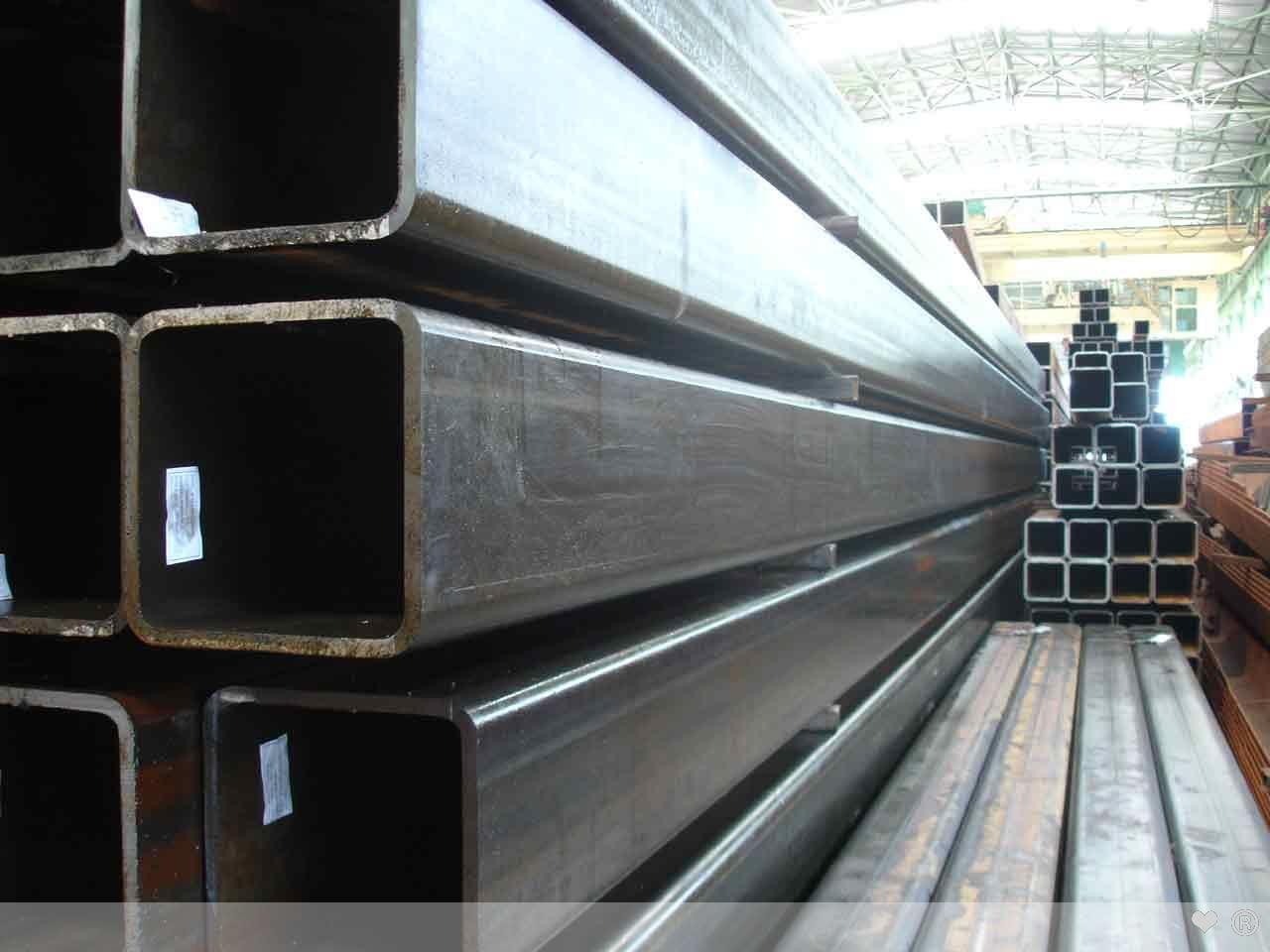
    The Vietnam Steel Association wants the ban on metal scrap waived so that its members can continue importing it as feedstock.

    Making steel from steel and iron scrap is an environment-friendly process, which produces only a fifth of the emissions as using iron ore, the VSA said in a letter to the Ministry of Natural Resources and Environment.

    China has been restructuring its steel industry in recent years to prioritize using metal scrap, and a similar trend can be seen in the U.S. and EU, it said.

    Since the supply of metal scrap in Vietnam can only meet 40 percent of their needs, steelmakers have to depend on imports for the rest, it said.

    The VSA petition follows a recent government order to stop import of scrap, which warned that Vietnam is on the verge of becoming the world’s dumping ground after China stopped scrap imports on January 1.

    The letter also proposed severe penalties for steelmakers violating import regulations and causing harm to the environment.

    Seventy two Vietnamese steelmakers imported over 2.6 million tons of metal scrap in the first half this year, mostly from Japan, the U.S. and Hong Kong.

    The figure is estimated to reach 19 million tons in the period from 2018 to 2020, according to the VSA.

  • Mickey Mouse pop up marks its 90th birthday

    Mickey Mouse pop up marks its 90th birthday

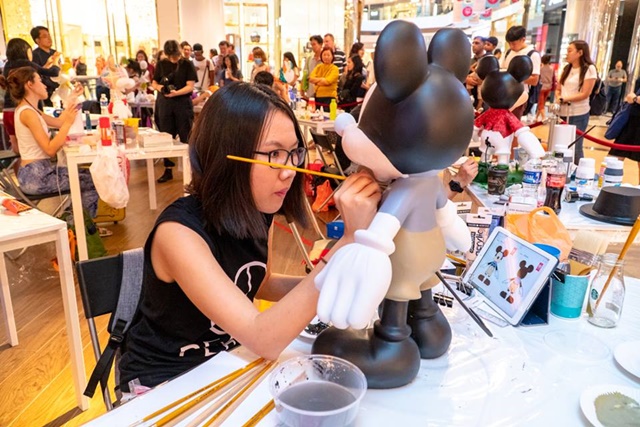
    Raffles City is hosting a Mickey Mouse pop-up store celebrating the cartoon character’s 90th birthday.

    Dubbed ‘Mickey Go Local’, the store is a partnership with the Walt Disney Company Southeast Asia and features more than 80 souvenir products ranging from apparel to household items. The Mickey Mouse pop-up will also exhibit 90 figurines of the popular rodent, designed by Singaporeans, including President Halimah Yacob.

    Raffles City will host the pop up as part of its Arts in the City program until August 29.

    Amit Malhotra, country manager at The Walt Disney Company Singapore and Malaysia, says the exhibition-cum-store will engage fans of all ages in a locally relevant and fun manner, providing more ways for people to celebrate with their favourite Disney character.

    “Mickey Mouse is an endearing global icon, which has crossed boundaries to touch lives around the world through his optimism and happiness,” adds Margaret Khoo, GM at Raffles City.

    “The same can be said for the universal language of art and its power to bring joy to communities. Raffles City Singapore is delighted to showcase unique expressions of our Singaporean way of life through this familiar icon for this year’s Arts in the City program. Collaborating with individuals from different walks of life on this exhibition makes this uniquely Singapore showcase even more meaningful as we mark the nation’s 53rd birthday in August.”

  • Indonesia Bets Big on Biodiesel to Limit Costs of Oil Imports

    Indonesia Bets Big on Biodiesel to Limit Costs of Oil Imports

    Indonesia plans to require that all diesel fuel used in the country contain biodiesel from next month to boost palm oil consumption, slash fuel imports and narrow a yawning current-account gap.

    While the proposal has been welcomed by the palm oil industry and government, it has raised concerns among the automobile industry that the fuel could impact engine performance.

    Environmentalists fear the boost to local palm oil consumption will hasten Indonesia’s already fast spreading deforestation.

    The following explains some of the issues surrounding the drive to increase biodiesel usage.

    Current Account

    Indonesia currently imports around 400,000 barrels per day of crude oil and a roughly similar number of refined products, which makes Southeast Asia’s largest economy vulnerable to the sort of increases in global crude prices seen over the past year.

    With the current-account deficit estimated to grow by $8 billion in 2018, the plan is to cut diesel imports by mandating that all diesel consumers, including power plants and railways, use biodiesel that contains 20 percent bio-content (B20), typically palm oil. Officials estimate this will save Indonesia around $6 billion per year.

    The program will increase domestic consumption of palm oil in the world’s largest producer of the edible oil, providing a market for output that has climbed by 35 percent over the past five years.

    FAME

    In Indonesia, the bio component in biodiesel consists of fatty acid methyl esters (FAME) made from palm oil.

    Indonesia has 26 FAME producers, including units of palm oil giants such as Sinar Mas Group, Wilmar and Musim Mas, according to the Indonesian Biofuels Producers Association (Aprobi).

    FAME is supplied to fuel distributors, including state energy company Pertamina, blended with petroleum-based diesel and sold to end-users.

    Only around one-quarter of Indonesia’s FAME production capacity is currently utilized and the new program could raise this to up to 50 percent, said Togar Sitanggang, a senior official at the Indonesia Palm Oil Association (Gapki).

    The government has said it will provide incentives to biodiesel producers, but has not provided details.

    Compatibility

    Efforts to increase FAME concentrations in biodiesel have faced resistance from regulators and the automotive and oil industries in the past.

    Indonesia is supporting a program to make 100-percent palm oil-based biodiesel without FAME.

    Rules introduced in 2015 make B20 mandatory in subsidized biodiesel up to January 2020, after which B30 is scheduled to become mandatory.

    While B20 use is generally accepted for new vehicles, higher FAME blends may pose problems. FAME has a solvent effect that can corrode engine seals and gaskets, potentially increasing maintenance costs, and requiring special handling and equipment.

    “High-level biodiesel blends can also impact engine warranties, gel in cold temperatures and may present unique storage issues,” the US Department of Energy’s Alternative Fuels Data Center (AFDC) said on its website.

    According to the AFDC, the more FAME there is above 20 percent in biodiesel, the lower its energy content. FAME use could also increase nitrogen oxide emissions, although it greatly reduces other toxic emissions, it said.

    In a 2016 assessment, the Japan Automobile Manufacturers Association (JAMA) concluded that biodiesel with no more than 20 percent FAME content was acceptable for vehicles that comply with the Euro IV emissions standard, among other conditions.

    Extensive Tests

    In a 2015 study by Indonesia’s Technology Assessment and Application Agency (BPPT), six passenger vehicles from three manufacturers were driven over 40,000 kilometers using B20 biodiesel and regular diesel.

    The test found that B20 improved vehicle performance and acceleration, and reduced emissions, but the vehicles consumed roughly 4 percent more fuel than vehicles using regular diesel.

    Tatang Soerawidjaja, chairman of the Indonesian Association of Bioenergy Scientists and Technologists, said extensive tests have shown that B20 poses “no problems” for diesel engines, even in older models.

    Filters would only need replacement or more frequent cleaning in the early phase of adopting biodiesel use, he said, referring to FAME’s solvent effect when mixed with regular diesel.

    “The bio-content cleans dirt off of the tank’s walls and pipes and this ends up in the filter,” he said.

  • Baidu sales, profit lift on increased online ads

    Baidu sales, profit lift on increased online ads

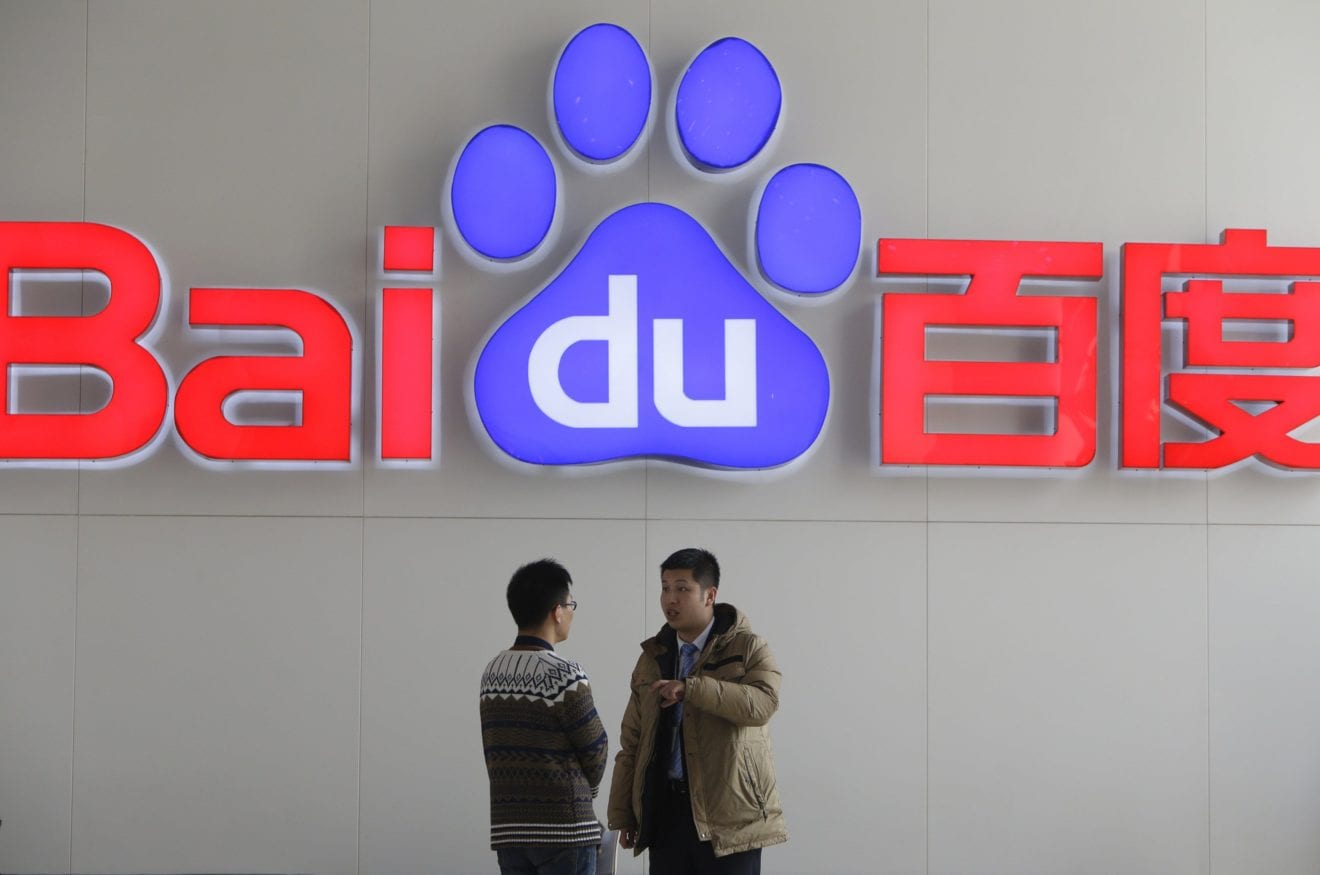
    China’s Baidu reported strong sales and profit in the recently closed second quarter, on the back of surging online advertising revenues.

    The Internet search engine said total revenues rose by nearly 25 percent to 26 billion yuan, marking the sixth straight quarter of revenue growth at the company.

    For the three months ended June 30, online advertising sales gained 25 percent to 21.1 billion yuan, said the Beijing-based Baidu, showing the video platform and newsfeed provider remained unhinged by the internet censorship spike to hit China in recent months.

    The US-listed media company said net income rose 45 percent to 6.4 billion yuan, or 18.14 yuan per American depositary share/

    “We are able to maintain a high standard and a close dialogue with [Internet] regulators,” Robin Li, Baidu’s chief executive, told investors in a conference call when discussing the earnings and the firm’s ability to dodge censorship restrictions.

    Baidu’s streaming service iQiyi Inc. also reported better-than-projected sales with its subscriber base increasing by 75 percent to 67.1 million users.

    The company continued to invest in Artificial Intelligence with research and development costs into AI doubling to 4 billion yuan in the latest quarter from 2 billion yuan in the first quarter of 2016.

    The driver of the costs involved staff, particularly as the company lost it chief operating officer in May, Lu Qi. Qi was the spearhead behind the AI investment.

    Looking ahead, the company said it expects third-quarter revenue of 27.37 billion-28.77 billion yuan, representing an increase of 23-30 percent year-over-year.

  • Vietnam’s renewable energy sector in a state of flux

    Vietnam’s renewable energy sector in a state of flux

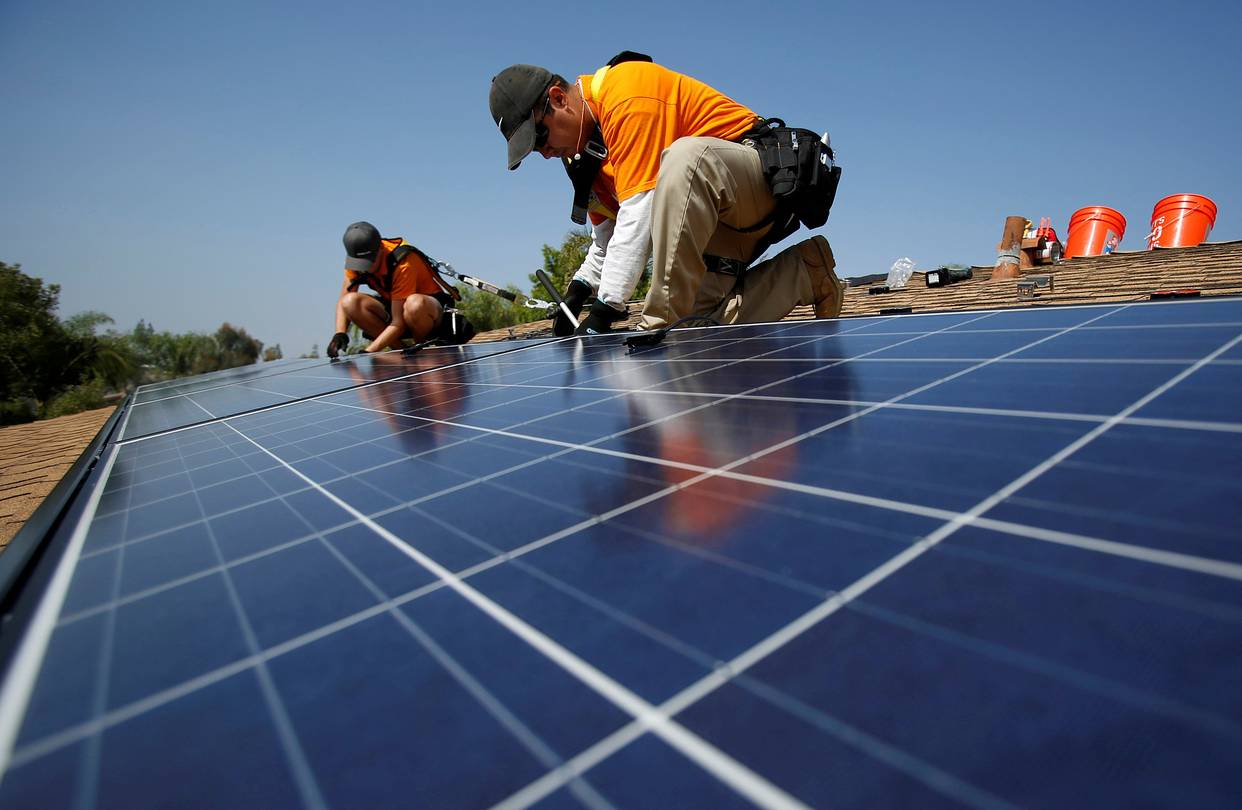
    Vietnam’s renewable energy sector is experiencing an unprecedented surge in project activities and policy changes, making end results unpredictable.

    The surge in activity includes project approvals as well as project transfers to technically experienced and financially capable developers, which is a positive trend, but whether it can fulfill the nation’s renewable energy potential remains to be seen.

    Among the significant policy developments that have taken place of late is the temporary suspension of approval for additional solar power projects (SPPs).

    The Office of the Government has issued Notice No. 174 requesting the Ministry of Industry and Trade (MOIT) to suspend approval of additional SPPs pending, in turn, the approval of a national master plan for the development of solar power (Solar PDP).

    The MOIT has been tasked with formulating and presenting a new Solar PDP to the Prime Minister.

    Notice 174 states that over 70 solar power projects with a total registered capacity of 3GW approx have been approved within relevant master plans (noting a planned capacity of 850MW for up to 2020 under the Power development plan 7).

    Pending passage of the new master plan for solar power development, only projects that have been appraised by the MOIT (50MW or less) and those that have already been presented to the PM (above 50MW) will be considered for approval.

    Other solar projects, including those being appraised by the MOIT, regardless of their registered capacity, shall be deferred and considered for inclusion in the national solar master plan.

    The impact of this suspension has been seen in the market, where the selling side has tended to mandate higher prices for their project development efforts. It has also reminded market players to be prepared to accommodate potential policy uncertainties, twists and turns in their dealings.

    FIT developments

    Another area of primary interest in the sector has been in the Feed in Tariff (FIT) deadline for SPPs.

    To further promote socio-economic development, Deputy PM Vuong Dinh Hue has instructed the Ministry of Planning and Investment (MPI) to draft a Government resolution proposing a special regime and policy, including a potential extension of application of Decision No.11/2017 (Decision 11) on FIT for SPPs in Ninh Thuan Province.

    The draft document (No. 4545 dated July 4, 2018) submitted by the MPI to the Government Office has been reviewed.

    The Government Office has since issued a notification (No. 7108 dated 26/07/2018) saying Decision 11, which provides for a FIT of US cents 9.35/kWh, will not be extended.

    However, a PM Decision on extension of commercial operation date (COD) till 2020 for Ninh Thuan province up to a capacity of 2000 MW (AC) is expected.

    In order to support the next policy consideration, the MOIT has issued a document (Official Letter 5735) requesting relevant Government bodies and their units to assign a cadre to participate in the working group to draft a decision amending Decision 11 and another draft decision to develop bidding mechanisms for the solar power sector. These are to be submitted to the PM for his consideration.

    It is to be noted that post June 2019 solar power projects may expect a lower FIT rate of approx 7.6 US cents/kWh. The authorities are further considering formulating a special provincial plan to support investments in the two key provinces of Ninh Thuan and Binh Thuan, which are attracting huge investor interest for solar power projects.

    This guideline on the application of Decision 11’s FIT, together with the potential for system overload if the transmission system is not updated in time, will present a significant technical challenge for Vietnam Electricity (EVN) and MOIT in accommodating the policy.

    This will also be true of piloting direct Power Purchase Agreements (PPAs) and upcoming policy changes.

    Rooftop projects

    In relation to rooftop solar power projects, national utility EVN, the sole power distributor in the country, issued a document (EVN Official Letter 1337) on March 21, 2018 guiding the temporary implementation scheme for rooftop SPPs with capacities equal to or less than 1MW, pending the issuance of an official guidance document by the MOIT and the Ministry of Finance (MOF) on payment and invoicing structure.

    The prevailing regulations provide for a net-metering scheme for rooftop SPPs. Under this, credit for surplus electricity (over direct consumption) generated can be transferred to subsequent payment cycles, and the excess electricity generated can be sold to EVN at the rate mentioned in the PPA signed by the seller and EVN either at the end of the relevant year or upon termination of the agreement.

    The MOIT Circular 16, issued last year, requires a solar power generator, as the seller, to enter into an appendix to the Model PPA in place with EVN or its authorized subsidiary. The model appendix is provided under Annexure 3.2 of Circular 16.

    However, according to EVN OL 1337, the appendix will not be applied until the MOIT and the MOF issue further guidance on the finalization, payment scheme and invoicing mechanism for such net-metering purposes.

    Offtake limitations

    Under current regulations, EVN is required to offtake the entire power output of solar and wind power projects.

    However, EVN already anticipates significant challenges to honoring this requirement, especially in areas with high concentration of solar and wind power projects with limited transmission capacity, even with the proposed system update expected by the end of 2019.

    EVN has reported such challenges to the MOIT, and the latter has issued a document (OL 3943 dated May 21, 2018) that requires the following:

    – EVN to instruct its affiliates to formulate grid connection agreements (GCA) for projects that may be able to dispatch power to the national transmission system without causing system overload;

    – EVN to review and consider (i) dispatch capacity of the system, and (ii) potential conditional GCA for projects that may cause system overload. Developers and operators may be required to reduce power output and suspend operation of their plants as requested by EVN’s operators to avoid system overload and comply with technical requirements under MOIT’s Circular 30/2015 and Circular 25/2016.

    – EVN to prepare and present to MOIT in the third quarter of 2018 a plan for investment in a transmission system able to take dispatch of renewable power projects after 2020.

    These MOIT instructions may result in potential deviations from the model power purchase agreements. EVN’s offtake obligation and such deviation would certainly add another significant item to the list of bankability issues for projects without executed PPAs and GCAs.

    It is expected that such issues would be further considered in the process of amending Decision 11 and related regulations.

    Stakeholders in projects with executed PPAs and GCA would be well advised to ensure closer monitoring and coordination with EVN to minimize impacts and disruptions.

    Increasing wind power FIT

    The MOIT has proposed to the PM an amendment (Draft decision) to Decision 37/2011 to increase FIT for wind power projects from the current 7.8 US cents/kWh (onshore).

    The amended draft decision will increase the FIT equivalent to 8.77 US cents/kWh (onshore) and 9.97 US cents/kWh (offshore), based on the SBV’s exchange rate of $1 equivalent to VND21,896 (announced on January 4, 2016) and subject to fluctuation.

    This potential increase is an effort to fix one of the most notable issues with wind power development regulations in Vietnam. The FIT under the draft decision shall apply to projects achieving COD before January 1, 2021.

    To sum up, although Vietnam has an advantage in terms of abundant resources, whether or not it will be able to tap its full potential remains to be seen.

  • Is Google going to make it into China?

    Is Google going to make it into China?

    Google wants to get back into China, and is laying the groundwork for a key part of the initiative: bringing its cloud business to the world’s second-largest economy.

    The internet giant is in talks with Tencent Holdings Ltd., Inspur Group and other Chinese companies to offer Google cloud services in the mainland, according to people familiar with the discussions. They asked not to be identified discussing private matters.

    The talks began in early 2018 and Google narrowed partnership candidates to three firms in late March, according to one of the people. Trade tensions between China and the US now loom over the effort. It’s unclear if the plans will proceed, this person said.

    The goal is to run Google internet-based services – such as Drive and Docs – via the domestic data centers and servers of Chinese providers, similar to the way other US cloud companies access that market. In most of the rest of the world, Google Cloud rents computing power and storage over the internet, and sells a collection of workplace productivity apps called G Suite that are run on its own data centers. China requires digital information to be stored in the country and Google has no data centers in the mainland, so it needs partnerships with local players.

    Google Cloud chief Diane Greene said last week that she wants the business to “be a global cloud,” but declined to comment specifically about China. Still, the company is seeking a Shanghai-based business development manager for its cloud business. The job posting lists “experience in, and knowledge of, the Chinese market” as a preferred qualification.

    A Google Cloud spokesman declined to comment. Inspur and Jane Yip, a Tencent spokeswoman, didn’t immediately respond to requests for comment on Friday.

    A tie-up with large Chinese tech firms, like Tencent and Inspur, a major cloud and server provider, would also give Google powerful allies as it attempts a broader return to mainland China, where it pulled its search engine in 2010 over censorship concerns.

    After years of slowly rebuilding a presence in China, Google has pressed the accelerator recently. It’s building a cloud data centre region in Hong Kong this year and opened an artificial intelligence research centre in Beijing in January. Along with other Alphabet Inc. units, it has begun investing more in Chinese companies. Plans for a censored search app in China surfaced earlier this week, sparking a furious debate about whether Google is putting profit over its mission to “organize the world’s information and make it universally available.”

    A cloud partnership for Google in China would help the company compete more with larger rivals Amazon.com Inc. and Microsoft Corp. In late 2017, Amazon agreed to sell its Chinese servers and some other cloud assets to local partner Beijing Sinnet Technology Co. The move complied with laws introduced that year mandating the storage of data within the country and bolstering government control over the movement of information. The move mirrored a similar set-up between Microsoft and its local partner 21Vianet Group Inc.

    With Tencent, Google would have an even more high-profile ally – but would also go up against local competitors including Alibaba Group Holding Ltd., which operates a major cloud business in China.

    China is the second-largest cloud market, but local companies dominate, making it difficult for outsiders like Google, according to Synergy Research Group. “You can never say never, but that is an incredibly tough proposition,” Synergy analyst John Dinsdale said. A June report from Synergy ranked Google fourth in the Asian cloud market, behind Amazon, Alibaba and Microsoft.

    In January, Google struck a patent-sharing deal with Tencent. The agreement came with an understanding that the two companies would team up on developing future technologies.

    Tencent operates its own cloud service and is building an ecosystem of partners that includes Cisco Systems Inc., Nvidia Corp. and Deloitte, according to Tencent’s website. It already offers a cloud service called the Tencent Kubernetes Engine that’s based on a popular Google technology by the same name. Google could host services, such as Gmail, Drive and Docs, on Tencent’s data centers, and the Chinese company may suggest existing cloud customers try Google offerings.

    Tencent founder Pony Ma is a representative of China’s National People’s Congress, and Inspur, formerly the state-owned Shandong Electronics Devices Plant, could provide political cover for Google as it seeks to gain approval from authorities to operate more of its largest businesses in country.

    Google has touted the security and AI strengths of its cloud division. Tensorflow, a coding library for AI applications created by Google, is growing in popularity with researchers and software developers in China. While the feature is compatible with other cloud services, it’s designed to work most efficiently with Google’s cloud.

  • Lotte donates $100,000 to Laos disaster relief effort

    Lotte donates $100,000 to Laos disaster relief effort

    Lotte said on Tuesday it has donated $100,000 to relief and reconstruction efforts following the Laos dam disaster in Attapeu.

    Oh Sung-yup, head of communications at Lotte Corporation, delivered the fund to Community Chest of Korea, a non-profit charity organization based in central Seoul, on Tuesday. The fund will be used to supply necessities to victims who lost their homes and to help rebuild villages.

  • Millennial parents, the new force in luxury spending

    Millennial parents, the new force in luxury spending

    The development of China in the last decade is most easily visible through big numbers. But stats such as ‘Chinese travelling overseas increased by 1,380% from 2000 to 2017‘ do not help to understand the intricate changes in society that have taken place. One of these enormous (seismic, tectonic, however far you want to go) changes is in the new parenting culture of China’s affluent Millennial generation.

    The more traditional aspects of Chinese parenting culture are clear: a one-child policy, parents who feel the need to pressure their child into intensive study, Einstein-level maths, weekend classes and the like, with Grandparents and extended family all colluding into the alleged Little Emperor culture.

    The new lifestyle, opinions and expectations of China’s Millennials, and their influence as the drivers of luxury consumption, should now be well accepted by anyone who reads about global luxury. But now these Millennials are also parents – China’s new generation of modern parents, living in globalised cities and travelling internationally at will.

    Turn back just 5-6 years ago and it was not uncommon to come across hotels in Shanghai that labelled themselves ‘business hotels’, not interested in the ‘family’ sector. Only a few specialised shopping malls had sections for kids’ play areas and the like. In 2018, practically every single 5-star hotel offers children’s amenities, menus and activities, while countless shopping malls and other businesses now compete for family visitors with global names like Peppa Pig and Dora the Explorer tagging along.

    In luxury, brands are eager to capture the new Chinese family – ‘Baby Dior’ campaigns strongly, China has the most Burberry kids’ stores in the world, and ‘Fendi Kids’ opened in Shanghai’s Plaza 66 in 2017. Millennial parents not only demand but expect special organic food, imported children’s furniture, with ‘baby MBAs’ and ‘Olympic maths’ yet more angles on the drive of furthering their mini-me’s lifestyle.

    How is this new demographic of the affluent, modern Chinese parent evolving, and what must luxury brands know in order to connect with them?

    China is approaching a boom of Millennial mamas – or in their own words, “Spicy Mums (辣妈),” AKA ‘hot mamas’. They are the new generation of post-90 mums that maintain an image of both hot and cool.

    To understand this new demographic of the affluent, modern Chinese parent, luxury brands should be aware of the size of this social shift. Imagine the difference in parenting in the West, between those born in the 1930s or the 1960s. We’re talking about the first generation of parents that are asking new questions about parenthood, rather than simply accepting what was done before.

    Post-90 Spicy Mamas think, shop, and raise kids very differently than previous generations. A 2018 report on Chinese Millennial moms’ shopping behavior from CBN Data and a 2016 Maternal Marketing Whitepaper both share similar insights on this new demographic:

    They feel entitled to self-care and self-love. They see investment in premium brands as a necessity for themselves and their kids.
    They turn to other Millennial moms, rather than their own parents, for parenting advice.
    They are less sensitive about price, more concerned about product safety and quality.
    They love to shop for high-quality kids products via cross-border e-commerce.
    The Competition: Parenting to Win

    As the clearest indication of the thoughts of this demographic, one simple comment from a mother went viral on WeChat last year:

    “A Monthly Salary of 30,000 RMB (US$4,493) is Not Enough for My Child’s Summer Vacation”. Written by a highly-paid executive mom, it told the story of how she could hardly keep up with the extravagant overseas summer programmes that she lined up for her daughter. The mother explained that the total cost of her daughter’s education for the summer is 35,000 yuan (roughly US$5,240 USD), including 20,000 yuan (US$3,000) for a 10-day US study tour and other tutoring classes that cost up to 10,000 yuan (US$1,500) – and that she was compelled to do this as all of her peers were doing the same.

    With the country’s digital boom, new Chinese parenthood is also digitally integrated. Spicy mums form their communities mostly through dedicated apps and WeChat groups.

    Babytree, an online community with over 20 million Millennial parents, is among the most active sites. QinBaobao (“kiss baby” in Chinese), is a popular app for these parents to exchange parenting ideas, and post photos of their babies without the social pressures of mixing life or work contacts in WeChat. In these e-parenting communities, Haitao, meaning cross-border e-commerce, is frequently brought up: How to source safer, better products than the domestic options in China is a primary concern for such parents.

    KOL Parents Hit Key Cultural Pointers

    The demographics’ economic capacity to spoil their kids, combined with a lack of generationally consistent parenting knowledge, have given rise to a wave of parenting KOLs across social media. Among them, “ZhouYueyue” (粥悦悦) makes illustrations about a typical young mum’s experience, striking a chord with many. “NicoMama”, who shares more practical info graphics and healthy cooking tips, is deemed as a ‘mum authority’.

    There is plenty of space for niche content, too. “Nakikorose”, who brands herself as a “Maternity & Child Sleep Consultant”, seems to attract parents in a higher income bracket. Content perceived to be scientifically credible, or myth defying against the long-standing parenting superstitions in Chinese society is popular among post-90 spicy mums.

    Filial piety remains strong among all in China – at least, part of it. Millennial parents bring their own parents with them on holidays, family celebrations always involve gifts and blessings to their elders and they are still nonetheless keen to have willing babysitters! Yet they still consider that the instruction of the older generations may be based on ancient theorem – a mis-match with their otherwise international lifestyle and knowledge.

    The spending power of Spicy Mums is booming. From kids fashion, enrichment classes, to preschools that promises a “holistic” educational approach, there are a few main buying trends among China’s modern parents.

    1. Luxury kids wear – “mini-me”, but also “better-me”

    A quick view on social media can reveal that Spicy Mums love nothing more than dressing in similar outfits to their kids and posing alongside them for a selfie: ‘Aren’t I cute too?!’ Smart brands are wise to this.

    In May 2018, Dior posted pictures of child celebrity Heidi Cui in a Baby Dior dress in Cannes. Heidi first gained public attention from her role in the reality TV show “Where Are We Going, Dad?”

    This image combines youth with popularity and success – three traits which are catnip for Spicy Mums.

    Luxury kids wear is nothing new to the affluent Chinese market. D&G, Gucci, Baby Dior, Burberry, and French luxury line Bonpoint have been the capsule wardrobe for wealthy Chinese children. The practice of using celebrity kids’ street styles to raise brand awareness, however, is quite unique to the Chinese market. China’s kid fashion websites and magazines’s main content are celebrity kid styles, especially street style shot by paparazzi. What Suri Cruise, the Beckhams, and other celebrity kids are wearing in their day-to-day life, become the fashion bible for millennial Spicy Moms.

    The West has given a name to the demand for luxury kid wear – “the mini-me trend”. In these more mature markets, luxury kid wear consumption is led by the parents’ desire to channel their personality through their kids. A cool, well-dressed kid is a manifestation of the parents’ good taste.

    This trend is still in the embryonic phase, with affluent Chinese parents shopping for their kids by looking at leading western celebrities, dressing them in ways that they never could have achieved in their own youth. The trend is fertile branding ground and shows long-term opportunities.

    2. Experiences for both – ‘look what a good parent I am’

    Luxury kids fashion, imported organic food supplement – these are already the new normal for China’s millennial parents. Beyond the luxury purchase, they now seek experience, preferably with their own participation ready to be posted on their social media.

    Baby swimming is one example which is on trend. In the last few years, China’s first-tier cities have witnessed a boom in baby swimming clubs that charge over 10k RMB (1570 US Dollars) for an annual membership. The sport was first spotted on Chinese celebrities’ social media, and then publicised as the choice of all smart parents such as Mark Zuckerburg and actress Ziyi Zhang.

    Loong Swim Club, a market leader, rapidly expanded all over China, emphasizing its “German origin” to assure Chinese parents that it must be worth the fee. Loong has included a German flag in its logo header, and a EU distribution network in its homepage. Like other swim clubs, Loong uses social media to tell parents how baby swimming helps to develop kid’s social skills and increase their confidence level. For many young parents, these promised advantages are worth the hype.

    Recently, Four Seasons Hotel, Pudong, Shanghai and Hyatt On The Bund Shanghai have started to offer premium swimming classes for children in their pools – yet further indication of the changing expectations of their guests.

    All aspects of an affluent lifestyle should involve the child, including dining at 5 star hotels. The Peninsula Hotels in both Shanghai and Beijing are well aware of the family aspect as a draw. Last Christmas, The Peninsula Beijing offered experience such as baking cookies and decorating trees together. Along with the luxury elements such as Champagne for the parents and Christmas drinks for kids, the focus was on the creative, social activities done as a family, learning about a ‘western’ holiday and ripe in plentiful photo opportunites for the parents to share on their WeChats and Weibos.

    The ‘togetherness’ side also has an aspect of “I’m a big kid too” (aren’t we cute together?!):

    Would parents in the West want to buy Disney items for themselves? Perhaps somewhat unlikely. But Millennial Chinese parents are young-at-heart – proven by the ubiquitous ‘gamificiation’ now seen across many luxury brands. These parents want to be ‘part of the fun’ themselves. One recent example was Coach collaborating with Disney (Coach x Disney in trendy terms) in a ‘magic mirror’ on their WeChat accounts. The launch of their ‘A Dark Fairy Tale’ collection contained all of the current methods of interaction – short videos, the ability to interact with the AI ‘mirror’ and offline events related to the game – all targeted at adult buyers.

    3. “Holistic” pre-school

    “赢在起跑线上”, literally translates into “win at the starting line”, and well-summarises the prevalent parenting ethos in China. Even for the affluent, the ‘culture of scarcity’ feeling remains ever-present. With such a high population, the competitiveness and being sure of ‘not losing out’ is right at the pulse of cultural behaviours.

    While the need to ensure one’s children have the best education is recognisable in any demographic worldwide, the desire is distinct in China. While a wealthy family in, for example the UK, may feel confident that their child can go to the ‘right’ kindergarten and school, the urge to ensure that this is the case is the baseline of any affluent Chinese parent. The clothes, the lifestyle and more are desired, while the educational aspect of making sure their child keeps up with their peers is the very raison d’etre.

    And so, premium preschools with a “holistic” educational approach, promising to turn kids into smart, kind and confident individuals can set their own price.

    Willpower Royal British Education is one of many “holistic” preschools that cost well over RMB 200,000 ($30,000) per year in Beijing. The preschool has made a list of advantages to justify the cost: organic food with made-in-England silver cutlery, state-of-the-art facilities, bilingual education, and proper play time. The kindergarten also offers training courses such as horse riding and golf, hobbies that are traditionally associated with privilege.

    ‘International Schools’ are not available for Chinese passport-holders, but, the most affluent segment of Chinese parents may live abroad (or send their child to do so) for the number of years required to gain a foreign passport, before returning to study at an International School in China. Even for Chinese passport-holders, these International Schools have now created ‘bilingual’ schools, still in their name – for example Wellington or Dulwich having a separate school which can accept Chinese passport-holders, at the same RMB 200,000+ annual school fee.

    Such a “holistic” approach that combines study and play is considered a luxury in Chinese education. For millennial parents, the internationalism and social aspects are extremely attractive. They believe the craft courses, sport lessons, and social time with peers from similarly privileged backgrounds will give their kids an edge from early on.

    Little Star Group, which manages high-end kids wear brands such as I Pinco Pallino and YeeHoo in China, offers exactly such programs to Millennial families.

    The brand group has a special club space for its VIP members – Little Star Club. VIP families can join the specially designed activities in Bund 27, a prestigious address in Shanghai. Not only that, the club offers social training: classical music, horse riding, golf, and sailing courses. Every activity is described to enhance kids’ certain characters. Classical music is good for creativity, horse riding for chivalry, golf for calmness, and sailing for ambition.

    As a 28-year-old Spicy Mum told The Luxury Conversation, “If my kid grows up in this environment, his life vision and perspective will all be better.” With a British kindergarten degree, her 6-year-old boy has already secured a spot in a competitive elementary school in Beijing.

    China’s Spicy Mums are big spenders when they are convinced the value is there. Among the growing competition for this sector, the question is only whether they find your offer attractive or not.

    The Luxury Conversation Takeaways:

    Affluent mothers in China live by the word of WeChat groups. All keen to be in a WeChat group with their social peers, there is often one ‘leader’, who makes recommendations based on what celebrities are doing on Facebook and Instagram. As mentioned above, the ‘Spicy Mamas’ are keen to follow the trends set by celebrity parents and kids. Instagram is accessed by VPN in China and is well worth exploring in order to engage with these globally-versed mamas.

    Everything is education. Everything is betterment, upgrading … and basically showing off just how elite your kids (and therefore you) are. Create a reason/purpose for the luxury.

    Elite kids are ‘all access’. Dinner at a three-star Michelin restaurant? It’s a whole family affair with the family’s little Princess or Prince sampling the degustation and comparing it to others they have tried worldwide.

    The upgrading and the luxury should not be arbitrary – the ideal offering is to collaborate with a renowned education, institution, celebrity or other brand. Holding a cooking class in your hotel? Then give the little chefs a Cordon Bleu certificate afterwards. Promoting a healthy life? Then engage with one of China’s Olympic athletes for photo-opportunities. There should always be a famous badge, flag or face to attach to the activity as a mark of elite success achieved.

    For the ‘right’ investment in their child’s experience, there is no limit for affluent Chinese parents. No price is too great if it will deliver the truly elite, WeChat post-worthy moment for their child.