Category: General

Retail News Asia is committed to providing both local and global retailers with the latest General Retail news throughout the Asian market. This on a daily base.

  • Hong Kong retail sales experiences grow

    Hong Kong retail sales experiences grow

    The pace of Hong Kong retail sales growth is tapering off.

    The Census and Statistics Department (C&SD) estimates total sales at HK$38.9 billion in July, 7.8 per cent higher than the same month last year. That follows a revised estimate of 11.9 per cent in June.

    For the first seven months of his year, Hong Kong retail sales rose by 12.6 per cent.

    However after netting out price changes year on year, the growth was 5.9 per cent for the month and 9.8 per cent year to date.

    A government spokesman said that while retail sales grew at a decelerated pace there was still solid demand from local consumers as well as visitors.

    The biggest contributing category to Hong Kong’s overall sales – watches, jewellery and valuable gifts – posted a 16.8 per cent increase. Cosmetics rose by 12.7 per cent.

    However there was less movement in more localised categories: supermarket sales rose by just 0.7 per cent, apparel by 3.4 per cent, department store sales by 8.6 per cent, food, liquor and tobacco by 3 per cent, and footwear and accessories by 5.5 per cent. Optical shop sales rose by 2.3 per cent, Chinese medicines by 0.8 per cent and electrical goods and other consumer durables by 5.7 per cent.

    The only category to decline in July was books, newspapers, stationery and gifts, down 1.4 per cent.

  • New CEO boosted 7-Eleven Malaysia profit

    New CEO boosted 7-Eleven Malaysia profit

    7-Eleven Malaysia says its net profit surged 29.4 per cent in the latest quarter as internal reorganisation began to pay off. Net sales inched up by just 0.4 per cent during the same time.

    Incoming CEO Colin Harvey – into the role just two weeks – said while the result was satisfying there is still room for improvement on key metrics.

    “I am confident that a strategy roadmap focussed on strengthening the key areas of assortment, supply chain, operational excellence, store base, and digitally enabling the organisation will bear fruit in terms of financial performance, and overall customer shopping experience,” he said.

    Revenue for the quarter reached RM557.6 million (US$135 million) on the back of new stores and improved consumer promotion strategies. Post-tax profit reached RM13.1 million, up (US$3.17 million).

    Revenue for the first half reached RM1.09 billion, 1.4 per cent against the same time last year, while post-tax profit was up 21.6 per cent to RM3.9 million.

    The company’s board expects trading conditions during the next quarter to improve, with anticipated heightened consumer sentiment. “We expect to see further improvements in the next quarter by pursuing our core strategy pillars of operations excellence, cost management and commercial innovation.”

    At the end of the second half, 7-Eleven Malaysia operated 2241 stores.

  • Okashi Land to launch self-service c-store

    Okashi Land to launch self-service c-store

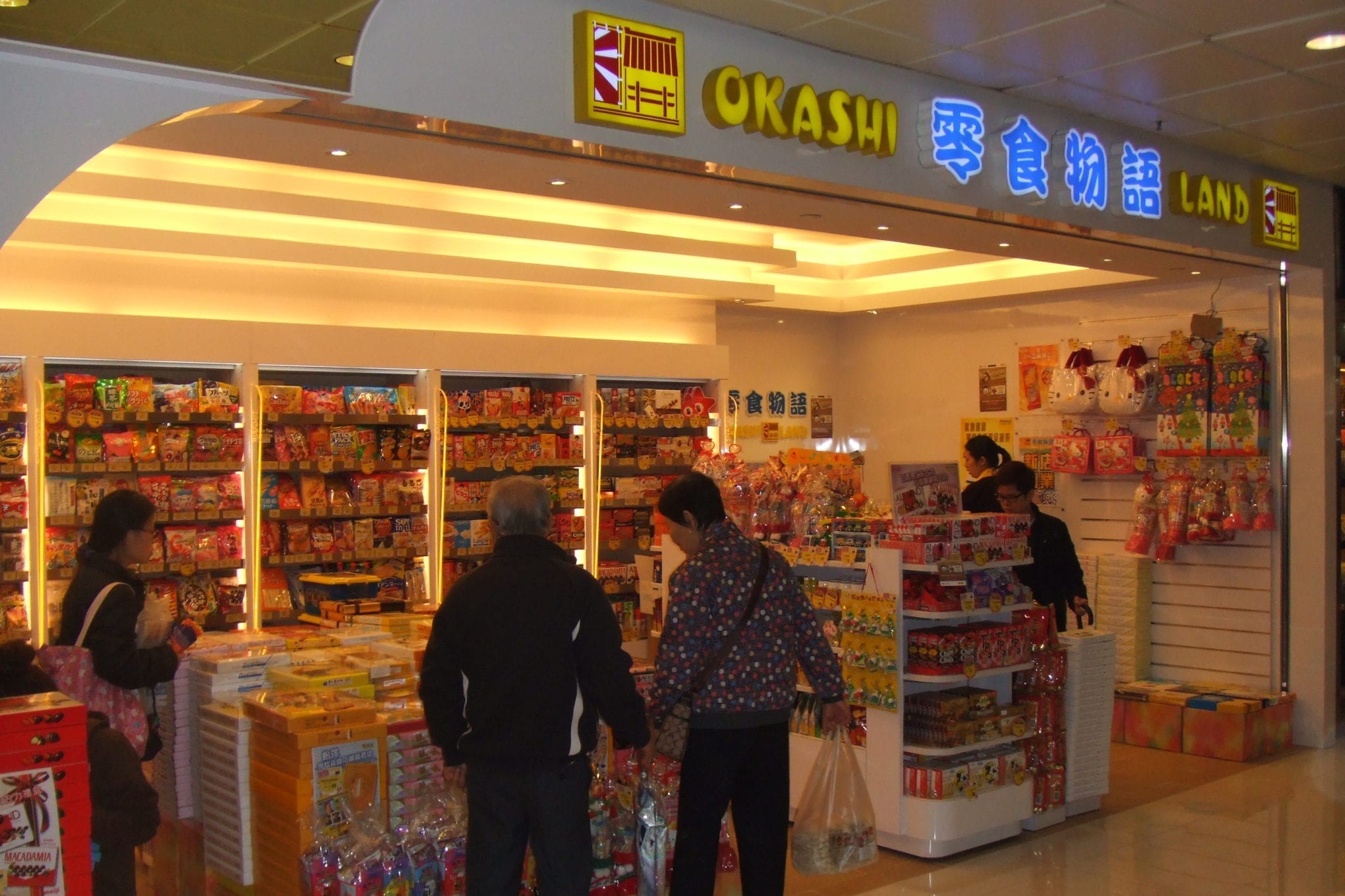
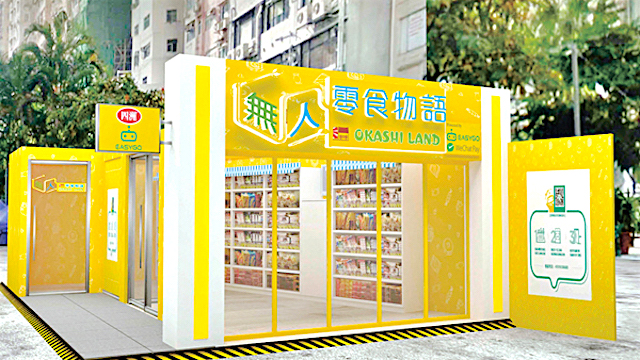
    Japanese snack store Okashi Land is planning to open a self-service outlet in Mong Kok.

    The unmanned store, which opens on September 5 in Gala Place, has been undertaken in partnership with Guangzhou unmanned convenience-store startup EasyGo.

    It will stock more than 100 products marked with radio-frequency IDs. Customers will be able to make their purchases via automatic deductions from their digital wallets.


    Chairman of Okashi Land’s parent company Four Seas Mercantile Holdings Stephen Tai said unmanned stores and digital payments have become the main trend of the retail industry.

    “The company set up Unmanned Okashi Land in the hope of better business and it will bring convenient services for Hong Kong customers.”

  • 7-Eleven Malaysia Q2 net profit up 29.4%

    7-Eleven Malaysia Q2 net profit up 29.4%

    7-Eleven Malaysia Holdings Bhd reported a 29.4% rise in net profit to RM13.13 million for the second quarter ended June 30 compared with RM10.15 million in the previous corresponding period, driven by higher gross profit margin.

    Its revenue rose marginally by 0.4% to RM557.63 million from RM555.21 million, thanks to growth in new stores and better consumer promotion activity.

    Gross profit improved by 2.2% or RM4 million to RM183 million compared with the corresponding quarter in the previous year, mainly attributed to the rise in revenue and improvement in gross margin by 0.6% points.

    Most categories saw higher gross profit margins.

    “I am personally excited to have joined the business just over two weeks ago, and I am confident that a strategy roadmap focused on strengthening the key areas of assortment, supply chain, operational excellence, store base, and digitally enabling the organisation will bear fruit in terms of financial performance, and overall customer shopping experience. I look forward to the challenges ahead in ensuring that 7-Eleven Malaysia remains the customers first choice convenience store”, CEO Colin Harvey said in a statement today.

    For the first half of 2018, 7-Eleven’s net profit expanded 21.5% to RM22.07 million from RM18.16 million on the back of a 1.4% increase in revenue to RM1.09 billion from RM1.08 billion.

    The group said in a filing with the stock exchange that it foresees the trading conditions for the next quarter to improve with anticipated heightened consumer sentiment.

    “We expect to see further improvements in the next quarter by pursuing our core strategy pillars of operations excellence, cost management and commercial innovation.”

  • Emart24 opens swanky cafes overlooking Han river Korea

    Emart24 opens swanky cafes overlooking Han river Korea

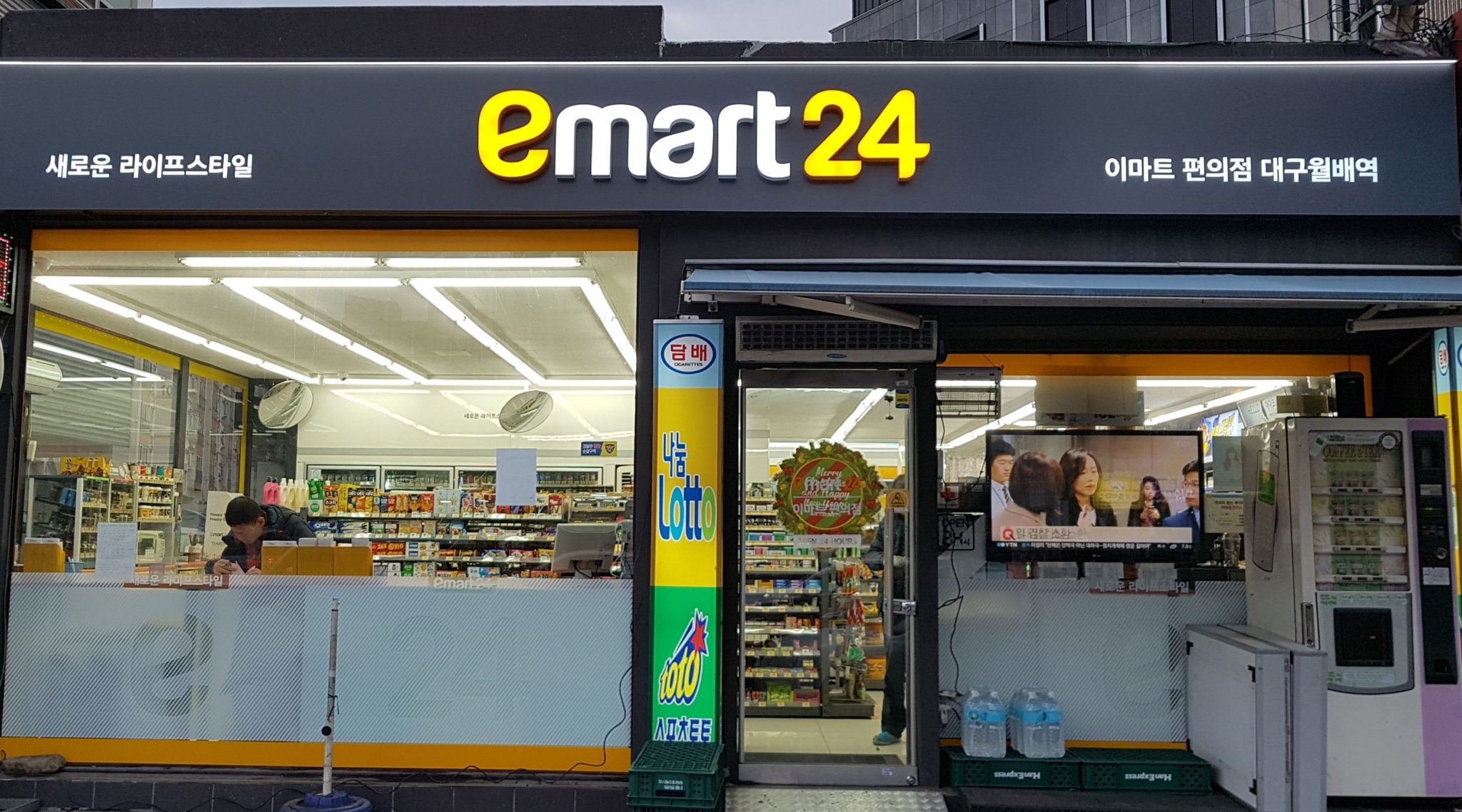
    Convenience store Emart24 is hoping to entice visitors to stay awhile at its two new shops overlooking the Han River that open this Friday.

    The multi-level stores will each host a bookstore and cafe that will offer beer on tap.

    Emart24 is taking over the spaces from two existing observatory cafes which face each other at the south end of Dongjak Bridge. Both spots are known for offering great sunset and nighttime views.

    On the bridge’s western side, the cafe’s view includes N Seoul Tower, while the cafe on the east side looks toward the Moonlight Rainbow Fountain at Banpo Bridge.

    Each Emart24 will have five floors: a cafe and snack zone on the first and second floor, a small bookshop and lounge on the third and fourth and an outdoor rooftop on the fifth.

    “The new operations were aimed to look more like a cafe in order to break through the perception people have about convenience stores and make them into a cultural space,” said Emart24 in a statement released Wednesday.

    True to this concept, Emart24 will only offer one-fifth as many products at the Han River shops as its normal branches. However, it will offer a wider variety of desserts, like cake, puddings and macarons. Baristas will also serve up coffee at the cafe.

    Riverside drinkers will find two beers made from the craft brewery Devil’s Door, run by Emart24’s parent company Shinsegae, as well as Heineken draft beer. Wine options are set to be added in the future.

    The Gureum and Noeul Cafes that Emart24 is taking over are two of eight observatory cafes on the Han River. These cafes were part of an initiative by the Seoul Metropolitan Government to develop cultural and tourism infrastructure on the banks of the Han back in 2009. The sites were rented out by the city and made into coffee shops or restaurants, but not all of the operations were successful.

    An Emart24 spokesman said the company won a three-year contract for Gureum and Noeul, the two largest observatory cafes by the Han River.

    “The company sees it more like an experiment rather than a profitable revenue source,” said the spokesman. “We thought if we make it into a cultural space where people can casually stop by without an entrance fee, more people and foreigners would want to come.”

    The bookstore on the third and fourth floors will offer around 800 titles. Every quarter, local publishing house Munhak Dongnae will curate a new selection.

  • India’s FMCG sector may grow 12-13% over July-December

    India’s FMCG sector may grow 12-13% over July-December

    India’s fast-moving consumer goods industry is expected to grow at 12-13 percent in the July to December period, according to Nielsen India.

    The rationale behind a double-digit growth forecast is strength in the GDP, a boost in rural income, the uptrend in private consumption and an increase in consumer confidence.

    The research agency said the FMCG  industry grew at 11 percent in value terms in the April-June quarter on the back of better consumer off-take, rate cuts due to the implementation of GST (Goods and Services Tax) and also a low base. 

    According to Nielsen India, in volume terms, the industry grew at 8 percent.

    The research agency pointed out that during the April- June quarter retail stocks jumped to levels higher than the pre-demonetisation period.

    Also, modern trade channels have witnessed a bounce- back and the sector saw 10 percent of sale come from this channel. 

    This is the first time that modern trade contribution has entered into double-digits, Sameer Shukla, Executive Director at Nielsen India said. 

    The company witnessed stress in rural FMCG consumption around demonetisation and before the rollout of GST. As a result, growth in rural markets came down to be at par with urban growth in the months following demonetisation.

    In the personal care space, the natural trend continues to gain traction and is growing three times the pace compared to the non-natural segment. 

    However, the foods category witnessed growth higher than personal care and home care due to consumers opting for branded foods over unbranded. The main reason for it being that price gap between branded and unbranded has narrowed considerably post the implementation of GST.

    An analysis of the fastest growing FMCG manufacturers in India suggests that domestic companies performed better than the MNCs in recent years.

  • Indonesia’s Pertamina EP Discovers New Gas and Oil Reserve

    Indonesia’s Pertamina EP Discovers New Gas and Oil Reserve

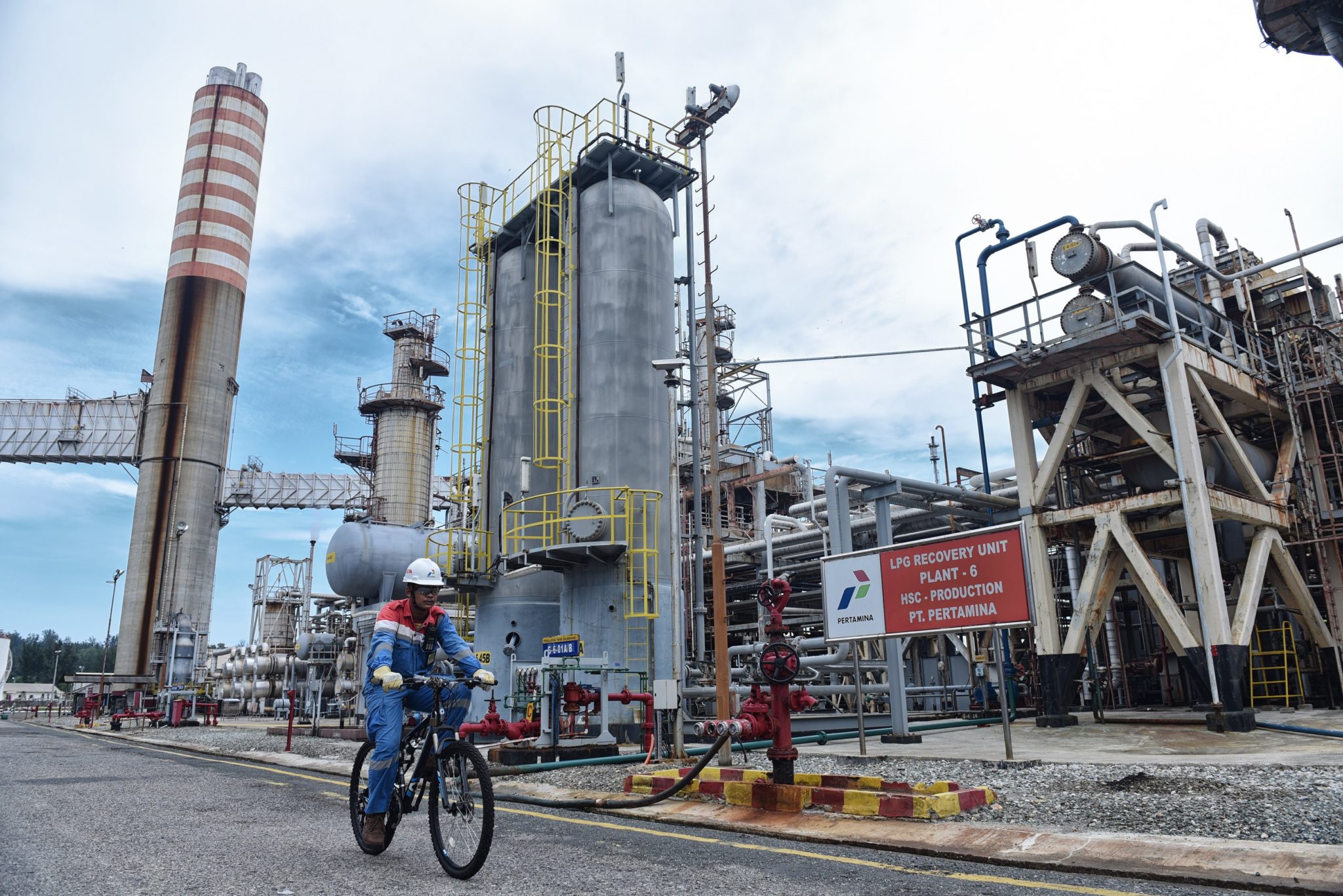
    Pertamina Exploration and Production, the exploration arm of state energy firm Pertamina, announced on Thursday (23/08) a discovery of a new gas, oil and condensate reserve in West Java.

    The company, known also as Pertamina EP, found the reserve while drilling the Akasia Maju wells at the company’s Jatibarang field in Indramayu. The operation was completed on Monday, at a final depth of 2,517 meters.

    In a production test, from one of the wells the company managed to extract 1,700 barrels of oil per day. Currently, the Jatibarang field produces 5,180 barrels of oil per day. The company wants increase it to 5,890 barrels.

    “Thank god all the effort we’ve put into it gave positive results. We’re certain that with our synergy and hard work we can contribute to the nation’s achievements in production,” Pertamina EP exploration and new discovery project director Achmad Alfian Husein, said.

    The discovery also opens the possibility of further exploration of the area.

    Jatibarang field has been in operation since 2017. Pertamina EP currently manages 50 onshore structures and one offshore, with 170 oil and gas producing wells in the field.

  • Indonesia Oil Palm Estate Fund Adequate to Support B20 Biodiesel Policy

    Indonesia Oil Palm Estate Fund Adequate to Support B20 Biodiesel Policy

    The Indonesia Oil Palm Estate Fund is confident that it can shoulder additional subsidies paid out to producers under the government’s new biodiesel policy for the rest of the year.

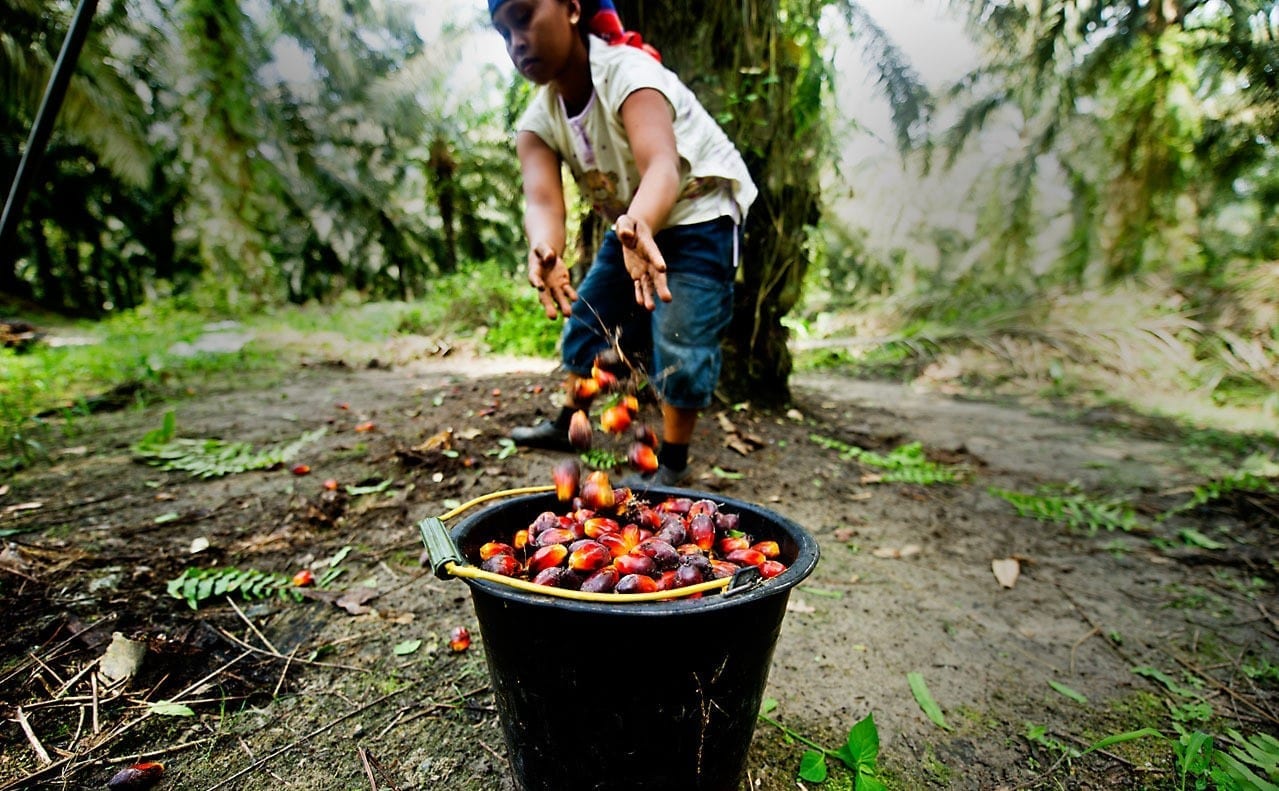
    The government will require all diesel engines in the country to run on B20, or diesel containing 20 percent biofuel derived from palm oil, from next month to reduce imports. It implemented the policy to reduce the country’s current-account deficit, which grew to 3 percent of gross domestic product in the second quarter of this year – a level the central bank believes is undermining economic stability.

    But the policy will also swell the subsidies paid to 19 biofuel producers, including Wilmar and the Sinar Mas Group. The fund, also known as BPDPKS, estimates that the policy would double biofuel demand in the second half of this year to 2.1 million kiloliters.

    The fund will need around Rp 9.8 trillion ($672 million) in total to subsidize the production of 3.2 million kiloliters of biofuel for the entire year.

    “[The fund] should be enough,” BPDPKS president director Dono Boestami said on Monday (20/08).

    He said the fund has collected Rp 6.4 trillion from the palm oil export levy in the first half of 2018, which is nearly 60 percent of this year’s Rp 10.9 trillion target, most of which is used as incentives to support renewable energy production.

    “We have prepared funds to expand B20 mandatory biodiesel [production], which is expected to absorb the excess supply of palm products in the market,” Dono said.

    Palm oil production has been on the rise over the past few years, and reached a record 42 million metric tons last year, representing a 115 percent increase from 2010. Palm oil production in the first half of 2018 rose to 22.3 million tons from 18.5 million tons last year.

    But palm oil exports have declined 6 percent to 14.16 million tons in the first half of 2018 due to the imposition of higher import tariffs by some of the biggest importers, such as India and the European Union.

    The fund was established in July 2015 to manage the income derived from levies on companies that export palm oil commodities to ensure the industry remains sustainable. Some of the funds are used to subsidize biodiesel, which currently costs more to produce than petroleum diesel. Biodiesel must be sold at more than Rp 9,000 a liter to cover production costs, while petroleum diesel currently costs Rp 5,150 a liter.

    The BPDPKS has disbursed Rp 4.4 trillion in the first six months of this year, most which was used to subsidize biodiesel production. The remainder was used for the development of the country’s palm oil industry, such as plantation rejuvenation, farmer training, research and promotion.

    Rp 288 billion was spent on the rejuvenation of 5,384 plantations covering a total area of 12,063 hectares as of June, much less than the government’s full-year target of 180,000 hectares.

    Dono said the main obstacles involve getting recommendations from the Ministry of Agriculture to restore plantations and legal verification of business licenses and land ownership.

    The BPDPKS has also funded 118 studies by 37 universities and institutions, which resulted in 101 scientific publications and three books.

  • Massive expansion for Central Group Vietnam

    Massive expansion for Central Group Vietnam

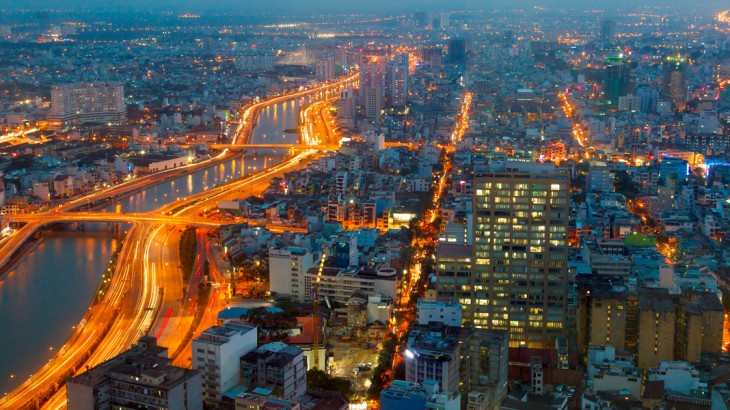
    Thai retail conglomerate Central Group is planning to triple its Vietnamese businesses in the next five years.

    With the planned investment of US$500 million, the retailer is expanding its stores and shopping malls in the country to as many as 750, along with new retail formats.

    “We are very strong in Vietnam in food business which is the primary need of consumers, but we are also preparing for the future, for the needs consumers are going to have [beyond] food,” Central Group Vietnam CEO Philippe Broianigo said in Bangkok this week.

    Central has already tested the market with its cosmetics retail concept Hello Beauty, DIY store Home Mart, and LookKool gift shop which has already expanded to 26 stores.

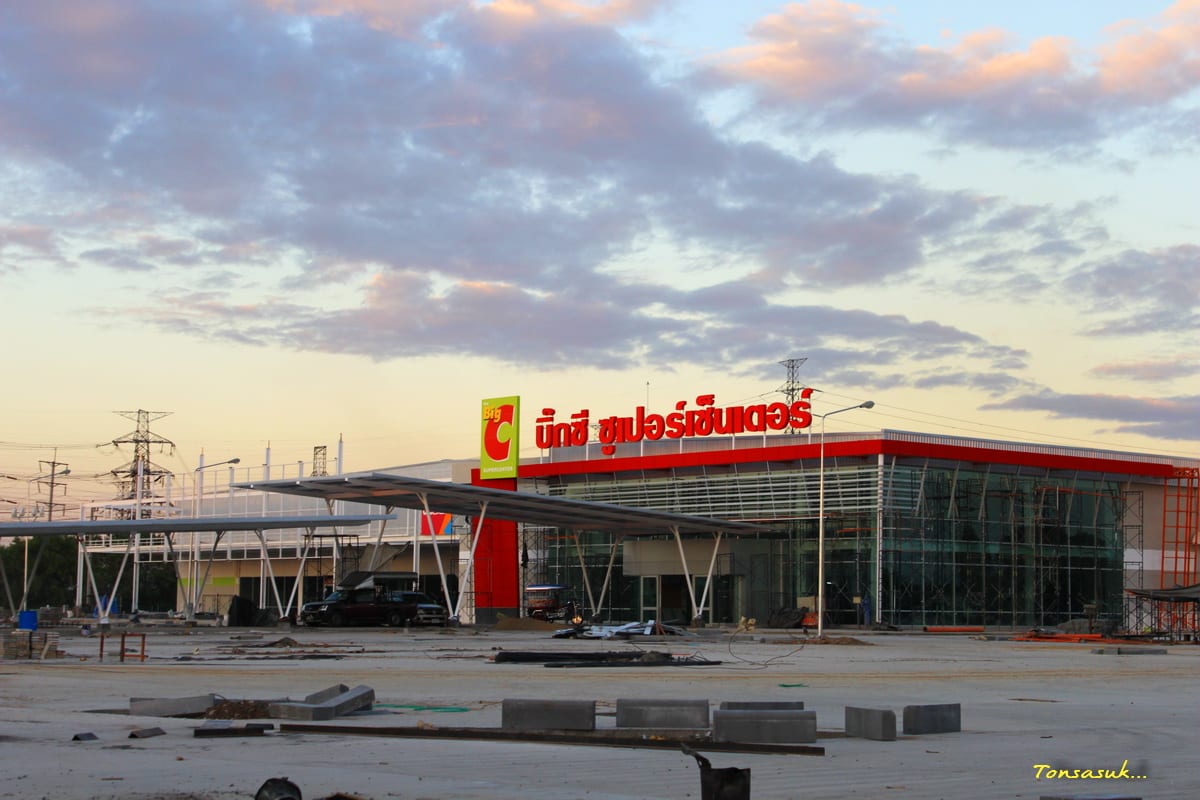
    New shops will open within its Big C-anchored malls to draw in grocery shoppers, and will soon expand to other venues, according to Broianigo.

    Established in July 2011, Central Group Vietnam has built its portfolio via acquisitions of electronics retailer Nguyen Kim, supermarket chain Big C and fashion e-commerce platform Zalora which was converted into Robins online.

    Last year, sales grew by double digits, reaching $1.3 billion.

  • Naver to pump 258.9 billion won into French affiliate

    Naver to pump 258.9 billion won into French affiliate

    Naver, Korea’s dominant internet portal and search engine, said Thursday it will invest 258.9 billion won ($230.8 million) in its wholly-owned affiliate in France to strengthen its presence in Europe.

    Naver will acquire 2 million new shares issued by Naver France to help the Paris-based affiliate secure operating capital, a company spokesman said.

    The company didn’t give a time frame for the investment.

    Naver set up the affiliate in France in June 2017 in a bid to make an investment in local internet startups and proceed with research and development activities to make a foray into European internet markets, the spokesman said.

  • Big franchisors will gather in Vietnam for expansion plan

    Big franchisors will gather in Vietnam for expansion plan

    Eleven international franchisors will gather at the Sheraton Saigon Hotel next week, all looking for prospective country or master franchisees in Vietnam.

    Participating franchises are in food and beverage, education, services, and come from the US, Taiwan, Hong Kong, Singapore, and Japan. The event is organised by VF Franchise Consulting, a leading Asian franchise consultancy with offices in Vietnam, Singapore, Malaysia and Thailand.

    Nine of the 11 franchise brands are food retailers: Little Caesars, the US’s largest takeaway pizza chain, Coldstone Creamery, a premium ice cream chain from the US, Cha Ji Tang, a Taiwanese fragrant hot and cold herbal/flower tea chain, Yang Xiang Ting, a Taiwanese dim sum-conveyor belt concept, Fidele, an American-inspired seafood and pizza chain, Bing Girl, a Taiwanese sweet dessert, Machida Shoten, Japan’s number two ramen chain, Mennya Kokoro, a popular Japanese dry-ramen chain and Pronto, Japan’s leading Italian cafe and bar chain with more than 300 stores.

    The other two franchise companies are an education franchise from Hong Kong, The Edge Learning Center, and Sureclean from Singapore, which wants to expand one of the city state’s most successful hygiene and disinfection business into Vietnam.

    Sean T Ngo, founder and CEO of VF Franchise Consulting, says there are more than 200 foreign brands registered in Vietnam, and the number of international brands that seek to enter Vietnam continues to grow by between 20 and 25 per cent annually.

    “With more than 95 million citizens, it is a market that is not easily ignored by major franchise brands,” said Ngo.

    “Not only is food and beverage a fast-growing segment, it is also a market that seeks franchises in Vietnam in education and services. Goldman Sachs recently predicted that Vietnam will be the 20th largest economy in the world by the year 2050.”

    International franchises already present in Vietnam include KFC, Pizza Hut, McDonald’s, Lotteria, Burger King, Starbucks, Coffee Bean & Tea Leaf, PJ’s Coffee, Baskin Robbins, Dunkin Donuts, Texas Chicken and Popeye’s Chicken.

    Senior executives from all the brands will attend the Ho Chi Minh City event to meet with potential franchisees.

    Franchisees in Vietnam will need a minimum investment level ranging between US$500,000 and $1 millon to secure the brands.

  • Aeon Stores Hong Kong posts loss in contrary with good sales

    Aeon Stores Hong Kong posts loss in contrary with good sales

    Aeon Stores Hong Kong has recorded record half-year revenue of HK$4.93 billion ($US628 million) in sales.

    The figure represents a year-on-year increase of 6.7 per cent. The group’s gross profit margin rose by 0.2 percentage points to 30.7 per cent during the period.

    In its report for the June 30 half year, Aeon Stores Hong Kong said the development of new retail store types and O2O e-commerce has intensified competition in the retail market and presented challenges to the group. However, the diversification and personalisation of consumers’ lifestyles has afforded many opportunities.

    During the period, the group continued to actively carry out internal restructuring and cost control, focusing on improving customer experience and operational standards, while at the same time accelerating digital marketing activities to cement its foundation for supporting future growth.

    To address the intensifying competition in the market, Aeon launched a new customer relationship management system last year, introducing big data analysis to strengthen its sales and marketing platform.

    Aeon’s operations in Mainland China reported a loss of HK$13.7 million during the period due to costs associated with cultivating newly-opened stores and the closure of others.

    The expenses contributed to an overall loss attributable to owners of the company of HK$50.48 million ($6.43 million).

    Aeon currently operates 32 stores in southern China.

  • Hyundai teamed up with Amazon to plan new retail model

    Hyundai teamed up with Amazon to plan new retail model

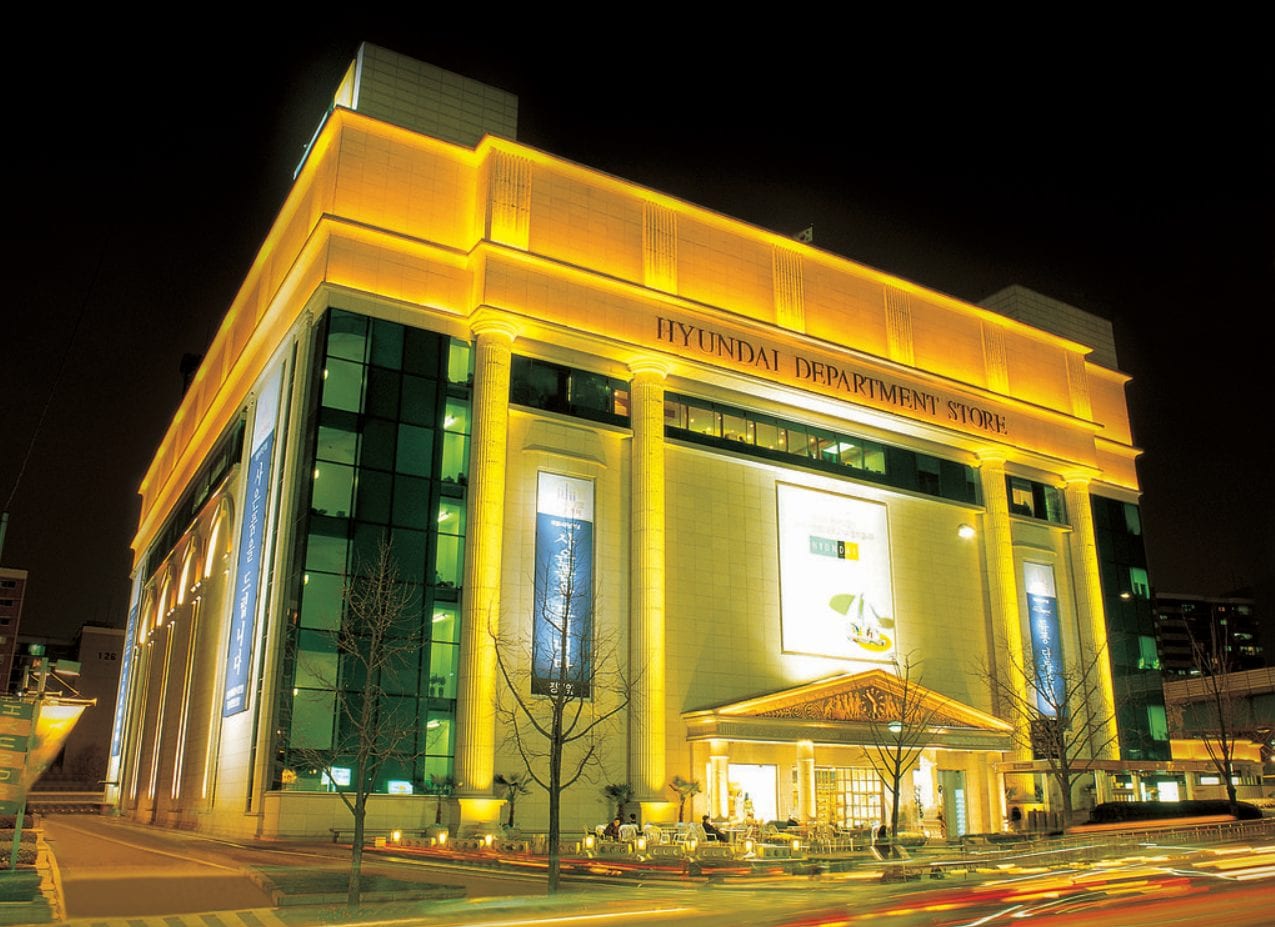
    Hyundai and Amazon plan to develop a “next-generation” retail model amid South Korean retailers’ push to adopt the latest technology to their online and offline platforms.

    Under the strategic collaboration agreement with Amazon Web Service (AWS) Korea signed on Friday, Hyundai Department Store Group said it will also establish a system to analyse customer activity and expand the partnership between its information technology arm and AWS, the US retail giant’s cloud-computing platform.

    Their joint research will focus on developing the Korean version of Amazon Go – the US e-commerce firm’s checkout-free offline mall – as well as using drones to deliver food and beverages, and applying artificial intelligence technology for automated concierge service, according to Hyundai.

    The Korean retailer’s aim is to implement Amazon’s cutting-edge technologies to its department store set to open in Yeouido, Seoul’s financial district, in 2020.

    “We will partner with Amazon to find a medium- and long-term roadmap to provide a new shopping experience to our customers,” a company official said.

    The deal was made as South Korean retailers are moving to secure competitiveness through the use of new technologies.

    Last Friday, E-Mart Everyday, another major South Korean retailer and Shinsegae’s supermarket-chain operator, opened a “cashier-less” store in Seoul where customers can pay via the firm’s mobile payment service app without going through a checkout counter.

    The 212sqm Gangnam store is expected to increase the company’s competitiveness in the market, allowing customers to use Shinsegae’s SSG Pay mobile payment system to make their purchases. It is the latest in a series of technological advances made by the company, including electronic price labeling and the use of robotic concierges and autonomous shopping carts.

    The new store will include a self-checkout counter as an alternative to using the app, and a cashier for age-verification sales of alcohol and tobacco products.

  • Circle K Hong Kong sales boosted by digital

    Circle K Hong Kong sales boosted by digital

    Digital and creative marketing strategies have been credited for rising sales at Hong Kong Circle K and Saint Honore stores in the first half of this year.

    Parent Convenience Retail Asia says the combined operations achieved sales of HK$2.574 billion and drove core operating profit up 16 per cent to $81 million in the six months to June 30.

    “The robust results were mainly due to effective eCRM programs for Circle K and Saint Honore as well as encouraging performance in developing businesses, particularly the new fast-fashion eyewear business Zoff,” the company said.

    The group’s O2O business model which synergises Circle K’s OK Stamp It – eCRM app (driving online to offline traffic) and Circle K’s bricks-and-mortar store network (driving offline to online traffic), achieved a significant membership milestone, exceeding 1.1 million people and generated “a strong increase in comparable-store sales”.

    In a commentary accompanying the results, CEO Richard Yeung Lap Bun said Convenience Retail Asia would continued to follow its ‘Three Plus’ strategies to achieve growth: focusing on smartphone-savvy ‘internet+’ customers; delivering the ‘4P’s+’ of exceptional products, promotions, places and pricing; ‘plus’ a great customer experience; and reinforcing its transformation into a ‘brick-and-mortar+’ O2O enterprise.

    The group closed two Circle K Hong Kong stores during the period, and opened two, taking its network to 332. First-half sales for the chain rose 4.4 per cent, contributing total sales of $2.061 billion, largely driven by the OK Stamp It eCRM platform.

    “OK Stamp It uses a special app to deliver promotional deals and loyalty program offers to members. It is a proven tool for marketing the group’s latest products, services, contests and premiums, and a valuable customer loyalty platform that drives online traffic into in-store traffic and repeat purchases. It also enables family members and friends to share their activities on their favourite social media,” he said.

    In April, the group launched a three-stage summer promotion for OK Stamp It members. First was the return of the popular Shake Shake Lucky Star game, which gave members the chance to win one of 100 Samsung Galaxy S9 smartphones; the second was a collaboration with Zoff, which offered free sunglasses for the first 1000 members who purchased all nine selected items of newly imported ice cream brands from Japan and Korea; and the third was a World Cup-themed game with 100 grand prizes of Cathay Holiday coupons valued at HK$10,000 each.

    “Launched less than two years ago, OK Stamp It has already become one of Hong Kong’s leading eCRM platforms,” said Yeung.

    Saint Honore Cake Shop

    At the end of the period, Convenience Retail Asia had 103 Saint Honore stores in Hong Kong and Macau, five more than at the same time a year earlier. It has another 33 in Guangzhou and Shenzhen.

    “Although our bakery operations saw stagnant growth in comparable store sales in Hong Kong over the first six months of the year, total turnover grew on the back of key contributions from the opening of new stores in Hong Kong and an increase in festive product sales,” said Yeung.

    However, gross profit margin was eroded by the appreciation of the renminbi, which caused surges in raw material and labour costs.

    Zoff grows

    Convenience Retail Asia opened its second store operating under the Japanese eyewear brand Zoff during the half year.

    Zoff currently carries more than 1200 SKUs of frames and there are plans to expand this to more than 2000 SKUs, which Yeung says will strengthen product variety and differentiate the brand from competitors even more.

    The second store opened on February 23 at Telford Plaza in Kowloon Bay.

    Meanwhile, the company’s other developing business, FingerShopping.com achieved stable turnover.

    As at the end of June, Fingershopping.com featured some 25,000 SKUs from more than 1700 brands on its e-commerce platform.

    “Beauty and personal care continued to be the anchor category, representing 64 per cent of total gross merchandise volume and the team will continue to build variety within the site’s primary categories and seek strategic partners to boost new traffic,” said Yeung.
  • Evolution in Korean retailers commerce

    Evolution in Korean retailers commerce

    South Korean retailers are increasingly crossing boundaries between their commerce platforms from television to offline and online to attract more customers, market watchers said.

    Shinsegae TV Shopping Inc., the home shopping arm of retail giant Shinsegae, is set to open an offline shop for luxury goods sold through its program S-Style at the retailer’s mall in Paju, north of Seoul, on August 18.

    The 159-square-meter store will mark the first case for a television-based commerce firm to open an offline mall, according to Shinsegae.

    “We will provide a unique experience to our customers, freely crossing over the line between online and offline,” a company official said, adding the launch is aimed at communicating more closely with its customers.

    Shinsegae is not the only retailer moving to break boundaries between its platforms.

    Earlier onAugust 13, another major retailer, the Hyundai Home Shopping Network Co., opened an online mall named Hootd, gathering products from eight influencer brands. Their combined number of followers on social media amounts to 1.4 million, according to the company.

    Launching the new service, Hyundai said it will actively collaborate with Hyundai Department Store to regularly open pop-up stores and use its TV channel to further raise the influencer brands’ profile.

    Industry watchers say local retailers have been gradually expanding the collaboration of online and offline platforms to create synergy and make up for their respective shortcomings.

    “Despite efforts to overcome the limit of fully delivering product information, online platforms fall short of providing the same experience as offline malls,” said Kim Na-kyung a researcher at the LG Economic Research Institute.

    “Especially to meet the needs of consumers who wish to check products’ traits that cannot be explained in numbers, such as texture and color, offline channels can be an effective complement.”