Category: General

Retail News Asia is committed to providing both local and global retailers with the latest General Retail news throughout the Asian market. This on a daily base.

  • AirAsia to launch Vizag-Bangkok flights from Dec 8

    AirAsia to launch Vizag-Bangkok flights from Dec 8

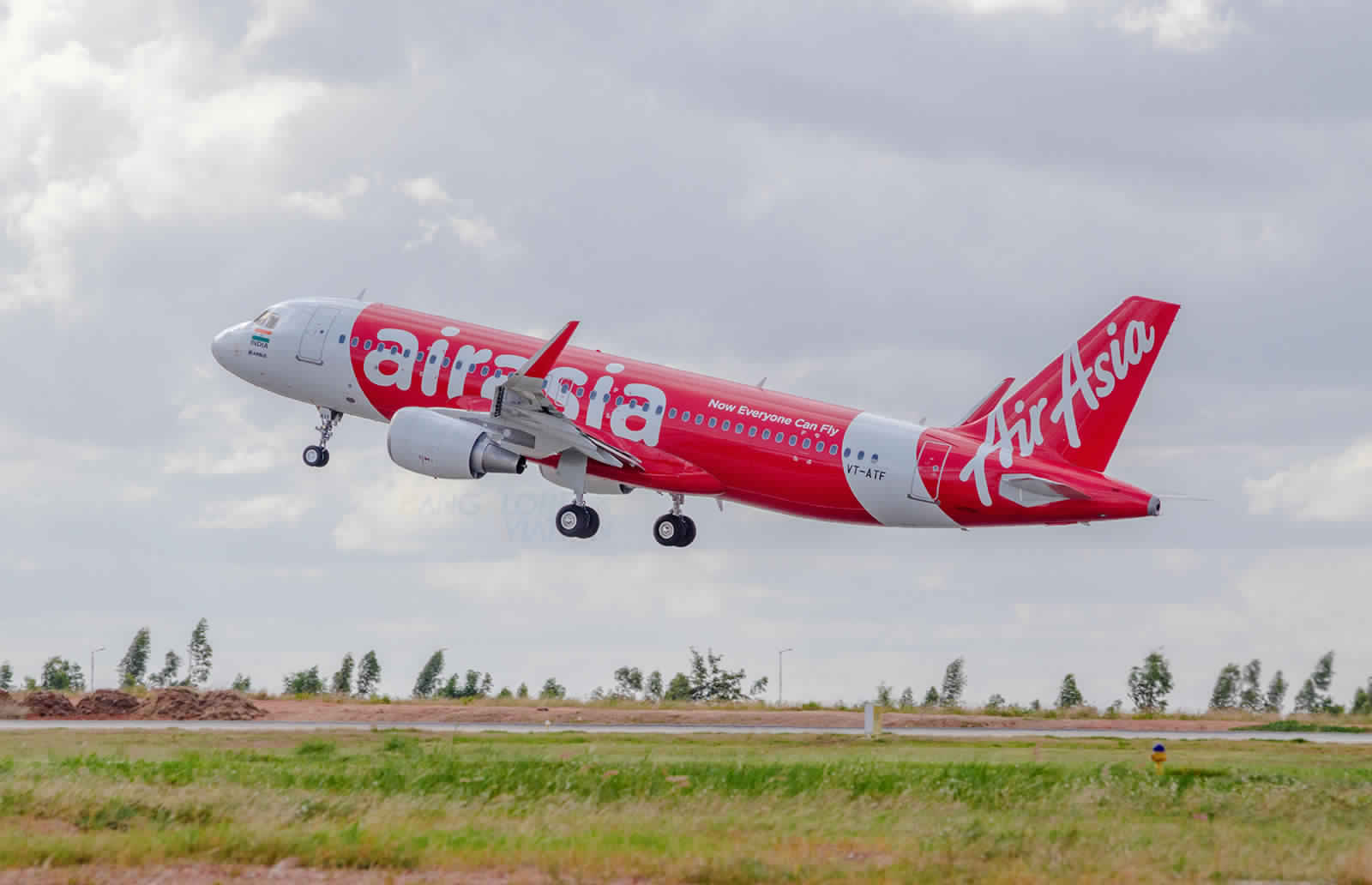
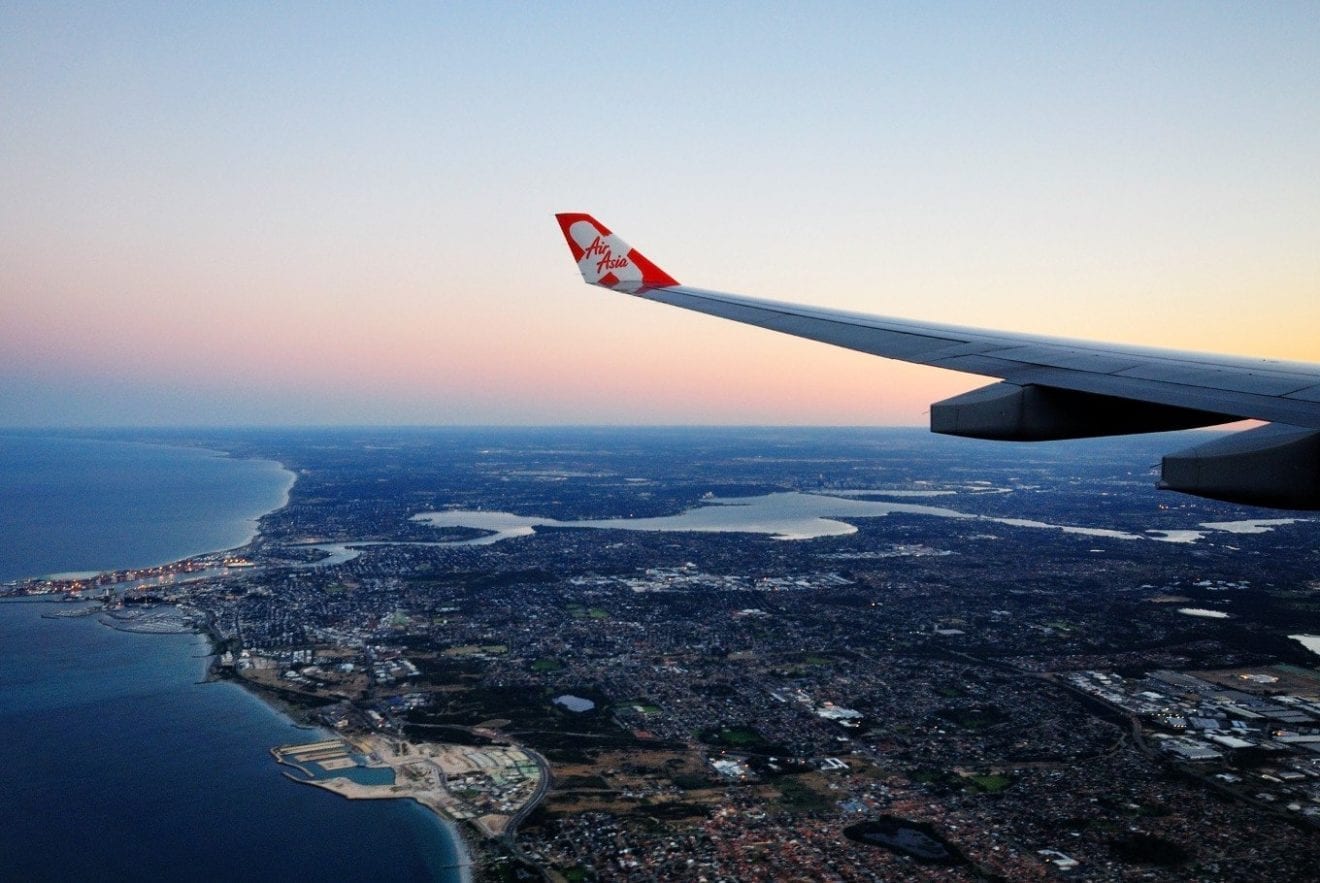
    AirAsia, a low-cost air carrier, is linking Visakhapatnam and Bangkok and the flights would begin from Dec 8.

    Making the announcement at a media conference here on Monday, Rajkumar Paranthaman, the head of marketing, said there would be flights on four weekdays from here to Bangkok (Monday, Tuesday, Thursday and Saturday) and the return flights from Bangkok to Vizag would be on Monday, Wednesday. Friday and Sunday.

    He said the travel to Bangkok would be hassle-free and visa on arrival would be given to tourists at Bangkok. Further, the airlines has air-connection from Bangkok to 21 destinations within that country. It is also a major hub with international flights to different destinations in the country.

    He said the promotional fare to Bangkok would be Rs 2,999 one way and the tourists and visitors to Thailand could book the tickets up to Oct. 21 to avail themselves of the promotional offer. Visa on arrival would be arranged for Indians, for a fee of roughly Rs 4,000 or so.

    He said, “AirAsia is operating flights to Bangkok from five Indian cities – Chennai, Bengaluru, Kolkata, Jaipur and Kochi – and Vizag would be added to the list in December.

    Cholada Siddhivarn, the Director of the Tourism Authority of Thailand, said India was very important for Thailand. “Last year, 1.2 tourists from India visited Thailand and the number is likely to go up to 1.4 million this year,” she said and added that Indians should go to different parts of Thailand and not merely confine themselves to Bangkok. “Thailand is a friendly country to tourists, specially Indians,” she added.

  • JD Central plans unmanned retail shop debut in 2020 for Thailand

    JD Central plans unmanned retail shop debut in 2020 for Thailand

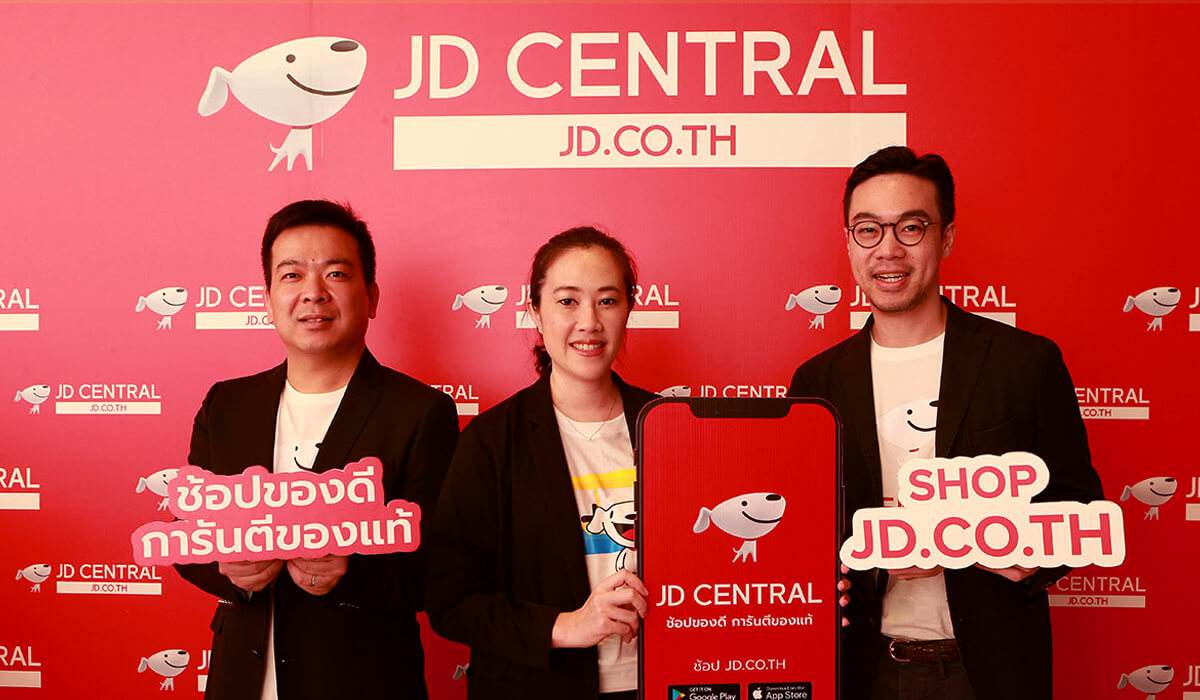
    JD Central – the new joint venture between Chinese online specialist JD and Thailand’s Central Group – has revealed plans to open automated stores, starting next year in Bangkok.

    Vincent Yang, JD Central’s CEO, said the company is evaluating a location where it could test an unmanned store format. Customers would enter the store and transact using facial recognition software.

    The move would be one of several initiatives the company is evaluating using new-generation technology. Another is the use of autonomous warehouse robots to replace humans in warehouses to reduce overheads.

    “We need to get approval to use robots and autonomous delivery vehicles in Thailand,” Yang said.
    Speaking after the official launch of JD Central, which has been operating in pre-launch mode for three months, Yang said the company plans to be Thailand’s largest online retailer by 2020.

    “E-commerce in Thailand will increase to 10 per cent of the total retail market in three years, up from 3-5 per cent today, thanks to competition and user experience,” he said.

    During the three-month trial, orders on the new platform increased 15-fold. Yang claims just 2 per cent of orders were returned and there was a 50 per cent repurchase rate by customers. Four out of every five customers accessed the site via mobile.

    JD Central offers products from 4000 brands, the most popular to date being mobile phones, food, home accessories and apparel.

    The company also has a strong focus on authenticity, guaranteeing no fake goods are on sale on its platform.

    “We are positioned to be the most trusted online platform brand by focusing on customer experience with authentic products. If customers find any fake products on our website, they will be refunded three times the original price,” he said.

  • Hong Kong yoy August retail sales rose

    Hong Kong yoy August retail sales rose

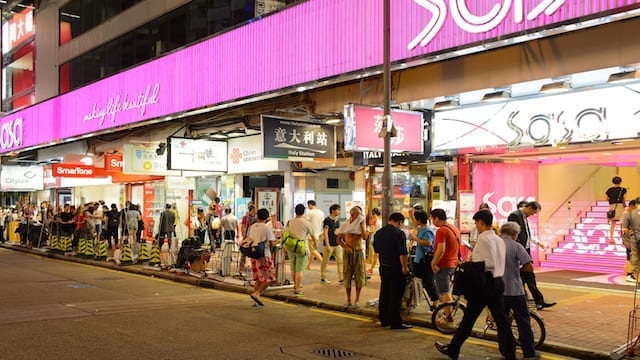
    Hong Kong August retail sales surged 9.5 per cent ahead of last year according to figures from the Census and Statistics Department (C&SD).

    The figure marked an improvement of the revised 7.8 per cent recorded in July and year to date, growth is running at 12.2 per cent year on year.

    A government spokesman said the increase in Hong Kong August retail sales was buttressed by solid local demand and visible growth in visitor arrivals.

    But the spokesman warned that while favourable job and income conditions and sustained growth in inbound tourism should support the retail sector in the short term, the government will “closely monitor how consumer sentiment will be affected by the external headwinds in the period ahead”.

    After netting out the effect of price changes year on year, Hong Kong August retail sales increased by 8.1 per cent. For the first eight months of this year, inflation-adjusted total retail sales increased by 10.6 per cent, estimates the C&SD.

    Predictably, the growth was fuelled by tourist-driven categories, with jewellery, watches and valuable gifts sales up 21.6 per cent. Cosmetics sales were up 16.3 per cent, footwear and accessories by 13.6 per cent, department store turnover rose 11.7 per cent and Chinese medicines and herbs improved by 9.3 per cent. Apparel sales rose by a more modest 5.7 per cent.

    Categories of goods not affected by tourists fared less well, with supermarket sales up by a mere 0.3 per cent, food and alcohol by 6.3 per cent, furniture sales up 5.5 per cent and eyewear sales by 2.8 per cent.

    The only categories to record a downturn were electrical and consumer durable goods, which fell by 3.5 per cent, and newspapers and books, down 2.3 per cent.

  • Harvey Norman to open 50 more stores in Malaysia

    Harvey Norman to open 50 more stores in Malaysia

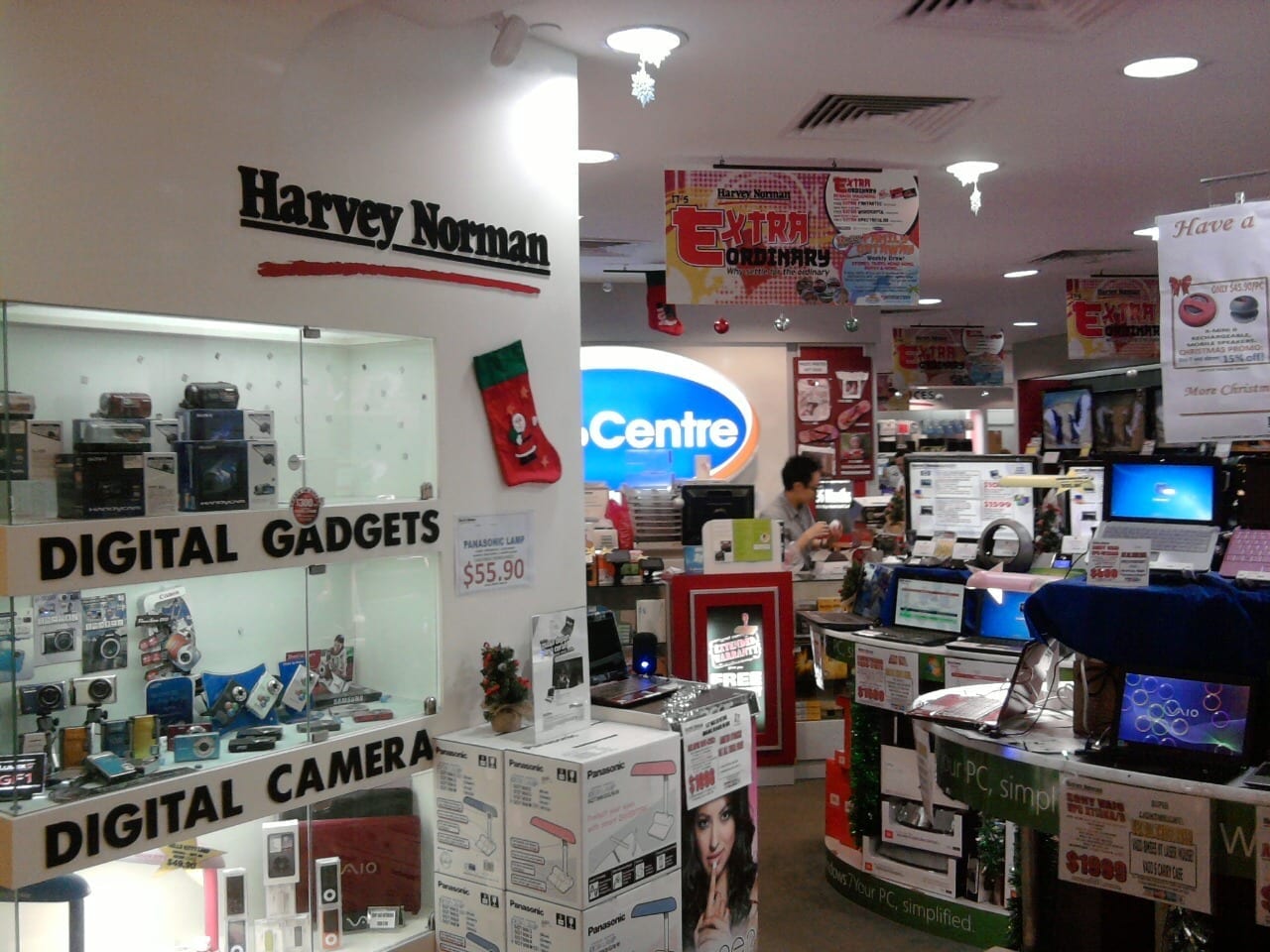
    Australian furniture and appliance retailer Harvey Norman plans to open 34 stores in Malaysia, taking its network there to 50.

    In a commentary accompanying the company’s recent Australian results filing, Harvey Norman said it was planning substantial investment outside Australia where markets offered greater growth potential.

    The company indicated it would open as many as 18 of its own stores overseas by 2020, taking its offshore network to 107. More stores would likely open on a franchised model.

    Malaysia is a primary target given the country’s population has been growing at a rate of 400,000 people per year since 2010 and currently totals about 32 million. It believes the market can sustain 50 Harvey Norman stores by 2023.

    Asia stores accounted for about AUD$500 million (US$362 million) in sales in the latest financial year.

  • Metro Cash & Carry India to open smaller stores to expand quickly

    Metro Cash & Carry India to open smaller stores to expand quickly

    The German discount wholesaler is about to open its 27th store in the market which will be just 40,000sqft in size, far smaller than the 75,000-100,000sqft format of most existing stores.

    The new compact store in Ghaziabad follows another of similar size in Nasik.

    Arvind Mediratta, CEO and MD of Metro Cash and Carry India, says going forward new stores will be between 40,000sqft  and 50,000 sqft. “We are doing away with bigger stores in the range of 75,000-100,000sqft,” he said.

    The smaller footprint has also been necessitated by a lack of development sites: a 100,000sqft store requires about eight acres of land, an area not easy to find in cities.

    “The store format of 40,000sqft is easy to scale up,” Mediratta said in an interview. “A lot of people think more space means more sales. Customers don’t come to you more often because you have a bigger store.”

    Metro Cash and Carry India is targeting 50 stores by 2020, but given the move to smaller outlets, that number may be surpassed, said Mediratta.

    “[But] we don’t want to get into reckless expansion. In our business, to make money the cost of real estate has to be right. It is not just about the availability of the real estate but it has also to be at the right price,” he said.

  • Walmart India eyes 10 pc revenue from private labels, 30 stores by 2019

    Walmart India eyes 10 pc revenue from private labels, 30 stores by 2019

    Walmart India, which runs 22 Best Price wholesale stores, is planning to increase the share of its private labels to topline to 10 percent by next year as it plans to tap the Flipkart platform.

    According to a report: The company opened its 22nd store in Ludhiana late last month, which is the sixth in the state, where it began with and the second in the Punjab city.

    The company will have 30 stores by the time it completes a decade of its second coming next year.

    Globally, the retail major which is bigger than Boeing, Coca-Cola, Facebook, and the Google parent Alphabet in total sales–nets around 20 percent of its topline from private labels, which are low-priced but high margin items while from a volume perspective it is around 25 percent, which it has already achieved in the country as well.

    Walmart India closed fiscal 2017 with a topline of Rs 3,609 crore, up around 14 percent, according to government filing.

    The numbers for FY18 is not available for Walmart.

    “Currently, our revenue from private labels is 6-7 per cent from our two brands–Right Buy and Member’s Mark, wherein the first is the cheaper than the other. We hope to take this to 10 per cent by 2019, when we close our first decade,” Krish Iyer, Chief Executive, Walmart India said.

    Internationally, its private labels are a US$ 60 billion business for them under the name of Sams Club, while its total volume is over US$ 500 billion.

    India is the only market where Walmart is only into wholesale.

    Iyer, also said he expects an uptick in private label sales going forward as the company is planning to cross-sell these brands on Flipkart, its online marketplace subsidiary here.

    In the biggest M&A deal, the world’s largest retailed Walmart had bought 77 percent of the homegrown online marketplace Flipkart for over US$ 16 billion in August.

    It can be noted that FDI norms allow only 51 percent in multi-brand retail, whereas in cash & carry 100 percent is permitted.

    Flipkart also has developed private brands like Billion though not exactly in the grocery segment.

    “What can be done is while we can’t sell on Flipkart, our manufactures can do and vice versa, which can be beneficial for both,” Iyer said.

    But he was quick to add that both are independent companies with independent boards and the process can take time.

    “Nothing will happen immediately at least over the next quarter or so. But we do see tremendous scope for synergies as Flipkart is very good at their logistics, deliveries, customer relationship management, artificial intelligence, machine learning and analytics, among others. We too have similar strengths, which can be combined,” he said.

    The company made a reentry in 2009 after exiting its failed jv with Bharati Enterprises, on its own and opened the first wholesale store in Amritsar. The new 56,000 sq.ft. store in Ludhiana is the sixth in the state and the first one since August 2015 in Agra.

    The company has announced plans to open 50 stores by 2025. When asked where it would be by the turn of the first decade (next year), Iyer said, adding they would have 30 stores by December 2019. We will also two fulfilment centres by then, and the next one is coming up in Vishakapattanam by December 2019.

    He said the company has created over 1 million customers since 2009, and each store typically generates around 2,000 jobs of which around 250 are direct jobs.
    Walmart eyes 10 pc revenue from private labels, 30 stores by 2019

    Walmart India, which runs 22 Best Price wholesale stores, is planning to increase the share of its private labels to topline to 10 percent by next year as it plans to tap the Flipkart platform.

    According to a report: The company opened its 22nd store in Ludhiana late last month, which is the sixth in the state, where it began with and the second in the Punjab city.

    The company will have 30 stores by the time it completes a decade of its second coming next year.

    Globally, the retail major which is bigger than Boeing, Coca-Cola, Facebook, and the Google parent Alphabet in total sales–nets around 20 percent of its topline from private labels, which are low-priced but high margin items while from a volume perspective it is around 25 percent, which it has already achieved in the country as well.

    Walmart India closed fiscal 2017 with a topline of Rs 3,609 crore, up around 14 percent, according to government filing.

    The numbers for FY18 is not available for Walmart.

    “Currently, our revenue from private labels is 6-7 per cent from our two brands–Right Buy and Member’s Mark, wherein the first is the cheaper than the other. We hope to take this to 10 per cent by 2019, when we close our first decade,” Krish Iyer, Chief Executive, Walmart India said.

    Internationally, its private labels are a US$ 60 billion business for them under the name of Sams Club, while its total volume is over US$ 500 billion.

    India is the only market where Walmart is only into wholesale.

    Iyer, also said he expects an uptick in private label sales going forward as the company is planning to cross-sell these brands on Flipkart, its online marketplace subsidiary here.

    In the biggest M&A deal, the world’s largest retailed Walmart had bought 77 percent of the homegrown online marketplace Flipkart for over US$ 16 billion in August.

    It can be noted that FDI norms allow only 51 percent in multi-brand retail, whereas in cash & carry 100 percent is permitted.

    Flipkart also has developed private brands like Billion though not exactly in the grocery segment.

    “What can be done is while we can’t sell on Flipkart, our manufactures can do and vice versa, which can be beneficial for both,” Iyer said.

    But he was quick to add that both are independent companies with independent boards and the process can take time.

    “Nothing will happen immediately at least over the next quarter or so. But we do see tremendous scope for synergies as Flipkart is very good at their logistics, deliveries, customer relationship management, artificial intelligence, machine learning and analytics, among others. We too have similar strengths, which can be combined,” he said.

    The company made a reentry in 2009 after exiting its failed jv with Bharati Enterprises, on its own and opened the first wholesale store in Amritsar. The new 56,000 sq.ft. store in Ludhiana is the sixth in the state and the first one since August 2015 in Agra.

    The company has announced plans to open 50 stores by 2025. When asked where it would be by the turn of the first decade (next year), Iyer said, adding they would have 30 stores by December 2019. We will also two fulfilment centres by then, and the next one is coming up in Vishakapattanam by December 2019.

    He said the company has created over 1 million customers since 2009, and each store typically generates around 2,000 jobs of which around 250 are direct jobs.

  • AEON sells stake in Vietnamese supermarket chain

    AEON sells stake in Vietnamese supermarket chain

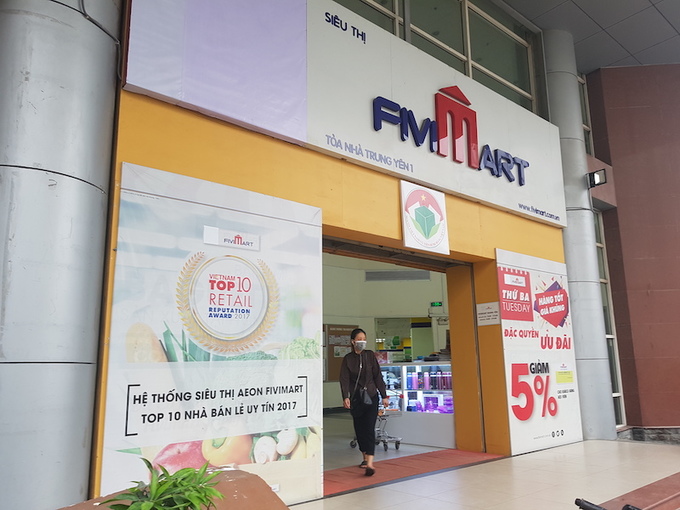
    Japanese retail company AEON has closed its cooperation with Vietnamese shopping market chain Fivimart, a source said.

    A senior AEON official, who asked not to be named, said that the company has sold its entire stake in Fivimart to a Vietnamese firm after three years of cooperation.

    The source did not reveal the value of the deal.

    Starting Friday, the AEON logo has been covered in many Fivimart supermarkets. The company’s official Facebook fanpage updated a new profile picture without the AEON logo and its website says “under upgrade and construction.”

    In 2015, AEON acquired a 30 percent stake in Fivimart from its owner Nhat Nam Joint Stock Company. Fivimart outlets have risen from 10 then to 23 now.

    The deal saw Fivimart’s revenue increase, by as much as 20 percent a year for some time.

    But the company has been reporting losses for the last three years, attributing it to high costs. It lost 60 billion ($2.58 million) in 2015, VND96 billion ($4.13 million) in 2016 and VND23 billion ($989,600) last year.

    At the end of last year, Fivimart reported an accumulated loss of almost VND200 billion ($8.6 million), with a debt of VND823 billion ($35.41 million) which is equivalent to the company’s total asset value.

    AEON joined the Vietnamese market in 2008. In 2011, its member, the Ministop convenience store chain, cooperated with Vietnamese coffee firm Trung Nguyen to launch G7-Ministop convenience stores.

    The deal didn’t work out, and Ministop closed the deal in 2015 and turned to partner with Japanese Sojitz, looking to open 800 stores in the next eight years.

    AEON also partners with local supermarket chain Citimart, which reported a loss of VND91 billion ($3.91 million) in 2015 and VND33 billion ($1.41 million) in 2016.

    Citimart’s accumulated loss by the end of 2016 was VND157 billion ($6.75 million).

    AEON has four shopping malls in Ho Chi Minh City, Hanoi and the southern province of Binh Duong.

    It is constructing another mall in Hanoi and one in the northern Hai Phong city, with a goal to have 20 malls in the country by 2020.

  • Here are Indonesia’s top 10 retailers according to Euromonitor

    Here are Indonesia’s top 10 retailers according to Euromonitor

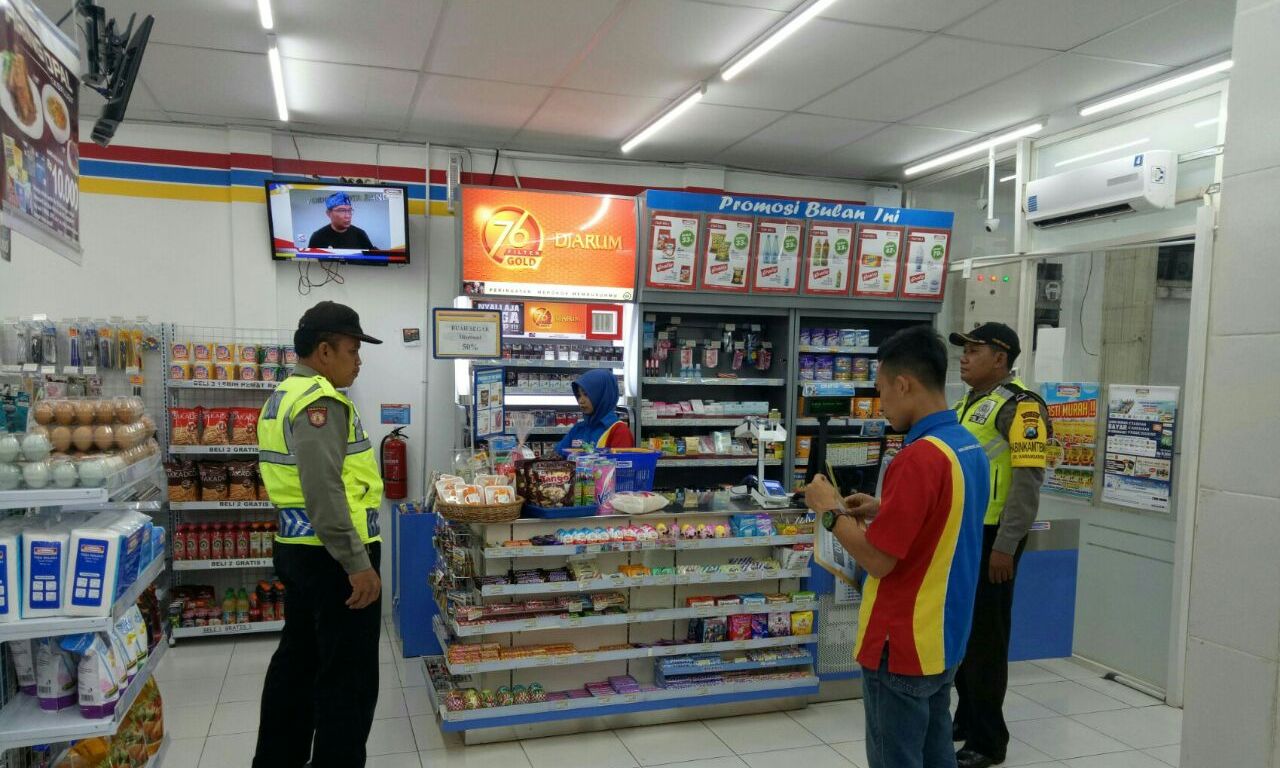
    Indomaret convenience store chain leads the rankings of Indonesia’s top 10 retailers.

    The Indomarco Prismatama-owned convenience store chain achieved sales of US$4.89 billion last year, followed by Alfamart with $3.97 billion, according to Euromonitor.

    Speaking at a conference where Indonesia’s top 10 retailers were revealed, Euromonitor’s Dhea Sutanto said Indomaret’s success was likely attributable to the greater number of physical stores it had compared to its competitors, and its promotion strategy.

    “If it is able to reach more consumers and more outlets, automatically it will generate more revenue, especially if it provides more accessibility to consumers that are harder to reach,” she added.

    Indomaret currently operates 15,633 outlets across Indonesia while Alfamart has 13,991.

    Matahari Department Store took third spot on the list with $1.36 billion in sales, followed by Carrefour and Transmart Carrefour by Trans Retail Indonesia, which earned $1.22 billion.

    In fifth place was Dairy Farm International operation which includes Hero Supermarket Group, Guardian, Star Mart and Giant, among others, with $903 million in sales.

    High-end fashion retailer Mitra Adi Perkasa, which owns Kidz Station, Marks & Spencer and Sports Station, came in sixth with $866 million. It was followed by Matahari Putra Prima group (Hypermart, Boston Health), gadget retailer Erajaya Swasembada (Erafone) and middle-to-low-income fashion retailer Ramayana with $781 million, $688 million and $643 million in sales, respectively.

    Books and stationery stores Gramedia, Grazera and Trimedia from Gramedia Asri Media ranked 10th by earning $430 million in sales.

  • Kathleen Tan to step down as AirAsia China president

    Kathleen Tan to step down as AirAsia China president

    Kathleen Tan, AirAsia’s president of China, is stepping down from her role. She was responsible for providing leadership and strategic direction to the airline. Tan confirmed the move in a statement, and added that she has decided to “take a long break” and her last day is on 8 October 2018.

    Tan was promoted to her current role in June 2017. Prior to that, she was president, North Asia, a role she was appointed to in June 2016. During that period of time, she was responsible for building the China, Hong Kong, Macau, Japan, Korea and Taiwan markets.

    In 2015, Tan left her role as CEO of AAE Travel, previously a joint venture formed by AirAsia and Expedia Group in 2011. The airline disposed of its remaining 25% equity interest in AAE Travel to Expedia Group this August.

    Between 2004 to 2013, Tan helmed the roles of regional head of commercial and senior vice president of China. During the period, she championed marketing campaigns, such as giving away one million discounted seats in 2005. She also spearheaded the airline’s social media strategy and development.

    Tan also worked at FJ Benjamin as divisional head of marketing for Southeast Asia before moving to Warner Music, where she was regional marketing director of Warner Music Asia Pacific and later, managing director of Warner Music Singapore until 2004.

    When asked what prompted her departure, Tan said: “I love the company but the culture has changed, and it is no longer what it used to be. When the company grows bigger, you need to find the perfect structure and ways to integrate the new people into the company,” Tan explained. She added that she also grew tired of travelling nonstop and reached a point where she felt like she was “living out of a suitcase”.

    While Tan has yet to decide on her next move, she is considering various possibilities, including giving motivational talks and mentoring the younger generation and educating them about marketing.

    Working in the China market with AirAsia

    During an interview, Tan said she faced plenty of challenges during her time in China, one of them being the fact that the country is still rather traditional.

    “No matter how modern the country is in terms of technology, their values and cultures are still very traditional. Face time is still very important. When you have meetings with people, you need to be there all the time. Trust, respect and guanxi (relationships) are still valued in China business,” she said. Tan added:

    You need to win and influence people. You cannot just sit around when you are dealing with the government, especially when you are a foreign brand.

    Tan describes herself as someone passionate about marketing and urges more marketers to “take ownership” of customer care. “Building a brand is important and customer care is part of that building block that helps shape consumers’ perception of a brand,” she said.

    “If you don’t handle customer care promptly, it will hurt your brand, especially in today’s social media age. Consumers will slam you and it will go viral,” she said.

    During her tenure, Tan claims AirAsia also adopted the use of artificial intelligence and machine learning to manage customer queries in China via WeChat, gradually shifting away from traditional call centres. Tan also claimed that the airline had over 60,000 chats within two weeks of its launch on WeChat. It also made sure the bots knew when to use stickers, which are a hit with Chinese consumers on WeChat, when communicating with them.

    It also made it a point to alleviate the anxiety of travellers when they encounter flight disruptions by offering AirAsia consumers a QR code for crisis management, as part of enhancing customer experience where they can get live flight updates. This was available to consumers during the eruption of Mount Agung in Bali in July.

    She told that during her time at AirAsia, the brand was going through “restructuring” as was undergoing digital transformation. She added that the airline was also increasingly focused on collecting data, building dashboards and looking at algorithms, integrating operations, customers and commercial, all in a bid to position AirAsia as a “digitally smart airline”.

    “As a marketer at AirAsia, I never had much data to look at in the past. It would have been heavenly if I could turn back time and see the number of engagements I had for a post in the early days of social media, so I know if I’m moving in the right direction. It’s a great time right now as companies have data made available to them. Think of the wonders companies can do with data,” Tan said.

  • AirAsia begins first direct flight between Taipei and Chiang Mai

    AirAsia begins first direct flight between Taipei and Chiang Mai

    Malaysian low-cost airline launched its first direct flight between Taipei and Chiang Mai on September 30th, the only budget airline route available in Taiwan connecting to the city in northern Thailand, reports said Monday.

    As a promotion, individuals will be able to book a ticket for a single trip between Oc.t 2, 2018 and Mar. 30, 2019, at NT$930 (US$30) before tax from midnight Oct. 2 through Oct. 7.

    The Taipei-Chiang Mai route marks the seventh international route operated by the airline in Taiwan, in addition to Taipei/Kaohsiung-Kuala Lumpur, Taipei-Sabah, Taipei-Manila, Taipei-Cebu, and Taipei-Clark.

    According to Al Chen, AirAsia’s sales manager of in Taiwan, Thailand has always been one of the most popular Southeast Asian tourist destinations for people in Taiwan. Chiang Mai, crowned the Best City in Asia 2017 by Travel and Leisure magazine, caters to the various needs of tourists seeking a laid-back, adventurous, cultural, or nature-filled travel.

  • AirAsia looks to expand Ipoh connectivity

    AirAsia looks to expand Ipoh connectivity

    Low-cost carrier AirAsia is eyeing additional routes here after launching its inaugural direct flight route between Ipoh and Johor Baru today.

    “AirAsia has never shied away from destinations. With help from all the agencies here, depending on the facilities and availability of service, we can look into anything within a four hour (flight) distance, for example,” AirAsia chief operating officer Riad Asmat told the press after the inaugural flight landed at the Sultan Azlan Shah airport here.

    “We can’t confirm anything at the moment because it requires evaluation. But we look at destinations on a daily basis,” he added.

    Riad said the airline’s planes could take 180 passengers each and AirAsia was targeting an 80 per cent take-up.

    He said the airline also launched a Johor Baru-Alor Setar flight today, which will be flown four times weekly.

    “We are confident both Ipoh and Alor Setar will be extremely popular destinations for business and leisure travellers,” he said.

    Perak Mentri Besar Ahmad Faizal Azumu, who was present to greet the first 120 passengers on the inaugural flight, said the flight would boost the state’s tourism industry and economy.

    He said the state received 20.1 million domestic tourists last year, up from to 16.8 million in 2016, placing the state second behind Selangor.

    Ahmad Faizal said the Perak Tourism Action Council (PTAC) would come up with a masterplan to drive and rebrand Perak’s tourism industry,

    “Besides enhancing the branding of our products, we will also re-examine human capital in the tourism sector. We want to provide retraining and skills enhancement programmes for our hospitality operators, hotel staff, tour guides, entrepreneurs and everyone in the tourism ecosystem,” he said,

    “The state government has full confidence that AirAsia will play its part as our strategic partner to further promote Perak as a whole.

    “We are looking at beyond the Johor Bahru-Ipoh route. Our dream is to work together to connect Ipoh to other destinations in AirAsia’s vast network.”

    Ahmad Faizal reiterated that the state was still interested in building a new airport, but noted that it was still being discussed.

  • Indonesia to Host World’s First Conference on Creative Economy in November

    Indonesia to Host World’s First Conference on Creative Economy in November

    Indonesia is set to host the first World Conference on Creative Economy, which will serve as a forum for government representatives and industry players to exchange ideas establish common ground and resolve challenges in the industry.

    “The speakers will come from different parts of the world and they will present their views on the current state of the creative economy and their vision of the future of this industry,” Creative Economy Agency (Bekraf) chairman Triawan Munaf said at a press conference in Jakarta on Tuesday.

    The inaugural conference will take place in Nusa Dua, Bali, on Nov. 6-8 and will involve around 1,000 participants, including ministers and business leaders, from 50 countries. These include Peter Trillingsgaard, vice president for government and public affairs at the Lego Group; Le Kexi, president of the China Film Corporation, Indonesian Finance Minister Sri Mulyani Indrawati, Bukalapak chief executive Achmad Zaky and Tokopedia chief executive William Tanuwijayia.

    “This conference is part of our effort to increase our capacity as a country, to further strengthen our creativity and competitiveness, and to achieve prosperity for the people,” Deputy Foreign Minister A.M. Fachir said.

    With “Inclusively Creative” as the main theme, participants will discuss key issues in the creative economy, including social cohesion, regulations, marketing, ecosystems and financing.

    The creative economy is a tool to facilitate better communication and understanding across the economic and cultural divide, especially because the industry has the potent to create opportunities for all, regardless of age, gender, background or geographic location, Triawan said.

    Fachir added that the conference forms part of Indonesia’s efforts to realize the United Nations Sustainable Development Goals, such as decent work and economic growth and reduced inequality.

    “It is both fitting and a duty for Indonesia to become a leader in the creative economy because we have what it takes,” Triawan said, adding that Indonesia plans to hold the event biannually.

    Indonesia’s creative economy has been on the rise over the past few years. It contributed more than Rp 922 trillion ($61.7 billion), or around 7.4 percent of the country’s economy, in 2016.

    Endah Sulistianti, deputy for inter-region and institution relations at Bekraf, said the conference aims to present the potential of creativity for the future of the world.

    “We are proposing to the world this tangible and infinite possibility, from creativity as [one of the solutions] to the limits of our natural resources,” Endah said.

    The conference will coincide with CreatiVillage, an exhibition space for ideas, concepts and products of various countries. Endah said it will feature creative works from South Korea, China, Saudi Arabia, and Denmark, among others.

    Business and investment forums, as well as business-matching sessions, will also take place on the sidelines of the event.

    The conference is expected to conclude with a set of recommendations on the creative economy, which will be presented at next year’s session of the United Nations General Assembly in New York.

    Fachir said Indonesian officials attending the ongoing session of the General Assembly are lobbying UN member countries to support efforts that will boost the role of creative the economy across the globe.

  • Mobile World reports surging sales, expands fresh-food business

    Mobile World reports surging sales, expands fresh-food business

    Mobile World says sales grew by 39 percent in the first eight months of the year to VND58.7 trillion ($2.5 billion).

    Profit after tax was up 36 per cent to VND1.97 trillion ($84.34 million) year-on-year.

    HCMC-based Mobile World Investment Corporation (MWG), established in 2004 as a seller of mobile phones, has since diversified into a host of other areas including foods, beverages, meat and seafood, and vegetables.

    Dien May Xanh, its electronics retail arm, accounts for 55 percent of sales followed by mobile phone stores The Gioi Di Dong and then department store chain Bach Hoa Xanh.

    Bach Hoa Xanh, incorporated in 2015, sells vegetables, seafood, meat and fast-moving consumer goods (FMCG). While with VND2.37 trillion ($102 million) it only accounts for 4 percent of the company’s sales, the business is growing at 251 percent.

    It has 405 outlets, with the two largest being in HCMC’s Thu Duc and Binh Tan districts.

    Bach Hoa Xanh plans to focus on the eastern and southern parts of HCMC and the neighboring provinces of Binh Duong, Long An, Dong Nai, and Ben Tre in future.

    By the end of this year it plans to have another 95 stores. A Mobile Word spokesperson said that stores that do not do well would be shut down.

    Based on the firm’s proclaimed plan of having 550 stores with average monthly revenues of VND790 million ($33,850) each by the end of this year, Ho Chi Minh City Securities Corporation (HSC) estimated Bach Hoa Xanh sales to reach VND4 trillion ($171 million) this year.

    But MWG found the department store business less attractive than the two other segments, saying at 14 percent the profit margin of Bach Hoa Xanh is lower than the 17 percent for the cellphone business and 16.7 percent for the electronics business.

    A major reason is fresh food is more difficult to manage than the others due to the short shelf life.

    Doan Van Tieu Em recently took over as CEO of MobileWorld Joint Stock Company, the subsidiary that manages the cellphone and electronics businesses.

    His predecessor, Tran Kinh Doanh, is now CEO of the department store business.

  • Ideas CEO calls for review of policies as Malaysia slips in economic freedom ranking

    Ideas CEO calls for review of policies as Malaysia slips in economic freedom ranking

    Malaysia’s fall to 79th spot from 67th in the 2018 Economic Freedom of the World Annual Report shows that space for the private sector in the country has been squeezed, businesses have been obstructed and the size of the government has increased.

    Institute for Democracy and Economic Affairs (Ideas) CEO Ali Salman said the findings based on data from 2016, the most recent year of available comparable data, measure economic freedom, that is, levels of personal choice, ability to enter markets, security of privately owned property, rule of law, etc, by analysing the policies and institutions of 162 countries and territories.

    “This calls for a comprehensive review of economic policies under the Pakatan Harapan (PH) administration, spanning critical areas like GLC reforms, size of the civil service and business regulations – areas on which Ideas has researched and advocated vigorously,” Ali said.

    According to research in top peer-reviewed academic journals, people living in countries with high levels of economic freedom enjoy greater prosperity, more political and civil liberties, and longer lives.

    For example, countries in the top quartile (25%) of economic freedom (such as the UK, Japan and Ireland) had an average per-capita income of US$40,376 in 2016 compared with US$5,649 for the bottom quartile countries (such as Venezuela, Iran and Zimbabwe).

    And life expectancy is 79.5 years in the top quartile of countries compared to 64.4 years in the bottom quartile.

    “Where people are free to pursue their own opportunities and make their own choices, they lead more prosperous, happier and healthier lives,” said Fred McMahon, Dr Michael A. Walker Research Chair in Economic Freedom with the Fraser Institute.

    The report was released by Ideas and produced by Canada’s Fraser Institute.

    The Fraser Institute produces the annual Economic Freedom of the World report in cooperation with the Economic Freedom Network, a group of independent research and educational institutes in nearly 100 countries and territories.

    It is the world’s premier measurement of economic freedom, measuring and ranking countries in five areas: size of government, legal structure and security of property rights, access to sound money, freedom to trade internationally and regulation of credit, labour and business.

    Hong Kong and Singapore again topped the index, continuing their streak in first and second place respectively, while New Zealand, Switzerland, Ireland, the US, Georgia, Mauritius, the UK, Australia and Canada (tied for 10th spot) round out the top 10.

    The 10 lowest-ranked countries are Sudan, Guinea-Bissau, Angola, Central African Republic, Republic of Congo, Syria, Algeria, Argentina, Libya and Venezuela.

    Countries such as North Korea and Cuba could not be ranked due to lack of data.

    Other notable country rankings include Germany (20th), Japan (41st), France (57th), Russia (87th) and China (108th).

  • Indomaret tops retailer list with US$4.89b in sales

    Indomaret tops retailer list with US$4.89b in sales

    Convenient store chain Indomaret and Indomaret Point, owned by retail group Indomarco Prismatama, were the top-selling retailers of 2017, racking up a combined US$4.89 billion in sales, according to London-based strategic market research company Euromonitor International

    With the total sales, Indomaret beats its closest competitor Alfamart, owned by Sumber Alfaria Trijaya, which booked US$3.97 billion in sales last year to come in second.

    Euromonitor consultant Dhea Sutanto said Indomaret’s success was likely attributable to the greater number of physical stores it had compared to its competitors. Another factor could be the company’s promotion strategy, she added.

    “If they are able to reach more consumers and more outlets, automatically they will generate more revenue, especially if they provide more accessibility to consumers that are harder to reach,” she said at the sidelines of the Euromonitor International Conference on Tuesday.

    Indomaret currently operates 15,633 outlets across Indonesia while Alfamart has 13,991.

    Number three on the list of Indonesia’s top retailers in 2017 was Matahari Department Store with $1.36 billion in sales, followed by Carrefour and Transmart Carrefour by Trans Retail Indonesia, which earned $1.22 billion. Hero Supermarket Group with Guardian, Star Mart and Giant, among others, was at fifth place with $903 million in sales.

    A retailer group of high-end fashion goods, Mitra Adi Perkasa (MAP), which includes Kidz Station, Marks and Spencer and Sports Station, came in sixth with $866 million. MAP is followed by Matahari Putra Prima group (Hypermart, Boston Health), gadget retailer Erajaya Swasembada (Erafone) and middle-to-low-income fashion retailer Ramayana with $781 million, $688 million and $643 million, respectively.

    Meanwhile, books and stationery stores Gramedia, Grazera and Trimedia from Gramedia Asri Media ranked 10th by garnering $430 million in sales.