Category: General

Retail News Asia is committed to providing both local and global retailers with the latest General Retail news throughout the Asian market. This on a daily base.

  • JD.Com Launches First Cashier-Free Store Overseas In Indonesia

    JD.Com Launches First Cashier-Free Store Overseas In Indonesia

    E-commerce giant JD has introduced its unmanned store technology in a foreign market for the first time.

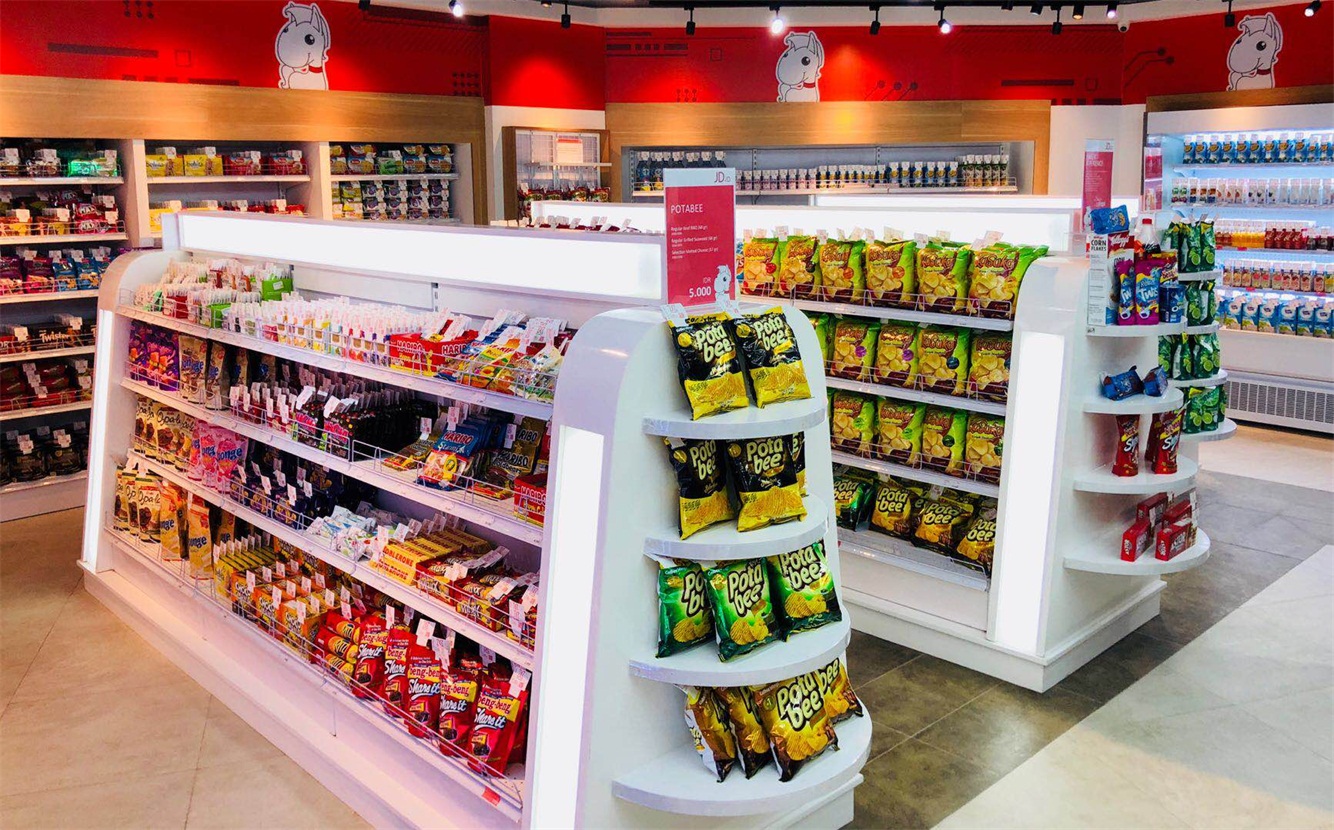
    Jakarta’s new JD.ID X-Mart, a 270sqm AI-powered experience store located in Pik Avenue shopping mall, is the first of its kind in Indonesia and the largest to use JD’s unmanned store technology to date. Customers are encouraged to pick up whatever they want and walk straight out of the store without needing to wait for lines or payments.

    The technology premiered in Beijing last year and has since become increasingly sophisticated with the application of facial recognition and other advanced computer vision technologies.

    JD now operates more than 20 unmanned stores across China.

  • Vietnam posts $3.1-billion trade surplus in Jan-July

    Vietnam posts $3.1-billion trade surplus in Jan-July

    Vietnam’s trade surplus in the first seven months was $3.1 billion as exports rose 15.3 percent year-on-year to $133.7 billion.

    Domestic companies accounted for $39 billion of the exports, up 18.7 percent, while foreign firms registered $94.7 billion, up 14 percent, according to the General Statistics Office (GSO).

    Cell phones and components topped the list of exports at $26.1 billion, followed by textile and garment at $16.5 billion and electronics and computers and components at $15.7 billion.

    The U.S. was the biggest importer, with shipments rising by 8.9 percent to $25.5 billion.

    The EU was second with $24.2 billion, up 12.9 percent, followed by China with $19.5 billion, up 24.7 percent.

    Imports rose by 10.2 percent to $130.6 billion, with domestic companies accounting for $54.16 billion spent by firms, up 12.7 percent.

    Imports by foreign companies were up 8.5 percent.

    The GSO has however warned exporters and importers to be prepared for any eventuality given the ongoing trade war between the U.S. and China.

    The U.S. imposed 25 percent tariffs on an initial $34 billion of imports from China on July 6, which then led China to respond with similar sized tariffs on U.S. products.

    The Donald Trump administration claims the tariffs are necessary to protect national security and U.S. businesses’ intellectual property, and to reduce the country’s trade deficit with China.

    The administration said Wednesday that Trump has sought to ratchet up pressure on China for trade concessions by proposing a higher 25 percent tariff on $200 billion (152.33 billion pounds) worth of Chinese imports.

  • AirAsia opens new gateway to Lake Toba via Silangit

    AirAsia opens new gateway to Lake Toba via Silangit

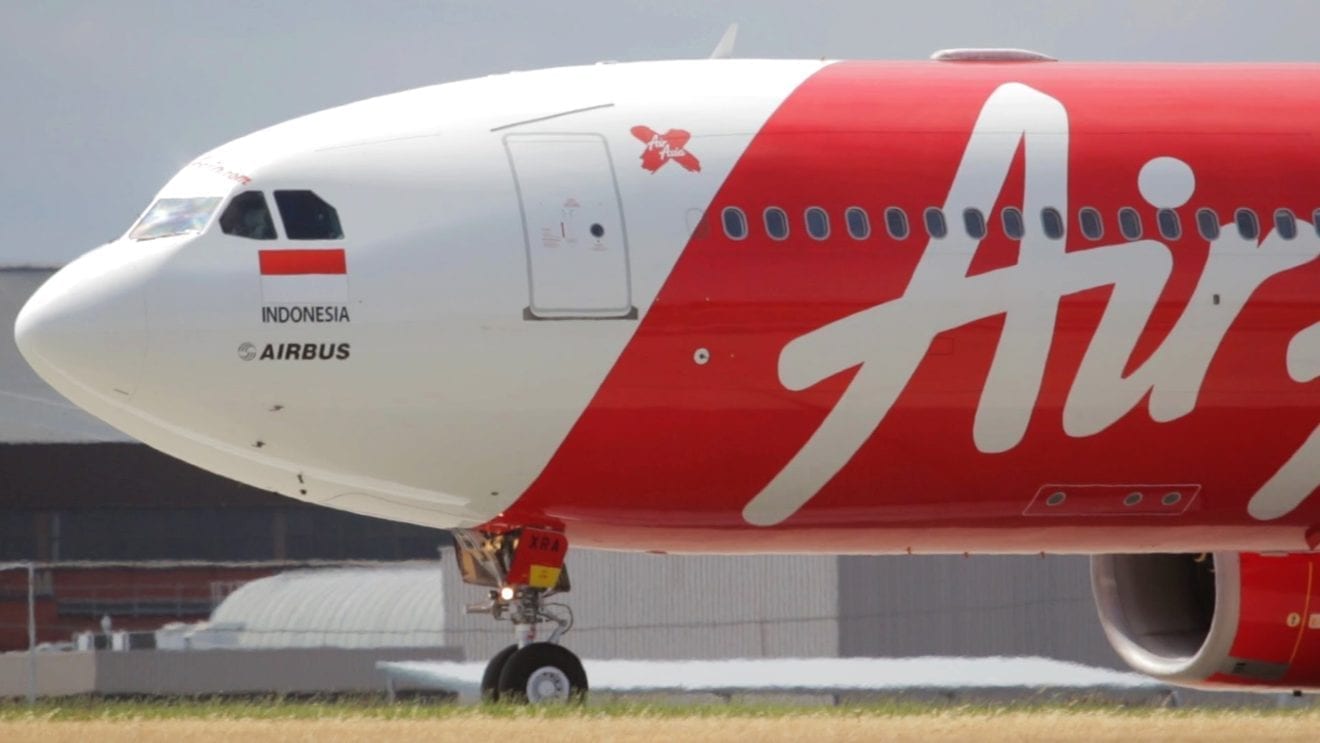
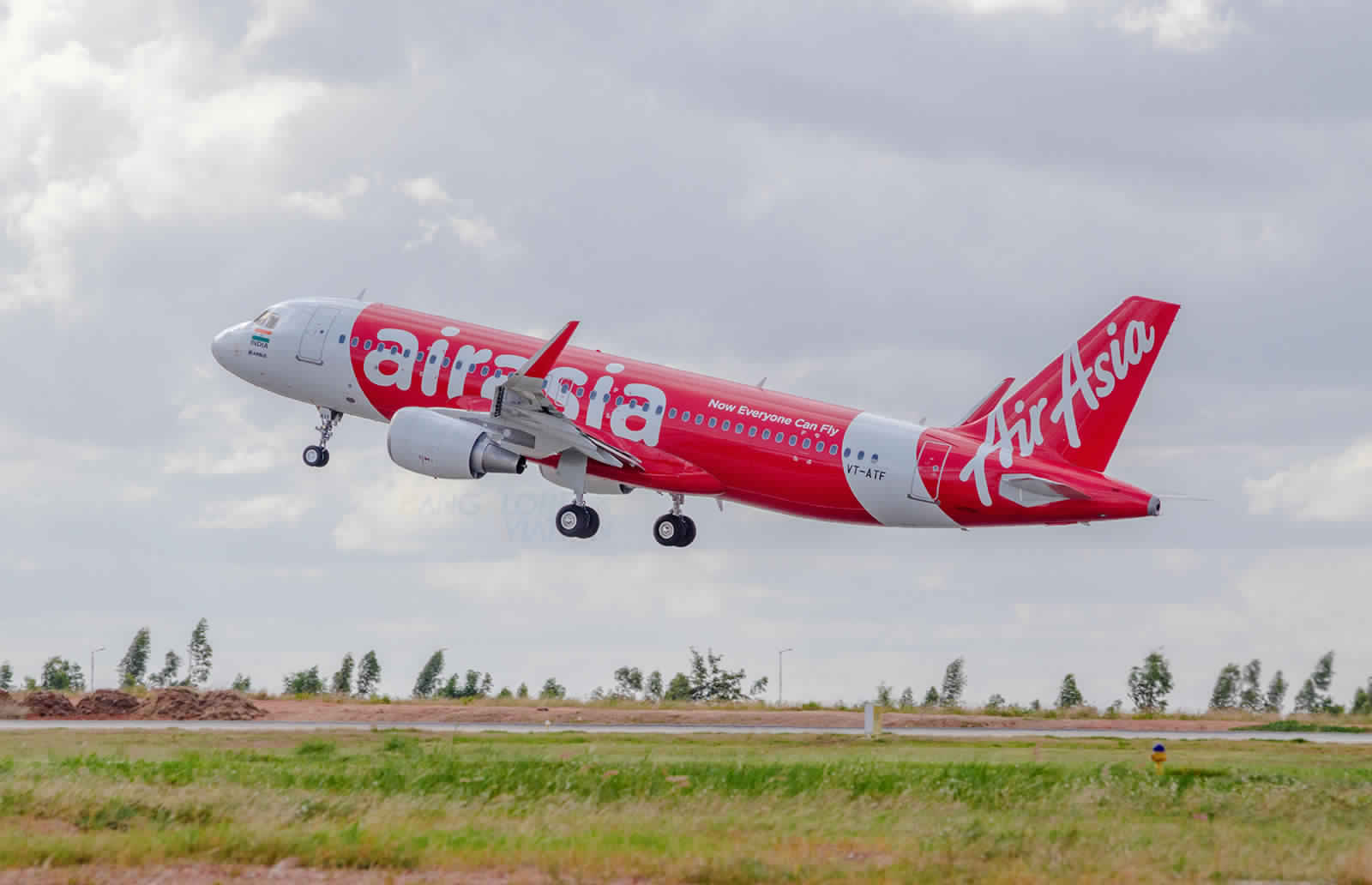
    AirAsia’s new route to Silangit in North Sumatra is more than just a direct flight to the gateway of Lake Toba. It also marks the airline’s commitment to sustainable tourism development there.

    Group CEO Tan Sri Tony Fernandes said AirAsia strives to connect travellers to the hidden treasures of Indonesia while ensuring the sustainability of these destinations.

    “Our team has already been to Silangit to work with the local authorities.

    “We are building a recycling plant there and we are hoping to work with the local government on sanitation.

    There will be four flights from the Kuala Lumpur International Airport 2 (klia2) to the Silangit Airport in Tapanuli every week beginning Oct 28.

    Prior to the new route, travellers wishing to visit Lake Toba had to take a six-hour bus ride from Medan.

    “We will put more flights on if the demand comes and with the infrastructure built along with it.

    “The ultimate aim is to build a hub. It won’t be a big hub, as Jakarta will still be our main hub,” said Fernandes.

    The new Kuala Lumpur-Silangit route was launched by Maritime Affairs Coordinating Minister Luhut Binsar Pandjaitan, Air Transportation acting director-general Pramintohadi Sukarno, Fernandes, AirAsia Group Bhd executive chairman and AirAsia X Co-Group CEO Datuk Kamarudin Meranun and AirAsia Indonesia CEO Dendy Kurniawan.

    Pandjaitan is confident that the new route will boost tourist arrivals in Lake Toba – one of Indonesia’s top 10 priority tourism destinations.

    “We are upgrading the facilities at Silangit Airport and extending the runway length from 2,650m to 3,000m.

    “We are also expanding the apron and terminal building to accommodate more aircraft and passengers and we hope this new route will benefit the local economy and community.”

    AirAsia is offering special introductory all-in-fares from Kuala Lumpur to Silangit from RM39.10.

    These fares are available for booking on airasia.com and the AirAsia mobile app from Aug 2 to Aug 12 for the travel period from Oct 28 this year to March 29, 2019.

  • Vietnam retail sales rises in seven months straight

    Vietnam retail sales rises in seven months straight

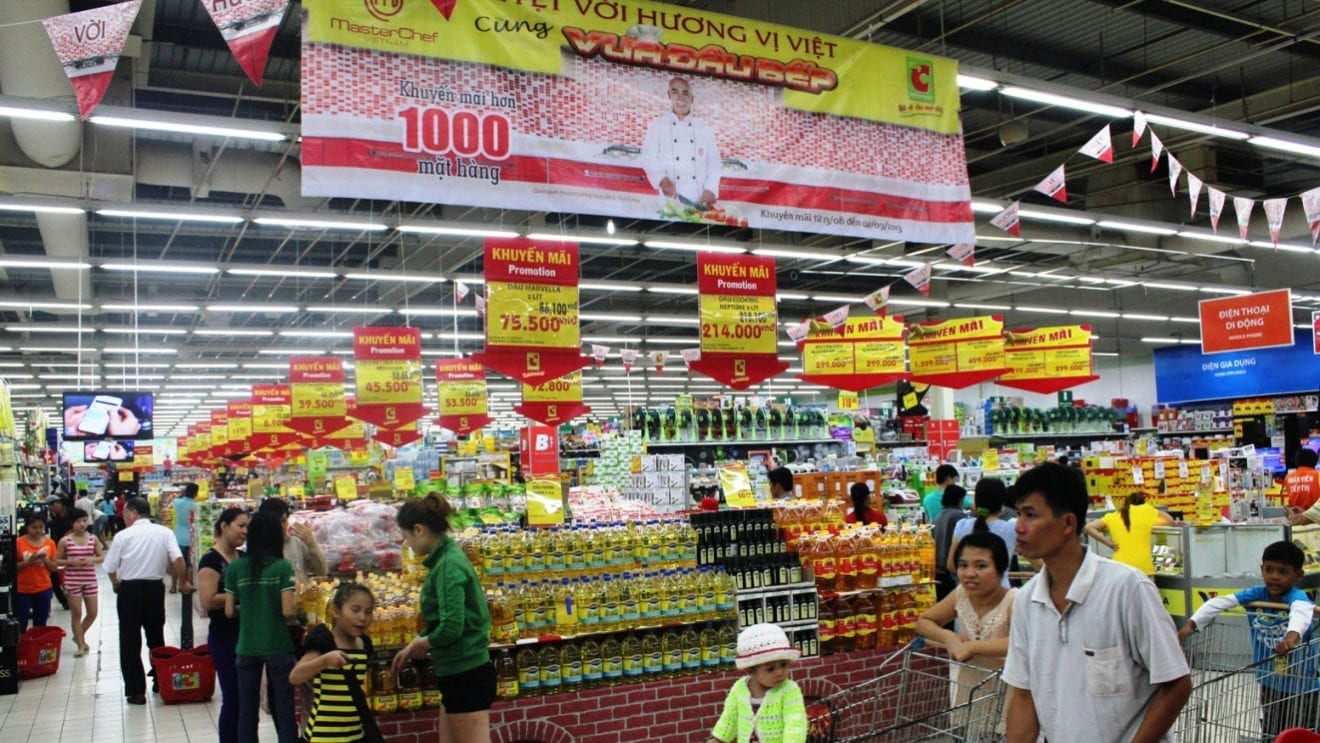
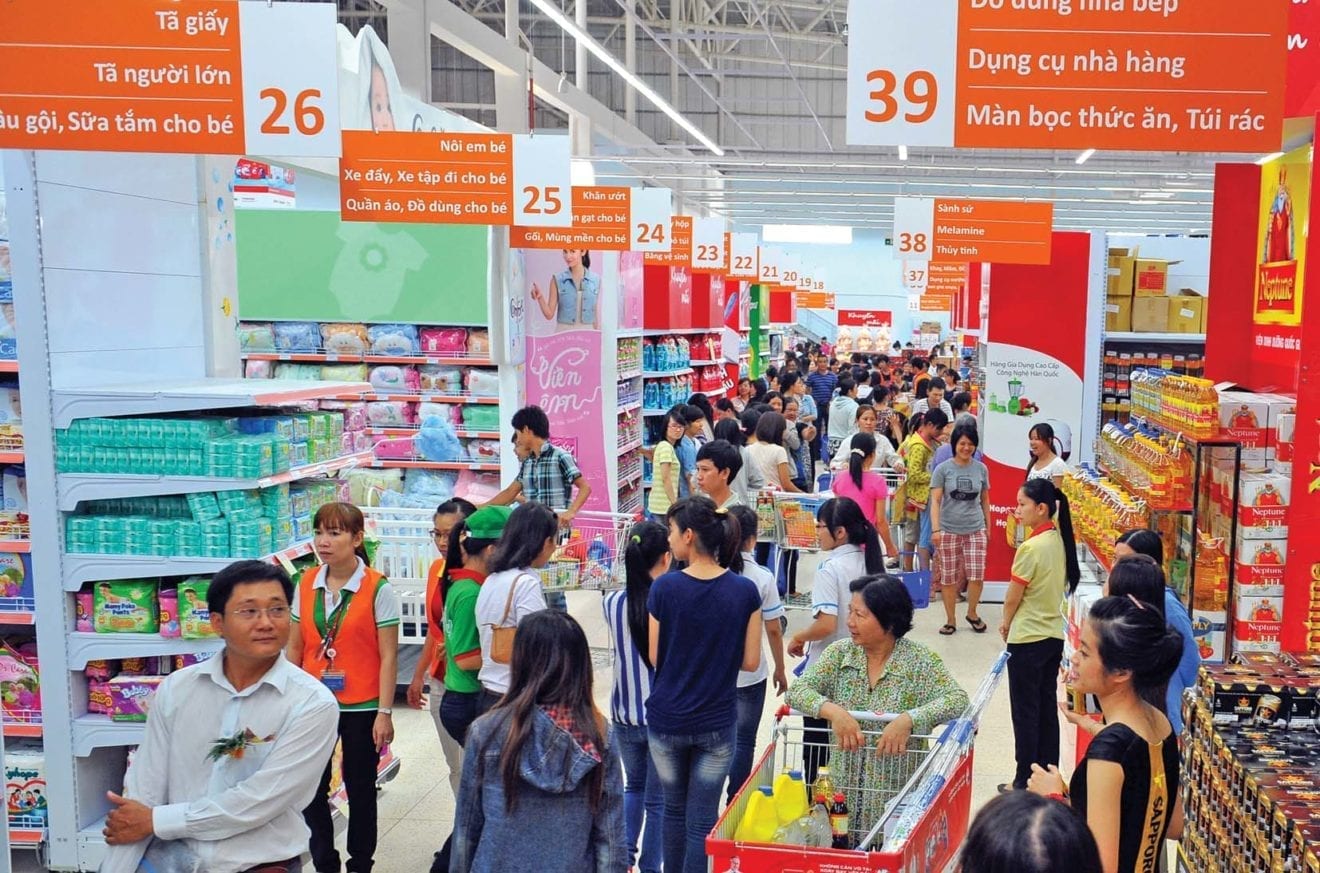
    Vietnam retail sales and services rose 11.1 per cent in the first seven months, according to the General Statistics Office (GSO).

    The revenue reached VND2.49 quadrillion (US$108.3 billion) thanks to a strong increase in purchasing power during prolonged hot weather, the GSO said.

    Sales in July reached the highest level during the past three months, with May and June each seeing 8.3 per cent growth.

    The retail sector gained a year-on-year surge of 11.7 per cent in revenue to VND1.88 quadrillion, accounting for 75 per cent of the total revenue from retail sales and services.

    Products recording strong increases included food (up 12.6 per cent), apparel (up 12.4 per cent), home appliances (up 12.3 per cent), cultural and education services (up 10.3 per cent) and transport (up 10.4 per cent).

    GSO said demand for food rose during the FIFA World Cup in June and July.

    Tourism revenue grew 17.7 per cent, followed by accommodation and restaurant and catering services, up 9.1 per cent.

    The GSO expects Vietnam retail sales to grow by 10.5 per cent over the full year.

  • Hong Kong’s retail sales continue to growth

    Hong Kong’s retail sales continue to growth

    Hong Kong’s retail sales renaissance continued in June, with a 12 per cent rise for the month.

    That is marginally less than the 12.9 per cent increase in May, and below the 13.4 per cent increase for the first half year, but the rate shows signs the growth is stabilising.

    The Census and Statistics Department estimated the total value of retail sales in June at HK$37.8 billion (US$4.8 billion). After netting out the effect of price changes over the same period, the volume of retail sales in June rose by 9.8 per cent.

    Predictably, sales of jewellery, watches and clocks, and valuable gifts led the way, up by 27.8 per cent. Other strong performing categories were cosmetics, up 18.3 per cent, department store sales up 15 per cent, footwear and accessories up 11.4 per cent and Chinese drugs and herbs up 10.3 per cent – all categories popular with visitors from Mainland China.

    Retail categories largely dominated by local shoppers showed more modest growth: supermarket sales rose 1.1 per cent, electrical goods by 0.4 per cent, furniture and fixtures by 8.9 per cent, books and stationery by 3.1 per cent, optical shops by 6.9 per cent and food and alcohol by 8.9 per cent.

    The C&SD said that after seasonal adjustment, the value of retail sales decreased by 0.2 per cent from the first quarter to the second and the volume by 0.1 per cent.

    A government spokesman said the sustained double-digit growth of retail sales in June reflected favourable local consumer sentiment amid a tight labour market and rising visitor arrivals.

    “Looking ahead, favourable job and income conditions and buoyant inbound tourism should continue to provide support to the retail sector in the near term. Yet, we need to closely monitor how the heightened external uncertainties might affect consumption sentiment going forward.”

  • Lotte Duty Free exits Incheon Airport Terminal 1 contracts, sets its sights on Vietnam

    Lotte Duty Free exits Incheon Airport Terminal 1 contracts, sets its sights on Vietnam

    Lotte Duty Free exits its contentious Incheon International Airport Terminal 1 cosmetics, fashion and leathergoods contracts, to be replaced by Shinsegae Duty Free.

    As reported, South Korea’s duty free giant served notice on 13 February of its intention to quit three contracts – DF1 (P&C), DF5 (leathergoods & fashion) and DF8 (miscellaneous categories).

    The company cited “the burden of rent increases” following the sharp downturn in Chinese tourists in 2017 amid the THAAD dispute with China.

    The three concessions, later consolidated into two by Incheon International Airport Corporation, were subsequently awarded to Shinsegae Duty Free, which commences business on 1 August. Lotte Duty Free will continue to operate its DF3 liquor, tobacco and foods business at T1 until 2020.

    Lotte Duty Free said that it expects to save about 1.4 trillion won (US$1.25 billion) in rent by 2020 through its premature exit. “Based on improved profitability through the withdrawal from Incheon Airport, the company intends to strengthen its competitiveness in downtown duty free shops and to expand online duty free shop marketing,” it said.

    “In addition, in order to revitalise sales of our [T1] liquor and cigarettes stores, we plan to analyse outbound passengers and target enhanced marketing through improved linkage with city and online duty free shops.”

    Lotte said that it also aims to boost downtown and online sales of cosmetics and fashion to avoid losing custom to its Incheon successor. A customer prepaid card for Lotte’s vacated T1 business can now be used downtown.

    Lotte Duty Free plans to concentrate its efforts on expanding business overseas, with Vietnam the key focus. As reported, the company celebrated the grand opening of its Da Nang International Airport concession on 1 November last year, after a soft opening in May. The business, registered as Phu Khanh Duty Free, is a 60/40 joint venture between Lotte Duty Free and a local partner.

    In June this year Lotte Duty Free opened arrivals and departures stores at Cam Ranh International Airport in Nha Trang, after being awarded an exclusive ten-year duty free concession.

    Lotte said that it also plans to invest heavily in additional downtown stores in Hanoi, Ho Chi Minh City and Da Nang.

  • AirAsia to bid for Clark Airport contract

    AirAsia to bid for Clark Airport contract

    AirAsia Group will bid on an operation and maintenance contract for Clark International Airport in the Pampanga province of the Philippines.

    In his tweet today, Group Chief Executive Officer Tan Sri Tony Fernandes said the group, together with its subsidiaries in Indonesia and the Philippines, would be bidding for the airport’s 25-year operation and maintenance contract.

    “Bringing Asean together. Indonesia, Malaysia and Philippines to bid for Clarke airport in Manila and build a big east Asean hub. Walking the talk on Asean. Kudos to Indonesia airports. Look what can be done in Asean when we work together,” he tweeted.

    According to news reports, the Bases Conversion and Development Authority (BCDA) said the preliminary timeline for the project indicates a target for contract awarding and signing on Aug 30, but BCDA will accept bids until late August.

    The development of the new terminal in Pampanga province, which is slated to be opened in July 2020, aims to decongest the Ninoy Aquino International Airport in Manila.

    The BCDA is a government-owned and controlled corporation under the Office of the President of the Philippines.

    It engages in public-private partnerships to push forward vital public infrastructure such as tollways, airports, seaports, and also major real estate developments.

    In May, eight companies bought bid documents for the operations and maintenance including Megawide Construction Corp, Metro Pacific Investments Corp and San Miguel Holdings Corp.

    Around 30 groups also attended the pre-bid conference for the project held on May 21, including AirAsia Group, Udenna Corp and JG Summit Holdings.

  • Food and fuel boost japanese retail sales rise

    Food and fuel boost japanese retail sales rise

    Japanese retail sales increased by 1.8 per cent in June thanks to strong food sales and rising petrol prices.

    According to the Ministry of Economy, Trade and Industry, Japanese retail sales reached ¥11.8 trillion (US$106.25 billion) during the month. It was the eighth consecutive monthly rise.

    Rising crude oil prices flowed through to petrol pump prices, which surged 16.7 per cent year on year. Sales of cosmetics and pharmacy products rose 3.9 per cent, largely due to demand from overseas visitors.

    Food and beverage sales rose 1.5 per cent, with prepared meals and meat fuelling growth.

    Supermarket sales rose 1.9 per cent, while department store sales rose 2.6 per cent, which the ministry said was due to there being one more Saturday in June this year than last year.

  • FMCG sales slightly up in urban Vietnam

    FMCG sales slightly up in urban Vietnam

    National sales of FMCG on traditional and modern trade channels in urban areas reached $14 billion in Q2, growing 0.7 percent, Nielsen reported.

    The fast-moving consumer goods growth year-on-year was driven by sales increases seen across six out of seven super categories: beverages (including beer), milk and dairy products, household care products, personal care products, baby care products, and cigarettes.

    Baby care witnessed the biggest jump to 12 percent while food showed a decline of 1.9 percent, according to the market research firm’s newly-released Market Pulse Quarter 2 report.

    “FMCG has yet to reflect an upturn in economic conditions while Vietnam’s GDP growth hit 7.1 percent in the first half of 2018,” Nguyen Anh Dung, executive director of Nielsen Vietnam’s retail measurement services division, said.

    But there were many growth pockets, with modern trade channels seeing double-digit growth, he noted.

    Semi-retail channels comprising stores with both wholesale and retail sales also saw strong growth.

    Overall, the modern distribution channel enjoyed growth of 11.9 percent while the traditional channel was sluggish. Sales through traditional channels in urban areas rose 1.2 percent while in rural areas there was a drop of 2.4 percent.

    Dung said seasonality could provide an opportunity for certain categories such as snacks, dairy, beverages, and confectionary to innovate and connect with consumers in novel ways.

    “FMCG products have become basic while other products provide more excitement with innovation and new customer experiences. Consumers are willing to loosen their purse strings as reflected in strong growth in entertainment, tourism, cellphone, and automotive sales.”

    It is time for manufacturers to bring excitement back to the FMCG industry, and the most important thing is to listen to consumers and put them at the center of all decisions they make, he said.

    They provide the key growth cues if manufacturers can satisfy their needs, he added.

  • Indonesia Gov’t Undecided on New Coal Policy

    Indonesia Gov’t Undecided on New Coal Policy

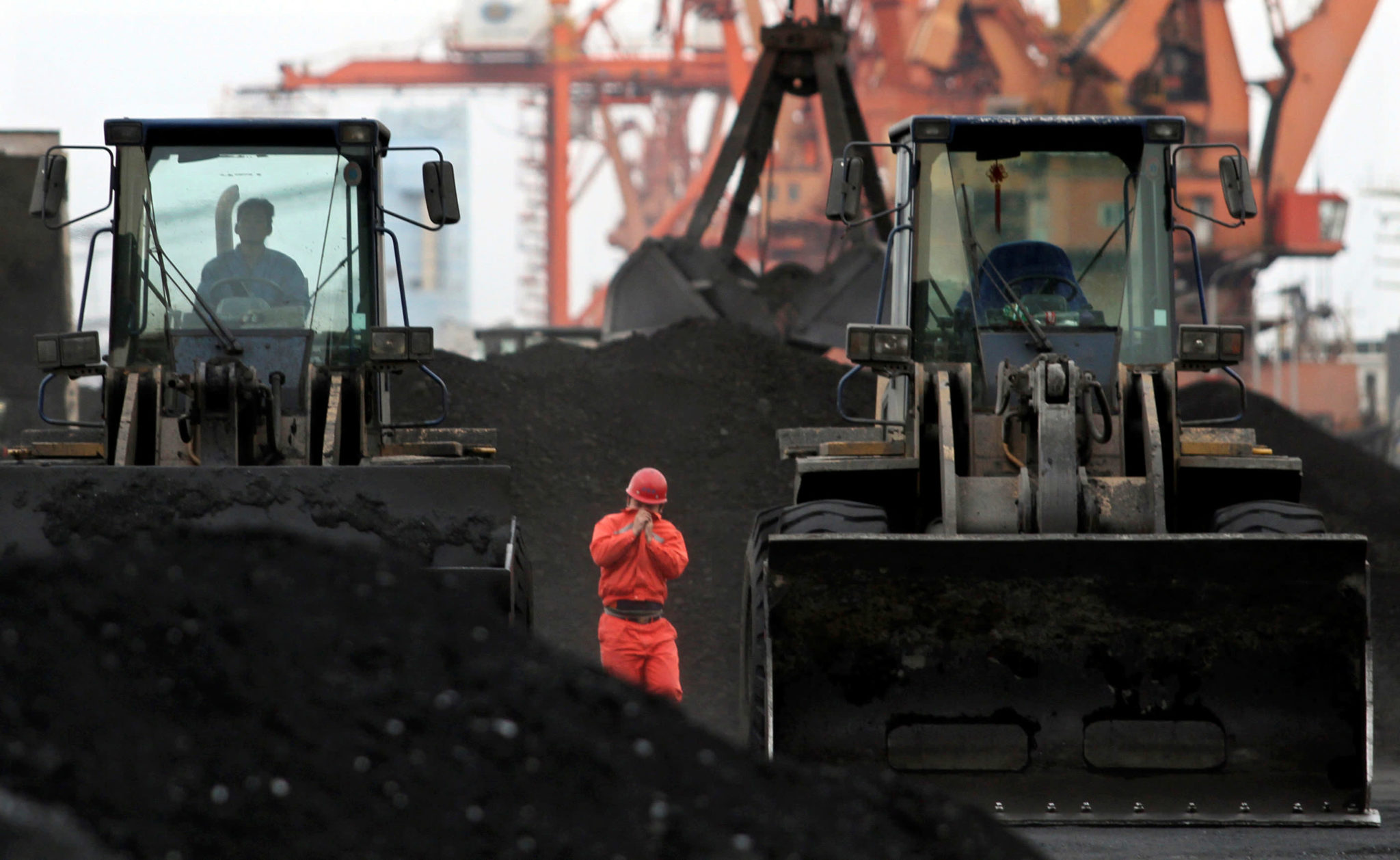
    Indonesia President Joko “Jokowi” Widodo will decide on Tuesday (31/07) whether the government’s policy on coal for domestic use should be revised, considering both the need for price stability and for reducing the current external deficit.

    The government in March set a ceiling price for 25 percent of its coal production bound for state utility company Perusahaan Listrik Negara at $70 a metric ton, in order to keep electricity prices stable ahead of the 2019 elections.

    The quota and price cap mean miners miss out export revenues amid the commodity’s rising global price, to the tune of $5 billion a year, a substantial amount that could reduce Indonesia’s current account deficits, Coordinating Maritime Affairs Minister Luhut Pandjaitan said on Monday (30/07).

    The government may charge a coal sales tax to coal companies at between $2 and $3 per ton to subsidize PLN. A new agency could be established to manage the process.

    The government may also revise the 25 percent quota to allow coal with energy levels above 4,500 kilocalories per kilogram (kcal/kg) or below 4,000 kcal/kg to be exported, because PLN needs it between 4,000 and 4,500 only, said Rosan Roeslani, chairman of Indonesia’s Chambers of Commerce and Industry (Kadin), who was present in a discussion with top government officials on Monday.

    All revisions will still need to be discussed with the coal and power industry, and their impact on state revenue would need to be calculated, Luhut said.

    “Even if this happens it will probably be next year at the earliest,” he said.

    Indonesia is the world’s top exporter of thermal coal, and its economy has benefited from rising demand for the dirty fuel — which hit $104.65 a ton in July — the highest since May 2012.

    Expert and consumer groups are against the government’s proposal.

    “Abandoning the domestic coal price will be a blunder policy, which will not increase foreign exchange from coal exports to reduce the balance of payment deficit, but only increases the income of coal businesses as well as the cost of production for PLN,” Fahmy Radhi, an energy analyst at Gadjah Mada University, said in a statement on Sunday.

    PLN would bear $3.68 billion in additional costs to buy coal at the current market price, Fahmy said. Even with the sales tax on coal companies, which is estimated to bring $1.28 billion, PLN would still be left with an additional expense of $2.40 billion.

    PLN has been under financial pressure for the past few years, trying to meet the government’s plan for 35,000 megawatts of additional power capacity.

    In September, Finance Minister Sri Mulyani Indrawati sent an official letter to Energy and Mineral Resources Minister Ignasius Jonan and State Enterprises Minister Rini Soemarno, warning of PLN’s poor financial performance.

    The company suffered losses of Rp 6.49 trillion in the first half of this year. In the same period last year it recorded a net income of Rp 510 billion.

    “If the rule is really implemented, then it means the government favors more the interests of a handful of people [coal businessmen] rather than the interests of a larger community — electricity consumers,” Tulus Abadi, managing director at the Indonesian Consumer Protection Foundation (YLKI), said in a statement.

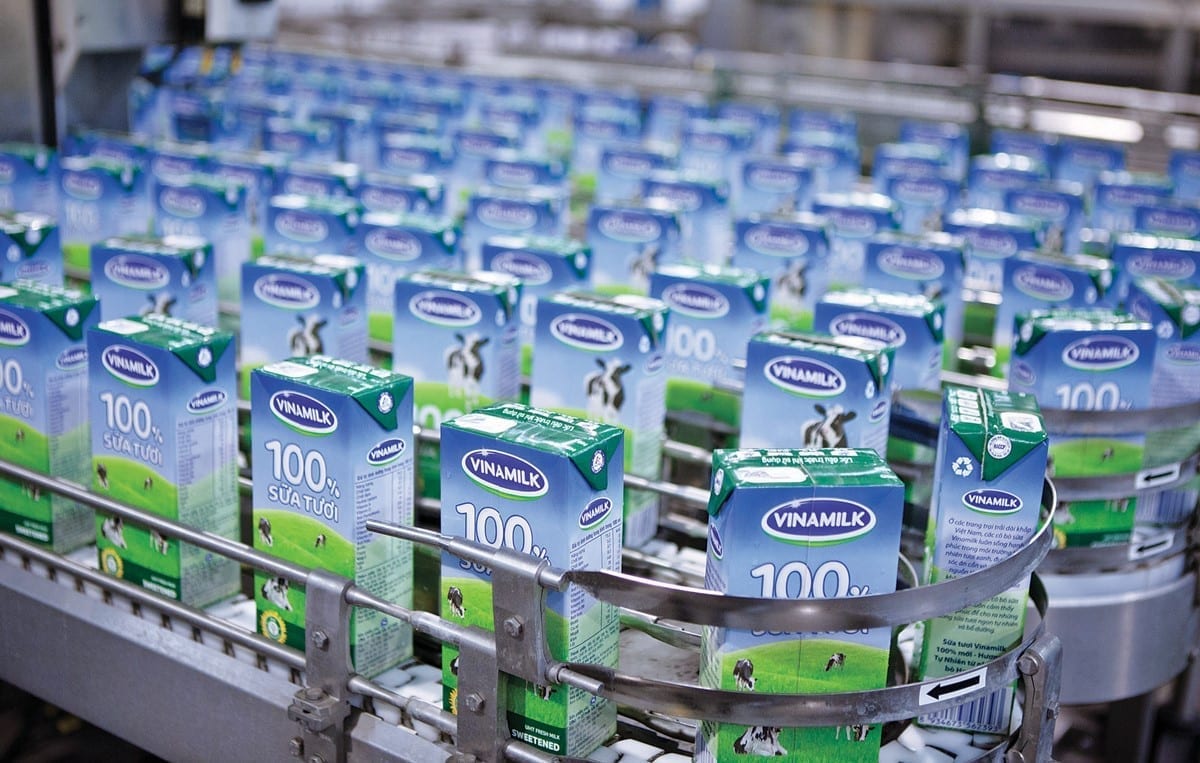
  • Forbes lists Vietnam’s most valuable brands, Vinamilk, Viettel remain top

    Forbes lists Vietnam’s most valuable brands, Vinamilk, Viettel remain top

    Forbes Vietnam has released its third annual list of the 40 most valuable brands in Vietnam, putting their total value at $8.1 billion.

    The value is 50 percent up from last year. Dairy giant Vinamilk and military-run telecom firm Viettel remain the top two as they were in the two previous years.

    Forbes estimates Vinamilk’s brand value at $2.28 billion, much higher than the $1.7 billion last year, and Viettel’s at $1.39 billion.

    State-owned Vietnam Posts and Telecommunications Group (VNPT) takes over third position from Vingroup, Vietnam’s largest real estate company. With a value of $416 million, VNPT makes it to the list for the first time.

    The other brands in the top ten are the country’s biggest brewery Sabeco ($393 million), Vinhomes, the residential property arm of Vingroup ($384 million), Vinaphone, one of Vietnam’s big three mobile operators and belonging to VNPT ($308 million), Vingroup ($307.2 million), food and beverages producer Masan Consumer ($238 million), JSC Bank for Foreign Trade of Vietnam, or Vietcombank ($177.9), and tech giant FPT ($169 million).

    Vinhomes and Vinaphone are also newcomers.

    Just like last year, consumer goods brands account for the majority of this year’s list, followed by finance and banking and technology.

    But the gap between the total value of the finance-banking and consumer goods groups has narrowed, Forbes said.

    The other new entrants this year are Vincom Retail, the shopping mall subsidiary of Vingroup, top coffee firm Trung Nguyen Group, sugar, energy, real estate, and tourism conglomerate TTC Group, and Ho Chi Minh City Development Joint Stock Commercial Bank, or HD Bank.

    Forbes compiled the list by looking at brands’ incomes before and after tax based on their financial reports and data on the stock market.

  • Tyco Retail Solutions releases the new 2018 Sensormatic Global Shrink Index

    Tyco Retail Solutions releases the new 2018 Sensormatic Global Shrink Index

    “Shrink,” otherwise known as a reduction in inventory due to shoplifting, employee theft or other errors, significantly impacts a retailer’s bottom line.

    Tyco Retail Solutions, a global leader in data-driven loss prevention, today released the industry’s most extensive study conducted in recent years of senior retail executives, providing insights into the sources and impacts of global shrink.

    The report is a culmination of research that measures world-wide retailer performance, allowing them to benchmark their shrink rates to others in the same vertical and region.

    Tyco commissioned global retail market intelligence provider PlanetRetail RNG to conduct the 2018 Sensormatic Global Shrink Index which included over 1,100 retail decision makers across four regions, 14 countries representing the world’s leading economies and 13 vertical markets. They operate over 229,000 stores and generated an estimated $1.56 trillion in sales during 2017-2018. The retailers work in the world’s leading economies, which account for 73 percent of global Gross Domestic Product (GDP), and retailers account for 80 percent of total retail sales.

    The scope and coverage of the study includes how loss prevention professionals are measured and incentivized, the technologies and services being leveraged, the top stolen items and brands, and data elements being used to monitor and predict shrink.

    According to the Sensormatic Global Shrink Index, shrink cost retailers nearly $100 billion globally last year. Out of this, 24 percent comes from APAC region, and this amounts to $24.04 billion, which is the third region in ranking. Shrinkage across retail stores in APAC accounted for 1.75 percent of sales, slightly below the global rate (1.82 percent). Countries included in this study for APAC are Australia, China, India, Japan and South Korea.

    Other key APAC findings:

    • India recorded the #2 spot (2.13 percent) as a country with the second highest shrinkage rate in the world. This could be attributed to the lower level of LP technology investment locally.
    • While China took the #7 spot (1.96 percent), its shrinkage value amount to $13.52 billion, which makes it the second biggest loss as a country after USA ($42.49).
    • Japan has the second lowest shrinkage rate in the world (Germany being the lowest).
    • Main sources of shrink are from external sources – namely shoplifting (29 percent) and vendor/supplier fraud (29 percent). Japan leads the region with a reported 35.5 percent from the latter, this being the highest reported in the region.
    • Drugstores, pharmacies & perfumeries have the highest rate of shrink by retail vertical at 2.62 percent.
    • Public view monitor is most popular loss prevention investment, followed by closed-circuit television (CCTV) and Electronic Article Surveillance (EAS).

    These statistics highlight the magnitude of shrink’s impact on retail, and affords the opportunity to dive deeper into the sources of shrink and the various loss prevention tools used to combat loss.

    “Shrinkage is still a pressing issue for retailers today. It adversely affects their bottom line. With the concepts of “New Retail” and burgeoning of online retailers disrupting brick-and-mortar stores in APAC, reducing shrinkage will allow more resources to be directed into improving customers’ experiences. This profitability risk can be combated by the implementation of solutions such as Electronic Article Surveillance (EAS) and Radio Frequency Identification (RFID) Inventory, thereby safeguarding store merchandise and securing profits”, said Jack Wu, general manager, APAC, Tyco Retail Solutions.

    The Sensormatic Global Shrink Index benchmarks retailer performance globally and sheds light on other factors affecting loss prevention. Knowing the state of shrink helps retailers better assess the challenges and solutions to make merchandise secure yet accessible for a better customer experience.”

    Tyco Retail Solutions, part of Johnson Controls, is a globally trusted leader, helping retailers discover new ways to control loss and leverage it as an opportunity to increase profitability.
  • Tesco set to open new discount Jack’s store to rival Lidl and Aldi

    Tesco set to open new discount Jack’s store to rival Lidl and Aldi

    British supermarket operator Tesco is set to unveil a new network of Jack’s stores: a budget grocery concept it hopes will take the fight directly to German discounters Aldi and Lidl.

    While the company has not made an official announcement, sources are reporting details leaked from multiple sources.

    In the first phase of a roll-out program, Tesco plans to open 60 Jack’s stores, initially in main cities. A Liverpool outlet will reportedly open its doors within five weeks and staff are being recruited for at least another three stores, suggesting an opening is imminent.

    A source revealed the chain will be called Jack’s and advertisements for staff refer to small teams in a new company that is operationally independent of Tesco.

    Analysts suggest Tesco will be able to use its recently acquired wholesaler Booker to help supply stores and Jack’s limited range and compact footprint would differentiate it from full-service Tesco stores with large product ranges and Booker’s cash-and-carry model which primarily targets business and the foodservice sector, selling in bulk.

    Some media have quoted inside sources saying the designs of Jack’s stores show “striking similarities” with Belgian chain Colruyt.

    Tesco trialled a discount format called Victor Value in the 1908s, but scrapped the concept after four years, fearing it would cannibalise sales of its main network. But in today’s UK grocery market with Aldi and Lidl already accounting for 13 per cent of the British grocery market and achieving year-on-year sales growth around 8 per cent, cannibalisation is less of a concern than losing sales to rival chains.

  • Asia’s large format retailers prepare for steady growth

    Asia’s large format retailers prepare for steady growth

    Global research organisation IGD has reported that Asia’s large format retailers are set to grow 3.3 per cent a year to 2022, with Vietnam, India and the Philippines forecast to see double-digit growth from large format players over the next five years.

    Most of this growth is predicted to be driven by domestic retailers, except for Vietnam where foreign retailers have been investing to gain a foothold in this fast-growing market. Indonesia will see steady growth, also driven mainly by domestic players; with China coming through as another market with significant growth opportunities due to its vast geography.

    Many large format retailers in Asia are still enjoying steady growth through expansion although they are facing pressures from increased competition in more developed markets.

    Besides expansion to new regions, retailers are also digitising physical stores to create a seamless shopping experience in more matured markets.

  • Korea SME pessimistic about future of economy

    Korea SME pessimistic about future of economy

    Lee Jung-min, who runs a small business in Seoul, has been trying to figure out how to cope with the rise in labor costs expected for next year.

    “We take home whatever we have left after paying all the expenses,” said the businessman in his 30s. “Every penny counts for people like us and it looks like things will get difficult next year.”

    Lee isn’t the only self-employed person in Korea with serious concerns about making ends meet in the future.

    According to data from the Bank of Korea, the consumer sentiment index in terms of expectations on domestic economic conditions stood at 79 for self-employed people for the month of July, whereas the index for people who earn a regular salary was 91.

    The disparity between the two groups is the worst the central bank has seen since records began in 2008.

    The index shows how positively or negatively people forecast the economic situation in Korea will be in six months time.

    A figure below 100 indicates a pessimistic outlook that the economic situation will deteriorate.

    The index plummeted for both groups – self-employed people from 90 and salaried employees from 100 in June.

    Such figures show that while both self-employed people and wage earners are becoming more pessimistic about the economy, the former feels much less hopeful than the latter.

    One reason why the self-employed have a gloomier outlook about their future is because of the rise in the minimum wage they must pay if they want to hire workers.

    On July 14, the Minimum Wage Commission determined that next year’s base salary will go up by 10.9 percent to 8,350 won ($7.49).

    A recent study by the Korea Federation of SMEs, which represents the country’s self-employed and small business owners, showed that 43 percent of the 300 small business owners surveyed responded that conditions will get very difficult when the minimum wage goes up, while 14 percent said they will be able to handle the hike.

    “53.1 percent of the respondents said they will decrease their hiring,” the federation said in the study.nbb