Category: General

Retail News Asia is committed to providing both local and global retailers with the latest General Retail news throughout the Asian market. This on a daily base.

  • Vietnam’s biggest carriers see higher profits

    Vietnam’s biggest carriers see higher profits

    VietJet plans to add routes to more countries while Vietnam Airlines reports high number of passengers. Vietnam’s two biggest airlines reported strong growth in domestic and international markets on Thursday, fuelling profits and talk of expansion plans.

    VietJet, the biggest private airline in the Southeast Asian nation, said it was adding routes to Japan, India and Australia as part of its strategy to become a global airline.

    Hanoi-based VietJet currently operates 38 domestic and 44 international routes. VietJet added 17 new aircraft last year to boost its fleet to 51 planes.

    VietJet said on Thursday it expected pre-tax profit to rise to VND5.8 trillion this year, up 9.4 percent from 2017. It also targeted a 20.5 percent rise in revenue to VND50.97 trillion from a year earlier.

    Its state-owned rival, Vietnam Airlines, said on Thursday its pre-tax profit jumped 71 percent in the first quarter as growth on domestic and international routes exceeded its forecasts.

    Pre-tax profit during the January-March quarter rose to VND1.46 trillion ($64.13 million), the airline said in a statement, up from 854 billion dong in the same period a year earlier.

    Vietnam Airlines said it carried five million passengers in the quarter, up five percent from the same period last year.

    “Demand remains high in Northeast Asian markets (Japan, South Korea), together with the implementation of market-driven solutions in the condition of high fuel prices,” the airline said, adding it will take delivery of its 12th Airbus A350 in the second quarter.

    Vietnam Airlines could launch non-stop flights to the United States in 2019, Chief Executive Officer Duong Tri Thanh said in February, but it would struggle to be profitable on U.S. routes due to the lack of business travellers.

  • Vietnam exempts import tax for Emirates Airline

    Vietnam exempts import tax for Emirates Airline

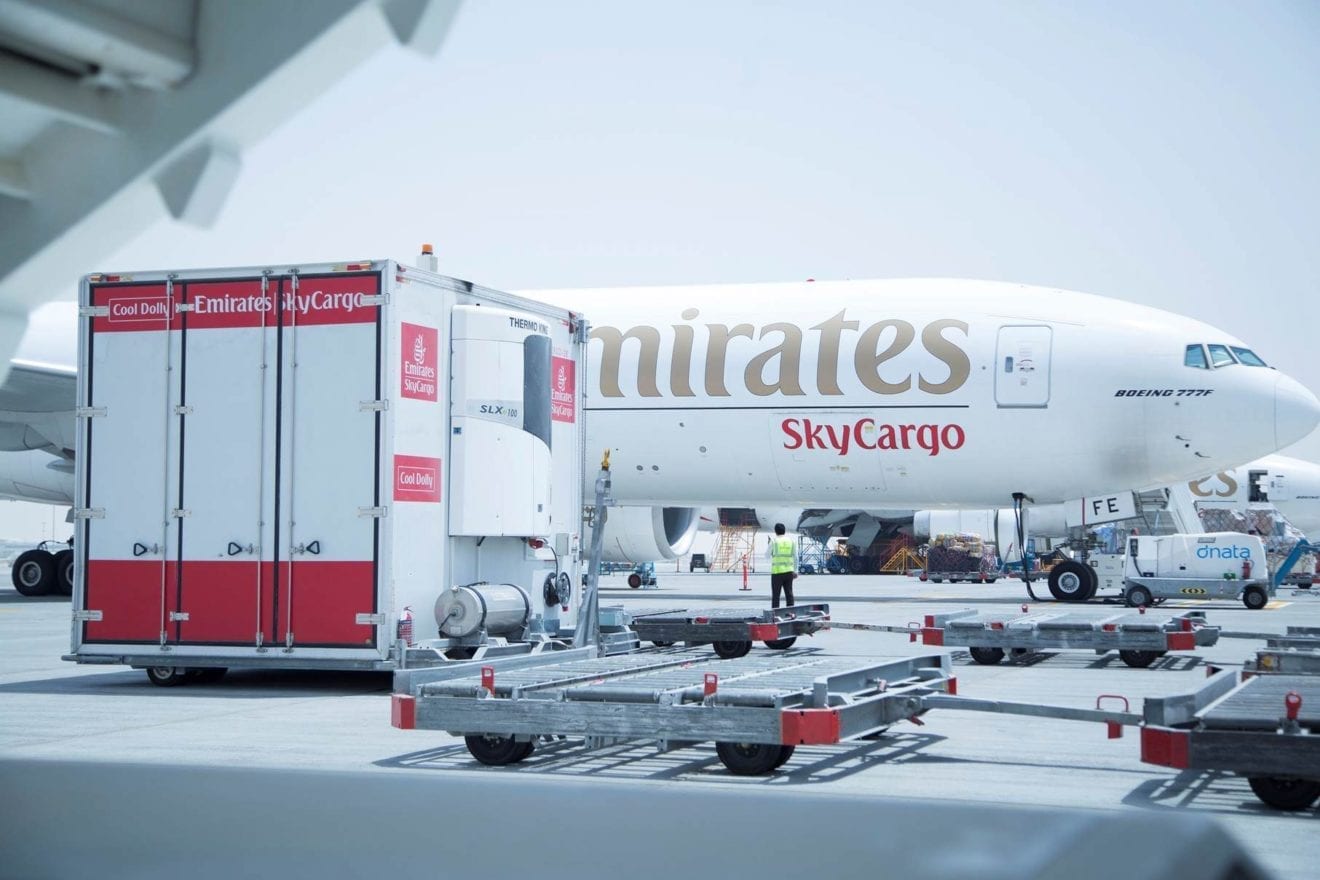
    Deputy Prime Minister Vuong Dinh Hue has agreed with the Ministry of Finance’s proposal to exempt tax on imported goods of Emirates Airline.

    Hue assigned the Ministry of Finance to implement the proposal and has instructed the customs forces to supervise and closely control the import and use of duty-free goods of the airline to ensure that they are used for right purposes and in line with the law.

    Under the direction of the Deputy PM, the import and use of duty-free goods by Emirates must be for the right purposes as described in Article 6 of the Agreement on Air Transport, signed between the Governments of Vietnam and the United Arab Emirates.

    It is the fifth airline to receive exemption from import tax. Previously, the Deputy PM had agree to exempt the tax for imported goods of Hong Kong Dragon, Cathay Pacific Airways, Federal Express Corporation and Japan Airlines.

  • New Zealand Consumer spending finished stronger in 2017

    New Zealand Consumer spending finished stronger in 2017

    Consumer spending growth accelerated to five per cent year-on-year in the three months to the end of December last year, with retail trade picking up momentum over the holidays, new National Australia Bank data has revealed.

    Up from three per cent growth y/y in the third quarter, NAB’s latest quarterly customer spending report, which measures around 2.7 million daily transactions through the bank’s facilities, has tracked spending increases across the entirety of metro and regional Australia.

    Retail trade increased 3.4 per cent y/y in Q417, up from 2.4 per cent in the third quarter, while accommodation and food services spending was 10.4 per cent, up 3 per cent.

    The Northern Territory was the strongest growth state for retail trade, up six per cent, offsetting a 0.6 per cent decline in Western Australia.

    Retail trade spending growth was 4.7 per cent in Victoria and 3.3 per cent in NSW. Across the entire economy Victoria was the strongest performer, while NSW and NT lagged.

    Average monthly customer spending during the quarter was up $166 to $2306 in metro areas and up by $104 to $2089 in regional areas.

  • Eash Sundaram of JetBlue top choice for AirAsia India CEO

    Eash Sundaram of JetBlue top choice for AirAsia India CEO

    Eash Sundaram, chief technology officer of American airline JetBlue , has emerged a s a top contender for the corner room at at AirAsia India. Amar Abrol resigned on Wednesday as chief executive officer (CE0) of AirAsia India, a joint venture between the Tata’s and Malaysia’s AirAsia. Sundaram’s association with the Tata group is not new. He has closely worked with Tata Consultancy Services (TCS) on JetBlue’s digital initiatives earlier. A source said the Tata group was keen on hiring Sundaram for his international aviation experience at a time when AirAsia India was planning to fly abroad within a few months. “Sundaram’s hardcore aviation background is unlike that of the previous two CEOs (Abrol and Mittu Chandilya), the source added.

    The appointment of the new CEO has to be vetted by the boards of AirAsia India as well as Tata Sons. Tatas hold a majority stake in the airline.While the official reason given for Abrol’s resignation was his wish to spend more time with family in Malaysia, sources suggest that the Tata group had reservations over his way of functioning.

    “Tatas were not happy because the airline was losing money despite being a low-cost carrier,” said a person aware of the development. According to the Article of Association, Tata Sons has the right to appoint CEO of the company. So far, both CEOs of the airline were appointed by Tony Fernandes, group head of AirAsia. If Sundaram is appointed, it would indicate Tatas’ growing involvement with the operation of AirAsia India.

    Tata Sons and AirAsia India refused to comment on specific queries regarding reasons for Abrol’s resignation or any detail about his successor. While the airline managed to increase its fleet size and launch new routes, it could not break even. During inception of the airline, Fernandes had said the airline would break even in 12 months. According to numbers of 2016-17, the airline clocked a loss Rs 1.4 billion. It earned Rs 2.90 from flying one seat for one kilometer, against IndiGo’s Rs 3.40.

    Problems aggravated middle of last year after five senior executives raised objections regarding Abrol’s way of functioning. I R Srinivas (head of human resources) Navdeep Lamba (head of security), Vidhu Nair (head of ancillary and cargo), Nantha Kumar (head of engineering), and G Sampath (director of engineering) ultimately resigned but not before ensuring an enquiry into the matter. Abrol was backed by the AirAsia promoter Fernandes. Abrol, in his previous role, was CEO of Tune Money — a Fernandes-owned financial services company.

    Due to the growing tension, Tatas refused to invest money in the form of equity if things did not change. According to regulatory filings, the promoters invested Rs 1 billion only in March, 18 months after the last round of funding. In this period, Tata Sons invested more than Rs 6 billion in its other airline venture Vistara. In the past too, there have been differences among the AirAsia India board members over the choice of senior level executives, a former official said.

    Exchange of emails shows that in 2015, Bharat Vasani, then chief legal counsel of Tata Sons and a former director at the AirAsia India board, raised objections to the selection of at least two senior executives. The objection was on the ground that executives were being hired without sufficient corporate experience. “Tatas will now put a man with sufficient global experience in aviation to handle things at AirAsia. Hope things turn around,” another source said.

  • Cebu Pacific eyes 22 million passengers in 2018

    Cebu Pacific eyes 22 million passengers in 2018

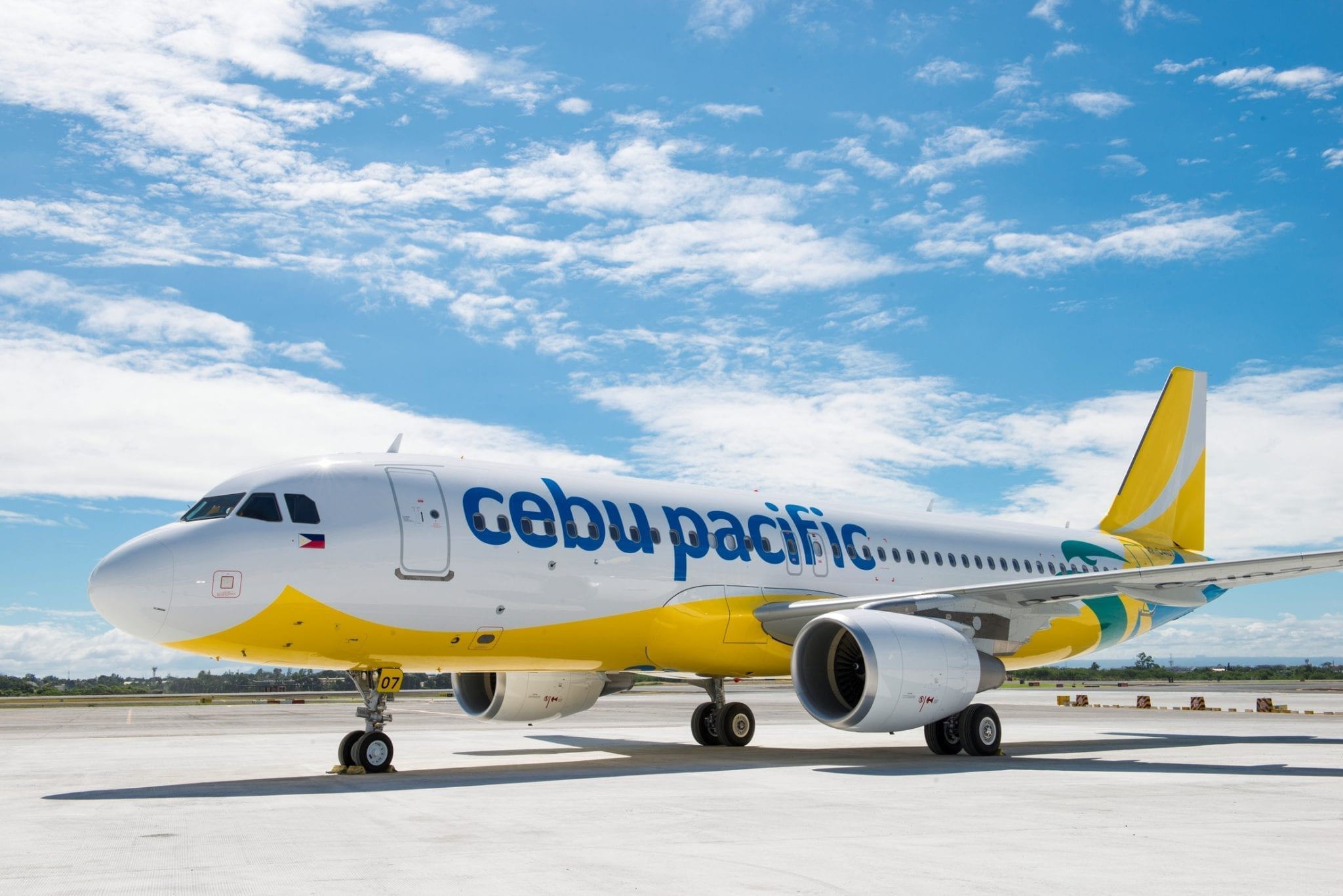
    Gokongwei-led Cebu Pacific set a high target for passengers this year despite the 6-month closure of Boracay, one of the country’s top tourist draws.

    “Cebu Pacific aims to fly 22 million passengers in 2018, aligned with the increase in domestic and international inbound tourists. The target is 12% over the actual number of passengers flown in 2017,” the airline said in a statement on Thursday, April 26.

    “The target takes into account the Boracay closure which we hope will be offset by redeployment of capacity to other domestic routes, additional frequency for Dubai for their summer travel season, our Batanes route, and the start of our Melbourne route,” Cebu Pacific corporate communications director Charo Logarta-Lagamon told Rappler in a text message on the same day.

    Earlier this month, Cebu Pacific announced it would cancel majority of its flights to and from Boracay due to the closure of the island, which began also on Thursday. The airline said it would maintain only 6 flights to and from Boracay for residents.

    For full-year 2017, Cebu Pacific flew 19.7 million passengers, up 3% year-on-year.

    The airline noted that “growth in domestic travel was relatively flat,” but this was offset by the “number of international passengers expanding by almost 8% in 2017, with strong performance in key markets like Sydney, Dubai, Hong Kong, Narita, Taipei, and Incheon.”

    Cebu Pacific reported a net income of P7.9 billion in 2017, with passenger revenues up 7% and ancillary revenues – including baggage allowance, seat selection, and pre-ordered meals – up 15% year-on-year.

    This came as fuel costs were 20% higher in 2017, while the average fare was up 4%, according to the airline.

    Cebu Pacific also said it was expecting delivery of another 3 new Airbus A321ceos (current engine option) in the coming days to add to its current fleet of 62 aircraft.

    The carrier has invested $4.9 billion for a total of 7 Airbus A321ceos and 32 Airbus A321neos (new engine option), with deliveries starting this year until 2022

  • No baggage theft by staff of Cebu Pacific

    No baggage theft by staff of Cebu Pacific

    Budget airline Cebu Pacific has cleared its staff of any wrongdoing in the alleged pilferage incident on its 5J 113 flight.

    Airline authorities conducted its own investigation on the matter and ruled that its staff could not be held liable for negligence or any criminal activities over the reported lost valuables of a female passenger.

    In a statement issued on Tuesday, Cebu Pacific said the package of the woman who flew from Hong Kong to Manila last Sunday was not tampered with while it was with the said airline.

    “After a thorough investigation, which included inquiries with the ground staff, viewing body cam and fixed CCTV footage, we found that there were no discrepancies nor indications of tampering in the baggage of the concerned passenger under the care and custody of Cebu Pacific,” the company said.

    All of the reports and footage would be submitted to the Manila International Airport Authority, Cebu Pacific said.

    Last Sunday, a video of a woman complaining after seeing her package opened and valuable items lost at the baggage carousel went viral on Facebook.

    According to a previous statement from Cebu Pacific, the female passenger flew with a different airline from London en route to Hong Kong, before boarding their plane to Manila.

    “CCTV security footage showed that the baggage container arrived (in) Manila intact, with the passenger’s baggage inside,” the company said.  “CCTV footage further showed ground personnel loading the baggage on the carousel with the lock still in place.”

  • 7-Eleven fights back with new format stores

    7-Eleven fights back with new format stores

    Convenience chain 7-Eleven is investing in innovation to ensure its network of franchised and corporate stores stays ahead of the game, according to its CEO Angus McKay. Describing the retail landscape as “brutal”, McKay said agility is an essential element of today’s retail scene.

    “We’re investing in becoming better retailers,” he told.

    “We want people to have a business that’s healthy and makes money.

    “You have to be patient and really be on your game and know what the customer wants, and be prepared for them to change their minds.”

    A try and fail attitude is now central to the brand’s development, said McKay.

    Actions include turbo-charging the food on the go offer, doubling its coffee output to an average 500 cups a day per store under the Coffee 500 project banner, adding daily fresh bakery items, introducing a parcels locker service, trialling digital payment options and providing a fuel value proposition.

    This equates to giving customers choice with a range of fuels, quick access to pumps with a well-maintained forecourt, the fuel app to lock in low prices when they are available,being able to redeem the savings offer, and the ability to grab a coffee or meal on the go.

    “We have a huge opportunity to lift our fuel game,” McKay said.

    “Our vision comes back to what makes life easier for customers and easier for store operators,” reiterates McKay.

    A different retail experience

    According to McKay, consumers today want a different retail experience from the traditional convenience purchase.

    With 32.1 per cent market share on the eastern seaboard, up 2.1 per cent from 2017, 7-Eleven claims to be the fastest growing convenience store chain in Australia.

    Fuel retail has accounted for more market share, up 8.5 per cent, with like for like year to date up 2.3 per cent.

    Merchandise has risen 10 per cent with like for like sales up 5 per cent.

    Strong customer growth has seen transactions rise by 5 per cent.

    But there are challenges ahead. McKay pointed out the categories likely to cause the chain some future challenges: tobacco, sugar and fuel.

    “We need to be faster and thinking further ahead. As much as I value confectionery in stores it’s not now all the customer wants. Whether it’s healthy or a treat you have to offer a range.

    “It isn’t about price. We need to offer good value and good service.”

    New compact store model

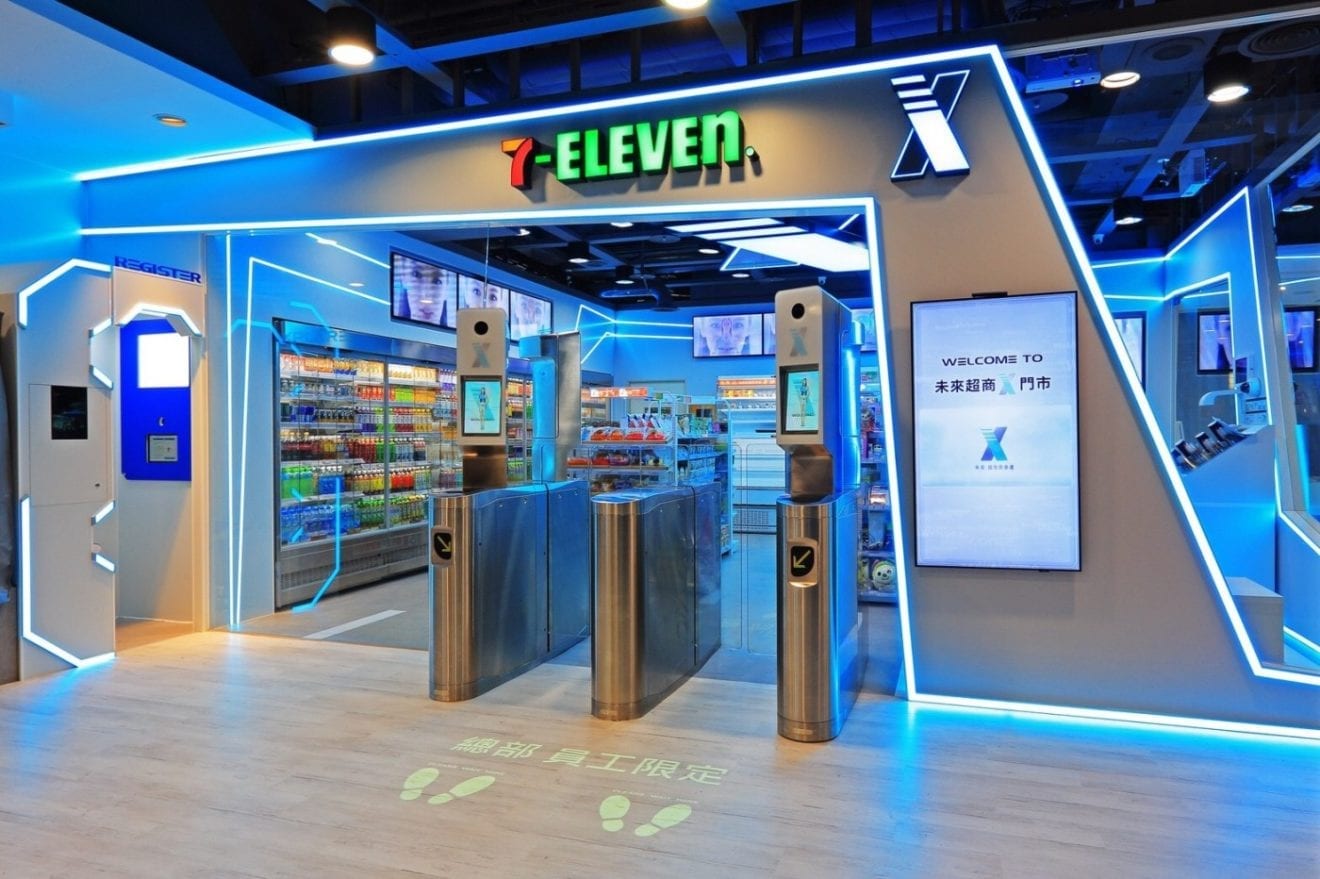
    In stark contrast to the white, bright decor of a traditional 7-Eleven store, a new-look fit-out is being rolled-out with a much darker hue for a more upmarket feel and, according to general manager retail operations, Braedon Lord.

    “It’s about the customer sensory experience,” said Lord. Typical sites to be refurbished will include those non-fuel outlets in high transit areas such as universities and transport hubs.

    The convenience chain aims to provide the value for money options that today’s customers are seeking and to infill these smaller footprint stores in areas not serviced by 7-Eleven.

    There are now eight of these refurbished stores and the plan is to transform all similar outlets by the end of the fiscal year 2019. The chain expects to have about 110 CBD style outlets.

    The traditional offer in larger stores will remain, perhaps with the space-greedy parcel locker service adding income opportunities. A nearby small 7-Eleven outlet will take on the new mantle and offer a pared-down merchandise selection of 900 SKUs rather than the traditional 1600 SKUs.

    Network expansion

    Lord says the transformation has been successful, with stores picking up an extra 300 shoppers from their base of 700 customers.

    The transformed stores have reinvigorated franchisees he adds and the cost of refurbishment has been covered by the franchisor.

    Across the network there are about 90 corporate stores. “We want every one of our stores to be profitable. There’s nothing that we do not share from corporate stores to franchisees , to make lives easier and more profitable.”

    There are 42 new stores opening bringing the total Australian 7-Eleven network to 685 outlets by June 2018.

    The business is moving further into regions and into Western Australia, which McKay admits will be a test of the company’s supply chain.

    McKay highlighted the innovations the chain has invested in now but added a call-out to suppliers for more fresh ideas.
  • Tory Burch opens Hong Kong boutique for Elements

    Tory Burch opens Hong Kong boutique for Elements

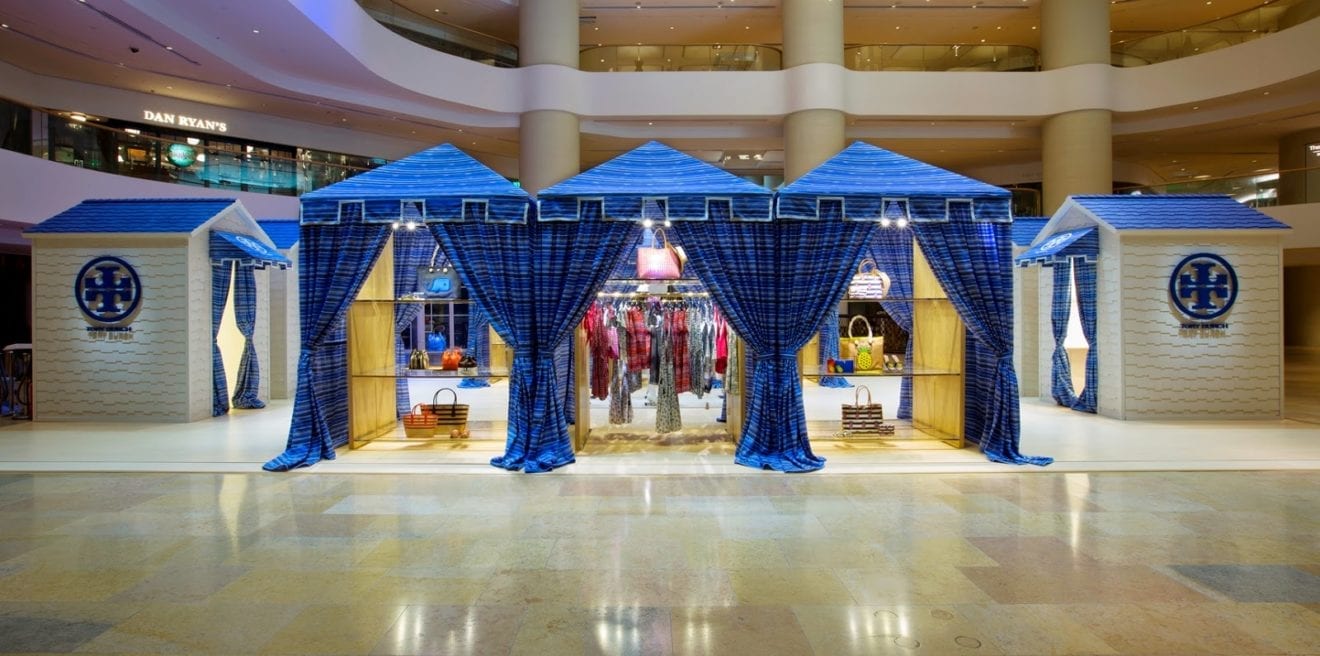
    Tory Burch Hong Kong has opened a boutique at Elements in Kowloon, its eighth retail outlet in the colony.

    Its facade features orange lacquer doors, a signature detail of the US fashion designer, and large windows. The interior has travertine floors in a basketweave pattern, oak panel walls and brass etageres.

    An eclectic mix of furnishings adds colour and texture throughout the store, from lotus lamps and banquettes with a floral covering inspired by Burch’s home in the West Indies, to leopard rugs and mocha-striped drapes.

    The boutique will carry Tory Burch ready-to-wear clothing, handbags, shoes, eyewear, watches, accessories and fragrance.

  • Changi International Airport expands retail offer

    Changi International Airport expands retail offer

    Changi International Airport has broadened its range of retailers and restaurants, including new brands.

    In the transit areas, I Love Taimei has opened its first shop in Terminal 1, offering Taiwanese snacks and drinks, while luxury retailer Ted Baker has opened its first Changi outlet in Terminal 2 (T2) offering apparel, footwear and accessories.

    At the transit areas in terminal 3, Harry’s Bar & Dining has opened its second Changi outlet with Western and Asian food options, while Tip Top, which offers traditional curry puffs, and doughnut brand Krispy Kreme have both opened second outlets.

    Also in T3, Maison Christian Dior has launched its first Asia-Pacific boutique, offering fragrances and soaps, while British retailer WH Smith has added two outlets, taking its presence to 10 stores.

    In the public areas, self-service mini-karaoke/kiosk concept M-Bar has launched four booths in T3’s basement 2. Next to it, Boarding Gate has opened its first Changi Airport store, carrying travel goods.

    In T2, American Tourister has opened at the departure check-in hall with its luggage options.

  • Indonesia’s Matahari buoyed by closing down of losses

    Indonesia’s Matahari buoyed by closing down of losses

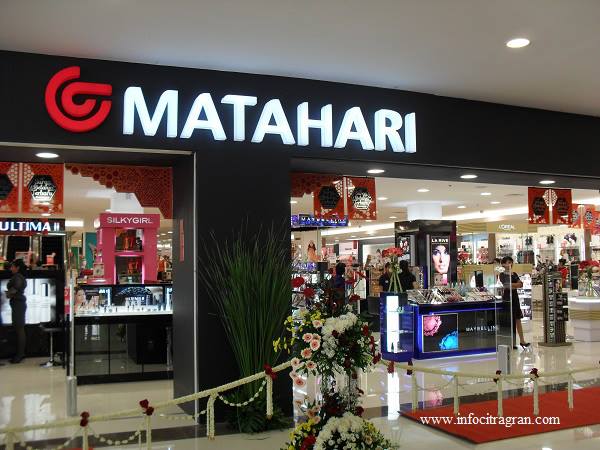
    New leadership taking over the helm of troubled Indonesian hypermarket retailer Matahari Putra Prima (MPPA) have been presented with an improved set of trading figures.

    While sales were down in the first quarter of the new fiscal year, so were expenses, leading to a slight narrowing of the company’s losses.

    Net sales of Rp2.9 trillion (US$208 million) were lower than at the same time last year, despite a 3.9 per cent increase in the number of customer transactions.

    The company said that reflected a lower-price strategy and signals “positive traction and improved engagement with our customers”.

    “The company will continue to put forward customer-centricity as its focus in driving its business,” it said in a statement.

    Efficiency measures put in-place last year saw general and administrative expenses fall 28.4 per cent, resulting in a net loss of Rp159.8 billion ($11.47 million) for the quarter, a marginal improvement on the Rp176.7 billion ($12.68) loss of the first quarter last year.

    Early last month, MPPA reported a loss of US$86.8 million, and just days later named new people in the roles of CEO and president, along with announcing plans to raise IDR800 billion (US$58 million) in fresh capital.

    This week, the company says it remains “optimistic” for this trading year.

    “The upcoming Lebaran season as well as the major events happening in the second half of the year, including the nationwide regional election, Asian Games and the World Cup will be one of the catalysts that drives demand growth for the retail business in Indonesia,” MPPA said in a statement.

  • AEON Shares Double Happiness at 18th Money Expo Bangkok

    AEON Shares Double Happiness at 18th Money Expo Bangkok

    AEON Thana Sinsap (Thailand) Public Company Limited is preparing to offer a variety of promotions at the 18th Money Expo Bangkok. AEON will be on hand to provide products and information on a variety of financial services, including Personal Loans; Your Cash; AEON Auto Loan; Cash Advance, AEON member applications and the special promotion with Honda motorcycle installment plans, with 0.89% interest rate for 48 months or a gold installment loan with 0% interest rate for 6 months. In addition, AEON shares double happiness to customers who spend according to the conditions. 1st Happiness is a chance for instant win, round trip Thai Airways ticket from Bangkok to Japan for 2 persons or a 1 Baht/15.16 grams gold necklace valued 20,020 THB, 2nd Happiness is Big C gift vouchers, Harry Handed doll pillow, Valentino Rudy summer bags and much more.

    There will also be performances from famous singers on all three days, led by Khun Tom Room 39,Khun Ice Saranyu and Khun Kong Saharat joining the promotion-packed at 18th Money Expo Bangkok from May 10-13 at Impact Muang Thong Thani, 2-3 Challenger Hall.

  • AirAsia takes flight with AFF Suzuki Cup 2018 as official supporter

    AirAsia takes flight with AFF Suzuki Cup 2018 as official supporter

    AirAsia has partnered with AFF Suzuki Cup 2018 to become the official supporter of the football competition for the first time. Its sponsorship comes at a time when the tournament will undergo changes to its format, in a bid to drive greater fan engagement and offer players with more exposure in their home countries.

    Among the list of sponsors and supporters include title sponsor Suzuki, official sponsors Men’s Biore and Yanmar, as well as regional supporter Grand Sport. According to AirAsia’s group CEO Tony Fernandes, football is the people’s game and AirAsia is the people’s airline. “We look forward to supporting the sport in ASEAN in a meaningful way and hope one day soon, we will have an ASEAN club championship to raise the game here further,” Fernandes said.

    His Royal Highness Sultan Haji Ahmad Shah, president of the ASEAN Football Federation, said With AirAsia’s support, it is confident that this year’s AFF Suzuki Cup will be one of the “most successful” and engaging for fans across the region.

    “We are proud to partner such a strong and established brand like AirAsia whose reputation as an innovative, value-driven, and high-performing carrier dovetails with Southeast Asia’s crown jewel football tournament,” he added. A+M has reached out to AirAsia for additional details.

    This comes after the ASEAN Football Federation recently unveiled a new visual identity for the competition, which contains four colour schemes – magenta (depicting passion and energy), cyan (represents a fresh beginning), green (the vibrancy of a football pitch) as well as blue (topography of the region). AFF’s long-term commercial partner, Lagardère Sports, managed the overall process of creating the new tournament visuals.

  • AirAsia India CEO steps down

    AirAsia India CEO steps down

    AirAsia India Managing Director and Chief Executive Officer (CEO) Amar Abrol is stepping down after being in his current job for almost two years, and will move back to Malaysia to be based at the group’s head office.

    Abrol “had expressed his desire to return to Malaysia to be closer to his family. The Board of AirAsia India would like to thank him for his contributions and will work closely with him to ensure a smooth transition,” AirAsia India said in a statement.

    Before joining as the CEO of AirAsia India, a joint-venture between AirAsia Bhd and India’s Tata Sons conglomerate, Abrol was the CEO of financial products start-up Tune Money.

    He had replaced Mittu Chandilya, who was handpicked by Air Asia Group chief Tan Sri Tony Fernandes in 2013 to head AirAsia India.

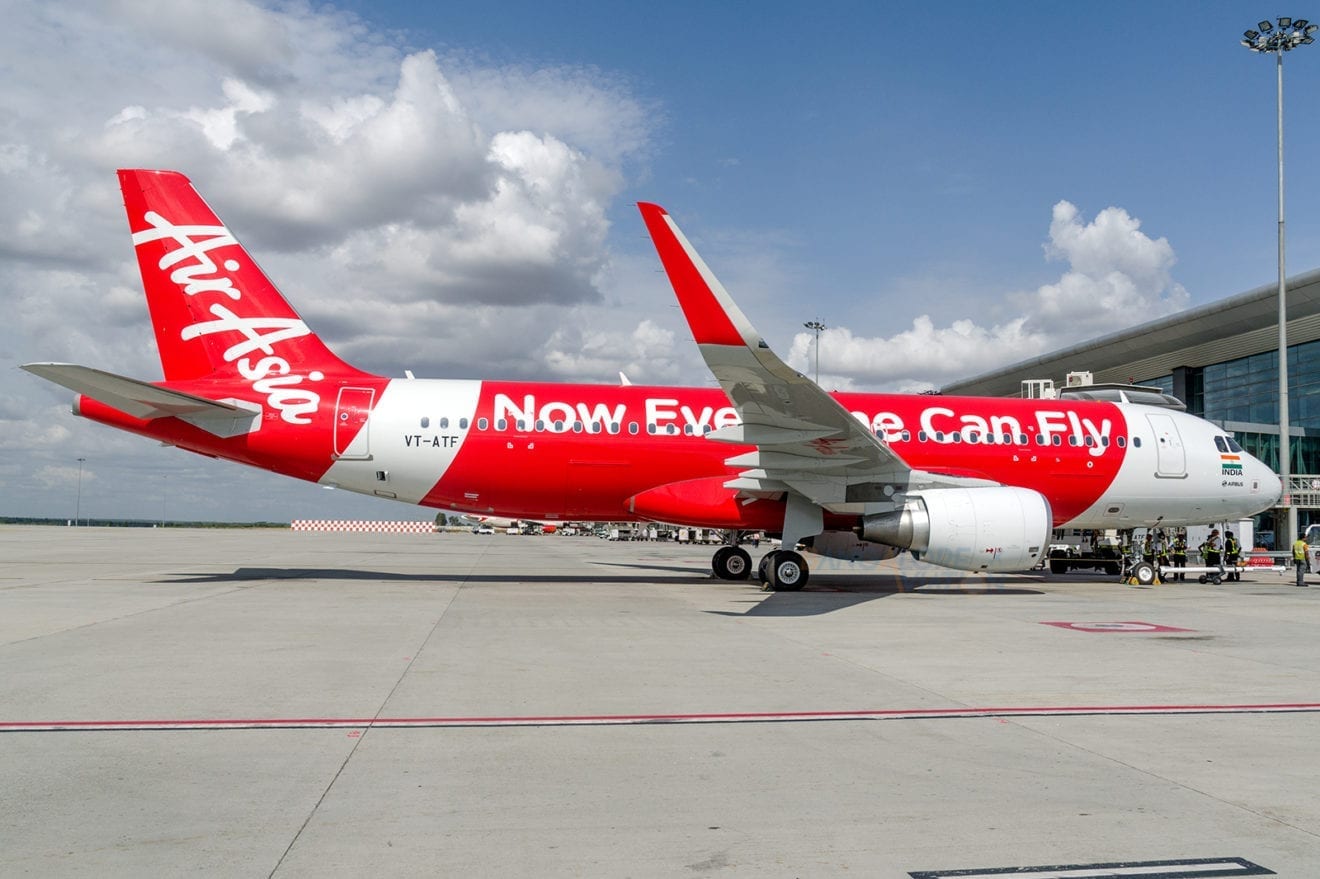
    AirAsia India, which started operations in mid-2014, has a fleet of 18 aircraft and serves 19 destinations in India.

    The airline carried more than 1.46 million passengers between January and March this year and recorded a load factor or 83 per cent.

    The budget carrier competes with IndiGo, SpiceJet and GoAir in India’s growing air travel market.

  • Vietjet further expands with new routes to Taiwan and South Korea

    Vietjet further expands with new routes to Taiwan and South Korea

    Vietjet continues its Asian expansion program with the launch of two new international routes: Hanoi – Taichung (Taiwan) and Danang – Daegu (South Korea). Tickets have started selling for the two routes which will meet the traveling demand of both locals and tourists and contribute to regional trade and integration promotion.

    The Hanoi – Taichung route will be operated with 5 return flights per week on every Monday, Wednesday, Friday, Saturday and Sundayfrom June 22, 2018 with around two and a half hours flight time per leg. The flight departs from Hanoi at 13:00 and arrive in Taichung at 16:30 (local time). The return flight takes off at 17:30 (local time) in Taichung and lands in Hanoi at 19:20.

    The Danang – Daegu route will be operated on a daily basis from July 19, 2018 with around four and a quarter hour flight time per leg. The flight will depart from Danang at 00:15 and arrive in Daegu at 06:30 (local time). The return flight will take off at Daegu at 07:30 (local time) and lands in Danang at 10:00 every day.

    With 6 routes serving Taiwan including HCMC – Taipei; Hanoi – Taipei; HCMC – Kaohsiung; Hanoi – Kaohsiung; HCMC – Tainan; HCMC – Taichung, Vietjet is the airline flying the most Taiwanese destinations from Vietnam.

    Daegu is the fourth largest city of South Korea, after Seoul, Busan and Incheon. With a convenient and diversified transportation system, Daegu is connected with many major cities of South Korea. Palgongsan Mountain, Cosmos Land or many famous parks including Apsan Park, Woobang Tower, Daegu Arboretum, Mangwoo Park, Gyeongsan-gamyeong and Gukchaebosang Memorial Park are the most favourite tourist attractions in Daegu.

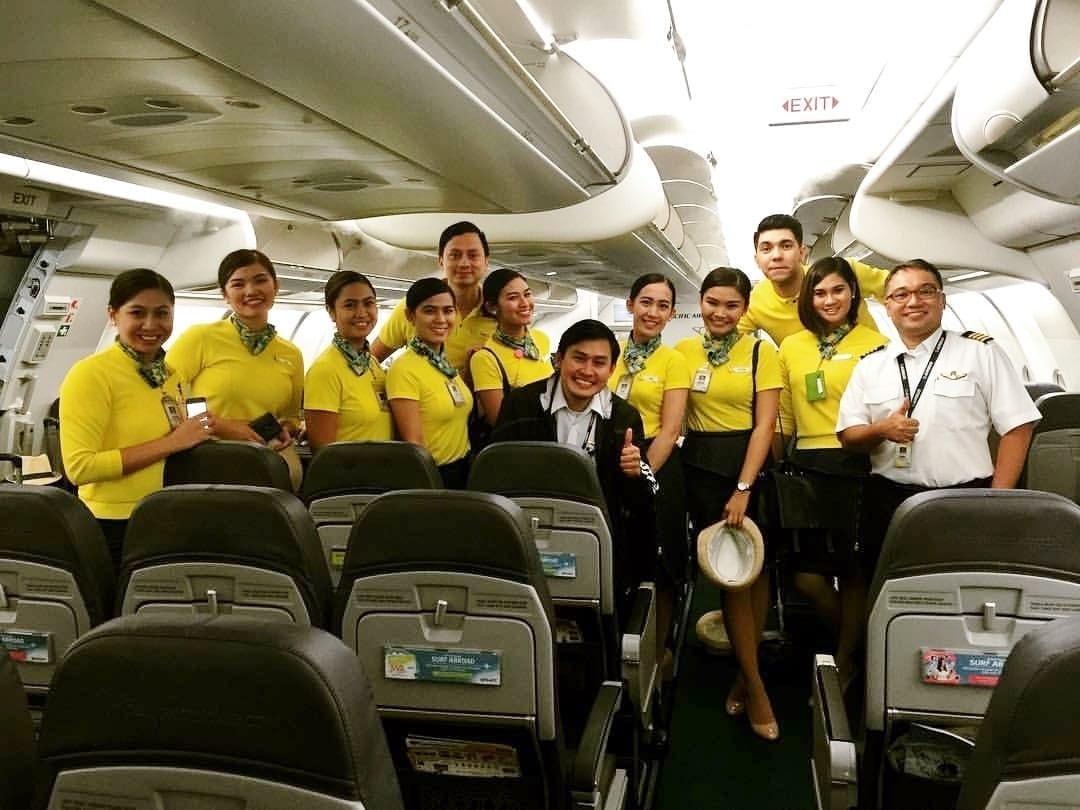
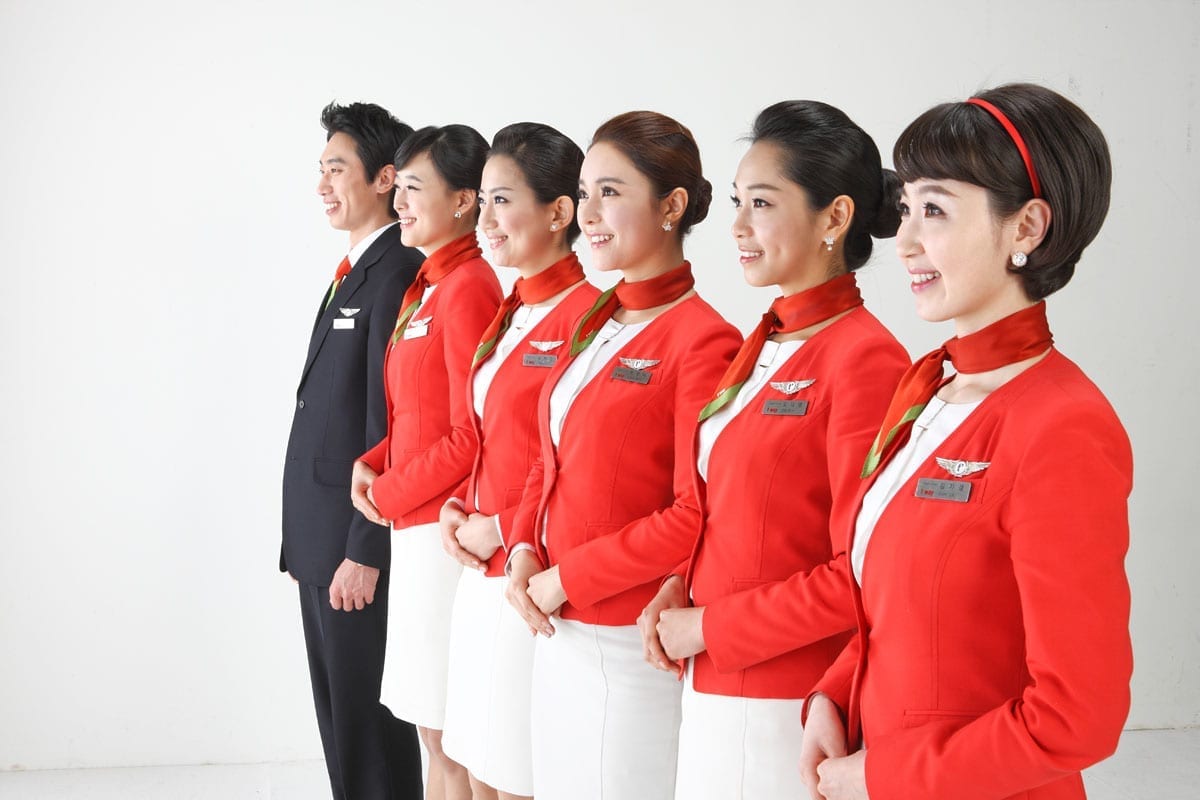
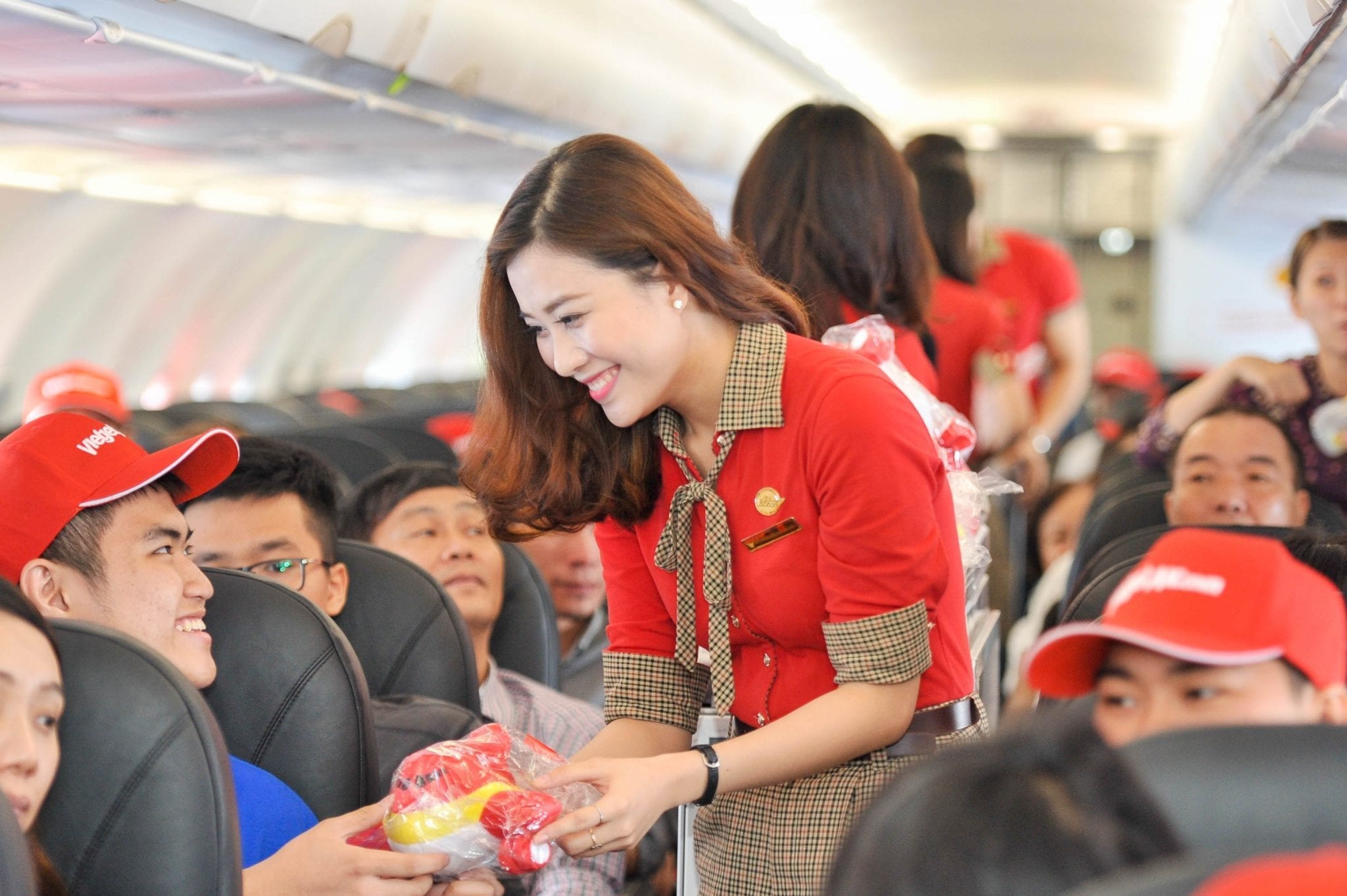
    Aiming to be a “Consumer Airline”, Vietjet is continually opening new routes, adding more aircraft, investing in modern technology and offering more added-on products and services to serve all demands of customers. Vietjet is a pioneering airline that is loved by many for its exciting promotional and entertainment programs, especially during the festive season. With high-quality services, diverse ticket classes and special low-fare tickets, Vietjet offers its passengers flying experiences on new aircraft with comfy seats, delicious hot meals, beautiful and friendly cabin crews, and other interesting added-on services.

  • New lighter AirAsia seats to help save the environment

    New lighter AirAsia seats to help save the environment

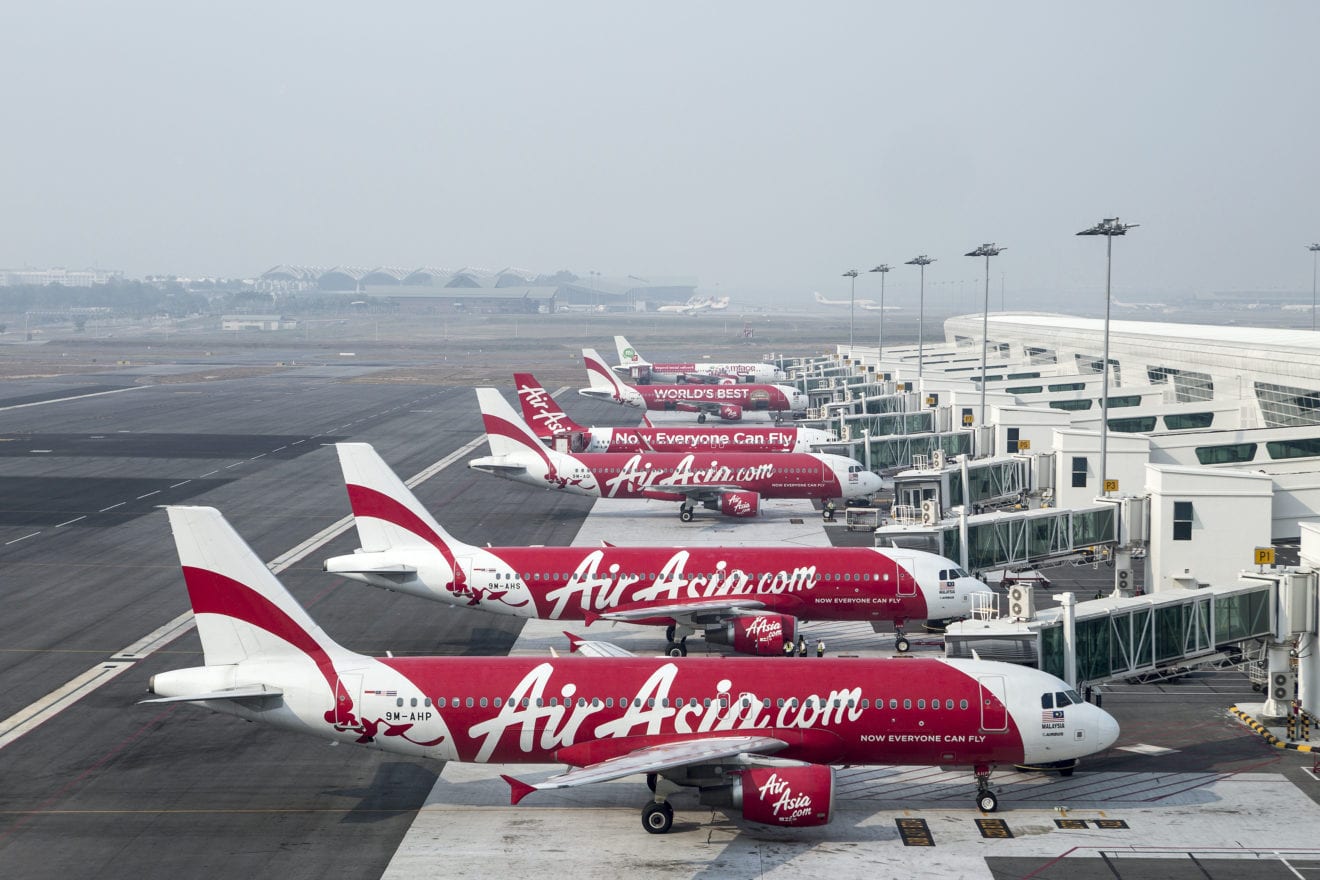
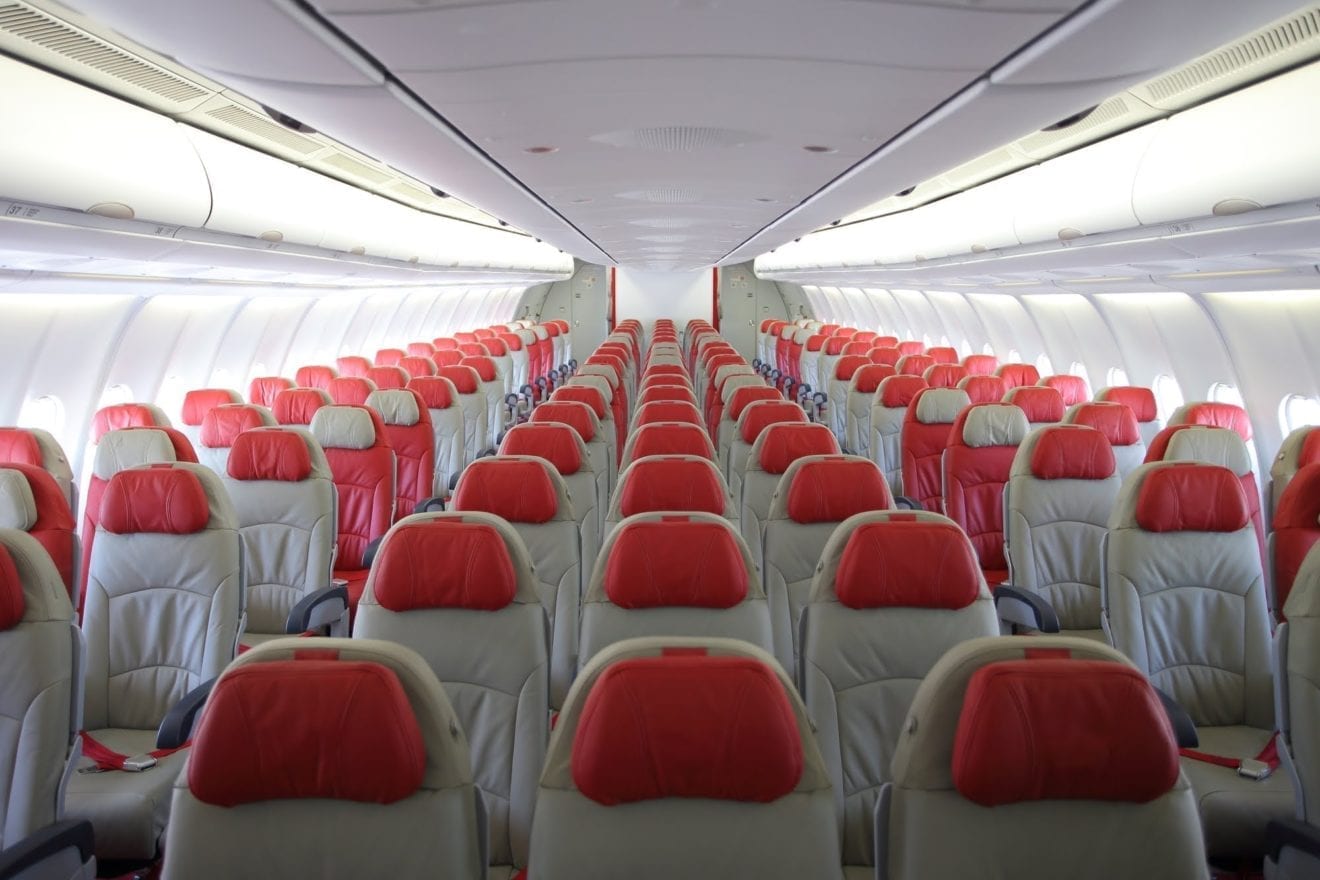
    Flying on AirAsia is getting greener with the introduction of its new Formula One-inspired seats. AirAsia is the first carrier to use the Mirus Hawk seats, which will be installed in existing Airbus A320 aircraft and incoming A320neo aircraft.

    The Economy Class seat is lighter and is expected to help AirAsia reduce fuel consumption by more than 70,000 litres and lower carbon dioxide emissions by 200 tonnes per aircraft per year.

    Environmental factors were taken into consideration for the design, according to AirAsia Group chief executive officer and AirAsia X co-group chief executive Tan Sri Tony Fernandes.

    “Not only is this premium seat more comfortable and boasts more legroom but it also weighs less, which is good for our guests, our bottom line and the environment as well,” he said.

    The new seat comes in the wake of Etihad Airways’ recent announcement of eliminating around 195,000 tonnes of carbon dioxide emissions last year, thanks to a wide range of fuel-saving initiatives across its network.

    Following a number of improvements aimed at enhancing operational efficiencies, Etihad Airways was able to reduce the amount of fuel consumed by its aircraft by over 62,000 tonnes of fuel.

    AirAsia’s new seat is made from carbon fibre, aluminium and genuine leather upholstery. It is ergonomically optimised for comfort, passenger living space and style.

    Along with the announcement of the new seat, Tony added that more innovations are on the way to cater to passengers. These include a personal electronic device holder and high power 2A USB port to charge devices.

    All Hawk seats are assembled in Norfolk, Britain and draw on Formula One engineering expertise.