Category: General

Retail News Asia is committed to providing both local and global retailers with the latest General Retail news throughout the Asian market. This on a daily base.

  • Hong Kong retail rents about to rise again

    Hong Kong retail rents about to rise again

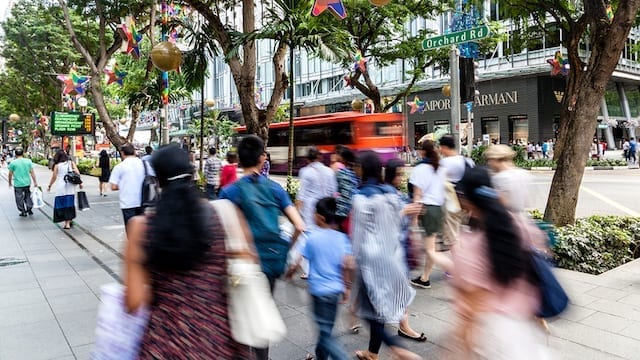
    Hong Kong retail rents will recover more quickly in Kowloon than on Hong Kong Island according to projections by Colliers analyst Melanie Kotschenreuther.

    Kotschenreuther predicts high-street Kowloon retail rents will rise 5 per cent in Mong Kok this year and 3 per cent in Tsim Sha Tsui, while across the harbour, high-street rents will rise by 2 per cent in both Causeway Bay and Central.

    “Rising retail sales and robust demand for prime locations should contribute to a slight recovery of overall high-street rents this year,” she writes in Collier’s First Quarter Hong Kong Retail analysis.

    “Second- and third-tier high-streets will likely remain under pressure in the first half year.” Next year, however, Colliers expects overall high-street rents to rise by 3 to 5 per cent.

    Kotschenreuther says the decline in high-street retail rents in major districts continued to slow, with average rents edging down 0.3 per cent quarter-on-quarter in the first three months of this year.

    “While some first-tier high-street retail rents, except in Central, have started to regain momentum due to robust demand for prime spots, rents outside first-tier high-streets in popular shopping areas have remained soft. Mong Kok, led by further rental improvements on first-tier Sai Yeung Choi Street South, could continue its positive direction, with overall high-street rents growing 0.9 per cent quarter-on-quarter. In contrast, overall high-street retail rents in Central dropped by another 1.4 per cent quarter-on-quarter in the first three months of this year as rental adjustments, particularly on second and third-tier high streets, continue.”

    She says one of the reasons for this is the large size shop configurations common within the area.

    Malls recovering

    Territory-wide, improved market conditions and rapidly recovering retail sales (up by 15.7 per cent during the first two months of this year) combined with proactive strategies by shopping centre owners will help drive further improvements in mall rents in the year ahead.

    “Malls are being transformed into lifestyle hubs, driven by new demand for excitement. We expect continuing tenant-mix refreshments and extended new dining experiences, paired with a comprehensive entertainment program. Mall operators are stepping up digital customer engagement and launching mobile apps to attract new visitors.”

    She says the financial results of operators of prime malls in major retail districts show a positive development of their tenant sales last year. Wharf’s flagship mall Harbour City in Tsim Sha Tsui and Champion’s Langham Place Mall located in Mong Kok announced year-on-year growth of 9.1 percent and 5.3 per cent, respectively – above Hong Kong’s overall retail sales growth last year of 2.2 per cent.

    “The upturn has extended into this year, with shopping malls enjoying a positive start into the Year of the Dog. Sun Hung Kai Properties announced that foot traffic in 12 of its malls was up 13 per cent and retail sales jumped 16 per cent during the Lunar New Year.”

    She says the appetite for international affordable luxury and lifestyle brands, medicines and cosmetics and new F&B concepts is increasing, which will help strengthen rents.

    Meanwhile, Colliers predicts 1.41 million sqft (131,200sqm) of new retail space to come on stream in core retail districts this year and a further 339,700sqft (31,560sqm) next year, led by Victoria Dockside in Tsim Sha Tsui and H Code in Central this year and at 15 Middle Road in Tsim Sha Tsui next year.
  • AirAsia X starts new route to Amritsar

    AirAsia X starts new route to Amritsar

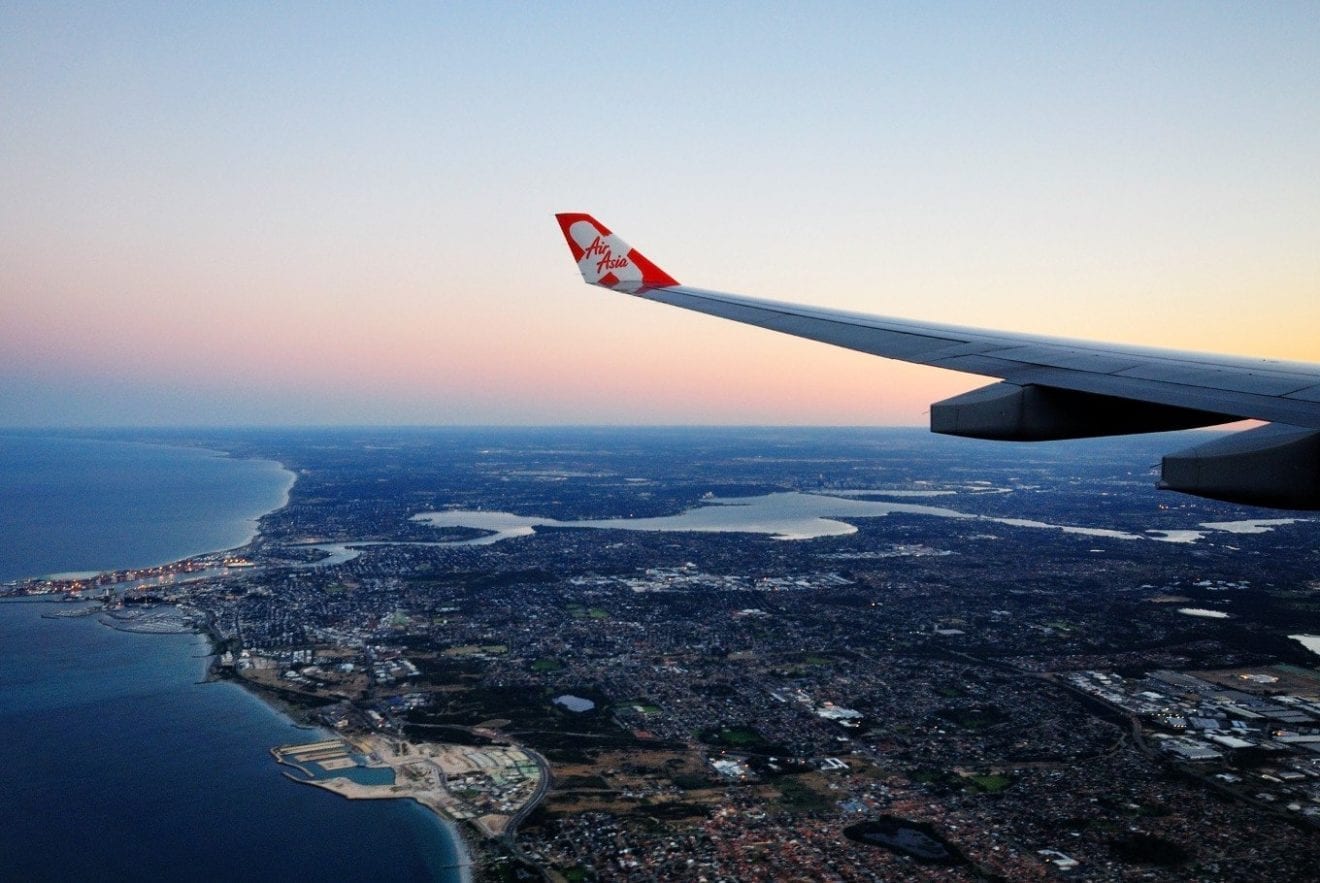
    AirAsia X has announced the opening of a new direct route from Kuala Lumpur to Amritsar as part of its expansion plan in India this year.

    Starting from Aug 16, 2018, the low-cost carrier will operate four weekly return services between Kuala Lumpur and Amritsar in northern India on Tuesday, Thursday, Saturday and Sunday.

    This route has the potential of an annual capacity of 156,832 seats between Kuala Lumpur and Amritsar.

    Amritsar is the third destination in India for AirAsia X and the 21st destination in India for AirAsia Group.

    “Many Sikhs and Punjabis have been asking us to fly direct to Amritsar, home to the world famous Golden Temple, and we are pleased to be able to offer this direct service to this holy city,” said AirAsia X chief executive officer Benyamin Ismail in a statement on Tuesday (May 1).

    He added that this new route offers them the possibility of expanding into Europe and North America.

    Punjab Minister of Tourism and Cultural Affairs Navjot Singh Sidhu said having AirAsia X flying directly to Amritsar is important to Punjabis all over the world, adding that it is a preferred destination not only for the Punjabi diaspora but also for many foreign tourists.

    “We welcome AirAsia X to Amritsar, and we are happy that Punjabi diaspora and foreign tourists from destinations within the wide network of AirAsia including Australia and New Zealand will be able to travel to Amritsar and Punjab,” he added.

    To mark the opening of the new route, AirAsia X is offering promotional all-in fares from as low as RM199 one-way for the economy seat, and RM699 one-way for Premium Flatbed seats from May 2 until May 13 for the travel period between Aug 16 and Oct 27.

  • Shiseido opens first IPSA TR counter outside Japan

    Shiseido opens first IPSA TR counter outside Japan

    Shiseido Travel Retail has opened a new travel retail counter for its IPSA skincare range at King Power International Group’s Rangnam Complex in downtown Bangkok.

    This is Shiseido’s first such installation for IPSA outside of Japan, and comes just four months after its inaugural store opening at Narita International airport.

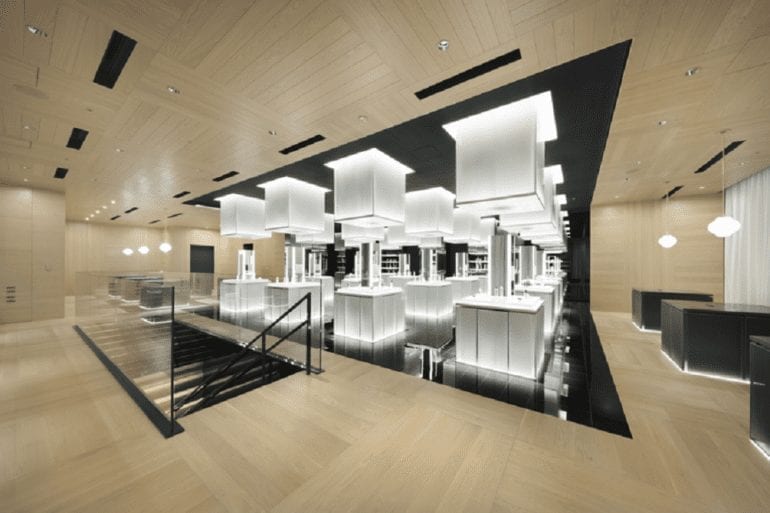
    Shiseido said that the counter has been designed with the concept of “Comfortable Living Space”, using the brand’s signature colours (beige, white and black) and materials such as decorative plastering finishes and sliced natural wood veneer.

    The installation also features a seven-metre curved back wall and a spacious consultation area.

    Whelan looking to “work closely” with Shiseido

    Of the new IPSA counter, Shiseido Travel Retail Asia Pacific general manager Kenji Calméjanesaid: “The brand, with its 30-year history, is already well established in Japan and China – but there is ample opportunity for growth and to open the brand’s first travel-retail counter outside of Japan is a fantastic achievement for the team.

    “IPSA has global appeal, particularly with millennials, thanks to its personalisation, minimalist packaging and simple, natural ethos on skincare and we have no doubt the brand’s momentum in the travel-retail market will continue.”

    King Power International Group senior executive vice president Susan Whelan added: “It is with much pleasure that we welcome IPSA onboard. As a brand that is fast gaining popularity with the Chinese, who form one of our biggest customer bases, we look forward to working closely with Shiseido Travel Retail to bring more quality experiences and products from IPSA to our travellers.”

  • Rodenstock to introduce new Porsche Design products

    Rodenstock to introduce new Porsche Design products

    Rodenstock, the German manufacturer of ophthalmic lenses and spectacles frames, will be introducing products from Porsche Design’s sunglasses range at this year’s TFWA Asia Pacific Exhibition & Conference in Singapore.

    The company has secured a licensing agreement to sell some of the top pieces from Porsche Design’s eyewear collections in travel-retail, as it looks to build its business in the Asia Pacific region.

    These include Porsche Design’s P-8479 model, a classic sunglasses design featuring an ultra-light titanium frame and high-quality shield lenses.

    Rodenstock will also be introducing several other brand new models from Porsche Design to the Asia Pacific travel-retail market for the first time including the Iconic Laser Cut P-8663 with a 100% titanium frame and cut-outs in the side areas of the middle section, an exclusive model from the 911 series. As with all models, the characteristic Porsche Design logo is engraved in the titanium temples by means of a special laser technique.

    Also being introduced is the Ti-Namic, which has the striking shape of titanium temples, reflecting the side air intakes of sports cars; made possible through a modern 3D pressing process.

    Finally, travel-retail buyers will get the chance to view a new Porsche Design limited special edition “40Y” of its P-8478 model, created for Porsche Design Eyeware’s 40th anniversary and featuring a gold-coloured nose bridge and four pairs of interchangeable lenses in blue gradient, brown, olive/silver mirrored and mercury/silver mirrored.

    Rodenstock Head of Travel Retail Petra Eckhardt-Koestler said: “We are absolutely thrilled to have become a member of TFWA and to be exhibiting at the TFWA Asia Pacific show for the first time this year.

    “It is a clear demonstration to our customers of our commitment to building our travel-retail presence both in this region and globally. We very much look forward to meeting our existing and new clients in Singapore.”

  • Unilever rides market shifts

    Unilever rides market shifts

    UNILEVER Thailand said it aims to boost people’s livelihoods while pursuing growth in the Thai market and reducing environmental impacts under a strategy it hails as 2022 Growing Together. Robert Candelino, head of Unilever Thailand, said that outlook for the consumer market in Thailand is tough.

    “I think the consumer market is desperate for new excitement and more energy I think there are so many changes happening that have never been before in history This includes in media, retail, consumer habits, buying preferences, demography and society – colliding all at once,” Candelino said

    “This is why it’s important to have a purpose at the core to go through this storm and to understand what you stand for in your values, the people you hire, the type of initiatives and what principally we want to do as a company”

    He said that the dynamic of the Thai economy is changing rapidly.

    “We (Unilever) as a business need to change continuously We have now lots of new and exciting channels – traditional retail shops, substantial big modern trade, online and social networks – to serve people and to improve the lives of Thais every day,” said Candelino

    He said that the biggest challenge today is probably the transformation of retail and that of consumer behaviour.

    “We’ve had a model that’s been there for 30-40 years You get in the car or get on the train, and then go to the store and buy your items, putting in the basket You pay for it, then you leave and go home That model served all of us well for decades and that model is now being challenged,” he said “It’s still there but it’s changing Convenient channels, proximity channels, mom and pop shops, they’re all becoming more and more relevant as part of people’s lives

    “All of these changes in retail and the behaviour of people mean that, as a consumer products company, our job is to meet people where they need and want us to be at the end of phone, at the end of a computer terminal, or a local shop or at the doorstep one hour after they ordered from us We need to be everywhere We understand this ecosystem, and people deserve to be more demanding That’s what happening and, as a consequence, everyone needs to change”

    He said that globally, Unilever has succeeded in integrating the principle of sustainable living into the company’s business practices since 2010.

    Unilever’s Sustainable Living brands deliver over 60 per cent of the company’s total growth, and grew more than 50 per cent faster than the rest of the business in 2016, Candelino said

    “These outcomes demonstrate that Unilever has become more competitive by integrating sustainability into our business,” he said “In Thailand, Unilever is ranked as the market leader in seven major product segments including laundry detergents, hair cleansing products, skin cleansing products, detergents, Jok rice porridge products, and ice cream and skin care.

    “We are proud of the fact that 99 per cent of 24.7 million households in Thailand make a purchase from Unilever’s product portfolio, with a repeat-buy rate of over 99 per cent, and that our consumers use our products three times a day”

    Candelino said that with the company’s high household penetration of its consumer products, it aims to expand the pie with the introduction of new benefits, new platforms, new businesses and new itemsSuch methods will help expanding the market universe, he said.

    To aid this effort, Unilever has implemented what it calls the 3Ps – for purpose, people and performance. Unilever aims to offer consumers improved well-being on a daily basis The Unilever Sustainable Living Plan (USLP) applies to ll Unilever employees and contributes to the company’s business practices to drive business growth while supporting communities Unilever is also committed to reducing its environmental footprint and increasing its positive social impacts, the chief executive said.

    lPeople: Unilever’s employees are encouraged to pass on greater value to customers by providing them with excellent value from the company’s portfolio of products “As our customers benefit, it is important that everyone is motivated and happy in their work environment,” Candelino said.

    lPerformance: By building innovation in each product segment to meet the requirements of consumers through the company’s sustainable livelihood policy and improving the purpose and capacities of employees, Unilever is confidant of increased growth in each of the targeted product segments while delivering products that contribute to better livelihoods for consumers, Candelino said.

  • AEON Free New Kawaii LINE Sticker “Kanekko Cat” is Available Now

    AEON Free New Kawaii LINE Sticker “Kanekko Cat” is Available Now

    AEON Thana Sinsap (Thailand) Public Company Limited launched the sixth version of its LINE sticker set, “AE Chan, ON Kun & Kanekko” which introduces new kawaii character, “Kanekko”, a Japanese cat with colorful kimono who represents warmth and friendship towards AEON members. The new LINE sticker’s 3D animations will make every chat more fun. The stickers have a 90 days validity and can be downloaded for free from now until 30 May 2018.

    Becomes friends with AEON LINE Official for more information on promotions and activities by searching (“AE Chan, ON Kun & Kanekko”)

  • AirAsia Philippines to fly Clark-Taipei from July

    AirAsia Philippines is launching its Clark-Taiwan flights on July 12, 2018, the Clark International Airport Corp. (CIAC) this week announced.

    AirAsia will have thrice weekly flights from Clark International Airport (International Code: CRK) to the Taiwan Taoyuan International Airport, which serves the capital Taipei and northern Taiwan.

    “This new development is an opportunity to explore the beauty of both the Philippines and Taiwan and will benefit travelers, tourists, OFWs and their families,” remarked CIAC president and chief executive officer Alexander Cauguiran.

    “The Taipei flights are also advantageous to numerous Taiwanese locators and other business travelers based in Clark and Subic,” he added.

    AirAsia also services domestic routes such as Kalibo, Caticlan, Puerto Princesa, Iloilo, Tacloban and Davao via Clark airport.

    At present, CRK is serving 158 international and 323 domestic flights making it one of the busiest airports in the country today.

    The airport also serves more than 7,000 passengers daily since President Rodrigo Duterte designated it to become an alternative to Manila’s overcrowded airport.

    “There’s definitely a surge at Clark airport in terms of the number of flights, destinations and passenger volume, along with the improvements of its facilities,” he confirmed.

    The CIAC registered 8,736 passengers last April 23, the highest recorded number of travelers in a day that passed through Clark in the history of CIAC since 1995.

    AirAsia Philippines CEO Captain Dexter Comendador said, “We are here to provide only the best service possible and massive connectivity across Asean, Asia and, beyond.”

    AirAsia has a special promo fare of P990 One Way All-In fare for the Clark-Taipei flights.  Air Asia will start On-Line Booking Period by May 6, 2018 and Travel Period on July 12, 2018 to October 27, 2018.

  • Lion Air signs GDS agreement with Sabre to fuel its growth

    Lion Air signs GDS agreement with Sabre to fuel its growth

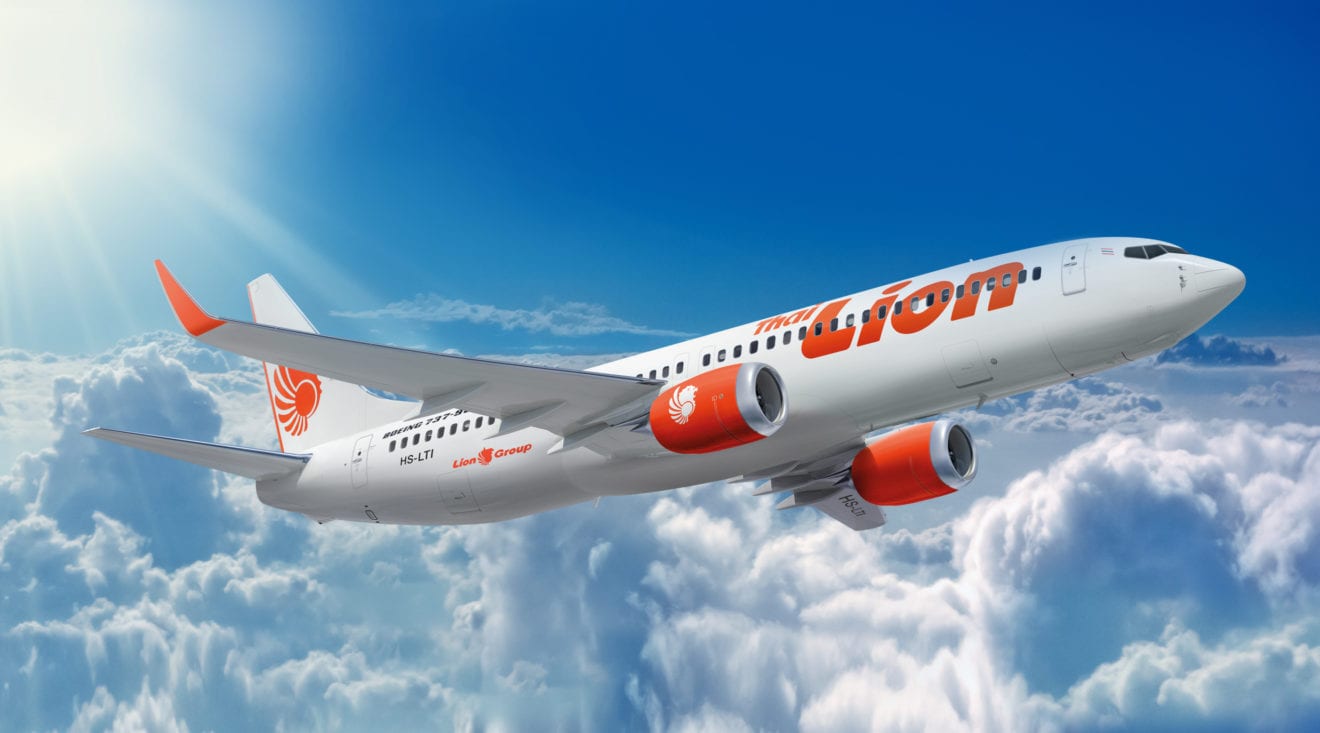
    Sabre Corporation, the leading technology provider to the global travel industry, today announced a new content distribution agreement with Lion Air, the largest privately-owned airline in Indonesia, and its subsidiary, Wings Air, as the preferred global distribution system (GDS) to offer Lion Air content in the carrier’s home market.

    Sabre has served as a strategic partner to Lion Air and supported both the airline’s reservations and planning and scheduling capabilities through its innovative SabreSonic passenger services system and AirVision portfolio of solutions since the carrier first began operations 18 years ago. Now the airline strives to achieve even more ambitious growth, including a plan to quintuple the size of its fleet with the world’s largest number of aircraft on order. As Indonesia remains a rapidly growing travel market, Lion Air is expanding operations and its relationship with Sabre, selecting them as their primary GDS to distribute content across its innovative global travel marketplace.

    “With our content now available to 425,000 travel agents across the globe, the extension of our agreement with Sabre will be instrumental to our continued success and will provide us with the visibility needed to support our growth objectives throughout Asia Pacific and beyond,” said Rudy Lumingkewas, CEO, Lion Air.

    “As the leading GDS in Indonesia, we are in a unique position to best support Lion Air’s growth through the distribution of new bookable content on the Sabre platform,” said Rakesh Narayanan, vice president, air line of business, Sabre Travel Network Asia Pacific. “This new agreement is a testament to the solid, longstanding partnership that has developed between Lion Air and Sabre over the years. Our industry-leading solutions will serve as a solid technological foundation for Lion Air as it continues to expand operations while our global marketplace will help fuel the aggressive growth the airline is looking to achieve,” he added.

    Lion Air and Wings Air operate an extensive domestic and international network of routes with 166 aircraft based in the main hub of Jakarta.

  • FWC gives new Coles deal a tick

    FWC gives new Coles deal a tick

    The Fair Work Commission has signed off on Coles’ new enterprise agreement, bringing an end to a three-year fight over the pay and conditions of more than 80,000 workers.

    FWC deputy president Val Gostencnik yesterday approved the contentious agreement after workers voted in favor of the deal in February.

    Coles was forced to draft a new enterprise agreement after its 2014 deal with the SDA was found by the full bench of the FWC to have failed the Better Off Overall Test (BOOT).

    SDA national secretary Gerard Dwyer said the new agreement was an “excellent outcome for Coles workers” that would deliver a pay rise for all workers and improved penalty rates.

    “With wage growth at historic lows across Australia, we’re pleased this new agreement has been approved and will deliver a July increase to Coles workers and pay rises for all over the life of the agreement,” he said.

    The agreement delivers higher wage rates than the Award and locks in conditions such as voluntary work on public holidays and flexible rostering provisions.

    Casual employees will also have the right to request to convert to full or part time work if they have worked a pattern of hours over a twelve-month period, subject to conditions.

    Retail and Fast Food Workers Union  (RAFFWU) John Cullinan had opposed the agreement, arguing that it traded away too many conditions, but nevertheless said its approval was a step in the right direction for Coles workers.

    “It’s taken three years but now we’re there … a landmark new agreement, the first major agreement in retail that restores penalty rates, shift rates, casual loadings and other conditions,” Cullinan said.

    “We fought every step of the way, even over the last few weeks we were still fighting to get the best deal.”

    RAFFWU said that the new deal will deliver many workers with a 20 per cent increase in pay.

  • Kanmo Retail Group Digitises Retail Game with Capillary Technologies

    Kanmo Retail Group Digitises Retail Game with Capillary Technologies

    Capillary Technologies, a leader in omnichannel engagement and commerce solutions, has been locked in as the omnichannel partner for Kanmo Retail Group, which manages a portfolio of more than 70 brands across Indonesia, including Mothercare, Karen Millen, Coach, Justice and T.M. Lewin.Capillary will play a strategic role in supporting Kanmo Retail Group’s mission to provide outstanding retail experiences to customers through designing and powering the technology that enables the business to seamlessly connect online and offline customer journeys.

    As the Indonesian market charges towards digitising traditional retail stores and taking on an omnichannel approach, Kanmo Retail Group recognises the growing need to build a truly omnichannel system that puts their customers at the centre of everything they do.

    “Kanmo Retail Group caught on early to the fact that Indonesia is undergoing a digital boom. However, to truly yield results from our omnichannel strategy, we have to look beyond just engaging our customers through offline and online means. We have to take into consideration all customer touchpoints across our various brands and integrate them seamlessly onto a single platform,” said Bhavin Patel, Group Omnichannel Director at Kanmo Retail Group said.

    “Not only does Capillary helps to integrate all our existing systems and merge them into a single, omnichannel experience platform, they also provide us with the flexibility of scaling and easily deploying the solution accordingly. Additionally, the advanced AI-based reporting and actionable insights engine enabled us to analyse data across channels which in turn provide us business insights and allowing us to improve our campaigns,” Patel added. “All these made Capillary the perfect choice for us.”

    Capillary Vice President and Business Head for Asia Pacific, Abhijeet Vijayvergiya commented on Capillary’s partnership with Kanmo Retail Group, “We are excited to be working with Kanmo Retail Group and empowering their digital journey. With a passionate team at Capillary accompanied with Kanmo Group’s futuristic vision, we look forward to seeing a long-term and rewarding partnership.”Kanmo Retail Group is currently using the following solutions from Capillary Technologies:

    • Capillary’s Loyalty+ and Insights+

    Kanmo Retail Group will be able to build an omnichannel loyalty programme that ensures customers can continue their seamless journey across all Kanmo brands. At the backend, all Kanmo brands will now have a 360° single, unified view of their consumers across channels and have access to in-depth actionable insights and recommendations for the next critical interaction.

    • Capillary’s Order Management System

    As part of Anywhere Commerce+, this feature allows Kanmo Retail Group to integrate all their inventory in the backend with all the orders that have been placed. With a single view of orders and inventory, Kanmo store employees can easily assist customers with omnichannel experiences such as placing orders from the store that can either be picked up from any store of their choice or be delivered to their homes. It would also help Kanmo Group increase efficiency and reduce errors in fulfilment across their omnichannel operations.

    In Southeast Asia, Capillary is working with 14 million customers and has 14 hundred stores active on its platform, including Mitra10, Bata, Caring Pharmacy, TungLok Group and McDonald’s. Fresh off a US$20m funding round led by blue chip investors Warburg Pincus and Sequoia Capital, Capillary also plans to use some of the new funds in strengthening its presence in Southeast Asia, including Indonesia, after achieving a threefold growth in the region.

  • Tigerair has the most delayed flights of any airline

    Tigerair has the most delayed flights of any airline

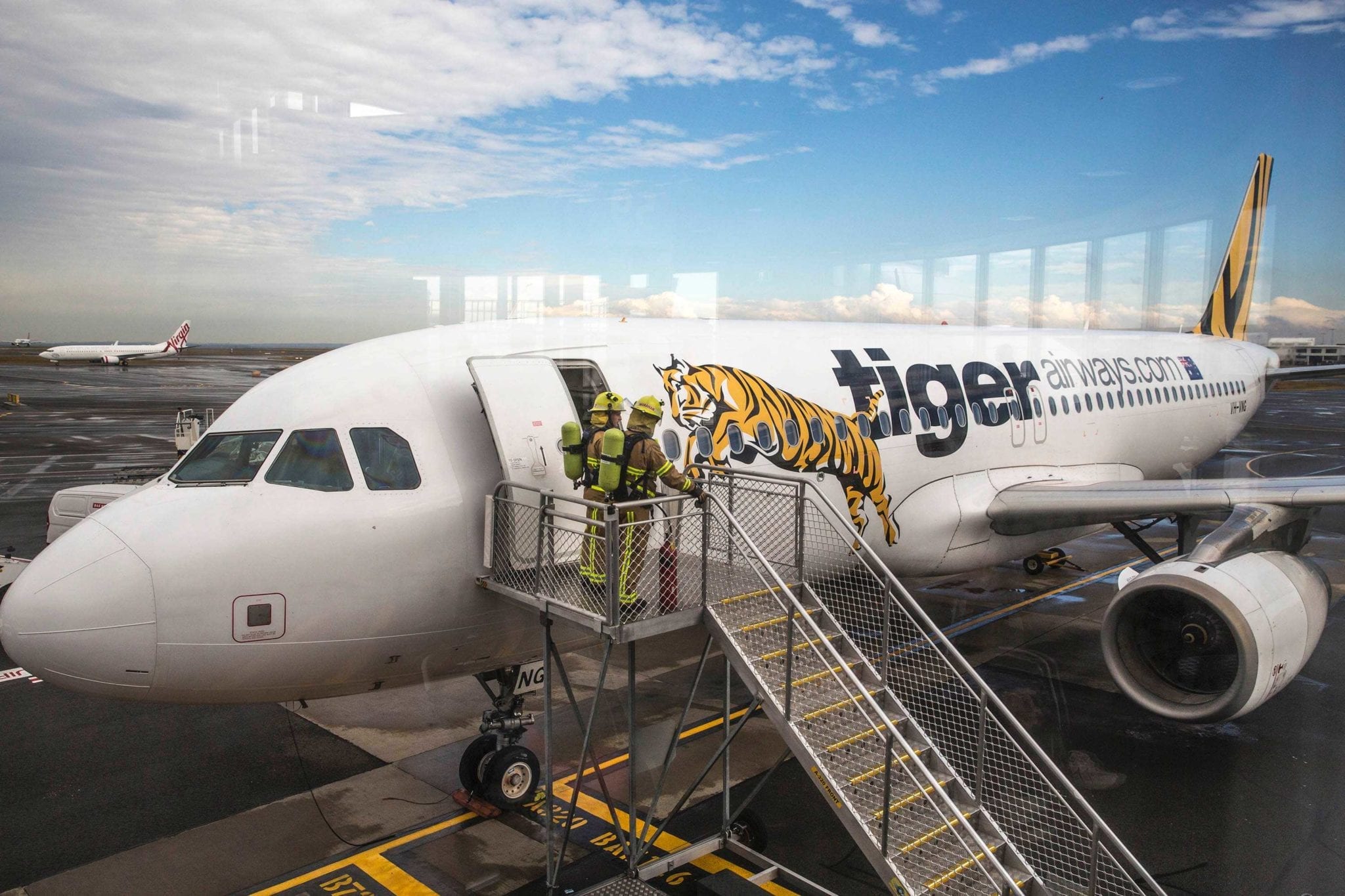
    Delayed and cancelled flights are on the rise, leading to calls for Australian passengers to be ‘better compensated’. Tigerair has the most delayed flights, followed by Jetstar, Virgin and Qantas, data from the Bureau of Infrastructure, Transport and Regional Economics shows.

    Only 71.4 per cent of Tigerair flights arrived on time, compared to 77.2 per cent for Jetstar, 83.4 for Virgin Australia and 84.7 for Qantas, the report revealed. Delayed and cancelled flights are on the rise, leading to calls for Australian passengers to be ‘better compensated’ Only 71.4 per cent of Tigerair flights arrived on time, compared to 77.2 per cent for Jetstar, 83.4 for Virgin Australia and 84.7 for Qantas, the report revealed.

    The average on-time arrivals across all airlines was 82 per cent and 1.9 per cent of all flights were cancelled.

    This represented an increase of delayed flights and cancellations compared to previous years.  QantasLink had the highest rate of cancellations in 2017, following by Tigerair and Virgin Australia Regional Airlines.

    The highest rate of cancellations was 6.2 per cent on the Sydney-Hamilton Island route, followed by Hamilton-Island to Sydney at 6.1 per cent and Melbourne to Hamilton Island at 5.2 per cent.

    The average on-time arrivals across all airlines was 82 per cent and 1.9 per cent of all flights was cancelled

    Choice spokeswoman Stefanie Menzies told Australian airlines are ‘flying below the radar’ on consumer protection.

    ‘Compensation should be fair and standardised, no matter what airline you’re on or what the customer service agent decides you deserve on the day,’ she told the publication.

    ‘Airlines should take responsibility for their own mistakes instead of making passengers pay for a delay.’

  • Facebook fighting a war against clickbaiting posts

    Facebook fighting a war against clickbaiting posts

    Facebook will this week begin demoting news feed posts from people and pages that use clickbaiting to get greater reach.

    In what it describes as an effort to promote more meaningful and authentic conversations on the platform, Facebook staff have detected different types of clickbaiting – or in social media lingo, “engagement baiting” – to show spammy and sensational content less on the news feed. But the clampdown will exclude posts that ask people for help, advice, or recommendations.

    Facebook warns that business pages and publishers that use engagement baiting will get less engagement, and more significant drops in reach if they repeatedly use the tactic.

    As a result, pages should continue to focus on posting relevant and meaningful stories that do not use engagement bait tactics.

    To learn more about clickbaiting and how to avoid using it on Facebook guidelines.

  • Profit skyrockets for TSL Hong Kong

    Profit skyrockets for TSL Hong Kong

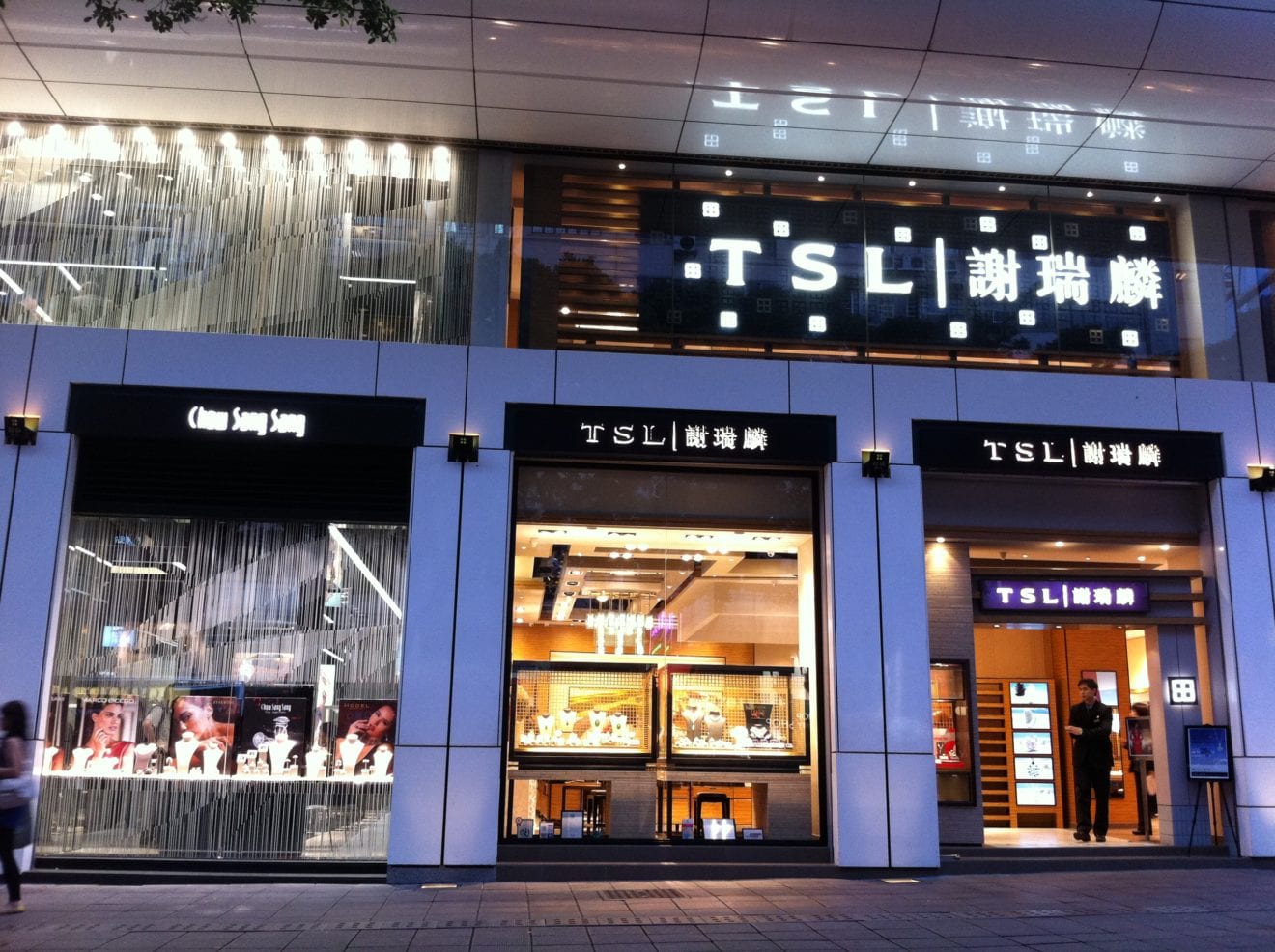
    Favourable business conditions plus cost-saving measures were cited as the reason when the company announced its second interim results for the period, reviewed by its audit committee. Also contributing to the 100.9 per cent increase to HK$46.6 million was the growth in tourist numbers into Hong Kong and Macau.

    The company says this was an encouraging and a welcome relief to the region’s entire retail industry following a downward trend for many years. “Driven by a relatively favourable consumption sentiment across all the festive seasons, the average sales per invoice improved resulting in a year-on-year increase in the revenue of our Hong Kong retail business.”

    This, together with the steady performance of the group’s other retail businesses in Mainland China, Malaysia and on its e-commerce platform, saw overall performance stay in line with expectations.

    Consolidated turnover for the period increased by 11.8 per cent to $3.8 billion.

    Cautious approach

    TSL says it has started to benefit from its cautious approach to expansion in Hong Kong and Macau over the past few years. This, together with the rise in tourism, improved consumption sentiment and enhanced product range, has resulted in sales turnover rising 10.3 per cent with stable same-store sales overall.

    “Accounting for 39.3 per cent of the group’s total turnover, our retail business in Mainland China continues to play a vital role as the group’s growth engine,” says the company. With the shift away from department stores to shopping malls, TSL is optimising its retail network accordingly. It is hoping this will improve same-store sales figures, which have continued to slip 3 per cent.

    Its retail network on the mainland grew by 50 stores to 380, including 187 franchised outlets.

    Sales on the group’s major e-commerce platforms surged by more than 20 per cent from last year.

    In Malaysia, TSL had an “encouraging boost” of 37.5 per cent in sales, reinforcing its belief in the market after many years.

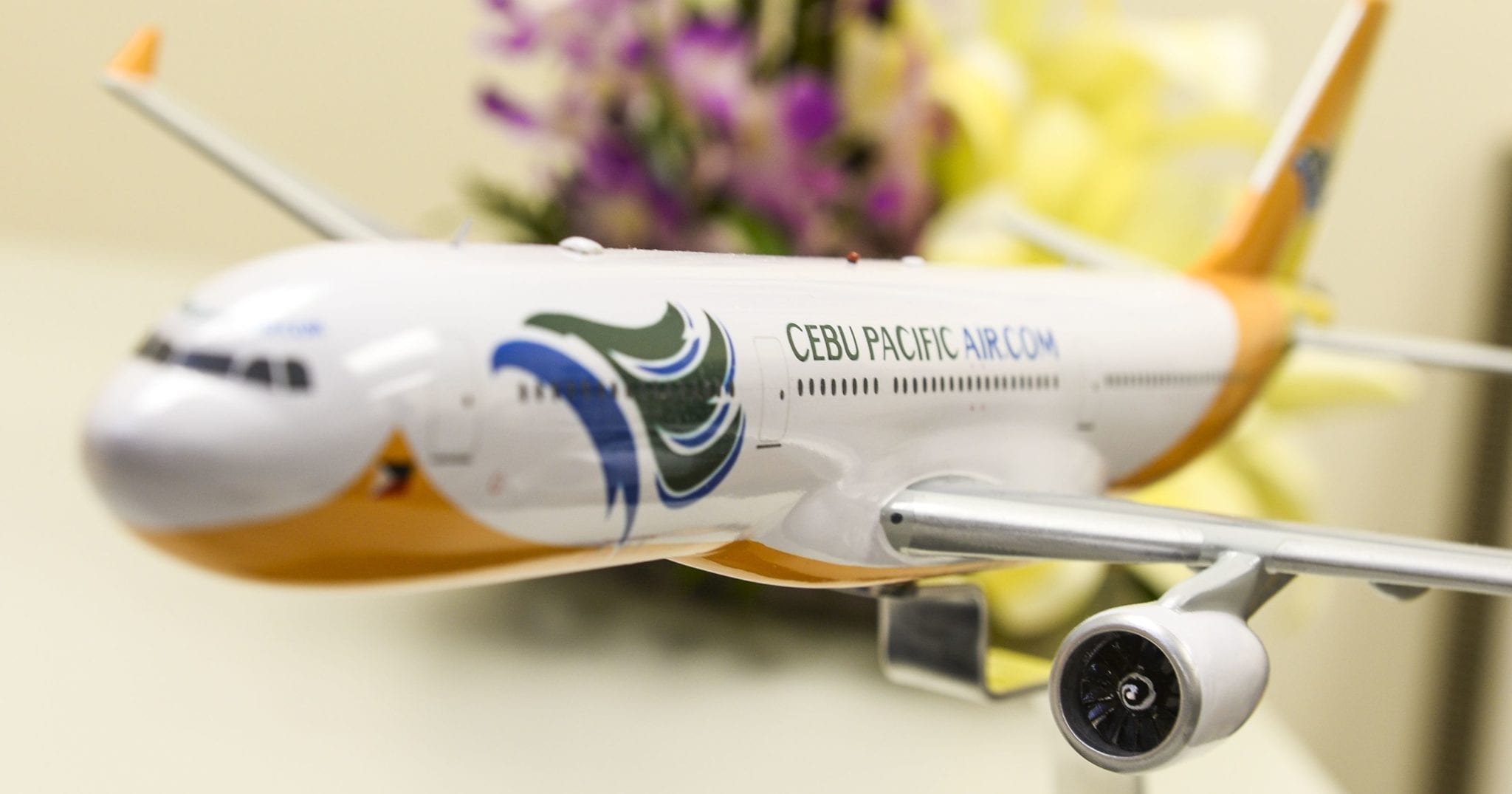
  • Cebu Pacific targets 12% passenger growth with A321 deliveries

    Cebu Pacific targets 12% passenger growth with A321 deliveries

    Cebu Pacific is targeting for passenger numbers to hit 22 million in 2018, a 12% increase from the year before.

    Last year, the Philippine low-cost carrier handled 19.7 million passengers, a 3% year-on-year increase, largely driven by an 8% growth in the number of international passengers. Performance was strong in its key markets of Sydney, Dubai, Hong Kong, Tokyo Narita, Taipei, and Seoul.

    “To reach our goal of flying 22 million passengers this year, we remain committed to offering a compelling route network where we can meet rising demand and sustain our year-round low fare proposition,” says JR Mantaring, the airline’s vice-president for corporate affairs.

    He adds that despite the higher fuel price, the weakening of the Philippine peso against the US dollar, security concerns and travel advisories, the carrier has “remained relatively resilient”.

    This year, the carrier is scheduled to add seven A321s from March through September, before its first Pratt & Whitney PW1100G-powered A321neo is delivered in November. These large narrowbodies will add capacity and also free up some A330s that are used on short-haul services to go further afield.

    Two of these A321s have already been delivered, while another three are scheduled to arrive “in the coming days”.

    Last year, operating profit slipped 17.3% to Ps10.1 billion ($194 million), as the growth in expenses outpaced that of revenue. Net profit fell 18.9% to Ps7.91 billion.

  • Vietjet reports a year of success with high growth and more international routes in 2018

    Vietjet reports a year of success with high growth and more international routes in 2018

    Vietjet yesterday reported a year of success at the Annual General Shareholders Meeting (AGM) 2018 of Vietjet Aviation Joint Stock Company (HoSE: VJC – HOSE), with 91.74% shareholders in attendance and high approval ratings for all issues raised at the AGM.

    According to the report presented by Vietjet Managing Director, Luu Duc Khanh, who spoke on behalf of the Board of Management, the company enjoyed a successful year across all categories.

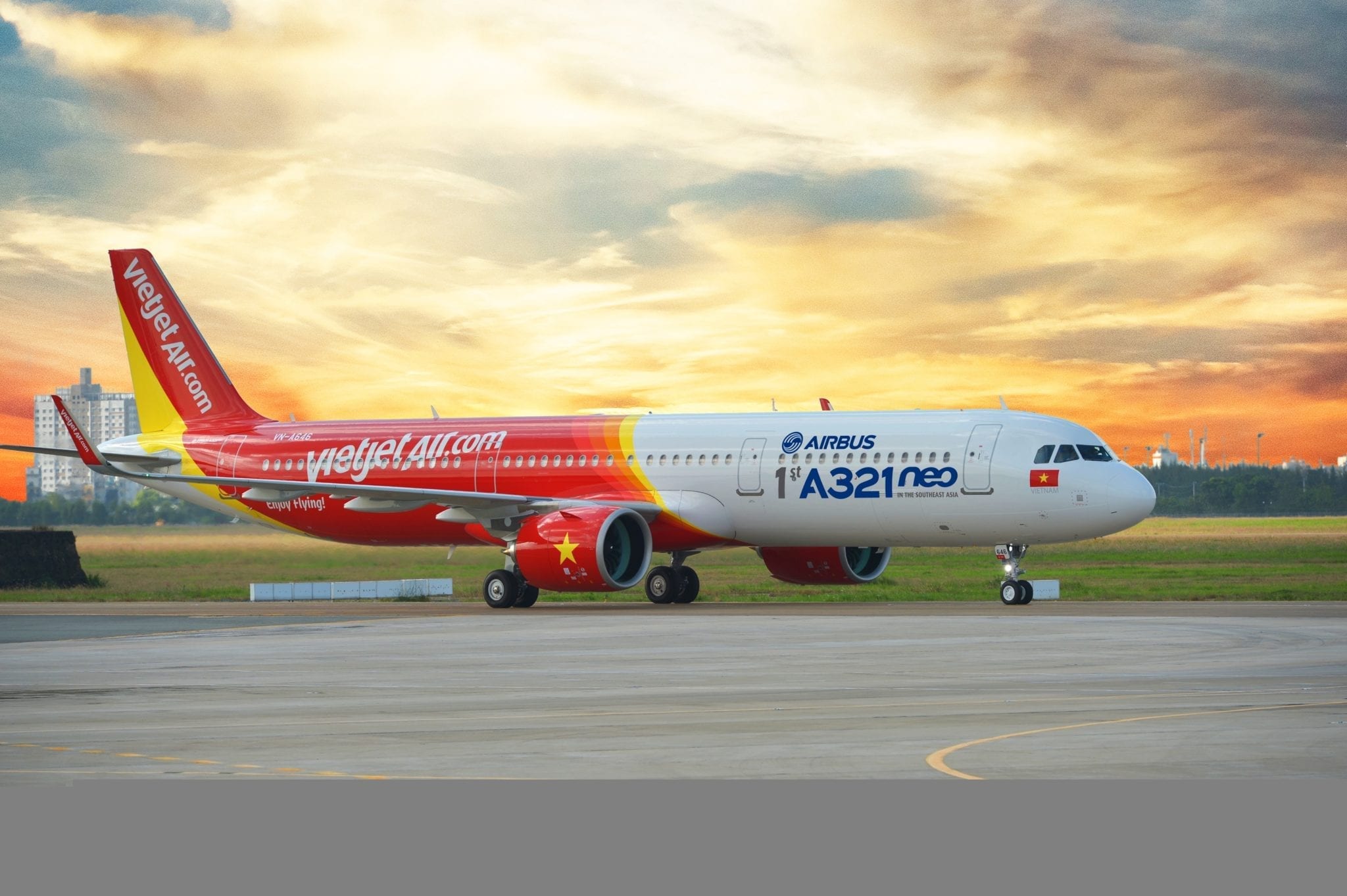
    Specifically, Vietjet received 17 aircraft, including the first A321 Neo in Southeast Asia. By continually saving costs efficiently and effectively, Vietjet has maintained the most efficient operating costs in the region. Indicators for operation safety and ground operation were also among the highest in the region. The airline’s technical reliability reached 99.66%, the highest level among the Airbus’ A320/321 fleet worldwide.

    To continue its expansion of domestic routes as well as penetrating the markets in the North Asia region, up until the end of 2017, Vietjet operated 38 domestic routes and 44 international routes connecting major cities in a part of the world that is home to more than half of the world’s population. In 2017, the company operated 98,805 safe flights, transporting 17.11 million passengers, a 22% increase over 2016.

    Besides increasing the volume of international passengers and the number of international charter flights, ancillary services also grew in proportion to the number of flights. At the AGM, Vietjet also announced that the airline had surpassed its financial targets. According to the audited and consolidated financial statements of 2017, revenue stood at VND42,303 billion (US$1.92 billion), after-tax profit stood at VND5,073 billion (US$230.59 million), with increases of 54% and 73% respectively over 2016. Earnings per share reached VND11,356 (US$0.52).

    On February 28, 2017, Vietjet listed its shares on the Ho Chi Minh City Stock Exchange (HoSE) with the Board of Directors’ total commitment in applying international standards in corporate governance, management and information transparency.

    On the back of these positive business results, the Board of Directors proposed and received approval from the shareholders to increase the dividend payment of 2017 from 50% to 60%. Accordingly, the company advanced a 30% dividend payment in cash and will pay a cash dividend of 10% on May 25. Vietjet will pay a further dividend of 20% by shares.

    In 2018, the company has set a target to reach VND50,970 billion (US$2.24 billion) in revenue and VND5,800 billion (US$254.75 million) in profit, with increases of 20.5% and 10% respectively compared to those of 2017. The Board of Directors also submitted a proposal to the shareholders to increase the dividend payment of 2018 to 50%.

    The aviation market of Vietnam and the region is expected to continue growing strongly in 2018, especially as the economy is forecast to achieve the highest GDP growth ever, and the government is promoting tourism as a key economic sector that will attract millions of tourists to Vietnam. With its expanding fleet and increasing number of new international routes to destinations in countries such as Japan, India and Australia, Vietjet is on its way to becoming a multi-national airline with a global vision and competitive abilities.