Category: General

Retail News Asia is committed to providing both local and global retailers with the latest General Retail news throughout the Asian market. This on a daily base.

  • AirAsia Planning Cryptocurrency-Based Rewards Program

    AirAsia Planning Cryptocurrency-Based Rewards Program

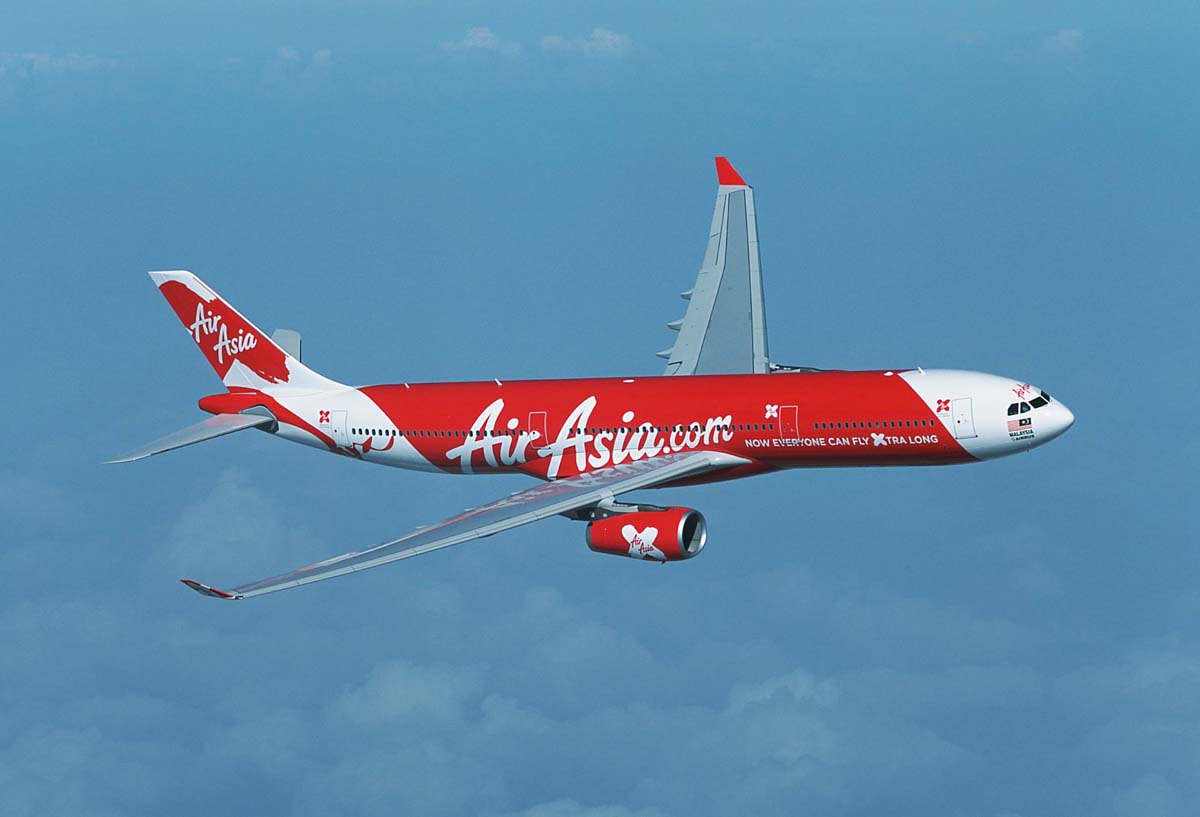
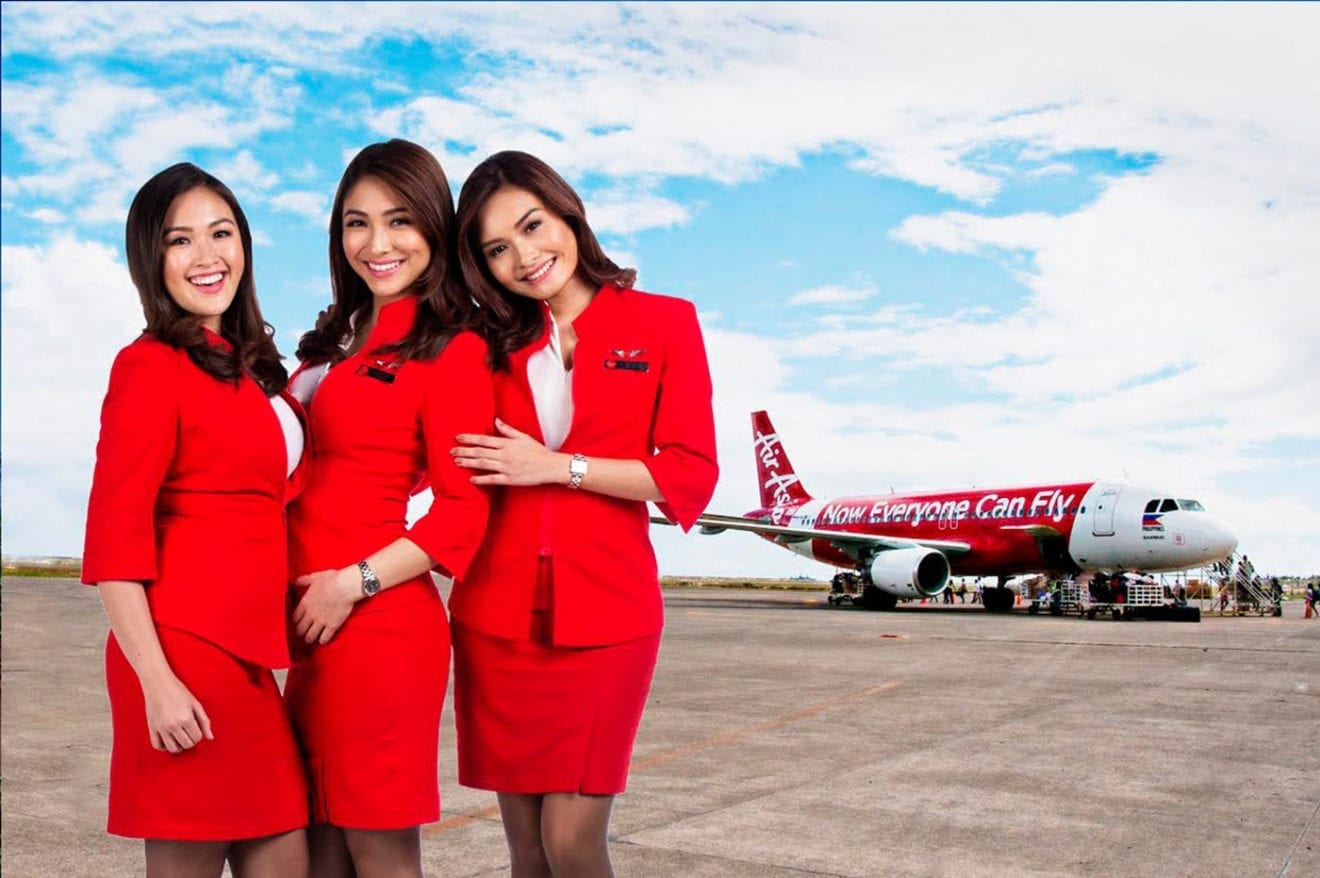
    Malaysian low-cost airline AirAsia is launching a cryptocurrency-based rewards program.

    AirAsia chief executive Tony Fernandes told that its frequent-flyer rewards program is being converted into a cryptocurrency platform called BigCoin. The move is part of a broader effort to improve the airline’s digital services and move the company toward a cashless system.

    In the Nikkei article published Thursday, Fernandes described a system in which customers could buy seats, in-flight meals, seat upgrades and other services using BigCoin, in addition to existing fiat currency options.

    Most notably, he told Nikkei Asian Review that he sees AirAsia launching an initial coin offering (ICO) at some point. While Fernandes did not provide a firm timeline, the article says the token could be offered within the next three to six months.

    No details have been released yet on whether AirAsia is developing its own blockchain or utilizing an existing platform.

    Other airlines have looking at blockchain as a possible rewards program model in recent months.

    Singapore Airlines announced last month that it was planning to launch a private blockchain for its own frequent-flyer program, thought it did not specifically state it would be developing its own cryptocurrency.

    However, Singapore Airlines did note it had successfully concluded a proof-of-concept trial with KPMG and Microsoft, and a fuller implementation of the system could see the airline working with merchants to enable customers to spend their miles at various stores or restaurants.

  • Debenhams profit plunges 84 per cent after storm

    Debenhams profit plunges 84 per cent after storm

    Debenhams profit plunged 84 per cent in the half year to March 3.

    The UK department store operator says its like-for-like sales fell 2.2 per cent during “challenging conditions” in its home market. Its pre-tax profit fell from £87.8 million in the same period last year to £13.5 million.

    The company said a major contributor to its falling sales was the forced closure of about 100 stores after a major storm hit the UK in February. Christmas sales were also down.

    “We approach the remainder of the year mindful of the very challenging market conditions, but with confidence that we have a strong team and the right plan to navigate them and return Debenhams to profitable growth,” said CEO Sergio Bucher in a statement.

    “It has not been an easy first half and the extreme weather in the final week of the half had a material impact on our results,” he said.

  • Game development experts converge on Pakistan’s first Game Summit by Gamebird

    Game development experts converge on Pakistan’s first Game Summit by Gamebird

    Pakistan’s second most populous city and the country’s cultural center, Lahore, was the go-to place for game developing experts and enthusiasts from Google, Telenor, and the best of Pakistani talent in the industry. The event was Pakistan’s first Game Summit hosted by ‘Gamebird’, Telenor’s new platform that connects game developers to boost the gaming ecosystem in Pakistan.

    Pakistan has a vibrant gaming app developing ecosystem and this Game Summit was aimed at helping developers learn the latest tips and best practices about how to take their app business to the next level. The one-day, invitation-only event gave developers a chance to come together with Google, Telenor industry experts, and fellow app developers to ask questions, give feedback, share learnings, discuss projects, and be inspired.

    The top speakers of the Game Summit included Dr. Umar Saif – Chairman, Punjab Information Technology Board and Vice Chancellor of Information Technology University, Fawad Asghar – CTO, WeRPlay, Sadia Bashir – Founder & CEO, Pixel Art Games Academy, and Faizan Iftikhar – CEO, GeniTeam, among others.

    Telenor Pakistan has been developing initiatives to strengthen the local developer community, while Google has tools and insights with a focus on game creation and monetization. Together, the speakers from Telenor Pakistan & Google elaborated on their expertise and how the gaming ecosystem can benefit from it. Prominent local developers also shared experiences, challenges, and ideas on how to better contribute to the local game development ecosystem. Gamebox, Pakistan’s indigenous game store, was a sponsor of the Game Summit and showcased its offerings at the event.

    “We are proud and delighted to be hosting the country’s first Game Summit in a city that’s fast emerging as one of Pakistan’s key app development centers,” said Durdana Achakzai, Chief Digital Officer at Telenor Pakistan. “We are grateful to the experts from Google and the local gaming community for coming together and exploring ways to boost the Pakistani game development industry. We hope that the learnings the event’s participants take home today will prove valuable in putting Pakistan on the global map for gaming innovation. With Gamebird in place, we are expecting more of such knowledge-sharing networking events for the gaming community in the future.”

    Sharing his thoughts on the occasion, Umar Saif, the keynote speaker who is Chairman Punjab Information Technology Board and Vice Chancellor Information Technology University, said:

    “We congratulate Gamebird for hosting this insightful event and giving game developers the opportunity to demonstrate their skills. The launch of Google DCB has been a game changer for the gaming industry as it has provided earning avenues to game developers. I appreciate Telenor’s role in spearheading the launch of Google DCB in Pakistan and hope that Pakistani Gamers make good use of it to come up with a superb game in the near future.”

    Gamebird is an e-Sports platform for gamers and gaming app developers in Pakistan. The platform hosts events, tournaments, broadcasts, and provides reviews and plays of different games. Gamebird is geared for more initiatives in mobile & PC gaming (tournaments, community meet-ups, etc.) in the near future.


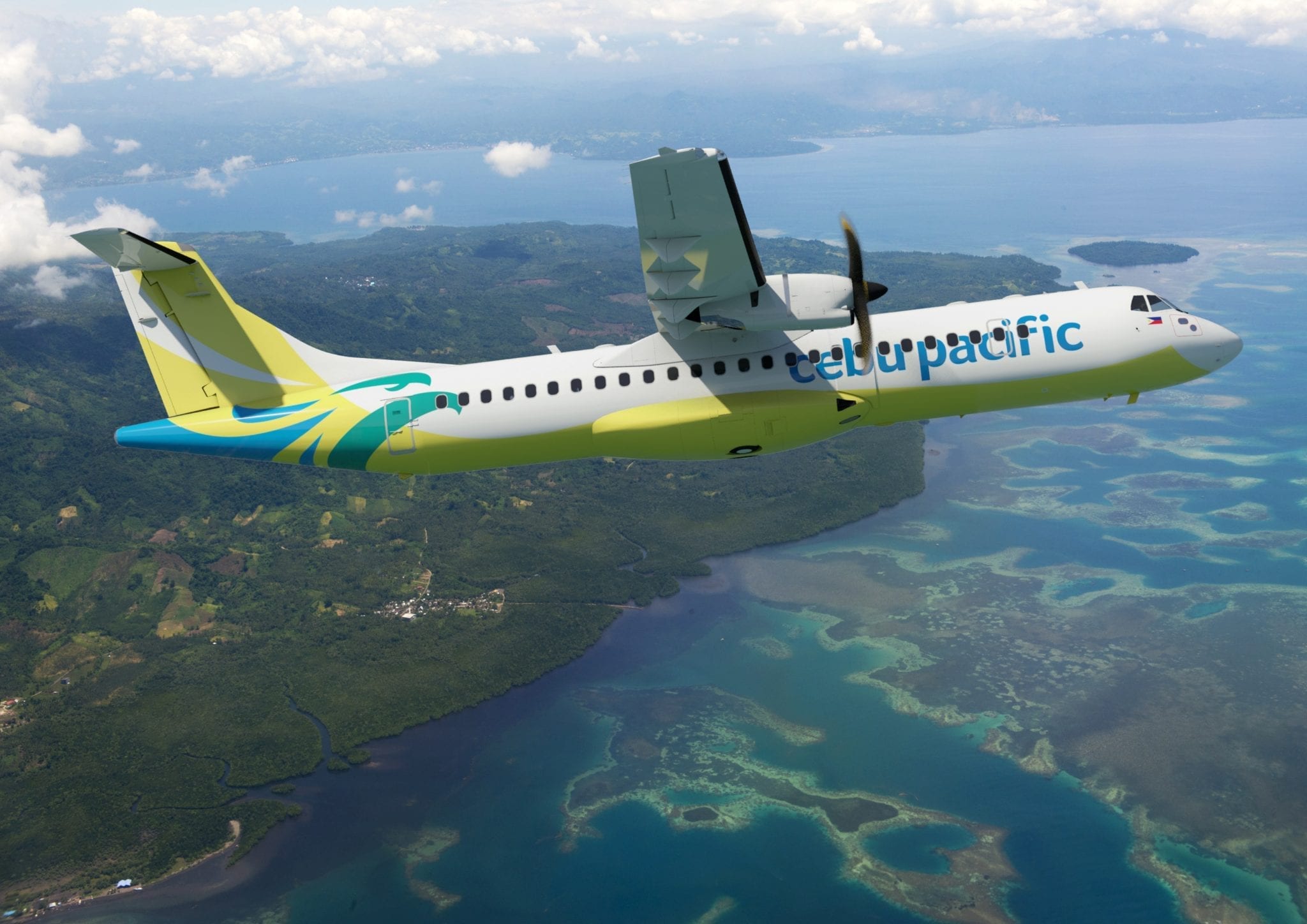
  • Cebu Pacific to cancel flights during 6-month Boracay closure

    Cebu Pacific to cancel flights during 6-month Boracay closure

    Cebu Pacific will cancel its flights to and from Caticlan and Kalibo over the 6-month period that Boracay Island, the world-famous tourist destination, will be closed.

    The airline made the announcement close to midnight of Thursday, April 5, a few hours after President Rodrigo Duterte announced in a Cabinet meeting that he had accepted the recommendation of 3 agencies to shut down the island amid environmental concerns.

    In a statement on April 5, Cebu Pacific listed 19 flights – mostly catering to tourists – that would be stopped from April 26 to October 27.

    However, there are 6 flights it would retain “to serve local residents and ensure continuity of commerce in Northern Panay island” during the period.

    Flights canceled from April 26 to October 27:

    Manila-Caticlan-Manila (daily)

    • 5J 891/892
    • 5J 895/896
    • 5J 899/900
    • 5J 901/902
    • 5J 905/906
    • DG 6241/6242
    • DG 6243/6244
    • DG 6247/6248

    Cebu-Caticlan-Cebu (daily)

    • 5J 132/133

    Caticlan-Clark-Caticlan (daily)

    • DG 6298/6299

    Manila-Kalibo-Manila (daily)

    • 5J 331/332
    • DG 6317/6318

    Manila-Kalibo (Sunday-Thursday)

    • 5J 339

    Kalibo-Cebu

    • 5J 413 (daily)
    • 5J 415 (Sunday/Friday)

    Cebu-Kalibo-Cebu

    • 5J 416/417 (Sunday)

    Clark-Kalibo

    • 5J 351 (Tuesday/Thursday/Saturday)

    Kalibo-Clark

    • 5J 352 (Monday/Wednesday/Friday)

    Kalibo-Incheon-Kalibo (starting June 1)

    • 5J 180/181 (daily)
    • 5J 182/183 (daily)

    Cebu Pacific will operate the following flights from April 26 to October 27:

    • Manila-Kalibo 5J 337 – daily (except May 1-4)
    • Kalibo-Manila 5J 338 – daily (except May 1-4)
    • Manila-Caticlan DG 6245 – daily
    • Caticlan-Manila DG 6246 – daily
    • Cebu-Caticlan DG 6272 – daily
    • Caticlan-Cebu DG 6273 – daily

    The airline advised affected passengers to take any of the following options:

    • Get a full refund
    • Place the full value of the ticket in a travel fund for future use
    • Rebook the flight, subject to seat availability (via the ”Manage Booking” section in the Cebu Pacific website)
    • Reroute to any domestic destination, subject to seat availability

    “Guests who booked through a travel agent or any other third party are encouraged to provide us with their own contact details so they are directly advised about any flight changes,” Cebu Pacific said.

  • AirAsia to step up flights within Sabah and Sarawak

    AirAsia to step up flights within Sabah and Sarawak

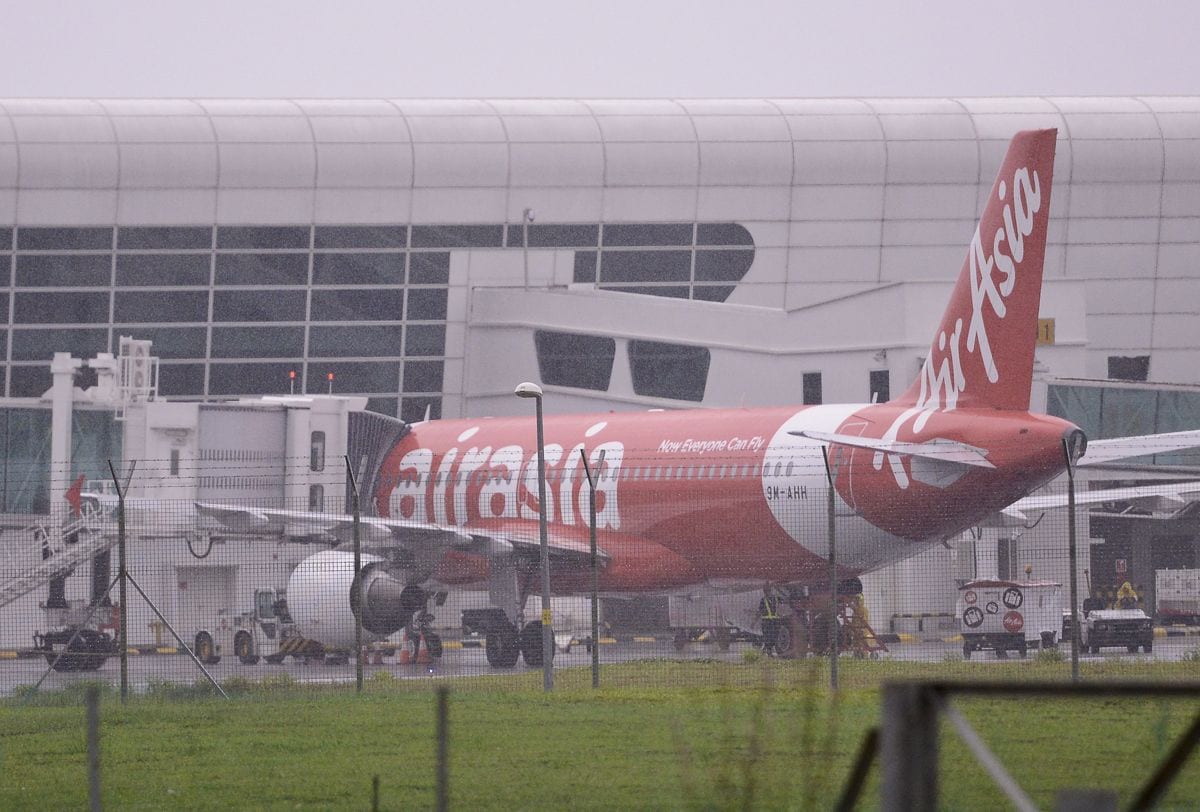
    Low-cost carrier AirAsia Bhd sees room for expanding its domestic operations, which contribute about 40% to its revenue currently, with intercity flights within Sabah and Sarawak.

    The airline’s CEO Riad Asmat (pix), who recently took over the reins of the Malaysian unit, told SunBiz in an exclusive interview that the airline has a strong foothold in Sabah and Sarawak, but there are areas where it could “still serve”.

    He said its domestic market share ranges between 50% and 60% depending on the state it operates in.

    According to international aviation research entity Centre of Asia Pacific Aviation (CAPA), AirAsia’s share in the domestic market has significantly increased “over the past six months, benefiting from capacity reductions by both of its competitors at Kuala Lumpur International Airport (KLIA)”.

    “AirAsia’s share of the domestic traffic at KLIA is now 66%, compared to 55% a year ago. KLIA accounts for 65% of total domestic traffic in Malaysia, which increased by 4% in 2017, to 25 million,” CAPA said.

    Domestic flights account for 31% of the flight breakdown based on the number of routes and international 69%. AirAsia Malaysia’s total number of routes stands at 114.

    “So we are working with authorities and state governments to see how we can get more rights to fly internally within the state … that is work in progress,” Riad, who marked his 100th day in office last week, said.

    “We have also committed ourselves to aircraft that we are likely to put into Sabah and Sarawak and that is to increase our frequency, again because the current ones will serve a certain expectation … what we have learnt and what we have studied now is that there are still a lot more passengers who want our services,” he explained.

    AirAsia, which has hubs in state capitals Kuching and Kota Kinabalu, its busiest routes, will look into timings, putting in the right aircraft and rescheduling flights once it obtains approvals for the routes, which Riad declined to reveal.

    According to the Malaysian Aviation Commission, airports which can accommodate passenger jets in Sabah are Kota Kinabalu International Airport, Sandakan Airport, Tawau Airport and Labuan Airport while in Sarawak, it is the likes of Kuching International Airport, Sibu Airport, Bintulu Airport and Miri Airport.

    Statistics provided by the commission showed Kota Kinabalu-Tawau as the busiest transcity route in Sabah while Kuching-Miri was the busiest for Sarawak. The least busiest are Kota Kinabalu–Lahad Datu and Miri–Sibu respectively.

    Malaysia Airports Holdings Bhd noted that passenger traffic from Kota Kinabalu to Tawau rose to 630,864 in 2017 from 586,570 in 2016, while Tawau to Kota Kinabalu rose to 630,949 from 586,567.

    As for Sarawak, Miri to Kuching increased to 546,235 from 543,295, and Kuching to Miri to 549,646 from 546,351.

    The route with the highest increase in passenger traffic is Bintulu-Kuching which saw a passenger traffic growth of 50,859, to 343,081 from 292,222.

    The airline has also been strategising its asset and resources utilisation, by releasing capacity from certain segments and increasing flights to routes with good pickup in terms of load factor and better earnings potential.
    Terengganu is one of the routes to have seen an increase in flights, to 24 weekly flights from 21 previously.

    On whether there are any untapped markets, Riad said the group is constantly on the lookout for new destinations.


  • Big C Engages Its Customers Across Southeast Asia with Personalized Marketing

    Big C Engages Its Customers Across Southeast Asia with Personalized Marketing

    Symphony RetailAI, the leading global provider of Artificial Intelligence-enabled decision platforms, solutions and customer-centric insights that drive validated growth for retailers and CPG manufacturers, today announced that Big C is implementing its SR Personalized Marketing solution.

    Headquartered in Bangkok, Thailand, Big C is a leading omnichannel retailer in Thailand and Southeast Asia with hypermarkets, supermarkets, convenience, health and beauty formats, and online and ecommerce channels. With Asia accounting for four out of the top 15 countries globally where internet users spend the most time on social media worldwide, the region’s consumers are highly connected, tech-savvy, socially fluid and vocal. They want personalization, crave rewarding experiences and have a strong desire for convenience and immediacy.

    Shifting strategic engagement to meet cultural changes in what consumers want

    Thailand is undergoing significant lifestyle changes. Urbanization, millennial influence, mobile technology, and rising incomes are driving demand for and the rapid growth of the convenience channel, with Big C alone opening two new convenience outlets every three days. Already one of the leading nations for eating away from home, Thais have significantly increased their appetite for ready-to-eat options from convenience channels. Adding to these significant shifts, the country currently has one of the highest social-media adoption rates worldwide. With this as a backdrop, Big C relaunched its loyalty program which had been initiated years prior, but wanted to engage its 6.2 million customers on a deeper, more emotional level.

    The company is now aggressively moving to build a new personalization program founded around the customer lifecycle. It is working towards personalization at basket and/or category level(s) and sending personalized digital offers via text, a mobile app and a program website. In addition to using SR Personalized Marketing — an omni-channel solution that leverages embedded algorithms and a relevancy engine to ensure that each shopper’s communication is appropriate, timely and individualized — Big C is adopting the solution’s mobile capabilities. This will allow the retailer to leverage a geofencing mobile app that interacts with shoppers at the right moment and in the right place, delivering timely and relevant messages. This is a key component of the Big C strategy around its changing customer demographic.

    “The Southeast Asia region is one of the most rapidly changing regions of the world when we consider grocery,” said Gary Hardy, Chief Operating Officer, Big C. “Our customers are demanding more variety, convenience, flexibility, and an enhanced service. They want ‘round-the-clock omnichannel experiences that match their changing lifestyles. As a result, we need to engage customers on a more 1:1 basis, focusing on digital touchpoints and moment marketing to improve the entire shopping experience for our customers.”

    “We’ve had a great working partnership with Big C for over six years,” said Oscar Garcia-Velasco, Regional Vice President, Symphony RetailAI, Asia. “We are very excited to see Big C taking this next step in their ongoing evolution to serve their customers. Understanding how to best use customer data to enhance relationships through more relevant, personalized offers is key to success. Embracing the role of mobile in how their customers want to engage with them, will help Big C create a competitive edge and increase customer loyalty.”

  • JD.com and Yiguo to exhibit at Asia Fruit Logistica

    JD.com and Yiguo to exhibit at Asia Fruit Logistica

    Exhibitors from close to 40 different countries have already signed up to showcase their products and services at ASIA FRUIT LOGISTICA 2018.

    Asia’s premier continental trade show for fresh fruit and vegetable marketing returns to AsiaWorld-Expo in Hong Kong on 5-7 September, and it is on course for significant growth.

    Bookings for stand space are up by more than 30 per cent on this stage last year. That brings them close to the total exhibition space booked for 2017, with more than five months to go before this year’s edition opens its doors.

    China’s two leading online food retail platforms will both be exhibiting at ASIA FRUIT LOGISTICA for the first time.

    E-commerce giant JD.com, which has been selling fresh food online since 2012, offers a wide range of products, sourcing from over 2,000 partners worldwide. The group also recently ventured into physical stores, with its high-tech New Retail format 7Fresh.

    “ASIA FRUIT LOGISTICA is a world-class fresh produce event, and JD.com must be part of it,” said James Ye, president of JD.com’s fresh division. “We look forward to getting together with industry leaders and specialists and discussing supply chain solutions for the fresh e-commerce sector as we work to bring healthy and safe products from around the globe to our online consumers.”

    Alibaba-invested fresh food e-tailer Yiguo is also making its debut appearance at ASIA FRUIT LOGISTICA, showcasing its new supply chain platform.

    “Yiguo Group has been able to meet many fruit supply partners over the years and has brought its products to tens of millions of consumers through Tmall Fresh, Suning Fresh and new retail channels,” said Andy Zhang, vice-president of Yiguo Group’s Win-Chain Supply Chain Management. “This year, we have a new platform to connect our global fruit resources, Win-Chain. We look forward to meeting industry friends new and old at ASIA FRUIT LOGISTICA, and to discussing our new platform with them.”

    Other key e-commerce players are ramping up their presence at the Hong Kong show. A debut exhibitor in 2017, Beijing-based MissFresh is doubling the size of its stand this year.

    More Middle East and Central Asian countries will also feature at this year’s show. Oman and Azerbaijan will both be exhibiting for the first time, while Jordan and the United Arab Emirates will be showcasing their wares again.

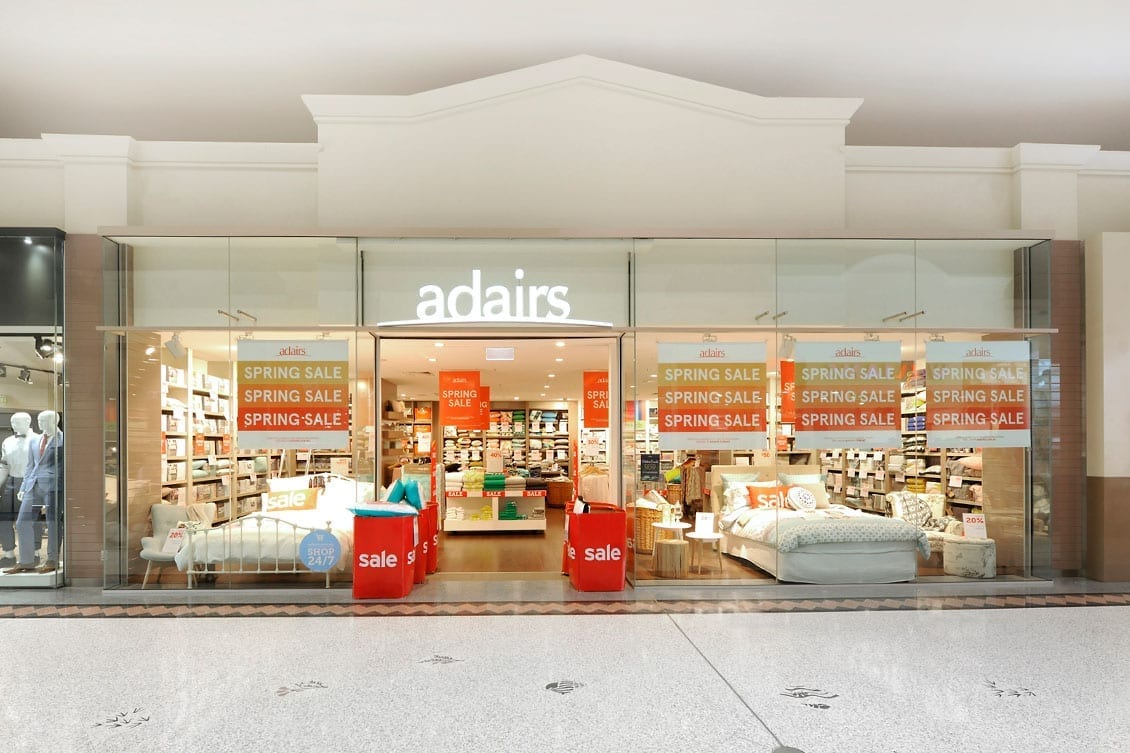
  • Adairs on track for record results

    Adairs on track for record results

    Bedding retailer Adairs says its on track to book record sales and earnings in fiscal 18, upgrading its guidance for the second time in as many months on better than expected third quarter trading.

    Adairs said on Thursday that strong demand for its autumn and winter range had underpinned an 18 per cent increase in year-to-date like-for-like sales growth, bringing financial year-to-date LFL growth to 16 per cent.

    It now expects earnings for fiscal 18 to come in between $44 – 46.5 million, up from the $40 – 44 million upgraded guidance it provided in February.

    Sales are now expected to be between $310 – $315 million, up from the $300 – $310 million forecasted in February.

    “This further upgrade to our FY18 earnings guidance reflects both the continued higher sales performance observed the last two months and our confidence in the momentum we carry into the remainder of this financial year,” chief executive Mark Ronan said.

    The update is the latest of a string of solid trading periods for the business after it embarked on a shift in its strategy last year by reworking its range and tightening its promotions.

    Online sales have been a bright spot for the business so far this year, with sales up 99 per cent to around 12.8 per cent of total revenue.

    Ronan said Adair’s full year result will represent a significant improvement over the prior year, when the business was weighed down by a particularly bad first-half.

    “Our FY18 result will be underpinned by a significant rebound in performance, the capacity of our strategy to grow market share profitably and the effectiveness of our omni channel strategy. Further, we believe the FY18 result will provide a solid platform for continued growth into FY19,” he said.

    Adairs also tightened its gross margin guidance on Thursday from its previous 59.5 – 61.5 per cent range to 60 – 61 per cent.

    Capital Investment forecasts were revised downward from $9 – $11 million to $7 – $9 million.

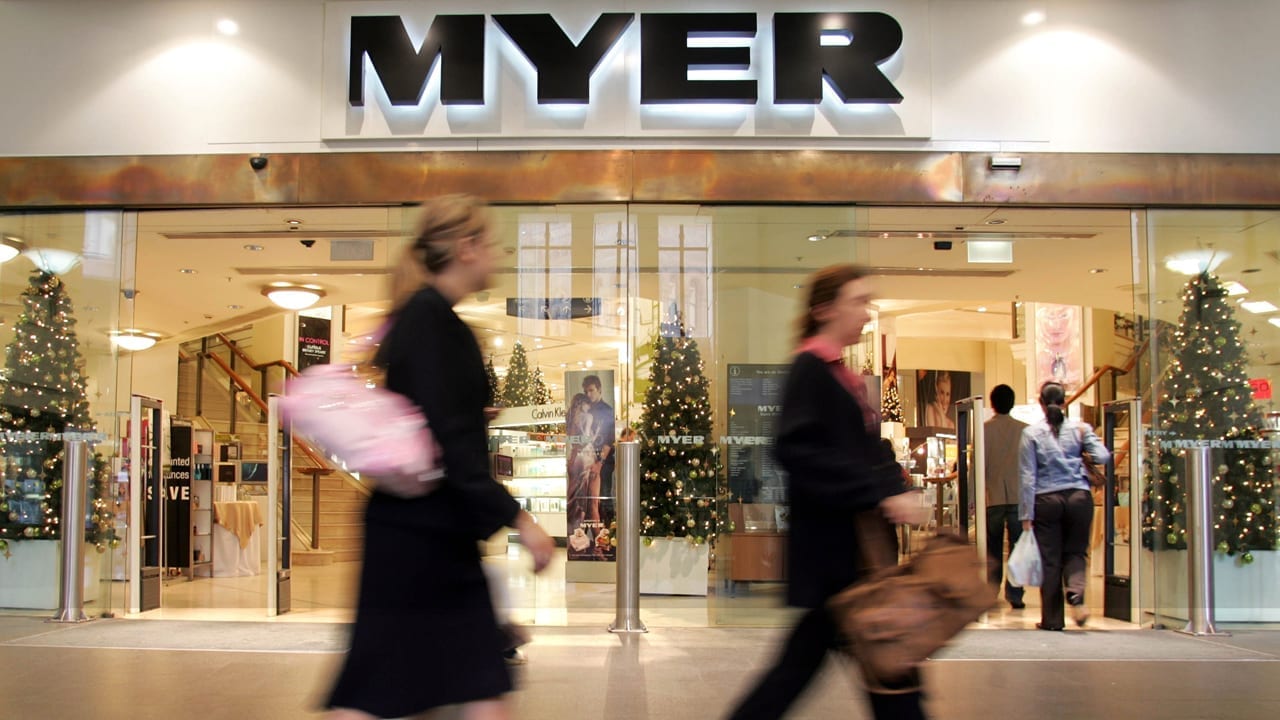
  • Myer’s reputation suffers and on the way back

    Myer’s reputation suffers and on the way back

    In 2009, when former Myer CEO Bernie Brookes listed the department store on the Australian stock exchange, Myer was ranked as one of the top 10 most reputable companies in Australia.

    Today, of the 60 companies ranked on the Australian Corporate Reputation Index, it is ranked 45th.

    The Reputation Institute’s Index, the 2018 edition of which was released yesterday, has tracked a steepening decline in how consumers view the beleaguered department store chain relative to other Australian businesses.

    Myer ranked in the top 10 Australian companies on the index from 2008-2012, but in tandem with its ailing trading performance had dropped to 22nd last year, a result that has again worsened with the largest contraction in points on the index.

    It comes just a month after the retailer incurred a $515 million write down on the value of its brand names and goodwill, reflecting the erosion of the iconic business in recent years.

    Consumers were clear on what Myer was lacking – it ranked 60th on the individual measurement of innovation in 2018.

    “These results indicate that Myer has not met the challenge of adapting to the changing demands of consumers and an increasingly competitive landscape,” Reputation Institute ANZ managing director Oliver Freedman said.

    Just under 6000 Australian consumers were surveyed in late February/early March for the index, which encompasses Australia’s top 60 companies by revenue.

    JB Hi-Fi was once again the top ranked retailer on the index, despite its rank falling from 3rd to 6th in 2018 as airlines such as Virgin, Qantas and rank one business Air New Zealand surged.

    German entrant Aldi maintained its position at rank 9, well above Wesfarmers at rank 20 (19th in 2017) and Woolworths, which improved from rank 26 in 2017 to rank 22 in the latest index.

    Myer’s reputational woes are worsening, but it still fares better than 7-Eleven, which failed to change its rank in 2018 and remains at 58th on the overall measurement, above Telstra and News Corp Australia.

    Freedman said that the overall results indicate that Australian companies are bucking the trend in relation to how consumers are viewing reputation.

    “Globally, the Reputation Institute is seeing a trend of nationalism, where local consumers rank local companies higher in terms of overall reputation,” he said.

    “However, Australia is veering from this pattern, with our top 10 containing a mix of Australian and international companies, showing even those organisations headquartered overseas can make an impact locally with good leadership, a strong product and community involvement among other measures.”

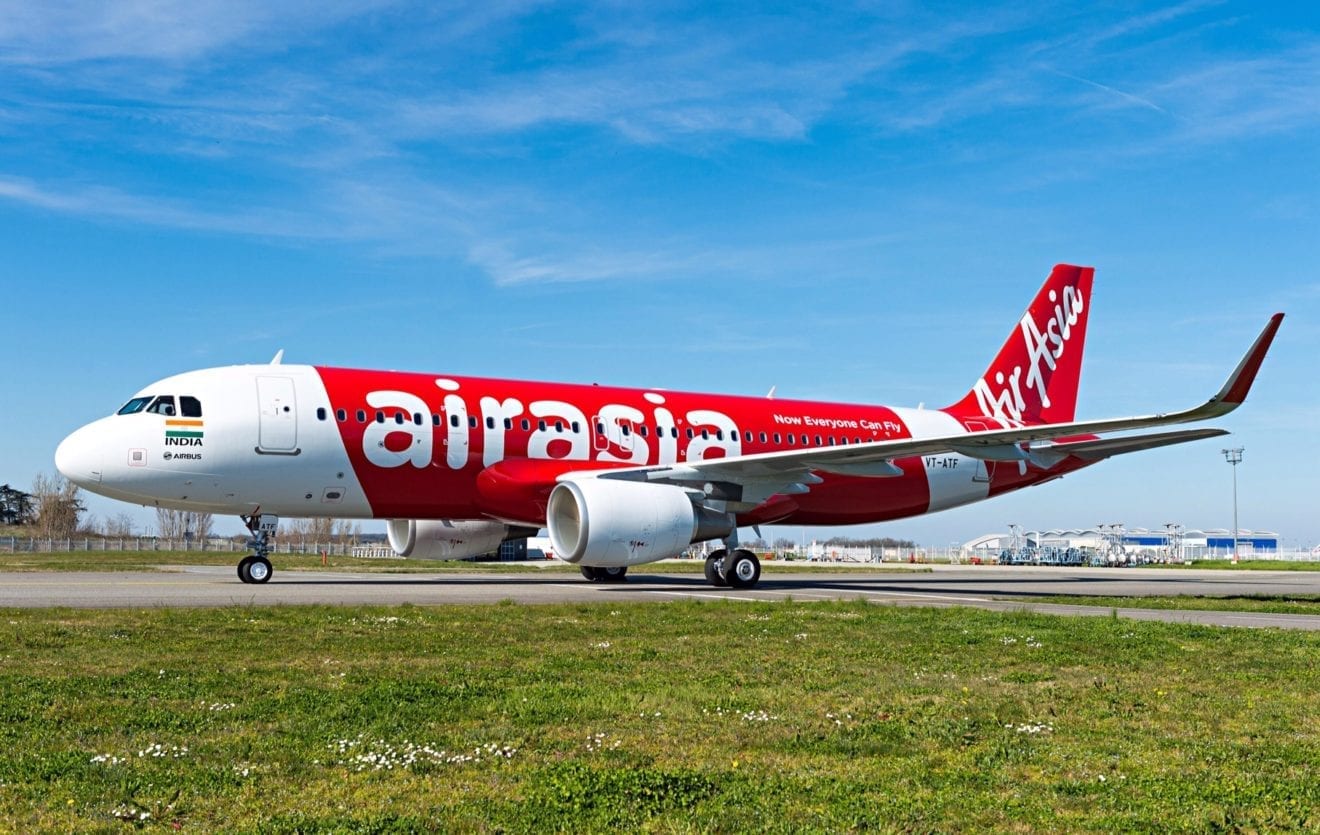
  • AirAsia to launch new flights from Bagdogra

    AirAsia to launch new flights from Bagdogra

    AirAsia India will launch two new daily flights from Bagdogra – one linking Calcutta in the morning and the other connecting Delhi in the evening – from May.

    “AirAsia India will launch a flight to Delhi in the evening from May 1 and a service to Calcutta in mornings from May 11. The flights would largely help passengers who intend to reach here from Calcutta in the morning and reach Delhi late in the evening,” said Rakesh Sahay, the Bagdogra airport director.

    The new flights were announced after the Instrumental Landing System (ILS) was commissioned at Bagdogra on March 29.

    The authorities have also started bringing in additional CISF personnel to ensure that the airport functions for 16 hours a day, that is from 6am to 10pm.

    As of now, the last flight leaves Bagdogra at 6.25pm and it is bound for Delhi. The new flight by AirAsia India will leave Delhi at 4pm and reach Bagdogra at 6.15pm. In the return direction, it will take off at 6.45pm and land at Delhi at 9.20pm.

    The first flight from Calcutta lands at 11.45am and the first service to the Bengal capital takes off at 12.30pm.

  • AirAsia adds flights and extends fixed fare period for GE14

    AirAsia adds flights and extends fixed fare period for GE14

    AirAsia will be adding capacity on selected domestic routes due to increased demand for flights during the polling period.

    “To accommodate this demand, the original May 8-10, 2018 travel period for our fixed fares will also be extended to include May 7, 2018,” the low-cost carrier said in a statement Thursday.

    From May 7-10, AirAsia will operate 120 additional flights, including 20 utilising 377-seat Airbus A330 aircraft.

    One-way fares during this period remain fixed at RM99* for routes within Peninsular Malaysia, RM129* for routes between Peninsular Malaysia and Sarawak, and RM199* for routes between Peninsular Malaysia and Sabah, for new bookings only and subject to availability.

  • M1 reports flat profit for 1Q18

    M1 reports flat profit for 1Q18

    Singapore’s M1 has reported flat profit for the first quarter despite a 3% year-on-year increase in service revenue.

    The operator’s net profit stayed stable year-on-year at S$34.8 million ($26.5 million), but this represented an 8.3% increase compared to the previous quarter.

    Service revenue meanwhile grew 3% year-on-year to S$184.7 million, driven by higher fixed and postpaid mobile revenue. But overall operating revenue grew just 0.5% year-on-year and fell 15.8% sequentially to S$254.1 million.

    Fixed service revenue was up a strong 13.9% compared to the same quarter a year ago to S$31.9 million, with M1 adding 5,000 fiber customers to take its total base to 194,000.

    By contrast, mobile revenue increased just 2.6% over the same period, and total mobile subscribers decreased by 2.6% to 1.99 million.

    Mobile data grew to account for 61.3% of mobile service revenue, up from 54% a year ago, with average postpaid smartphone data usage reaching 4.5GB per month.

    Despite the lackluster results, M1 CEO Karen Kooi said the operator is in a position to pursue new growth opportunities looking ahead.

    “We will continue to strengthen our telco core with enhanced value propositions and customer experience,” she said.

    “With our scaled up ICT and digital capabilities, we are well placed to capture the growth opportunities in the Corporate and Government segment driven by corporate digital transformation and Smart Nation initiatives.”

  • Cebu Pacific Less Profitable in 2017

    Cebu Pacific Less Profitable in 2017

    Cebu Air operator of the country’s largest carrier Cebu Pacific, said net income in 2017 dropped by 18.9 percent to P7.91 billion from P9.75 billion in 2016 due to higher fuel prices and operating expenses.

    Operating expenses swelled by 16.6 percent to P57.90 billion in 2017 from the P49.65 billion recorded in the previous year.

    “The increase was primarily due to the rise in fuel prices in 2017 coupled with the weakening of the Philippine Peso against the US Dollar,” the company said in a disclosure.

    Cebu Air Inc is the parent company of airline brands Cebu Pacific and Cebgo.

    Cebu Air said that the Philippine peso ended 2017 at an average of P50.40 per US dollar compared to the previous year’s P47.50 per US dollar.

    “The growth in the airline’s seat capacity from the acquisition of new aircraft also contributed to the increase in expenses,” Cebu Air added.

    The airline company said revenues went up by 9.9 percent from P61.90 billion in 2016 to P68.03 billion in 2017, as passenger revenues increased by 7.2 percent to P49.931 billion.

    “This was mainly attributable to the 3.2 percent growth in passenger volume to 19.7 million from 19.1 million last year, driven by the increase in number of flights by 3.6 percent in 2017 as the Group added more aircraft to its fleet,” the company said.

    Cargo revenues reached P4.60 billion, increasing by 29.2 percent from the previous year, while ancillary revenues went up by 14.9 percent to P13.49 billion.

  • Priceline books slow down beauty sales

    Priceline books slow down beauty sales

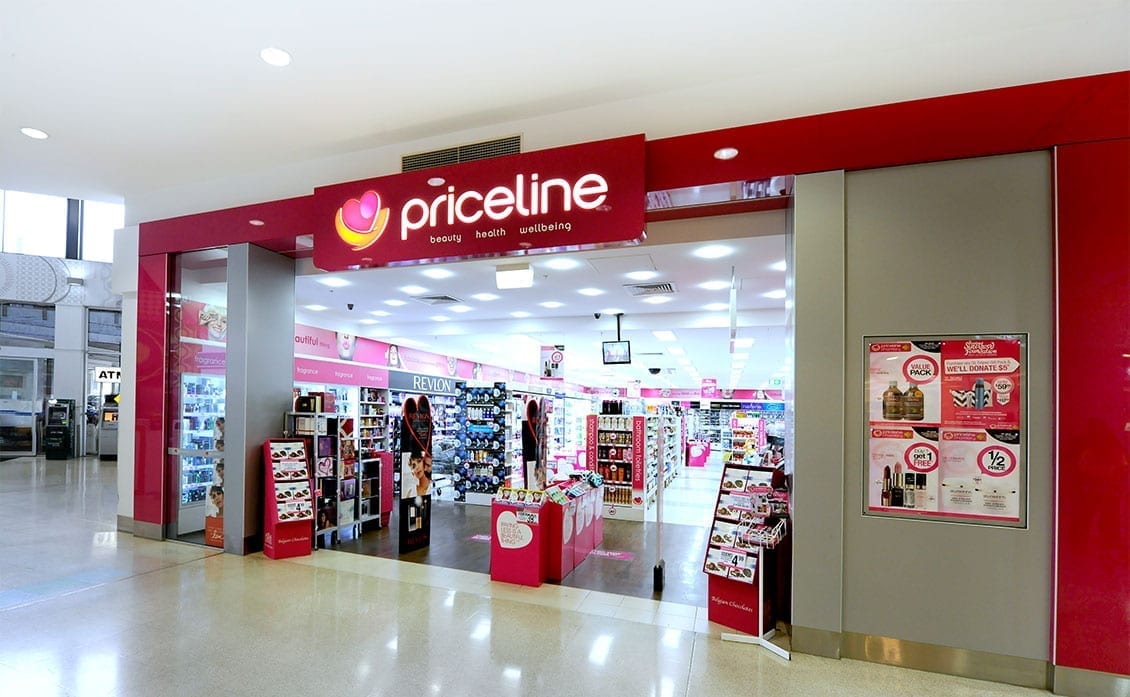
    Priceline owner Australian Pharmaceutical Industries’ half-year net profit has fallen by 14.4 per cent to $24.9 million on lacklustre retail sales from its retail pharmacy network.

    Underlying net profit after tax, excluding $1.8 million of restructuring and strategic growth costs, was down 8 per cent on the prior corresponding period to $26.8 million, slightly ahead of API’s January guidance.

    Underlying earnings before interest and tax (EBIT) declined by 8 per cent to $44.6 million in the six months to February 28, constrained by a .3 per cent decline in top line revenue to $2.009 billion.

    The company said that a continuation of difficult trading conditions in the health and beauty market hampered its Priceline network, which booked a 1.7 per cent decline in comparable store sales and a .3 per cent decline in retail register sales.

    Sales growth in dispensary and OTC health products offset declines in discretionary beauty products, with total network sales, which include dispensary, up 2.1 per cent.

    “We have refined our tactical sales activity, which is now more targeted and responsive to changes in the increasingly competitive market,” API chief executive and managing director Richard Vincent said.

    “Despite the combination of consumer sentiment being challenging for the foreseeable future and increased competition, the strength of our combined marketing assets, particularly our Sister Club loyalty program, continues to be the primary source of sales growth.”

    Vincent said he anticipates a continuation in difficult trading conditions in the second half, but that Priceline will focus on cost out opportunities to improve earnings for the full-year.

    API expects its underlying FY18 result to be marginally higher than FY17, providing trading conditions do not deteriorate further.

    There were 466 stores trading in the Priceline network at the end of the half-year, an increase of 16 during the half.

    Vincent said Priceline’s pipeline of potential pharmacy partners remains “robust” but maintained his view that “unrealistic rental demands” were putting a damper on store expansion.

    API’s pharmacy distribution network experienced stronger growth than Priceline, increasing underlying sales by 9.8 per cent on the prior corresponding period.

  • AirAsia Offers Big Discounts On Flight Tickets

    AirAsia Offers Big Discounts On Flight Tickets

    AirAsia is offering up to 60 per cent discount on base fares of all international flight tickets under a promotional sale offer. An additional discount of up to 20 per cent is available on picking a seat during the flight booking. Bookings for the AirAsia’s discount offer are open till April 22, 2018, according to the AirAsia India’s website-airasia.com. The travel period of AirAsia India’s offer ends on October 31. However, for premium flatbed flights, the carrier is offering only 20 per cent discount on fares.

    Steps to avail AirAsia’s discount offer, according to its website:

    1. In order to avail the offer, pick preferred flight departure and arrival

    2. Select the dates stated in the promo travel period

    3. Choose the preferred flight

    4. Enjoy flat 60 per cent off base fare or 20 per cent on premium flatbed

    5. Pick a seat and enjoy additional 20 per cent discount (This is not applicable for premium flatbed flights)

    Terms and conditions of AirAsia’s discount offer, according to its website1. Advance booking is required in order to avail this discount offer.

    2. Fares are not available during peak period, mentioned the airline on the official website.

    3. The discounted tickets are available only on selected fare classes.

    4. The promotion is applicable for base fares only and shall not include ‘value pack and ‘premium flex’ bundled category and DJ carrier code flights.

    In another offer, AirAsia India is offering up to 20 per cent discount on base fares of all domestic flight tickets.